
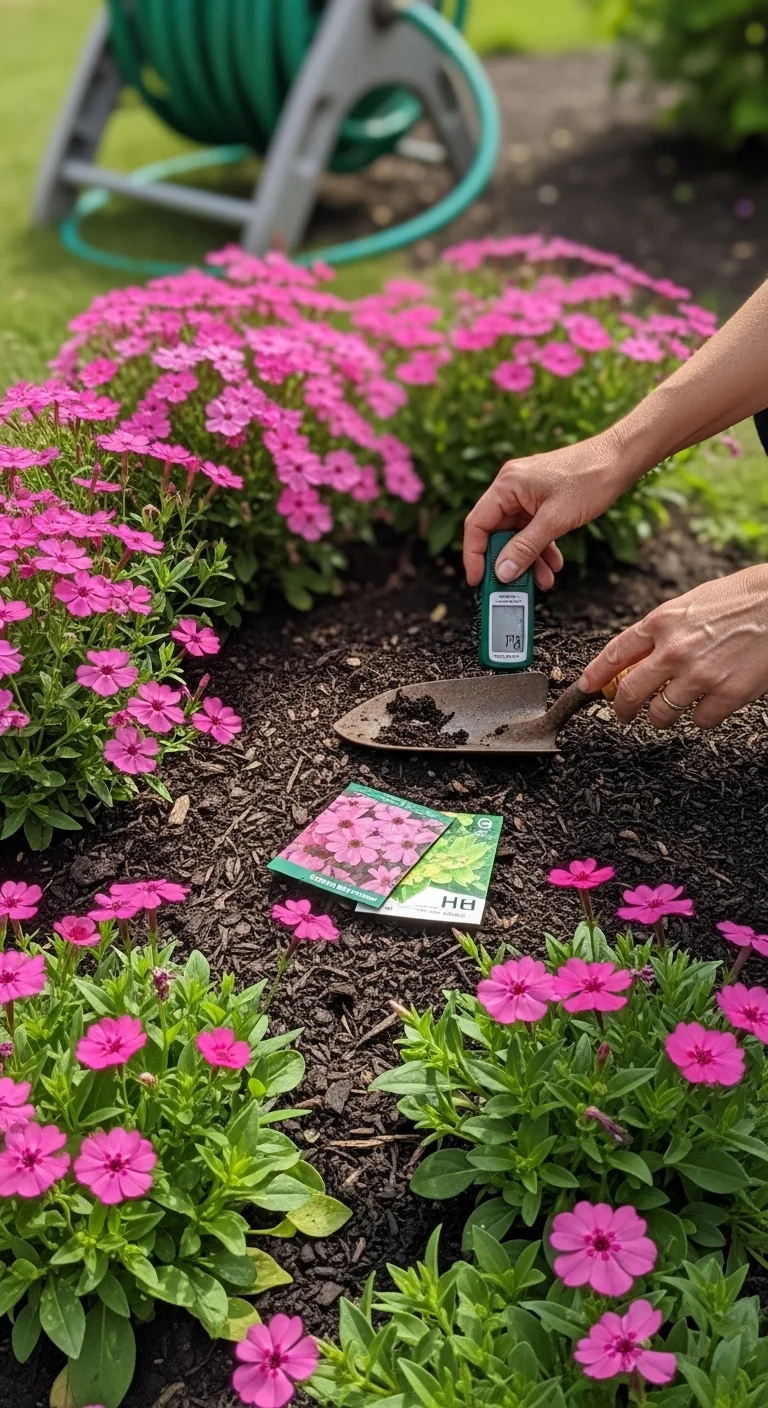
Standard pink flower lists emphasize color alone and ignore site specifics that drive performance. This grid instead aligns varieties directly to three measurable factors: daily direct sun hours, soil pH range, and post-planting care tolerance. The result is a shortlist of pink flowers that match your actual conditions rather than generic recommendations.
This covers 10 pink flower options suited to gardens in the US, UK, Canada, Australia, Germany, and Netherlands. It focuses on readily available annuals, perennials, and bulbs with consistent pink tones across typical temperate zones. It excludes tropical species, white-dominant varieties, or those requiring greenhouse-level control.
Readers finish with clear elimination rules and pairing options so they install pink flowers once and maintain color through the season without repeated replacements.
Match pink flowers to your measured sun hours, soil pH, and care tolerance for displays that perform reliably in place.
The Yield Grid Decision Grid
Branch 1: Full sun sites (6 or more hours direct sunlight daily) with well-drained soil in the pH range of 6.0 to 7.5. Recommended: Items 1, 4, and 6 below.
Branch 2: Partial shade locations (4 to 6 hours sunlight) with consistently moist soil in the pH range of 5.5 to 6.5. Recommended: Items 5, 8, and 9 below.
Branch 3: Low-intervention setups (watering less than weekly after establishment) across any soil type. Recommended: Items 2, 3, and 10 below. For additional full-sun planning options consult the full sun flowers guide.
Quick Comparison Table
| Option | Key mechanism | Best for | Decision Grid Branch | Effort Score |
|---|---|---|---|---|
| Pink Peonies | Tuberous roots store energy for large early-season blooms | Cool spring climates with winter chill hours | Branch 1 | 2 |
| Pink Roses | Repeat-blooming shrub structure with continuous bud set | Structured beds needing vertical color | Branch 3 | 4 |
| Pink Tulips | Spring bulb storage that pushes foliage and flower in one cycle | Formal borders with defined seasonal display | Branch 3 | 1 |
| Pink Dahlias | Tuber-driven summer extension with pinchable stems | Cut-flower production in warm months | Branch 1 | 3 |
| Pink Hydrangeas | pH-sensitive bloom color locked by soil chemistry | Shaded foundation plantings | Branch 2 | 2 |
| Pink Zinnias | Heat-tolerant annual seed-to-bloom cycle under 60 days | Quick-fill summer gaps | Branch 1 | 2 |
| Pink Cosmos | Self-seeding airy habit that fills mid-season voids | Wildflower-style meadows | Branch 1 | 1 |
| Pink Snapdragons | Spike-forming upright growth tolerant of light frost | Early and late cool-season color | Branch 2 | 3 |
| Pink Sweet Peas | Vining tendrils that climb supports for vertical reach | Cottage-style trellises in cooler zones | Branch 2 | 2 |
| Pink Clematis | Twining vine with large individual flowers on established wood | Vertical accents on fences or arbors | Branch 3 | 2 |
1. Pink Peonies
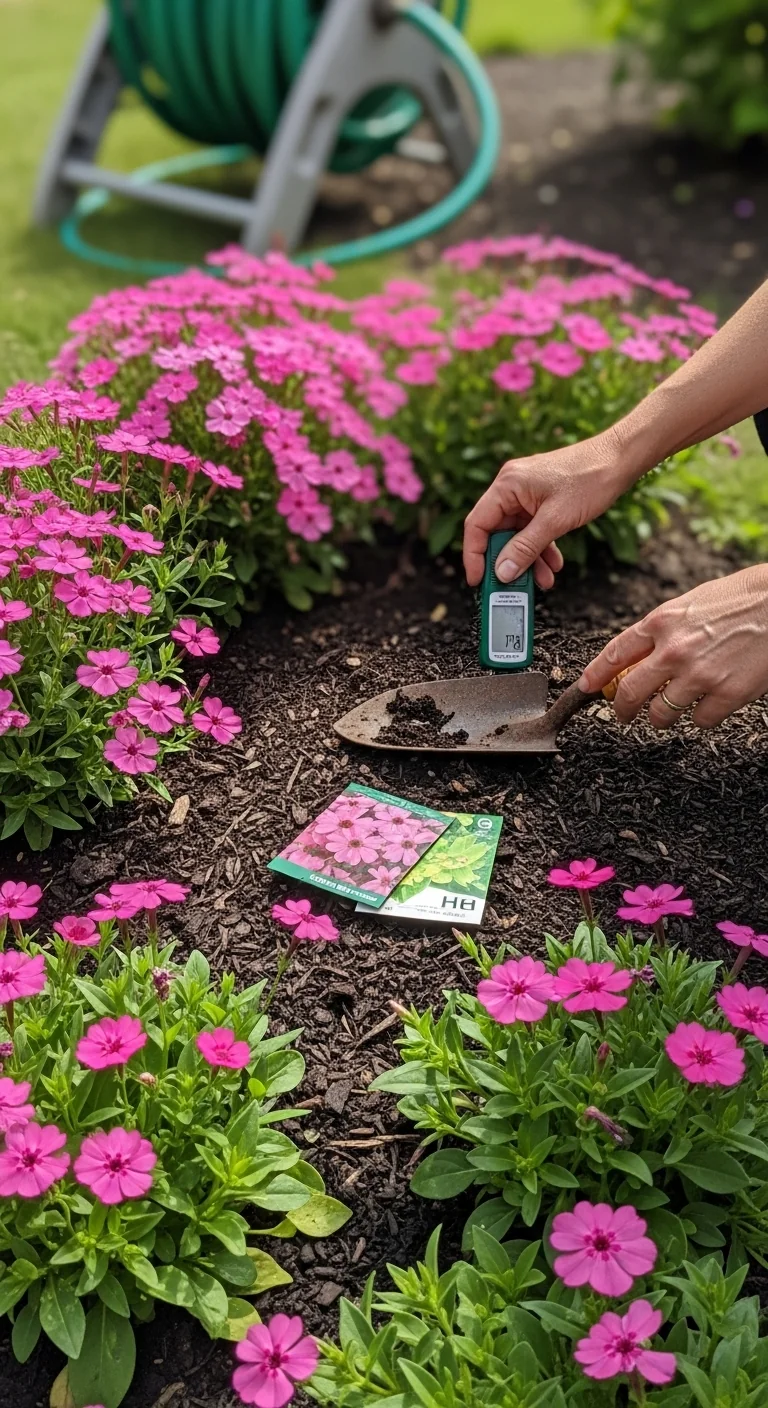
Best for: Branch 1
Blueprint for success starts with site selection. Pink peonies require full sun and winter chill hours between 400 and 1000 to set buds. Plant tubers 2 inches deep in loosened soil amended with compost but no fresh manure. Space 3 feet apart to allow air circulation around crowns. Water deeply at planting then reduce to once weekly once established. The key edge case occurs in southern zones where insufficient chill leads to leafy growth without flowers. Avoid this by sourcing varieties labeled for your hardiness zone. Deadhead spent blooms at the base of the stem to redirect energy to next year’s eyes. Divide clumps only every 8 to 10 years when flowering declines. This approach delivers reliable large pink blooms each spring with almost no annual input after year one.
Peony cultivation details confirm the same site requirements across tested cultivars.
2. Pink Roses
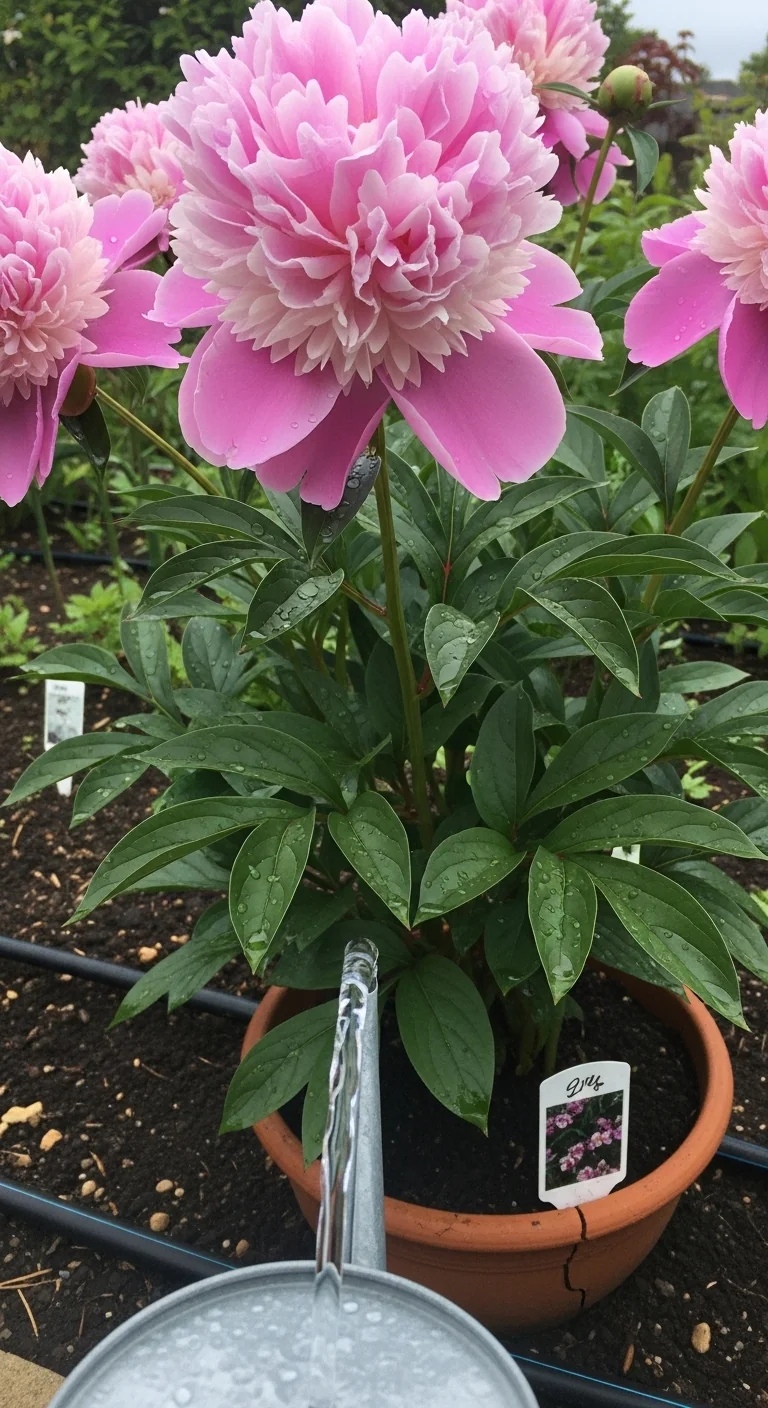
Best for: Branch 3
Use versus skip: plant pink roses when you want repeat color through summer and fall. Skip if your site has poor air flow or heavy shade. They tolerate varied soils once established but need full sun for strong cane production. Edge case: black spot pressure spikes in humid regions without morning sun to dry foliage.
Roses page outlines pruning windows that keep plants compact.
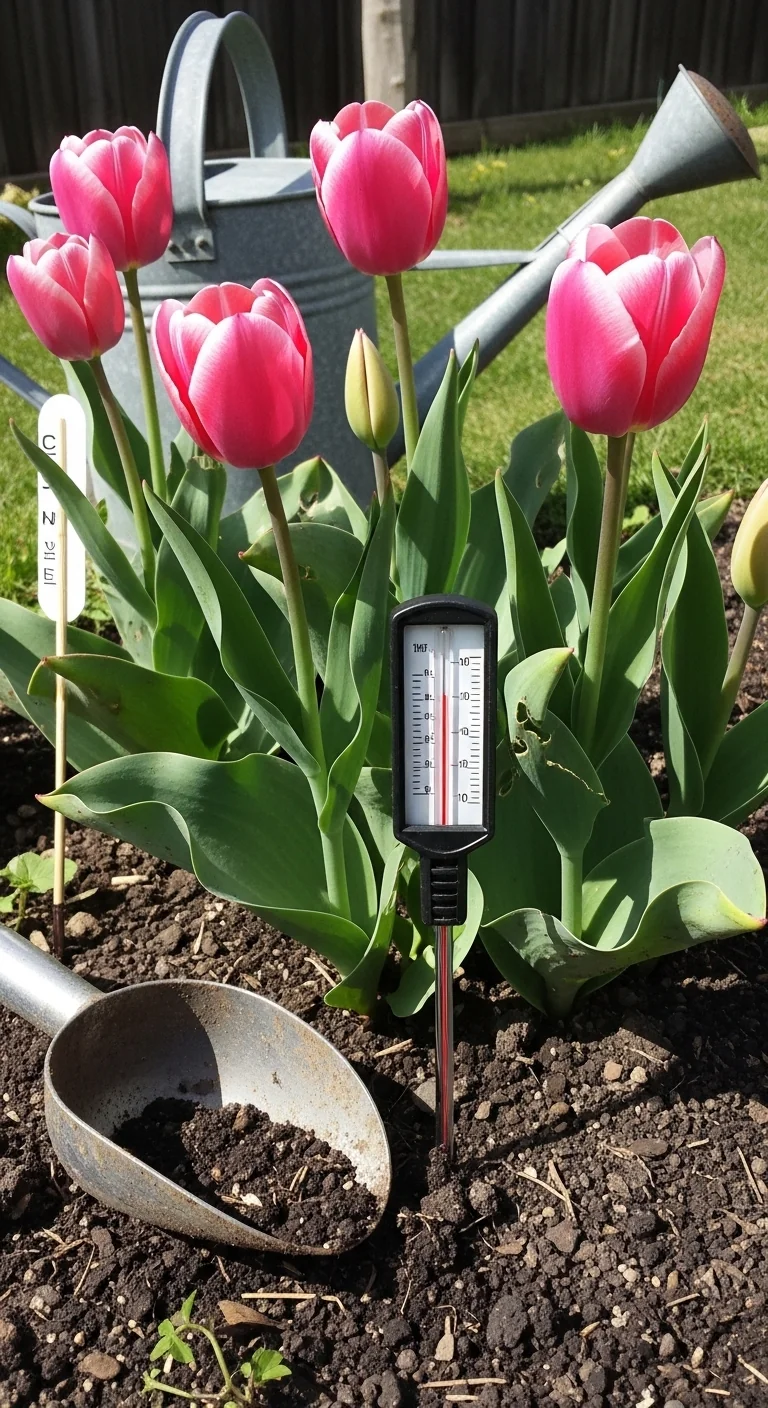
3. Pink Tulips
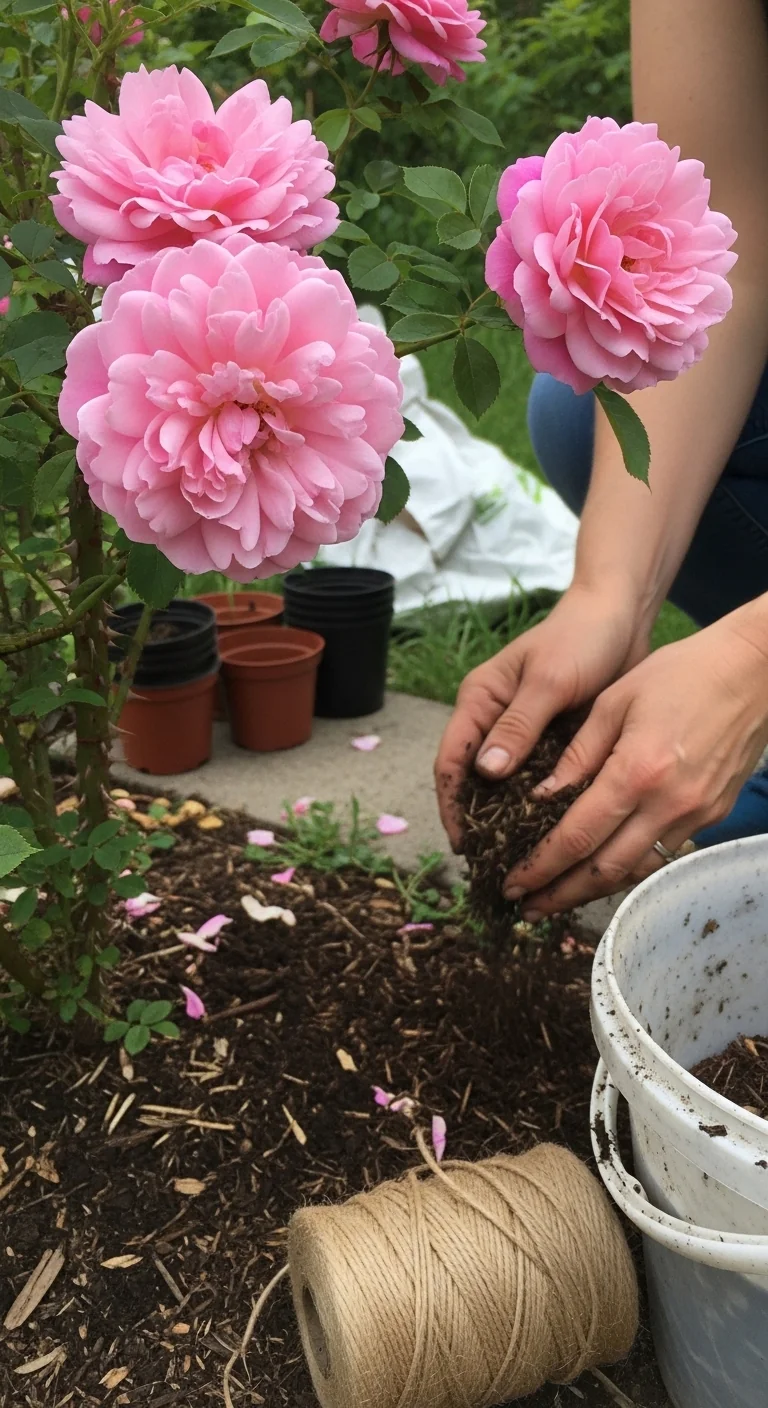
Best for: Branch 3
Threshold rule: plant pink tulip bulbs when soil temperature drops below 60 degrees Fahrenheit in autumn. They need 12 to 16 weeks of cold for proper bloom. Space 4 inches apart and 6 inches deep in well-drained beds. After flowering let foliage yellow completely before removal to feed the bulb for next season. In warmer regions lift and store bulbs after foliage dies to simulate the required chill period. This keeps color consistent without annual repurchase.
Tulips guide details exact planting depths by zone.
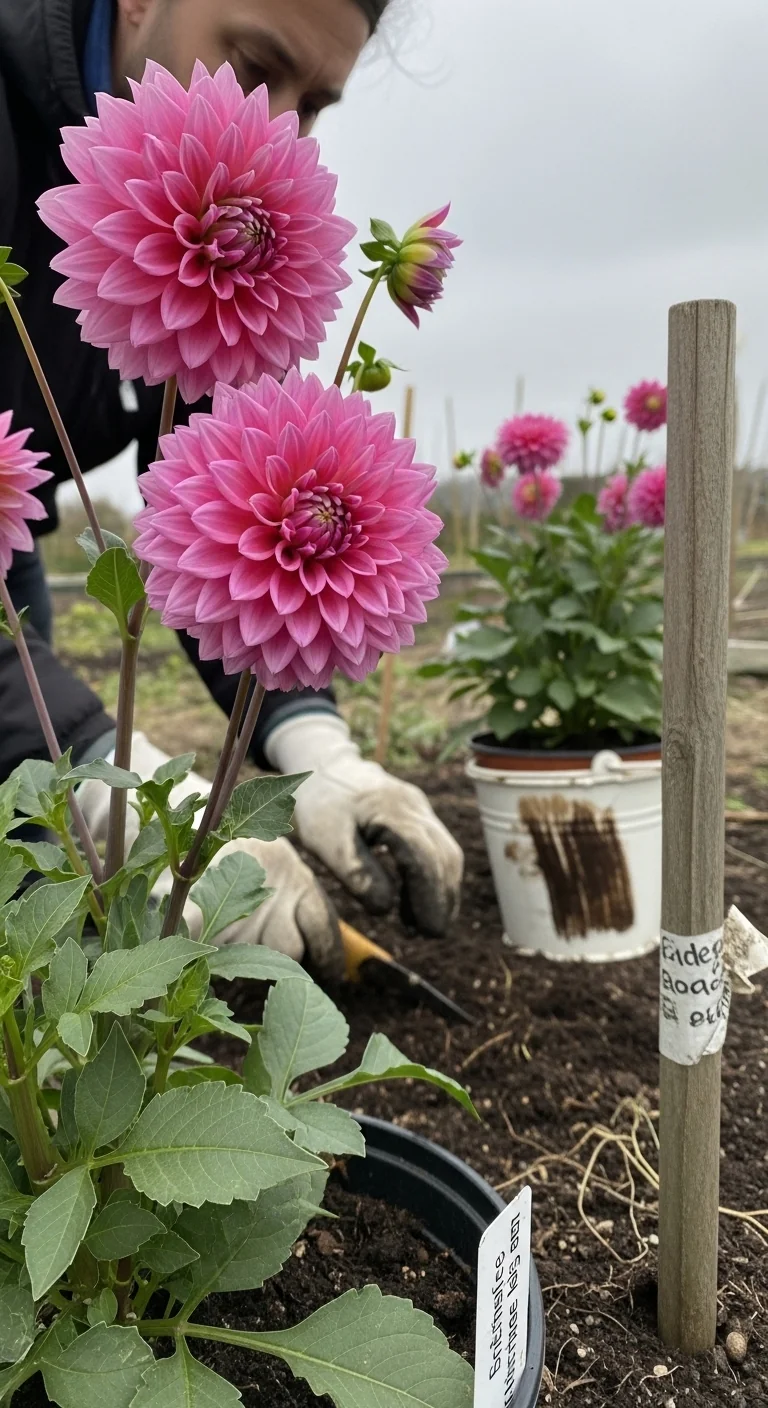
4. Pink Dahlias
Best for: Branch 1
Blueprint begins with tuber storage over winter in cool dry conditions. Plant pink dahlias after last frost when soil reaches 60 degrees Fahrenheit. Set tubers 6 inches deep with eyes facing up and space 18 to 24 inches apart depending on variety height. Pinch main stem at 12 inches tall to encourage branching and more blooms. Water at soil level to keep foliage dry. Key constraint: tubers rot in waterlogged soil so raised beds solve this in heavy clay areas. Lift and divide tubers in autumn for storage or leave in ground in mild winter zones. This workflow extends pink color from midsummer into fall with one mid-season pinch.
Dahlias cultivation covers the full cycle.
5. Pink Hydrangeas
Best for: Branch 2
Plant pink hydrangeas where morning sun and afternoon shade keep blooms from wilting. Soil pH above 6.0 locks the pink tone by limiting aluminum uptake. Mulch with compost to retain moisture without waterlogging. Prune only spent flower heads in late winter to preserve next season’s buds on old wood. This combination delivers large pink mophead clusters with minimal yearly effort.
Hydrangeas page explains pH testing steps.
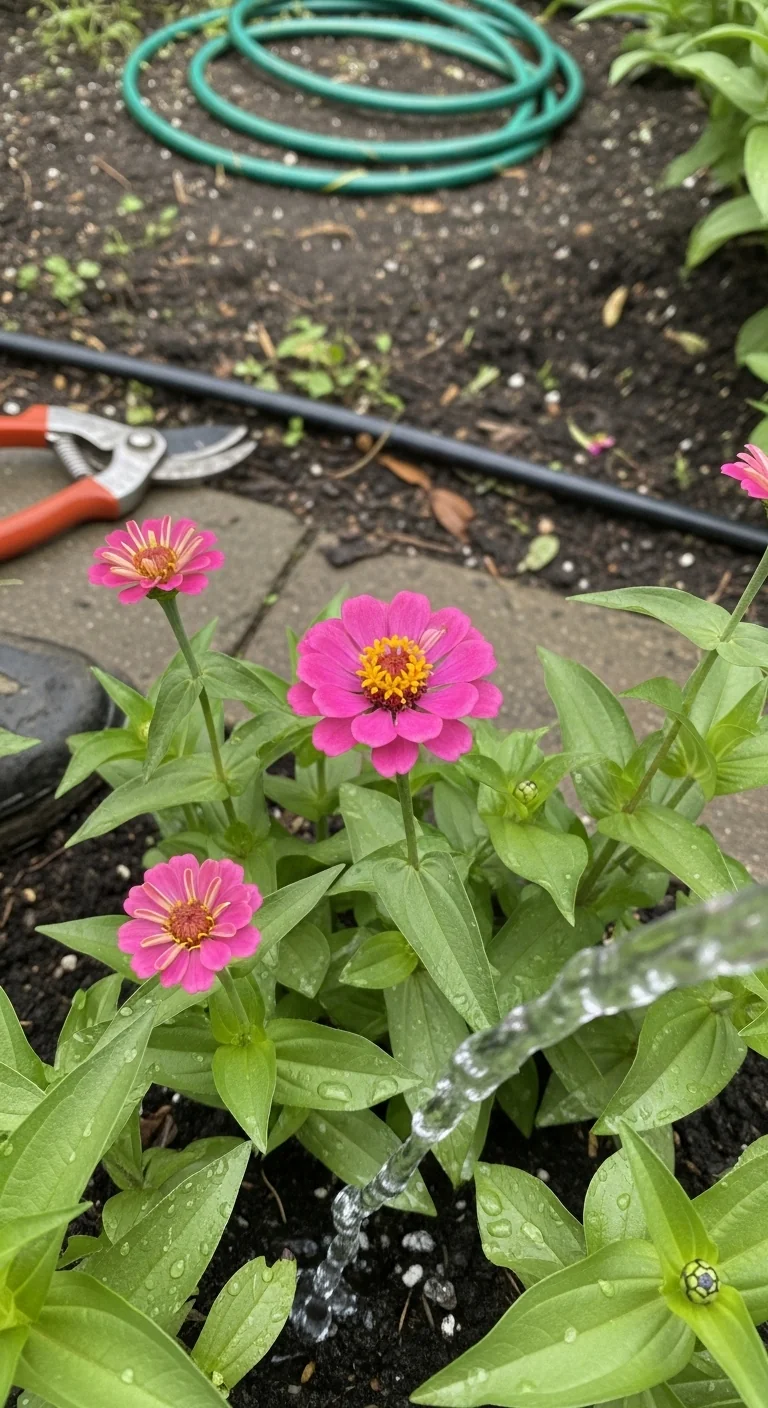
6. Pink Zinnias
Best for: Branch 1
Direct sow pink zinnia seed after soil warms to 70 degrees Fahrenheit or start indoors four weeks earlier. Space seedlings 12 inches apart in full sun. Deadhead weekly by cutting stems back to a leaf pair to trigger new buds. They tolerate heat and moderate drought once roots establish. Avoid overhead watering to reduce powdery mildew risk in humid summers. This produces nonstop color from early summer until frost with one consistent maintenance step.
Zinnias guide lists the exact spacing for air flow.
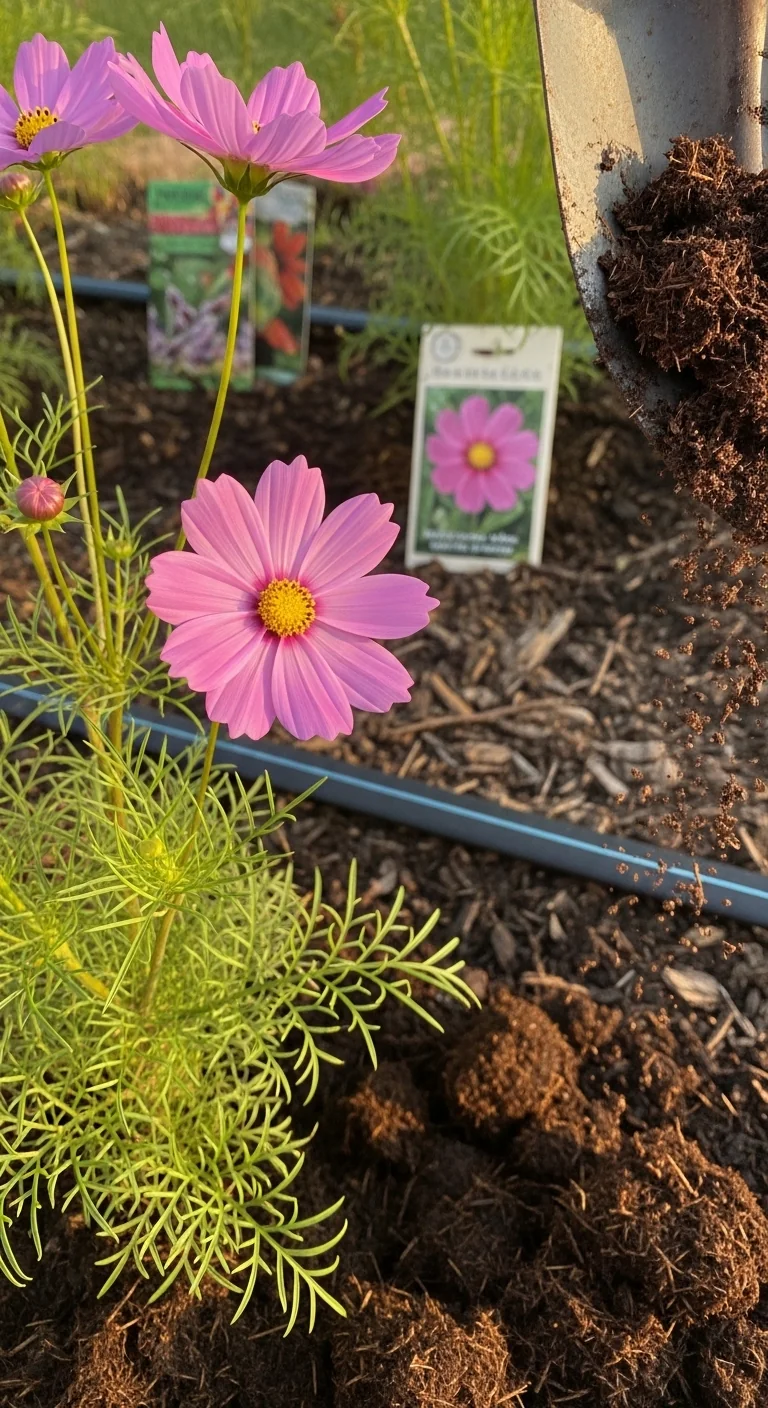
7. Pink Cosmos
Best for: Branch 1
Threshold rule: sow pink cosmos seed directly when soil reaches 65 degrees Fahrenheit. They self-thin to ideal spacing if broadcast lightly. Blooms appear in 60 days and continue until first hard frost. Cut stems for vases to stimulate more flowers. In windy sites provide light support with twiggy branches inserted at planting. Self-sown seedlings appear the following spring so thin to prevent overcrowding. This creates low-effort meadow fills with pink tones that return year after year from dropped seed.
8. Pink Snapdragons
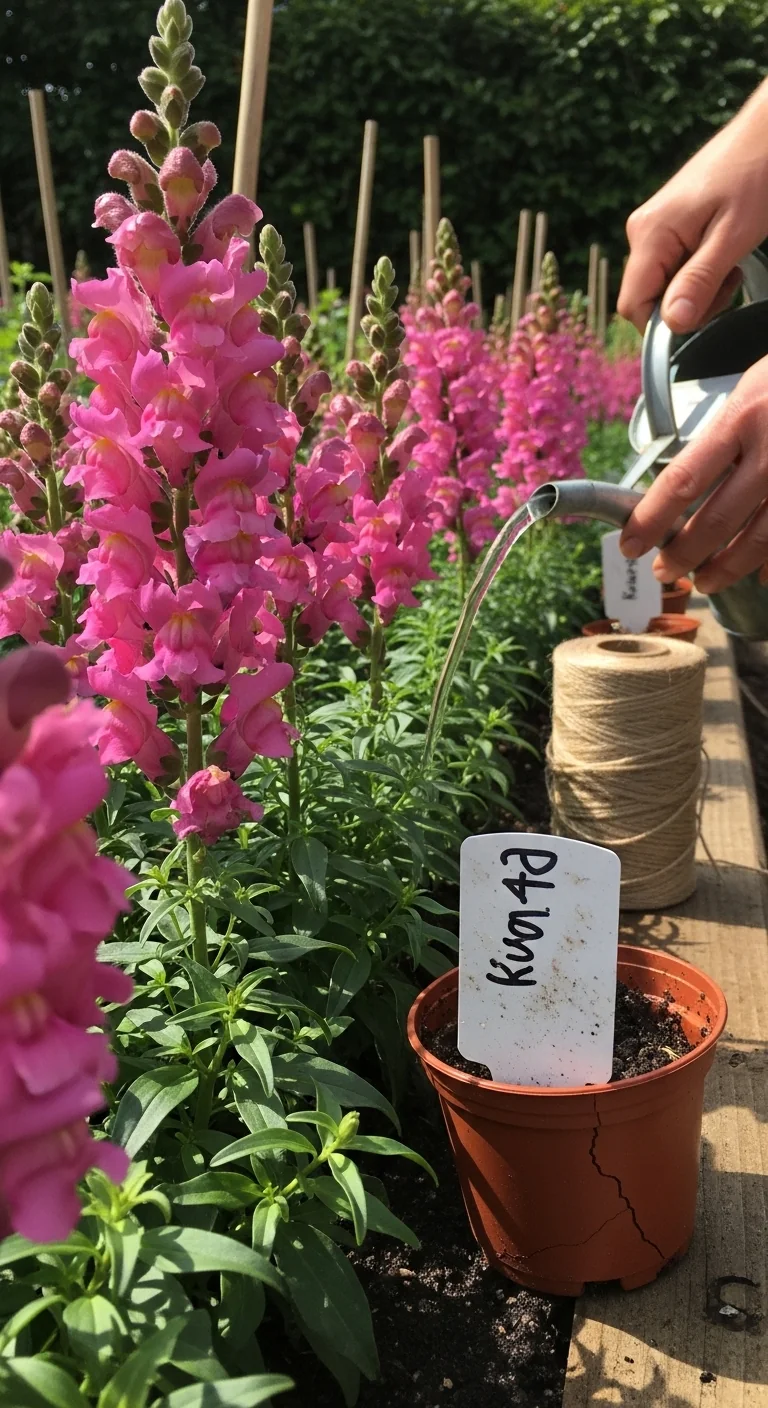
Best for: Branch 2
Start pink snapdragon seed indoors 8 weeks before last frost or buy transplants. Set in partial shade where soil stays evenly moist. Pinch tips at 6 inches to build bushy plants with more spikes. They tolerate light frost so extend season at both ends. Remove spent spikes at the base to keep new buds forming. This supplies vertical pink color in cooler shoulder months when other annuals stall.
9. Pink Sweet Peas
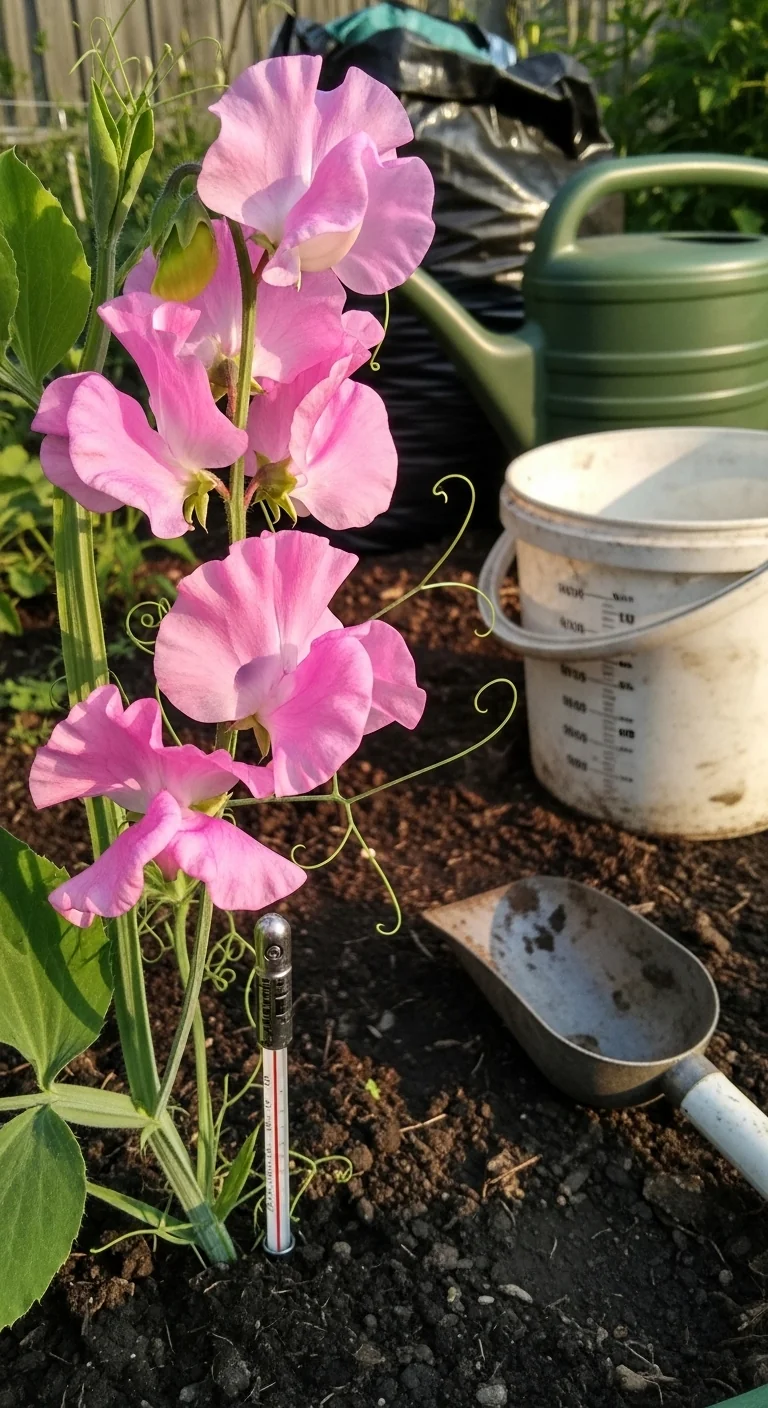
Best for: Branch 2
Sow pink sweet pea seed in autumn or very early spring in cool soil. Provide trellis or netting for climbing. They prefer partial shade in warmer regions to prevent heat stress. Harvest blooms daily to prolong flowering. Soak seed 24 hours before planting to speed germination. This classic cottage element delivers fragrant pink clusters on vertical supports with one seasonal sowing.
10. Pink Clematis
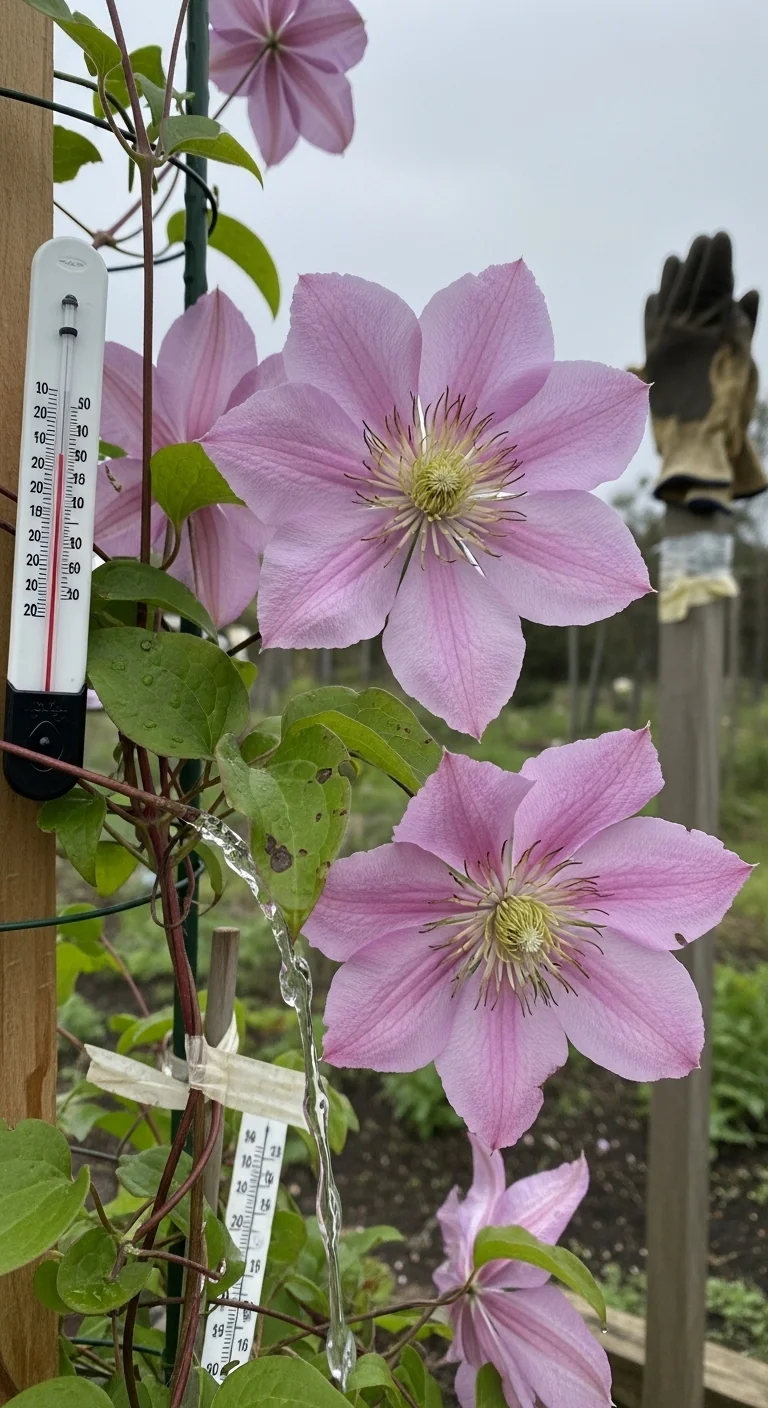
Best for: Branch 3
Plant pink clematis with roots in shade and top growth in sun or dappled light. Set crown 2 inches below soil line and provide sturdy support at planting. Mulch roots heavily to keep cool. Prune group 2 or 3 varieties in late winter according to bloom timing on old or new wood. This vine adds large pink flowers at eye level with almost no summer care beyond tying new shoots.
Starter Stack (What to Choose First)
For Branch 1 gardens
Start with pink peonies and pink zinnias. Peonies anchor the early season while zinnias fill midsummer gaps. Planting time 3 to 5 hours total, cost range $25 to $60 for two established plants or seed packets.
For Branch 2 gardens
Start with pink hydrangeas and pink snapdragons. Hydrangeas provide structure and snapdragons extend color into cooler months. Planting time 2 to 4 hours, cost range $30 to $70 for one shrub and six transplants.
For Branch 3 gardens
Start with pink roses and pink clematis. Roses give repeat ground-level color and clematis supplies vertical interest. Planting time 4 to 6 hours, cost range $40 to $90 for one shrub and one vine.
When This Won’t Work
Pink flowers fail when daily sun drops below 4 hours or when soil stays saturated longer than 48 hours after rain. In both cases root rot or weak stems appear within weeks. Heavy clay without raised beds or amendments creates the same drainage issue across branches. Switch to dedicated shade selections in low-light spots instead of forcing sun lovers.
Shade flowers guide lists reliable alternatives with matching pink tones.
Choosing the Right Option for Your Situation
Budget threshold
Under $50 total spend favors seed packets of pink zinnias or cosmos over established shrubs. Above $50 allows one pink hydrangea or peony for longer-term structure.
Time threshold
Under 2 hours monthly maintenance favors pink tulips or cosmos. Over 4 hours monthly allows pink roses or dahlias with regular deadheading.
Technical constraint: soil pH
Test soil first. Values below 5.5 lock hydrangeas blue and limit peony vigor. Amend with lime to reach 6.0 or higher for reliable pink tones.
Yes/No checklist
Does your site meet the branch sun and pH numbers?
Can you commit to the listed effort score?
Will the flower height fit your bed depth?
Is the bloom window aligned with your peak garden use?
Expert Q&A
How does soil pH lock pink color in hydrangeas but not affect other listed flowers?
Hydrangeas rely on aluminum availability controlled by pH above 6.0 to produce pink pigments. Other pink flowers here use different pigment pathways unaffected by minor pH shifts within 5.5 to 7.5 so color stays stable without testing or amendment.
What companion plants avoid competition with pink sweet peas on trellises?
Pair with low-growing pink zinnias or cosmos at the base. These stay under 3 feet and fill soil space without shading the vines or robbing nitrogen during the cool-season growth window.
Why do pink dahlias need pinching while pink peonies do not?
Dahlias produce multiple stems from one tuber and pinching redirects energy into side branches for more blooms. Peonies form buds on established crowns so pinching would remove next year’s flowers.
Can pink cosmos self-seed reliably in all listed countries?
Yes in zones with mild winters and spring soil above 65 degrees Fahrenheit. In colder areas collect and resow seed each spring to maintain the pink population without gaps.
What timing window maximizes cut-flower yield from pink snapdragons?
Harvest when the bottom third of the spike shows color but top buds remain closed. This occurs 50 to 60 days after transplant and repeats every 10 to 14 days with consistent deadheading.
Conclusion
The decision grid removes guesswork by tying pink flower choice to your measured sun hours, soil pH, and care tolerance. The single biggest mistake remains planting without confirming those three numbers first. Follow the branch recommendations and starter stacks to install once and maintain color reliably.
Next step: review your site measurements against the grid then select the two items from your branch for immediate planting. For long-term perennial planning consult the perennial flowers overview.