
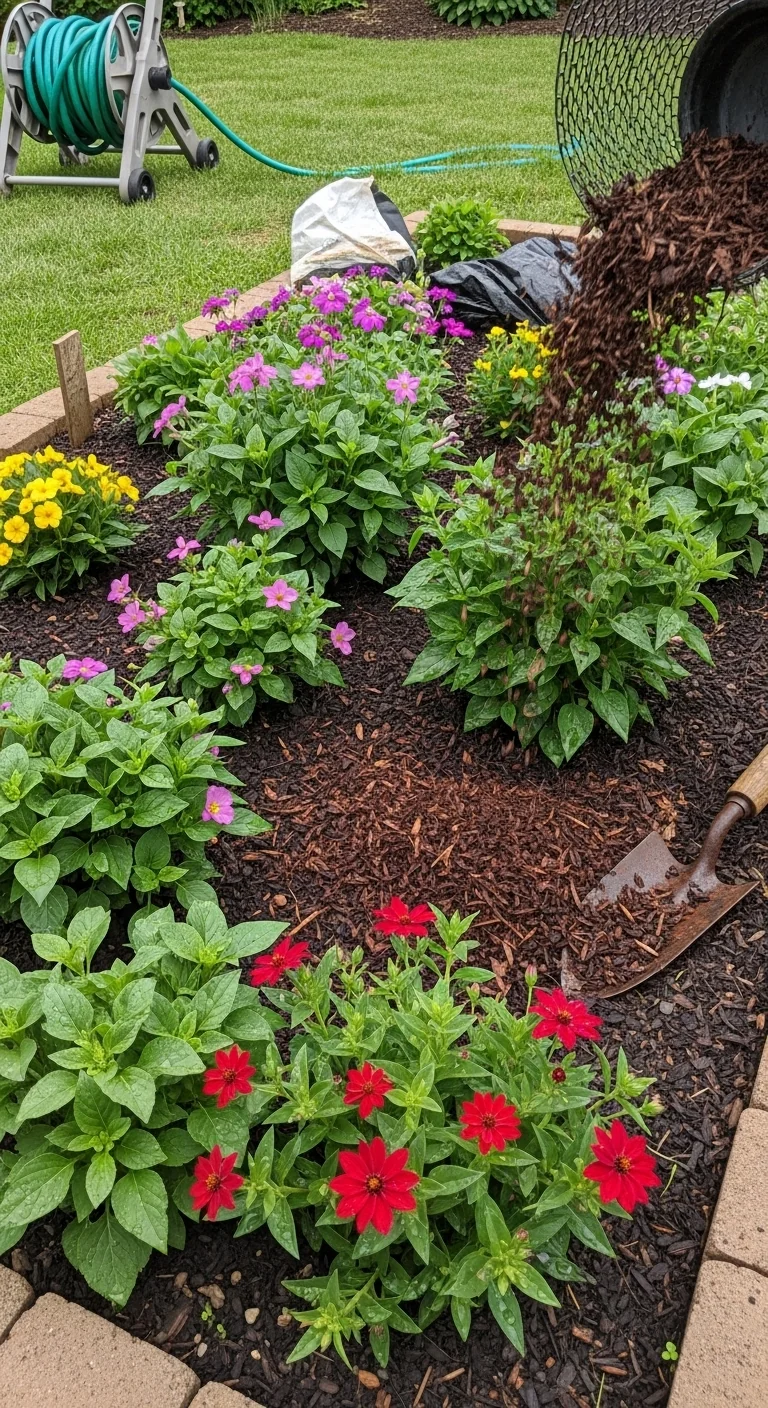
The real difference with shade flowers comes down to measurable site conditions rather than broad tolerance labels. Most options fail because their bloom triggers or root needs do not align with your yard’s actual daily sun hours and soil drainage. This grid fixes that by grouping plants according to three defined light and moisture profiles common in home gardens.
The guide covers nine flowering plants suited to USDA zones 4 through 9, the range typical across the US, UK, Canada and Australia. It focuses exclusively on true blooming species for ornamental beds and excludes foliage-only plants or full-sun specialists. Each entry supplies one unique detail such as an edge-case tolerance or timing window that affects real-world performance.
Apply the grid first, then move to the comparison table and starter recommendations. You will gain the ability to select two starter plants per branch, combine them without overlap failures, and adjust bed layouts before purchase.
Measure daily direct sun hours and press your finger into the soil to check moisture feel before buying to eliminate wasted seasons on mismatched plants.
The Yield Grid Decision Grid
Branch 1: Deep shade areas receiving fewer than 2 hours of direct sun daily with consistent soil moisture. These spots sit under dense tree canopies or north-facing walls where indirect light dominates. Recommended: Items 1, 3 and 4 below.
Branch 2: Partial shade with 2 to 4 hours of morning sun and average drainage. These locations catch filtered eastern light before afternoon canopy cover. Recommended: Items 2, 5 and 8 below.
Branch 3: Filtered woodland light with good drainage and occasional dry spells. These edges receive dappled sun through deciduous trees and drier surface soil in summer. Recommended: Items 6, 7 and 9 below.
Combine your branch choice with broader planning from our perennial flowers guide.
Quick Comparison Table
| Option | Key mechanism | Best for | Decision Grid Branch | Effort Score |
|---|---|---|---|---|
| Hellebores | Cold-triggered winter blooms on evergreen base | Early season color in low light | 1 | 1 |
| Impatiens | Succulent stems that sustain nonstop bloom in humid shade | Quick color fill for summer beds | 2 | 4 |
| Astilbe | Feathery plumes produced from moisture-loving rhizomes | Mid-summer texture and height contrast | 1 | 2 |
| Bleeding Heart | Arching stems with heart-shaped flowers that emerge before tree canopy fills | Spring accent in heavy shade | 1 | 2 |
| Begonias | Tuberous roots that store energy for continuous bloom under canopy | Container or border filler in partial light | 2 | 3 |
| Foxglove | Biennial cycle with tall spikes that self-seed in filtered light | Vertical drama in woodland edges | 3 | 2 |
| Hydrangeas | Adjustable bloom color tied to soil pH and morning light | Large-scale summer structure | 3 | 3 |
| Columbine | Spurred flowers that attract hummingbirds in dappled morning sun | Native-style pollinator pockets | 2 | 2 |
| Primrose | Low rosettes that bloom in cool filtered light before summer heat | Ground-level spring carpet | 3 | 2 |
Hellebores
Best for: Branch 1
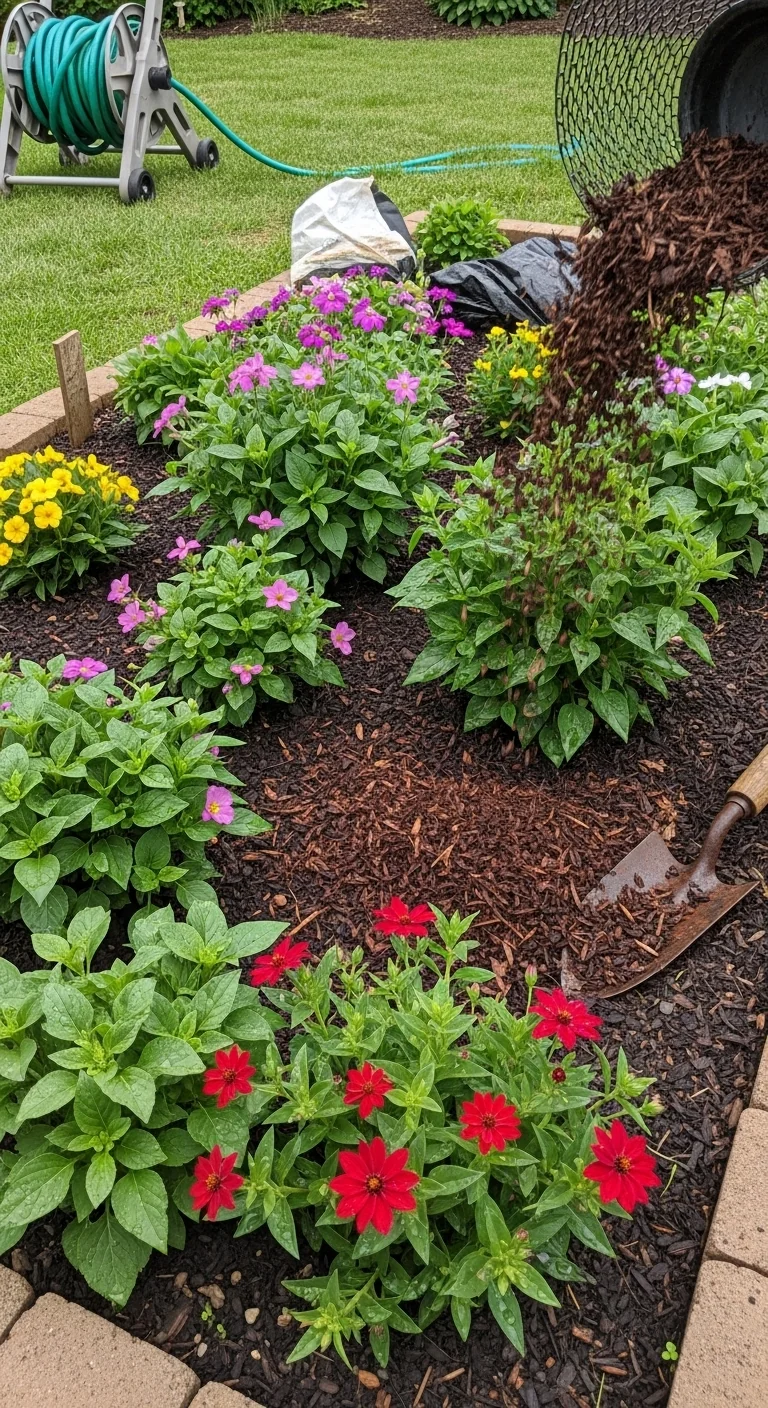
Hellebores deliver reliable early blooms in deep shade because their flowers push up before most deciduous trees leaf out. Plant them in fall or early spring in rich, well-drained soil amended with compost. Space plants 18 inches apart to allow clumps to expand over three seasons without crowding. One unique detail: they tolerate competition from shallow tree roots better than most perennials once established. The common mistake is setting them in heavy clay that stays waterlogged through winter; raise the planting area 2 inches if drainage feels poor after rain. For detailed hellebores care visit our hellebores guide. Expect blooms from late winter into mid-spring with foliage that stays attractive year round.
Impatiens
Best for: Branch 2
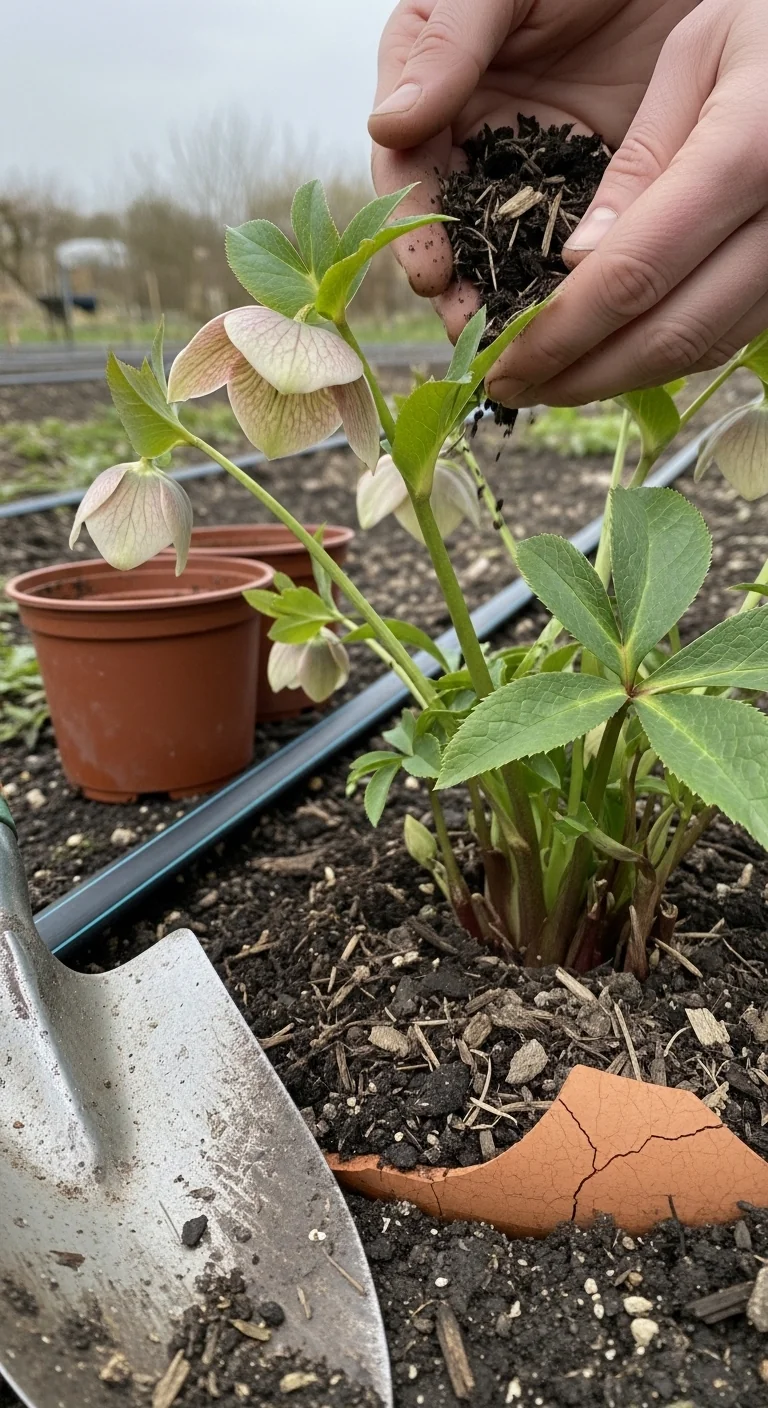
Use impatiens when you need fast summer color that fills gaps under light canopy cover. Skip them if your soil dries out quickly between rains or if the site sits under evergreens with zero air movement. Their succulent stems hold moisture well but collapse in extended dry spells. Pair with mulch to retain surface humidity and avoid overhead watering to reduce leaf issues. One edge case: they perform better in raised beds where air circulation improves.
Astilbe
Best for: Branch 1
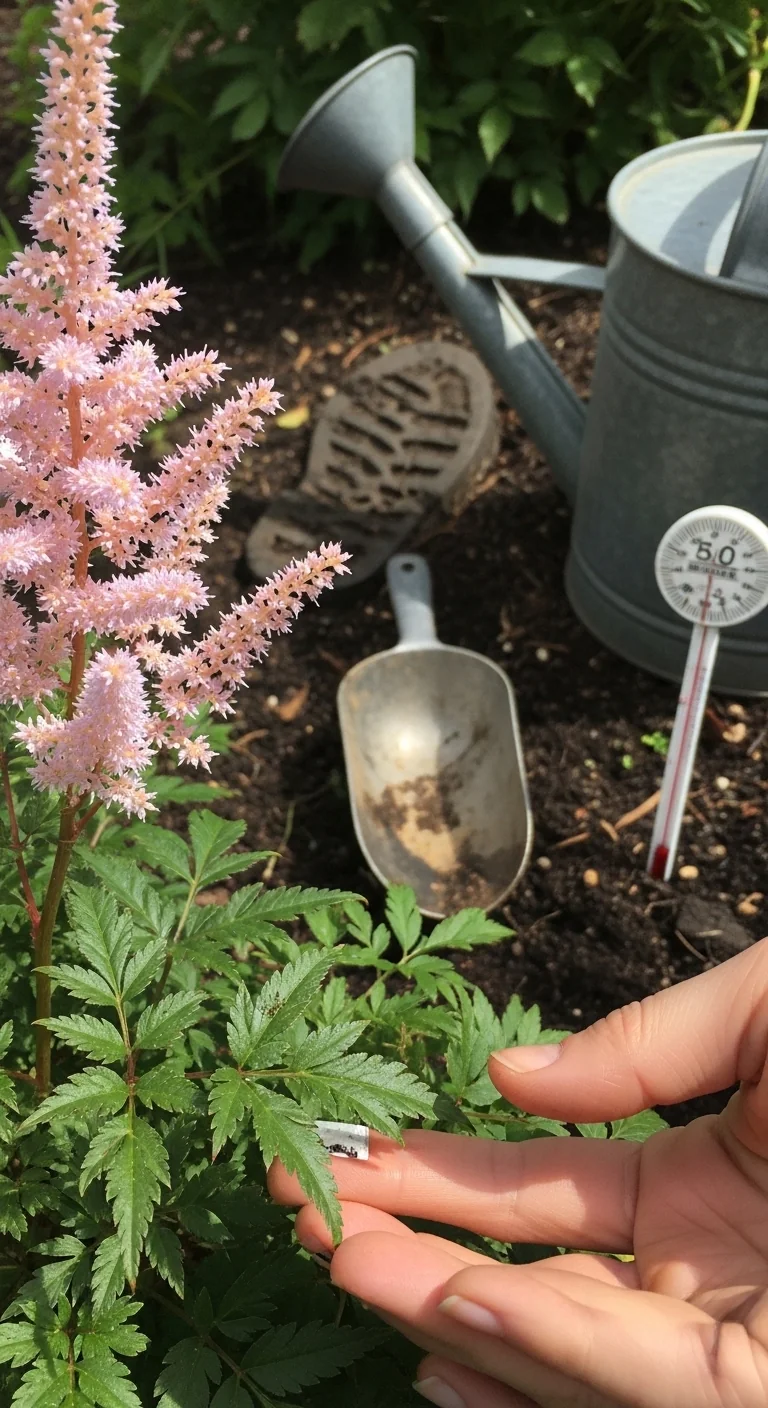
Astilbe produces feathery plumes only when soil stays evenly moist through the growing season. The threshold that matters is consistent moisture at 2 to 3 inches depth; test by pushing a finger into the bed weekly in June and July. If the soil feels dry at that level, water deeply once per week rather than daily sprinkles. One adjustment rule: divide clumps every fourth spring in zones 4 to 6 to keep flower size large. Pair astilbe with low-maintenance companions from our low-maintenance flowers guide for texture contrast without extra work.
Bleeding Heart
Best for: Branch 1
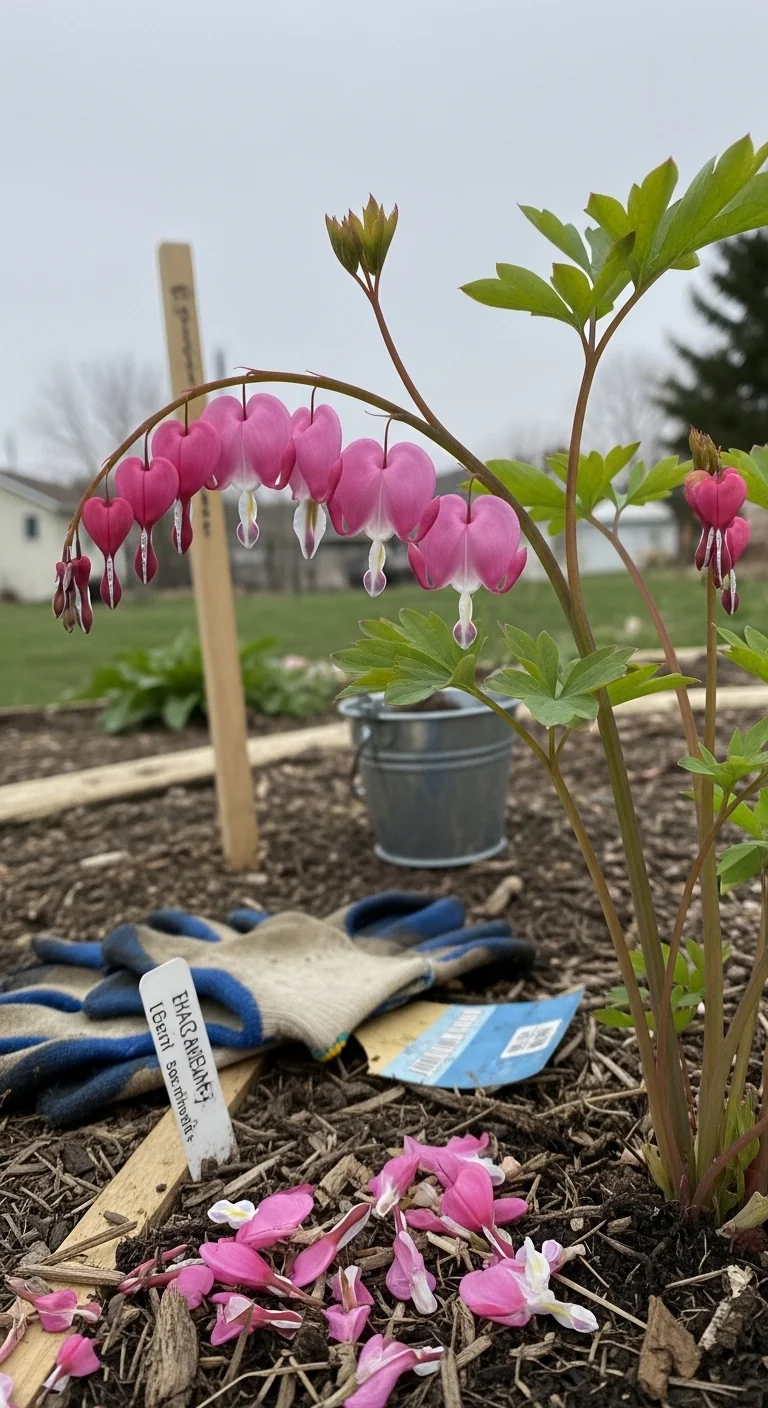
Bleeding heart follows a 10-minute workflow that keeps it tidy in deep shade. Step 1: plant bare-root or potted crowns 12 inches apart in amended soil in early spring. Step 2: cut faded stems to ground level after the first flush of flowers finishes. Step 3: apply 2 inches of organic mulch once the soil warms. Upgrade option: add a second flush by watering deeply if leaves yellow in midsummer heat. One unique detail: the plant goes dormant naturally by late summer, freeing space for later bulbs without competition. Bleeding heart ranks among the easiest perennials for heavy canopy areas once the initial planting is complete.
Begonias
Best for: Branch 2
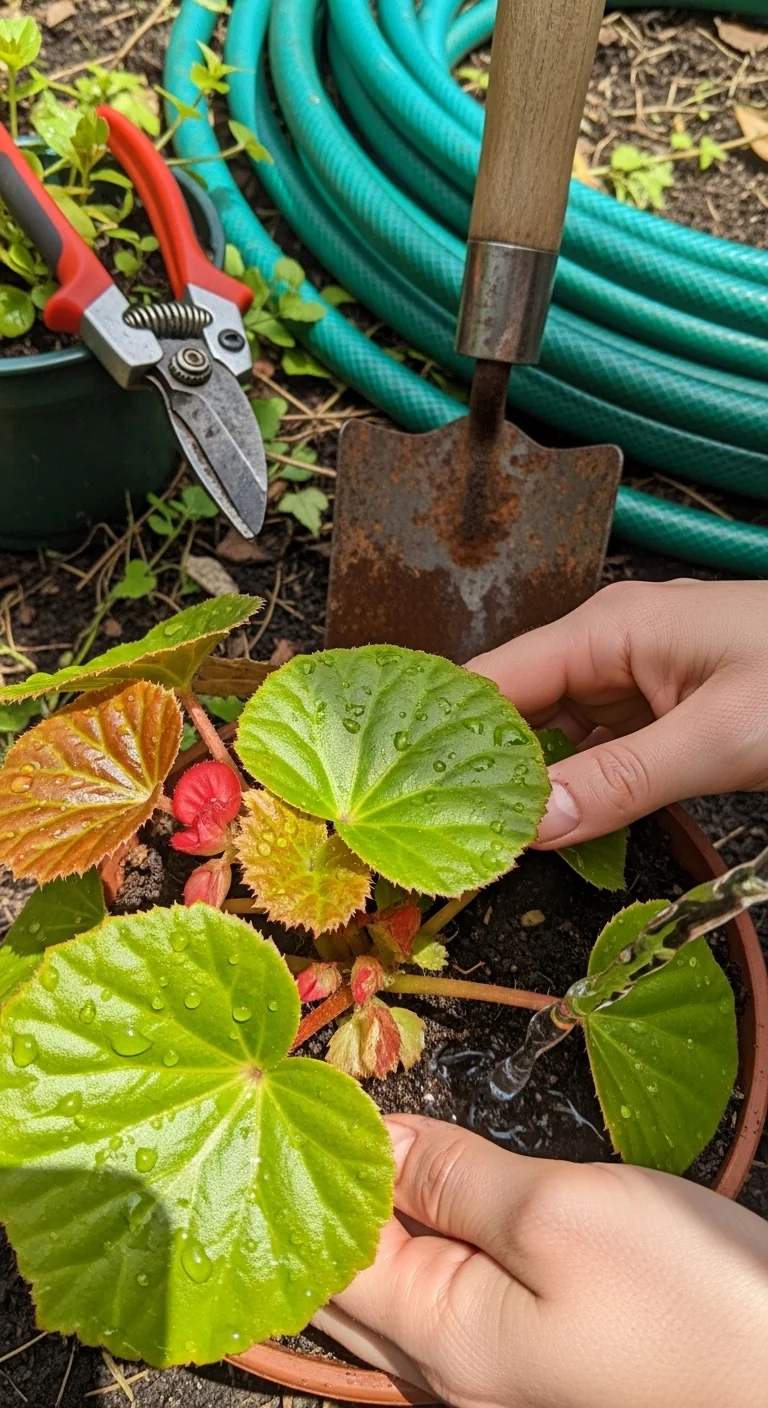
Begonias store energy in tubers that support continuous bloom when morning light reaches 2 to 4 hours. Plant tubers 2 inches deep after soil warms above 60 degrees Fahrenheit. Space 10 inches apart for border effect. One edge case: tuberous types store better over winter in cool, dry conditions than wax varieties. For shade container success see our container flowers guide.
Foxglove
Best for: Branch 3
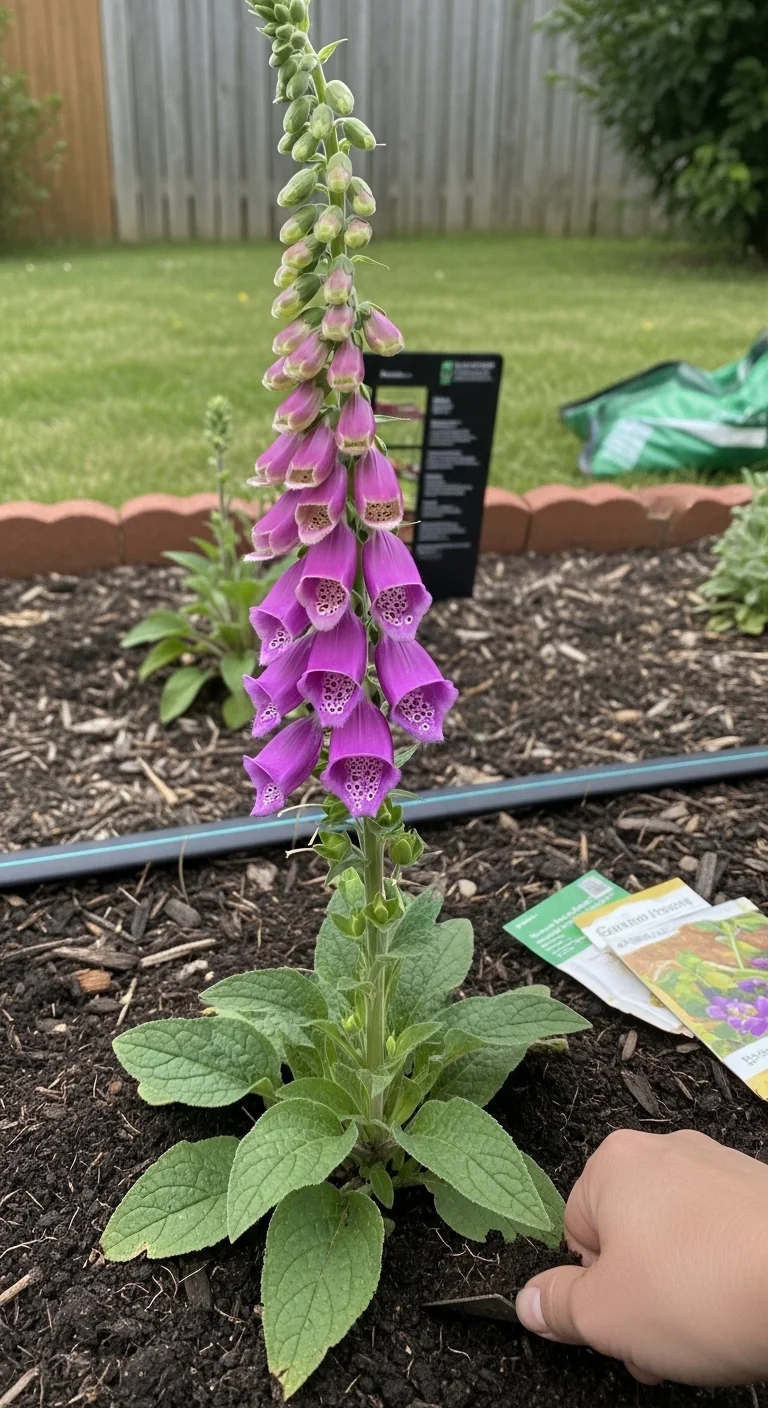
Use foxglove when you want tall vertical spikes that self-seed lightly in filtered woodland light. Skip it if your site has heavy clay that stays wet through winter because crowns rot easily. The pros include reliable second-year bloom from the first planting; the cons surface only in full shade where spikes stay short. One edge case: seedlings appear the following spring exactly where mulch is thinnest, so leave small bare patches for natural increase.
Hydrangeas
Best for: Branch 3
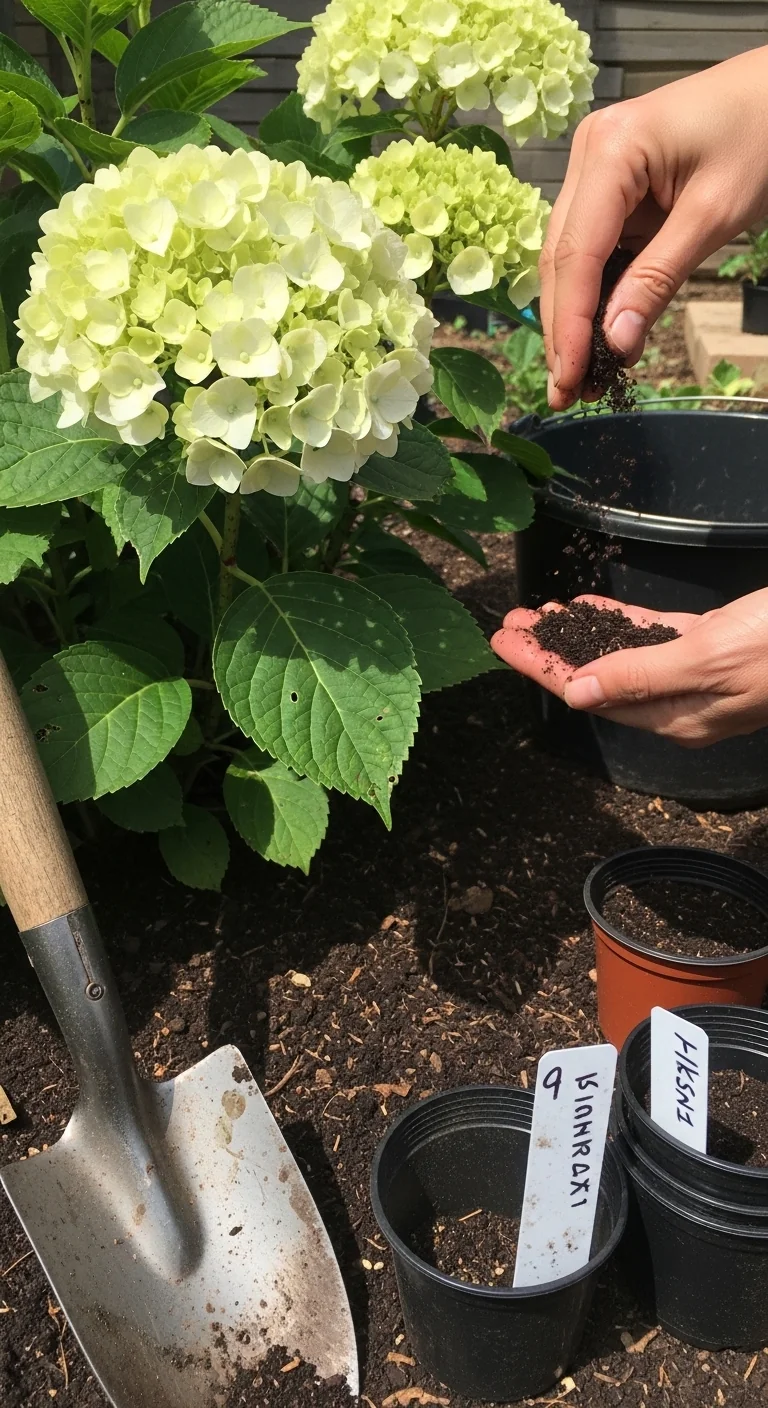
Hydrangeas adjust bloom color through soil pH in sites that receive filtered light and good drainage. Test soil pH in spring with a simple kit; values between 5.5 and 6.5 produce blue tones on certain varieties while 6.5 and above yield pink. Prune after flowering to maintain shape without removing next season’s buds. One unique detail: bigleaf types need winter protection in zone 5 and colder by mounding soil over crowns before the first hard freeze. For full details on varieties and timing visit our hydrangeas guide. They form the backbone of large shade structures when morning light supports strong stems.
Columbine
Best for: Branch 2
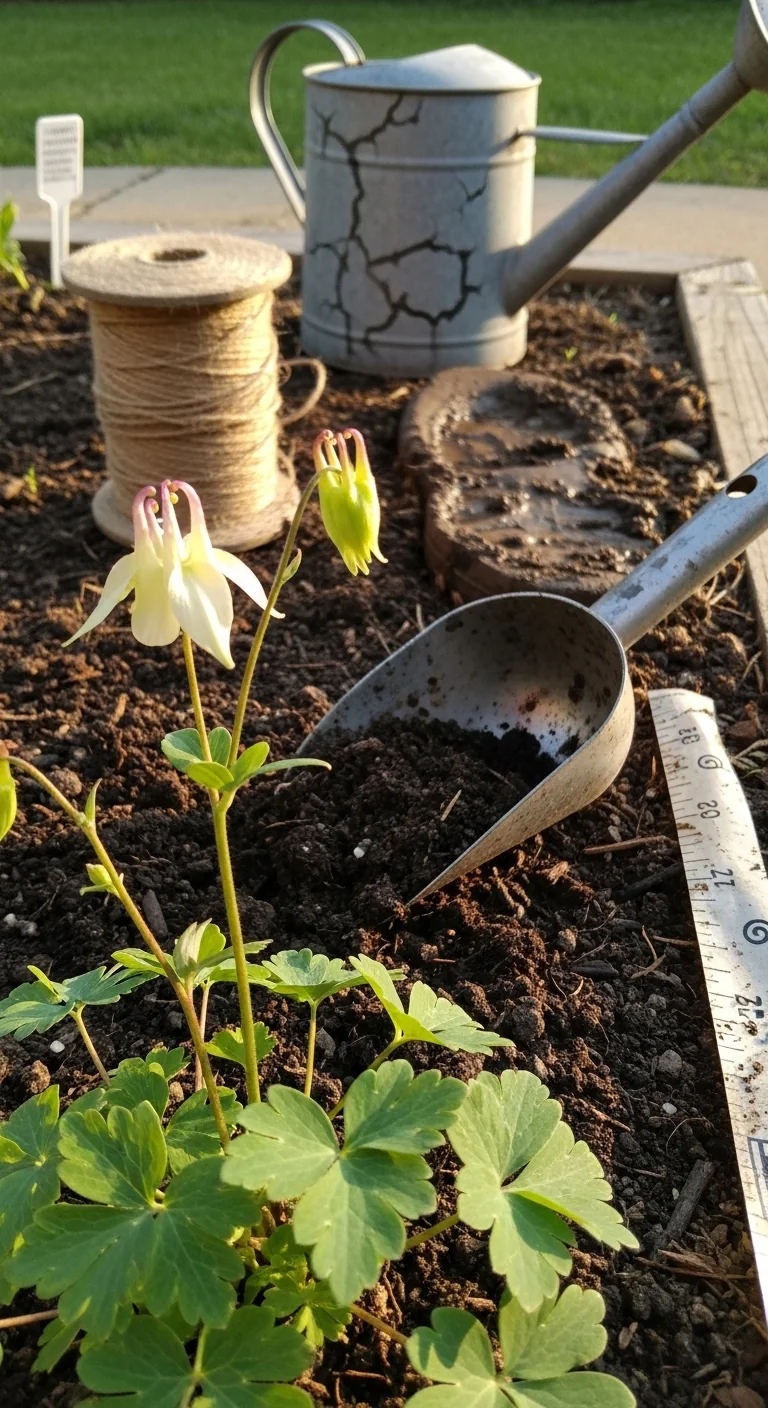
Columbine draws hummingbirds with spurred flowers when 2 to 4 hours of morning sun reach the bed. Plant seeds or small transplants in fall for earliest spring display. One threshold rule: keep soil pH above 6.0 to avoid leaf yellowing common in acidic woodland spots. Self-seeding occurs reliably but stays contained when you deadhead spent stalks before pods dry fully.
Primrose
Best for: Branch 3
Primrose forms low rosettes that bloom in cool filtered light before summer heat arrives. The threshold that matters is soil temperature below 70 degrees Fahrenheit at planting; set crowns in early spring or fall for best establishment. One adjustment: space plants 8 inches apart and top-dress with compost each spring to maintain rosette size. They carpet ground level effectively when combined with taller companions that leaf out later.
Starter Stack (What to Choose First)
For Deep Shade (Branch 1)
Start with hellebores and bleeding heart. These two provide sequential early color with no overlap in peak bloom and both tolerate root competition from trees. Planting time: 45 to 60 minutes for a 10-square-foot area. Initial cost range: 20 to 40 dollars for two established plants.
For Partial Shade (Branch 2)
Start with impatiens and begonias. They deliver nonstop summer color with matching moisture needs and fill gaps quickly without tall competition. Planting time: 30 to 45 minutes for a 10-square-foot area. Initial cost range: 15 to 35 dollars for two established plants or tubers.
For Filtered Woodland Light (Branch 3)
Start with foxglove and hydrangeas. They supply vertical structure and large-scale summer presence while sharing good drainage requirements. Planting time: 50 to 70 minutes for a 10-square-foot area. Initial cost range: 25 to 50 dollars for two established plants.
When This Won’t Work
Shade flowers fail when your site receives zero dappled light year round, such as under dense evergreen canopy that blocks all indirect sun. They also fail when soil stays soggy at 3 inches depth for more than 10 days after rain because crowns rot before roots establish. In either case switch to raised beds filled with 50 percent compost and 50 percent native soil to improve drainage and air flow. Measure light with a simple phone app or watch shadow patterns over two full days before planting to confirm the correct branch.
Choosing the Right Option for Your Situation
Budget Threshold Under 50 Dollars per 10 Square Feet
Select hellebores or bleeding heart from branch 1, or primrose from branch 3. These perennials spread over time so one or two plants cover the area after two seasons with minimal repeat purchase.
Time Threshold Under 2 Hours Total Setup
Choose astilbe or columbine. Both establish with one planting session and need only annual mulch refresh rather than weekly checks.
Technical Constraint: Clay Soil Present
Opt for foxglove or hydrangeas after raising the bed 3 inches and mixing in coarse sand. These tolerate amended heavy soil better than tuberous types that prefer faster drainage.
Yes if your measured sun hours match one branch and soil feels moist but not wet at 2 inches depth.
No if the site sits in complete darkness or full afternoon sun.
Yes if you can commit to one spring planting session.
No if deer browse every new shoot within 48 hours without protection.
Expert Q&A
How does daily light duration change bloom timing for shade flowers versus sun flowers?
Shade flowers trigger blooms based on cumulative indirect light and temperature rather than intense sun hours. For example hellebores bloom in late winter because their buds form the previous fall and open with the first warm spell even under canopy. Sun flowers rely on direct rays to reach peak size and color, so the same species in shade delays or skips flowering entirely.
Which shade flowers self-seed reliably enough to fill gaps without becoming weeds?
Foxglove and columbine self-seed at a controlled rate in filtered light when you leave a few stalks to mature. Seedlings appear the next spring exactly where mulch is thin. Primrose spreads more slowly by division rather than seed, making it easier to manage in small beds.
What soil temperature window matters most when planting shade flowers in spring?
Wait until soil at 3 inches depth stays above 55 degrees Fahrenheit for seven consecutive days. Below that threshold roots stay dormant and rot risk rises in cool wet conditions common under trees. Use a soil thermometer or wait until daffodils finish blooming as a natural cue.
How do morning versus afternoon light patterns affect hydrangea and astilbe performance?
Morning light supports stronger stems and larger flowers on both because afternoon heat under canopy increases transpiration stress. Astilbe especially needs the cooler part of the day for moisture retention while hydrangeas adjust color more predictably when pH stays stable in morning-dominant sites.
When should you divide established shade flower clumps to maintain flower size?
Divide astilbe and bleeding heart every fourth spring after bloom finishes. Lift the clump, separate outer sections with healthy roots, and replant immediately at the same depth. This resets vigor without interrupting the next season’s display and prevents center dieback common after five years in one spot.
Conclusion
The decision grid cuts through generic shade flower lists by forcing a match between your measured light hours, soil moisture feel and the plant’s specific needs. The number one mistake remains buying based on flower color photos alone instead of confirming site conditions first. That single check prevents most failures before the first watering.
Next step: map your yard’s shade zones and plant two options from your matching branch using our flower bed design guide.