
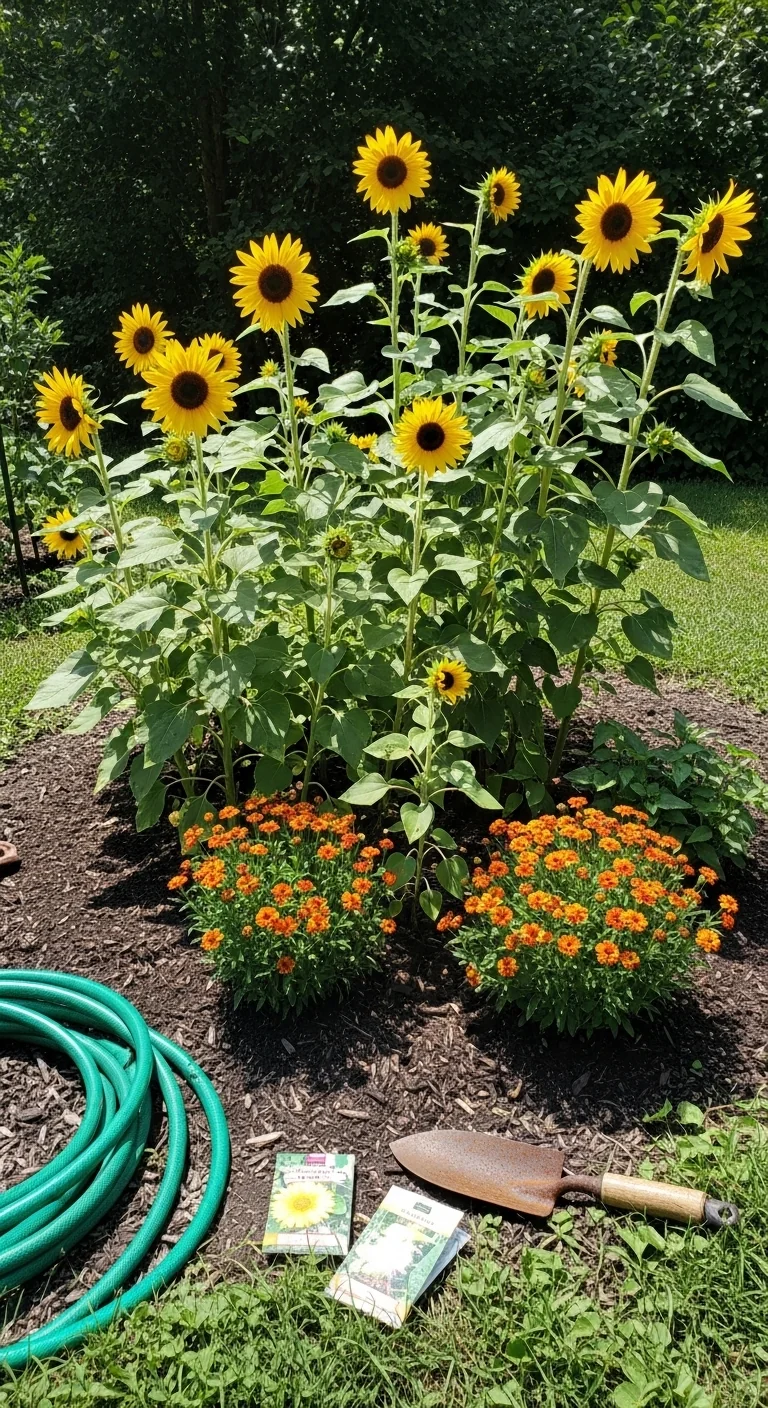
Most sunflower guides push the same generic seeds regardless of space or goal. The right variety choice turns a summer experiment into a reliable feature because each type carries its own built-in habit: compact branching for tight spots, pollenless single stems for clean bouquets, or tall multi-headed forms for wildlife support. Pick wrong and you end up with leggy failures or plants that swallow the bed.
This article covers nine annual sunflower varieties suited to home ornamental gardens in the United States, United Kingdom, Canada, Australia, Germany, and France. It focuses on measurable conditions such as vertical space under four feet, branching habit for repeated cuts, and pollen presence for pollinators. Perennial sunflowers and large-scale field hybrids fall outside scope.
You will walk away knowing which seeds to order, where to site them, and which two to start with so your patch fits the bed instead of fighting it. No more wasted packets or mid-season adjustments.
Measure your space and purpose first, then select from the matching branch below.
The Yield Grid Decision Grid
Branch 1 applies when your available vertical space measures under four feet or you garden exclusively in containers. Recommended: Teddy Bear, Sunspot, and Munchkin below.
Branch 2 applies when you want repeated cuts for bouquets with strong stems and extended bloom windows through summer. Recommended: ProCut Gold, Chocolate Cherry, and Greenburst below.
Branch 3 applies when your priority is supporting bees, butterflies, and birds with pollen-rich flowers and later seed heads. Recommended: Autumn Beauty, Russian Mammoth, and Velvet Queen below.
All branches require at least six hours of direct sun daily. For more full-sun options see full-sun flowers.
Quick Comparison Table
| Option | Key mechanism | Best for | Decision Grid Branch | Effort Score |
|---|---|---|---|---|
| Teddy Bear Dwarf Sunflower | Compact branching habit producing multiple 3 to 6 inch double blooms in a small footprint | Containers and front borders | 1 | 1 |
| Sunspot Sunflower | Ultra-dwarf single-stem form reaching only 1 to 2 feet with classic golden heads | Small pots and edging | 1 | 1 |
| Munchkin Sunflower | First pollen-free dwarf with large pale yellow blooms and green-tinted centers | Pots and hayfever-sensitive gardens | 1 | 2 |
| ProCut Gold Sunflower | Single-stem pollenless habit bred for uniform strong stems and long vase life | Cut-flower production | 2 | 3 |
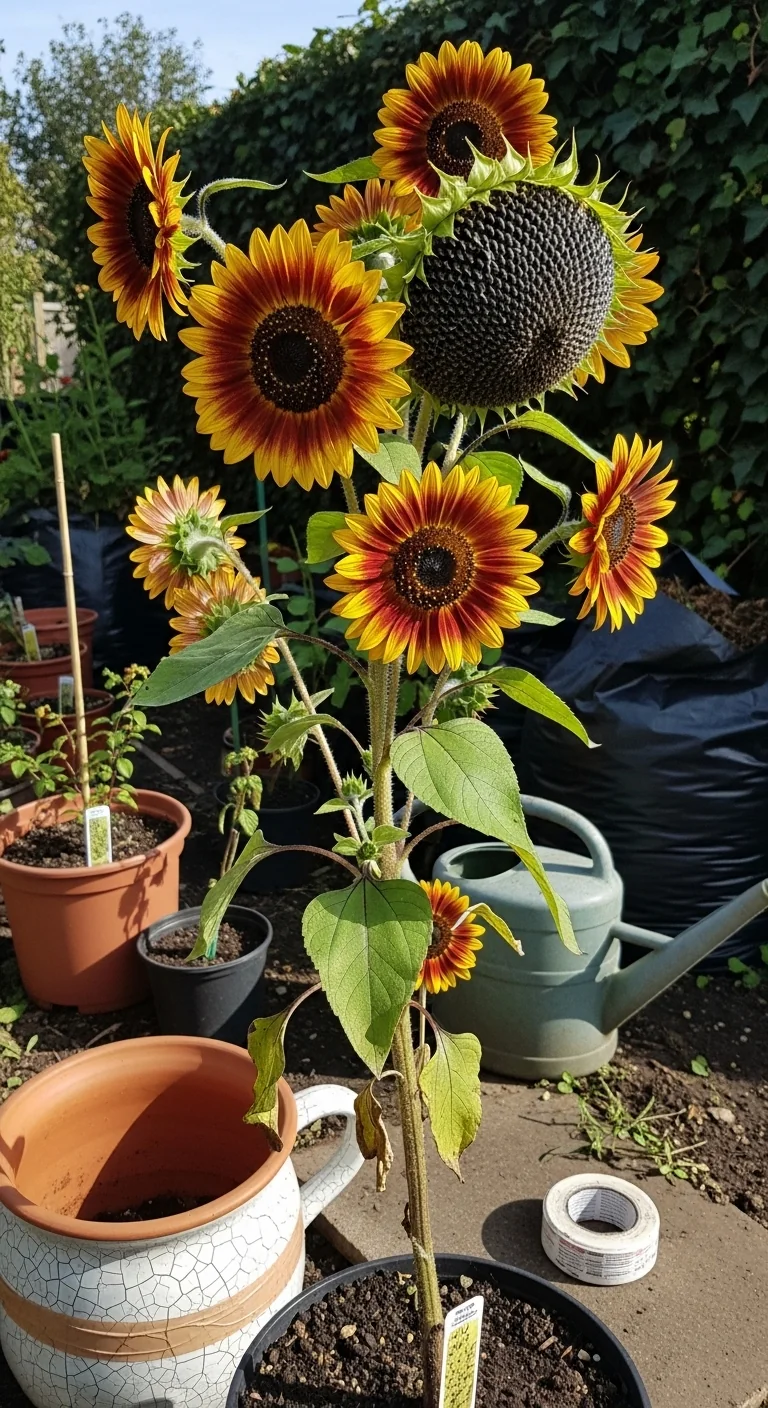
| Chocolate Cherry Sunflower | Branching habit with bi-colored burgundy and rust blooms for season-long cuts | Repeated bouquet harvests | 2 | 3 |
| Greenburst Sunflower | Fast-branching semi-double form with fluffy green centers and golden petals | Extended cut-flower supply | 2 | 2 |
| Autumn Beauty Sunflower | Multi-headed branching mix in autumn tones that feeds birds after bloom | Wildlife support and fall interest | 3 | 4 |
| Russian Mammoth Sunflower | Giant single-stem form producing large seed heads for birds and screening | Tall pollinator and seed gardens | 3 | 5 |
| Velvet Queen Sunflower | Tall branching habit with deep mahogany-red petals and pollen-rich centers | Color contrast and pollinator draws | 3 | 4 |
Teddy Bear Dwarf Sunflower
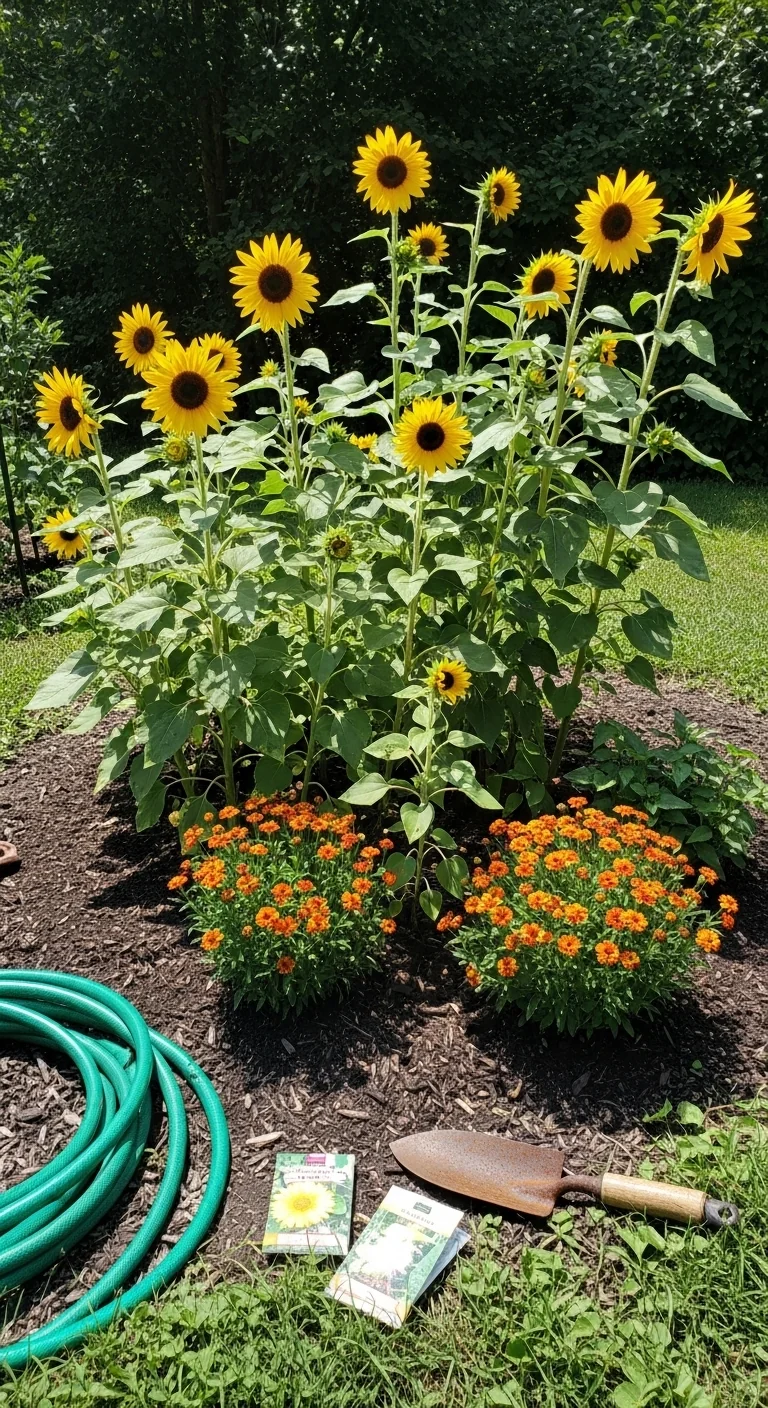
Best for: Branch 1
Teddy Bear fills the exact role of a fluffy, low-profile annual that delivers multiple blooms without dominating limited space. It grows 2 to 3 feet tall with a branching habit that produces 3 to 6 inch double yellow flowers ideal for containers or the front of borders.
Plant seeds directly after last frost in well-drained soil. Space 12 inches apart. The compact form requires no staking and tolerates average garden conditions once established. One unique constraint appears in very hot dry spells: the double petals can trap moisture and encourage minor mildew, so provide morning sun and afternoon shade if temperatures exceed 85 degrees F consistently.
Follow this blueprint for success: direct sow in full sun, water at the base to keep soil moist until established, then reduce to deep weekly watering. The common mistake is crowding plants closer than 12 inches, which reduces air flow and bloom count. Pair with container flowers for layered summer displays that stay under four feet.
Sunspot Sunflower
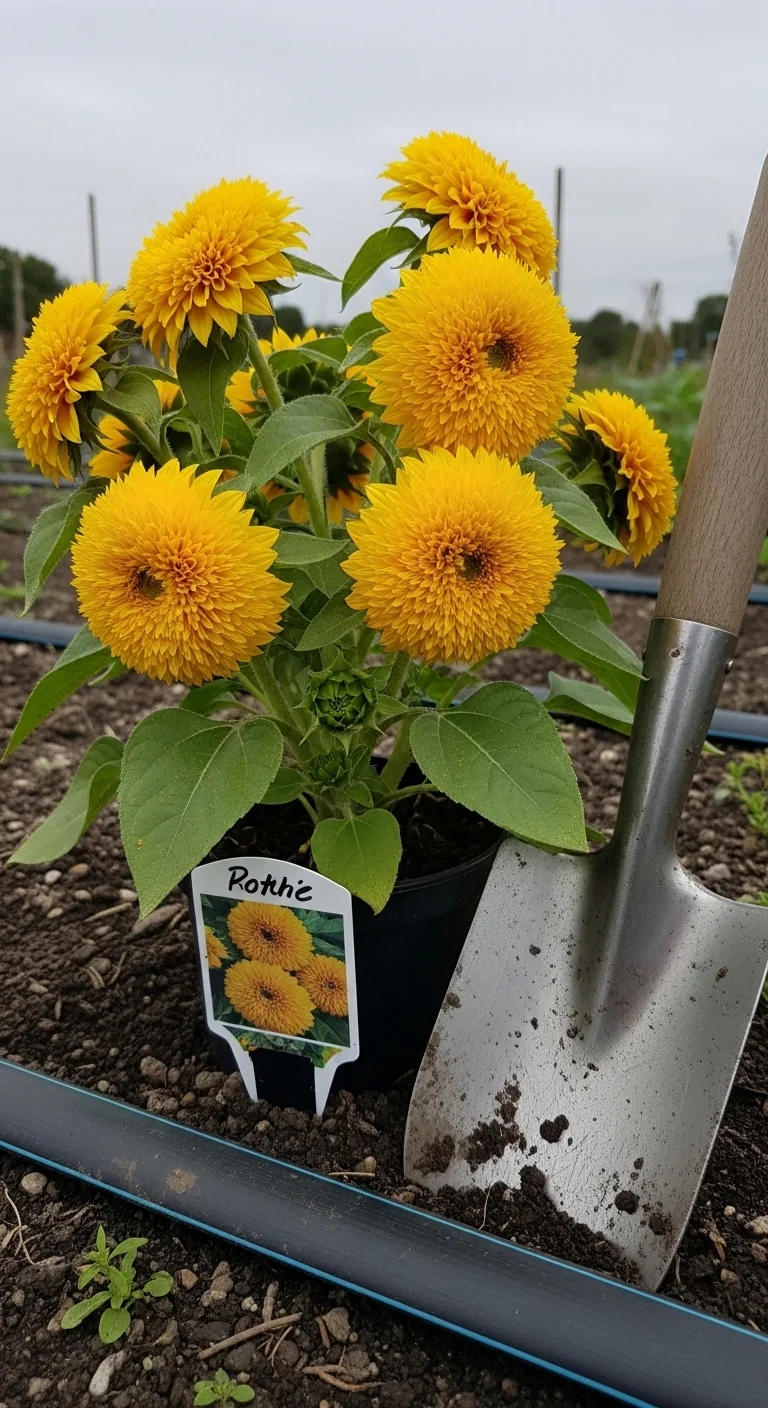
Best for: Branch 1
Use Sunspot when you need a true miniature classic sunflower that stays under 2 feet yet still produces full-sized golden heads. Skip it if your goal is tall screening or large seed heads for birds, because the single-stem habit finishes blooming in one concentrated flush instead of extending through the season.
Its ultra-dwarf stature makes it the edge-case solution for balcony pots or narrow edging where every inch counts.
Munchkin Sunflower
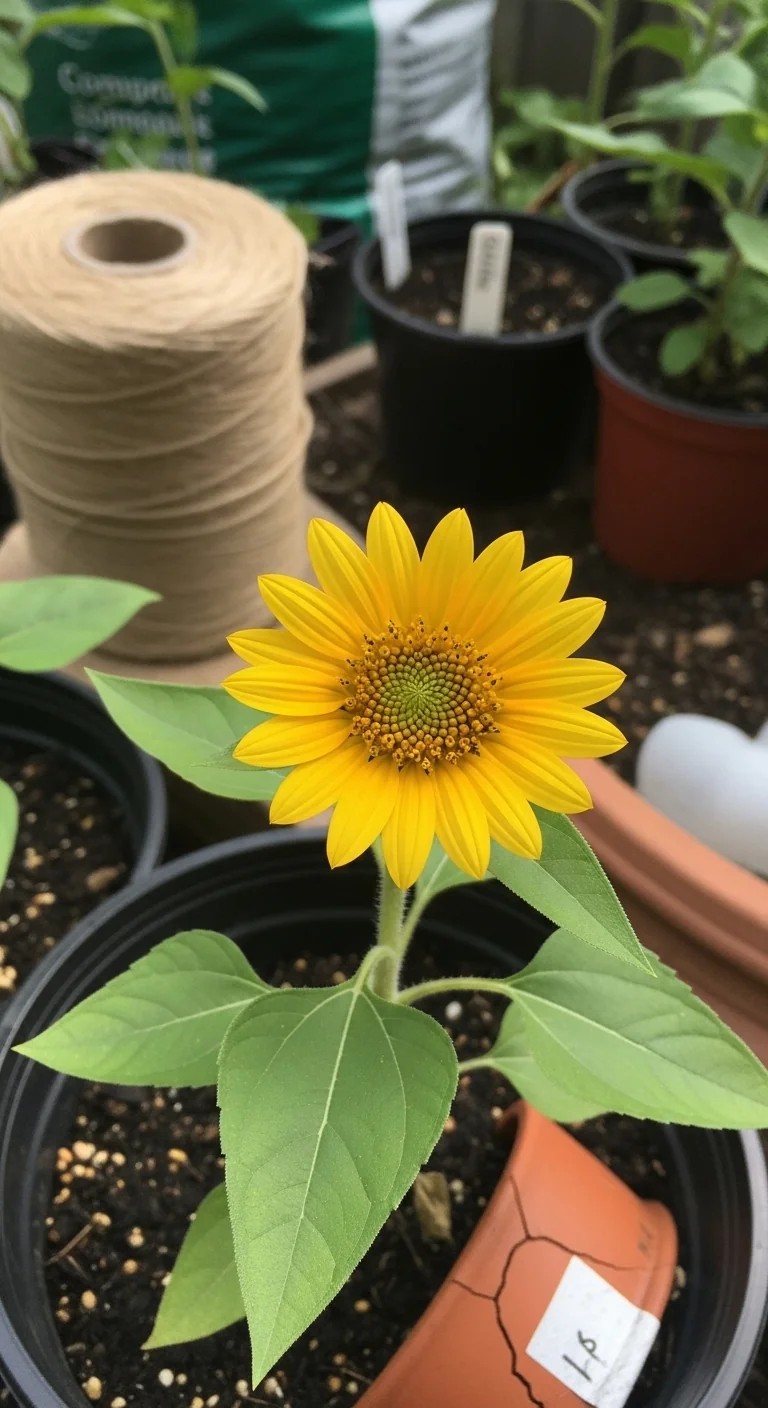
Best for: Branch 1
Munchkin crosses the threshold at exactly 2 feet tall and adds the measurable benefit of pollen-free blooms, making it the first choice for hayfever-sensitive gardeners or indoor-outdoor patio displays. Adjust spacing to 10 inches in containers when soil temperature reaches 55 degrees F or higher at planting to ensure even germination across the pot.
Once established it needs no support and produces large pale yellow flowers with distinctive green-tinted centers that last well in small arrangements. The pollen-free trait also reduces the yellow dust that can stain nearby surfaces.
ProCut Gold Sunflower
Best for: Branch 2
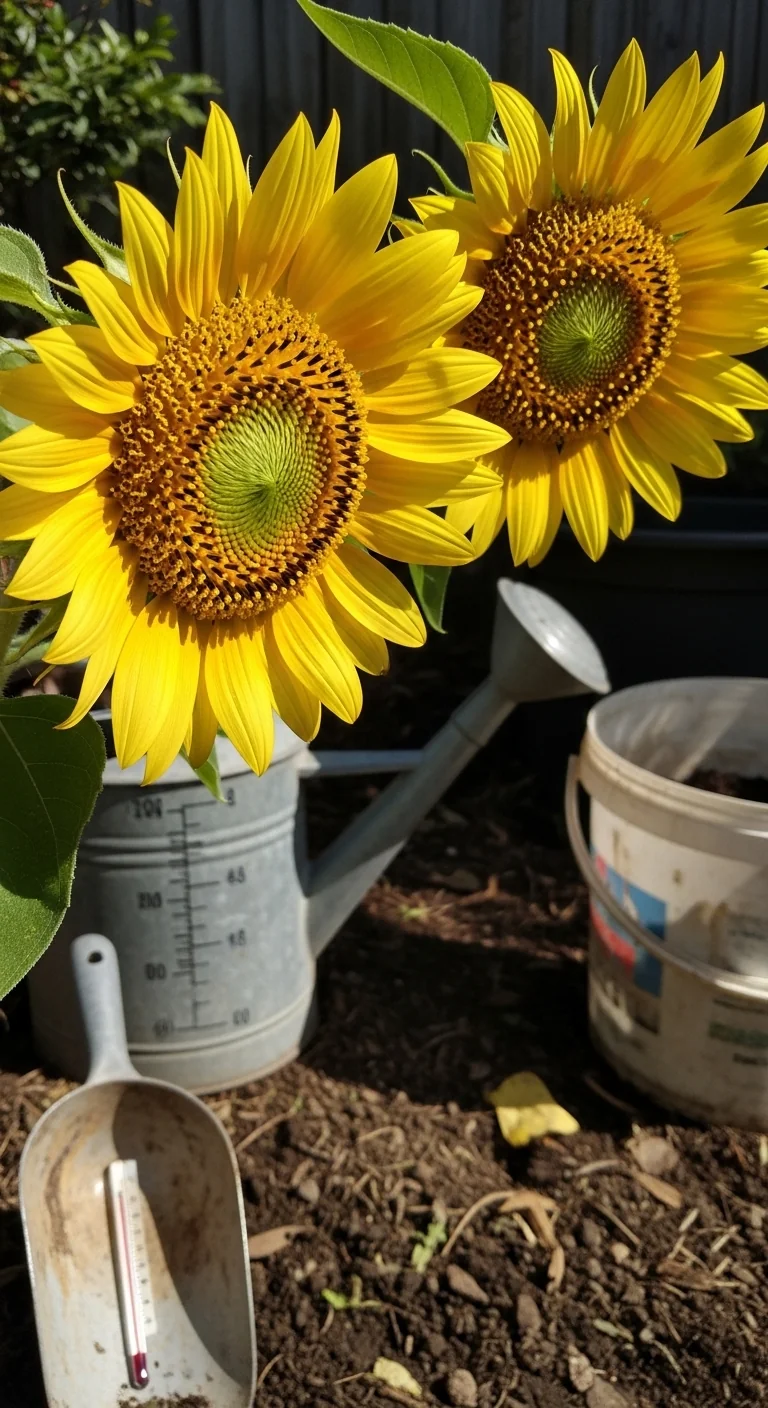
ProCut Gold solves the cut-flower problem with a single-stem pollenless habit engineered for uniform strong stems that reach harvestable length in 55 to 65 days. Sow in succession every 10 to 14 days from late spring through midsummer to maintain a steady supply of glowing gold blooms with light green centers.
Follow this 10-minute workflow: mark rows 12 inches apart in prepared bed, drop two seeds per hole at 1 inch depth, cover and water gently. Thin to strongest seedling after true leaves appear. Harvest when petals begin to open for maximum vase life of up to two weeks. Upgrade option is to interplant with shorter fillers for continuous production in the same bed. See our full guide to cut-flower garden planning for spacing details that keep stems straight.
Chocolate Cherry Sunflower
Best for: Branch 2
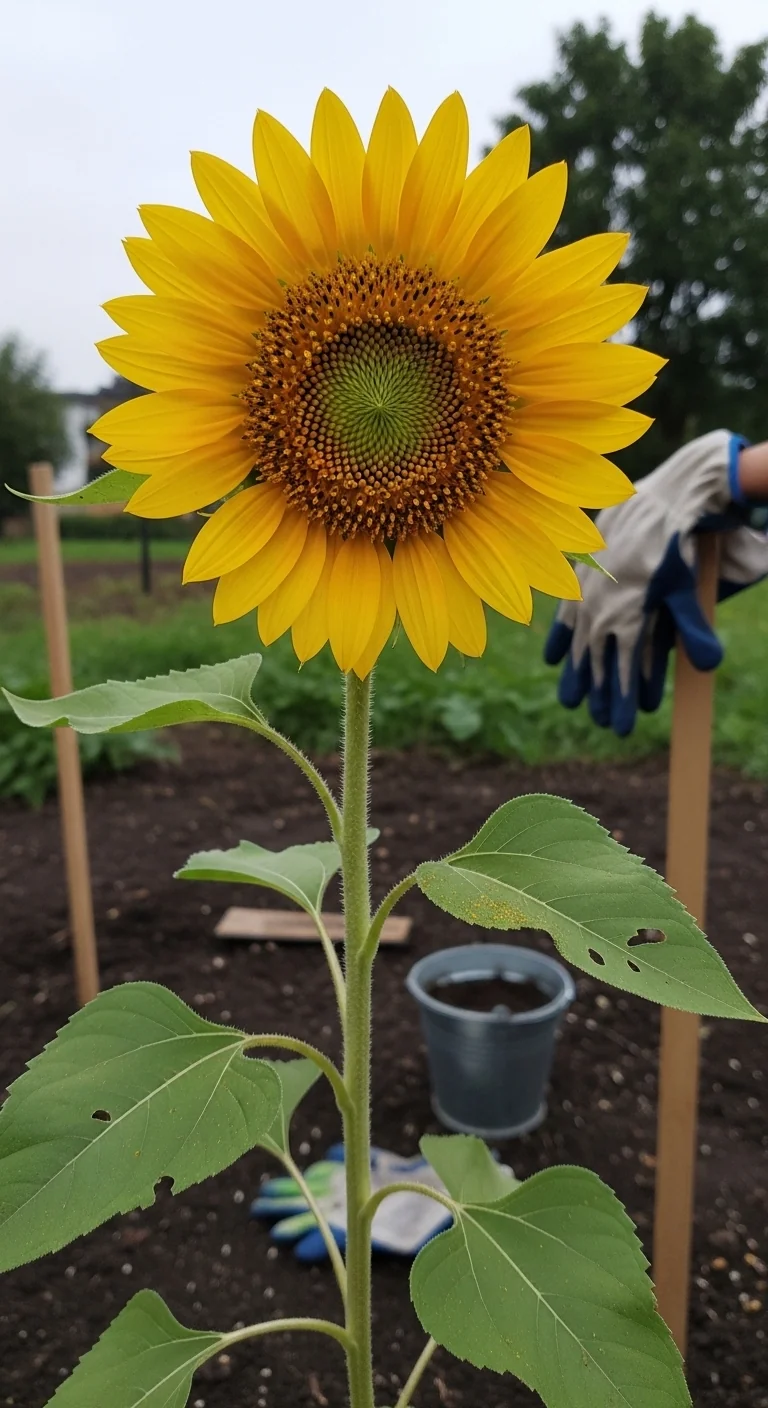
Use Chocolate Cherry when you want bi-colored burgundy and rust tones that hold color in vases without fading. Skip it if your garden receives frequent high winds over 20 miles per hour, because the branching habit at 5 to 6 feet tall can lean without support in exposed sites.
Its season-long production from multiple side shoots makes it the reliable choice for repeated small bouquets once the central stem is cut.
Greenburst Sunflower
Best for: Branch 2
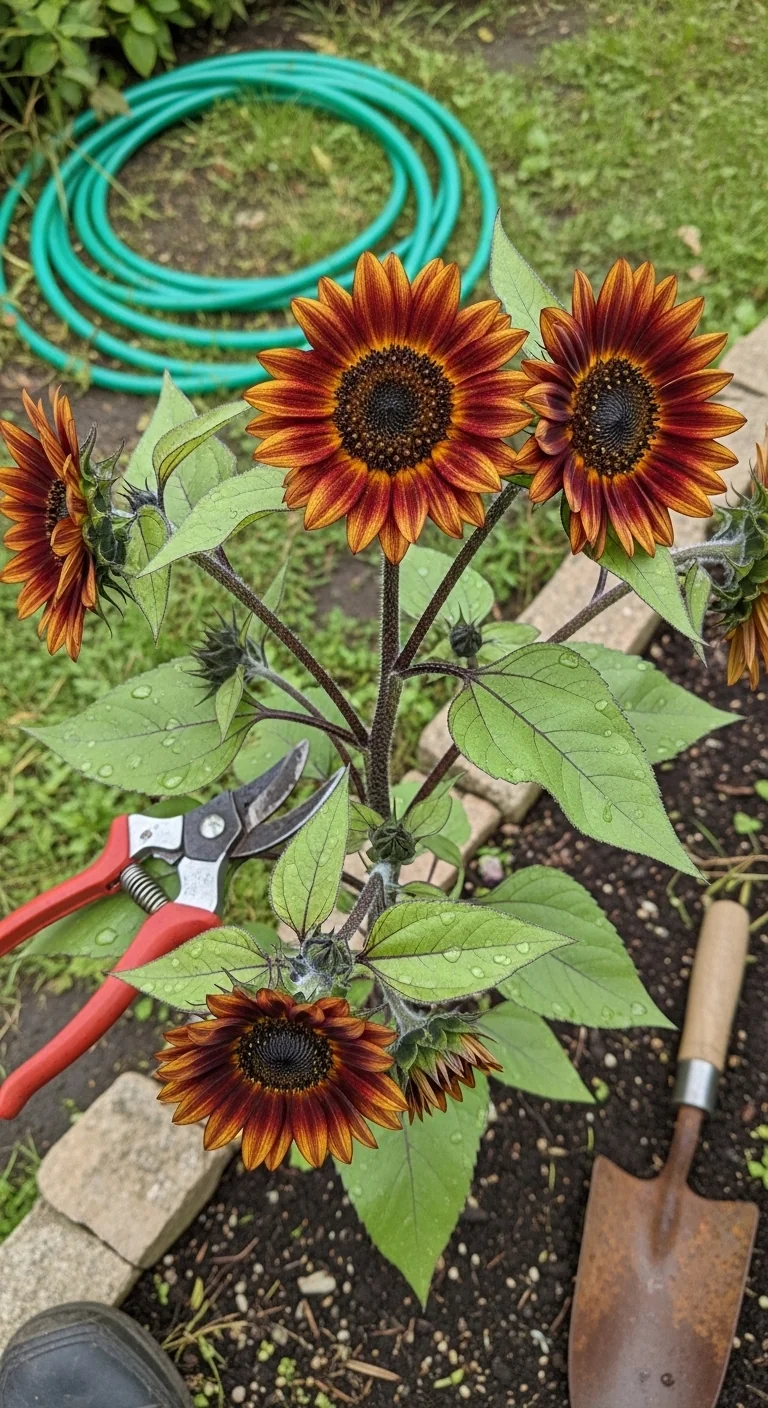
Greenburst reaches bloom in roughly 60 days from seed and delivers a fast-branching habit with semi-double golden petals surrounding fluffy green centers. The mechanism that sets it apart is its ability to produce side shoots quickly after the first cut, extending harvest windows through late summer when succession sown.
Space plants 18 inches apart in full sun to allow branching room. It performs best in average to slightly rich soil and requires only moderate watering once roots establish. The unique detail appears in mixed borders: the green center contrasts sharply with traditional yellow varieties, adding textural depth without extra maintenance.
Autumn Beauty Sunflower
Best for: Branch 3
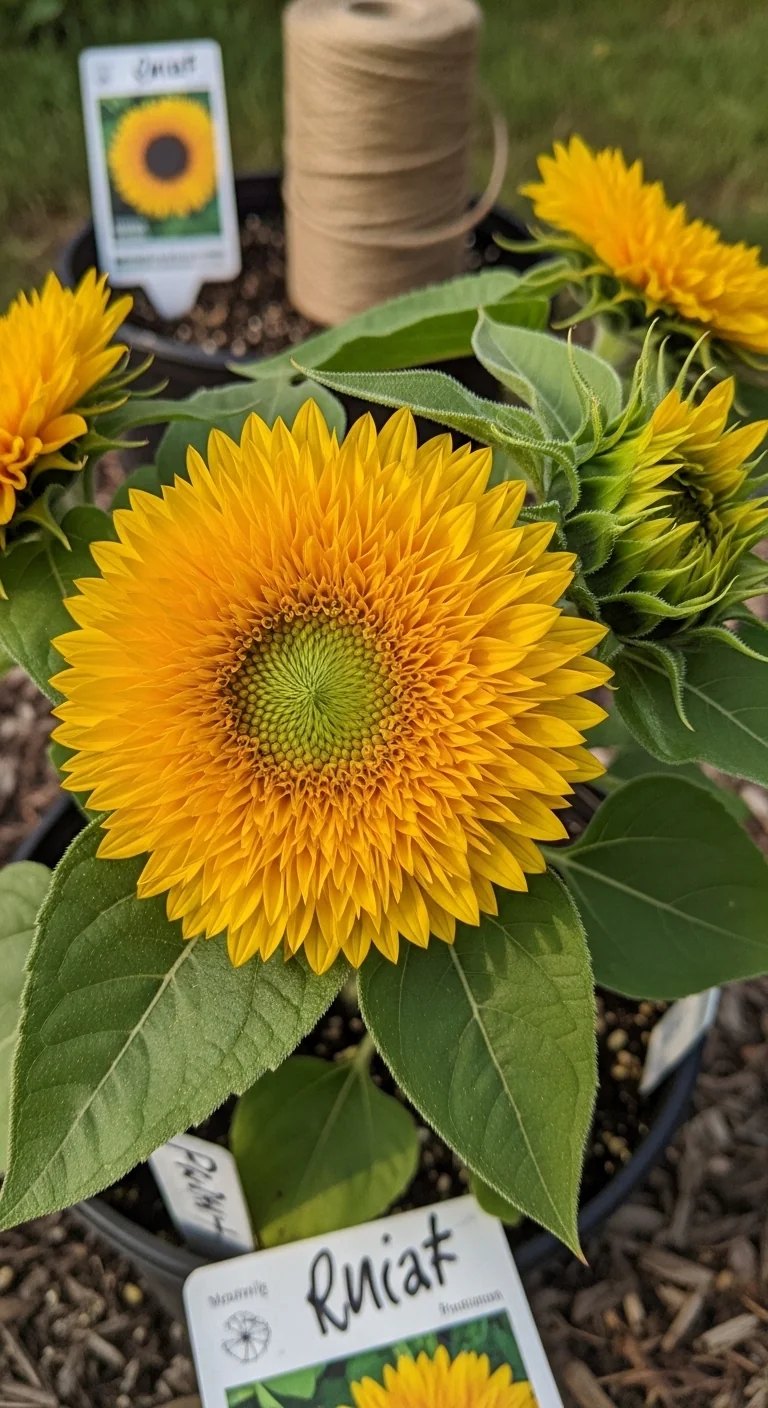
Autumn Beauty delivers a branching mix of chocolate, burgundy, gold, rust, and maroon tones on plants that reach 7 to 9 feet. The multi-headed habit supports pollinators during bloom and leaves large seed heads standing for birds through fall and early winter.
Plant in full sun after soil warms above 50 degrees F. Space 24 inches apart to accommodate spread. Water deeply every 7 to 10 days during dry periods. One edge case appears in regions with early frost: start indoors four weeks before last frost date to ensure full color development before bloom ends. Leave spent heads intact rather than cutting back immediately so birds can forage. Combine with pollinator flowers for a seamless wildlife corridor that peaks in late summer.
Russian Mammoth Sunflower
Best for: Branch 3
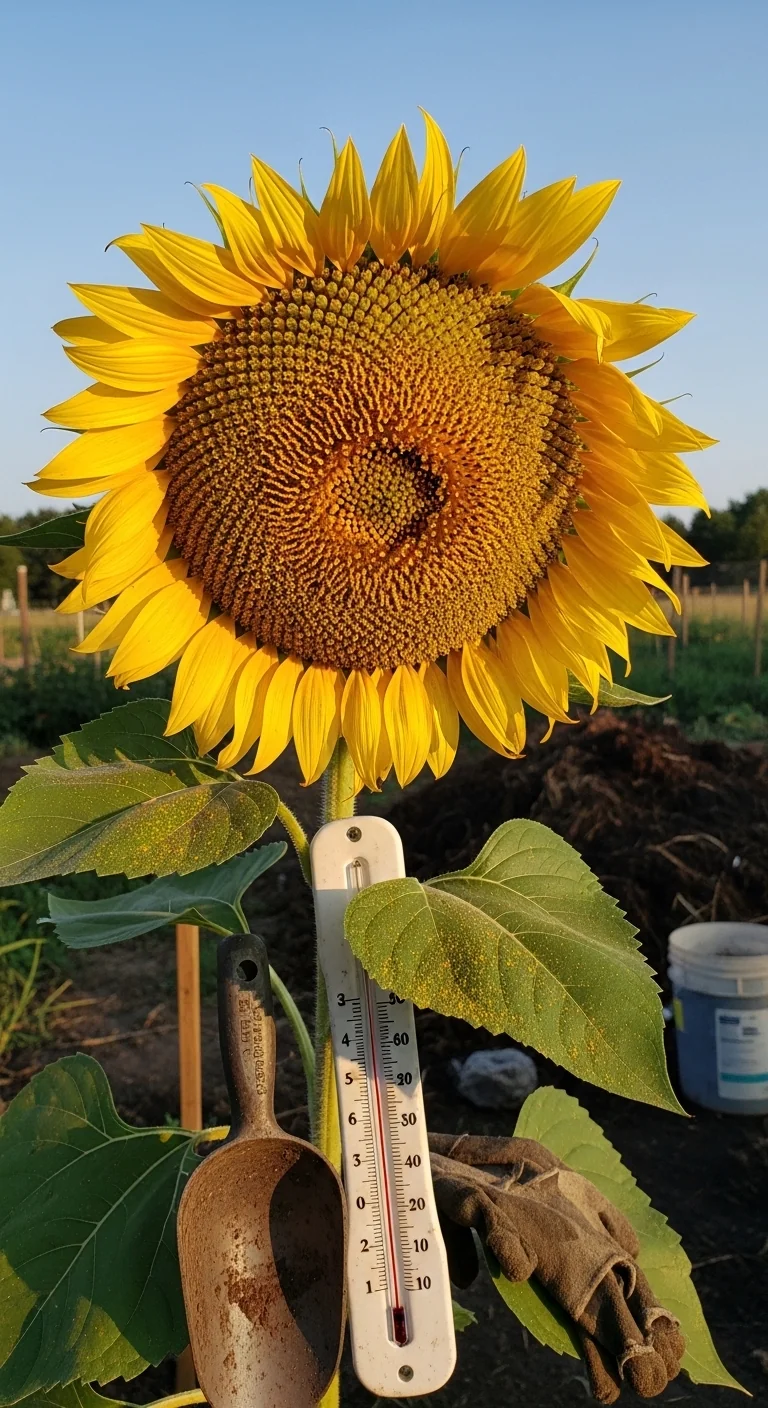
Use Russian Mammoth only when you have 10 feet or more of vertical space and want giant single heads that produce edible seeds for birds. Skip it in average home beds because the 10 to 15 foot height demands staking and can shade out neighboring plants.
Its single-stem habit concentrates energy into one massive flower and seed head that becomes a focal point for late-season wildlife.
Velvet Queen Sunflower
Best for: Branch 3
Velvet Queen crosses into tall branching territory with deep mahogany-red petals and pollen-rich centers that draw bees and butterflies reliably. Threshold rule: plant only when your bed receives full sun for at least eight hours daily and soil drains freely, because the 6 to 8 foot height combined with heavy flower load causes leaning in partial shade or wet clay.
Space 18 to 24 inches apart and provide support if winds exceed 15 miles per hour regularly. The rich color contrast makes it the measurable choice for adding depth against lighter companions.
Starter Stack (What to Choose First)
Branch 1: Limited Space or Containers
Teddy Bear and Sunspot. The multiple fluffy heads of Teddy Bear layer visually over the single bold disks of Sunspot to create depth without exceeding four feet. Sow two to three plants of each per 12-inch container. Seed cost ranges from 3 to 6 dollars total. Planting time runs 10 to 15 minutes.
Branch 2: Cut Flower Production
ProCut Gold and Chocolate Cherry. The uniform single stems of ProCut Gold pair with the branching color range of Chocolate Cherry to supply mixed bouquets over eight weeks when succession planted. Expect 4 to 8 dollars in seeds and 15 to 25 minutes of planting time per 10-foot row.
Branch 3: Pollinator and Wildlife Support
Autumn Beauty and Velvet Queen. The multi-toned branching of Autumn Beauty feeds birds later while Velvet Queen’s deep red centers pull in bees and butterflies during peak bloom. Seed packets cost 5 to 9 dollars combined. Planting time stays under 20 minutes for a 6 by 4 foot bed.
When This Won’t Work
Sunflowers fail when the site receives fewer than six hours of direct sun daily. Stems grow leggy, flower heads stay small, and overall vigor drops within three weeks of emergence. Measure light levels with a phone app or by tracking shadow length at midday. Switch to alternatives that tolerate lower light.
The second measurable failure occurs when soil temperature stays below 50 degrees F at planting time. Germination drops sharply and seedlings emerge weak or not at all. Use a soil thermometer and delay direct sowing or start indoors until conditions warm. See our guide to shade flowers for reliable replacements in low-light beds.
Choosing the Right Option for Your Situation
Budget Threshold
If your total seed spend stays under 10 dollars, select Russian Mammoth or Teddy Bear because both come in economical large packets that cover 20 to 30 plants. Move to ProCut Gold or Velvet Queen only when budget allows 12 dollars or more for specialty varieties.
Time Threshold
If you have under 20 minutes for initial planting and follow-up checks, choose any Branch 1 dwarf option because they need no staking or pinching. Allocate 30 minutes or more when selecting Branch 3 tall varieties that may require weekly wind checks after 4 feet of growth.
Technical Constraint: Soil Drainage
If your soil stays saturated longer than 24 hours after rain, avoid tall Branch 3 varieties because heavy heads increase lodging risk in wet clay. Opt for Branch 1 or 2 options that tolerate average drainage once established.
Yes if your space matches the branch height limit. Yes if your goal aligns with cut, container, or pollinator use. Yes if soil temperature exceeds 50 degrees F at sowing. Yes if you can provide six hours of direct sun.
Expert Q&A
How do branching versus single-stem sunflower varieties affect vase life in bouquets?
Single-stem pollenless types like ProCut Gold hold for up to two weeks because they were bred for commercial cutting with thick stems and delayed petal drop. Branching types such as Chocolate Cherry or Greenburst last five to seven days but produce more stems per plant over time when succession sown.
Which sunflower varieties self-seed reliably for the following season?
Autumn Beauty and Russian Mammoth drop viable seeds from mature heads left standing through winter. Volunteer seedlings appear the next spring in the same bed when soil disturbance stays minimal and birds do not consume every head.
When should you deadhead sunflower plants to extend bloom without harming seed production for birds?
Deadhead only the spent side shoots on branching varieties while leaving the central head intact on tall types. Remove faded flowers at the first set of leaves below the bloom to redirect energy to new buds until late August, after which you stop to allow final seed heads to mature.
Do sunflower varieties differ in drought tolerance once established?
Branching types such as Greenburst and Velvet Queen handle short dry spells better than giant single-stem forms because their multiple smaller heads spread water demand. All still benefit from deep weekly watering during bud formation and bloom.
How do you harvest sunflower seeds for eating or replanting while keeping plants upright?
Cut the head when the back turns brown and seeds feel firm but before birds strip them. Hang upside down in a dry airy spot for two weeks. Russian Mammoth and Autumn Beauty yield the largest edible seeds suitable for roasting or saving.
Conclusion
The single decision that determines sunflower success is matching the variety’s growth habit to your measured space and purpose before seeds hit the soil. The most common mistake remains planting tall single-stem types in beds under six feet wide, which forces staking and shading issues by midsummer.
Start with the two varieties from your branch in the Starter Stack, then expand next season based on what performed best. Head to our wildflower meadow guide to integrate the chosen sunflowers into a larger low-maintenance display.