
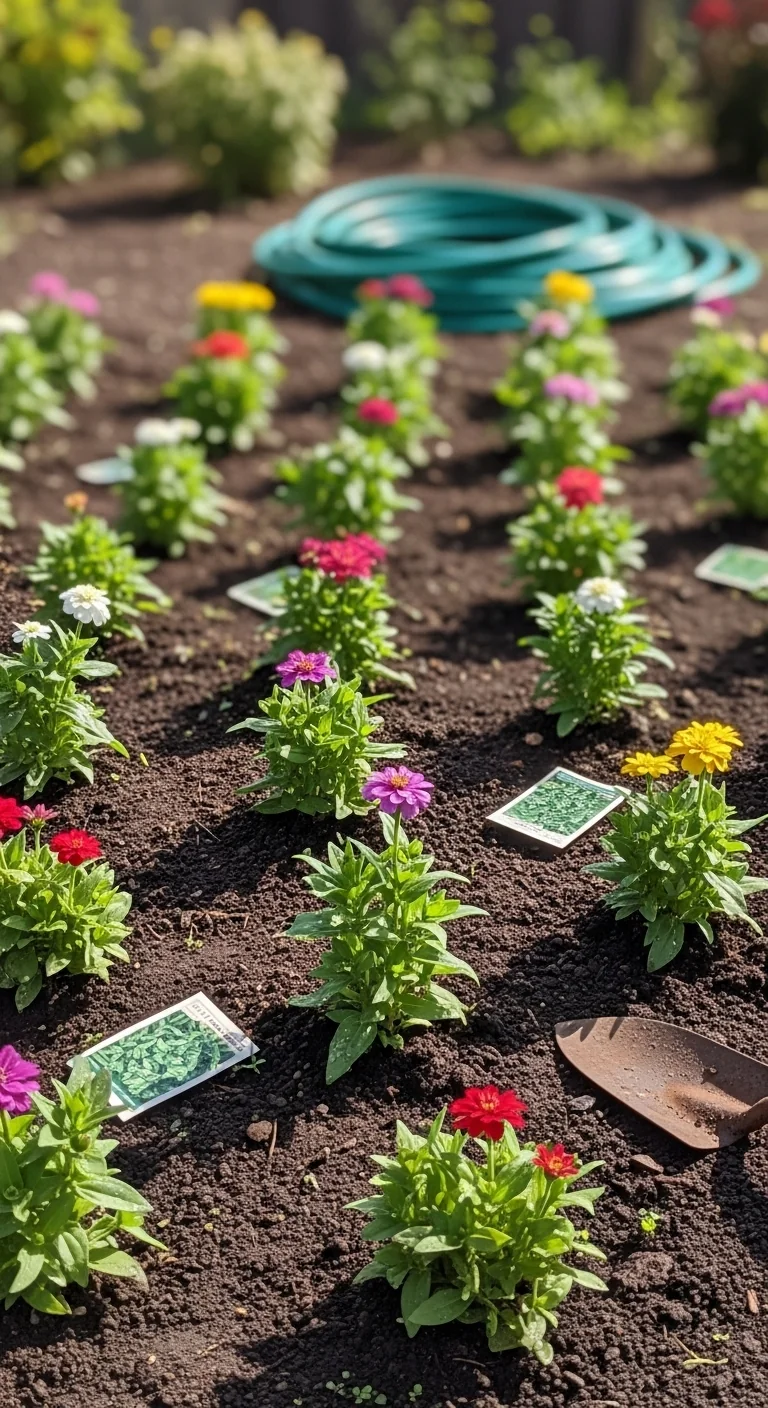
Annual flowers succeed when their exact light-hour minimum, soil drainage rate, and temperature swing are matched to the site instead of defaulting to zone maps or color charts.
This guide covers nine true annuals or annual-treated varieties with documented performance across extension trials in multiple climates. It excludes perennials, bulbs, and tender tropicals that require winter protection in most regions.
After reading you gain the ability to combine varieties for continuous color from late spring into fall while avoiding leggy stems, early decline, or wasted space.
Align each variety to its trigger conditions listed below and your garden gains season-long color without repeated trial and error.
The Yield Grid Decision Grid
Branch 1: Gardens receiving more than 6 hours of direct sunlight daily with soil that drains within 4 hours after saturation. Recommended: Items 1, 2, 4, and 9 below.
Branch 2: Sites offering 4 to 6 hours of sun or clay soils that hold moisture beyond 6 hours. Recommended: Items 3, 5, and 8 below.
Branch 3: Container or balcony setups with daily watering access and vertical support options. Recommended: Items 6 and 7 below. For more options see our full-sun-flowers guide.
Quick Comparison Table
| Option | Key mechanism | Best for | Decision Grid Branch | Effort Score |
|---|---|---|---|---|
| Zinnias | Day-neutral bloom once soil temperature exceeds 60 F | Full-sun beds with good air flow | Branch 1 | 3 |
| Marigolds | Root zone pest suppression through natural compounds | Edging in warm, drained soil | Branch 1 | 2 |
| Cosmos | Tolerates low-nutrient soil through efficient nutrient uptake | Wildflower-style drifts | Branch 2 | 1 |
| Sunflowers | Single-stem or branching habit triggered by consistent moisture at base | Back-of-border screens | Branch 1 | 2 |
| Snapdragons | Cool-night spike extension when daytime stays below 80 F | Part-shade or cooler microclimates | Branch 2 | 3 |
| Morning Glory | Vertical twining growth once night temperatures stay above 55 F | Trellis or fence coverage | Branch 3 | 2 |
| Sweet Peas | Fragrant bloom triggered by cool spring soil under 65 F | Vertical containers with support | Branch 3 | 4 |
| Pansies | Fall-to-spring bloom window when daytime stays below 70 F | Early or late-season color | Branch 2 | 3 |
| Salvia | Repeated spike production with removal of spent stems | Full-sun pollinator strips | Branch 1 | 2 |
Zinnias
Best for: Branch 1
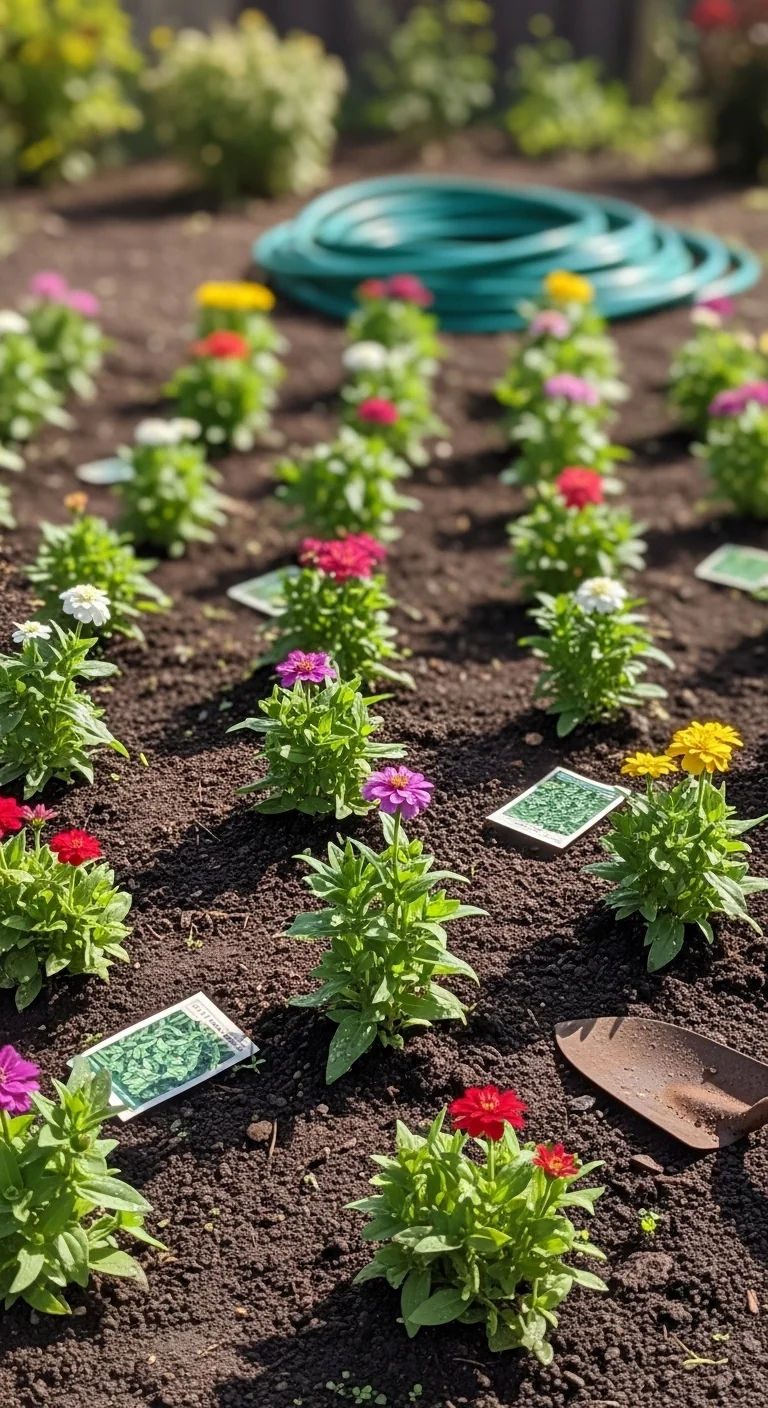
Zinnias deliver reliable color when planted in full sun after soil warms above 60 F and air circulation prevents humidity buildup around foliage. The blueprint starts with direct sowing or transplanting 12 to 18 inches apart in soil pH 5.5 to 7.0. Water at the base to keep leaves dry. Deadhead spent blooms every 7 to 10 days by cutting just above the next leaf pair to redirect energy into new buds. The common mistake is overhead watering, which invites powdery mildew on susceptible varieties. In humid regions space plants wider and choose mildew-resistant series. This approach keeps zinnias blooming from midsummer until first frost in most US, UK, and Canadian zones. See full details in our zinnias page.
Marigolds
Best for: Branch 1
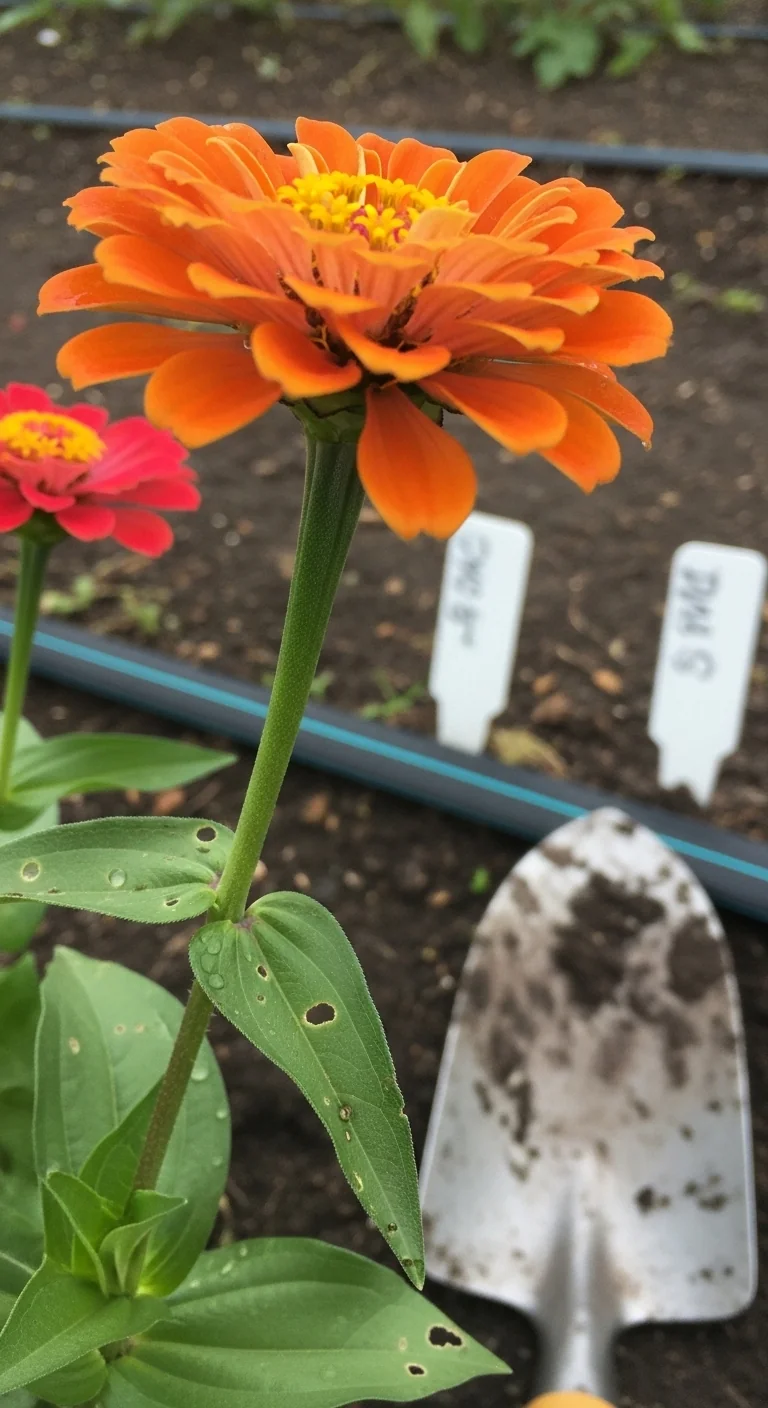
Marigolds use root-zone compounds to suppress soil pests while thriving in warm, well-drained beds. Plant after last frost in rows or blocks for maximum edge effect.
Cosmos
Best for: Branch 2
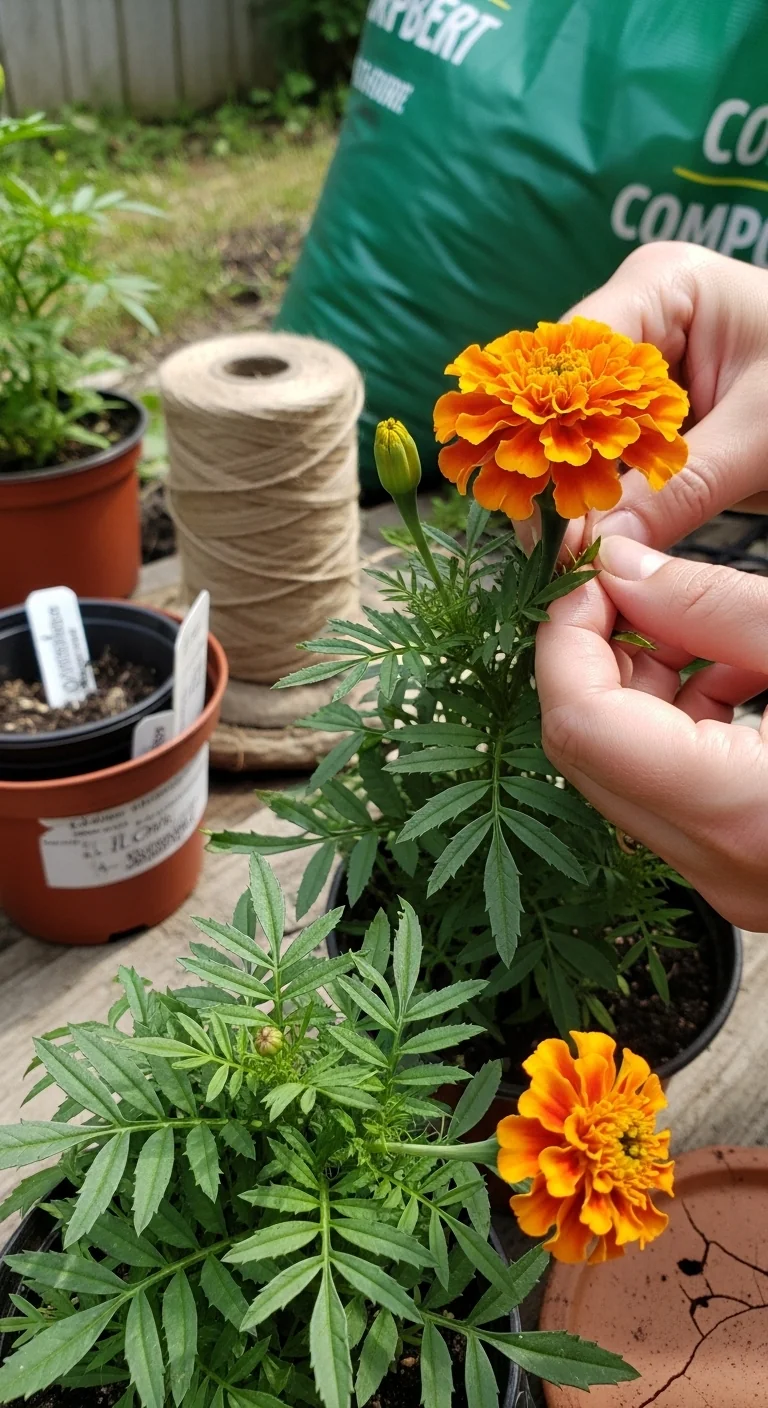
Cosmos excel in lower-nutrient or clay soils because their efficient uptake allows tall stems and daisy-like flowers without extra fertilizer. Sow directly after soil reaches 65 F or start indoors four weeks earlier. Space 12 to 24 inches apart for natural branching. They tolerate part shade better than most annuals yet still produce open blooms that attract bees. Skip rich compost or the plants grow leafy with fewer flowers. In cooler UK or Canadian summers they extend the season into early fall when other sun lovers fade. Their low effort makes them ideal for larger drifts where maintenance time is limited.
Sunflowers
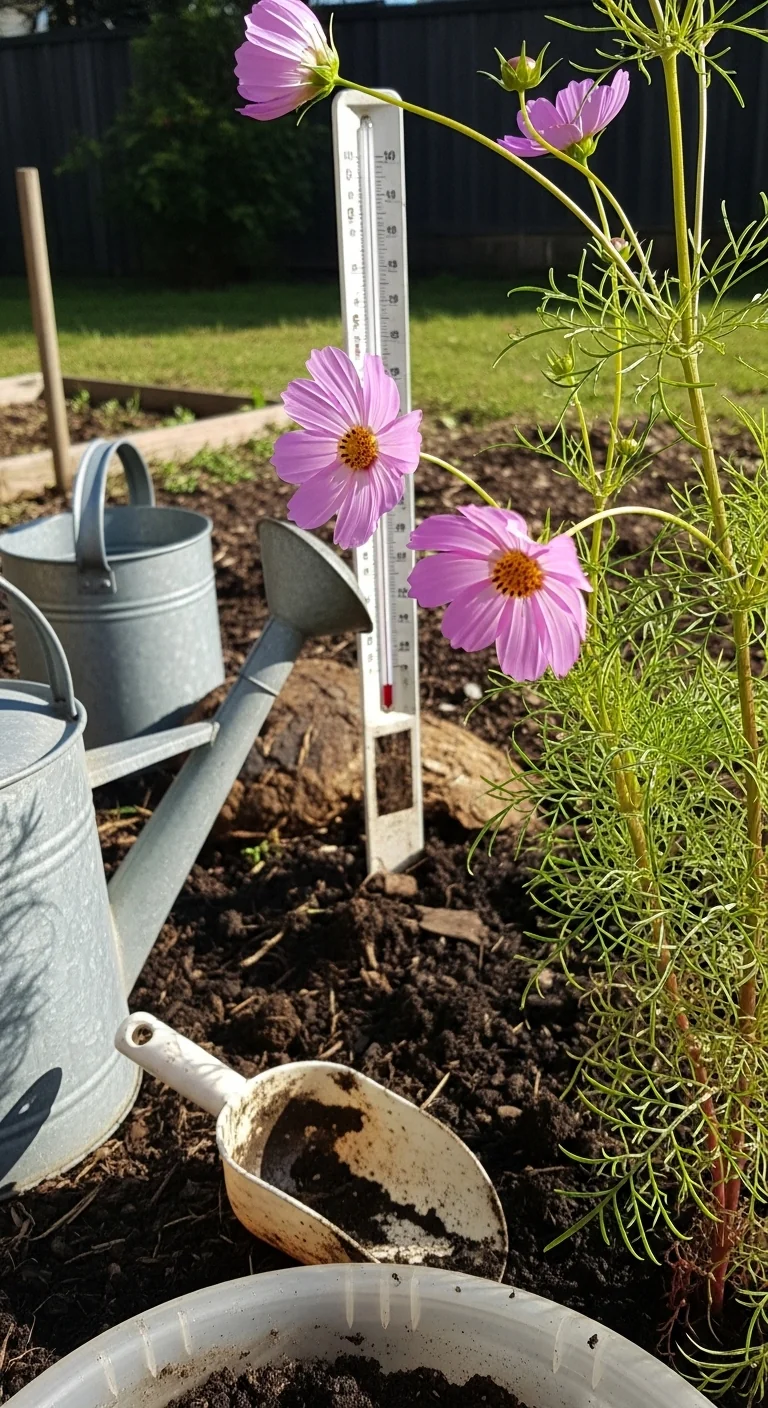
Best for: Branch 1
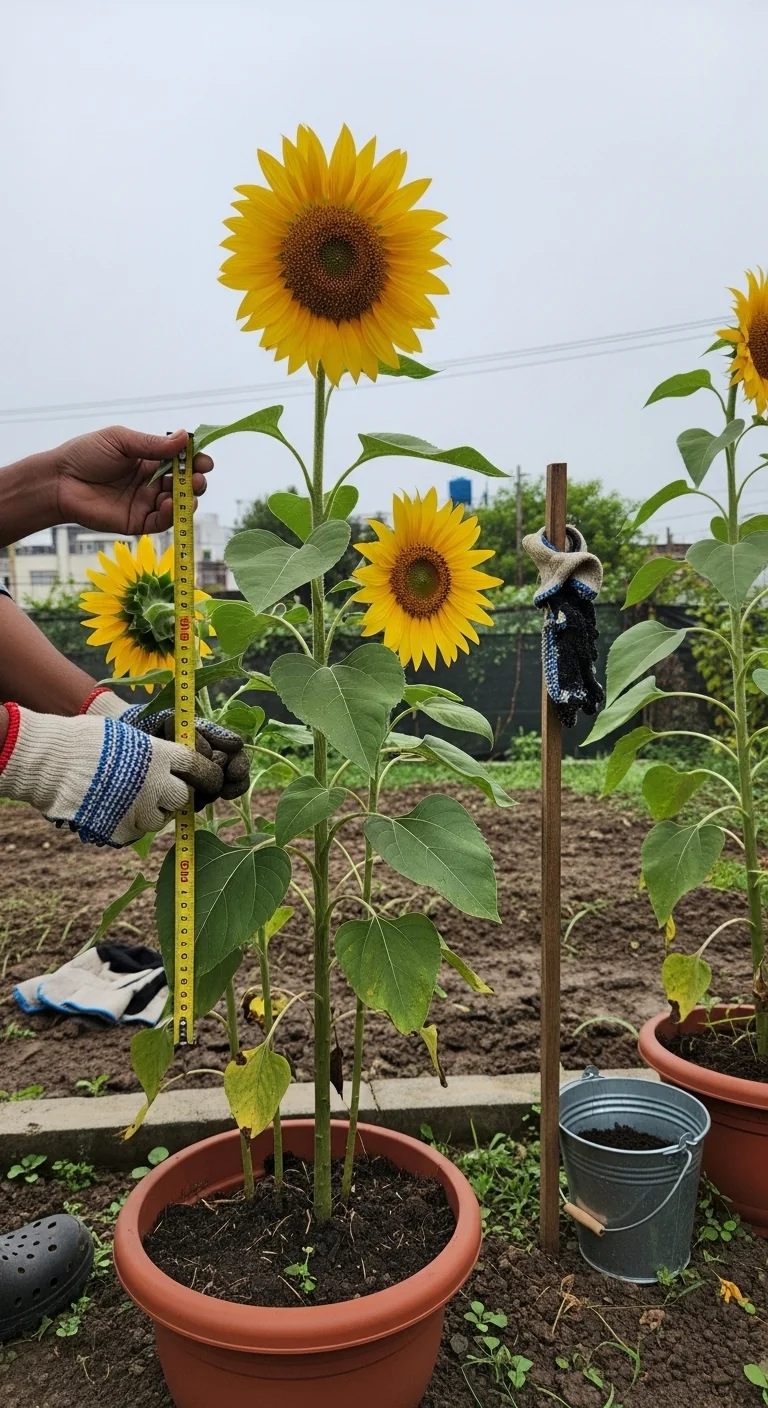
Sunflowers reach full height and bloom size when consistent base moisture is supplied during the first four weeks after germination. The blueprint calls for sowing in blocks after soil hits 60 F, with 18 to 36 inches between plants depending on variety height. Support taller types with stakes once stems reach 2 feet. Water deeply but infrequently to encourage strong roots. The edge case is wind-exposed sites where single-stem varieties topple without early staking. Branching types need no support yet produce more cuttable stems over time. This makes them a strong back-border choice in full-sun gardens across US, Australia, and India conditions. See full details in our sunflowers page.
Snapdragons
Best for: Branch 2
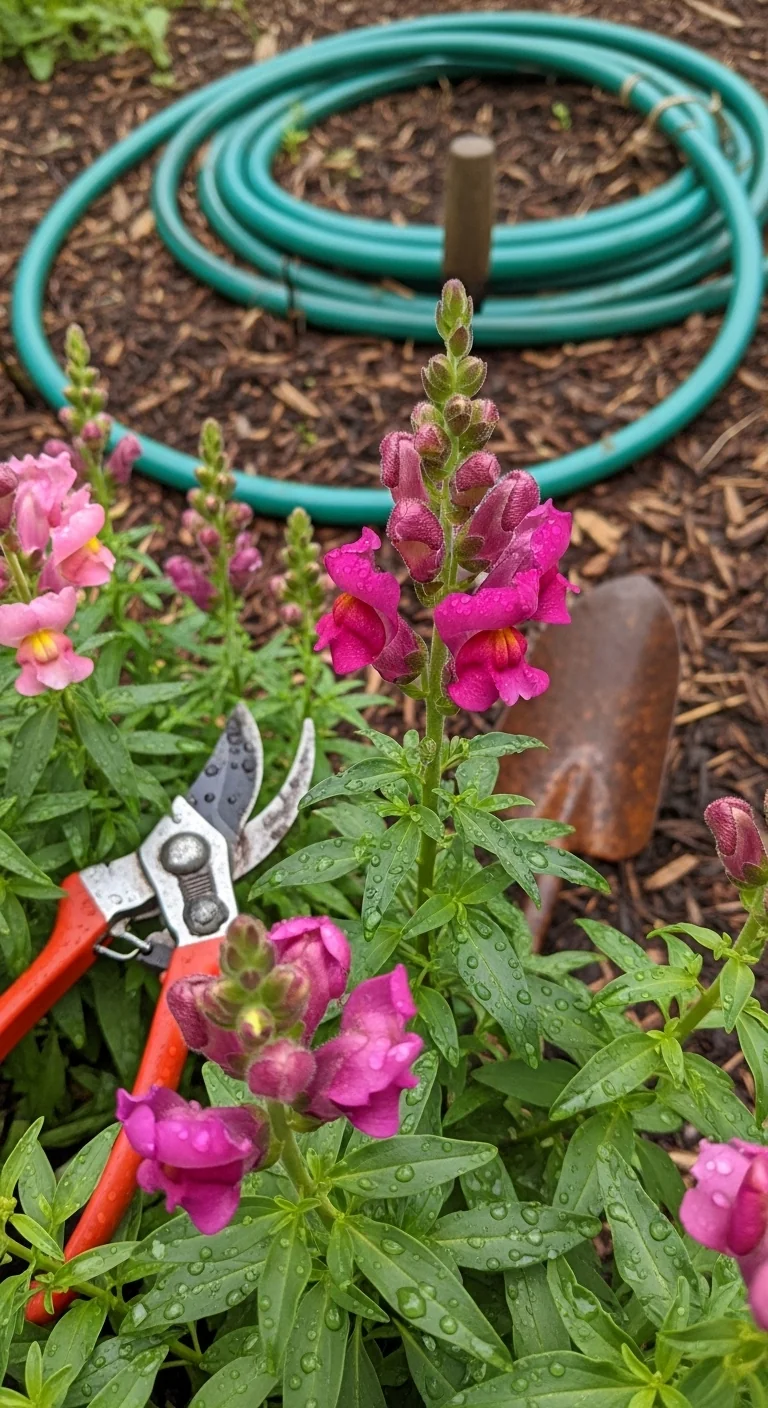
Snapdragons extend their spike display when night temperatures stay below 65 F and part shade reduces heat stress on foliage.
Morning Glory
Best for: Branch 3
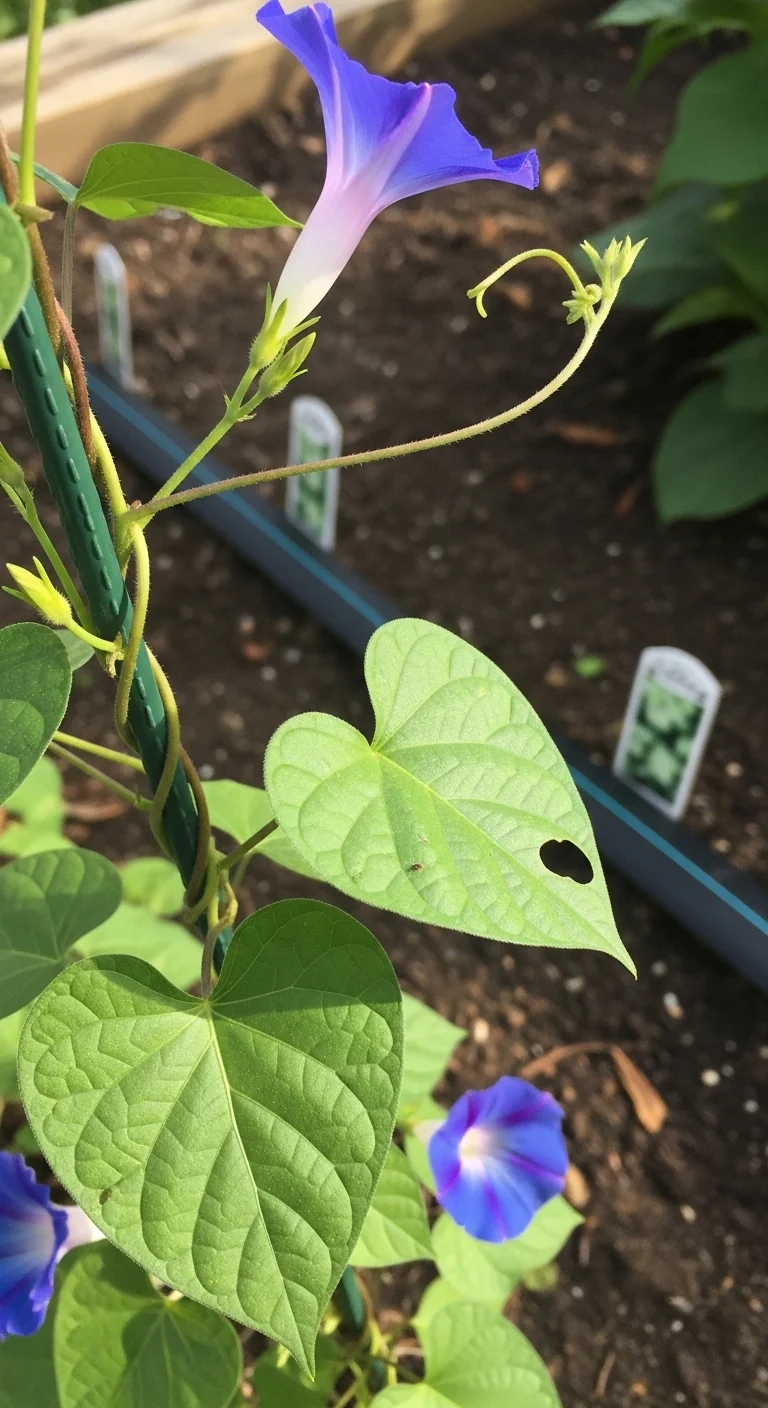
Morning Glory covers vertical surfaces quickly once night temperatures stay above 55 F. Sow directly beside trellis or netting after last frost. Provide 1 inch of water weekly at the base. The 10-minute workflow is soaking seeds overnight before planting then tying new shoots weekly until established. Upgrade option is adding a slow-release granular fertilizer at planting for longer bloom display in containers. Avoid overwatering which causes root rot in pots. This vine suits balcony or fence setups in warm US, UK, and Canadian summers. See full details in our morning glory page.
Sweet Peas
Best for: Branch 3
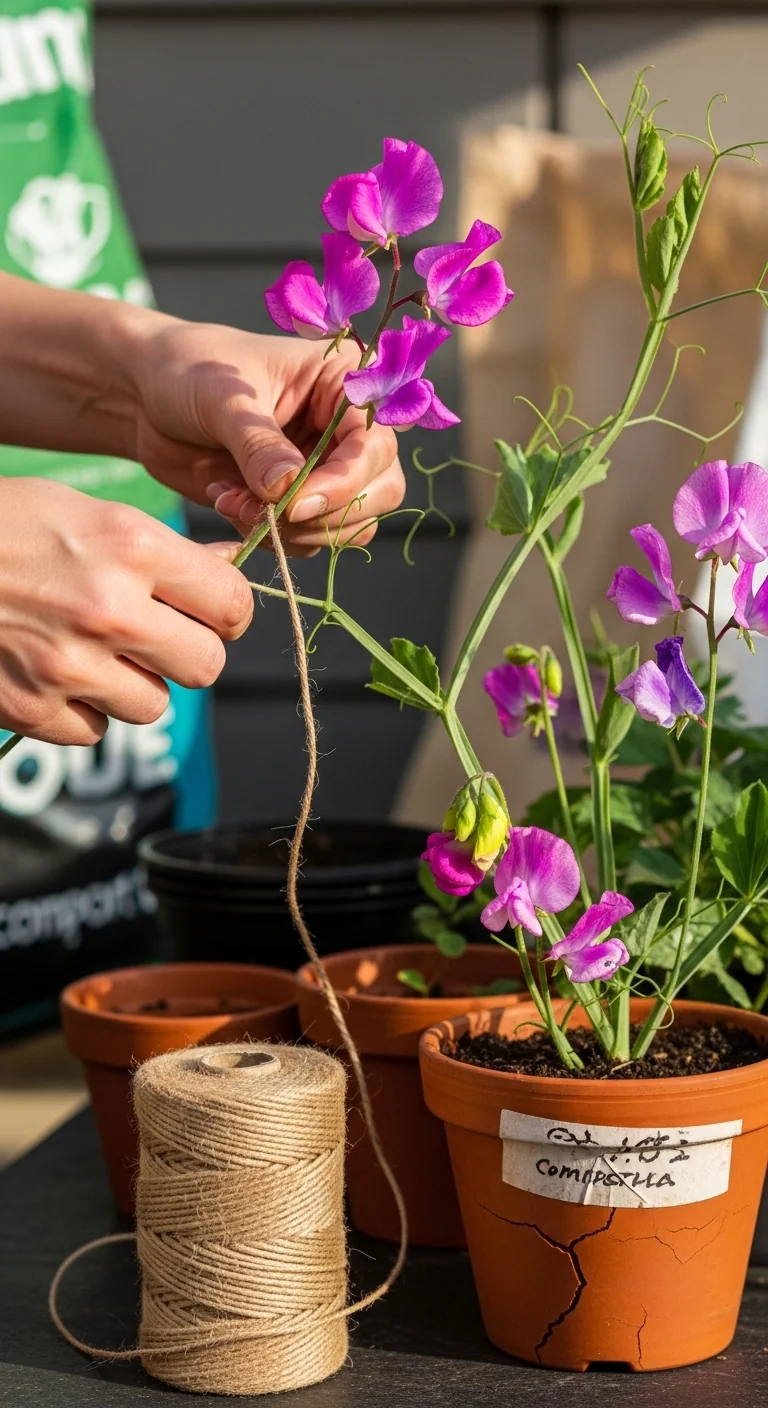
Sweet Peas produce fragrant blooms in vertical containers or trellises when soil stays cool under 65 F in spring. The blueprint begins with soaking seeds 24 hours then sowing in deep pots with support mesh. Pinch tips at 6 inches to encourage branching. Deadhead regularly to prolong flowering. In warmer regions start in fall for winter-to-spring display. They combine well with morning glory for sequential coverage but need richer potting mix than most annuals. This pairing works for small-space gardeners in UK, Canada, and northern US zones where cool springs last longer. See full details in our sweet peas page.
Pansies
Best for: Branch 2
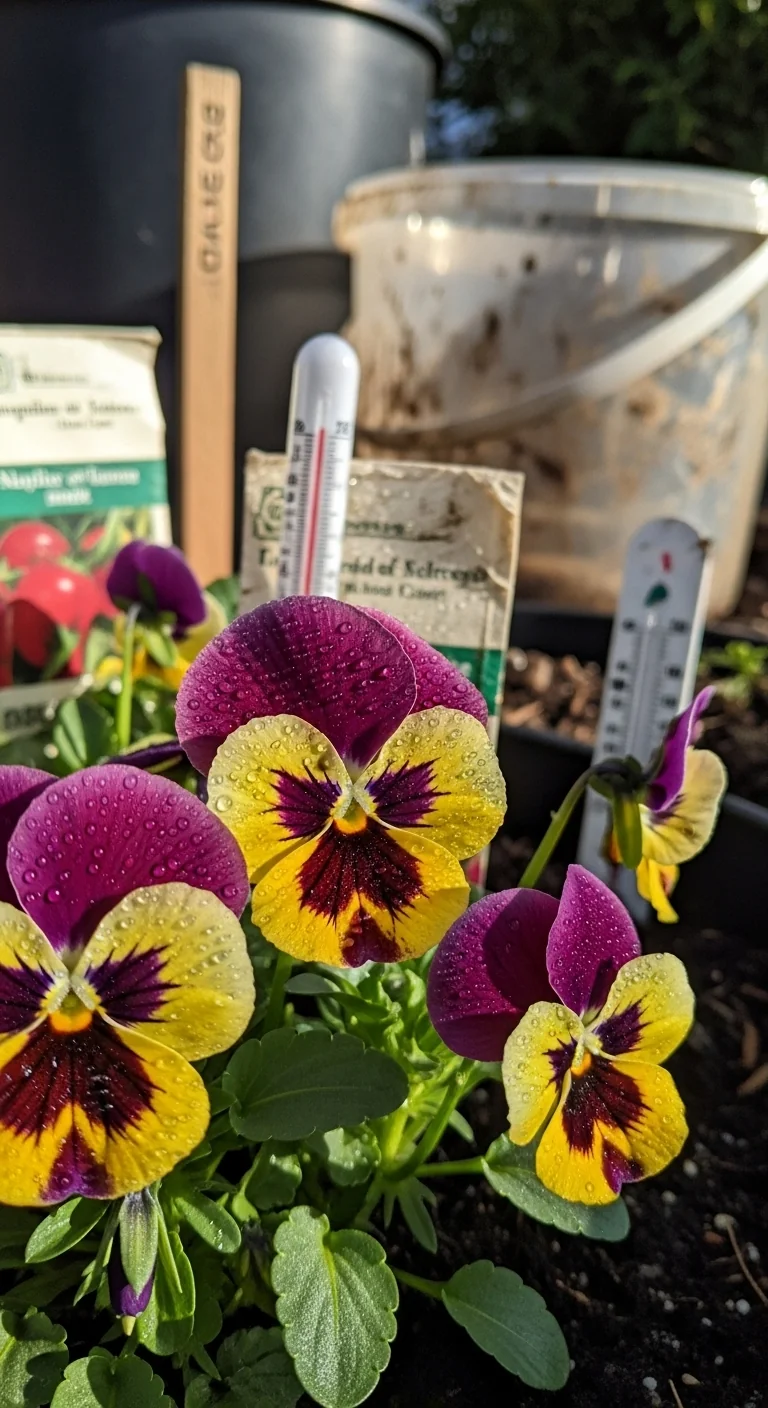
Pansies fill the early and late season window when daytime temperatures stay below 70 F and part shade prevents bolting.
Salvia
Best for: Branch 1
Salvia produces repeated flower spikes in full sun when spent stems are removed every two weeks. Plant after soil warms above 60 F in well-drained spots. Space 12 to 18 inches apart for air flow. The mechanism is simple stem cutting just above a leaf node to trigger new side shoots. This annual variety tolerates heat better than many bedding plants yet still draws hummingbirds and bees. Skip shade or wet soil which reduces bloom count and invites rot. It pairs cleanly with zinnias or marigolds for season-long pollinator strips across US, Australia, and India gardens. See full details in our salvia page.
Starter Stack (What to Choose First)
Branch 1: Full-Sun High-Heat Sites
Start with zinnias and marigolds. Zinnias give height and continuous color while marigolds edge beds and deter soil pests through natural root compounds. Plant together in one afternoon session using seed packets or six-packs. Total time: 1 to 2 hours. Seed or plant cost stays low across typical garden budgets.
Branch 2: Part-Shade or Clay Soil Sites
Start with cosmos and snapdragons. Cosmos handles lower fertility while snapdragons add upright spikes in cooler microclimates. They fill gaps without competing heavily for nutrients. Planting takes 45 to 90 minutes. Cost remains low using direct sowing or small transplants.
Branch 3: Container or Vertical Sites
Start with morning glory and sweet peas. Morning glory covers structure fast while sweet peas add fragrance and early blooms. Use one large pot or two adjacent containers with shared trellis. Setup time: 30 to 60 minutes. Cost stays low with seed packets and basic supports.
When This Won’t Work
Annual flowers fail when your site receives fewer than 4 hours of direct sun daily or soil pH drops below 5.5. Foliage stretches and blooms stay sparse or absent. The measurable fix is testing drainage with a 12-inch hole filled with water: if it takes longer than 8 hours to empty, switch to raised beds filled with amended mix.
They also underperform when night temperatures stay above 75 F for weeks without relief. Spikes shorten and plants shut down early. The alternative action is shifting to heat-tolerant perennials or moving containers to evening shade. See our shade-flowers page for replacements that handle lower light reliably.
Choosing the Right Option for Your Situation
Budget Threshold
If your budget covers only seed packets and basic soil amendment, choose cosmos, marigolds, or zinnias. These deliver full coverage from low-cost direct sowing with no need for premium transplants or extra supports.
Time Threshold
If you can spend under 30 minutes per week on maintenance, pick cosmos, marigolds, or sunflowers. They require only occasional watering and one or two deadheading passes per month once established.
Soil Drainage Constraint
If your soil stays wet longer than 6 hours after rain, limit choices to cosmos, morning glory, or salvia in raised beds. These tolerate heavier conditions better than zinnias or pansies when drainage is improved at planting.
Yes/No checklist:
– Does your site match one Decision Grid branch exactly?
– Can you provide the minimum light hours listed?
– Is drainage or container setup adjustable before planting?
– Will you deadhead or support as needed for your chosen items?
Expert Q&A
How do day-length requirements affect annual flower selection?
Most listed annuals here are day-neutral and bloom based on accumulated heat units once soil temperature thresholds are met. Short-day types like some salvia slow in midsummer long days while long-day types like snapdragons extend when nights cool. Match your local summer day length to the variety notes to avoid early shutdown.
What soil temperature window maximizes germination for these annuals?
Direct sowing succeeds when soil at 2-inch depth holds steady above 60 F for zinnias, marigolds, and salvia. Cosmos and sunflowers tolerate 65 F minimum. Below these thresholds seeds rot or delay by weeks. Use a soil thermometer for the first two weeks after last frost date.
Which annuals perform best in clay soil without major amendment?
Cosmos and morning glory handle clay best because their root systems tolerate slower drainage and lower fertility. Add coarse sand or raised beds for zinnias and pansies which demand faster percolation to prevent root issues.
How does pinching or deadheading change bloom timing across varieties?
Pinching sweet peas and zinnias at 6 inches creates bushier plants and delays first bloom by 7 to 14 days but doubles flower count later. Deadheading snapdragons and salvia every 10 days keeps spikes coming until frost. Skip on cosmos and marigolds unless you want tighter shape.
Can these annuals be combined with perennials for extended season color?
Yes. Pair early pansies or sweet peas with later-blooming perennials to fill spring gaps, then use zinnias, salvia, or cosmos to carry color into fall when perennials slow. Keep annuals in front or side positions so their removal after frost does not disturb established roots.
Conclusion
Your next step is mapping one bed or container to a single Decision Grid branch then planting the starter stack for that branch. Begin your cut-flower-garden planning here: cut-flower-garden guide.