
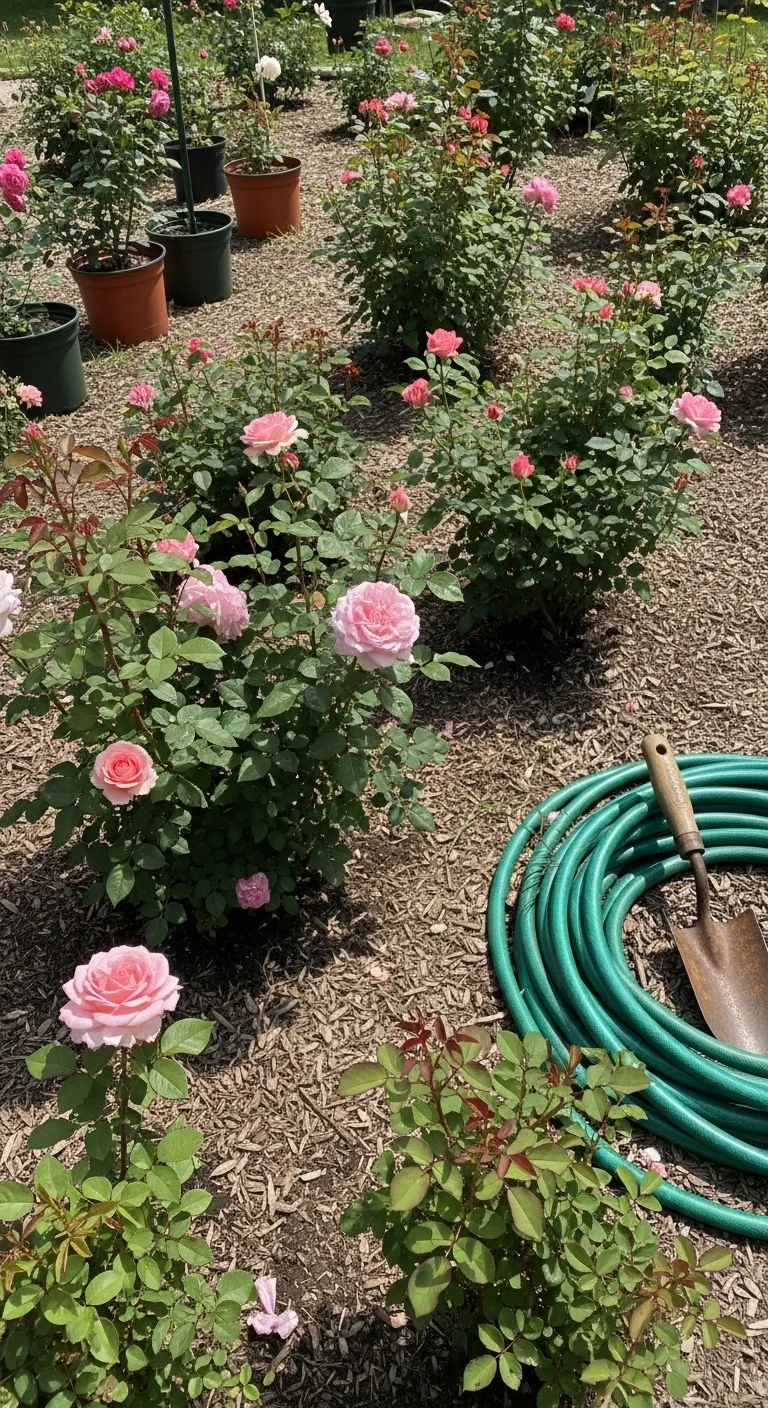
The key to roses that actually last is matching variety to your exact conditions rather than chasing flower size or catalog color. Most top guides overlook this and push high-fuss types that fail in average home gardens. This decision grid reframes selection around three measurable factors: disease pressure, maintenance time, and harvest goals.
This list covers nine widely available types suited to gardens in the US, UK, Canada, Australia, and New Zealand. It includes planting basics, ongoing care details, and performance notes based on standard horticultural data. It excludes exhibition hybrid teas that need daily attention and single-flush antique roses that demand specialized training.
You will finish knowing precisely which roses to buy for your site, how they pair for faster results, and which conditions guarantee failure so you avoid wasted effort. The table and starter stacks turn reading into immediate planting decisions.
Identify your dominant garden constraint in the decision grid below, then plant only from the matching recommendations.
The Yield Grid Decision Grid
Branch 1 applies if your summers average more than 3 inches of rainfall per month or humidity stays above 65 percent for extended periods (common in eastern US, UK, and parts of Canada). These conditions favor black spot and mildew. Recommended: Items 1, 4, and 7 below. Confirm pressure levels with our flower diseases guide.
Branch 2 applies if you can dedicate fewer than 30 minutes per plant per month to grooming and monitoring. These selections minimize pruning and spraying. Recommended: Items 2, 5, and 8 below.
Branch 3 applies if you harvest stems longer than 10 inches at least every 4 weeks during the main bloom window. These produce reliable long stems for arrangements. Recommended: Items 3, 6, and 9 below.
Quick Comparison Table
| Option | Key mechanism | Best for | Decision Grid Branch | Effort Score |
|---|---|---|---|---|
| 1. Knock Out Roses | Self-cleaning blooms plus strong black spot resistance | Humid climates needing hands-off color | Branch 1 | 1 |
| 2. Drift Roses | Compact groundcover habit with continuous small clusters | Low-time borders and containers | Branch 2 | 1 |
| 3. Iceberg Floribunda | Prolific white clusters on strong stems | Cut-flower production with clean foliage | Branch 3 | 2 |
| 4. Carefree Beauty | Buck-bred shrub genetics for Midwest-level hardiness and disease tolerance | Disease-heavy zones wanting pink repeat bloom | Branch 1 | 2 |
| 5. The Fairy | Polyantha cascading clusters that need almost no shaping | Set-and-forget ground-level coverage | Branch 2 | 1 |
| 6. Mister Lincoln Hybrid Tea | Long single stems with classic damask fragrance | Vase arrangements from repeat flushes | Branch 3 | 4 |
| 7. Hansa Rugosa | Rugosa species toughness with fragrant hips and salt tolerance | Harsh or coastal conditions with zero spray | Branch 1 | 1 |
| 8. Bonica | Low-branching shrub form that stays compact without heavy pruning | Busy gardeners seeking reliable pink mass | Branch 2 | 1 |
| 9. Double Delight Hybrid Tea | Bicolor petals on long cutting stems with intense perfume | Fragrant cut-flower focus | Branch 3 | 3 |
1. Knock Out Roses
Best for: Branch 1
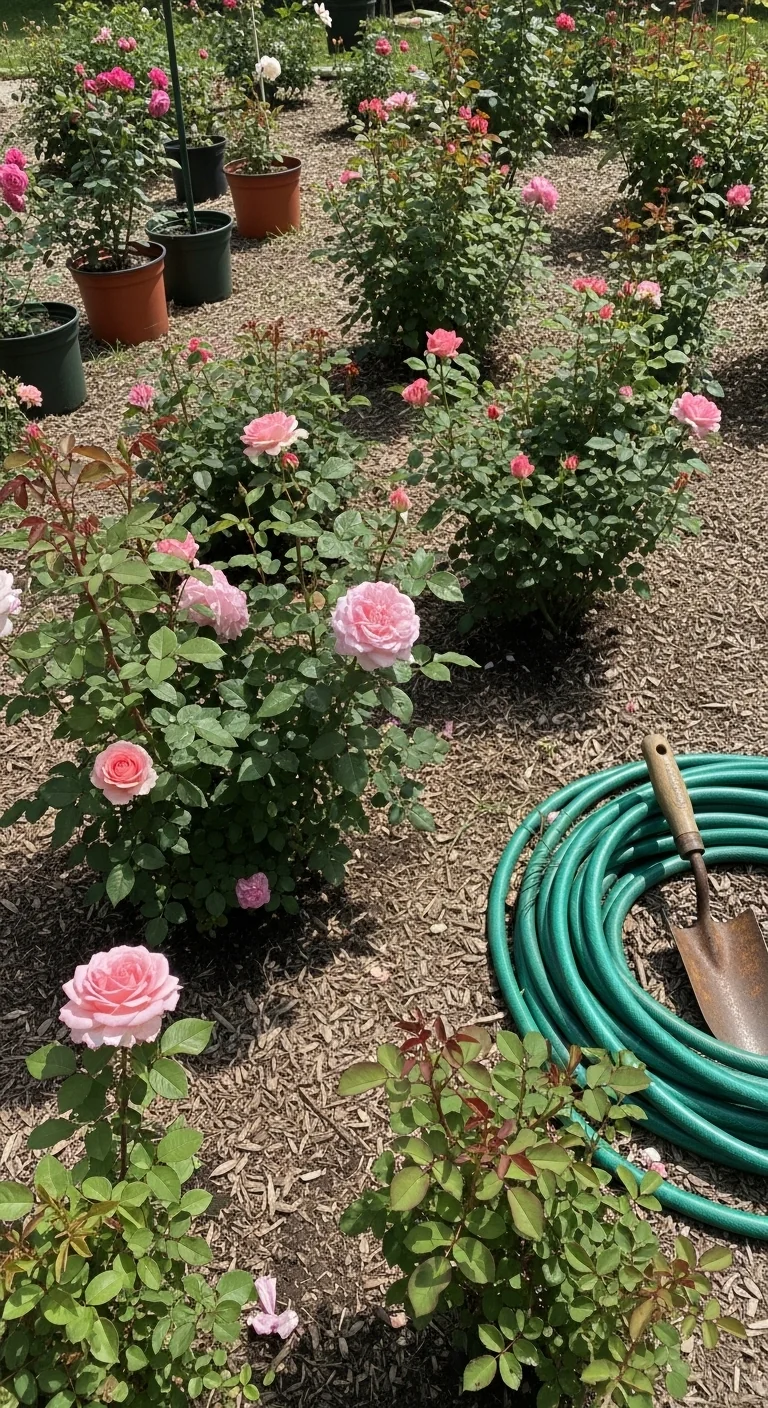
Knock Out Roses deliver continuous cherry-red to pink blooms from late spring through frost via self-cleaning petals that drop cleanly without manual deadheading. The key mechanism is built-in black spot resistance bred from shrub genetics, making them reliable in humid or rainy regions where other roses drop leaves by midsummer. Plant in full sun with soil pH 6.0 to 6.5 and well-drained conditions. See our full sun flowers guide for site selection to ensure at least 6 hours of direct light daily.
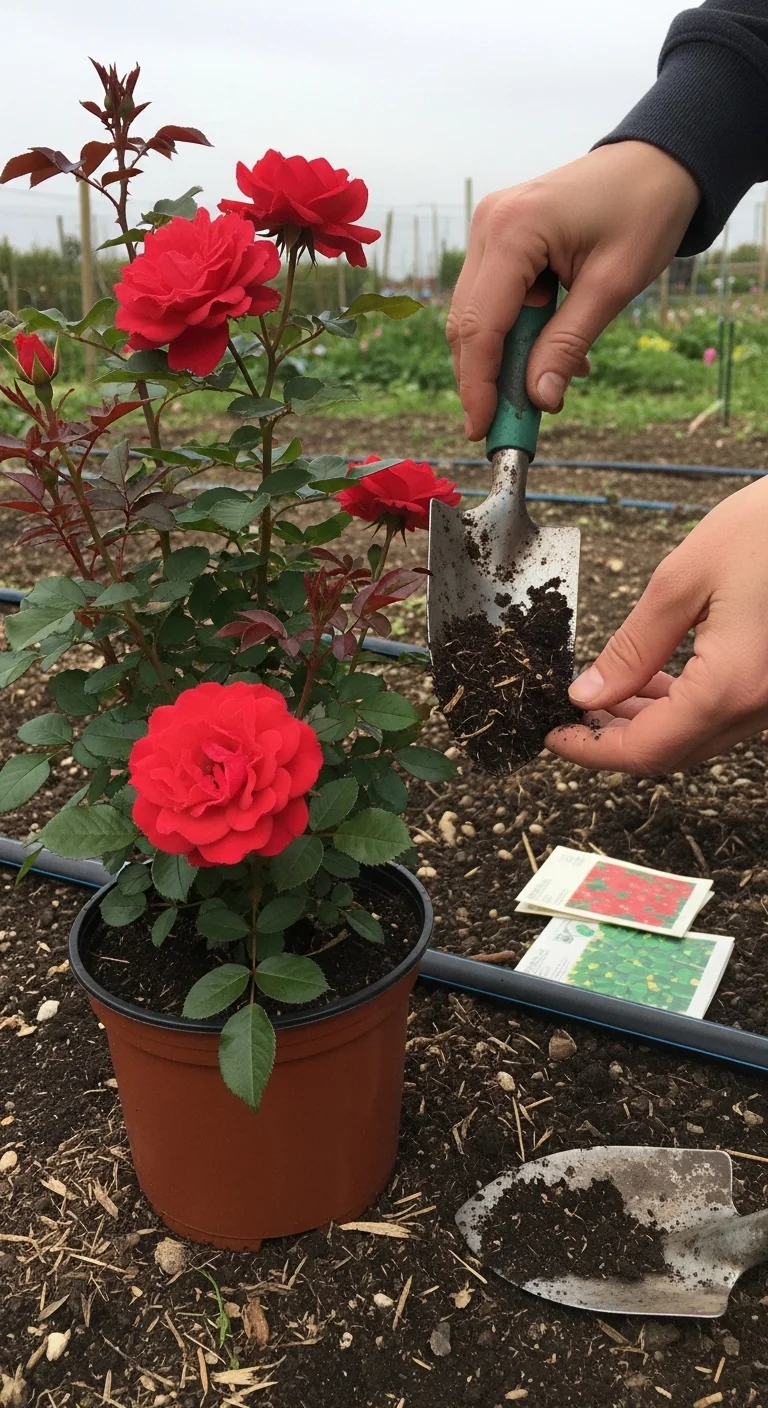
Blueprint steps: dig a hole twice the root ball width in amended soil, set the bud union 1 to 2 inches above grade in mild climates or slightly below in colder zones, backfill firmly, and water deeply. Apply a 2- to 3-inch mulch layer after planting. The common mistake is overwatering once established; these tolerate dry spells once roots set but resent constantly soggy feet. In zones 5 through 9 they overwinter without extra protection in most cases. (178 words)
2. Drift Roses
Best for: Branch 2
Use Drift Roses when space is tight and time is limited: their 18- to 24-inch compact spread fills borders or containers with nonstop small flower clusters and glossy foliage. Skip them only if you need tall focal points or long cutting stems; they stay low and wide. Edge case: in very hot inland summers above 95 degrees Fahrenheit they appreciate afternoon shade to prevent bloom fade. (68 words)
3. Iceberg Floribunda
Best for: Branch 3
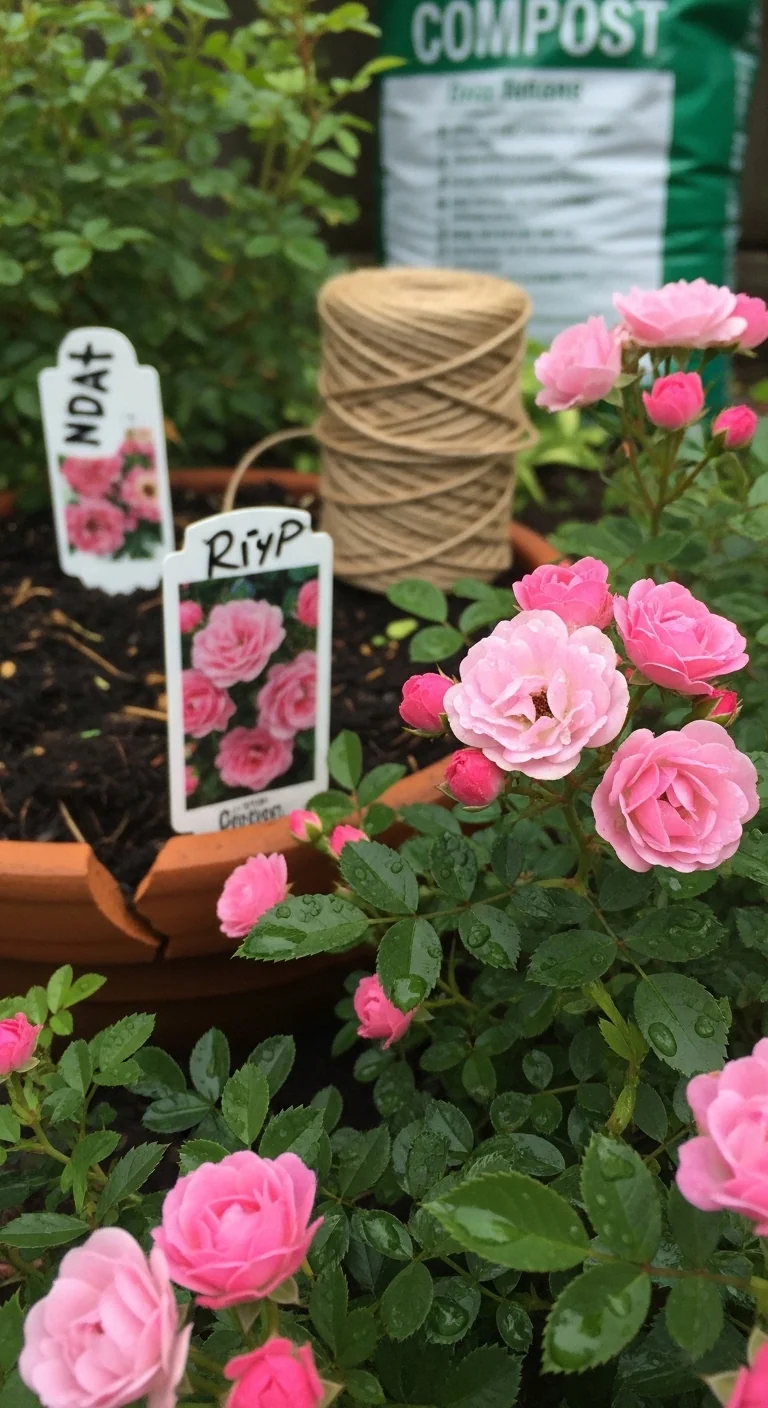
Iceberg Floribunda produces abundant white clusters on sturdy stems ideal for cutting gardens. Threshold rule: provide soil pH between 6.0 and 6.5 and at least 6 hours of sun; below that threshold bloom quantity drops sharply and foliage thins. Adjust by incorporating compost at planting and retesting soil every two years. In repeat-flush cycles every 4 to 6 weeks it delivers clean, disease-tolerant performance when conditions stay within range. Link to our cut flower garden guide for harvest timing. (112 words)
4. Carefree Beauty
Best for: Branch 1
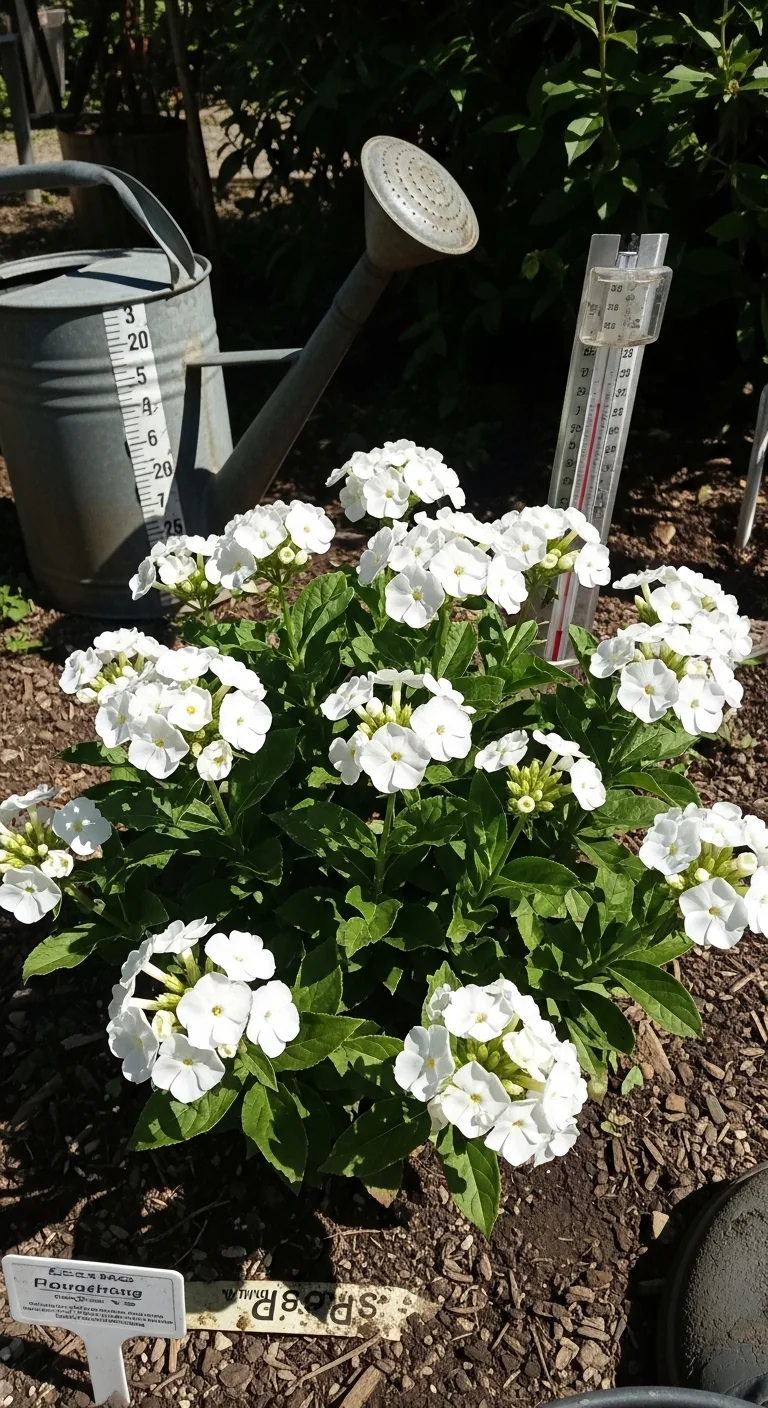
Carefree Beauty offers clear pink blooms on a tough shrub frame bred specifically for disease tolerance in variable Midwest-style climates. 10-minute workflow: in early spring prune to outward-facing buds removing only dead or crossing canes (under 10 minutes per plant), then apply a balanced granular fertilizer at label rates once new growth reaches 3 inches. Upgrade option: add a second light feeding after the first heavy flush for extended color. Common constraint: it reaches 3 to 4 feet so space 3 feet apart to avoid crowding. See our rose pruning guide for exact cut angles. (162 words)
5. The Fairy
Best for: Branch 2
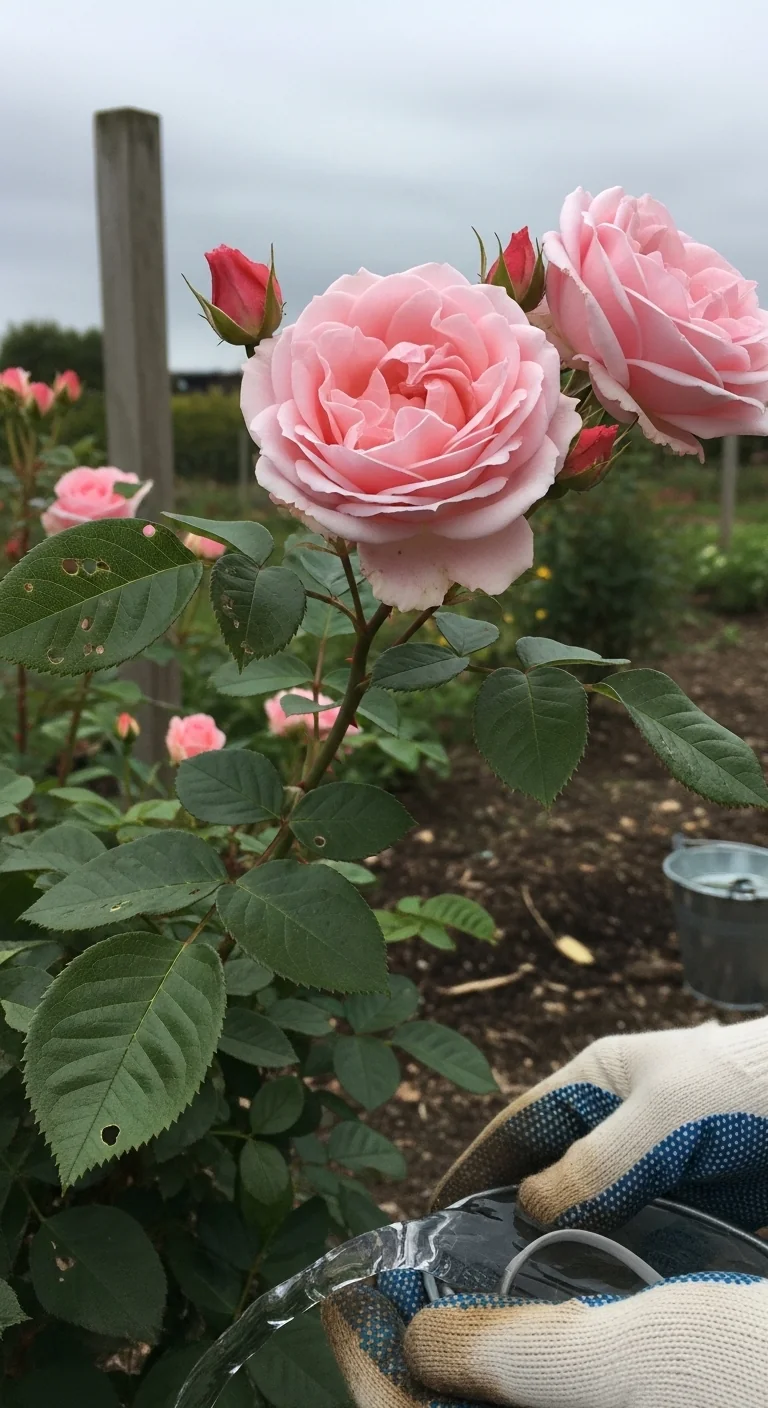
Use The Fairy for effortless ground-level pink clusters that cascade without shaping; skip it only if you want upright form or strong fragrance. It blooms reliably from early summer onward with almost zero intervention. Edge case: in heavy clay it still performs once drainage is improved at planting, but avoid low spots prone to standing water after rain. (62 words)
6. Mister Lincoln Hybrid Tea
Best for: Branch 3
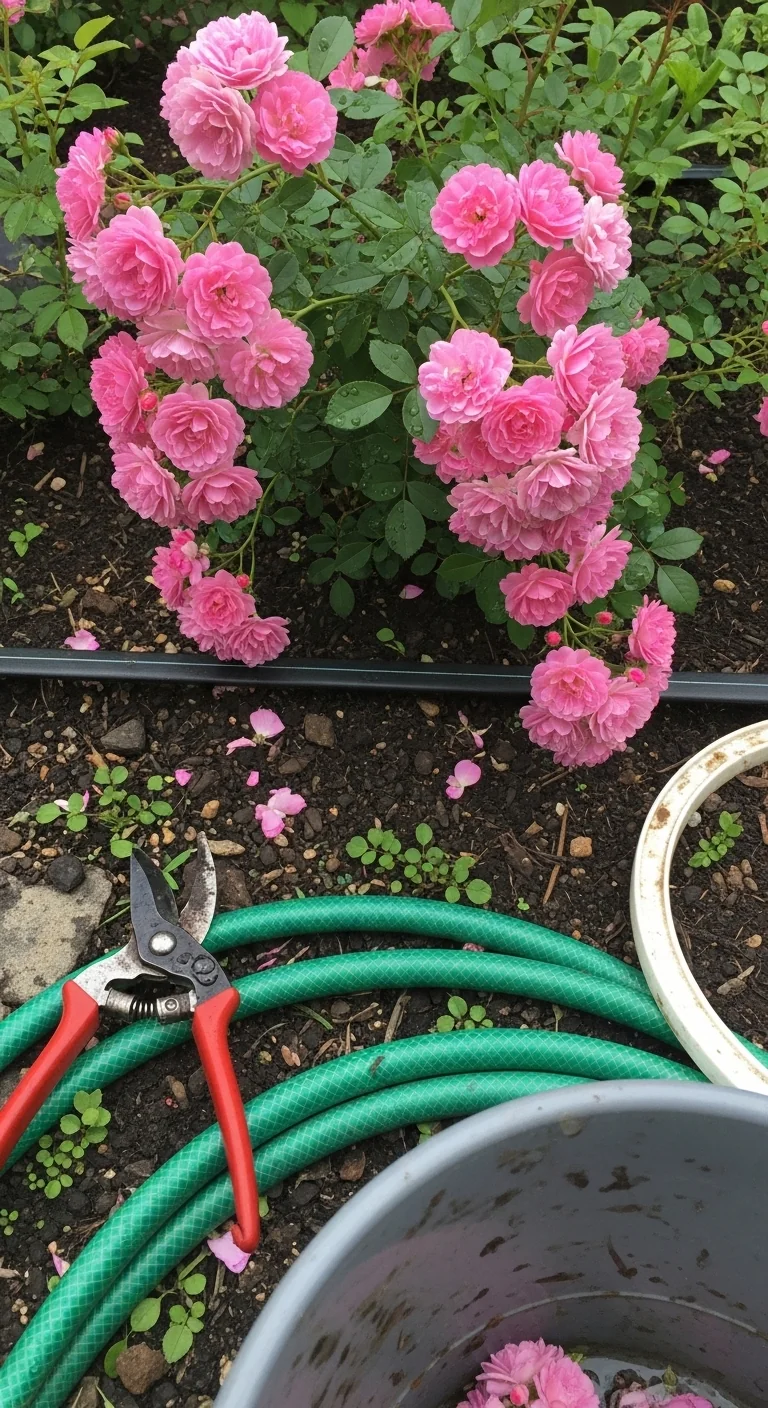
Mister Lincoln delivers classic red blooms on long single stems prized for vase work and intense damask scent. Use versus skip: plant it when you prioritize fragrance and cut length; skip in high-disease zones unless you accept extra monitoring. It repeats every 4 to 6 weeks when deadheaded promptly. See our deadheading flowers guide for technique to keep stems coming. Edge case: in zones colder than 6 it needs 6 inches of mound protection over the bud union in winter. (118 words)
7. Hansa Rugosa
Best for: Branch 1
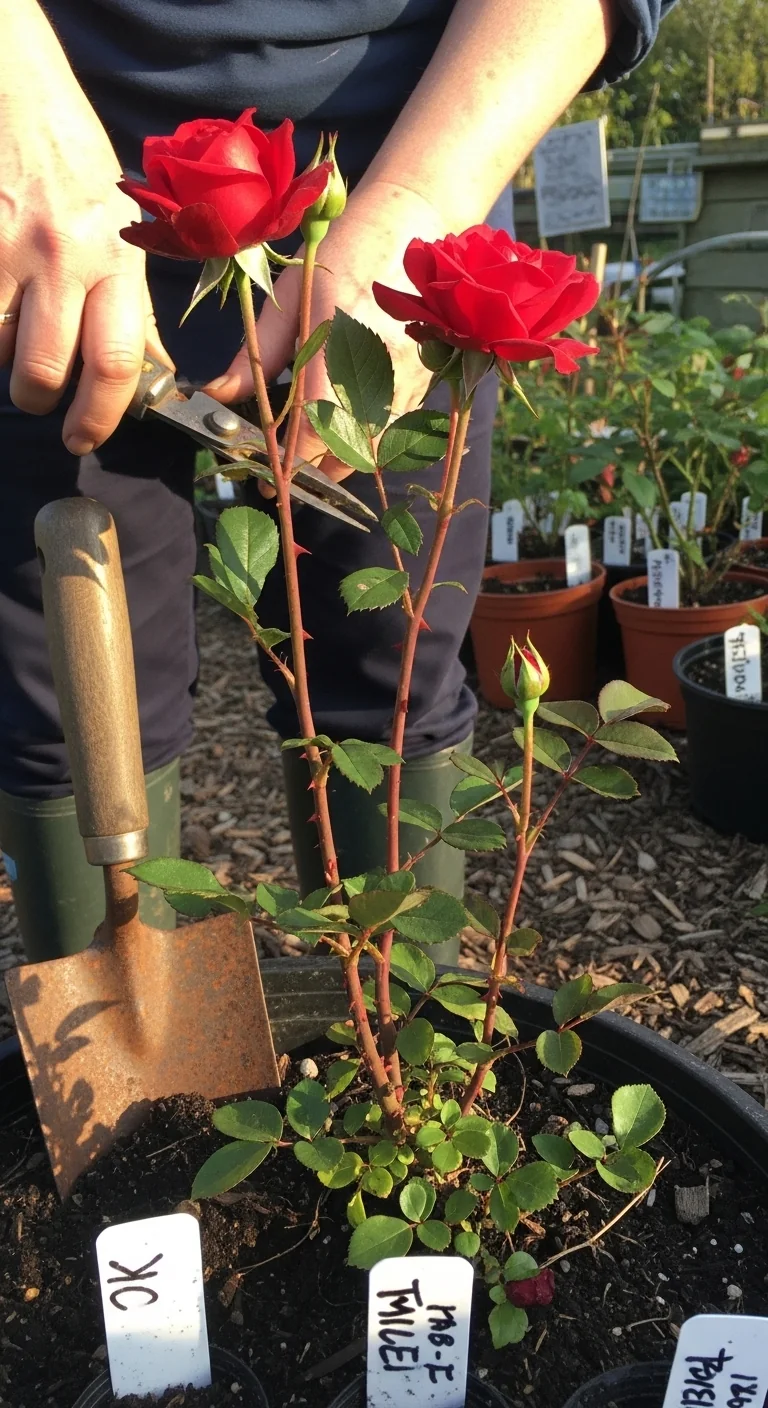
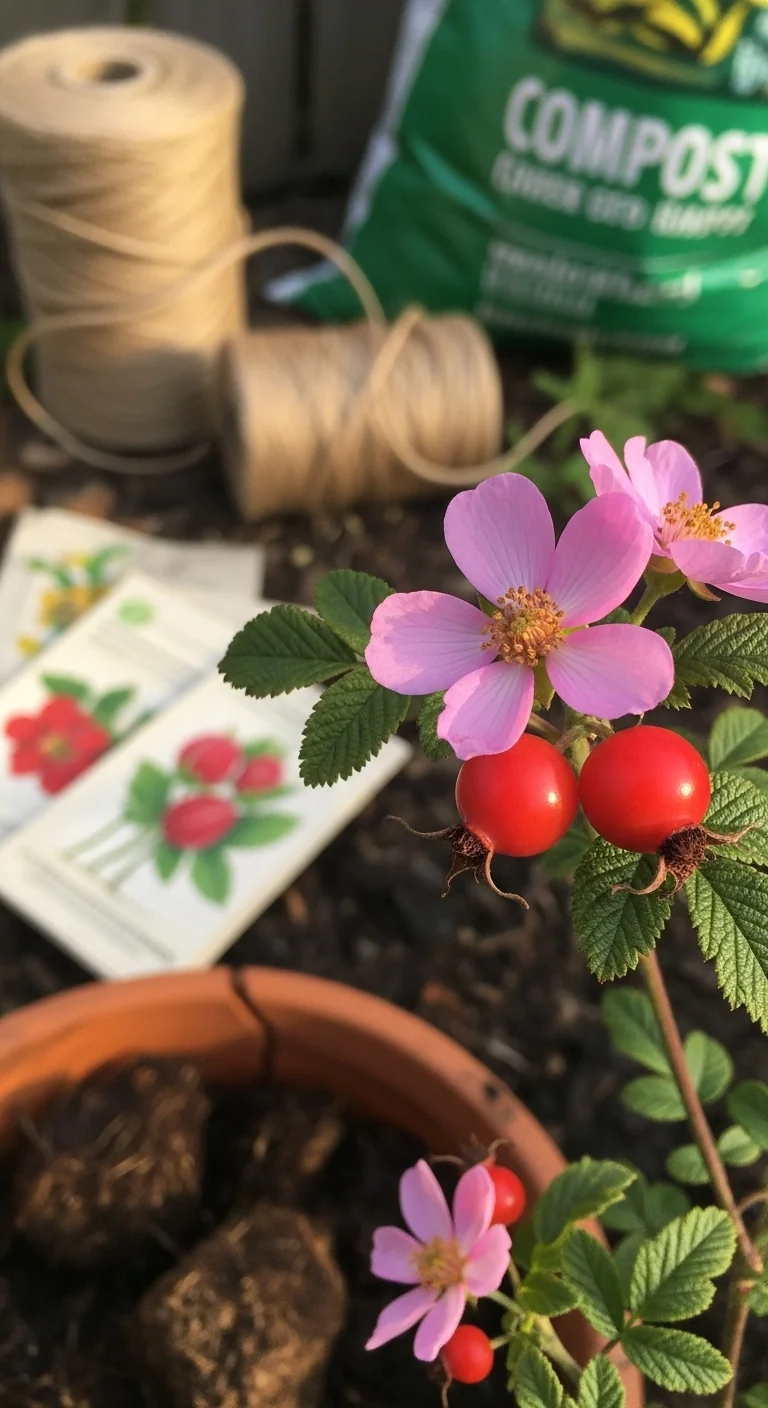
Hansa Rugosa brings rugged pink blooms, strong fragrance, and bright red hips on a naturally disease-resistant frame that tolerates salt spray and poor soils. Blueprint: site in full sun with pH 6.0 to 6.5, plant at the same depth as the nursery pot, and mulch to retain moisture. It needs only one annual prune in late winter to remove old wood. The common mistake is ignoring its eventual 5- to 6-foot width; give it room or use as a hedge. In coastal or cold zones it outperforms most modern types without sprays. (154 words)
8. Bonica
Best for: Branch 2
Use Bonica when you want low-branching pink shrubs that stay tidy with minimal pruning; skip only if tall accents are required. It covers ground steadily and blooms in flushes through fall with little care. Edge case: in sandy soils it benefits from extra organic matter at planting to hold moisture during dry spells. (59 words)
9. Double Delight Hybrid Tea
Best for: Branch 3
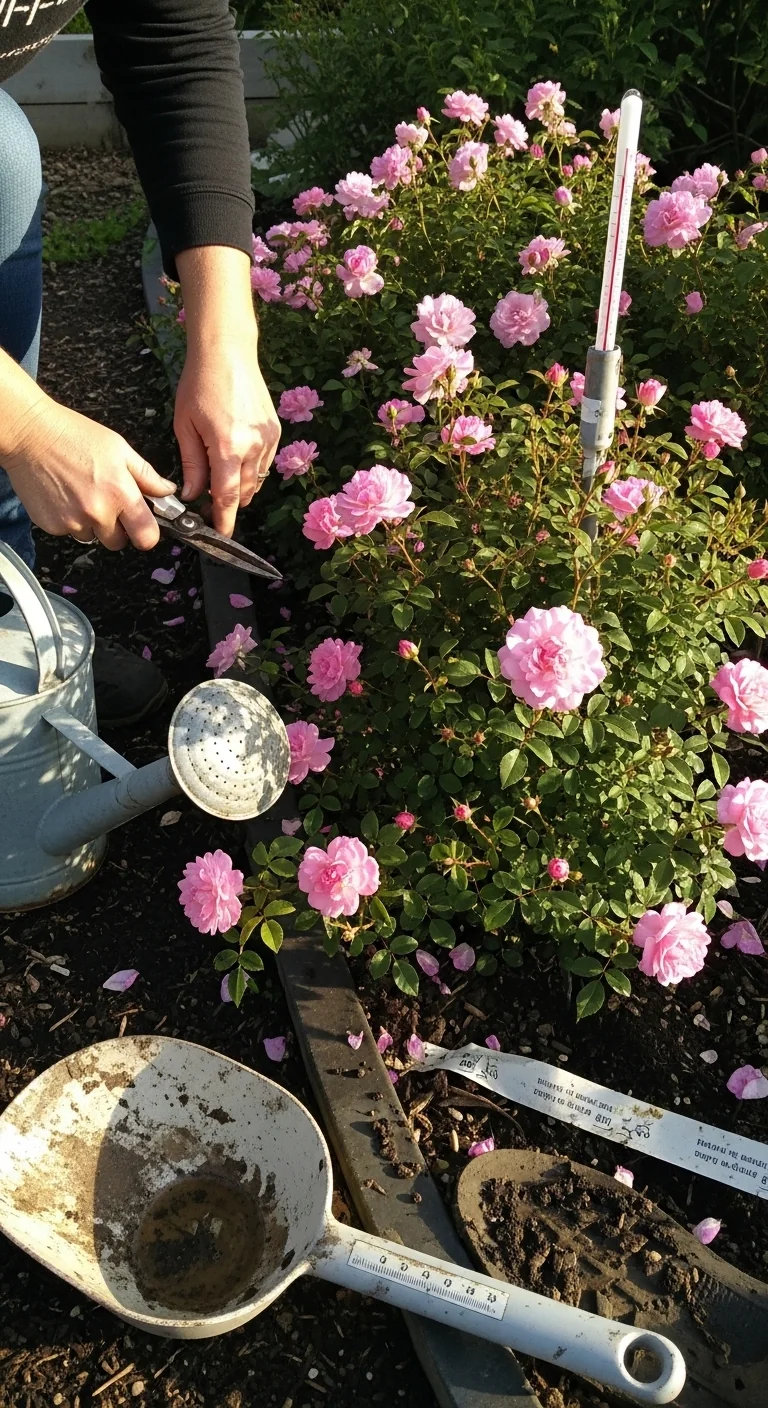
Double Delight produces bicolor cream-to-red blooms on long stems with standout perfume that lasts in arrangements. Threshold rule: maintain consistent soil moisture (1 inch per week via rain or irrigation) and pH 6.0 to 6.5; deviations cause bud drop or weak stems. Adjust by testing soil in spring and amending as needed. It repeats well when spent blooms are removed promptly. (98 words)
Starter Stack (What to Choose First)
For Branch 1: High Disease Pressure
Start with Knock Out Roses plus Carefree Beauty. The former gives nonstop low-care color while the latter adds height and pink tone variety; together they create a disease-tolerant mass that needs no routine sprays. Cost range: 15 to 25 dollars per bare-root plant. Planting time: 20 to 30 minutes per bush including soil prep. (62 words)
For Branch 2: Low Maintenance Tolerance
Start with Drift Roses plus The Fairy. Both stay compact and self-sufficient; one fills edges while the other cascades for layered coverage with almost no grooming. Cost range: 12 to 22 dollars per plant. Planting time: 15 to 25 minutes per bush. (54 words)
For Branch 3: Cut Flower Priority
Start with Iceberg Floribunda plus Mister Lincoln. The clusters supply volume while the hybrid tea supplies long fragrant stems; combined they yield steady vase material across the season. Cost range: 18 to 30 dollars per bare-root plant. Planting time: 25 to 35 minutes per bush. (58 words)
When This Won’t Work
These selections fail when the site receives fewer than 6 hours of direct sun daily. Growth becomes leggy, bloom production drops, and disease pressure rises even on resistant types. Switch instead to shade-tolerant options from our shade flowers guide.
They also fail in unamended heavy clay that stays waterlogged after rain. Roots rot and nutrient uptake stalls regardless of variety. The fix is to test drainage, raise beds 6 to 8 inches, and incorporate compost before planting. (98 words)
Choosing the Right Option for Your Situation
Budget Threshold
Under 20 dollars per plant favors bare-root shrub and groundcover types such as Knock Out or Drift. Above 25 dollars opens container-grown hybrid teas or English styles when fragrance or stem length matters more than initial cost.
Time Threshold
Under 30 minutes per plant monthly limits you to effort-score 1 options such as Knock Out, Drift, The Fairy, or Hansa. Over 1 hour weekly total allows hybrid teas that need regular deadheading and shaping.
Soil Texture Constraint
In clay amend to reach pH 6.0 to 6.5 and improve drainage before planting any type. In sandy soils add organic matter at planting and mulch to retain moisture; all nine tolerate this once established but shrub types adjust fastest.
Yes/No checklist:
Does your site get 6+ hours sun? Yes/No
Can you commit under 30 minutes monthly per plant? Yes/No
Is soil pH testable and adjustable to 6.0-6.5? Yes/No
Do you need stems over 10 inches for cutting? Yes/No
Expert Q&A
How do companion plants affect rose performance in mixed beds?
Low-growing perennials like lavender or catmint planted 12 to 18 inches away improve air circulation and reduce mildew risk while filling gaps during early rose growth. Avoid aggressive spreaders that compete for the same 6 hours of sun and well-drained soil. (52 words)
What winter protection differences exist across zones for these roses?
Rugosa types such as Hansa need nothing in zone 4 and warmer. Hybrid teas like Mister Lincoln and Double Delight require 6 inches of soil or mulch mounding over the bud union in zone 5 and colder to prevent cane dieback. (48 words)
When should you test and adjust soil pH for long-term success?
Test in early spring before new growth and again every two years. If below 6.0 apply garden lime; if above 6.5 use sulfur. All listed roses perform best in the 6.0 to 6.5 window, so corrections made at planting last longest. (51 words)
Do any of these roses produce hips usable for wildlife or crafts?
Hansa Rugosa and some shrub types form bright red hips after bloom if you stop deadheading in late summer. These provide food for birds and can be harvested for vitamin-C-rich tea once fully colored and firm. (47 words)
How do you integrate these roses into existing perennial borders
without overcrowding?
Space shrub types 3 feet apart and groundcovers 2 feet apart from neighboring perennials. Plant roses first so their root zones establish, then add fillers that tolerate similar sun and pH. Monitor the first season and thin only if air flow drops. (53 words)
Conclusion
The decision grid delivers reliable roses by tying choices to your actual rainfall, time budget, and harvest needs rather than generic beauty claims. The number one mistake remains planting a high-effort type in a disease-prone spot and expecting it to act low-care.
Next step: once plants are in the ground build your first-year feeding schedule with our fertilizing flowers guide.