
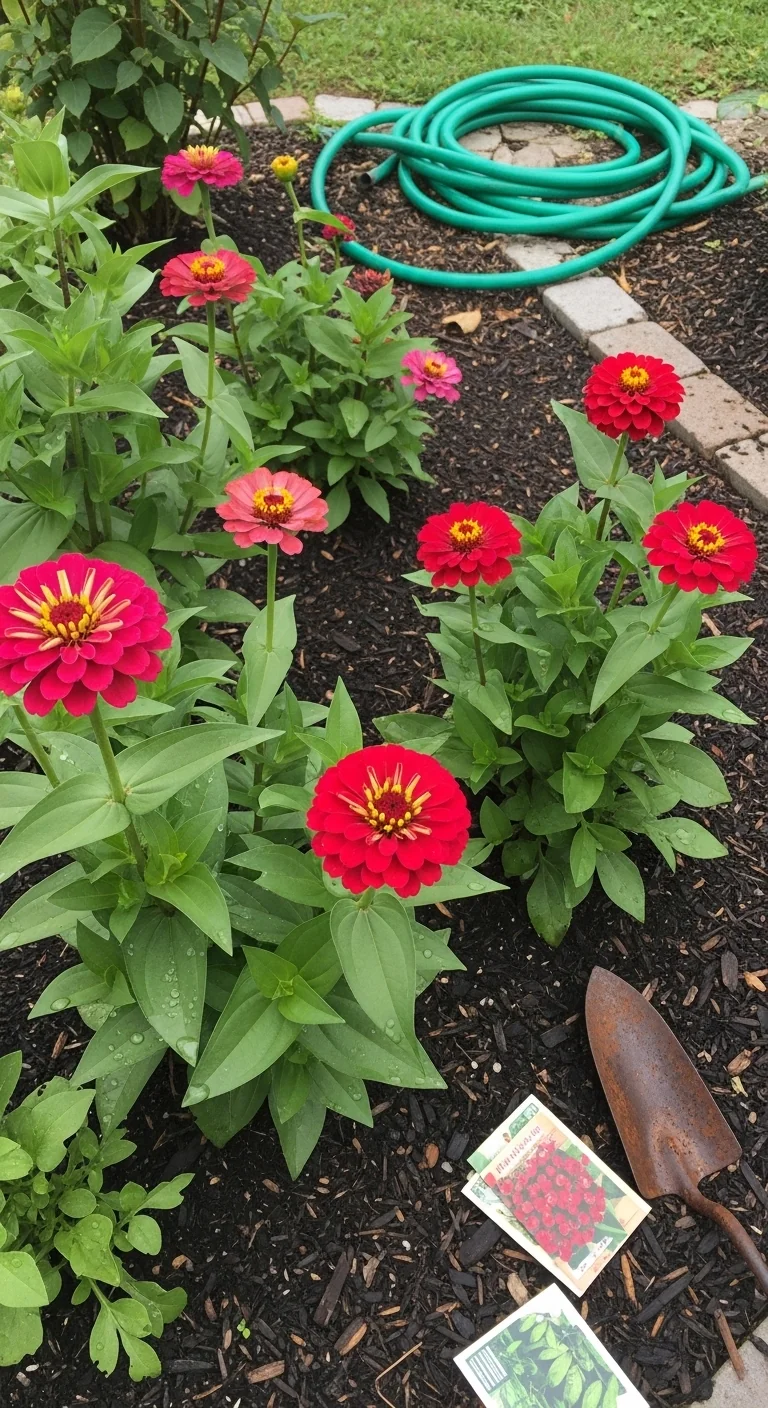
A cut flower garden succeeds when every stem you cut triggers new growth from side shoots or the base rather than ending the plant’s season. Most recommendations focus on initial bloom size or color and ignore this regrowth trait. The plants below were selected because they respond reliably to repeated harvesting with fresh stems for weeks or months.
This guide limits itself to varieties with documented cut-and-come-again habits or strong perennial rebound in typical home conditions. It excludes one-and-done bloomers such as poppies or tulips that stop after the first flush. Soil type, sun exposure, and harvest timing receive equal weight to flower choice.
You will leave with clear decisions on which plants match your exact space and time budget, how to stagger planting windows, and when to cut for longest vase life. The comparison table and starter stack remove guesswork from the first season.
Match your conditions to the right branch of the decision grid and you will harvest fresh stems week after week without starting over each season.
The Yield Grid Decision Grid
Branch 1: Full-sun gardens (6 or more hours of direct sun daily) with room for dedicated rows and time for twice-weekly harvesting. These conditions support the highest stem volume from fast-regenerating annuals and perennials.
Recommended: Items 1, 3, 4, and 7 below. For layout basics see our flower gardening guide.
Branch 2: Space-limited gardens (50 square feet or less of planting area or balcony containers). Vertical or compact habits maximize stems per footprint here.
Recommended: Items 2, 5, and 6 below.
Branch 3: Low-intervention perennial beds (hardiness zones 4 through 9 with soil preparation once per year and deadheading limited to monthly). These plants return year after year with minimal input.
Recommended: Items 8, 9, 10, 11, and 12 below.
Quick Comparison Table
| Option | Key mechanism | Best for | Decision Grid Branch | Effort Score |
|---|---|---|---|---|
| Zinnias | Cutting above a leaf node triggers multiple side shoots from the base | Continuous summer color in full sun | 1 | 4 |
| Cosmos | Pinching at 12 inches promotes bushy branching and extended bloom | Light airy stems in limited space | 2 | 3 |
| Dahlias | Tuber regrowth plus disbudding side buds yields larger central flowers | Focal blooms over long season | 1 | 4 |
| Sunflowers | Branching varieties produce multiple heads after main stem cut | High-volume full-sun rows | 1 | 2 |
| Snapdragons | Spike structure allows cutting lower flowers while upper continue opening | Vertical interest in small beds | 2 | 3 |
| Sweet Peas | Tendril climbing uses vertical space and successive picking extends season | Fragrant stems in containers | 2 | 5 |
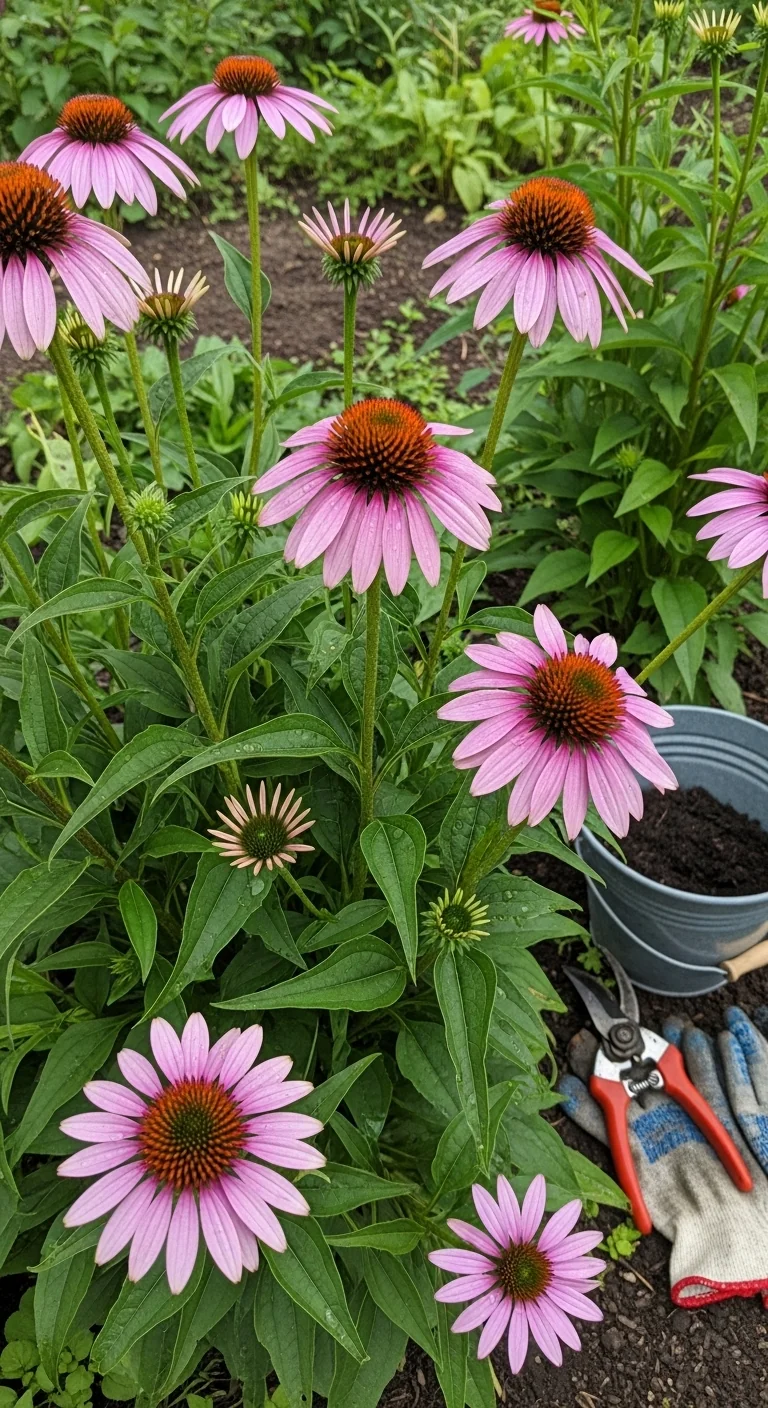
| Echinacea | Perennial clumps rebloom after cutting stems to 4 inches above base | Reliable full-sun volume | 1 | 2 |
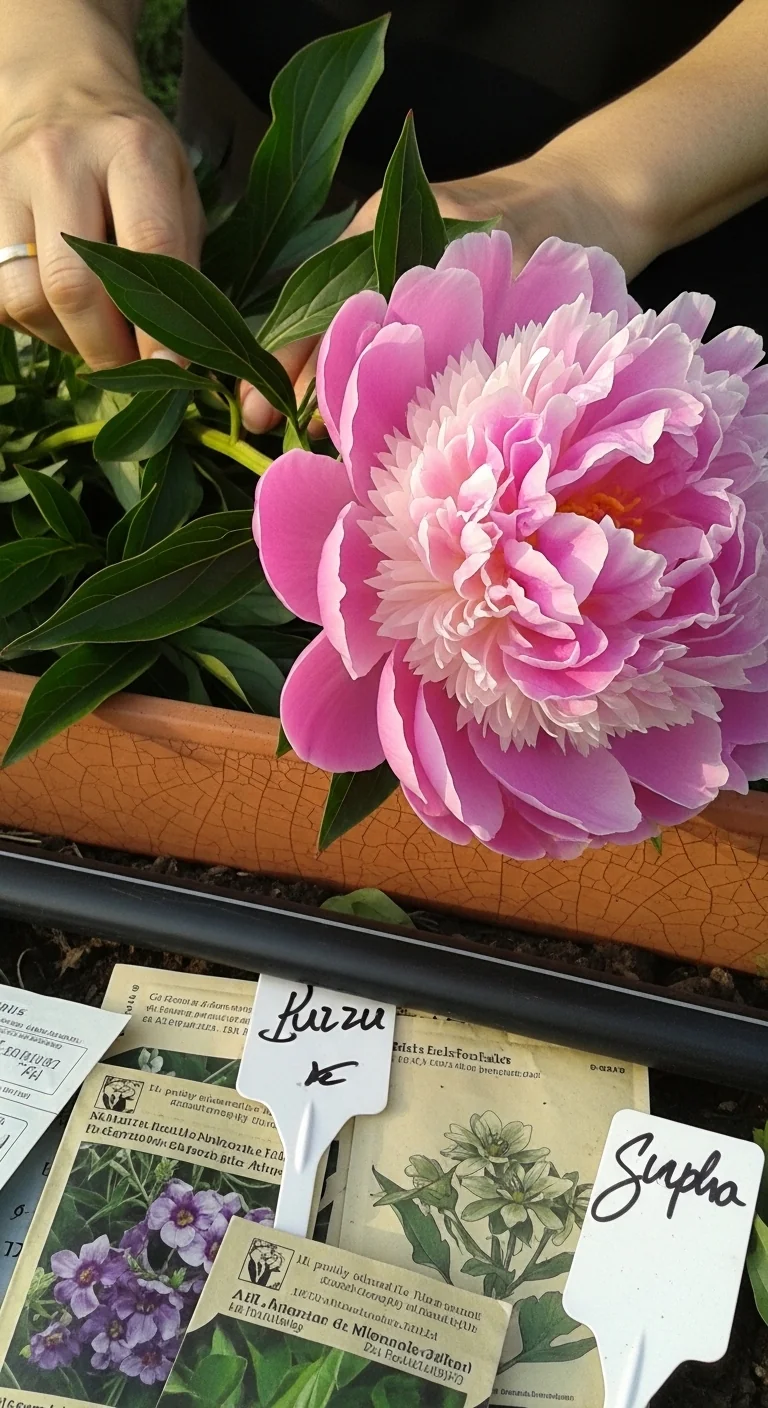
| Peonies | Established clumps produce large blooms on sturdy stems year after year | Early-season focal flowers | 3 | 2 |
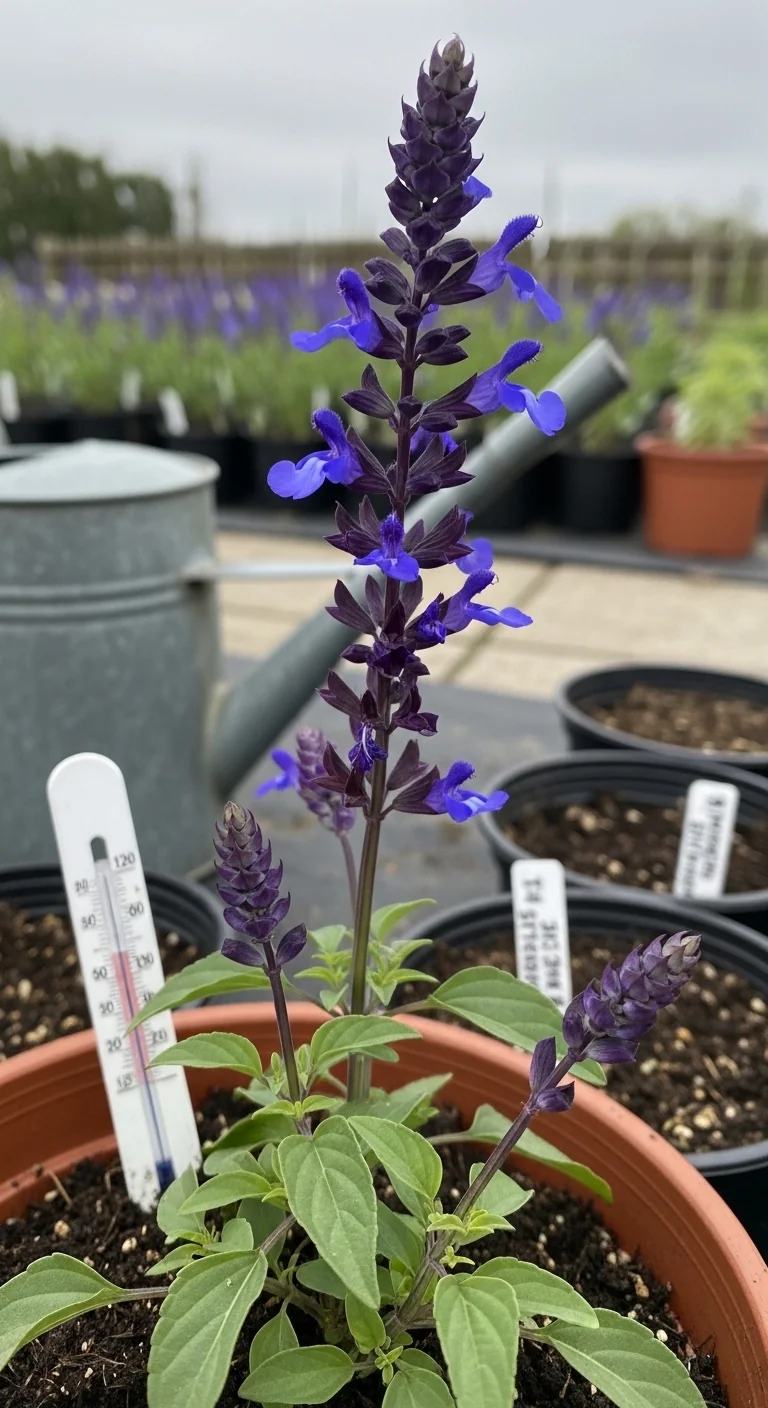
| Salvia | Spikes with continuous side blooms after cut back to lower leaves | Repeat flushes in perennial beds | 3 | 3 |
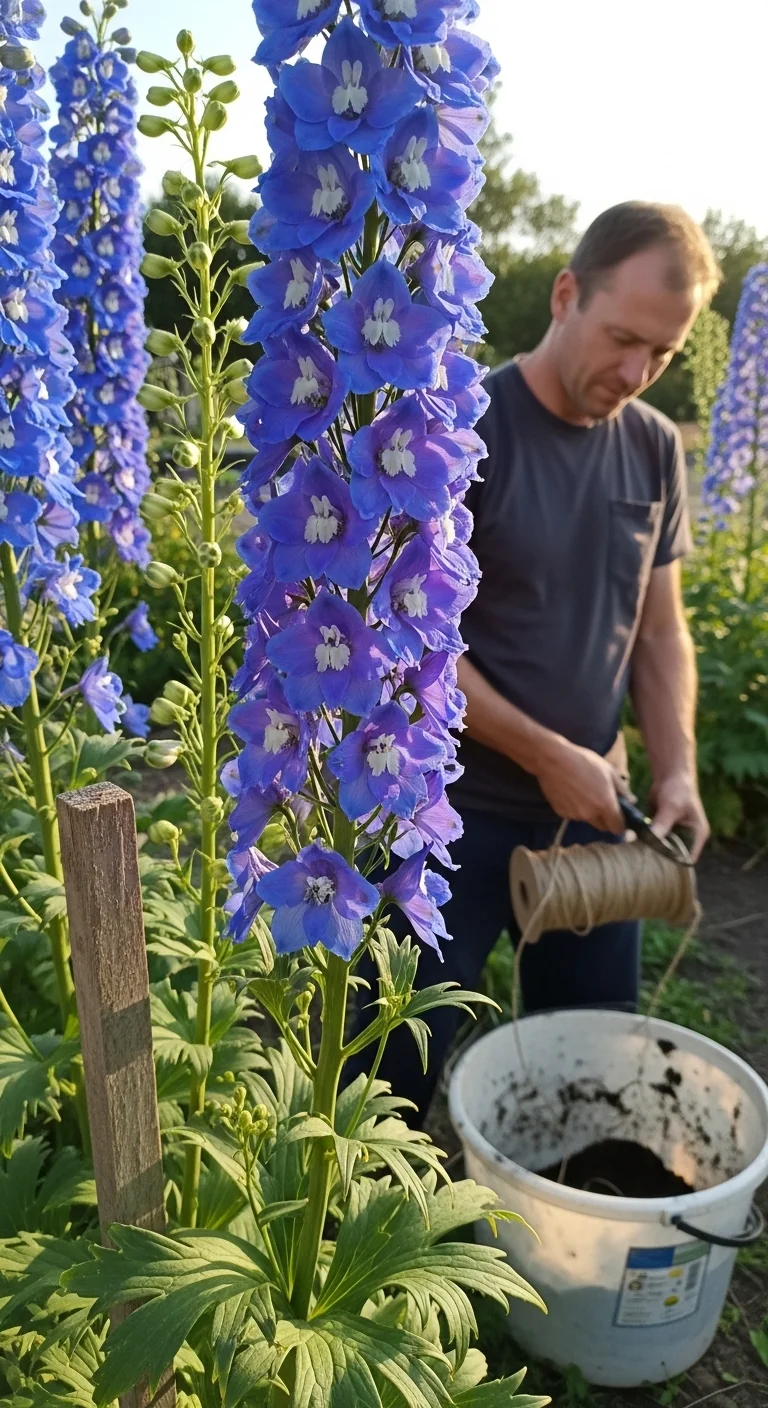
| Delphiniums | Tall spikes harvested when lower third opens allow secondary spikes | Dramatic height in low-maintenance beds | 3 | 4 |
| Coreopsis | Threadleaf types flower nonstop when cut to base regularly | Long-season yellow daisy blooms | 3 | 2 |
| Black-Eyed Susan | Daisy-like flowers on sturdy stems that regrow after base cut | Late-summer color with minimal care | 3 | 2 |
Zinnias
Best for: Branch 1
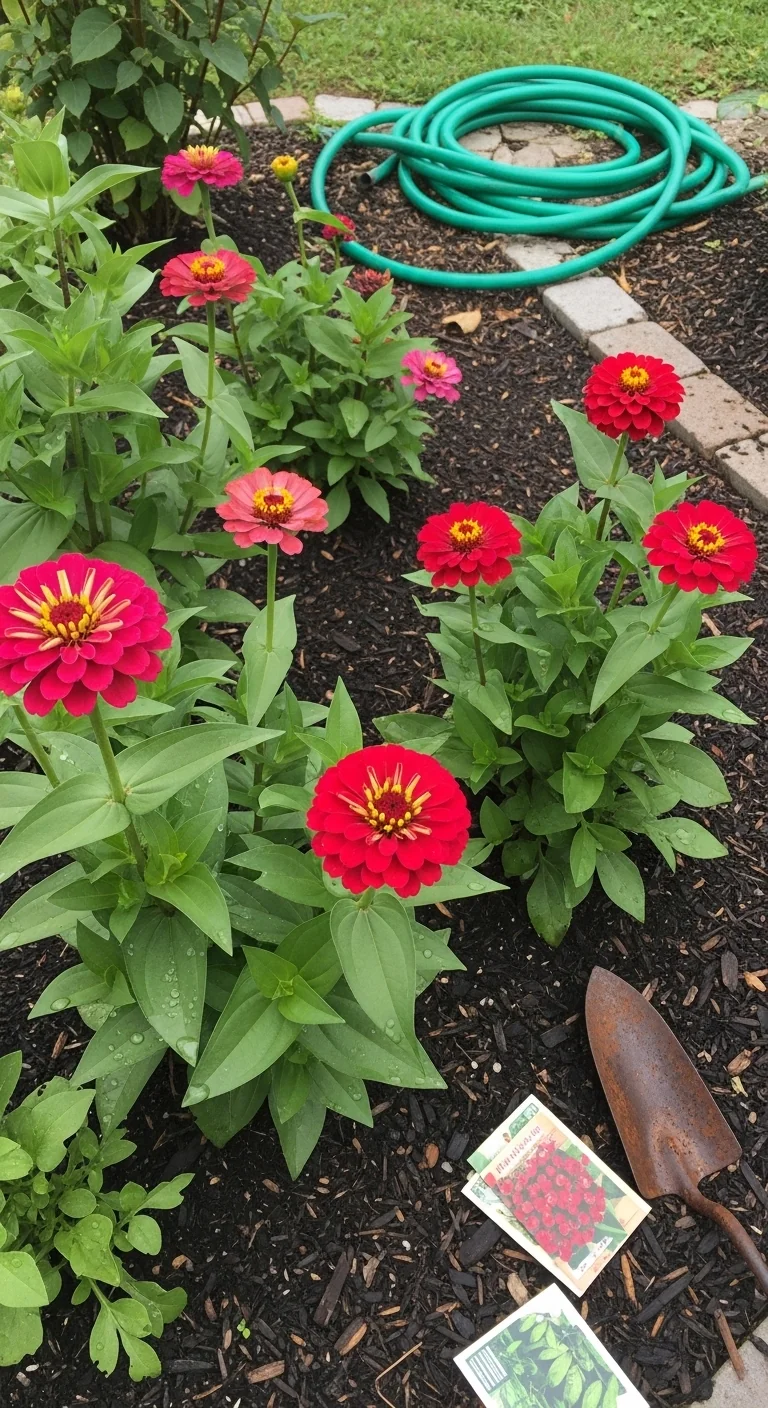
Zinnias deliver the blueprint for a high-output cut flower garden. They thrive in full sun with well-drained soil amended with compost at planting. Sow seeds directly after the last frost when soil reaches 60 F or start indoors four weeks earlier and transplant at 12 inches tall. Space plants 12 inches apart in rows. Harvest when flowers are three-quarters open by cutting stems above a strong leaf pair. This single action forces new branches from lower nodes and keeps production rolling through frost. Common mistake: waiting until flowers fully open before cutting, which shortens vase life and reduces branching. Follow the timing window and you gain steady supply without extra fertilizer applications beyond one monthly feeding.
Cosmos
Best for: Branch 2
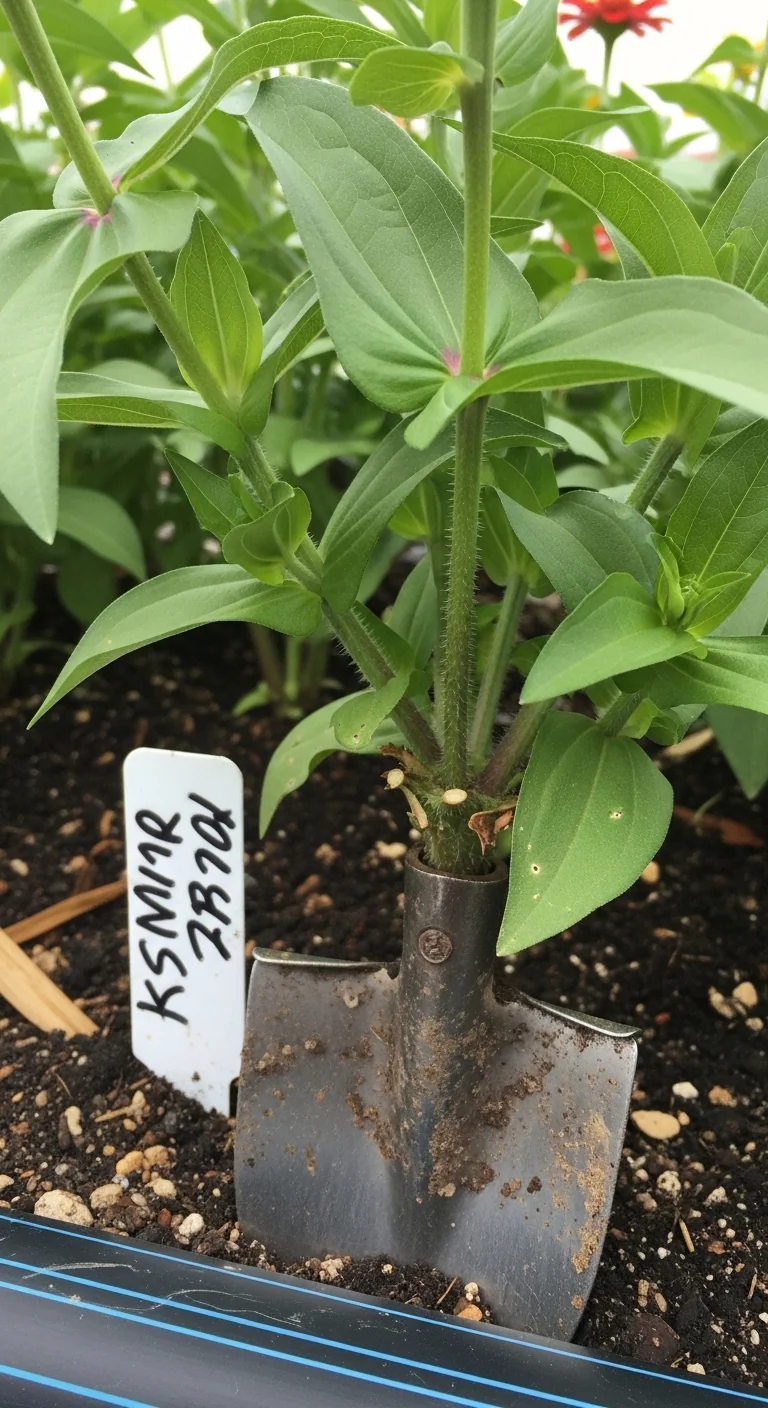
Use cosmos when space is tight but you still want airy filler stems. Skip them only if your site stays below 55 F for weeks after sowing. These plants reach 3 to 4 feet yet occupy a small footprint and tolerate light shade better than most annuals. Direct sow or transplant after frost, space 8 inches apart, and pinch tips at 12 inches to double the stem count. Harvest when outer petals open but centers remain tight. Edge case: in windy balconies they lean without support, so add bamboo stakes early.
Dahlias
Best for: Branch 1
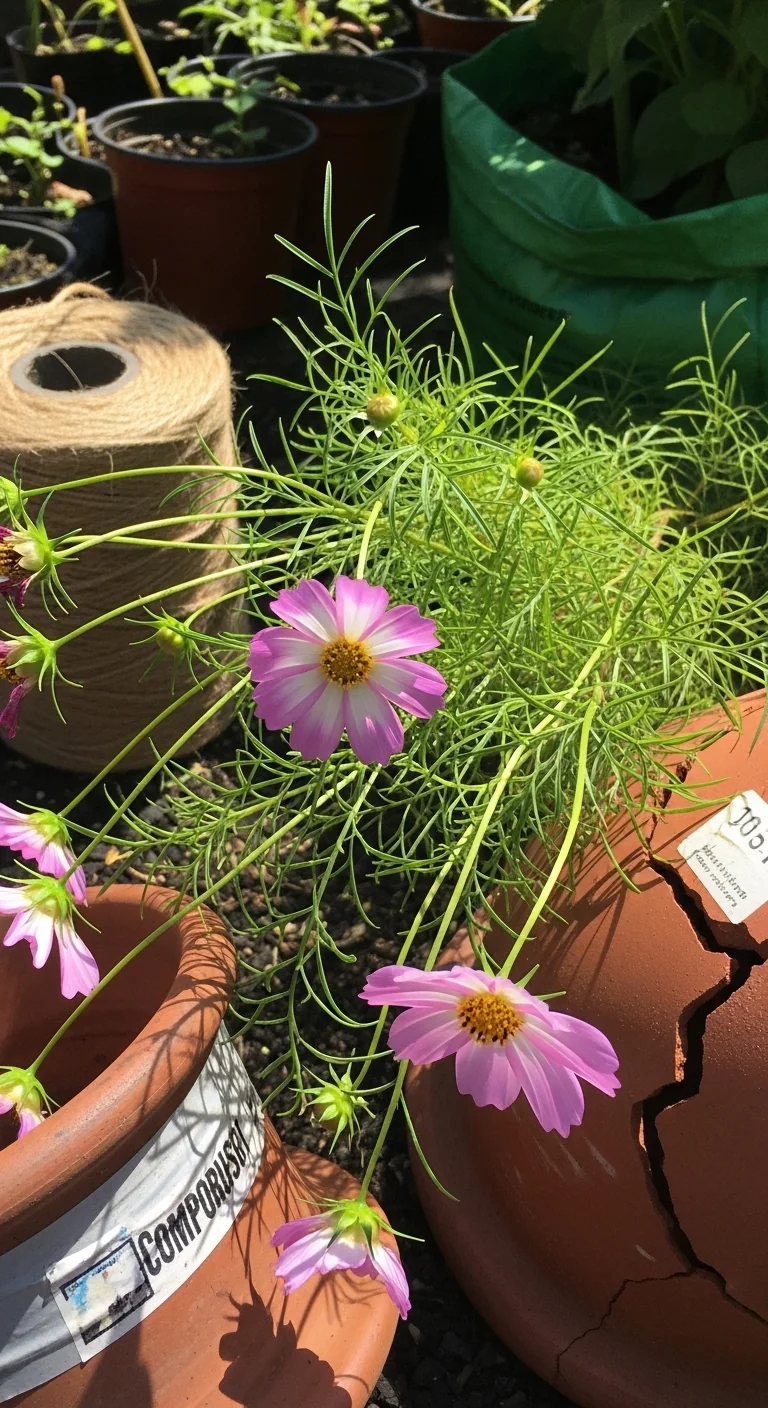
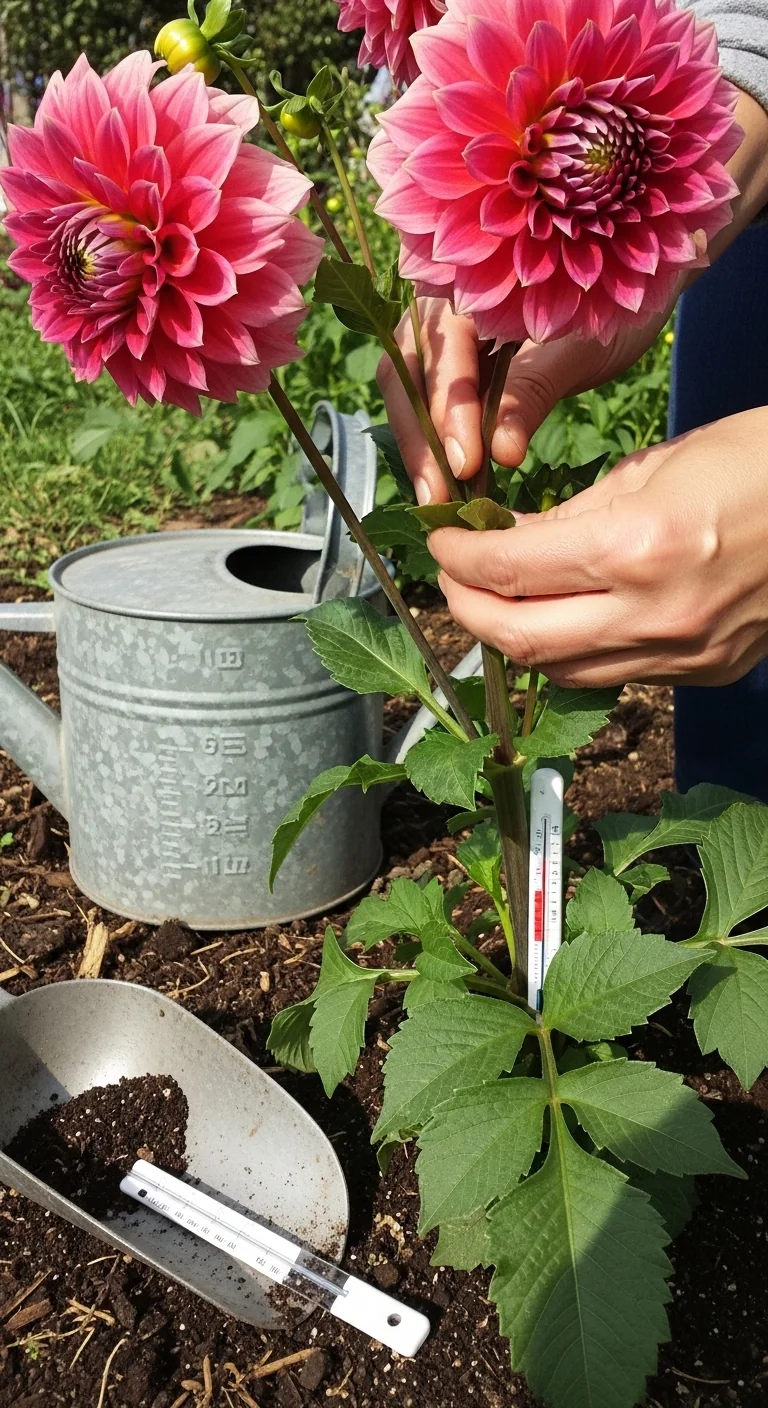
Dahlias turn a full-sun bed into a production patch once tubers establish. Plant tubers 6 inches deep and 18 inches apart after soil warms to 55 F. They require consistent moisture but no daily monitoring beyond weekly checks for slugs in early growth. Cut stems when flowers are half open, leaving at least two leaf sets on the plant. This practice keeps tubers fueled for repeat flushes until first hard frost. In zones 8 and warmer tubers can stay in ground with 4 inches of mulch; elsewhere lift and store in a cool dry place over winter.
Sunflowers
Best for: Branch 1
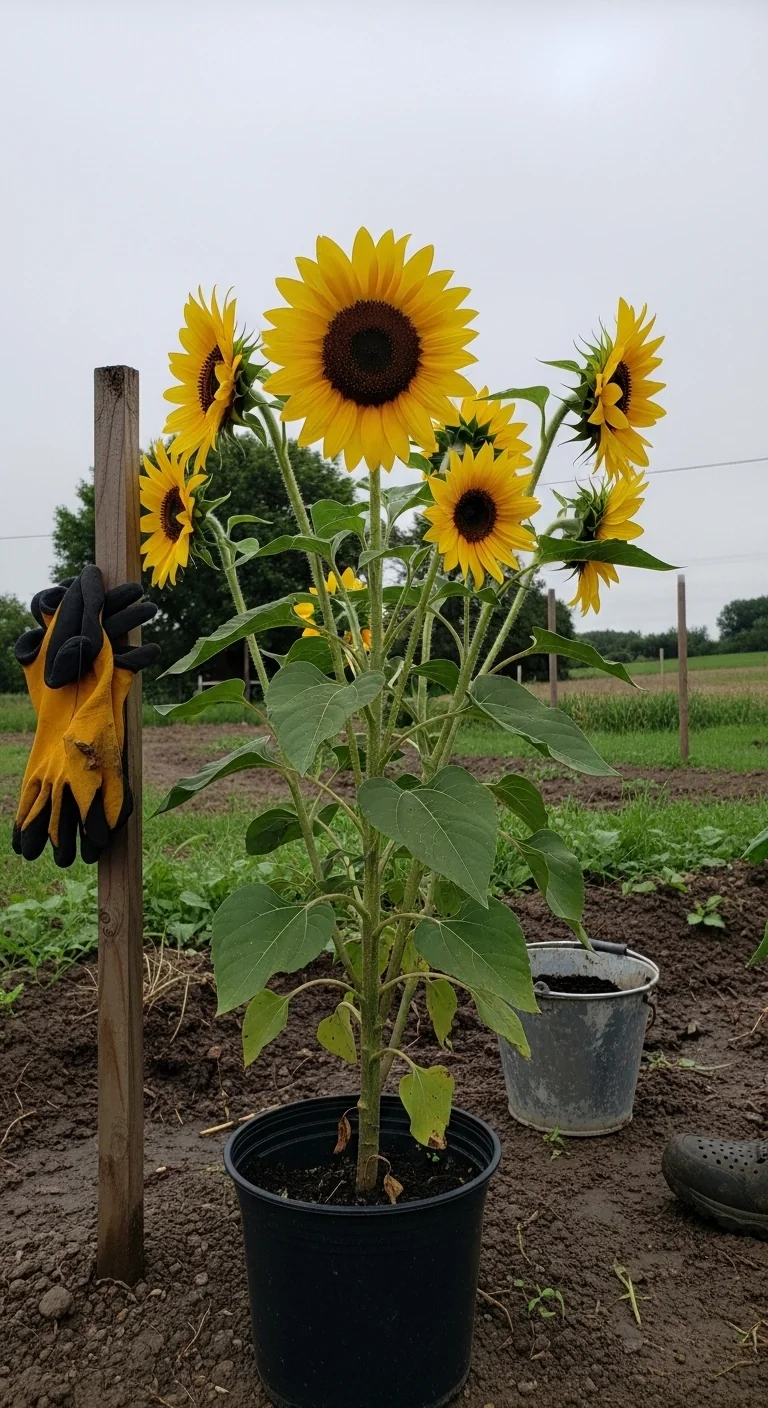
Sunflowers provide the simplest high-volume option for full-sun rows. Branching varieties such as those listed in seed catalogs produce multiple 4- to 6-inch heads after the central stem is cut. Sow directly 12 inches apart once soil hits 60 F. They need no pinching or special fertilizer beyond the initial compost layer. Harvest when petals begin to open but pollen has not shed to avoid mess in arrangements. The plants continue side-branch flowering for up to six weeks after the first cut, giving a long window without extra work.
Snapdragons
Best for: Branch 2
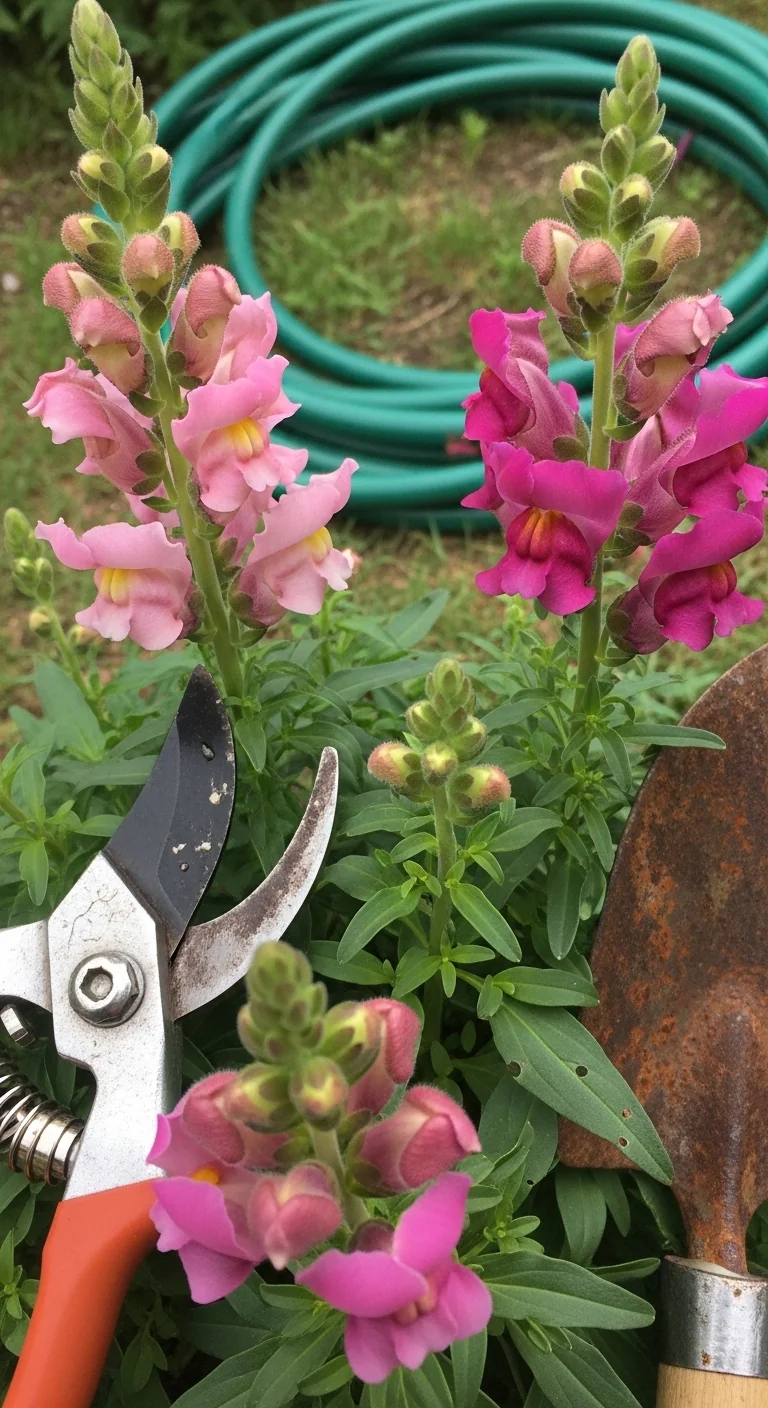
Snapdragons fit vertical niches in small gardens because their spikes allow selective cutting. Use them when you need color that rises above lower foliage. Direct sow or transplant after last frost, space 8 inches apart, and provide light support in exposed spots. Cut lower flowers on the spike first while upper buds continue to open. This staggered harvest extends the usable period by three weeks compared with cutting the whole spike at once. Avoid them in areas with prolonged high humidity above 80 percent without good air flow.
Sweet Peas
Best for: Branch 2
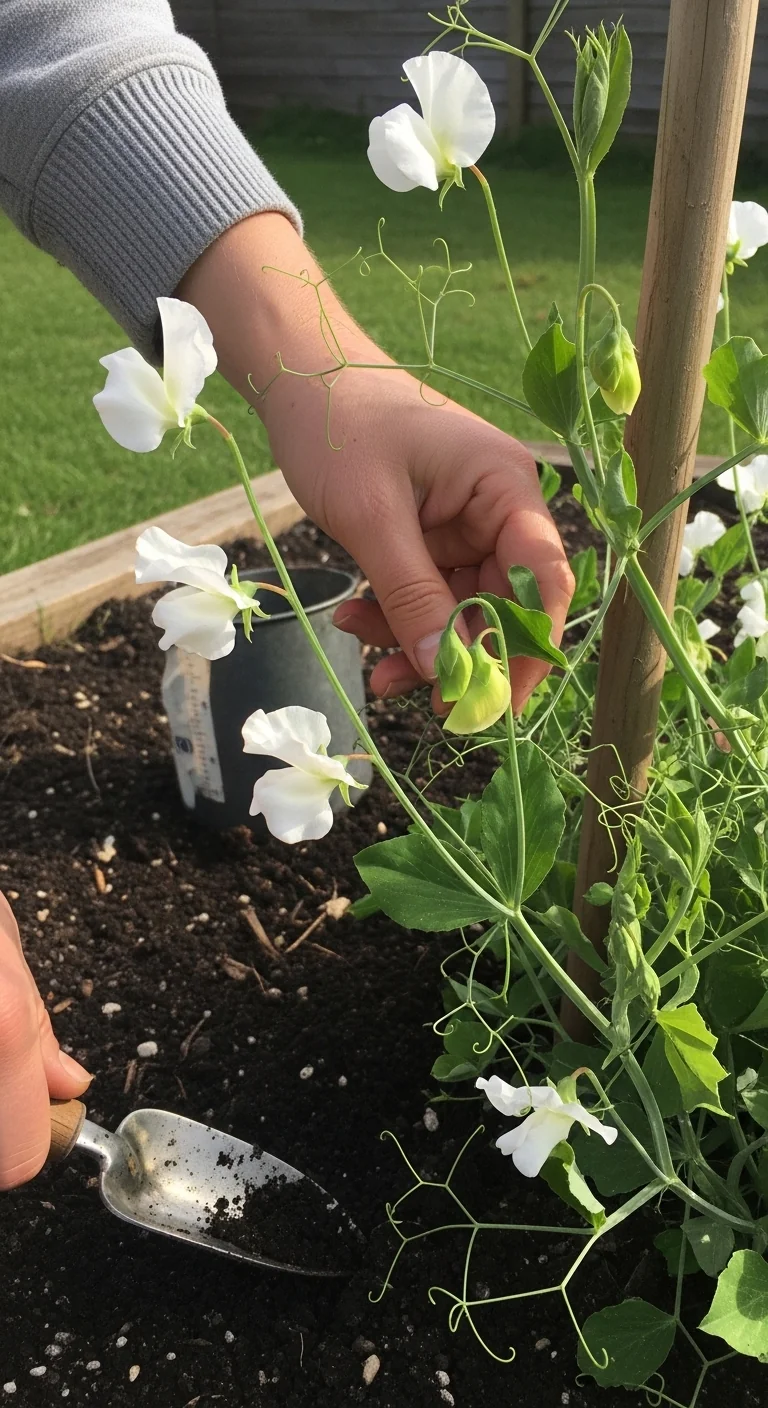
Sweet peas solve the fragrance and height problem in balcony or narrow beds. Sow in autumn or early spring in deep containers or against a trellis. They climb 6 to 8 feet using tendrils, so vertical space replaces ground footprint. Pick stems daily once the lowest flowers on the spike open. This prevents seed set and keeps new buds forming until heat arrives. Threshold rule: stop picking only when daytime temperatures stay above 85 F for more than five consecutive days. In cooler regions they last into early autumn.
Echinacea
Best for: Branch 1
Echinacea offers the blueprint for perennial reliability in full sun. Plant crowns in spring or fall, spacing 18 inches apart in soil with pH 6.0 to 7.0. Once established they need only one spring compost top-dress. Cut stems back to 4 inches above the base when flowers fade. This triggers new basal shoots within two weeks and keeps the clump compact. Edge case: in heavy clay improve drainage with raised beds or coarse grit before planting to prevent crown rot over winter. The same plants return stronger each year without division for at least four seasons.
Peonies
Best for: Branch 3
Peonies reward low-intervention beds with large early-season stems. Plant bare-root divisions in fall 2 inches deep with eyes facing up. They need no annual feeding beyond a single slow-release application in spring. Cut stems when buds show color but remain tight. Leave at least three leaves per stem on the plant to feed next year’s buds. In zones 4 through 8 they require no further care and increase bloom count annually.
Salvia
Best for: Branch 3
Salvia fills perennial beds with repeat color after a single cut back. Plant in spring or fall, spacing 12 inches apart in average garden soil. Cut entire flower spikes to the first set of healthy leaves when lower flowers fade. New side spikes appear within 10 days. Threshold rule: perform this cut when at least half the spike has finished to avoid weakening the plant. In zones 5 and warmer many cultivars overwinter without mulch.
Delphiniums
Best for: Branch 3
Delphiniums deliver tall dramatic spikes in low-maintenance perennial borders. Plant in spring, space 24 inches apart, and provide sturdy stakes at planting because stems reach 5 feet. Cut spikes when the lower third of flowers opens, leaving foliage intact. Secondary spikes form from the base within three weeks. In zones 4 through 7 they return reliably if crowns stay dry in winter. Use a collar of gravel around the base to prevent rot in wet springs.
Coreopsis
Best for: Branch 3
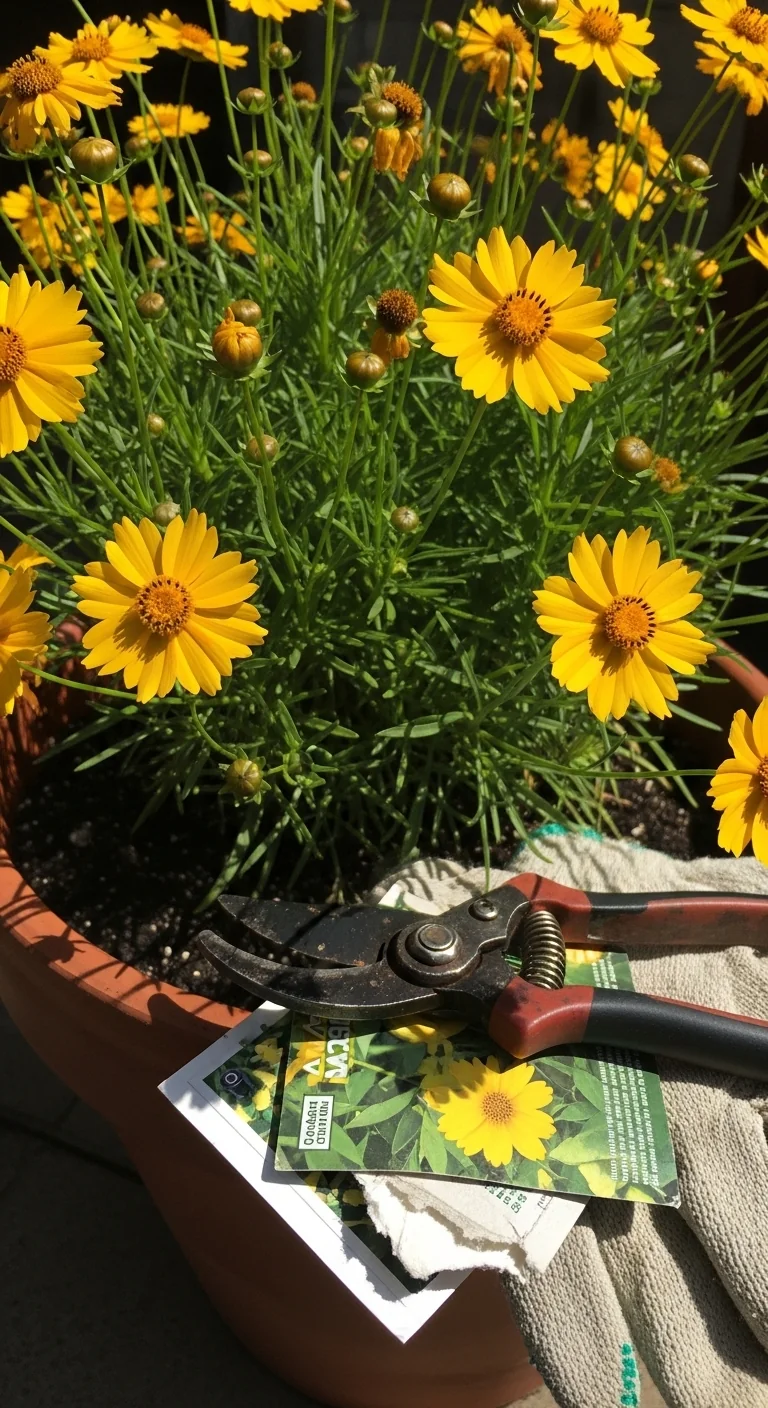
Coreopsis keeps yellow daisy blooms coming with almost no input. Plant in full sun to light shade, space 12 inches apart. Cut stems to the base as soon as flowers fade. New buds appear within days. Use versus skip: choose it for long-season filler when you cannot commit to weekly deadheading of heavier bloomers. It tolerates drought once established and self-seeds lightly without becoming invasive.
Black-Eyed Susan
Best for: Branch 3
Black-Eyed Susan finishes the season with sturdy daisy stems that hold up in vases. Plant in average soil, space 18 inches apart. Cut spent stems to the base to encourage late flushes. The plants spread slowly by rhizomes and require division only every four years. In zones 4 through 9 they need no extra protection and bloom from midsummer until frost.
Starter Stack (What to Choose First)
For Branch 1 Gardens
Start with zinnias and dahlias. Zinnias supply quick volume from seed while dahlias provide larger focal flowers later in the season. Sow zinnias in May and plant dahlia tubers in April for natural overlap. Combined planting time runs 2 to 4 hours and startup cost stays between 20 and 50 dollars depending on seed packet and tuber quantities.
For Branch 2 Gardens
Start with cosmos and sweet peas. Cosmos fills the base layer while sweet peas climb the vertical space on a trellis. Direct sow both after frost risk passes. Total setup takes 1 to 2 hours and costs 15 to 35 dollars for seeds and a simple bamboo support.
For Branch 3 Gardens
Start with peonies and echinacea. Peonies give early large blooms and echinacea extends color into late summer with almost no follow-up work. Plant both in fall or early spring. Installation requires 1 to 3 hours and costs 25 to 60 dollars for two divisions or small pots each.
When This Won’t Work
The entire approach fails when your site receives fewer than 5 hours of direct sun daily. Stems grow leggy and flower production drops sharply regardless of variety chosen. Switch to shade-tolerant perennials and accept smaller yields or install reflective mulches to increase light.
It also fails when soil stays waterlogged for more than 48 hours after rain. Most of these plants develop root rot under those conditions. The alternative action is to build raised beds 8 to 12 inches high with added coarse sand or perlite before planting. Test drainage by digging a 12-inch hole and filling it with water: if it drains in under 4 hours the site works; otherwise raise the beds.
Choosing the Right Option for Your Situation
Budget Threshold
Under 50 dollars startup favors direct-seeded annuals such as zinnias, cosmos, and sunflowers. Above that amount perennials such as echinacea and peonies become viable because they return for multiple seasons.
Time Threshold
Under 2 hours per week favors perennials in Branch 3. Above that threshold you can manage the higher-effort annuals in Branch 1 or 2 that require weekly harvesting.
Soil pH Constraint
Target range 6.0 to 7.0 works for all 12 plants. Below 5.5 add lime in fall and retest before spring planting. Above 7.5 incorporate sulfur or peat moss the season prior.
Yes/No Checklist
Do you have 6+ hours of sun?
Is your space 50 square feet or more?
Can you harvest twice weekly in peak season?
Is soil drainage good after rain?
Expert Q&A
How do you stagger planting for continuous bloom in a cut flower garden?
Sow or transplant in three waves two to three weeks apart starting after the last frost. This creates overlapping harvest windows without gaps. For example, plant the first batch of zinnias in early May, the second in late May, and the third in mid-June. The same timing applies to cosmos and sunflowers in smaller gardens.
What soil preparation step matters most before starting a cut flower garden?
Incorporate 2 to 3 inches of compost into the top 8 inches of soil and ensure drainage by adding coarse grit if your test hole holds water longer than 4 hours. This single step prevents root issues and supports strong stem growth across all listed plants without further amendments for the first season.
Which home-grown cut flowers last longest in a vase and why?
Delphiniums, echinacea, and dahlias routinely last 7 to 10 days when cut at the correct stage and placed in clean water with a change every two days. Their thicker stems and lower transpiration rates slow wilting compared with thinner-stemmed annuals.
How do you prevent common pests without weekly sprays in a cut flower garden?
Space plants according to mature width, remove debris at season end, and use row covers during early growth for aphids and slugs. These cultural steps reduce pressure enough that most gardeners need no chemical intervention on the listed varieties.
When should you stop harvesting to prepare plants for the next year?
Stop cutting four weeks before your average first frost date for perennials so foliage can feed the roots. For annuals simply pull plants once production slows. This timing allows energy storage without reducing next season’s performance.
Conclusion
The decision grid plus the starter stack gives you a reliable framework that matches plants to your actual conditions instead of hoping random choices work. The number-one mistake is harvesting too late when flowers have already begun to set seed, which halts further production.
Your next step is to map your available sun and space, pick the matching branch, and order seeds or tubers for the two plants in the starter stack. Begin with our deadheading guide once the first blooms appear so you apply the correct cut every time.