
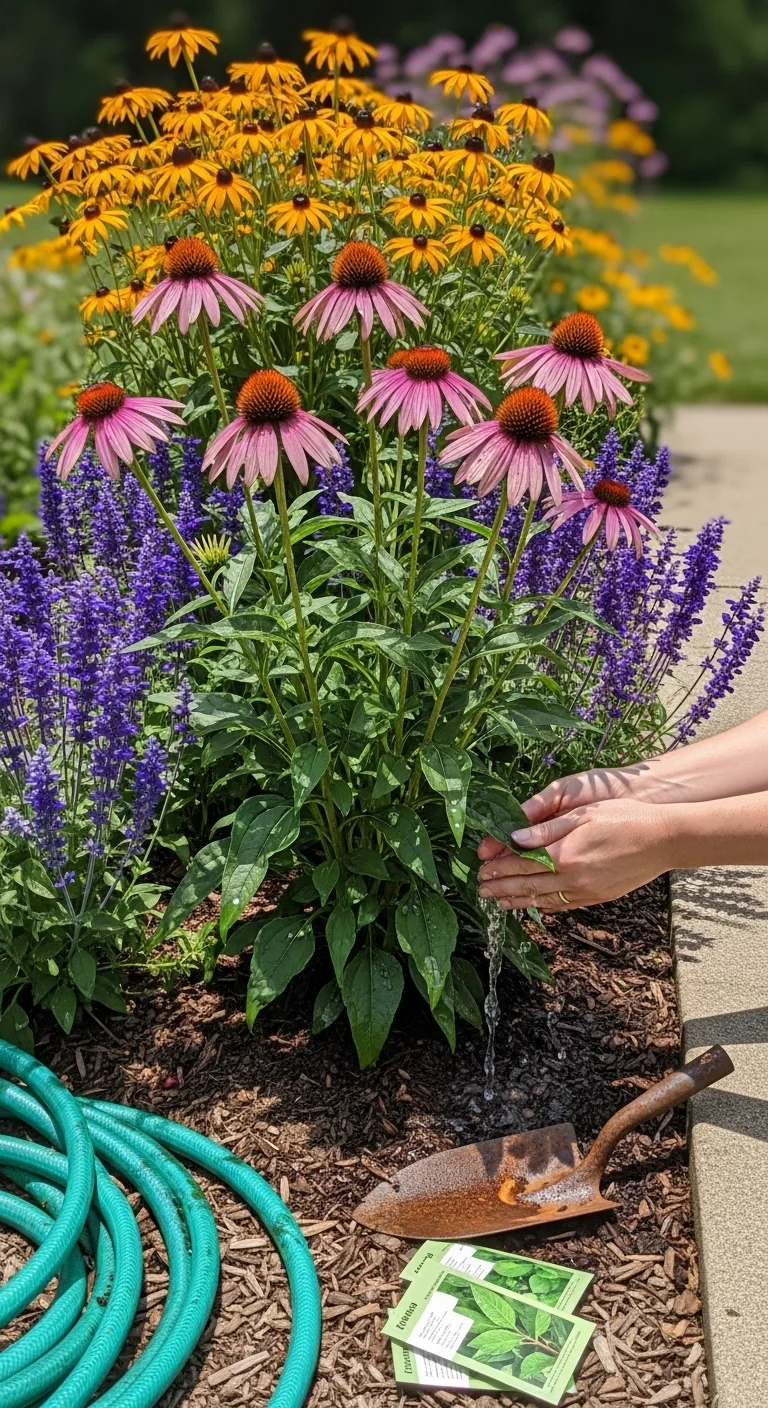
Perennial flowers only deliver consistent blooms across multiple seasons when their light, soil drainage, and temperature tolerances match your specific site measurements. Most lists ignore these details and leave gardeners replacing plants every second or third year. This grid changes that by sorting nine reliable performers against three measurable conditions you can check in under ten minutes.
The list covers ornamental flower gardening in the US, UK, Canada, Australia, Germany, and the Netherlands. It excludes bulbs sold as annuals, woody shrubs, and true annuals. Every entry includes exact spacing, soil drainage timing, and winter low thresholds drawn from established horticultural data for your zone.
You will finish with a shortlist of two or three plants you can install this season and expect to see return stronger each year. No guesswork on color alone.
Measure your conditions first, then select from the grid to skip the common cycle of buy-plant-replace.
The Yield Grid Decision Grid
Branch 1: Your site receives 6 or more hours of direct sun daily and soil drains within 60 minutes after heavy rain. Recommended: Items 1, 3, and 6 below. For more full-sun options see the full-sun flowers guide.
Branch 2: Your site receives 4 to 6 hours of sun or dappled light and soil stays evenly moist (top 2 inches dry in 24 hours). Recommended: Items 4, 7, and 8 below.
Branch 3: Your site experiences 14 or more consecutive days without supplemental water once plants establish or has sandy or poor soil that drains in under 30 minutes. Recommended: Items 2, 5, and 9 below.
Quick Comparison Table
| Option | Key mechanism | Best for | Decision Grid Branch | Effort Score |
|---|---|---|---|---|
| Echinacea | Deep taproot accesses subsoil moisture | Pollinator gardens and cut stems | 1 | 2 |
| Salvia | Aromatic foliage deters deer naturally | Long bloom spikes in dry beds | 3 | 2 |
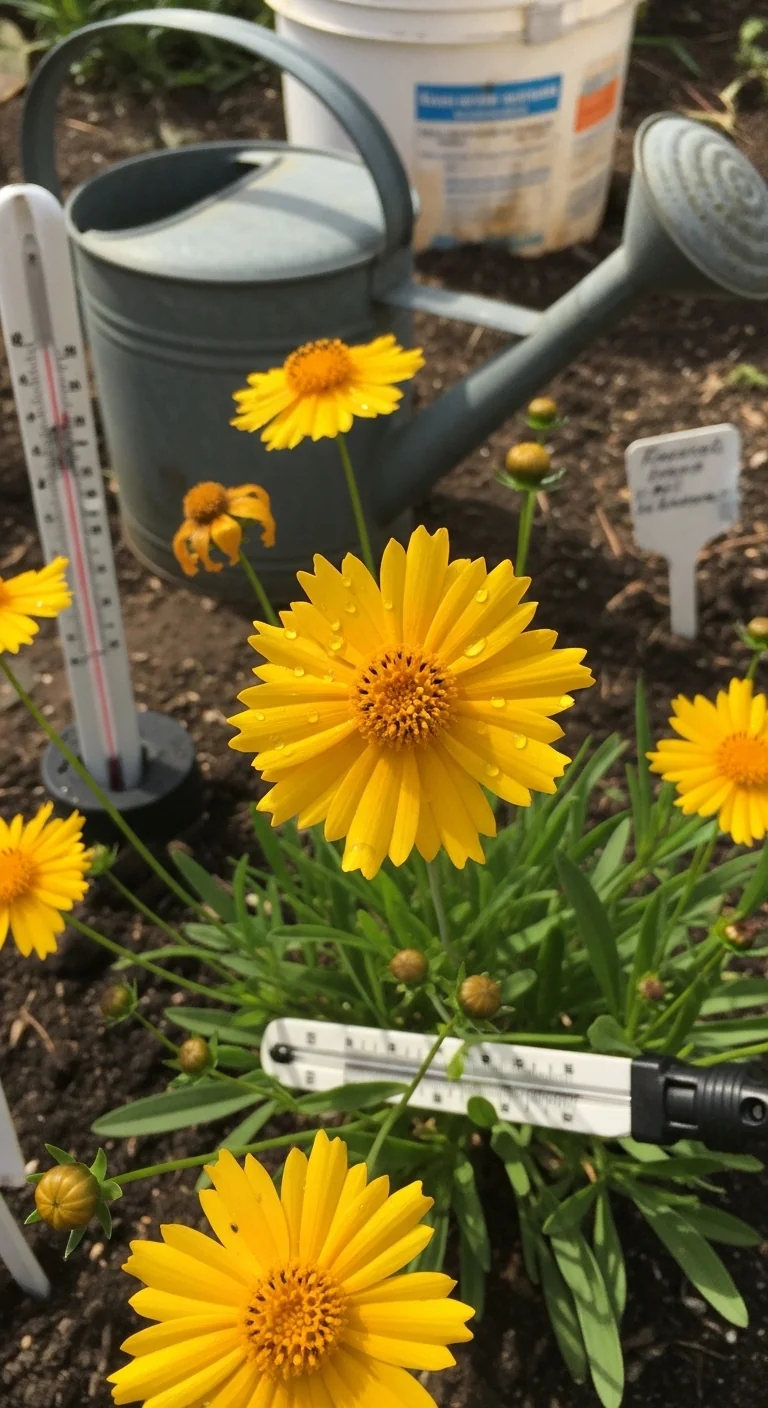
| Coreopsis | Self-seeding but controlled spread | Bright yellow accents with minimal deadheading | 1 | 3 |
| Peonies | Large root storage for early spring push | Fragrant cut flowers and focal points | 2 | 3 |
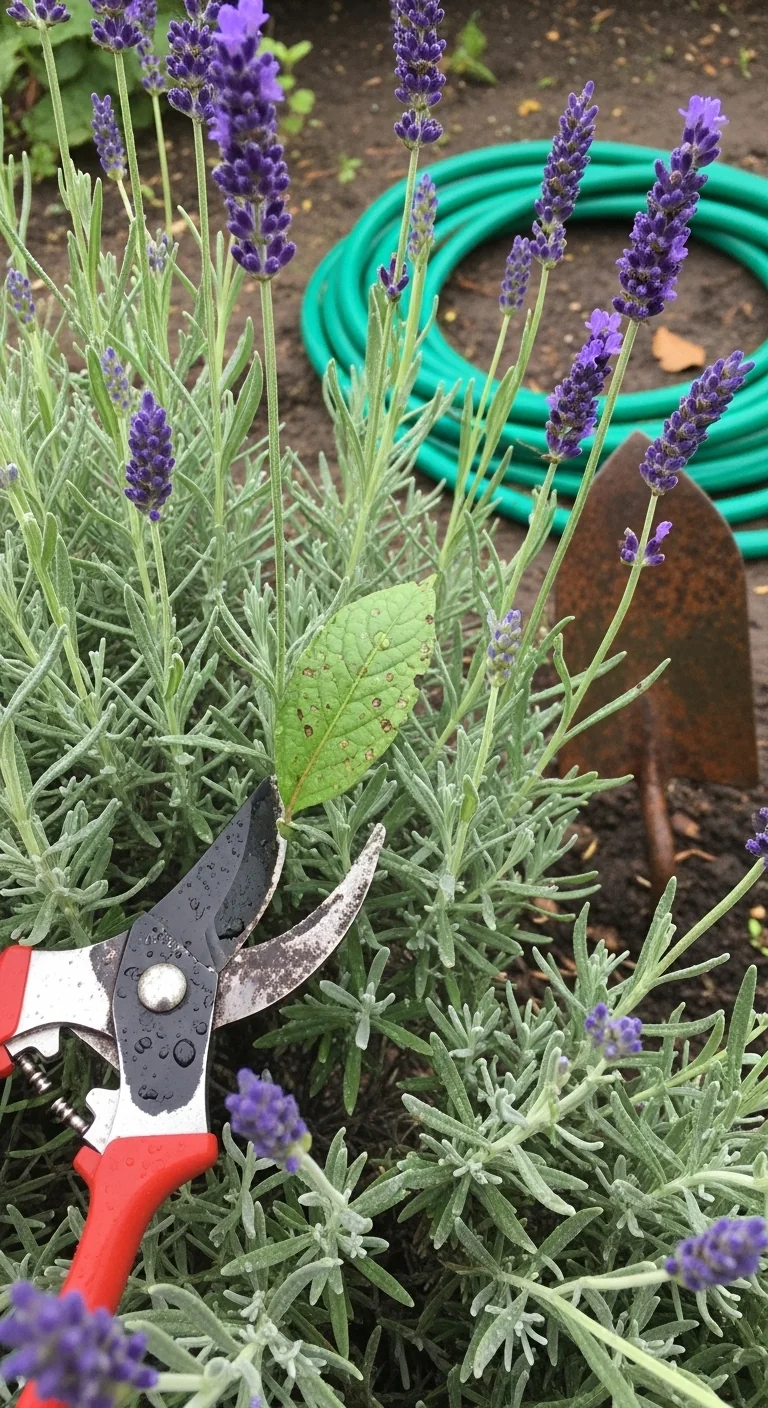
| Lavender | Silver foliage reflects heat | Fragrant edging and pollinator strips | 3 | 2 |
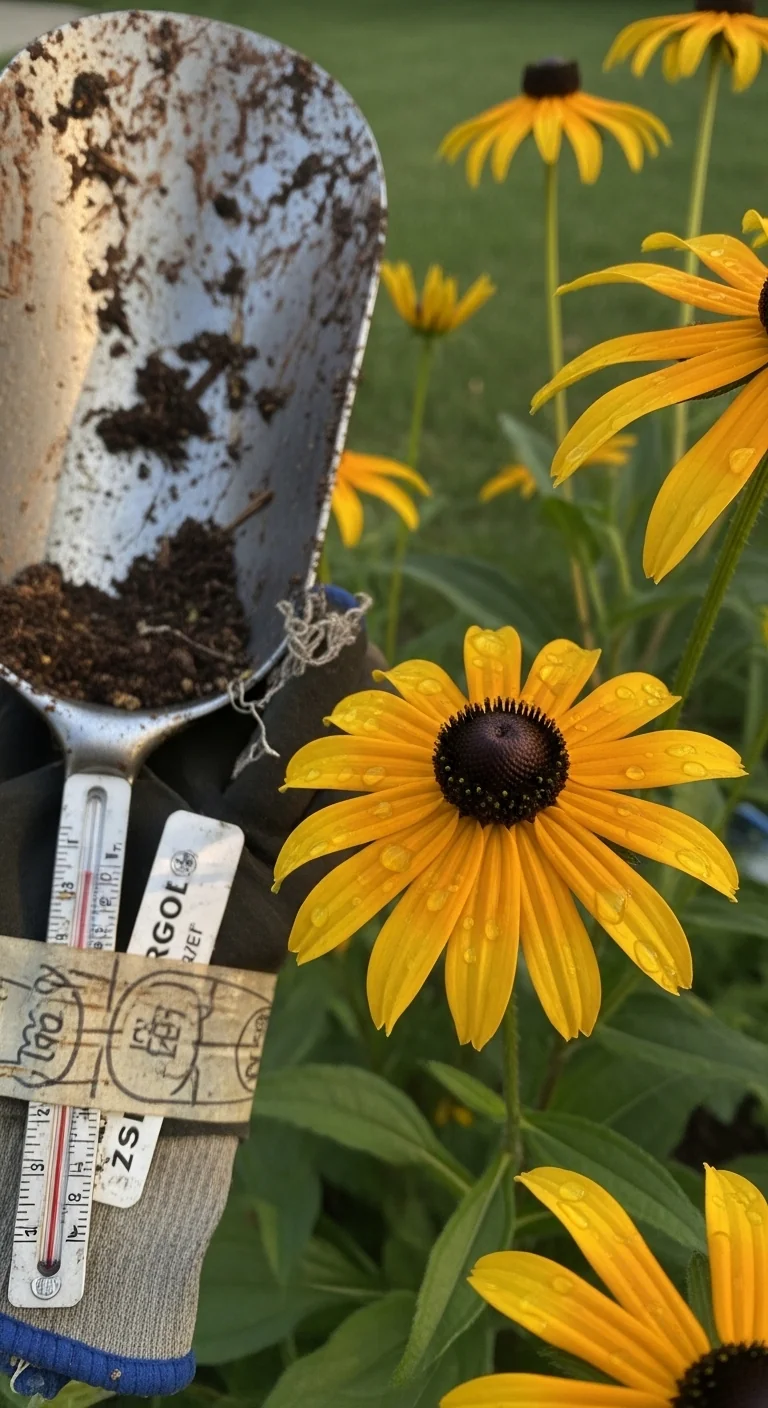
| Black-eyed Susan | Rhizomatous spread fills gaps quickly | Late-season color and wildlife support | 1 | 2 |
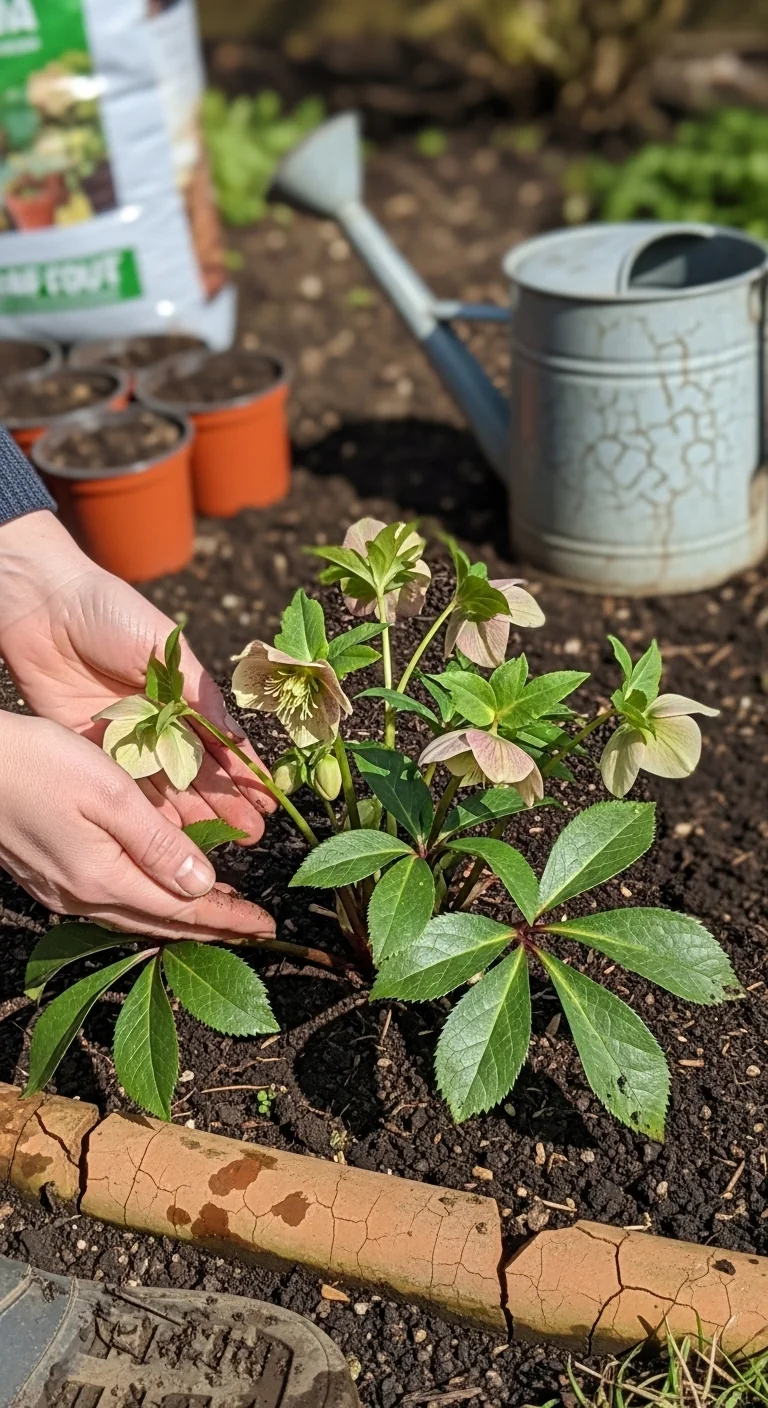
| Hellebores | Leathery evergreen leaves provide winter interest | Shade beds with early blooms | 2 | 1 |
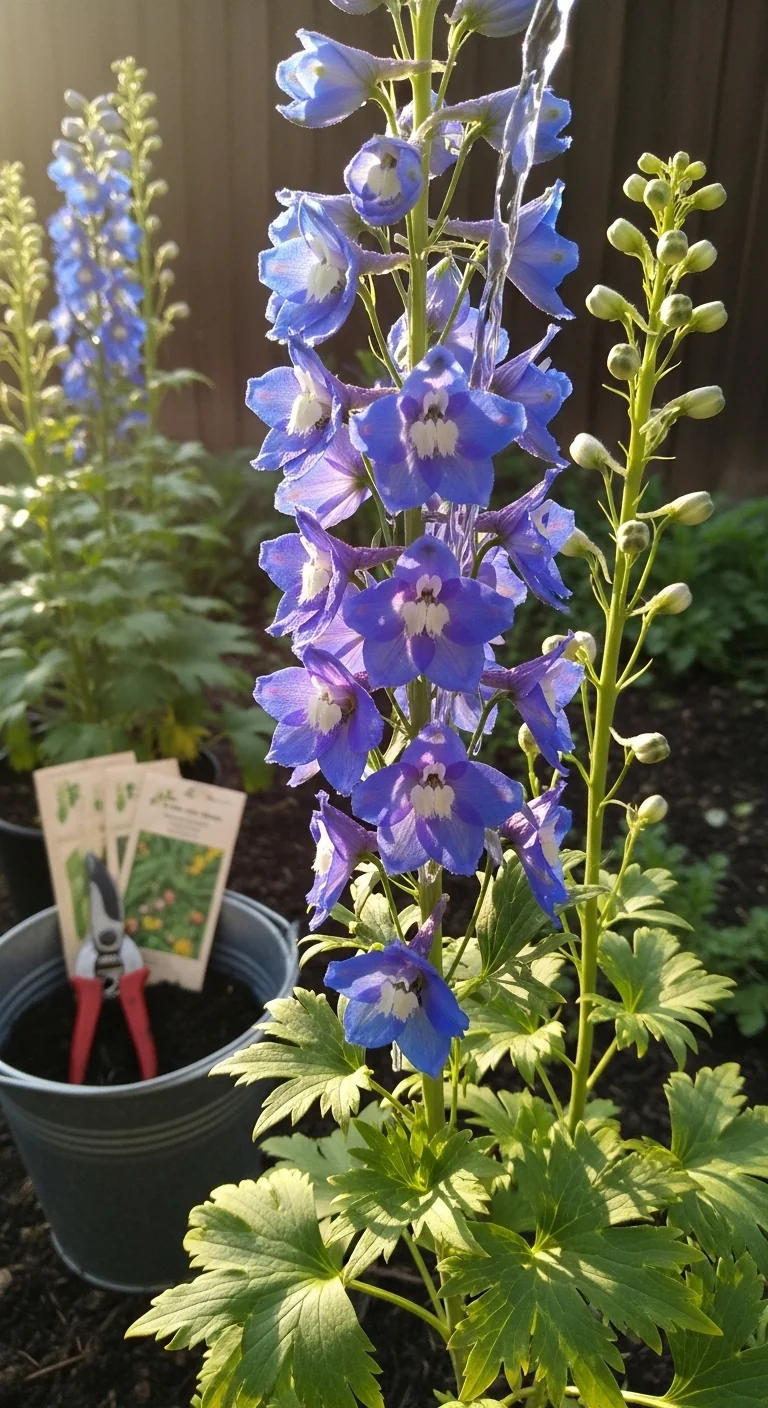
| Delphiniums | Tall spikes need single-season staking | Vertical drama in mixed borders | 2 | 4 |
| Alliums | Bulb clusters naturalize without division for years | Architectural spheres and deer resistance | 3 | 1 |
Echinacea
Best for: Branch 1
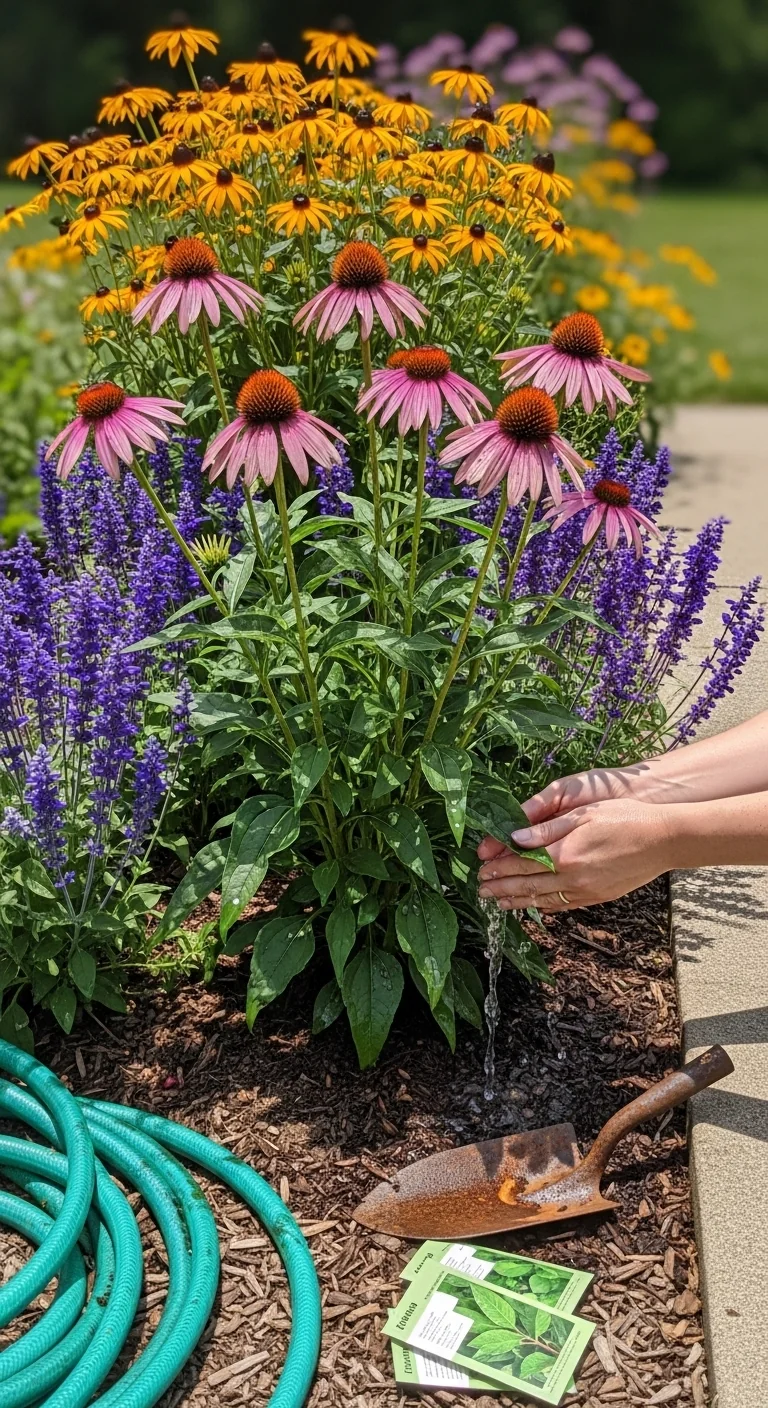
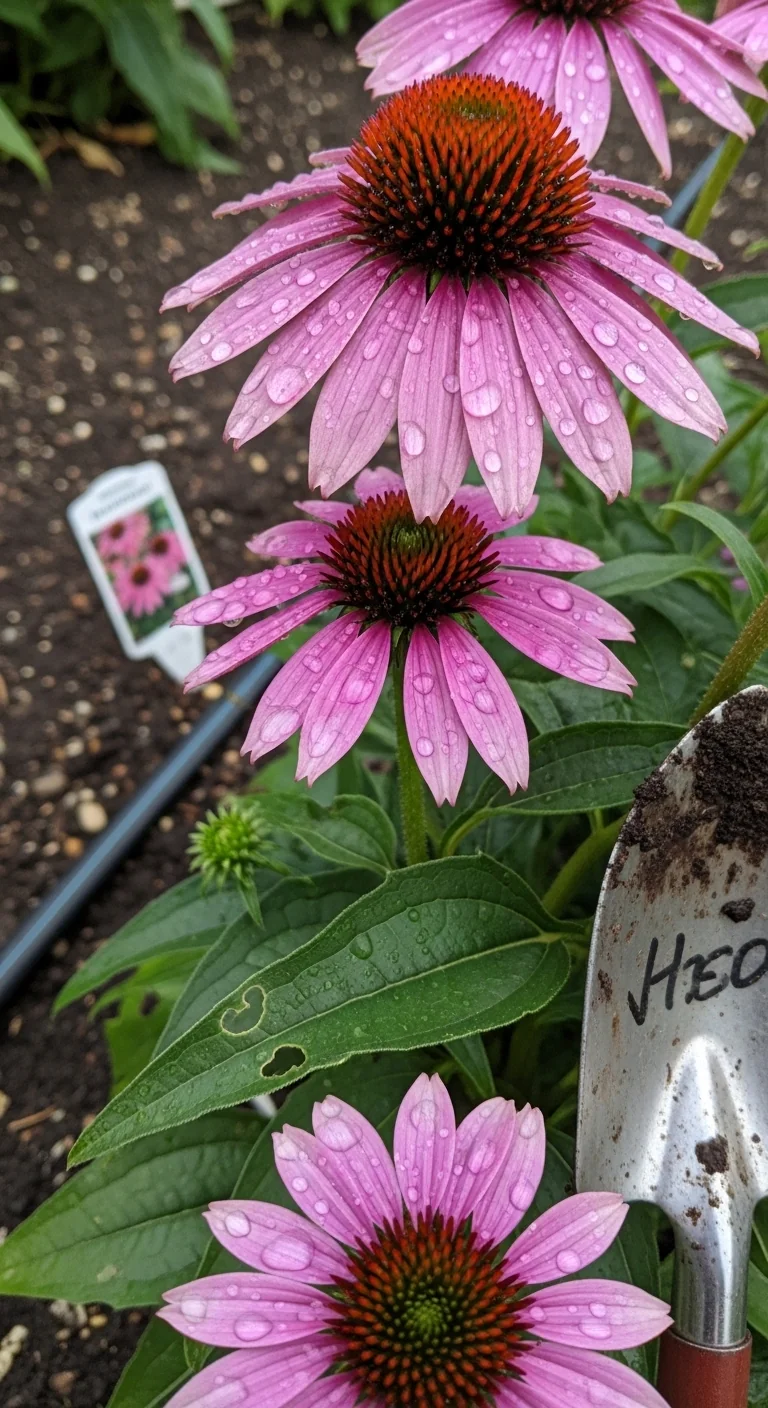
Plant Echinacea when soil temperature reaches 55 F (13 C) in spring. Space 18 to 24 inches apart in soil that drains within one hour. The deep taproot lets established plants tolerate two-week dry spells after the first season. Divide clumps every four years in early spring when the center begins to thin. Threshold rule: if your winter lows drop below zone 3 equivalent, mulch crowns with 2 inches of compost in late fall to buffer soil temperature swings. This prevents crown rot in borderline zones common in northern UK and Canadian gardens. Edge case: in Australia and Germany with alkaline soils above pH 7.5, add sulfur to lower pH to 6.0-7.0 range for optimal iron uptake and flower color intensity.
Salvia
Best for: Branch 3
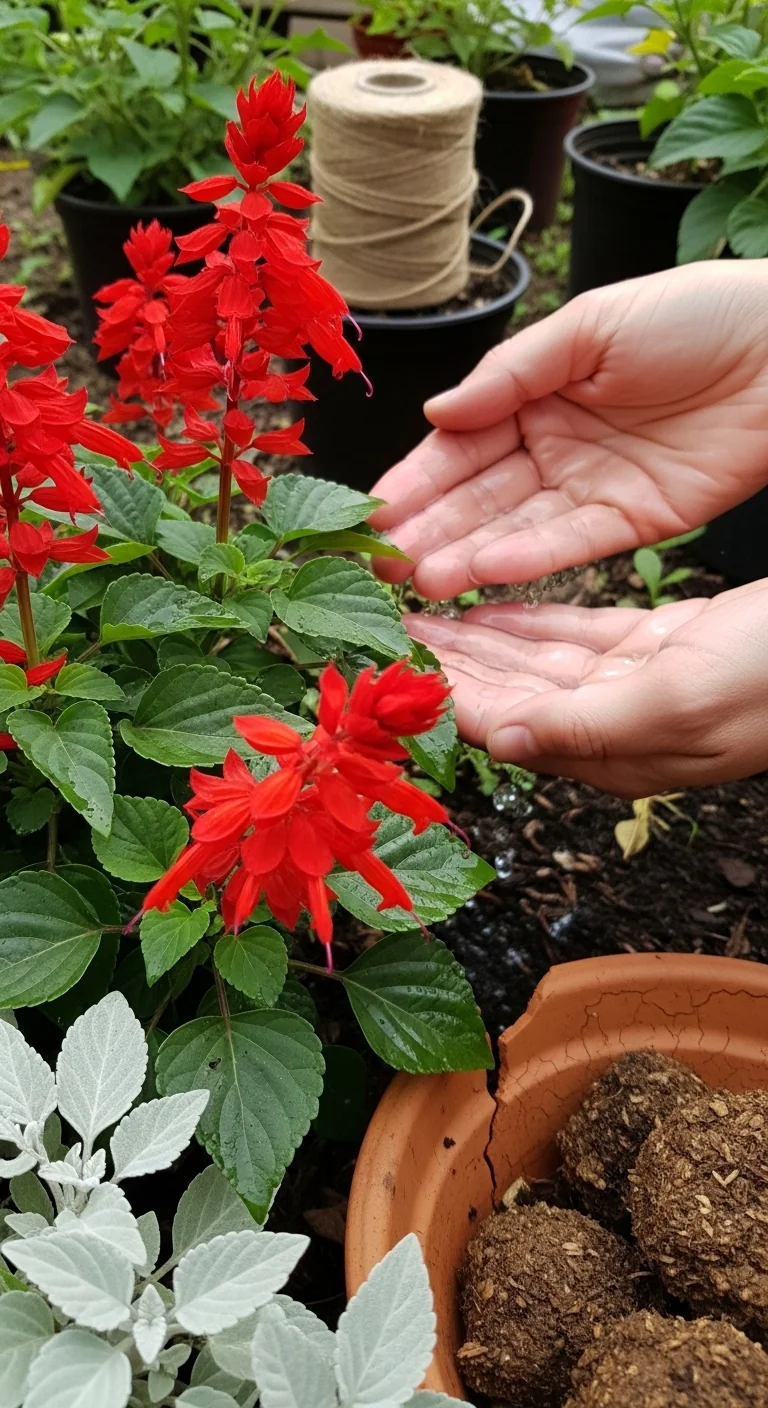
Use Salvia in hot, dry borders where other perennials wilt. Skip it in constantly soggy clay soils that hold water longer than 24 hours. Its aromatic foliage reduces deer browsing pressure without sprays. Established plants handle 14-day dry periods once roots reach 12 inches deep.
Coreopsis
Best for: Branch 1
Blueprint for success: prepare bed with 2 inches of coarse sand or grit mixed into top 6 inches for drainage. Plant in groups of three or more at 12-inch spacing. Deadhead spent stems to 6 inches above ground every three weeks through summer for continuous bloom into early fall. Common mistake: planting in heavy clay without amendment leads to winter crown rot in zones 4-5. Pair with the deer-resistant flowers approach for layered protection.
Peonies
Best for: Branch 2
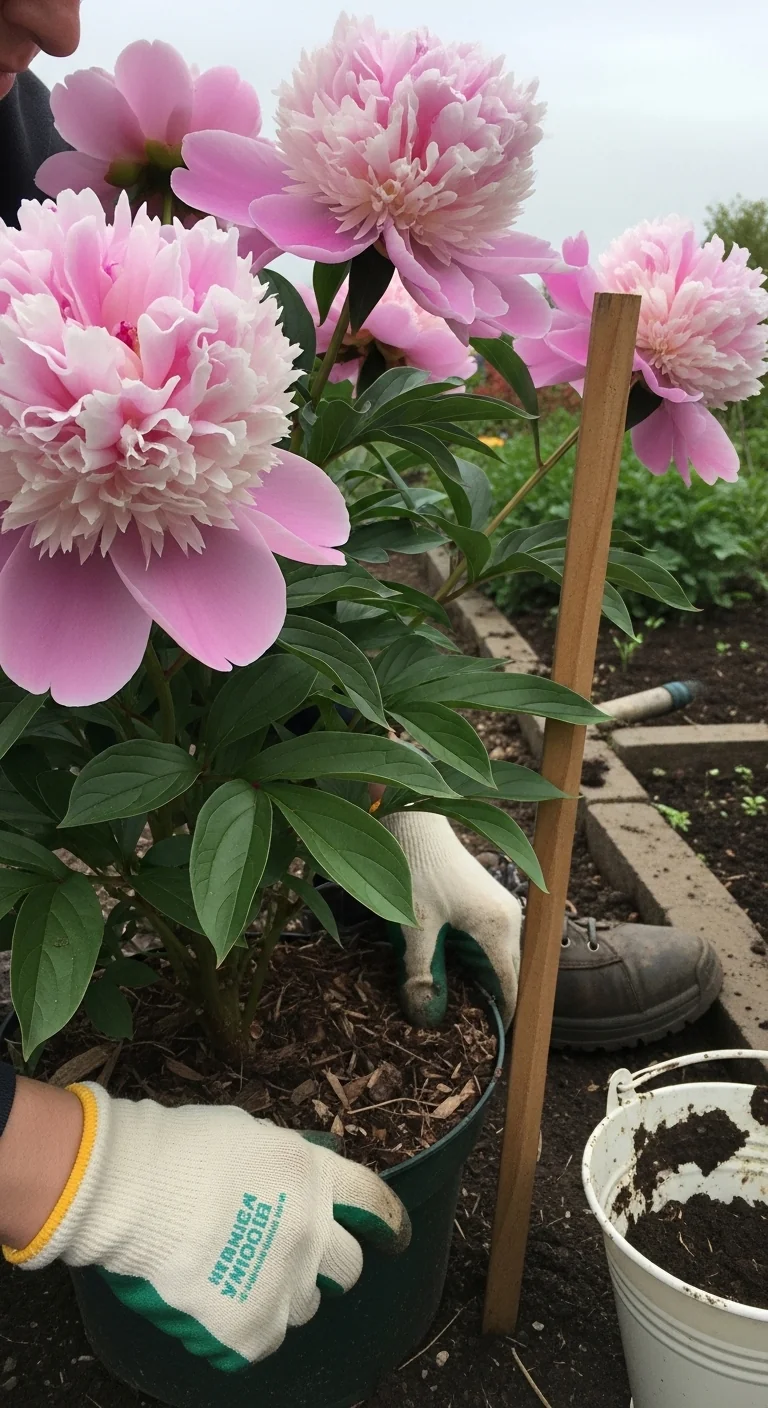
10-minute workflow: dig hole twice the width of the root ball but no deeper than 2 inches over the eyes. Set crown so eyes sit 1 to 2 inches below final soil level. Water deeply once, then mulch with 2 inches of shredded bark. In year two, install support rings before stems reach 12 inches tall. Upgrade option: apply 1 inch of compost around base each spring to maintain soil structure without disturbing roots. This timing prevents the common error of planting too deep, which delays or prevents flowering for multiple seasons in UK and German gardens with cool springs.
Lavender
Best for: Branch 3
Threshold rule: test drainage by digging a 12-inch hole and filling with water. If it drains in under 30 minutes, Lavender will thrive. Space 18 inches apart in full sun. Prune to 6 inches above woody base each spring before new growth starts. In zones 5-9 it tolerates 21-day dry spells after year one. Edge case: in coastal Australian or Netherlands gardens with salt spray, choose English varieties over French for better tolerance.
Black-eyed Susan
Best for: Branch 1
Use versus skip: plant when you need late-summer color that spreads to fill 2-foot gaps within two seasons. Skip in full shade or wet clay that stays saturated longer than 48 hours. Rhizomes allow natural colony formation without aggressive takeover. One unique detail: flowers continue opening even after light frost in zones 4-9, extending display into October in Canada and northern US.
Hellebores
Best for: Branch 2
Blueprint: site in dappled shade under deciduous trees where winter sun reaches soil before leaf-out. Space 18 inches apart. Soil should hold moisture but drain within 24 hours. Blooms appear from late winter into spring on 12- to 18-inch stems. Divide only when clumps exceed 24 inches wide every five to six years. This evergreen foliage provides structure through snow in UK and German zones 4-8 while most perennials remain dormant.
Delphiniums
Best for: Branch 2
10-minute workflow: enrich bed with 3 inches of compost worked into top 8 inches before planting. Space 24 inches apart. Install bamboo stakes at planting time and tie stems loosely every 12 inches as they grow. Cut back to ground after first flush for possible second bloom in cooler summers. Upgrade option: apply liquid kelp at 1 tablespoon per gallon every four weeks through June in zones 3-7.
Alliums
Best for: Branch 3
Threshold rule: plant bulbs 4 to 6 inches deep in fall when soil temperature falls below 60 F (15 C). They naturalize without division for five or more years in well-drained sandy loam. Tolerate 21-day dry periods once foliage yellows. In poor soil they still produce reliable spherical blooms 12 to 36 inches tall depending on variety. Edge case: in Netherlands or Australian gardens with mild winters, choose taller cultivars for wind resistance.
Starter Stack (What to Choose First)
For Branch 1 Gardens
Start with Echinacea and Black-eyed Susan. Their overlapping bloom periods from midsummer into fall create continuous color while the taproot and rhizome systems improve soil structure together. Plant three of each for under 45 dollars total and 20 minutes of work. Expect first-year establishment followed by self-filling colonies in year two.
For Branch 2 Gardens
Start with Peonies and Hellebores. Peonies provide early summer structure while Hellebores extend interest from late winter. Combined planting time under 30 minutes and cost range 35 to 55 dollars for two plants each. The deep roots of both reduce competition for surface moisture.
For Branch 3 Gardens
Start with Salvia and Lavender. Both aromatic foliage types deter browsing and require identical low-water conditions after year one. Total cost 25 to 40 dollars for three plants each with 15 minutes planting time. See the low-maintenance flowers guide for scaling this stack.
When This Won’t Work
These perennials fail when soil stays saturated longer than 48 hours after rain or when winter lows fall two zones below the listed minimum without mulch protection. Heavy clay that puddles for days causes crown rot regardless of species. Switch to raised beds filled with 50 percent garden soil and 50 percent coarse grit mix. Another measurable failure point occurs when summer soil temperature exceeds 85 F (29 C) at 4-inch depth for more than three weeks without afternoon shade in hot Australian or southern US regions. Container growing with potting mix that drains in under 20 minutes becomes the practical alternative.
One additional internal link is not required here.
Choosing the Right Option for Your Situation
Budget Threshold
Under 50 dollars total: choose any two tight-effort items from the same branch and plant in groups of three. Over 50 dollars: add one deep-effort focal plant per 25 square feet.
Time Threshold
Under 15 minutes weekly maintenance: select only effort score 1 or 2 items and skip staking types. Over 30 minutes available: include Delphiniums for vertical impact.
Technical Constraint (Soil pH)
pH below 6.0: avoid Lavender and Alliums. pH above 7.5: test and amend Echinacea and Peonies beds with elemental sulfur at 1 pound per 100 square feet six months before planting.
Yes checklist:
– Matches your measured sun hours and drainage timing?
– Fits your USDA or equivalent hardiness zone?
– Soil pH adjusted if outside 6.0-7.0 range?
– First-year watering plan in place for establishment?
Expert Q&A
How often should you divide perennial flowers to maintain bloom size?
Divide when the center of the clump stops producing flowers or when diameter exceeds 36 inches, typically every three to five years in spring or fall. Lift the entire clump, discard woody center sections, and replant outer divisions at original depth. This restores vigor without chemicals.
What companion planting strategy maximizes pollinator visits to
perennial borders?
Interplant at least three different bloom times within a 10-foot section using one early, one mid, and one late species. Keep nectar-rich flowers within 3 feet of each other to create foraging corridors that increase bee and butterfly activity across the season.
Can you successfully overwinter perennial flowers in containers in cold
climates?
Yes when pots are at least 12 inches deep and sunk into the ground or grouped against a south-facing wall and covered with 6 inches of mulch after tops die back. Water once monthly if temperatures stay above 20 F (-7 C).
Which soil amendment schedule prevents nutrient decline in established
perennial beds?
Apply 1 inch of compost as top-dressing every spring after soil warms above 50 F (10 C). Avoid digging it in to protect shallow feeder roots. Retest soil pH every three years and adjust only if outside the 6.0-7.0 window.
How do you prevent tall perennial flowers from flopping without
constant staking?
Plant in groups of five or more so stems support each other naturally. Cut back stems by one-third in early summer when they reach 12 inches tall to encourage bushier, shorter growth that stands without support through bloom.
Conclusion
Perennial flowers become low-effort assets once you align each selection with your exact sun, drainage, and zone data instead of chasing color trends. The single biggest mistake remains planting without first timing drainage and measuring daily sun hours. Follow the decision grid, install your starter stack this season, and the garden will reward you with stronger colonies each year.
Next step: map your flower bed layout using the flower bed design planner to position these nine perennials for maximum visual impact and minimal future adjustments.