
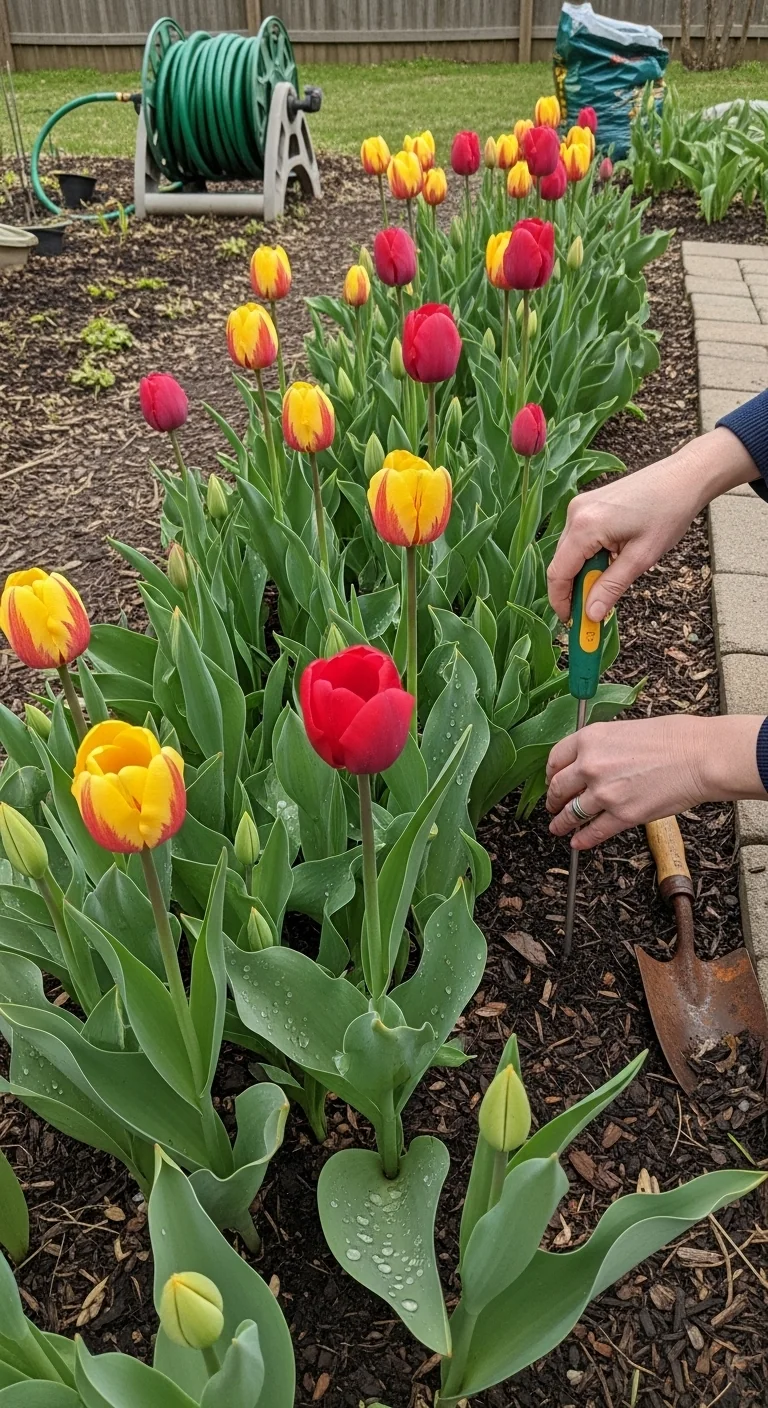
The most reliable tulip displays come from matching variety class to winter chill duration and drainage quality instead of selecting solely by color or bloom time.
This listicle reviews nine key tulip classes suited to garden beds and containers across temperate climates in the US, UK, and Canada. It focuses on selection, planting mechanics, and maintenance thresholds while skipping indoor forcing or tropical adaptations.
Follow the decision grid and table to narrow choices, then use the item details to execute planting that aligns with your conditions for consistent spring performance.
Determine your site’s chill and drainage profile first, then select from the grid-matched classes to avoid common shortfalls in bloom duration or bulb return.
The Yield Grid Decision Grid
Branch 1: Sites with consistent cold (soil temperatures below 45°F for 10 or more weeks) and sharp drainage. Recommended: Items 1, 3, and 7 below.
Branch 2: Moderate chill areas (zones 6-7) or clay-heavy soil. Recommended: Items 2, 4, and 8 below.
Branch 3: Mild winters (zones 8+), containers, or windy exposures. Recommended: Items 5, 6, and 9 below.
For precise planting timing in your area, see the spring bulbs guide.
Quick Comparison Table
| Option | Key mechanism | Best for | Decision Grid Branch | Effort Score |
|---|---|---|---|---|
| Darwin Hybrid Tulips | Hybrid vigor for thick stems and late bloom extension | Cut flowers in borders | Branch 1 | 2 |
| Triumph Tulips | Cup-shaped form with mid-season timing | Classic garden displays | Branch 2 | 3 |
| Lily-Flowered Tulips | Pointed petals on tall stems for elegant shape | Late-season accents | Branch 1 | 3 |
| Double Tulips | Layered petals that mimic peonies | Full, showy early or late beds | Branch 2 | 4 |
| Fringed Tulips | Ruffled petal edges for texture | Unique border detailing | Branch 3 | 4 |
| Parrot Tulips | Twisted, feathered petals with dramatic color breaks | Focal points in sheltered spots | Branch 3 | 5 |
| Species Tulips | Small stature and self-seeding habit | Naturalizing in lawns or meadows | Branch 1 | 1 |
| Fosteriana Tulips | Early bloom with oversized flowers | Early color in mixed beds | Branch 2 | 2 |
| Kaufmanniana Tulips | Low-growing, waterlily-like opening | Rock gardens or front edges | Branch 3 | 2 |
Darwin Hybrid Tulips
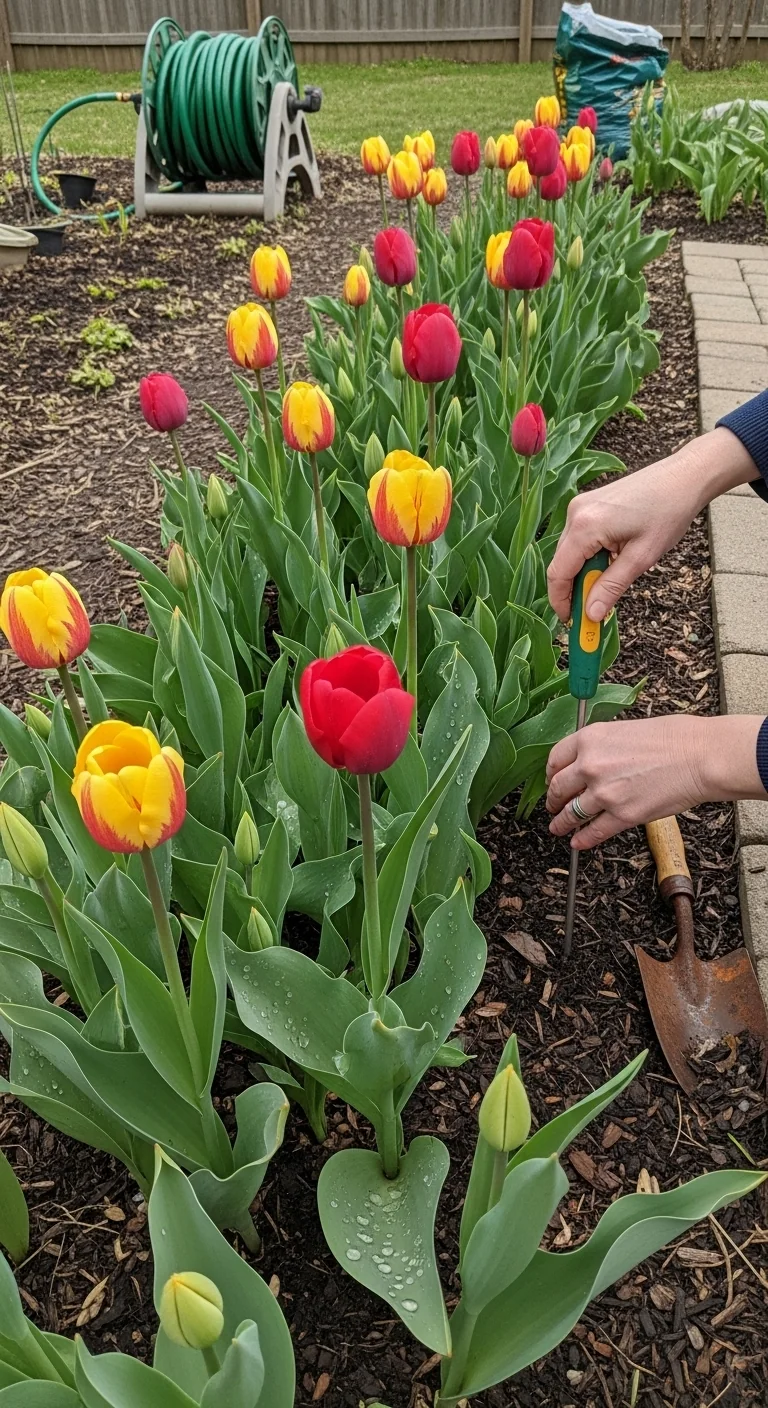
Best for: Branch 1
Darwin Hybrid Tulips deliver late-spring color through stems that reach 20 to 28 inches tall. Their key mechanism is hybrid vigor bred from crossing Darwin and Fosteriana parents, which produces thicker stems resistant to wind and rain. Plant bulbs 6 to 8 inches deep in full sun with the pointed end up.
Blueprint steps: Test soil drainage by digging a 12-inch hole and filling with water (it should drain within 4 hours). Space bulbs 4 to 6 inches apart in groups of 7 or more for impact. Water once after planting to settle soil. Common mistake: planting in low spots where water pools, which leads to rot before roots establish.
Pair these with the cut flower garden approach for long stems that last 7 to 10 days in vases.
Triumph Tulips
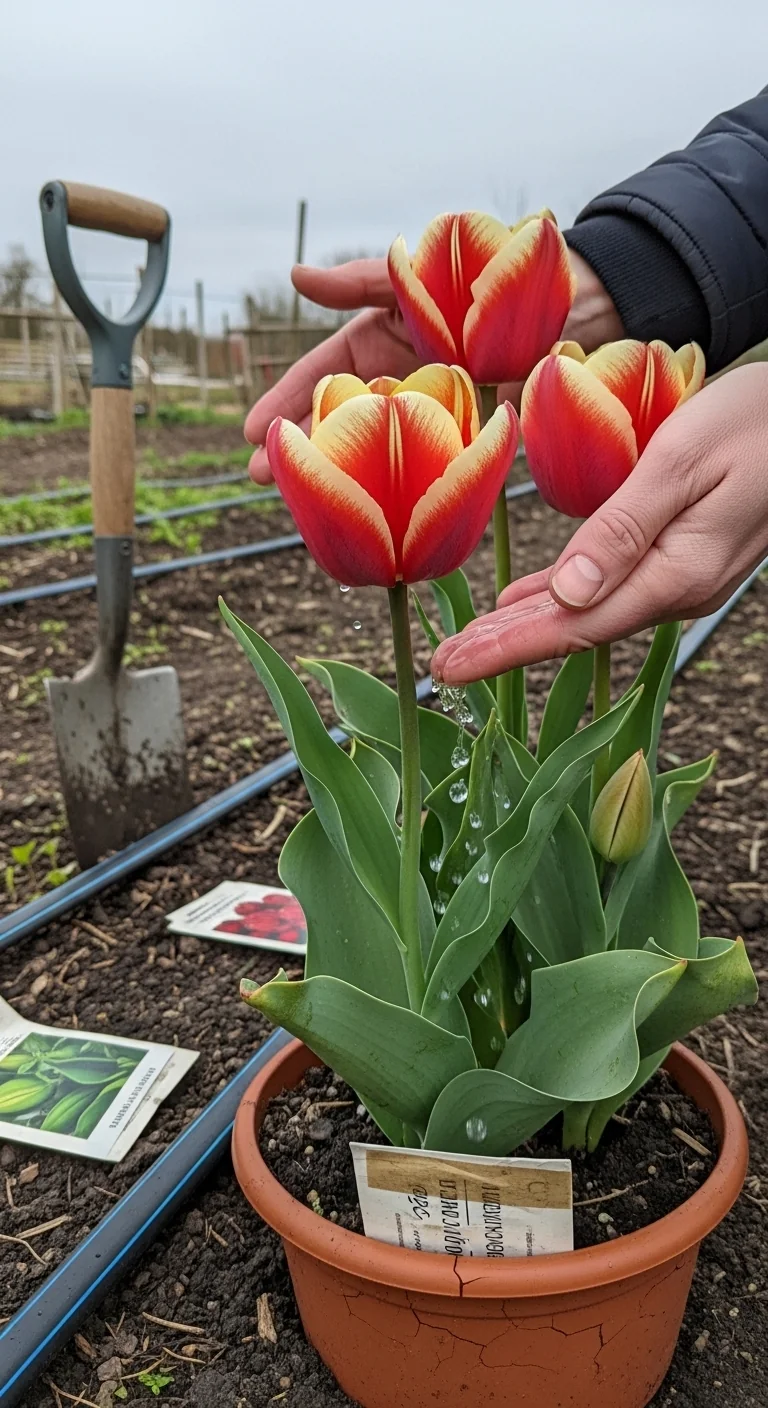
Best for: Branch 2
Triumph Tulips offer classic cup-shaped blooms on 14- to 20-inch stems in mid-spring. Use them when you want dependable form without extreme height.
Use versus skip: Choose Triumph if your soil holds moderate moisture but drains eventually. Skip if winds exceed 15 miles per hour regularly, as stems can bend. Edge case: in clay soil, raise planting beds 4 inches to improve drainage.
Lily-Flowered Tulips
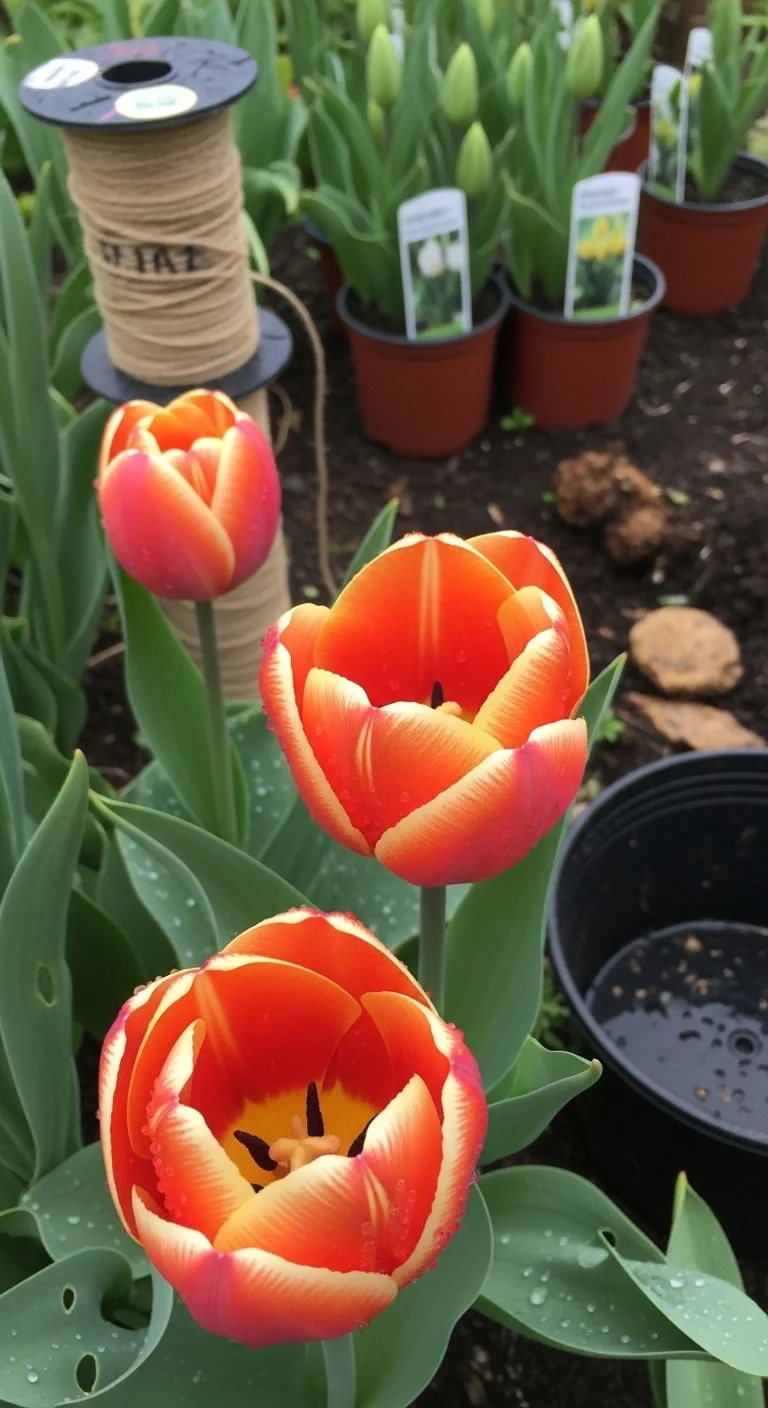
Best for: Branch 1
Lily-Flowered Tulips feature pointed, recurved petals on 18- to 26-inch stems that bloom in late spring. Their mechanism is a refined shape that opens wider in afternoon sun.
Threshold rule: Plant only when soil temperature drops below 55°F in fall for proper root development. Adjust spacing to 5 inches apart if your zone averages fewer than 12 chill weeks. Deadhead promptly after petals drop to direct energy back to the bulb.
Follow guidelines in the deadheading flowers resource for best results.
Double Tulips
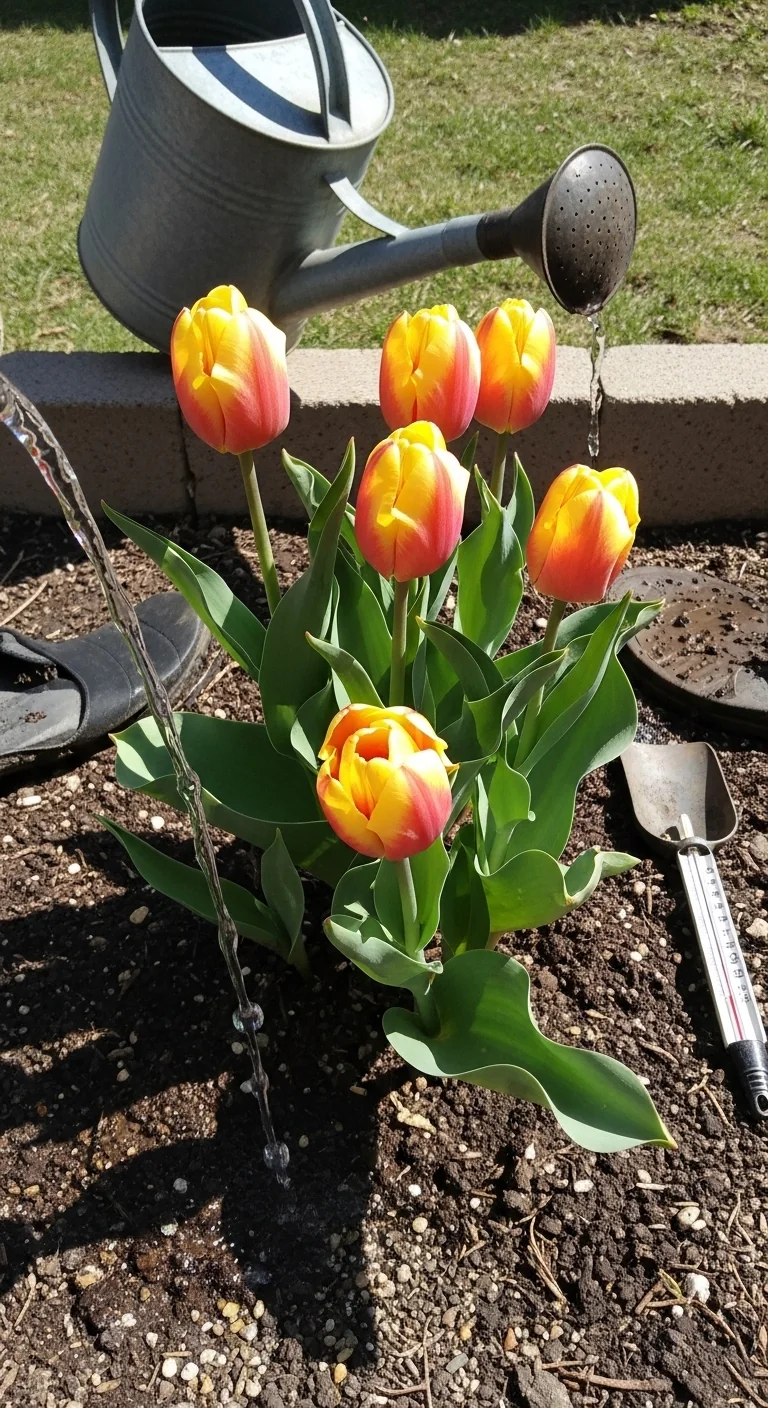
Best for: Branch 2
Double Tulips produce layered, peony-like flowers in early or late spring on 12- to 18-inch stems. Their extra petals create fuller displays but add weight that requires support in rain.
10-minute workflow: Mark bed edges with string (2 minutes). Dig holes 6 inches deep at 5-inch spacing (3 minutes). Drop bulbs pointed end up and backfill (3 minutes). Mulch lightly with 2 inches of compost. Upgrade option: install 18-inch support hoops before stems elongate in spring.
These perform well in full-sun conditions detailed in the full sun flowers guide.
Fringed Tulips
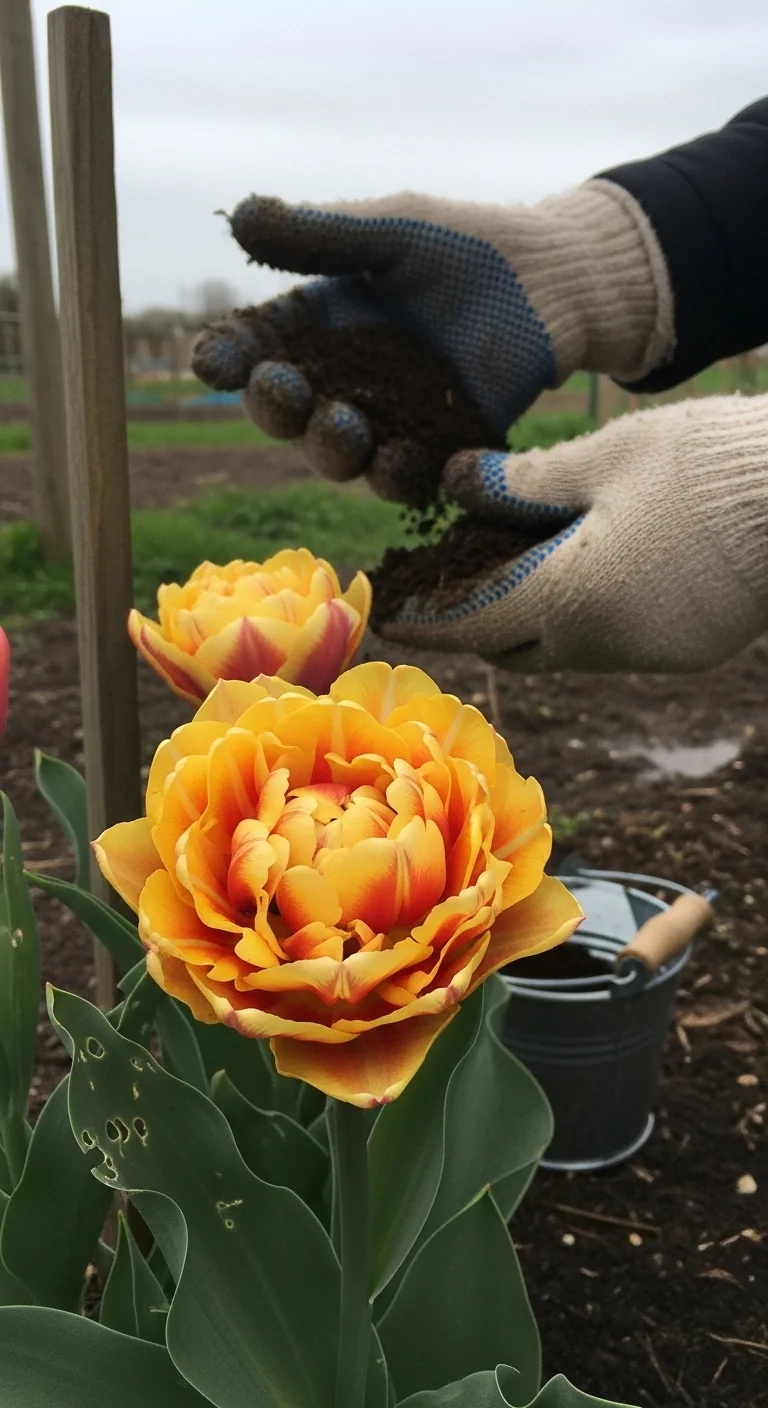
Best for: Branch 3
Fringed Tulips add ruffled petal edges for visual texture on 16- to 24-inch stems. Plant them in sheltered microclimates to protect delicate fringes.
Blueprint steps: Select sites with morning sun only in warm zones. Space 4 inches apart. Water to field capacity once after planting. Avoid overhead watering after buds form to prevent petal damage.
Parrot Tulips
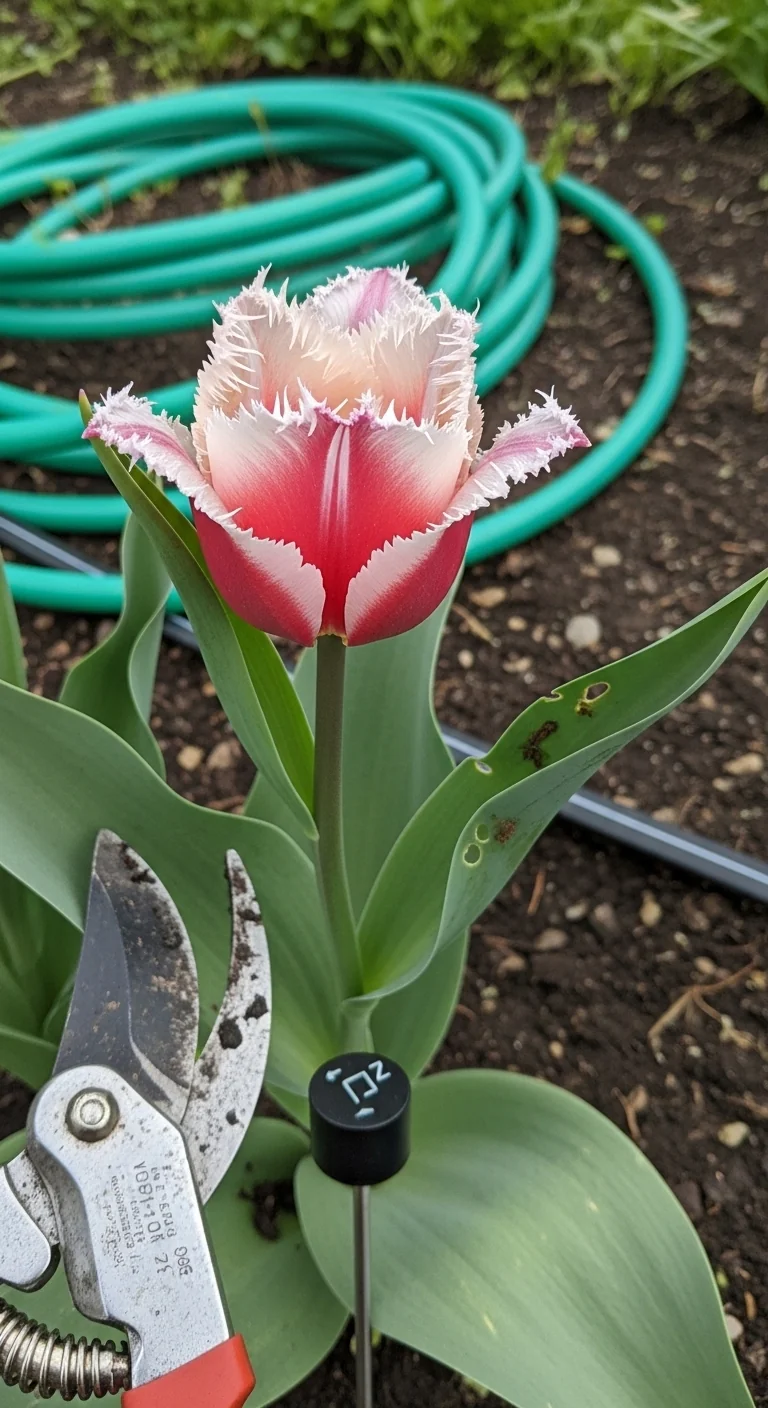
Best for: Branch 3
Parrot Tulips display twisted, feathered petals with color breaks on 16- to 22-inch stems. Their dramatic form works best as focal points.
Use versus skip: Use in containers or protected borders where wind speed stays under 10 miles per hour. Skip in open exposed beds. Edge case: heavy spring rains can split petals, so provide temporary cloche cover if forecast shows over 1 inch of rain in 24 hours.
Contrast them against daffodils for extended interest using techniques from the daffodils page.
Species Tulips
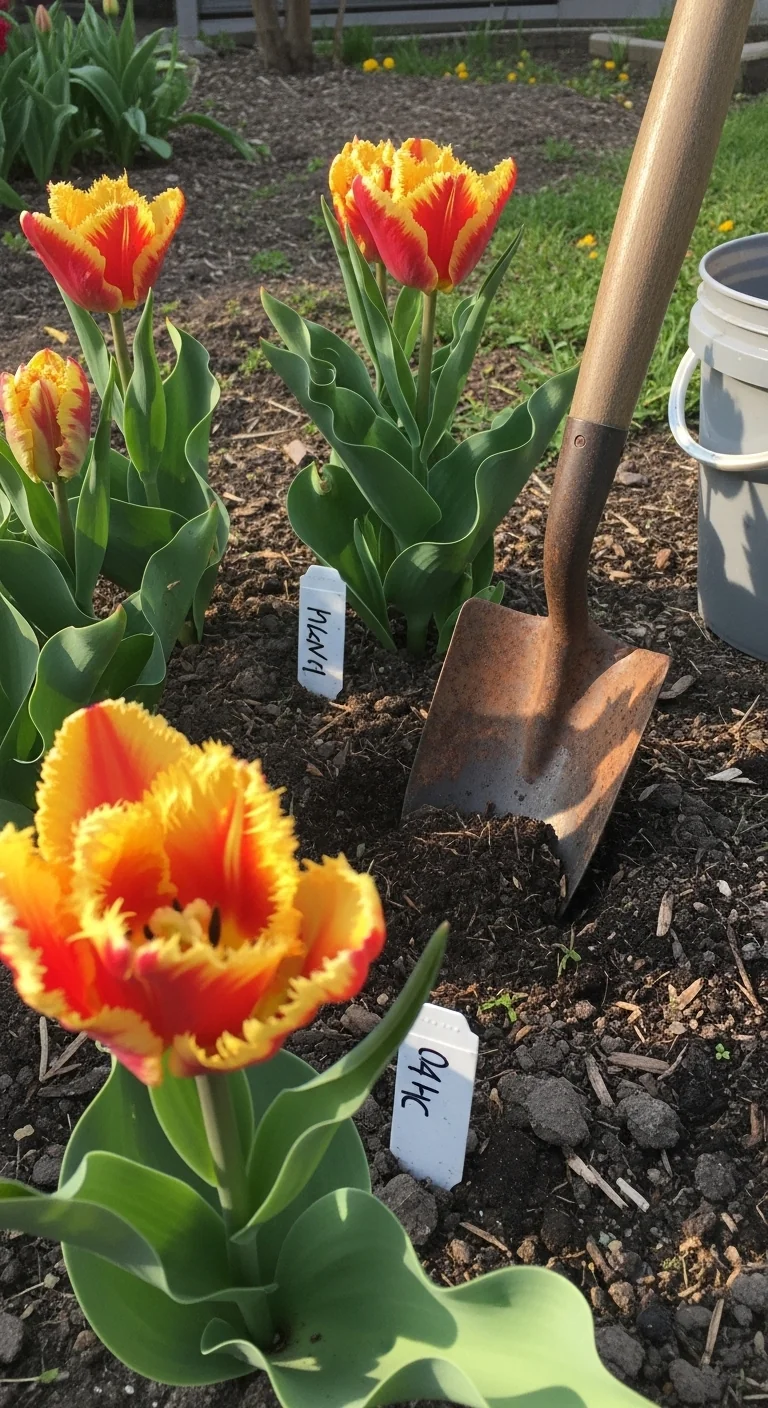
Best for: Branch 1
Species Tulips stay compact at 6 to 12 inches and often self-seed in favorable conditions. Their mechanism is adaptation from wild origins that allows gradual increase over years.
Threshold rule: Limit to sites with at least 10 weeks below 45°F and pH between 6.0 and 7.0. Space bulbs 3 inches apart for natural drift effect. If foliage yellows before 6 weeks post-bloom, reduce watering to encourage dormancy.
These integrate well into perennial schemes outlined in the perennial flowers resource.
Fosteriana Tulips
Best for: Branch 2
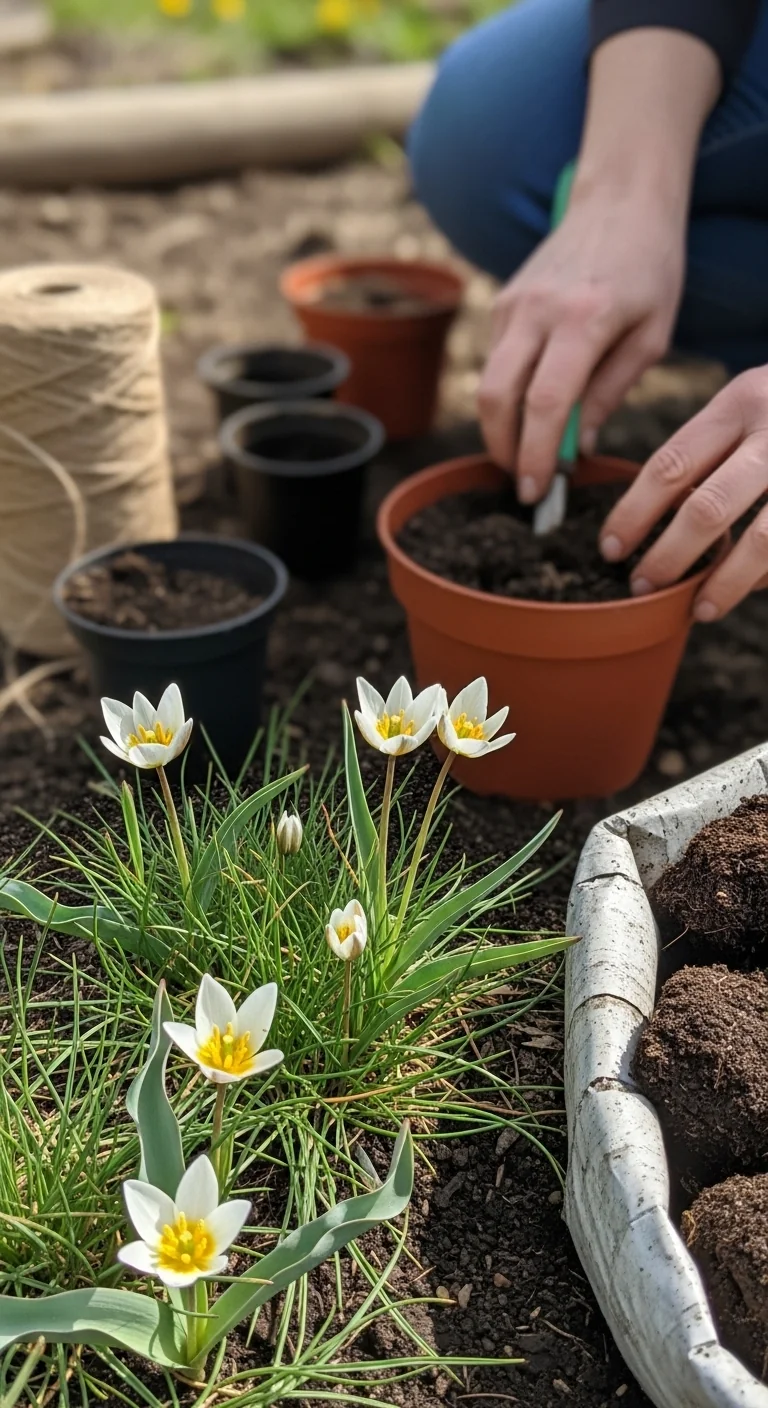
Fosteriana Tulips bloom early with large flowers up to 4 inches across on 10- to 18-inch stems. Their early timing fills gaps before mid-season types open.
10-minute workflow: Prepare soil by loosening top 8 inches (2 minutes). Place bulbs 6 inches deep at 4-inch spacing (3 minutes). Cover and firm soil (2 minutes). Label groups for tracking return. Upgrade option: mix in a thin layer of grit at planting depth for extra drainage in clay.
Kaufmanniana Tulips
Best for: Branch 3
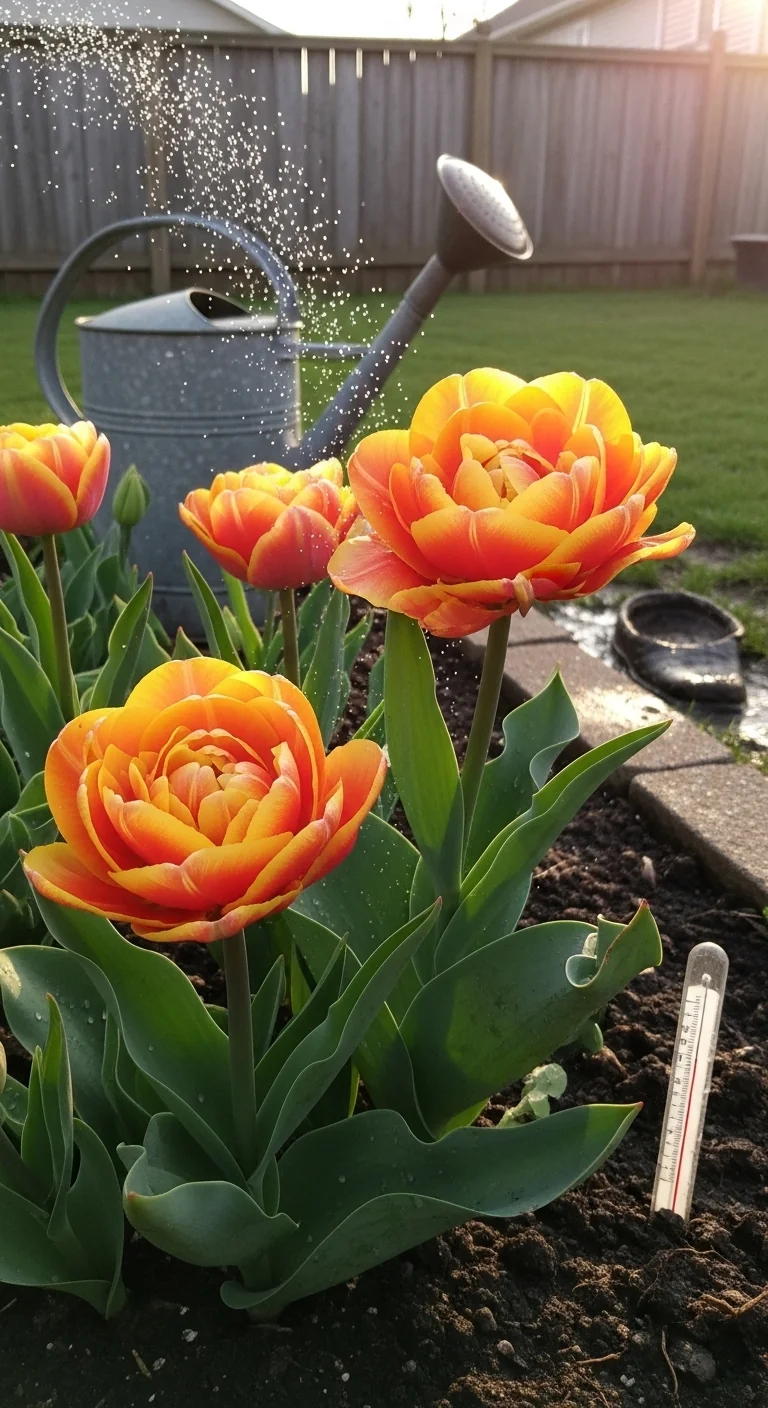
Kaufmanniana Tulips open like waterlilies on short 6- to 10-inch stems. They suit front borders or rock gardens.
Blueprint steps: Choose south-facing slopes for quick soil warm-up. Plant 5 inches deep at 3-inch spacing. Apply 1 inch of mulch after ground freezes. Monitor for voles by checking soil monthly in winter.
Incorporate them into designs from the flower bed design guide for layered effects.
Starter Stack (What to Choose First)
Branch 1 Gardens
Start with Darwin Hybrid Tulips and Species Tulips. The combination extends bloom from early compact flowers into tall late accents. Planting time estimate: 30 to 45 minutes for 50 bulbs. Cost range: 20 to 35 dollars for 50 mixed bulbs.
Branch 2 Gardens
Start with Triumph Tulips and Fosteriana Tulips. Early Fosteriana fills the gap before mid-season Triumph peaks. Planting time estimate: 25 to 40 minutes for 50 bulbs. Cost range: 22 to 38 dollars for 50 mixed bulbs.
Branch 3 Gardens
Start with Fringed Tulips and Kaufmanniana Tulips. Low-growing Kaufmanniana anchors the front while fringed adds texture behind. Planting time estimate: 20 to 35 minutes for 40 bulbs. Cost range: 18 to 32 dollars for 40 mixed bulbs.
When This Won’t Work
Tulips fail when soil stays saturated for more than 48 hours after rain or when chill hours fall below 8 weeks total. In either case, bulbs rot before shoots emerge or produce only foliage. Lift and store healthy bulbs after foliage yellows completely, then replant the following fall.
Full shade (under 4 hours direct sun daily) also prevents proper bloom development. Switch to shade-adapted perennials in those spots. For container plantings that drain poorly, amend with 30 percent grit by volume before setting bulbs.
Choosing the Right Option for Your Situation
Budget Threshold
If your budget stays under 30 dollars for 50 bulbs, select Species or Kaufmanniana classes first. These spread naturally over time and reduce future purchases.
Time Threshold
If you have under 30 minutes for planting, choose compact classes like Species or Kaufmanniana that require smaller holes and tighter spacing.
Technical Constraint: Soil Drainage
If a drainage test shows water lingering beyond 6 hours, raise beds by 4 to 6 inches or select only Branch 3 classes and plant in containers with holes.
Yes/No checklist:
Do you have at least 8 weeks of soil below 45°F? Yes/No
Does water drain from a test hole within 4 hours? Yes/No
Is your site in full sun for 6 or more hours? Yes/No
Can you deadhead within 2 days of petal drop? Yes/No
Expert Q&A
How do tulips interact with companion bulbs like daffodils?
Tulips and daffodils share similar planting depths and chill needs but stagger bloom times when early Fosteriana tulips follow daffodils. Space them 6 inches apart to avoid root competition while creating sequential color without overlapping peak displays.
What soil amendments improve tulip performance long term?
Incorporate 2 inches of compost at planting depth and avoid high-nitrogen fertilizers after bloom. This maintains pH between 6.0 and 7.0 and supports root health without encouraging soft growth that flops in spring rains.
Can you naturalize tulips in lawns?
Species and some Kaufmanniana classes naturalize in lawns if mowing stops until foliage yellows 6 weeks after bloom. Choose low-growing types and plant in clusters of 9 or more for visible impact the following season.
How does mulch affect tulip emergence in cold zones?
A 2-inch layer of shredded leaves or bark applied after the ground freezes prevents soil heaving in zones 3 to 5. Remove half the mulch in early spring once shoots appear to avoid smothering young growth.
What distinguishes forcing from garden planting?
Garden planting relies on natural outdoor chill while forcing uses artificial refrigeration for 10 to 12 weeks at 35 to 45°F. Garden bulbs receive gradual temperature shifts that promote stronger stems and better color intensity.
Conclusion
Next step: Map your chill weeks and drainage on paper, then order bulbs from the grid-recommended classes for this coming season using the spring flowers overview.