
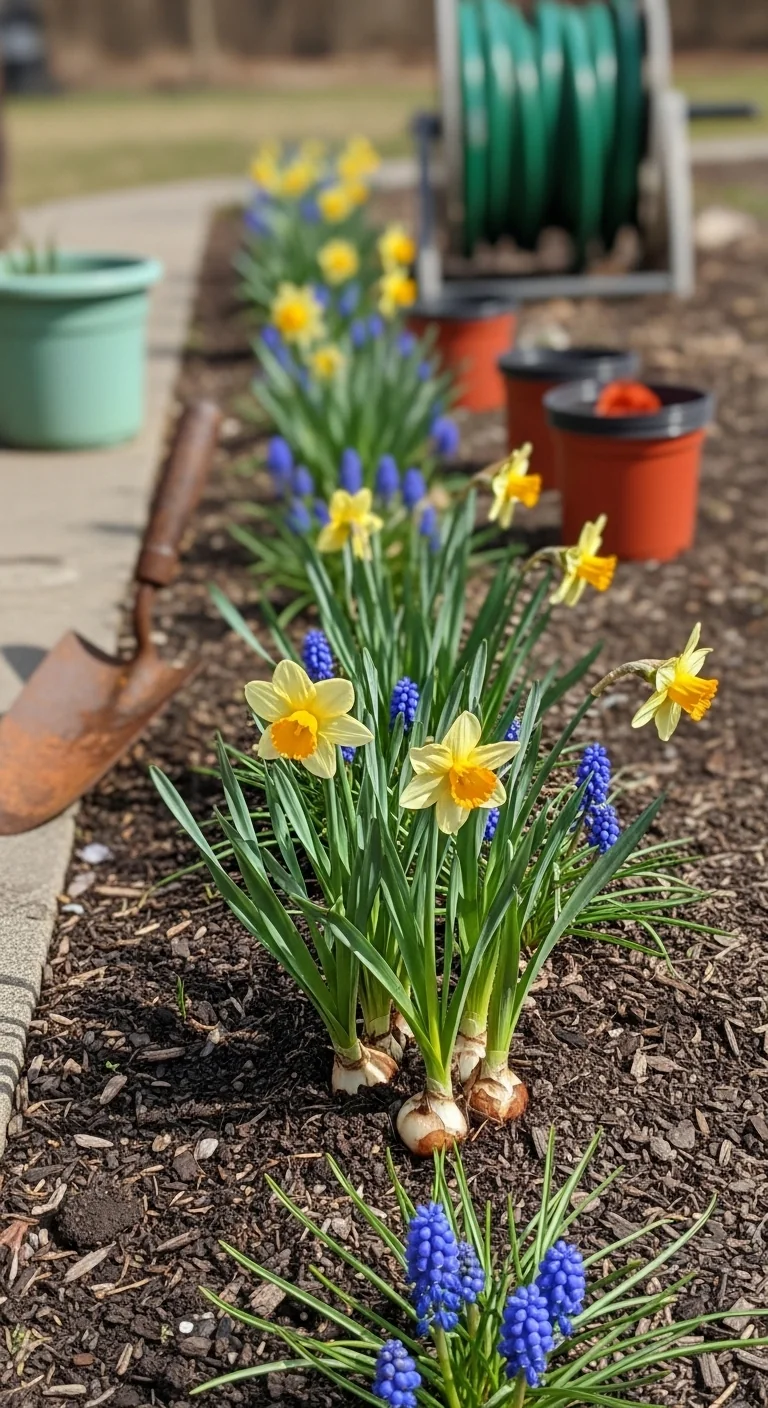
Spring bulbs deliver the most value when selected for their ability to naturalize and multiply in place rather than serving as one-season displays that fade after the first year.
This guide examines nine spring-flowering bulb types suited to home gardens in temperate climates across the US, UK, Canada, Netherlands, Germany, and France. Coverage includes site-matching mechanics, planting windows, and measurable conditions such as sun hours and drainage rates. It excludes tender summer bulbs, non-hardy exotics, and non-bulb perennials such as peonies or roses.
After reading you can order with confidence based on a simple soil drainage test, daily sun exposure count, and your hardiness zone to create displays that expand naturally each season.
Test your soil drainage and sun exposure first, then select from the grid below for spring bulbs that return stronger each year.
The Yield Grid Decision Grid
Branch 1 applies to sites with full sun (six or more hours daily) and well-drained soil where water soaks away within six hours after a thorough watering. Recommended: Items 1, 3, 5, and 7 below.
Branch 2 applies to partial shade (four hours or fewer of direct sun) with average to moist soil that retains water for eight to twelve hours. Recommended: Items 2, 4, 6, and 8 below.
Branch 3 applies to priority early-season color in zones three through five where blooms appear before the average last frost date. Recommended: Items 1, 2, and 4 below.
For broader spring color combinations see our spring flowers guide.
Quick Comparison Table
| Option | Key mechanism | Best for | Decision Grid Branch | Effort Score |
|---|---|---|---|---|
| Daffodils | Offsets multiply underground each year | Lawns or mixed borders | Branch 1 and 3 | 1 |
| Crocus | Self-seeding and corm division | Early lawn accents | Branch 2 and 3 | 1 |
| Grape Hyacinths | Rapid clump expansion via offsets | Groundcover edges | Branch 1 and 2 | 1 |
| Snowdrops | Naturalizing through seed and bulb increase | Woodland edges | Branch 2 and 3 | 1 |
| Species Tulips | Perennializing via bulb offsets | Rock gardens | Branch 1 | 2 |
| Dutch Hyacinths | Clump formation in favorable conditions | Fragrant beds | Branch 1 and 2 | 2 |
| Ornamental Alliums | Bulb clusters that persist and spread | Late spring structure | Branch 1 | 1 |
| Siberian Squill | Seed spread and bulb division | Shaded lawns | Branch 2 | 1 |
| Chionodoxa | Colony formation in cool soils | Early blue accents | Branch 2 and 3 | 1 |
Daffodils
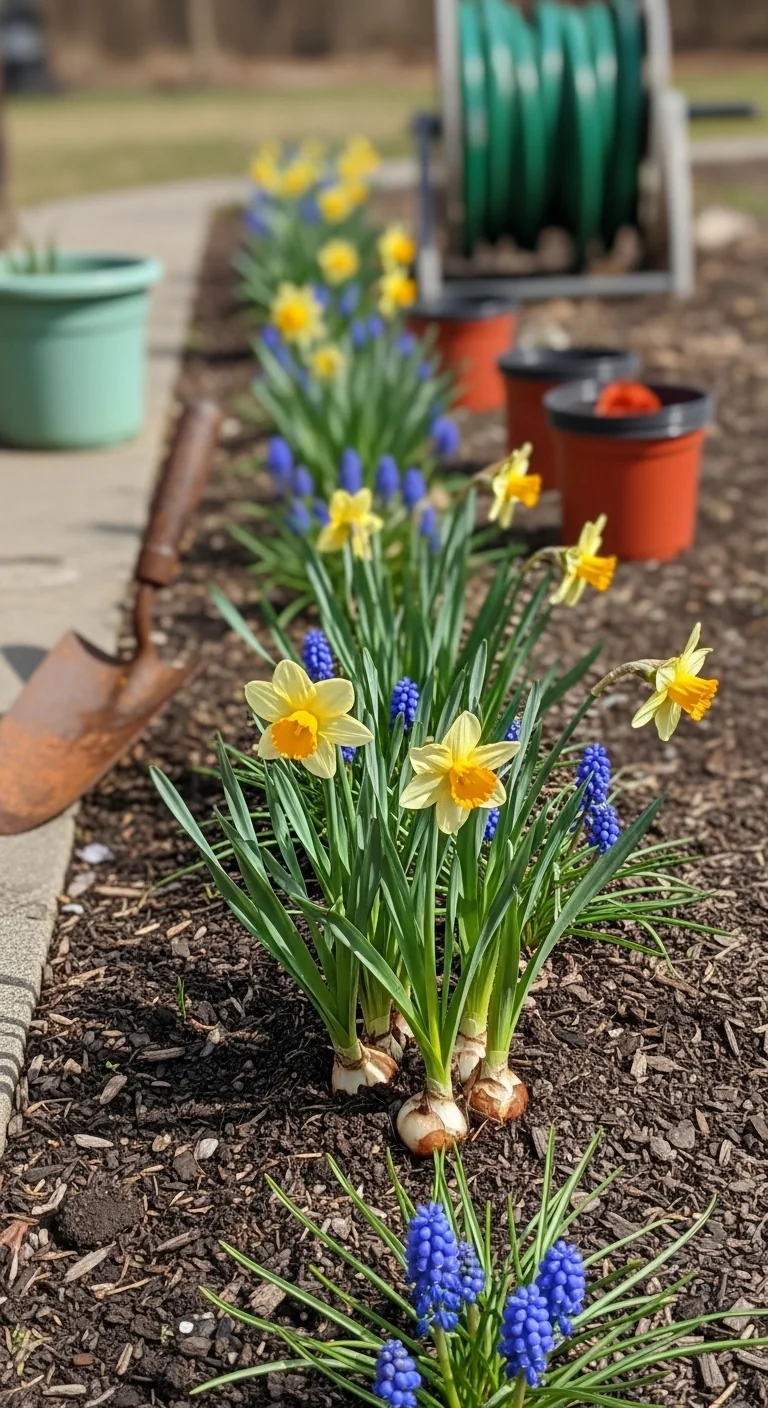
Best for: Branch 1 and 3
Daffodils form expanding clumps through underground offsets that increase bulb numbers each season without gardener intervention. They suit full-sun borders or naturalized lawns where soil drains freely and pH sits between 6.0 and 7.5. Plant in fall once soil temperature drops below 15 degrees Celsius. Place bulbs pointy end up at a depth three times their height (typically six to eight inches) and space 15 centimeters apart. Water once after planting then rely on rainfall. The common mistake is setting bulbs too shallow in heavy soil, which exposes them to frost heave and reduces return rates over time. For detailed variety selection see our daffodils guide. In zones three through five early cultivars such as Tete-a-Tete extend bloom into March while later types like Ice Follies finish in May, giving four to six weeks of continuous color with zero annual replanting.
Crocus
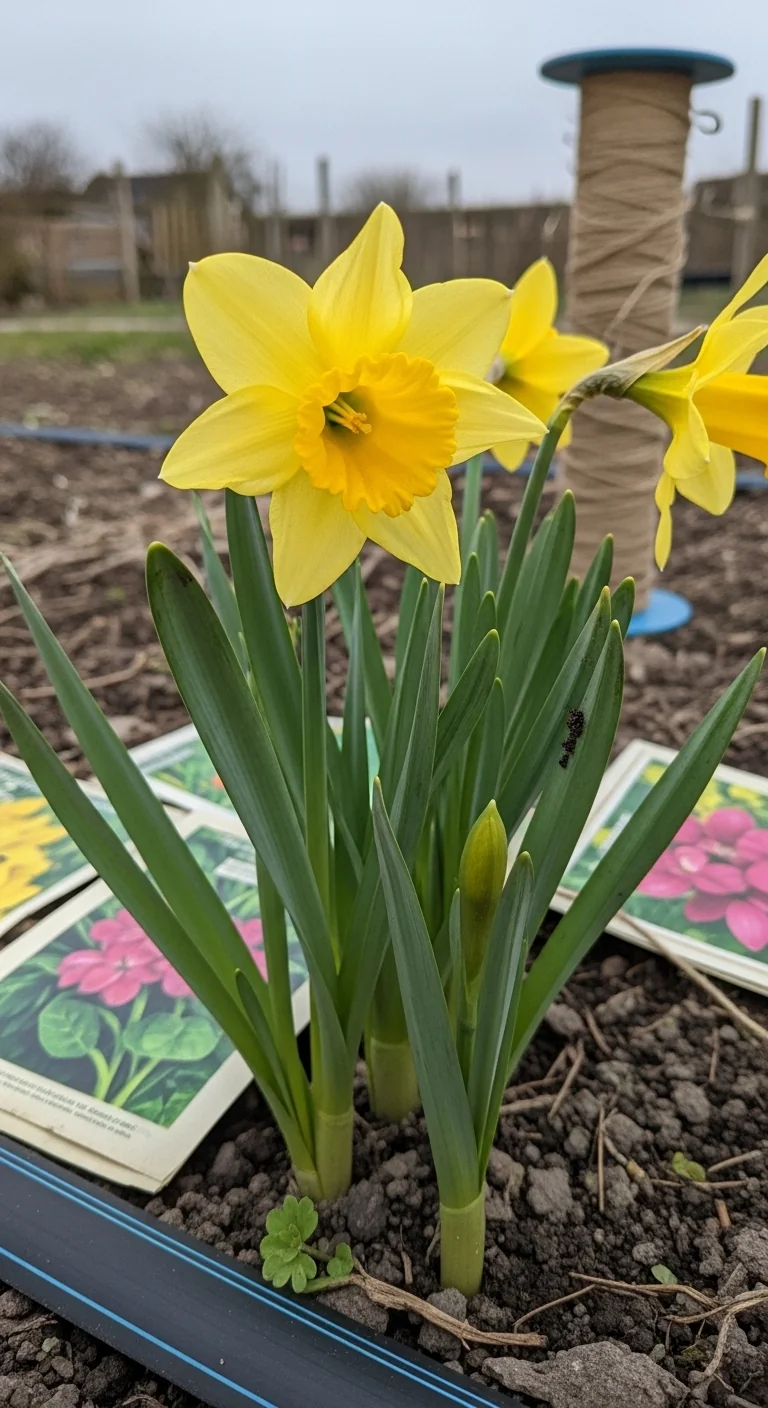
Best for: Branch 2 and 3
Use crocus where early color is needed before most perennials emerge. They naturalize reliably in partial shade and tolerate lawn mowing once foliage yellows. Skip them in full-sun exposed sites that bake dry in summer, as corms shrink and fail to return. Edge case: they perform even in compacted lawn soil provided drainage prevents standing water longer than twelve hours.
Grape Hyacinths
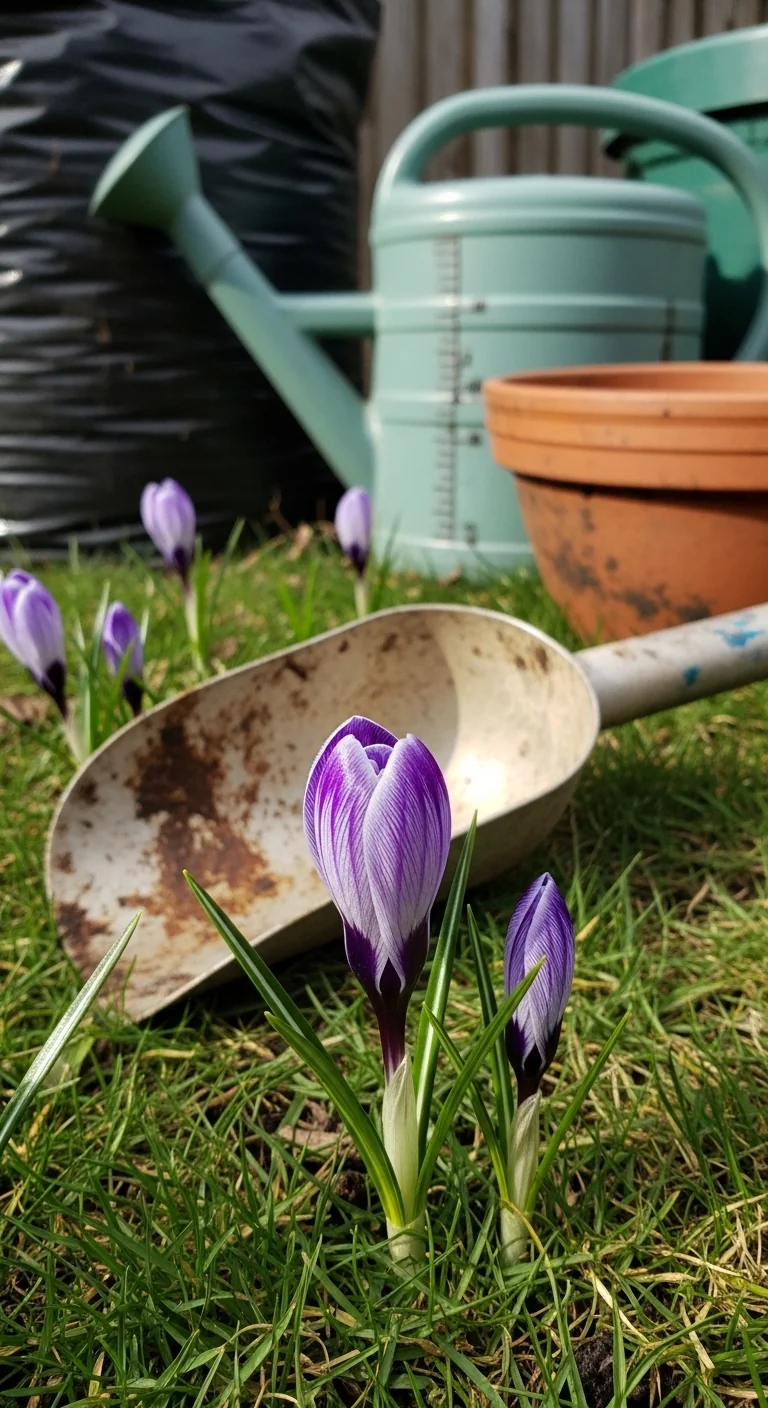
Best for: Branch 1 and 2
Grape hyacinths (Muscari) spread quickly via offsets and self-seeding to form dense blue or white carpets. They thrive once soil temperature falls below 15 degrees Celsius in fall. Plant at four-inch depth with three-inch spacing for rapid coverage. Threshold rule: if your site receives fewer than four hours of direct sun they still bloom but spread slows by half compared with full-sun locations. Adjust spacing to two inches in shade to compensate. They tolerate pH 5.5 to 7.5 and require no division for at least five years, making them ideal low-intervention edging or rock-garden fillers that return reliably in USDA zones four through eight.
Snowdrops
Best for: Branch 2 and 3
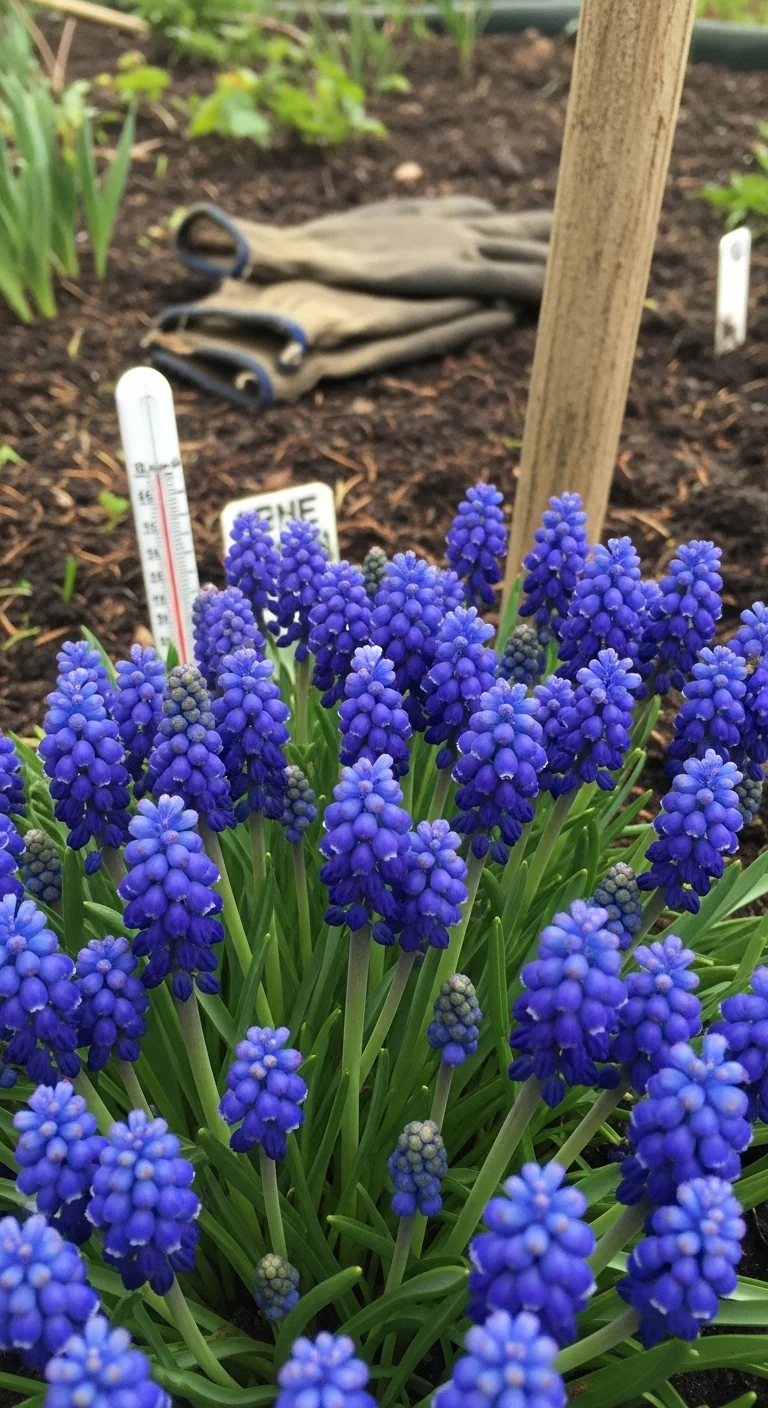
Snowdrops push through frozen ground in late winter using a 10-minute workflow that starts with soil preparation. Choose a spot under deciduous trees or shrubs where partial shade keeps soil cool and moist. Dig a wide shallow trench four inches deep, scatter bulbs two inches apart, then backfill and water once. Upgrade option: mix in a thin layer of leaf mold before covering to boost early root growth in poor soils. They naturalize by both bulb increase and seed, forming colonies that bloom before crocus in zones three through seven. The key constraint is avoiding summer drought: mulch lightly after bloom to retain moisture through dormancy. Expect flowers as early as February in milder UK or US Pacific Northwest gardens and March in colder Canadian or German zones.
Species Tulips
Best for: Branch 1
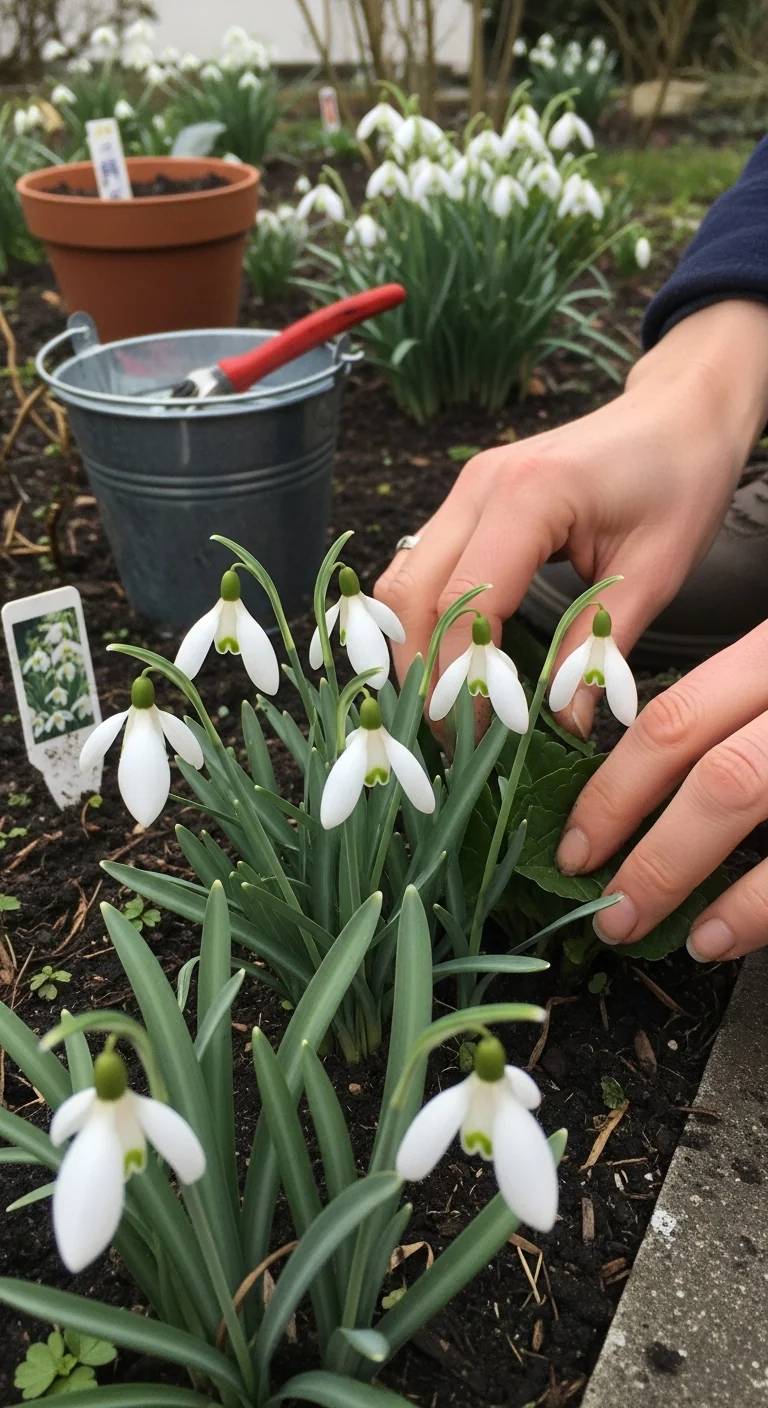
Use species tulips rather than hybrid types when long-term perennializing matters. They form persistent bulb offsets in full-sun rock gardens or well-drained borders. Skip large-flowered Darwin hybrids that often decline after year two. Edge case: they excel in sandy or gravelly soils where drainage exceeds six hours but struggle in clay even when amended.
Dutch Hyacinths
Best for: Branch 1 and 2
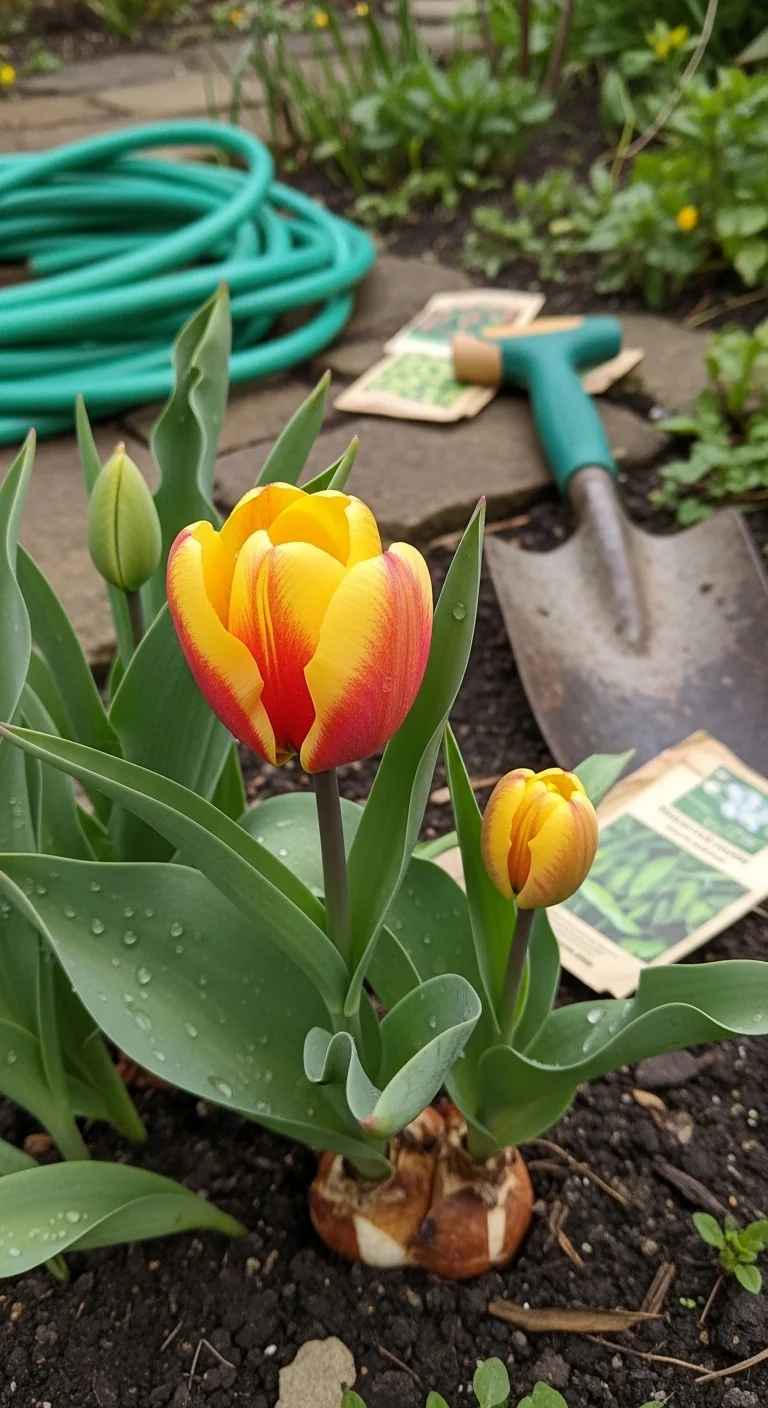
Dutch hyacinths deliver strong fragrance through dense flower spikes that last two to three weeks. They clump modestly in average garden soil when planted at six-inch depth in fall. Threshold rule: maintain soil temperature below 15 degrees Celsius at planting to ensure proper root establishment before winter; in warmer southern UK or US zones delay until late October or November. They adjust to partial shade with slightly smaller spikes but still return for three to four seasons without lifting.
Ornamental Alliums
Best for: Branch 1
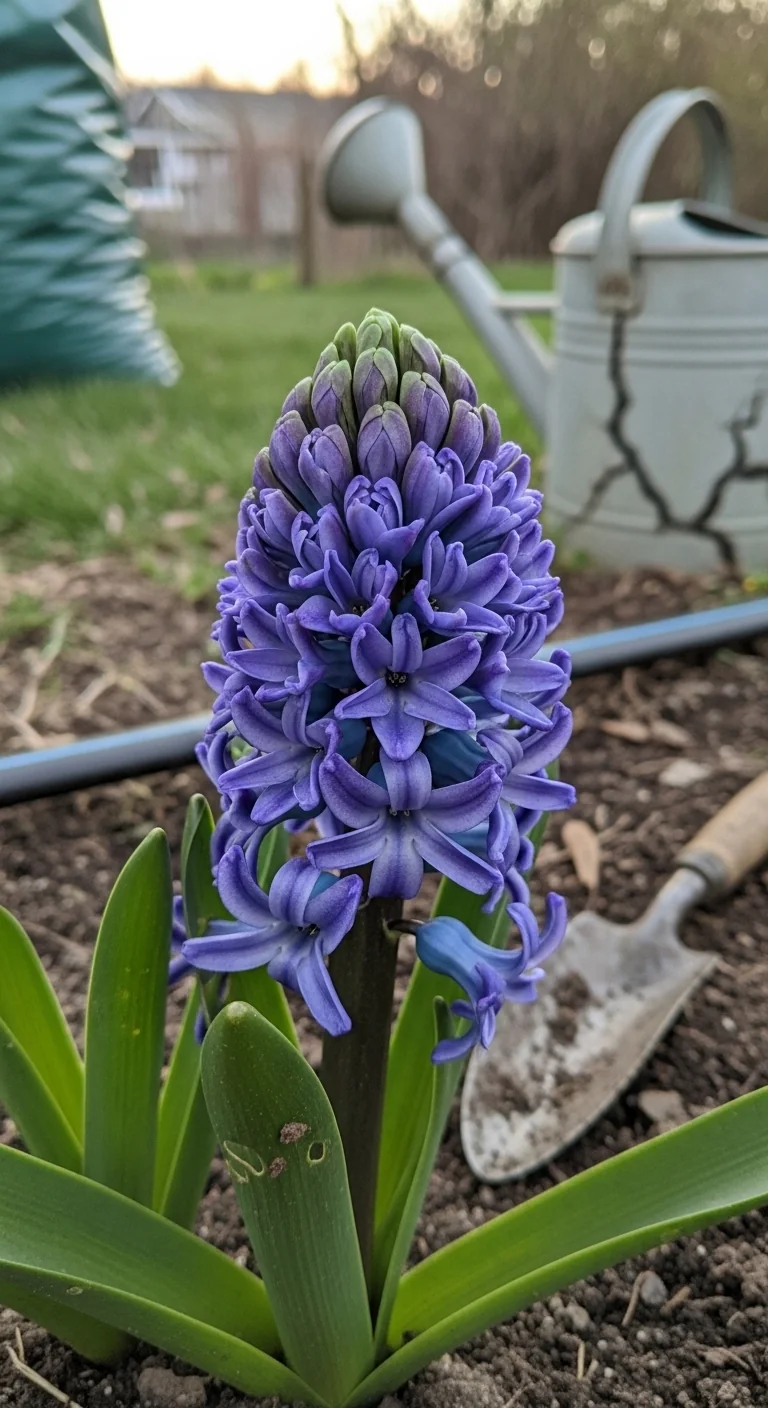
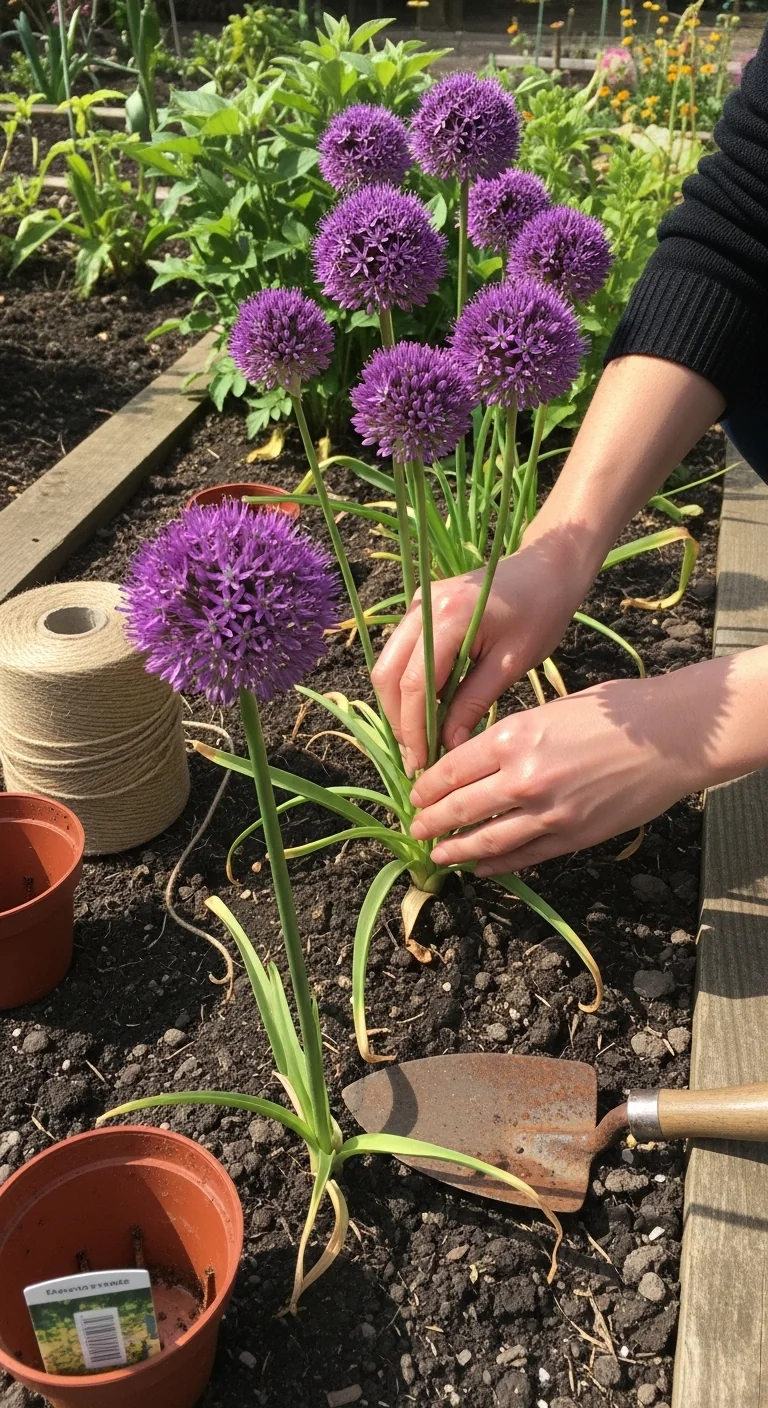
Ornamental alliums produce spherical flower heads that persist into seed for structure long after color fades. They naturalize through bulb clusters in full-sun borders with excellent drainage. Plant in fall at depth equal to three times bulb height (eight to ten inches for larger types) and space 20 centimeters apart. They tolerate pH 6.0 to 8.0 and require no division for six or more years. The mechanism that sets them apart is their late-spring bloom window (May to June in most zones) that bridges the gap between early bulbs and summer perennials. For variety details and companion planting ideas see our alliums guide. In zones four through eight they return reliably with zero summer watering once established, making them a cornerstone for low-maintenance displays.
Siberian Squill
Best for: Branch 2
Use Siberian squill in shaded lawns or under trees where it spreads by seed and bulb division to create blue drifts. Skip full-sun exposures where foliage scorches before yellowing. Edge case: it tolerates light foot traffic once bloom finishes.
Chionodoxa
Best for: Branch 2 and 3
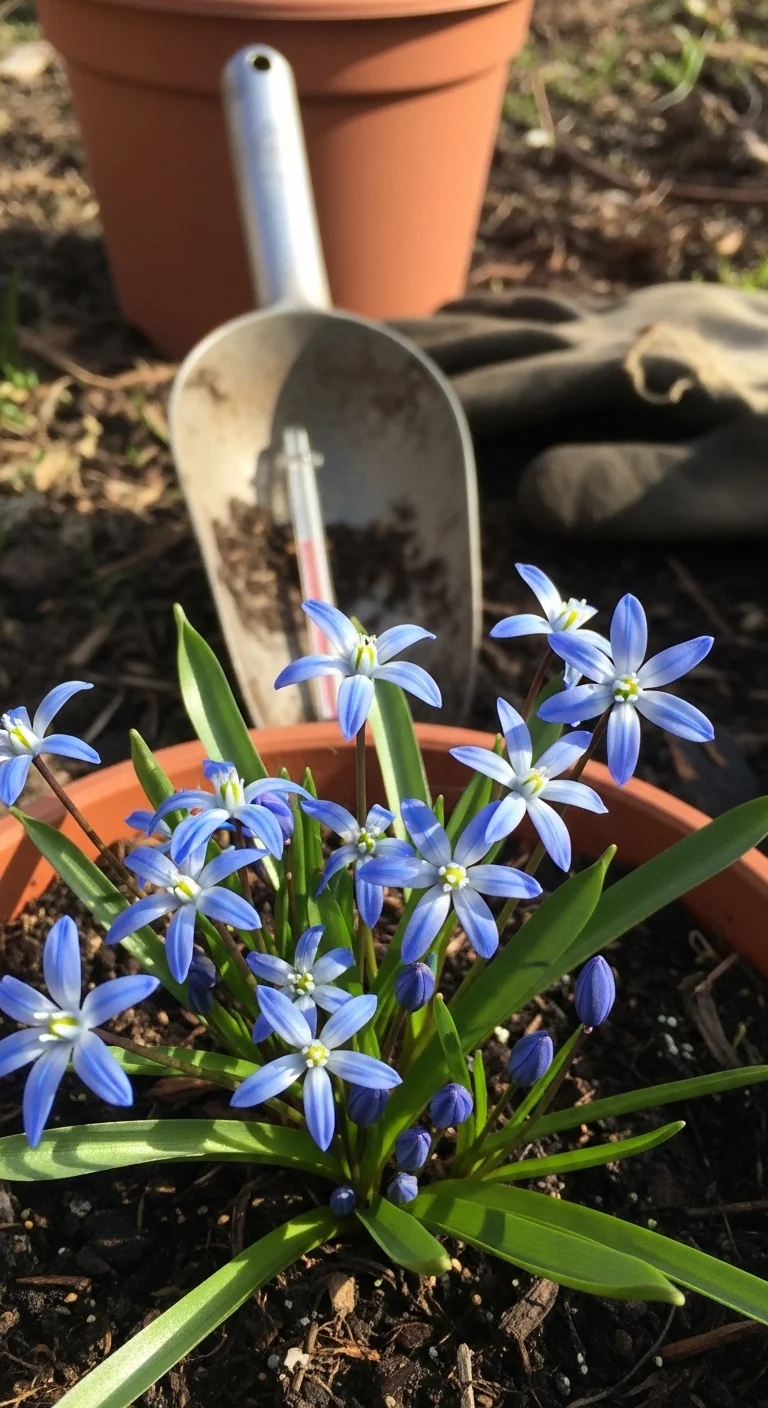
Chionodoxa (glory-of-the-snow) forms early blue colonies in cool partial-shade sites. Plant at three-inch depth with two-inch spacing in fall once soil cools below 15 degrees Celsius. They naturalize vigorously in zones three through seven and require no further care beyond letting foliage yellow naturally. Threshold rule: if your soil pH tests below 5.5 add garden lime at one cup per square meter before planting to optimize return rates.
Starter Stack (What to Choose First)
Branch 1 Starters
Daffodils and ornamental alliums. These two combine for early-to-late spring coverage while both naturalize without annual division. Plant 50 of each in fall for 45 to 75 minutes of work and initial cost under 40 dollars depending on supplier pack size.
Branch 2 Starters
Crocus and snowdrops. They stagger early color in partial shade and expand into self-sustaining colonies. Expect 30 to 60 minutes of planting time for 100 bulbs total with first-year cost under 30 dollars.
Branch 3 Starters
Daffodils and chionodoxa. Early bloom extends the season in colder zones with overlapping foliage that disappears cleanly. Planting 75 bulbs takes 40 to 65 minutes in fall at under 35 dollars initial outlay.
When This Won’t Work
Spring bulbs fail when soil remains saturated longer than 24 hours after rain because excess moisture causes bulb rot before roots establish. Switch to raised beds filled with amended soil or grow in containers with drainage holes instead.
They also struggle in zones warmer than nine where summer soil temperatures stay above 25 degrees Celsius year-round and prevent proper dormancy. In those conditions shift to heat-tolerant alternatives. See our summer bulbs guide for options that thrive without the cold requirement.
Choosing the Right Option for Your Situation
Budget Threshold
Under 0.40 dollars per bulb favors daffodils or crocus in bulk packs. Above that threshold species tulips or named allium cultivars deliver specialty form and color at higher per-unit cost.
Time Threshold
Sessions under 45 minutes suit crocus or grape hyacinths in small patches. Larger beds with daffodils or alliums require 60 to 90 minutes but only in the initial fall planting.
Soil pH Constraint
Most spring bulbs perform best between pH 6.0 and 7.5. Test your soil with a simple kit; if readings fall below 5.5 incorporate lime at the rate of one cup per square meter two weeks before planting.
Yes if your site matches one decision grid branch and you can plant in fall when soil cools.
No if soil stays wet longer than 24 hours or your zone exceeds nine.
Yes if you accept foliage yellowing for six weeks after bloom.
No if you plan to dig or disturb the area every spring.
Expert Q&A
How early can you plant spring bulbs in the fall without risking premature growth?
Wait until soil temperature at six-inch depth drops below 15 degrees Celsius. In most US northern states and UK regions this window opens mid-September to early November. Earlier planting in warm soil triggers top growth that then freezes and weakens the bulb for the following spring.
Can spring bulbs be naturalized directly in an established lawn?
Yes for crocus, snowdrops, Siberian squill, and chionodoxa. Plant bulbs in clusters then mow only after foliage turns fully yellow, typically six weeks post-bloom. Daffodils also work but require larger planting holes to avoid competition with dense grass roots.
Do established spring bulbs need fertilizer after the first year?
No supplemental fertilizer is required once clumps form. Natural leaf litter and compost top-dressing supply sufficient nutrients for ongoing offset production in average garden soil.
What is the minimum spacing to prevent overcrowding as bulbs multiply?
Start at three to four inches for small bulbs such as crocus or muscari and five to six inches for daffodils or alliums. After three seasons lift and divide only if flowering density drops noticeably.
How do you store leftover spring bulbs if fall planting is delayed?
Keep them in a cool dark place between 10 and 15 degrees Celsius with good air circulation in a paper bag or mesh sack. Check monthly for soft spots and plant before soil freezes solid.
Conclusion
Take the next step this week by checking your site conditions then ordering the starter stack that fits. Begin harvesting for arrangements with our cut flower garden guide.