
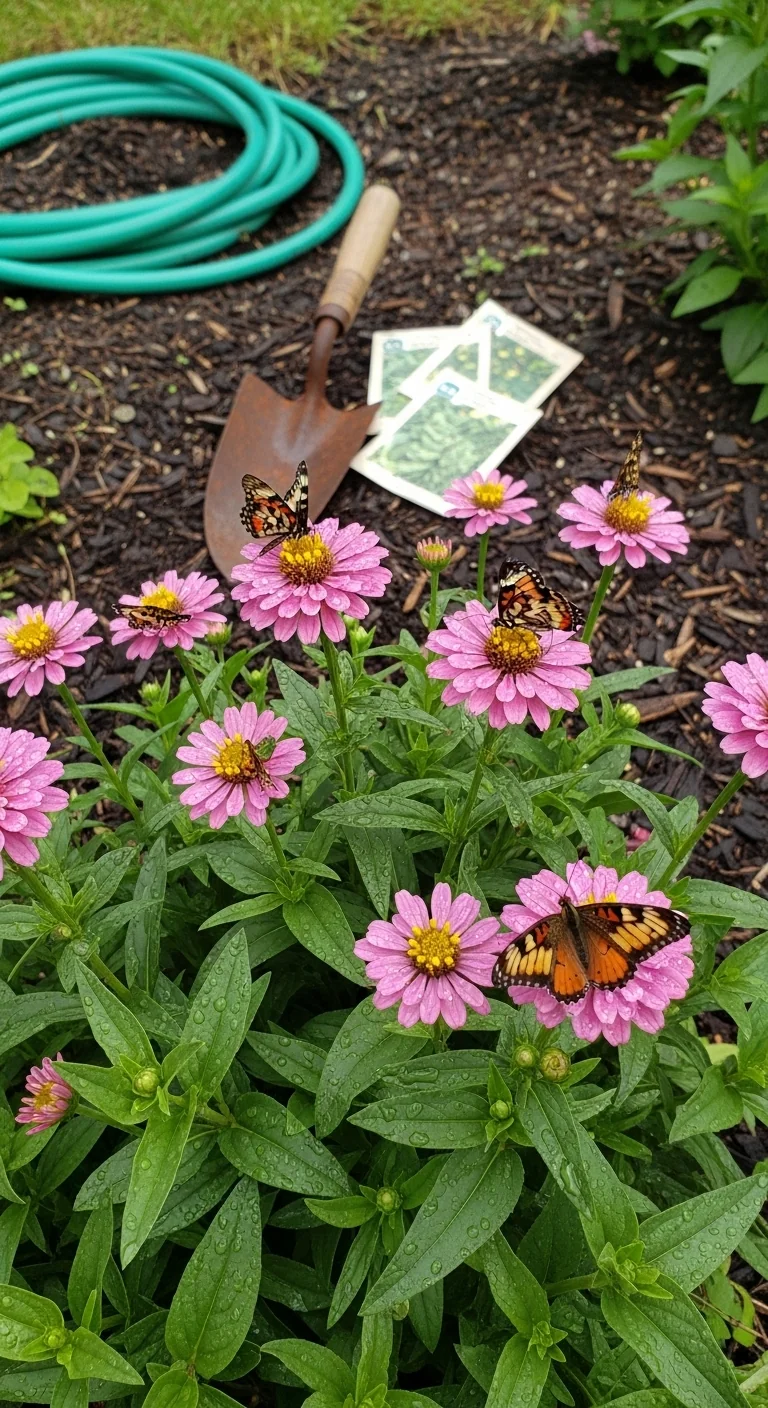
Butterfly flowers deliver consistent visitors only when selected through a conditions-based grid rather than popularity rankings that overlook invasiveness and site mismatches common in standard lists. This reframing prioritizes measurable factors like sun exposure, water availability, and maintenance tolerance to create reliable nectar sources that support local butterfly species across seasons.
This guide covers 10 nectar-focused annuals and perennials suited to ornamental flower gardens in the US, UK, Canada, Australia, and comparable climates. It excludes caterpillar host plants such as milkweed and any invasive shrubs. Coverage includes bloom mechanisms, site-specific constraints, and integration steps drawn from established horticultural data.
You will finish with clear priorities for your space: which plants fit your exact conditions, how to sequence them for extended activity, and which to avoid in edge cases. The result is a targeted selection that minimizes trial-and-error while maximizing garden value.
Match your garden to the correct branch in the decision grid below and install the aligned butterfly flowers for dependable attraction without repeated replacements.
The Yield Grid Decision Grid
Branch 1: Full-sun sites with low water availability (summer rainfall under 1 inch per week or irrigation limited to biweekly). These conditions favor drought-tolerant perennials that establish quickly in well-drained soil. Recommended: Lavender, Salvia, Coreopsis below.
Branch 2: Full to part sun with moderate moisture (soil drains within 24 hours after rain but retains some reserves). These temperate beds suit composite flowers with strong landing platforms. Recommended: Echinacea, Black-eyed Susan, Zinnias below.
Branch 3: Partial sun or container setups in shorter growing seasons (last frost after mid-April or equivalent cooler-region windows). These favor fast-establishing annuals that tolerate variable light. Recommended: Cosmos, Marigolds, Sunflowers below. For broader pollinator strategies see our pollinator flowers guide.
Quick Comparison Table
| Option | Key mechanism | Best for | Decision Grid Branch | Effort Score |
|---|---|---|---|---|
| Echinacea | Flat composite heads with central nectar disks | Swallowtails and fritillaries | Branch 2 | 2 |
| Zinnias | Layered single or double petals with exposed centers | Painted ladies and skippers | Branch 2 | 4 |
| Cosmos | Open daisy-style blooms on airy stems | Small butterflies and hoverflies | Branch 3 | 3 |
| Black-eyed Susan | Bright ray petals around raised central cone | Checkerspots and sulphurs | Branch 2 | 2 |
| Lavender | Tubular florets in dense spikes | Blues and skippers | Branch 1 | 1 |
| Salvia | Vertical tubular spikes with lipped flowers | Hummers and larger butterflies | Branch 1 | 2 |
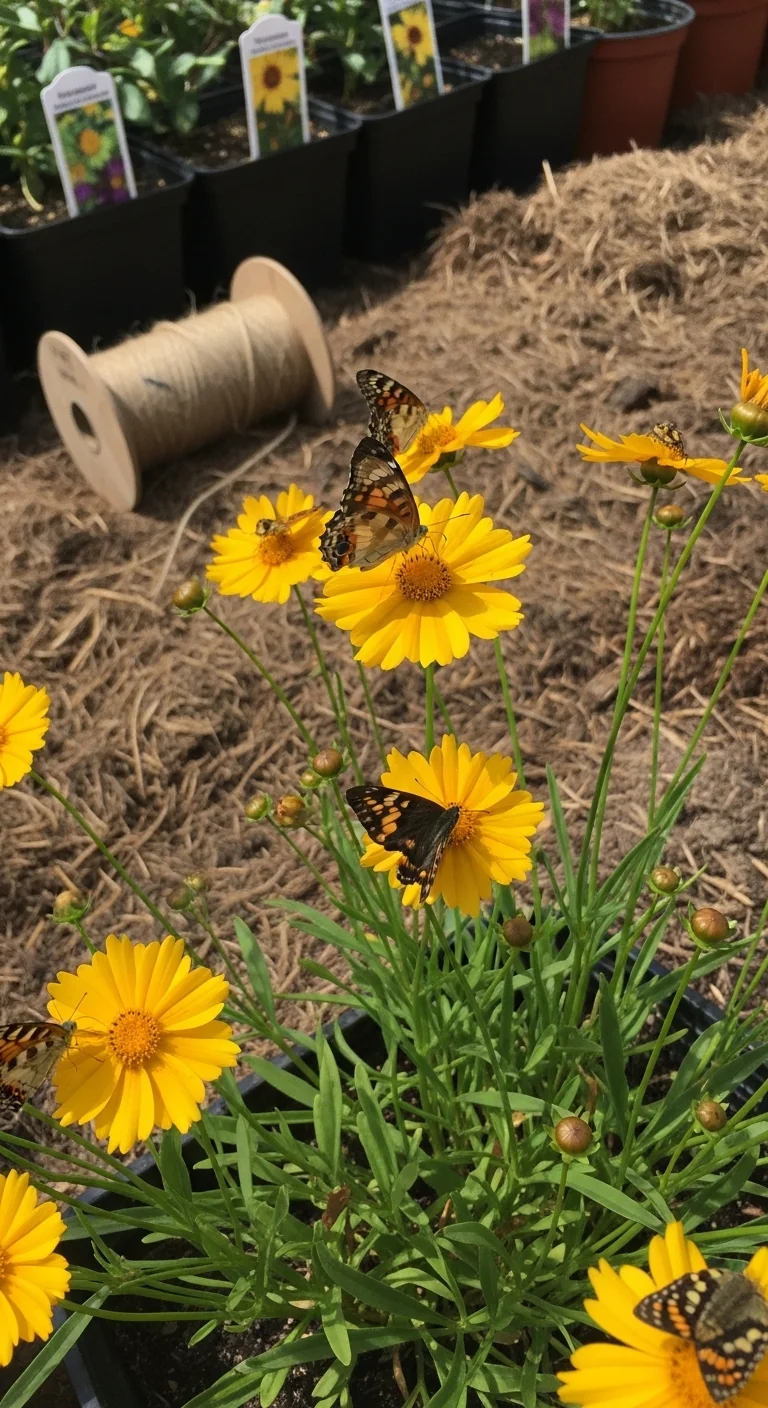
| Coreopsis | Yellow daisy blooms with notched petals | Hairstreaks and fritillaries | Branch 1 | 1 |
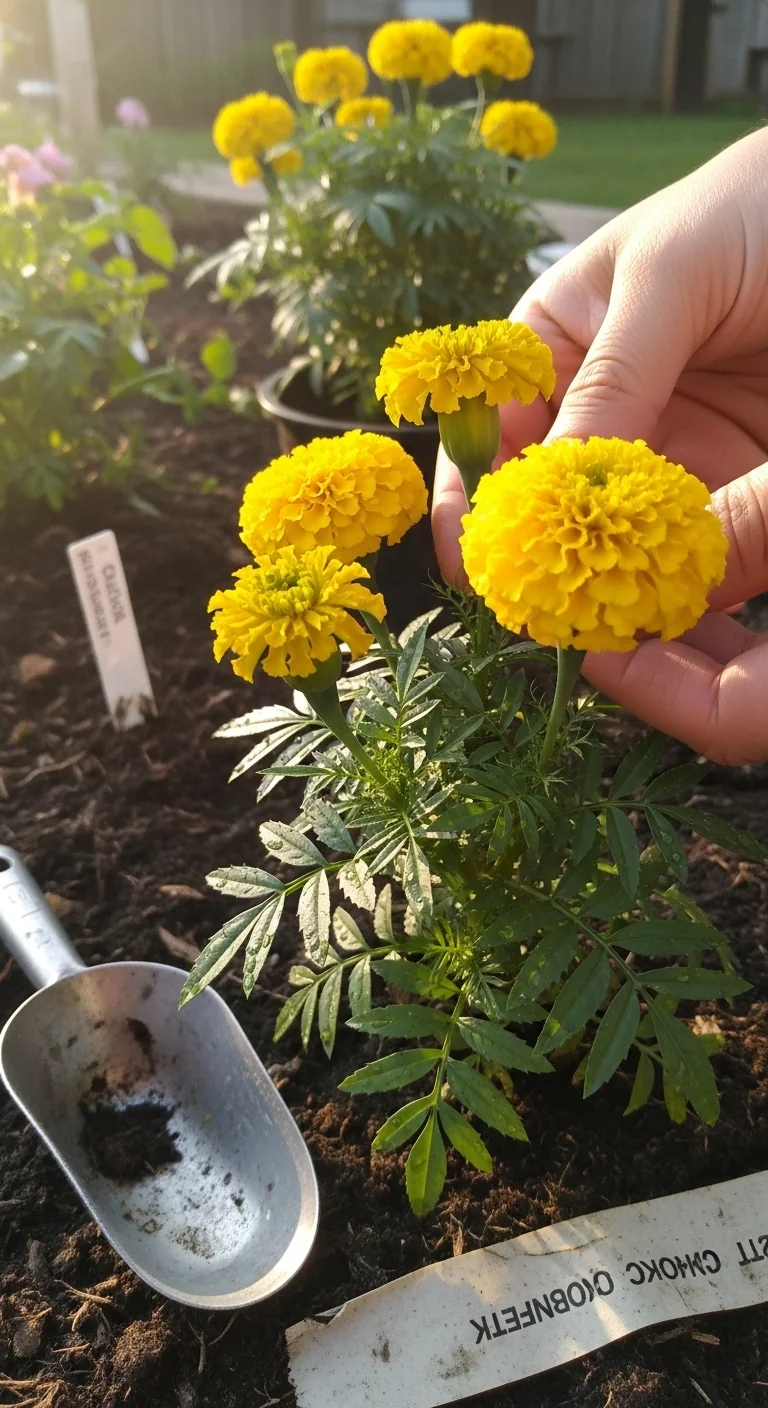
| Marigolds | Compact pom-pom or single flowers with strong scent | Small skippers | Branch 3 | 4 |
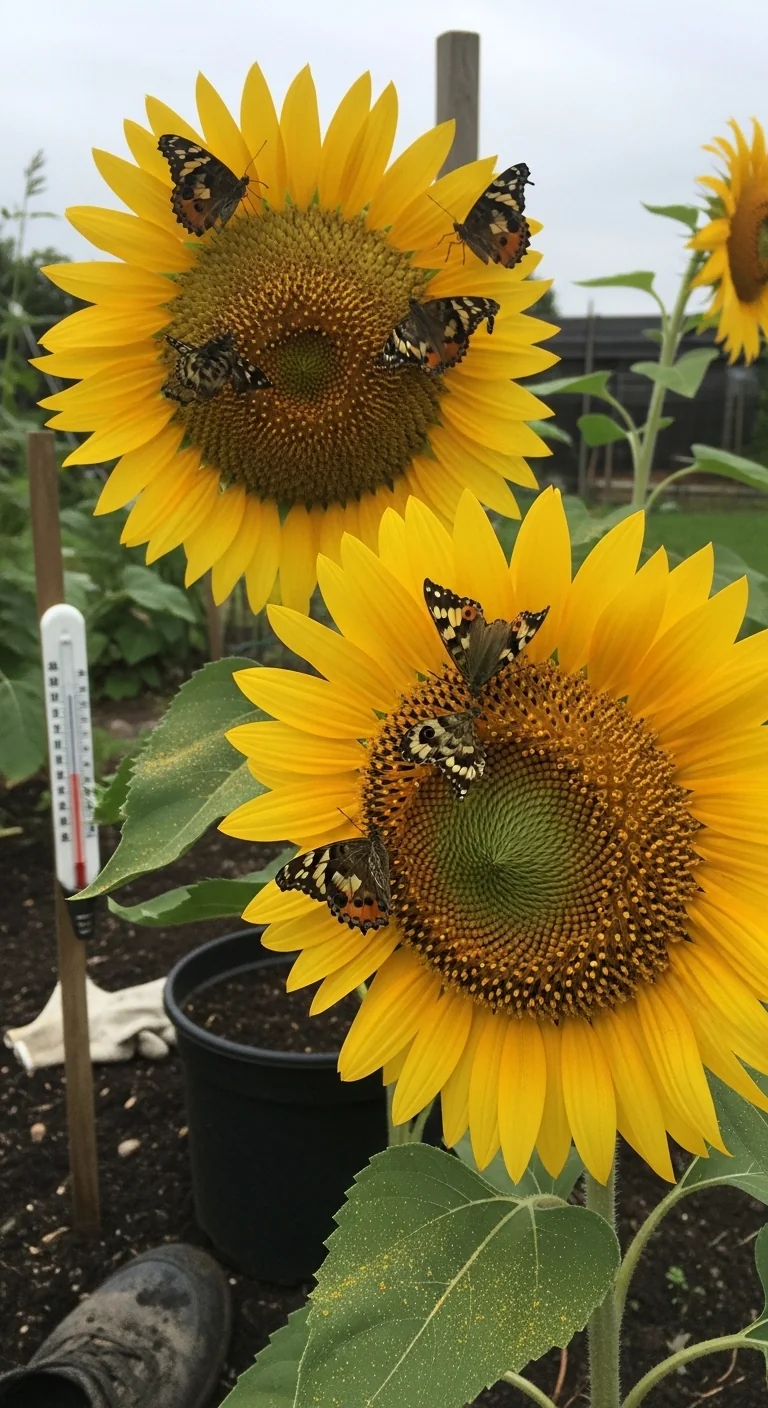
| Sunflowers | Large central disk surrounded by ray petals | Larger butterflies in late season | Branch 3 | 3 |
| Dahlias | Varied petal forms with accessible nectar at base | Swallowtails in late summer | Branch 2 | 3 |
Echinacea
Best for: Branch 2
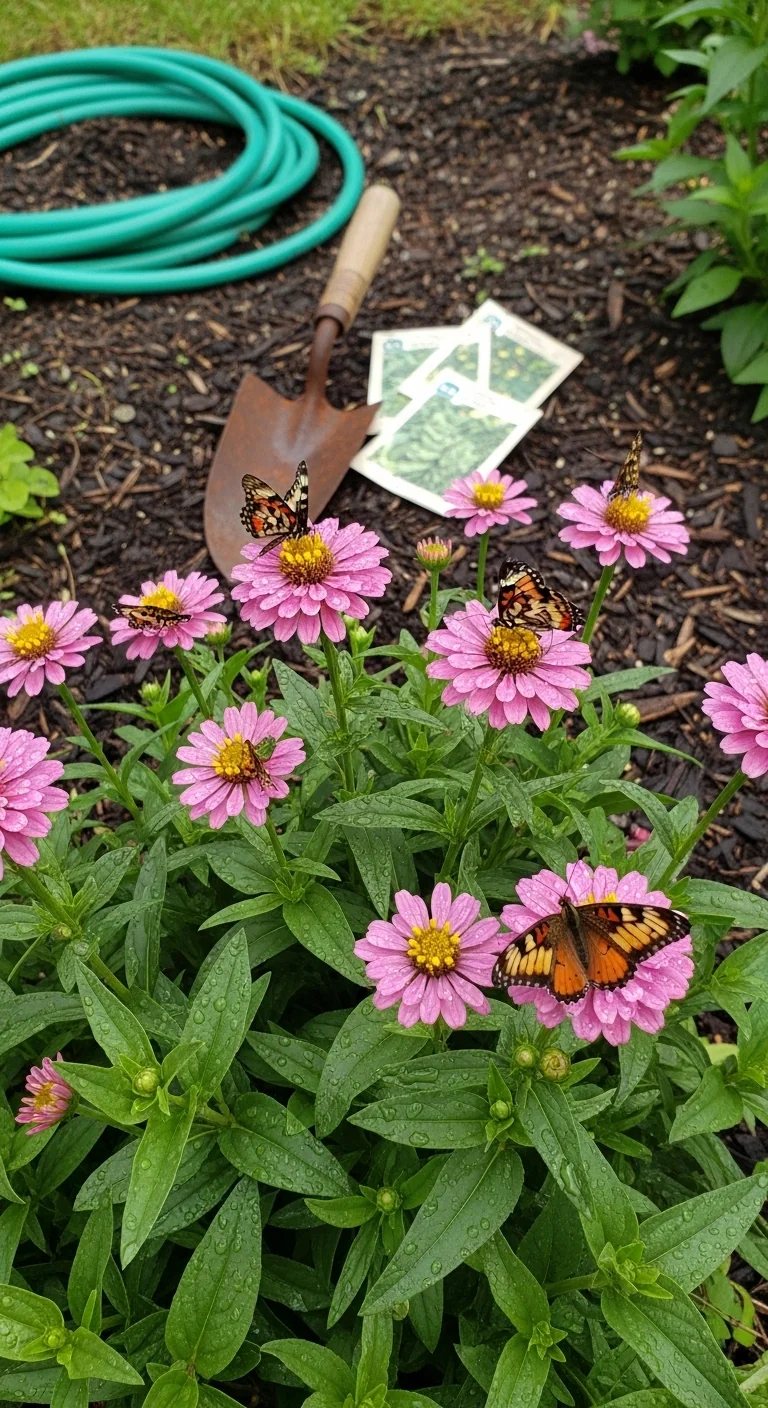
Echinacea functions as a mid-season anchor in butterfly gardens through its composite flower heads. The flat landing platform formed by ray petals and the raised central cone provide easy access to nectar for butterflies with shorter proboscises. Plant in full sun with soil pH between 6.0 and 7.0 after the last frost when soil temperature reaches 55 degrees Fahrenheit or higher.
Steps begin with spacing plants 18 to 24 inches apart in groups of three or more to create visual mass. Water deeply at planting then reduce to supplemental irrigation only during the first four weeks. Deadhead spent blooms to encourage a second flush into early fall. The unique detail here is its tolerance for clay soil once established: amend only the top 6 inches at planting and avoid summer mulch that retains excess moisture.
Common mistake to avoid: planting in low-lying areas that stay wet longer than 48 hours after rain. This leads to crown rot in winter. For detailed growing steps consult the dedicated echinacea page. (178 words)
Zinnias
Best for: Branch 2
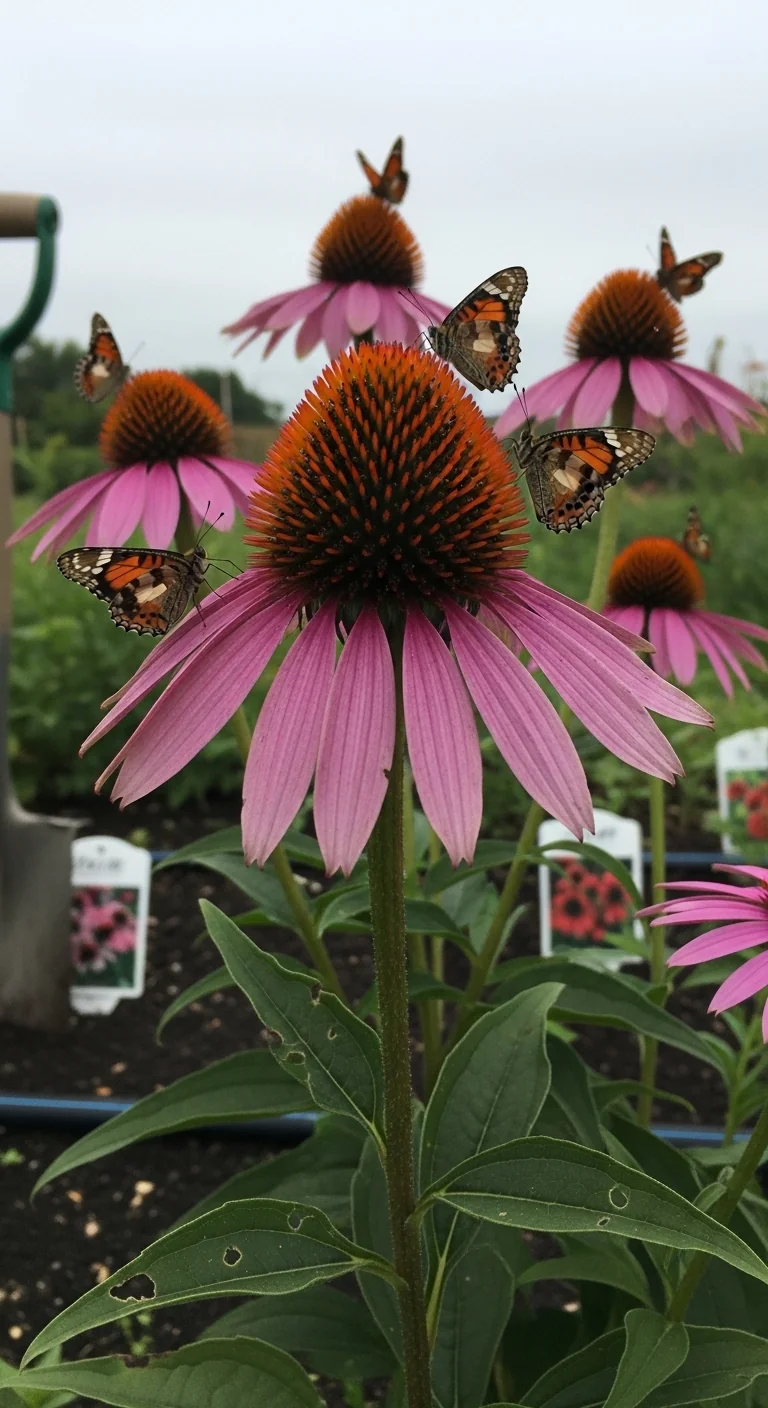
Zinnias offer quick color as annuals but require more upkeep than perennials. Use them in warm, sunny beds where you can commit to weekly deadheading. Skip them in humid regions where powdery mildew spreads rapidly on crowded foliage. Edge case: single-flowered varieties attract more butterflies than double forms because the central disk stays exposed. (68 words)
Cosmos
Best for: Branch 3
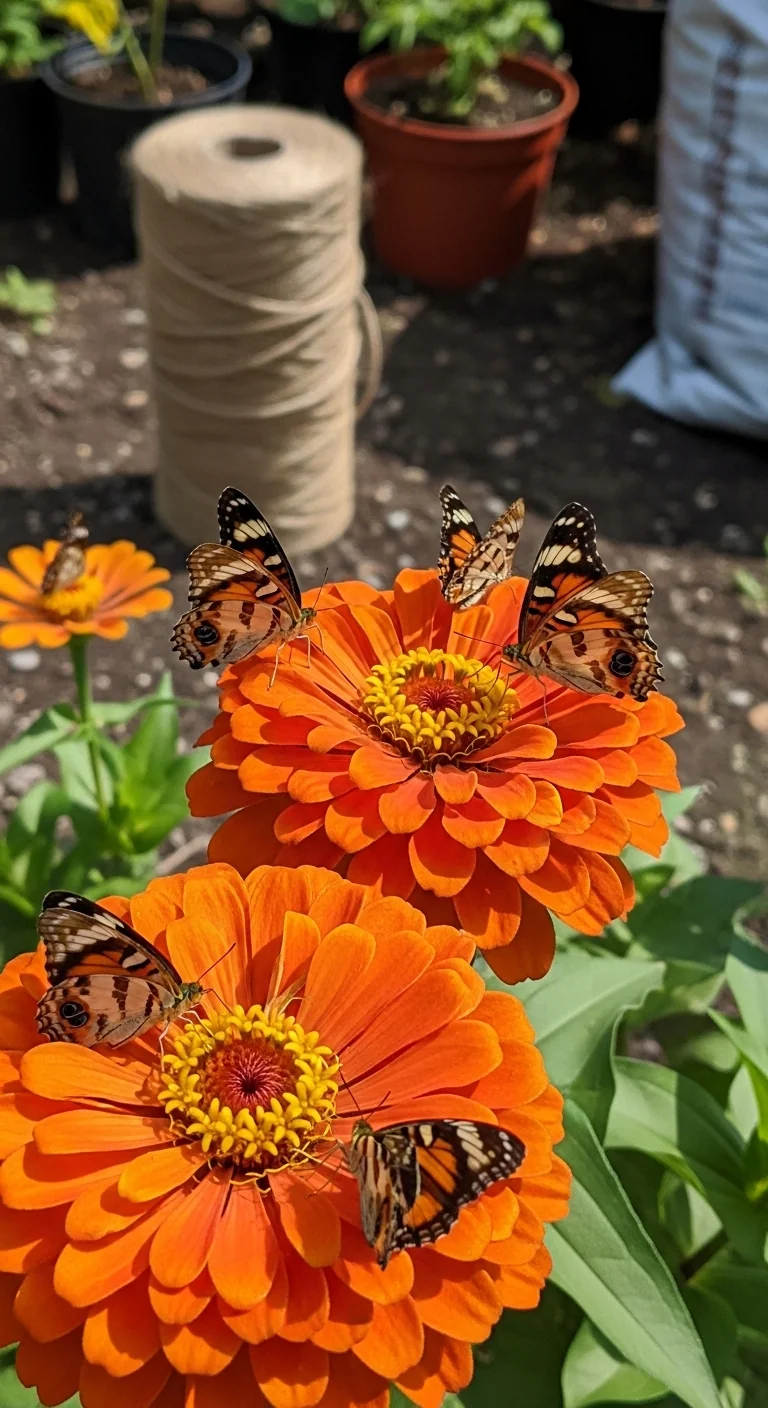
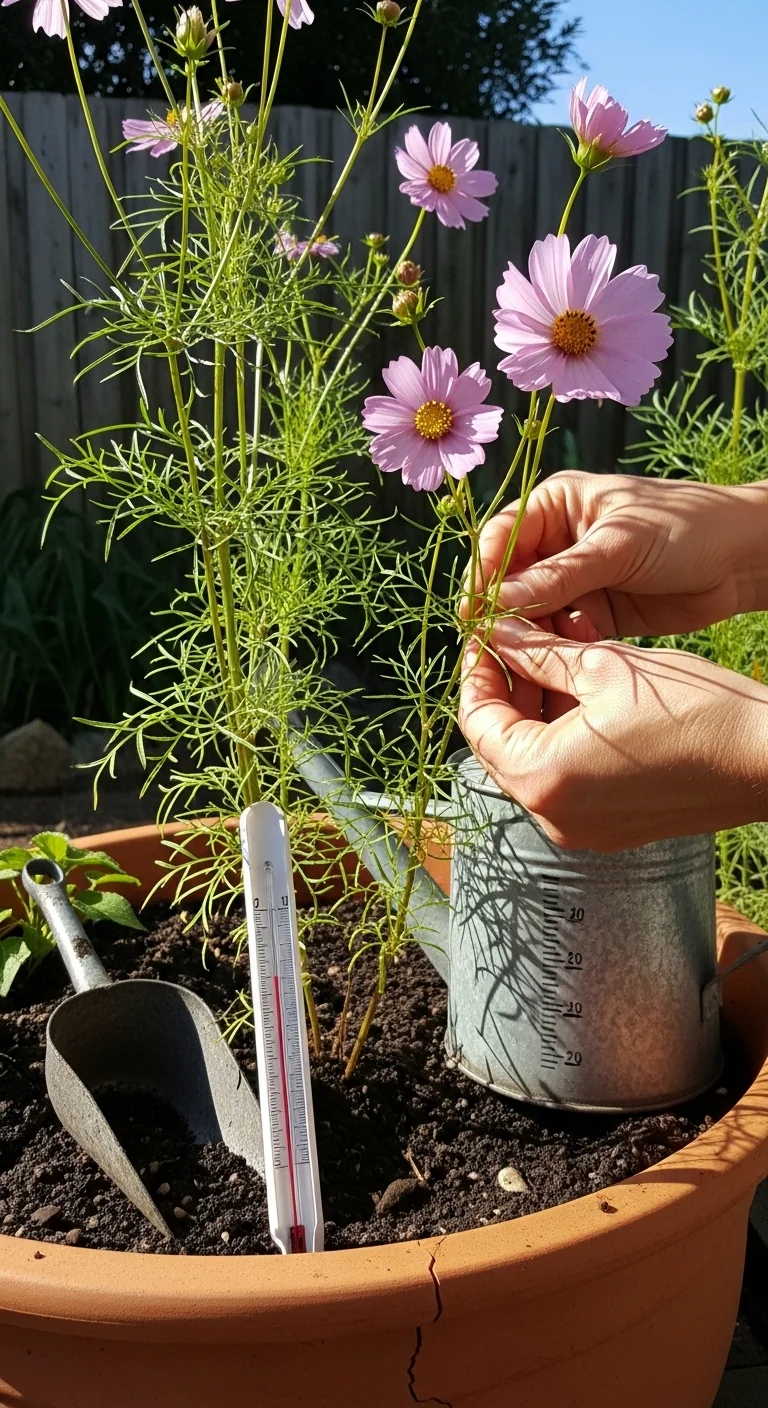
Cosmos succeeds under a clear threshold rule: direct sow or transplant only after soil temperature holds above 60 degrees Fahrenheit and all frost risk has passed. Adjust spacing to 12 inches in containers or 18 inches in beds to allow airy growth that butterflies can navigate. In shorter seasons extend bloom by pinching the top two inches of seedlings at 6 inches tall. This annual fills gaps between perennial flushes without competing for root space. (112 words)
Black-eyed Susan
Best for: Branch 2
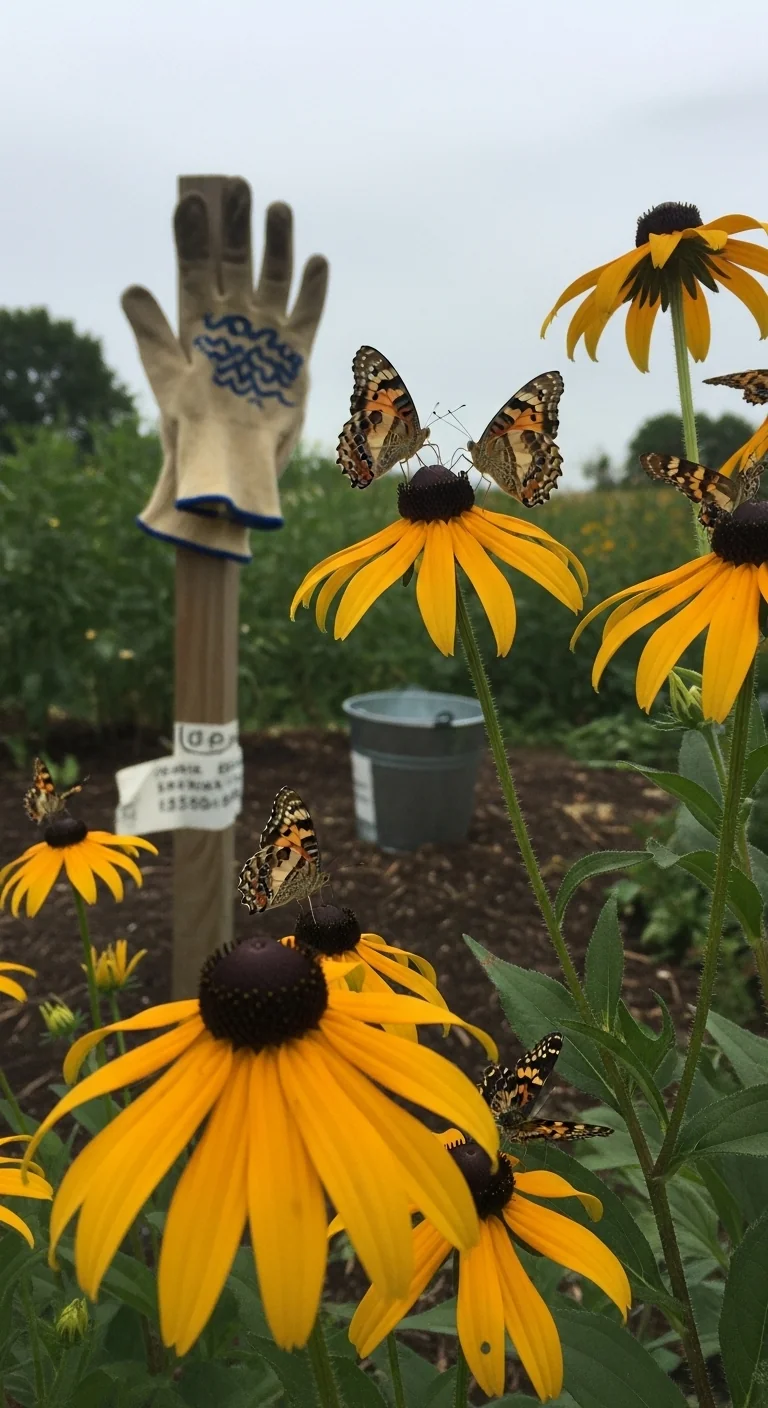
Black-eyed Susan operates as a robust late-summer performer through its raised central cone that concentrates nectar. The plant self-seeds reliably in moderate moisture conditions but stays contained when deadheaded before seed set. Start with a 10-minute workflow: prepare a 12-inch deep bed with compost worked into the top layer, space plants 12 to 18 inches apart, water to settle soil, and apply 2 inches of organic mulch pulled 3 inches from stems. Upgrade option is to interplant with early bloomers for continuous coverage from July into September. The constraint here is its preference for neutral to slightly acidic soil; test and amend with sulfur only if pH exceeds 7.5. (162 words)
Lavender
Best for: Branch 1
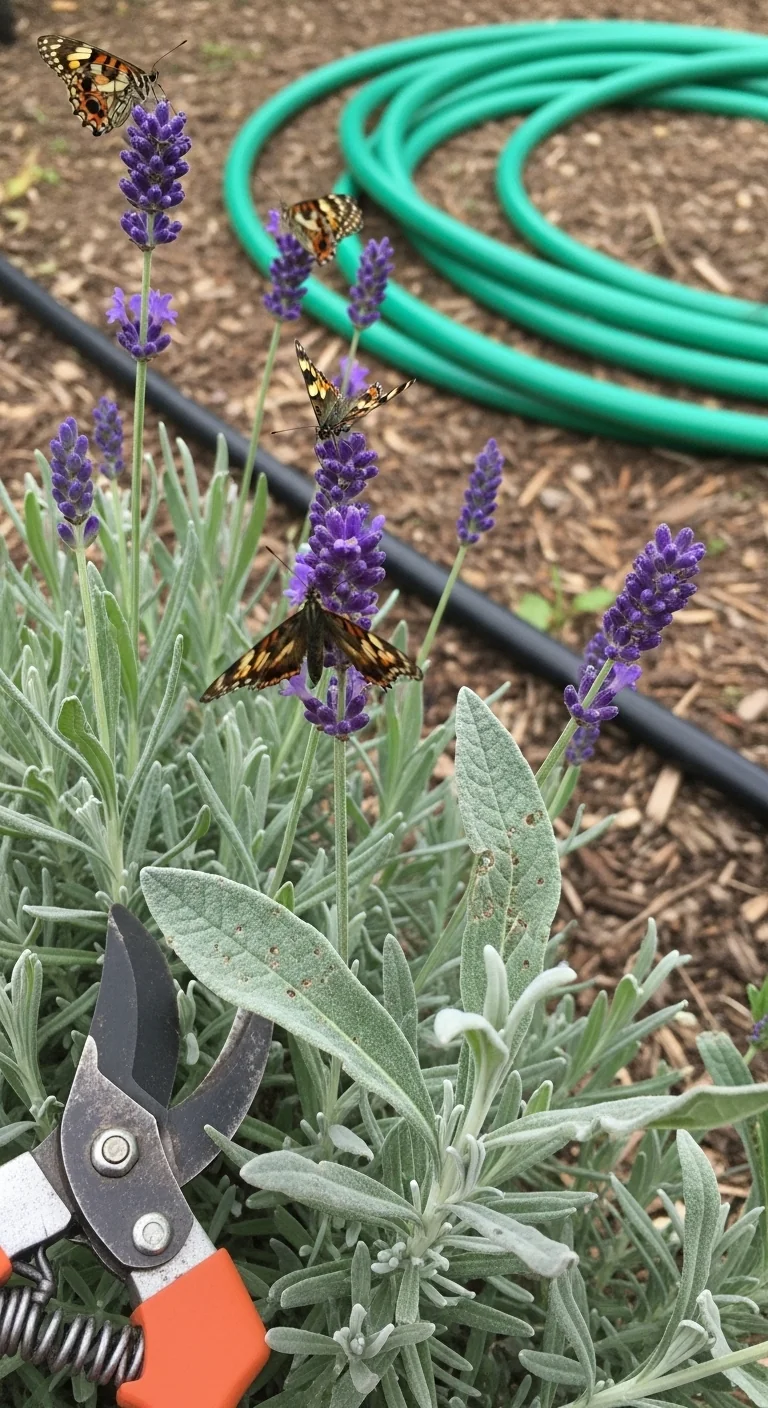
Lavender thrives in low-water, full-sun sites but skip it where winter drainage is poor or soil stays saturated beyond 24 hours. Use English varieties in cooler climates and French types in warmer zones. Edge case: it performs best when pruned to 6 inches in early spring before new growth emerges. (62 words)
Salvia
Best for: Branch 1
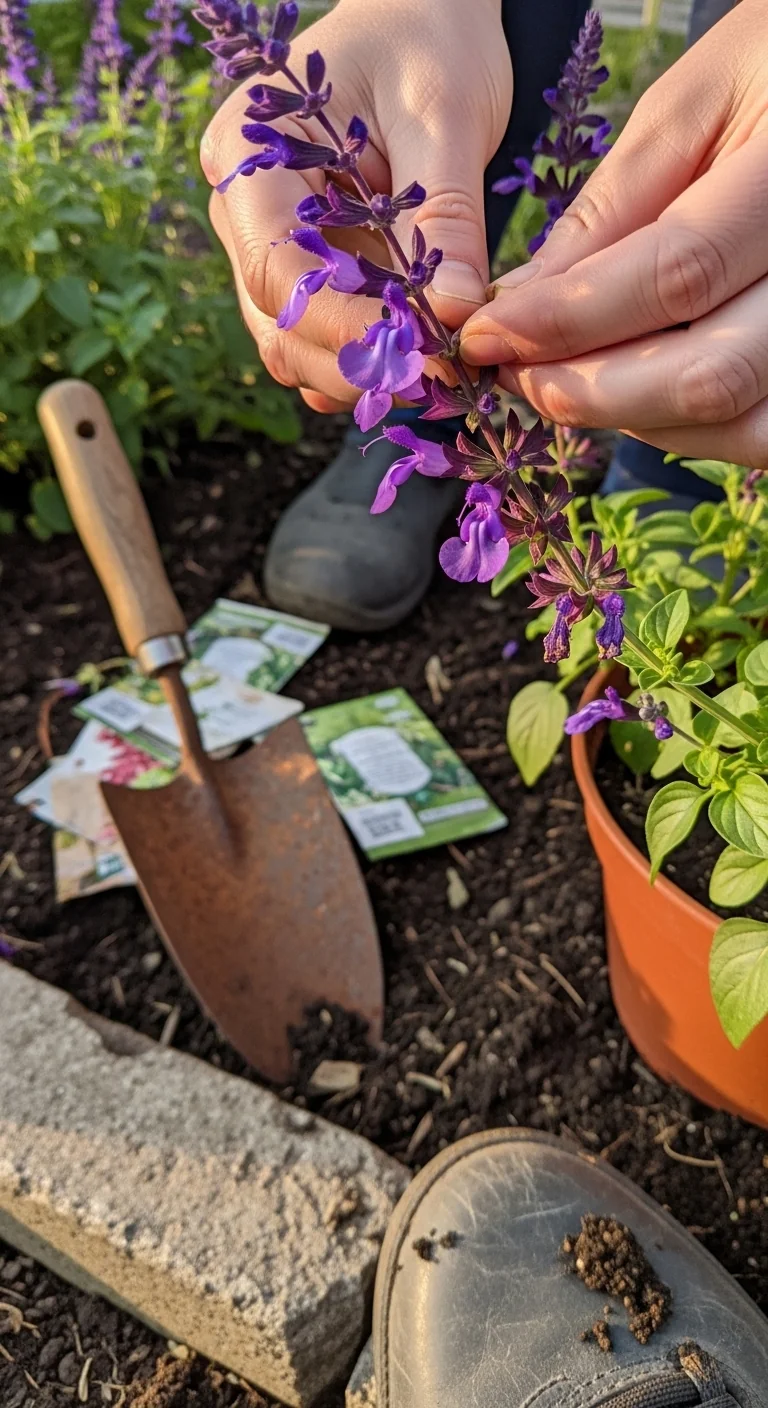
Salvia meets a precise threshold: apply only in sites with at least 6 hours of direct sun and soil that dries to 2 inches depth between waterings. In Branch 1 conditions it reblooms after cutting back spent spikes to the first set of healthy leaves. Adjust frequency downward in clay by raising beds 6 inches. This vertical spire structure channels butterflies along the garden edge. (104 words)
Coreopsis
Best for: Branch 1
Coreopsis anchors drought-tolerant borders through its extended bloom window and low nutrient needs. It forms tidy clumps that require division only every fourth year in poor soil. The blueprint starts with selection of threadleaf or lanceleaf types for the narrowest foliage and longest season. Space 12 inches apart in groups, water at planting then withhold until leaves wilt slightly, and shear back by one-third after the first heavy bloom to trigger a second wave. Avoid rich fertilizer that produces foliage over flowers. The unique constraint is its intolerance of wet feet in winter: site on slopes or raised mounds where water runs off within hours. (158 words)
Marigolds
Best for: Branch 3
Marigolds deliver fast results as annuals but demand weekly checks for spent blooms to maintain nectar flow. Use them in containers or front borders where you can reach easily. Skip in heavy shade where stems stretch and flowers shrink. Edge case: French varieties resist certain soil pests better than African types in warm climates. (71 words)
Sunflowers
Best for: Branch 3
Sunflowers function under a threshold rule of full sun exposure (minimum 6 hours) and soil temperature above 60 degrees Fahrenheit at planting. Sow successively every two weeks for staggered bloom into fall. In containers limit to dwarf varieties under 3 feet to prevent toppling. This late-season option bridges gaps when perennials fade. (98 words)
Dahlias
Best for: Branch 2
Dahlias extend the season in moderate-moisture beds when tubers are lifted or mulched heavily after first frost. The 10-minute workflow begins in spring: plant tubers 6 inches deep with eyes facing up after soil warms to 55 degrees Fahrenheit, space 18 to 24 inches apart depending on variety size, water to settle without soaking, and stake taller types at planting. Upgrade by pinching the central stem at 12 inches tall for bushier growth and more flowers. The key constraint is their sensitivity to overhead watering that promotes fungal issues on dense petals. (152 words)
Starter Stack (What to Choose First)
Branch 1 (Low-water full sun)
Start with Lavender and Salvia. These two combine aromatic spikes with overlapping bloom periods from early to late summer. Estimated first-year cost range: 15 to 30 dollars for two established plants. Time investment: 20 minutes planting plus one 10-minute spring prune. Synergy comes from shared drought tolerance and complementary heights that create layered nectar access without extra irrigation.
Branch 2 (Moderate moisture full to part sun)
Begin with Echinacea and Black-eyed Susan. Both perennials establish in the same bed conditions and extend color from midsummer into fall. Estimated first-year cost range: 20 to 40 dollars for three plants total. Time investment: 30 minutes planting plus occasional deadheading. Synergy arises from their composite structures that attract overlapping butterfly groups while filling vertical space efficiently.
Branch 3 (Partial sun or containers in shorter seasons)
Start with Cosmos and Marigolds. These annuals fill containers or edges quickly with minimal root competition. Estimated first-year cost range: 10 to 25 dollars for seed packets or six-pack transplants. Time investment: 15 minutes sowing plus weekly deadheading. Synergy results from contrasting flower shapes that draw different butterfly sizes across the same light window.
When This Won’t Work
Two measurable conditions cause butterfly flowers to underperform despite correct selection. First, sites receiving fewer than 6 hours of direct sun daily produce sparse blooms and weak nectar output regardless of variety. Second, soil that remains saturated longer than 48 hours after watering leads to root issues in all listed perennials within one season. In either case shift to container culture on a brighter patio or raised beds filled with amended mix.
Alternative action is to establish a simple wildflower meadow approach using fewer species in larger drifts for natural resilience. See the native flowers overview for region-specific starters that tolerate those exact limitations.
Choosing the Right Option for Your Situation
Budget threshold
Under 25 dollars per season favors seed packets of Cosmos, Zinnias, or Marigolds started indoors. Above that threshold invest in established perennials such as Echinacea or Lavender that return yearly with no repurchase.
Time threshold
Less than 30 minutes monthly maintenance points to Coreopsis or Lavender with once-per-season cleanup. More time available opens options like Zinnias or Dahlias that benefit from regular deadheading to extend bloom.
Technical constraint: soil drainage
Heavy clay or poor drainage rules out Dahlias and Echinacea unless raised 6 inches. Fast-draining sandy soil favors Lavender and Salvia without amendment.
Yes/No checklist:
– Does your site get 6+ hours sun? Yes/No
– Does soil drain within 24 hours after rain? Yes/No
– Can you deadhead weekly if choosing annuals? Yes/No
– Is your last frost before mid-May? Yes/No
Expert Q&A
Do butterfly flowers need to be planted in groups for better results?
Yes. Clusters of three or more plants of the same species create larger visual targets and concentrated nectar patches. Butterflies forage more efficiently when landing platforms sit within 3 feet of each other rather than scattered singles.
How does bloom succession actually affect butterfly visits?
Succession prevents gaps longer than 10 days between nectar sources. A single species blooming for only four weeks leaves butterflies searching elsewhere. Layering early, mid, and late types keeps the garden active from June through September in temperate zones.
Are fragrant flowers always superior for attracting butterflies?
No. While lavender and salvia use scent, many butterflies respond more strongly to color and shape than fragrance. Composite flowers like coreopsis succeed through visual contrast even when unscented.
What role do deadheading and pinching play in extending activity?
Both redirect energy from seed production back into new buds. Deadheading spent blooms on annuals triggers repeat flowering within 7 to 14 days. Pinching young stems on cosmos or dahlias at 6 to 12 inches tall creates bushier plants with 30 percent more flower sites.
Can container butterfly flowers match in-ground performance?
Yes when pots are at least 12 inches deep and receive full sun. Use a well-draining mix and fertilize lightly every four weeks. Containers allow precise placement near seating areas where butterfly activity is easiest to observe.
Conclusion
Next step: map your site against the grid today and order starters for the two plants recommended in your branch. Begin with the deadheading flowers overview to keep blooms coming through fall.