
Vegetable gardeners often chase the flashiest bagged option when the decisive factor is how fast water moves through their soil. Calibrate compost type to drainage speed and you prevent compaction in clay, nutrient washout in sand, and inconsistent feeding across crop families.
This listicle examines nine distinct compost profiles suited to edible gardening. It covers homemade through specialty blends but excludes fresh manures, peat-heavy mixes, and untested commercial fillers that risk salt buildup or weed pressure in vegetable beds.
By the end you will select the right profile after a five-minute drainage test and integrate it into your rotation plan. The result is stable soil structure and reliable nutrient release tailored to your site.
Run the drainage test then match the compost below to your branch for measurable improvements in soil workability and crop consistency.
The Yield Grid Decision Grid
Branch 1: Slow-Draining Soils
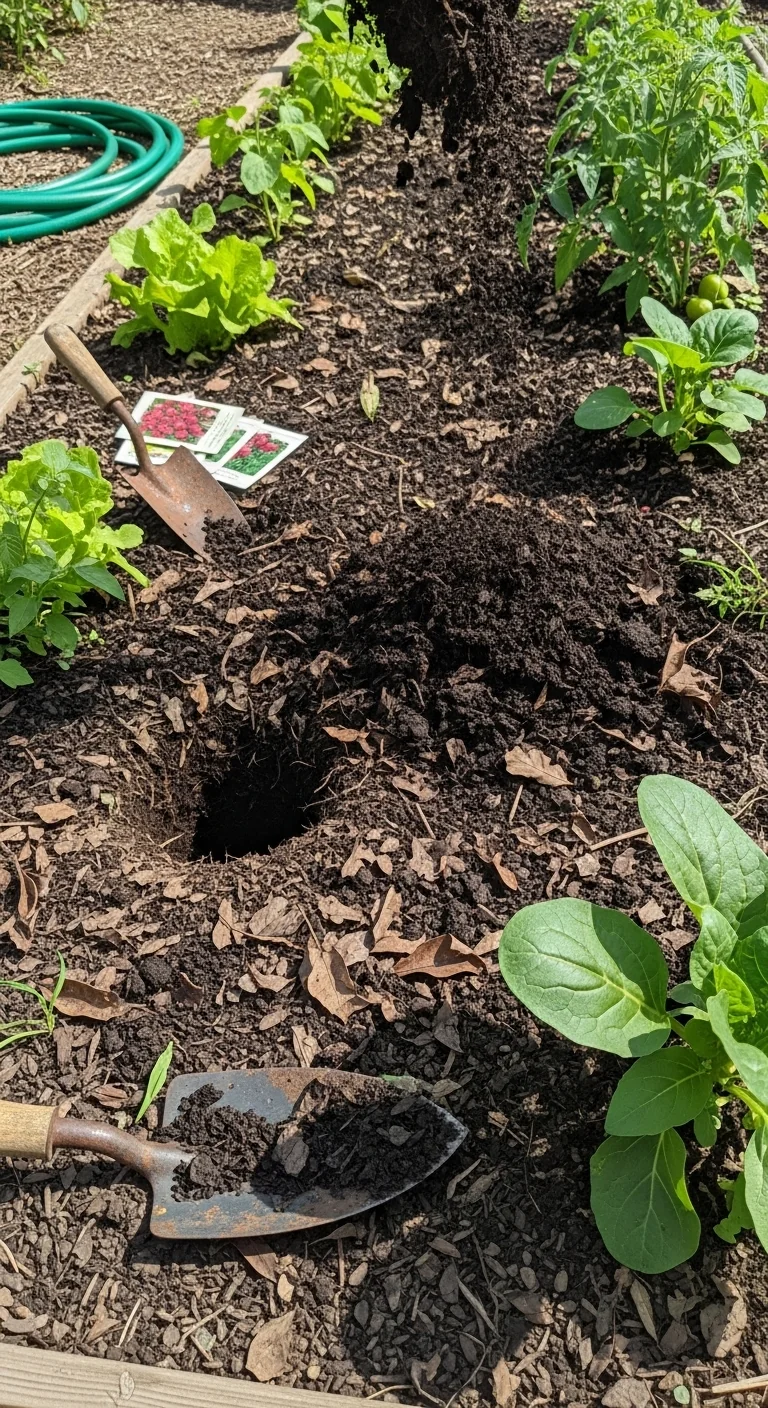
Dig a 12-inch hole, fill it with water, and time how long the water remains. If it stands longer than two hours your soil is clay-dominant or compacted. This condition limits root oxygen and requires compost that opens pore space.
Recommended: Items 2, 4, and 7 below. To pair these with targeted nutrients see our organic fertilizer for vegetables guide.
Branch 2: Fast-Draining Soils
The same test hole empties in under 30 minutes. Sandy or loose soils lose moisture and nutrients quickly and benefit from compost that holds water and cations.
Recommended: Items 3, 5, and 8 below.
Branch 3: Balanced or Raised-Bed Soils
Water drains in 30 minutes to two hours, or you garden in raised beds with mixed native fill. These conditions support versatile compost that maintains equilibrium without extreme correction.
Recommended: Items 1, 6, and 9 below.
Quick Comparison Table
| Option | Key mechanism | Best for | Decision Grid Branch | Effort Score |
|---|---|---|---|---|
| Well-Matured Homemade Compost | Builds diverse microbial populations through layered decomposition | All vegetable families in balanced soils | Branch 3 | 2 |
| Mushroom Compost | Adds fungal residue that improves aeration and calcium levels | Clay soils and heavy feeders | Branch 1 | 1 |
| Vermicompost | Supplies fine organic matter and beneficial microbes for water retention | Sandy soils and container crops | Branch 2 | 2 |
| Aged Cow Manure Compost | Provides balanced slow-release nutrients while loosening texture | Clay soils needing structure | Branch 1 | 1 |
| Biochar-Infused Compost | Increases cation exchange and long-term moisture holding | Fast-draining soils and drought-prone areas | Branch 2 | 1 |
| Commercial Green Waste Compost | Delivers consistent organic matter from municipal sources | General vegetable beds with moderate needs | Branch 3 | 1 |
| Lobster or Seafood Compost | Supplies marine-derived minerals and improves drainage | Clay soils and fruiting vegetables | Branch 1 | 1 |
| Leaf Mold Compost | Creates lightweight humus that boosts water-holding capacity | Sandy soils and leafy greens | Branch 2 | 1 |
| Aged Chicken Manure Compost | Delivers concentrated nitrogen after proper aging | Balanced soils and leafy crops | Branch 3 | 2 |
Well-Matured Homemade Compost
Best for: Branch 3
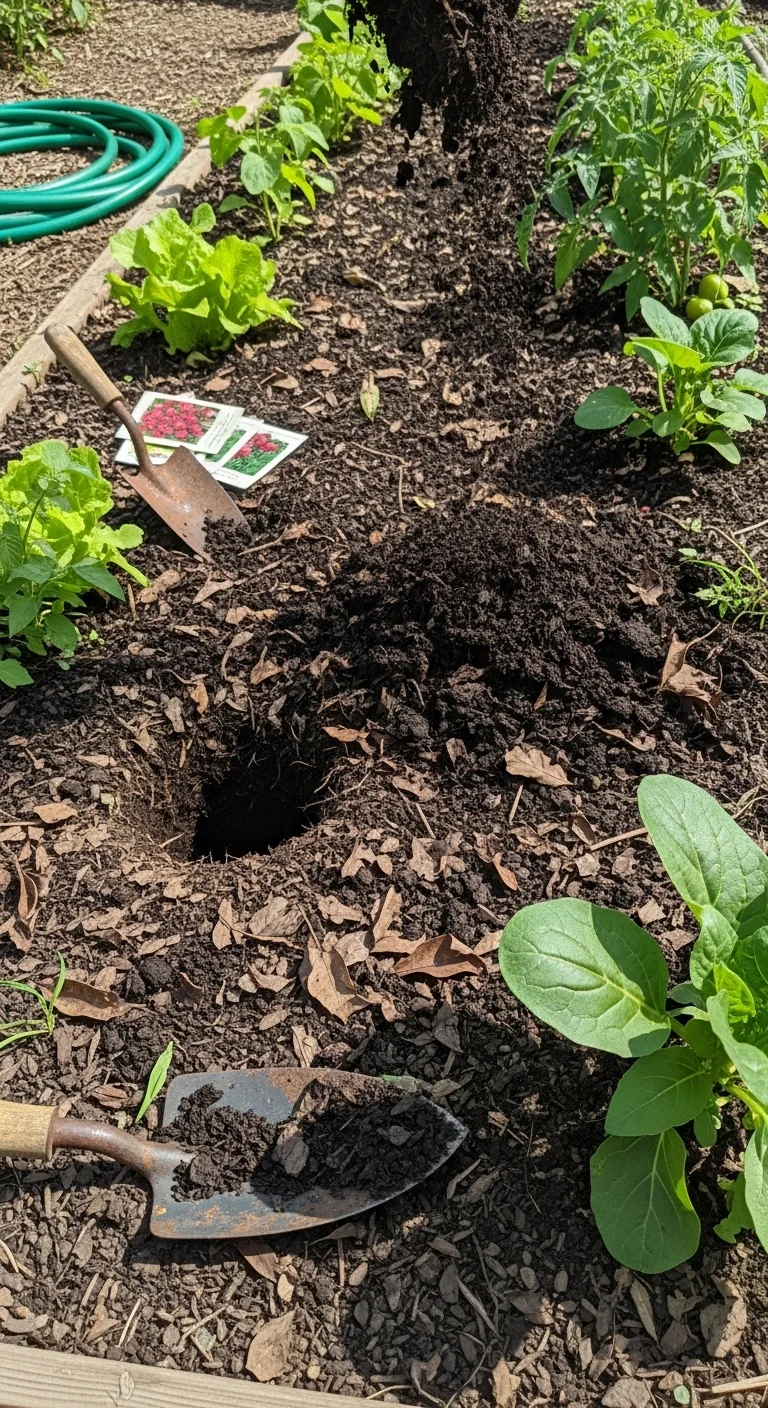
Blueprint: Collect equal volumes of green materials (kitchen scraps, grass clippings, spent vegetable plants) and brown materials (dry leaves, straw, shredded paper). Layer in a bin or pile at least three feet wide and tall. Turn the pile when internal temperature drops below 100 degrees Fahrenheit after the initial heat phase. Wait three to six months until the material is dark, crumbly, and smells earthy. This profile suits balanced soils because it recycles on-site nutrients without imported imbalances. Common mistake: adding the pile to beds before full maturity, which can temporarily slow plant growth. For site selection that supports efficient composting see our how to start a vegetable garden guide.
Mushroom Compost
Best for: Branch 1
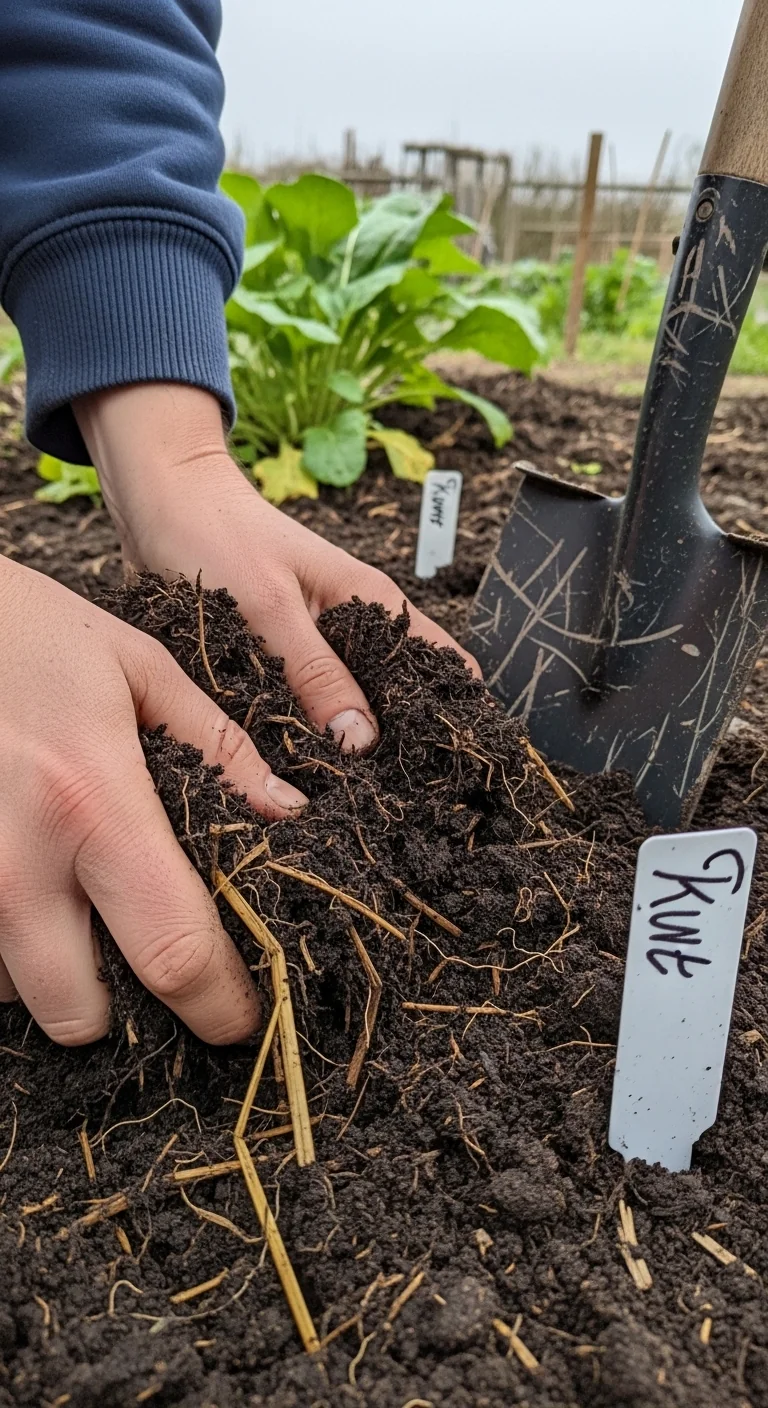
Use when clay limits oxygen: it opens structure via spent fungal substrate and supplies calcium. Skip when soil pH already exceeds 7.5 or when growing acid-sensitive root crops that dislike the residual salts from commercial mushroom production. Edge case: test a small area first if your region uses high-salt substrates.
Vermicompost
Best for: Branch 2
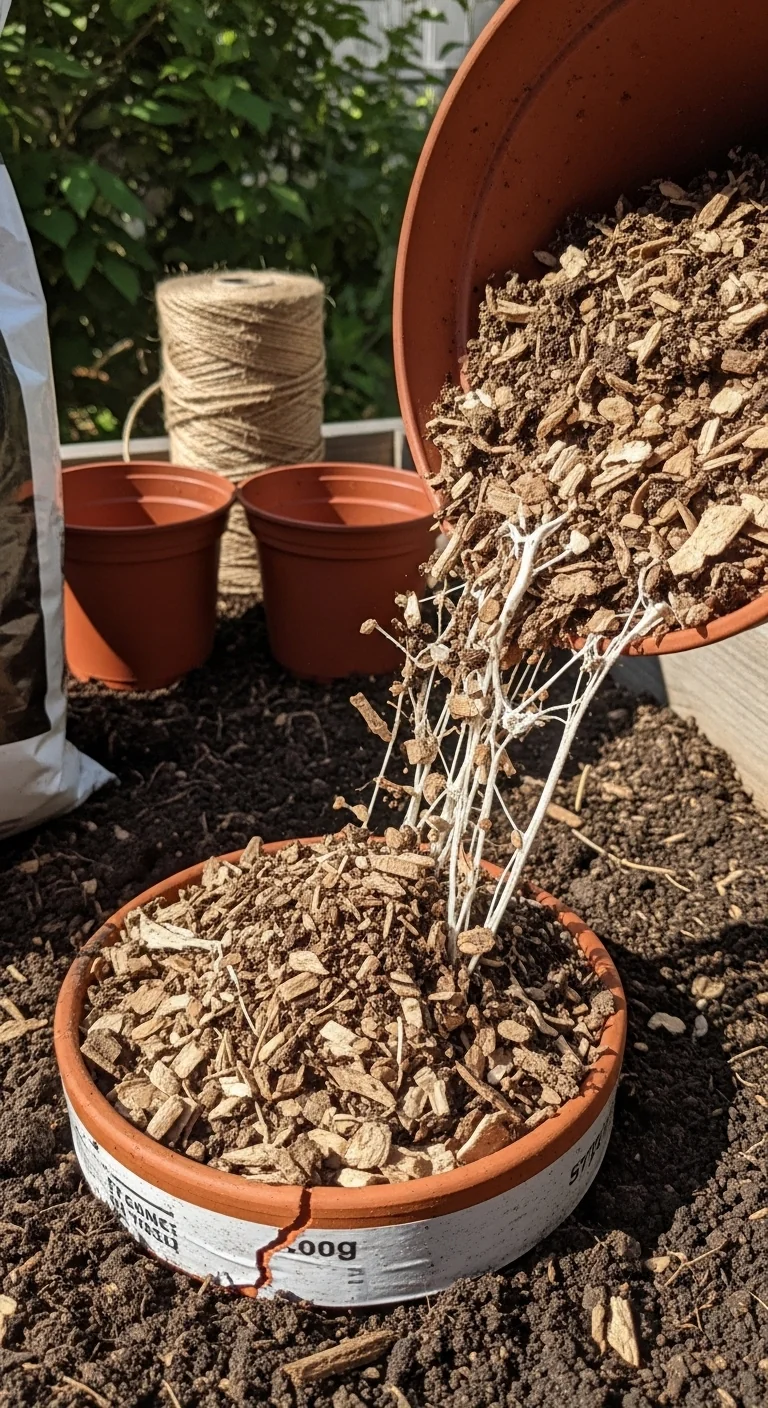
Threshold rule: apply at soil temperatures above 50 degrees Fahrenheit and limit to one-half inch as a top dressing around established plants. In fast-draining soils double the rate to one inch to maintain moisture. Adjust downward in cooler spring windows to avoid excess nitrogen flush. This fine-textured castings profile anchors nutrients that would otherwise leach away quickly.
Aged Cow Manure Compost
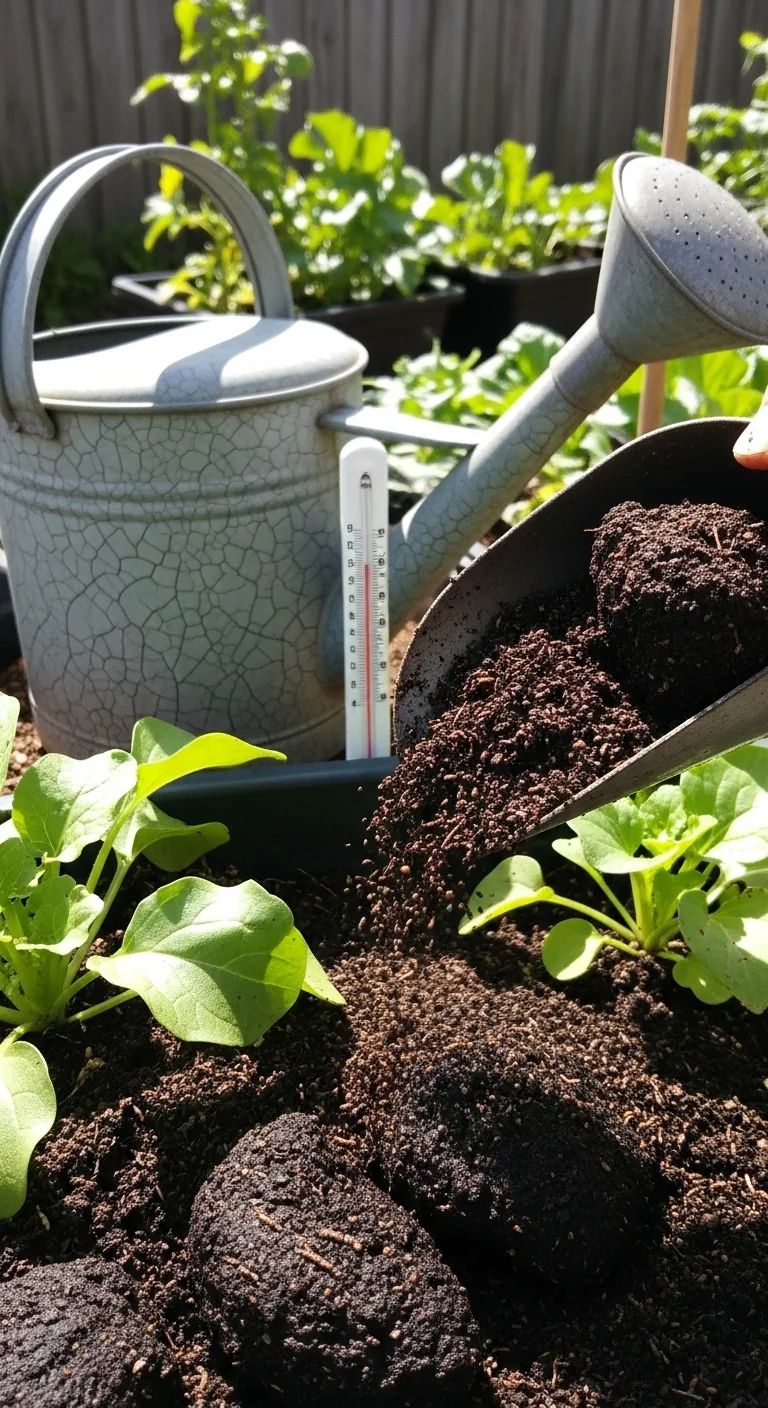
Best for: Branch 1
Blueprint: source aged product that has cured at least six months at the supplier. Spread two to four inches over the bed surface then incorporate into the top six to nine inches of soil before planting. The material loosens clay while releasing balanced nutrients over the full season. For heavy clay it outperforms fresher options because the aging process eliminates viable weed seeds and stabilizes the carbon-to-nitrogen balance. Follow with a light surface layer if erosion is a concern on slopes.
Biochar-Infused Compost
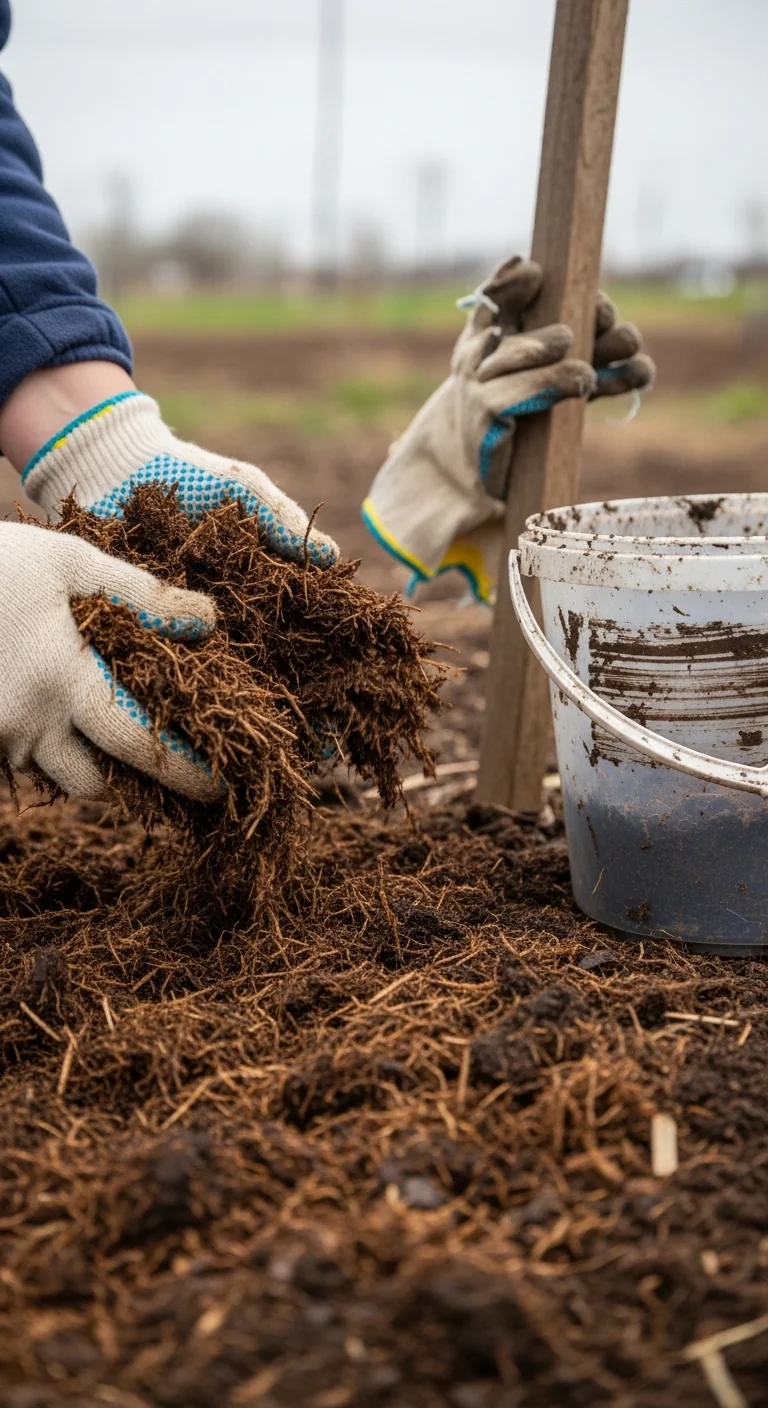
Best for: Branch 2
Use versus skip: deploy in sandy soils or drought-prone regions where water and cations escape rapidly. The infused charcoal locks nutrients in place for multiple seasons. Skip in already high-organic-matter gardens where added porosity offers no gain. Edge case: pre-moisten the blend before application to prevent it from drawing soil moisture during the first watering.
Commercial Green Waste Compost
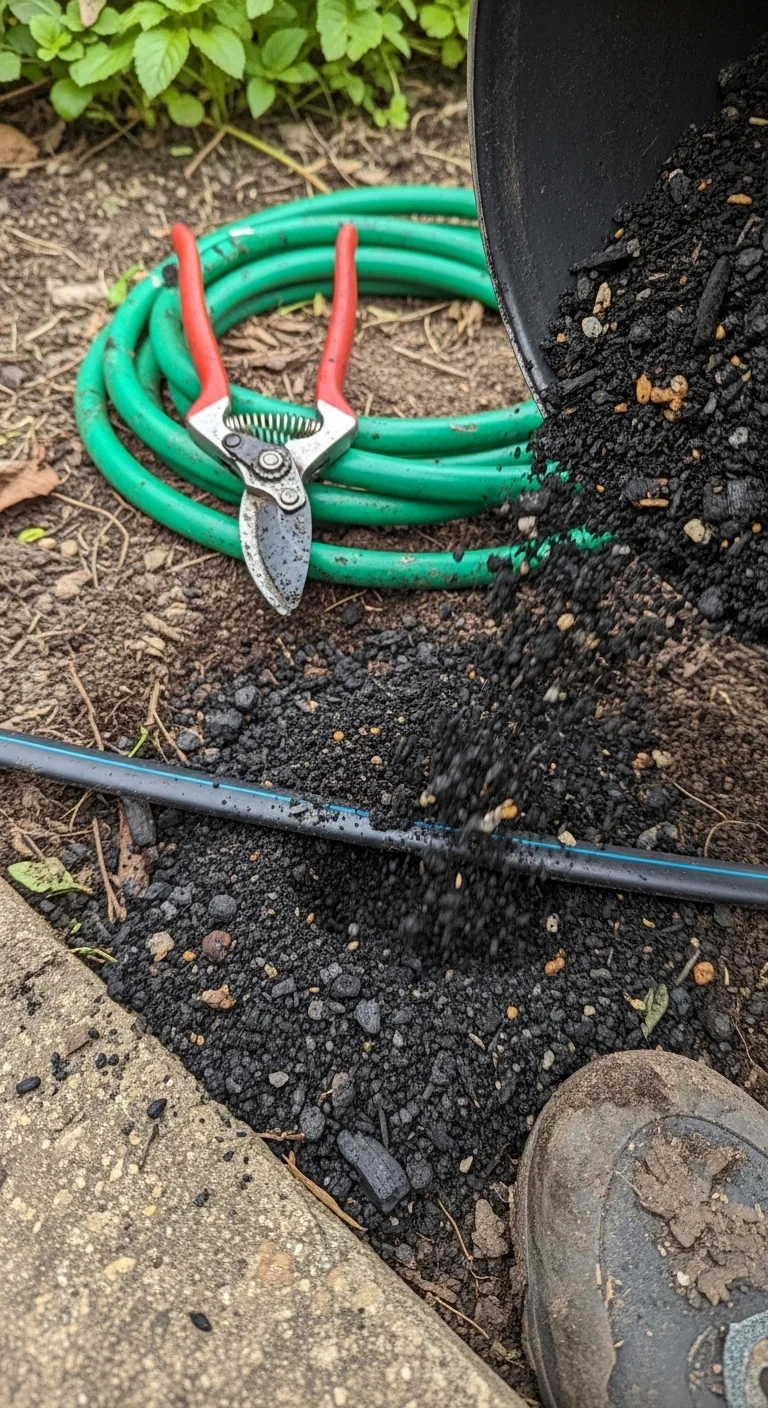
Best for: Branch 3
Threshold rule: confirm the product is certified weed-free and fully finished before purchase. Apply two to four inches and mix into the top six to nine inches once per season. In balanced raised beds this municipal-derived option maintains steady organic-matter levels without overpowering any single nutrient. Upgrade option: blend with leaf mold for extra water retention if summer heat spikes.
Lobster or Seafood Compost
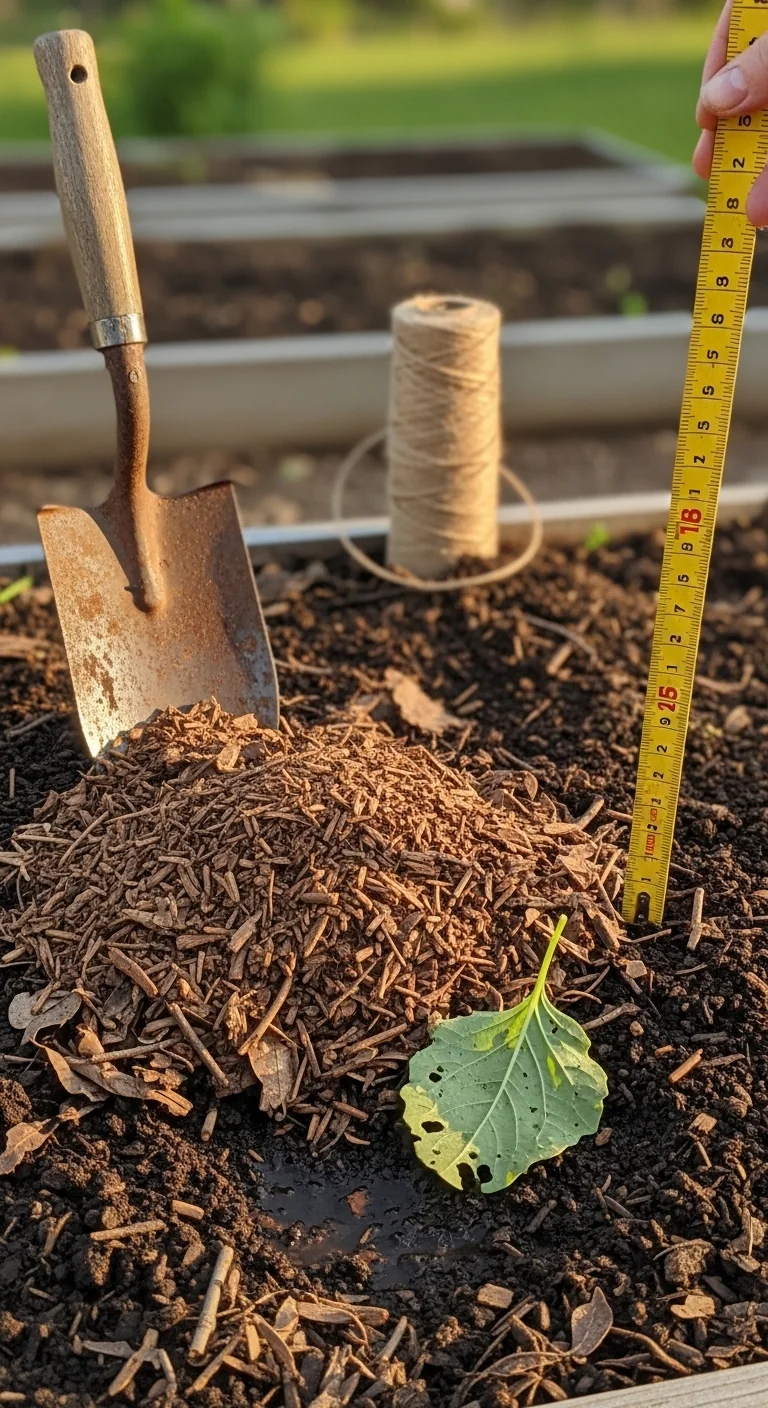
Best for: Branch 1
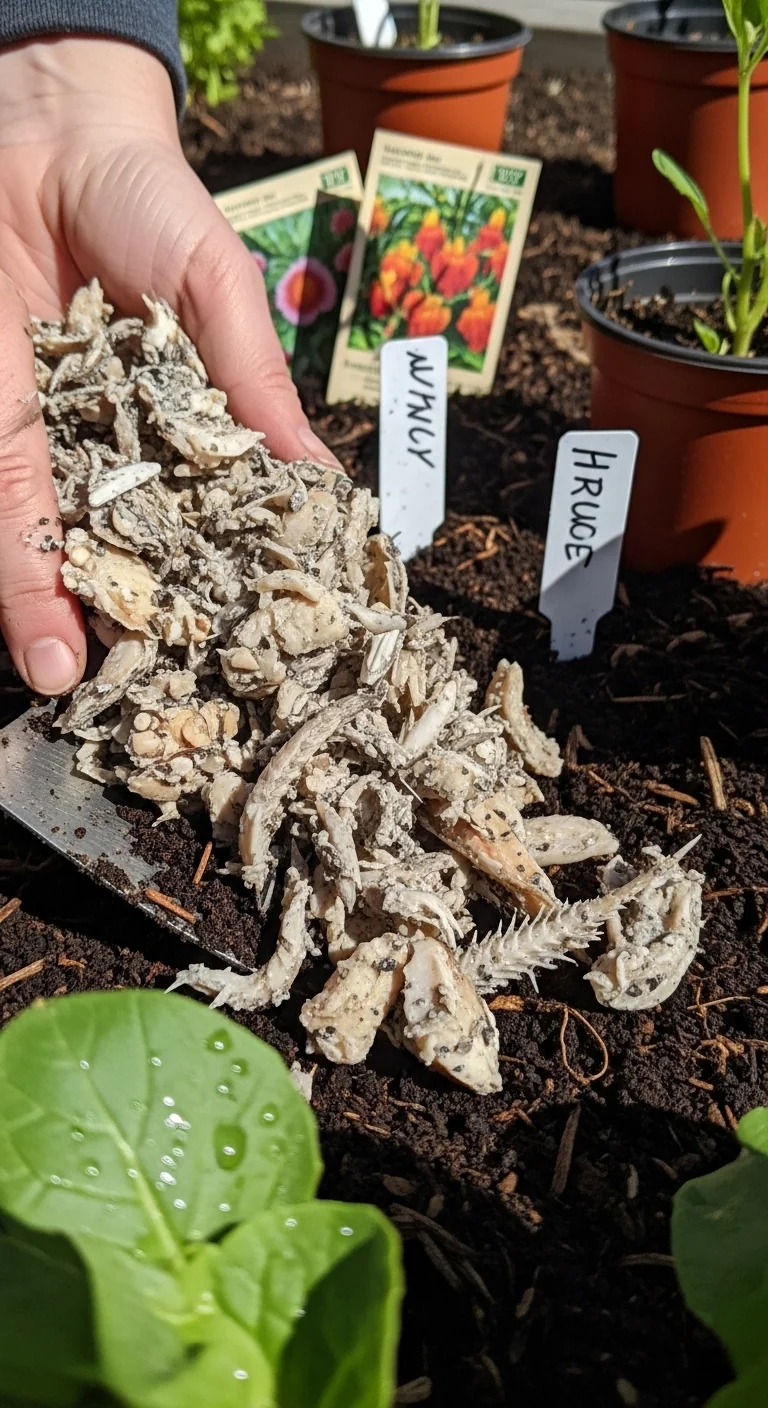
Blueprint: choose blends processed from lobster shells and fish waste that have aged at least four months. Spread evenly over clay beds then till lightly to improve drainage while adding marine minerals. The profile supports fruiting vegetables because the calcium and trace elements strengthen cell walls. Mistake to avoid: applying thick layers in cool weather when decomposition slows and odors can develop.
Leaf Mold Compost
Best for: Branch 2
Use versus skip: ideal for sandy soils and leafy greens that need consistent surface moisture. The lightweight humus holds water without compacting. Skip for heavy-feeding fruiting crops that require higher nitrogen. Edge case: screen out any remaining twigs before use in fine-seeded beds to keep the surface even.
Aged Chicken Manure Compost
Best for: Branch 3
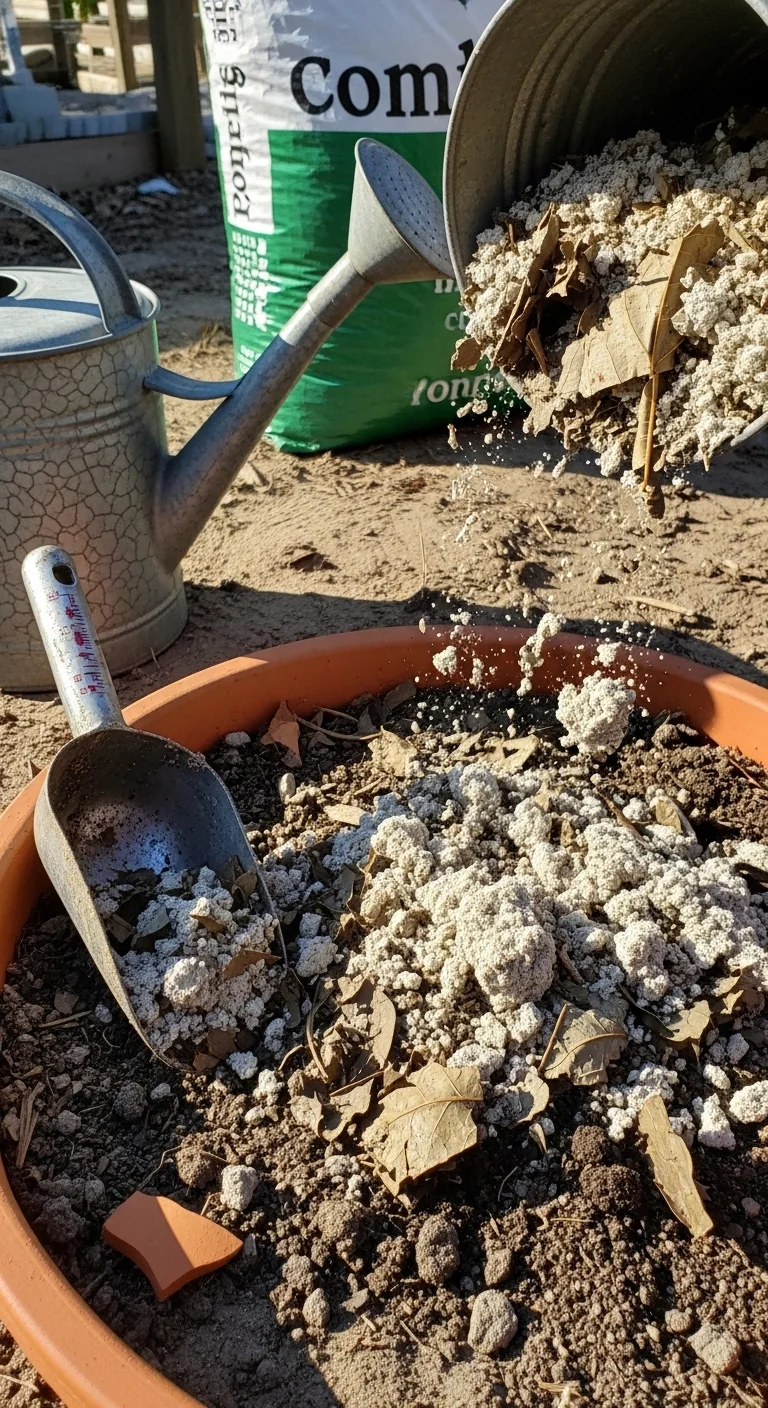
10-minute workflow: source aged product only, spread one inch around established plants, water thoroughly, and repeat once mid-season if leafy crops show pale foliage. Upgrade option: mix with green waste compost for broader nutrient coverage. The concentrated profile suits balanced soils but demands full aging to prevent root burn.
Starter Stack (What to Choose First)
For Branch 1 Soils
Start with Mushroom Compost and Aged Cow Manure Compost. The combination opens pore space while delivering steady nutrients. Expect material cost of 15 to 35 dollars per cubic yard and one to two hours of incorporation time per 100 square feet.
For Branch 2 Soils
Start with Vermicompost and Biochar-Infused Compost. They lock in moisture and cations where drainage is rapid. Expect material cost of 25 to 45 dollars per cubic yard and 45 minutes of surface application per 100 square feet.
For Branch 3 Soils
Start with Well-Matured Homemade Compost and Commercial Green Waste Compost. They maintain equilibrium across rotations. Expect material cost of 10 to 25 dollars per cubic yard and one hour of mixing per 100 square feet.
When This Won’t Work
Compost fails when the product is not fully matured. If it smells strongly of ammonia or has visible undecomposed chunks the microbial activity will compete with vegetable roots for nitrogen. Switch to a certified commercial option that guarantees completion. A second measurable failure occurs when native soil pH sits below 5.5 even after initial application. Compost alone cannot correct extreme acidity fast enough for edible crops. In that case shift to raised beds filled with a balanced imported mix.
See our raised bed vegetable garden guide for the exact fill ratios that bypass problematic native conditions.
Choosing the Right Option for Your Situation
Budget Threshold
Under 20 dollars per cubic yard favors homemade or commercial green waste. Above that threshold select specialty profiles such as biochar-infused or lobster compost when drainage correction justifies the cost.
Time Threshold
Under four hours per season for soil prep favors once-per-season options with effort scores of 1. Allocate extra time only for homemade or chicken manure profiles that require monitoring during curing.
Technical Constraint: pH Sensitivity
Vegetables perform best between pH 6.0 and 7.0. Mushroom and lobster profiles raise pH slightly while leaf mold and vermicompost stay neutral. Test soil pH first and avoid profiles that push readings outside the target range.
Yes if your drainage test clearly matches one branch and you select only finished products.
No if you skip the drainage test or use unaged manure.
Yes if application stays at two to four inches maximum.
No if you layer more than one specialty profile without a soil test.
Expert Q&A
Does compost maturity change nitrogen timing for tomatoes and
peppers?
Fully finished compost releases nitrogen steadily across the season. Immature material ties it up while microbes work, delaying fruit set by weeks. Always confirm an earthy smell before side-dressing fruiting crops.
How should compost choice shift when growing in containers versus in-
ground beds?
Containers dry faster so vermicompost or biochar blends provide better moisture buffering. Reduce total volume by half compared with in-ground rates and refresh the top inch mid-season to maintain structure.
What compost adjustment helps when integrating companion flowers
with vegetables?
Leaf mold or green waste keeps the surface light and open for shallow-rooted companion flowers. Avoid high-nitrogen chicken manure near flowers that thrive on leaner conditions.
Can the same compost profile serve both spring and fall vegetable
plantings?
Balanced profiles such as homemade or green waste work for both seasons. Fast-draining or slow-draining soils may need a lighter top-dress in fall to avoid excess moisture retention during cooler weather.
How does compost texture affect weed pressure in vegetable rows?
Coarse textures like mushroom or aged manure suppress weeds better than fine vermicompost when used as a two-inch surface layer. Screen all compost before application to remove any remaining viable seeds.
Conclusion
The number-one mistake is skipping the drainage test and assuming one profile fits every bed. Run the hole test today then apply your chosen compost at the correct rate. Follow up with our watering vegetable garden guide to lock in the moisture benefits.