
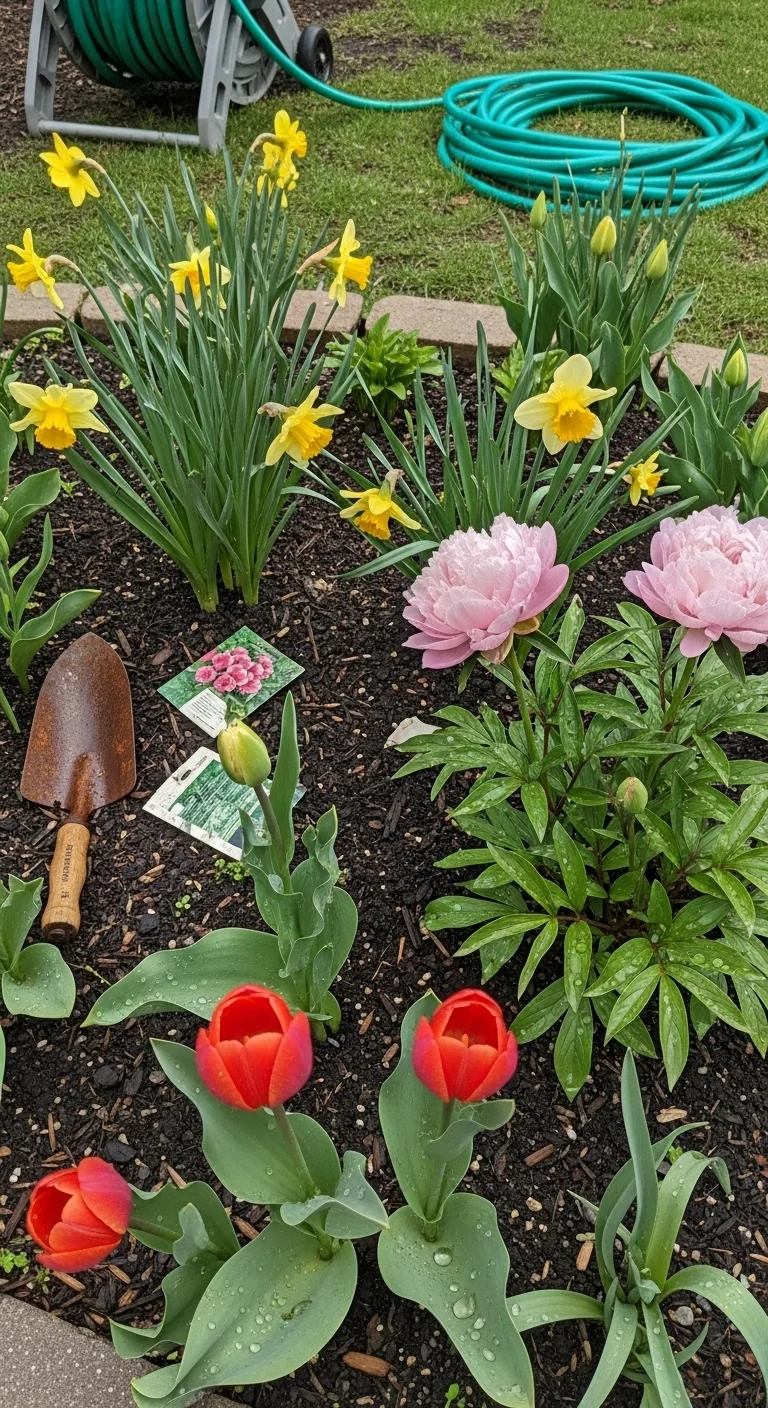
Most spring flower lists sort options by color or bloom month and leave gardeners guessing why certain varieties fail in their yard. This guide reframes the choice around three measurable garden conditions: daily sunlight hours, soil drainage speed, and available root space. The result is a shortlist of spring flowers proven to establish reliably when the match is right.
Coverage focuses on temperate climates typical in the US, UK, Canada, and Australia. It includes bulbs, perennials, and cool-season annuals that bloom March through June. Tropicals, summer-only bloomers, and fall-dominant species fall outside scope.
By the end you will know which two or three options suit your exact setup and the precise steps to plant them without common setbacks such as bulb rot or weak stems.
Run your site through the grid, select the matching items, and plant for consistent spring color year after year.
The Yield Grid Decision Grid
Branch 1: Full sun (6 or more hours of direct sunlight daily) and well-drained soil (test: dig an 8-inch hole, fill with water, and confirm it drains in under 1 hour). Recommended: Items 1, 2, 6, and 10 below. See the full spring bulbs guide here for exact timing windows by zone.
Branch 2: Partial shade (3 to 6 hours of direct sun) and consistently moist soil (top inch feels dry to the touch before next watering). Recommended: Items 3, 5, and 8 below.
Branch 3: Container or small-space gardens (pots or beds at least 10 inches deep with drainage holes) where root volume is limited and daily watering checks are feasible. Recommended: Items 4, 7, and 9 below.
Quick Comparison Table
| Option | Key mechanism | Best for | Decision Grid Branch | Effort Score |
|---|---|---|---|---|
| Daffodils | Bulbs that naturalize and multiply yearly underground | Early pollinator support in sunny borders | Branch 1 | 1 |
| Tulips | Single-season bulbs with structured color forms | Bold vertical accents in drained beds | Branch 1 | 2 |
| Hellebores | Evergreen perennials with early nodding blooms | Shade-tolerant base layer | Branch 2 | 1 |
| Pansies | Cool-season annuals with continuous face-like blooms | Compact color in limited space | Branch 3 | 3 |
| Sweet Peas | Climbing annuals with fragrant tendrils | Vertical interest on supports in moist shade | Branch 2 | 3 |
| Peonies | Long-lived perennials with large cupped blooms | Mid-spring focal points in sunny spots | Branch 1 | 1 |
| Snapdragons | Tall annual spikes that tolerate cool nights | Vertical filler in pots or small beds | Branch 3 | 3 |
| Delphiniums | Tall perennials with spire blooms | Back-of-border height in moist partial shade | Branch 2 | 2 |
| Clematis | Twining vines with large early flowers | Vertical color on trellises in containers | Branch 3 | 2 |
| Alliums | Bulbs with globe-shaped flower heads | Architectural late-spring accents in sun | Branch 1 | 1 |
Daffodils
Best for: Branch 1
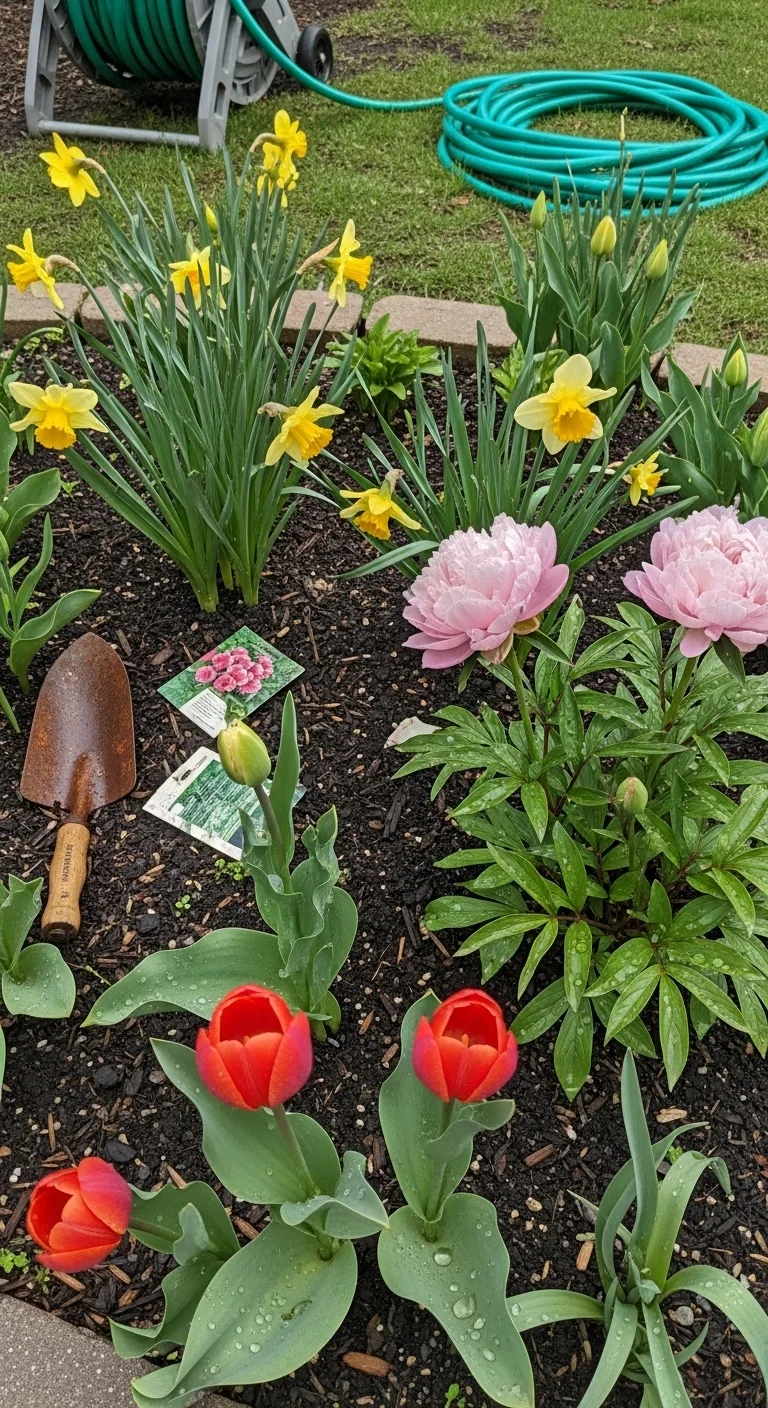
Daffodils use a blueprint that starts with bulb selection and ends with naturalizing. Choose firm bulbs at least 2 inches in diameter for strong first-year performance. They thrive in full sun and well-drained soil where water moves through quickly. Plant in fall when soil temperatures drop below 60F: place bulbs 6 inches deep and 4 to 6 inches apart with the pointed end up. A common mistake is planting too shallow in heavy soil, which leads to early foliage but weak roots. Once established they multiply each year with no division needed for 5 or more seasons. Pair them with later items on the list for season-long interest. For complete variety selection and zone timing, consult the dedicated daffodil page. This setup delivers reliable early color with almost zero follow-up care after the first planting.
Tulips
Best for: Branch 1
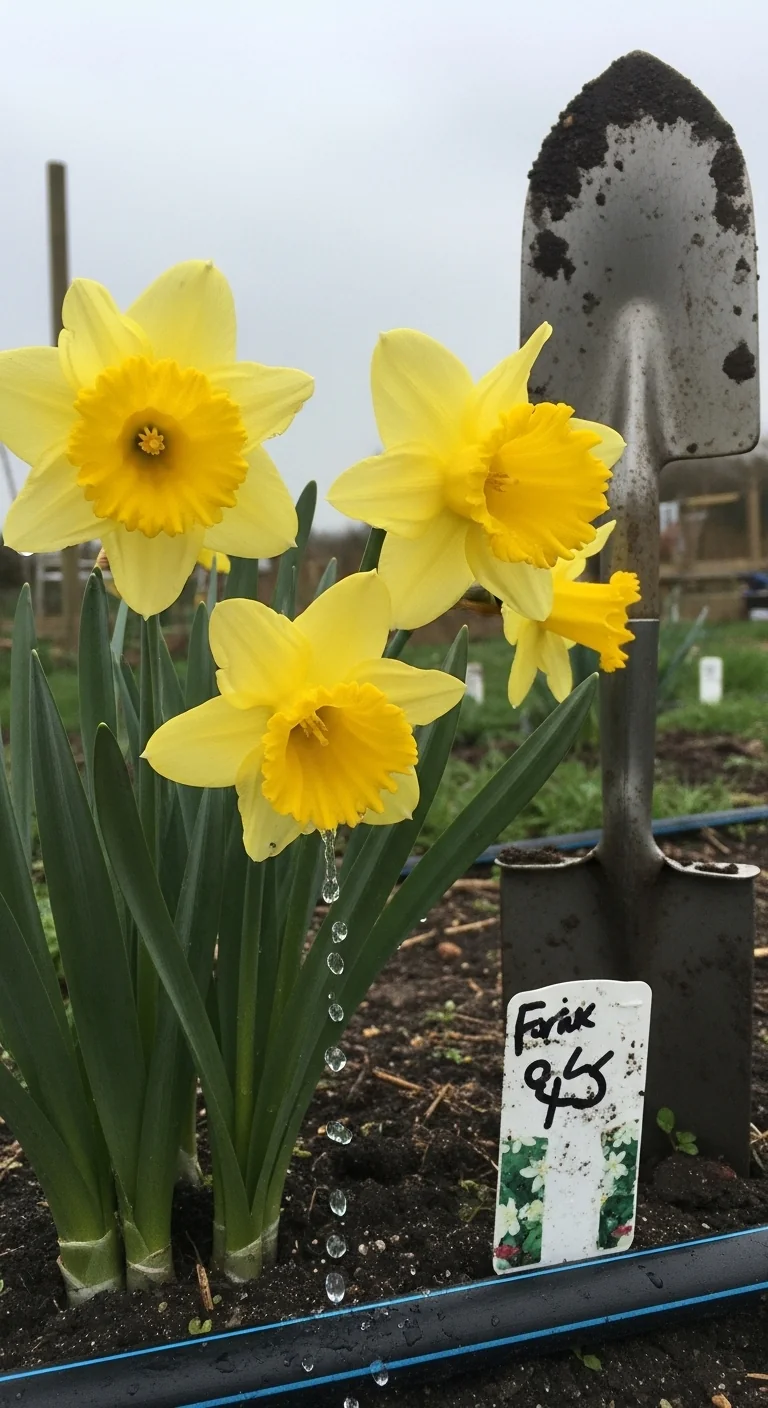
Use versus skip: plant tulips only if your full-sun site drains within 1 hour after heavy rain. They deliver strong color in drained beds but skip them in soggy clay where bulbs rot before spring. Edge case: in zones with mild winters they perform best when pre-chilled bulbs are used or planted deeper than standard recommendations.
Hellebores
Best for: Branch 2
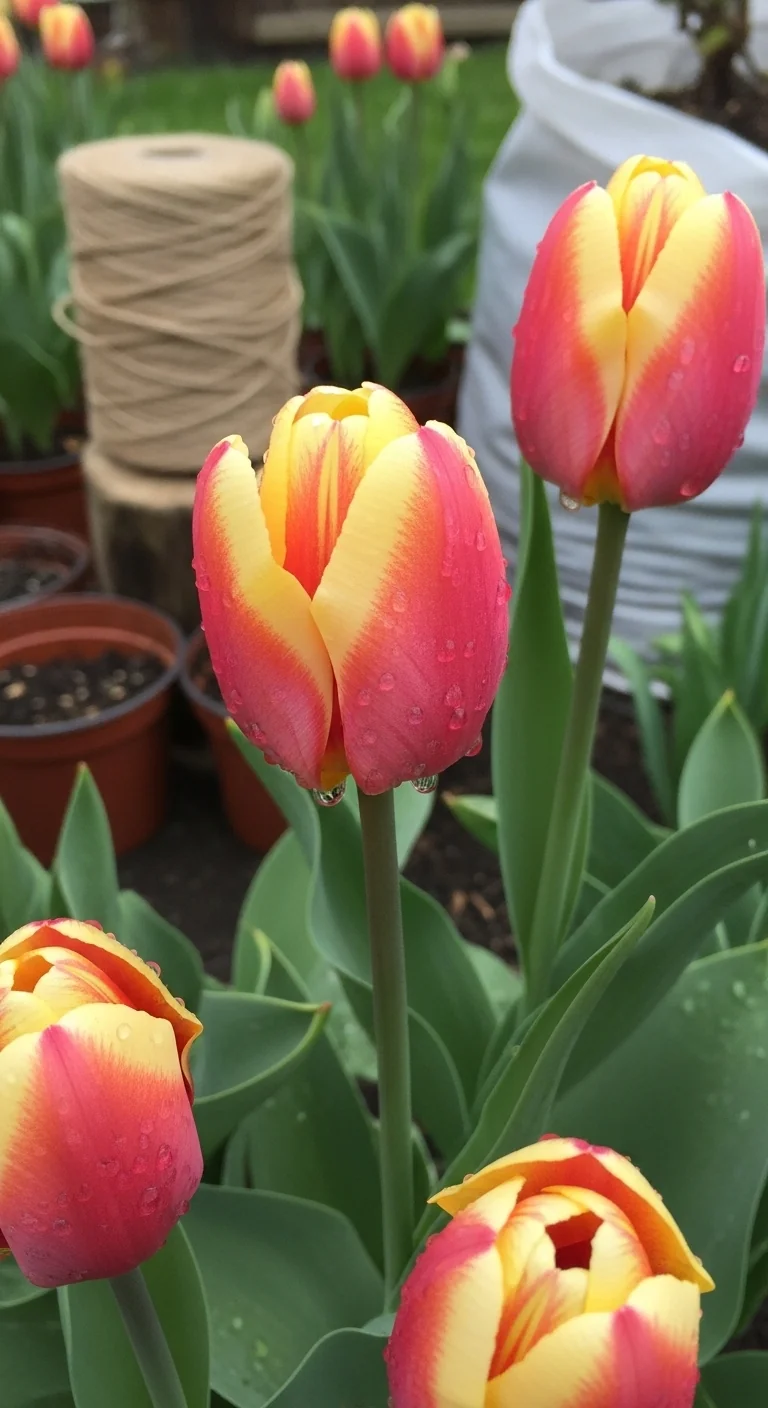
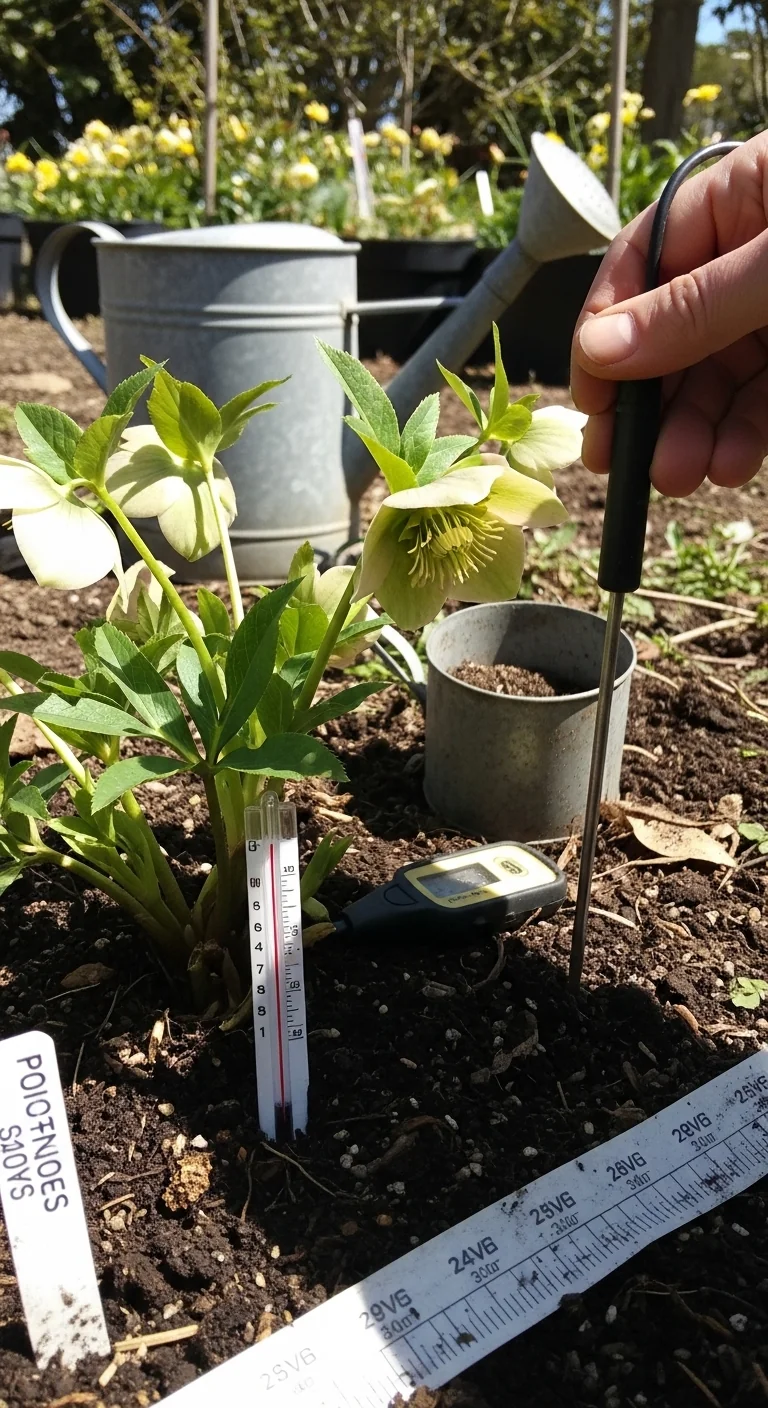
Threshold rule: hellebores need soil that stays evenly moist without standing water and at least 3 hours of filtered sun. If your site meets these two conditions they bloom as early as February in many areas and hold foliage year-round. Adjust by adding leaf mulch in late fall to maintain moisture levels. They tolerate pH from 5.5 to 7.0 and require no division for up to 10 years. This makes them the low-effort anchor for partial-shade borders.
Pansies
Best for: Branch 3
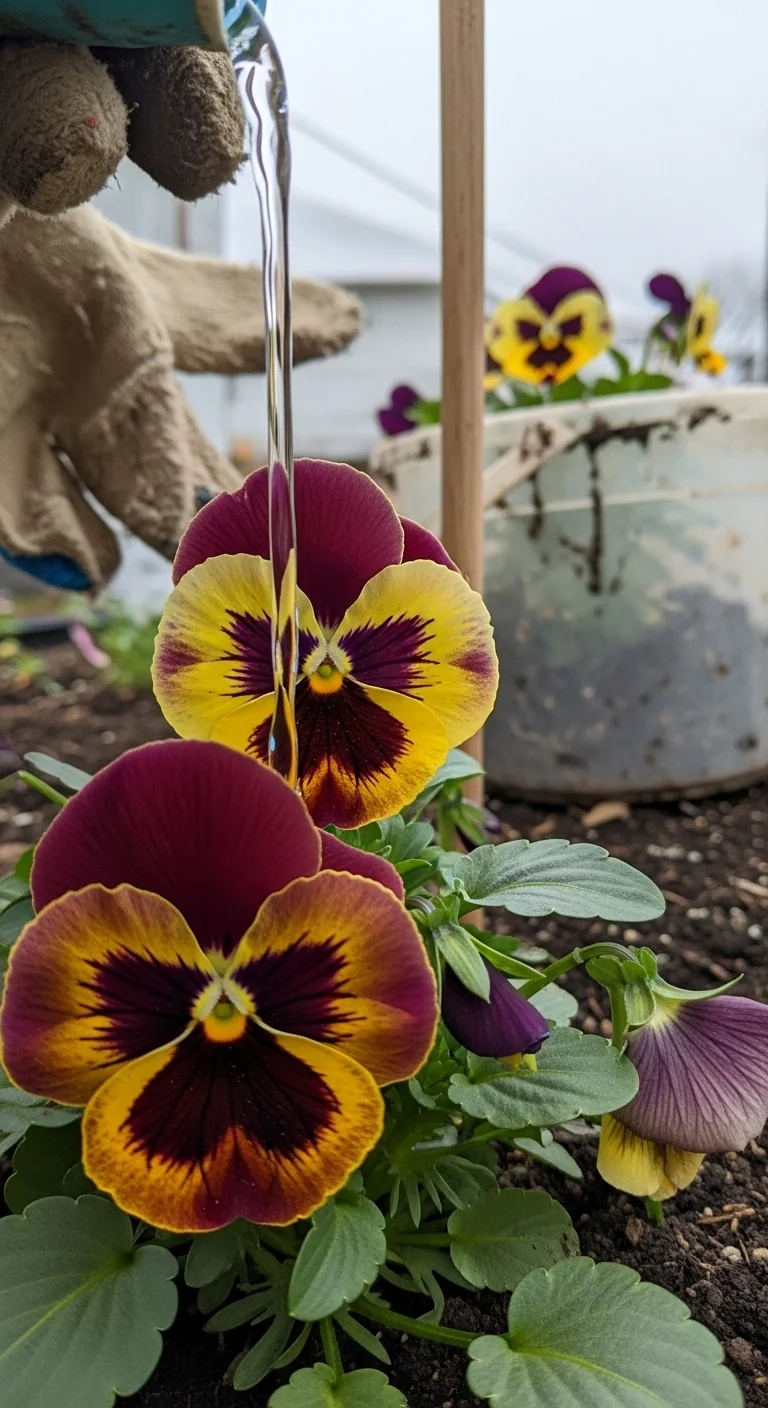
Pansies follow a 10-minute workflow ideal for containers. Step 1: select 10-inch or larger pots with drainage holes. Step 2: fill with fresh potting mix and plant nursery starts 6 inches apart. Step 3: water thoroughly and place where they receive morning sun. Upgrade option: pinch spent blooms every 10 days to extend color into early summer. The entire setup from bag to finished pot takes under 10 minutes per container and fits balconies or patios where ground space is limited. They tolerate light frost and deliver nonstop blooms when nights stay below 65F.
Sweet Peas
Best for: Branch 2
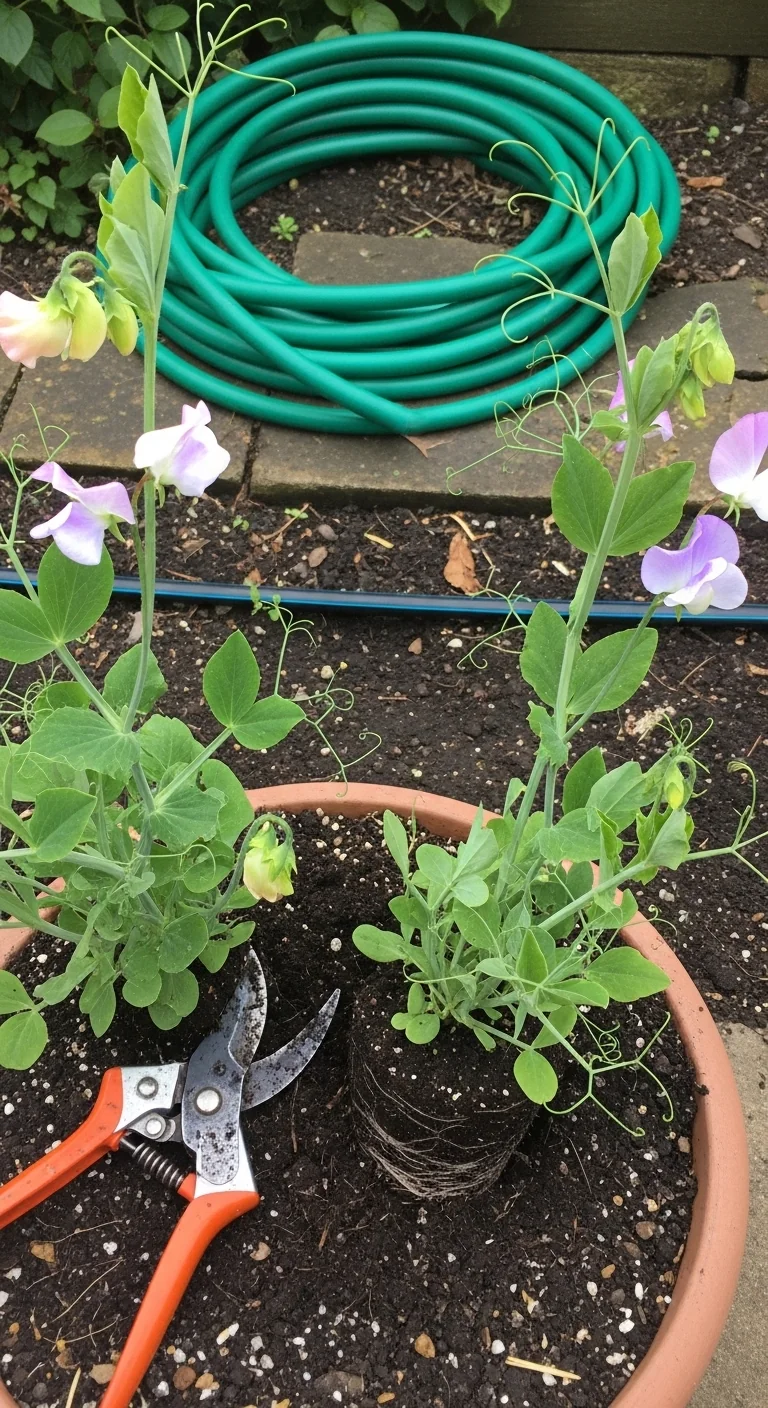
Use versus skip: sweet peas excel in partial shade with moist soil but skip them in full sun where foliage scorches. They climb 6 to 8 feet on netting or trellis and produce fragrant blooms from late spring onward. Edge case: direct sow in early spring after last frost for strongest vines in cool climates.
Peonies
Best for: Branch 1
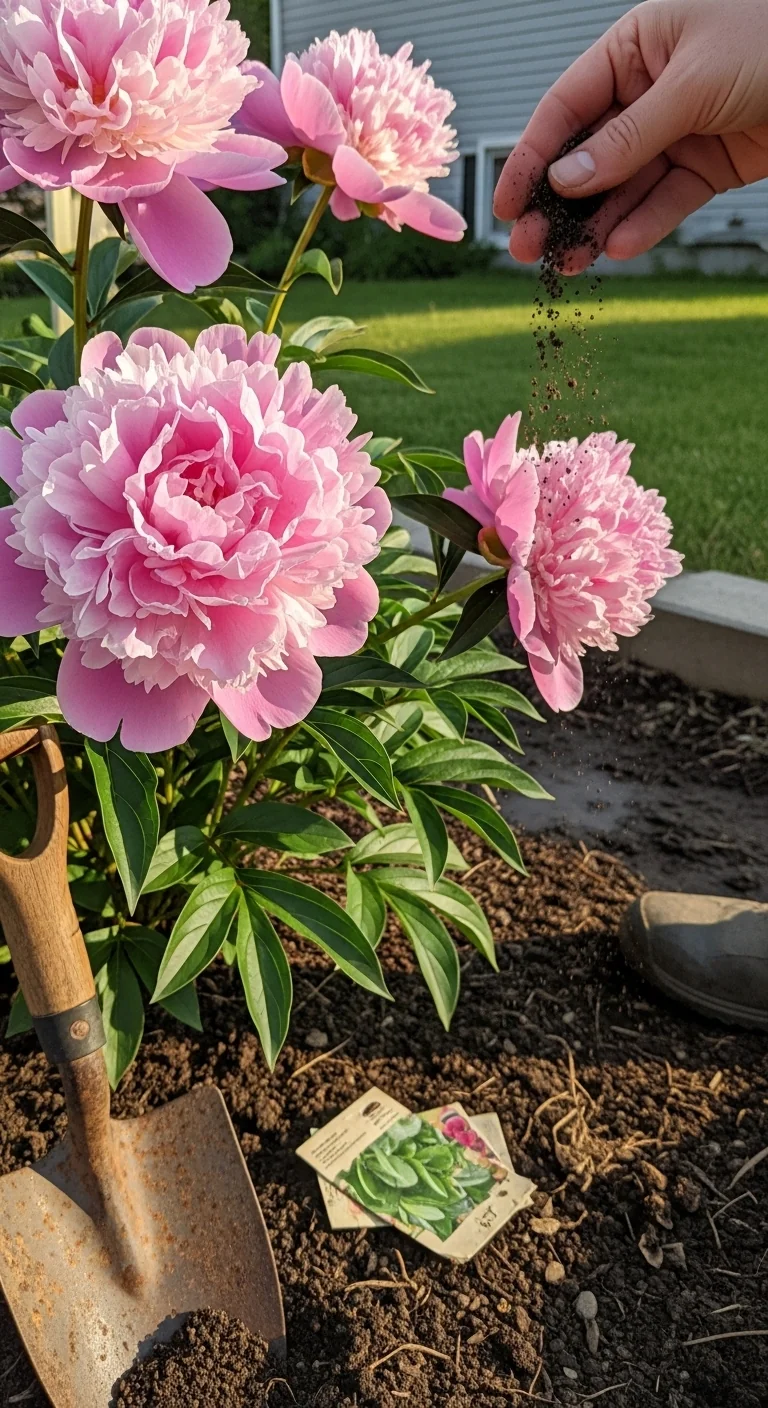
Peonies rely on a simple blueprint centered on planting depth and cold exposure. Set bare-root divisions so the pink buds sit exactly 2 inches below soil surface in full sun and well-drained spots. They need 6 to 8 weeks of soil temperatures below 45F to form buds for the next season. A frequent mistake is burying eyes too deep, which delays or prevents flowering for years. Once planted they remain in place for decades with one annual cleanup in late fall. Mid-spring blooms reach 3 feet tall and pair naturally with earlier bulbs for layered color.
Snapdragons
Best for: Branch 3
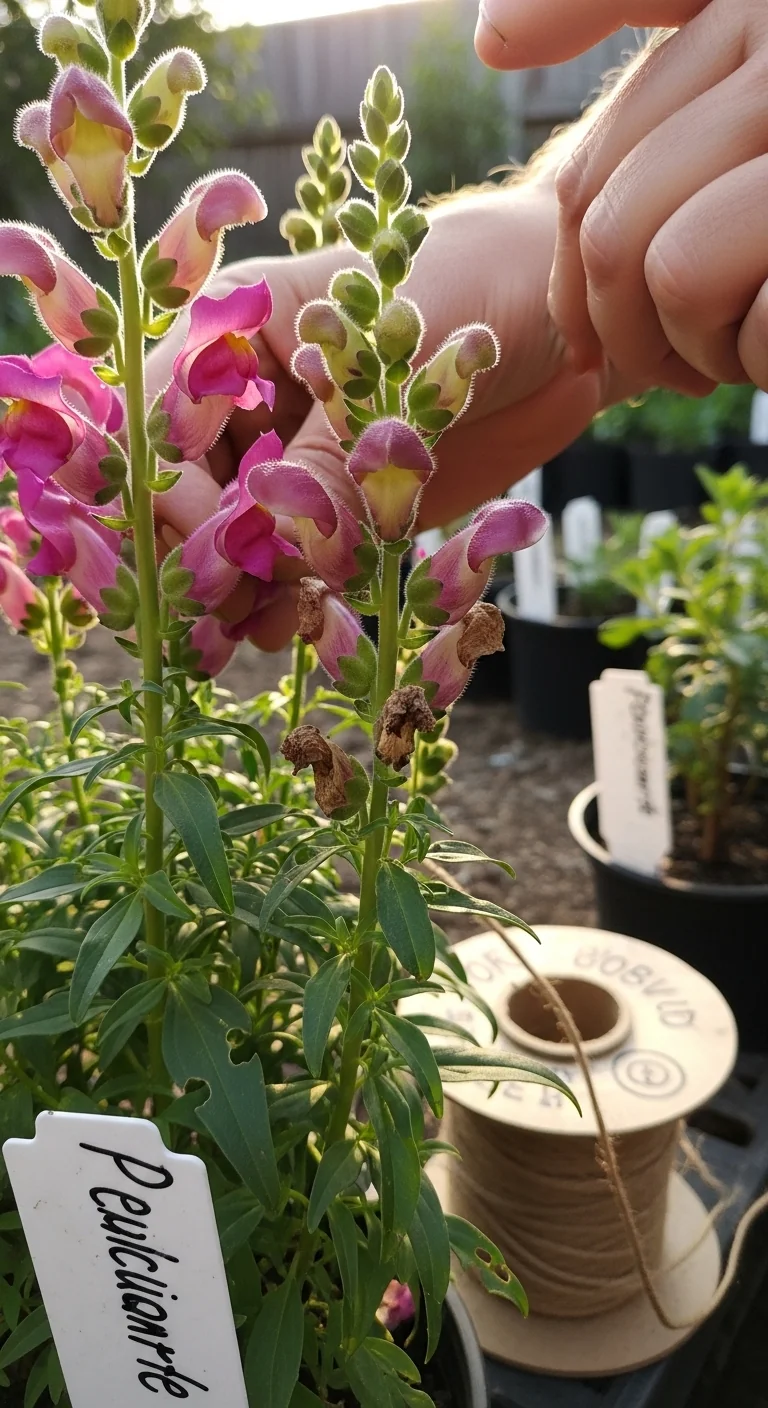
Snapdragons suit containers through a threshold rule: keep soil evenly moist and provide at least 6 hours of sun filtered by afternoon shade if temperatures rise above 75F. Start from transplants spaced 8 inches apart in 10-inch pots. They bloom in spikes up to 2 feet tall and tolerate cool nights down to 28F. Pinch the central stem at 4 inches tall to encourage branching and more flowers.
Delphiniums
Best for: Branch 2
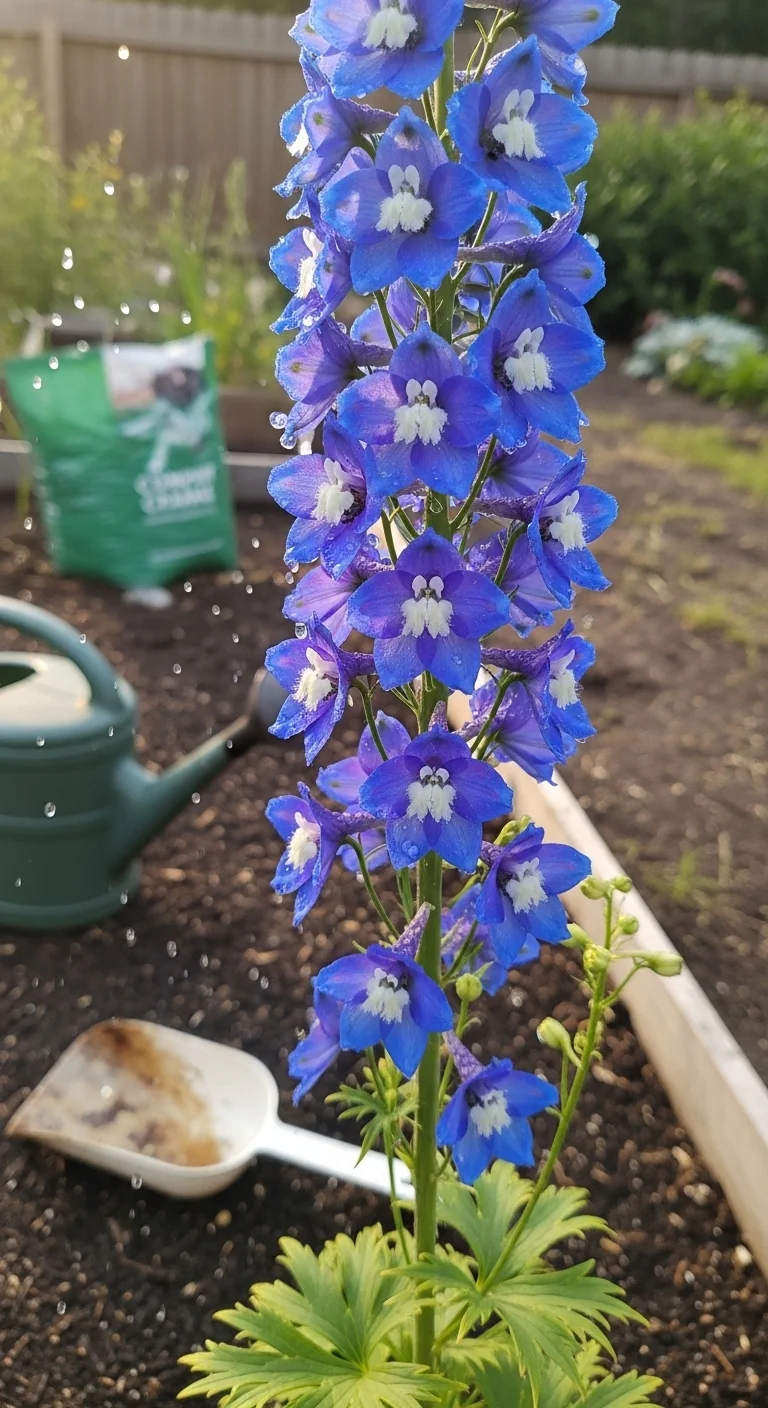
Delphiniums need partial shade and moist soil to avoid stem rot in hot sun. Plant in spring or fall with crowns at soil level and provide sturdy stakes at planting time since stems reach 4 to 6 feet. They perform best when soil pH stays between 6.0 and 7.0 and receive consistent moisture without waterlogging. Cut back spent spikes to the basal foliage for possible second flush in cooler summers.
Clematis
Best for: Branch 3
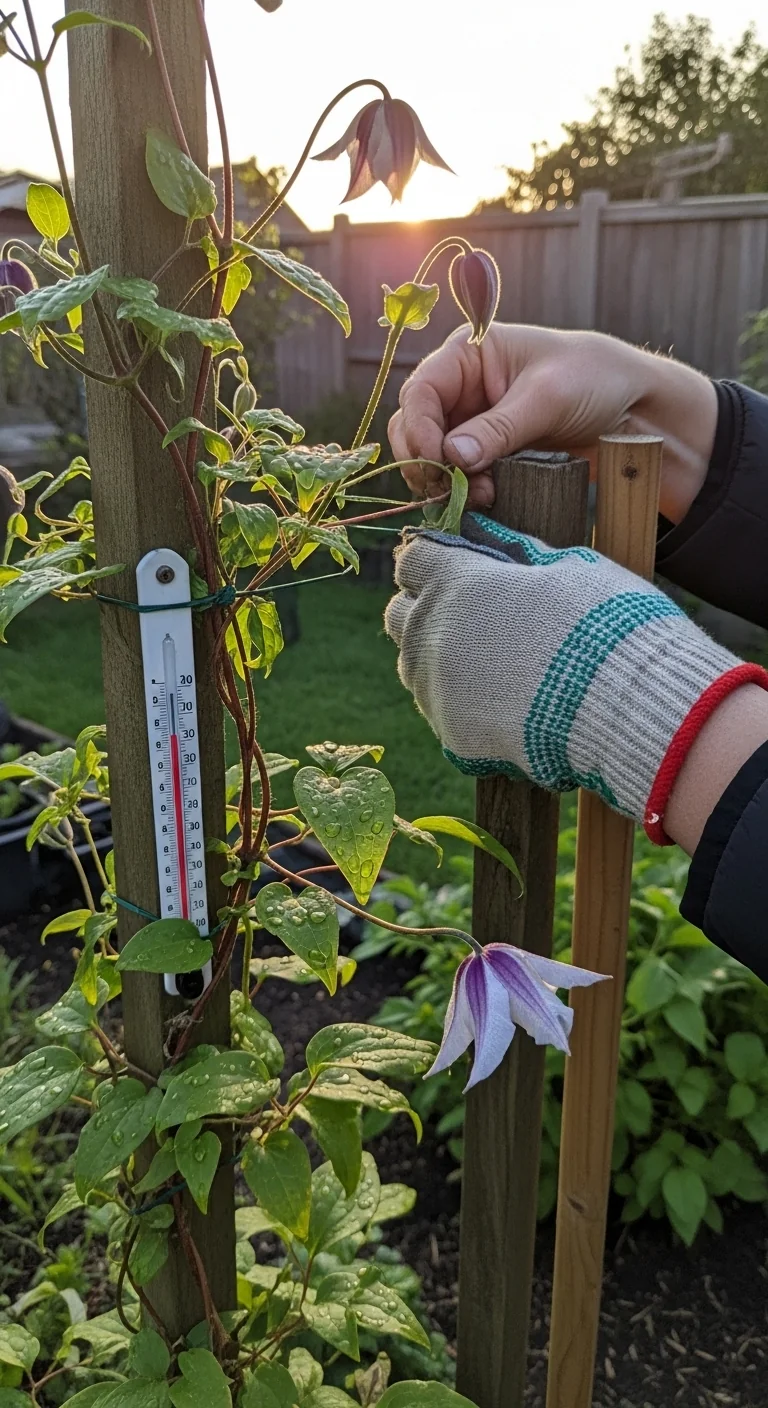
Clematis works in large containers when the pot holds at least 15 inches of depth and the vine has a trellis or obelisk for support. Choose early-flowering varieties that bloom on old wood and plant so the root zone stays cool while tops receive 4 to 6 hours of sun. Water daily in warm weather and apply a 2-inch mulch layer to retain moisture. This setup turns small spaces into vertical spring displays with minimal ground footprint.
Alliums
Best for: Branch 1
Alliums follow the same bulb blueprint as daffodils but add globe-shaped structure in late spring. Plant bulbs 4 to 6 inches deep in full sun and well-drained soil after soil cools in fall. They naturalize slowly and return for 4 or more seasons without lifting. The spherical heads on 2- to 3-foot stems create architectural contrast against lower foliage. A key detail: foliage dies back naturally by early summer, allowing later perennials to fill the space without competition.
Starter Stack (What to Choose First)
Branch 1: Full Sun and Well-Drained
Start with daffodils and peonies. Daffodils deliver the first nectar of the season while peonies extend color into mid-spring with larger blooms. Both return yearly after a single fall planting. Estimated cost range: 15 to 40 dollars for 15 to 25 bulbs or divisions. Planting time: 45 to 90 minutes for a 4-by-6-foot border.
Branch 2: Partial Shade and Moist Soil
Start with hellebores and sweet peas. Hellebores form an evergreen base layer while sweet peas add vertical fragrant color on supports. Both tolerate the same moisture level and require almost no division. Estimated cost range: 12 to 35 dollars for 6 to 10 plants or seed packets. Planting time: 30 to 60 minutes including trellis setup.
Branch 3: Containers or Small Spaces
Start with pansies and snapdragons. Both stay compact in pots and bloom continuously when deadheaded. They share the same potting mix and watering rhythm. Estimated cost range: 8 to 25 dollars for 8 to 12 transplants. Planting time: 20 to 40 minutes for three 10-inch containers.
When This Won’t Work
Spring flowers in this grid fail when soil stays saturated longer than 24 hours after rain or irrigation. Bulbs such as daffodils, tulips, and alliums develop basal rot under those conditions. The measurable fix is to test drainage speed before planting and amend heavy soil with coarse sand or switch to raised beds.
A second failure point appears in regions with fewer than 8 weeks of soil temperatures below 45F. Peonies and some bulb types skip blooming entirely without adequate chill. The alternative action is to select cool-season annuals from the pansy or snapdragon group or source locally adapted varieties through extension service lists.
Choosing the Right Option for Your Situation
Budget Threshold
Under 20 dollars: choose daffodils, hellebores, or alliums as they return for multiple seasons from one purchase. Above 30 dollars: invest in peonies or clematis for larger, longer-lasting displays.
Time Threshold
Under 1 hour total planting time: select any Branch 1 or 3 option since they use simple bulb or transplant steps. More than 1 hour available: add sweet peas or delphiniums that need support installation.
Technical Constraint: Soil pH
Target range 6.0 to 7.0 covers every item on the list. If your test falls below 5.5, raise pH with lime the season before planting. If above 7.5, incorporate sulfur or use container mixes that you can control exactly.
Yes/No checklist:
Does your site drain water within 1 hour?
Does it receive at least 3 hours of direct sun?
Are you planting in fall for bulbs or spring for annuals?
Will you deadhead or pinch as needed for annuals?
Expert Q&A
How do you encourage spring bulbs to naturalize without lifting them every year?
Leave foliage intact until it turns fully yellow and plant at the recommended depth in well-drained soil. Avoid summer watering once leaves die back so bulbs enter dormancy naturally. Divide clumps only when flowering density drops after 5 or more seasons.
Which spring flowers work best as cut stems for indoor arrangements?
Peonies, snapdragons, sweet peas, and alliums offer long vase life when cut at the half-open stage. Harvest in early morning and place stems in cool water immediately. Change vase water every 2 days to extend display up to 10 days.
What soil preparation step prevents common stem collapse in tall spring perennials?
Incorporate 2 to 3 inches of compost at planting time and install stakes or cages when shoots reach 6 inches tall. This strengthens root systems and keeps heavy flower heads upright even after rain.
Can you combine spring flowers with pollinator plants without extending bloom time into summer?
Pair early bulbs with hellebores or pansies and limit to varieties that finish by late June. This keeps the focus on spring while still supplying nectar for early bees and butterflies.
What is the most reliable way to store leftover spring bulbs if fall planting is delayed?
Keep them in a cool, dark, dry location between 35F and 50F in mesh bags. Check monthly for soft spots and plant before soil freezes hard. Viability drops sharply after 12 months in storage.
Conclusion
Next step: map your chosen items into a layout using the container flowers guide for precise spacing and succession planning. Plant this season and watch the grid deliver results you can repeat every spring.