
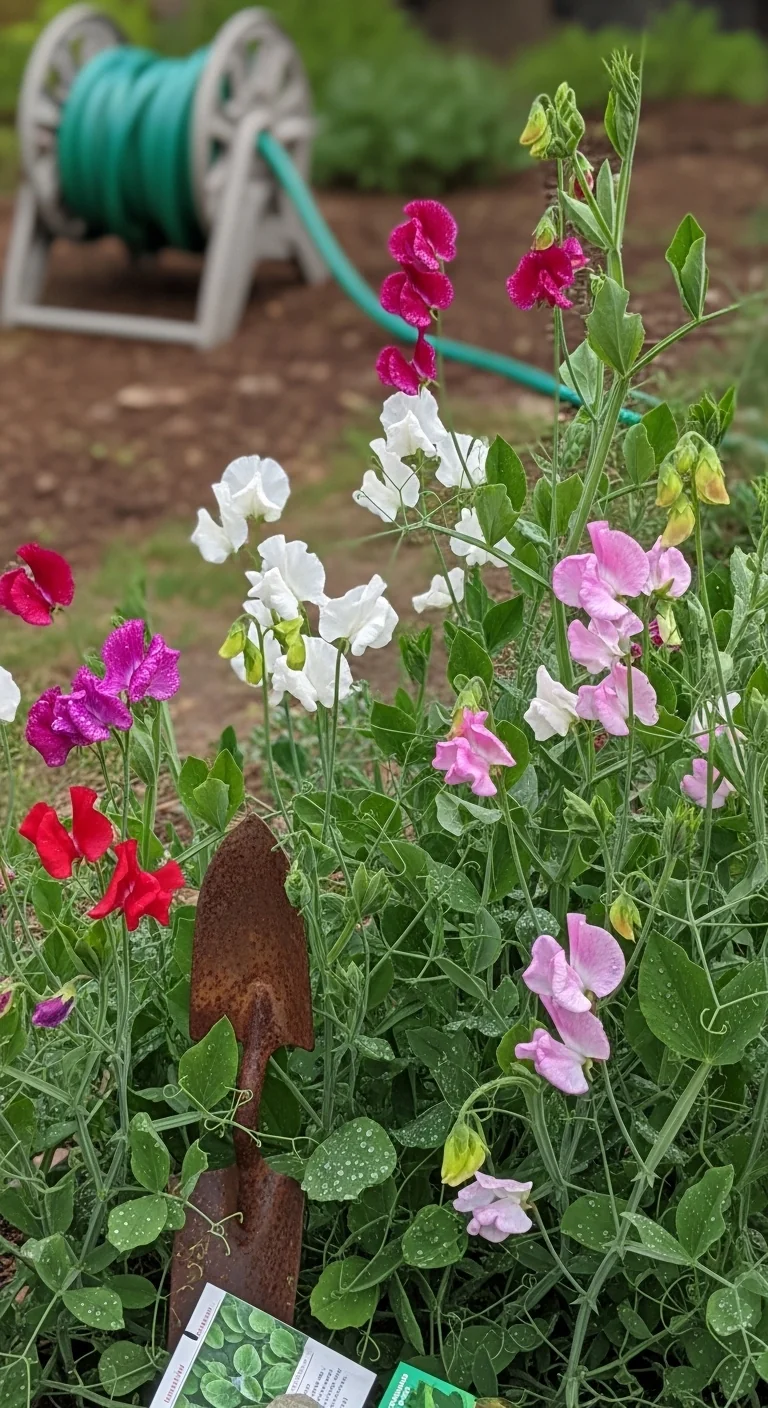
Instead of selecting sweet pea varieties by color or name alone, match the type to three measurable conditions in your garden: average daytime high during the bloom window, available vertical space, and primary goal of fragrance, cutting stems, or display. This approach directly addresses the main reason sweet peas underperform: a mismatch between variety traits and local conditions.
This guide evaluates ten distinct varieties across heirloom grandiflora, modern Spencer, and dwarf categories. It covers selection only for gardens in the US, UK, Canada, Australia, and New Zealand and excludes general sowing steps or pest management.
You will finish able to identify the exact variety that aligns with your temperature profile and space limits, then decide on support needs and expected bloom timing without trial and error.
Align your local daytime highs and space constraints with the right variety before you buy seeds.
The Yield Grid Decision Grid
Branch 1 (Cool summers): Daytime highs average below 75°F (24°C) during the main bloom window. These conditions support longer stems and extended flowering in modern types.
Recommended: Items 5, 6, 7, and 10 below.
Branch 2 (Hot summers or short cool seasons): Daytime highs often exceed 80°F (27°C) or the last frost date falls after mid-April. These conditions favor earlier-blooming heirlooms with stronger fragrance.
Recommended: Items 1, 2, 3, and 4 below.
Branch 3 (Limited space or containers): Vertical support under 6 feet available or no in-ground bed space. These conditions suit compact types that require less training.
Recommended: Items 8 and 9 below.
See our annual flowers guide for complementary planting ideas.
Quick Comparison Table
| Option | Key mechanism | Best for | Decision Grid Branch | Effort Score |
|---|---|---|---|---|
| Cupani | Early day-length trigger (under 12 hours) | Fragrance and garden display | Branch 2 | 3 |
| America | Bicolor striping with compact vine habit | Visual contrast in borders | Branch 2 | 3 |
| Painted Lady | Old-fashioned bicolor with heat resilience | Early season color | Branch 2 | 3 |
| Old Spice series | Multi-color heirloom mix with strong scent | Cottage-style mixed beds | Branch 2 | 3 |
| Nimbus | Dark petal saturation for contrast | Cut stems in cool conditions | Branch 1 | 4 |
| Mollie Rilstone | Pink shading with reliable bloom set | Soft pastel arrangements | Branch 1 | 4 |
| Blue Celeste (Spencer) | Ruffled petals and long stem genetics | Premium cutting | Branch 1 | 5 |
| Bijou Mix | Dwarf habit (no tall support needed) | Containers and small spaces | Branch 3 | 1 |
| Black Prince | Deep purple for dramatic edging | Contrast planting | Branch 3 | 3 |
| Ruby’s Gown | Vibrant cerise-pink with modern vigor | Long-season color in cool areas | Branch 1 | 4 |
Cupani Sweet Peas
Best for: Branch 2
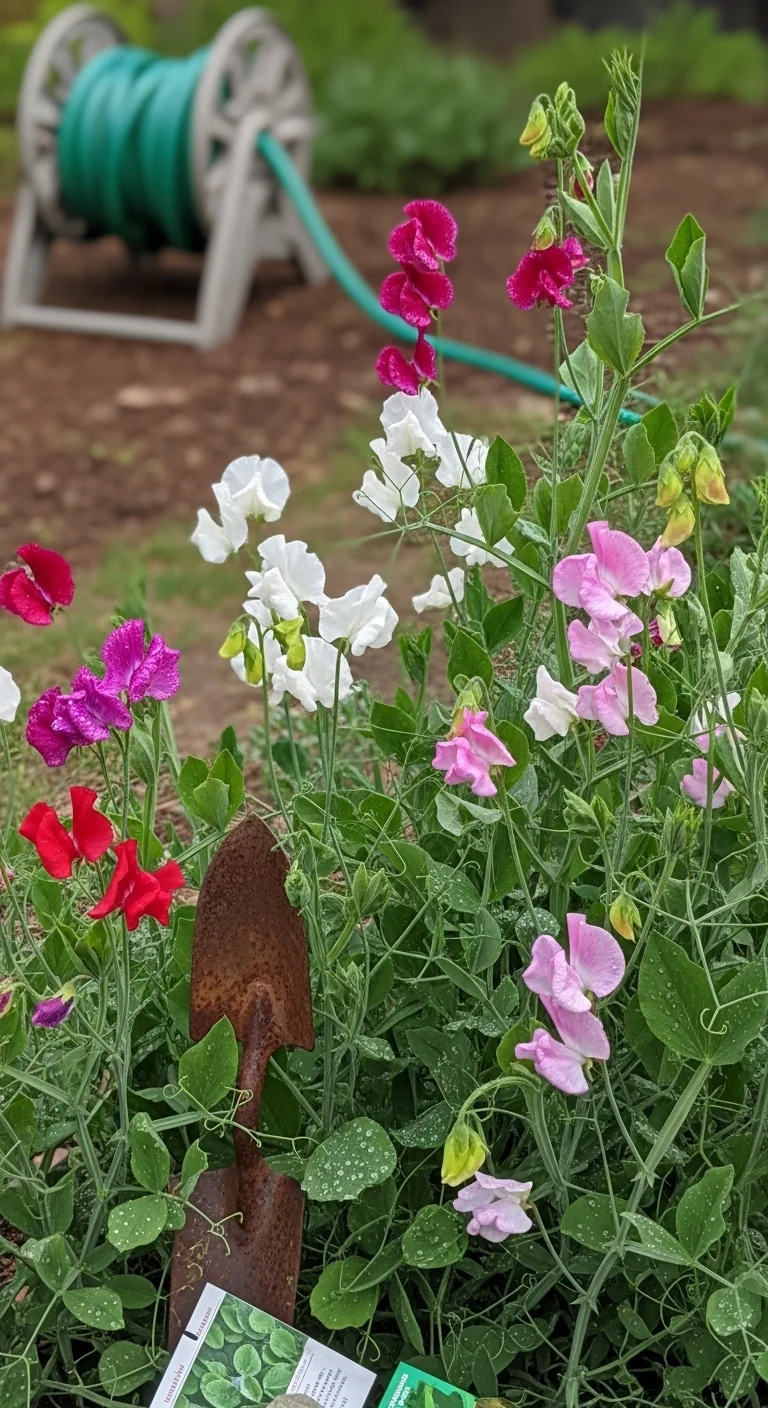
The blueprint for Cupani centers on its status as an old-fashioned grandiflora type first noted in Sicily centuries ago. It delivers intense fragrance and distinctive bicolor maroon upper petals with violet wings on shorter stems suited to garden viewing rather than cutting. Sow in cool soil at 50-55°F for germination, install trellis early, and space plants 6-8 inches apart along supports. The key mechanism is an early day-length trigger that starts bloom before many modern types. Avoid the common mistake of pairing it with heat-sensitive Spencers in borderline warm zones, where Cupani maintains performance longer. For more on highly fragrant options see the fragrant flowers guide.
America Sweet Peas
Best for: Branch 2
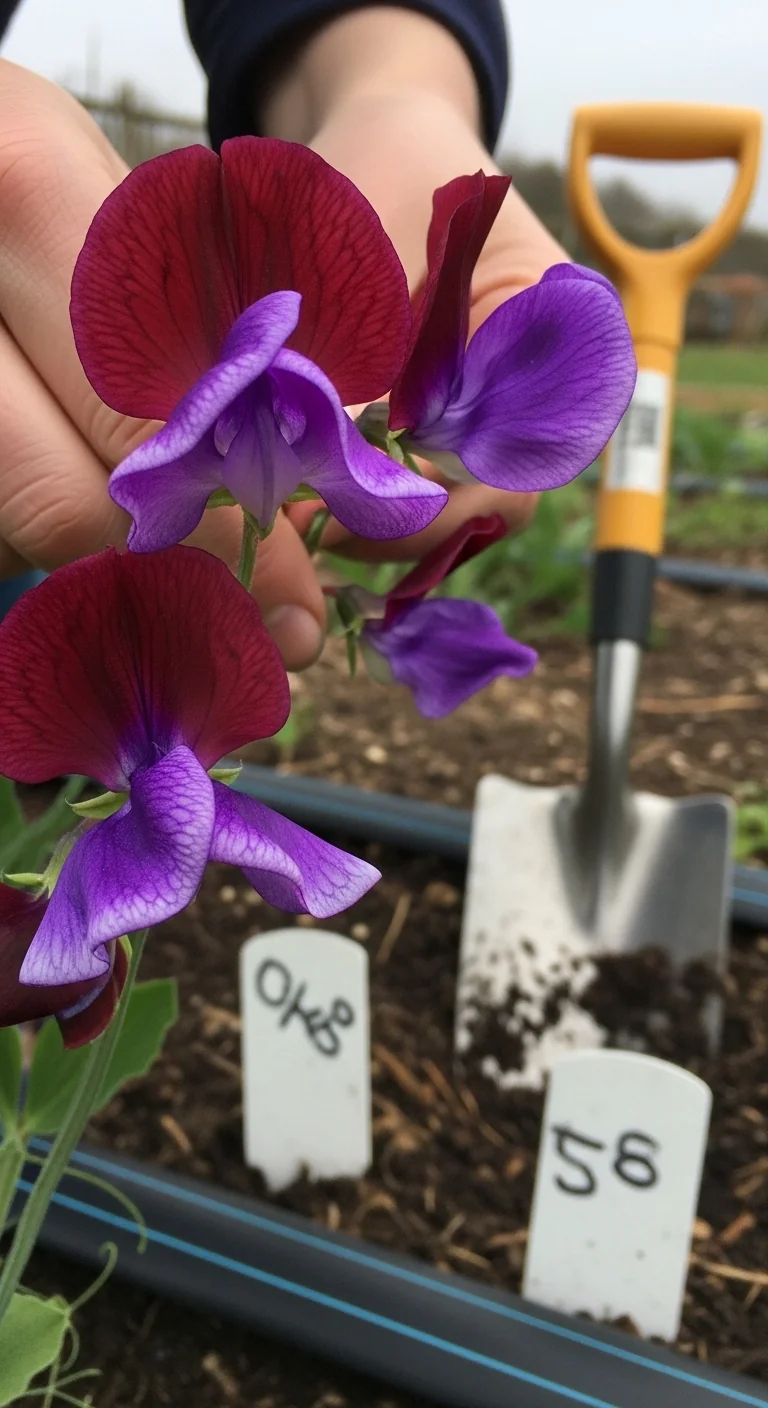
Use America when you want bold red-and-white striped blooms that stand out against green foliage. Skip it if your priority is uniform pastel tones or extra-long cutting stems.
Painted Lady Sweet Peas
Best for: Branch 2
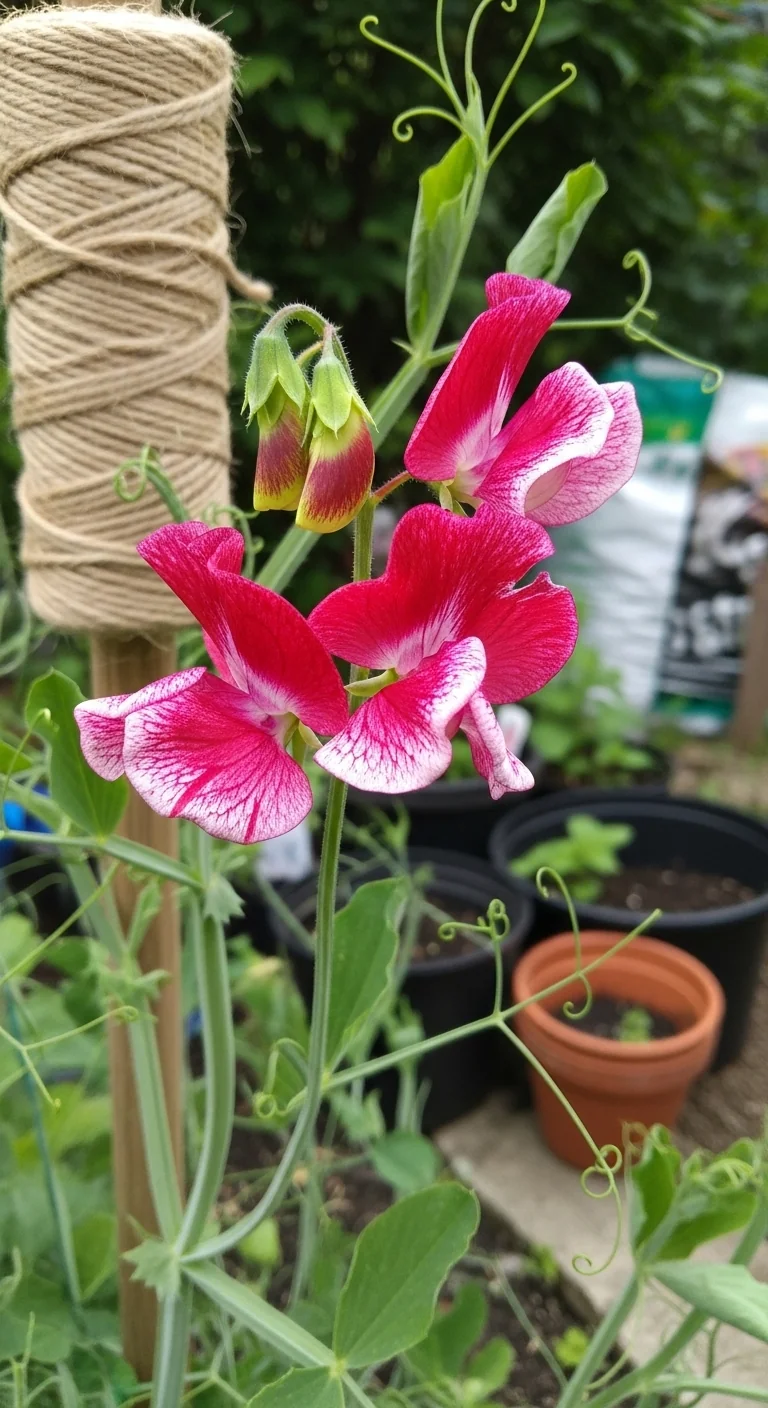
Painted Lady follows a simple threshold rule: plant when soil temperature reaches 50°F and daytime highs stay under 80°F at sowing. It tolerates brief heat spikes better than later types thanks to its old-fashioned genetics and produces soft pink-and-white bicolors on moderately long stems. Adjust spacing to 8 inches in windy sites to reduce tangling. This variety often blooms 10-14 days earlier than Spencers in short-season areas, making it a reliable choice for gardens with unpredictable springs. Link it with other spring bloomers for layered color without extra effort.
Old Spice Series Sweet Peas
Best for: Branch 2
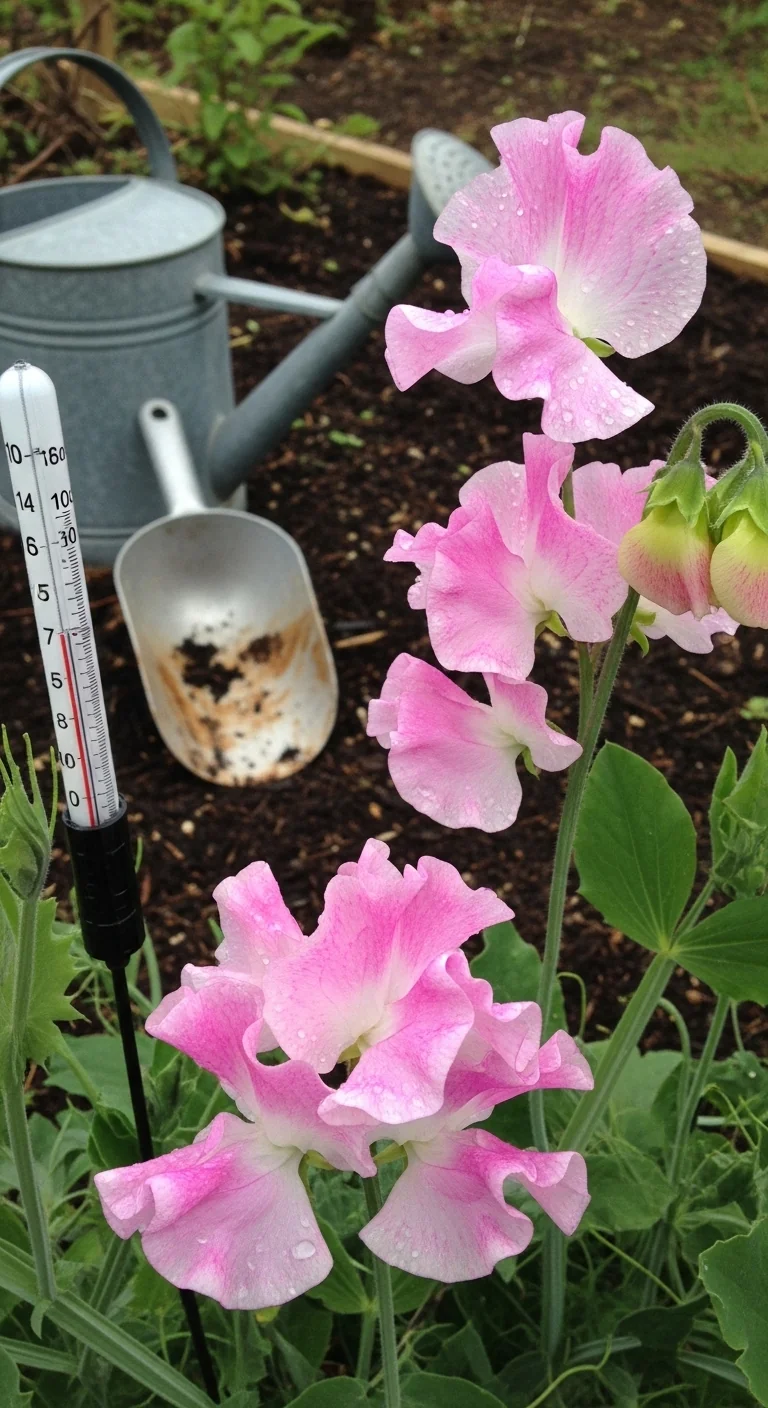
The blueprint for the Old Spice series is a multi-color heirloom mix bred in Sicily that emphasizes fragrance over flower size. It works best in cottage-style beds where varied shades of white, cream, pink, lavender, and purple create natural drifts. Start by sowing in autumn or very early spring in mild climates, provide a sturdy trellis or netting, and deadhead spent blooms weekly to redirect energy. The mechanism relies on shorter stems and rain-resistant plain petals that hold up in variable weather. A frequent error is treating the mix like uniform Spencer types and expecting identical stem lengths for bouquets. Pair it with other cottage elements for seamless integration. See our cottage garden flowers page for design ideas.
Nimbus Sweet Peas
Best for: Branch 1
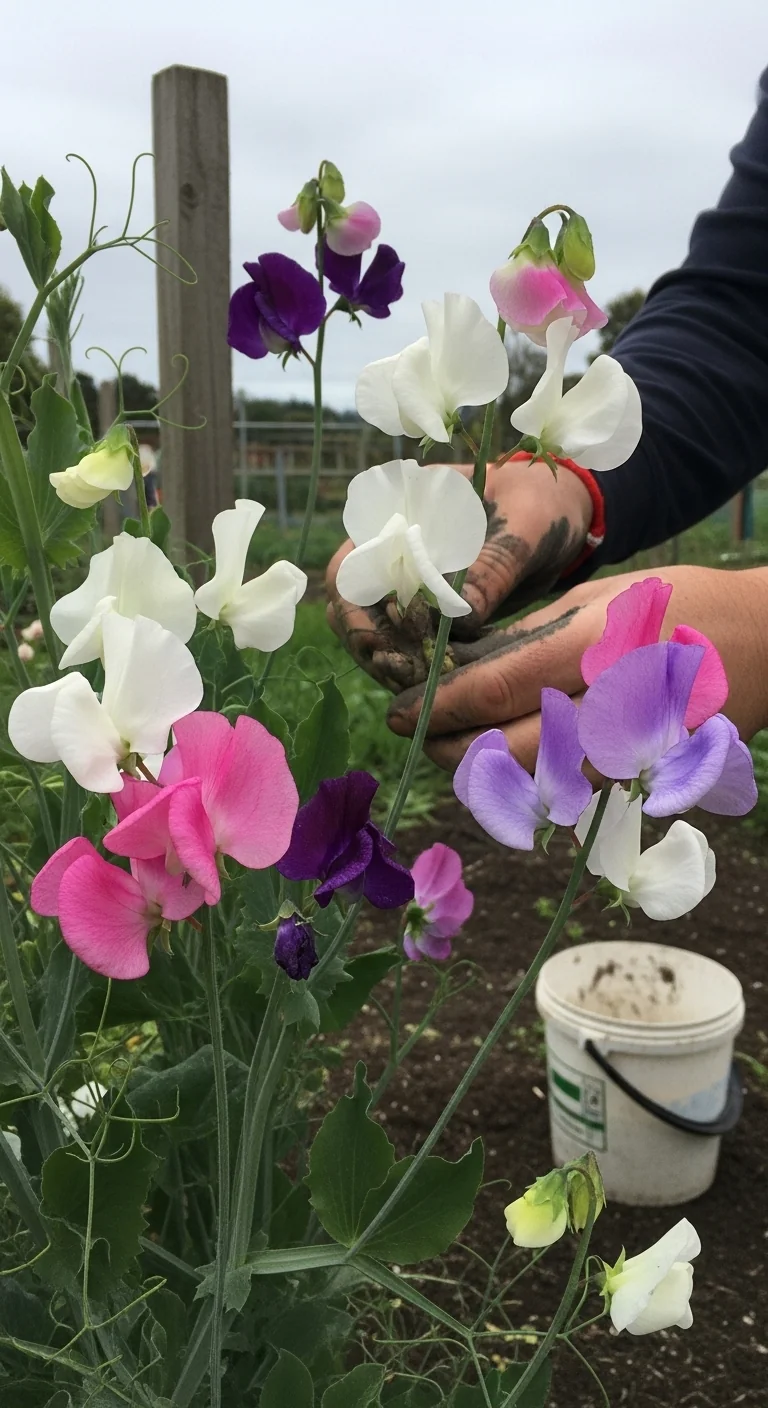
Use Nimbus for deep purple tones that create dramatic contrast in cool-summer borders. Skip if your space receives less than 6 hours of direct sun or if you need pastel shades for a soft palette.
Mollie Rilstone Sweet Peas
Best for: Branch 1
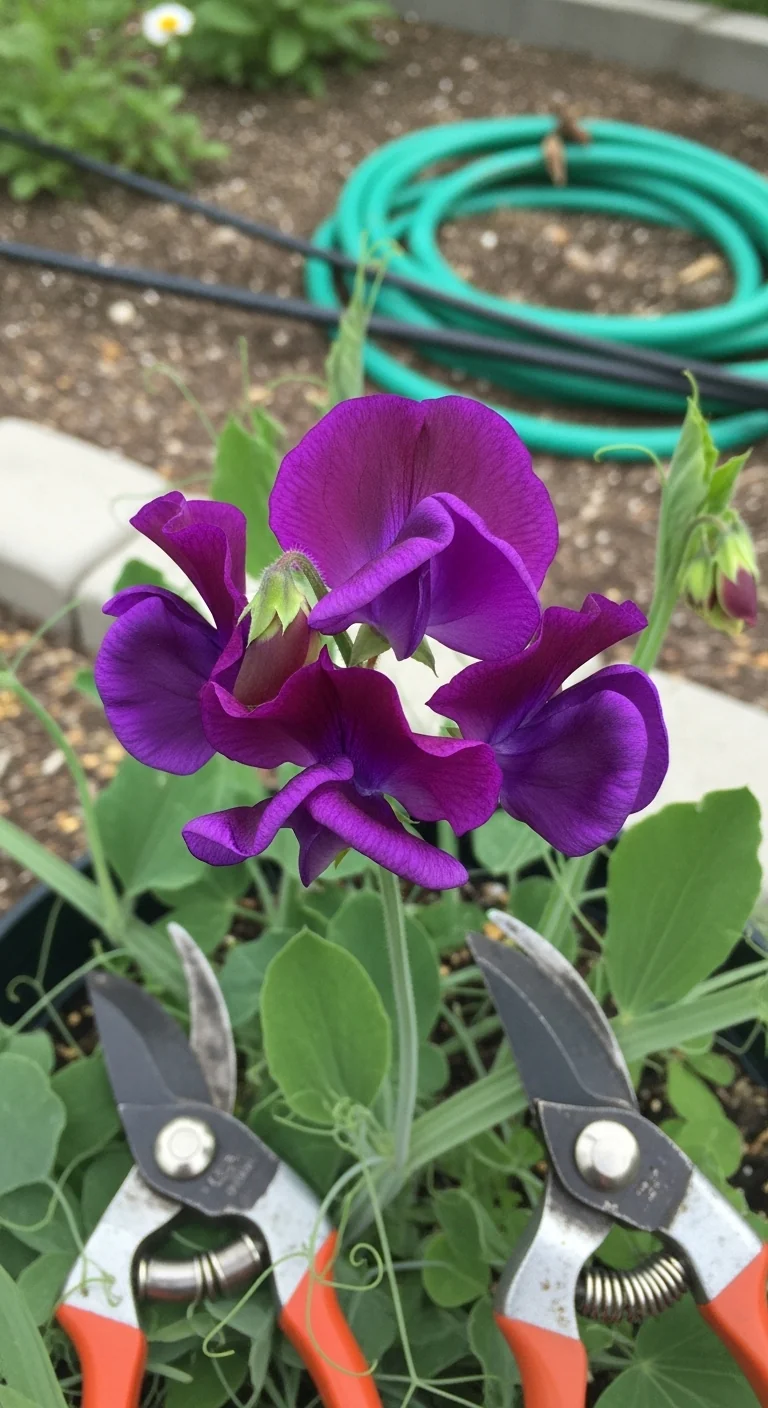
Mollie Rilstone operates on a threshold rule tied to cool nights: it performs best when nighttime lows stay between 35-50°F during early growth. The soft pink shading and reliable bloom set make it ideal for pastel arrangements in gardens with consistent cool conditions. Provide 12-15 hours of daylight for peak flowering and space vines 6 inches apart on supports. This variety balances fragrance and stem length without the extreme heat sensitivity of some older types, giving it an edge in variable northern climates.
Blue Celeste (Spencer) Sweet Peas
Best for: Branch 1
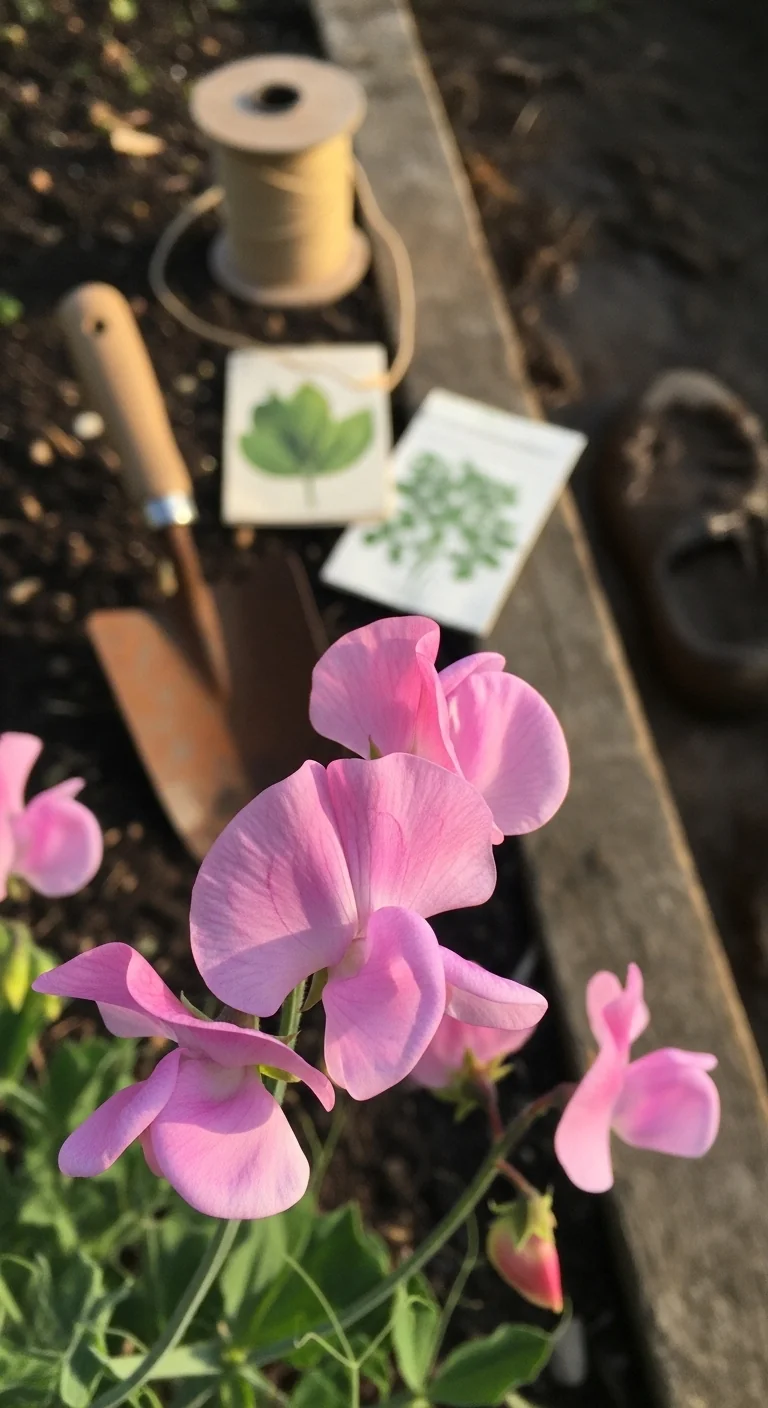
The 10-minute workflow for Blue Celeste starts with sowing in trays at 50-55°F, then moves the seedlings to bright cool conditions once true leaves appear. Upgrade option: pinch the growing tips at 4 inches tall to encourage branching and more stems. Install vertical netting or canes at planting and tie vines loosely every 7-10 days as they climb. The ruffled petal genetics and long stem length shine in cool summers but require this weekly attention to prevent tangling. The result is premium cutting material in pastel lavender tones with good fragrance for a Spencer type. For more on long-stem cutting strategies see our cut flower garden planning page.
Bijou Mix Sweet Peas
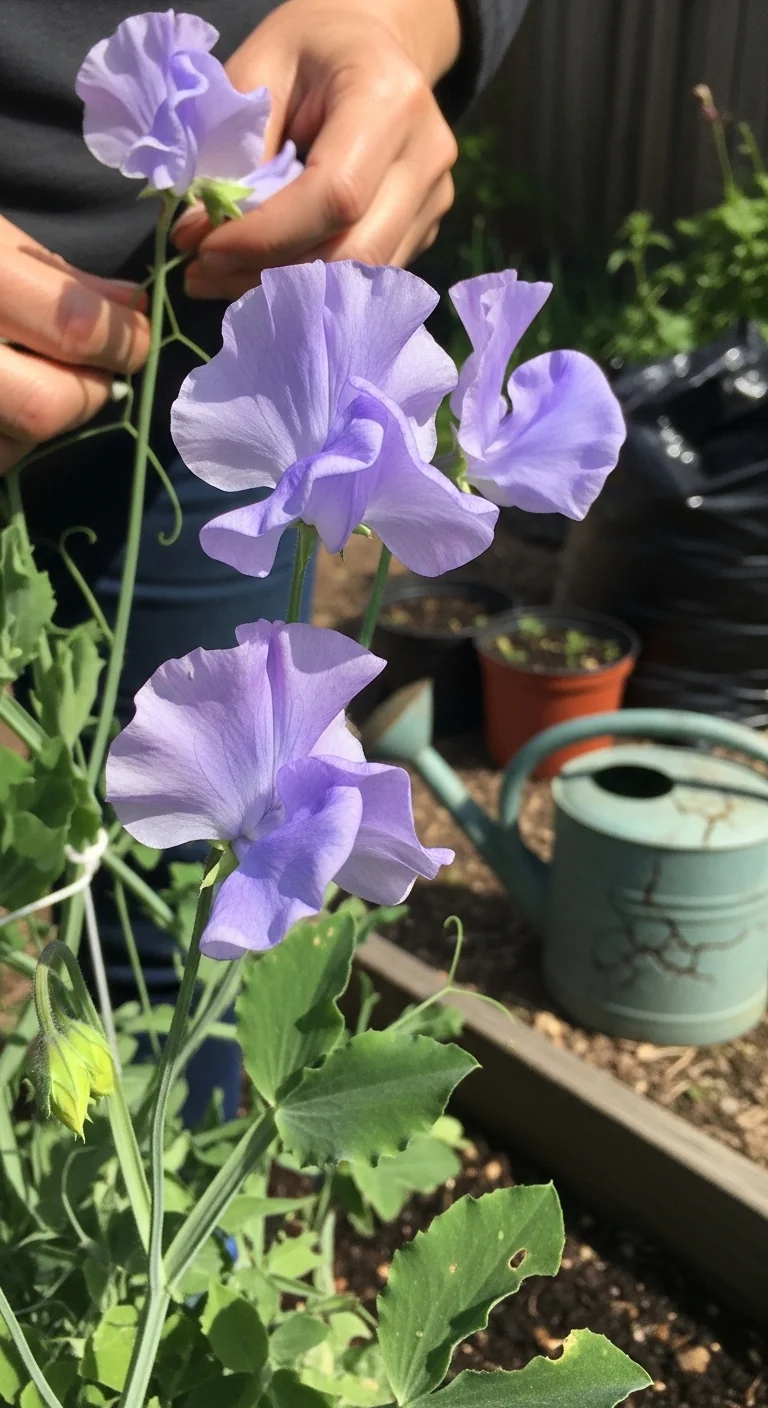
Best for: Branch 3
Use Bijou Mix in containers or balcony setups where tall supports are impractical. Skip it only if you have ample ground space and prefer maximum stem length for cutting. See our container flowers page for pairing suggestions.
Black Prince Sweet Peas
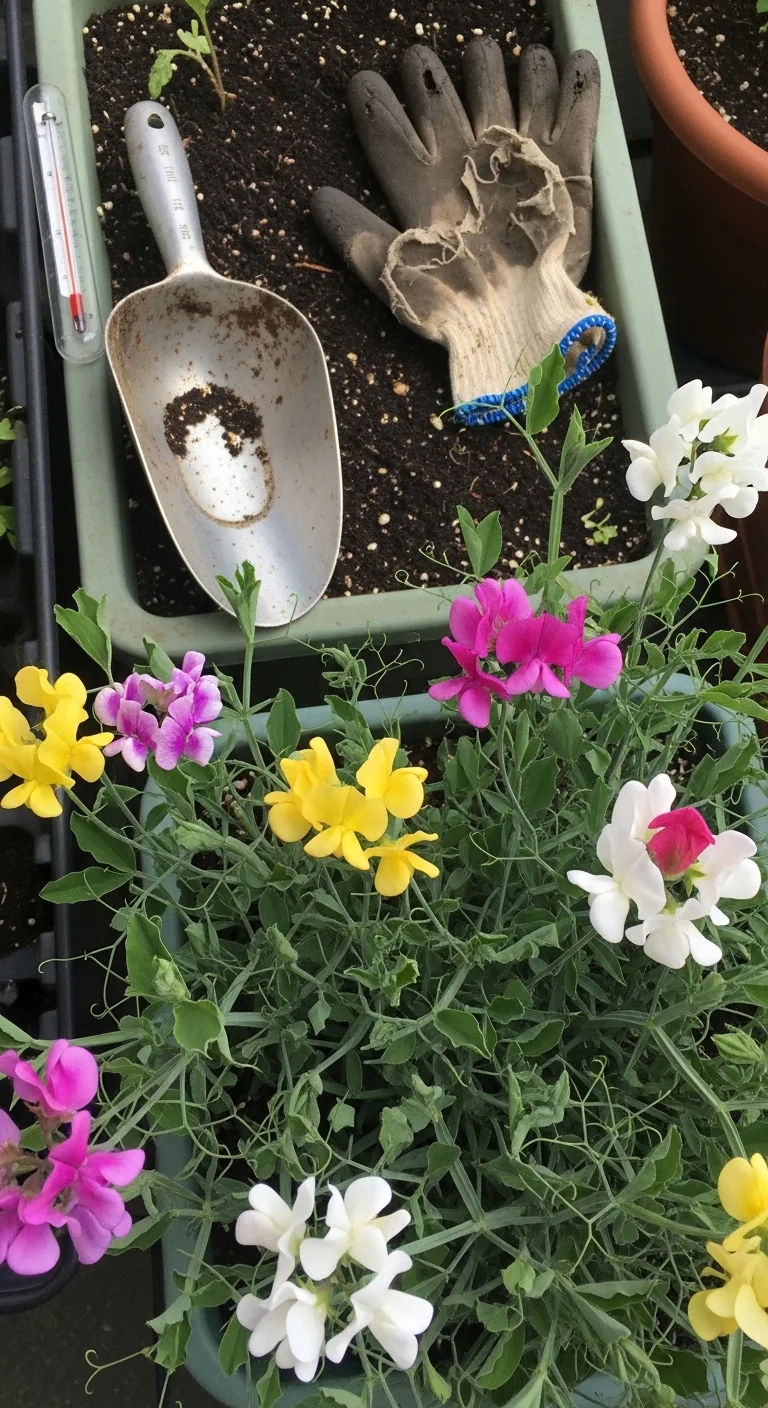
Best for: Branch 3
Black Prince follows a threshold rule of full sun exposure with afternoon shade in warmer pockets: deep purple flowers set off lighter companions when daytime highs stay moderate. It grows to moderate height and needs only light trellising, making it suitable for smaller vertical spaces. The dark blooms add contrast without overpowering mixed plantings and hold color well into early summer in cool conditions.
Ruby’s Gown Sweet Peas
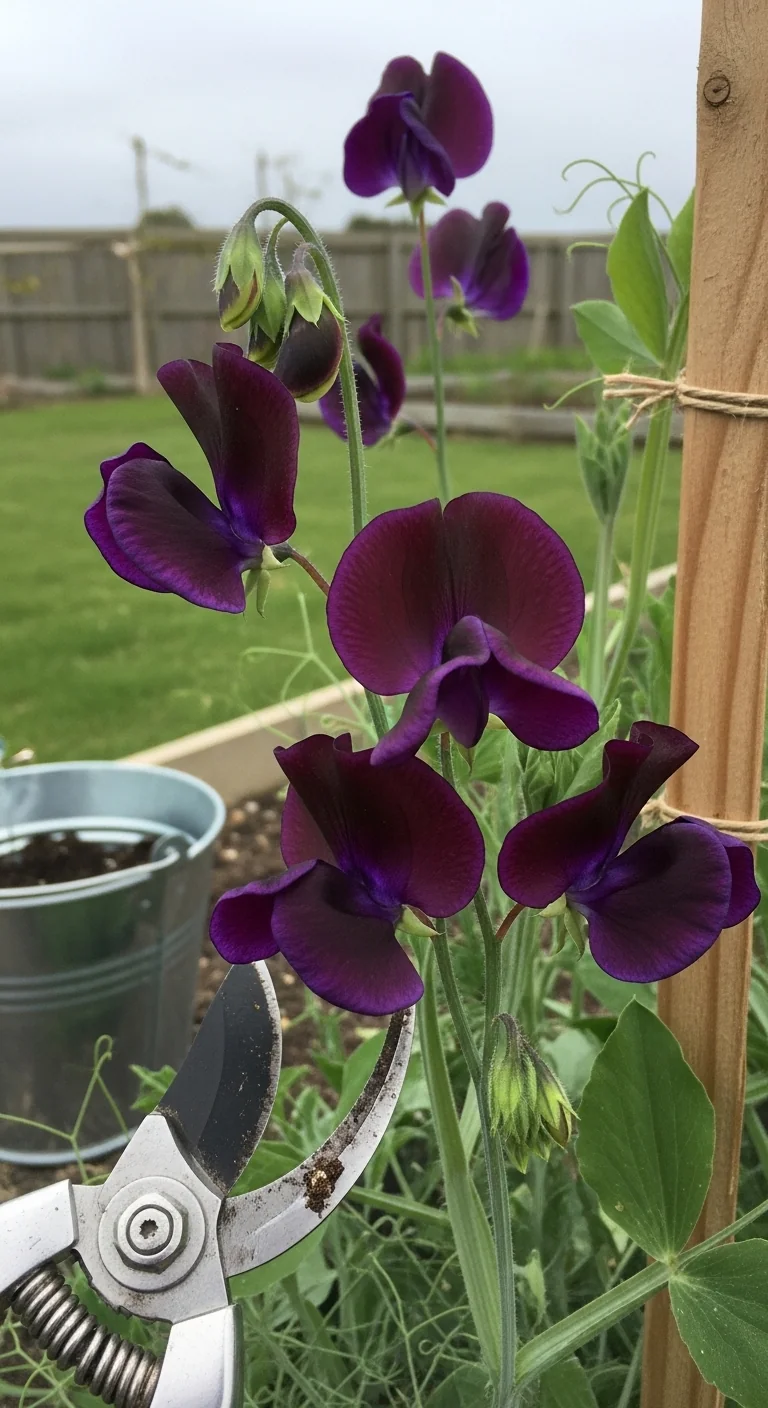
Best for: Branch 1
The blueprint for Ruby’s Gown is a modern cerise-pink variety noted in recent trials for vibrant color and strong performance. It suits cool-summer gardens seeking long-season impact with large blooms on sturdy stems. Sow in early spring once soil is workable, provide full sun and consistent moisture, and use canes or netting for support. The mechanism combines modern vigor with ruffled petals that stand up to light rain. Avoid planting too late in the season, as it needs adequate cool weeks to establish before heat arrives. This variety extends the color palette when combined with lighter pastels from the same branch.
Starter Stack (What to Choose First)
Branch 1: Cool-Summer Gardens
Start with Nimbus and Blue Celeste (Spencer). The dark saturation of Nimbus pairs with the ruffled lavender of Blue Celeste to create immediate contrast and extended stem supply for cutting. Seed packets cost $6-12 total. Allow 20-30 minutes to sow one tray and install initial supports.
Branch 2: Hot Summers or Short Cool Seasons
Start with Cupani and Old Spice series. The intense fragrance of Cupani complements the color mix of Old Spice for a balanced cottage display that starts early. Seed packets cost $5-10 total. Allow 15-25 minutes to sow and set trellis.
Branch 3: Limited Space or Containers
Start with Bijou Mix and Black Prince. The compact habit of Bijou Mix fills pots quickly while Black Prince adds vertical drama with minimal training. Seed packets cost $6-11 total. Allow 10-20 minutes to sow and position containers.
When This Won’t Work
Sweet peas stop reliable blooming when daytime highs remain above 85°F for more than two consecutive weeks without afternoon shade or supplemental cooling. In those conditions even the most heat-tolerant heirlooms shorten their display window significantly. Switch to alternative fragrant annual climbers better suited to sustained heat.
The second measurable failure occurs when no vertical support is installed before vines reach 6-8 inches tall. Untended vines tangle at the base, reduce airflow, and lower overall flower quality. Install netting or canes at planting to prevent this.
See our deadheading flowers page to maintain performance in marginal conditions.
Choosing the Right Option for Your Situation
Budget Threshold
If your seed budget covers only one or two packets, select a single variety from your decision grid branch rather than mixing types. Prioritize heirlooms in Branch 2 or a dwarf in Branch 3 for the most value per dollar spent.
Time Threshold
If you can dedicate fewer than 20 minutes per week to maintenance after planting, choose Branch 3 options or heirlooms from Branch 2 that need less frequent tying than tall Spencers.
Technical Constraint
If your site receives less than 6 hours of direct sun daily, avoid all sweet pea varieties and select shade-tolerant alternatives instead.
Yes/No checklist:
– Cool summers below 75°F average high? Yes → Branch 1 varieties.
– Hot summers or limited space? Yes → Branch 2 or 3 varieties.
– Support and 10-20 minutes weekly available? Yes → proceed with selected type.
– All conditions mismatched? No → choose different annuals.
Expert Q&A
How does day length affect bloom timing across sweet pea types?
Early grandifloras and old-fashioned types trigger bloom at around 10-12 hours of daylight, starting weeks earlier than Spencers which require 13-15 hours. This makes heirlooms the better choice for short-season gardens while Spencers excel once days lengthen in cool climates.
Why do old-fashioned sweet peas often smell stronger than modern Spencers?
Old-fashioned and grandiflora types concentrate more natural fragrance compounds in their smaller, plainer petals. Modern Spencers traded some scent intensity for larger ruffled blooms and longer stems, so they perform best when fragrance is secondary to cut-flower volume.
Can sweet peas share vertical structures with morning glories?
Yes, provided the sweet peas finish their peak bloom before morning glories take over in midsummer heat. Plant sweet peas on the cooler side of the support and space them to avoid root competition for nutrients.
What soil drainage issue most often shortens sweet pea bloom?
Water that remains pooled around roots for more than 24 hours after rain causes root stress and early decline. Raised beds or amended soil that drains freely within hours keeps plants productive longer.
Which sweet pea types work best as pollinator attractors in mixed beds?
Heirloom bicolors such as Cupani and Painted Lady draw bees with their strong fragrance and open petal shape. Modern Spencers attract fewer visitors because their ruffled structure and later bloom timing coincide with peak heat when pollinator activity drops.
Conclusion
Next step: once your variety is chosen, head to our deadheading flowers page to keep blooms coming as long as conditions allow.