
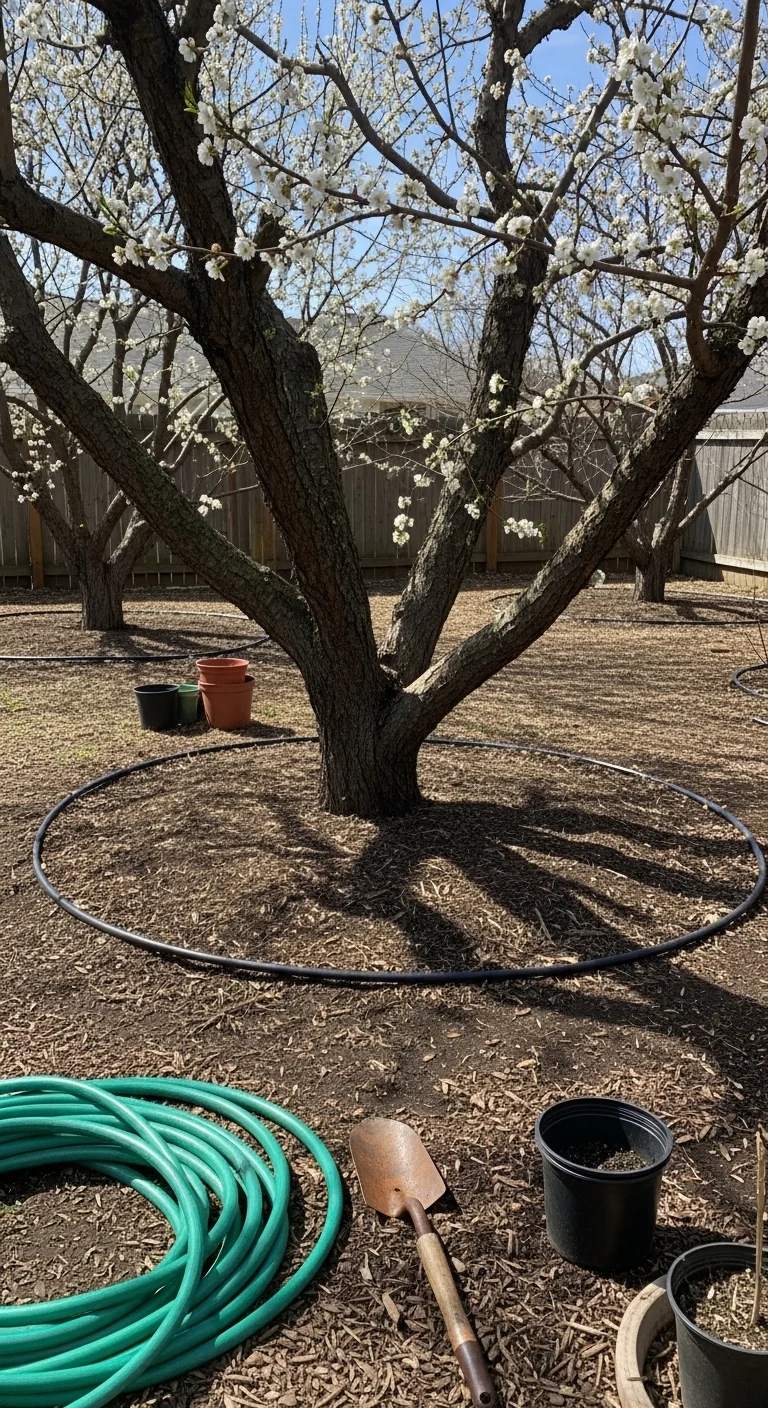
This plum pollination chart organizes European and Japanese varieties into three branches based on your exact space limits and bloom overlap needs. Generic charts list dozens of options without tying them to real constraints such as single-tree containers or pairs within 50 feet. The grid matches self-fertile types to tiny yards and compatible cross-pollinators to larger setups while keeping Japanese and European plums strictly separate.
The scope covers common home-garden varieties suitable for temperate zones in the US, UK, Canada, Australia, and New Zealand. It excludes commercial-scale orchards, cherries, and any inter-type mixes that produce no fruit set. Only measurable conditions appear: bloom timing groups, maximum tree spacing of 100 feet, and same-type compatibility rules drawn from nursery and extension charts.
You will exit with a clear first-choice variety, its exact partner if needed, and a verified planting sequence that ensures pollen transfer without trial plantings. Each branch points to specific items below that fit your setup.
Match your yard size to one branch, select the listed varieties that align, and plant within the same type for reliable fruit set.
The Yield Grid Decision Grid
Branch 1: Single-tree or container setups. Measurable condition: planting area under 100 square feet or one tree only. Self-fertile European or Japanese varieties deliver pollen from their own flowers with no second tree required. Recommended: Items 1, 2, 3, 7 below. See espalier training methods to fit one tree in tight spaces.
Branch 2: Two-tree pairs. Measurable condition: room for two trees no more than 50 feet apart. One primary variety plus a same-type pollinator with overlapping bloom time. Recommended: Items 4, 5, 9, 11 below.
Branch 3: Three-plus tree groups. Measurable condition: space for multiple trees with staggered bloom groups for season extension and backup pollination. Recommended: Items 6, 8, 10, 12 below.
Quick Comparison Table
| Option | Key mechanism | Best for | Decision Grid Branch | Effort Score |
|---|---|---|---|---|
| Stanley Plum | Self-fertile European type with late bloom | Northern zones and preserves | Branch 1 | 1 |
| Methley Plum | Self-fertile Japanese type with early bloom | Fresh eating in warmer springs | Branch 1 | 1 |
| Santa Rosa Plum | Self-fertile Japanese type with mid bloom | Early summer harvest | Branch 1 | 1 |
| Green Gage Plum | Self-fertile European type with mid bloom | Dessert fruit in cool climates | Branch 1 | 1 |
| Shiro Plum | Japanese type needing mid-bloom Japanese partner | Pair setups in medium yards | Branch 2 | 3 |
| Satsuma Plum | Japanese type needing early-to-mid Japanese partner | Extended harvest in pairs | Branch 2 | 3 |
| Damson Plum | Self-fertile European type with late bloom | Cooking uses and backup pollination | Branch 3 | 2 |
| Italian Prune Plum | Self-fertile European type with mid-to-late bloom | Drying and group plantings | Branch 3 | 2 |
| Beauty Plum | Japanese type needing mid-bloom Japanese partner | Two-tree fresh eating setups | Branch 2 | 3 |
| Toka Plum | Japanese hybrid type needing same-group partner | Group plantings with extended season | Branch 3 | 4 |
| Brooks Plum | Self-fertile European type with late bloom | Group redundancy in larger yards | Branch 3 | 2 |
| Elephant Heart Plum | Japanese type needing mid-bloom Japanese partner | Large-fruit group harvests | Branch 3 | 4 |
Stanley Plum
Best for: Branch 1
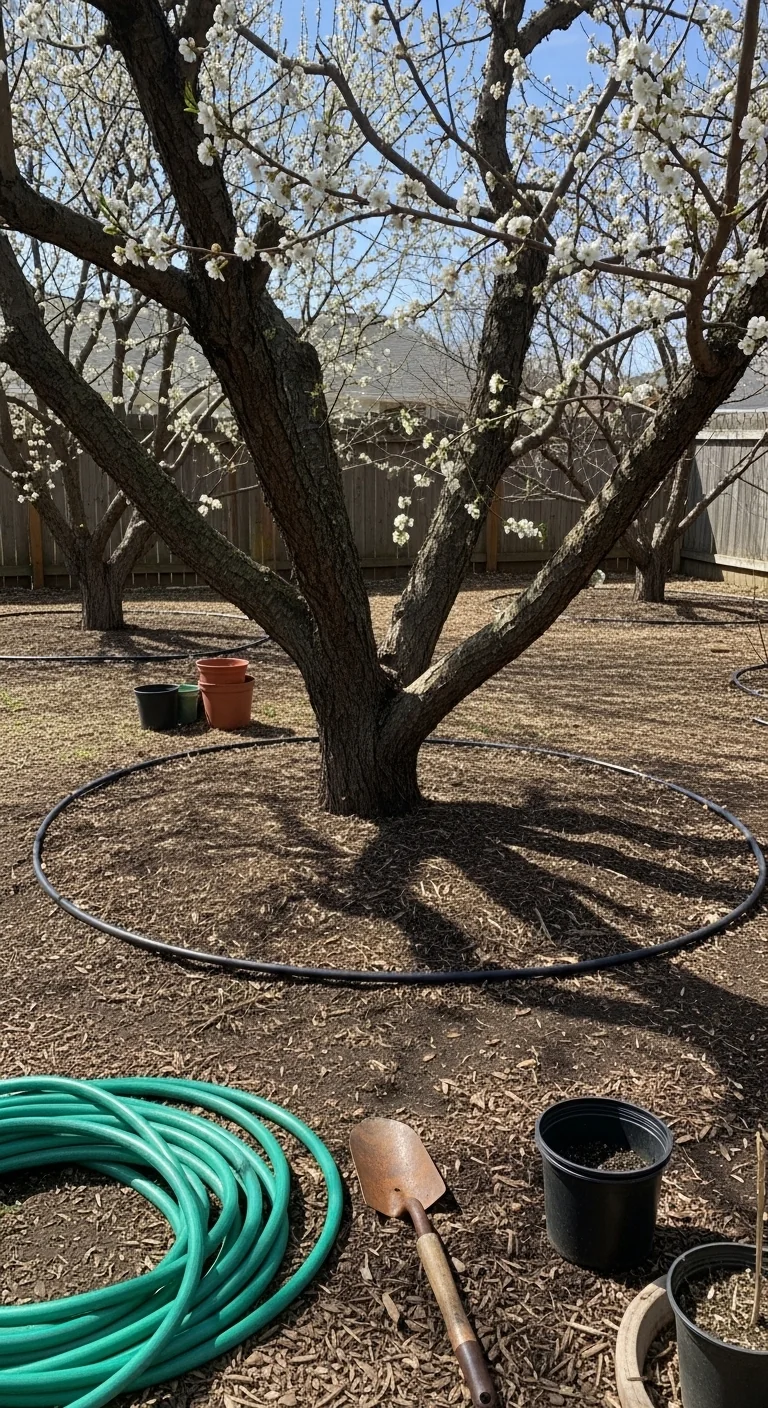
Stanley serves as a self-fertile European variety that sets fruit from its own pollen without any partner tree. Plant it in USDA zones 5 through 9 where it receives 800 or more chill hours. Its late bloom aligns with many northern springs and overlaps well in cool weather that compresses flowering periods. Key mechanism: flowers produce viable pollen internally so bees transfer it within the same canopy.
Unique detail: Stanley tolerates heavier soils common in the UK and Canada better than many Japanese types. Follow the blueprint: select a bare-root or container tree in late winter, site it in full sun with well-drained soil, and prune to an open center in year one. Common mistake: placing it more than 100 feet from any supplemental pollinator if you later expand the planting. Columnar training keeps this single-tree option compact.
Methley Plum
Best for: Branch 1
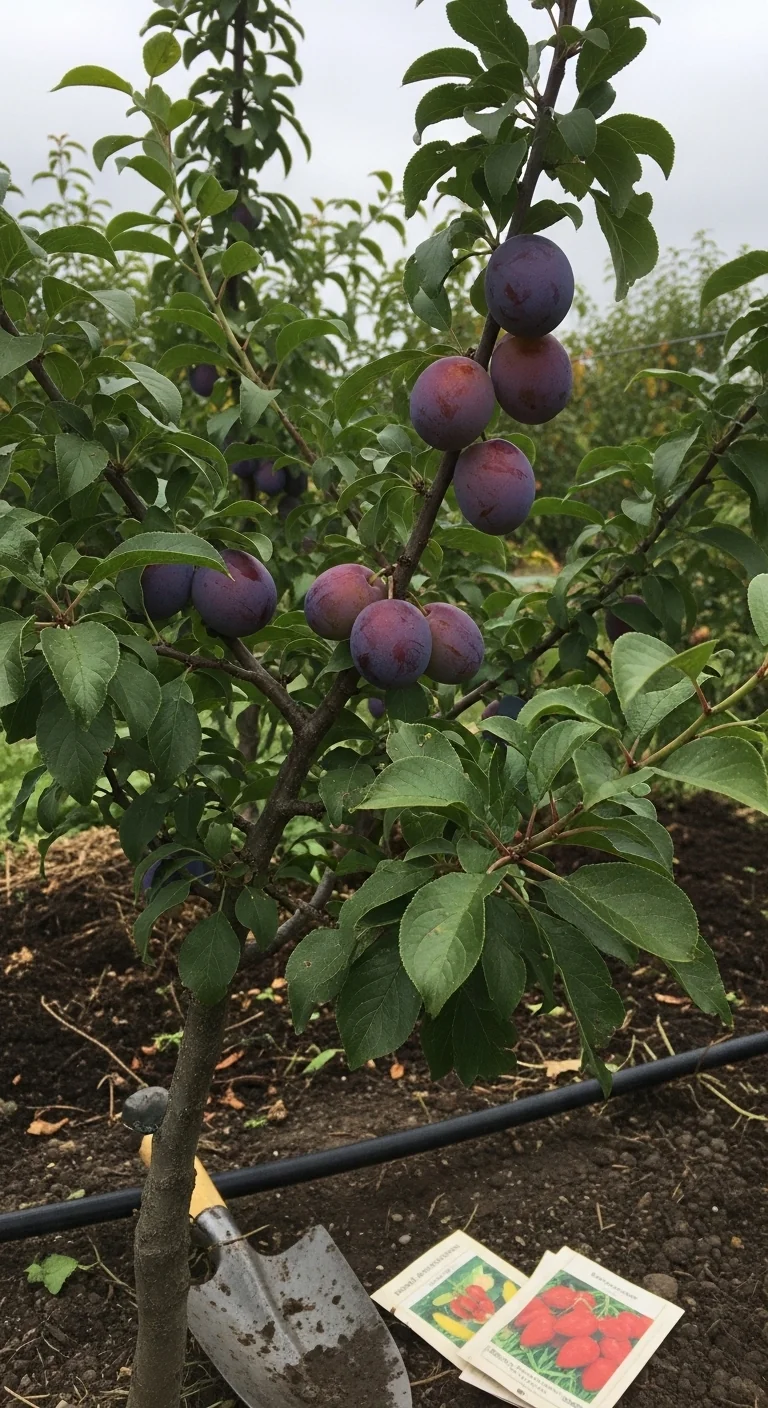
Methley functions as an early-blooming self-fertile Japanese plum ideal for warmer spring regions. It sets fruit reliably on its own and ripens in June or July depending on location.
Santa Rosa Plum
Best for: Branch 1
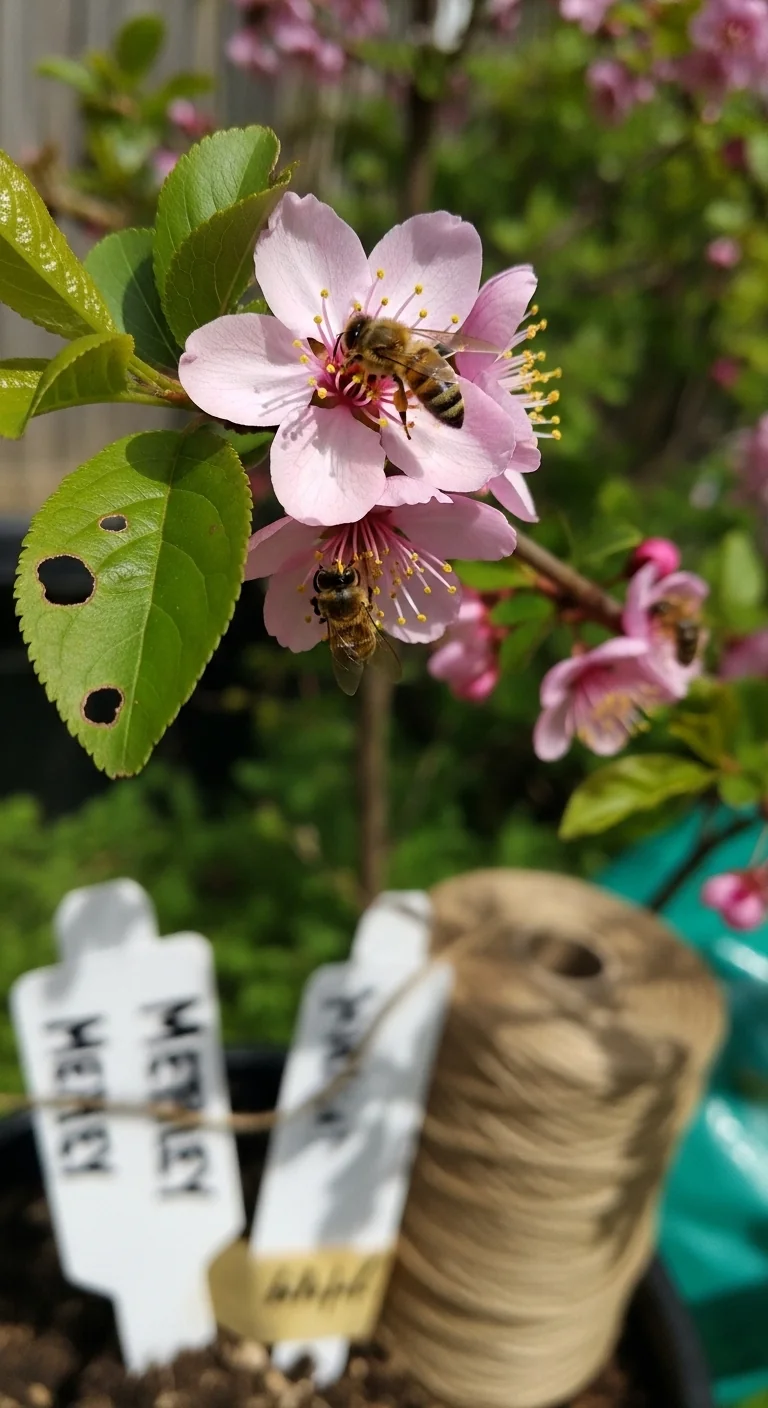
Santa Rosa ranks as a mid-season self-fertile Japanese variety that delivers large red fruit in early summer. Its bloom period overlaps with many other Japanese types if you decide to add a second tree later. Plant it in zones with moderate chill requirements.
Green Gage Plum
Best for: Branch 1
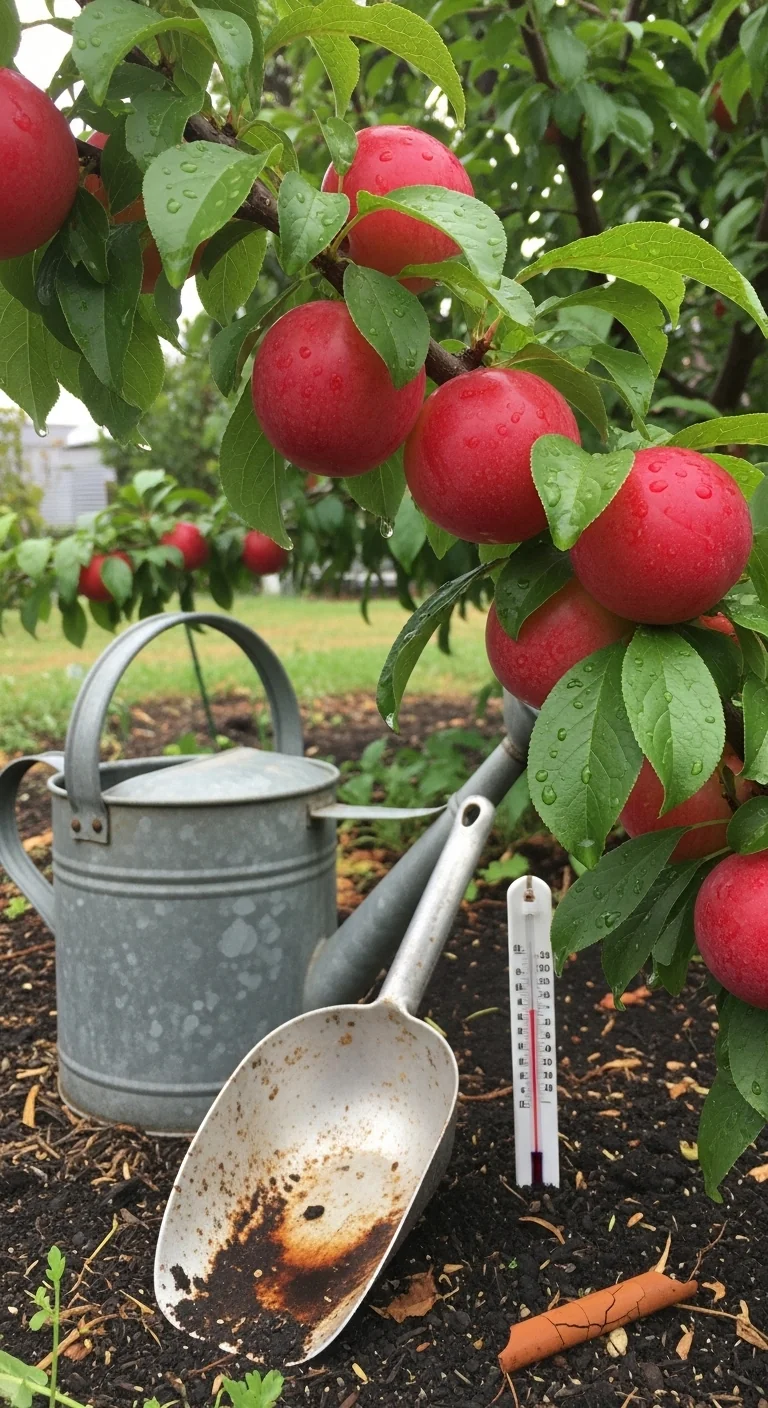
Green Gage operates as a self-fertile European gage plum prized for dessert quality and mid-bloom timing. Use the threshold rule: confirm your area experiences at least 700 chill hours before ordering to ensure consistent flowering. Its flowers open after early Japanese types but before the latest European ones, giving flexibility in cool climates. Edge case: in regions with prolonged mild winters, bloom stretches longer and still sets fruit internally without a partner. Plant at the correct time to align bloom with local conditions.
Shiro Plum
Best for: Branch 2
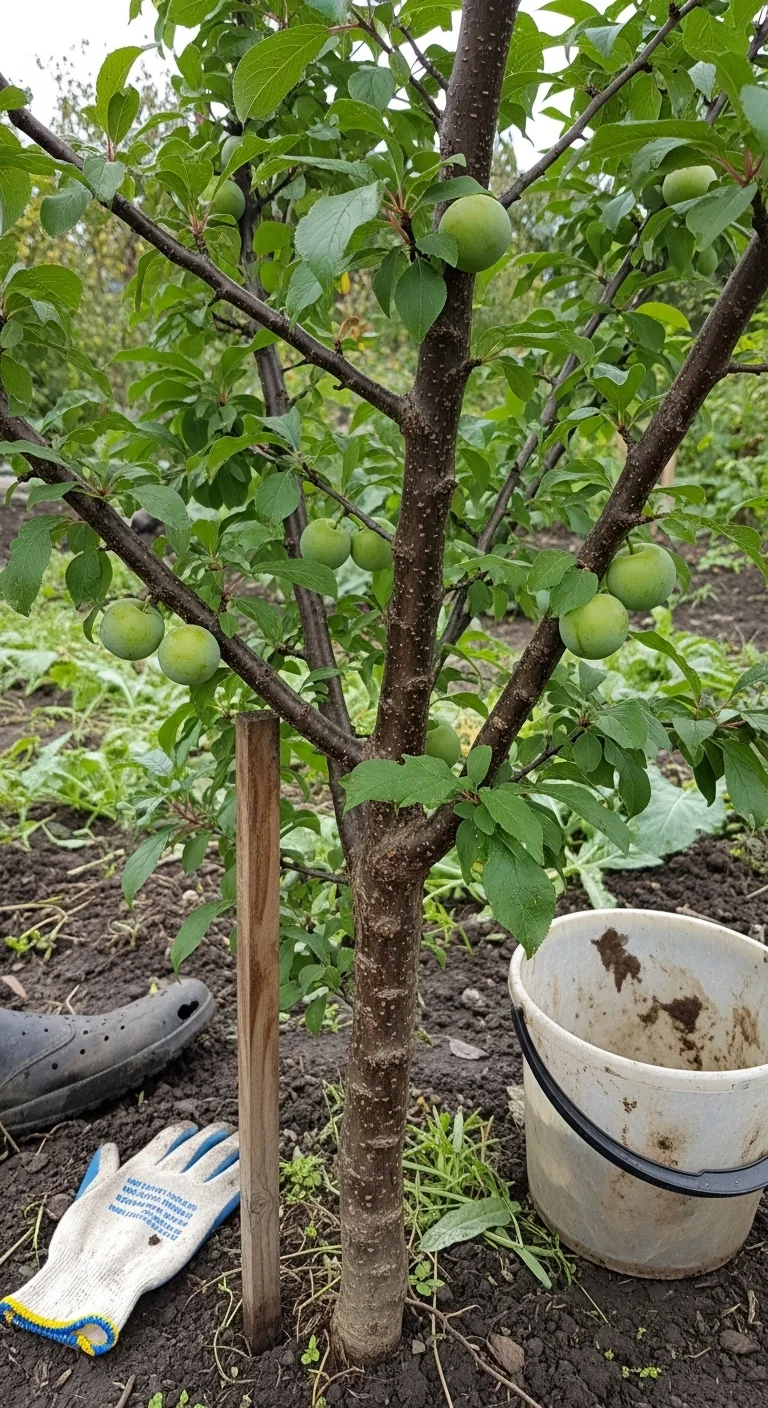
Shiro requires a mid-bloom Japanese partner such as Santa Rosa or Satsuma for full pollination. Its bloom timing sits in the middle group so pair it within 50 feet.
Satsuma Plum
Best for: Branch 2
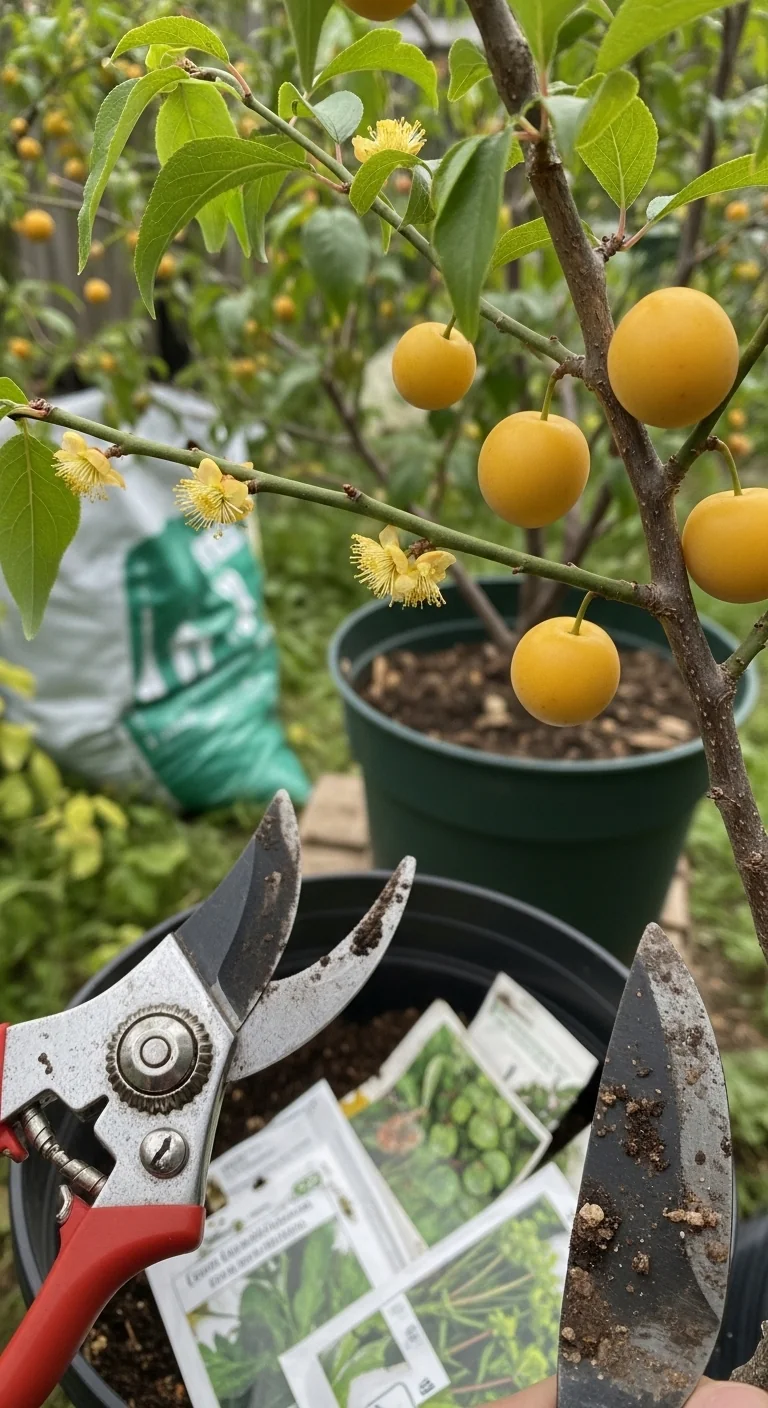
Satsuma needs an early-to-mid Japanese pollinator like Methley or Shiro. Its late-July fruit follows earlier varieties in a two-tree setup and works in the same 10-minute workflow: verify bloom overlap on nursery tags then site both trees in full sun with 20-foot spacing.
Damson Plum
Best for: Branch 3
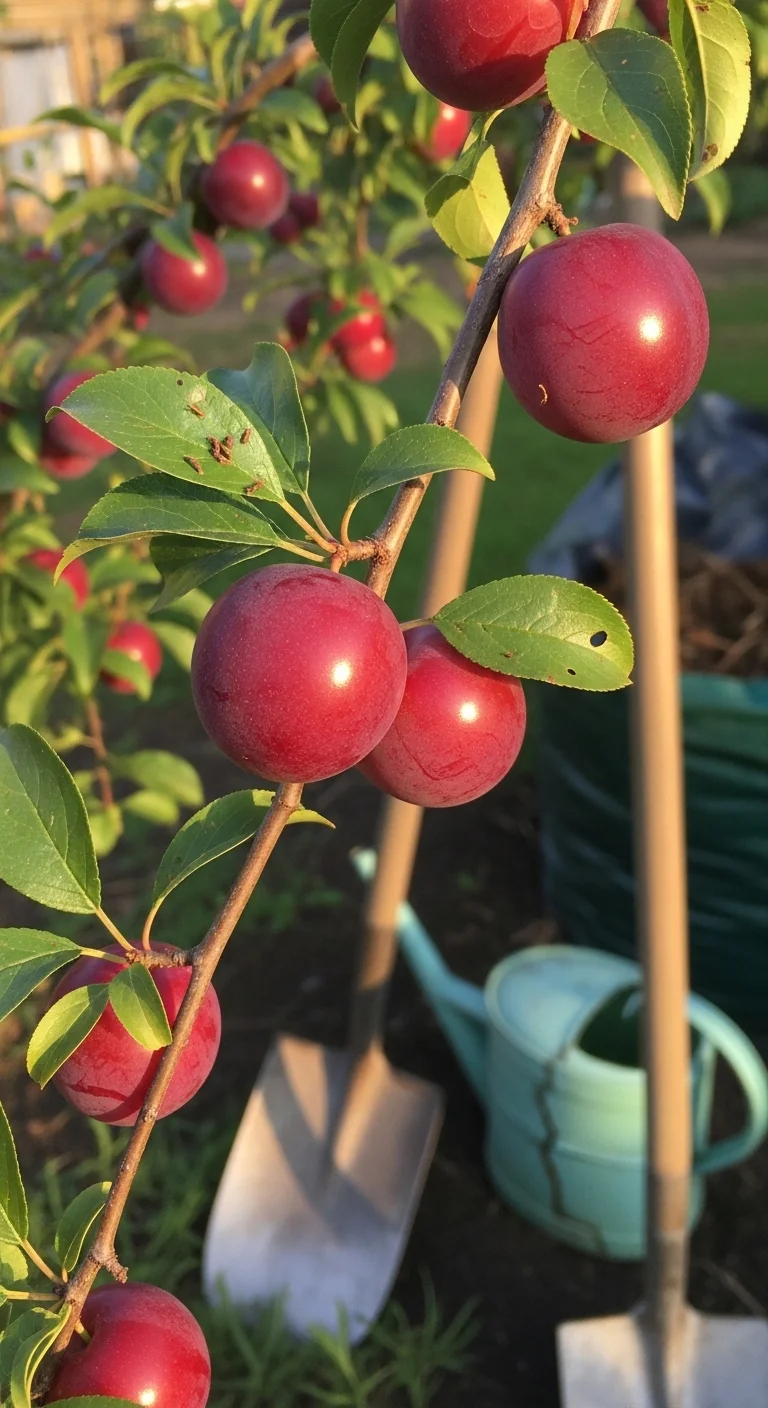
Damson acts as a late-blooming self-fertile European plum suited for cooking and as a backup pollinator in groups of three or more. Its bloom overlaps with Stanley and Italian Prune so it extends the pollination window across the orchard. Threshold rule: space trees no farther than 100 feet total to keep bee travel efficient. Upgrade option: graft a Damson scion onto an existing tree if space is tight. Fertilize after bloom to support heavy crops from group pollination.
Italian Prune Plum
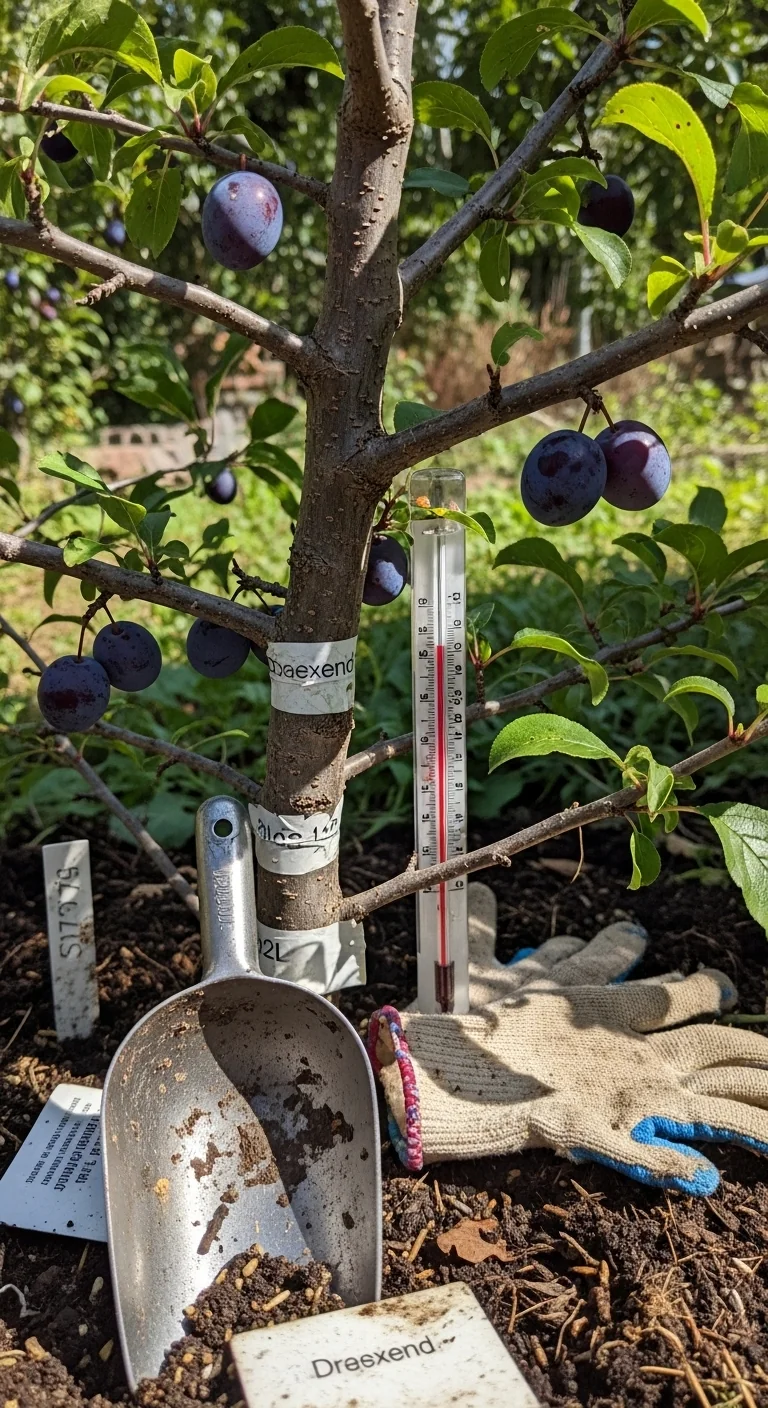
Best for: Branch 3
Italian Prune serves as a self-fertile European variety with mid-to-late bloom that fits multi-tree plantings for drying or fresh use.
Beauty Plum
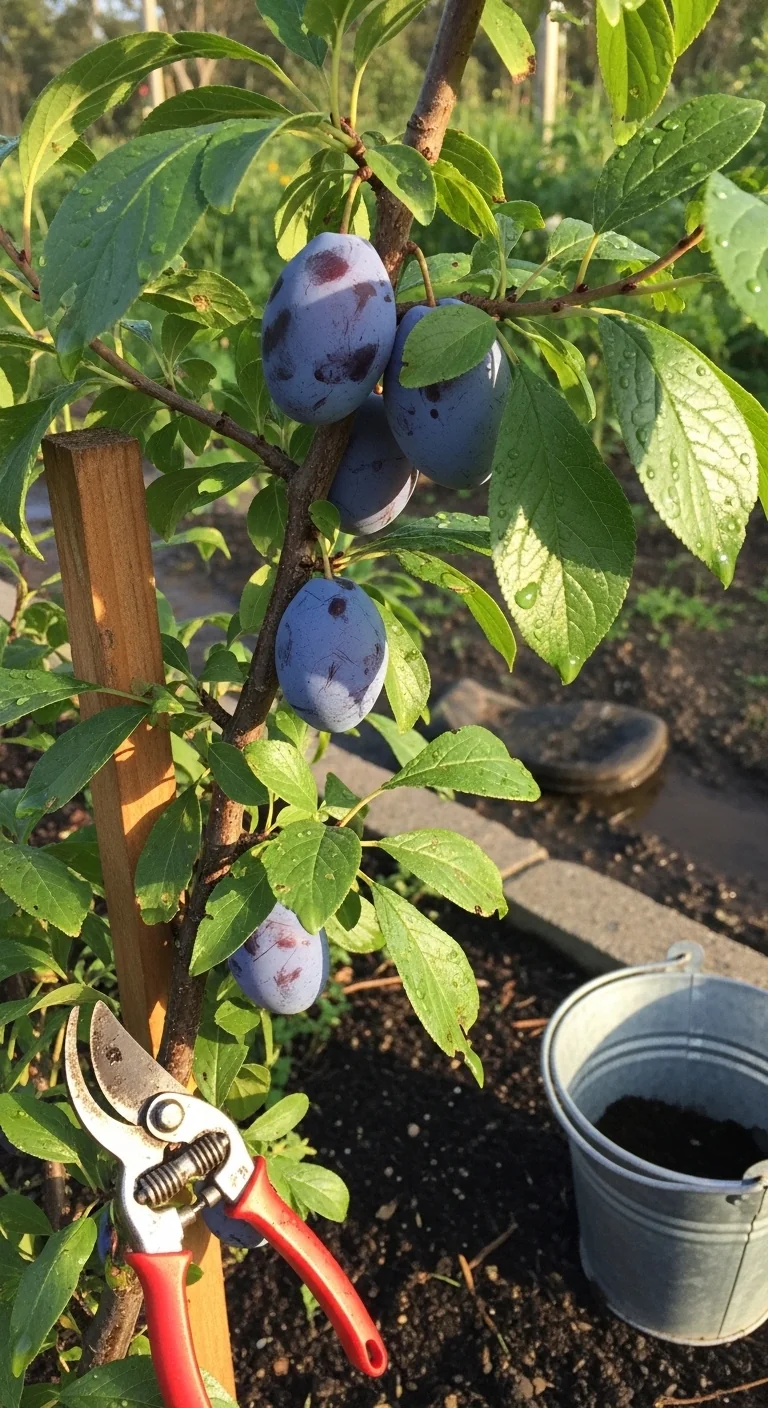
Best for: Branch 2
Beauty demands a mid-bloom Japanese partner such as Santa Rosa or Shiro. Use versus skip: plant it in branch 2 setups for fresh eating but skip if your yard allows only one tree. Edge case: in the southern US or Australia, its early bloom shifts earlier so confirm local nursery data before pairing.
Toka Plum
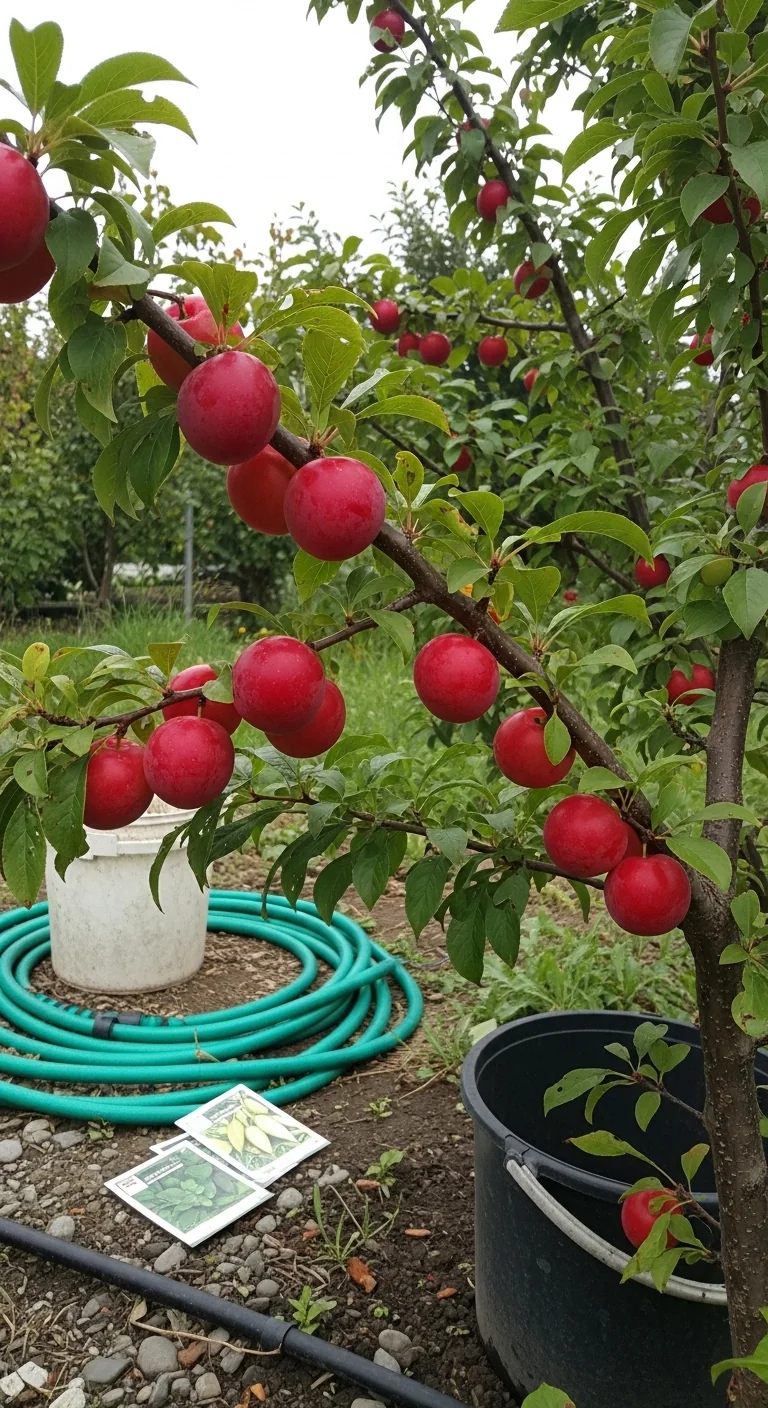
Best for: Branch 3
Toka functions as a Japanese hybrid that needs another same-group Japanese plum for reliable pollination. Its bloom sits in the later group so it pairs well with Shiro or Elephant Heart in larger plantings. Blueprint: select three varieties with documented overlapping bloom windows, plant in a triangle formation within 50 feet, and monitor for bee activity during the two-week flowering window. Unique detail: Toka tolerates slightly warmer conditions than pure European types and extends the harvest into late summer when grouped correctly. Thin excess fruit after successful set to maintain tree health.
Brooks Plum
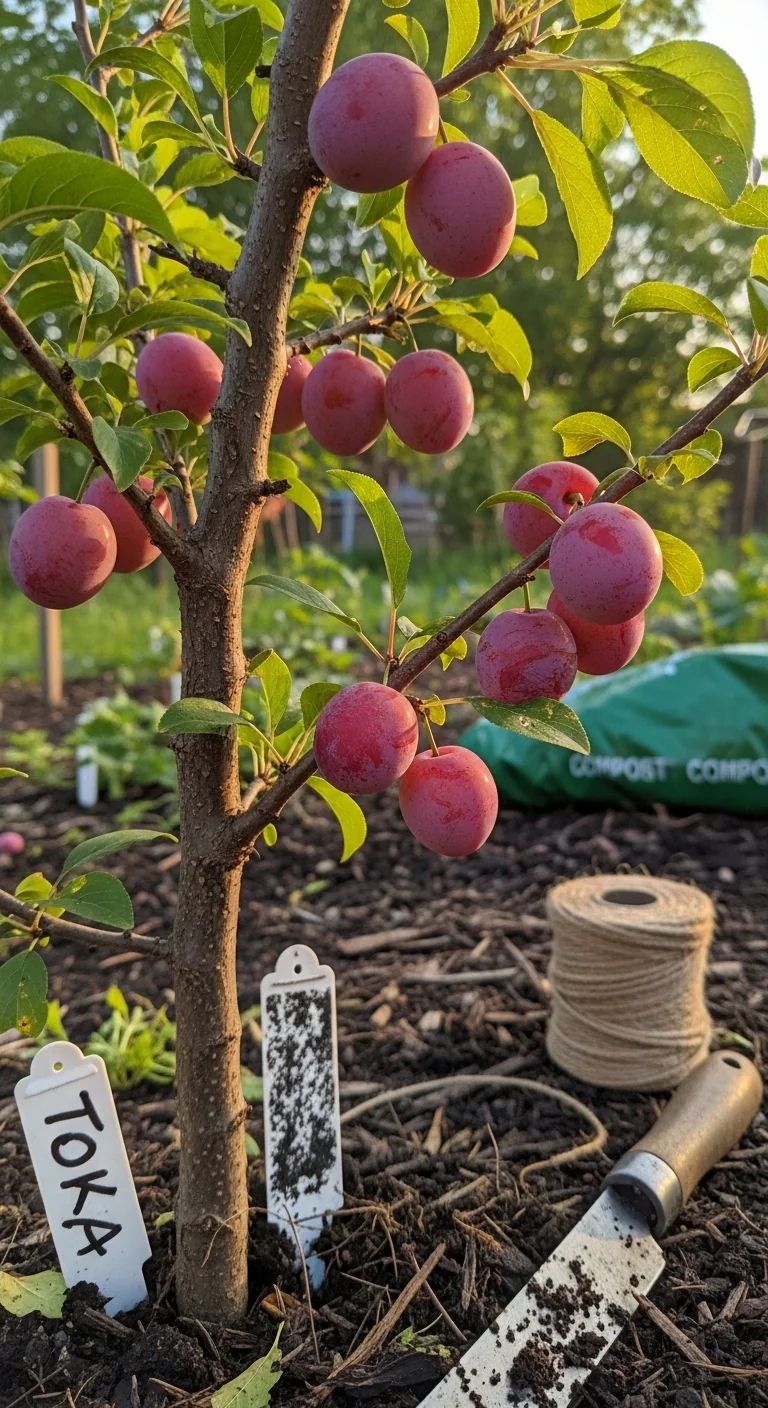
Best for: Branch 3
Brooks provides a self-fertile European late-bloom option that adds redundancy in three-plus tree groups.
Elephant Heart Plum
Best for: Branch 3
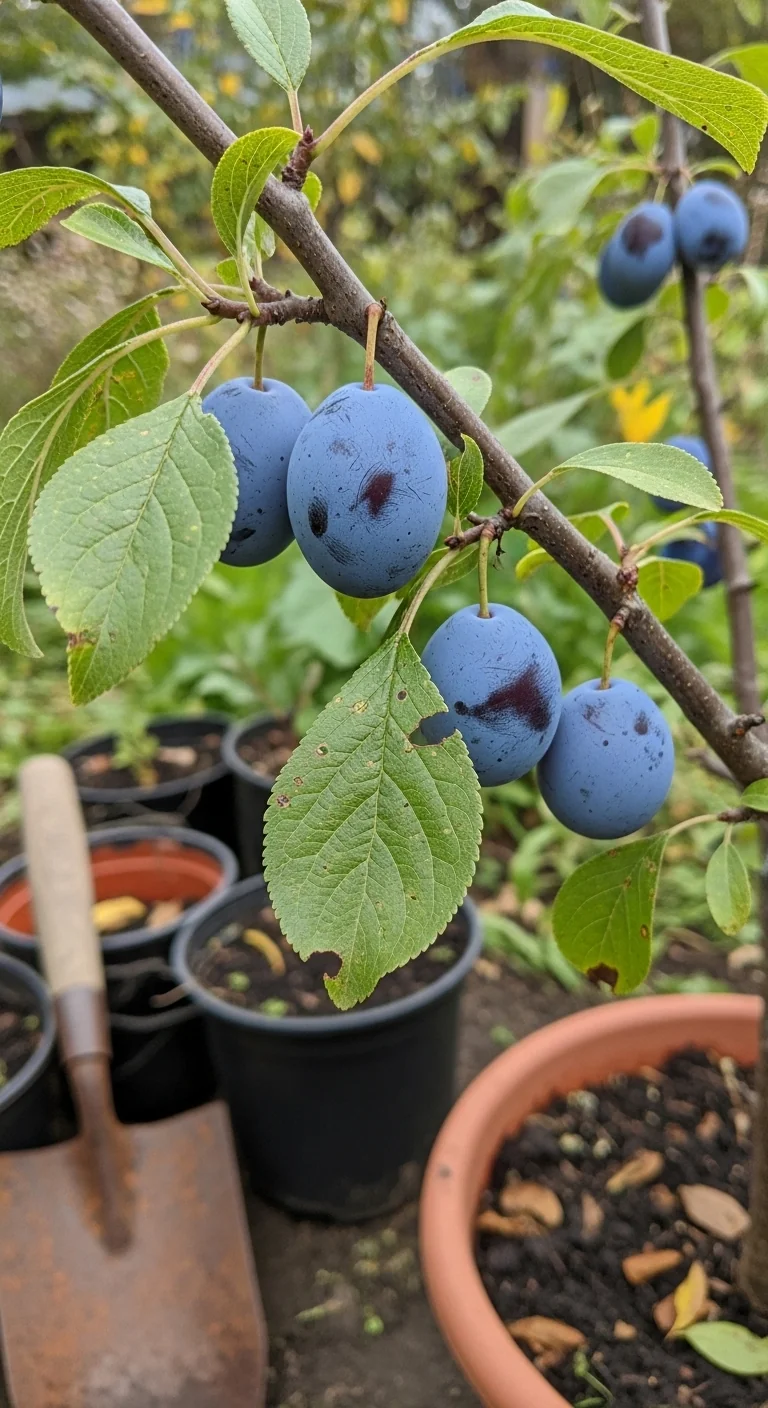
Elephant Heart needs a mid-bloom Japanese partner such as Satsuma or Toka. Its large fruit rewards group plantings with extended season but requires same-type compatibility and 100-foot maximum spacing.
Starter Stack (What to Choose First)
For Branch 1 (Single Tree)
Start with Stanley and Methley. Both remain fully self-fertile so no pairing is required. Synergy comes from different types and bloom windows that cover early through late summer harvest. Cost range: 35 to 70 dollars per tree. Time estimate: 90 minutes total for site prep and planting.
For Branch 2 (Two Trees)
Start with Santa Rosa and Beauty. They share Japanese type and mid-bloom overlap within 50 feet. Synergy delivers cross-pollination backup plus staggered ripening. Cost range: 40 to 80 dollars per tree. Time estimate: 2 hours including spacing measurement.
For Branch 3 (Three or More Trees)
Start with Green Gage, Damson, and Italian Prune. All European and self-fertile with overlapping bloom groups. Synergy creates internal redundancy and season-long fruit. Cost range: 30 to 65 dollars per tree. Time estimate: 3 hours for group layout.
When This Won’t Work
Planting one Japanese plum beside one European plum fails because the two types produce incompatible pollen with no cross-pollination possible regardless of bloom timing. Measure the failure by zero fruit set after full bloom. Alternative action: remove and replace with a second tree of the same type within 50 feet.
Trees spaced more than 100 feet apart also fail because bees rarely travel that distance to transfer pollen effectively. This condition appears in large yards or when trees sit on opposite property edges. Alternative action: relocate one tree closer or insert a central self-fertile variety as a bridge pollinator. Review the apple pollination chart for spacing lessons that transfer to plums.
Choosing the Right Option for Your Situation
Space Threshold
If your available planting area measures under 100 square feet or you plan containers only, select branch 1 self-fertile varieties. Over 200 square feet opens branch 2 or 3 options with pairs or groups.
Time Threshold
If you can dedicate under 2 hours per year to monitoring bloom and spacing, stay with branch 1 single-tree choices. Over 4 hours allows branch 3 multi-tree management including annual pruning checks.
Climate Constraint
If your region experiences cool springs that compress bloom into under 10 days, any same-type group works. In areas with mild winters and drawn-out flowering, add an extra pollinator tree in the same bloom group for safety.
Yes/No checklist:
– Single tree only and under 100 square feet? Yes: branch 1.
– Room for exactly two trees within 50 feet? Yes: branch 2.
– Space and time for three or more? Yes: branch 3.
– Trees of mixed European and Japanese types? No: restart with same type.
Expert Q&A
Do self-fertile plums still benefit from a second tree even though they set fruit alone?
Yes. Self-fertile varieties produce viable pollen internally but a same-type partner increases overall flower visitation by bees and improves fruit uniformity across the canopy. Extension charts note heavier crops in mixed self-fertile plantings without changing the base requirement.
How much do bloom times shift between the UK, Canada, and warmer US zones?
Bloom shifts 7 to 14 days earlier in southern or coastal US and Australian zones compared with UK or Canadian sites. Japanese varieties move first in mild areas while European types lag. Always verify local nursery bloom group labels rather than calendar dates.
Can a pluot hybrid serve as a pollinator for standard Japanese plums?
Some charts list pluots as compatible with Japanese plums when bloom overlaps occur. Flavor King or Flavor Supreme work in branch 3 groups but confirm same-type pollen viability with your supplier before planting.
What weather condition most often breaks pollination even with correct varieties?
Prolonged rain or temperatures below 55 degrees Fahrenheit during the 10-day bloom window prevent bee flight. Cool springs compress overlap positively but cold snaps halt activity entirely. Site trees in protected full-sun locations to minimize this risk.
Do container plums on patios need special pollination adjustments?
Container plums follow the same variety rules but require hand pollination with a soft brush if bees skip the elevated canopy. Keep the pot within 20 feet of a compatible tree or use two self-fertile containers side by side.
Conclusion
Plant your first-choice variety this season then protect the developing crop. Follow the bird netting guide once fruit begins to color.