
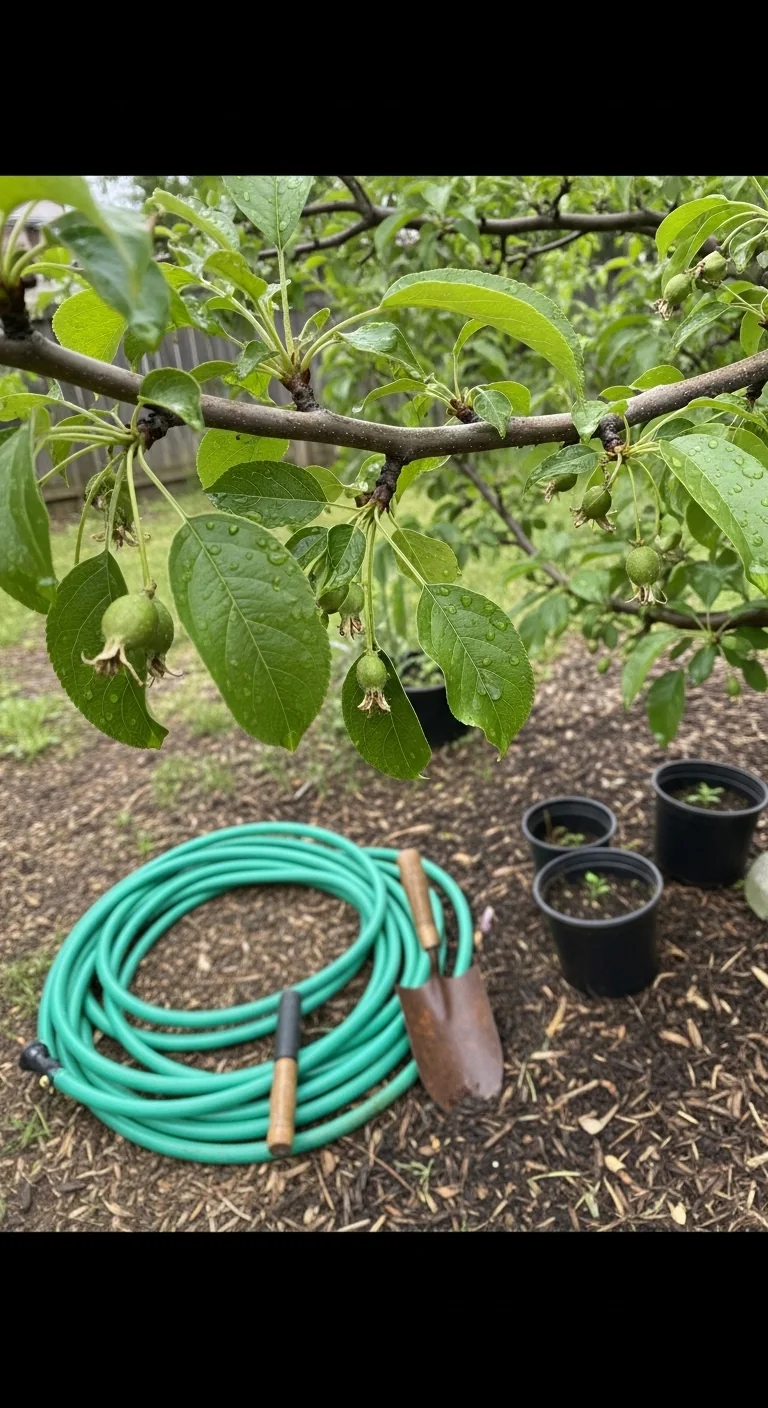
Thinning fruit trees works best when you treat it as crop load management tailored to your tree’s age, observed fruit set density, and training system instead of one generic rule applied across every season and variety.
This guide covers hand and pole methods for common home orchard trees including apples, pears, peaches, nectarines, plums, and apricots. It focuses on measurable conditions such as fruit diameter at thinning time and branch spacing. It excludes commercial chemical programs and trees such as cherries that rarely need thinning.
You will gain the ability to select the exact approach for your situation, apply precise spacing and timing rules, and combine thinning with related care steps to support long-term tree structure and fruit development.
Match your tree to one of the three branches in the decision grid below and follow the recommended items for precise results this season.
The Yield Grid Decision Grid
Branch 1: Trees in establishment phase. Condition: planted within the last three years or trunk diameter measures less than two inches at six inches above the soil line. Recommended: Items 1, 4, 7 below.
Branch 2: Mature trees with heavy fruit set. Condition: at half-inch fruit diameter stage, average spacing between fruitlets is under four inches or clusters exceed two fruitlets per spur. Recommended: Items 2, 5, 8 below.
Branch 3: Trees in space-constrained systems. Condition: espaliered, columnar, or container-grown trees where branches are trained less than 18 inches apart. Recommended: Items 3, 6, 9 below.
After thinning, support recovery with targeted nutrition. See our fruit tree fertilizing guide.
Quick Comparison Table
| Option | Key mechanism | Best for | Decision Grid Branch | Effort Score |
|---|---|---|---|---|
| Complete Fruitlet Removal for Young Trees | Eliminates all competition to direct energy to roots and framework | Establishment phase trees | 1 | 1 |
| Hand Thinning Clusters for Apples and Pears | Removes excess from spurs leaving one largest fruitlet | Mature pome trees | 2 | 2 |
| Pole Thinning Technique for Tall Trees | Knocks off excess fruitlets from high branches without climbing | Space-constrained or tall mature trees | 3 | 3 |
| Stone Fruit Spacing for Peaches and Plums | Applies variety-specific inch gaps along one-year wood | Mature stone fruit trees | 2 | 2 |
| Selecting Largest Fruitlet in Clusters | Keeps the strongest central or king fruitlet and removes doubles | Establishment phase or heavy set trees | 1 | 1 |
| Espalier-Specific Thinning Adjustments | Reduces load while preserving trained flat structure and light exposure | Trained espalier systems | 3 | 3 |
| Integrating Thinning with Summer Pruning | Combines fruit removal with selective branch cuts for open canopy | Establishment phase trees | 1 | 4 |
| Post-June Drop Adjustment Pass | Light follow-up removal after natural drop to fine-tune load | Mature heavy set trees | 2 | 2 |
| Columnar Tree Crop Load Rules | Matches narrow upright form with reduced fruit per vertical branch | Columnar and high-density plantings | 3 | 2 |
Complete Fruitlet Removal for Young Trees
Best for: Branch 1
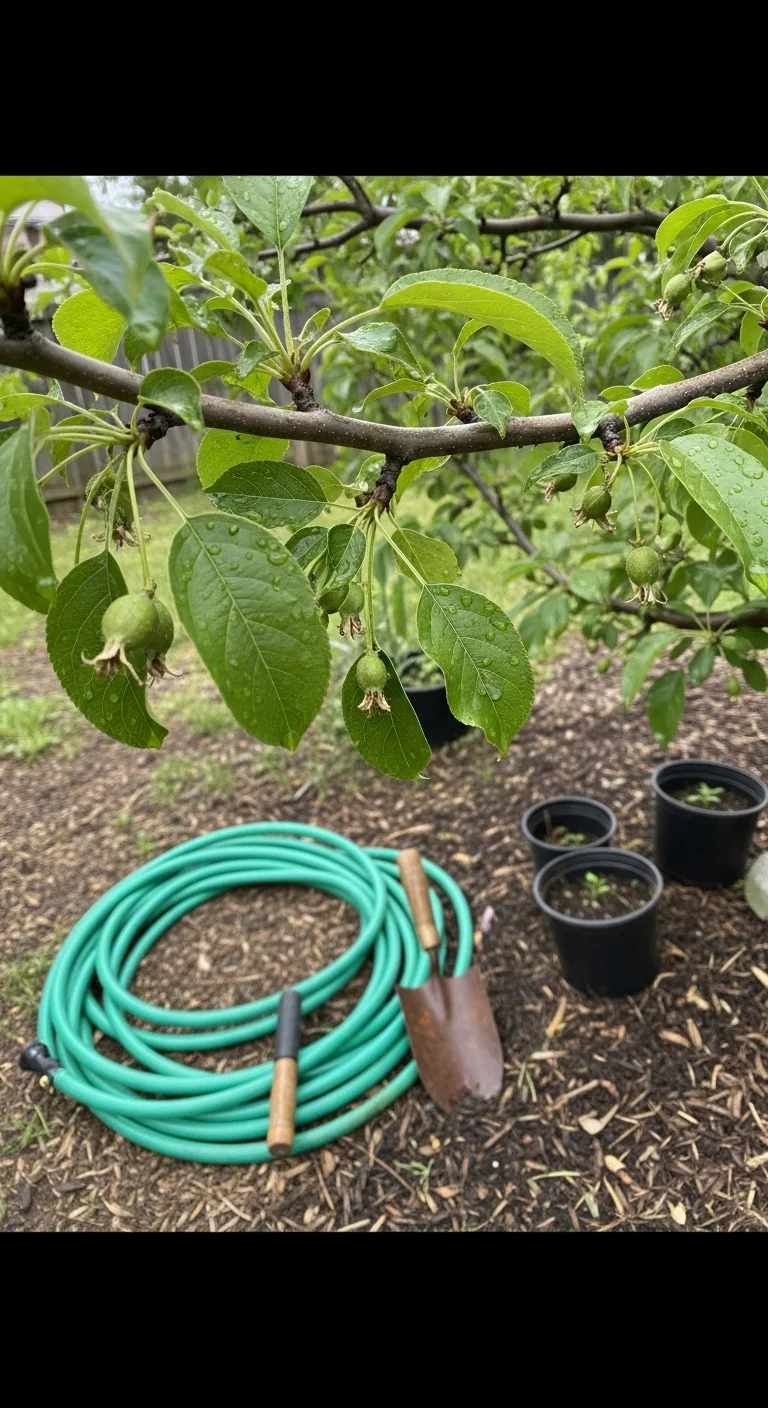
This blueprint approach removes every developing fruitlet during the first three years after planting. It directs all the tree’s energy into root establishment and strong scaffold branch development rather than fruit production. Young trees lack the leaf area and root mass to support a crop without compromising long-term structure.
Steps: Wait until fruitlets reach half-inch diameter. Twist off every fruitlet by hand, starting from the base of each branch and working outward. Inspect twice to catch any missed ones. Dispose of removed fruitlets away from the tree base to limit disease risk.
Common mistake: leaving a few fruitlets thinking the tree can handle a light crop. This can stunt growth and delay bearing by one or more seasons. If you recently planted new trees, check our when to plant fruit trees guide to align establishment timing.
Hand Thinning Clusters for Apples and Pears
Best for: Branch 2
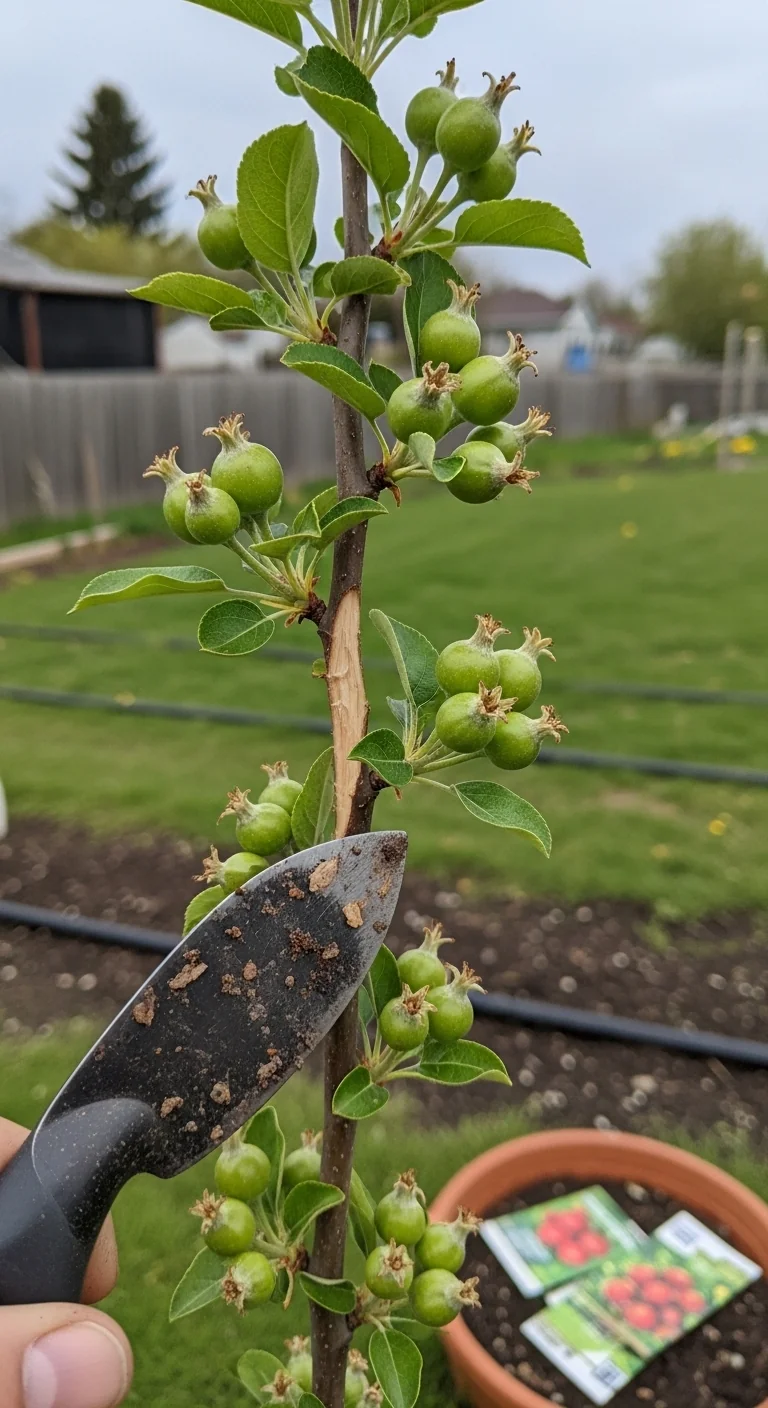
Use this method when fruitlets form tight clusters on spurs. Pros: precise selection of the largest fruitlet per spur and removal of damaged or doubles improves air flow and light penetration. Cons: time intensive for large trees. Edge case: in a very light set year skip full thinning and leave two fruitlets per spur if they sit six inches apart.
Pole Thinning Technique for Tall Trees
Best for: Branch 3
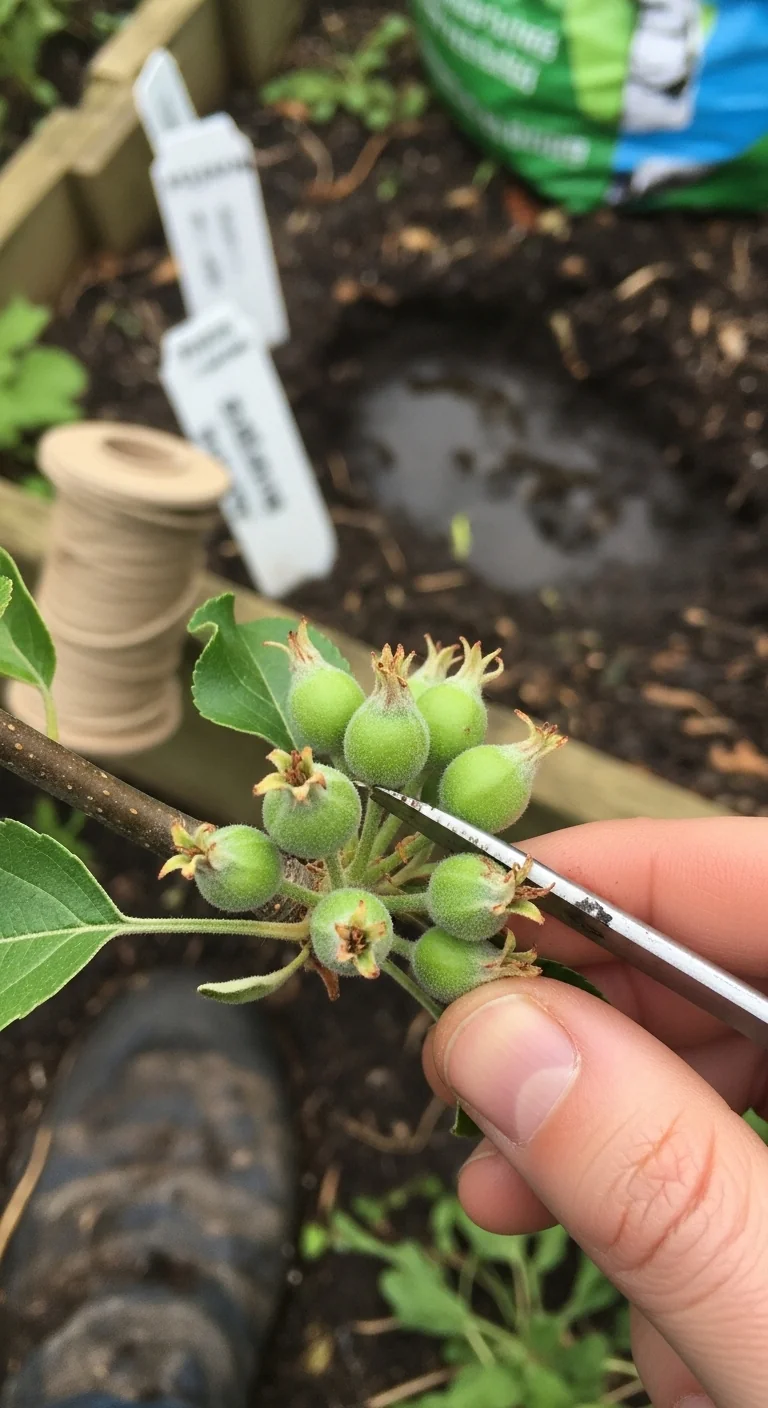
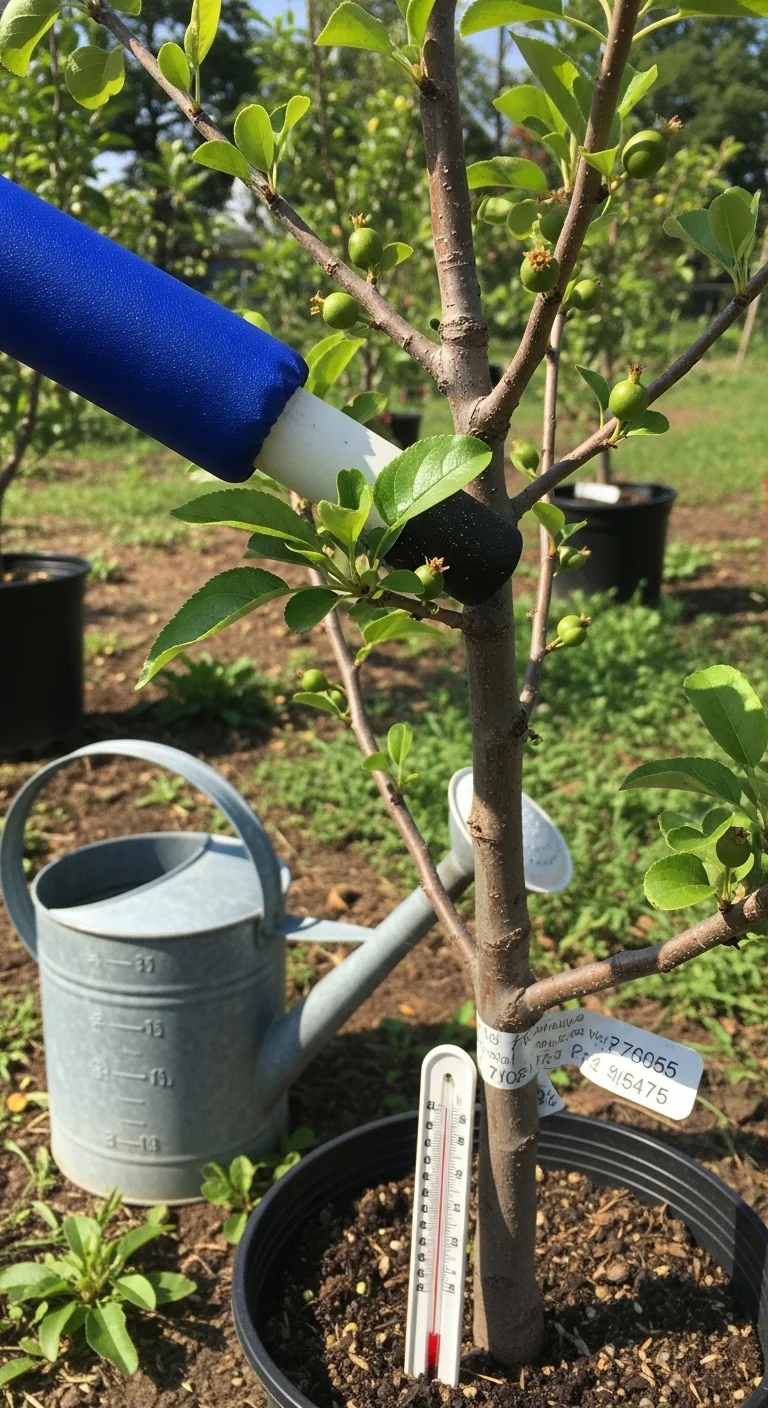
Threshold rule: use a pole when fruitlets reach half-inch diameter and more than 30 percent of the canopy sits above head height. Attach soft padding to the pole end. Strike lightly at cluster bases to dislodge excess fruitlets while leaving one per spur. Adjust force on windy days to avoid branch damage. Re-check lower branches by hand for accuracy.
Stone Fruit Spacing for Peaches and Plums
Best for: Branch 2
This 10-minute workflow starts at one branch end and moves systematically. Measure and leave six to eight inches between remaining fruitlets on peaches and nectarines or four to six inches on plums. Twist off smallest and damaged fruitlets first. Upgrade option: combine with light summer pruning of weak shoots to open the canopy further. Complete one tree in under 10 minutes once you establish the rhythm.
Selecting Largest Fruitlet in Clusters
Best for: Branch 1
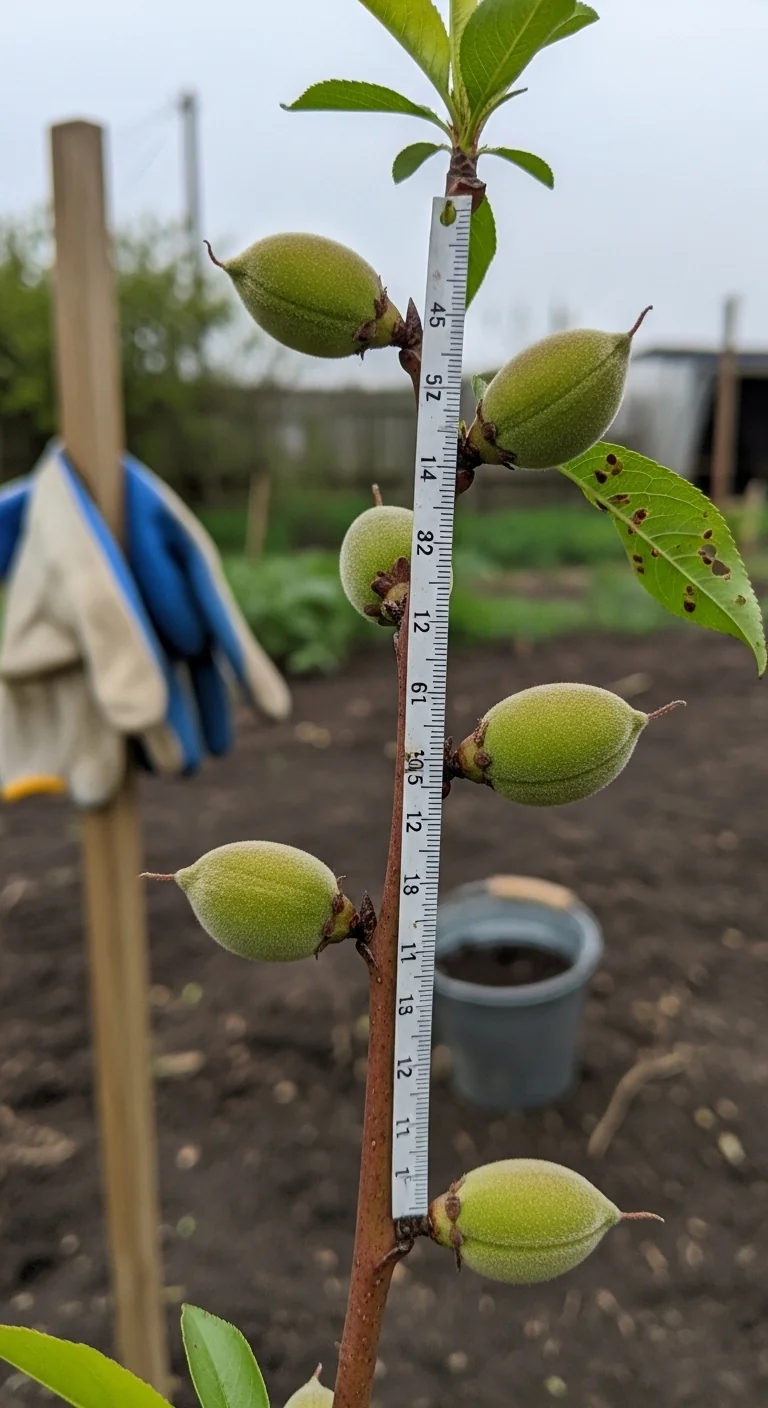
Blueprint: identify the king or central fruitlet in each cluster as the strongest candidate. Remove all others by twisting at the stem base. This works for both young and mature trees in heavy set conditions. It ensures the retained fruitlet receives maximum resources without competition from siblings. Perform the pass when fruitlets hit three-quarters inch diameter for easiest identification.
Espalier-Specific Thinning Adjustments
Best for: Branch 3
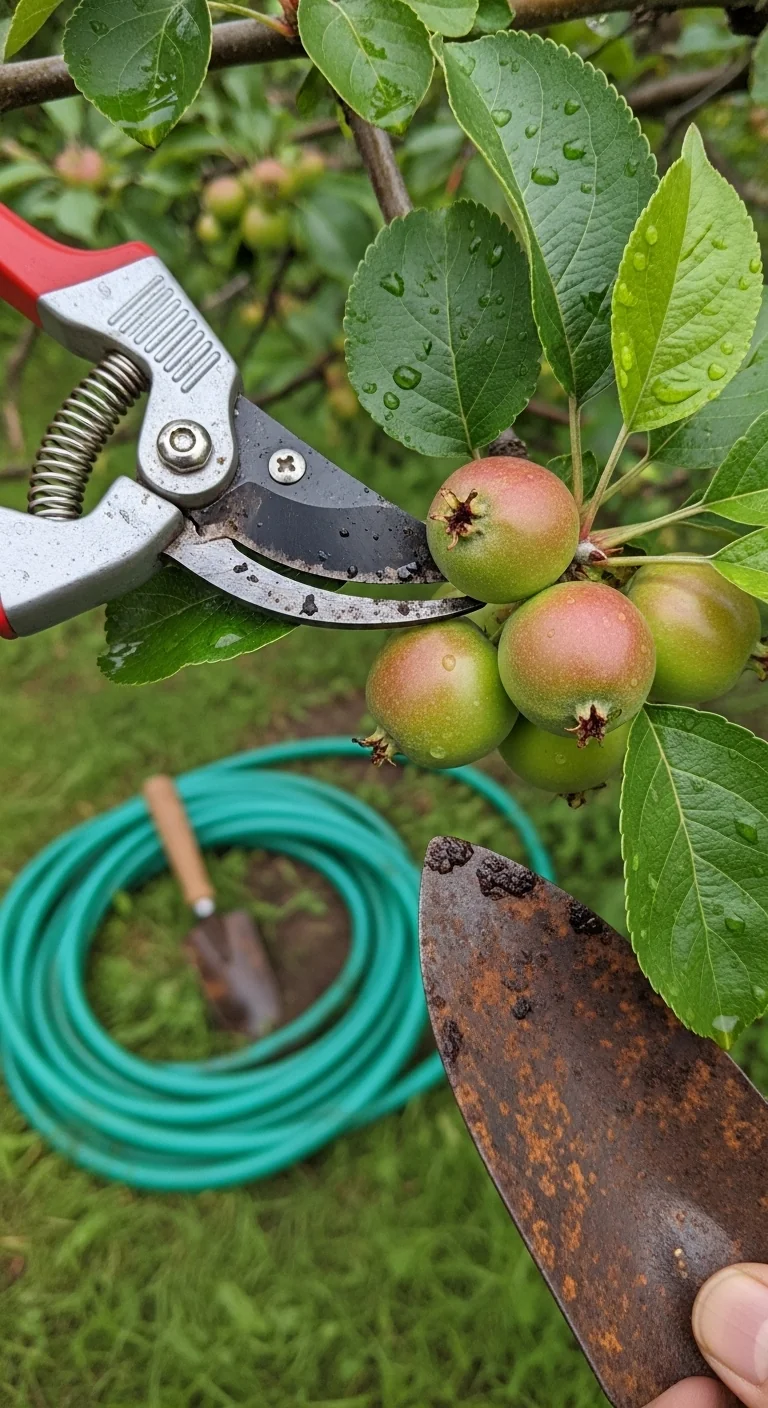
Use versus skip: apply when horizontal arms show dense fruit set to maintain flat structure and even light exposure. Pros: prevents branch sag and supports the trained form. Cons: requires more frequent checks along wires. Edge case: skip full thinning on the first arm if set is already light after natural drop. See our espalier fruit trees guide for training details that pair with this adjustment.
Integrating Thinning with Summer Pruning
Best for: Branch 1
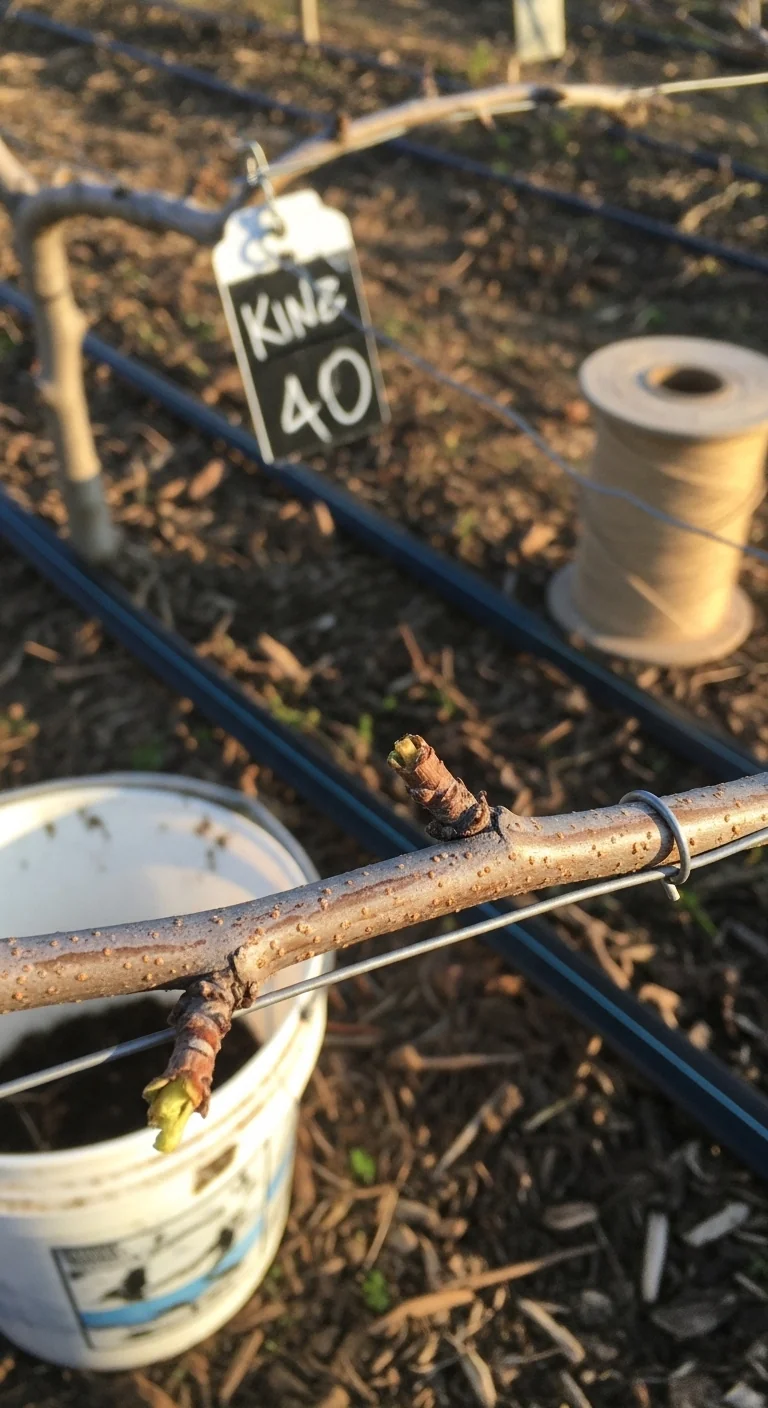
Threshold rule: thin first when fruitlets reach half-inch diameter, then immediately remove crossing or inward-growing shoots on young trees. Target cuts that open the center without removing more than 20 percent of new growth in one pass. This combination builds strong framework faster than either step alone. Revisit in two weeks if new growth appears vigorous.
Post-June Drop Adjustment Pass
Best for: Branch 2
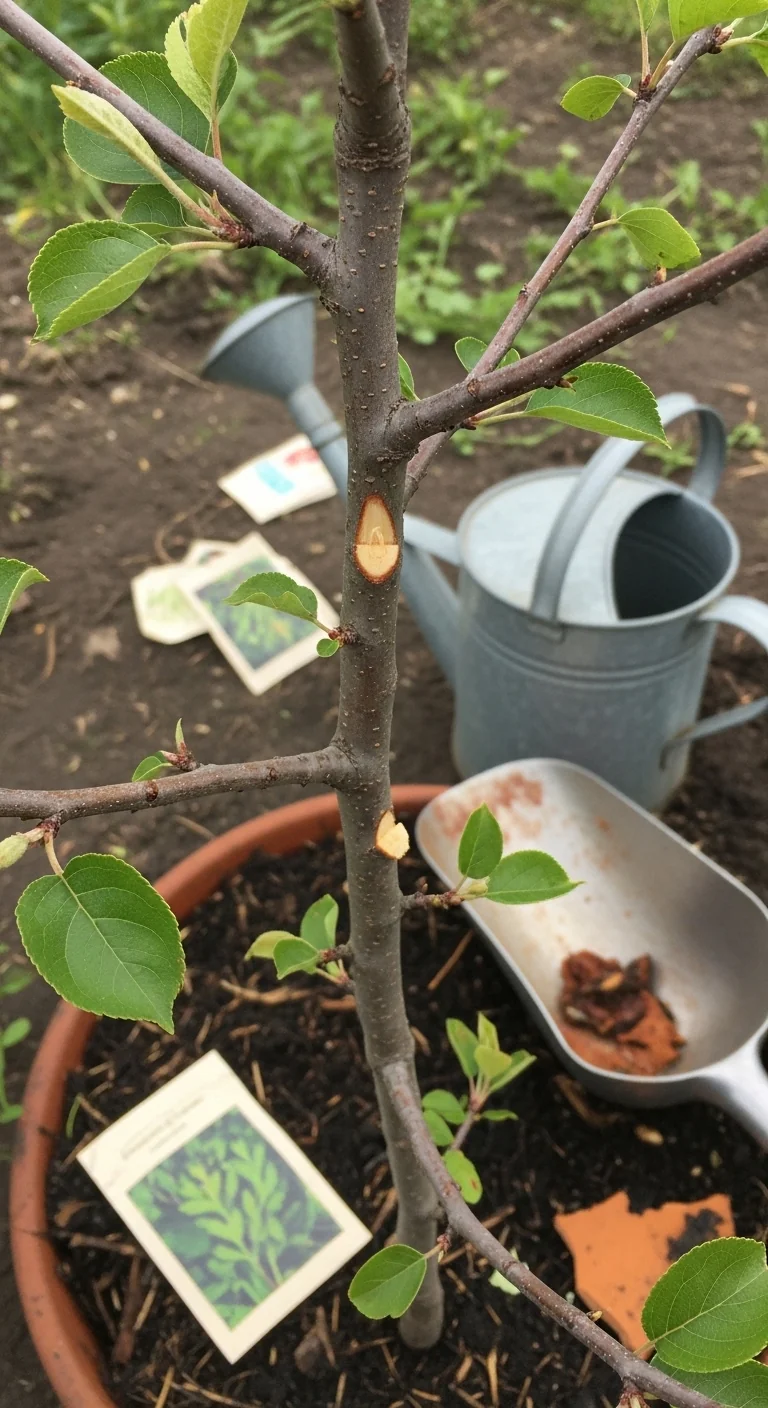
This light follow-up pass happens after the natural June drop when fruitlets stabilize at three-quarters inch. Remove any remaining doubles or those closer than six inches. It fine-tunes load without major disruption. Complete in one quick walk-around per tree.
Columnar Tree Crop Load Rules
Best for: Branch 3
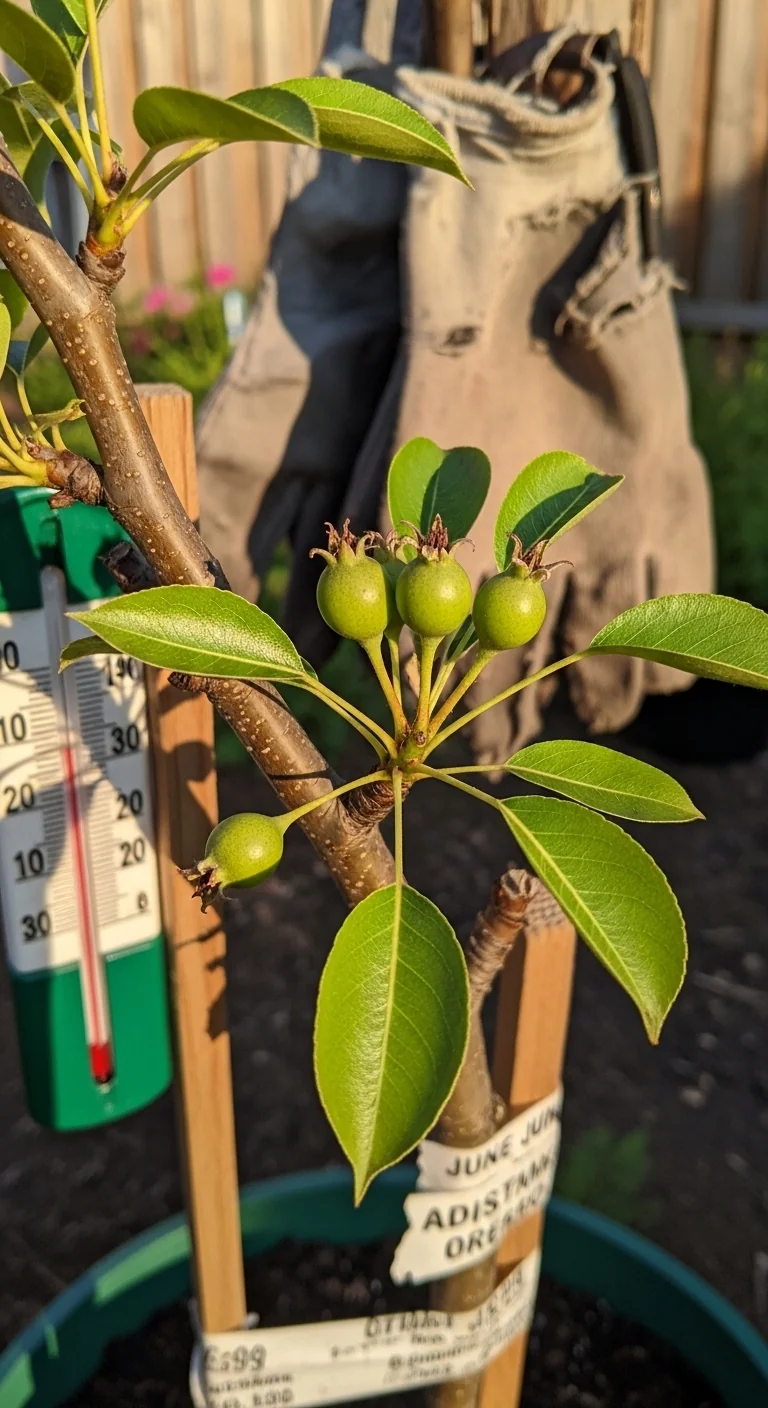
Blueprint: columnar trees carry fruit close to the central leader. Remove all but one fruitlet per short spur along the vertical trunk. Space retained fruitlets eight inches apart vertically. This preserves narrow upright form and prevents overcrowding that shades lower sections. Check our columnar fruit trees guide for form-specific pruning that complements these rules.
Starter Stack (What to Choose First)
For Branch 1 Trees
Start with item 1 (complete fruitlet removal) and item 4 (stone fruit spacing). Together they eliminate overload during establishment while setting correct gaps for any retained fruit in year three. Time estimate: 20 to 45 minutes per tree. No added cost beyond basic hand tools.
For Branch 2 Trees
Start with item 2 (hand thinning clusters) and item 8 (post-June drop adjustment). The initial cluster pass plus light follow-up creates even load and better fruit sizing. Time estimate: 30 to 60 minutes per mature tree. No added cost.
For Branch 3 Trees
Start with item 3 (pole thinning) and item 6 (espalier adjustments). The combination protects trained structures and maintains light exposure without heavy climbing. Time estimate: 25 to 50 minutes per trained tree. No added cost.
When This Won’t Work
Thinning delivers limited benefit if you begin after fruit exceeds one inch in diameter. The tree has already committed resources to excess fruit, and size gains drop sharply. Alternative: perform a very light removal of damaged fruit only and shift focus to heavier winter pruning the following dormant season to reduce future load.
Thinning can stress the tree further if leaves show wilting or yellowing from drought or nutrient shortage before you start. Alternative: water deeply and apply balanced feed first, then thin at half strength once the tree recovers. For special cases in narrow or trained forms, consult our columnar fruit trees guide.
Choosing the Right Option for Your Situation
Budget Threshold
Thinning itself costs nothing beyond time. If your total annual care budget stays under 50 dollars per tree, prioritize low-effort items such as hand cluster thinning or complete removal on young trees.
Time Threshold
If you have under 30 minutes per tree available, choose one-pass options like pole thinning or post-June drop adjustment. Trees needing more than 60 minutes benefit from the full starter stack sequence.
Technical Constraint
If your trees exceed 10 feet or sit in trained systems, select pole or espalier-specific items to avoid ladder work and preserve structure.
Yes or no checklist:
Is your tree under three years old or with trunk under two inches? Yes: begin with complete removal.
Do fruitlets sit closer than four inches at half-inch size? Yes: apply cluster or spacing rules.
Are branches trained flat or vertical in limited space? Yes: use espalier or columnar adjustments.
Did natural drop already reduce load significantly? Yes: skip to a light adjustment pass only.
Expert Q&A
How does thinning timing influence flower bud formation for the next
season?
Early thinning before fruit reaches one inch diameter supports stronger return bloom by reducing resource competition during bud initiation. Late thinning after that window mainly affects current season fruit size but offers little carryover effect on next year’s buds.
What adjustments help in short-season regions like parts of the UK or
Canada?
In shorter seasons thin earlier, at the half-inch diameter mark, and leave slightly wider spacing of seven to eight inches on pome fruits. This gives remaining fruit more time to size up before cooler fall weather slows growth.
How do you handle uneven fruit set across different branches on the
same tree?
Thin each branch independently based on its local density. Heavily loaded branches receive aggressive removal while light branches keep one extra fruitlet per spur if spacing allows. This balances the overall load without over-thinning productive sections.
Does rootstock type change thinning intensity for dwarf versus standard
trees?
Dwarf rootstocks set heavier crops earlier and need extra thinning in the first bearing years to protect weaker branches. Standard trees tolerate moderate loads better but still require the same spacing rules once mature.
Can poor pollination years reduce the need for thinning?
Yes. When natural set drops below one fruitlet per spur on average, skip or minimize thinning. Focus instead on improving pollination the following spring through variety selection or bee support rather than removal.
Conclusion
Check your trees now using fruit size as the signal and apply the matching items from the list. For protection of the improved larger fruit that results, see our bird netting for fruit trees guide.