
“`html
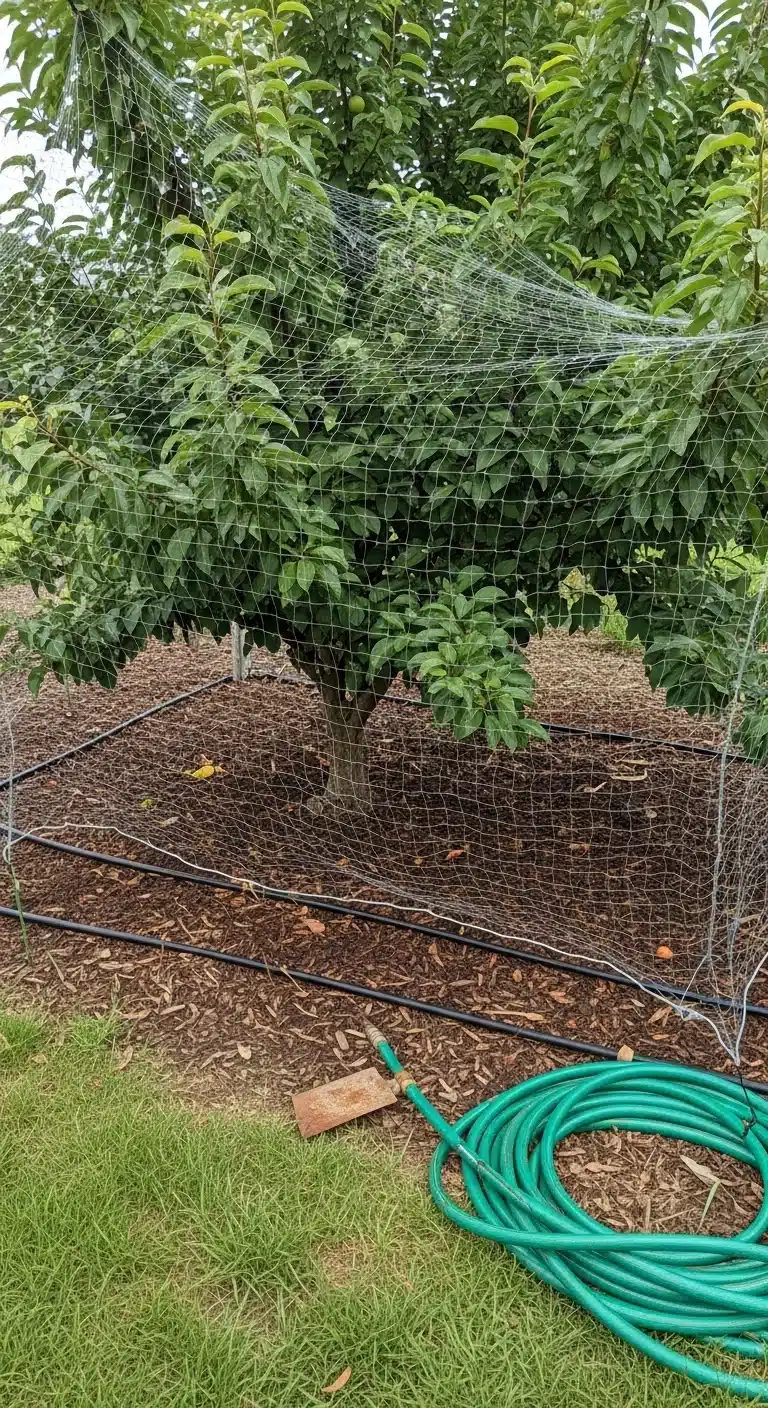
Bird netting fruit trees succeeds when the netting type and support method align directly with your tree canopy dimensions and the specific feeding patterns of local birds rather than defaulting to the cheapest roll from the store.
This guide covers roll netting, individual bags, frame kits, trellis integrations, and wildlife-safe variants for common backyard fruit trees such as apples, cherries, plums, and pears. It focuses on home-scale setups in the US, UK, Canada, Australia, and New Zealand and excludes commercial orchards, berry bushes without trellis support, and non-physical deterrents such as sound devices or sprays.
You will finish with exact criteria to evaluate options against your tree height, available tools, and site conditions so you install the right system the first time and avoid repeated adjustments or fruit loss.
Select the bird netting fruit trees option that matches your decision grid branch to achieve full coverage with the least seasonal hassle.
The Yield Grid Decision Grid
Branch 1: Dwarf or columnar fruit trees under 8 feet tall with canopy width under 6 feet. Recommended: Items 1, 2, 9 below.
Branch 2: Standard fruit trees 8 to 15 feet tall with wider canopies requiring structural support. Recommended: Items 3, 4, 6 below.
Branch 3: Any fruit tree in high bird pressure zones or wildlife sensitive regions needing secure anchoring and small mesh. Recommended: Items 5, 7, 8 below.
For trees that respond well to shaping, see our espalier fruit trees guide which makes netting simpler.
Quick Comparison Table
| Option | Key mechanism | Best for | Decision Grid Branch | Effort Score |
|---|---|---|---|---|
| 1. Drape-Style 1/2 Inch Mesh Netting | Physical barrier draped over canopy and secured at base | Small isolated trees | Branch 1 | 2 |
| 2. Individual Drawstring Tree Net Bags | Slip-on enclosure with drawstring closure at trunk | Single young trees | Branch 1 | 1 |
| 3. PVC Frame Supported Netting | Custom frame holds netting away from fruit | Medium canopy trees | Branch 2 | 4 |
| 4. Knitted Polyethylene Bird Netting Rolls | Flexible knitted mesh cut to custom size | Wider standard trees | Branch 2 | 3 |
| 5. Fine Mesh Wildlife Safe Netting | Tight 1/4 inch openings prevent entanglement | Wildlife sensitive sites | Branch 3 | 2 |
| 6. Trellis Integrated Netting Panels | Netting attached directly to existing trellis wires | Trellised or trained trees | Branch 2 | 3 |
| 7. Heavy Duty UV Stabilized Netting | Reinforced material with UV inhibitors for longevity | Repeated seasonal use | Branch 3 | 2 |
| 8. Ground Anchored Roll Out Netting | Roll-out panels with perimeter stakes and tension lines | High pressure or windy sites | Branch 3 | 4 |
| 9. Columnar Tree Sleeve Netting | Tube-style sleeve slips over narrow upright form | Very narrow upright trees | Branch 1 | 1 |
1. Drape-Style 1/2 Inch Mesh Netting
Best for: Branch 1
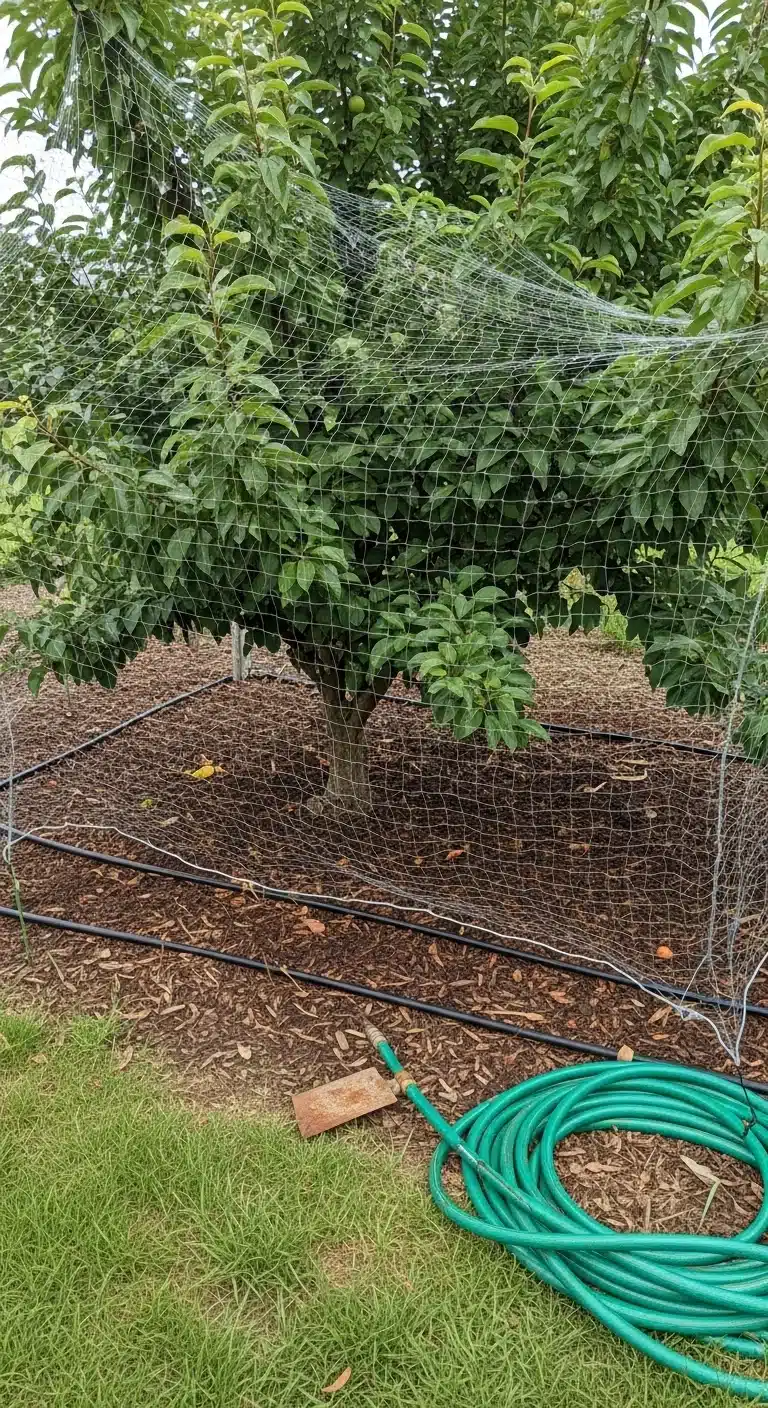
This option uses standard polyethylene mesh with 1/2 inch openings to create a physical barrier that excludes most songbirds while allowing adequate light and air flow. It suits dwarf fruit trees or young specimens where the entire canopy fits under one or two sheets without sagging onto fruit.
What it covers: trees with canopy diameter up to 8 feet. For use: buy rolls or pre-cut panels sized at least 4 feet larger than the widest canopy measurement in every direction. Steps: drape evenly from the top down, pull edges to the ground, and secure with landscape staples or weights every 2 feet around the base. Common mistake: using exactly the canopy size without overhang, which lets birds reach fruit from the sides or bottom.
Edge case: in areas with occasional gusts above 15 mph, add extra tie-down loops midway up the trunk to prevent lifting. Pair this with canopy management practices to keep the profile compact.
2. Individual Drawstring Tree Net Bags
Best for: Branch 1
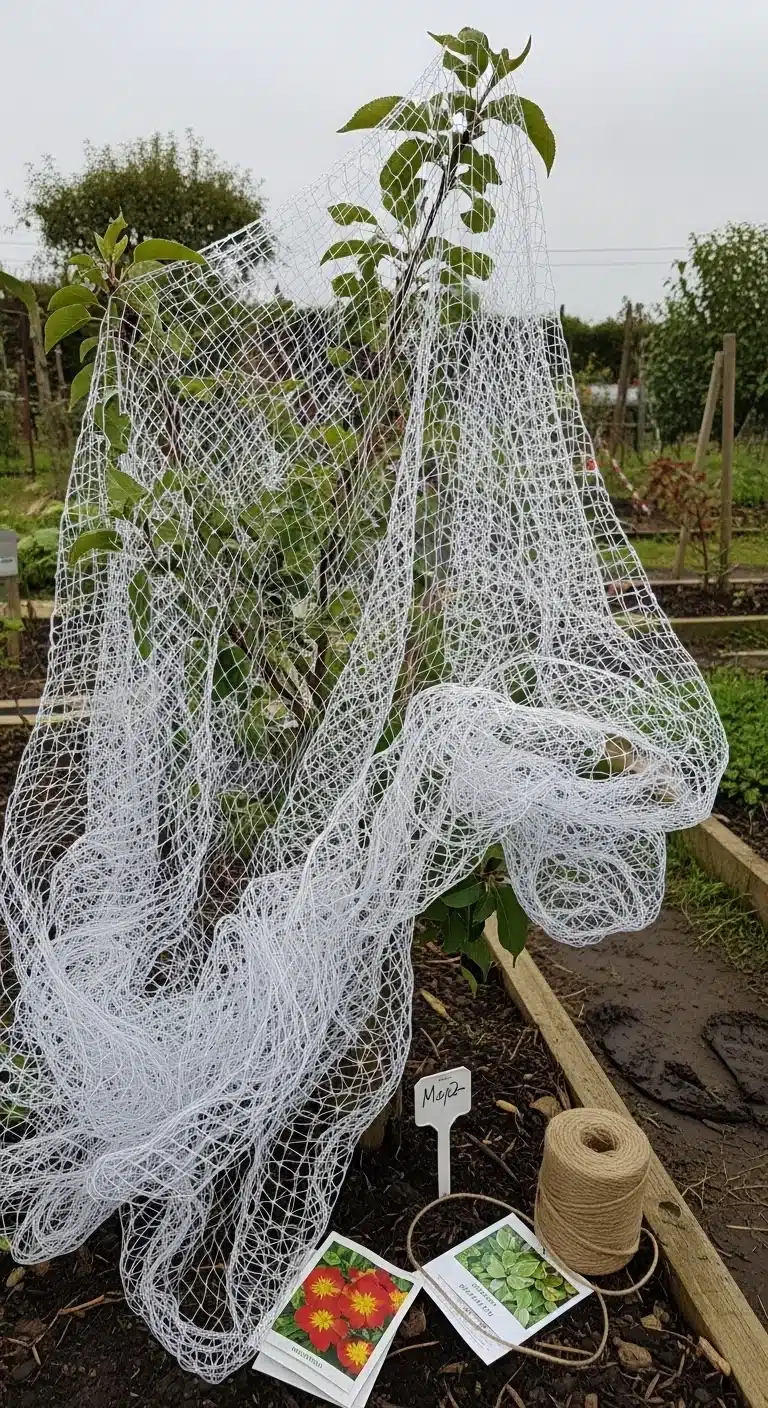
Use these when you need fast coverage on one or two small trees without handling large sheets. Pros include quick slip-on application and reuse year after year. Cons appear with larger canopies where multiple bags overlap and create gaps.
Edge case: they work best before fruit begins to color; once birds learn the tree location they may ignore small openings at the drawstring if not tightened fully around the trunk.
3. PVC Frame Supported Netting
Best for: Branch 2
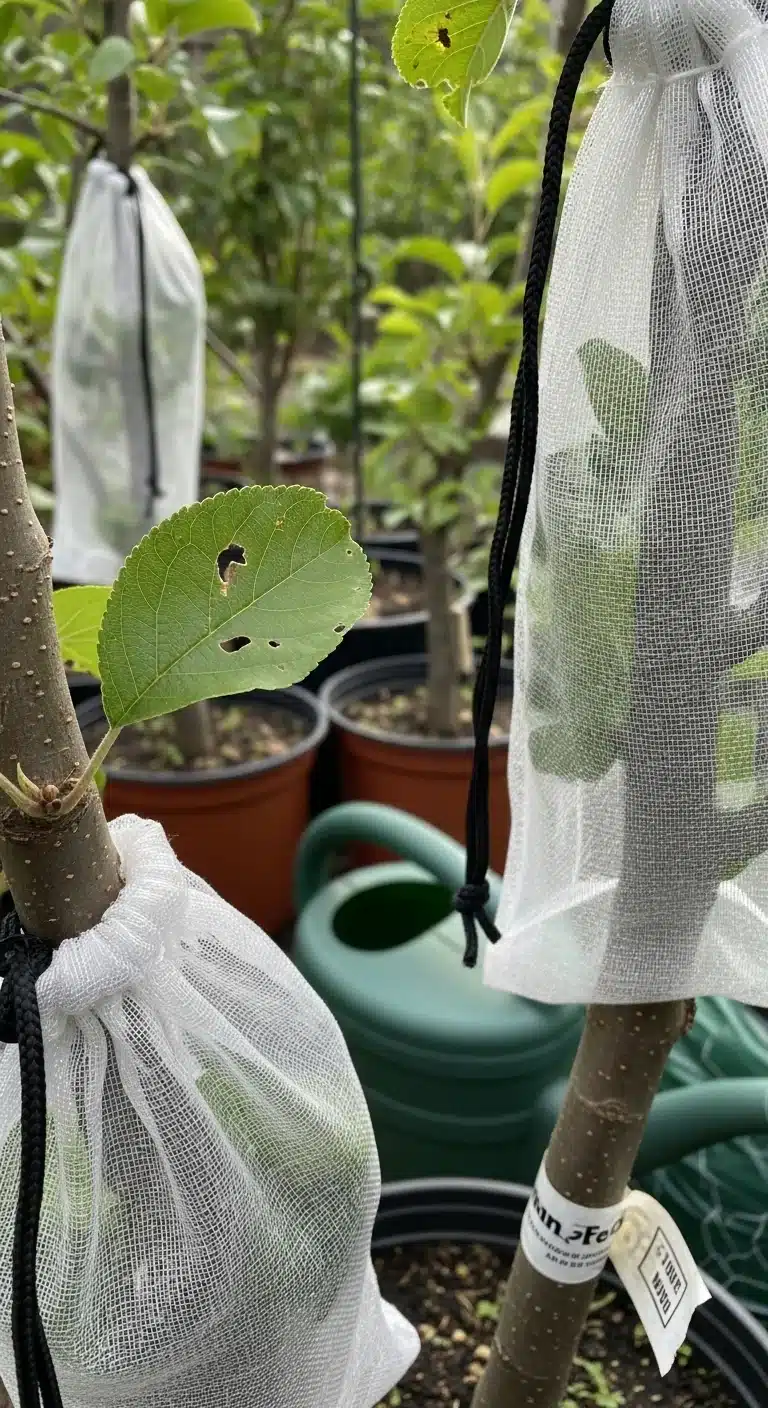
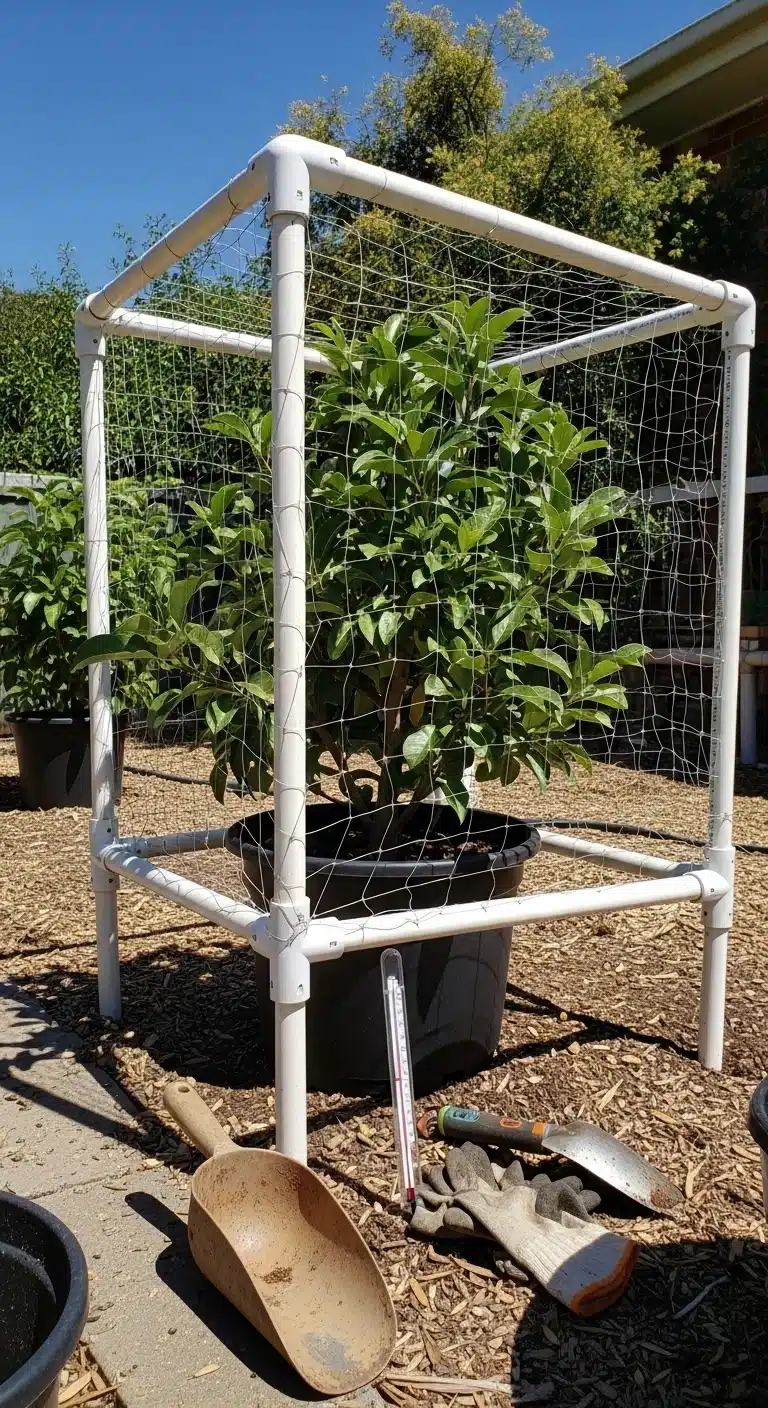
Build a simple frame with 1-inch PVC pipe and fittings to hold netting 12 to 18 inches away from the fruit. Threshold rule: if canopy width exceeds 8 feet or height reaches 10 feet, switch to this frame method; measure trunk-to-drip-line distance and add 2 feet clearance on all sides before cutting pipe lengths.
Adjustment: shorten vertical risers by 6 inches in windy zones to lower center of gravity while keeping the net taut. This setup prevents birds from pushing the mesh against fruit and reduces tearing compared with direct draping.
4. Knitted Polyethylene Bird Netting Rolls
Best for: Branch 2
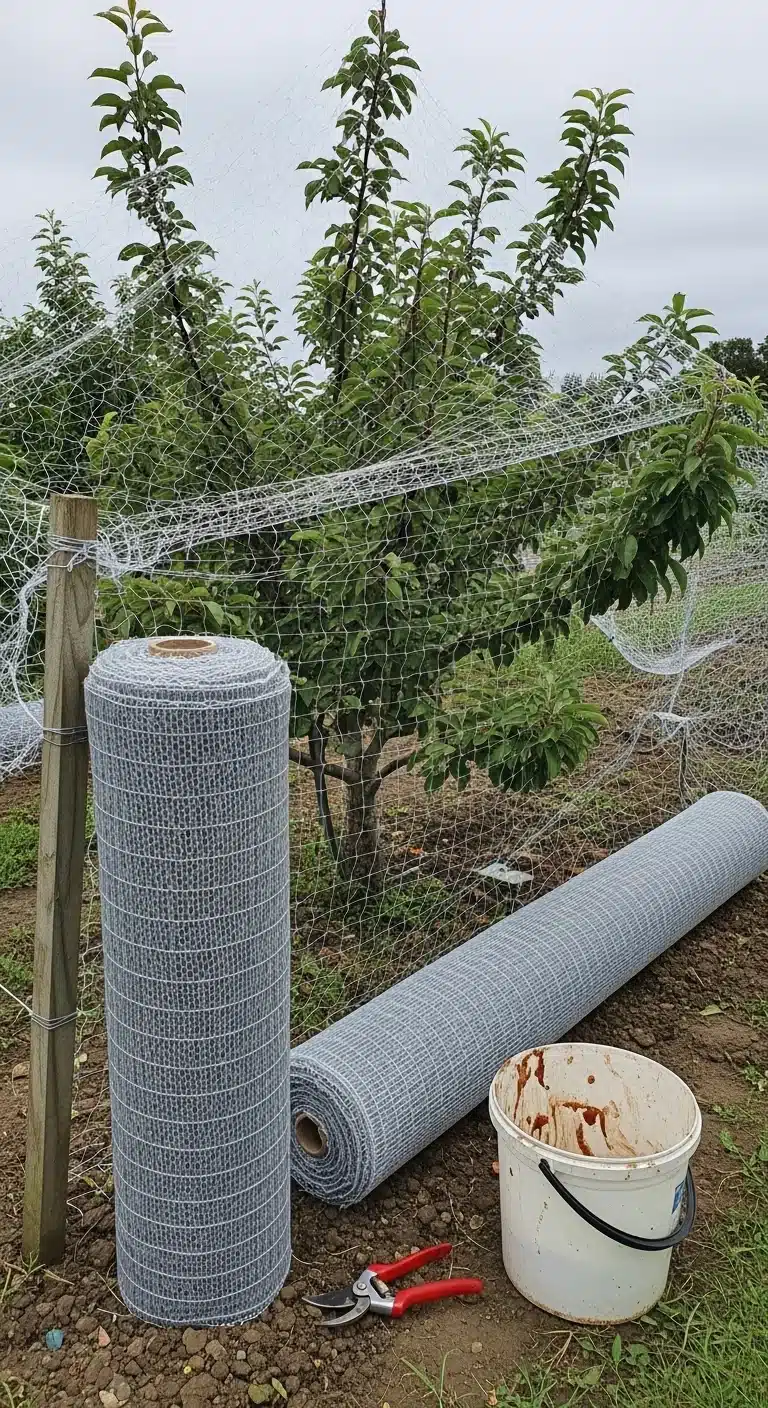
Knitted rolls offer flexibility for cutting exact panels that conform to irregular canopies on standard fruit trees. The open knit structure maintains airflow better than woven alternatives in humid climates.
10-minute workflow: unroll on the ground beside the tree, measure and cut to canopy dimensions plus 3-foot overhang, drape from center outward, then secure base edges with 4 to 6 ground anchors. Upgrade option: add a second overlapping layer on the south side for extra sun protection during peak ripening. Combine with annual pruning as detailed in our apple pruning guide to keep canopy manageable for faster future installs.
5. Fine Mesh Wildlife Safe Netting
Best for: Branch 3
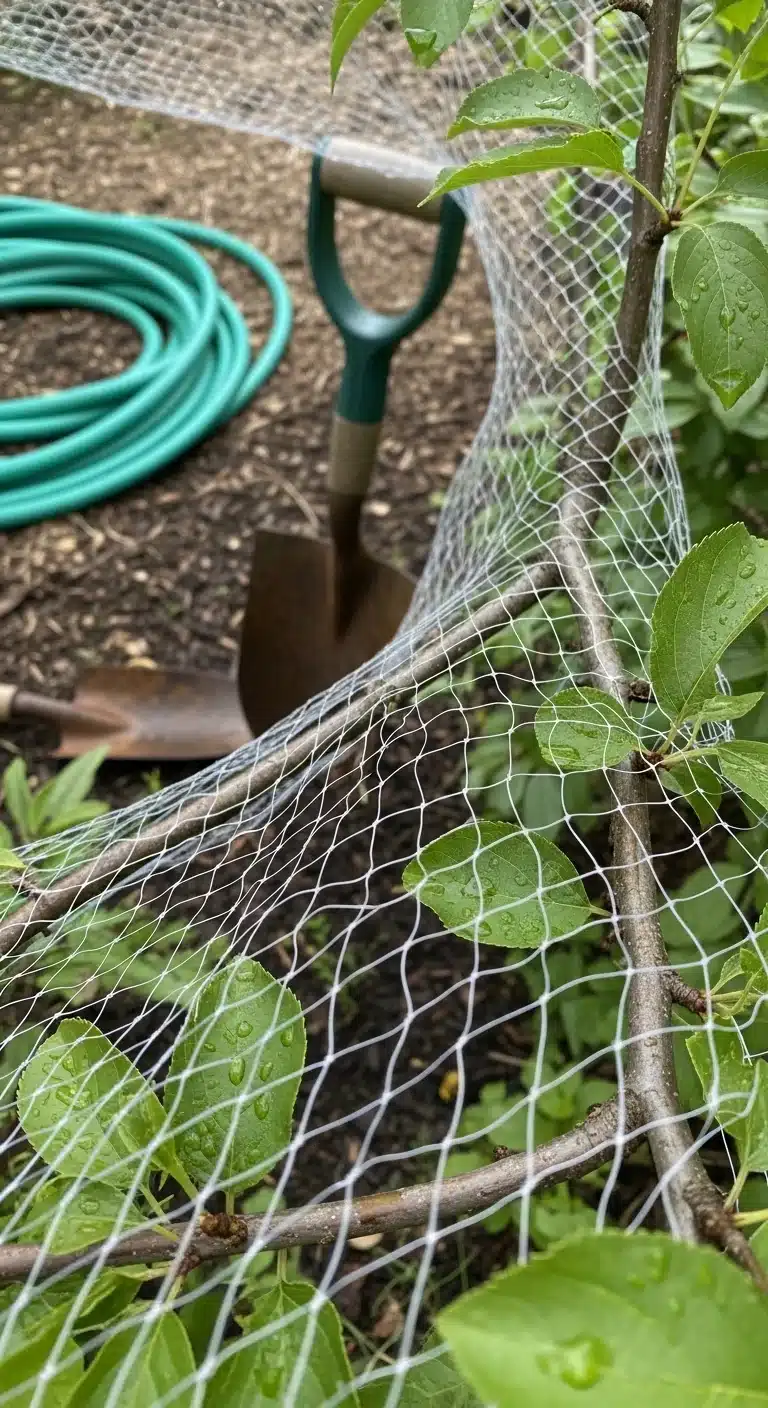
Choose this 1/4 inch mesh when local regulations or bat populations require smaller openings to avoid entanglement. It still blocks birds effectively while meeting safety standards in sensitive regions.
Pros: higher durability against small mammals. Skip if your primary concern is only large birds, since the tighter weave adds slight cost and reduces light transmission by 5 to 10 percent in dense applications.
6. Trellis Integrated Netting Panels
Best for: Branch 2
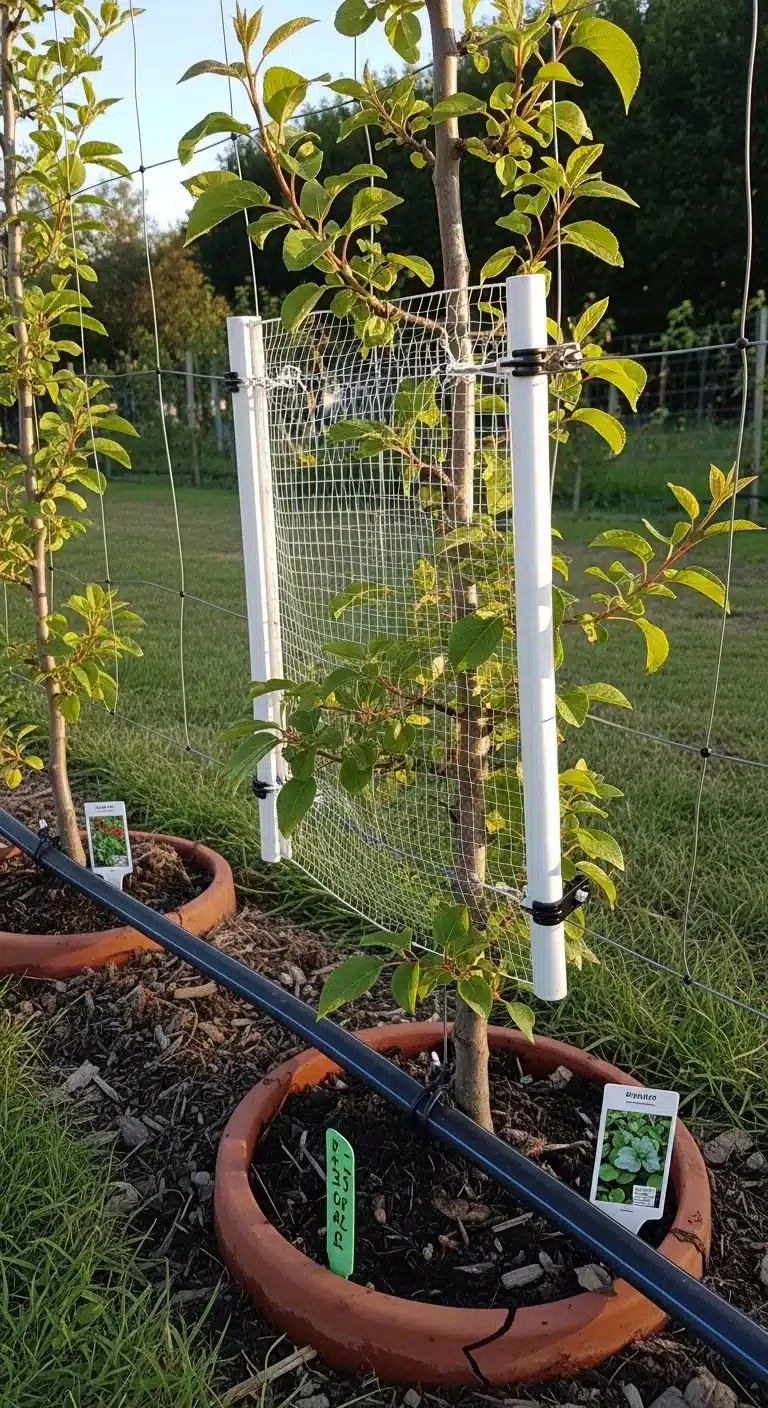
Attach pre-cut netting panels directly to horizontal trellis wires so the structure doubles as both support and exclusion frame. This method eliminates separate poles for trained trees and keeps netting permanently positioned.
Pros: minimal seasonal removal. Cons: requires initial trellis investment. Edge case: works on espalier or fan-trained forms but needs extra clips at wire crossings to stop birds from squeezing between panels. See blackberry trellis ideas for adaptable support structures.
7. Heavy Duty UV Stabilized Netting
Best for: Branch 3
This reinforced variant includes built-in UV inhibitors that extend usable life to 5 or more seasons under direct sun. The thicker strands resist tearing from branch movement or minor animal contact.
Use it where you plan repeated annual application without replacement. It pairs well with ground anchoring kits for high pressure sites.
8. Ground Anchored Roll Out Netting
Best for: Branch 3
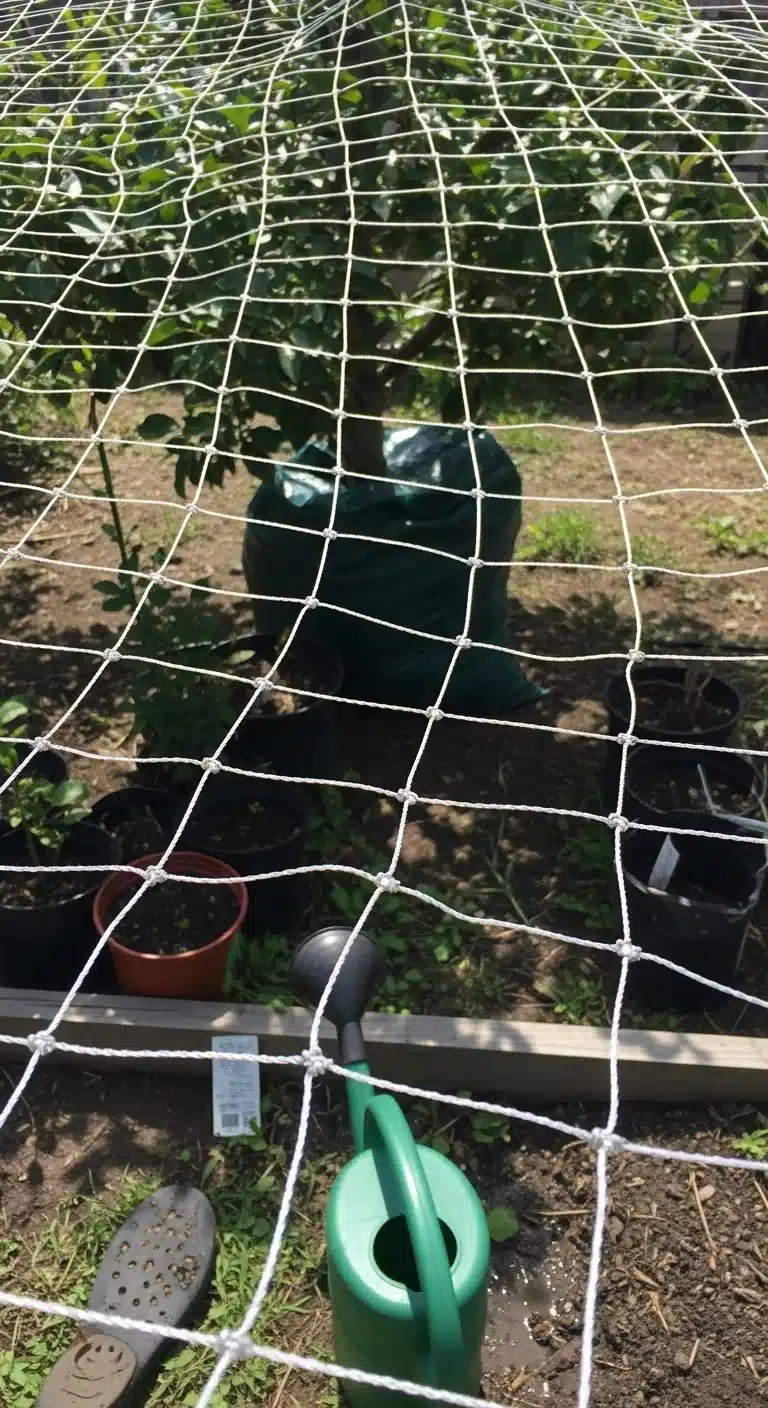
Roll-out panels come with pre-attached perimeter ropes and tension lines that stake directly into soil for complete enclosure. Threshold rule: deploy when bird pressure includes ground-foraging species or wind events regularly exceed 20 mph; roll from one side of the tree to the other and anchor every 18 inches.
Adjustment: increase stake depth to 8 inches in loose soil. This creates a sealed barrier that stops birds from walking underneath.
9. Columnar Tree Sleeve Netting
Best for: Branch 1
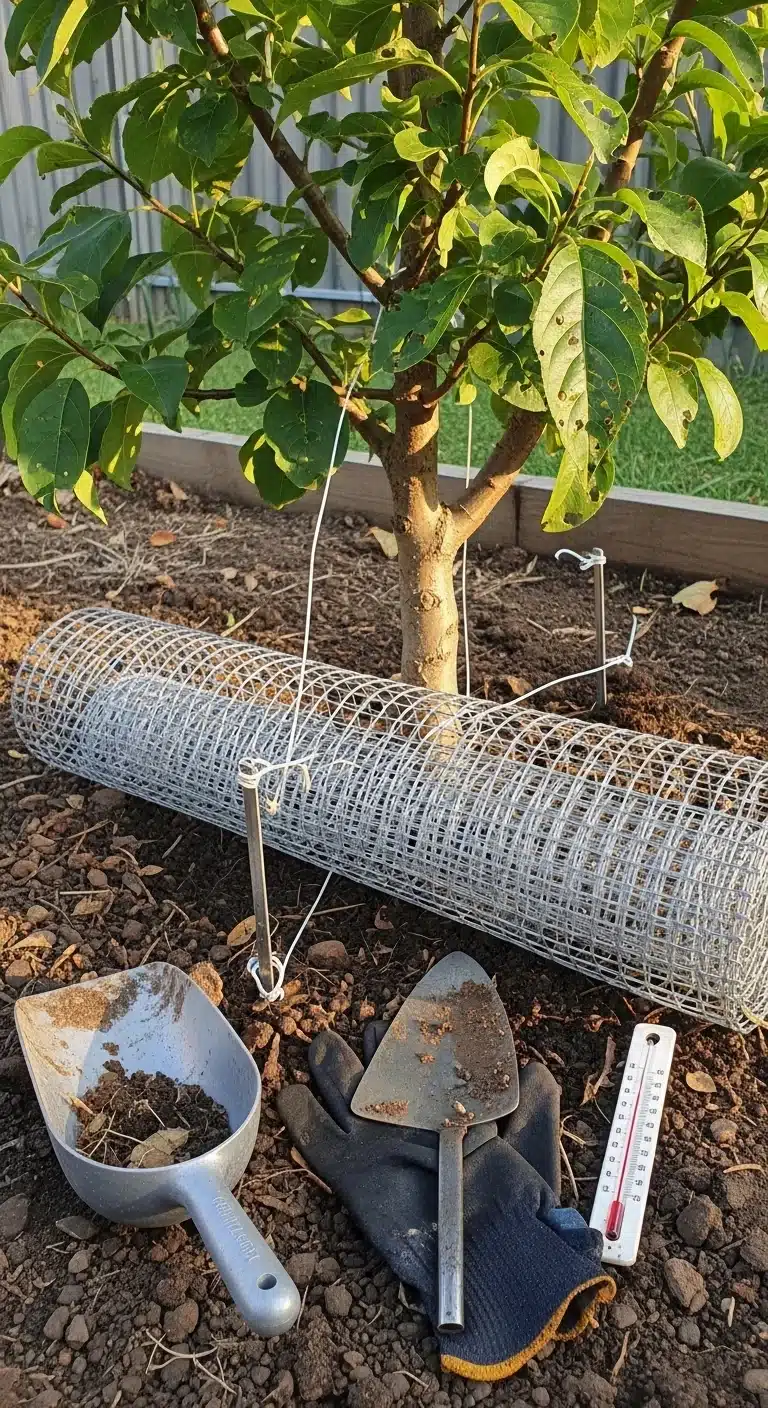
Sleeve netting slips over the narrow upright form of columnar trees like a stocking and cinches at top and bottom. It requires no draping or framing and covers the full fruiting column in under 5 minutes.
Ideal where space limits wider systems. See our columnar fruit trees guide for compatible varieties.
Starter Stack (What to Choose First)
For Branch 1: Low-Maintenance Small Trees
Start with drape-style 1/2 inch mesh netting plus individual drawstring tree net bags. The drape provides main coverage while bags serve as quick backups on isolated limbs. Estimated cost range: 15 to 40 dollars per tree. Time estimate: 20 to 45 minutes total setup.
For Branch 2: Standard Trees
Begin with PVC frame supported netting combined with knitted polyethylene bird netting rolls. The frame creates clearance while the rolls allow custom panel sizing. Estimated cost range: 50 to 150 dollars per tree. Time estimate: 1 to 2 hours including frame assembly.
For Branch 3: Secure Exclusion
Start with fine mesh wildlife safe netting plus heavy duty UV stabilized netting. The fine mesh meets safety needs and the UV version adds durability for long-term use. Estimated cost range: 80 to 200 dollars per tree. Time estimate: 2 to 3 hours with full anchoring.
When This Won’t Work
Standard bird netting fruit trees systems fail when tree height exceeds 15 feet and you lack stable scaffolding or a safe ladder reach to the top. Installation then becomes unsafe and coverage remains incomplete at the crown.
Alternative action: switch to dwarf rootstock varieties or hire professional framing services for permanent structures. The second measurable failure condition occurs in regions with frequent high winds above 25 mph during fruiting, where lightweight drape or roll materials tear at attachment points within the first season.
Alternative action: integrate netting with existing supports by adapting techniques from our raspberry supports guide to create tensioned low-profile enclosures.
Choosing the Right Option for Your Situation
Budget Threshold
If total spend must stay under 75 dollars per tree, limit choices to drape-style, drawstring bags, or sleeve netting. These deliver full exclusion without frame materials.
Time Threshold
If setup must finish in under 60 minutes per tree, select drawstring bags or columnar sleeves. Avoid any option requiring PVC cutting or multiple stakes.
Technical Constraint
If your site has protected wildlife or strict mesh rules, restrict to fine mesh wildlife safe netting or heavy duty UV stabilized versions only.
Yes/No checklist:
– Tree height under 8 feet and narrow canopy? Yes: Branch 1 options.
– Existing trellis or training wires in place? Yes: trellis integrated panels.
– High wind or ground-foraging birds present? Yes: ground anchored or framed systems.
– Wildlife safety regulations apply? Yes: fine mesh only.
Expert Q&A
How does mesh size affect bird exclusion and airflow?
1/4 inch mesh excludes nearly all songbirds and small mammals while 1/2 inch still blocks most common fruit thieves. Tighter mesh reduces airflow slightly in humid climates, so choose 1/2 inch unless local rules demand the smaller size for entanglement prevention.
What is the best timing window for installing netting?
Apply once fruit reaches 50 percent of final size but before color change attracts birds. Remove immediately after harvest to avoid winter snow load or UV degradation. Late application after birds discover the tree requires extra anchoring to compensate for learned behavior.
Can netting be combined with other physical deterrents?
Yes: add reflective tape strips or motion-activated pinwheels outside the net perimeter for the first two weeks. This trains birds to avoid the area before they test the barrier itself.
How should netting be stored between seasons?
Shake off debris, dry completely, then fold loosely into breathable bins or hang in a shaded garage. Avoid compression that creates permanent creases or exposure to direct sun which weakens fibers within one off-season.
Does tree pruning change netting requirements?
Yes: annual removal of water sprouts and inward branches reduces canopy volume by up to one third, allowing smaller net panels and fewer attachment points. Open structure also improves light penetration under the mesh.
Conclusion
The core decision for bird netting fruit trees comes down to matching canopy shape and site pressure with the right support method rather than material alone. The number one mistake remains leaving any gap at the base or failing to tension the net away from fruit, which invites birds underneath or lets them peck through contact points.
Review your tree measurements against the decision grid, then install the starter stack option that fits your constraints. Next, explore permanent fruit protection structures with our hardy kiwi trellis guide for ideas you can adapt to your main orchard trees.
“`