
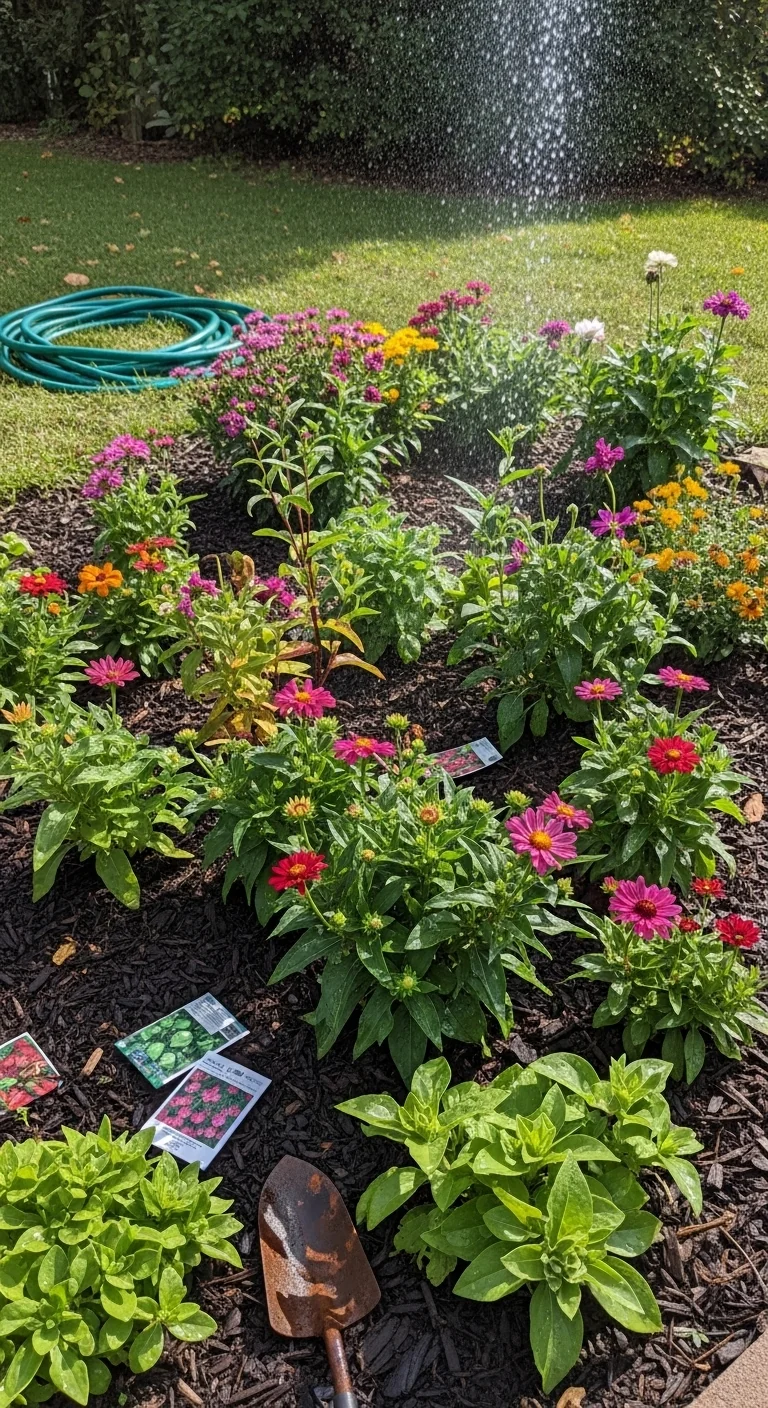
Fall flower success comes down to syncing each variety’s bloom trigger with your garden’s remaining frost-free days and daily sun exposure rather than defaulting to whatever offers the brightest nursery tags. Short-day responders and cool-tolerant types deliver color when summer perennials fade, but only if the planting window and site conditions line up exactly.
This guide covers nine reliable performers split between annuals that finish strong and perennials that peak as temperatures drop. It excludes one-time spring bulbs, tropicals requiring greenhouse protection, and anything that stops at the first light frost.
You will finish with a clear shortlist of two or three varieties for your exact setup plus the precise failure conditions that send you to containers or a different category instead.
Identify your Decision Grid branch first, then plant the two recommended starters in that branch for coordinated color through the first hard frost.
The Yield Grid Decision Grid
Branch 1 applies when fewer than 60 frost-free days remain or average first frost arrives before mid-October: cool soil temperatures and shorter days favor quick-establishing cool-season types. Recommended: Items 3, 7 and 8 below.
Branch 2 applies with full sun exposure of six or more hours daily and a moderate 60-to-90-day window: heat-tolerant extenders keep producing until foliage blackens. Recommended: Items 1, 2 and 4 below. For broader perennial context see the perennial flower selection guide.
Branch 3 applies in established beds where low intervention is the priority or in zones that allow overwintering without heavy protection: perennials that respond to cooling nights and shorter days. Recommended: Items 5, 6 and 9 below.
Quick Comparison Table
| Option | Key mechanism | Best for | Decision Grid Branch | Effort Score |
|---|---|---|---|---|
| Dahlias | Photoperiod-responsive tubers that continue until first hard frost | Large cut-flower style displays in full sun | Branch 2 | 4 |
| Zinnias | Heat-tolerant annuals that rebloom after deadheading | Fast color in hot late-summer beds | Branch 2 | 3 |
| Marigolds | Cool-tolerant annuals with strong scent that deters certain pests | Edging and quick filler in cooler windows | Branch 1 | 2 |
| Black-Eyed Susan | Drought-tolerant perennial with daisy-form blooms triggered by day-length reduction | Native-style meadows and pollinator borders | Branch 2 | 1 |
| Echinacea | Perennial coneflower that holds seed heads for winter interest after peak bloom | Low-water established beds | Branch 3 | 1 |
| Salvia | Spiked blooms on heat- and drought-resistant stems | Vertical accents in full-sun borders | Branch 3 | 2 |
| Pansies | Cool-season annuals that tolerate light frost and continue through mild winters | Immediate color in containers or front beds | Branch 1 | 2 |
| Snapdragons | Spire-forming cool-season types that bloom longer in cooler nights | Cut-flower spikes and height contrast | Branch 1 | 3 |
| Coreopsis | Perennial threadleaf types that rebloom after light shearing | Low-maintenance sunny edges | Branch 3 | 1 |
Dahlias
Best for: Branch 2
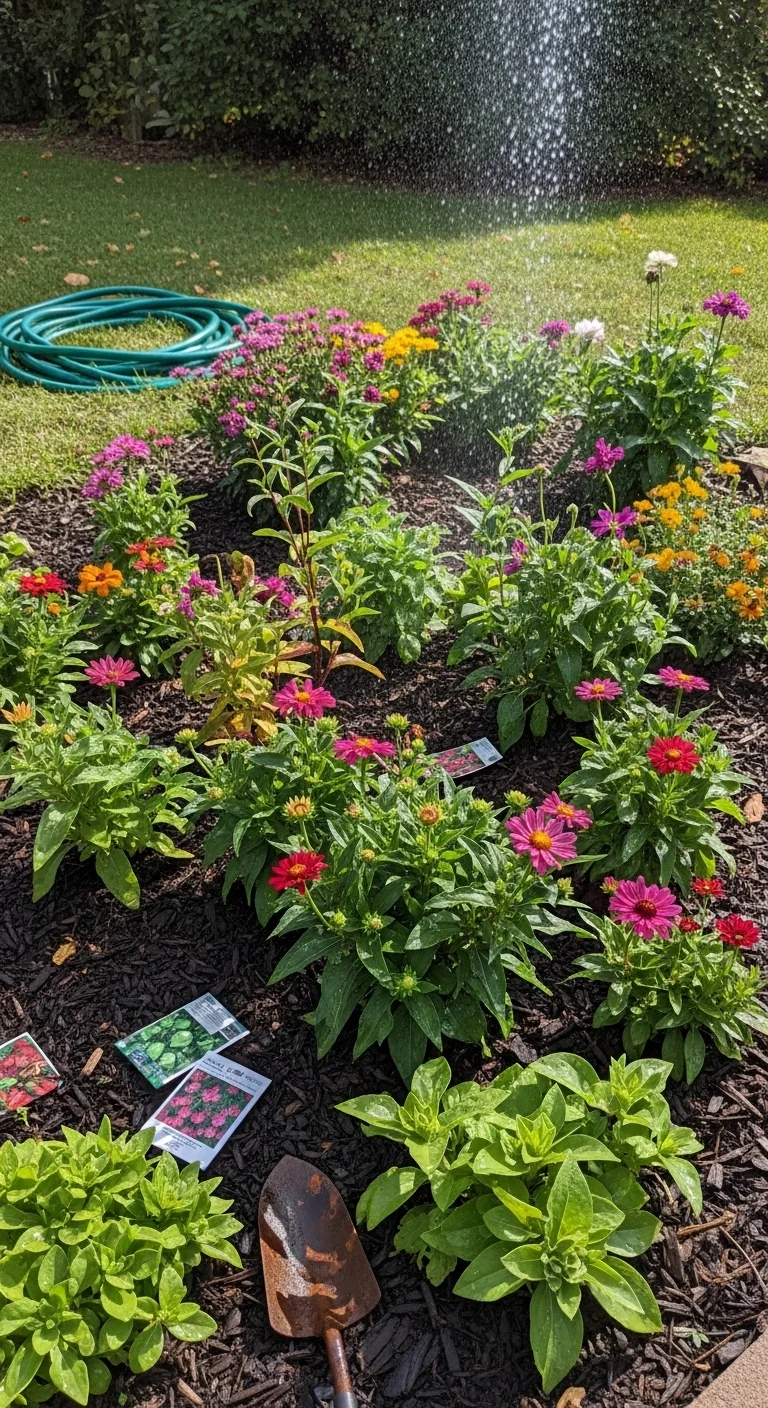
Dahlias serve as the blueprint for maximum late-season impact when you have full sun and at least eight weeks before frost. Start with tubers planted 4 to 6 inches deep once soil warms past the last spring frost; space 18 to 24 inches apart in rich, well-drained soil. Water at the base to keep foliage dry and stake tall varieties early. The mechanism is simple: shortening days trigger continuous bud set until the first hard frost blackens the foliage. Common mistake is leaving tubers in the ground in zones colder than 8; lift and store them in a cool, dark place over winter to guarantee the same plants return larger the following year. This approach turns a single spring planting into multiple seasons of dinner-plate or pompon blooms exactly when other perennials have finished.
Consult our dedicated dahlias page for variety selection matched to height and color.
Zinnias
Best for: Branch 2
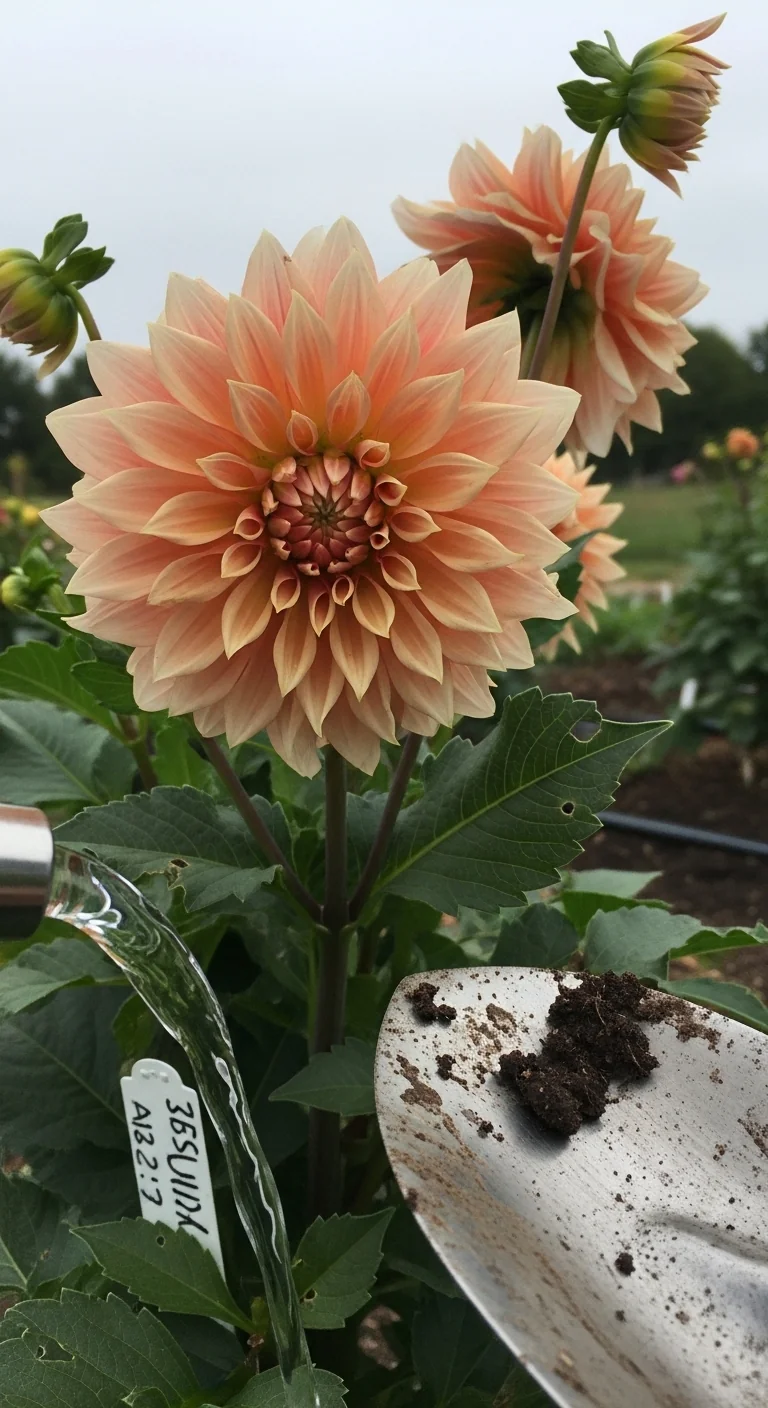
Use zinnias when you need rapid color in hot, sunny spots and are willing to deadhead weekly. Skip them in heavy shade or if powdery mildew is already present in the garden, as crowded foliage in humid conditions invites disease. The edge case is direct sowing after soil reaches 70 F; seedlings emerge in five to seven days and reach bloom stage in six weeks.
Marigolds
Best for: Branch 1
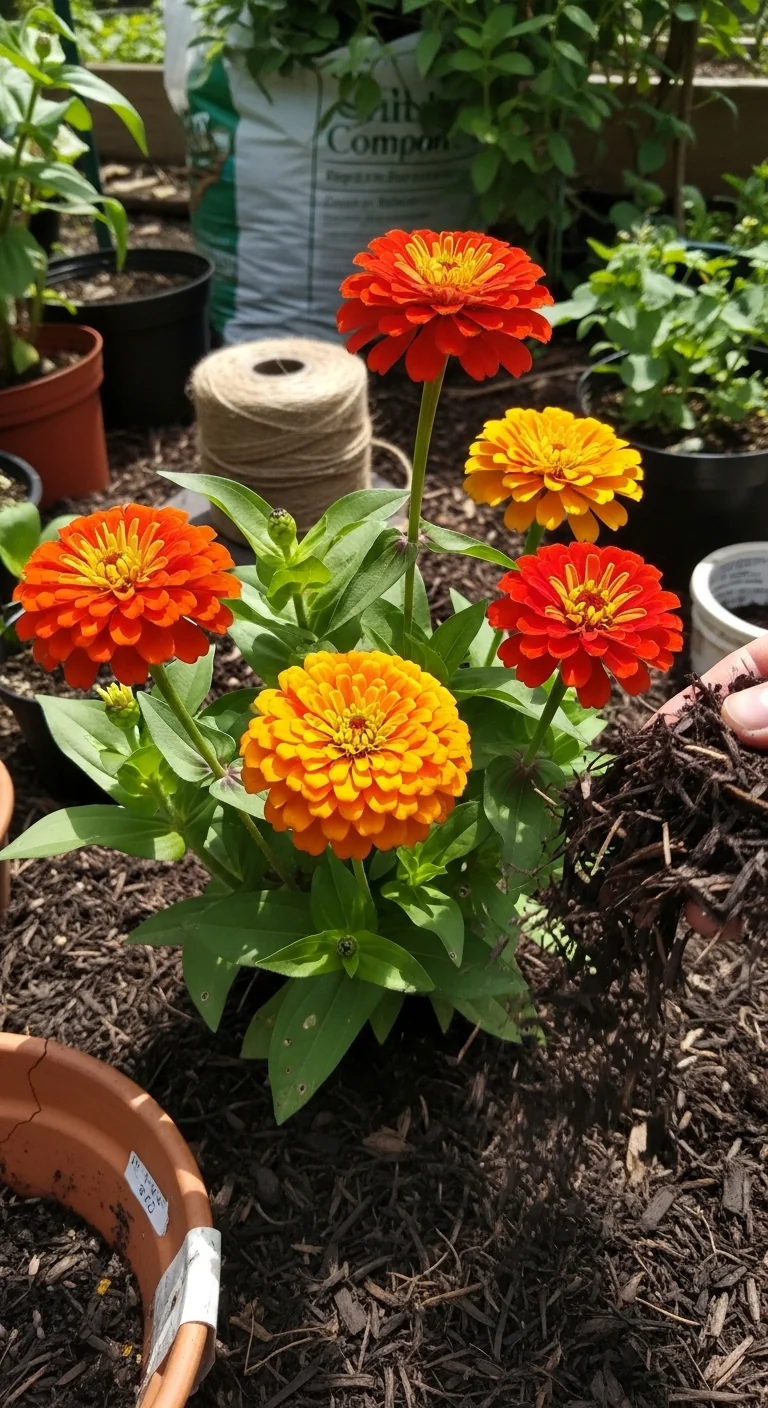
Marigolds follow a clear threshold rule: plant only when night temperatures consistently stay above 50 F and at least four weeks remain before first frost. Below that threshold they stall; above it they produce nonstop orange, yellow and red blooms until hard freeze. Adjust spacing to 8 to 12 inches in full sun or light shade and avoid overhead watering to prevent fungal spotting on the lower leaves. This makes them the ideal quick filler for Branch 1 gardens where cool soil would stop slower varieties.
See the full range on our marigolds page.
Black-Eyed Susan
Best for: Branch 2
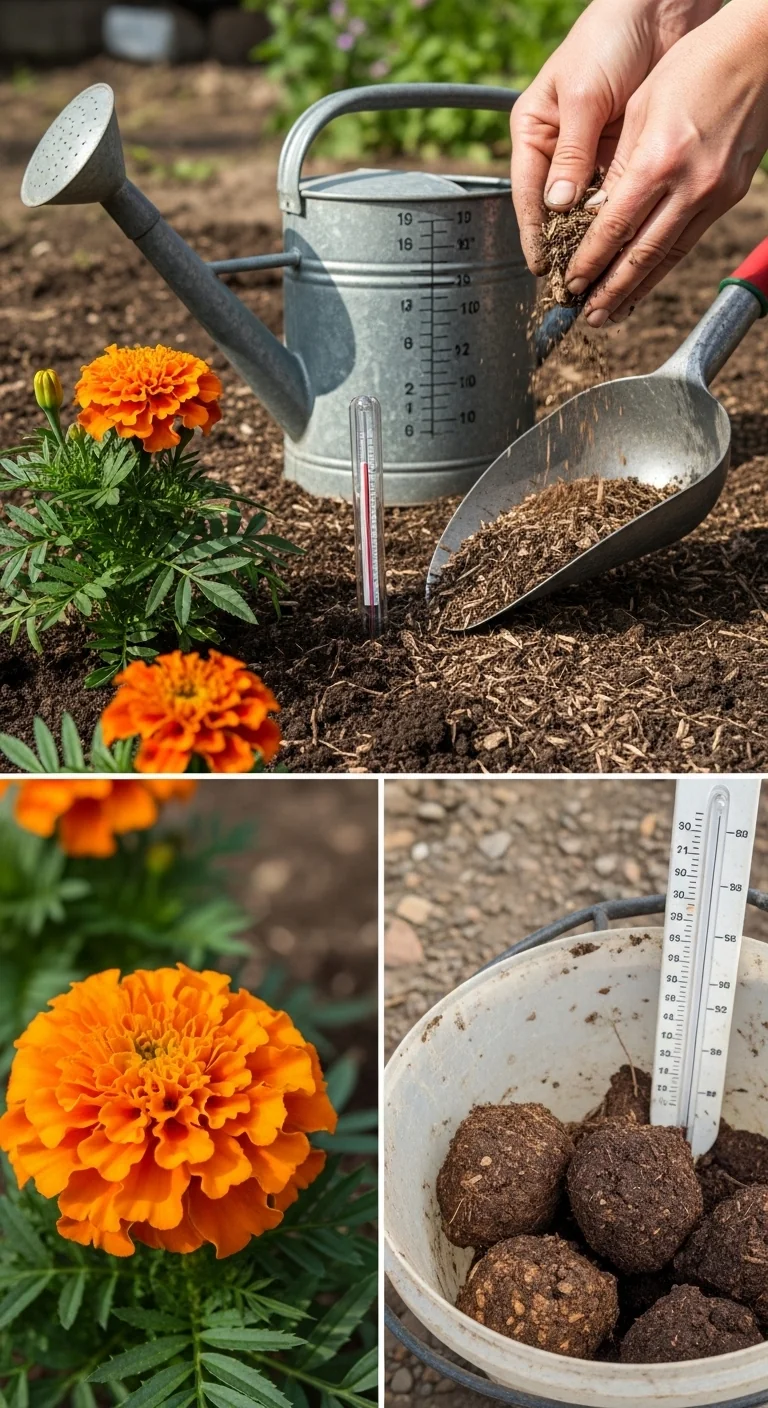
Black-Eyed Susan follows a 10-minute workflow that fits any full-sun bed with moderate season length. In early spring or after last frost, set out established plants or direct-sow seed at 12-inch spacing; water once at planting then rely on natural rainfall. Shear spent blooms in late August if you want a second flush before frost. Upgrade option: interplant with shorter annuals to hide the lower stems that can look leggy by September. The mechanism is built-in drought tolerance plus day-length sensitivity that pushes peak bloom exactly when summer heat eases.
Details and companions appear on the black-eyed-susan page.
Echinacea
Best for: Branch 3
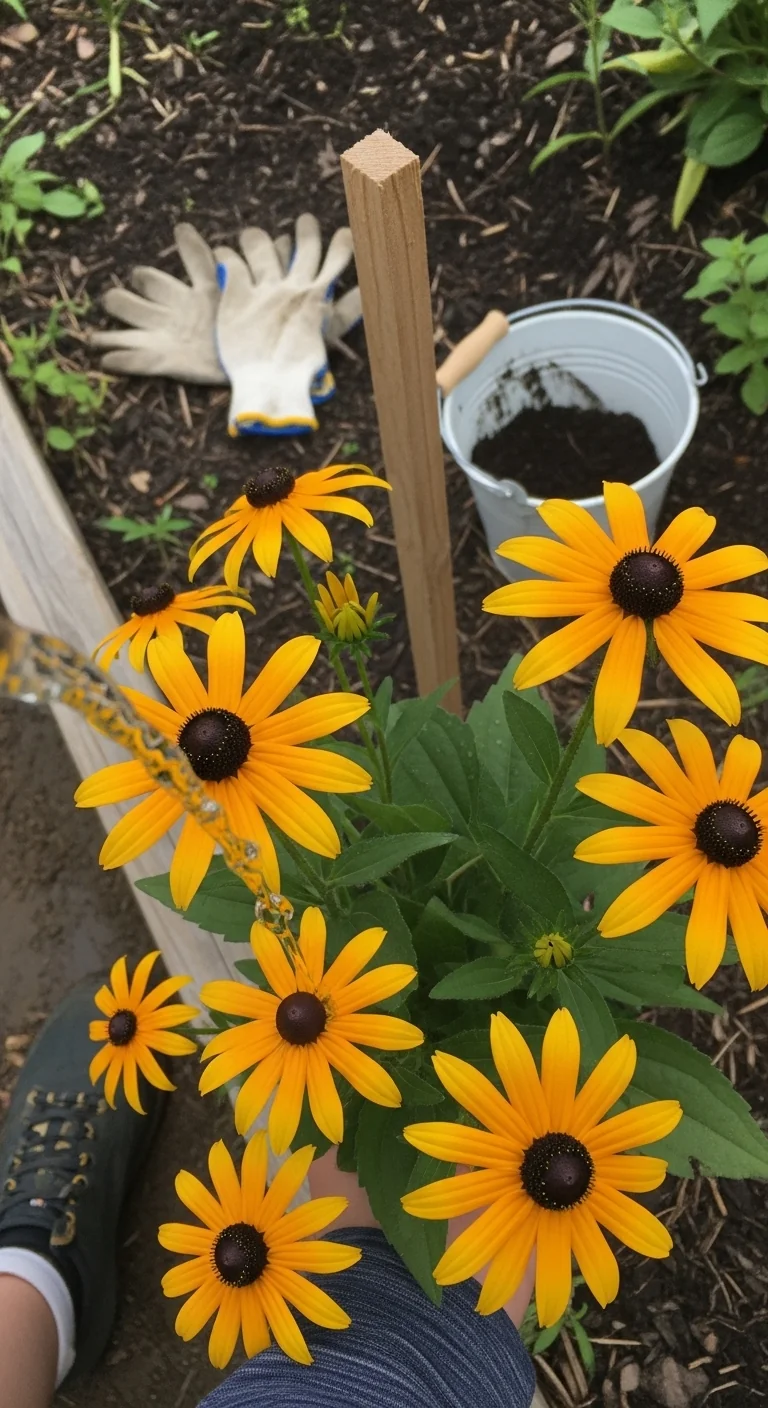
Use echinacea in established beds where low water and zero staking are required. Skip it only if your soil stays constantly saturated in winter; the deep taproot rots in poorly drained clay. Edge case: leave the seed heads standing after bloom for goldfinch food and winter structure instead of cutting back immediately.
Salvia
Best for: Branch 3
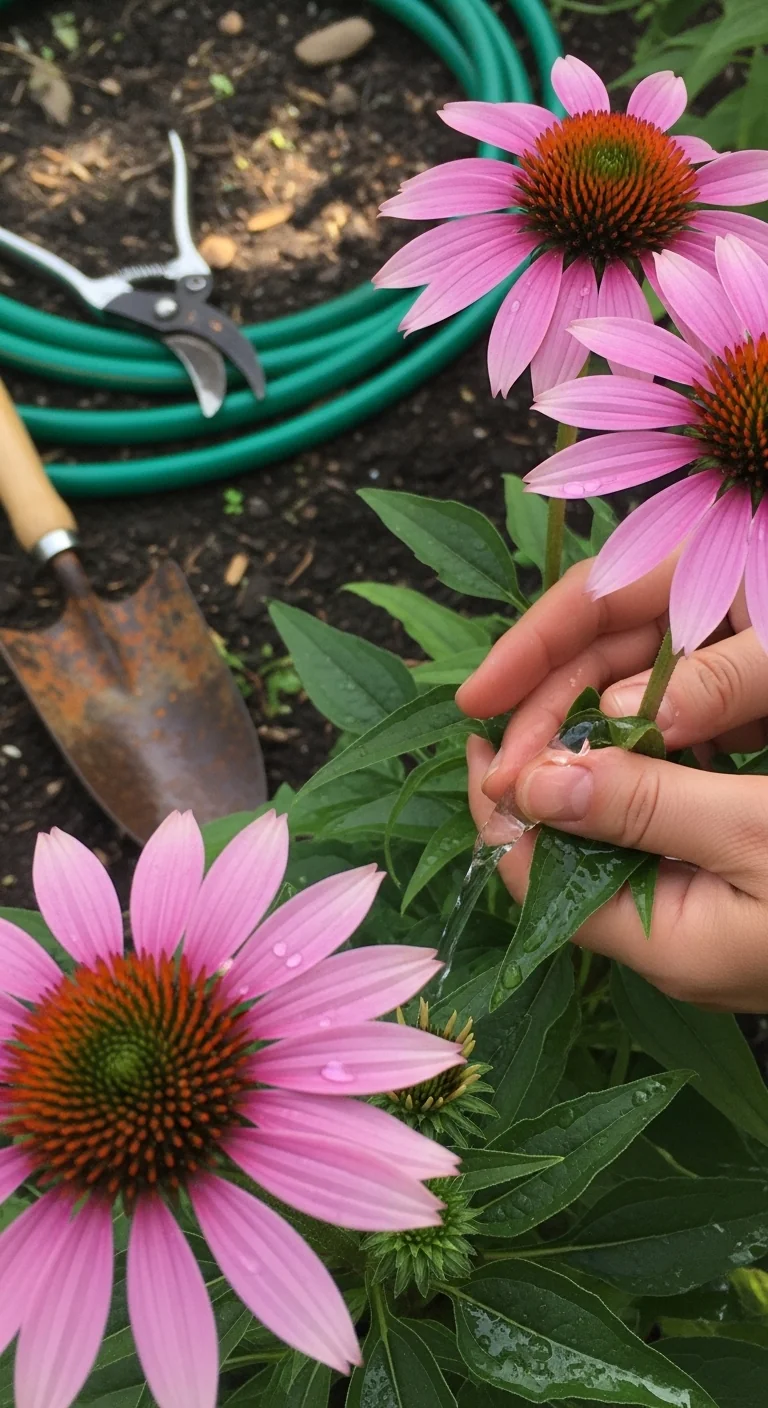
Salvia follows a threshold rule based on sun hours: six or more daily hours guarantee upright spikes from late summer until frost; fewer hours produce sparse bloom and floppy stems. In Branch 3 beds, cut the first flush back by one-third in midsummer to trigger a stronger second wave exactly when temperatures drop. This perennial requires no winter protection in zones 5 and warmer and pairs cleanly with ornamental grasses for vertical contrast.
Pansies
Best for: Branch 1
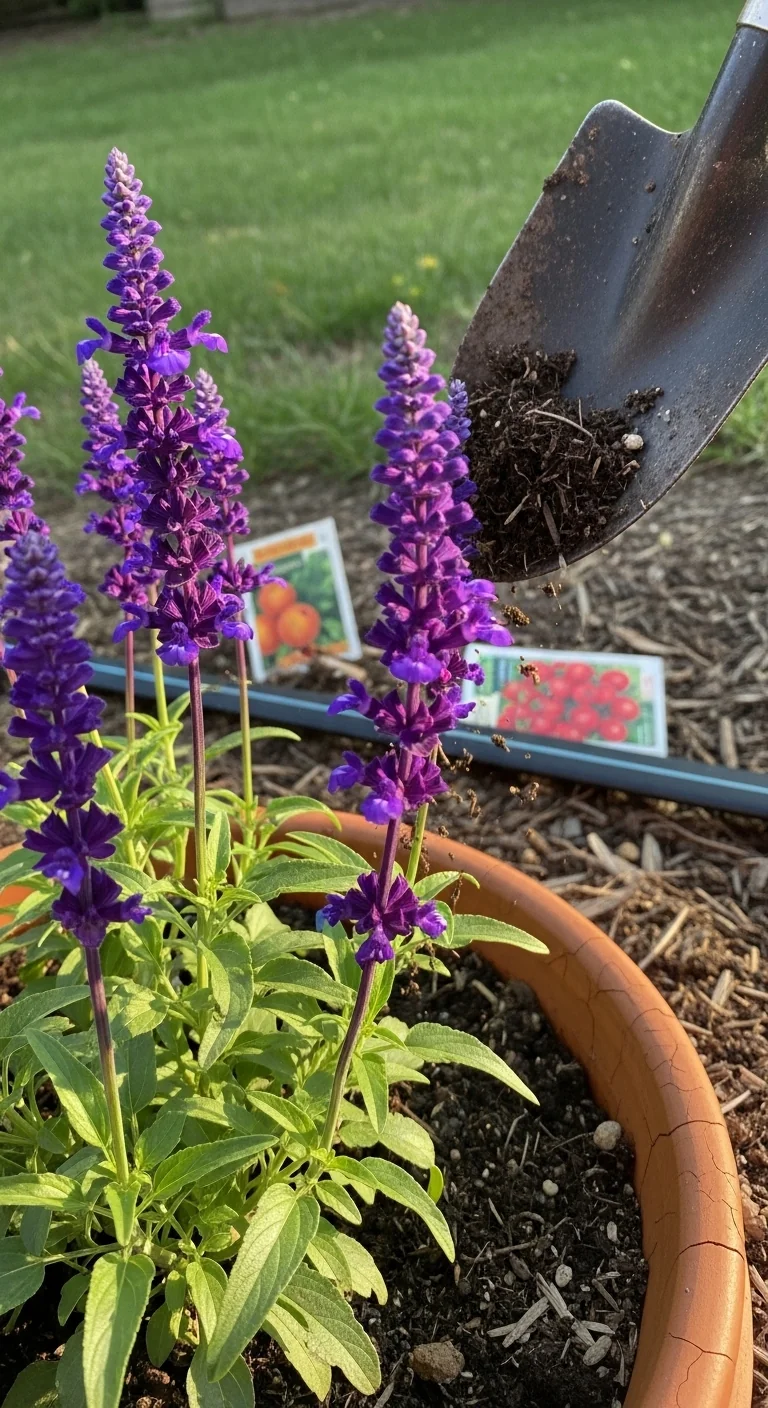
Pansies act as the blueprint for immediate fall color when your frost window is short. Set out nursery transplants in early fall once night temperatures fall below 65 F; they establish within two weeks and bloom continuously through light freezes down to 25 F with mulch protection. Space 6 to 8 inches apart in full sun to light shade and feed monthly with a balanced liquid fertilizer. The mechanism is their bred-in cool-season metabolism: shorter days and cooler nights actually increase flower production instead of halting it. Common mistake is planting too late in already-frozen ground; they need two to three weeks of mild soil to root before the first hard freeze. This makes them the single best choice for Branch 1 gardeners who need instant impact without waiting for spring.
Full variety and overwintering notes are on the pansies page.
Snapdragons
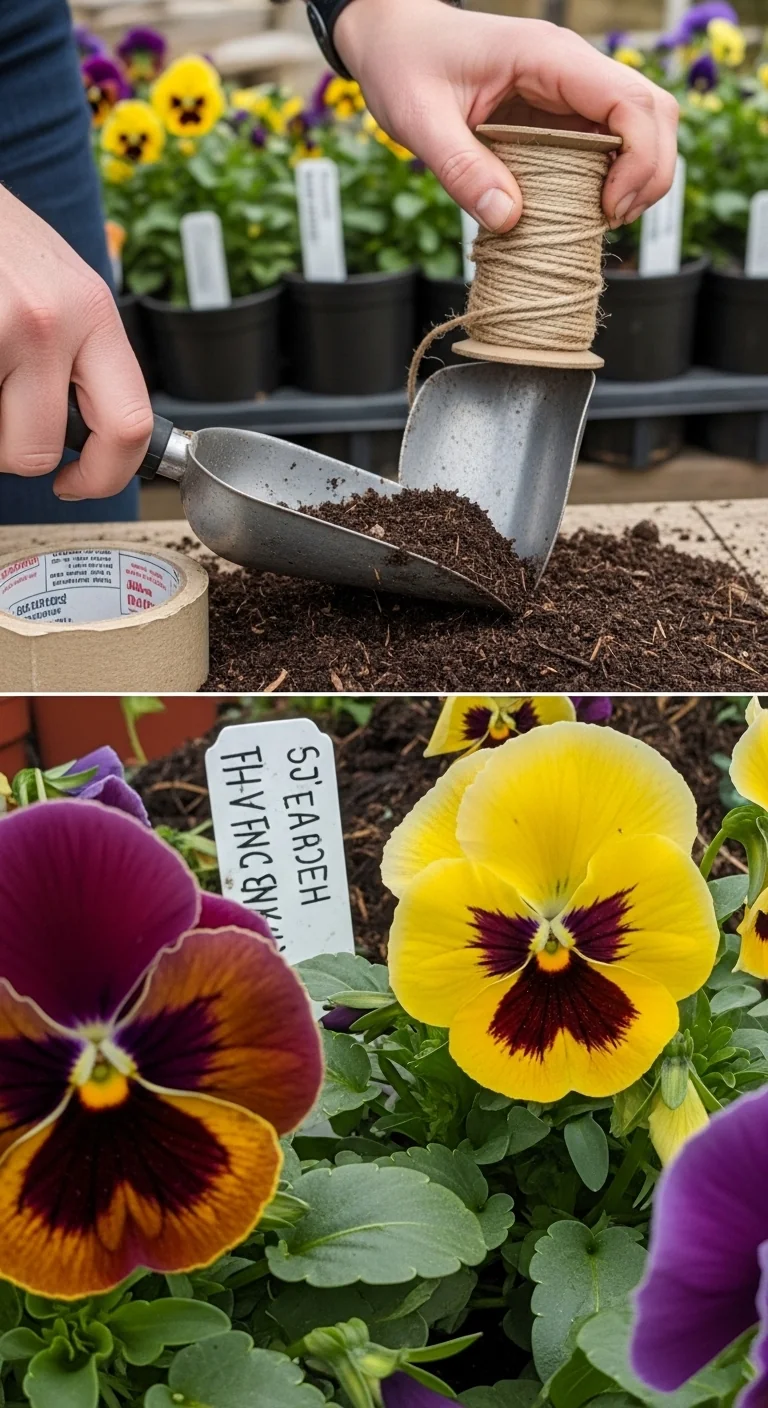
Best for: Branch 1
Use snapdragons for vertical color when cool nights dominate. Skip them in high-heat areas where nights stay above 70 F; stems stretch and flowers drop. Edge case: pinch the top 2 inches at transplant to force bushier, longer-lasting spikes.
Coreopsis
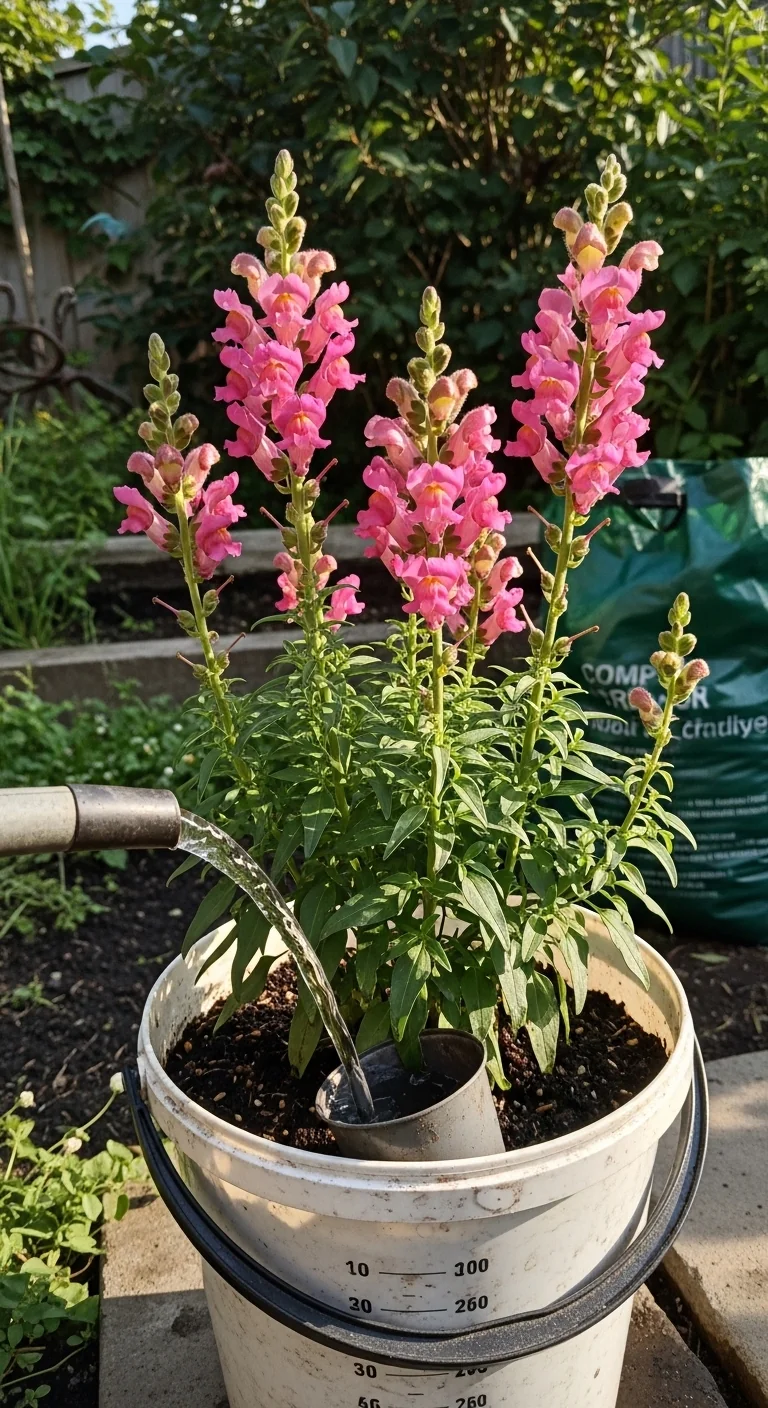
Best for: Branch 3
Coreopsis follows the same low-intervention pattern as other Branch 3 perennials: plant once in spring or early summer in well-drained soil and shear lightly after the first heavy bloom wave. The threadleaf types rebloom reliably into October without fertilizer or extra water once established. This makes them the ideal filler for sunny edges that need color without ongoing effort.
Starter Stack (What to Choose First)
For Branch 1 (short frost window)
Start with marigolds and pansies. Marigolds deliver fast ground-level color while pansies add height and frost tolerance. Together they fill a 4-by-6-foot bed in under 45 minutes using six-packs costing 15 to 25 dollars total and require only weekly watering until established.
For Branch 2 (full sun, moderate window)
Start with dahlias and black-eyed Susan. Dahlias supply large focal blooms while black-eyed Susan adds drought-tolerant daisy form and pollinator traffic. The pair occupies a 6-by-8-foot border, planted in one hour with an initial cost of 25 to 40 dollars and minimal follow-up beyond occasional staking.
For Branch 3 (established low-maintenance beds)
Start with echinacea and coreopsis. Echinacea provides sturdy upright form while coreopsis fills the lower layer with repeated yellow blooms. Both establish in 30 minutes or less per 10-square-foot section at 20 to 30 dollars and need nothing beyond one midsummer cutback.
When This Won’t Work
These fall flowers fail when your garden has heavy clay soil that stays saturated longer than 24 hours after rain (test by digging a 12-inch hole and timing how fast water drains) or when fewer than four weeks remain before first frost and you attempt to start from seed instead of transplants. In both cases the roots never establish deeply enough to support bloom before cold shuts them down.
The alternative action is to shift to container growing with a commercial potting mix or to move straight to cool-season greens and hardy evergreens for structure. If your site receives fewer than six hours of direct sun daily, switch categories entirely.
For full-sun alternatives see the full-sun-flowers page.
Choosing the Right Option for Your Situation
Budget threshold
Under 30 dollars: choose pansies or marigolds in six-packs for instant coverage of small beds or containers. Over 30 dollars: invest in perennial starts of black-eyed Susan, echinacea or coreopsis that return larger each year.
Time threshold
Under one hour total planting time: select any of the Branch 3 perennials or Branch 1 transplants; they go in the ground and need only initial watering. Over one hour available: add dahlias or zinnias that benefit from deeper soil prep and staking at planting.
Technical constraint (soil drainage)
If water sits in a test hole longer than 12 hours, avoid dahlias and echinacea; choose marigolds, pansies or salvia in raised beds or containers instead.
Yes/No checklist:
Do you have at least four weeks before first frost? Yes → proceed with any branch.
Is your site full sun six-plus hours? Yes → prioritize Branch 2.
Are you willing to lift tubers or mulch heavily? Yes → include dahlias or pansies.
No on any above → shift to containers or cool-season greens.
Expert Q&A
How do you keep fall flowers from getting leggy once nights cool?
Pinch or shear the top one-third of stems in mid-August on zinnias, salvia and coreopsis. This redirects energy into side buds instead of vertical stretch and produces denser bloom exactly when temperatures drop.
Which fall flowers work best as companions for ornamental grasses?
Black-eyed Susan and coreopsis pair cleanly with taller grasses because their daisy forms echo the grass seed heads while salvia adds vertical purple spikes that contrast the feathery texture without competing for space.
Can you successfully overwinter pansies and snapdragons in containers in zone 6?
Yes when you sink the pots into the ground or wrap them in bubble wrap and place against a south-facing wall. Keep soil barely moist and remove any dead foliage; both resume blooming in early spring without replanting.
What single step prevents powdery mildew on late-season zinnias and salvia?
Space plants at the maximum recommended distance and water only at soil level in the morning. Morning sun on dry foliage stops the humid microclimate that mildew needs to spread.
How do you turn spent fall flower heads into winter interest without
extra work?
Leave echinacea, black-eyed Susan and coreopsis seed heads standing through December. They provide structure, bird food and subtle texture; simply cut them back in late winter before new growth emerges.
Conclusion
The single decision that separates reliable fall color from patchy beds is matching the bloom mechanism to your exact frost window and light exposure instead of chasing generic color combinations. The most common mistake is planting everything at once without first checking your remaining days and drainage test.
Next step: pick your Decision Grid branch today and order the two starter-stack varieties for that branch. Head to the low-maintenance-flowers page for the exact spacing and soil amendments that lock in success from the first planting.