
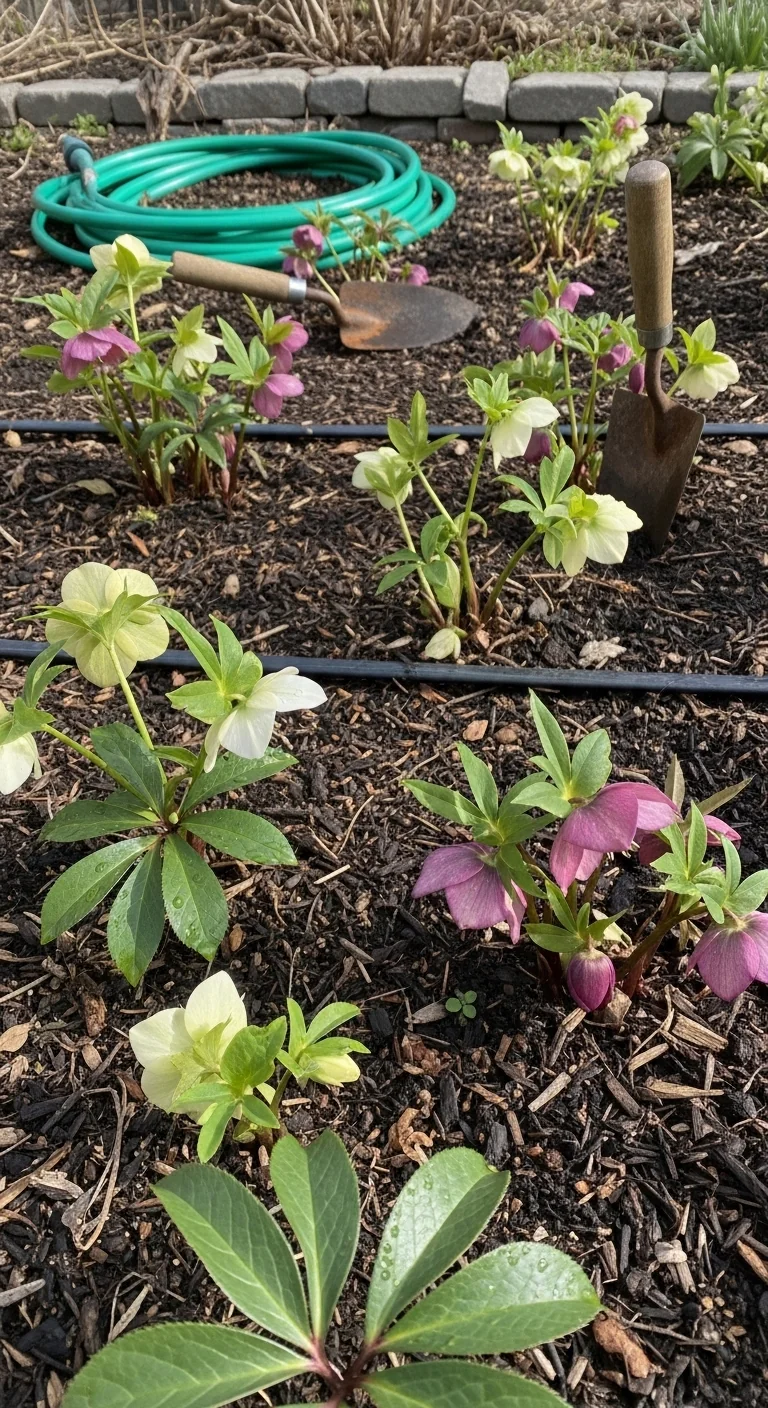
Most hellebore guides list varieties by flower color alone. The key difference lies in matching each variety to precise site conditions such as winter light exposure under deciduous trees and soil drainage quality. Get this alignment right and hellebores deliver consistent blooms from late winter into spring with almost no follow-up care.
This guide focuses on the main species and hybrid groups suited to ornamental flower gardens in USDA zones 4 to 9. It covers only garden-ready perennials and excludes short-lived annual types or strictly indoor options.
You will finish with a clear choice for your exact light pattern, drainage profile, and bloom window so you can plant once and enjoy evergreen structure plus early color for years.
Align your garden’s winter light pattern and soil drainage with one decision grid branch to select the variety that thrives without extra amendments.
The Yield Grid Decision Grid
Branch 1: Deciduous tree cover that delivers full winter sun exposure and summer dappled shade. Soil pH stays between 6.5 and 7.5 with good drainage. Recommended: Items 1, 4, and 7 below.
Branch 2: Steady partial shade with consistent soil moisture but no standing water for more than 48 hours. Recommended: Items 2, 5, and 8 below.
Branch 3: Sites with occasional afternoon sun or heavier clay soils once drainage is improved. Recommended: Items 3, 6, and 9 below.
For pairing these with other reliable perennials, check the perennial flowers guide.
Quick Comparison Table
| Option | Key mechanism | Best for | Decision Grid Branch | Effort Score |
|---|---|---|---|---|
| Helleborus niger | Protected flower buds under evergreen leaves for earliest bloom | Late winter white blooms in light shade | Branch 1 | 1 |
| Helleborus x hybridus Winter Jewels Amber Gem | Double petal structure holds color through variable spring weather | Mid-season pink tones in partial shade | Branch 2 | 3 |
| Helleborus foetidus | Upright stems with finely divided foliage tolerate deeper shade | Green bell flowers in woodland edges | Branch 3 | 1 |
| Helleborus x hybridus Ice N Roses Bianco | Compact crown with strong root system anchors quickly | White flowers with red accents in moist shade | Branch 1 | 2 |
| Helleborus argutifolius | Leathery serrated leaves resist wind and light sun exposure | Yellow-green clusters in mixed light | Branch 2 | 3 |
| Helleborus x hybridus Black Diamond | Deep purple petals contrast against dark green foliage | Dramatic late spring color in partial shade | Branch 3 | 2 |
| Helleborus x hybridus Double Queen Series | Layered petals extend bloom visibility into April | Multi-color options under deciduous trees | Branch 1 | 3 |
| Helleborus x sternii | Hybrid vigor improves drought tolerance once established | Hybrid blooms in variable drainage sites | Branch 2 | 1 |
| Helleborus orientalis base hybrids | Broad foliage covers ground and suppresses weeds | Early spring ground cover in moist beds | Branch 3 | 2 |
Helleborus niger
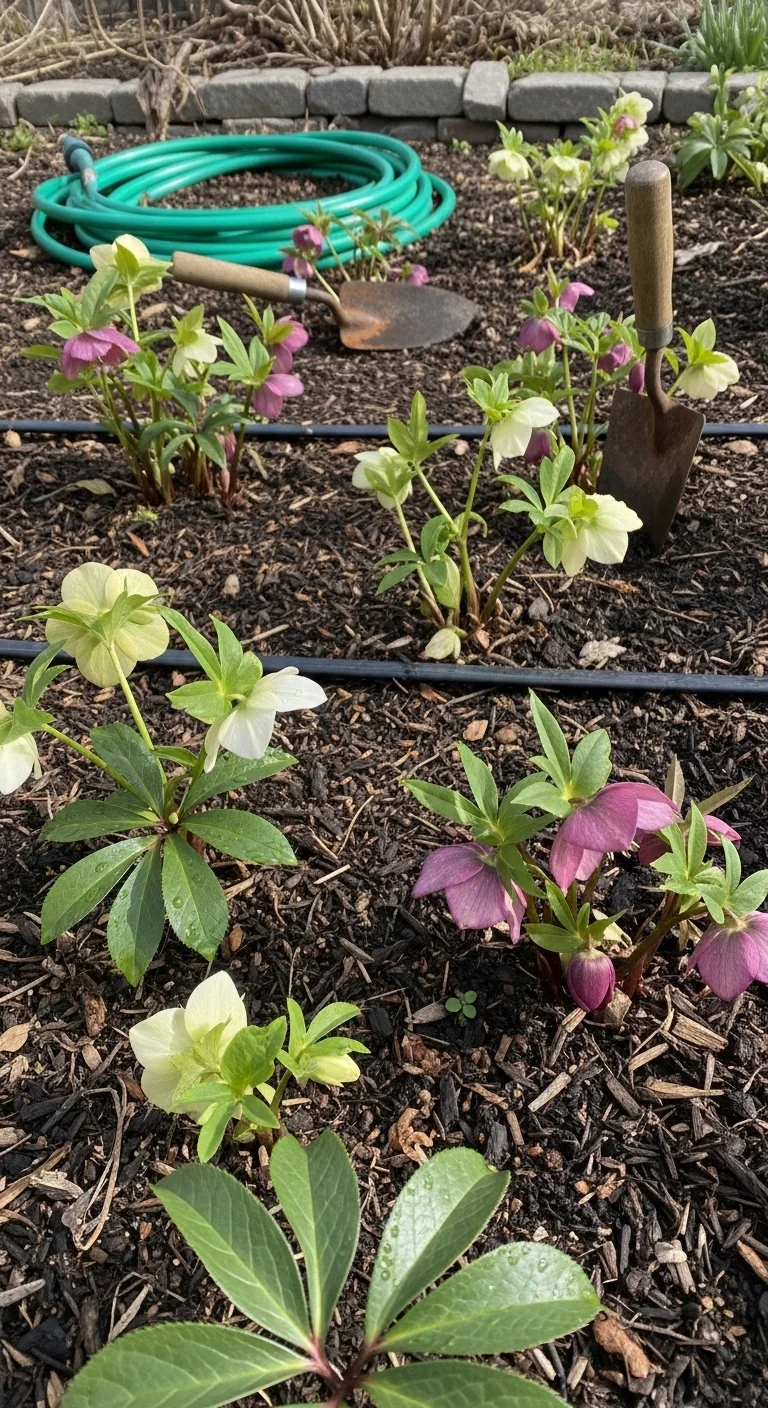
Best for: Branch 1
Blueprint
What: The Christmas rose species opens white or pink-tinged flowers as early as December in mild winters. For: Sites under deciduous trees where winter sun reaches the crown. Steps: Plant in fall at soil level with crown just at surface. Add 2 inches of organic mulch after first frost. Mistake to avoid: Placing in full evergreen shade blocks the light trigger needed for bud formation.
This variety tolerates soil temperatures down to 35 degrees F once established and performs best when removed old leaves are cleared in late winter before buds emerge. Space plants 18 inches apart for clump expansion over three seasons.
Helleborus x hybridus Winter Jewels Amber Gem
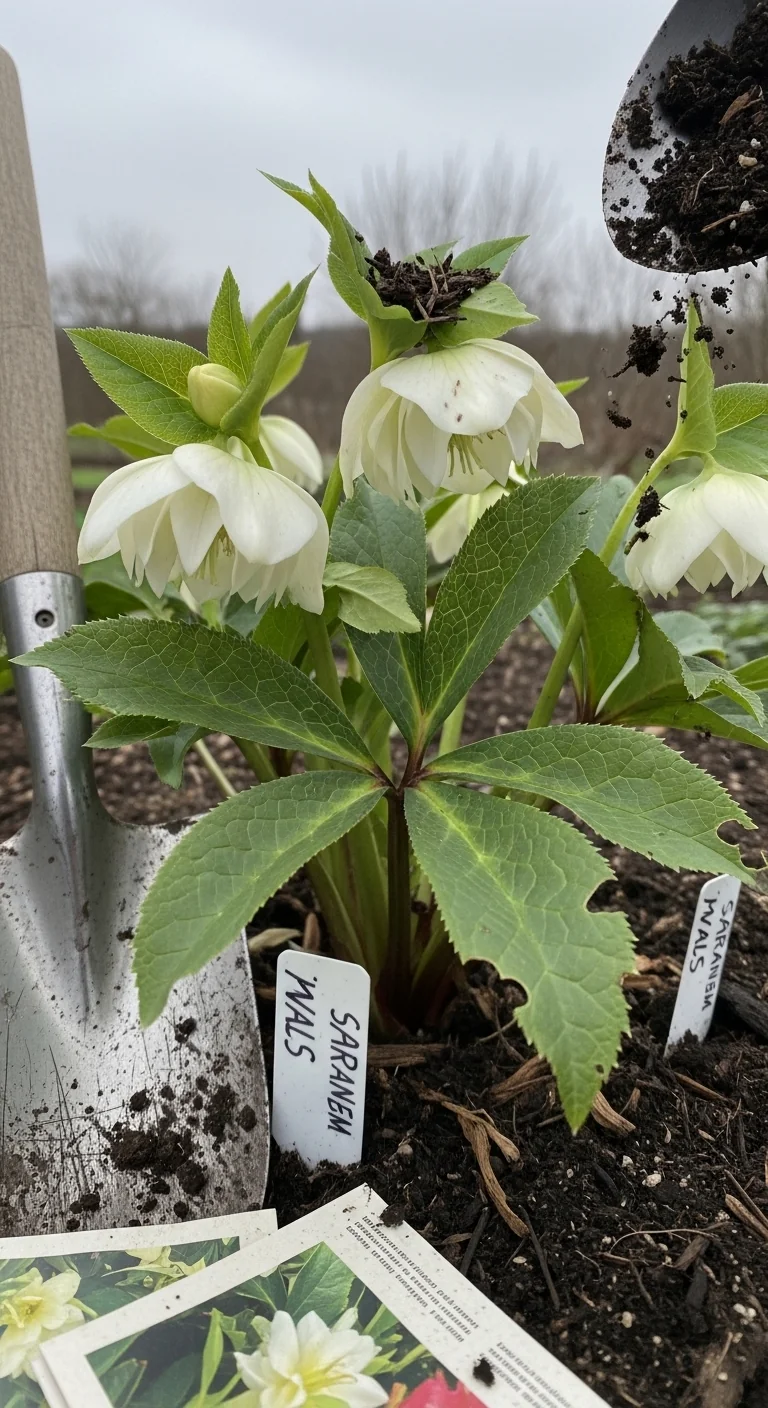
Best for: Branch 2
Use this double-flowered hybrid when you want petal-packed blooms that hold shape through March rains. Skip it if your site dries out completely for more than two weeks in summer. Edge case: In zones 8 and 9 it still flowers reliably but needs one deep watering every 10 days during peak heat.
Helleborus foetidus
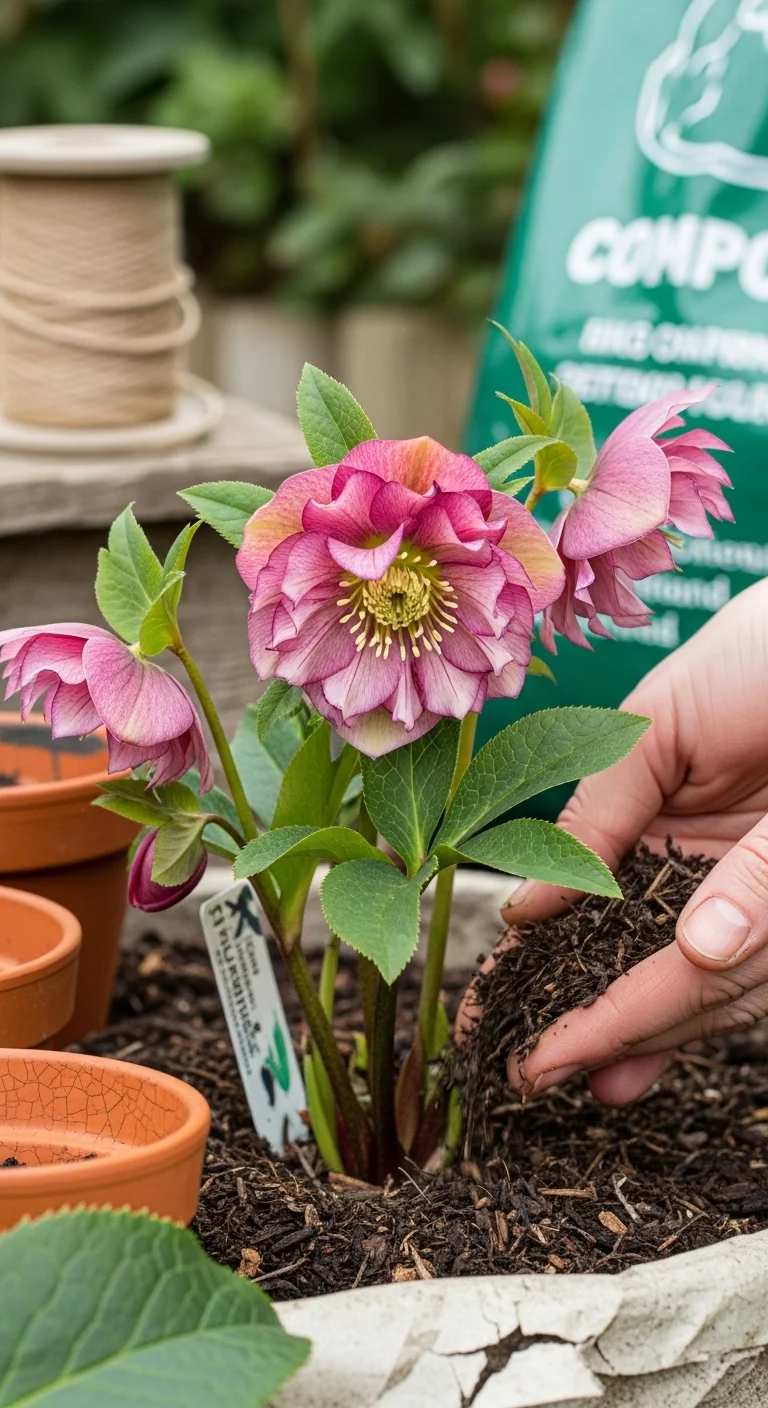
Best for: Branch 3
Threshold rule
Keep soil pH above 6.0 and avoid waterlogged conditions longer than 72 hours. Adjust by adding compost if drainage test shows water pooling after 30 minutes. This species handles deeper shade than most hellebores but flowers best when at least 3 hours of winter sun reach the plant. Remove spent stems at base after bloom to keep foliage tidy.
Helleborus x hybridus Ice N Roses Bianco
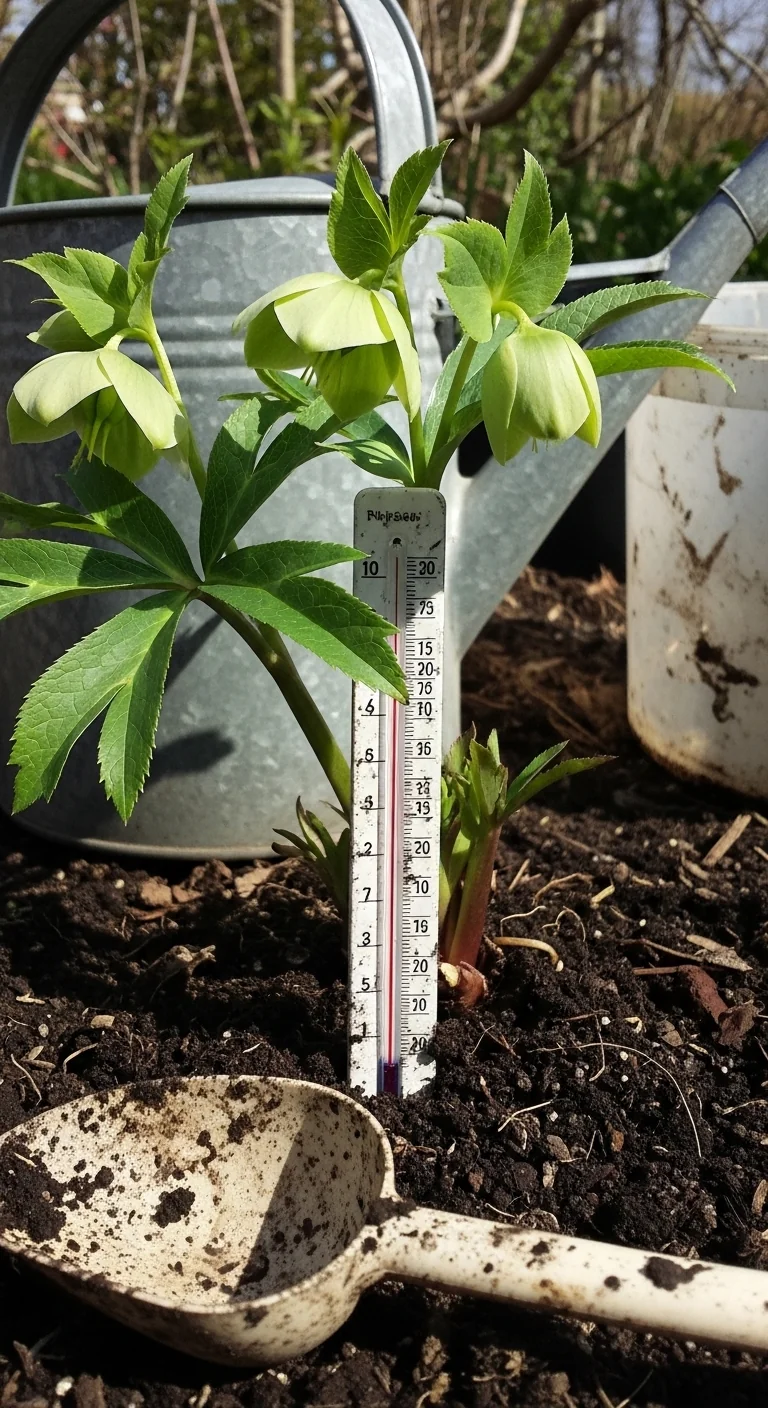
Best for: Branch 1
10-minute workflow
Step 1: Dig hole twice root ball width in fall. Step 2: Backfill with native soil plus 20 percent compost. Step 3: Water deeply once then apply 2-inch mulch layer. Upgrade option: Add a single slow-release organic fertilizer pellet at planting for the first season only. Total time stays under 10 minutes per plant.
Helleborus argutifolius
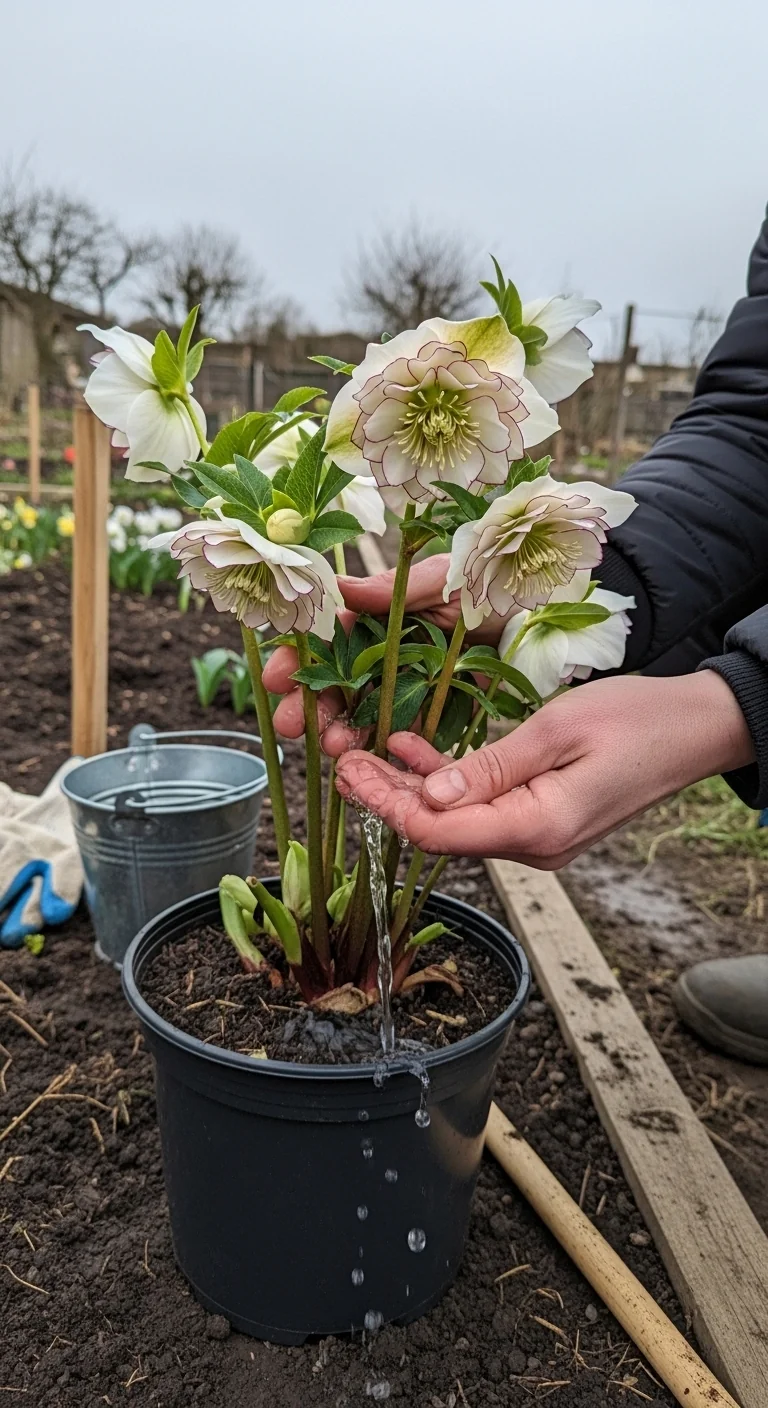
Best for: Branch 2
Blueprint
What: Corsican hellebore with yellow-green cup flowers and serrated leaves. For: Gardens with mixed light where partial sun reaches foliage in spring. Steps: Plant 24 inches apart in amended soil. Trim oldest leaves in early spring. Mistake to avoid: Overwatering in clay leads to crown rot within one season.
Helleborus x hybridus Black Diamond
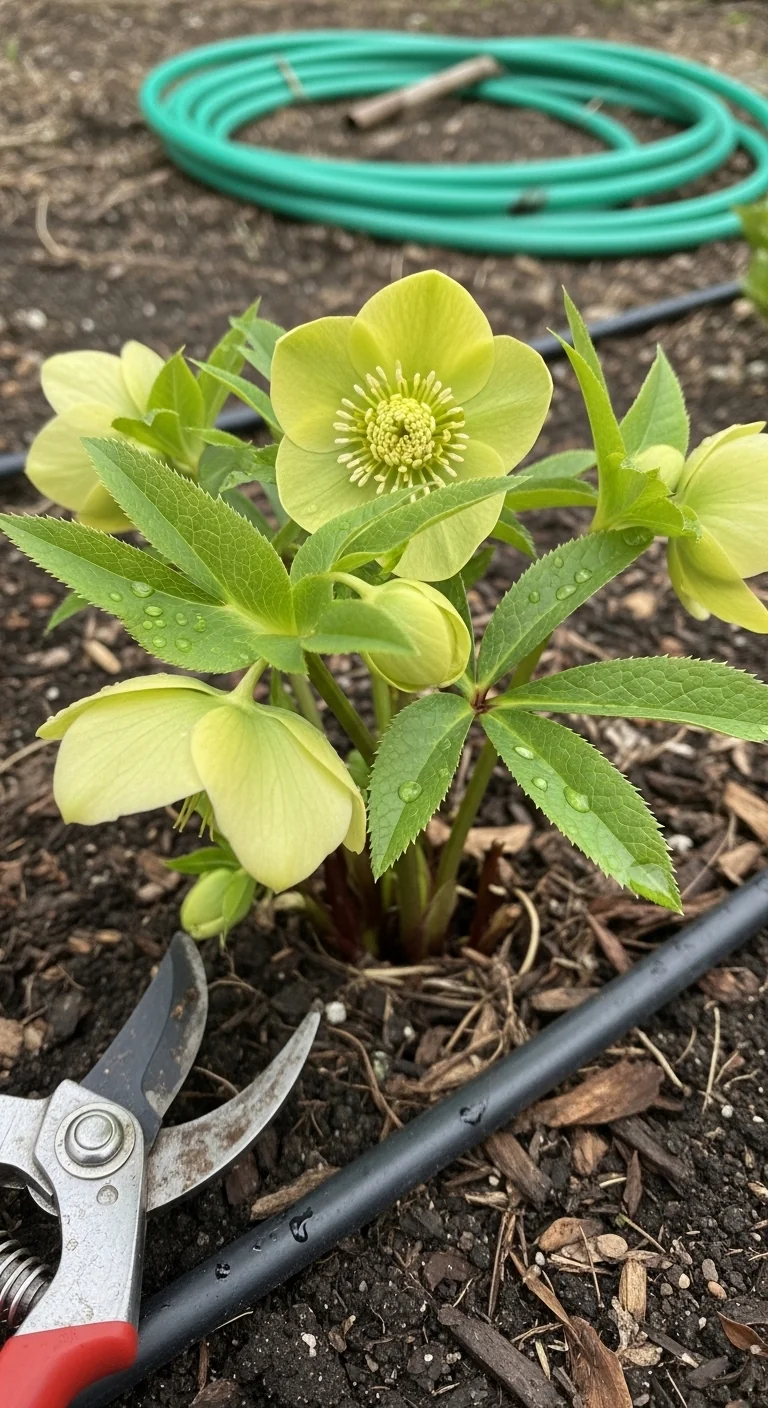
Best for: Branch 3
Use this near-black variety for dramatic contrast against light green companions. Skip in full deep shade where flower color fades. Edge case: In clay soils it still performs if drainage is corrected with raised planting by 4 inches.
Helleborus x hybridus Double Queen Series
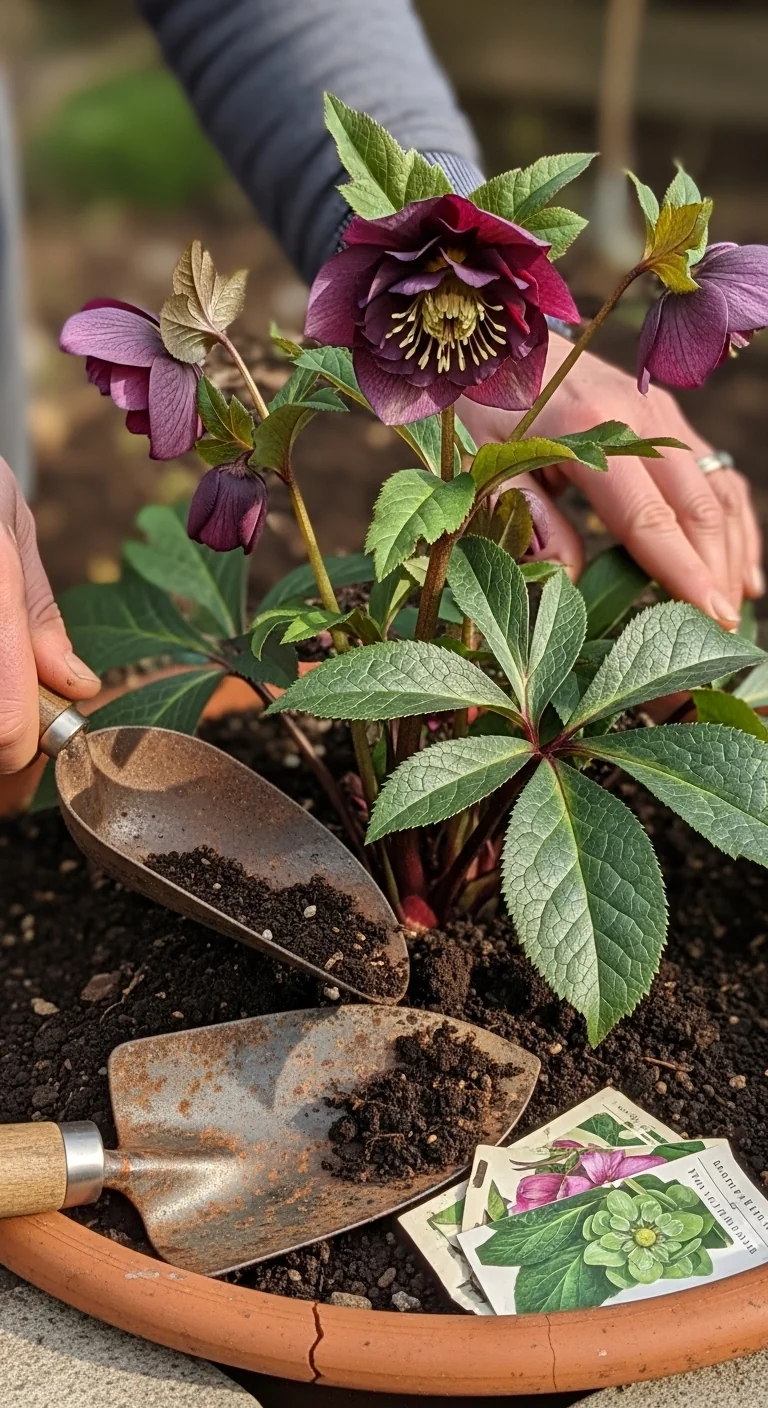
Best for: Branch 1
Threshold rule
Space at 20 inches and maintain soil moisture at field capacity during the first 12 months. Monitor for leaf burn only if summer temperatures exceed 85 degrees F for more than 5 consecutive days. These layered-petal selections extend visible bloom into mid-April under deciduous cover. Clear old foliage once buds show color.
Pair with winter flowers for extended seasonal interest.
Helleborus x sternii
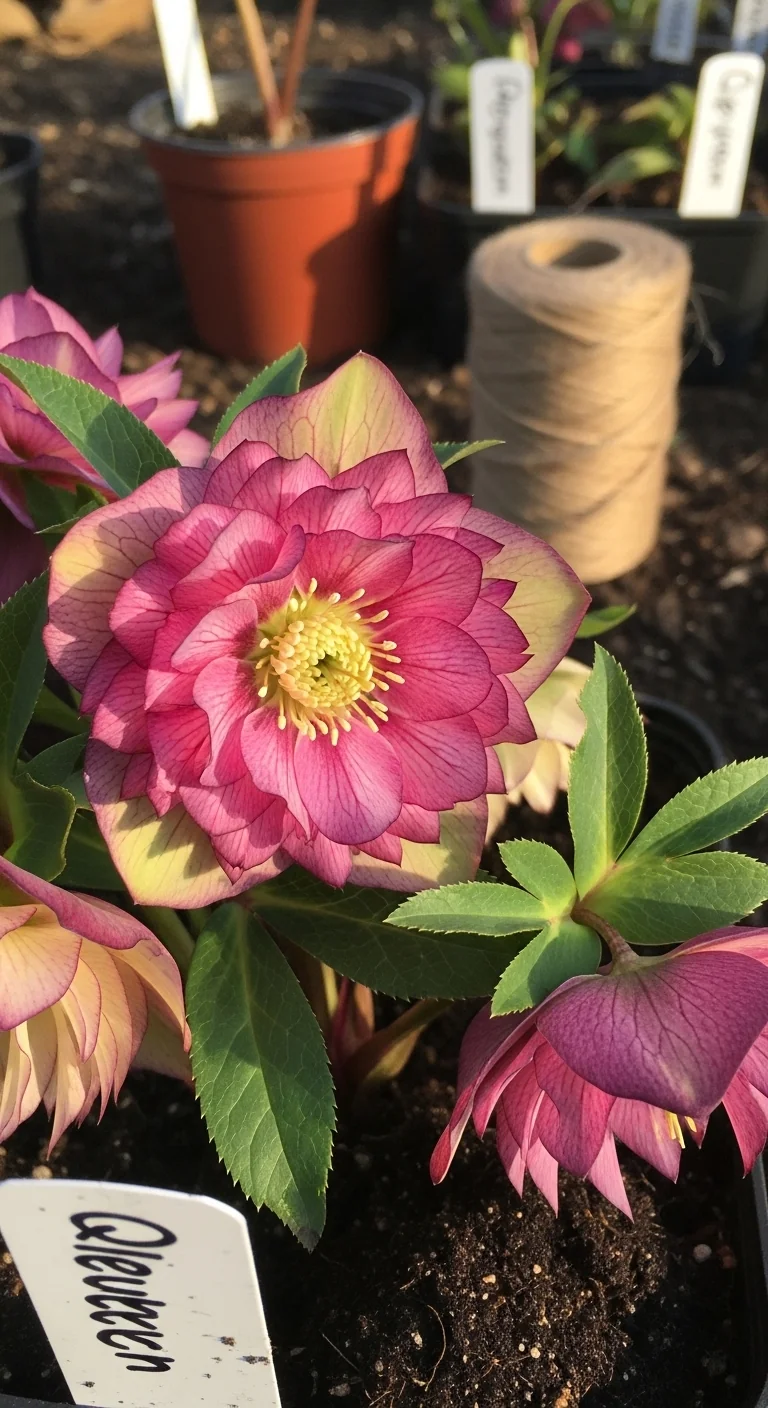
Best for: Branch 2
10-minute workflow
Step 1: Test drainage by digging a 12-inch hole and filling with water. Step 2: If water drains in under 4 hours, plant at crown level. Step 3: Water once and mulch. Upgrade option: Add companion low-maintenance perennials at the same time for instant ground cover.
Helleborus orientalis base hybrids
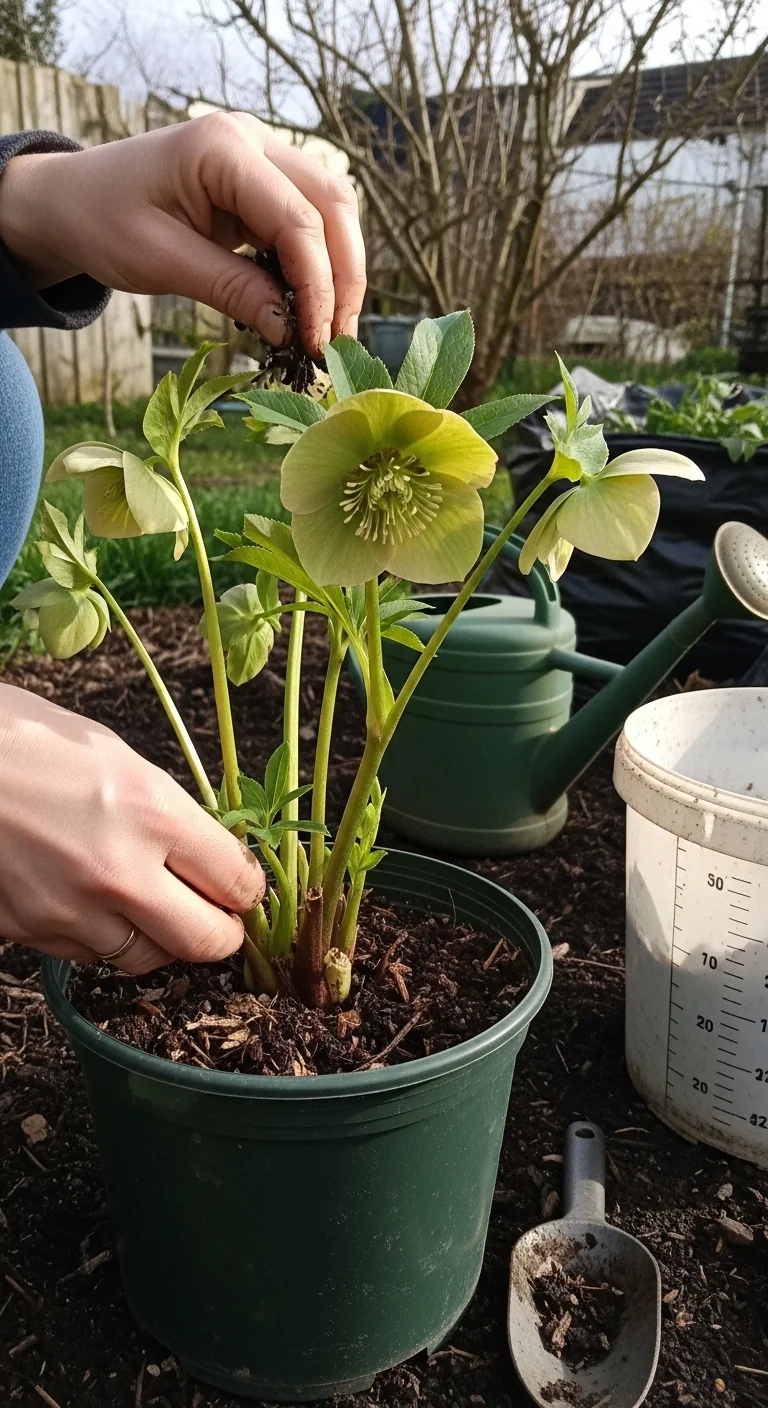
Best for: Branch 3
Use vs skip
Use these broad-foliage hybrids for weed-suppressing ground cover in moist beds. Skip if your soil stays saturated in winter because roots resent prolonged wet conditions. Edge case: In deer-heavy zones they remain untouched while providing early nectar for bees when few other perennials are active.
Starter Stack (What to Choose First)
For Branch 1 gardens
Start with Helleborus niger plus Helleborus x hybridus Double Queen Series. Their staggered bloom windows cover December through April while sharing the same light needs. Plant cost ranges 20 to 35 dollars per plant. Planting time runs 20 to 30 minutes total for two plants.
For Branch 2 gardens
Start with Helleborus x hybridus Winter Jewels Amber Gem plus Helleborus argutifolius. The double petals and serrated leaves create textural contrast with minimal overlap in foliage. Plant cost ranges 18 to 32 dollars per plant. Planting time runs 15 to 25 minutes total for two plants.
For Branch 3 gardens
Start with Helleborus foetidus plus Helleborus x hybridus Black Diamond. Upright stems pair with dark foliage for year-round structure even in variable drainage. Plant cost ranges 22 to 38 dollars per plant. Planting time runs 25 to 35 minutes total for two plants. For more low-care choices see the low-maintenance flowers guide.
When This Won’t Work
Hellebores fail when soil stays waterlogged above 50 degrees F for longer than 7 consecutive days because roots develop rot. Switch to raised beds filled with 50 percent native soil and 50 percent compost to restore drainage.
They also struggle in full evergreen shade that blocks all winter light because flower buds never receive the cue to open. Move plants to deciduous tree areas or replace with alternatives suited to constant deep shade.
If drainage remains poor after amendment, consult the flower bed mulch guide for layered solutions that improve aeration over time.
Choosing the Right Option for Your Situation
Budget threshold
If each plant costs under 25 dollars, select from the base Helleborus x hybridus hybrids or Helleborus foetidus. These deliver full-size clumps within two seasons without premium pricing.
Time threshold
If planting window is under 30 minutes total, choose any variety rated effort score 1 or 2 and skip soil testing on the day of planting by preparing the bed one week earlier.
Technical constraint
If your soil pH tests below 6.0, select only Helleborus niger or Helleborus argutifolius because both tolerate slightly wider ranges while still flowering well after one light lime application at planting.
Yes or no checklist:
Does your site receive winter sun under deciduous trees? Yes leads to Branch 1.
Does soil stay moist but drain within 4 hours after rain? Yes leads to Branch 2.
Does site have occasional afternoon sun or heavier soil? Yes leads to Branch 3.
Ready to plant this fall or early spring? Yes means order now.
Expert Q&A
Can hellebores be grown successfully in balcony containers?
Yes when using pots at least 12 inches deep with drainage holes and a 50 percent compost blend. Place in partial shade and water when top inch dries. Expect two to three years of reliable bloom before repotting becomes necessary in zones 5 through 8.
What is the best time to divide established hellebore clumps?
Divide in early fall when soil is still warm but air temperatures stay below 75 degrees F. Lift the entire crown, separate sections with at least three buds each, and replant immediately at the original soil level. Water deeply once and mulch to settle roots before winter.
How long do cut hellebore stems last in a vase?
Stems cut when flowers are fully open last 7 to 10 days in cool water changed every 48 hours. Sear stem ends in boiling water for 30 seconds to extend vase life. They work well in mixed winter arrangements with evergreens.
Do hellebores need protection from heavy snow or ice?
No special protection is required in zones 4 through 9 because evergreen leaves and strong crowns handle snow loads up to 12 inches. Simply brush off heavy wet snow after storms to prevent stem bending in early bloom season.
Which common pests or diseases affect hellebores most often?
The decision grid removes guesswork by tying variety choice directly to measurable winter light and drainage factors. The single biggest mistake is planting any hellebore under evergreen trees that block all winter sun.
Review your garden’s deciduous tree coverage today then reference the spring flowers guide to select matching companions that extend color into early summer.