
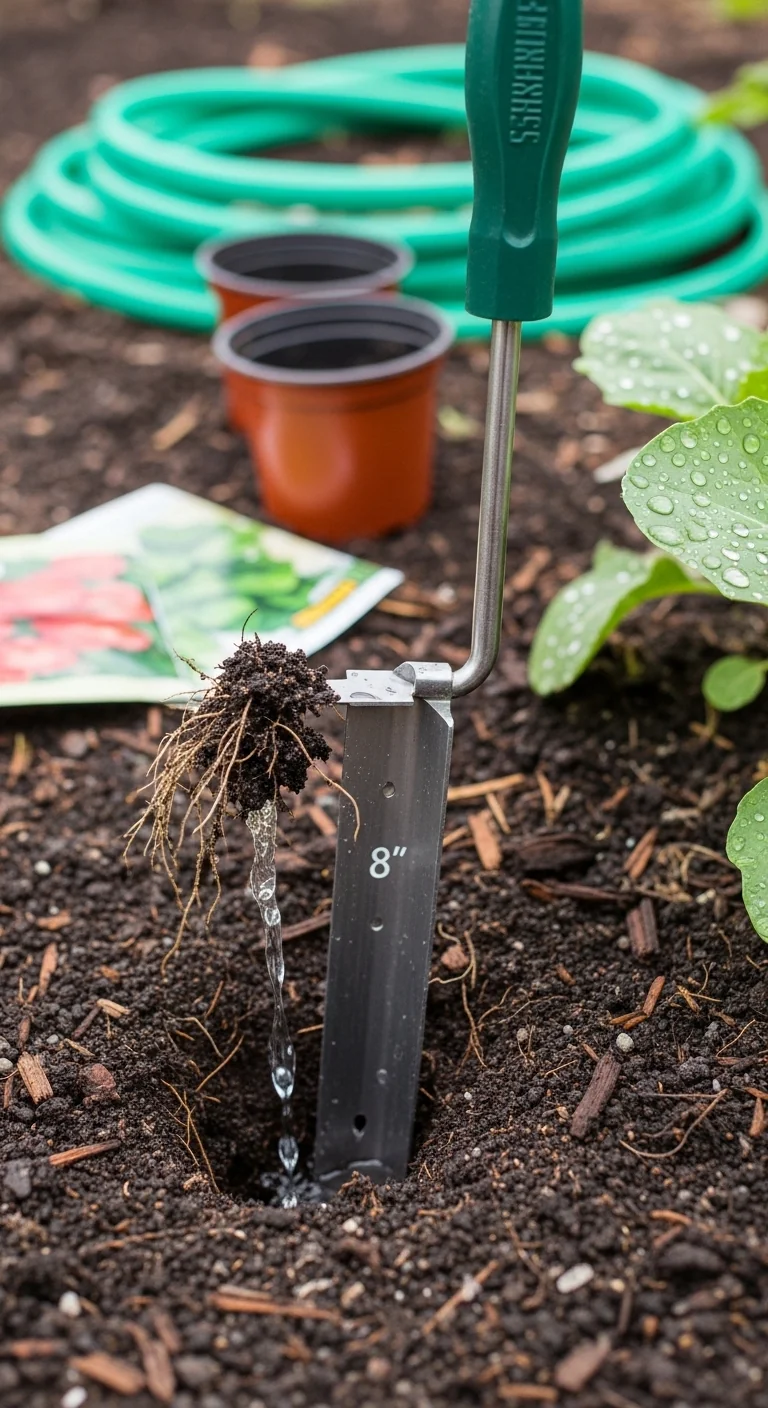
Watering a vegetable garden succeeds when you match the delivery method to your soil drainage rate and specific root depths instead of relying on a generic weekly schedule. Most approaches overlook these measurable factors, leading to uneven moisture that stresses crops like tomatoes or causes rot in heavy soils.
This listicle covers nine targeted methods for in-ground beds, raised beds, and containers. It excludes lawn care, flower beds, or non-edible crops. Each method includes a unique detail such as probe depth rules or emitter spacing that directly informs your choice based on simple tests you can run in minutes.
By following the decision grid and comparison table, you will select the exact technique for your conditions and adjust it using soil probes or weather thresholds to maintain steady root zone moisture all season.
Test soil drainage first, then pick the method that places water precisely at the active root zone for your vegetables.
The Yield Grid Decision Grid
Branch 1: Fast-draining soils or containers. Test by digging a 6-inch hole, filling it with water, and noting if it empties in under 2 hours. Recommended: Items 1, 2, and 5 below.
Branch 2: Slow-draining clay soils. Test by observing if water pools on the surface for over 36 hours after rain. Recommended: Items 3, 6, and 9 below.
Branch 3: High-evaporation conditions. Check daily highs above 82F with low humidity or wind. Recommended: Items 4, 7, and 8 below. Pair any branch with mulch layers to cut frequency. See our mulching vegetable garden guide for integration steps.
Quick Comparison Table
| Option | Key mechanism | Best for | Decision Grid Branch | Effort Score |
|---|---|---|---|---|
| Probe-Guided Deep Root Watering | Measures moisture at 6 to 12 inch root zone to trigger watering only when needed | Tomatoes and peppers in sandy or container setups | Branch 1 | 3 |
| Drip Irrigation for Precision Delivery | Low-flow emitters deliver water directly to root zones at 0.5 to 1 gallon per hour | Row crops needing consistent but minimal surface wet | Branch 1 | 2 |
| Soaker Hoses for Even Distribution | Porous tubing releases water slowly along the full row length | Leafy greens in clay-heavy beds that need slow infiltration | Branch 2 | 2 |
| Overhead Sprinklers with Timing Controls | Even coverage from above with adjustable timers to match evaporation peaks | Wide beds during hot dry spells requiring full canopy reach | Branch 3 | 4 |
| Hand Watering at Plant Base | Directed stream from a wand focuses water at the stem base only | Small or newly transplanted vegetables where precision avoids foliage | Branch 1 | 5 |
| Sensor-Activated Automated Watering | Soil moisture sensors trigger valves when readings drop below set thresholds | Established beds with variable weather requiring hands-off control | Branch 2 | 2 |
| Wicking Beds for Passive Moisture | Reservoir below soil draws water upward through capillary action to roots | Containers or raised beds in full sun with limited daily access | Branch 3 | 1 |
| Rainwater Collection Systems | Barrels and diverters capture roof runoff for gravity-fed delivery to beds | Any setup during dry periods where municipal water is restricted | Branch 3 | 1 |
| Compost Amendment for Retention | Incorporates organic matter to increase soil water-holding capacity at root level | Any soil type needing fewer watering sessions after initial prep | Branch 2 | 1 |
1. Probe-Guided Deep Root Watering
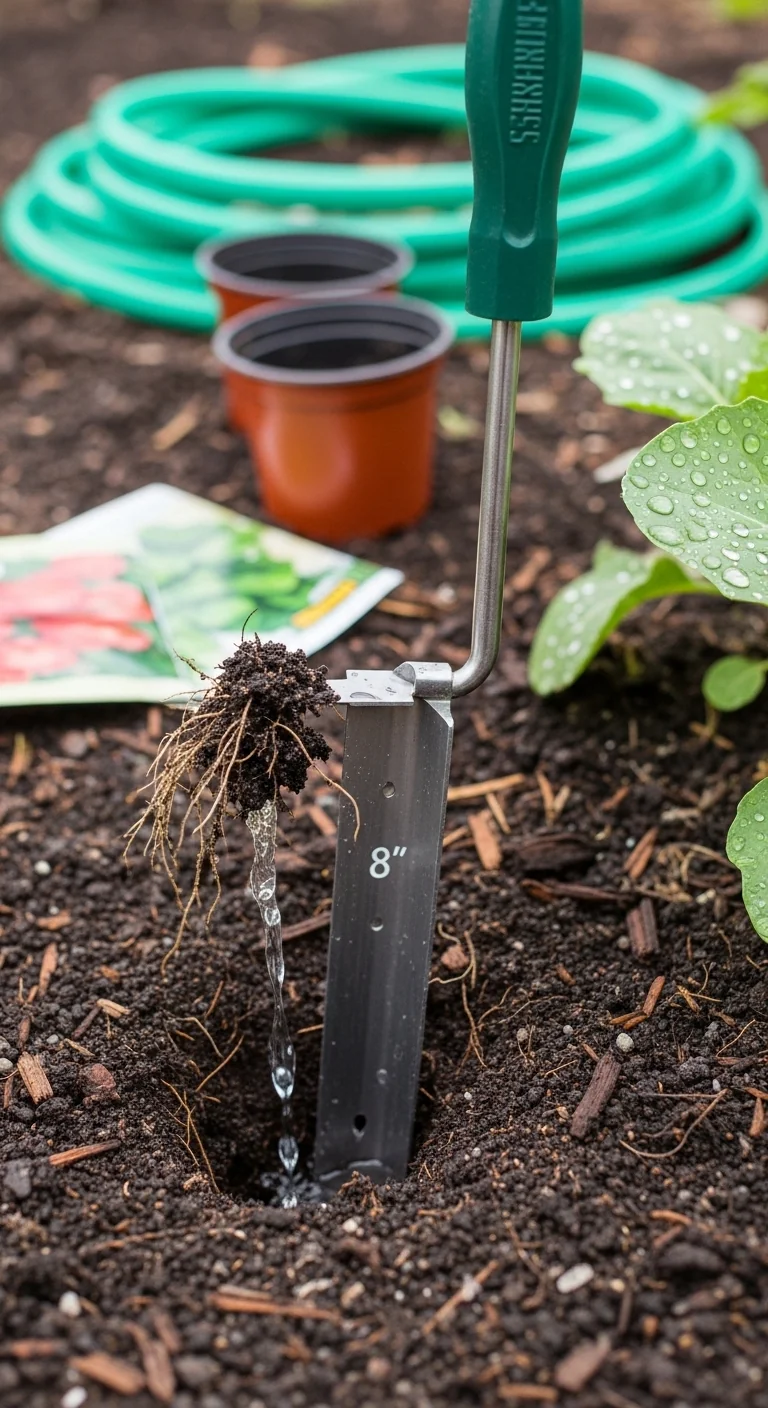
Best for: Branch 1
This blueprint targets the active root zone instead of surface soil. It works for fast-draining conditions where topsoil dries while roots stay thirsty. Use a basic probe inserted to 8 inches in at least three spots per bed. Water slowly at the base until the probe registers moist at target depth. Repeat checks every 3 to 5 days during peak growth. Common mistake is watering the whole bed when only one area reads dry. For tomatoes this means checking deeper at 12 inches because their roots extend farther than lettuce. The method avoids both drought stress on sandy sites and wasted water on containers.
2. Drip Irrigation for Precision Delivery
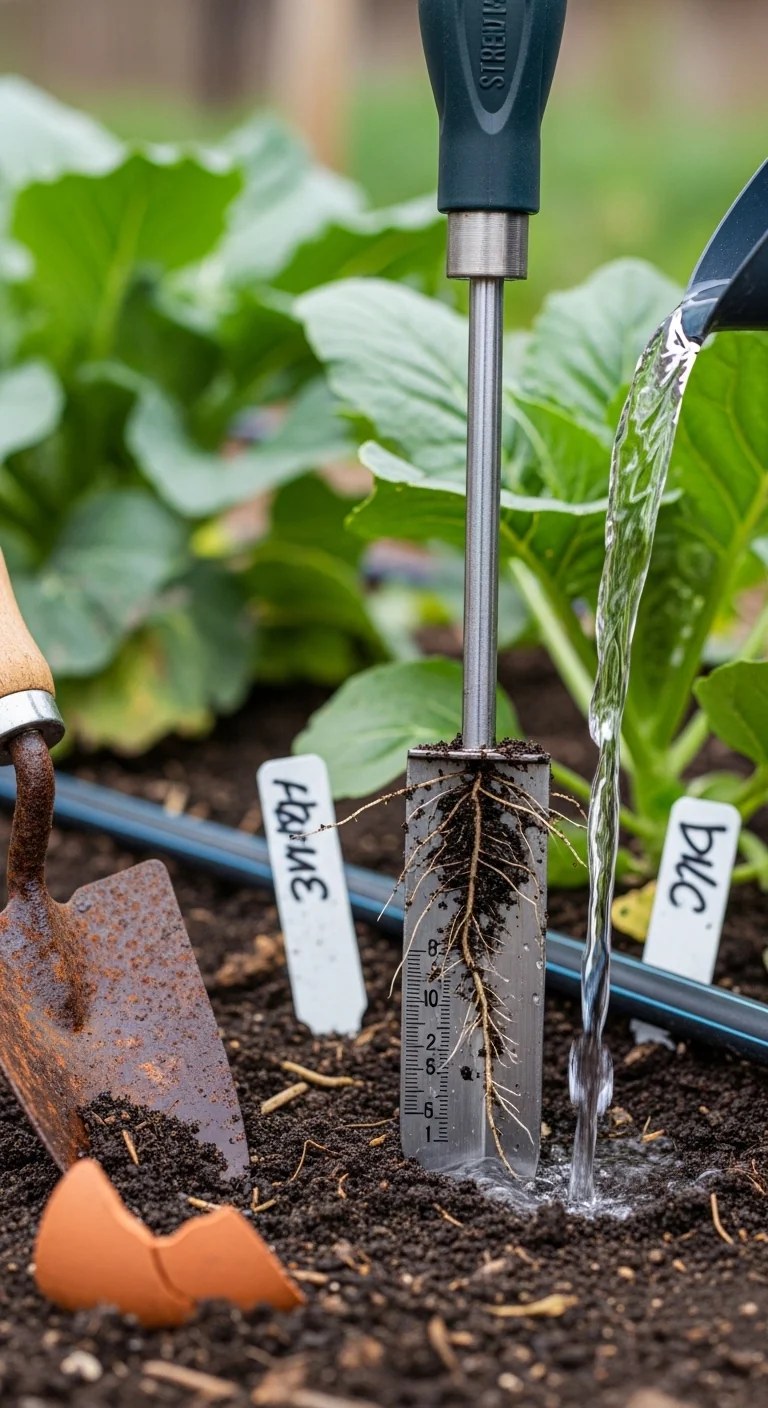
Best for: Branch 1
Use drip lines when fast drainage demands frequent but targeted applications. Pros include minimal evaporation and direct root delivery. Skip it on very small plots or where setup access is blocked by dense foliage. Edge case: heavy clay pockets within an otherwise sandy bed will require wider emitter spacing to prevent pooling. Install lines 12 inches apart for most vegetables and run for 20 to 40 minutes per session based on probe feedback.
3. Soaker Hoses for Even Distribution
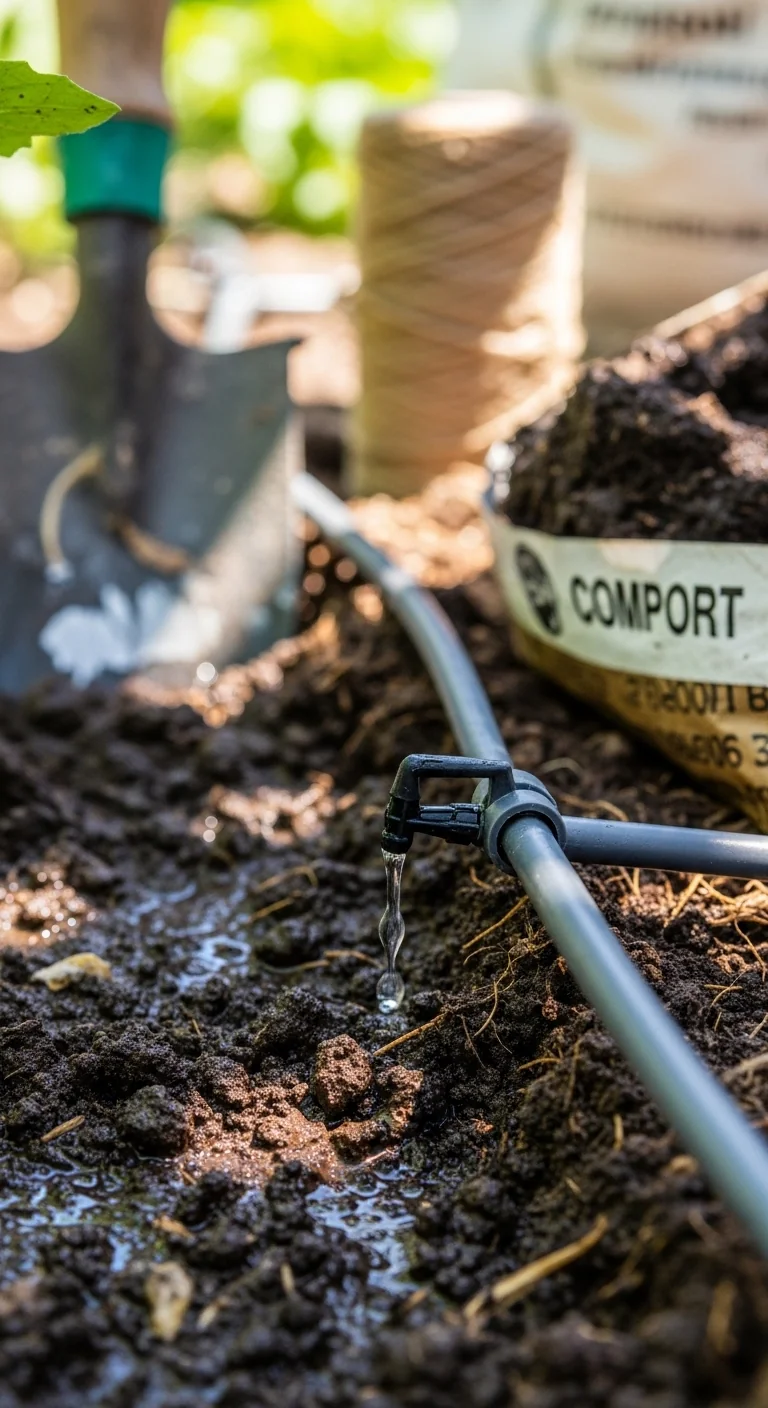
Best for: Branch 2
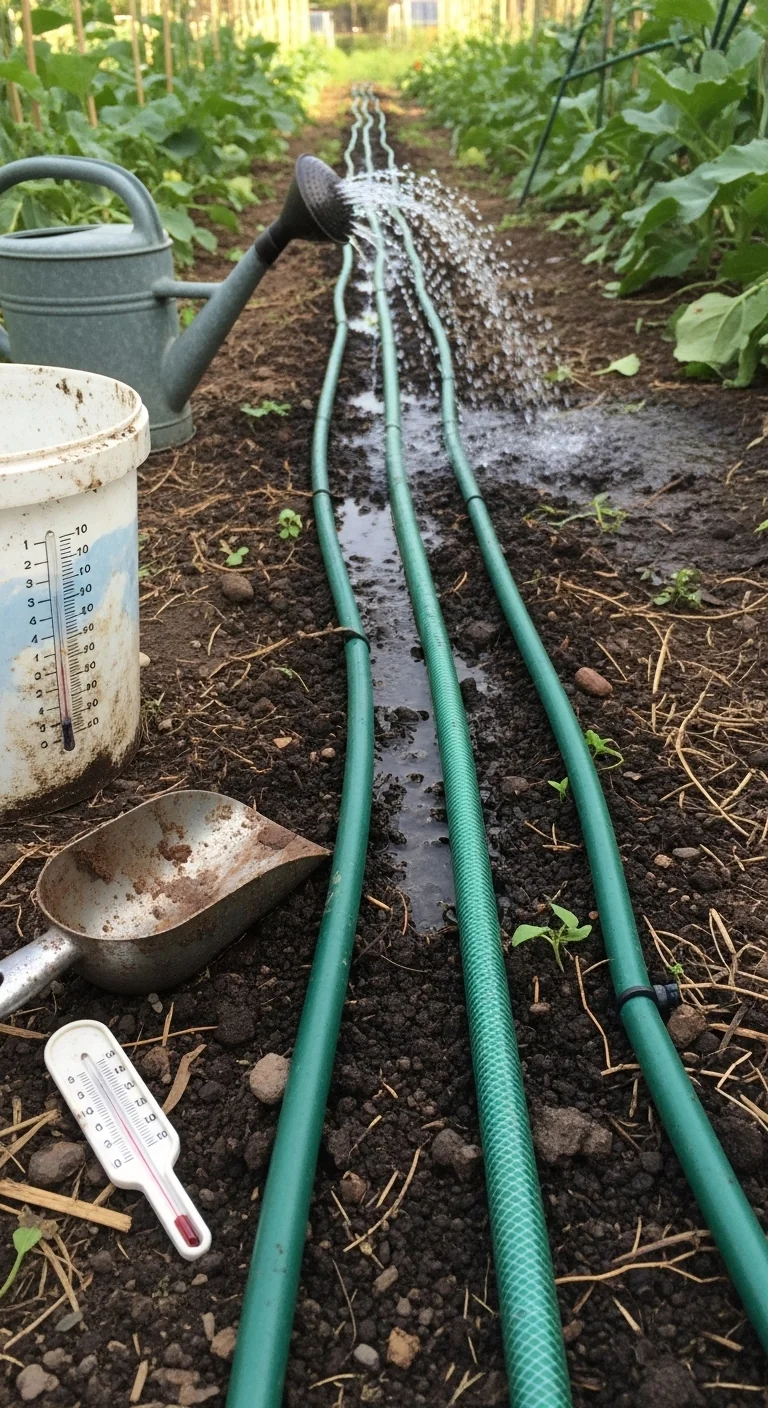
Apply soaker hoses only when surface water pools longer than 36 hours. Key threshold: lay hose 6 inches from plant stems and run until soil at 6 inches depth feels moist when tested by finger. Adjust duration upward by 10 minutes for every 5 degree rise above 80F. In slow-draining clay this prevents crusting while still reaching roots. Mistake to avoid is burying hoses too deep where pressure drops.
4. Overhead Sprinklers with Timing Controls
Best for: Branch 3
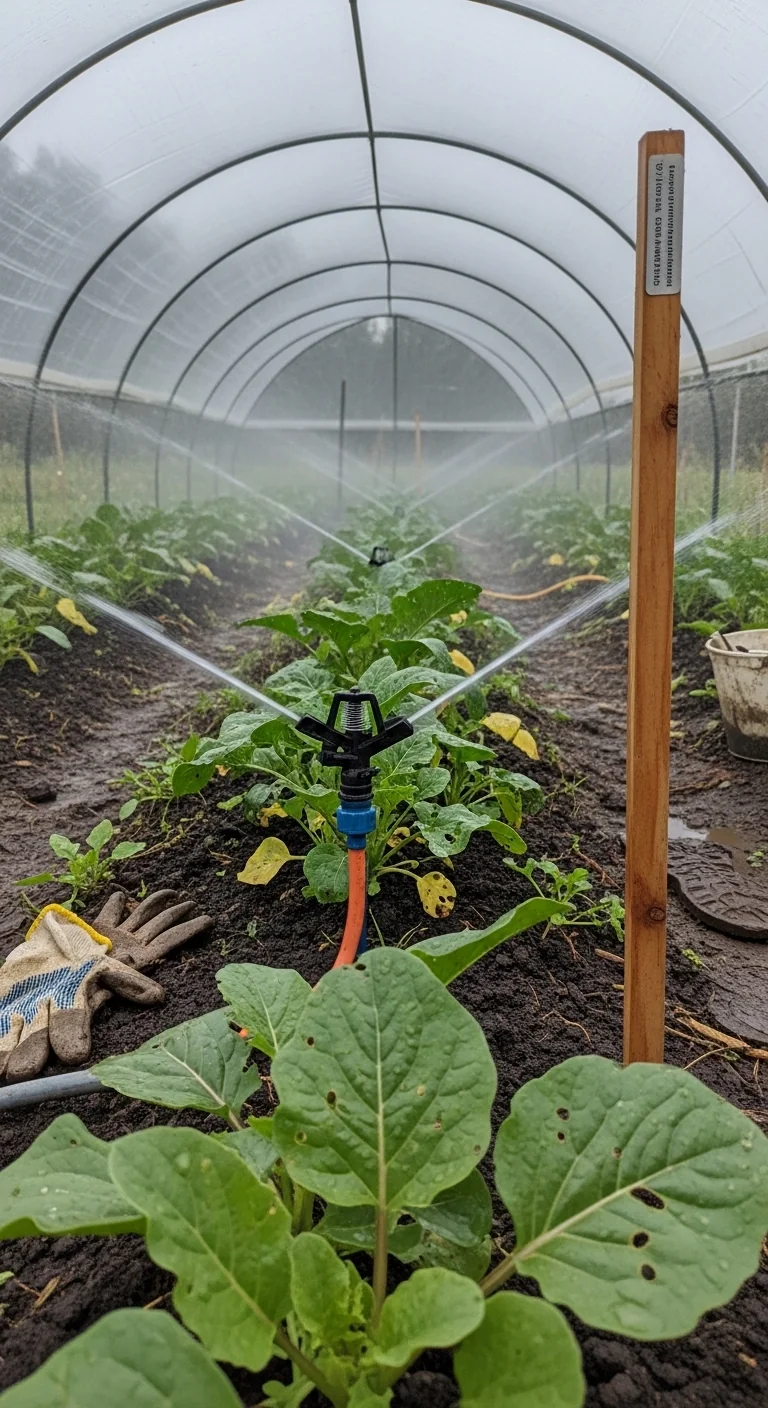
Follow this 10-minute workflow during high-evaporation periods. Step 1: position heads for 70 percent overlap coverage. Step 2: set timer for early morning cycles of 15 to 25 minutes. Step 3: check foliage for even wetting. Step 4: confirm soil at 4 inches is moist. Upgrade option is adding a rain sensor to skip cycles automatically after 0.25 inch of natural rain. This method covers wide beds efficiently but demands careful timing to limit leaf wetness.
5. Hand Watering at Plant Base
Best for: Branch 1
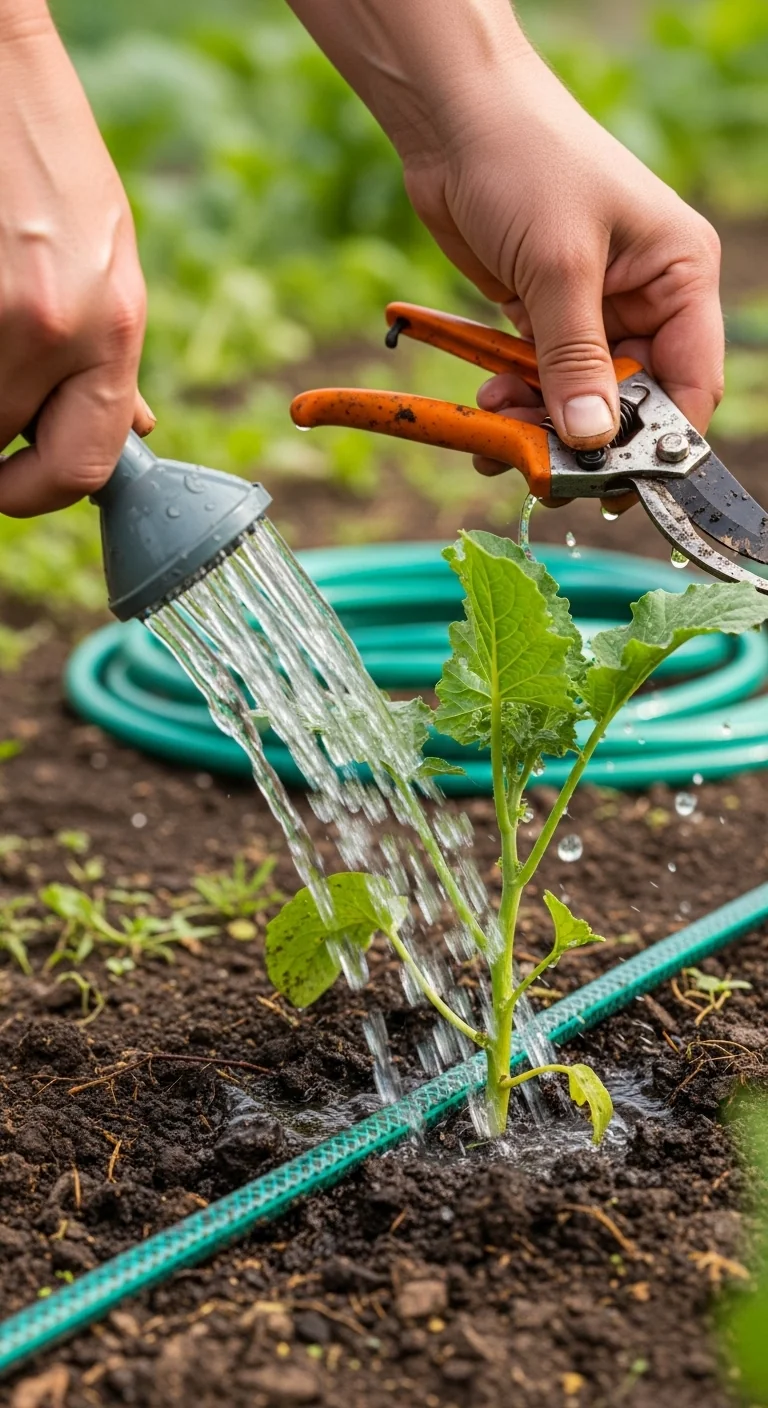
Hand watering fits fast-draining soils when you need total control over each plant. Use a wand with a shut-off valve and direct flow to the base only. Pros include zero equipment cost and instant adjustment to individual needs. Skip during heat waves above 85F because evaporation spikes before water reaches roots. Edge case: newly seeded beds require the gentlest flow to avoid washing away seeds.
6. Sensor-Activated Automated Watering
Best for: Branch 2
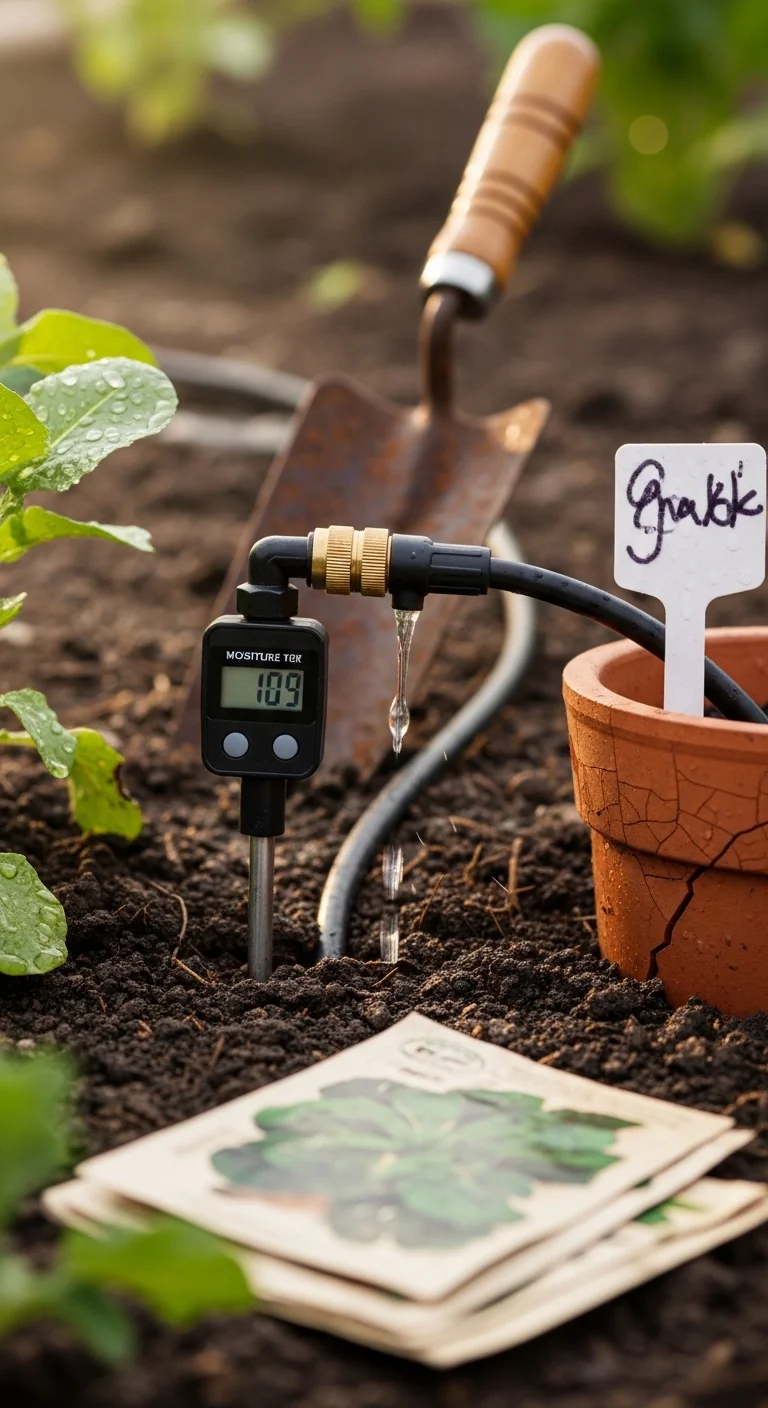
Install sensors in slow-draining soils to trigger watering only when moisture falls below the calibrated set point. The system prevents overwatering that leads to root rot in clay. Place one sensor per 50 square feet at 8-inch depth. Connect to a simple battery valve for beds without power lines. This setup maintains steady conditions for leafy crops that suffer quickly from dry spells.
7. Wicking Beds for Passive Moisture
Best for: Branch 3
Wicking beds use a bottom reservoir connected by fabric or pipe to draw water upward as roots pull moisture. They suit high-evaporation sites where daily manual checks are impractical. Fill the reservoir every 7 to 14 days depending on temperature. The passive action keeps soil evenly moist without surface puddling. As explained in our container vegetable gardening guide, this works especially well for pots and small raised beds exposed to full sun.
8. Rainwater Collection Systems
Best for: Branch 3
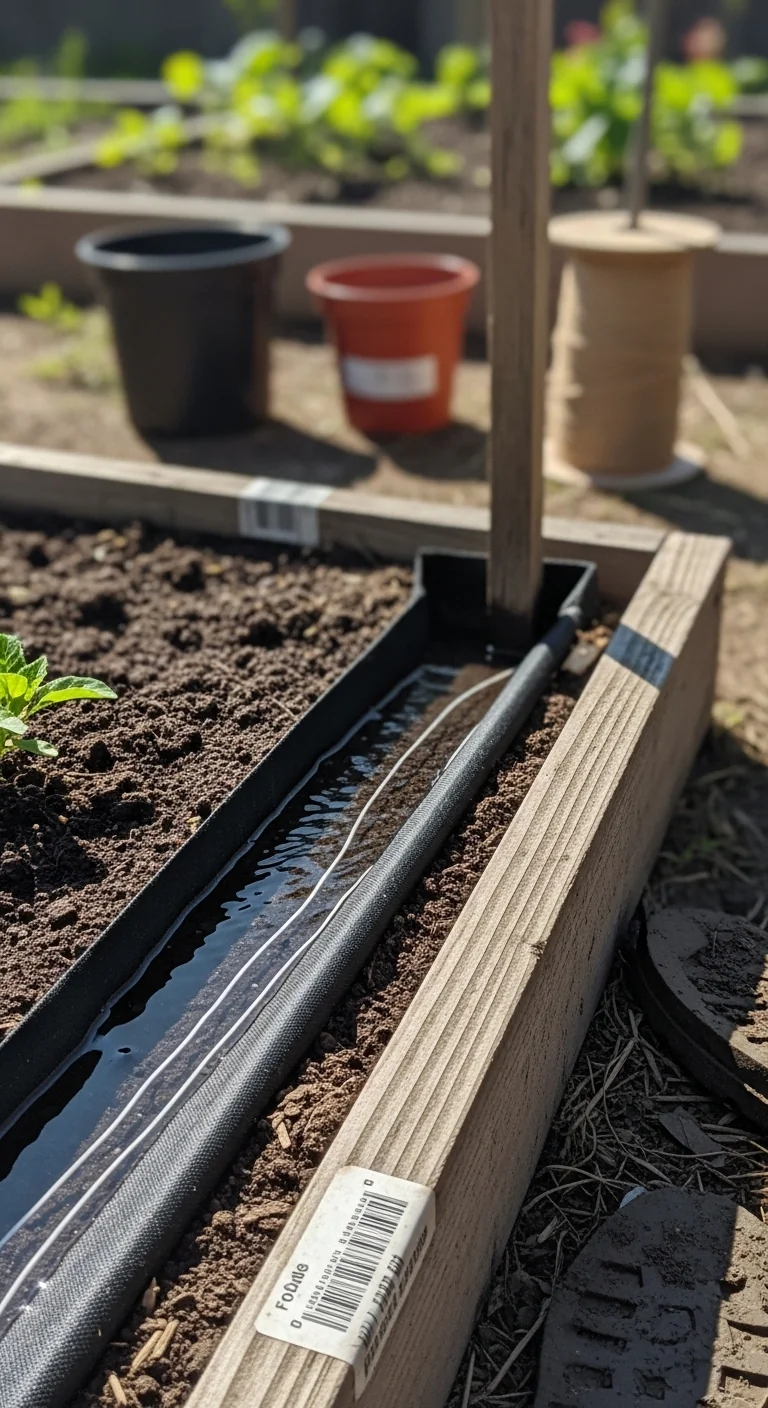
Connect downspouts to barrels during high-evaporation windows when municipal restrictions tighten. Gravity feed lines from the barrel base deliver water directly to beds. Size barrels at 50 to 100 gallons per 100 square feet of garden for a typical dry spell of 10 days. Filter screens keep debris out. This method provides chlorine-free water that many vegetables prefer.
9. Compost Amendment for Retention
Best for: Branch 2
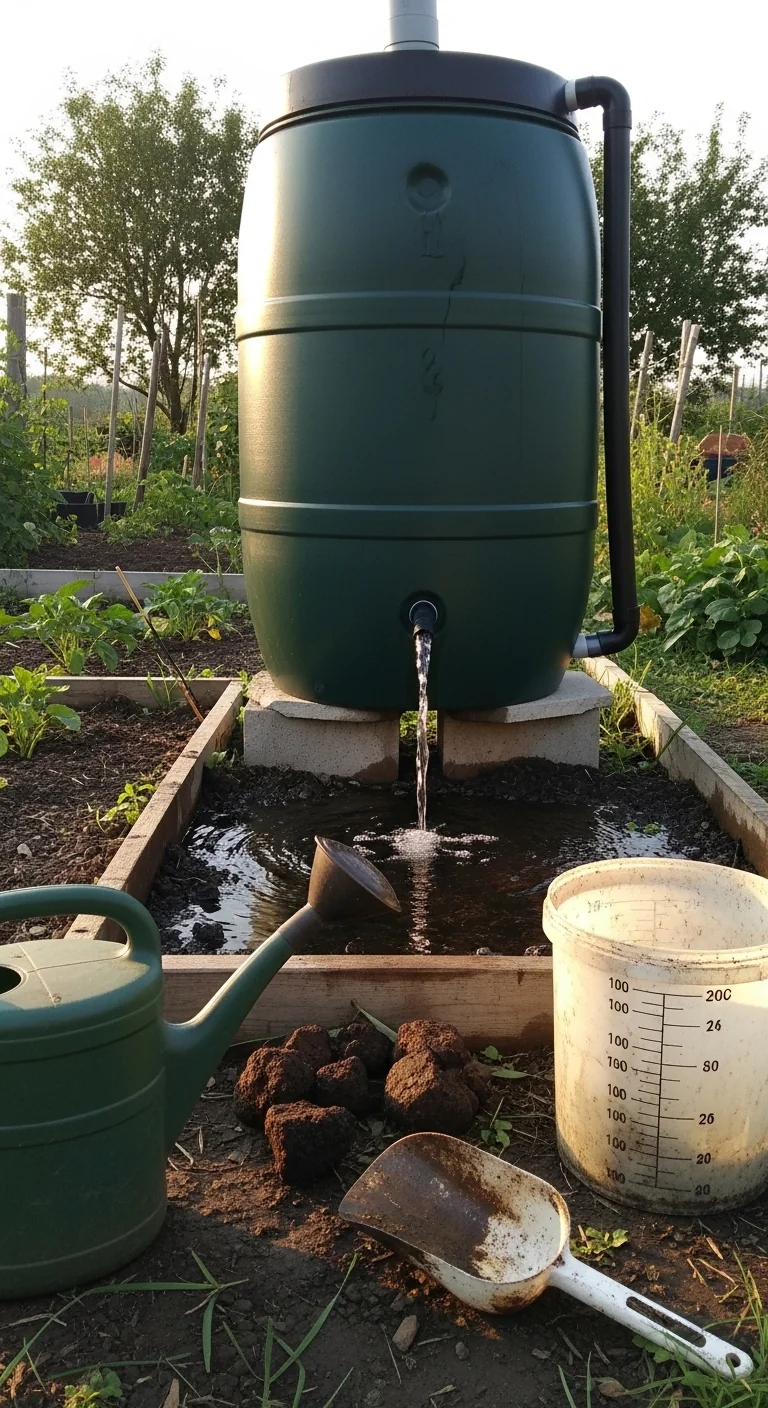
Mix compost into the top 8 inches before planting in slow-draining soils to boost water retention without changing drainage speed. Apply 2 to 3 inches of finished compost and work it in once per season. The added organic matter holds moisture longer at root level while still allowing excess to move away. Test drainage again after amendment to confirm it still fits Branch 2 conditions. For full details on selecting the right type see our best compost for vegetables guide.
Starter Stack (What to Choose First)
For Branch 1: Fast-Draining Soils or Containers
Begin with Items 1 and 2. The probe tells you exactly when roots need water while drip lines deliver it with almost no waste. Synergy keeps surface soil drier to reduce weeds yet maintains deep moisture. Initial setup takes 40 to 75 minutes. Material costs range from 25 to 55 dollars.
For Branch 2: Slow-Draining Clay Soils
Start with Items 3 and 6. Soaker hoses spread water evenly while sensors prevent over-saturation. Together they avoid both dry pockets and standing water. Setup takes 30 to 60 minutes. Material costs range from 35 to 70 dollars.
For Branch 3: High-Evaporation Conditions
Start with Items 4 and 8. Overhead sprinklers cover large areas quickly while rainwater barrels supply free water during peaks. Synergy cuts reliance on tap water. Setup takes 25 to 50 minutes. Material costs range from 20 to 45 dollars.
When This Won’t Work
These methods fail when soil is compacted below 12 inches so water never reaches lower roots even with deep application. Measure by pushing a rod to full depth. If it stops hard at 10 inches, aerate first with a garden fork before any watering change. They also fail in gardens with persistent fungal pressure from poor air flow where foliage stays wet too long. Switch to drip or base watering and increase spacing between plants.
In either case the alternative is soil preparation before installing any delivery system. Once fixed the chosen method will perform reliably.
Choosing the Right Option for Your Situation
Budget Threshold Under 40 Dollars
Select probe-guided, hand watering, or compost amendment. All require minimal purchases and reuse existing hoses or buckets.
Time Threshold Under 15 Minutes Per Session
Choose drip, sensor-activated, or wicking beds. Once installed they run with little daily input beyond occasional checks.
Technical Constraint: No Power or Water Hookup
Use rainwater collection, soaker hoses on gravity feed, or hand watering. These operate without electricity or pressurized lines.
Yes if soil at 8 inches stays moist for 3 days after watering. Yes if your chosen method matches the tested drainage branch. No if leaves show wilting midday despite recent watering. No if runoff occurs before roots receive moisture.
Expert Q&A
Does watering depth change by vegetable type?
Yes. Shallow-rooted crops such as lettuce and radishes need moisture held at 4 to 6 inches. Deep-rooted crops such as tomatoes, eggplant, and beets require water reaching 12 to 18 inches. Probe checks at those exact levels prevent mismatch that causes stunted growth or blossom end rot.
Is morning watering always superior to evening?
Morning allows foliage to dry before nightfall, cutting fungal risk in humid areas. Evening works only if you use drip or base methods that keep leaves dry. In both cases confirm soil moisture first rather than following clock time alone.
How do I adjust watering when temperatures spike above 90F?
Increase session length by 20 to 30 percent and shift to early morning or late evening. Check probe readings twice daily instead of every few days. Focus delivery at the root zone to offset faster evaporation without wetting leaves excessively.
Can I combine methods for mixed vegetable beds?
Yes. Use drip for tomatoes and peppers in one zone while soaker hoses cover leafy greens in another. Separate zones by soil test results and root depth so each crop receives its optimal moisture level without compromise.
What indicates overwatering before visible wilting appears?
Yellow lower leaves, slow growth, or soil that stays soggy at 6 inches two days after watering. Dig a small test hole away from stems to confirm. Reduce frequency immediately and improve drainage with compost or raised beds.
Conclusion
The key decision is always soil drainage first, then the method that delivers water exactly to the measured root depth. The most common mistake is ignoring probe or finger tests and watering on a fixed calendar instead.
Next step: review your garden layout and integrate the chosen method with companion plants for even better moisture balance. See our low maintenance vegetable garden guide for full integration tips.