
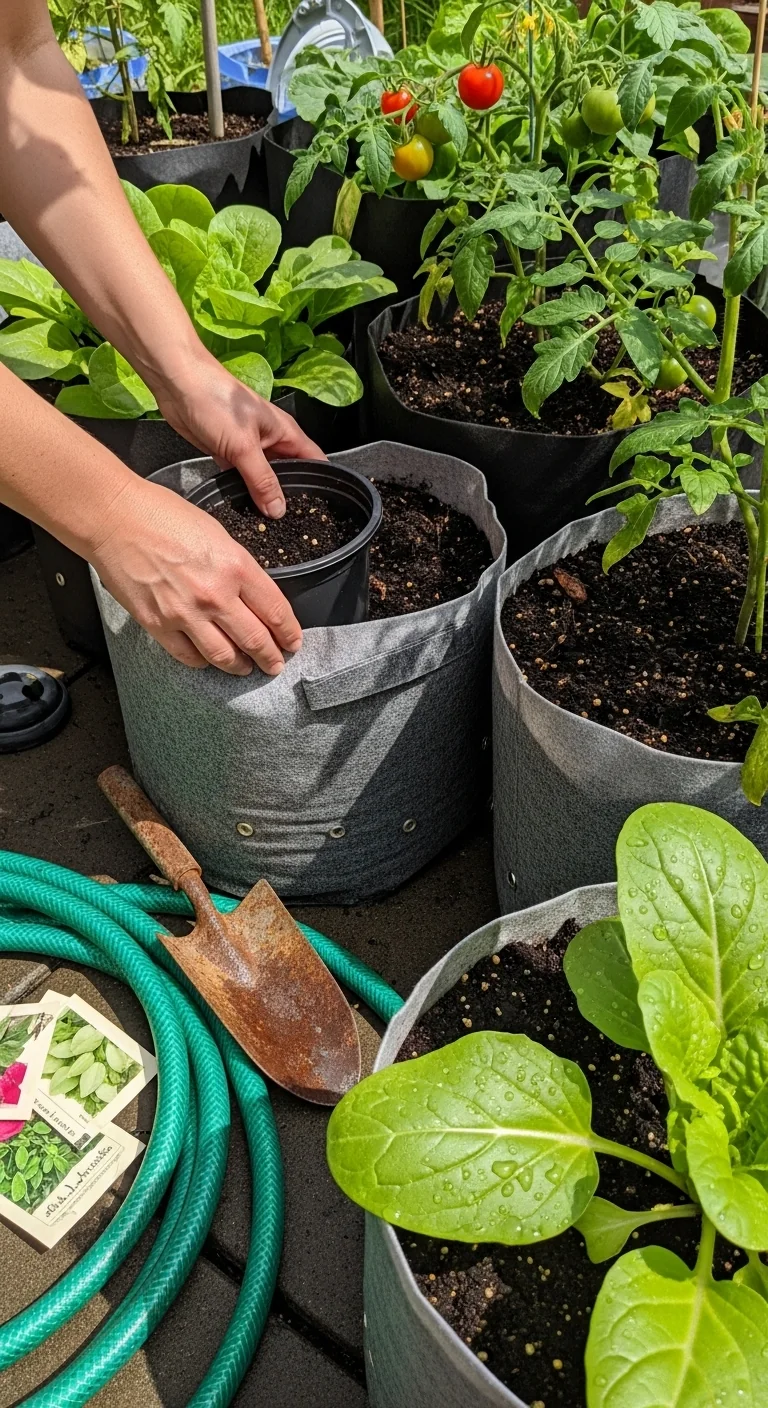
Container vegetable gardening succeeds when you align each setup to your exact space square footage, daily sunlight hours, and watering frequency instead of defaulting to the same short list of crops that appears in most guides.
This guide details nine container systems for vegetables suited to patios, balconies, and small yards across the US, UK, Canada, Australia, India, and Germany. It covers tomatoes through root crops with precise pot volumes and light thresholds. It leaves out in-ground beds, large-field methods, and purely ornamental plants.
You will identify which systems fit your conditions, avoid root-binding failures from undersized pots, and assemble a starter stack that delivers harvests without mismatched maintenance.
Run your conditions through the decision grid below to select the matching items and begin planting with confidence.
The Yield Grid Decision Grid
Branch 1: Space under 15 square feet with 4 to 6 hours of direct sunlight daily. Recommended: Items 2, 6, and 7 below.
Branch 2: Space 15 to 40 square feet with 6 to 8 hours of sunlight and watering limited to three times weekly. Recommended: Items 3, 4, and 8 below.
Branch 3: Space over 40 square feet or vertical stacking possible with 8 or more hours of sunlight. Recommended: Items 1, 5, and 9 below.
For balcony-focused setups, see the full guide to balcony vegetable gardens.
Quick Comparison Table
| Option | Key mechanism | Best for | Decision Grid Branch | Effort Score |
|---|---|---|---|---|
| Tomatoes in Grow Bags | Deep root volume with optional hilling | Fruiting crops in ample sun | Branch 3 | 3 |
| Leafy Greens in Window Boxes | Shallow depth with frequent harvest cycles | Partial sun and limited space | Branch 1 | 2 |
| Cucumbers in Containers | Vertical trellis support for vines | Moderate space with strong sun | Branch 2 | 4 |
| Peppers in Pots | Compact bush form with consistent moisture | Fruiting in controlled containers | Branch 2 | 3 |
| Potatoes in Grow Bags | Stacking layers for tuber expansion | High-volume root production | Branch 3 | 4 |
| Bush Beans in Pots | Nitrogen-fixing roots in small volume | Partial sun with minimal support | Branch 1 | 1 |
| Root Crops in Deep Buckets | Minimum 8-inch depth to prevent forking | Shallow-root tolerant crops | Branch 1 | 2 |
| Compact Zucchini in Large Tubs | Wide base for heavy fruit load | Moderate space with sun exposure | Branch 2 | 3 |
| Eggplant in Individual Pots | Single-plant isolation to control size | Fruiting in full sun | Branch 3 | 3 |
Tomatoes in Grow Bags
Best for: Branch 3
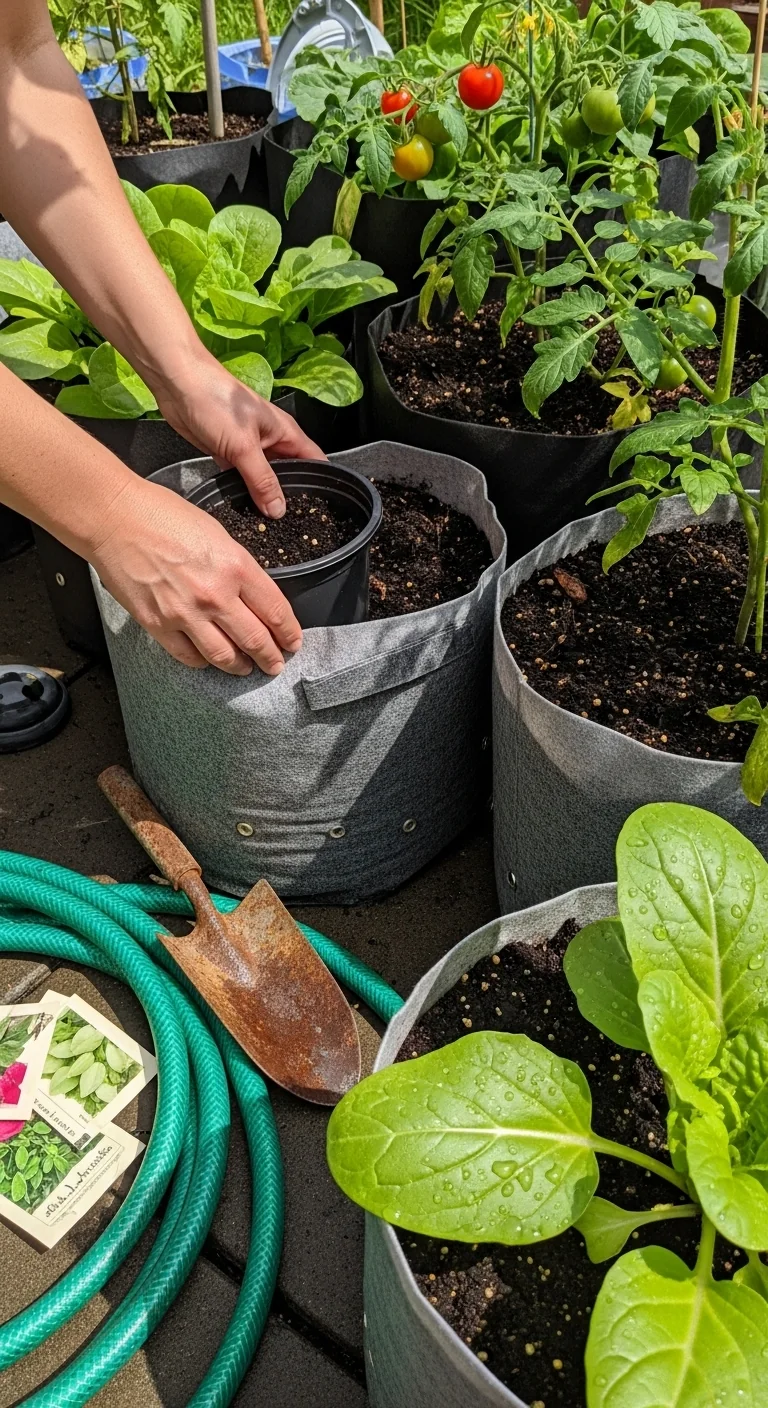
Use 10-gallon fabric grow bags or larger for indeterminate varieties. Fill with potting mix blended for drainage. Plant one seedling per bag at the base and insert a sturdy cage or trellis immediately. Water when the top inch of soil feels dry and apply organic fertilizer at transplant plus every four weeks. The mechanism relies on the bag fabric allowing air pruning of roots to keep plants compact yet productive. Common mistake: choosing bags under 5 gallons, which restricts root spread and leads to early wilting in heat above 85 degrees Fahrenheit. This setup works best when combined with vertical support to maximize limited horizontal space.
Leafy Greens in Window Boxes
Best for: Branch 1
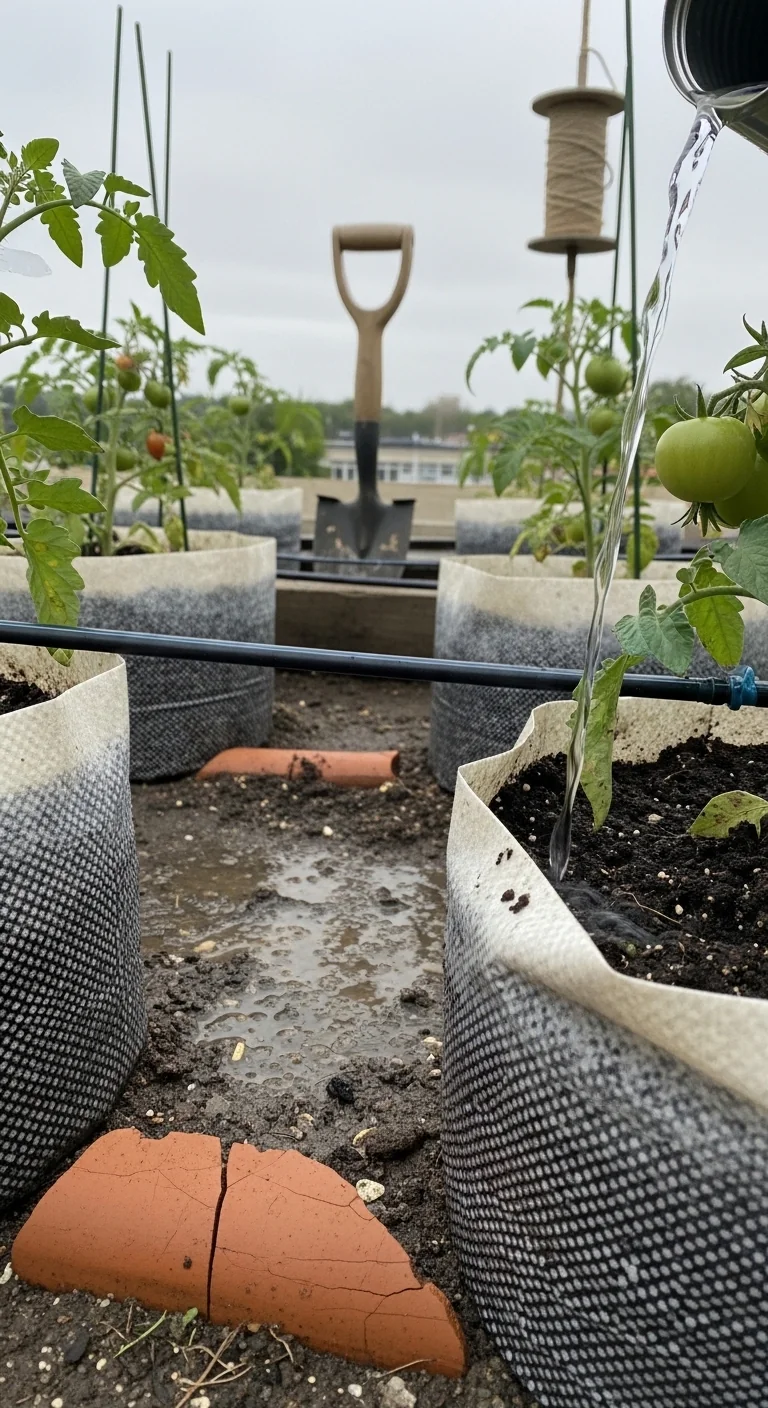
Use these when you want fast harvests from partial sun. Skip if your space gets full afternoon sun that dries soil faster than three waterings weekly. Edge case: wind-exposed balconies where shallow boxes tip easily without securing.
Cucumbers in Containers
Best for: Branch 2
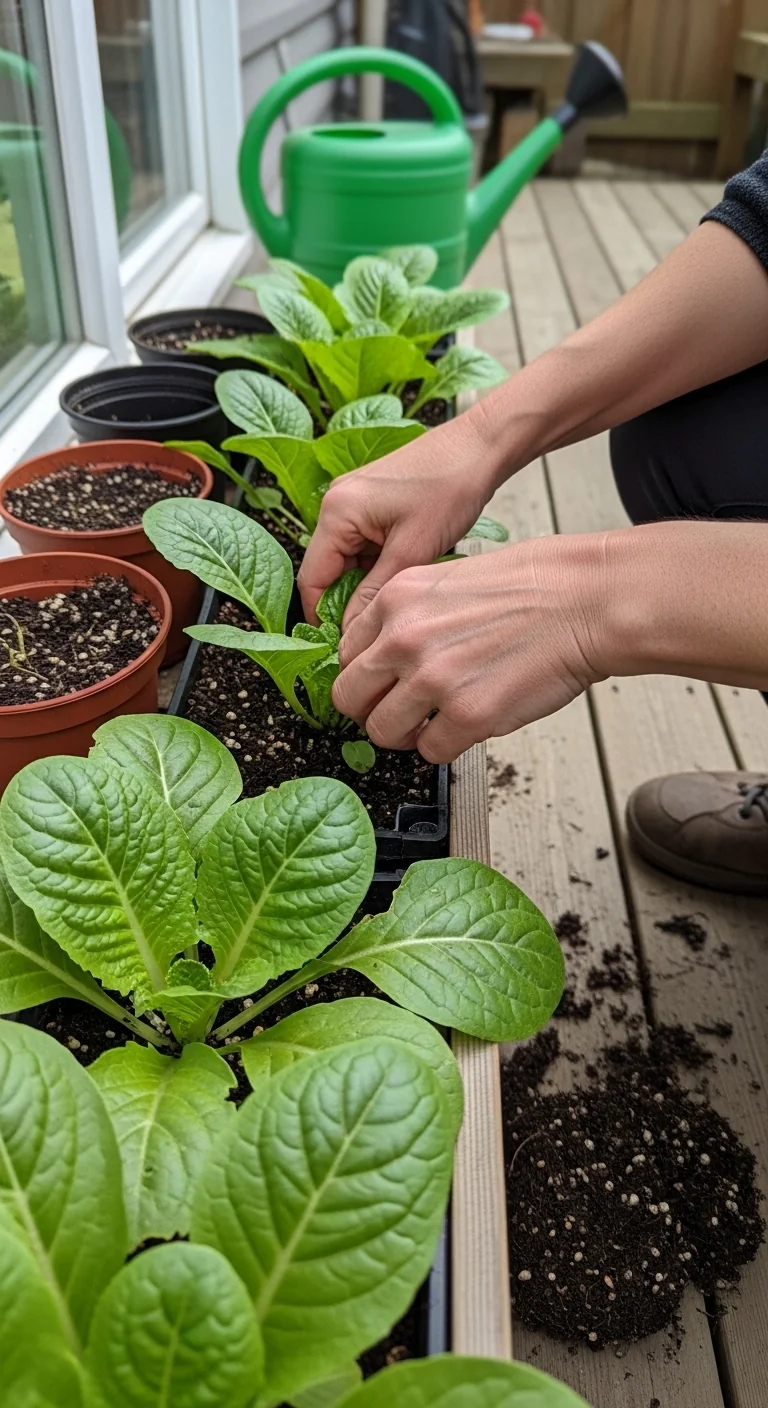
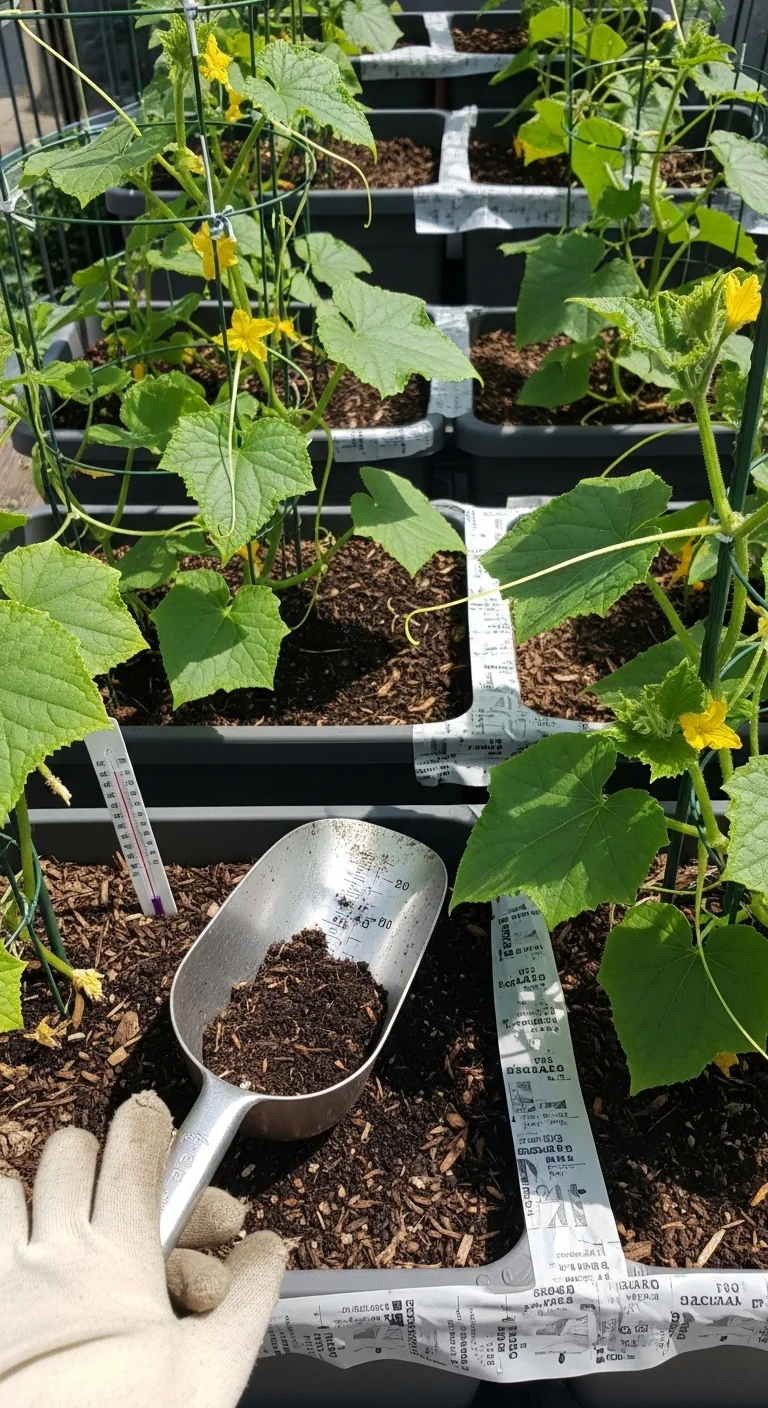
Choose 5-gallon pots minimum and install a vertical trellis at planting. Select bush or patio varieties to limit vine length. Water to keep soil evenly moist without saturation and prune side shoots once vines reach 3 feet. Threshold that matters: provide at least 6 hours of sun or fruit set drops sharply. Adjust by moving pots into brighter spots during peak season. This prevents sprawl while supporting heavy yields in moderate space.
Peppers in Pots
Best for: Branch 2
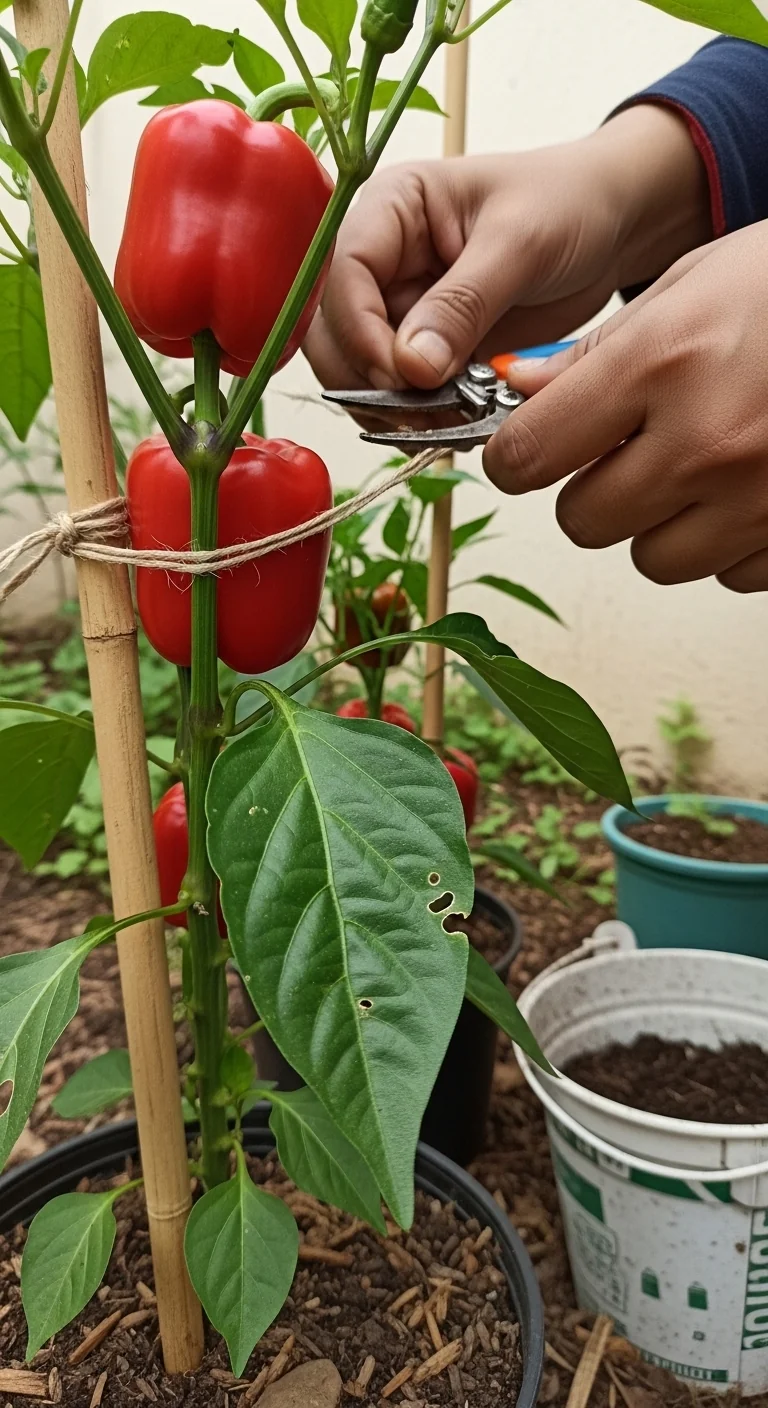
Begin by selecting 5-gallon pots with drainage holes at least half an inch wide. Fill with a 50-50 mix of potting soil and compost. Transplant seedlings after the last frost and place in 6-to-8-hour sun locations. Water when top soil dries and feed with balanced organic fertilizer every four weeks. The 10-minute weekly workflow includes checking soil moisture by finger test, removing any yellow leaves, and rotating pots for even light exposure. Upgrade option: add a self-watering insert for hotter periods to reduce manual checks. This isolates each plant to control size and avoid cross-pollination issues in mixed setups.
Potatoes in Grow Bags
Best for: Branch 3
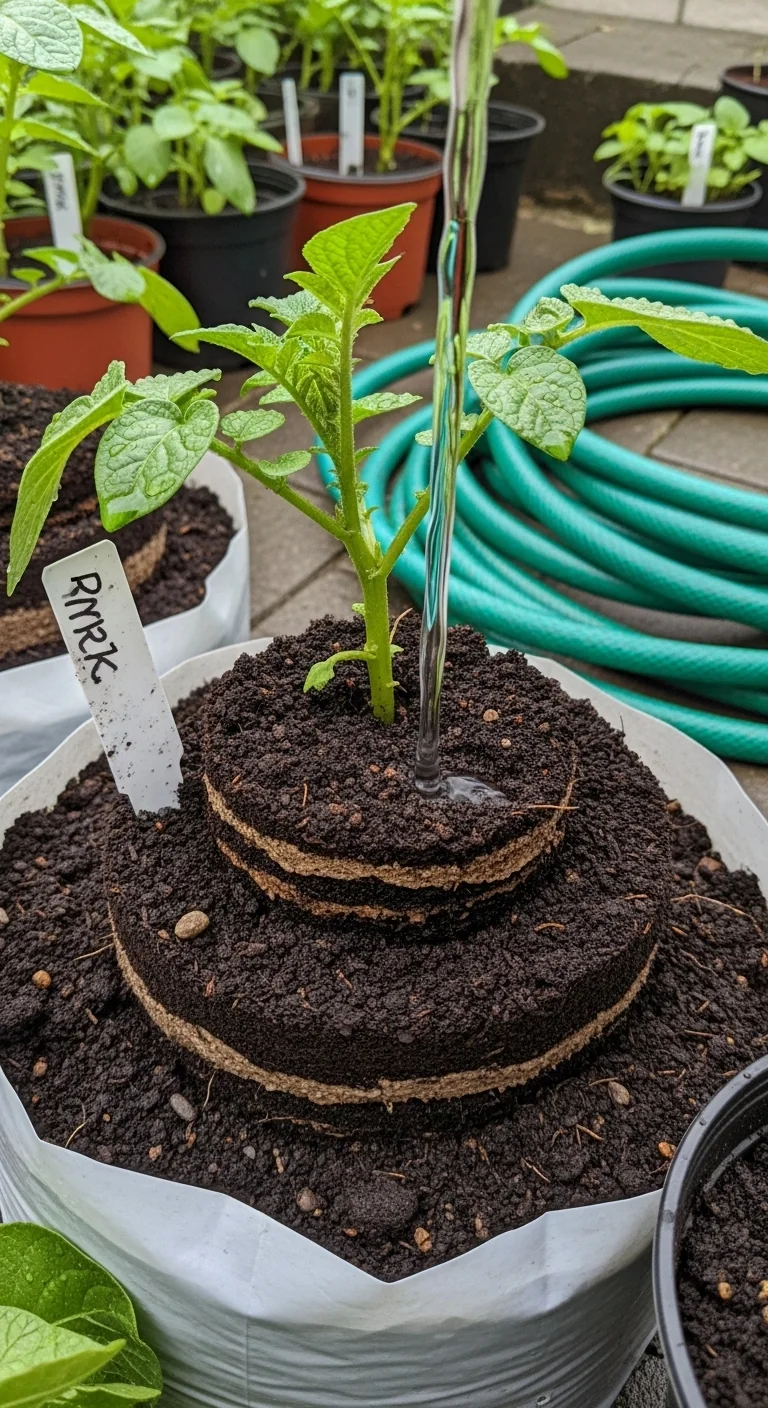
Use 10-gallon bags or larger. Start with 4 inches of soil and two seed potatoes, then hill soil as stems grow to 6 inches. Harvest by tipping the bag at maturity. The layering mechanism expands tuber space without extra ground area.
Bush Beans in Pots
Best for: Branch 1
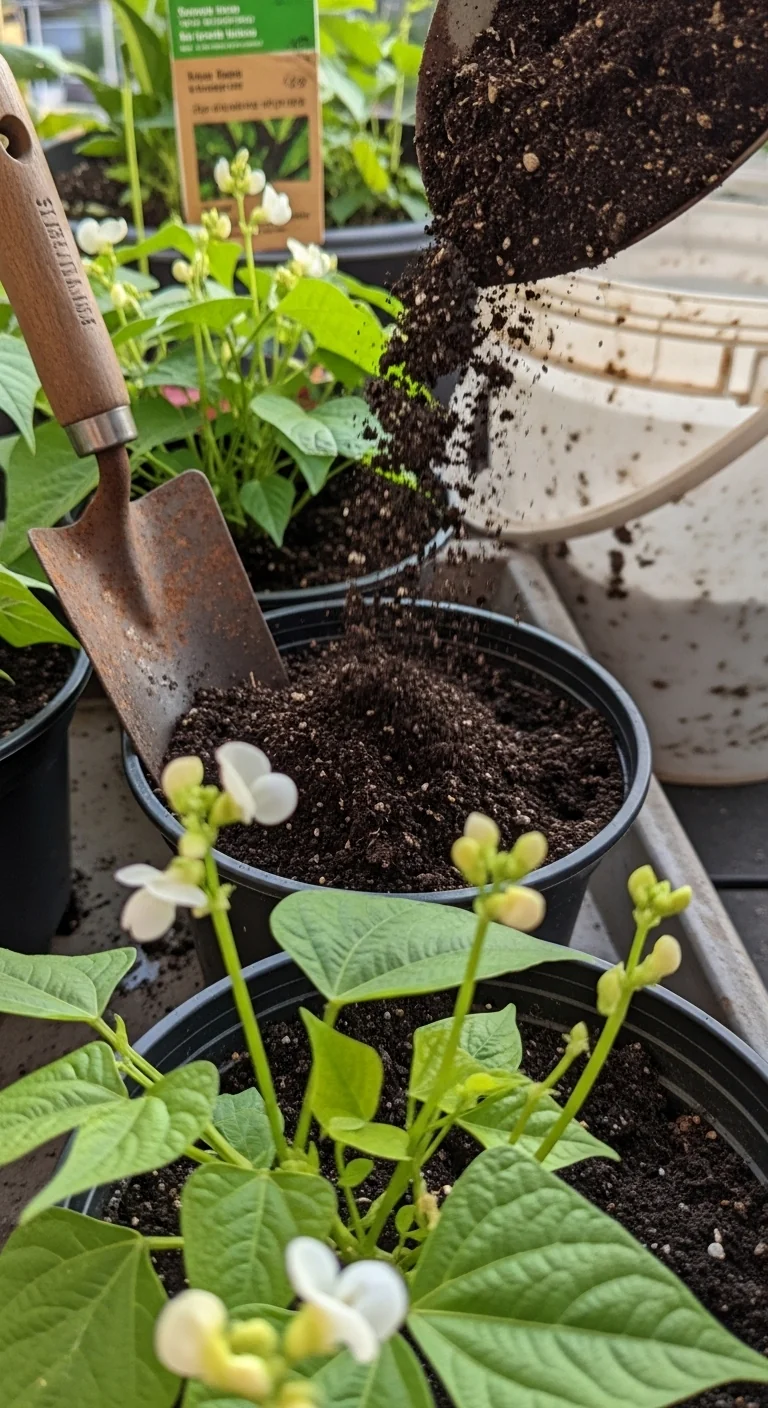
Use these for nitrogen-fixing benefits in partial sun. Skip if your space lacks 4 hours minimum of light or if you prefer vining types that need trellises. Edge case: containers under 5 gallons where roots compete and reduce pod count.
Root Crops in Deep Buckets
Best for: Branch 1
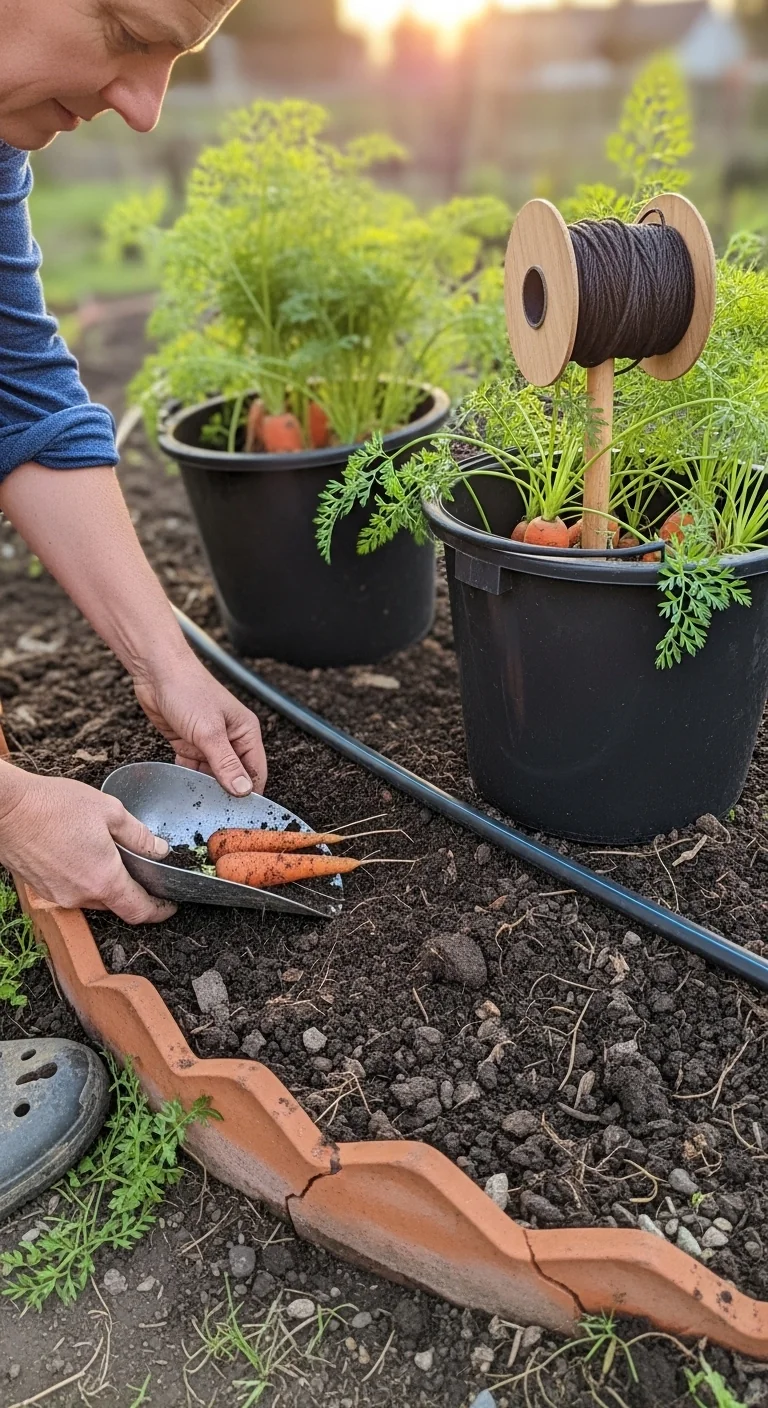
Require at least 8-inch depth and 2-gallon volume per plant to avoid forking. Use buckets with bottom drainage and loose potting mix. Sow seeds directly and thin to 3 inches apart once seedlings emerge. Threshold rule: maintain soil pH between 6.0 and 7.0 or roots develop odd shapes. Adjust by testing mix before planting and adding lime if below range. This prevents compaction common in shallow setups and supports straight growth for beets and carrots in tight spaces.
Compact Zucchini in Large Tubs
Best for: Branch 2
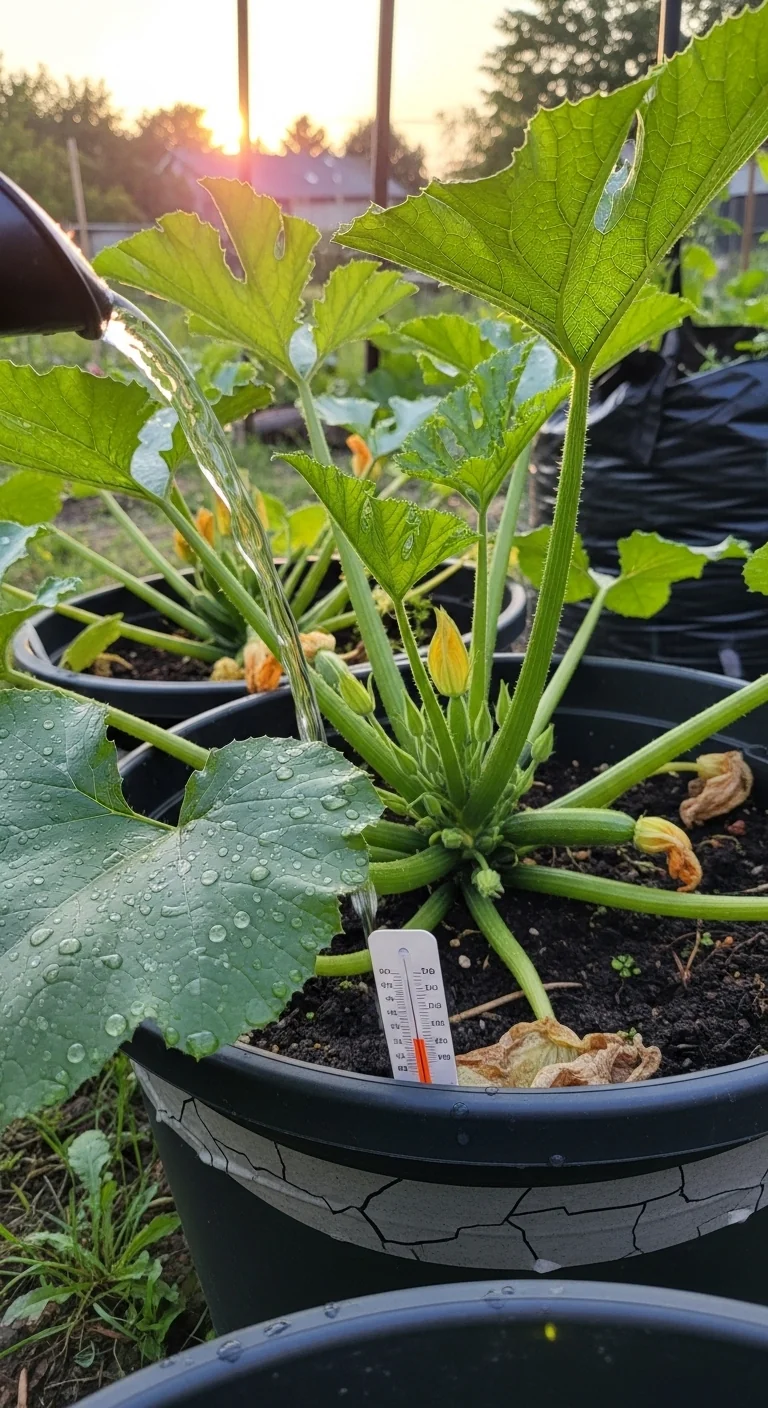
Place one plant per 5-to-10-gallon tub in full sun. Water at the base to keep soil moist and mulch the surface with 2 inches of organic material. Harvest fruits at 6 inches long to encourage continuous production. The wide base supports heavy fruit without tipping.
Eggplant in Individual Pots
Best for: Branch 3
Select 5-gallon pots per plant and use stakes for support once stems reach 12 inches. Transplant after soil warms above 60 degrees Fahrenheit and position for 8-plus hours of sun. Apply organic fertilizer at planting and again mid-season. This isolation method controls spread and reduces pest pressure compared to crowded groupings.
Starter Stack (What to Choose First)
For Branch 1
Start with leafy greens in window boxes plus root crops in deep buckets. The greens provide harvests in 30 days while roots use depth for steady production later. Synergy comes from shared shallow-to-medium watering needs. Setup cost range: 20 to 40 dollars. Time estimate: 20 to 40 minutes.
For Branch 2
Start with cucumbers in containers plus peppers in pots. The trellis system for cucumbers pairs with compact peppers for efficient vertical and bush layering. Synergy includes overlapping 6-to-8-hour sun needs and similar monthly feeding. Setup cost range: 35 to 60 dollars. Time estimate: 30 to 50 minutes.
For Branch 3
Start with tomatoes in grow bags plus potatoes in grow bags. Tomatoes climb upward while potatoes expand downward in stacked layers. Synergy maximizes large-space volume with complementary hilling and support routines. Setup cost range: 45 to 75 dollars. Time estimate: 40 to 60 minutes.
When This Won’t Work
Container vegetable gardening fails when pot volume drops below listed minimums, such as 5 gallons for fruiting crops. It also fails when temperatures remain below 50 degrees Fahrenheit for more than three consecutive nights without protection. In both cases switch to indoor windowsill starts or move containers to sheltered spots.
Another measurable failure occurs if drainage is absent and water pools deeper than 1 inch after rain. Follow the alternative in the watering vegetable garden guide to adjust schedules and add amendments.
Choosing the Right Option for Your Situation
Budget Threshold
If total materials stay under 50 dollars, select window boxes or 5-gallon buckets over fabric grow bags and focus on leafy greens or bush beans.
Time Threshold
If weekly care time is under 30 minutes, choose systems with an effort score of 2 or lower, such as bush beans or leafy greens that need only spot checks.
Technical Constraint
If your mix pH tests outside 6.0 to 7.0, amend before planting or select tolerant crops like potatoes that handle slight variation.
Yes/No Checklist
Does your space match one branch exactly?
Do containers meet minimum volume?
Is sunlight at required daily hours?
Will watering fit your schedule?
Expert Q&A
How does container material affect root temperature for heat-sensitive crops?
Fabric bags allow better air exchange and stay cooler than black plastic in direct sun, reducing stress on roots when air exceeds 85 degrees Fahrenheit. Terracotta can wick moisture faster in dry climates.
What succession planting schedule works in containers for continuous harvests?
Stagger leafy greens every 14 days and bush beans every 21 days in the same pots after clearing spent plants. This keeps production rolling without new containers.
Why does potting mix outperform garden soil in containers?
Potting mix drains faster and resists compaction, preventing waterlogging that garden soil causes in limited volume. It also holds nutrients longer when blended with compost.
How do you manage pests that move between nearby containers?
Space pots at least 12 inches apart and inspect undersides of leaves weekly. Isolate any affected plant immediately to stop spread across the group.
What overwintering steps extend container vegetable life in cold zones?
Move frost-sensitive pots indoors before nights drop below 40 degrees Fahrenheit. Trim back growth and reduce watering to once weekly while maintaining 6 hours of light.
Conclusion
The decision grid turns container vegetable gardening from guesswork into a constraint-matched process. The top mistake remains selecting crops before confirming space, sun, and effort alignment.
Next step: review your conditions against the grid, gather the starter stack materials, and consult the vegetable planting calendar for your exact sowing dates.