
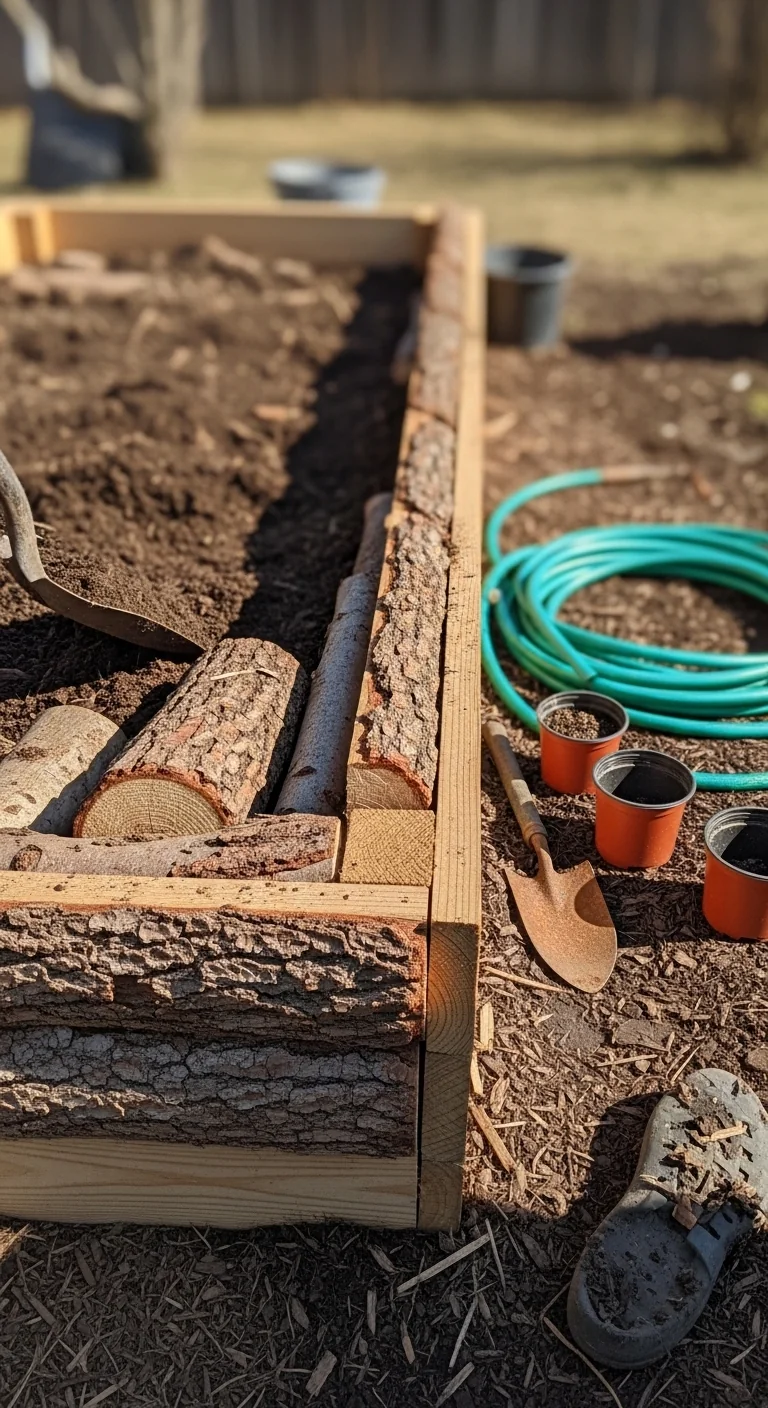
Hugelkultur raised beds reframe the traditional mound approach by placing woody debris layers directly inside standard framed structures. This creates a self-regulating system where slow decomposition supplies moisture and nutrients suited to vegetables and herbs.
Standard guides emphasize open mounds on the ground. This listicle examines framed adaptations only. It covers nine specific layering strategies with wood selection rules, depth thresholds, and integration steps for raised bed gardening. It excludes pure ground mounds and non-wood fill methods.
By the end you will know which layering option matches your frame type, local wood supply, and climate so you can build once and adjust irrigation or soil additions far less often.
Align your site conditions to one Decision Grid branch, then follow the matching layering strategy for a low-maintenance edible raised bed.
The Yield Grid Decision Grid
Branch 1: Low-moisture sites (annual rainfall under 30 inches or dry spells exceeding 30 consecutive days). Recommended: Items 1, 4, 7 below.
Branch 2: Moderate-rainfall or space-constrained sites (bed width under 4 feet or temperate zones with even precipitation). Recommended: Items 2, 5, 8 below.
Branch 3: Nutrient-poor or compacted base soil (soil test shows pH outside 6.0 to 7.0 range or heavy clay texture). Recommended: Items 3, 6, 9 below.
For the right topsoil and compost ratios that pair with any of these layers, see the best soil mix for raised beds.
Quick Comparison Table
| Option | Key mechanism | Best for | Decision Grid Branch | Effort Score |
|---|---|---|---|---|
| 1. Log-Core Hugelkultur in Deep Frames | Large logs form a long-term moisture sponge | Water-limited edible crops | Branch 1 | 1 |
| 2. Branch-and-Twig Fill Variation | Smaller branches create quick initial decomposition | Fast setup in narrow frames | Branch 2 | 2 |
| 3. Wood Chip Base Layer Strategy | Chips increase surface area for faster nutrient release | Poor soil bases needing quick fertility | Branch 3 | 3 |
| 4. Mixed Debris Nitrogen-Balanced Stack | Alternating wood with nitrogen sources balances carbon ratio | Long-term soil building in dry areas | Branch 1 | 2 |
| 5. Low-Profile Hugelkultur for Narrow Beds | Shallow wood layer fits tight frames without settling excess | Urban or patio raised beds | Branch 2 | 1 |
| 6. Hybrid Refresh Layer Technique | Seasonal top-up of smaller debris maintains height | Compacted bases that need ongoing amendment | Branch 3 | 3 |
| 7. Synergized Wicking-Hugelkultur Combination | Wood base pairs with wicking channels for passive water delivery | Dry climates needing minimal irrigation | Branch 1 | 1 |
| 8. Compact U-Shaped Frame Adaptation | Curved frame holds layered debris for edge planting | Space-limited edible gardens | Branch 2 | 2 |
| 9. Cold-Climate Optimized Layer Stack | Insulating wood and organic layers extend growing window | Compacted or cool-soil bases | Branch 3 | 2 |
1. Log-Core Hugelkultur in Deep Frames
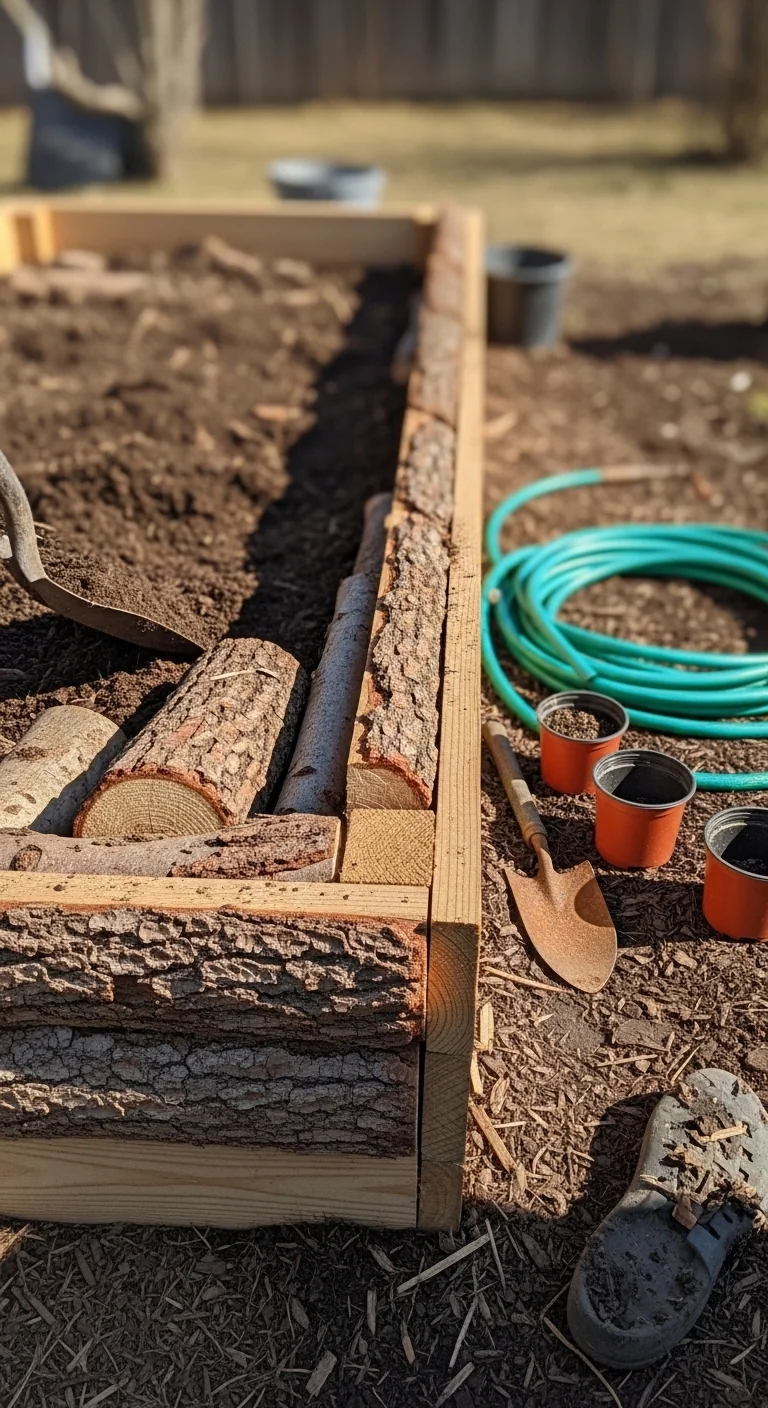
Best for: Branch 1
Use this blueprint when you have access to larger hardwood logs and a frame at least 18 inches deep. Start by placing untreated logs 6 to 12 inches in diameter along the bottom of the frame in a single layer. Fill gaps with smaller branches, then add alternating layers of leaves, grass clippings, and compost to reach two-thirds frame height. Top with 6 to 8 inches of soil mix. Water each layer thoroughly as you build to kick-start decomposition. The main mistake is using fresh softwood logs alone; mix in at least one-third hardwood to slow initial nitrogen drawdown. This strategy suits cinder block or wooden frames where depth allows full wood mass. For durable framing options, consider cinder block raised beds. (178 words)
2. Branch-and-Twig Fill Variation
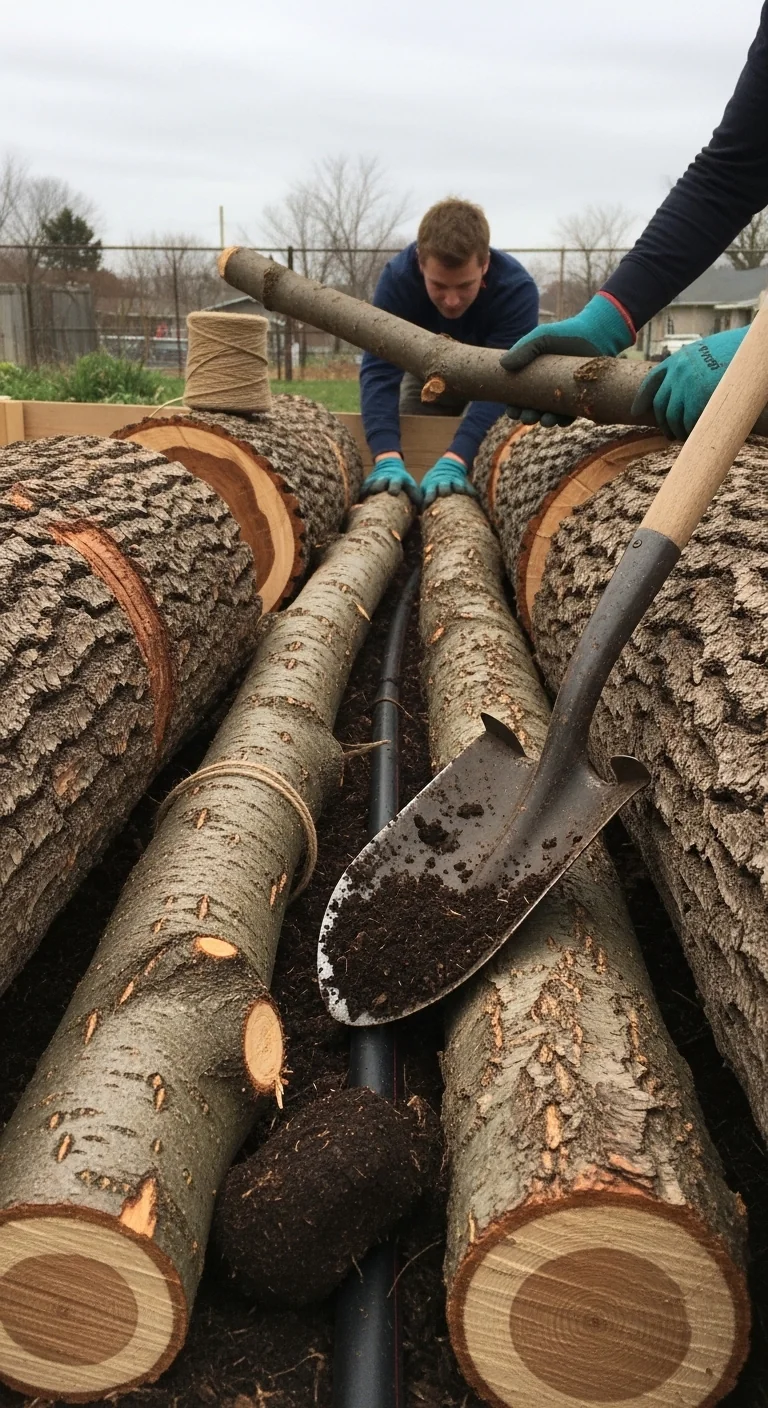
Best for: Branch 2
Use this variation when time or space limits deeper digging. It works well but skip it if you only have very fresh green twigs that may sprout or tie up nitrogen excessively. Pros include faster setup and good initial heat from decomposition. Cons appear in very dry conditions where smaller pieces dry out quicker than logs. Edge case: narrow frames under 3 feet wide where logs would crowd planting space. (68 words)
3. Wood Chip Base Layer Strategy
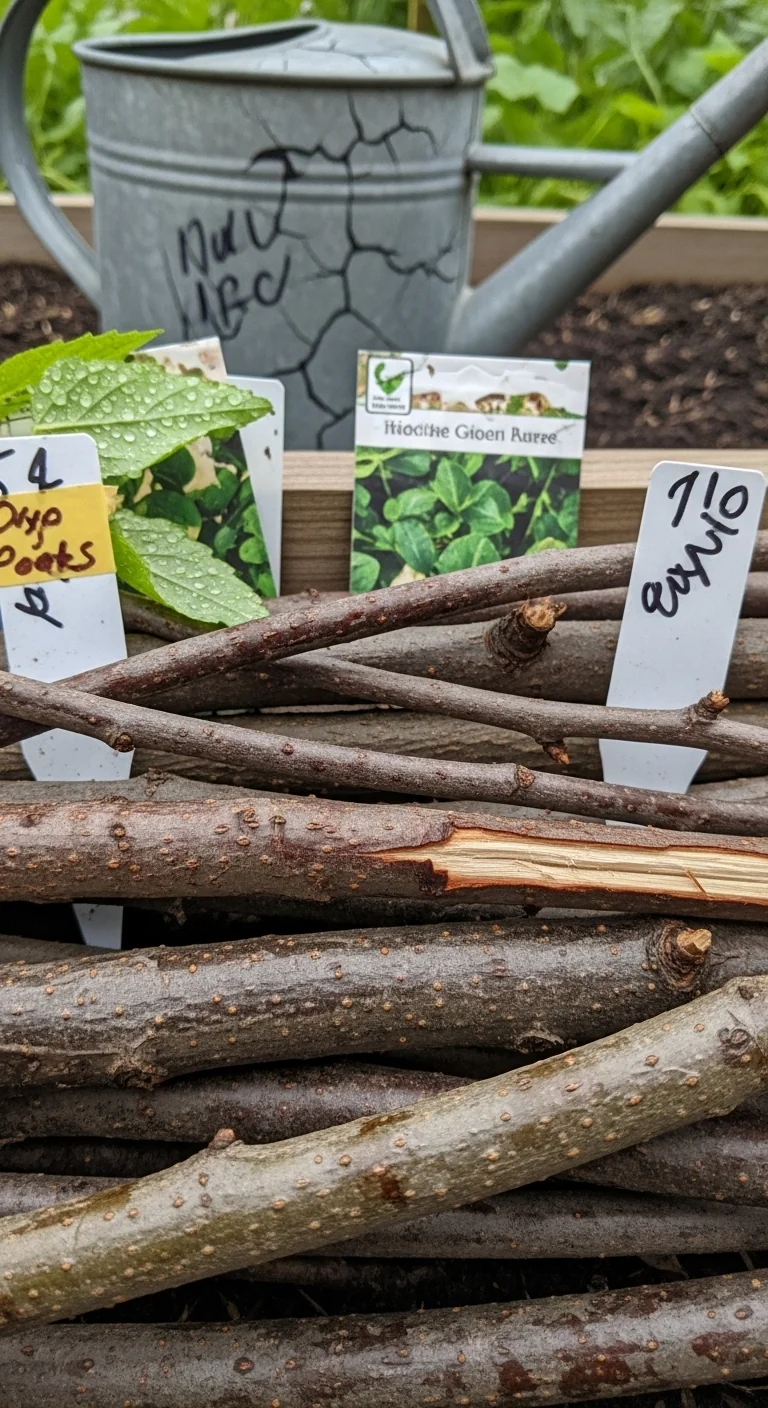
Best for: Branch 3
Follow this threshold rule: use wood chips only when particle size stays between 1 and 3 inches and you add a 2-inch nitrogen-rich layer (manure or grass clippings) directly above. Below that size chips compact too tightly and slow air flow. Above that size they behave more like branches. Adjust chip volume to no more than half the wood layer depth in poor-soil bases. This accelerates fertility in compacted clay while avoiding the slower breakdown of whole logs. Pair it with the self-watering raised bed design for extra consistency. (112 words)
4. Mixed Debris Nitrogen-Balanced Stack
Best for: Branch 1
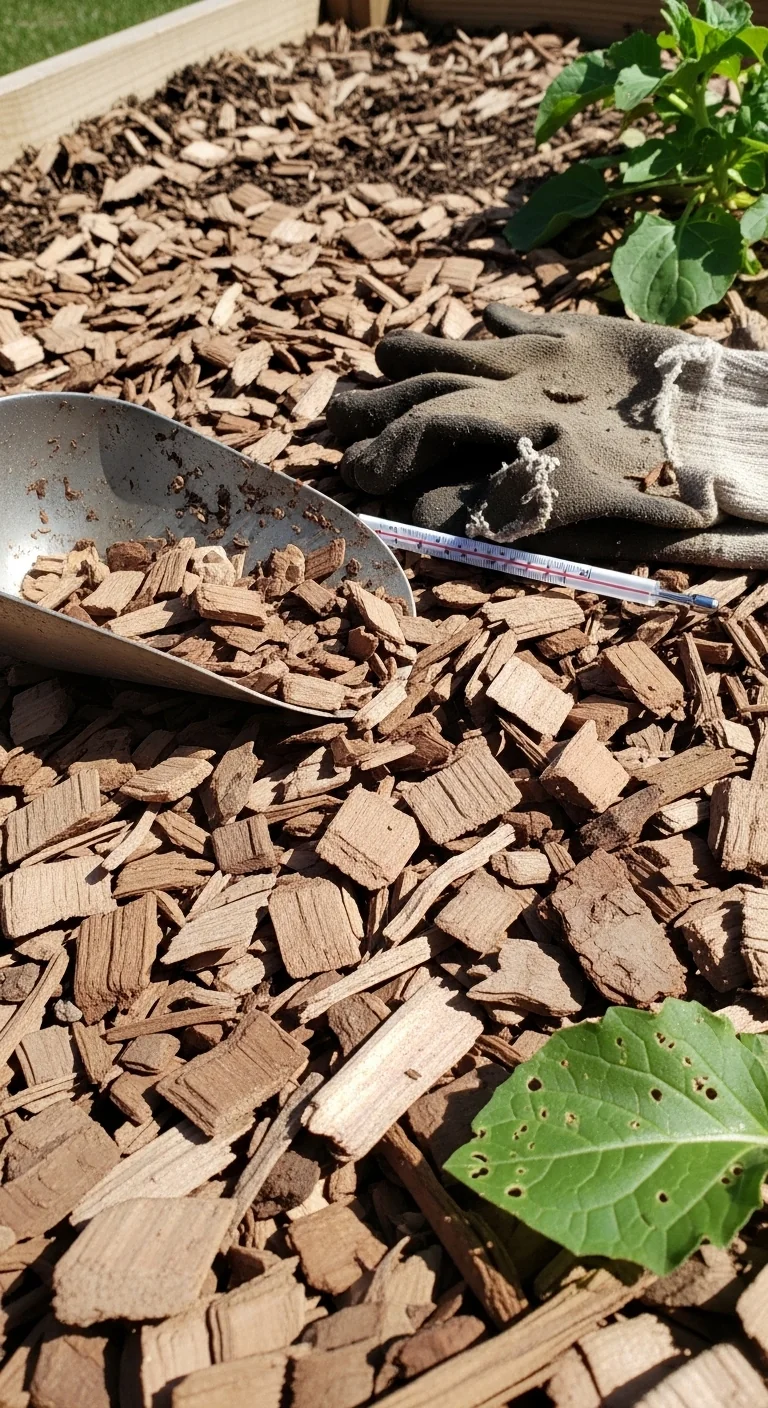
Build using this blueprint in low-moisture sites. Begin with a base of mixed logs and branches. Add a 4-inch layer of nitrogen sources such as kitchen scraps or fresh grass clippings. Follow with twigs, then more carbon material like leaves or straw. Repeat the carbon-nitrogen alternation until the frame reaches desired height, finishing with soil. Water each layer to field capacity before adding the next. This balance prevents temporary nutrient lock that occurs with pure wood. It pairs effectively with wicking systems for sustained performance in dry spells. (162 words)
5. Low-Profile Hugelkultur for Narrow Beds
Best for: Branch 2
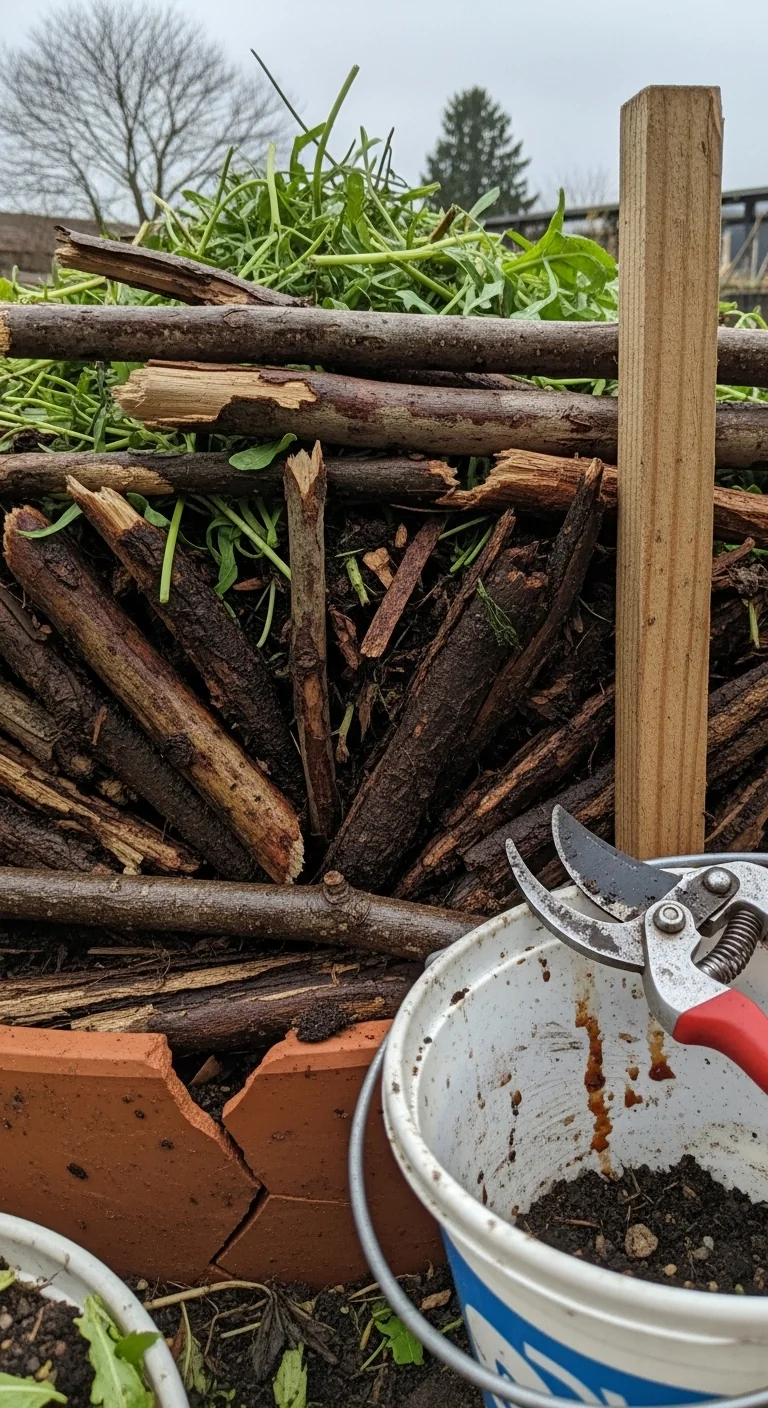
Use this when frame width is 3 feet or less. It works well for quick moisture buffering but skip if your available debris is mostly large logs that exceed frame depth. Pros include minimal settling and easy planting access. Cons include shorter longevity compared with deep log cores. Edge case: raised beds placed against fences where root competition is high. (62 words)
6. Hybrid Refresh Layer Technique
Best for: Branch 3
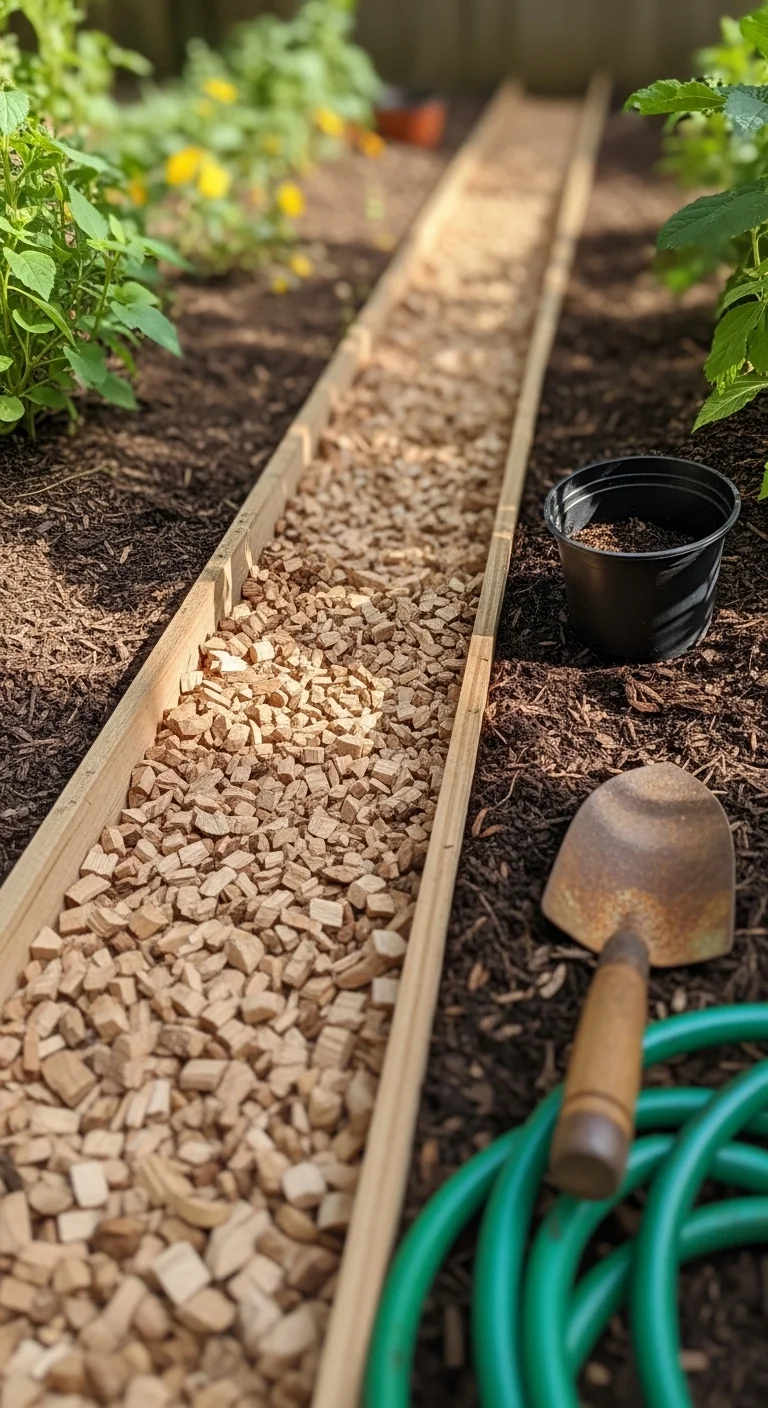
Apply this threshold rule: refresh only when bed height drops more than 4 inches after the first two seasons or when topsoil compaction exceeds normal settling. Add a 3-inch layer of mixed twigs and compost in early spring, then mulch. This maintains volume without full rebuild. It suits nutrient-poor bases that benefit from periodic organic input. Combine with drip lines for even distribution during refresh. See details in drip irrigation for raised beds. (104 words)
7. Synergized Wicking-Hugelkultur Combination
Best for: Branch 1
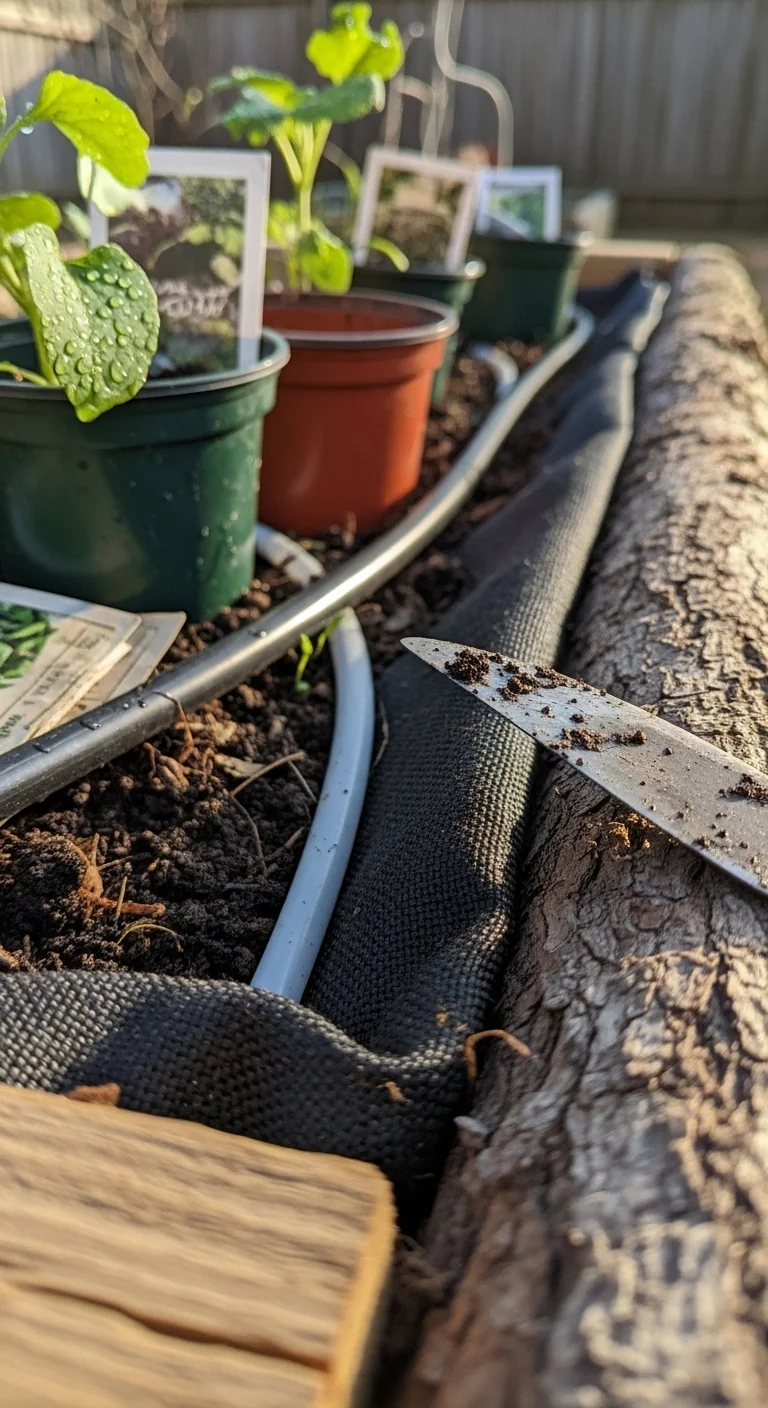
Follow this 10-minute workflow for dry climates. First install wicking tubes or fabric along the frame base (5 minutes). Layer logs and branches around them. Add alternating organic material and water each step (3 minutes). Finish with soil and mulch (2 minutes). Upgrade option: integrate a central reservoir pipe for hand watering during establishment. This combination delivers passive water movement through the decomposing wood mass. Compare it directly with standard setups in raised bed versus in-ground gardening. (158 words)
8. Compact U-Shaped Frame Adaptation
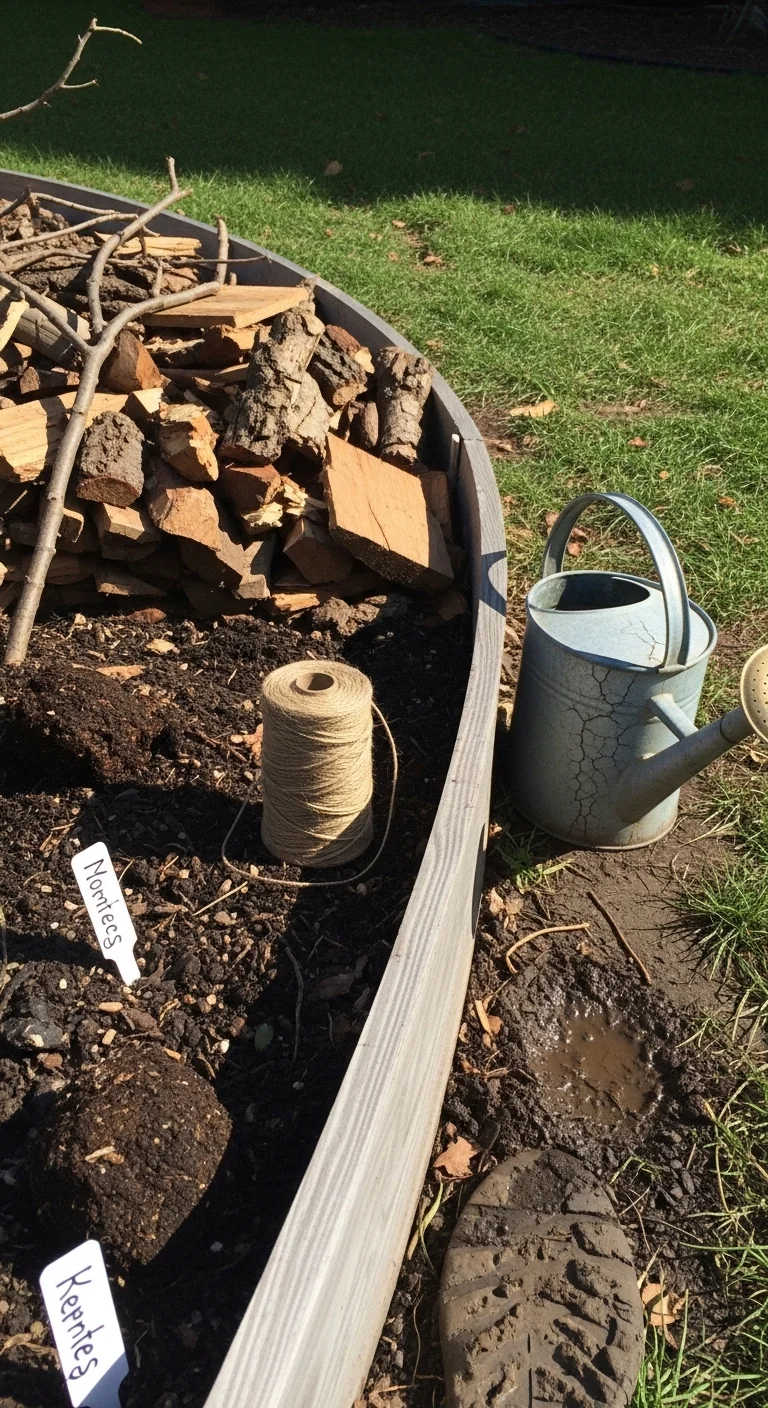
Best for: Branch 2
Use this adaptation when space forces curved or U-shaped layouts. It works well for maximizing edge planting but skip if your wood supply lacks flexible branches for contouring. Pros include better light access on all sides. Cons include slightly higher initial labor for shaping. Edge case: small urban yards where straight frames waste corners. (71 words)
9. Cold-Climate Optimized Layer Stack
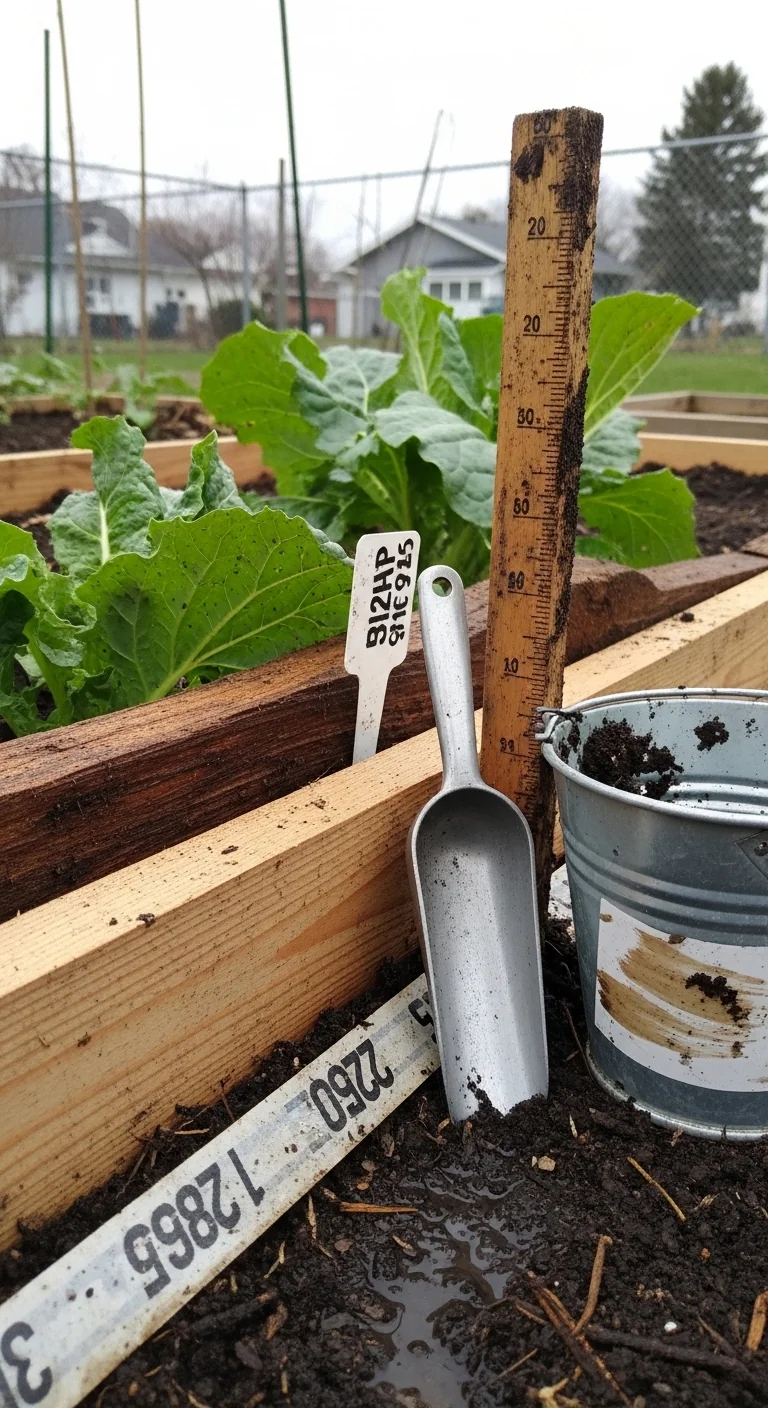
Best for: Branch 3
Build this stack when average last frost dates fall after April 15 or soil warms slowly in spring. Place a base layer of larger logs for insulation, followed by twigs and a thick organic blanket of leaves or straw before the final soil cap. The decomposition heat extends the effective growing window by several weeks. Top with mulch each fall to protect the structure. This approach counters compacted cool soils without extra heating equipment. (118 words)
Starter Stack (What to Choose First)
For Branch 1 (Low-moisture sites)
Start with Item 1 (Log-Core) plus Item 7 (Synergized Wicking Combination). The log base provides bulk water storage while wicking channels distribute it evenly. Material cost range is 40 to 120 dollars per 4-by-8-foot bed depending on salvaged wood. Build time ranges from 3 to 6 hours for two people.
For Branch 2 (Moderate-rainfall or space-constrained sites)
Start with Item 2 (Branch-and-Twig) plus Item 5 (Low-Profile). These deliver quick setup and stable height in narrow frames. Material cost range is 25 to 80 dollars per bed. Build time ranges from 2 to 4 hours.
For Branch 3 (Nutrient-poor or compacted base soil)
Start with Item 3 (Wood Chip Base) plus Item 9 (Cold-Climate Optimized). Chips speed fertility while the insulating stack protects roots. Material cost range is 35 to 100 dollars per bed. Build time ranges from 4 to 7 hours.
When This Won’t Work
Hugelkultur layering fails when wood diameter stays consistently under 3 inches across the entire base layer. Small pieces break down too fast, leading to rapid settling within the first season and requiring full top-up sooner than planned. Switch to a standard soil-fill raised bed and add separate compost annually instead.
It also fails in frames less than 12 inches deep regardless of branch. Insufficient volume cannot hold enough woody mass for meaningful moisture buffering. In that case use elevated or container-style beds with surface mulching only.
For guidance on alternative approaches, see elevated raised beds.
Choosing the Right Option for Your Situation
Budget threshold
Under 50 dollars per bed favors Items 2 or 5 using on-site twigs and branches. Over 100 dollars allows deeper log-core builds with purchased compost layers.
Time threshold
Under 3 hours favors Items 2, 5, or 8 with pre-chipped material. Over 5 hours opens full blueprint stacks like Items 1 or 4.
Technical constraint (wood type availability)
If only softwood is available, pair it with a thick nitrogen layer and choose Items 3 or 6. Hardwood-dominant supply unlocks all options.
Yes/No checklist:
Do you have at least 12 inches of frame depth? Yes/No
Is your wood supply mostly untreated hardwood? Yes/No
Does your site match one Decision Grid branch? Yes/No
Will you water the layers during construction? Yes/No
Expert Q&A
Can hugelkultur layering replace all supplemental fertilizer in the first year?
No. The initial decomposition stage uses available nitrogen from the soil or added layers. Plant legumes or add a measured compost top-dressing in year one while the wood stabilizes. After that the system supplies most nutrients for edible crops.
How does wood choice affect soil pH over multiple seasons?
Hardwoods like oak or maple tend to maintain near-neutral pH as they break down. Softwoods such as pine can lower pH slightly over three or more years. Test soil annually and adjust with lime only if readings drop below 6.0.
What is the minimum frame height needed for noticeable moisture benefits?
Frames at least 15 inches tall allow enough wood volume for measurable buffering. Shallower frames still gain some benefit from twigs but lose the long-term sponge effect of larger logs.
Does hugelkultur work with perennial edibles like asparagus or rhubarb?
Yes. Perennials benefit from the steady moisture and slow nutrient release once established. Place crowns above the wood layer and mulch heavily to protect roots during the first two seasons of settling.
How do you handle termite concerns in warmer regions?
Use only untreated, non-structural wood and keep beds at least 3 feet from house foundations. The open decomposition process attracts beneficial insects more than structural pests when beds stay well mulched and watered.
When This Won’t Work
Hugelkultur layering fails when wood diameter stays consistently under 3 inches across the entire base layer. Small pieces break down too fast, leading to rapid settling within the first season and requiring full top-up sooner than planned. Switch to a standard soil-fill raised bed and add separate compost annually instead.
It also fails in frames less than 12 inches deep regardless of branch. Insufficient volume cannot hold enough woody mass for meaningful moisture buffering. In that case use elevated or container-style beds with surface mulching only.
For guidance on alternative approaches, see elevated raised beds.
Choosing the Right Option for Your Situation
Budget threshold
Under 50 dollars per bed favors Items 2 or 5 using on-site twigs and branches. Over 100 dollars allows deeper log-core builds with purchased compost layers.
Time threshold
Under 3 hours favors Items 2, 5, or 8 with pre-chipped material. Over 5 hours opens full blueprint stacks like Items 1 or 4.
Technical constraint (wood type availability)
If only softwood is available, pair it with a thick nitrogen layer and choose Items 3 or 6. Hardwood-dominant supply unlocks all options.
Yes/No checklist:
Do you have at least 12 inches of frame depth? Yes/No
Is your wood supply mostly untreated hardwood? Yes/No
Does your site match one Decision Grid branch? Yes/No
Will you water the layers during construction? Yes/No
Expert Q&A
Can hugelkultur layering replace all supplemental fertilizer in the first year?
No. The initial decomposition stage uses available nitrogen from the soil or added layers. Plant legumes or add a measured compost top-dressing in year one while the wood stabilizes. After that the system supplies most nutrients for edible crops.
How does wood choice affect soil pH over multiple seasons?
Hardwoods like oak or maple tend to maintain near-neutral pH as they break down. Softwoods such as pine can lower pH slightly over three or more years. Test soil annually and adjust with lime only if readings drop below 6.0.
What is the minimum frame height needed for noticeable moisture benefits?
Frames at least 15 inches tall allow enough wood volume for measurable buffering. Shallower frames still gain some benefit from twigs but lose the long-term sponge effect of larger logs.
Does hugelkultur work with perennial edibles like asparagus or rhubarb?
Yes. Perennials benefit from the steady moisture and slow nutrient release once established. Place crowns above the wood layer and mulch heavily to protect roots during the first two seasons of settling.
How do you handle termite concerns in warmer regions?
Use only untreated, non-structural wood and keep beds at least 3 feet from house foundations. The open decomposition process attracts beneficial insects more than structural pests when beds stay well mulched and watered.
Conclusion
The core decision is matching your available wood size and frame depth to the correct Decision Grid branch. The most common mistake is filling with too many small chips or fresh softwood without a balancing nitrogen layer, which delays benefits by one full season.
Take the next step by auditing your current raised beds against the three branches, then build one test variation this season. For long-term protection strategies once your bed is established, see winterizing raised beds.