
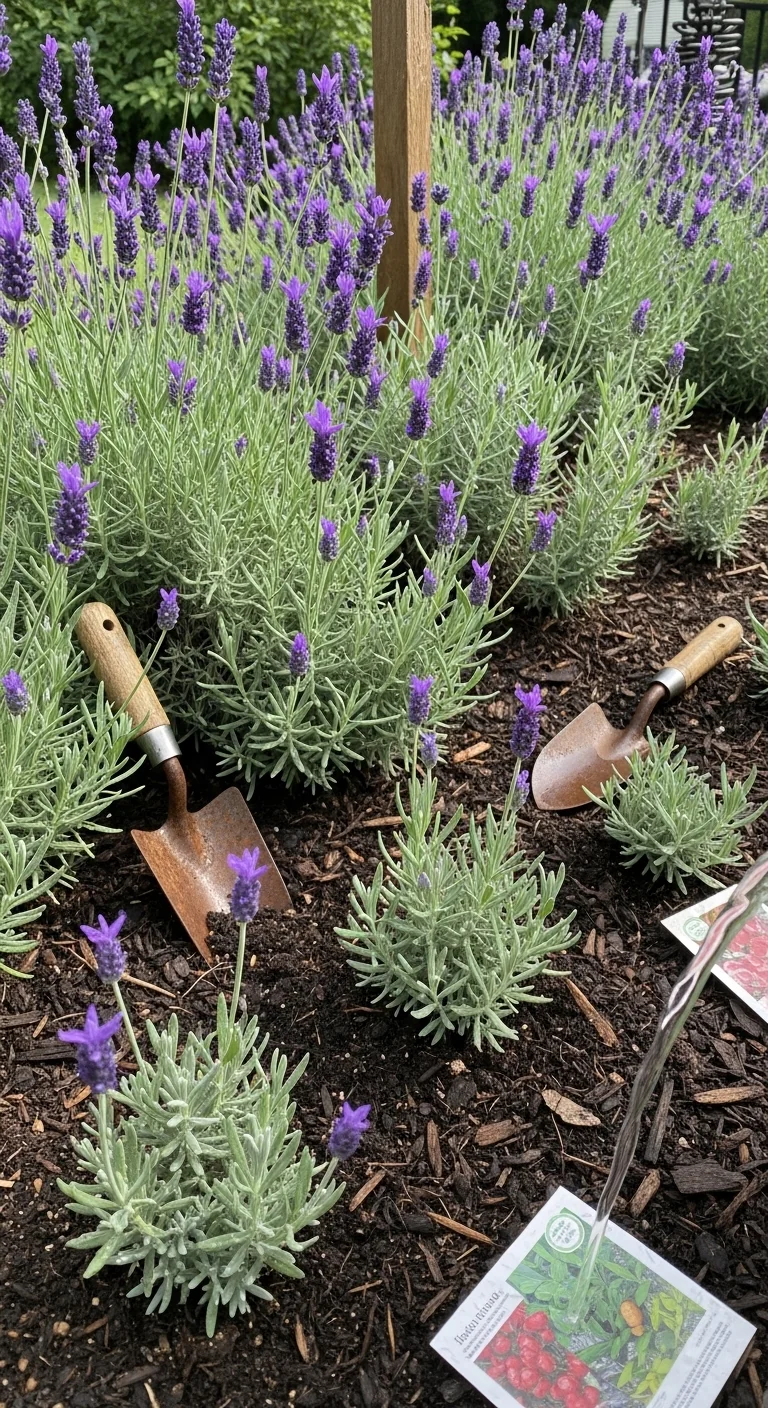
Lavender varieties succeed in flower gardens when you match the cultivar to three measurable conditions: your garden’s winter minimum temperature, drainage speed after rain, and primary harvest goal. Most guides list popular types without this framework and leave gardeners replacing failed plants every season.
This article examines nine specific cultivars across English, lavandin, and Mediterranean groups. It focuses only on ornamental performance in beds, borders, and containers. It excludes culinary recipes, essential oil distillation, and general herb garden layouts.
You will exit with a clear purchase list and planting map that fits your exact site, whether in the US, UK, Canada, Australia, New Zealand, or South Africa. No trial-and-error cycles.
Run your conditions through the three-branch grid below, select the matching items, and plant once for reliable blooms year after year.
The Yield Grid Decision Grid
Branch 1: Winter lows reach -20 degrees F to 0 degrees F (USDA zones 5 to 6) and soil drains within 30 minutes after a heavy watering test. Recommended: Items 1, 2, and 8 below.
Branch 2: Average summer humidity exceeds 60 percent or clay soil drains slower than 1 inch per hour. Recommended: Items 4, 6, and 7 below.
Branch 3: Mild conditions (USDA zones 7 to 9) with sandy or gravelly soil and focus on fragrance or cut-flower production. Recommended: Items 3, 5, and 9 below.
For more on integrating these into mixed borders see our perennial flowers overview.
Quick Comparison Table
| Option | Key mechanism | Best for | Decision Grid Branch | Maintenance Effort Score |
|---|---|---|---|---|
| Munstead Lavender | compact mounding habit stays under 18 inches tall | edging and small spaces in cold zones | Branch 1 | 1 |
| Hidcote Lavender | deep violet flower spikes on silver foliage | formal borders with strong color contrast | Branch 1 | 1 |
| Grosso Lavender | extra-long flower spikes with high fragrance yield | large drifts for cutting or drying | Branch 3 | 2 |
| Phenomenal Lavender | superior humidity and disease tolerance in larger frame | humid or variable summers | Branch 2 | 1 |
| Provence Lavender | consistent bloom timing suited to harvest windows | cut-flower production in mild zones | Branch 3 | 2 |
| Anouk Spanish Lavender | pineapple-shaped bracts on short spikes | hot, humid sites with repeated flushes | Branch 2 | 2 |
| French Lavender (dentata) | toothed leaves and extended bloom period in warmth | mild-winter gardens needing longer color | Branch 2 | 2 |
| Thumbelina Leigh Lavender | dwarf habit reaches only 6 to 10 inches | rock gardens and tight containers | Branch 1 | 1 |
| Grappenhall Lavender | vigorous growth with intense fragrance | large borders focused on scent | Branch 3 | 2 |
Munstead Lavender
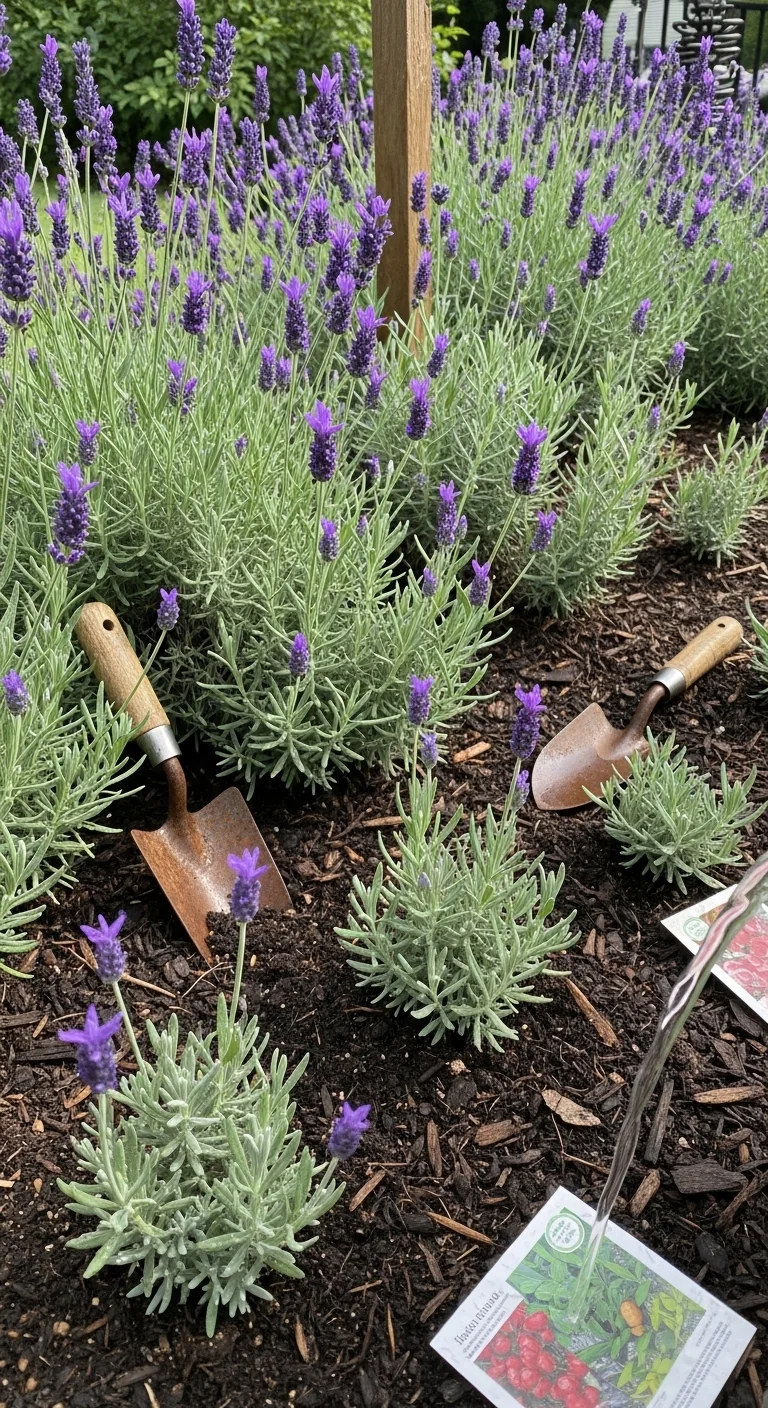
Best for: Branch 1
Munstead is a compact English lavender cultivar that reaches 12 to 18 inches tall and wide. It serves gardeners in cold zones who need reliable edging or container plants without flopping. Plant in full sun after the last spring frost when soil temperature holds above 50 degrees F. Space plants 12 to 18 inches apart in beds amended with 30 percent coarse sand or gravel for drainage. Water deeply once at planting then allow soil to dry completely between sessions. Prune after bloom by removing the top one-third of green growth but stop short of woody stems to preserve next season’s buds. Common mistake: setting plants too deep so the crown sits below soil level, which invites rot even in well-drained sites. Test drainage by digging a 12-inch hole, filling with water, and timing how fast it empties. Full-sun flowers make ideal neighbors because they share the same light and drainage needs.
Hidcote Lavender
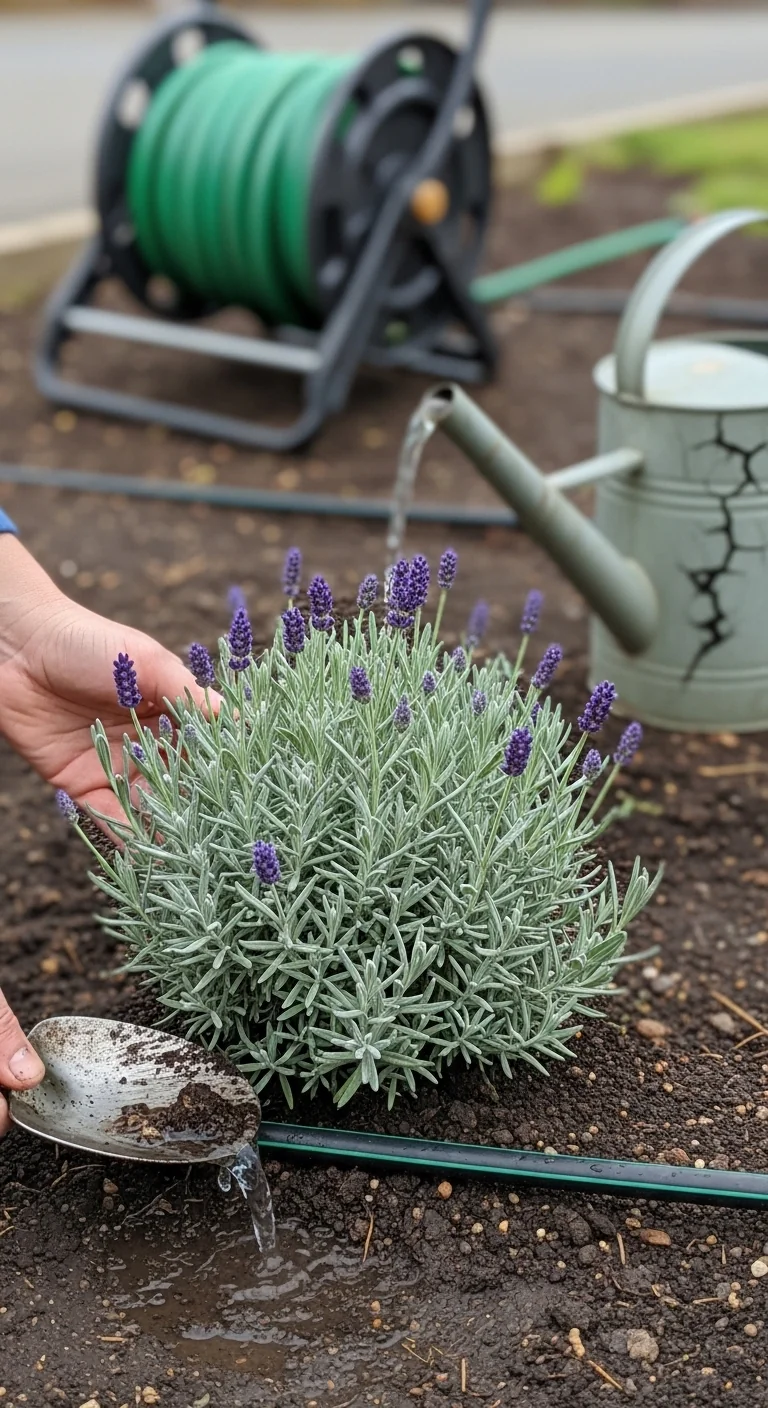
Best for: Branch 1
Use Hidcote when you want deep violet spikes that stand out against silver foliage in formal borders. Skip it if your site has slow drainage or high humidity because the compact English form dislikes wet feet. Edge case: it performs well in zone 5 with snow cover but may need a light mulch of gravel rather than organic material to stay dry at the crown.
Grosso Lavender
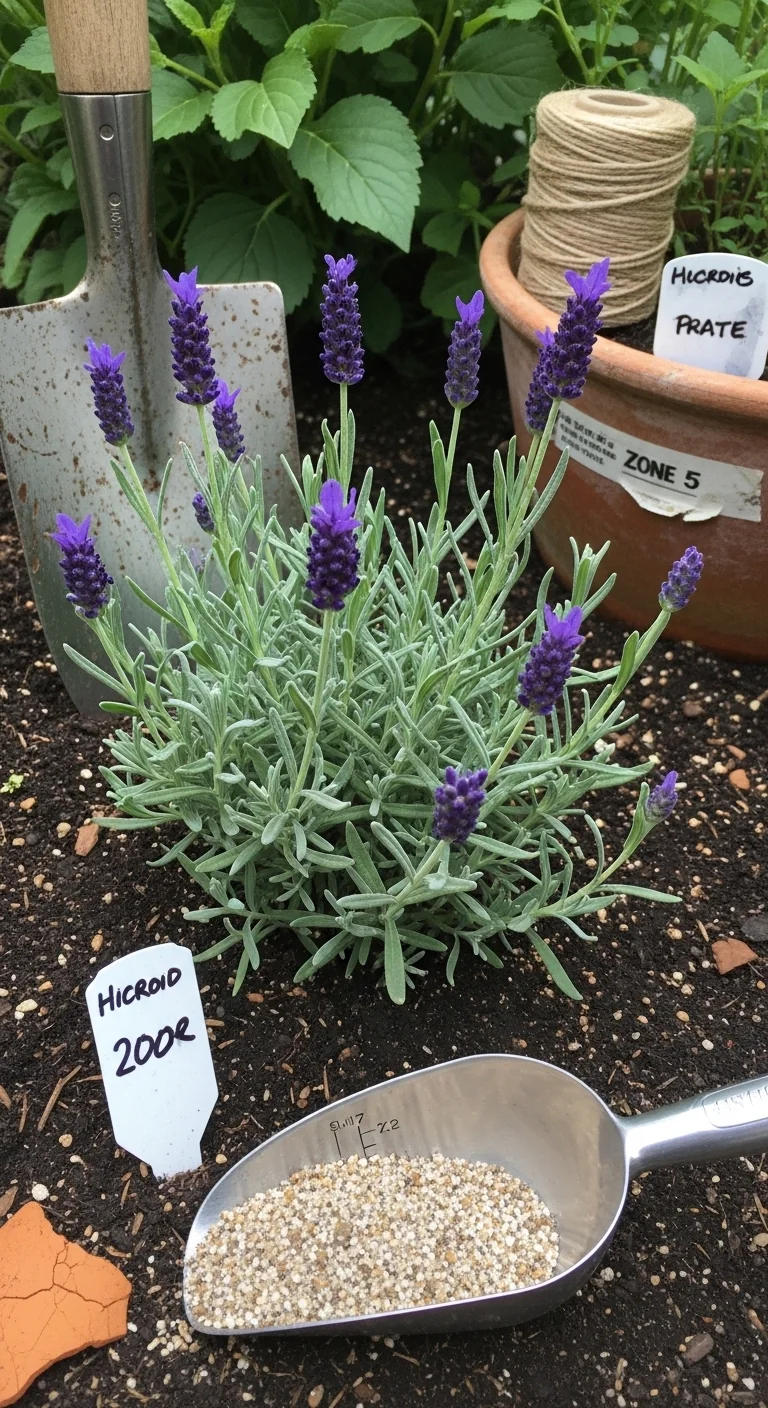
Best for: Branch 3
Grosso is a lavandin hybrid whose long flower spikes deliver strong fragrance and cut-flower stems. It thrives when winter lows stay above 0 degrees F and soil is sandy or gravelly. Threshold rule: keep soil pH between 6.5 and 7.5 and ensure drainage empties a test hole in under 30 minutes. Adjust by adding horticultural grit if your native soil clocks slower. Prune once per season immediately after the main bloom finishes. In zones 7 to 9 this variety routinely reaches 30 inches tall and wide with minimal extra care.
Phenomenal Lavender
Best for: Branch 2
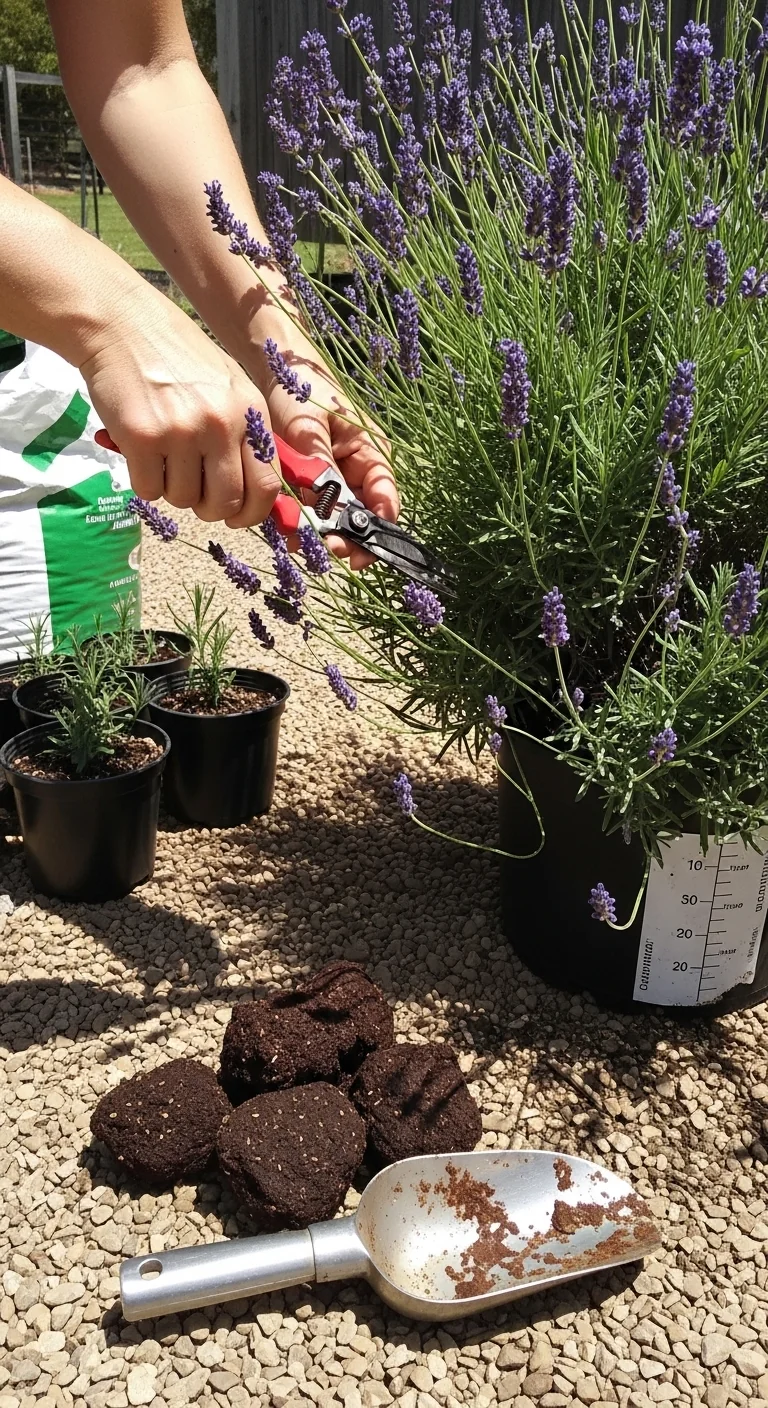
Phenomenal is a lavandin cultivar bred for larger size and tolerance to humidity plus disease pressure. Follow this 10-minute workflow at planting: dig a hole twice the pot width, mix native soil with 40 percent sand or perlite, set the crown level with soil surface, water once to settle, then stop watering until the top 2 inches of soil feel dry. Upgrade option: add a 2-inch gravel mulch layer to further speed surface drying in humid air. It establishes in clay-amended beds faster than standard English types when humidity exceeds 60 percent. Pollinator flowers benefit from its long bloom window that draws bees through summer.
Provence Lavender
Best for: Branch 3
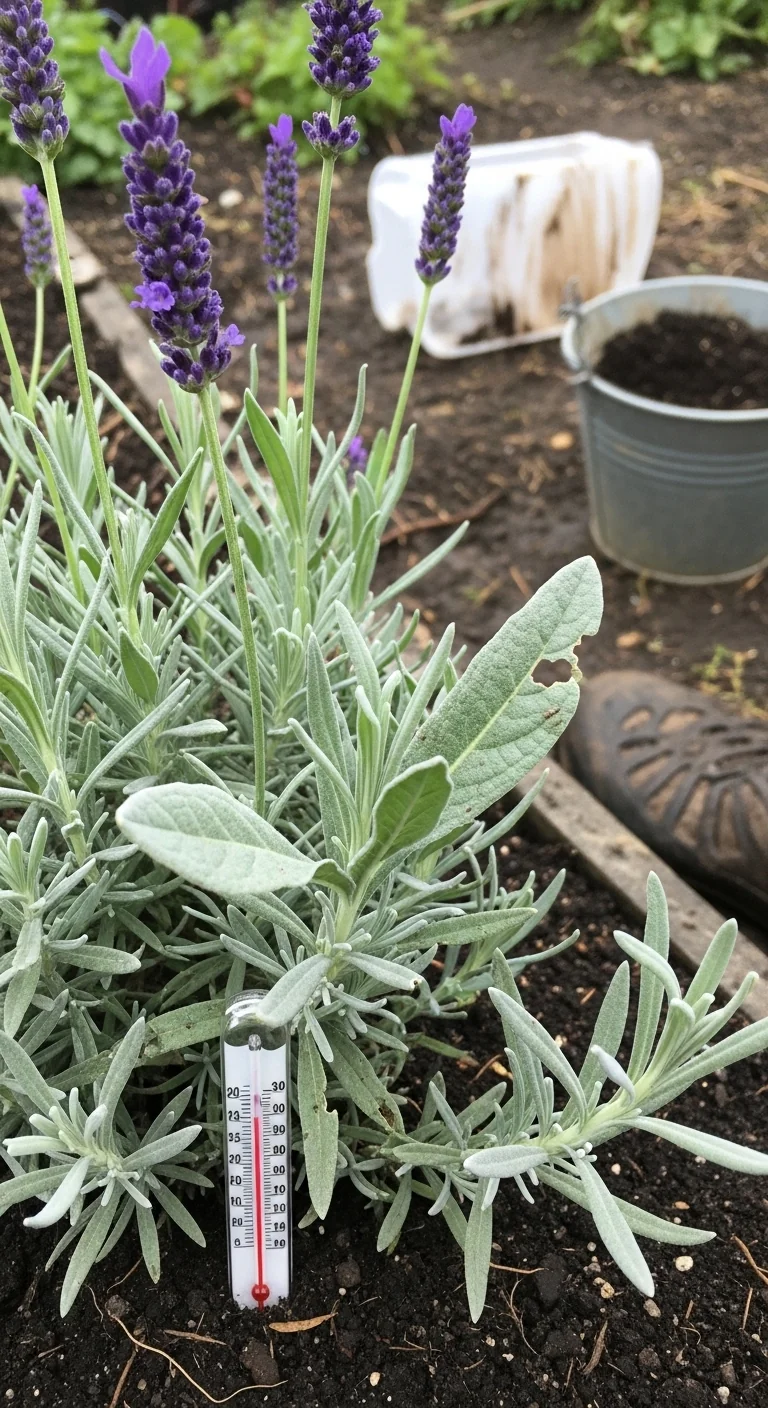
Choose Provence for steady bloom timing that aligns with cut-flower harvest schedules. Skip it in heavy clay without major amendment because the lavandin habit demands fast drainage. Edge case: it still flowers reliably in zone 7 even during occasional short dry spells once established.
Anouk Spanish Lavender
Best for: Branch 2
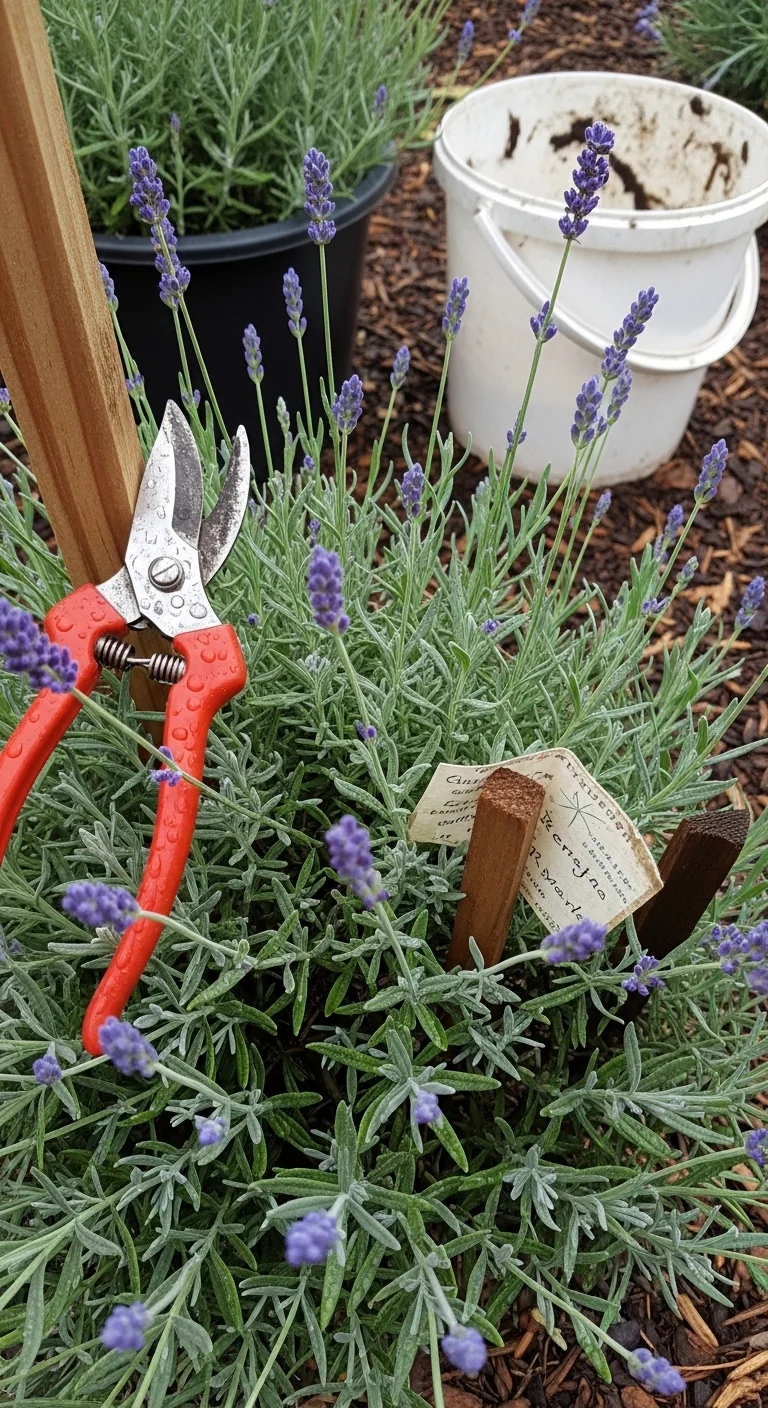
Anouk Spanish lavender produces distinctive rabbit-ear bracts and repeats bloom in warm conditions. Threshold rule: site it only where winter lows stay above 10 degrees F and soil drains in under 20 minutes after watering. If your test shows slower drainage, raise the planting bed by 6 inches or grow in containers. It tolerates humidity above 60 percent better than English types but still requires full sun of at least 6 hours daily. Prune lightly after each flush to keep the plant compact and encourage the next cycle.
French Lavender (dentata)
Best for: Branch 2
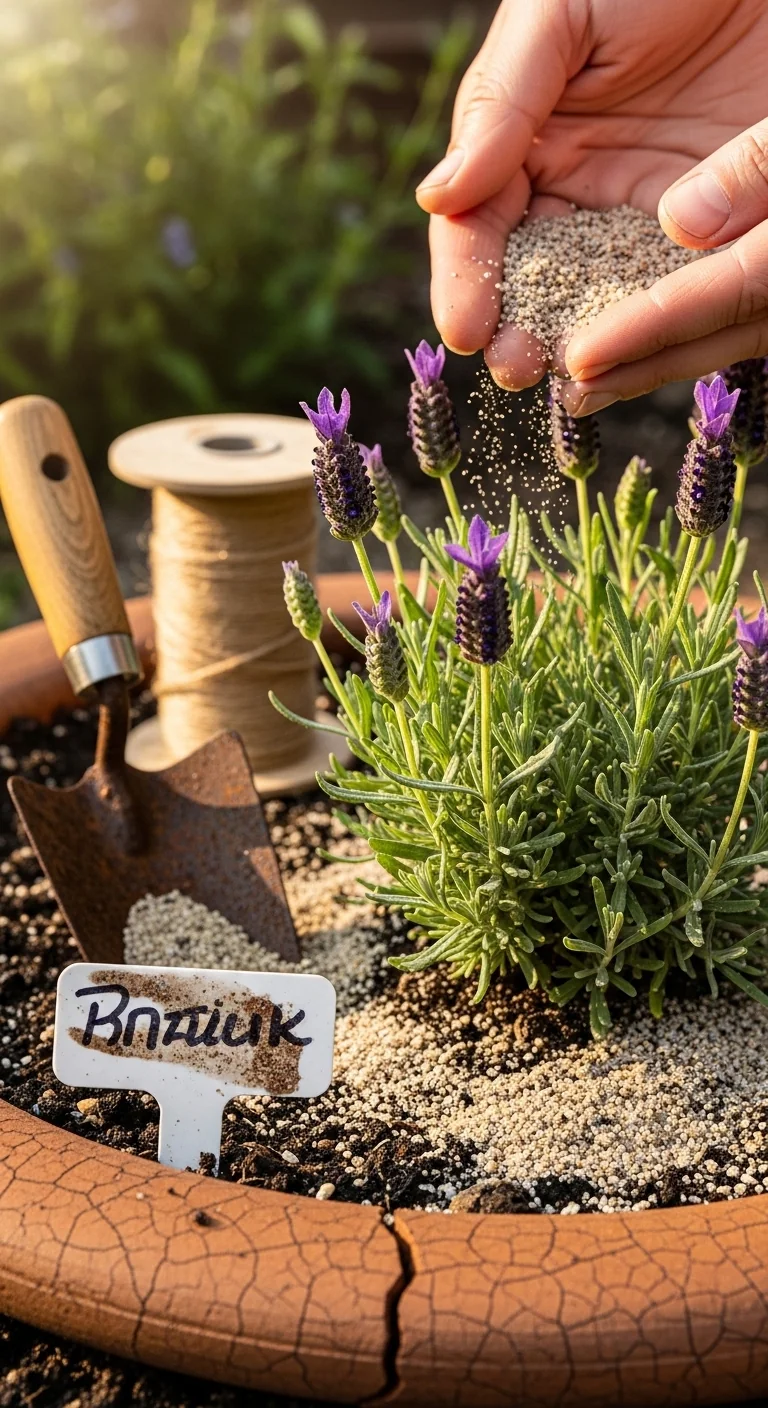
French lavender features toothed leaves and a longer bloom window in mild winters. It works best when you need extended color through fall in humid or warmer zones. Blueprint starts with soil test confirming pH 6.5 to 7.5. Amend clay with 50 percent sand and plant on a slight mound so water flows away from the crown. Space 18 to 24 inches apart for air circulation. Water at the base only when the top inch of soil is dry. After the first hard bloom cut back green growth by one-third but never into old wood. Common mistake in branch 2 conditions: overhead watering which traps moisture on the toothed foliage and invites fungal issues. Pair with deer-resistant flowers because its strong scent naturally deters browsing.
Thumbelina Leigh Lavender
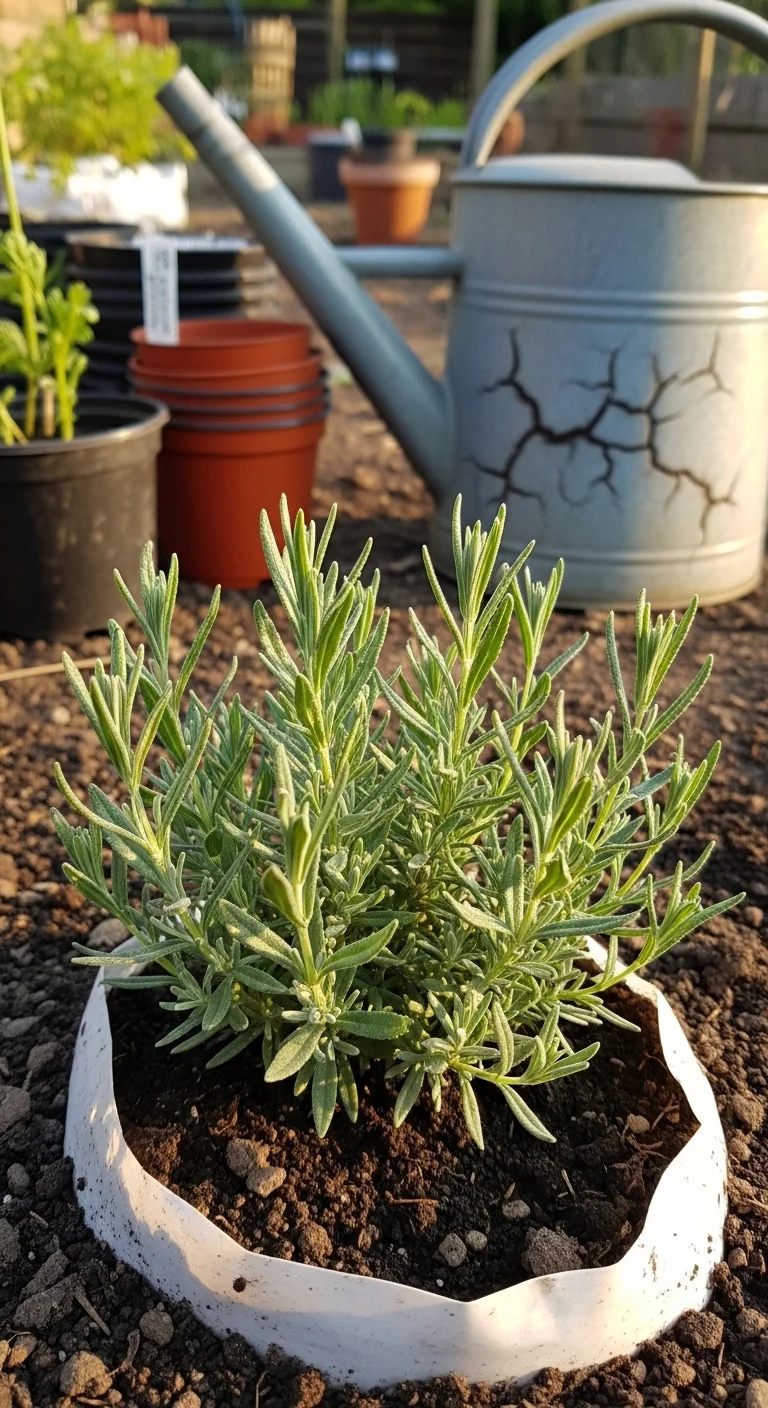
Best for: Branch 1
Use Thumbelina Leigh in rock gardens or containers when space limits you to 6 to 10 inches of height. Skip it for large borders because the dwarf English form lacks the volume needed to fill wide drifts. Edge case: it still survives zone 5 winters provided the crown stays dry under light gravel mulch.
Grappenhall Lavender
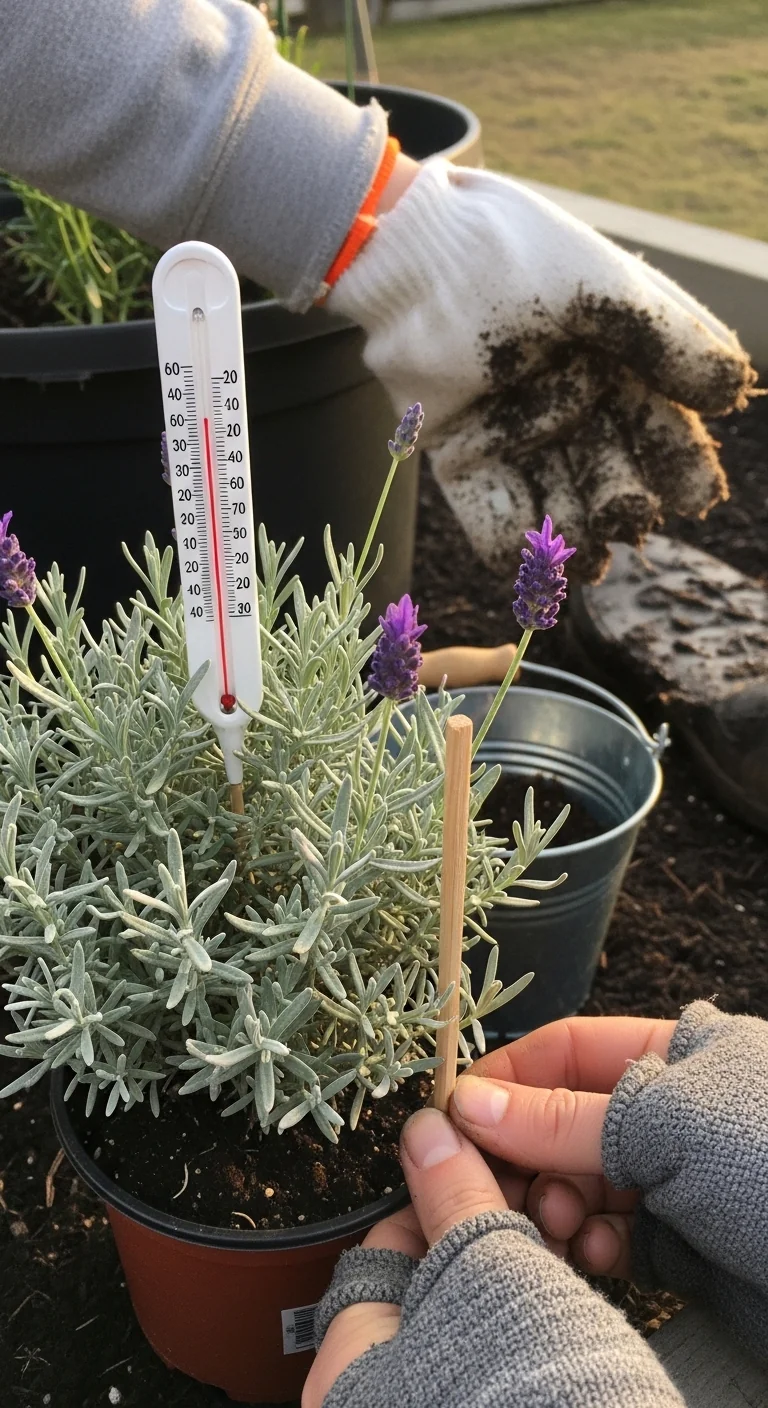
Best for: Branch 3
Grappenhall is a vigorous lavandin selected for intense fragrance in larger borders. 10-minute workflow: confirm soil pH 6.5 to 7.5 with a simple test kit, incorporate 30 percent grit if needed, plant at crown level, water once to settle, then rely on natural rainfall once roots establish after 3 weeks. Upgrade option: add a second light pruning in early spring to shape before new growth begins. It routinely reaches 3 feet tall and wide in sandy soils of zones 7 to 9 and supplies abundant stems for drying or fresh arrangements.
Starter Stack (What to Choose First)
For Branch 1 (Cold Winters)
Start with Munstead and Hidcote. These two compact English cultivars bloom in sequence for a longer display while staying under 24 inches tall. Buy 3 to 5 of each for a 10-foot border. Plants cost 8 to 12 dollars each and take 15 to 25 minutes total to plant and mulch.
For Branch 2 (Humid or Clay Conditions)
Start with Phenomenal and Anouk Spanish. The humidity-tolerant lavandin pairs with the repeating Spanish type for continuous color without extra fungicide sprays. Five plants of each fit a 12-foot bed. Expect 10 to 15 dollars per plant and 20 minutes planting time with raised-bed prep.
For Branch 3 (Mild Dry Harvest Focus)
Start with Grosso and Provence. These lavandin hybrids deliver long stems and strong scent for cutting while filling space quickly. Use 4 to 6 of each for a fragrant drift. Cost runs 9 to 14 dollars per plant and planting takes 15 to 30 minutes.
When This Won’t Work
Lavender fails when soil stays saturated longer than 48 hours after rain even after amendment or when soil pH tests below 6.0 and cannot be raised with lime. In both cases roots rot and plants decline within one season regardless of cultivar. Switch to container growing with a 50 percent sand and potting mix blend on a sunny patio or install permanent raised beds filled with fast-draining gritty soil.
Extreme winters below -20 degrees F without protective snow cover also exceed tolerance for even the hardiest types. In that situation treat plants as annuals or move potted specimens to a cold frame or unheated garage for winter.
Choosing the Right Option for Your Situation
Budget threshold
If you can spend under 10 dollars per plant, select Munstead, Hidcote, or Thumbelina Leigh. These common English cultivars cost the least at most nurseries while delivering full performance in branch 1 conditions.
Time threshold
If you have under 30 minutes for planting and initial setup, pick any compact option from branch 1 or the dwarf Thumbelina Leigh. Larger lavandins in branches 2 and 3 need slightly wider spacing and extra grit amendment that adds 10 minutes.
Technical constraint
If your soil pH cannot reach 6.5 even after lime application, grow any listed cultivar in containers filled with a commercial cactus or succulent mix that already sits in the correct range.
Yes/No checklist:
Does your winter low stay above -20 degrees F?
Does a drainage test empty in under 30 minutes?
Is your main goal fragrance or cutting stems?
Can you provide at least 6 hours of full sun?
Expert Q&A
How do you time pruning to avoid removing next year’s flower buds?
Wait until the main bloom finishes and the flowers begin to fade but before new green growth hardens. Cut back only the current season’s green stems by one-third, stopping well above any woody base. This timing window keeps the plant compact and ensures buds form on remaining growth for the following spring.
What soil test numbers confirm a site is ready for lavender without further amendment?
Measure drainage speed by digging a 12-inch hole, filling it with water, and timing how fast it empties. Ideal is under 30 minutes. Combine with a pH reading between 6.5 and 7.5. If both pass, no extra sand or lime is required before planting.
Which lavender types work best as companions in a rock garden without crowding?
Dwarf English cultivars such as Thumbelina Leigh or Munstead stay under 12 inches tall and pair cleanly with low-growing sedums or thyme. Keep spacing at 12 inches so air circulates and roots do not compete in the shallow, gritty soil layer.
When is the safe window to harvest stems for drying while still preserving plant health?
Cut stems when the first few flowers on each spike have opened but before any turn brown. Do this in the morning after dew dries. Remove no more than one-third of the plant’s total green growth per harvest to leave enough foliage for photosynthesis and next season’s buds.
How do you overwinter potted lavender in zones 5 and 6 without indoor space?
Move containers against a south-facing wall, group them together, and cover the tops with a single layer of burlap or horticultural fleece once temperatures drop below 20 degrees F. Water only if the soil feels completely dry to the touch during thaws. Remove covers on warm days to prevent moisture buildup.
When This Won’t Work
The right lavender variety paired to your exact conditions delivers consistent blooms without repeated replacement. The single biggest mistake remains planting without first running the drainage and pH tests described in the grid.
Take the next step today: measure your winter lows and soil drainage, then select the matching cultivars from the table. Prep the site using our sandy soil flowers guide for exact amendment ratios before you buy.