
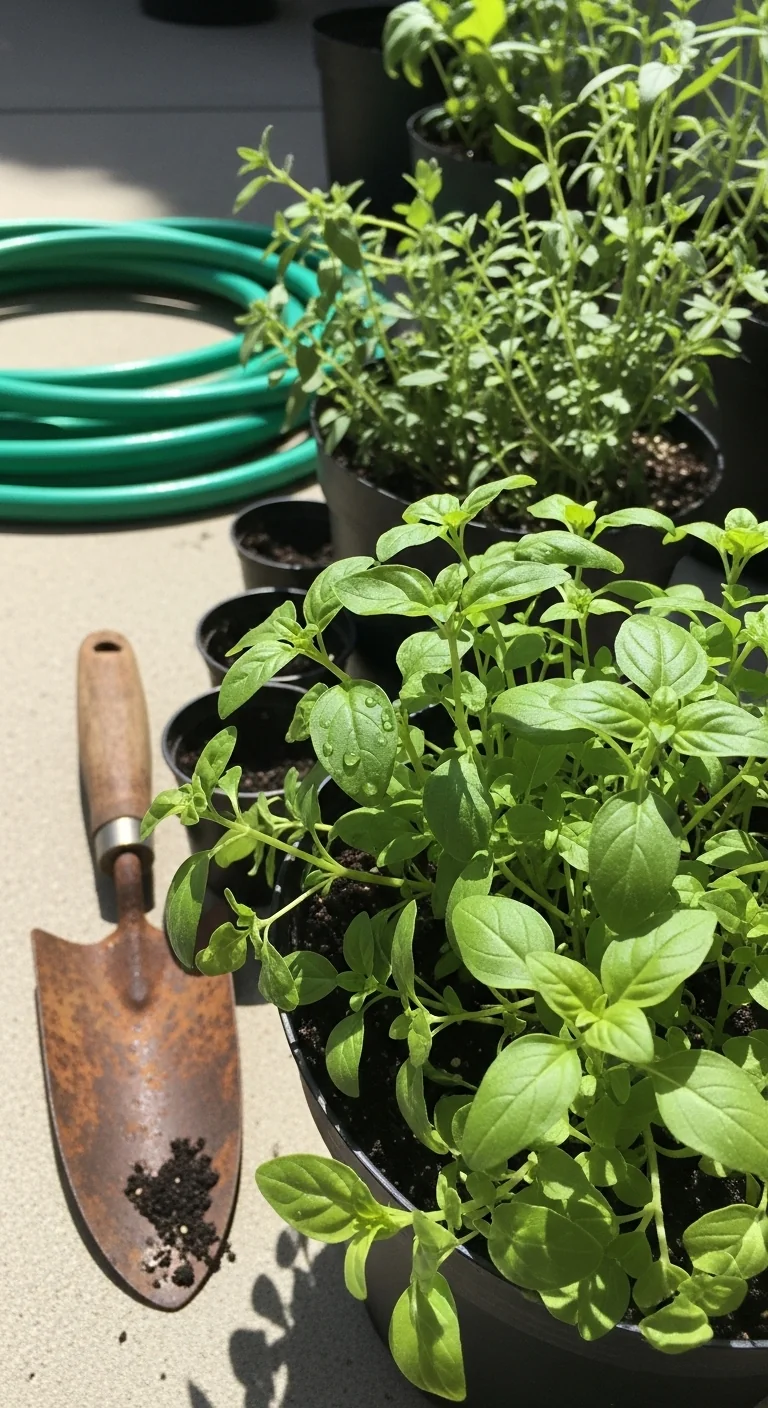
A pizza herb garden succeeds when herb growth rates, water needs, and harvest windows align with your exact space and sun exposure rather than defaulting to a generic mix of basil, oregano, thyme, and rosemary. Many standard setups produce uneven results because Mediterranean perennials outpace annuals or demand different drainage levels.
This guide focuses on herb-only configurations across containers, raised beds, spirals, and drought-tolerant selections. It excludes full vegetable pizza gardens that incorporate tomatoes or peppers.
By the end you can identify your decision grid branch, compare the options side by side, and start with a starter stack that fits your constraints for reliable fresh flavor on demand.
Identify your branch in the decision grid below, then follow the recommended items to build a pizza herb garden tailored to your conditions.
The Yield Grid Decision Grid
Branch 1: Small-space container and balcony setups. Measurable conditions include total growing area under 15 square feet or limited to three or fewer pots. These suit patios, decks, or apartments with restricted room. Recommended: Items 1, 5, 6, and 8 below. For more on selecting herbs suited to limited footprints, see our guide to the best herbs for containers.
Branch 2: Moderate-space structured designs. Measurable conditions include 4 to 25 square feet in raised beds or spirals with at least six hours of direct sun daily. These suit backyard or larger patio areas. Recommended: Items 4 and 7 below.
Branch 3: Low-maintenance drought-tolerant selections. Measurable conditions include areas with less than one inch average weekly rainfall or once-established watering less than twice weekly. These suit hot or dry climates. Recommended: Items 2, 3, and 9 below.
Quick Comparison Table
| Option | Key mechanism | Best for | Decision Grid Branch | Effort Score |
|---|---|---|---|---|
| Container Pizza Herb Garden | Self-draining pots with Mediterranean soil mix for balanced moisture retention | Patios or decks with limited room | Branch 1 | 2 |
| Oregano as the Anchor Herb for Pizza Gardens | Perennial root system that spreads naturally for repeated harvests | Dry climates needing minimal intervention | Branch 3 | 1 |
| Thyme Plant Care in Pizza Herb Setups | Low-water woody stems paired with gritty drainage | Areas with inconsistent rainfall | Branch 3 | 2 |
| Raised Bed Pizza Herb Garden | Elevated soil depth for root separation and easier access | Backyards seeking higher volume harvests | Branch 2 | 3 |
| Rosemary in Pots for Pizza Flavor | Woody structure that tolerates pot confinement without crowding | Small spaces requiring upright growth | Branch 1 | 2 |
| Balcony Herb Garden for Pizza Nights | Vertical stacking with wind-resistant anchoring | Elevated outdoor areas with exposure | Branch 1 | 3 |
| Spiral Herb Garden Layout for Pizza Herbs | Tiered elevation for micro-climate zones within one structure | Moderate yards wanting visual and functional layering | Branch 2 | 4 |
| Basil Growing Tips Tailored for Pizza Harvests | Pinch-pruning to maintain compact leaf production | Containers needing quick leafy turnover | Branch 1 | 3 |
| Drought Tolerant Herbs for Pizza Gardens | Deep root systems combined with silver foliage for heat reflection | Low-water zones or forgetful watering schedules | Branch 3 | 1 |
1. Container Pizza Herb Garden
Best for: Branch 1
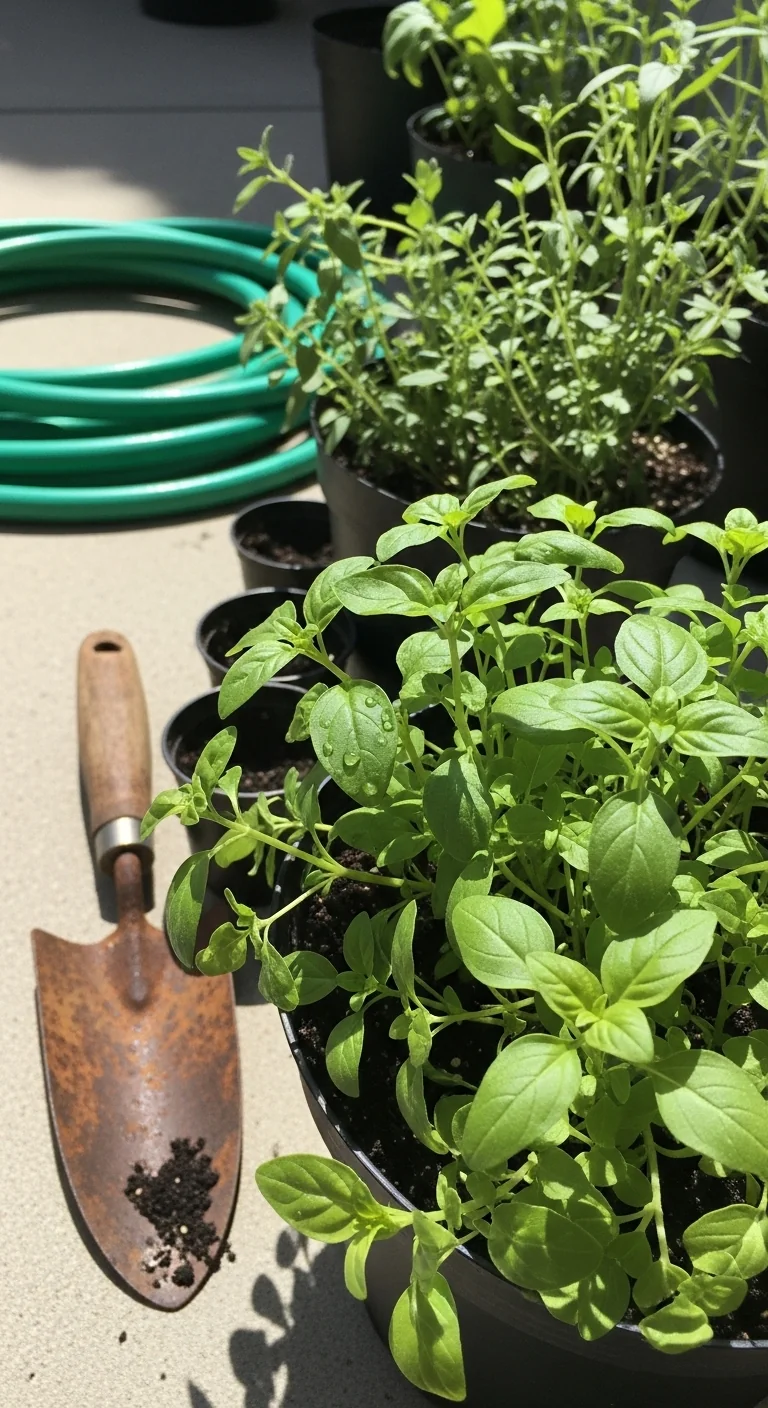
Use a 12- to 18-inch diameter pot filled with a soil mix of two parts potting soil to one part perlite and one part coarse sand to achieve drainage while retaining enough moisture for basil. Plant after soil temperature reaches 65 degrees Fahrenheit and last frost has passed. Position in full sun and water only when the top two inches of soil feel dry. This blueprint works because the confined root zone prevents aggressive spreaders from overtaking compact growers. One common mistake is placing rosemary and basil in the same pot without separating their water needs; rosemary prefers drier conditions. The setup delivers fresh leaves within eight weeks and stays manageable on a small patio. (170 words)
2. Oregano as the Anchor Herb for Pizza Gardens
Best for: Branch 3
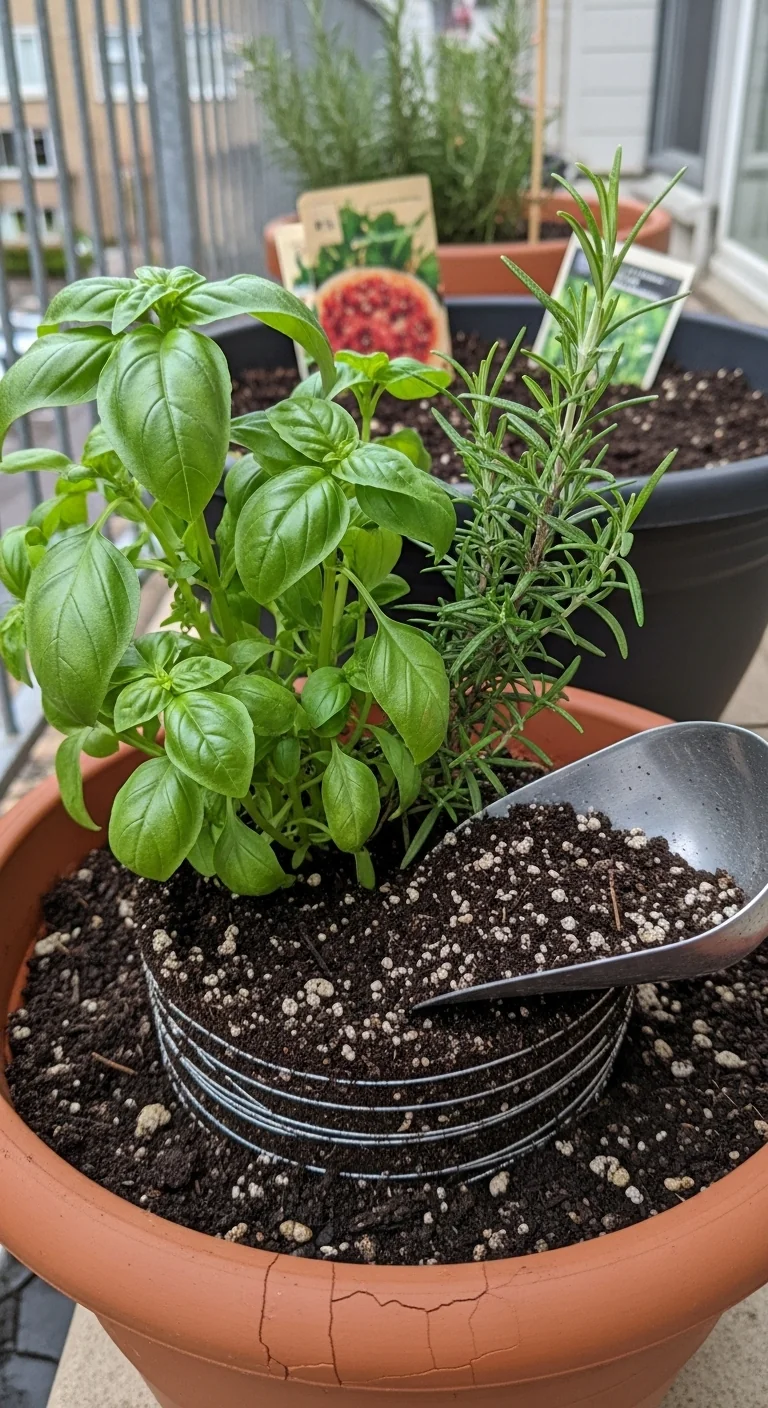
Use oregano when your site has low rainfall and you want a perennial base that returns each season without replanting. Skip it if your soil stays constantly moist, as excess water leads to root issues. The edge case is warm climates where it spreads rapidly; contain it in a separate pot to protect neighboring plants. One plant supplies enough dried or fresh leaves for multiple pizzas per month once established. (68 words)
3. Thyme Plant Care in Pizza Herb Setups
Best for: Branch 3
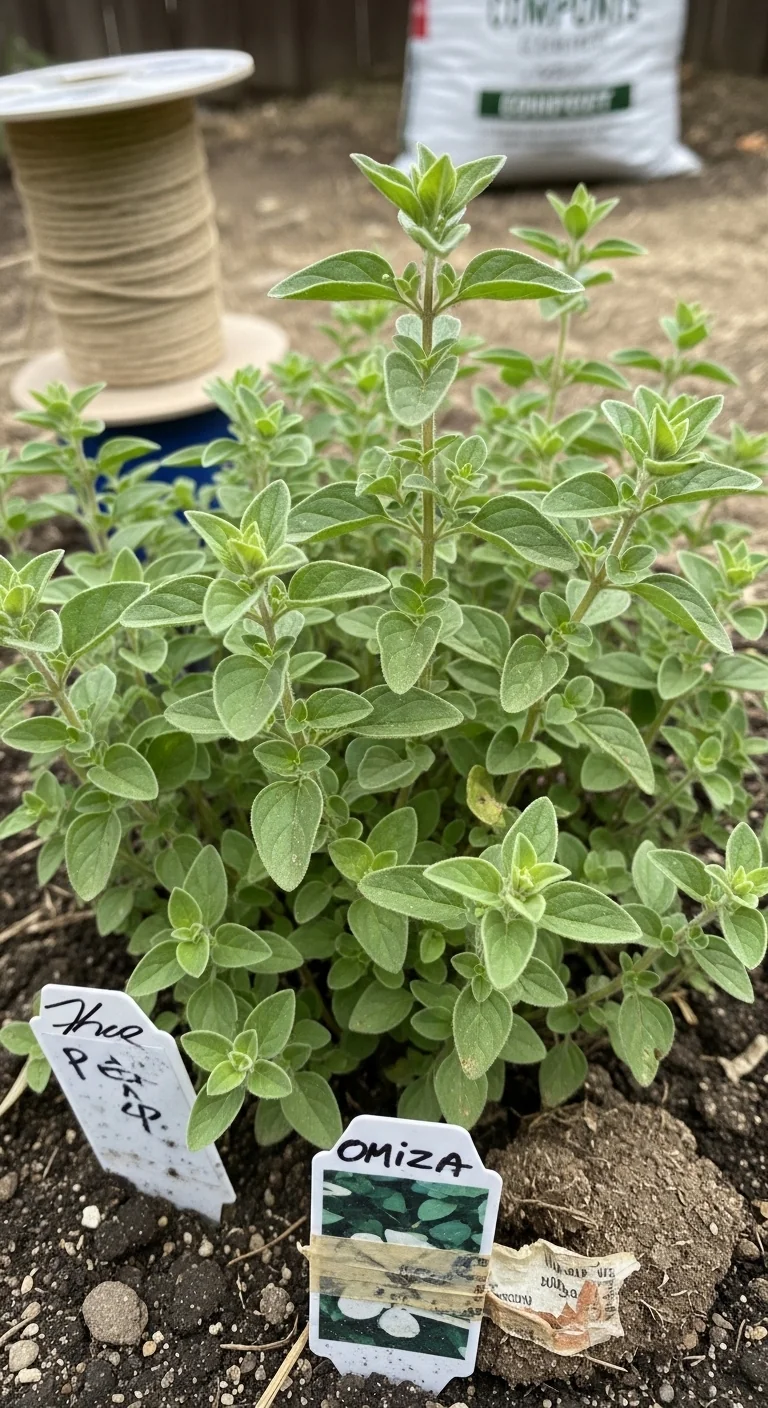
Follow the threshold rule of maintaining soil temperature above 60 degrees Fahrenheit at planting and watering only when the top two inches of soil are dry. Adjust by adding more grit to the mix if drainage is slower than expected. This keeps the woody stems compact and flavor oils concentrated. In pizza applications thyme pairs best when harvested before flowering for milder notes in sauce. Exceeding the dry threshold by more than four days in peak heat can cause leaf drop. (112 words)
4. Raised Bed Pizza Herb Garden
Best for: Branch 2
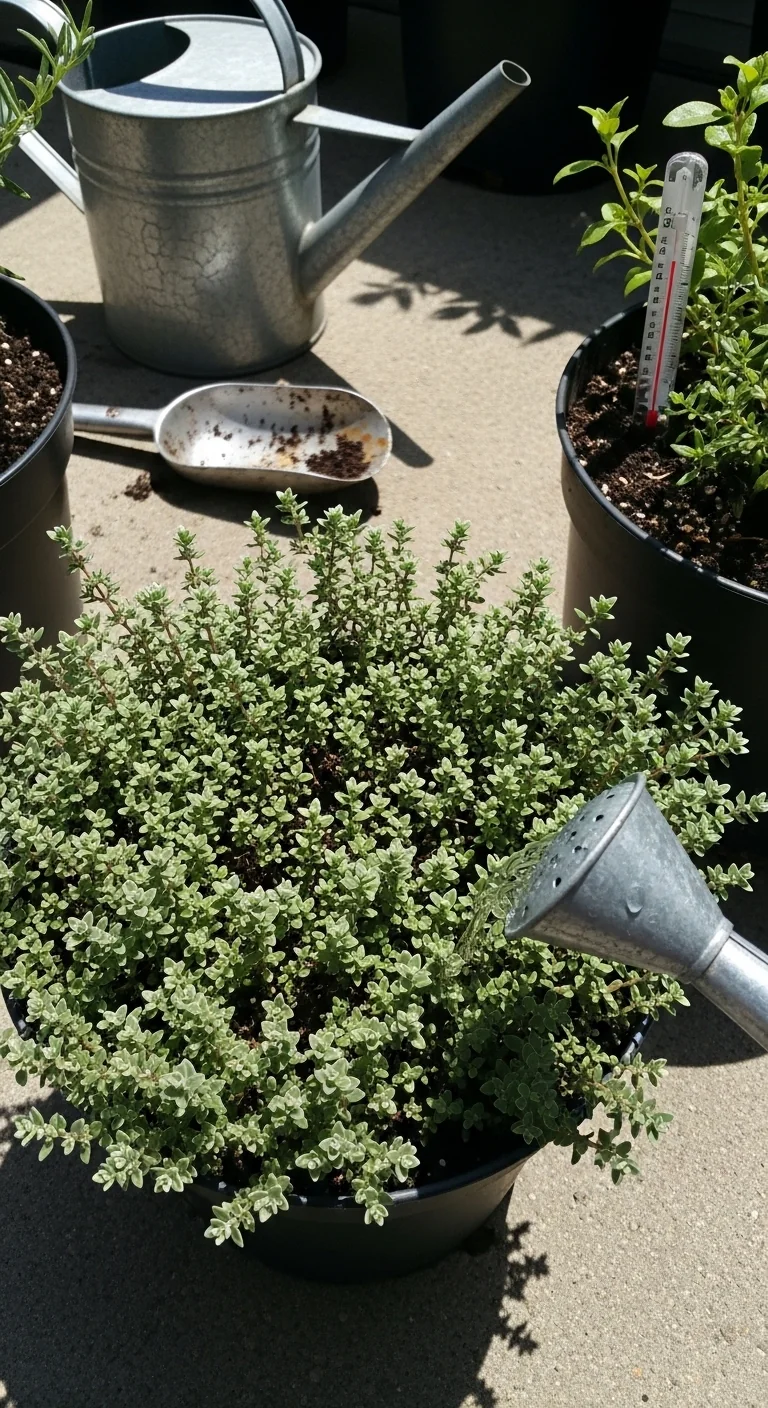
Build a four-by-four-foot raised bed with 12-inch depth using a soil mix of equal parts garden soil, compost, and perlite. Space oregano and thyme 12 inches apart along the edges and basil in the center for easy reach. Plant after soil warms to 65 degrees Fahrenheit. This layout separates root zones so moisture-loving basil does not compete with drier perennials. One key detail is orienting the bed north-south for even sun distribution across all plants. The structure yields consistent harvests through the season with monthly light pruning. (162 words)
5. Rosemary in Pots for Pizza Flavor
Best for: Branch 1
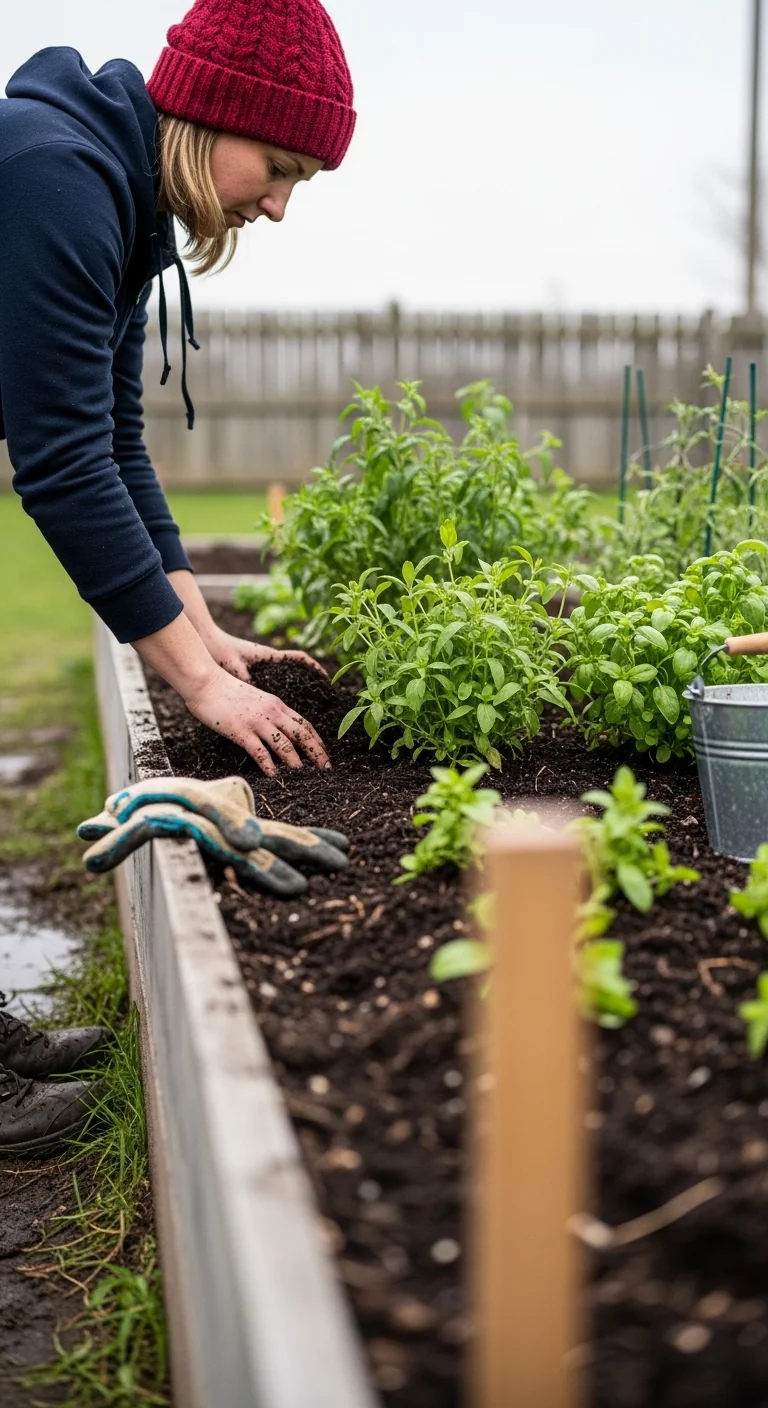
Rosemary thrives in a single 12-inch pot with gritty soil and full sun. Use it in pizza setups for its needle-like leaves that release resinous aroma when baked. The pot format prevents it from outgrowing companions while allowing winter protection by moving indoors if temperatures drop below 20 degrees Fahrenheit. (62 words)
6. Balcony Herb Garden for Pizza Nights
Best for: Branch 1
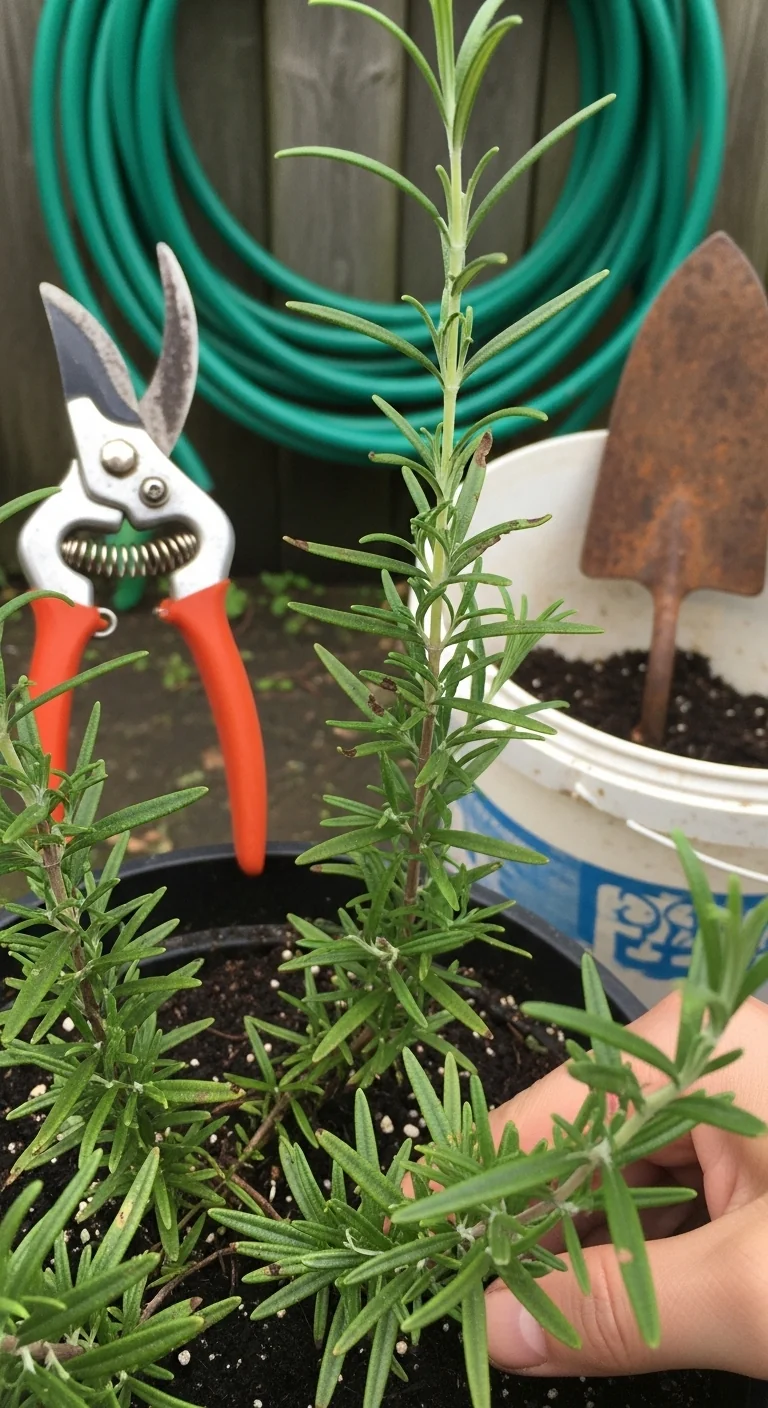
Secure three 10-inch pots to a railing or use a vertical planter with drainage holes. Fill with well-draining mix and place in the sunniest corner. Water at soil surface level only when the top inch dries. This configuration keeps plants within arm reach for quick snips before pizza assembly and withstands light wind when anchored properly. (58 words)
7. Spiral Herb Garden Layout for Pizza Herbs
Best for: Branch 2
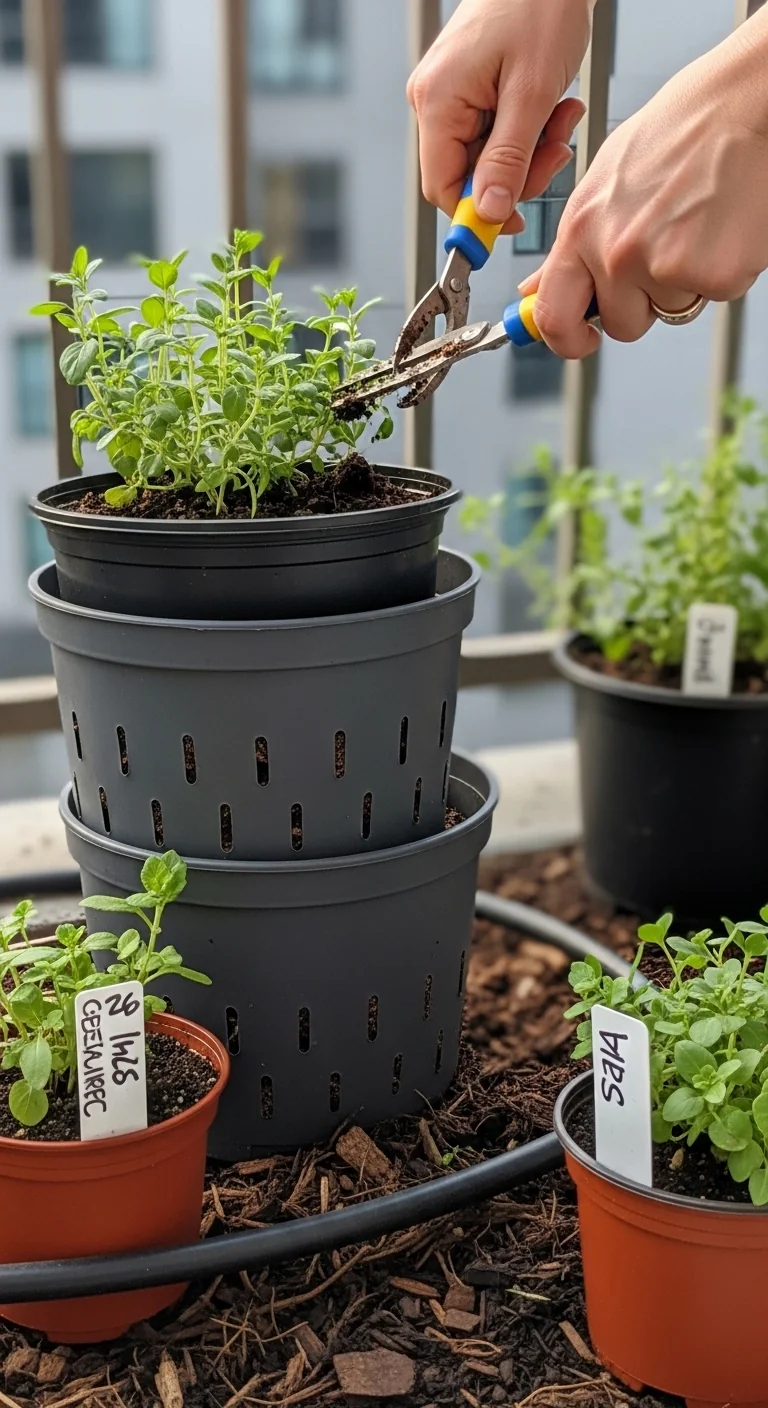
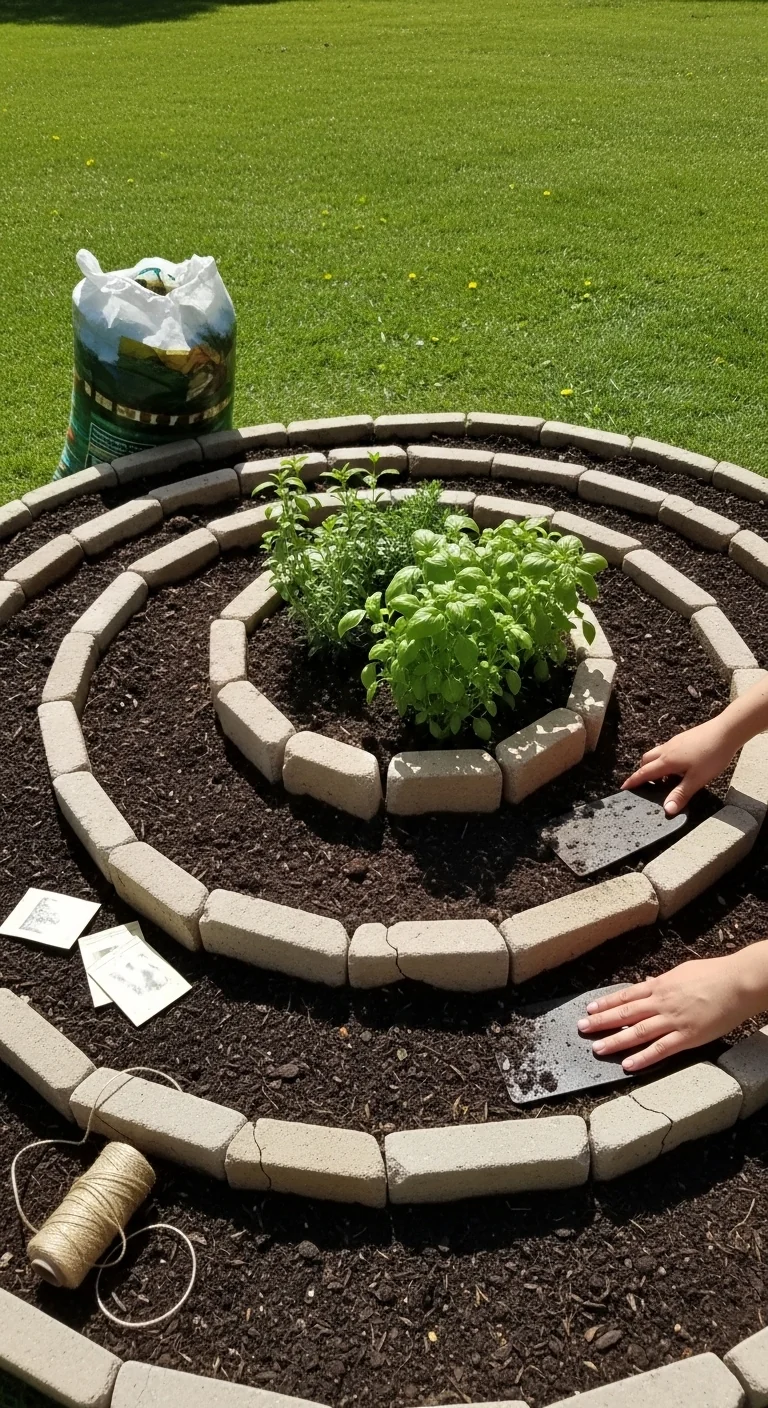
Construct a stone or brick spiral two to three feet high using a central soil mound. Plant drought-tolerant herbs at the base and basil at the top where moisture collects naturally. The tiered design creates micro-climates within one compact footprint of about 10 square feet. Water at the top and let it percolate downward. This layout maximizes flavor variety while minimizing footprint in moderate yards. (98 words)
8. Basil Growing Tips Tailored for Pizza Harvests
Best for: Branch 1
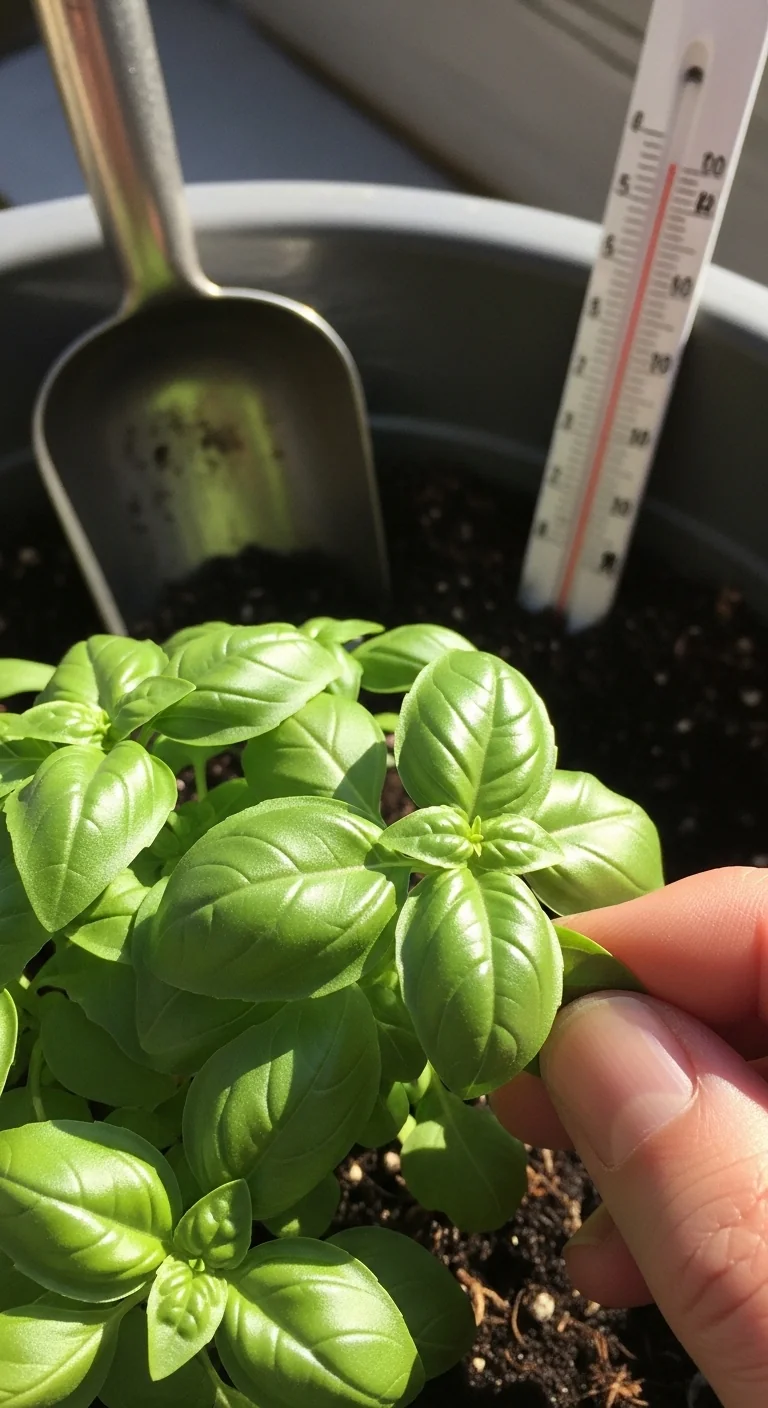
Start basil from seed indoors six weeks before last frost or buy transplants and place in containers after soil reaches 70 degrees Fahrenheit. Pinch the top two sets of leaves every two weeks once plants reach six inches tall to keep them bushy. Harvest whole sprigs in the morning for brightest flavor on fresh pizza. This tip works in small pots because regular pinching prevents flowering and maintains leaf production through summer. (95 words)
9. Drought Tolerant Herbs for Pizza Gardens
Best for: Branch 3
Select oregano, thyme, and rosemary together in well-drained soil with full sun. These herbs share low water needs once roots establish after four weeks. The combination supplies core pizza flavors without frequent irrigation. Monitor soil only every seven to ten days in hot weather and water deeply but infrequently. This selection suits forgetful schedules or regions with sporadic rain. (72 words)
Starter Stack (What to Choose First)
Branch 1 Starter Stack
Begin with Items 1 and 8. The container pizza herb garden pairs with basil growing tips for quick leafy turnover and contained growth. Synergy comes from matching moisture-loving basil with the overall drainage of the pot setup. Initial setup costs 25 to 50 dollars and takes one to two hours. (48 words)
Branch 2 Starter Stack
Begin with Items 4 and 7. The raised bed pizza herb garden combines with the spiral herb garden layout for layered access and micro-climate control. Synergy arises from separating root zones while increasing harvest surface in moderate space. Initial setup costs 60 to 120 dollars and takes three to five hours. (51 words)
Branch 3 Starter Stack
Begin with Items 2 and 3. Oregano as the anchor herb pairs with thyme plant care for a perennial low-water base. Synergy comes from shared drought tolerance and complementary aromas for sauce and topping. Initial setup costs 15 to 35 dollars and takes under one hour. (47 words)
When This Won’t Work
If your location receives fewer than five hours of direct sun daily, most pizza herbs produce weak stems and reduced essential oils. The flavor impact on finished pizza becomes noticeably milder. Switch to supplemental lighting designed for herbs instead of forcing outdoor growth. See our guide to grow lights for herbs.
If soil stays saturated longer than 48 hours after watering or rain, oregano and thyme risk root rot. Amend heavy clay with coarse sand or move to raised structures with improved drainage to restore conditions. (78 words)
Choosing the Right Option for Your Situation
Under 50 Dollar Budget Threshold
Choose Items 2, 3, or 9. These rely on one or two established plants and basic potting mix rather than custom bed construction.
Under Two Hours Weekly Maintenance Threshold
Choose Items 1, 2, or 9. These require only spot watering checks and occasional pinching rather than full-bed monitoring.
Less Than Six Hours Daily Sun Constraint
Choose Items 5 or 6 with supplemental light or relocate containers to the brightest available spot for at least four hours.
Yes/No checklist:
Do you have at least six hours of direct sun?
Does your space allow more than 15 square feet?
Can you water deeply but infrequently?
Does your soil drain within 24 hours?
Expert Q&A
How does morning harvest timing change pizza herb flavor?
Harvest oregano, thyme, and rosemary in early morning when essential oils reach peak concentration before heat evaporates them. Cut just above leaf nodes to encourage bushier regrowth. This timing delivers stronger aroma in baked sauce or fresh toppings compared to afternoon cuts. (52 words)
What soil temperature threshold matters most for pizza herb germination?
Basil needs soil at 70 degrees Fahrenheit or higher while thyme and oregano germinate reliably above 60 degrees Fahrenheit. Test with a soil thermometer before sowing or transplanting to avoid stalled growth in cool spring conditions. (48 words)
Which companion planting avoids pest pressure in pizza herb setups?
Place chives near basil and oregano to repel aphids naturally through sulfur compounds. Keep rosemary separate from moisture-loving basil to prevent competition. This pairing maintains clean foliage without chemical intervention. (44 words)
How do you overwinter rosemary and thyme for next-season pizza harvests?
Move potted rosemary indoors to a cool bright window when nighttime temperatures drop below 20 degrees Fahrenheit. Trim thyme lightly and mulch the base outdoors in zones 5 and warmer. Both resume growth in spring with minimal loss. (51 words)
What distinguishes fresh versus dried herb use on pizza?
Use fresh basil and parsley as finishing toppings after baking for bright color and texture. Add dried oregano and thyme to sauce before cooking so flavors meld during heat. This distinction prevents bitterness from fresh woody herbs. (47 words)
Conclusion
The key decision in any pizza herb garden is matching your branch conditions to the right combination rather than planting every classic herb together. The number one mistake is ignoring drainage and sun thresholds, which leads to leggy growth or lost flavor intensity.
Review the comparison table, pick your first item from the matching branch, and build the starter stack. Then explore our guide to harvesting herbs for peak flavor timing on your next pizza night. (74 words)