
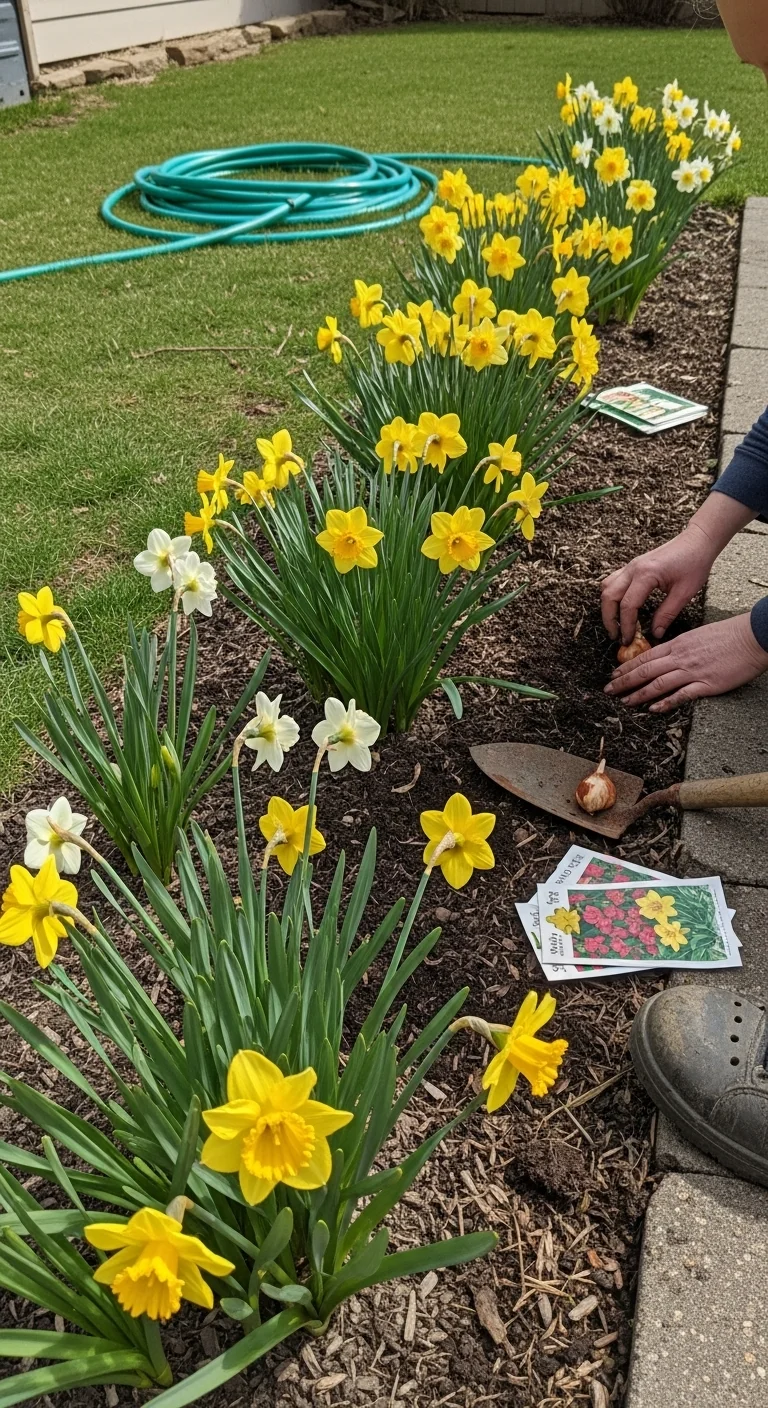
Most daffodil lists sort by color or cup shape. The Yield Grid reframes the choice around three measurable conditions: your USDA zone range, daily sun hours, and naturalizing pressure in the site. This approach identifies varieties proven to multiply and return with stronger stems and more flowers in subsequent seasons across real garden settings.
This guide covers nine varieties from trumpet, large-cup, miniature, and triandrus divisions. It focuses on outdoor perennial performance in USDA zones 3 through 9. It excludes indoor forcing techniques and cut-flower-only selections. Data draws from established horticultural sources on bloom timing, height, and multiplication habits.
Use the grid and table below to narrow choices, then match to your exact site. You will select bulbs that align with your conditions rather than trial-and-error purchases.
Match your zone, sun exposure, and drainage profile to one branch, then plant the listed varieties once for reliable spring displays in following years.
The Yield Grid Decision Grid
Branch 1: Cooler climates (USDA zones 3-5) with full sun (6+ hours daily) and risk of late frosts below 20 F. Soil drains within 24 hours after rain. Recommended: Items 1, 4, and 7 below.
Branch 2: Moderate climates (USDA zones 6-7) or sites with part shade (4-6 hours sun). Soil pH 6.0-7.0 and consistent moisture without standing water. Recommended: Items 2, 5, and 8 below.
Branch 3: Warmer climates (USDA zones 8-9) or naturalizing lawns and meadows where bulbs must multiply without annual lifting. Good drainage and mild winters above 20 F. Recommended: Items 3, 6, and 9 below.
For broader bulb selection across seasons, see our guide to spring bulbs.
Quick Comparison Table
| Option | Key mechanism | Best for | Decision Grid Branch | Effort Score |
|---|---|---|---|---|
| Rijnveld’s Early Sensation | Trumpet division, earliest bloom trigger | Short-season northern gardens | Branch 1 | 1 |
| Barrett Browning | Small-cup with orange accents | Moderate zones with mixed borders | Branch 2 | 1 |
| Dutch Master | Classic trumpet, vigorous foliage | Warm-zone naturalizing | Branch 3 | 1 |
| Tete-a-Tete | Miniature multi-headed form | Containers and front borders | Branch 1 | 1 |
| Hawera | Triandrus nodding habit | Part-shade woodland edges | Branch 2 | 1 |
| Cragford | Multi-flowered fragrant clusters | Southern lawns with scent focus | Branch 3 | 1 |
| Ice Follies | Large-cup white with fading lemon center | Cool-climate mass plantings | Branch 1 | 1 |
| Mount Hood | Pure white trumpet | Moderate zones needing contrast | Branch 2 | 1 |
| Thalia | Triandrus white clusters | Warmer zones with reliable return | Branch 3 | 1 |
Rijnveld’s Early Sensation Daffodil
Best for: Branch 1
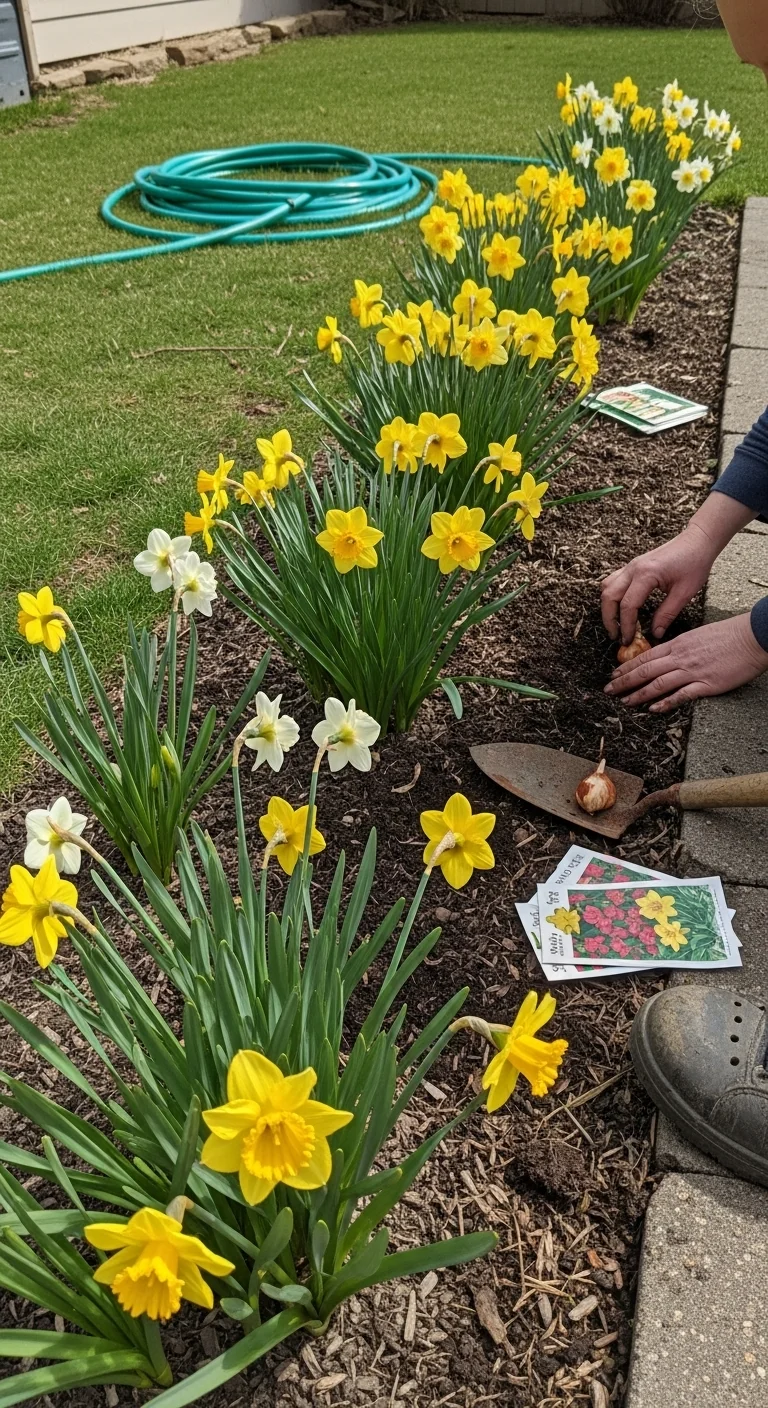
Blueprint: Plant Rijnveld’s Early Sensation where the first color is needed before most spring bulbs emerge. It triggers bloom in late winter to very early spring, often by mid-February in zones 3-5. Use it as the anchor for short-season displays. Steps include planting at 6-8 inches deep in full sun with well-drained soil. Common mistake is pairing it only with later varieties, which leaves a two-week gap. Pair instead with Tete-a-Tete for seamless early coverage. Its trumpet form stands up to late snow without lodging. Foliage dies back cleanly by early summer.
Barrett Browning Daffodil
Best for: Branch 2
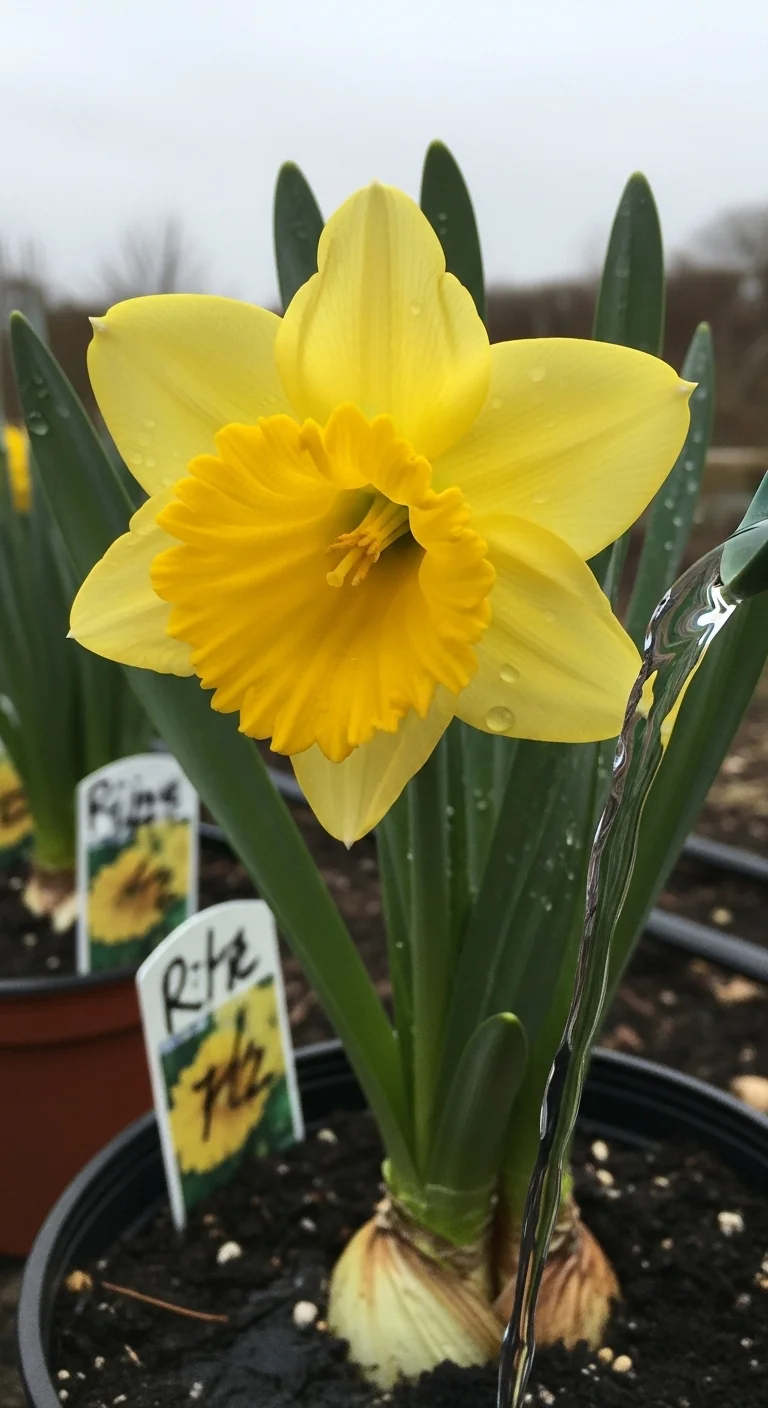
Use versus skip: Plant Barrett Browning in moderate zones 6-7 borders where orange accents add warmth. Pros include early bloom, strong stems, and reliable multiplication. Cons appear only in heavy clay without raised beds. Edge case: it performs in part shade but stretches if sun drops below 4 hours daily.
Dutch Master Daffodil
Best for: Branch 3
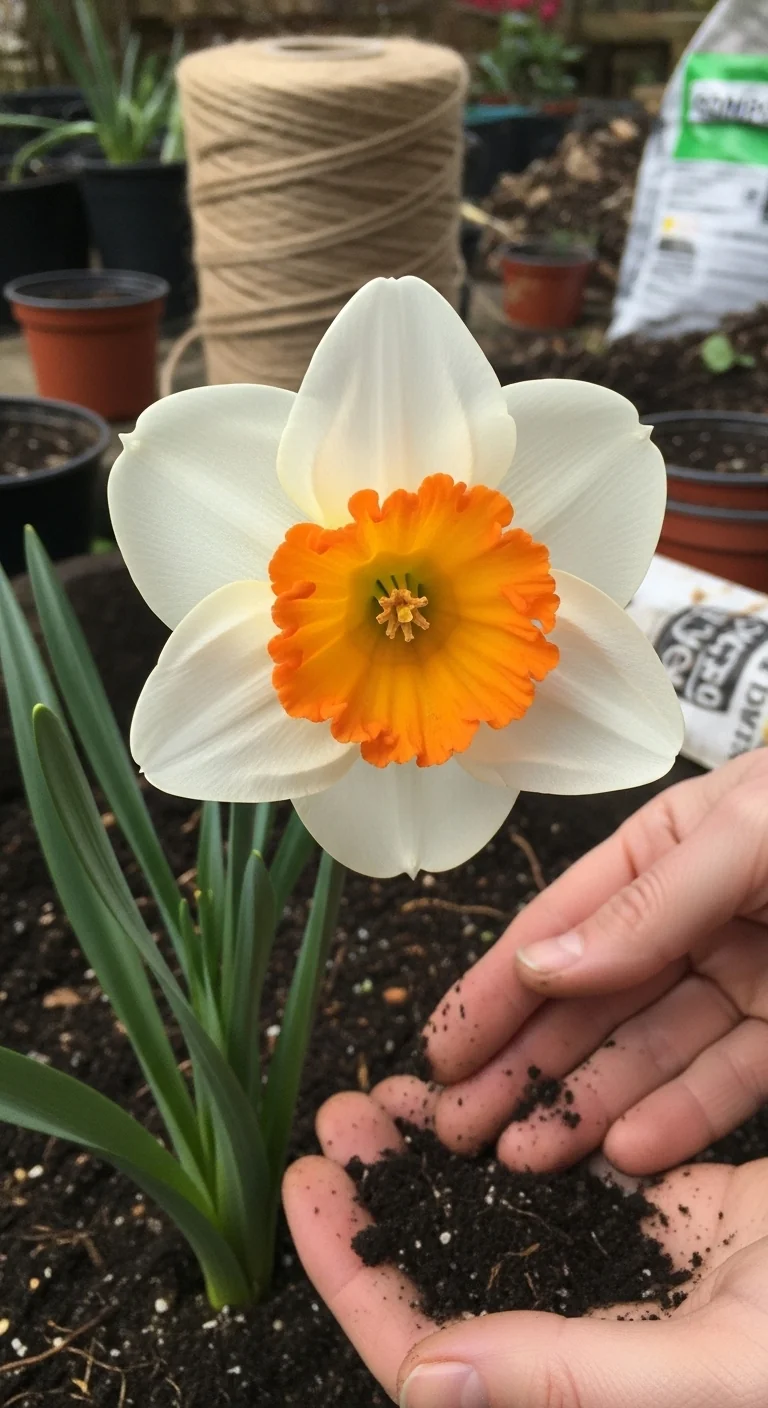
Threshold rule: Dutch Master requires soil pH between 6.0 and 7.0 and planting depth of at least 2 times bulb height in warmer zones 8-9. Adjust depth upward to 8 inches in sandy soil to prevent drying. It naturalizes when spaced 4-6 inches apart. Exceeding pH 7.5 reduces vigor within two seasons.
Tete-a-Tete Daffodil
Best for: Branch 1
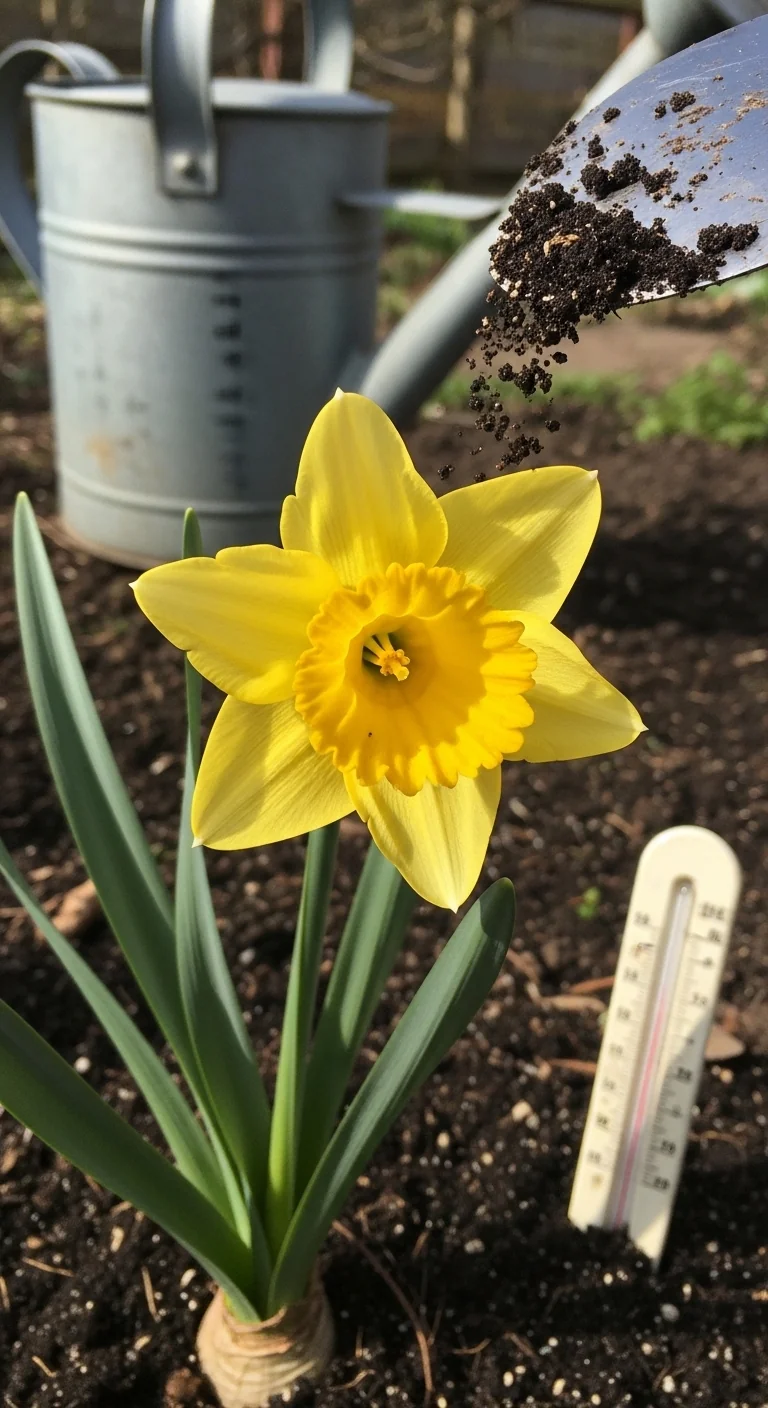
Ten-minute workflow: In cooler zones, prepare a 12-inch deep trench in full sun. Drop bulbs pointed end up at 3-6 inch spacing. Cover and water once. Total time for 25 bulbs is under 10 minutes. Upgrade option: interplant with full-sun flowers that bloom after foliage yellows. It multiplies rapidly into dense clumps without division for 4-5 years.
Hawera Daffodil
Best for: Branch 2
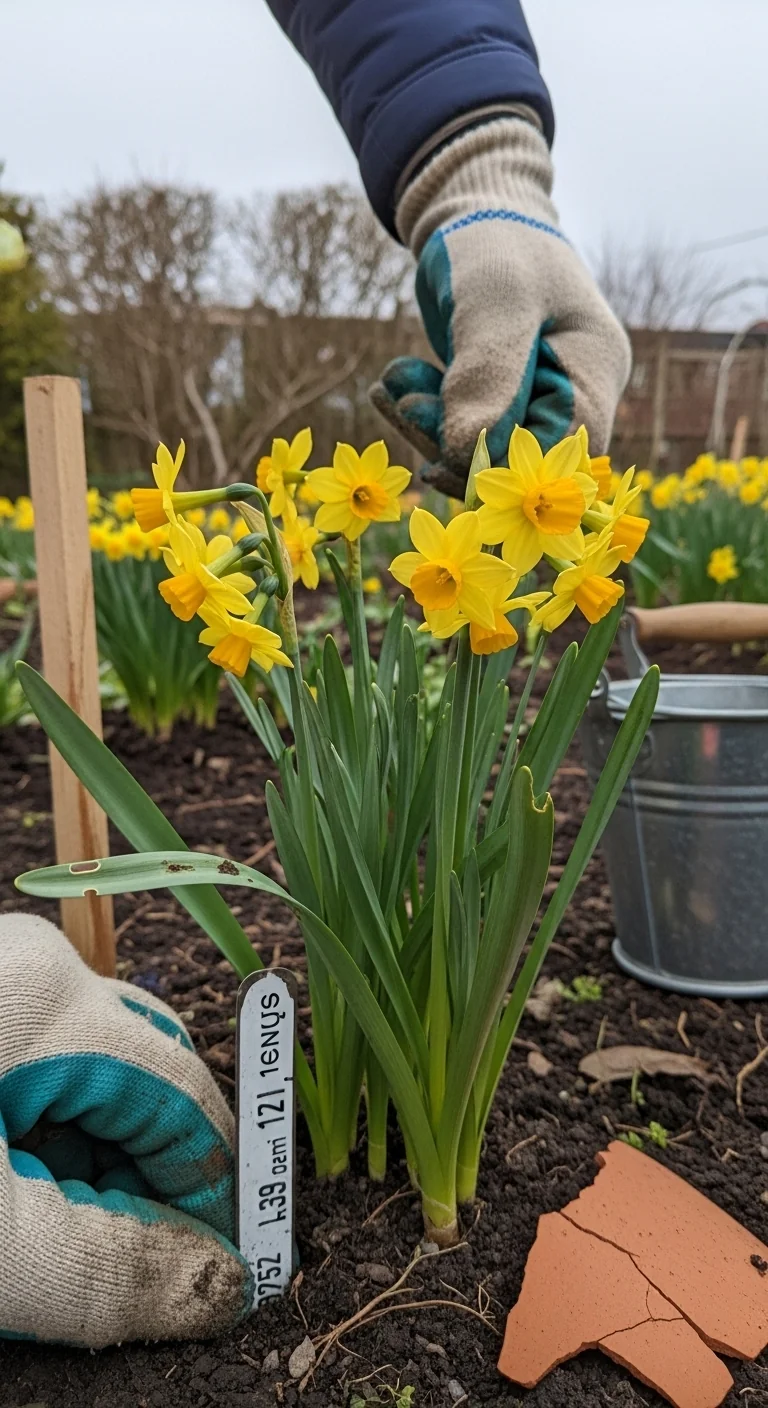
Blueprint: Site Hawera where nodding triandrus flowers catch light from below. It produces 6-8 blooms per stem in part shade. Steps start with soil loosened to 12 inches and amended for drainage. It tolerates light woodland edges. Mistake to avoid: planting in full shade under dense trees, which weakens stems.
Cragford Daffodil
Best for: Branch 3
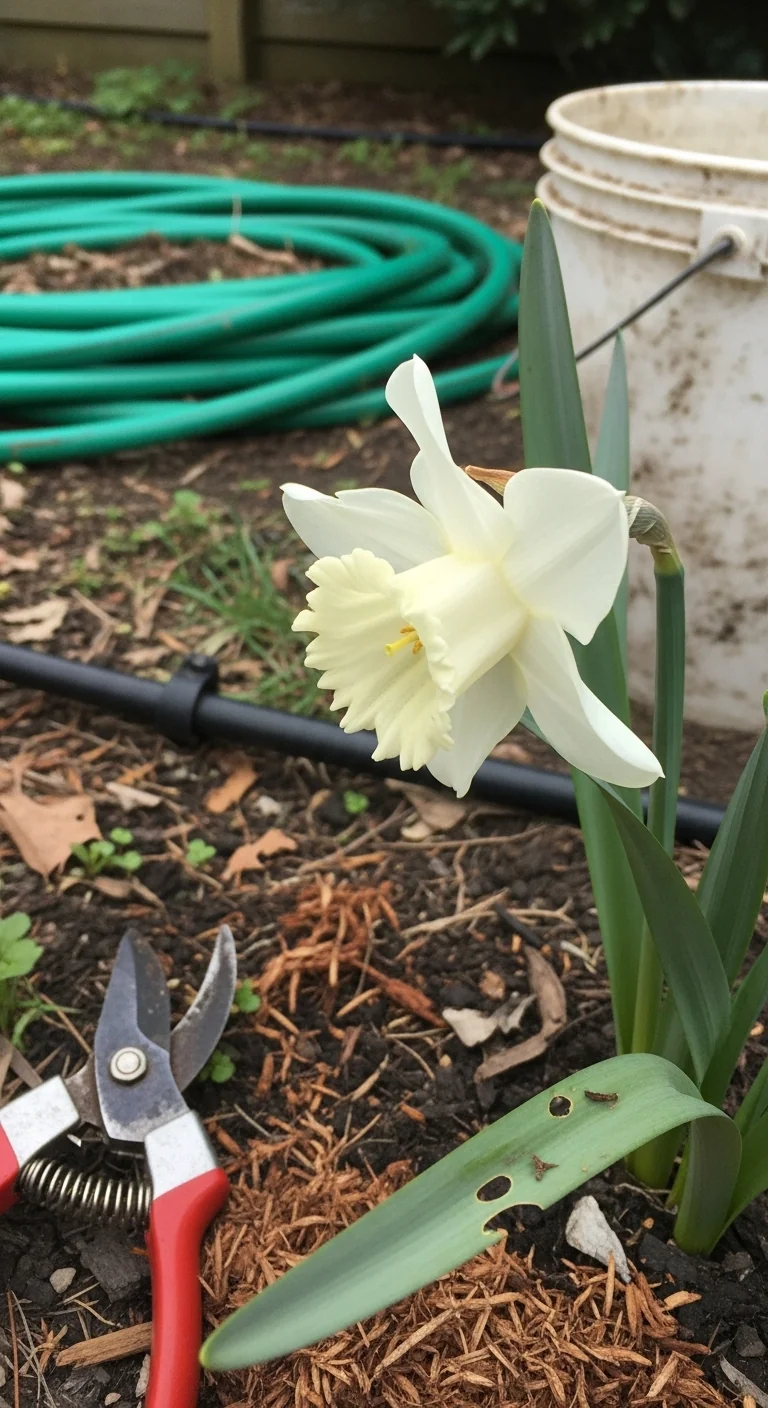
Use versus skip: Choose Cragford for warmer-zone lawns needing fragrance and heat tolerance. Pros include multi-flowered stems and reliable return even in zone 9. Cons surface only in waterlogged sites. Edge case: it naturalizes under light tree canopies where other varieties fade.
Ice Follies Daffodil
Best for: Branch 1
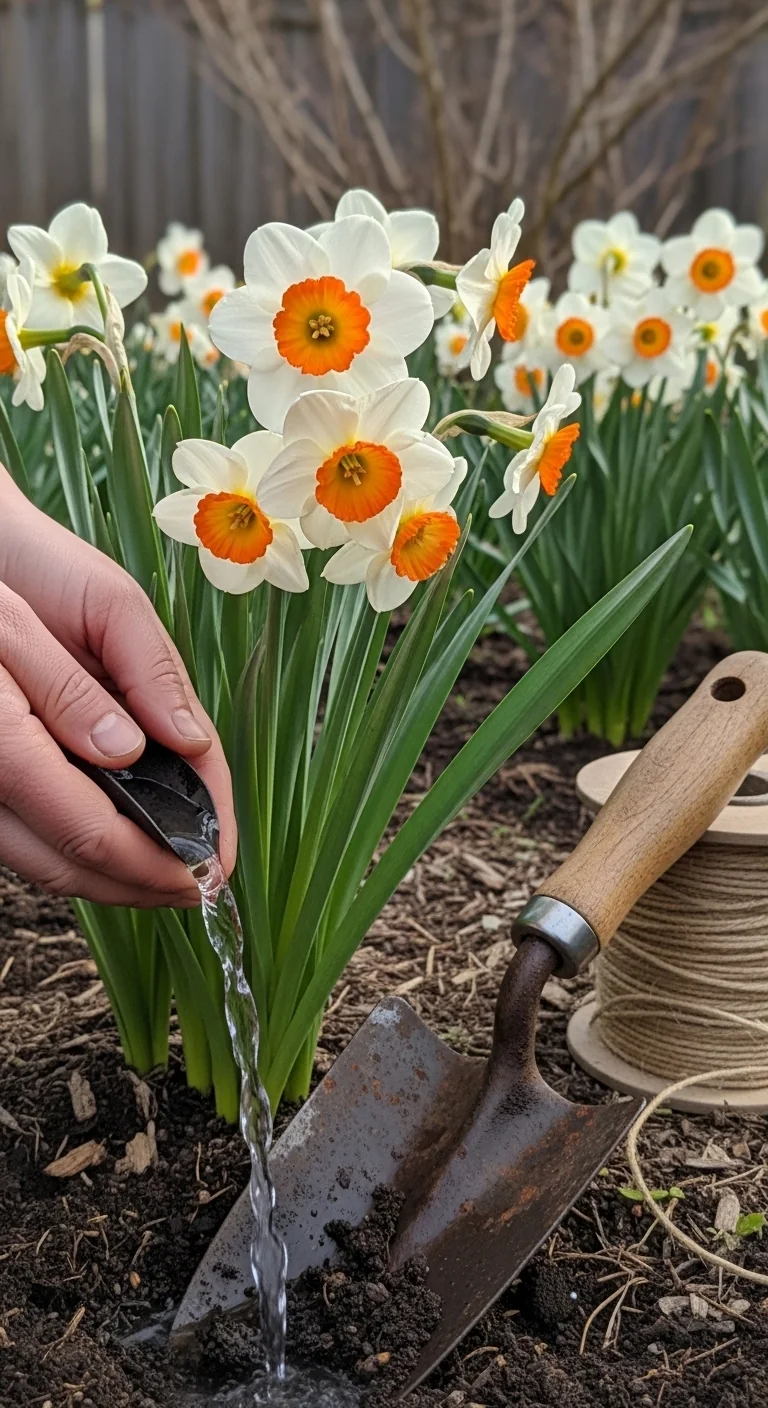
Threshold rule: Ice Follies needs at least 6 hours of sun and soil temperature above 45 F at planting. Its large-cup form fades from lemon to cream over days. Space at 6 inches for mass effect. In zones 3-5 it multiplies vigorously when left undisturbed. Lift and divide only if clumps exceed 8 inches across after 4 seasons.
Mount Hood Daffodil
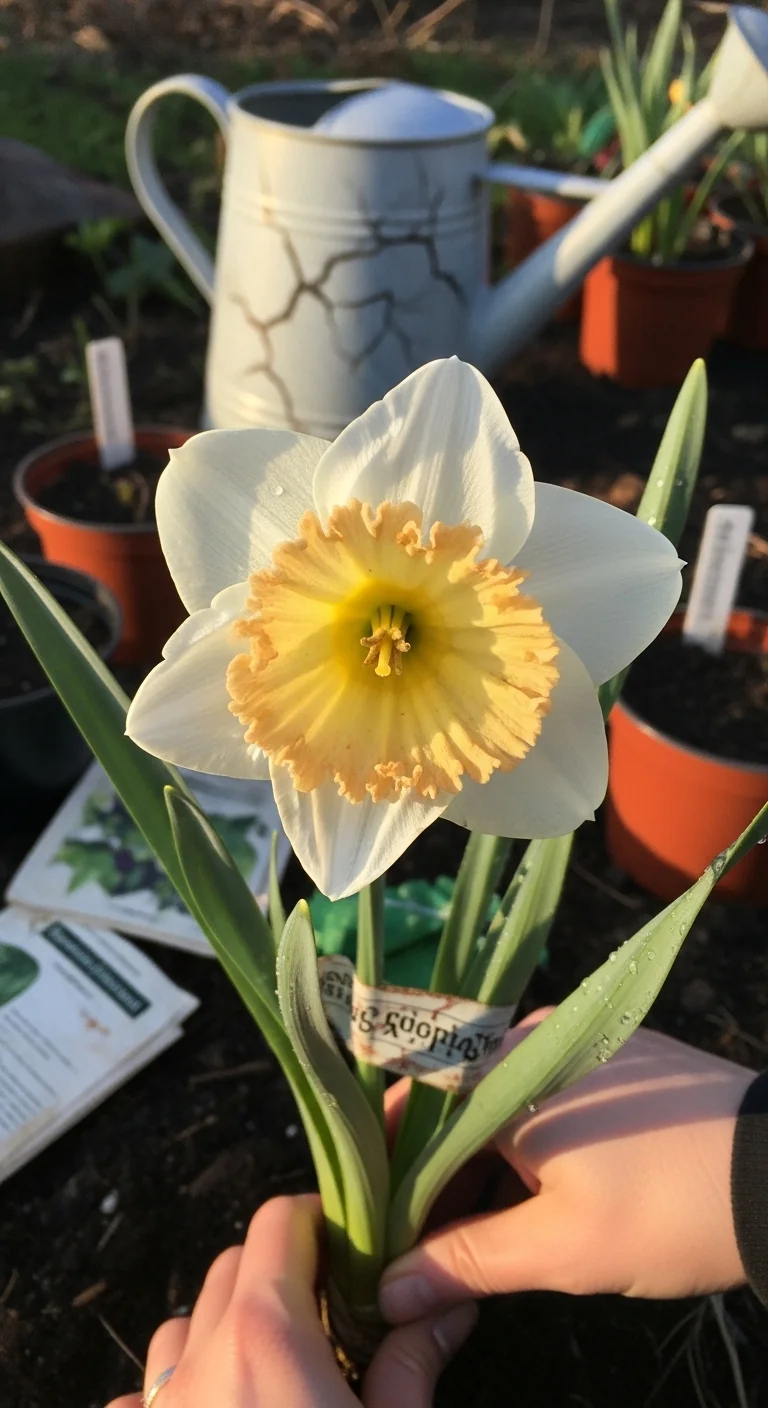
Best for: Branch 2
Ten-minute workflow: Select Mount Hood for white contrast in moderate zones. Prepare site by testing drainage, then plant at 6 inches deep. Backfill and firm soil. Time per dozen bulbs stays under 10 minutes. Upgrade by adding perennial flowers for summer coverage once foliage recedes.
Thalia Daffodil
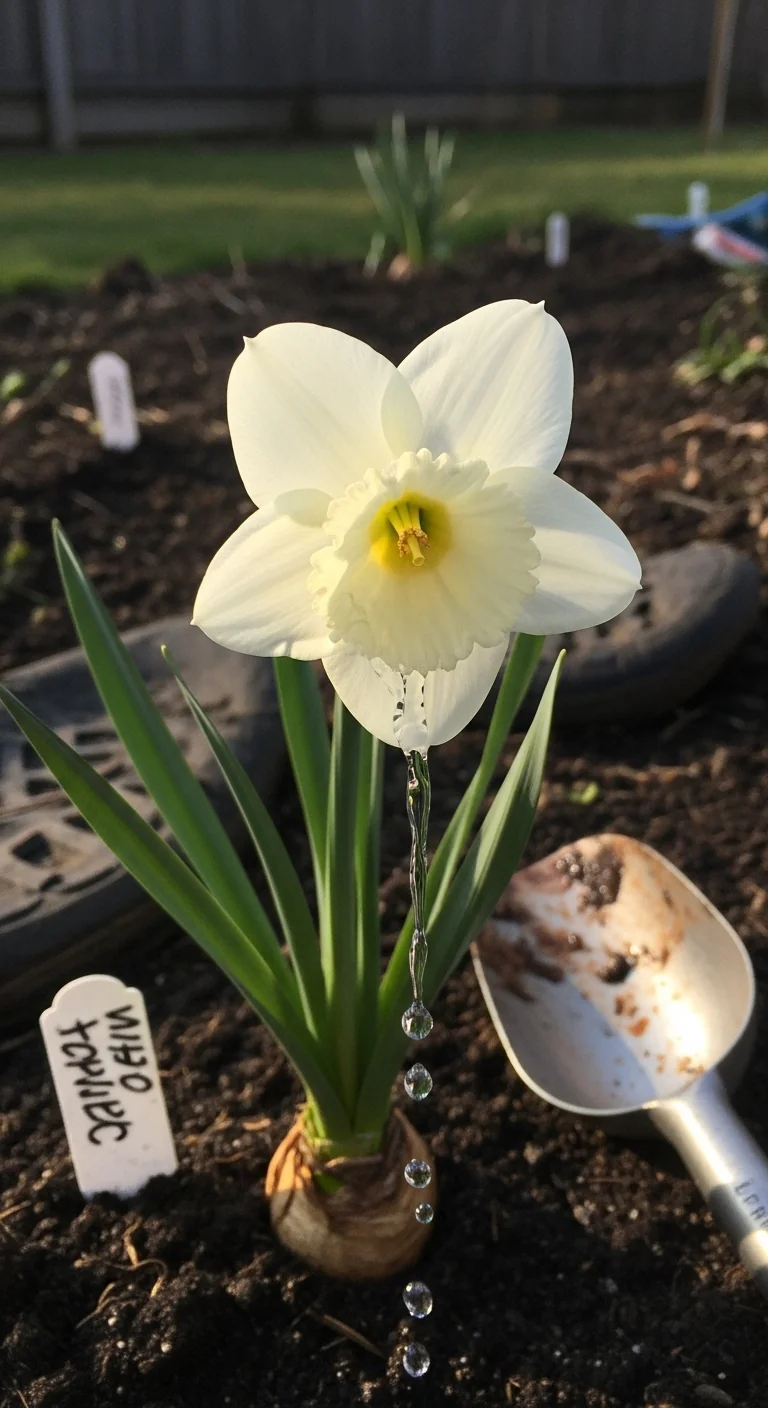
Best for: Branch 3
Blueprint: Use Thalia in warmer zones where triandrus clusters provide clean white blooms. Plant in groups of 15 or more at 6-8 inches deep. It handles mild winters and multiplies steadily. Common mistake is shallow planting in sandy soil, which leads to smaller flowers next season. It pairs naturally with later summer perennials.
Starter Stack (What to Choose First)
For Branch 1: Cooler Climates
Start with Rijnveld’s Early Sensation and Tete-a-Tete. These two deliver the earliest overlapping bloom window while foliage remains compact. Synergy comes from combined early color and rapid multiplication that fills gaps without extra bulbs. Planting time estimate: 20-40 minutes for 50 bulbs combined. Bulb cost range: low tier packs.
For Branch 2: Moderate Climates or Part Shade
Begin with Barrett Browning and Hawera. Their forms complement each other in borders or light woodland: orange accents against nodding whites. Synergy produces balanced height and extended early-to-mid spring interest. Planting time estimate: 15-35 minutes for 40 bulbs. Bulb cost range: low tier packs.
For Branch 3: Warmer Climates or Naturalizing
Start with Dutch Master and Cragford. These vigorous multipliers establish quickly in lawns or meadows with added fragrance from Cragford. Synergy creates self-sustaining colonies that expand yearly. Planting time estimate: 25-45 minutes for 60 bulbs. Bulb cost range: low tier packs.
When This Won’t Work
Daffodils fail when soil remains saturated longer than 48 hours after rain, causing basal rot regardless of variety. Heavy clay without amendment or low spots leads to the same outcome. Switch to raised beds or containers filled with amended mix. Another measurable failure occurs with fewer than 4 hours of direct sun daily, resulting in weak stems that flop before bloom peak. Relocate to a brighter site or limit to containers on patios.
In both cases, test drainage by digging a 12-inch hole and filling with water: if it empties in under 4 hours the site works. For design adjustments that improve drainage and airflow, see our guide to flower bed design.
Choosing the Right Option for Your Situation
Budget Threshold
If your budget stays under 25 dollars for a starter pack of 25 bulbs, select any variety from the recommended branch. All listed options fall in the low-cost tier when bought in bulk from reputable suppliers.
Time Threshold
If planting time available is 30 minutes or less, limit to one variety from your branch and prepare soil the day before. The ten-minute workflows above scale directly for small groups.
Technical Constraint: Soil Drainage
If your soil test shows pH outside 6.0-7.0 or drainage slower than 4 hours per 12-inch hole, choose containers or raised beds and adjust with compost. This constraint overrides zone alone.
Yes/No Checklist:
Does your site match one Decision Grid branch exactly?
Is drainage confirmed within 24-48 hours after rain?
Will you plant at 2-3 times bulb height?
Do you have 4+ hours sun for the chosen variety?
Expert Q&A
Can daffodils share space with tulips without competition?
Yes, when bloom times stagger. Plant daffodils at 6-8 inches and tulips at 4-6 inches in the same bed. Daffodil foliage dies back before tulips peak, and the toxin in daffodil bulbs deters rodents that might damage tulips. Space each type 4-6 inches apart for root room.
How deep should bulbs go in clay soil?
Plant at the shallower end of the 6-8 inch range in clay. Loosen soil to 12 inches first and add compost for drainage. Shallower placement in heavy soil prevents rot while still anchoring stems. Sandy soils require the deeper end of the range.
Do daffodils need annual fertilizer after the first year?
Apply a low-nitrogen bulb fertilizer only when leaf tips emerge in year two and beyond if foliage yellows early. One top-dressing at planting suffices for the first season in average garden soil. Over-fertilizing promotes foliage at the expense of flower buds.
What causes daffodil leaves to yellow before bloom?
Early yellowing signals poor drainage or compacted soil starving roots of oxygen. It also occurs in full shade. Improve by lifting and replanting in amended soil at the correct depth. Healthy foliage should stay green until at least 6 weeks after bloom ends.
Why do some varieties stop multiplying after two seasons?
Crowding above 8 inches across per clump reduces bloom size and division rate. Lift, separate offsets, and replant at 4-6 inch spacing every 4-5 years in fertile soil. Varieties like Tete-a-Tete and Ice Follies resist this slowdown longer than others when left alone.
Conclusion
Next step: confirm your branch with a quick soil drainage test, then source the two starter varieties listed for that branch. For ideas on pairing daffodils with later bloomers in the same bed, explore our guide to cut flower garden planning.