
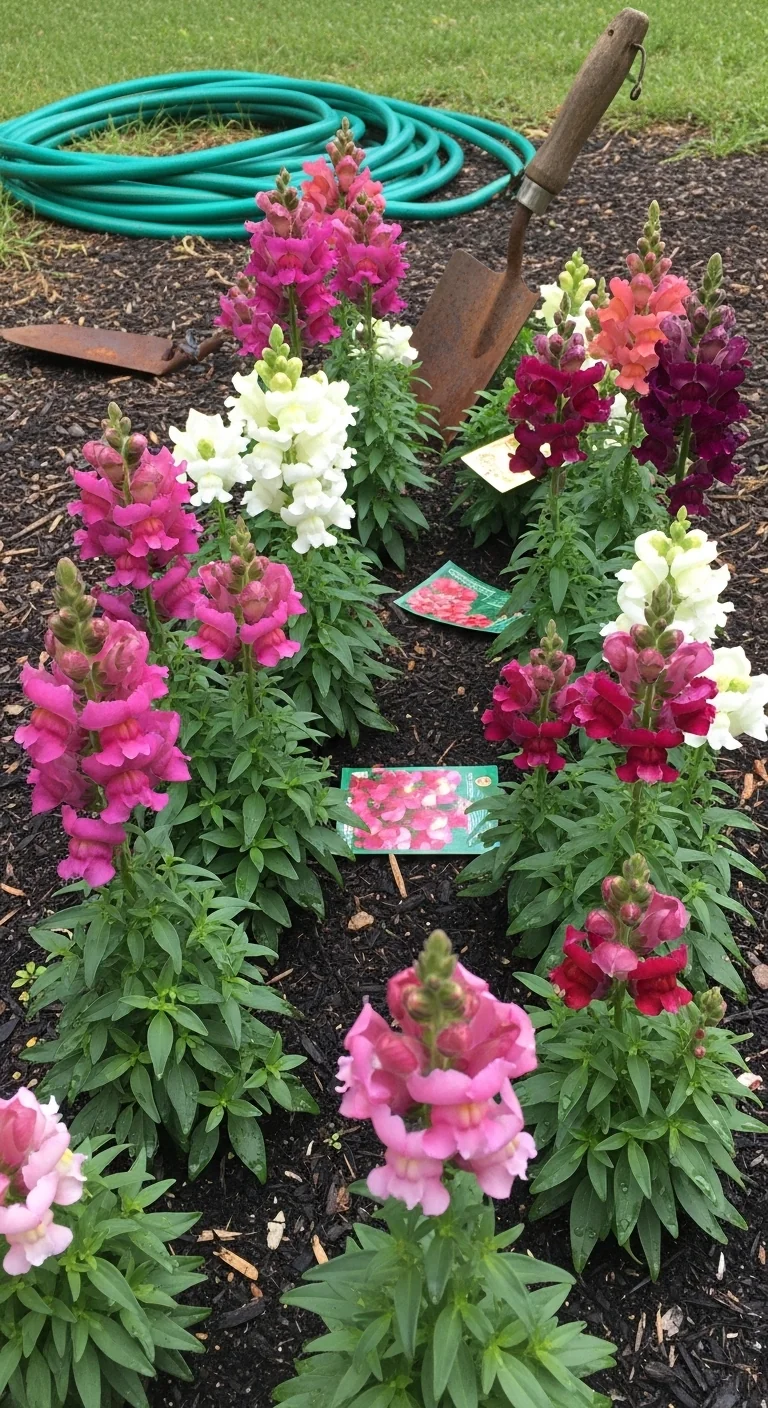
Snapdragons underperform in most gardens because varieties get picked by color or packet appeal instead of alignment with local frost dates and temperature swings. The right flowering group paired to your exact conditions delivers steady spikes where generic advice produces leggy stems or early shutdown.
This guide covers nine Antirrhinum majus series across dwarf to tall heights and groups 1 through 4. It focuses on temperate-zone performance in the US, UK, Canada, Australia and similar climates. It excludes angelonia summer snapdragons and purely perennial types.
You will exit with the exact two varieties that fit your space, sun exposure and expected summer highs. No more guessing which packet to buy or why last year’s plants stalled.
Identify your branch below, then select the two matching varieties from the list to lock in strong stems and extended color.
The Yield Grid Decision Grid
Branch 1: Cool-season dominant gardens where daytime highs stay under 78°F during the main bloom window or the frost-free period runs under 150 days. These conditions favor early groups that push color before heat arrives.
Recommended: Items 1, 2 and 7 below. For deeper flower gardening strategies see the flower gardening strategies hub.
Branch 2: Heat-exposed gardens with routine summer highs of 80°F or above plus at least six hours of direct sun. These need later groups bred for longer days and warmer nights.
Recommended: Items 3, 4 and 9 below.
Branch 3: Space-limited gardens using containers under 12 inches wide or beds with under nine inches of plant spacing. These demand compact habits that stay upright without staking.
Recommended: Items 5, 6 and 8 below.
Quick Comparison Table
| Option | Key mechanism | Best for | Decision Grid Branch | Effort Score |
|---|---|---|---|---|
| Chantilly Series | Group 1-2 response to short days and low light | Early pollinator displays and cut stems | Branch 1 | 3 |
| Madame Butterfly Series | Double peony-style blooms on intermediate stems | Border texture and vase life | Branch 1 | 2 |
| Potomac Series | Group 3-4 heat tolerance with sturdy tall spikes | Long-season cutting gardens | Branch 2 | 4 |
| Rocket Series | Tall 30- to 48-inch habit in warm conditions | Back-of-border height and mass color | Branch 2 | 4 |
| Sonnet Series | Compact bushy form with extended bloom window | Medium beds needing low maintenance | Branch 3 | 2 |
| Snappy Series | Dwarf 6- to 10-inch heat-resistant profile | Containers and edging | Branch 3 | 1 |
| Animation Series | Early tall stems with strong first flush | Spring cut-flower production | Branch 1 | 3 |
| Overture Series | Abundant side shoots on medium stems | Dense color in limited footprint | Branch 3 | 2 |
| Twinny Series | Butterfly-type flowers with superior heat performance | Hot-climate containers | Branch 2 | 2 |
Chantilly Series
Best for: Branch 1
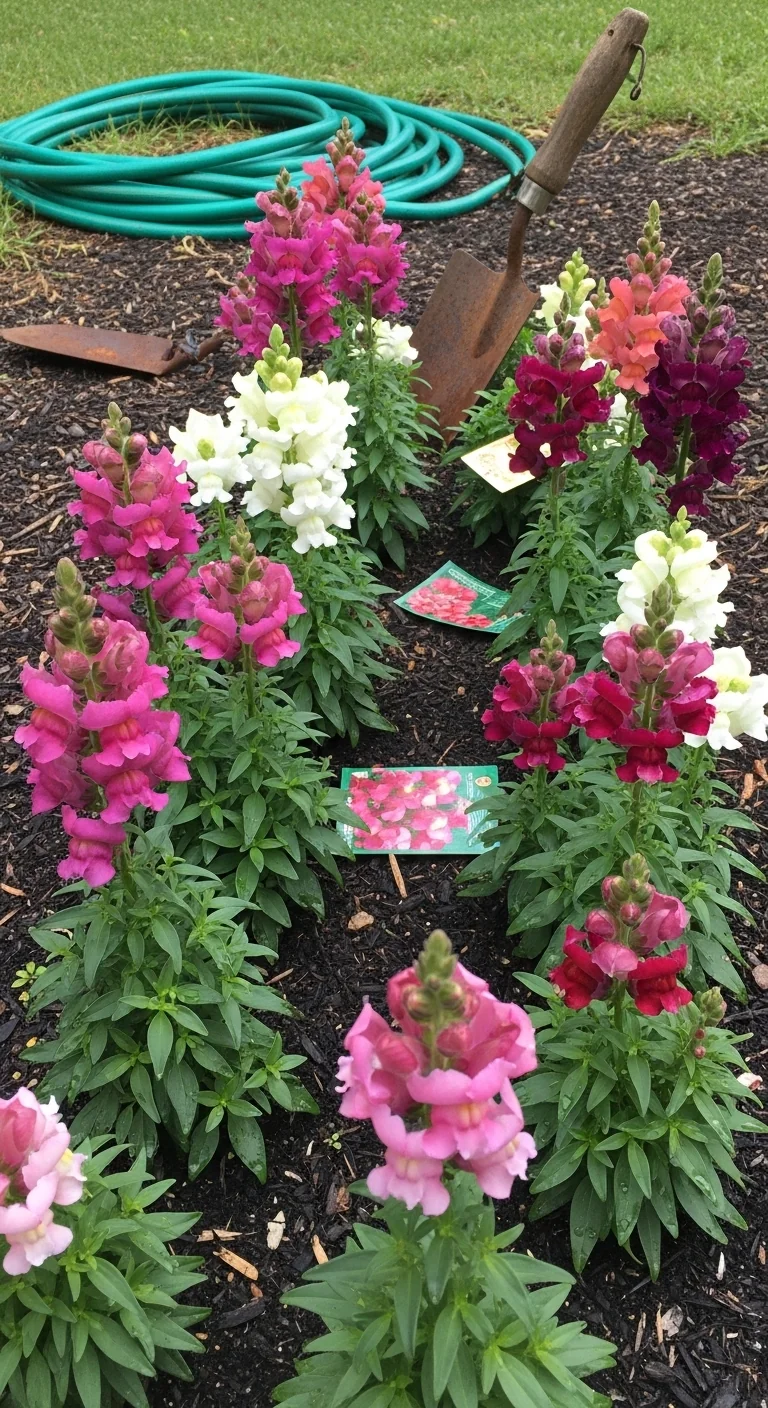
Chantilly delivers open-faced ruffled blooms that sit on strong 24- to 36-inch stems. The series responds to short days and cool nights by pushing the first flush four to six weeks earlier than group 3-4 types. Plant in full sun with soil pH 6.0 to 7.0 and space 8 to 10 inches apart for straight stems suited to cut flower production.
Blueprint steps: start seeds indoors 8 to 10 weeks before last frost at 65 to 75°F soil temperature; transplant after all frost risk passes; water at the base to keep foliage dry. Common mistake is overhead irrigation that invites rust on the undersides of leaves. Harvest when the bottom three to five florets open to extend vase life to seven days or more. This series shines in cool climates where daytime highs rarely exceed 78°F during peak bloom.
Madame Butterfly Series
Best for: Branch 1
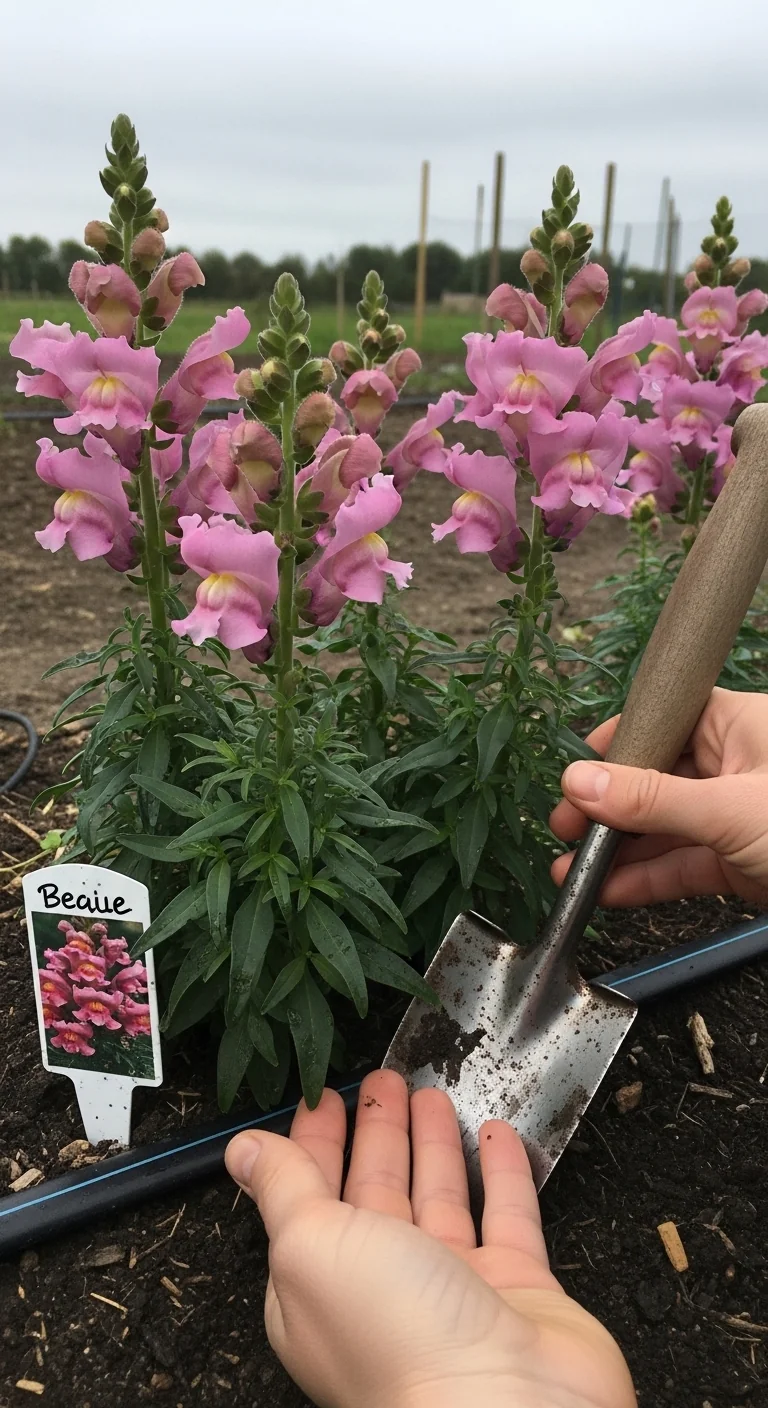
Use Madame Butterfly when you want double peony-style blooms that add texture without the legginess of taller types. The series earned All-America Selections recognition for garden performance and holds color through spring into early summer in cool zones.
Skip it in gardens where summer highs routinely hit 85°F: stems shorten and flowering slows. Edge case: pair with taller companions to hide spent lower leaves after the first flush.
Potomac Series
Best for: Branch 2
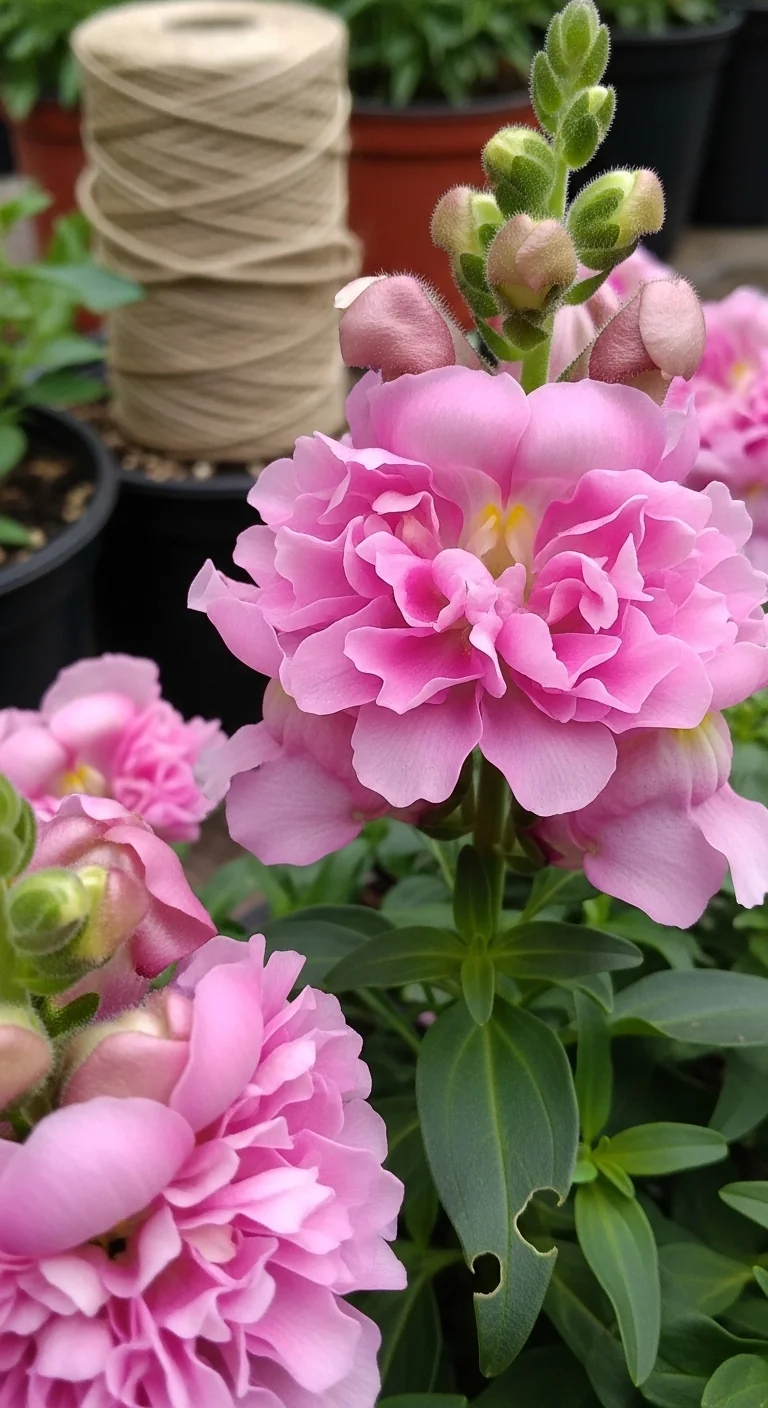
Potomac stands out for sturdy 36- to 40-inch spikes that tolerate longer days and warmer nights better than early groups. The series produces thick stems ideal for late-spring through fall cutting in heat-exposed sites. Soil must drain within four hours after watering and stay at pH 6.0 to 7.0 to avoid iron deficiency. In the spring bloom planning window, start seeds indoors 8 weeks before last frost and harden off gradually before transplanting.
Rocket Series
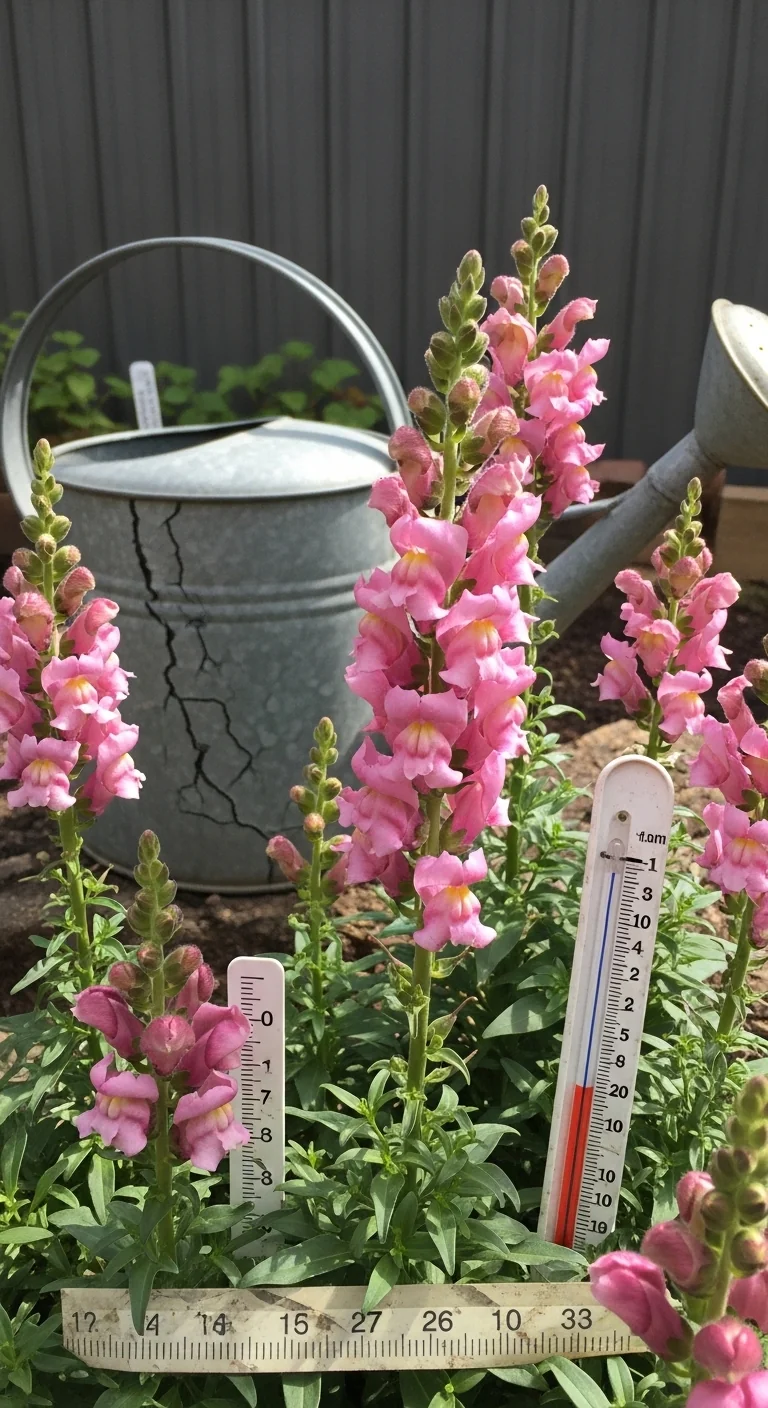
Best for: Branch 2
Rocket reaches 30 to 48 inches and fills the back of the border with saturated color spikes. It handles summer heat spikes up to 90°F when soil stays consistently moist but never waterlogged. Threshold rule: maintain daytime temperatures between 65 and 85°F during active growth; above that range for more than two consecutive weeks, bloom quality drops and stems weaken. Adjust by adding a 2-inch layer of organic mulch to keep root zones cool. This series integrates cleanly into annual flower selection plans for height contrast.
Unique detail: the series produces side shoots that extend the harvest window when the central spike is cut back to the first leaf pair.
Sonnet Series
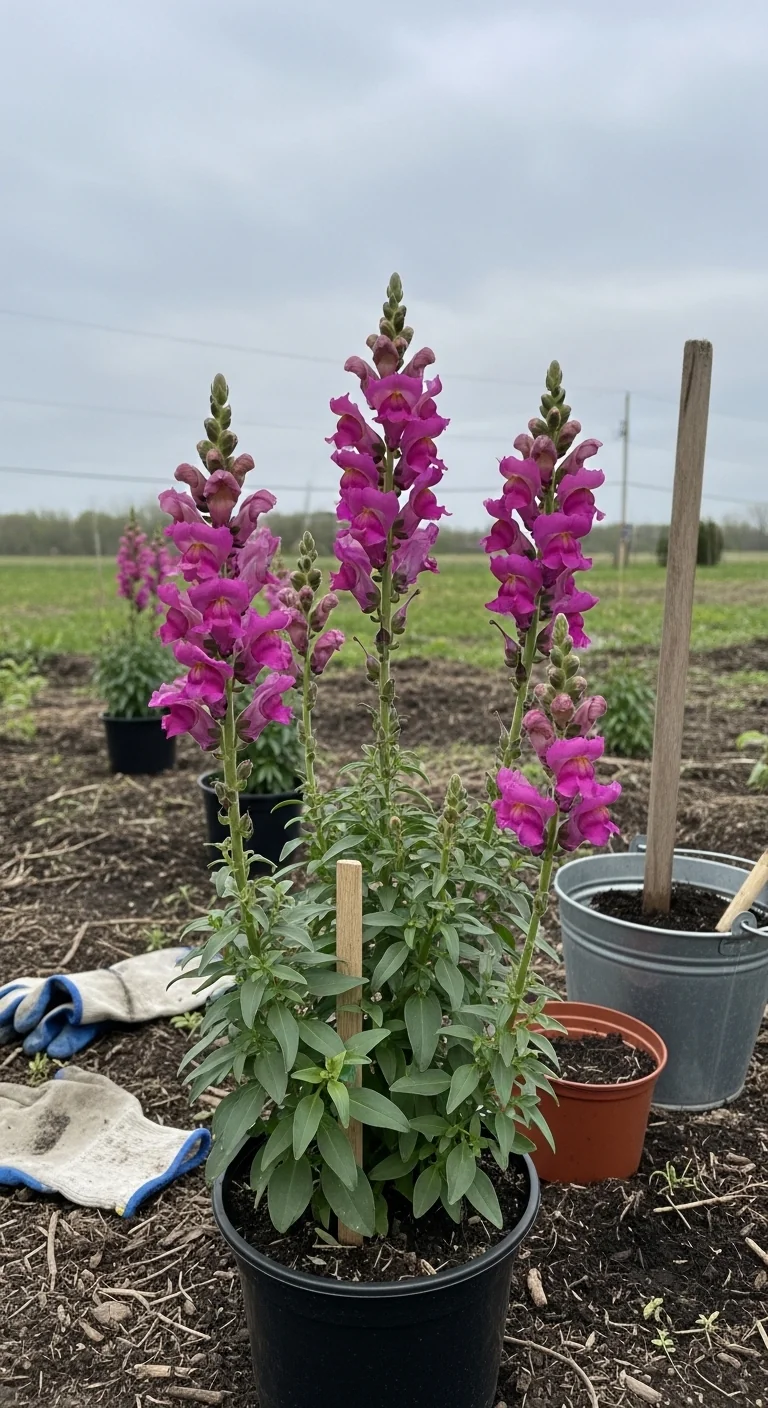
Best for: Branch 3
Sonnet stays compact at 18 to 24 inches with a bushy habit that needs no staking in small spaces. It offers an extended bloom window across moderate heat without the sprawl of taller series.
Use versus skip: plant it where spacing is tight and airflow matters; skip in cool zones under 70°F average highs where earlier groups outpace it.
Snappy Series
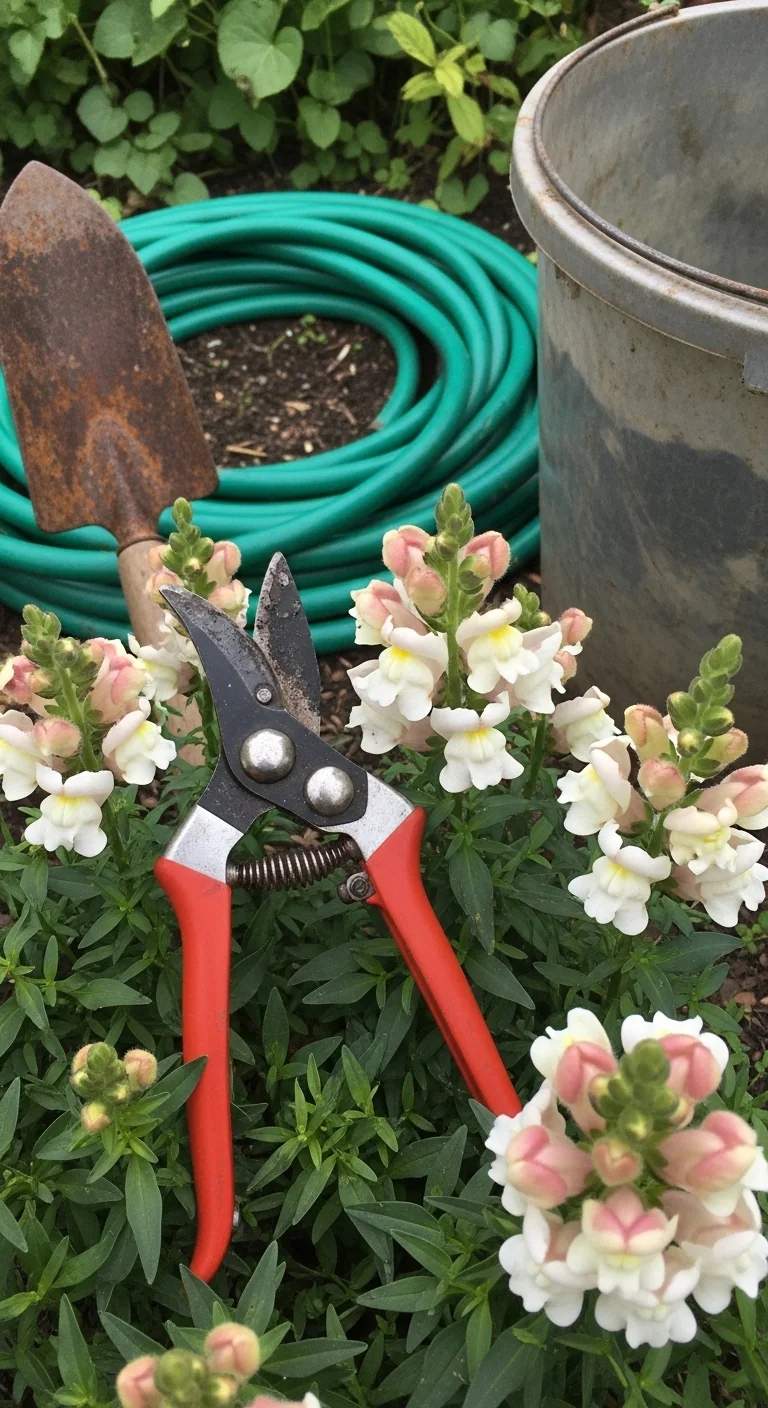
Best for: Branch 3
Snappy tops out at 6 to 10 inches and earned top ratings in arboretum trials for dwarf performance. The series thrives in containers with well-drained potting mix at pH 6.0 to 7.0. Water when the top inch of soil feels dry and feed lightly with balanced fertilizer every four weeks. For container flower setups it delivers nonstop color at eye level without tipping in wind. Unique detail: its compact profile resists lodging even when pots sit in full sun all day.
Animation Series
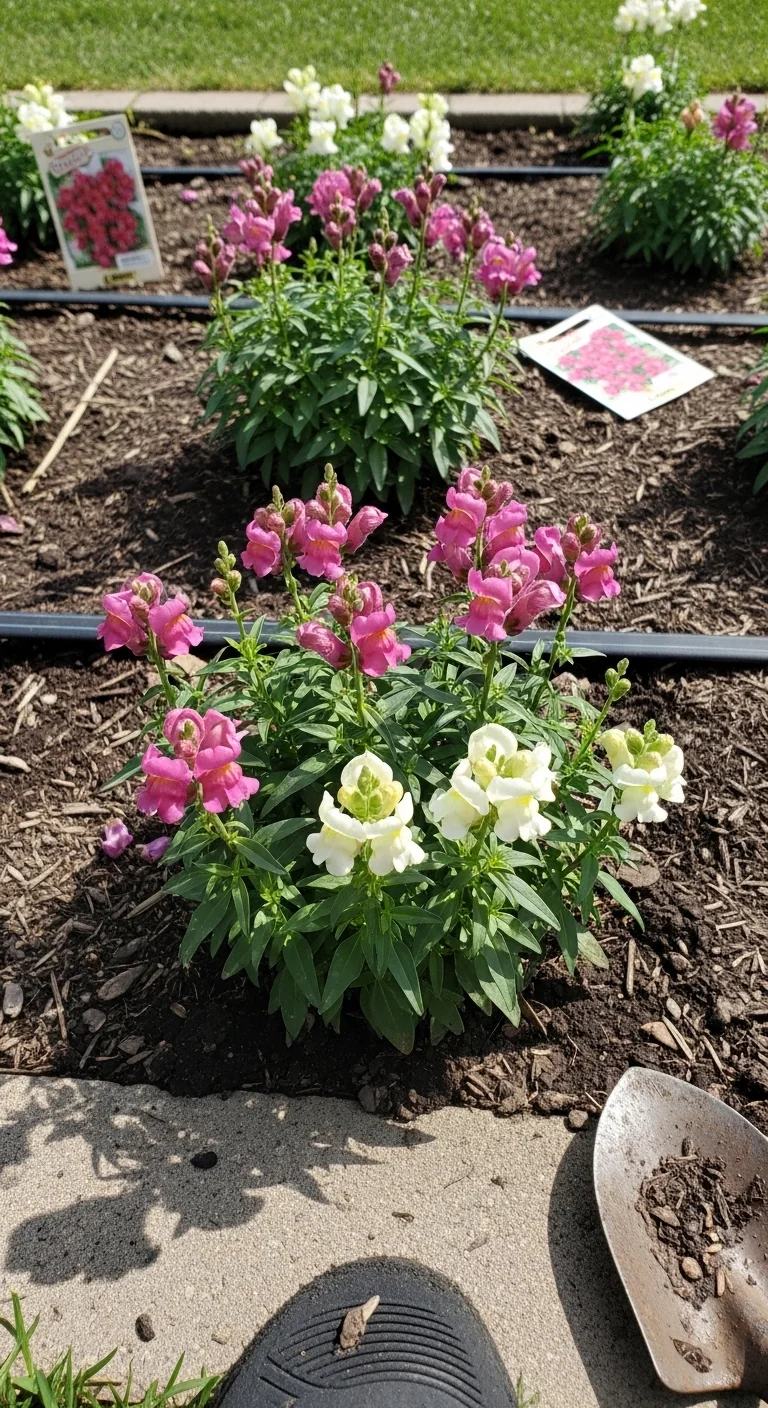
Best for: Branch 1
Animation produces the first tall stems in cool spring conditions with strong basal branching. Group 2 timing means it reaches harvestable length before heat builds. Start indoors at 65 to 75°F soil temperature and transplant 6 to 9 inches apart to encourage upright growth. Deadhead spent spikes to the first set of healthy leaves to trigger new shoots; see deadheading techniques for timing windows. In cool climates this series consistently delivers 24- to 36-inch stems for early-season arrangements.
Overture Series
Best for: Branch 3
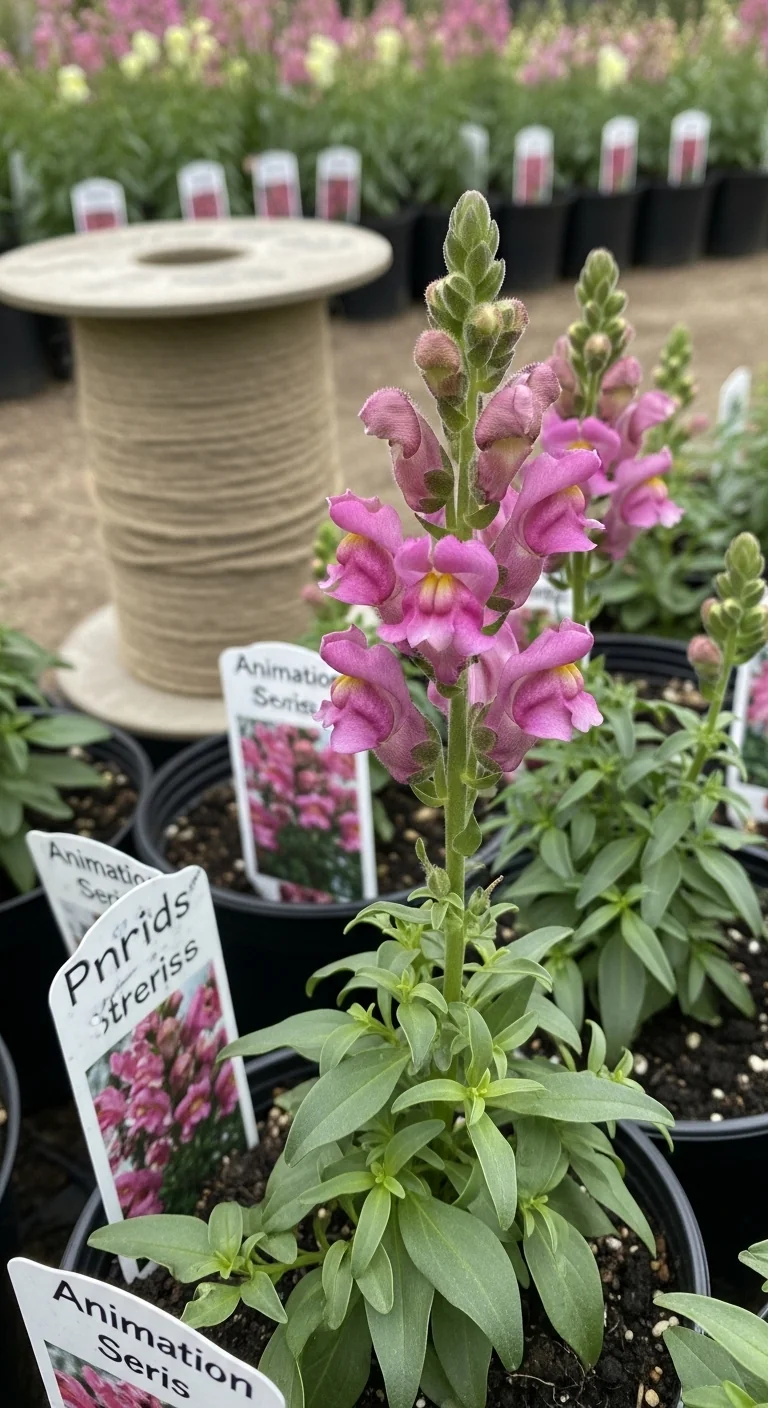
Overture fills limited space with masses of medium stems and side shoots that keep color coming. The habit stays neat at 18 to 24 inches and performs well in beds or pots where airflow prevents mildew.
Use versus skip: ideal for dense blocks; skip where maximum height is the goal.
Twinny Series
Best for: Branch 2
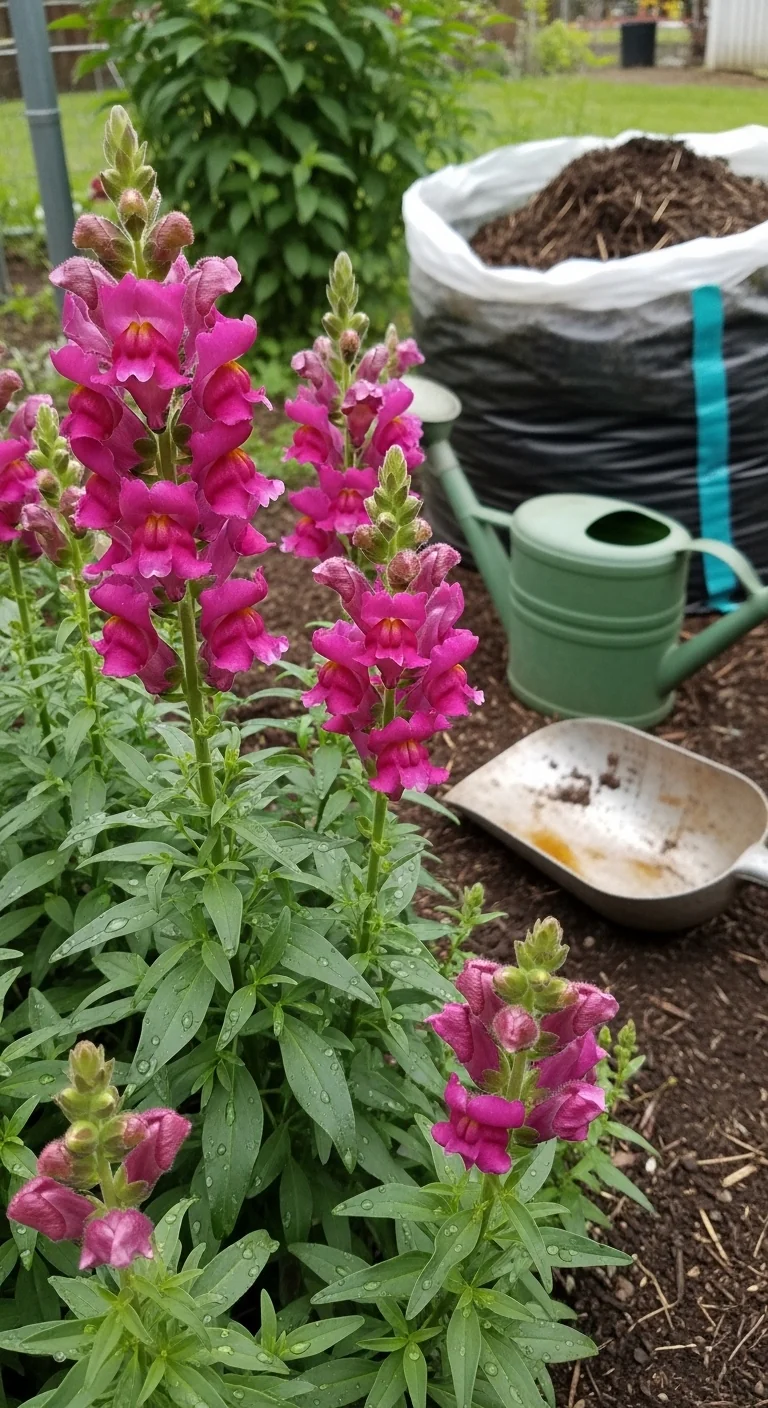
Twinny offers butterfly-type flowers on heat-tolerant plants that maintain color when daytime highs reach the upper 80s. The series works in containers or front-of-border spots with minimal support. Keep soil moist but never soggy and avoid temperatures below 40°F once established. Unique detail: its open-faced blooms attract more pollinators than double-flowered types while still delivering strong stems for small bouquets.
Starter Stack (What to Choose First)
For Branch 1 Cool-Season Gardens
Start with Chantilly Series plus Animation Series. Chantilly supplies the earliest ruffled color while Animation adds reliable tall stems for cutting. Synergy: staggered bloom times extend the display from late spring into early summer. Seed packets cost 3 to 6 dollars each; plan 8 to 10 weeks indoor start time before last frost.
For Branch 2 Heat-Exposed Gardens
Start with Potomac Series plus Twinny Series. Potomac delivers tall cutting stems while Twinny handles container edges in the same hot conditions. Synergy: the height contrast creates layered color without extra staking. Seed packets cost 3 to 6 dollars each; allow 8 weeks indoor start time.
For Branch 3 Space-Limited Gardens
Start with Snappy Series plus Sonnet Series. Snappy anchors the lowest layer while Sonnet adds medium height without crowding. Synergy: both stay compact and require the same watering schedule. Seed packets cost 3 to 6 dollars each; allow 8 weeks indoor start time.
When This Won’t Work
Snapdragons fail when soil pH falls below 5.5: leaves yellow between veins from iron deficiency and growth stalls. Test soil before planting and amend with garden lime to reach 6.0 to 7.0 if needed. They also stop flowering when night temperatures stay above 65°F for three weeks or longer: buds abort and stems shorten. In that case shift to afternoon shade or replace with heat-tolerant group 3-4 varieties.
For either condition see flower disease management to rule out rust or anthracnose that can mimic heat stress.
Choosing the Right Option for Your Situation
Budget Threshold
Under 15 dollars total: buy two seed packets and start indoors. Over 15 dollars: purchase started plugs from a local nursery for faster results in short seasons.
Time Threshold
Under 2 hours per week: choose dwarf options from Branch 3 that need only occasional deadheading. Over 4 hours per week: select tall Branch 1 or 2 varieties and budget time for staking and harvesting.
Technical Constraint: Drainage
Soil must drain within 4 hours after a thorough watering. If water sits longer amend with compost or switch to raised beds or containers.
Yes/No checklist:
Do you know your average last spring frost date?
Does your soil drain within 4 hours?
Are daytime highs during bloom under 90°F?
Will you deadhead weekly?
Expert Q&A
How do snapdragon flowering groups affect stem length in open gardens versus high tunnels?
Groups 1-2 produce shorter stems under short days but excel in cool open gardens with natural light variation. Groups 3-4 develop longer thicker stems in tunnels or warm open sites because they respond to longer days. Match the group to your light and temperature pattern for usable cut-flower length.
Can snapdragons be overwintered in UK or northern US zones?
In zones 7 and warmer some group 3-4 varieties like Potomac perennialize if cut back hard after first frost and mulched 2 inches deep. In colder zones treat as annuals and restart from seed each spring. Protect crowns from repeated freeze-thaw cycles with extra mulch.
What temperature threshold triggers iron deficiency symptoms?
Soil pH below 5.5 combined with cool wet conditions blocks iron uptake even when the nutrient is present. Leaves turn yellow between veins while veins stay green. Correct by raising pH to 6.0-7.0 before planting and avoid overwatering.
Which companions extend snapdragon bloom window without increasing disease risk?
Pair with upright perennials such as salvia or echinacea that provide airflow and similar sun needs. Avoid dense groundcovers that trap humidity around snapdragon foliage. Space companions 12 inches away to keep leaves dry.
How does pinching at transplant affect final height and bloom timing?
Pinch the growing tip when seedlings have four true leaves to encourage branching and more side spikes. This delays the first bloom by 7 to 10 days but increases total stem count by 30 to 50 percent on medium and tall varieties. Skip pinching on dwarf series.
Conclusion
Next step: review your local frost dates against the branches above and order the two recommended series for your conditions. See full sun flower options to build out the rest of the bed.