
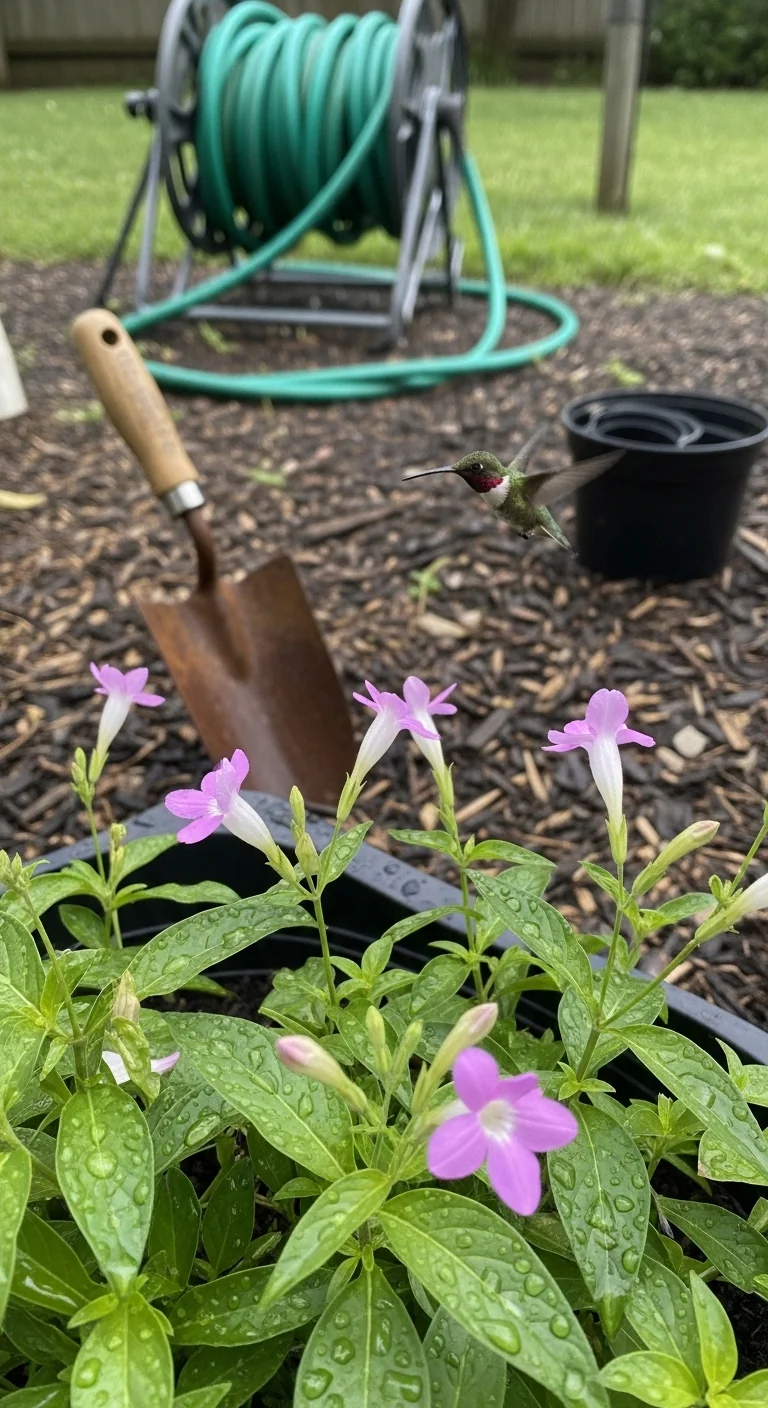
The difference between occasional hummingbird sightings and steady garden traffic lies in aligning each flower’s bloom window and nectar output with your local migration schedule plus your exact light and soil profile. Tubular red or orange blooms alone fall short if the timing or site conditions create gaps during peak spring arrival or fall departure in US and Canadian zones.
This guide covers 10 flowers suited to ornamental flower gardening. It includes annuals, perennials, and vines that hummingbirds target through long tubular shapes and accessible nectar. It excludes feeders, non-flowering attractants, and purely tropical options outside typical North American hardiness ranges.
You will identify which plants fit your full-sun dry bed, partial-shade moist border, or patio containers, then sequence them for coverage from first ruby-throated arrivals through last departures. Each entry supplies a clear best-for branch, one unique detail, and a rotated format to support immediate decisions.
Use the decision grid and table below to pick two or three plants that deliver uninterrupted nectar from spring arrival through fall departure in your specific setup.
The Yield Grid Decision Grid
Branch 1 applies to gardens receiving 6 or more hours of full sun daily with soil that drains within 24 hours after watering or rain. Recommended: Items 1, 2, 3, 5, 9 and 10 below.
Branch 2 applies to areas with 4 hours or less direct sun and soil that remains evenly moist without standing water. Recommended: Items 4 and 6 below.
Branch 3 applies to container setups or spaces under 15 square feet total planting area. Recommended: Items 7 and 8 below.
For integrated pollinator planning across these conditions, consult our pollinator garden resources.
Quick Comparison Table
| Option | Key mechanism | Best for | Decision Grid Branch | Effort Score |
|---|---|---|---|---|
| Bee Balm | Tubular red blooms in dense clusters | Mid-summer nectar in sunny borders | Branch 1 | 3 |
| Salvia | Spiked tubular flowers with repeated flushes | Extended summer nectar in hot exposures | Branch 1 | 2 |
| Agastache | Vertical spikes of small tubular florets | Late-summer nectar in dry sunny beds | Branch 1 | 2 |
| Cardinal Flower | Intense red tubular racemes above foliage | Moist-shade nectar in woodland edges | Branch 2 | 3 |
| Penstemon | Slender tubular bells on upright stems | Dry sunny slopes with excellent drainage | Branch 1 | 2 |
| Columbine | Spurred tubular flowers in nodding clusters | Early-season nectar in light shade | Branch 2 | 2 |
| Fuchsia | Pendant tubular flowers with flared tips | Continuous nectar in hanging baskets | Branch 3 | 3 |
| Cuphea | Small tubular cigars in profuse clusters | All-summer nectar in warm containers | Branch 3 | 3 |
| Coral Honeysuckle | Whorled tubular trumpets on twining vines | Vertical nectar in sunny fences | Branch 1 | 2 |
| Trumpet Vine | Large orange tubular clusters on woody stems | Late-summer nectar on sturdy supports | Branch 1 | 4 |
Bee Balm
Best for: Branch 1
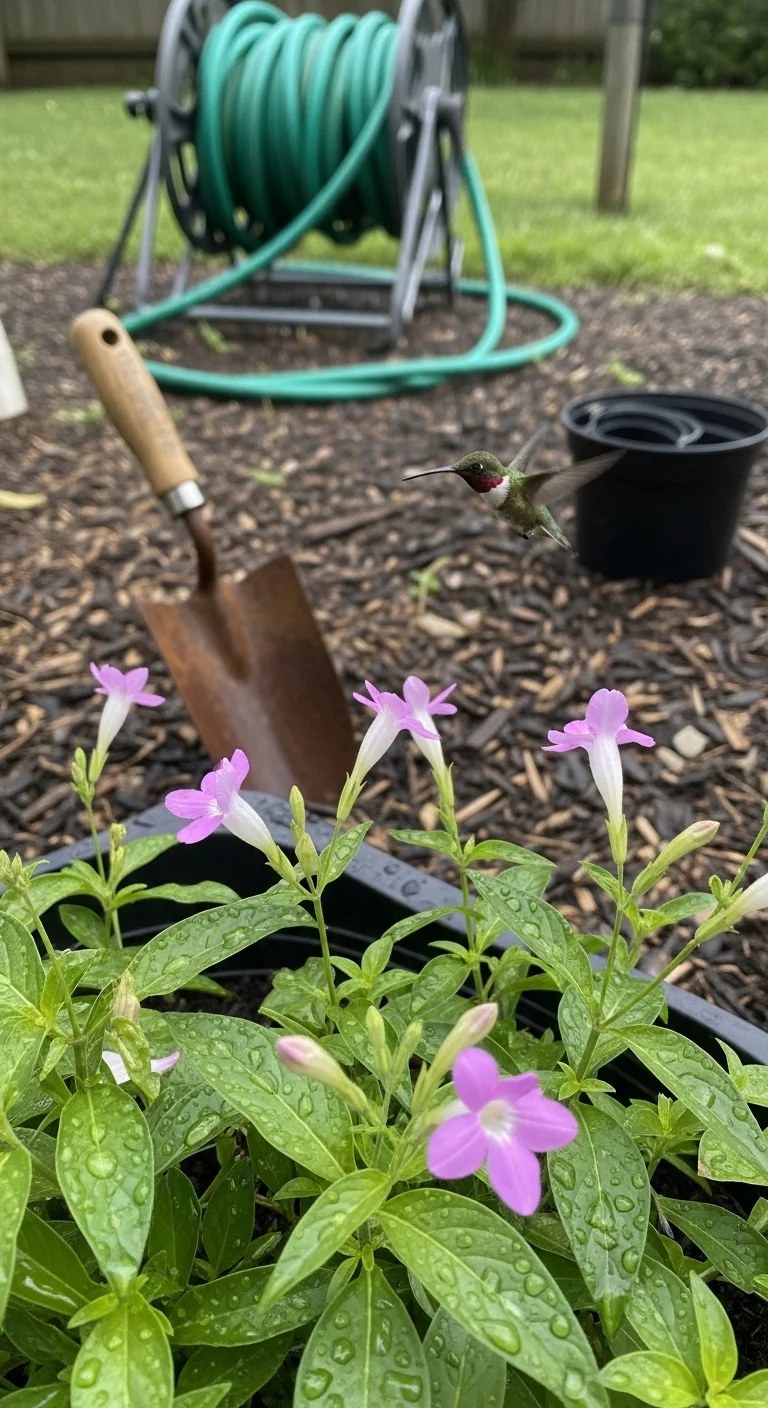
Bee balm delivers mid-summer nectar through dense clusters of tubular red blooms that refill quickly after visits. Plant in full sun with soil pH 6.0-7.0 and consistent moisture until established. Blueprint: select mildew-resistant cultivars, space 18-24 inches apart for air flow, water at base to keep foliage dry, and cut back spent stems after first flush to encourage a second round. Common mistake: crowding plants against walls or fences where humidity builds and powdery mildew spreads. In zones with short summers this timing fills the July gap when many early bloomers fade. full-sun flower options pair well here for extended coverage.
Salvia
Best for: Branch 1
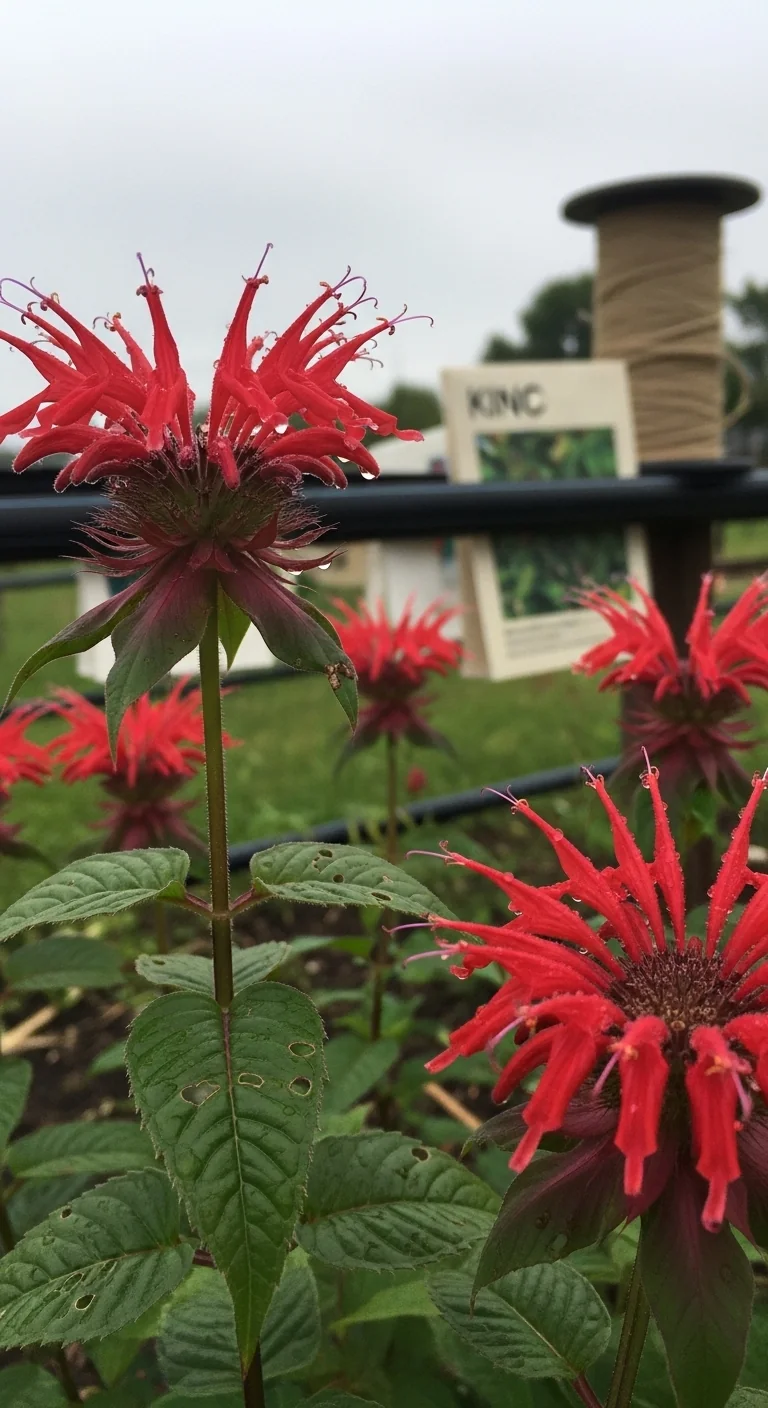
Use salvia when you need repeated flushes of tubular spikes without heavy watering once roots set. Skip if your soil stays wet longer than 48 hours after rain. Edge case: certain species tolerate light frost but require winter mulch north of zone 6.
Agastache
Best for: Branch 1
Plant agastache only when soil temperature holds above 55 F at 4-inch depth and drainage exceeds 2 inches per hour. Adjust by adding coarse sand or grit if tests show slower rates. This threshold rule prevents root rot while supporting late-summer nectar spikes that align with rufous hummingbird movements in western regions.
Cardinal Flower
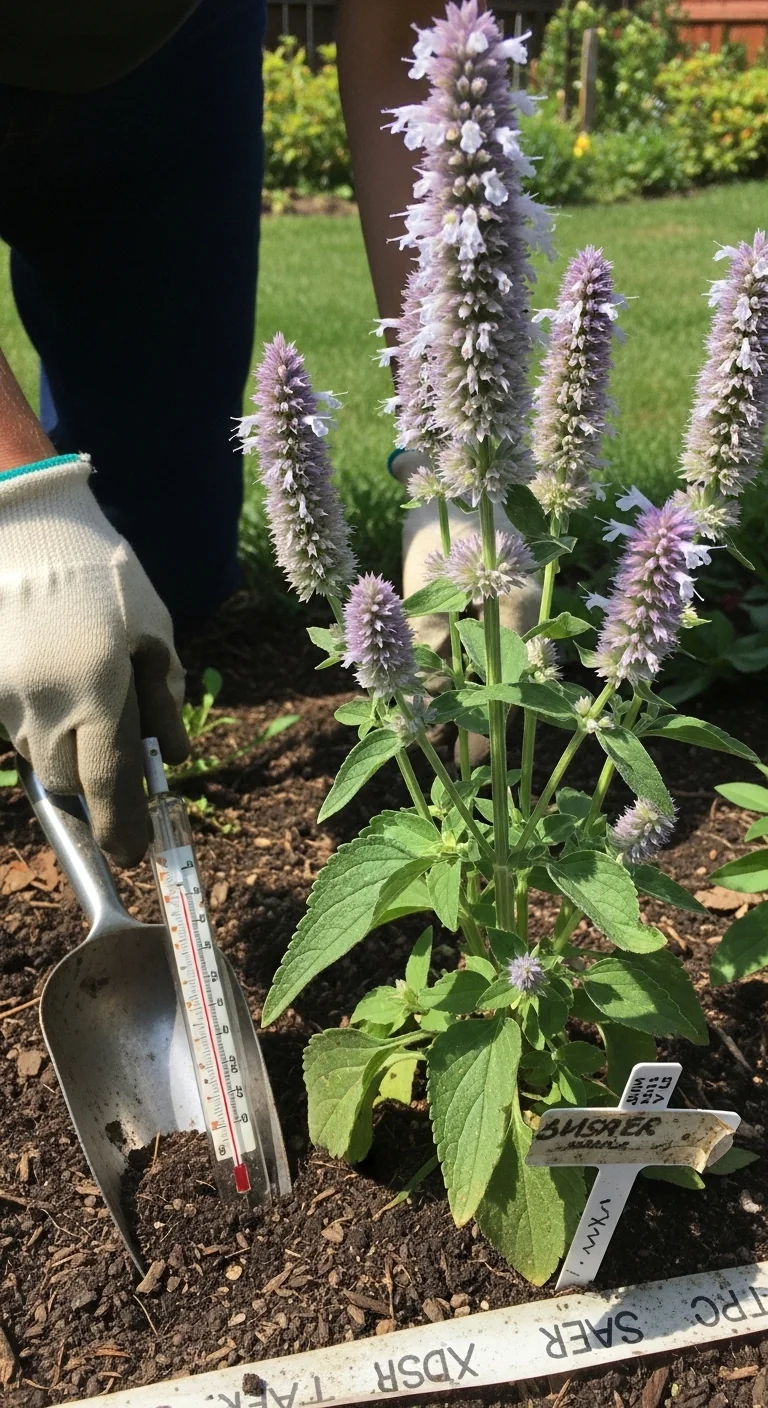
Best for: Branch 2
Cardinal flower supplies reliable nectar in partial shade through tall spikes of cardinal-red tubular flowers. It thrives where soil remains evenly moist without drying between waterings. Blueprint: site in morning sun or dappled light, amend with compost for organic matter, divide every three to four years in early spring, and avoid overhead watering to limit leaf spot. One unique constraint: it self-seeds readily in consistently damp spots but disappears if summer drought exceeds two weeks. Pair with early spring companions to cover the full season. shade-tolerant hummingbird plants expand choices in similar conditions.
Penstemon
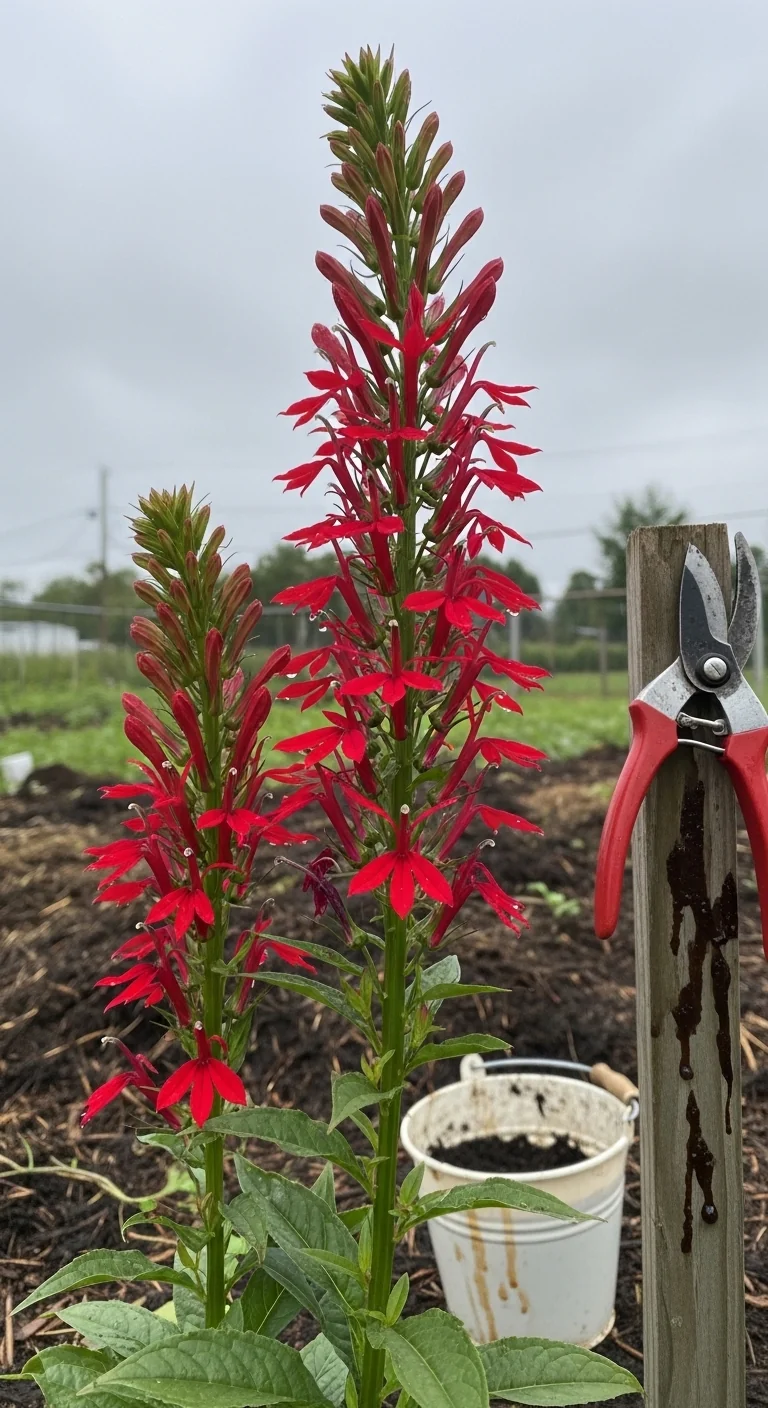
Best for: Branch 1
Use penstemon for dry sunny slopes where excellent drainage is guaranteed. Skip in heavy clay or low-lying areas that hold water after storms. Edge case: native species outperform hybrids in supporting local hummingbird populations through adapted nectar chemistry.
Columbine
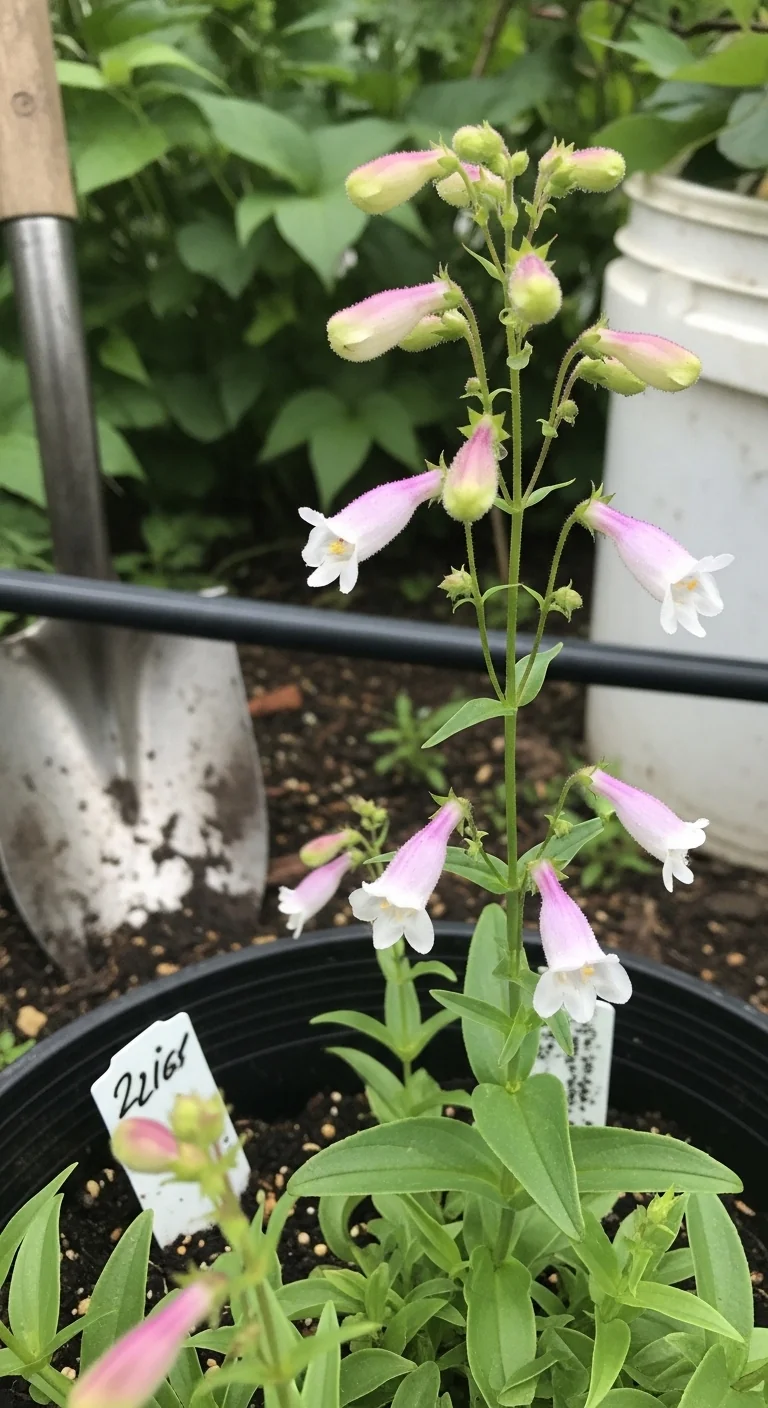
Best for: Branch 2
Threshold rule: columbine performs when planted in soil pH 5.5-7.0 and receives no more than 4 hours direct sun. Raise pH with lime if tests fall below 5.5 or risk stunted spurs that reduce nectar access.
Fuchsia
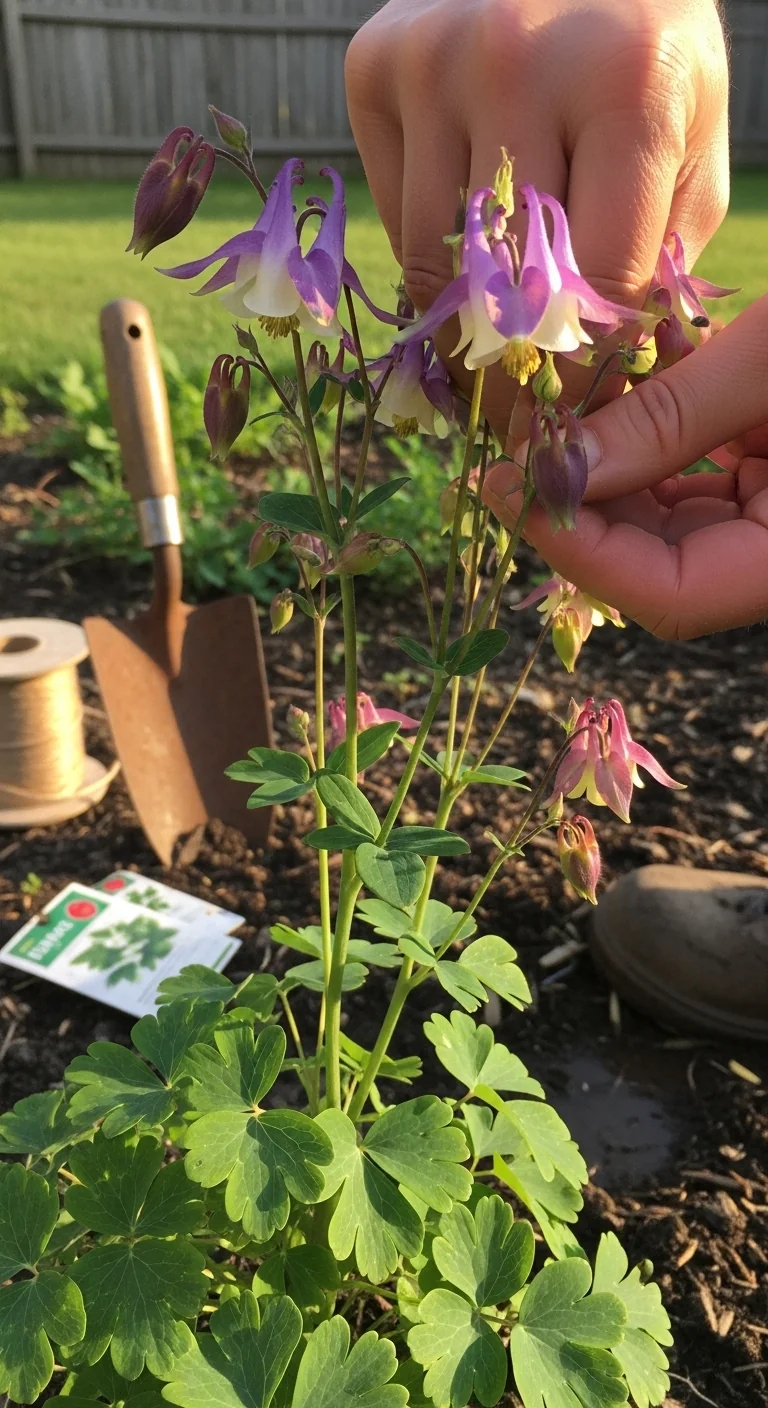
Best for: Branch 3
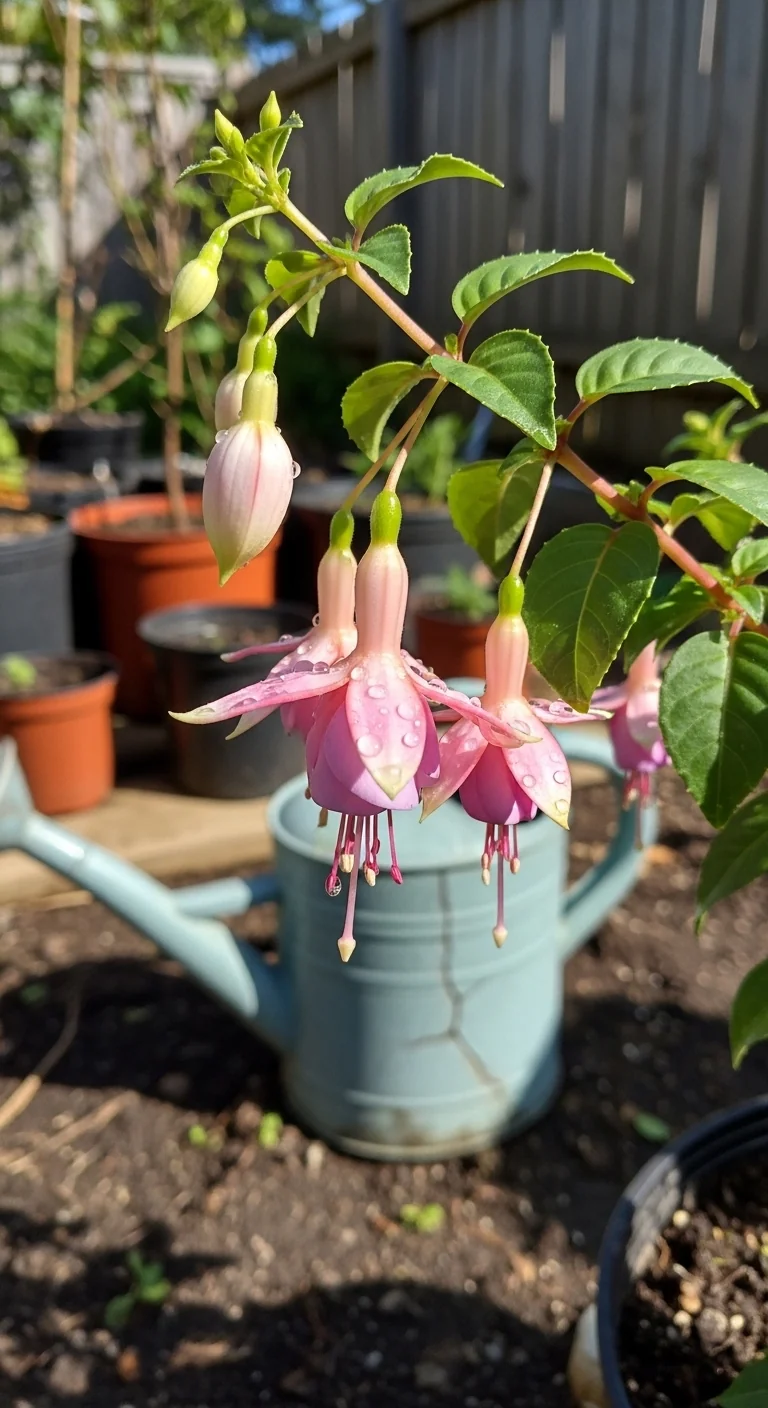
Fuchsia produces pendant tubular flowers continuously when grown in containers with morning sun or bright indirect light. Plant in well-drained potting mix, water when top inch dries, and pinch tips every two weeks for bushier form and more blooms. 10-minute workflow: check soil moisture, remove faded flowers, apply balanced liquid feed every 14 days, then move pots to sheltered spot if nights drop below 50 F. Upgrade option: combine with trailing companions for vertical interest without extra ground space. container flower ideas simplify scaling this approach.
Cuphea
Best for: Branch 3
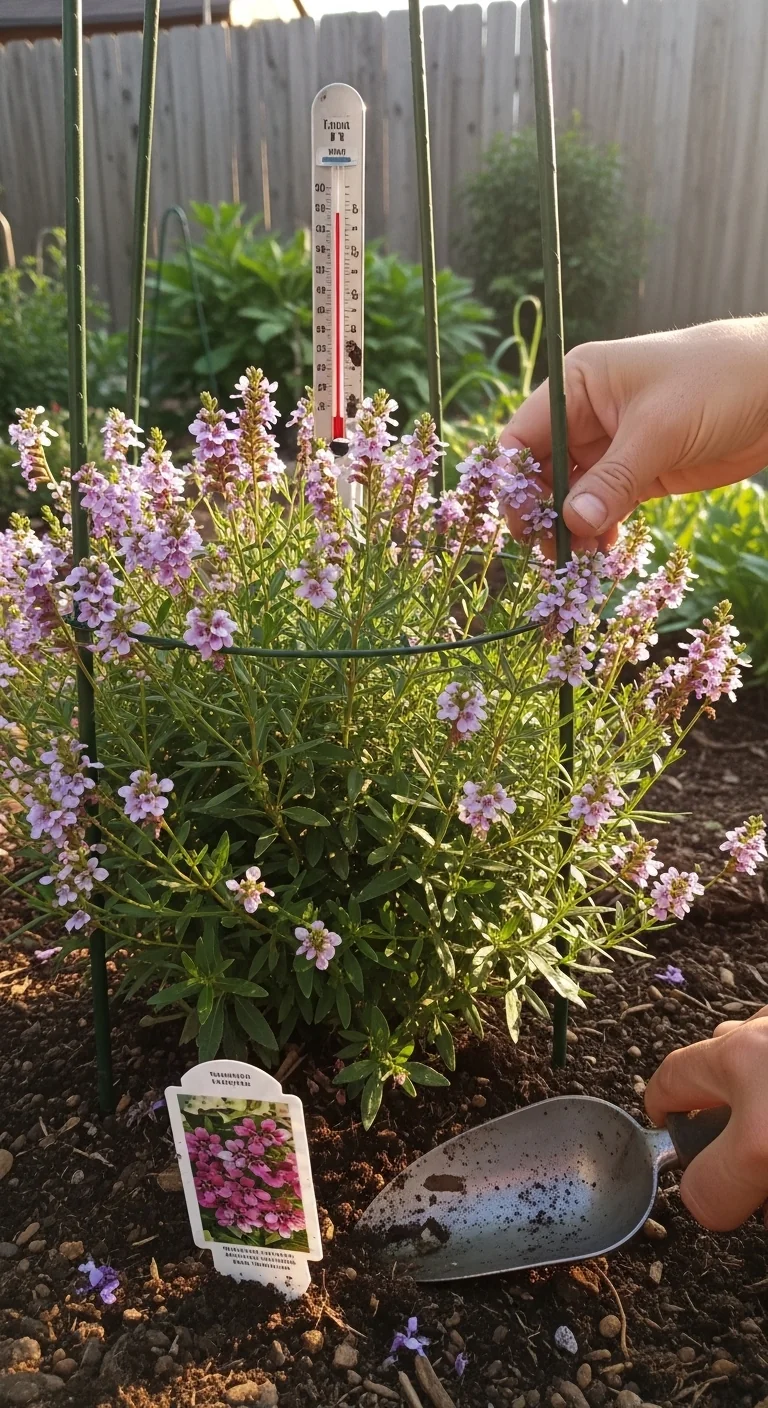
Use cuphea in warm containers where all-summer nectar is needed. Skip in regions with cool nights below 55 F for more than 10 days straight. Edge case: it tolerates brief dry spells but flowers drop if soil moisture falls below consistent levels.
Coral Honeysuckle
Best for: Branch 1
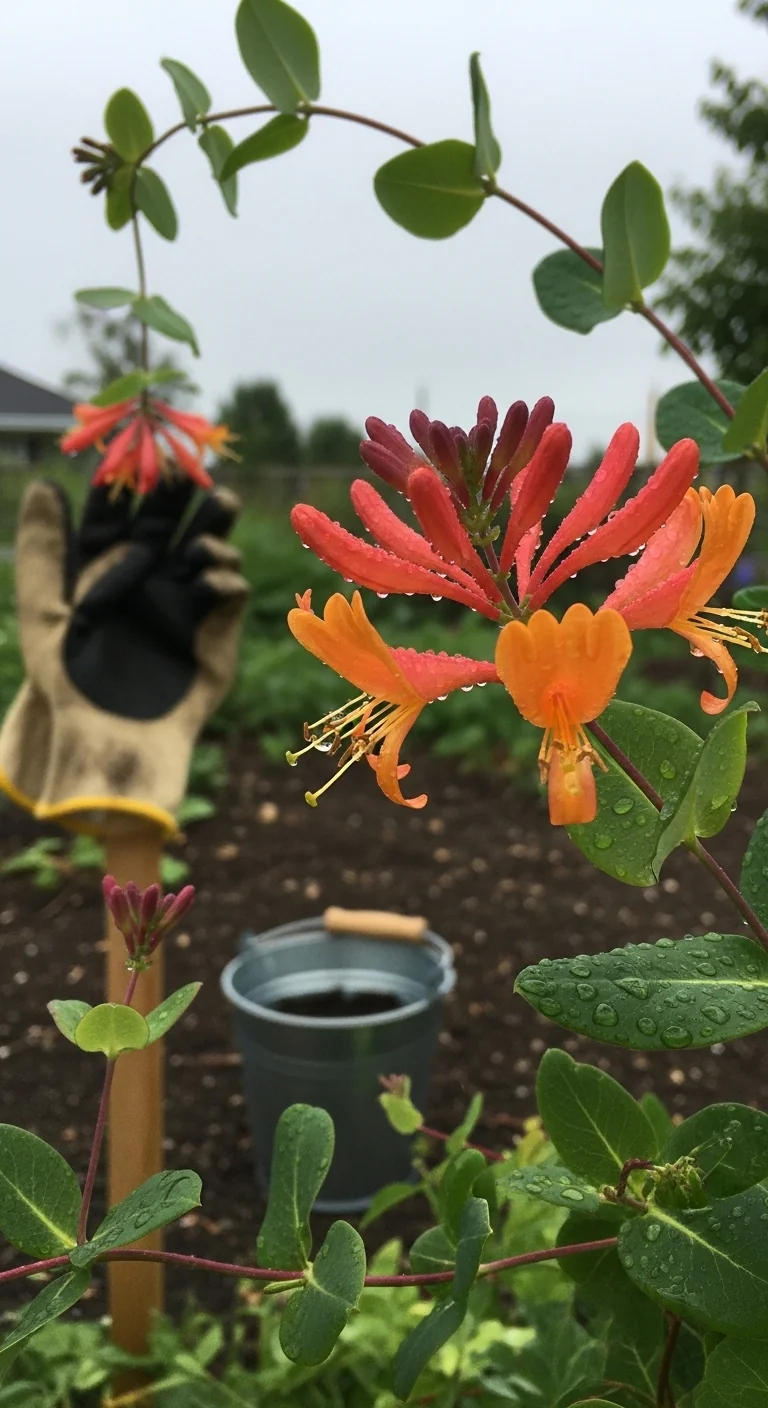
Threshold rule: coral honeysuckle succeeds on fences or trellises with at least 6 hours sun and support spacing of 12-18 inches between ties. Adjust ties monthly during rapid spring growth to prevent girdling.
Trumpet Vine
Best for: Branch 1
Trumpet vine covers late-summer nectar through large orange tubular clusters on woody stems. It requires sturdy supports and annual pruning to control spread. Blueprint: site in full sun, install heavy-duty trellis before planting, water deeply first season then taper, and cut back to two buds in late winter. Unique detail: flowers appear after the vine reaches three years maturity in most zones, so plan succession with earlier bloomers. Avoid near foundations where aggressive roots can lift paving. drought-tolerant flowers share similar resilience once established.
Starter Stack (What to Choose First)
For Branch 1 gardens
Start with bee balm and agastache. Bee balm peaks midsummer while agastache extends into late summer, creating seamless nectar without overlap gaps. Planting time: 45-75 minutes for three plants total. Ongoing care: 15 minutes every two weeks for deadheading and airflow checks.
For Branch 2 gardens
Start with cardinal flower and columbine. Columbine opens early while cardinal flower carries through peak heat, matching shade conditions and moisture needs. Planting time: 30-50 minutes for two plants. Ongoing care: 10 minutes weekly for soil moisture checks.
For Branch 3 gardens
Start with fuchsia and cuphea. Fuchsia offers pendant blooms in cooler microclimates while cuphea adds heat-tolerant clusters, filling containers continuously. Planting time: 20-40 minutes per basket. Ongoing care: 10 minutes twice weekly for watering and pinching.
When This Won’t Work
These flowers fail when soil stays saturated longer than 72 hours after rain or when all selected plants bloom in the same four-week window. In either case hummingbirds move on once nectar drops. Measure drainage with a simple test hole 12 inches deep filled with water: if it stands beyond three days, switch to raised beds or containers with amended mix.
Another measurable failure occurs north of zone 5 when first blooms open after mid-June, missing ruby-throated arrival. Replace with earlier natives or add spring bulbs for interim support. native flower alternatives reduce these timing mismatches in most regions.
Choosing the Right Option for Your Situation
Budget threshold
Under 25 dollars per plant favors perennials such as salvia, penstemon, and agastache that return yearly. Above that threshold vines or specialty cultivars become viable for faster vertical coverage.
Time threshold
Under 10 minutes weekly favors low-intervention options like penstemon and coral honeysuckle. Above that threshold select fuchsia or cuphea only if you accept regular pinching and watering checks.
Soil drainage constraint
If water drains slower than 1 inch per hour, limit choices to cardinal flower or fuchsia in raised containers. Faster drainage opens every branch 1 option without amendment.
Yes/No checklist:
Does your site match one decision grid branch exactly?
Will at least two bloom periods overlap migration windows?
Is support or container space ready before planting?
Can you test soil drainage this week?
Expert Q&A
Why do native varieties outperform hybrids for hummingbird visitation?
Natives such as bee balm and cardinal flower supply nectar chemistry and volume refined over generations to local hummingbird species. Hybrids often prioritize color or form over nectar rewards, resulting in shorter visits and quicker departure to better sources.
How should bloom succession be timed to avoid mid-season gaps?
Pair early bloomers like columbine with mid-season bee balm and late agastache or trumpet vine. Track local first sighting dates from migration maps and select plants whose peak falls two weeks after arrival plus two weeks before departure.
Does flower color alone determine hummingbird preference?
Red and orange tubular shapes rank highest because they contrast against green foliage and match the birds’ vision range. Blue or purple options still work when tubular and nectar-rich but draw fewer visits if red alternatives are absent.
What container size and mix prevents root issues in fuchsia or cuphea?
Use pots at least 12 inches wide and deep with a 50 percent potting soil and 50 percent perlite or coarse sand blend. This combination drains excess water while retaining enough moisture for steady nectar production through summer.
Can these flowers coexist with deer or rabbit pressure?
Most tubular species rate low on deer preference lists when sited in full sun with good air flow. Pair with strong-scented companions or use physical barriers during first-season establishment to protect young growth.
Conclusion
Next step: test your site drainage and light levels this week, then order starters from the recommended items for your branch. flower bed design guide walks through final layout once plants arrive.