
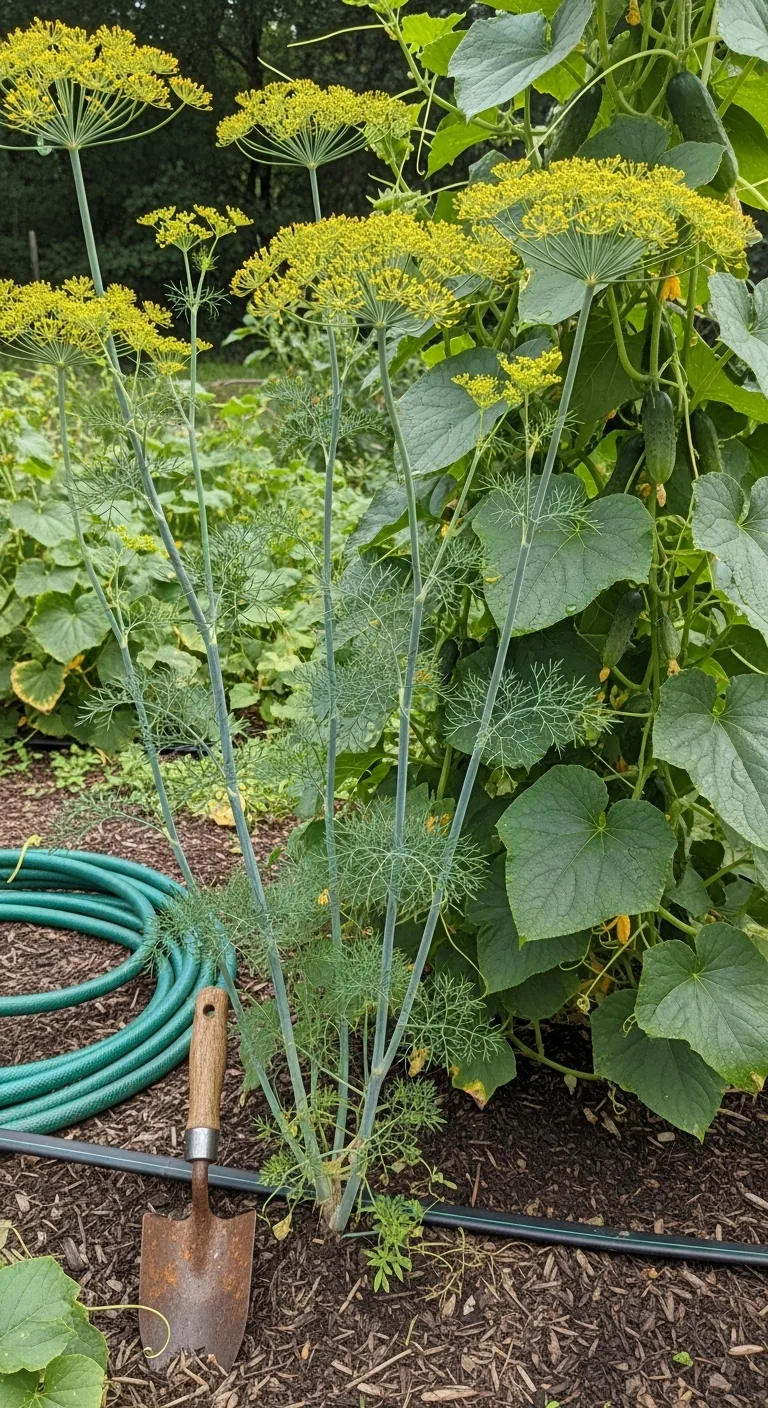
The key to bold dill flavor in homemade pickles lies in syncing the plant’s exact growth stage (leaf, open flower head, or green seed) with the day your cucumbers reach prime size. Most guides overlook this alignment and treat all dill the same, yet varieties differ sharply in height, bolt speed, and umbel size.
This guide covers nine targeted options focused on herb-garden growing and harvesting for pickling use. It excludes full brine recipes, non-edible gardening, and unrelated herbs.
You will identify the variety or technique that fits your space and schedule, time each cut for peak aroma compounds, and integrate companions without trial and error.
Select one option now so your dill reaches the ideal stage exactly when your cucumbers hit peak size.
The Yield Grid Decision Grid
Branch 1 applies when soil depth stays under 24 inches or total growing area measures under 4 square feet, such as balcony pots or window boxes. Recommended: Items 2, 5, and 8 below.
Branch 2 applies when full sun and vertical room exist for plants over 3 feet tall in raised beds or in-ground plots. Recommended: Items 1, 4, and 7 below.
Branch 3 applies when the growing season runs under 90 days or cucumber harvests stagger across 8 weeks or longer. Recommended: Items 3, 6, and 9 below.
To maximize flavor, plant dill near cucumbers using our companion planting guide for herbs.
Quick Comparison Table
| Option | Key mechanism | Best for | Decision Grid Branch | Effort Score |
|---|---|---|---|---|
| Mammoth Dill | Tall stems produce large umbels | Traditional head-packed jars | 2 | 2 |
| Fernleaf Dill | Compact 18-inch frame stays in pots | Small-space leaf and small-head use | 1 | 1 |
| Bouquet Dill | Balanced leaf-to-seed ratio | Versatile leaf or seed pickling | 3 | 3 |
| Vierling Dill | Delayed bolting extends head window | Extended harvest in warm zones | 2 | 2 |
| Dukat Dill | Higher essential oil concentration | Intense flavor in limited space | 1 | 1 |
| Succession Planting | Staggered sowing every 14 days | Continuous supply across weeks | 3 | 4 |
| Direct Seeding in Raised Beds | Deep taproot in custom soil mix | Maximum vigor for tall types | 2 | 2 |
| Container-Optimized Setup | 24-inch minimum depth with drainage | Reliable dwarf growth on patios | 1 | 2 |
| Peak-Stage Harvesting | Targeted umbel or seed timing | Any variety at exact pickle moment | 3 | 3 |
Mammoth Dill
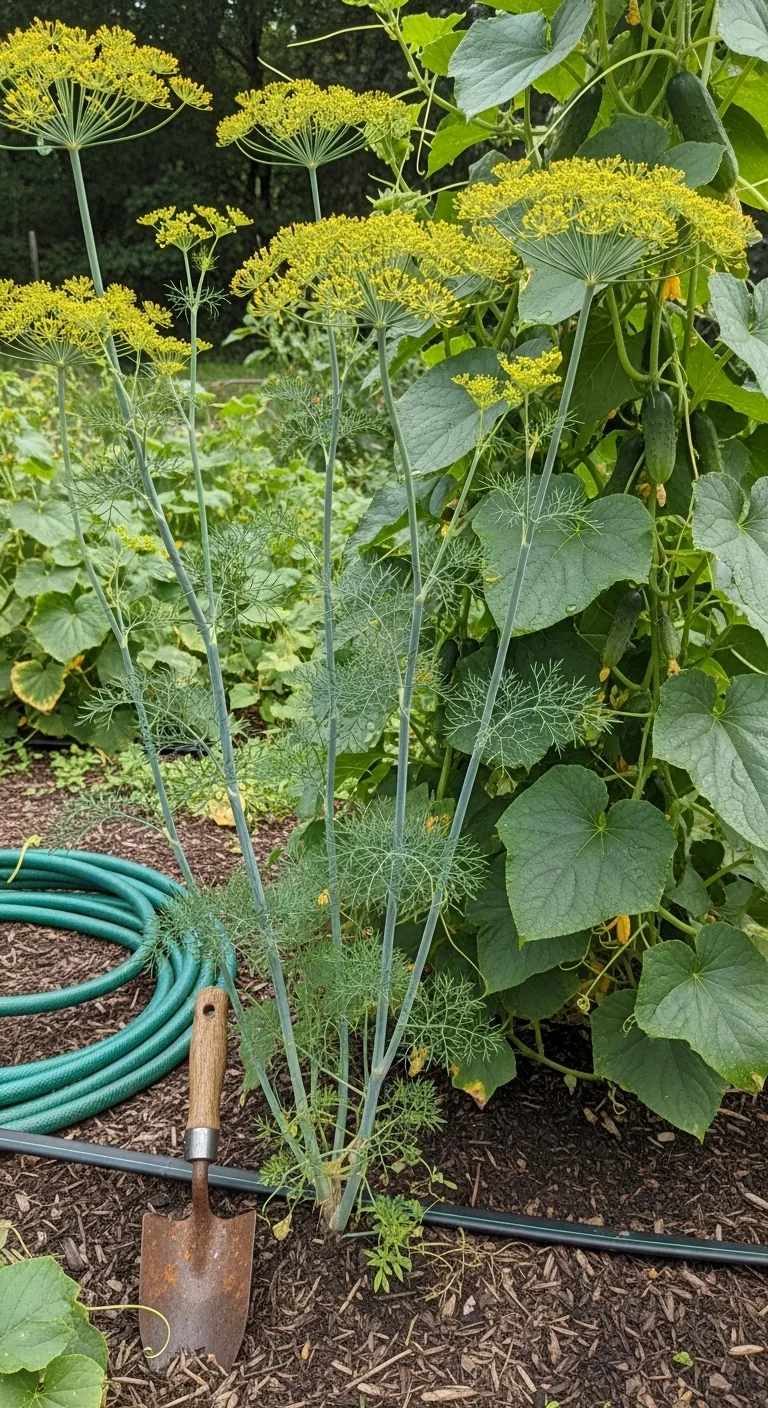
Best for: Branch 2
Mammoth Dill reaches 4 to 5 feet with strong hollow stems and umbrella-shaped flower heads up to 6 inches across. The large umbels supply the volume needed for one full head per quart jar, delivering the classic aromatic punch associated with traditional dill pickles.
Blueprint: Direct sow seeds one-quarter inch deep in full sun after soil warms. Thin seedlings to 12 inches apart once they reach 3 inches tall. Stake stems when flower heads form to prevent toppling in wind. Harvest umbels when yellow flowers open fully but seeds remain green.
Common mistake: letting plants go fully to dry seed before cutting, which reduces volatile oils in the brine. Follow the harvesting herbs guide for exact umbel cues that lock in flavor.
Fernleaf Dill
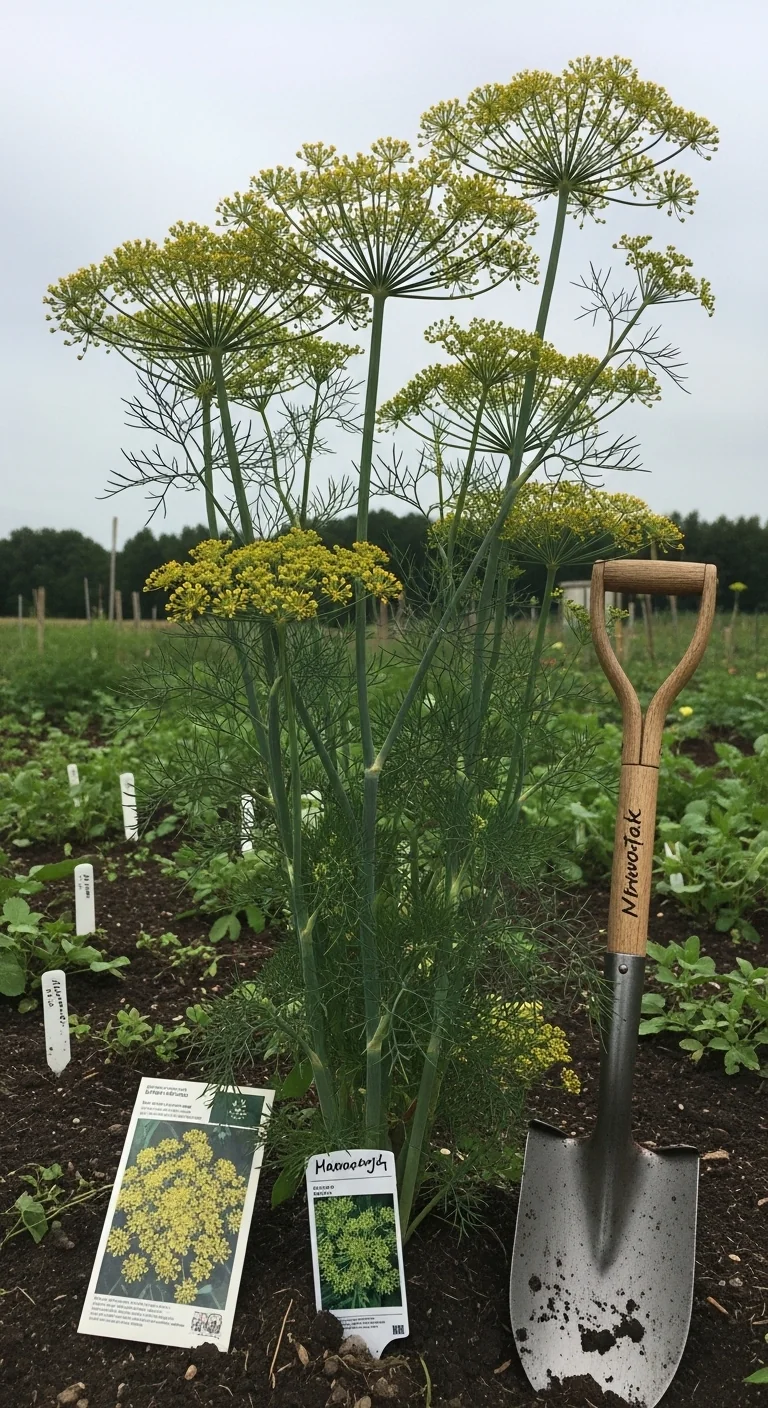
Best for: Branch 1
Use Fernleaf Dill when space limits height to under 2 feet. It produces dense feathery foliage and smaller umbels ideal for refrigerator pickles or half-pint jars. Skip it if you need volume for multiple gallon crocks, as head size stays modest compared with taller types.
Edge case: in zones with sudden late heat waves it still holds leaves longer than most, but yields drop if pots dry out completely between waterings.
See the best herbs for containers for pot size and drainage details that keep it productive.
Bouquet Dill
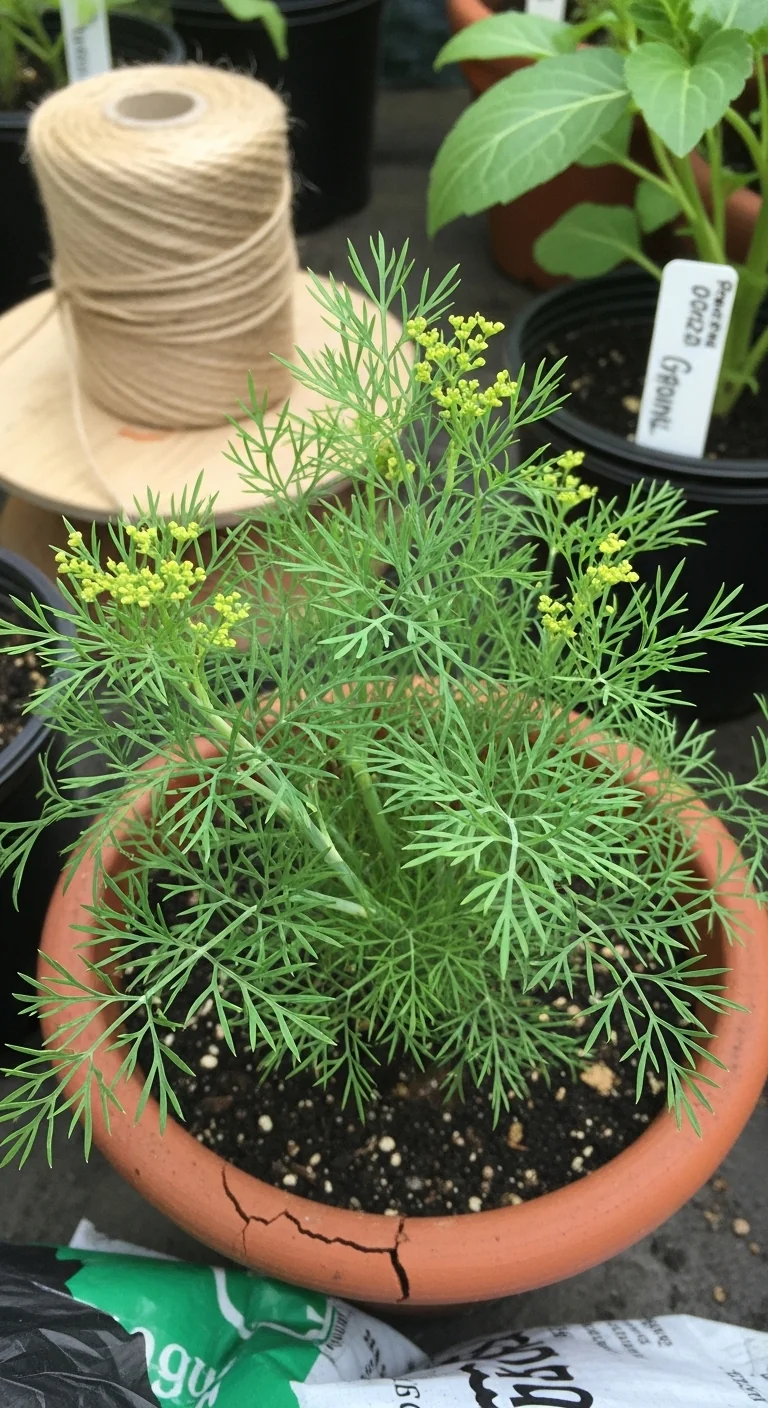
Best for: Branch 3
Bouquet Dill offers a balanced mix of fragrant leaves early and reliable seed production later. Threshold rule: sow when soil temperature holds steady between 60 and 70 degrees F for reliable germination within 10 to 14 days. If daytime highs exceed 85 degrees F for over 10 consecutive days, move to succession sowing to reset the clock before bolting begins.
This variety works well for gardeners who harvest both leaves for quick pickles and seeds for longer storage batches. Adjust spacing to 8 inches in staggered rows to maintain airflow and reduce any risk of premature flowering.
Vierling Dill
Best for: Branch 2
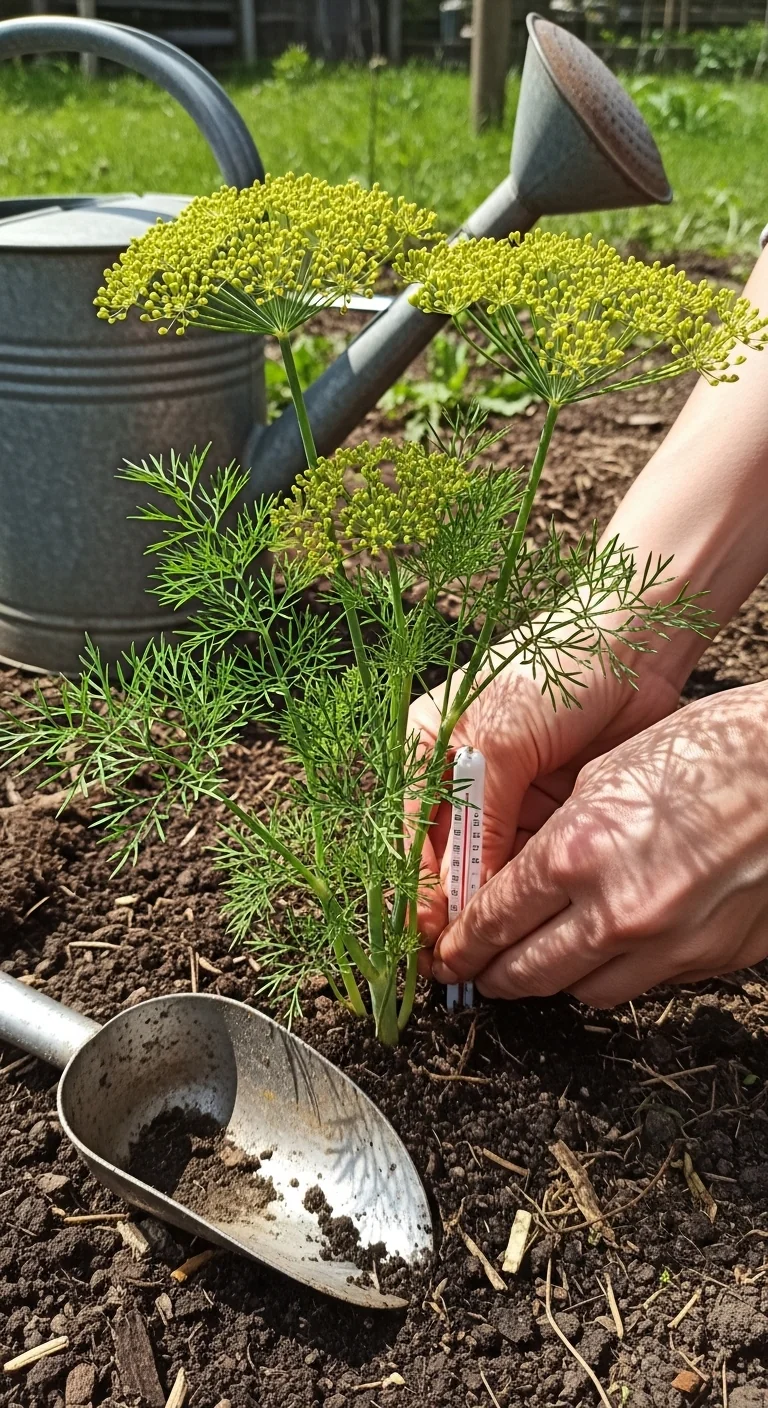
Vierling Dill delays bolting by up to two weeks compared with standard tall types, extending the window for harvest-ready umbels in warmer climates. The 10-minute workflow starts with direct sowing one-quarter inch deep in prepared beds. Water gently to settle soil, then check moisture every third day until seedlings emerge. Once plants reach 12 inches, apply a light mulch layer to stabilize root temperatures.
Upgrade option: add a simple bamboo stake ring around the base when flower stalks appear. This keeps heavy heads upright without daily adjustments and ensures full umbel development right on your cucumber schedule.
Dukat Dill
Best for: Branch 1
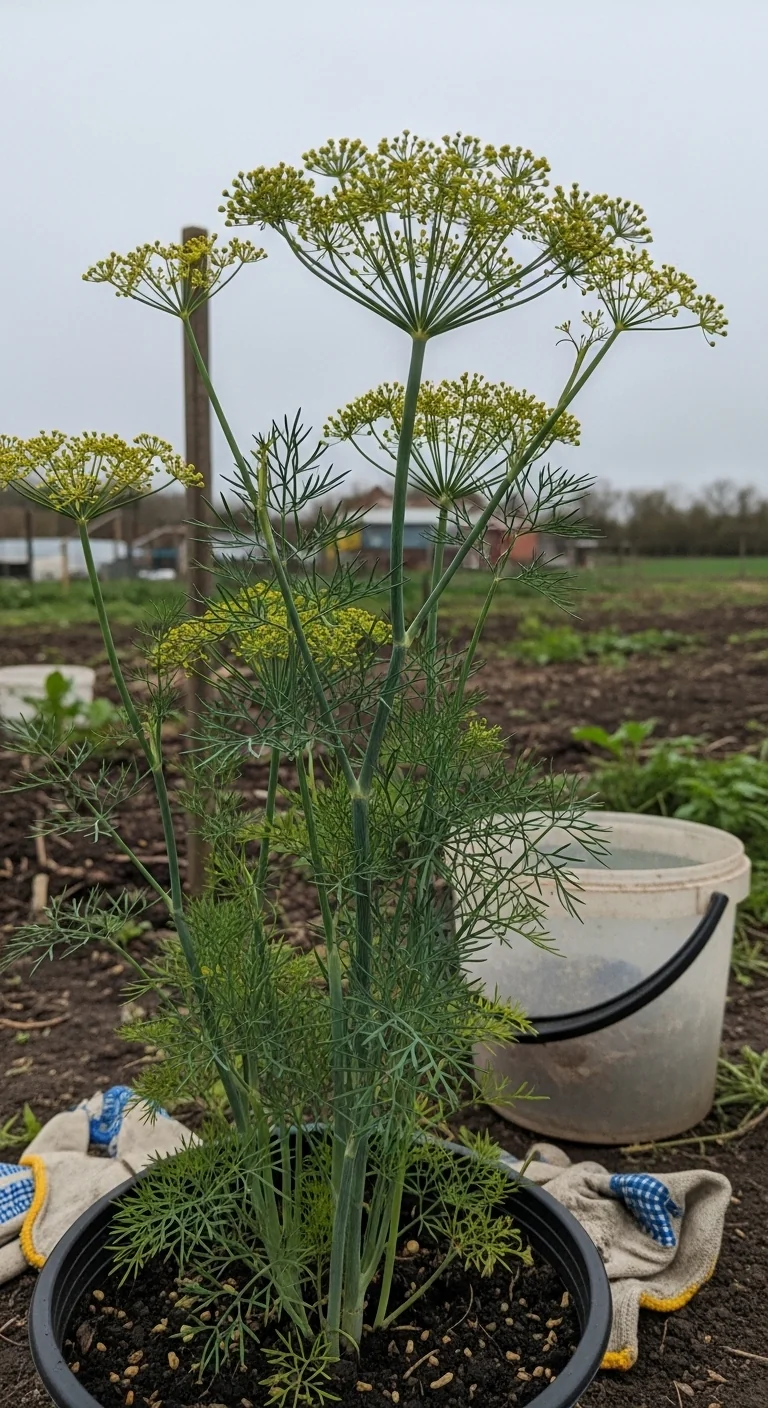
Dukat Dill concentrates essential oils in compact foliage and small heads, suiting patio pots or window boxes. Blueprint: fill containers at least 12 inches deep with well-drained mix, sow seeds thinly on the surface, and cover lightly. Germination occurs in 7 to 12 days under consistent moisture. Thin to three plants per 12-inch pot for steady supply without crowding.
Common mistake: overwatering once established, which dilutes flavor intensity. Keep soil surface dry between thorough soakings to maintain the higher oil levels prized for pickling.
Succession Planting
Best for: Branch 3
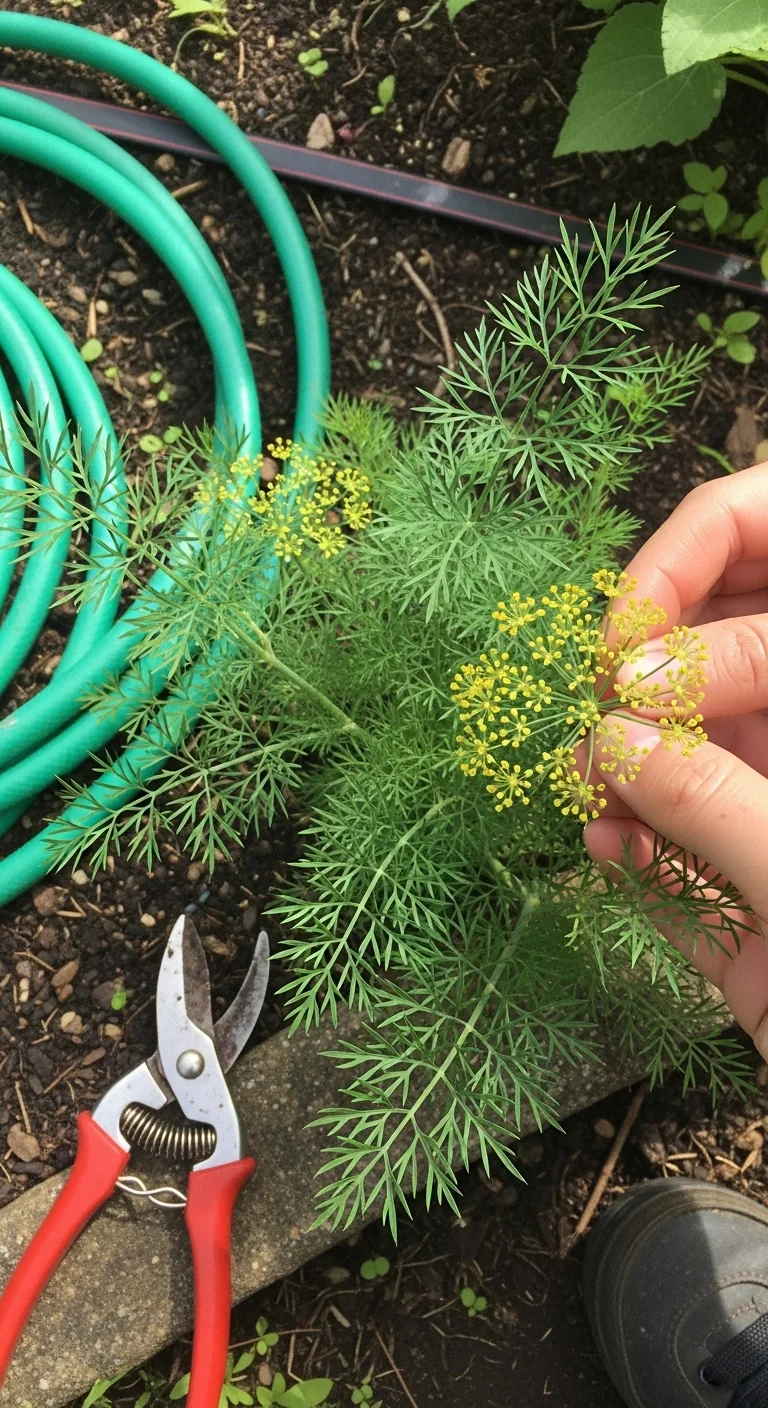
Use vs skip: succession planting delivers fresh dill every two weeks across a long harvest window. Pros include matching multiple cucumber flushes without gaps. Cons appear if you skip marking sowing dates, leading to overlapping bolting. Edge case: in short northern seasons, limit to three sowings spaced 14 days apart to avoid frost damage on late seedlings.
Combine with the companion chart to position each new row near successive cucumber plantings for seamless timing.
Direct Seeding in Raised Beds
Best for: Branch 2
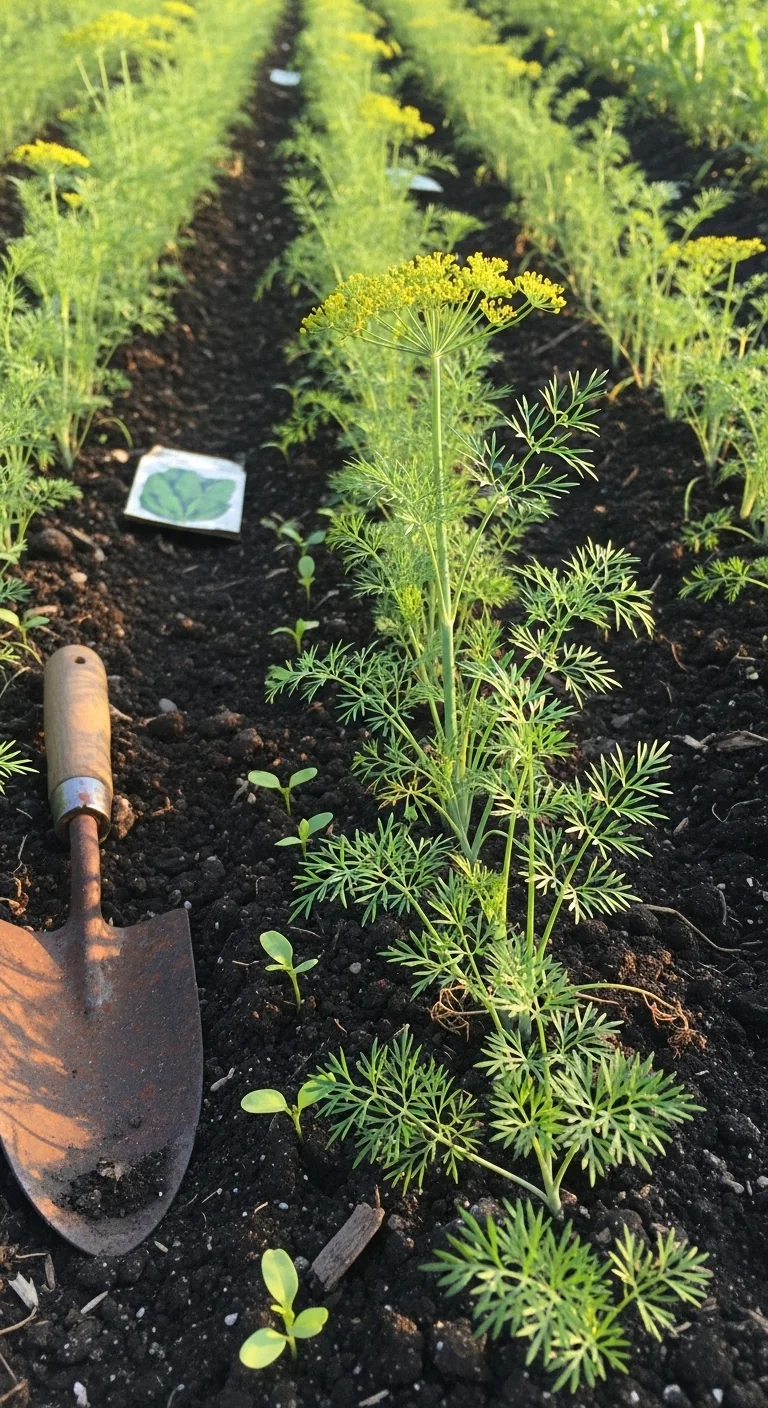
Direct seeding in raised beds gives Mammoth or Vierling types the deep taproot they need for sturdy stems and large heads. Threshold rule: soil temperature must reach at least 60 degrees F before sowing, and pH should stay between 5.8 and 7.0. If drainage is poor, mix in 30 percent coarse sand or perlite to prevent root rot during wet spells.
Follow the soil mix for herbs ratios to create the loose, fertile bed that supports full umbel development without extra fertilizer.
Container-Optimized Setup
Best for: Branch 1
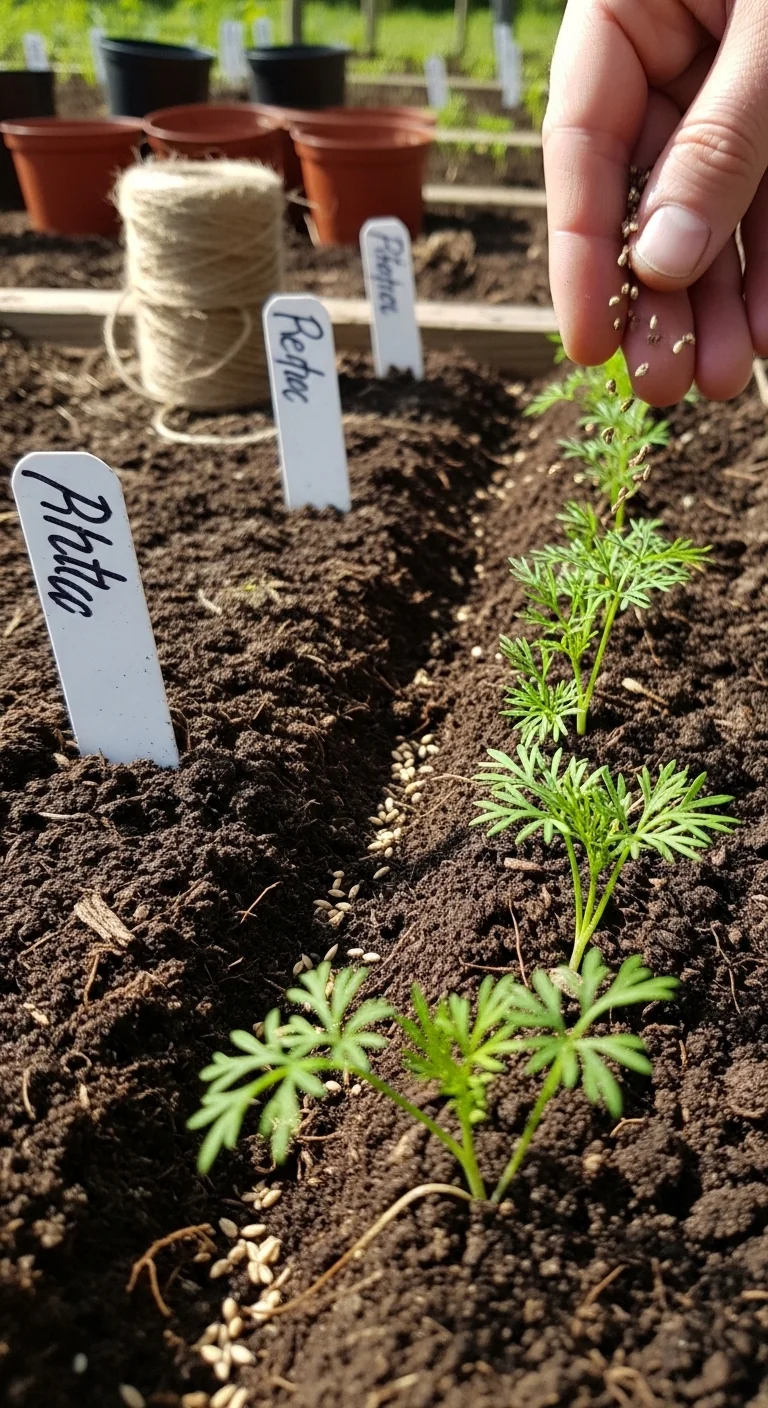
Container-Optimized Setup uses 24-inch minimum depth pots with bottom drainage holes and a gravel layer. The 10-minute workflow: fill with equal parts potting mix and compost, scatter seeds evenly, cover one-quarter inch, and water until it runs clear. Place in full sun and check soil moisture every four days.
Upgrade option: add a self-watering insert for consistent moisture without daily checks, keeping foliage and small heads at peak quality for pickling.
Peak-Stage Harvesting
Best for: Branch 3
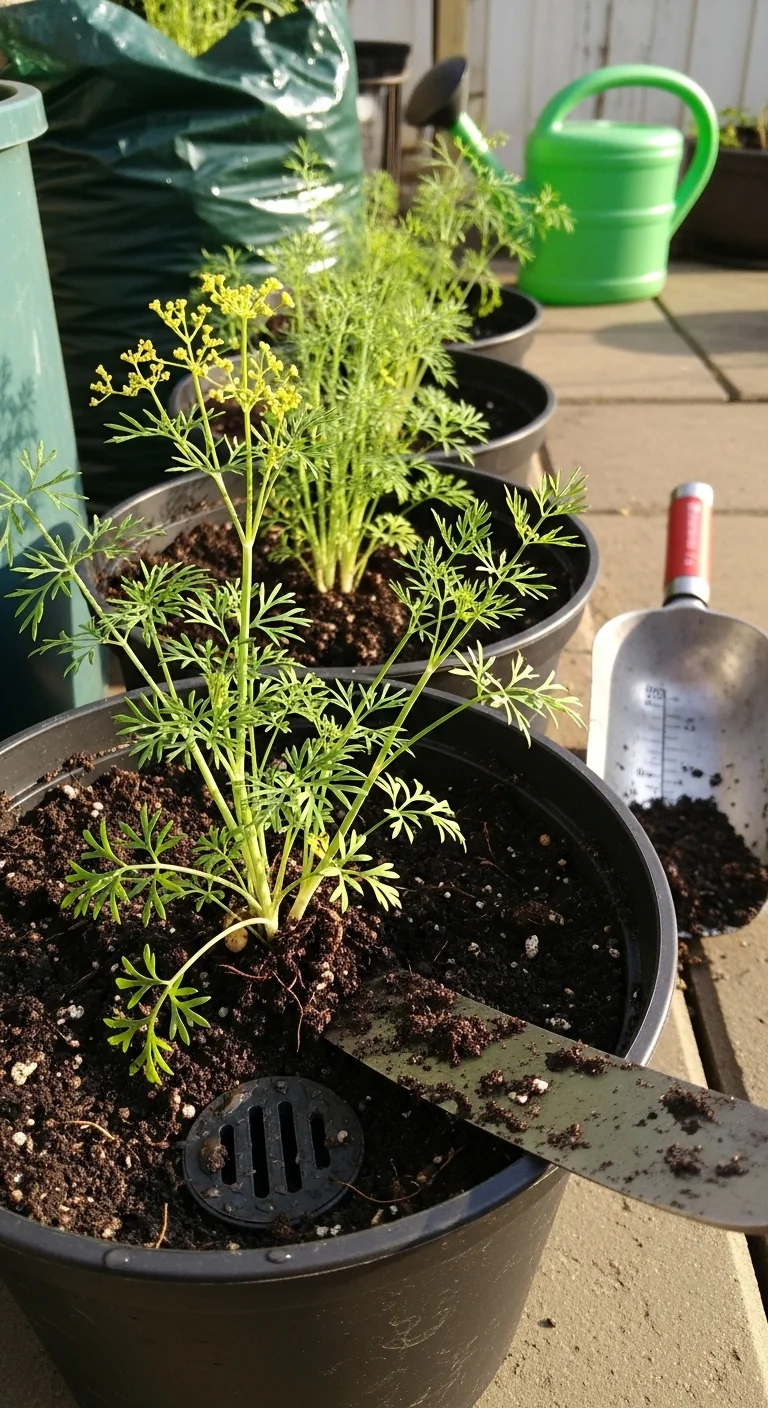
Blueprint: monitor plants daily once flower stalks appear. Cut umbels when yellow petals open fully but before any seeds turn brown. For seed-focused batches, allow heads to dry on the plant until pods feel firm, then collect into paper bags. Store harvested material in breathable mesh bags away from direct light to preserve volatile oils.
This technique works across any variety and prevents the flavor drop that occurs when harvest timing drifts by even a few days.
Starter Stack (What to Choose First)
Branch 1: Container Growers
Start with Fernleaf Dill and Dukat Dill. The compact frames fit any patio or balcony setup while supplying both leaves and small heads. Synergy comes from staggered sowing: plant one packet of each two weeks apart for overlapping harvests. Seed packets cost 3 to 6 dollars total. Planting takes under 15 minutes per container. First harvest window opens in 40 to 55 days.
Branch 2: In-Ground or Raised Bed Growers
Begin with Mammoth Dill and Vierling Dill. Tall stature and delayed bolting deliver volume and timing flexibility for full-head pickles. Plant both in the same bed for side-by-side comparison of umbel size. Total seed cost stays under 8 dollars. Initial setup requires 25 minutes including staking materials. Expect harvest-ready heads in 50 to 65 days under full sun.
Branch 3: Staggered or Short-Season Growers
Choose Bouquet Dill plus the succession planting method. Bouquet supplies balanced leaves and seeds while staggered sowing extends the window by 6 to 8 weeks. Synergy keeps supply matched to cucumber flushes without waste. Packet cost totals 5 to 7 dollars. Setup time equals 20 minutes across three sowings. First usable material appears in 35 to 50 days.
When This Won’t Work
Dill fails to produce usable heads or seeds when soil temperature stays below 50 degrees F at sowing time for longer than 7 days. Germination slows dramatically and seedlings stay weak. The alternative action is to wait until soil warms or start seeds indoors in peat pots for transplant once conditions improve.
Constant daytime temperatures above 85 degrees F for more than 14 days push even slow-bolt varieties into rapid flowering with undersized umbels. Switch to the container-optimized setup in a shadier afternoon spot or source market-fresh dill heads instead.
Amend with the soil mix for herbs if drainage remains poor after initial tests.
Choosing the Right Option for Your Situation
Time Commitment Threshold
If you can spend under 30 minutes per week on monitoring and watering, select options with effort scores of 1 or 2 such as Fernleaf, Dukat, or Mammoth. Higher scores require succession sowing or weekly bolting checks that exceed this limit.
Space Constraint Threshold
Under 4 square feet or soil depth below 24 inches limits you to Branch 1 options. Larger beds or raised plots open Branch 2 choices with taller varieties for greater head volume.
Technical Constraint Threshold
Soil temperatures must hold between 60 and 70 degrees F for at least 10 days after sowing. If your local forecast shows prolonged cool or hot swings, shift to Vierling or succession planting to maintain harvest alignment.
Yes/No checklist:
Do you have full sun for 6 or more hours daily?
Is soil temperature above 60 degrees F?
Can you direct sow without transplanting?
Will your cucumber harvest window match a 50-to-65-day dill cycle?
Expert Q&A
Can dill leaves substitute for flower heads in pickling brine, and what changes in flavor result?
Leaves deliver milder, greener notes suited to quick refrigerator pickles. Flower heads add the deeper, more complex aroma typical of shelf-stable jars. Use three to four times more leaf volume to approximate head intensity, but expect a less robust final profile after long storage.
How does self-seeding affect flavor consistency for next season’s pickling supply?
Self-seeded plants often produce slightly smaller heads with comparable oil levels if soil conditions stay consistent. Flavor holds steady across generations when you rogue out any off-type seedlings early and maintain the same soil mix and sun exposure.
What is the best way to store harvested dill heads without losing volatile oils before pickling?
Air-dry heads upside down in a dark, well-ventilated spot for 5 to 7 days until crisp. Store in airtight glass jars away from heat and light. Use within 4 months for peak aroma; longer storage gradually reduces intensity but remains usable.
Does companion planting with cucumbers change dill growth rate or head size for pickling?
Dill benefits from the shared pollinator traffic and slight shade provided by cucumber vines in mid-season. Head size and aroma stay comparable to solo planting when spacing allows good airflow and roots do not compete for water.
Which varieties hold flavor best when dried for off-season seed use in winter pickling?
Mammoth and Bouquet retain the strongest seed aroma after drying because of larger pod size and higher baseline oil content. Harvest when pods turn light brown, dry fully, then thresh and store in cool dark conditions for up to 12 months.
Conclusion
Take the next step and review local frost dates against the herb germination chart to lock in your sowing window today.
“`