
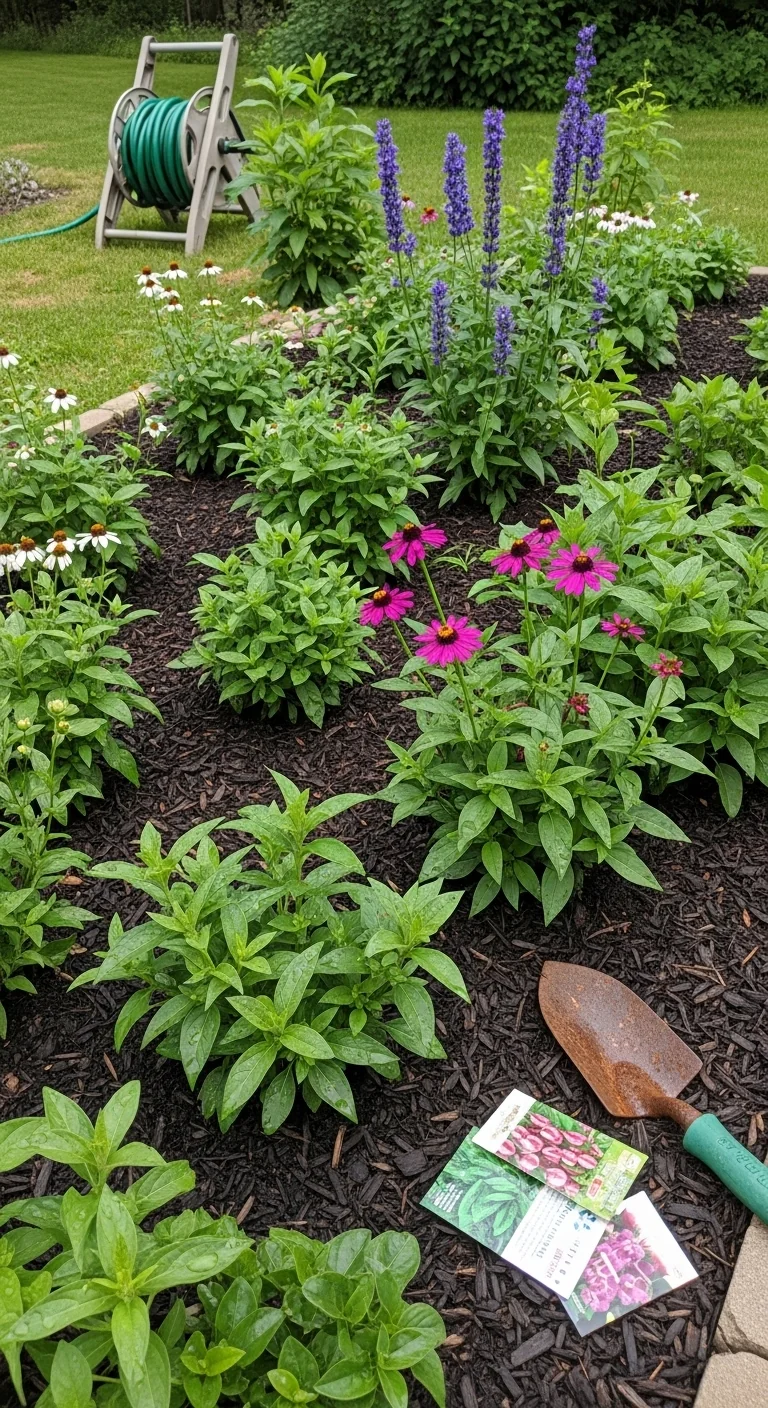
Deer resistance in flowers comes down to matching each plant’s natural defense mechanism (scent, texture, or taste) to the exact conditions in your garden rather than picking from generic lists that ignore local deer behavior and microclimates.
This guide focuses on 10 flowers with consistent resistance across annuals and perennials suitable for gardens in the US, UK, Canada, Australia, Germany, and New Zealand. It excludes high-risk options such as roses, tulips, and hostas that deer routinely browse. Scope stays limited to flowering plants with verifiable mechanisms; non-flowering shrubs or groundcovers fall outside this listicle.
Readers gain a clear decision process to select flowers that fit their deer sighting frequency, daily sun hours, and soil drainage so plantings avoid repeated damage and wasted effort.
Match the flower’s defense type to your garden’s deer pressure level using the Decision Grid below to achieve consistent protection.
The Yield Grid Decision Grid
Branch 1: High deer pressure. Use this branch when deer sightings exceed three per week or when other plants show fresh browsing damage. Prioritize scent-based flowers whose volatile oils create an olfactory barrier deer avoid. Recommended: Alliums, Lavender, Salvia below. For pairing ideas with full-sun exposures, see our full-sun flower guide.
Branch 2: Moderate deer pressure in full-sun gardens. Apply when deer appear occasionally and your site receives six or more hours of direct sun daily. Focus on texture-based flowers with hairy or rough foliage that feels unpleasant to deer. Recommended: Marigolds, Snapdragons, Coreopsis, Cosmos below.
Branch 3: Low deer pressure or part-shade gardens. Select this branch for urban fenced sites or areas with fewer than four hours of sun daily. Choose taste-based flowers containing bitter alkaloids or mild toxins that deter feeding. Recommended: Daffodils, Echinacea, Hellebores below.
Quick Comparison Table
| Option | Key mechanism | Best for | Decision Grid Branch | Effort Score |
|---|---|---|---|---|
| Alliums | Sulfur compounds creating garlic-like odor | High-pressure borders and beds | 1 | 1 |
| Lavender | Volatile oils (linalool) released from foliage | High-pressure perennial edges | 1 | 2 |
| Salvia | Aromatic terpenes in leaves and stems | High-pressure pollinator zones | 1 | 2 |
| Daffodils | Bitter alkaloids in bulbs and foliage | Low-pressure spring displays | 3 | 1 |
| Marigolds | Hairy leaves and pungent scent | Moderate-pressure vegetable borders | 2 | 3 |
| Snapdragons | Rough, fuzzy foliage texture | Moderate-pressure cottage beds | 2 | 3 |
| Coreopsis | Tough stems and slightly hairy leaves | Moderate-pressure sunny meadows | 2 | 1 |
| Echinacea | Bitter taste from echinacoside compounds | Low-pressure part-shade edges | 3 | 2 |
| Cosmos | Rough textured foliage and mild scent | Moderate-pressure summer fillers | 2 | 3 |
| Hellebores | Toxic alkaloids in leaves and roots | Low-pressure winter shade gardens | 3 | 1 |
Alliums
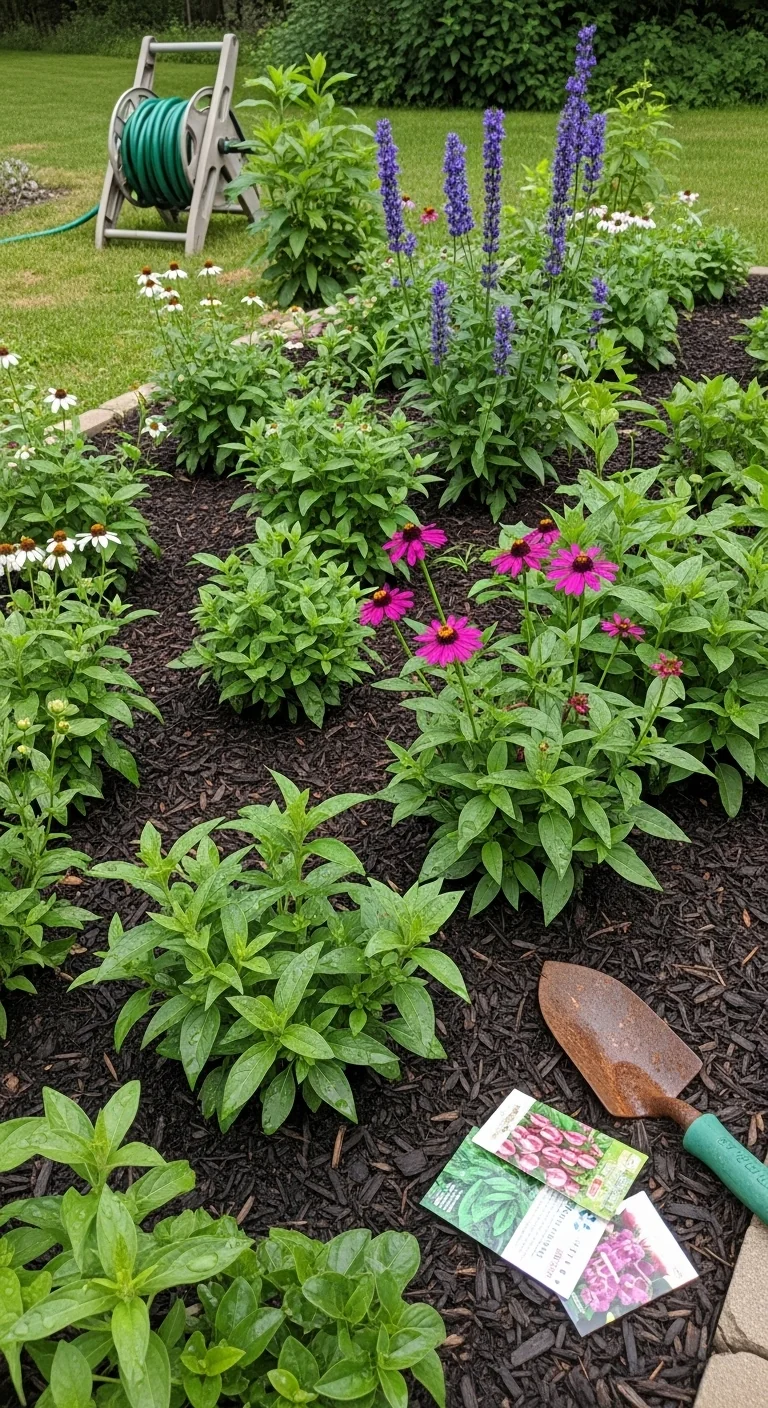
Best for: Branch 1
Alliums deliver deer resistance through sulfur compounds that release a strong garlic-onion odor when foliage is brushed or crushed. This mechanism works best in high-pressure zones because deer associate the scent with unpalatable food sources. Plant bulbs in fall at a depth three times the bulb height in well-drained soil with pH 6.0 to 7.0 for reliable spring emergence. Space bulbs 6 to 8 inches apart in groups of seven or more for visual impact and stronger collective scent. A common mistake is planting in heavy clay without raised beds, which leads to bulb rot in zones with winter temperatures below 20 degrees Fahrenheit. Once established, alliums require no division for five to seven years and return each season with spherical blooms in shades of purple and white.
Pair them with perennial flower strategies to create layered defenses that hold through summer.
Lavender
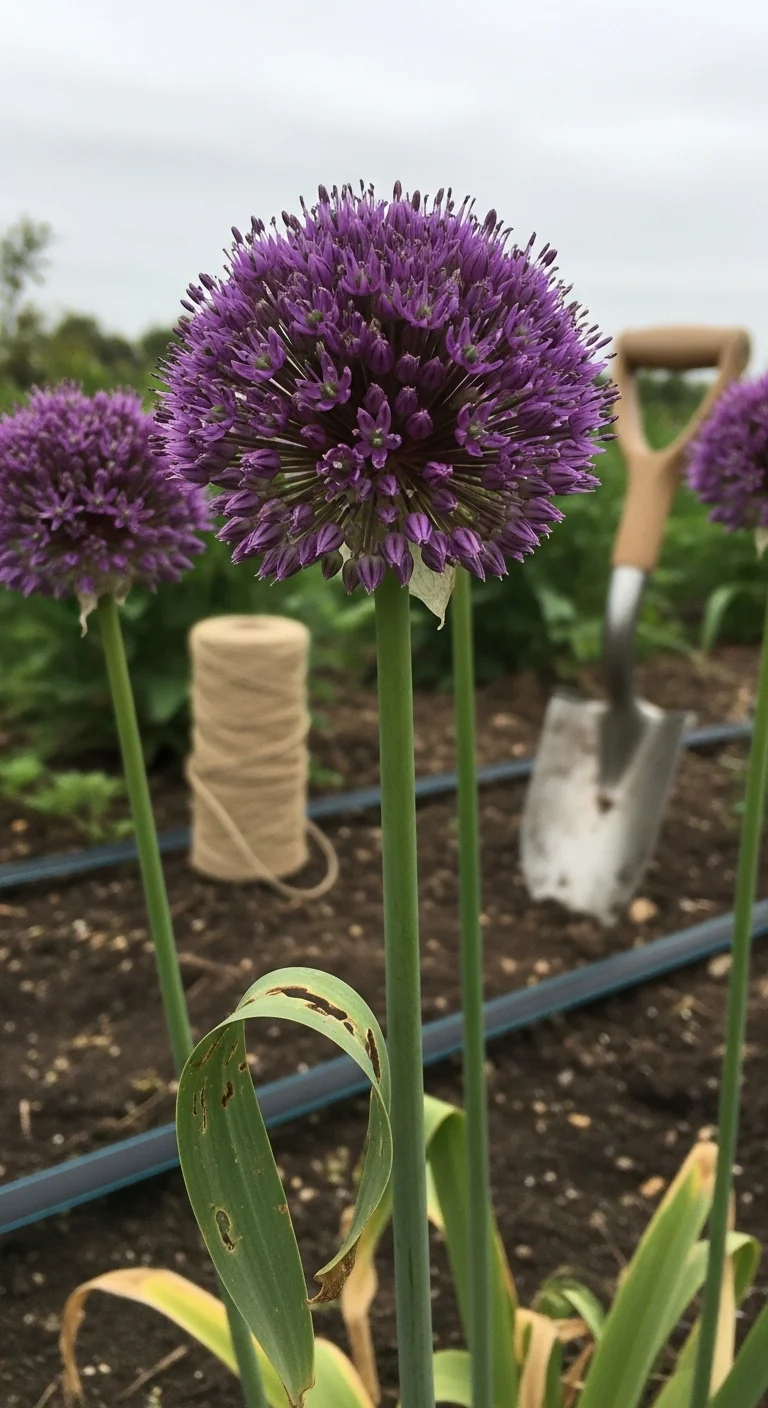
Best for: Branch 1
Use lavender in high deer pressure gardens where its linalool-rich oils create a persistent aromatic barrier. Skip it in wet soils or zones below USDA 5 where winter moisture causes root rot. Edge case: English lavender cultivars tolerate brief dips to 10 degrees Fahrenheit better than French types. Pros include drought tolerance after year one and pollinator appeal. Cons appear if spacing falls below 18 inches, leading to mildew in humid summers.
Salvia
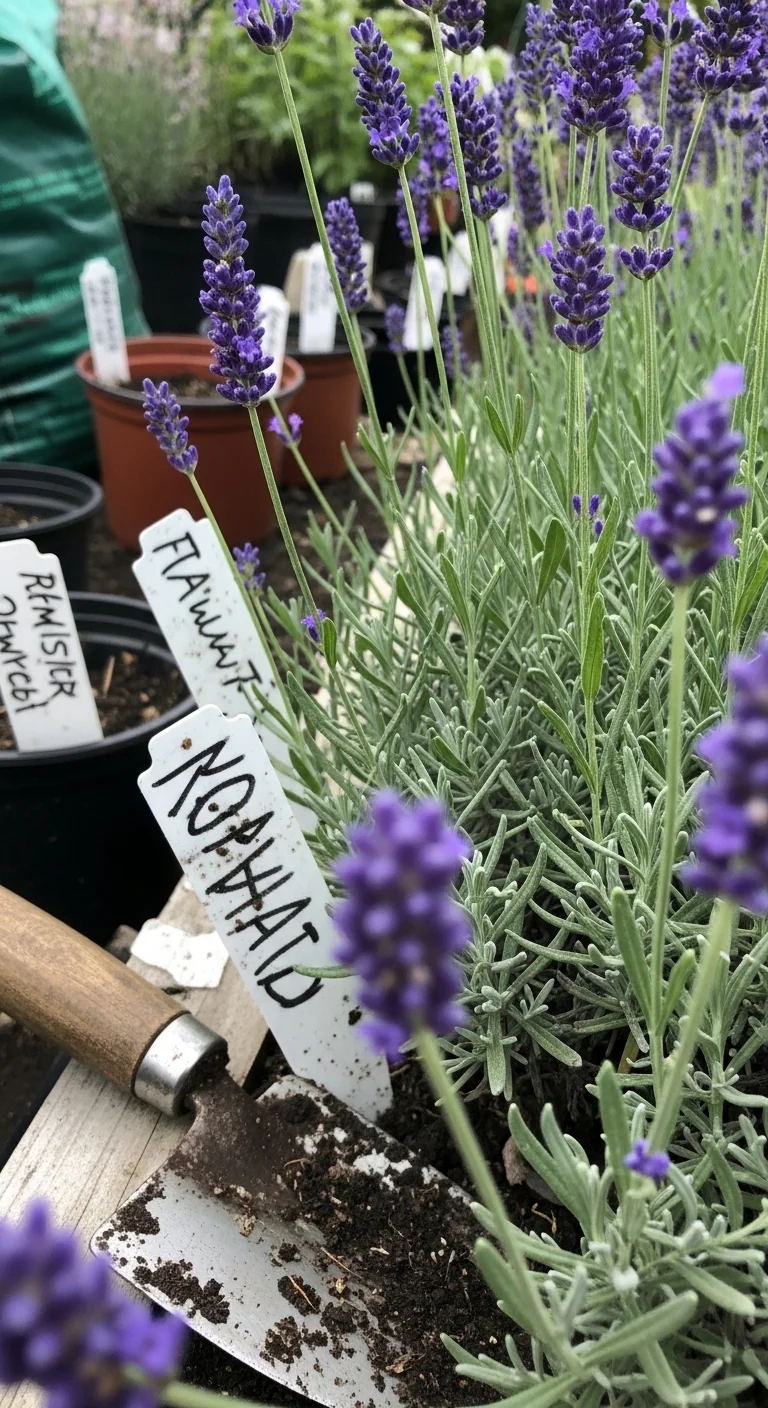
Best for: Branch 1
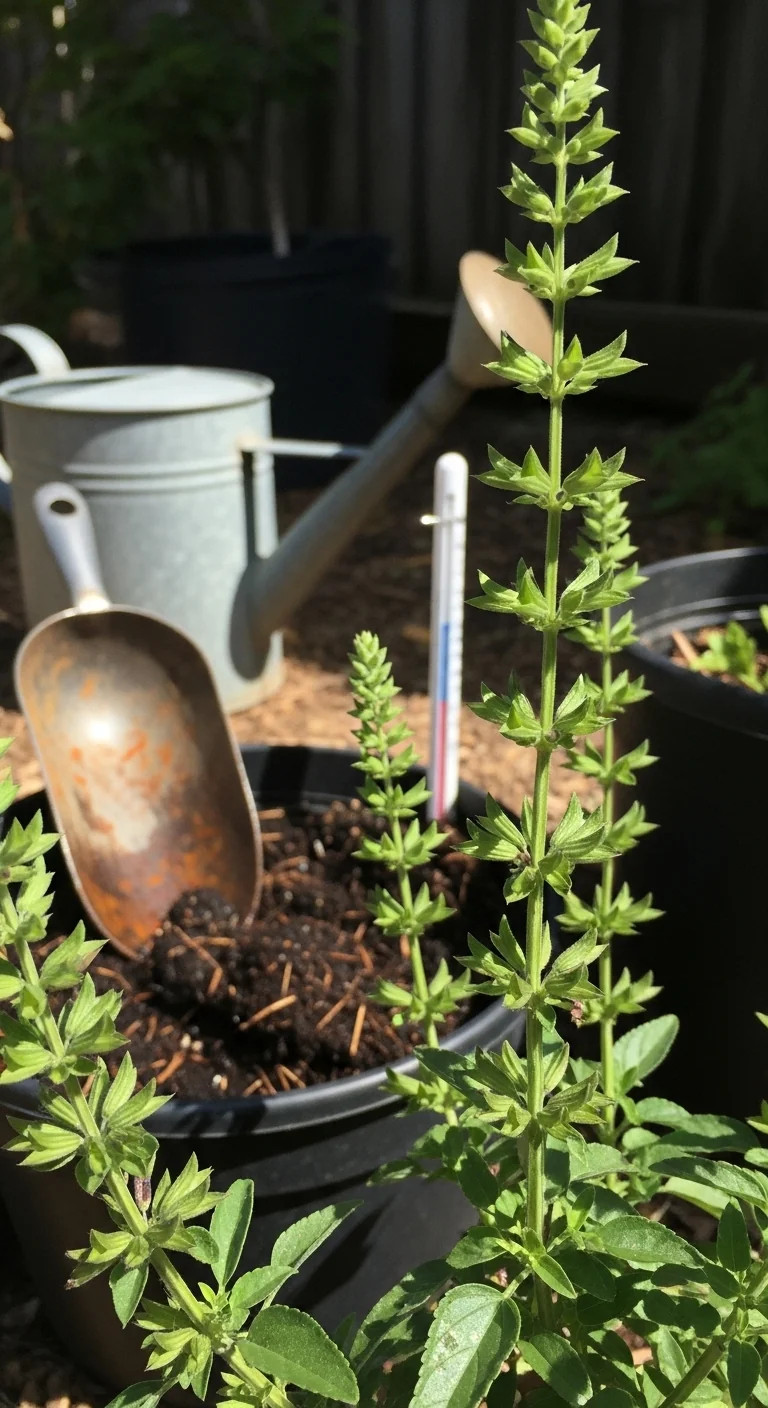
Salvia relies on aromatic terpenes concentrated in its square stems and leaves. Plant when soil temperature reaches 60 degrees Fahrenheit or higher for fastest establishment. Adjust spacing to 12 to 18 inches in full sun to maintain air flow and terpene release. In high-pressure sites, deadhead spent spikes within three days of bloom fade to encourage repeat flowering through fall. This timing window prevents energy loss and keeps foliage dense enough to sustain the scent barrier.
Daffodils
Best for: Branch 3
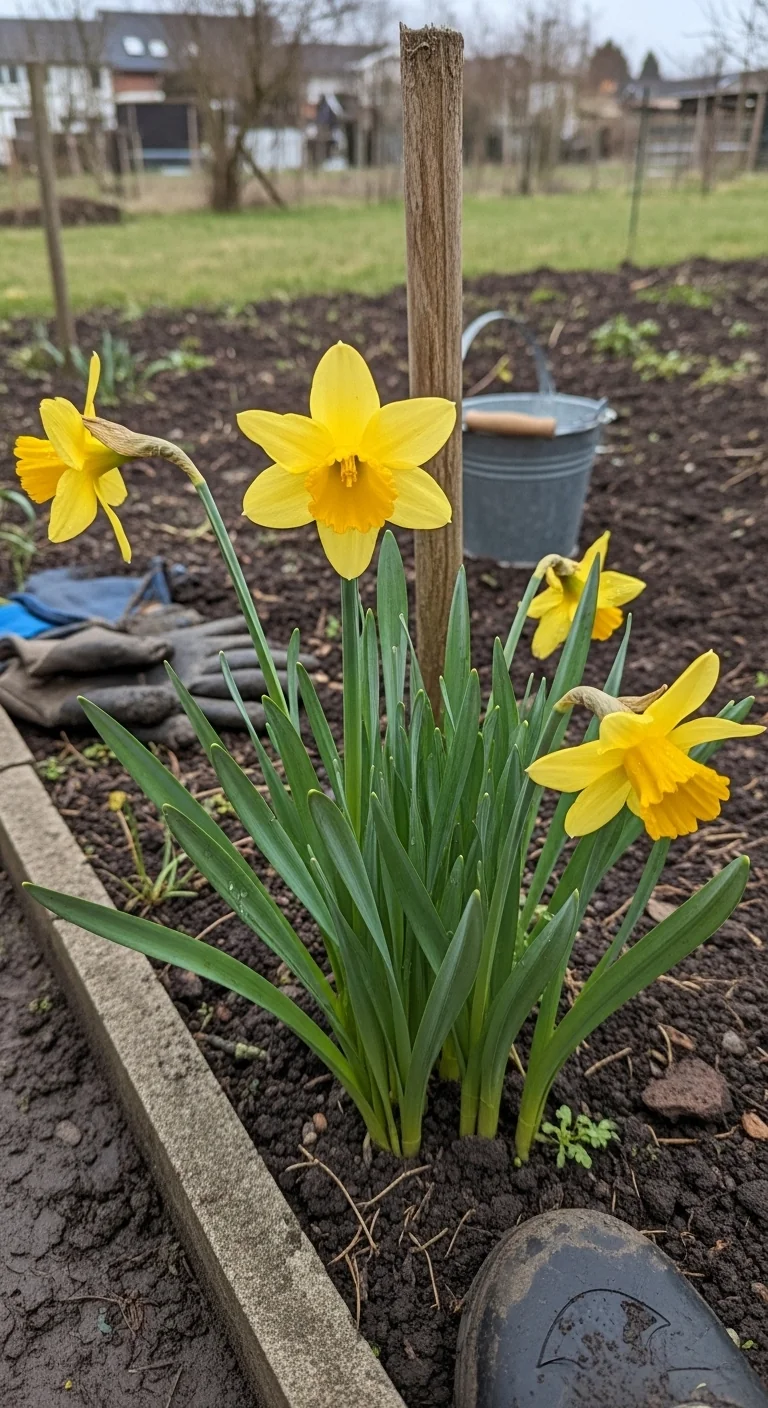
Follow this 10-minute workflow for daffodils in low-pressure or part-shade sites. Step 1: Choose firm bulbs in late summer or early fall. Step 2: Dig holes 6 inches deep at a soil temperature above 50 degrees Fahrenheit. Step 3: Place bulbs point up and backfill without compacting. Step 4: Water once immediately after planting. Upgrade option: interplant with spring bulbs for extended color while maintaining the same bitter-alkaloid protection. The entire process fits within one short session and requires no further intervention until natural foliage yellowing in early summer.
Marigolds
Best for: Branch 2
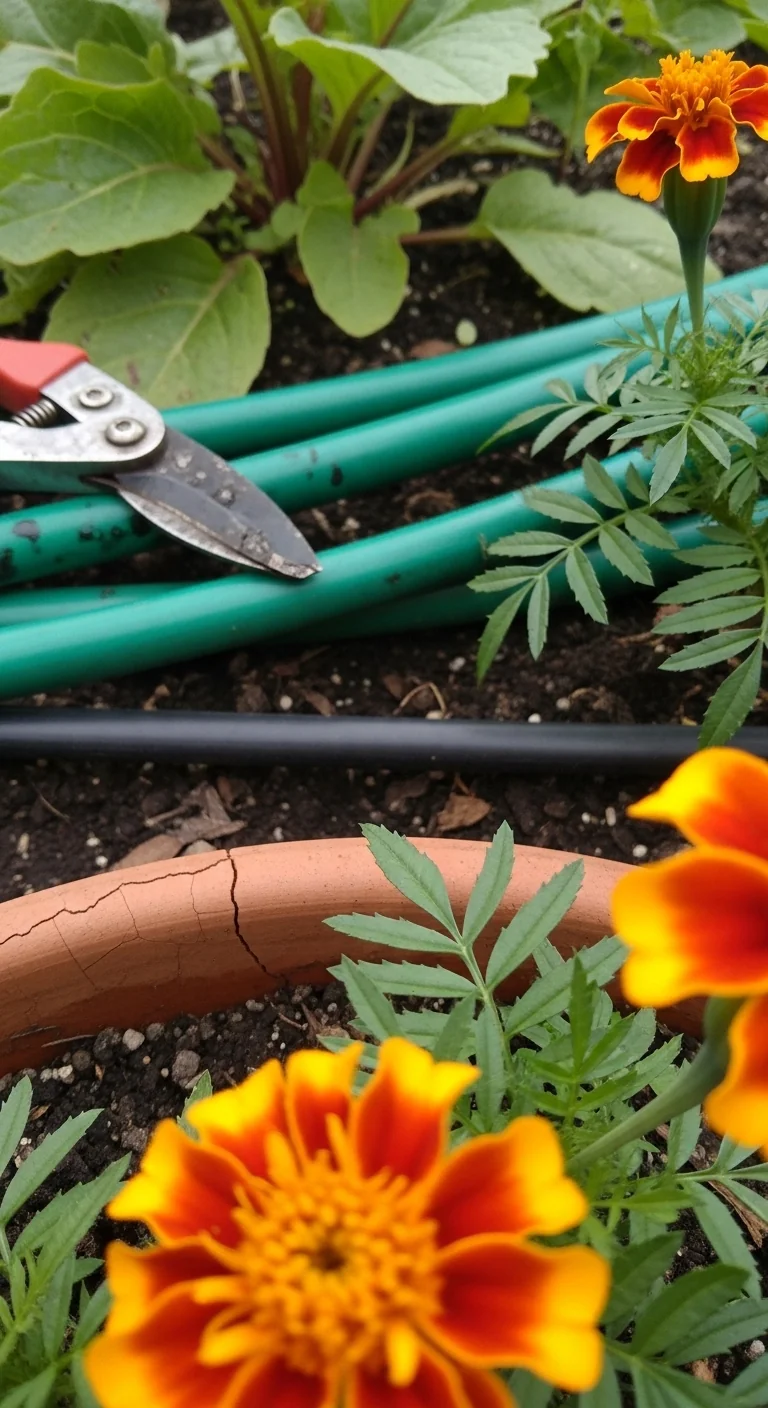
Marigolds use hairy leaf texture combined with pungent root exudates to deter moderate-pressure deer in full-sun vegetable borders. Direct-sow seeds after last frost when soil hits 65 degrees Fahrenheit or start indoors four weeks earlier. Thin seedlings to 10 inches apart to keep foliage dense. In clay soils, incorporate 2 inches of compost at planting to improve drainage and maintain the texture defense through summer heat.
Snapdragons
Best for: Branch 2
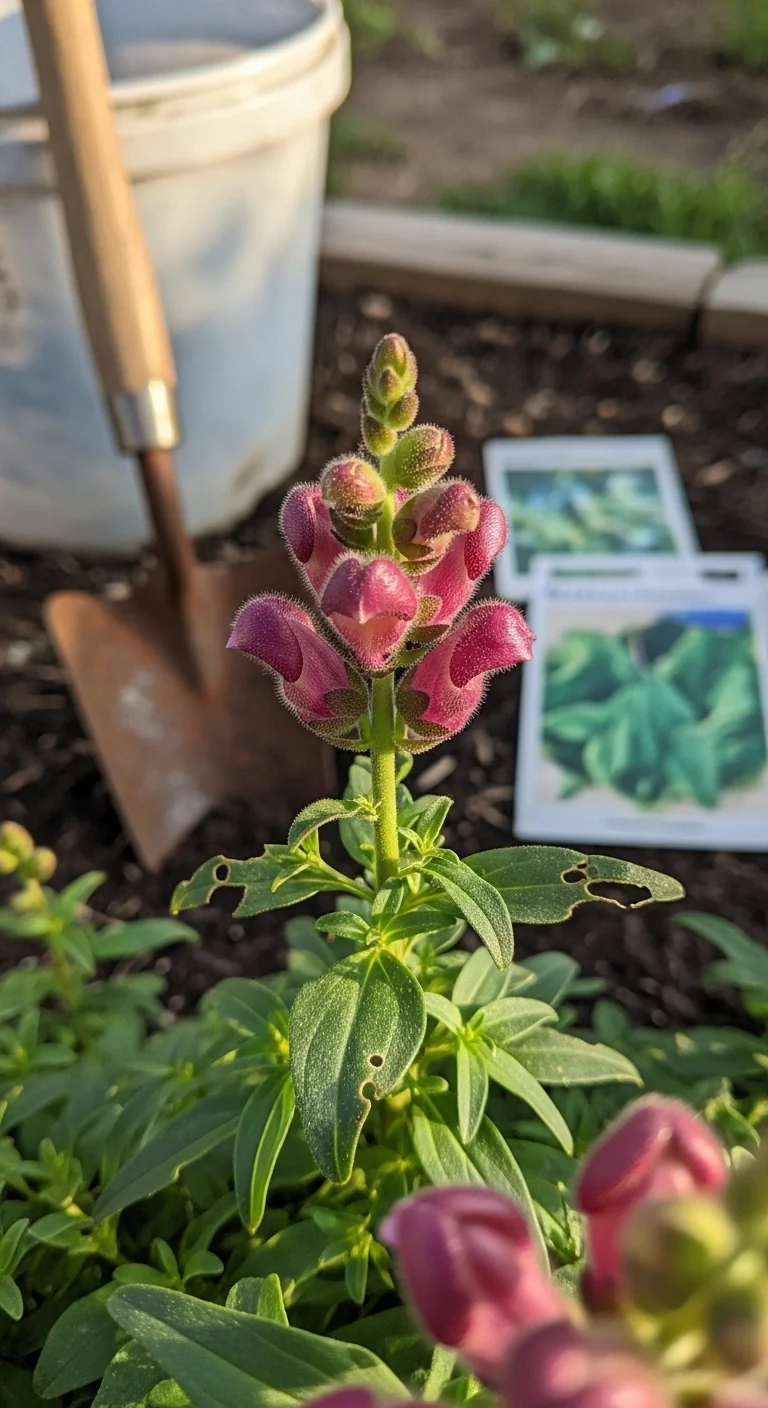
Snapdragons deliver resistance via rough, fuzzy foliage that deer avoid in moderate-pressure cottage beds. They tolerate light frost down to 28 degrees Fahrenheit but require full sun for compact growth. Pinch tips at 6 inches tall to encourage branching and denser texture. This step takes under five minutes per plant and extends bloom season by four to six weeks.
Coreopsis
Best for: Branch 2
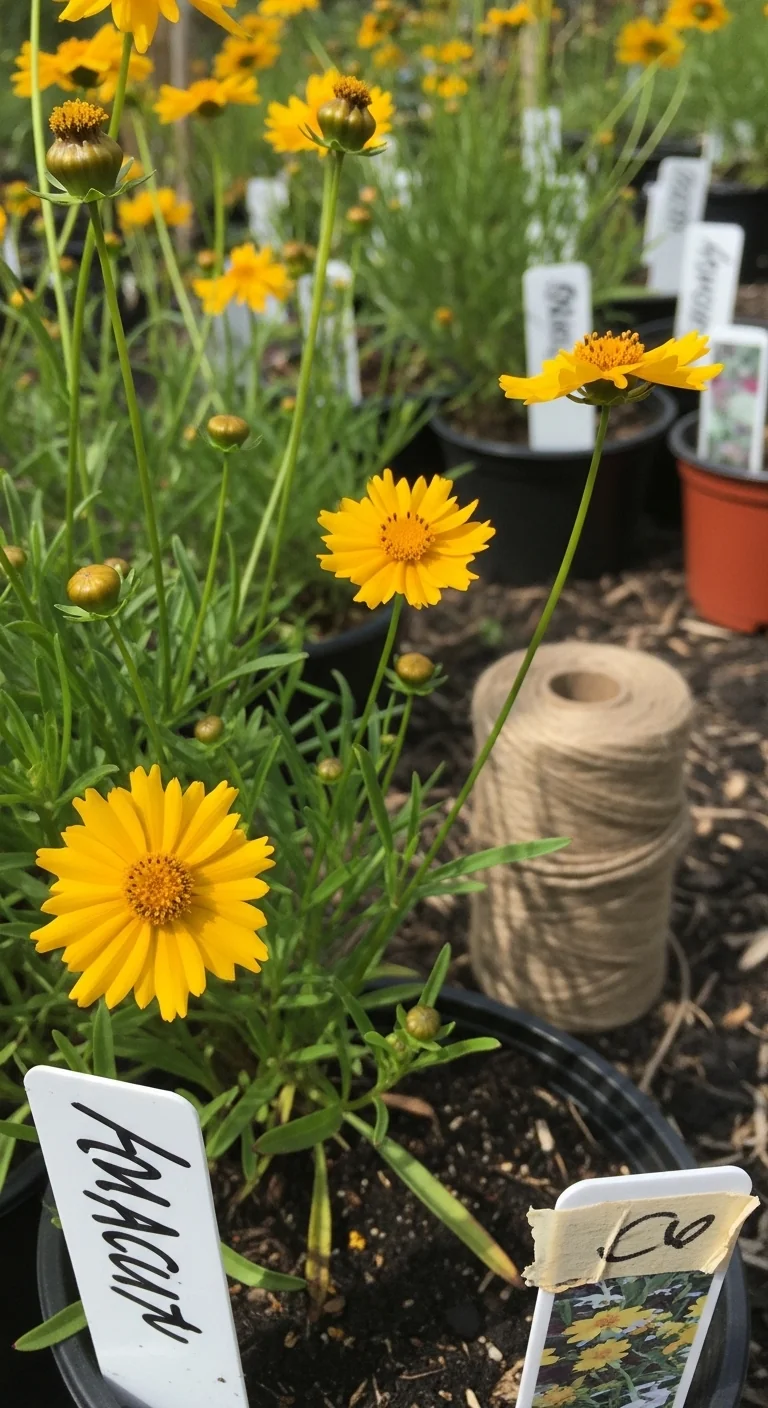
Coreopsis stands out for tough stems and slightly hairy leaves suited to moderate-pressure sunny meadows. It thrives in poor soils with pH 5.5 to 7.0 and needs division only every three years in spring. Plant in groups of five or more spaced 12 inches apart for natural clumping that amplifies the unpalatable texture. See our low-maintenance flowers page for more long-term care tips.
Echinacea
Best for: Branch 3
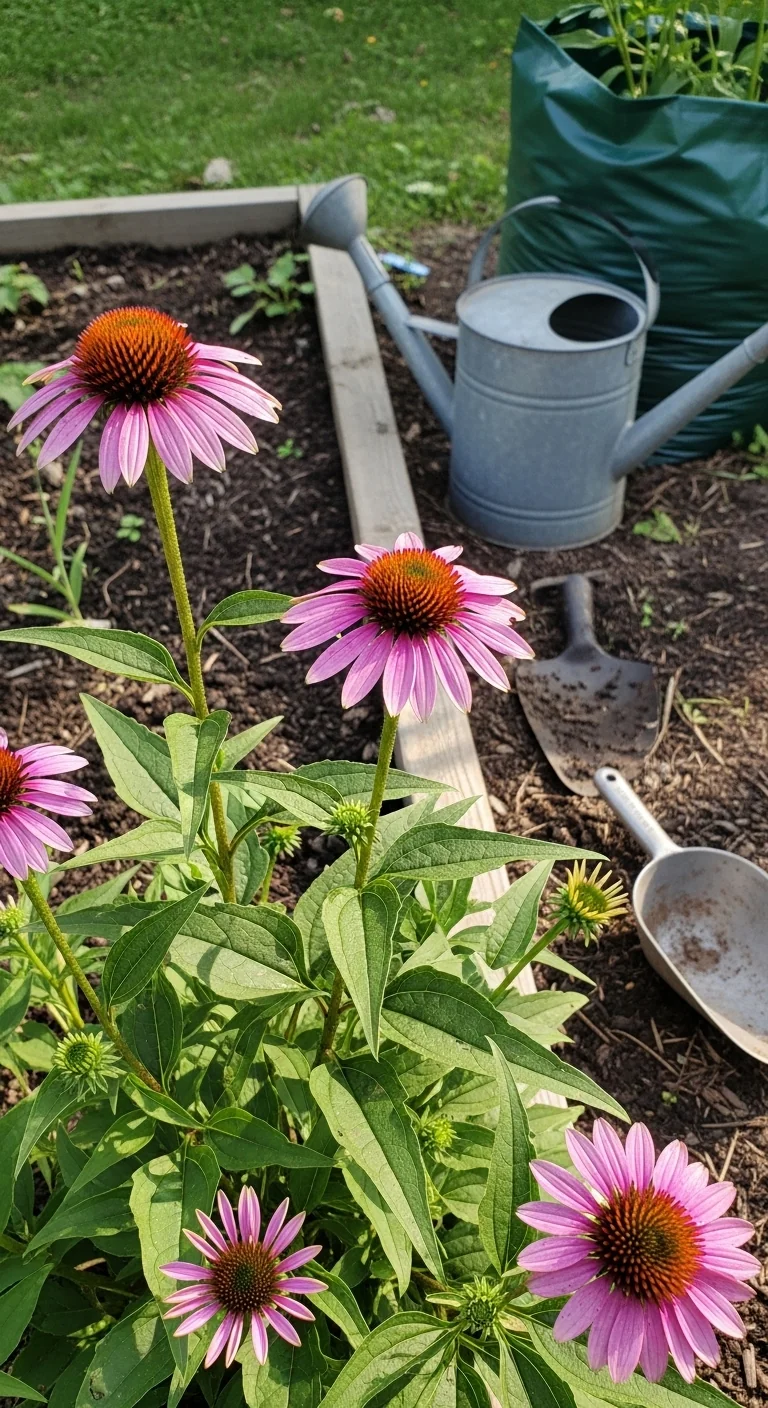
Echinacea deters through bitter echinacoside compounds in its leaves and roots, making it ideal for low-pressure part-shade edges. Established plants survive temperatures down to minus 20 degrees Fahrenheit without mulch in well-drained sites. Cut back stems to ground level in late fall to reduce winter rot risk. This single annual task keeps the plant compact and maintains taste-based protection season after season.
Cosmos
Best for: Branch 2
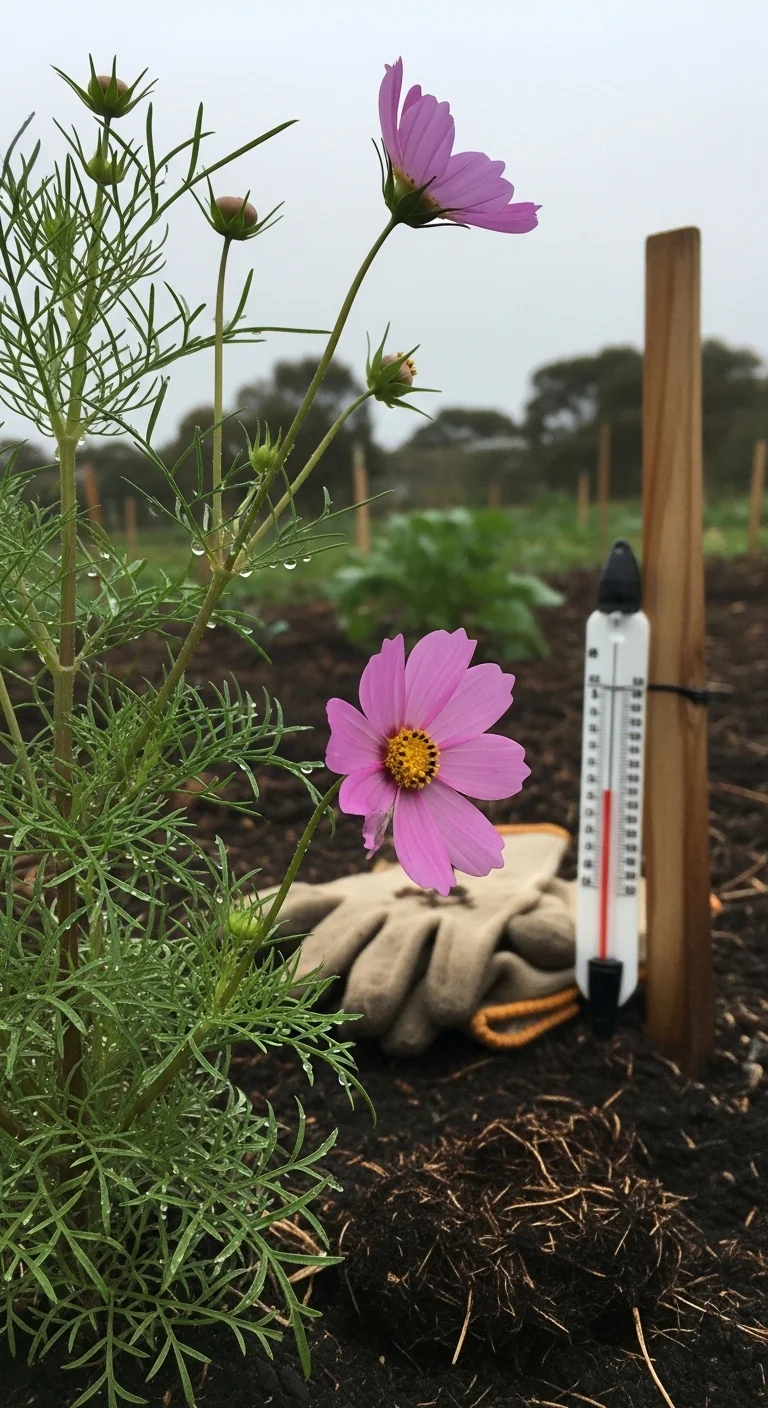
Cosmos succeeds in moderate-pressure summer fillers when soil temperature stays above 65 degrees Fahrenheit at sowing. Direct seed after final frost and thin to 12 inches for strong stems. In drought periods exceeding 14 days without rain, supplemental watering once weekly at the base preserves foliage texture without promoting leggy growth.
Hellebores
Best for: Branch 3
Hellebores rely on toxic alkaloids present in leaves and roots for reliable resistance in low-pressure winter shade gardens. Plant in fall when soil temperature drops below 55 degrees Fahrenheit for root establishment before spring bloom. Space 18 inches apart in sites with morning sun and afternoon shade to avoid leaf scorch while preserving alkaloid concentration. Once planted, hellebores need no division for eight to ten years and provide evergreen foliage that deters browsing even in off-season.
Starter Stack (What to Choose First)
For Branch 1 (High deer pressure)
Start with Alliums and Lavender. Alliums provide early-season sulfur scent while Lavender supplies persistent summer oils. Synergy comes from overlapping bloom periods that maintain continuous olfactory coverage. Cost range: 8 to 15 dollars per plant. Planting time: 15 to 25 minutes for a five-plant grouping.
For Branch 2 (Moderate pressure, full sun)
Begin with Marigolds and Coreopsis. Marigolds add quick annual texture defense while Coreopsis supplies perennial structure. Together they fill gaps rapidly and reinforce rough foliage across the bed. Cost range: 5 to 10 dollars per plant. Planting time: 10 to 20 minutes for a six-plant cluster.
For Branch 3 (Low pressure or part shade)
Choose Daffodils and Hellebores first. Daffodils handle spring emergence while Hellebores deliver winter-to-early-spring coverage. Synergy appears in staggered foliage that keeps the taste barrier active year-round. Cost range: 7 to 14 dollars per plant. Planting time: 12 to 22 minutes for a four-plant mix.
When This Won’t Work
Deer resistance fails under two measurable conditions: first, when new transplants face browsing before roots establish (typically the first 21 days after planting in spring). Second, when soil remains saturated for more than 48 hours after rain in zones with poor drainage, weakening foliage density and reducing defense compounds. In both cases shift to container growing on elevated decks or patios until plants reach 12 inches tall. For sites with persistent moisture issues, select alternatives from drought-tolerant options that establish faster under stress.
Another failure point occurs if deer pressure spikes during extreme food scarcity (late winter in northern regions). Here, temporary fencing at least 6 feet high provides the necessary bridge until plants mature.
See our drought-tolerant flowers for backup choices when moisture management becomes the limiting factor.
Choosing the Right Option for Your Situation
Budget threshold
Under 10 dollars per plant favors Daffodils, Coreopsis, and Cosmos. Above 12 dollars per plant opens access to premium cultivars of Alliums and Hellebores with larger blooms and stronger mechanisms.
Time threshold
If planting time must stay under 30 minutes total, select Alliums or Daffodils as single-bulb drops. For sessions up to 60 minutes, layer three plants from the same branch for immediate coverage.
Technical constraint: soil drainage
Choose only if your site drains within 24 hours after watering test. Heavy clay requires raised beds or 30 percent sand amendment before any planting.
Yes/No checklist:
Is deer pressure high and scent preferred? Yes leads to Branch 1.
Does your garden receive six-plus hours of sun? Yes points to Branch 2.
Is the site part shade with low sightings? Yes selects Branch 3.
Do soil and timing conditions match the chosen branch? Yes means plant this season.
Expert Q&A
How do annual versus perennial deer-resistant flowers differ in long-term reliability?
Annuals such as Marigolds and Cosmos deliver immediate texture defense but require yearly replanting. Perennials like Alliums and Coreopsis build stronger root systems over two to three seasons, concentrating defense compounds and reducing replacement labor after establishment.
Can deer-resistant flowers integrate into a cut-flower garden without losing effectiveness?
Yes when you deadhead only spent blooms and leave at least one-third of stems intact. This preserves foliage density needed for scent and texture mechanisms while supplying harvest material through summer.
What soil pH range maximizes the chemical defenses in these flowers?
Most perform best between pH 6.0 and 7.0. Below 5.5, alkaloid uptake drops in taste-based plants such as Daffodils and Hellebores. Test and amend with lime if readings fall outside this window before planting.
Do these flowers still attract pollinators while repelling deer?
Salvia, Echinacea, and Coreopsis draw bees and butterflies through nectar rewards even as their foliage deters deer. The mechanisms target mammalian taste and smell receptors without affecting insect attraction.
How should you adjust spacing when combining multiple resistance types in one bed?
Keep plants from the same branch 12 to 18 inches apart to maintain collective density. When mixing branches, increase to 24 inches between groups to avoid competition while layering defenses across the season.
Conclusion
Next step: Measure your deer sightings and daily sun hours this week, then select two plants from the matching branch using the Starter Stack. Plant them and monitor for 21 days to confirm fit. For native-adapted alternatives that layer well with these choices, explore our native flowers collection.