
“`html
Raised bed herb gardens succeed when bed height, material choice, and internal layering align directly with local rainfall totals plus the root depths of your chosen herbs. Generic boxes filled with bagged soil miss this calibration and lead to uneven drainage or compaction within two seasons.
This listicle covers nine practical configurations built from wood, metal, stone, and modular systems. It includes only setups optimized for edible herbs and excludes container-only or in-ground methods.
After reading you can select the exact configuration that fits your yard drainage, sunlight hours, and herb mix to make a build decision that holds for multiple seasons.
Align your annual rainfall range and dominant herb root depth with the right bed height and fill strategy to maintain consistent drainage and avoid compaction over multiple seasons.
The Yield Grid Decision Grid
Branch 1: High-moisture zones with over 35 inches of annual rainfall or more than 15 freeze-thaw cycles per winter. These demand superior drainage layering to protect herb roots from waterlogging.
Recommended: Items 1, 4, and 7 below. Explore additional herb garden design ideas for integration with larger vegetable plots.
Branch 2: Moderate temperate zones with 20 to 35 inches of annual rainfall and fewer than 10 freeze-thaw days. Standard height and durable materials suffice here.
Recommended: Items 2, 5, and 8 below.
Branch 3: Low-rainfall or hot zones with under 20 inches of annual rainfall or consistent summer highs above 85 F. These require moisture-conserving features and heat-tolerant construction.
Recommended: Items 3, 6, and 9 below.
Quick Comparison Table
| Option | Key mechanism | Best for | Decision Grid Branch | Effort Score |
|---|---|---|---|---|
| Deep Wood-Framed Raised Bed with Drainage Layer | Gravel base plus layered compost creates vertical drainage zones | Wet-climate culinary mixes | Branch 1 | 2 |
| Elevated Metal Raised Bed for Back-Saving Harvest | Legs raise planting surface 24 inches for ergonomic access | Temperate zones needing frequent picking | Branch 2 | 1 |
| Tiered Cedar Raised Bed for Space Optimization | Stepped levels increase planting surface in compact footprints | Hot zones with limited yard space | Branch 3 | 3 |
| Stone-Bordered Raised Bed for Perennial Stability | Thermal mass of stone moderates soil temperature swings | High-moisture zones with perennial focus | Branch 1 | 2 |
| Modular Kit Raised Bed with Adjustable Sections | Interlocking panels allow reconfiguration of zones over time | Temperate zones with changing herb needs | Branch 2 | 2 |
| Self-Watering Raised Bed System | Built-in reservoir delivers water from below to conserve surface moisture | Low-rainfall zones with drought-tolerant herbs | Branch 3 | 3 |
| Zoned Companion Planting Raised Bed | Internal dividers separate herb families by root depth and water use | High-moisture zones using companion strategies | Branch 1 | 3 |
| Shallow Wood Raised Bed for Fast Annual Turnover | 6-inch depth matches shallow roots of quick-cycle annuals | Temperate zones focused on basil and cilantro rotation | Branch 2 | 1 |
| Insulated Raised Bed for Cold-Climate Extension | Foam board lining extends growing window by buffering soil temperature | Low-rainfall zones with early or late frosts | Branch 3 | 4 |
Deep Wood-Framed Raised Bed with Drainage Layer
Best for: Branch 1
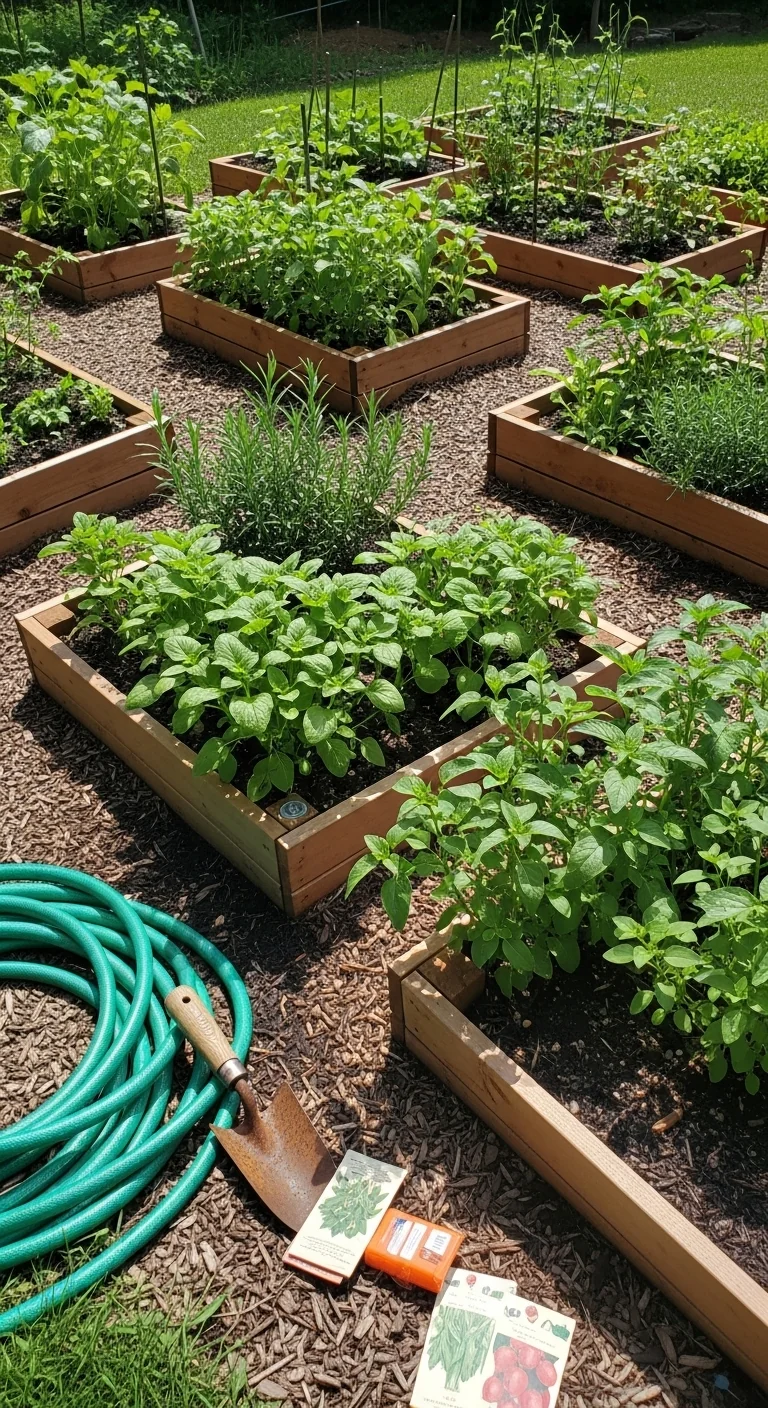
This configuration uses untreated cedar boards for a 10- to 12-inch deep frame set on a 2-inch gravel base. Fill with 4 inches of coarse gravel, 3 inches of compost, and top with a custom blend reaching pH 6.5 to 7.0. It suits high-rainfall sites because the vertical layers move excess water away from roots within 24 hours after heavy rain.
Steps: level the site, assemble the frame with 3-inch deck screws, add landscape fabric over the gravel, then layer the soil mix. Common mistake to avoid: skipping the gravel base, which causes compaction after the first winter thaw. Follow detailed soil mix guidelines to adjust the top layer for your exact herb selection.
Elevated Metal Raised Bed for Back-Saving Harvest
Best for: Branch 2
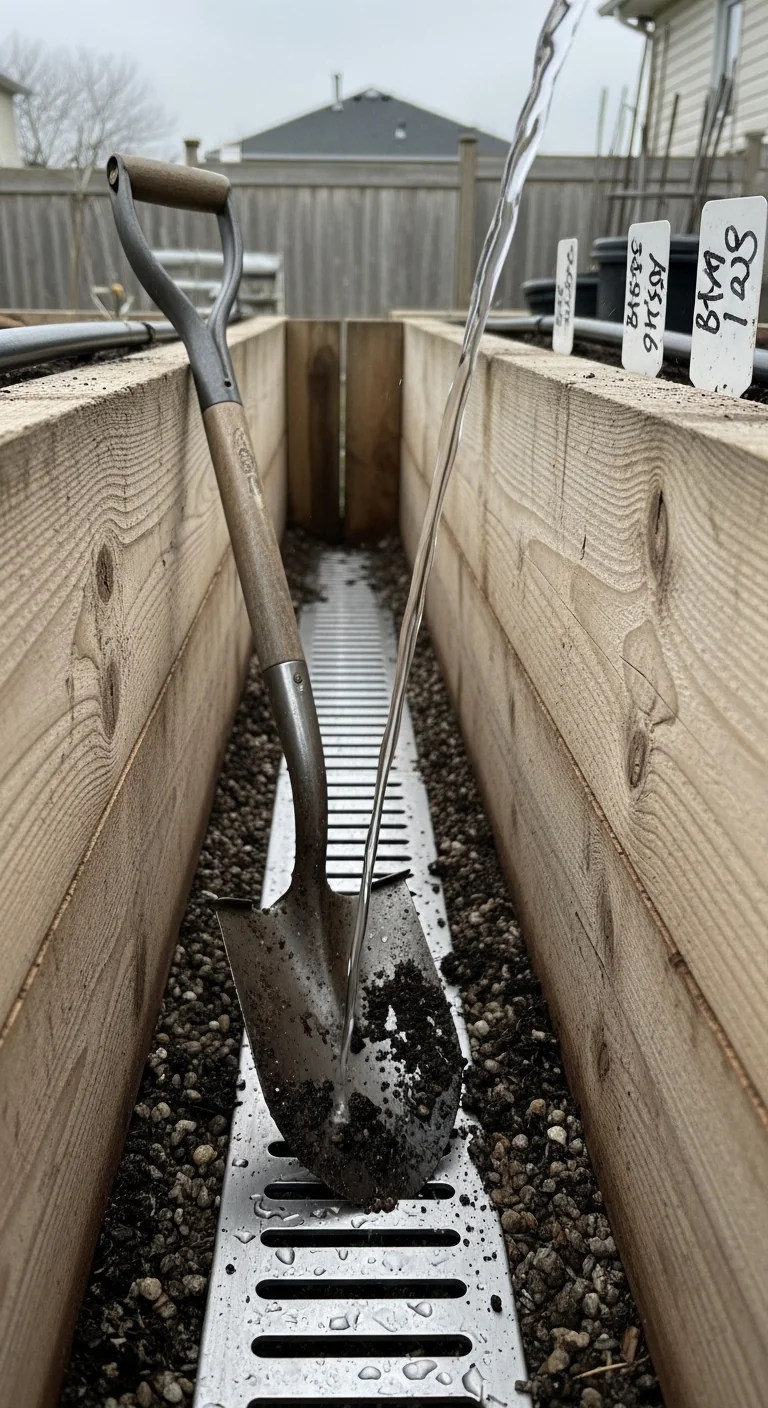
Use versus skip: choose this 24-inch tall galvanized steel bed when frequent harvesting matters more than maximum soil volume. It offers instant ergonomic access and resists rot in moderate climates.
Skip it in areas with heavy snow load because the legs can shift without reinforcement. Edge case: it performs well for thyme and oregano but limits deeper-rooted rosemary unless you add a 4-inch internal soil extender.
Tiered Cedar Raised Bed for Space Optimization
Best for: Branch 3
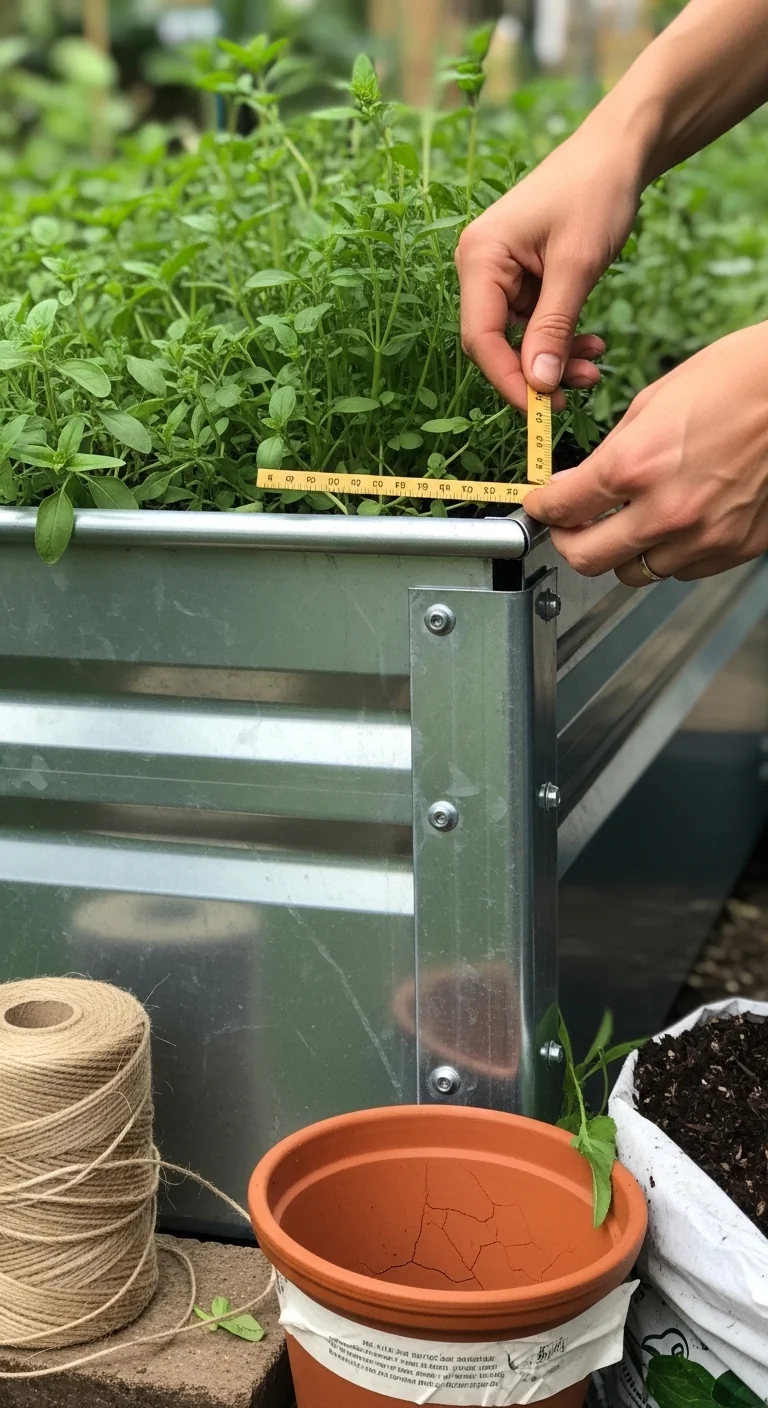
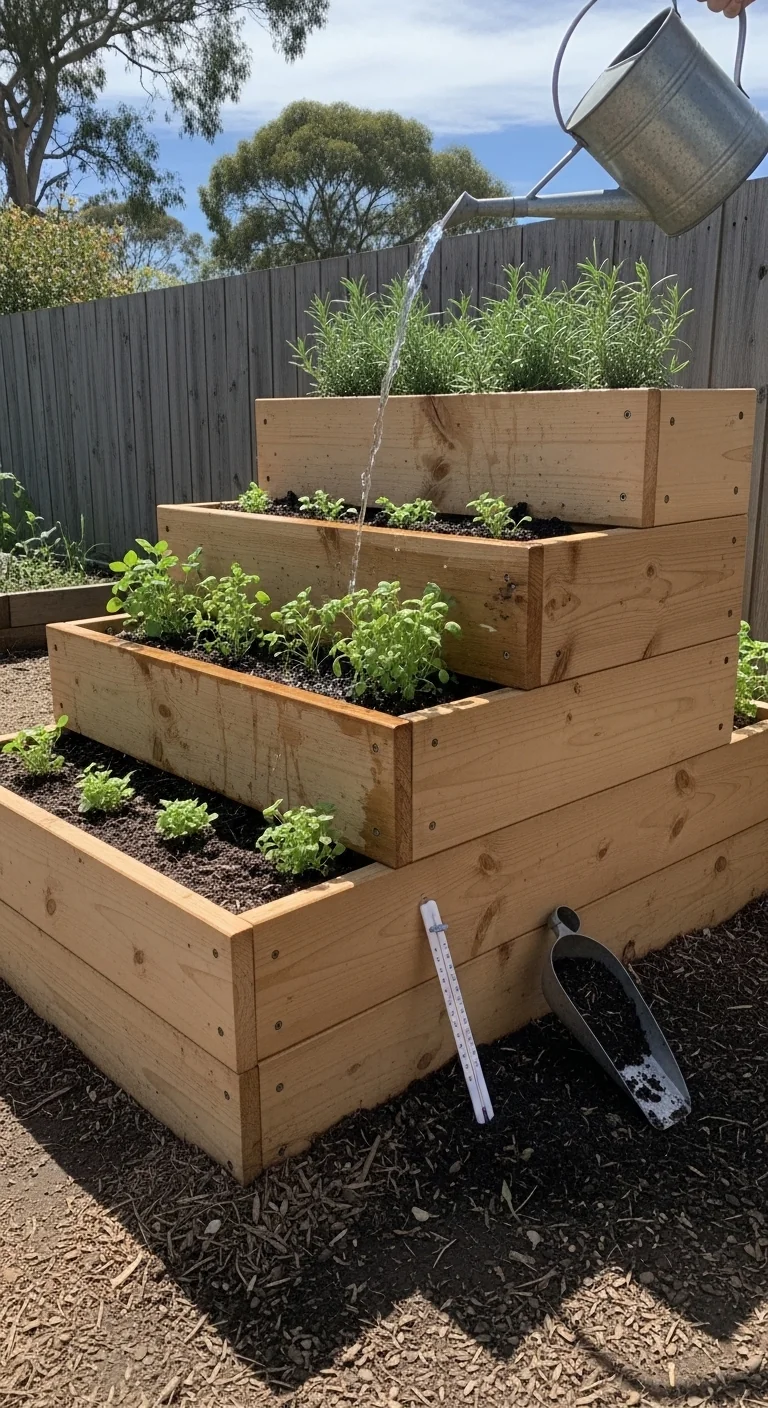
Build with three cedar levels stepping upward from 8 to 16 inches. The design multiplies planting area by 40 percent within a 4-by-4-foot footprint while allowing airflow that keeps soil temperature below 90 F on hot days.
Threshold rule: if your site receives under 20 inches of rain annually, add a 1-inch mulch layer on each tier and check soil moisture at 4 inches depth every 10 days. Adjust by increasing reservoir depth by 2 inches if readings drop below 50 percent field capacity.
Stone-Bordered Raised Bed for Perennial Stability
Best for: Branch 1
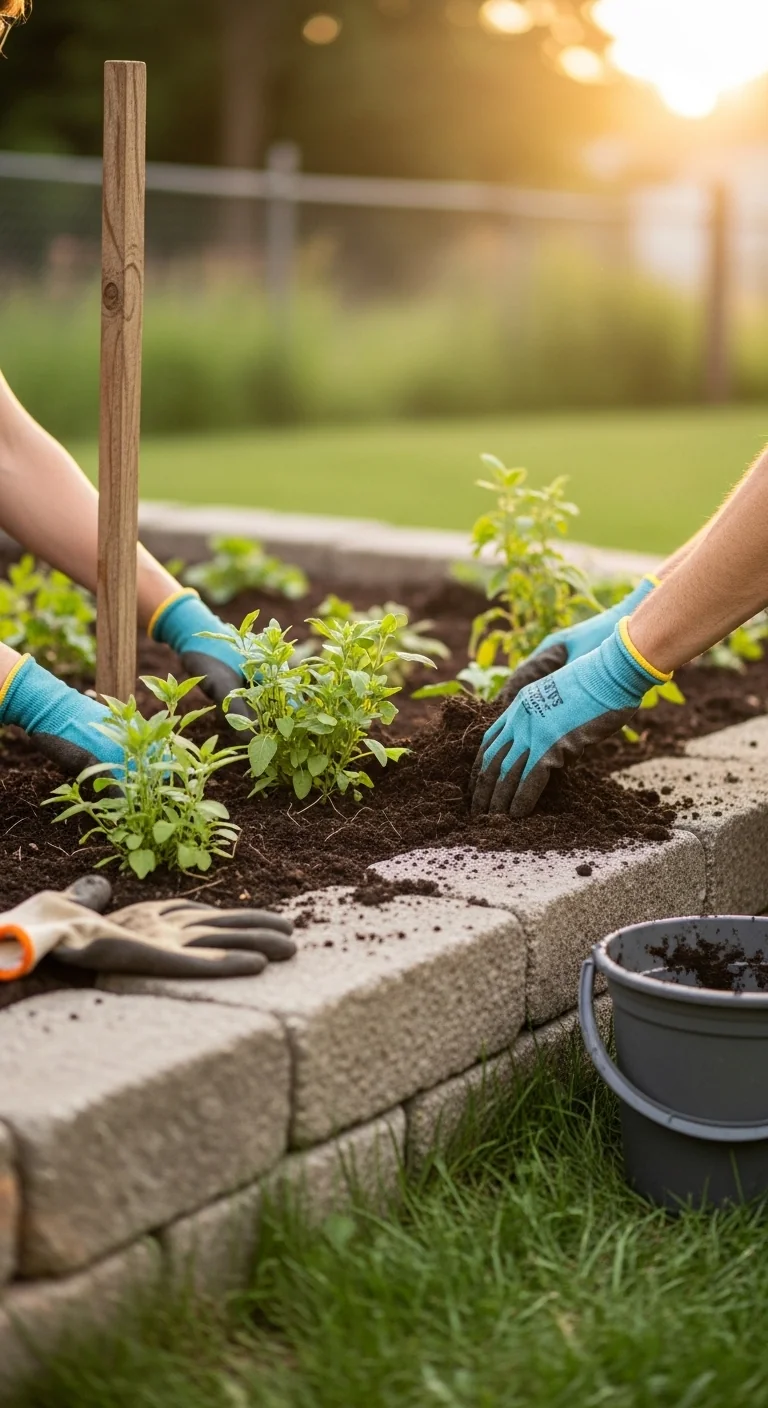
This 12-inch high bed uses stacked fieldstone or concrete blocks around a wooden inner frame. The stone provides thermal mass that reduces soil temperature swings by 8 to 10 F during freeze-thaw periods, protecting perennial roots.
10-minute workflow: clear and level the site, set the first course of stone on a 2-inch sand base, add the inner liner, backfill with drainage gravel, then top with soil. Upgrade option: insert a copper pipe drip line at the 6-inch level for hands-off watering in wet zones. Compare annual versus perennial herbs before finalizing the stone layout.
Modular Kit Raised Bed with Adjustable Sections
Best for: Branch 2
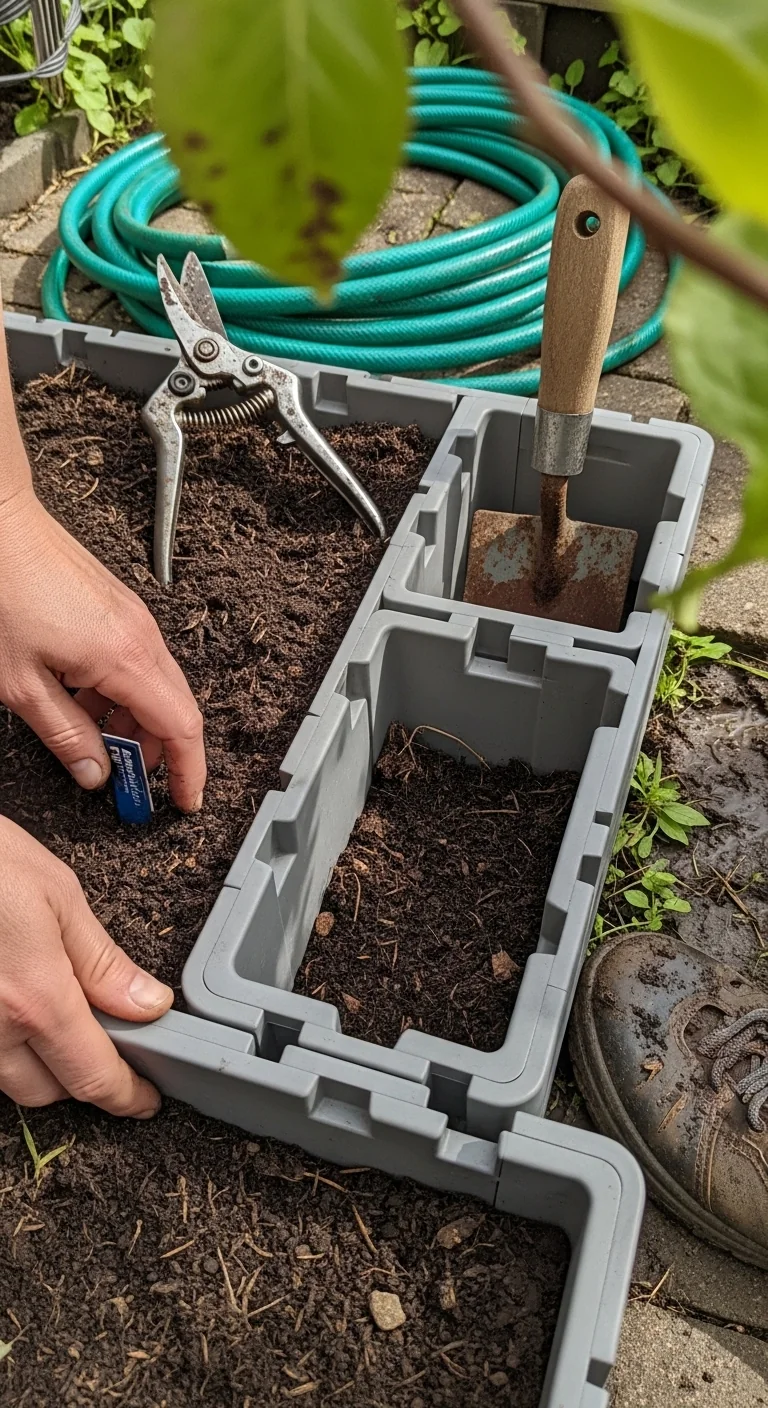
Blueprint: these interlocking composite panels form a 4-by-8-foot bed that can be divided into three zones with removable inserts. It suits temperate sites because sections allow independent soil mixes for different herb families.
Steps: snap panels together on level ground, insert dividers where needed, fill each zone to 8 inches, and plant. Mistake to avoid: over-tightening connectors, which prevents easy future reconfiguration after the first growing season.
Self-Watering Raised Bed System
Best for: Branch 3
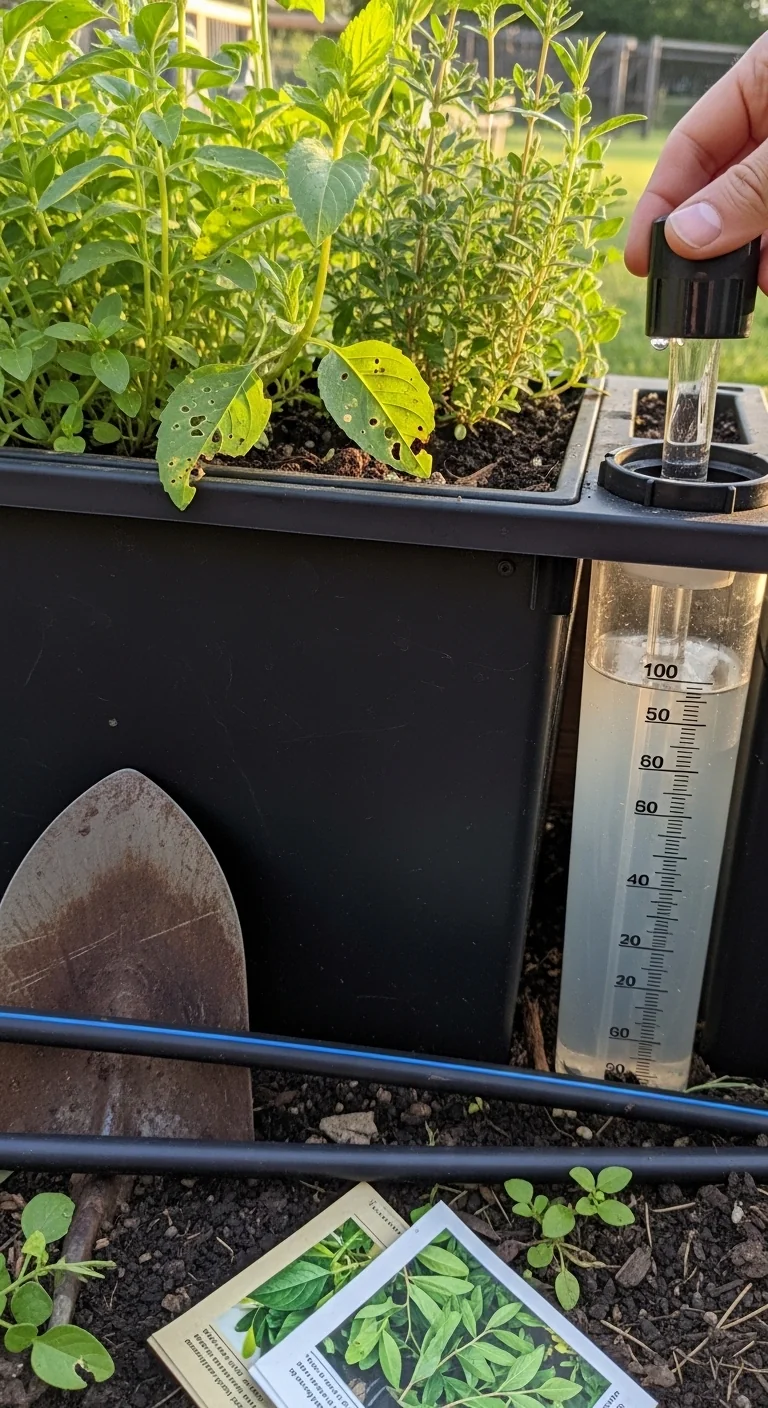
Use versus skip: select this reservoir-bottom design when summer rainfall drops below 2 inches per month. The wicking system pulls water upward and reduces surface evaporation by half compared with standard beds.
Skip it in areas with consistent winter standing water because the reservoir can freeze and crack. Edge case: it pairs perfectly with rosemary and sage but requires monthly reservoir flushing to prevent mineral buildup.
Match with drought-tolerant herbs for best results in low-rainfall zones.
Zoned Companion Planting Raised Bed
Best for: Branch 1
Threshold rule: install internal wooden dividers every 24 inches if your herb mix includes both moisture-loving parsley and dry-loving thyme. Maintain separate pH zones within 0.5 points by testing each section every 30 days and adjusting only the affected zone with targeted amendments.
This prevents cross-contamination of water needs in high-rainfall sites. Adjustment: raise divider height by 2 inches if any section shows pooling after 1 inch of rain.
Consult the herb companion chart before placing the dividers.
Shallow Wood Raised Bed for Fast Annual Turnover
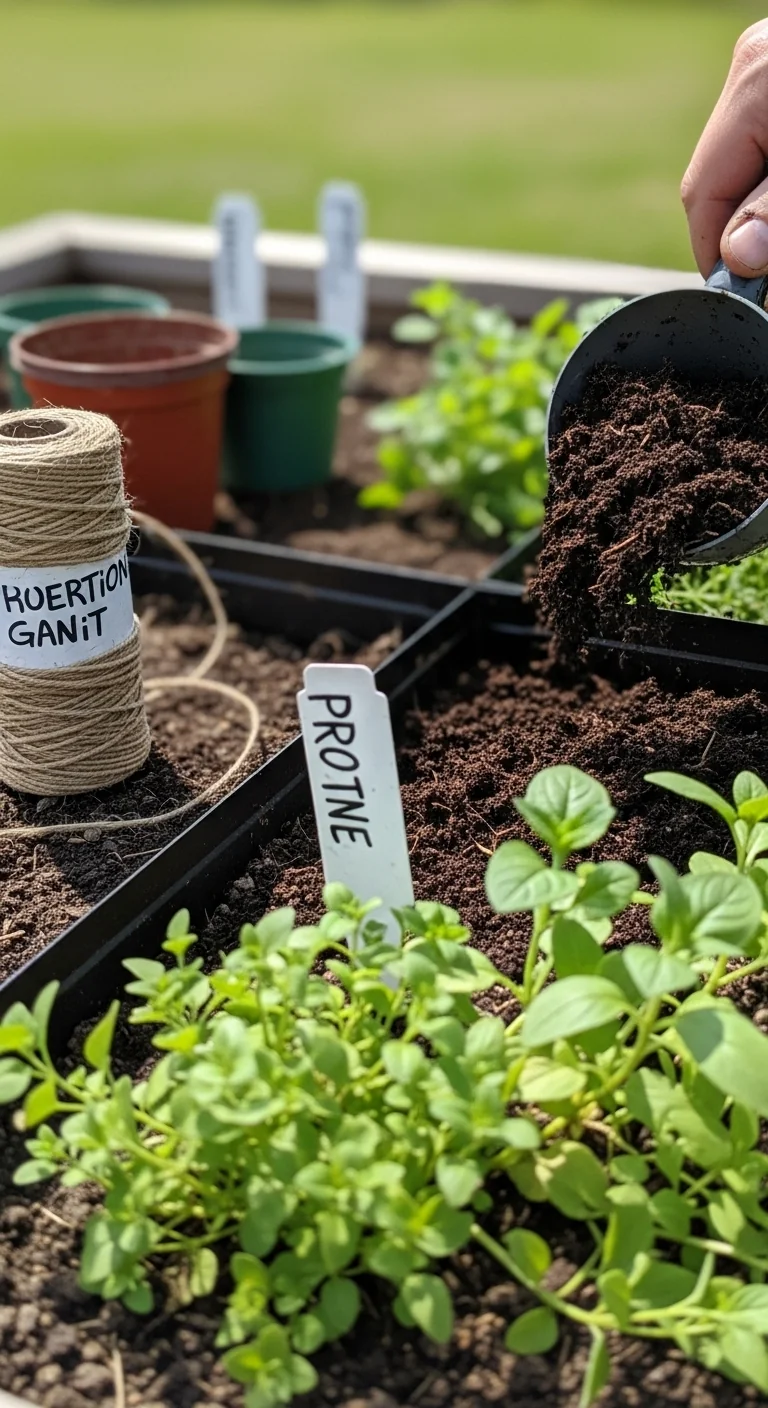
Best for: Branch 2
Blueprint: frame a 6-inch deep bed using 2-by-6 cedar boards. Fill with a light 50-30-20 topsoil-compost-perlite mix that drains in under 12 hours after rain.
It matches shallow-root annuals like basil and cilantro for quick 60-day cycles in temperate zones. Steps: assemble on level ground, line with fabric, fill, and plant. Mistake to avoid: adding heavy clay amendments that compact the limited depth within one season.
Insulated Raised Bed for Cold-Climate Extension
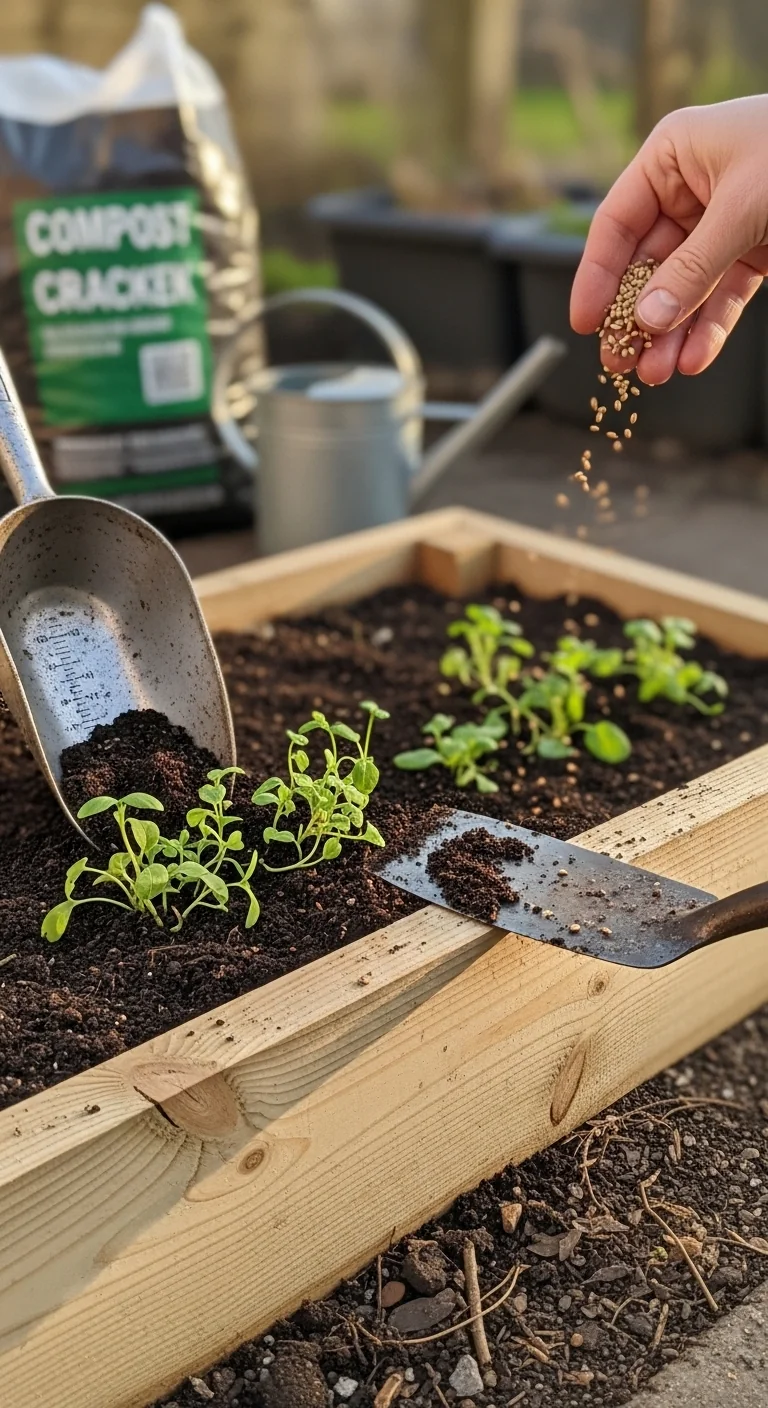
Best for: Branch 3
10-minute workflow: build a standard 8-by-4-foot wood frame, attach 1-inch rigid foam insulation to the interior walls with construction adhesive, then add drainage gravel and soil. The insulation buffers soil temperature drops of up to 12 F on frosty nights.
Upgrade option: add a removable clear cover for early spring starts when nighttime lows reach 28 F. This extends the harvest window without extra heating.
Starter Stack (What to Choose First)
Branch 1 Starter Stack
Begin with the Deep Wood-Framed Raised Bed with Drainage Layer paired with the Stone-Bordered Raised Bed for Perennial Stability. The drainage layer protects against waterlogging while stone thermal mass stabilizes soil for perennials. Total build time ranges from 4 to 6 hours; material cost ranges from 120 to 250 dollars.
Branch 2 Starter Stack
Start with the Elevated Metal Raised Bed for Back-Saving Harvest and the Modular Kit Raised Bed with Adjustable Sections. Elevated access reduces daily bending while modular panels let you adapt zones as herb needs shift. Total build time ranges from 2 to 3 hours; material cost ranges from 80 to 180 dollars.
Branch 3 Starter Stack
Choose the Tiered Cedar Raised Bed for Space Optimization together with the Self-Watering Raised Bed System. Tiered design multiplies space in tight footprints while the reservoir conserves moisture during dry spells. Total build time ranges from 3 to 5 hours; material cost ranges from 100 to 220 dollars.
When This Won’t Work
Raised bed herb gardens fail when daily sunlight drops below 6 hours or when the site cannot accommodate at least a 4-inch gravel base due to bedrock or heavy clay subsoil. In those conditions roots stay too cool or wet regardless of configuration.
Another measurable failure occurs when pressure-treated lumber is the only affordable option because copper compounds can leach into the top 6 inches of soil and affect herb flavor within one season. Switch to food-safe cedar, composite, or metal instead.
Turn to a balcony herb garden when yard space or soil conditions prevent any raised bed build.
Choosing the Right Option for Your Situation
Budget Threshold
If your total material budget stays under 150 dollars, prioritize modular kits or shallow wood frames over stone or insulated options that require heavier sourcing.
Time Threshold
If build time must stay under 3 hours, select pre-cut elevated metal or modular kits rather than custom tiered or zoned builds that need extra leveling and divider work.
Technical Constraint: Soil pH
If your native soil tests below pH 6.0, choose configurations that allow full soil replacement such as the deep wood or self-watering systems to avoid long-term amendment struggles.
Yes if your rainfall exceeds 35 inches and you grow mostly perennials: select Branch 1 options.
Yes if your site receives 6-plus hours of sun and you rotate annuals: select Branch 2 options.
No if you lack space for a 4-by-4-foot footprint: reconsider tiered or balcony alternatives.
No if winter lows regularly hit 20 F without insulation: avoid non-insulated shallow frames.
Expert Q&A
How does raised bed height affect winter survival rates for perennial herbs?
Taller 12-inch beds buffer soil temperature swings better than 6-inch frames because the extra soil volume retains daytime heat longer. In zones with more than 15 freeze-thaw cycles, this extra depth keeps root crowns above lethal freeze lines by 4 to 6 F on average.
Can companion planting strategies be built directly into raised bed dividers?
Yes. Internal wooden or plastic dividers spaced 24 inches apart let you isolate water-hungry mint from drought-tolerant thyme while keeping all roots in the same microclimate. Test soil moisture separately in each zone every two weeks to maintain the separation.
What soil temperature threshold signals safe planting time across different raised bed materials?
Most herbs germinate reliably once soil at 4-inch depth reaches 60 F and stays there for three consecutive days. Metal beds warm 5 to 7 days earlier than wood in spring; stone beds hold steady longer into fall.
How do I adjust watering frequency when herbs share one raised bed with varying root depths?
Group shallow-rooted annuals in the outer 6-inch perimeter and deeper perennials in the center. Water only to 8 inches depth for the center and 4 inches for the edges, checking with a probe every 7 days in moderate climates.
When should I replace soil in a raised bed herb garden to keep harvests consistent?
Replace the top 6 inches every two years or when organic matter drops below 5 percent by volume. This timing prevents nutrient lockup without disturbing established perennial roots in the lower layers.
Conclusion
The single most important decision is matching bed depth and layering to your exact rainfall and herb root profile instead of defaulting to a standard 8-inch box. The number-one mistake is skipping the drainage base, which leads to compaction and reduced harvests after the first season.
Take the next step by reviewing your site conditions against the decision grid and selecting your starter configuration today. Begin with the herb gardening for beginners guide to lock in your first herb varieties before construction.
“`