
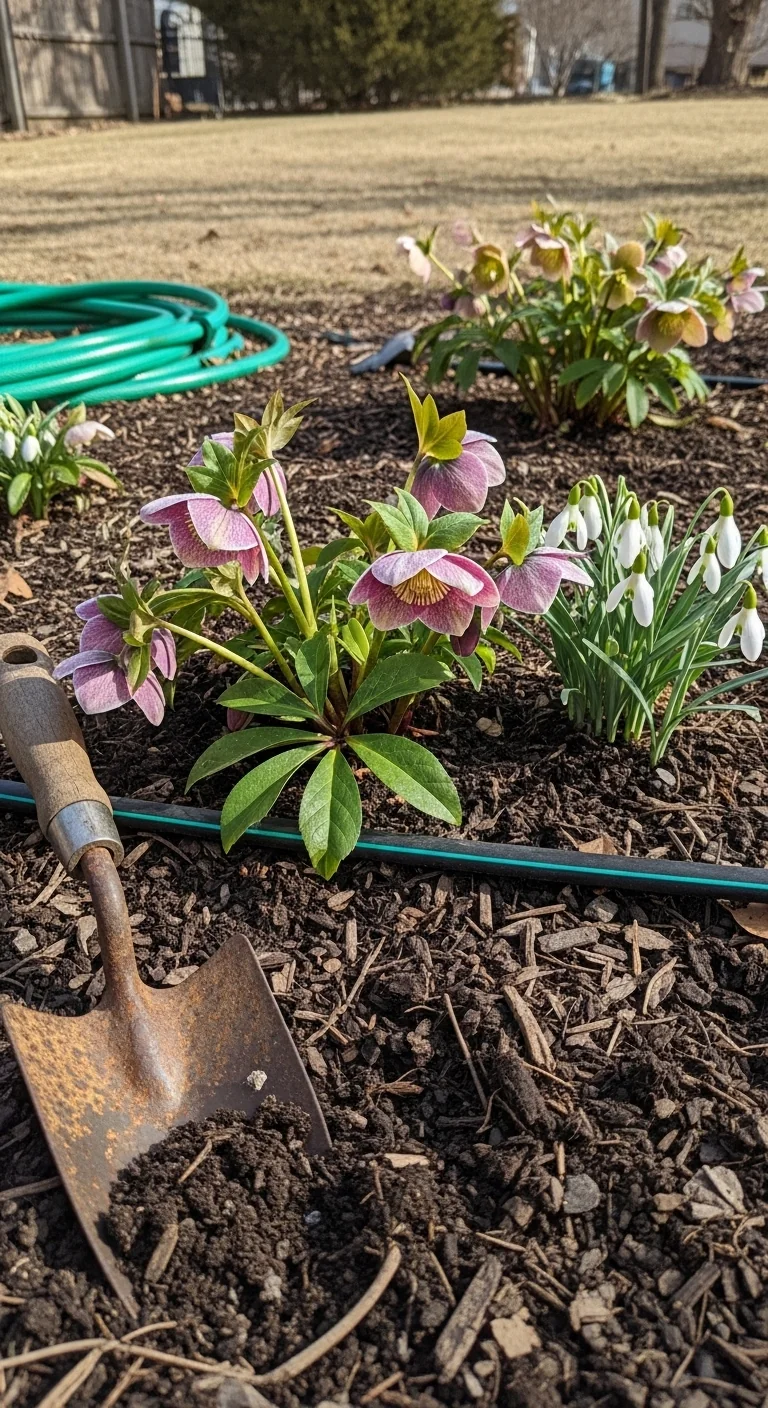
Winter flowers deliver reliable color only when their natural triggers line up with your garden’s specific winter temperatures and daylight hours. This reframes the choice from generic hardiness lists to a precise match that prevents wasted effort on mismatched varieties.
This guide covers outdoor perennials, shrubs, and cool-season annuals suited to common conditions in the US, UK, Canada, and Australia. It excludes forced indoor blooms and plants requiring heated protection.
You will identify the right branch, select your starter stack, and avoid common failures to achieve steady blooms from mid-December to early March.
Use the decision grid below to align one branch with your measurable conditions and plant two synergistic options for immediate winter interest.
The Yield Grid Decision Grid
Branch 1: Partial shade (2 to 4 hours direct sun) and USDA zones 4 to 6 with winter lows to minus 20 degrees F. These conditions favor perennials and bulbs that push through snow and tolerate freeze-thaw cycles. Recommended: Items 1, 3, and 6 below.
Branch 2: Full sun (6-plus hours) and USDA zones 7 to 9 with milder lows above 10 degrees F. These favor annuals and shrubs that maintain continuous color through lighter frosts. Recommended: Items 2, 5, and 9 below.
Branch 3: Container or small-space gardens in any zone with weekly maintenance under 2 hours. These favor compact, low-intervention types that fit patios or raised beds. Recommended: Items 4, 7, and 8 below.
For deeper perennial selection criteria see our perennial flowers guide.
Quick Comparison Table
| Option | Key mechanism | Best for | Decision Grid Branch | Effort Score |
|---|---|---|---|---|
| Hellebores | Flower buds form in fall and open during extended periods below 50 degrees F without needing deadheading | Dry shade gardens needing evergreen structure | 1 | 1 |
| Pansies | Tolerates light frost down to 20 degrees F and reblooms with regular removal of spent flowers | Instant color in borders | 2 | 3 |
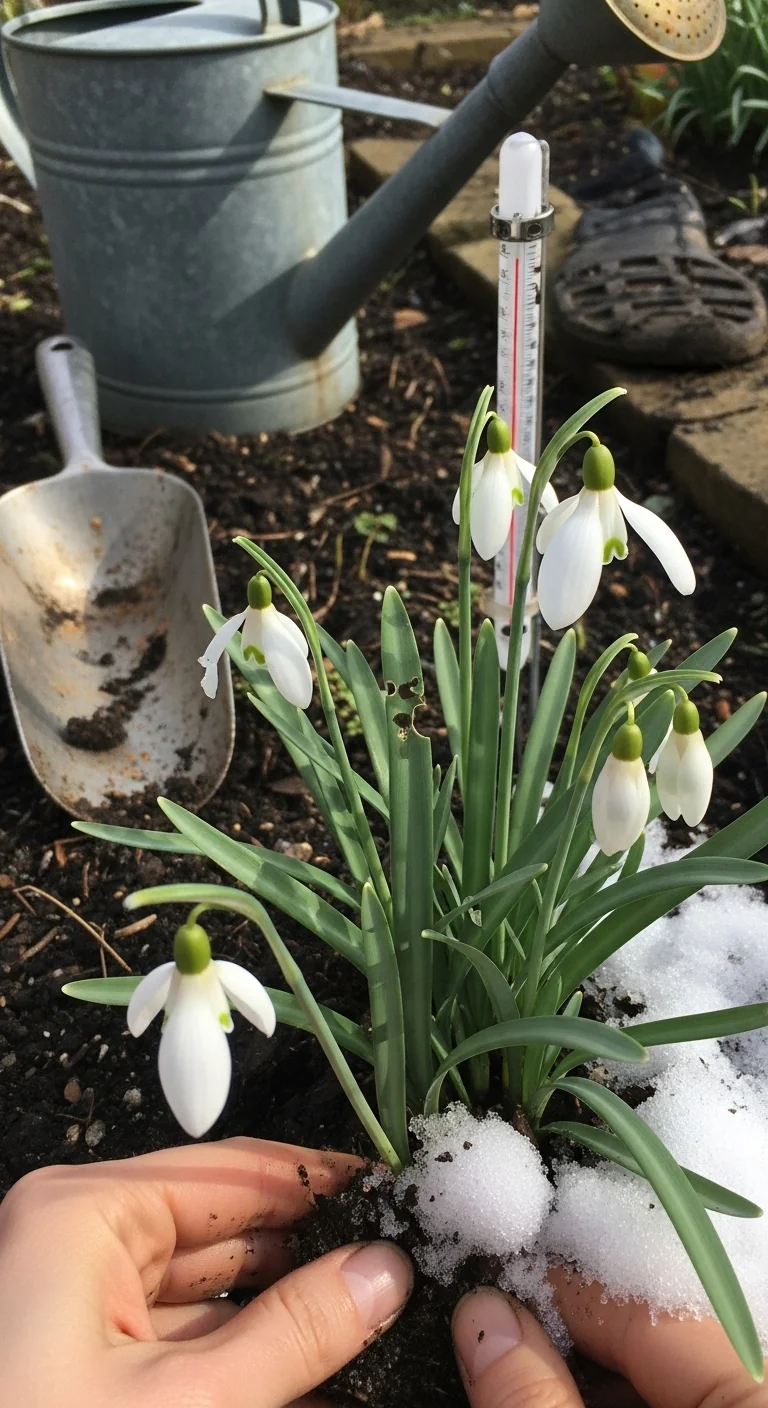
| Snowdrops | Bulbs naturalize and bloom through snow when soil temperatures rise above 32 degrees F in late winter | Naturalized woodland edges | 1 | 1 |
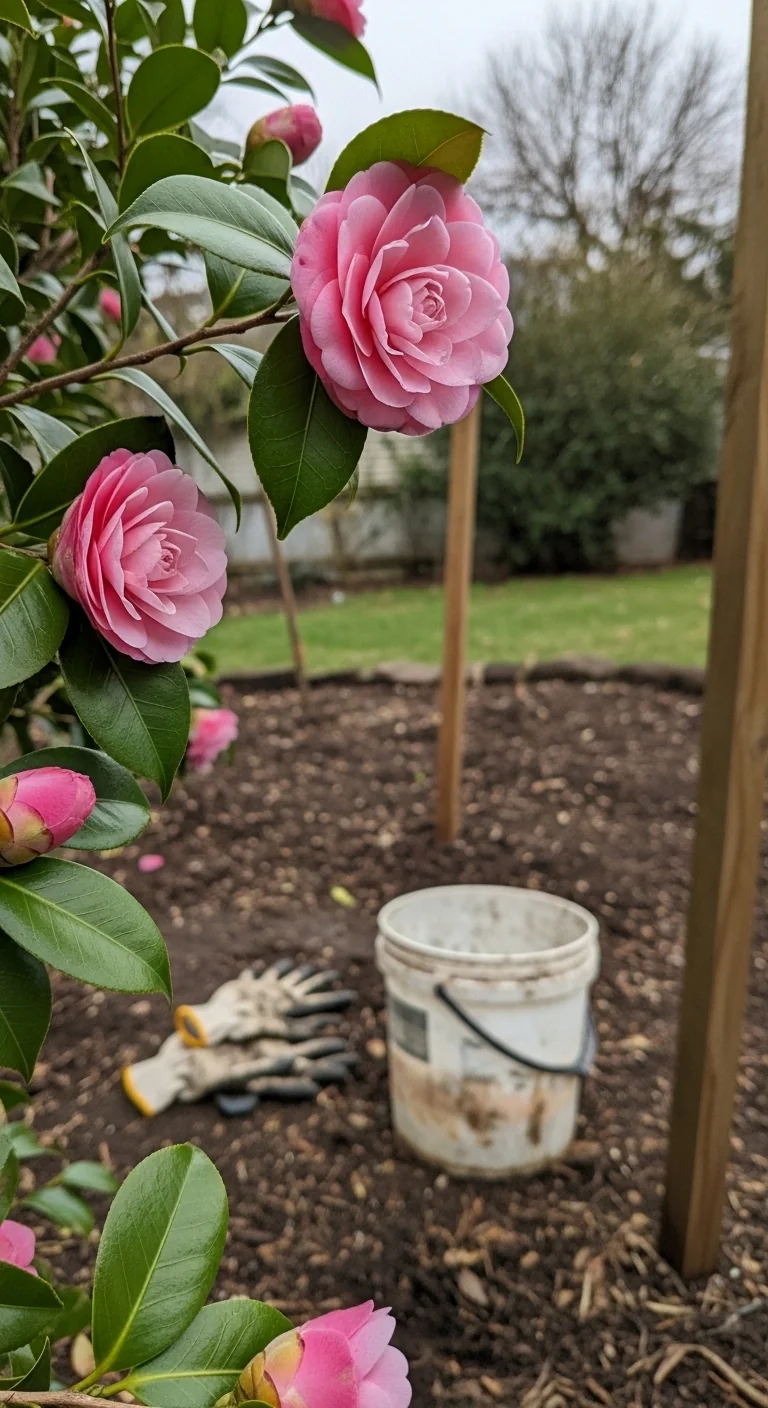
| Camellias | Glossy evergreen leaves protect buds that open in 40 to 60 degrees F ranges on acid soil | Formal evergreen accents | 3 | 2 |
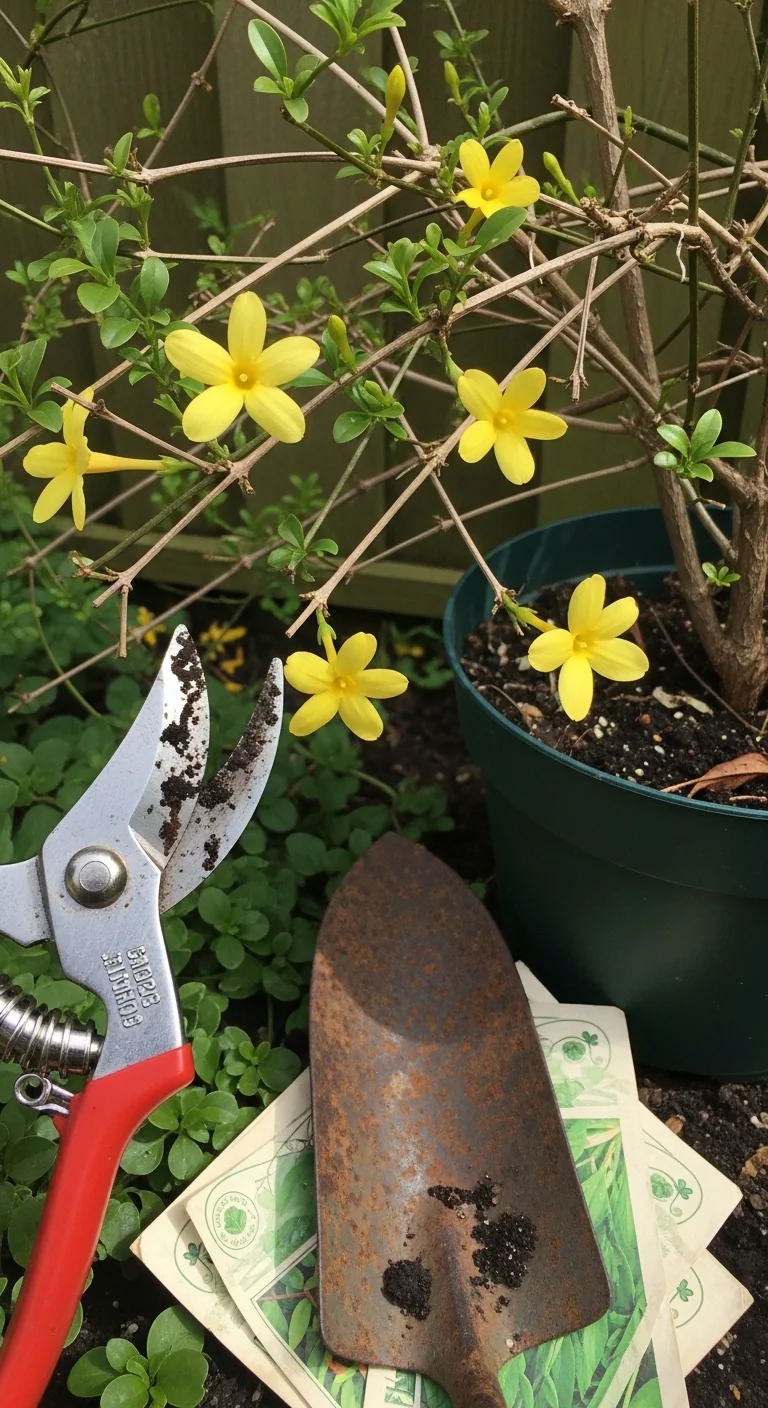
| Winter Jasmine | Vining stems produce yellow blooms on bare wood triggered by short winter days | Walls or fences needing vertical interest | 2 | 2 |
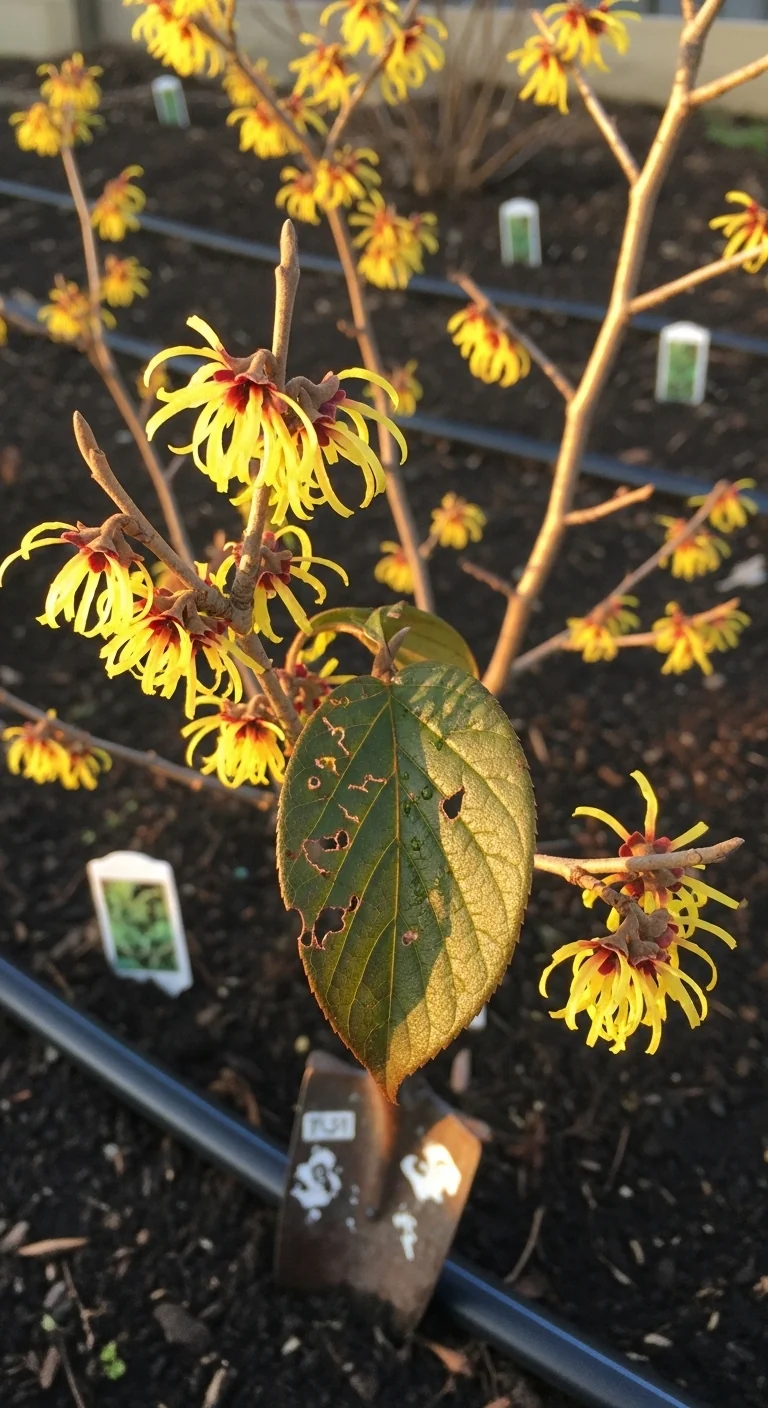
| Witch Hazel | Fringed petals unfurl in freezing conditions as low as 0 degrees F on leafless branches | Fragrant winter structure in mixed borders | 1 | 1 |
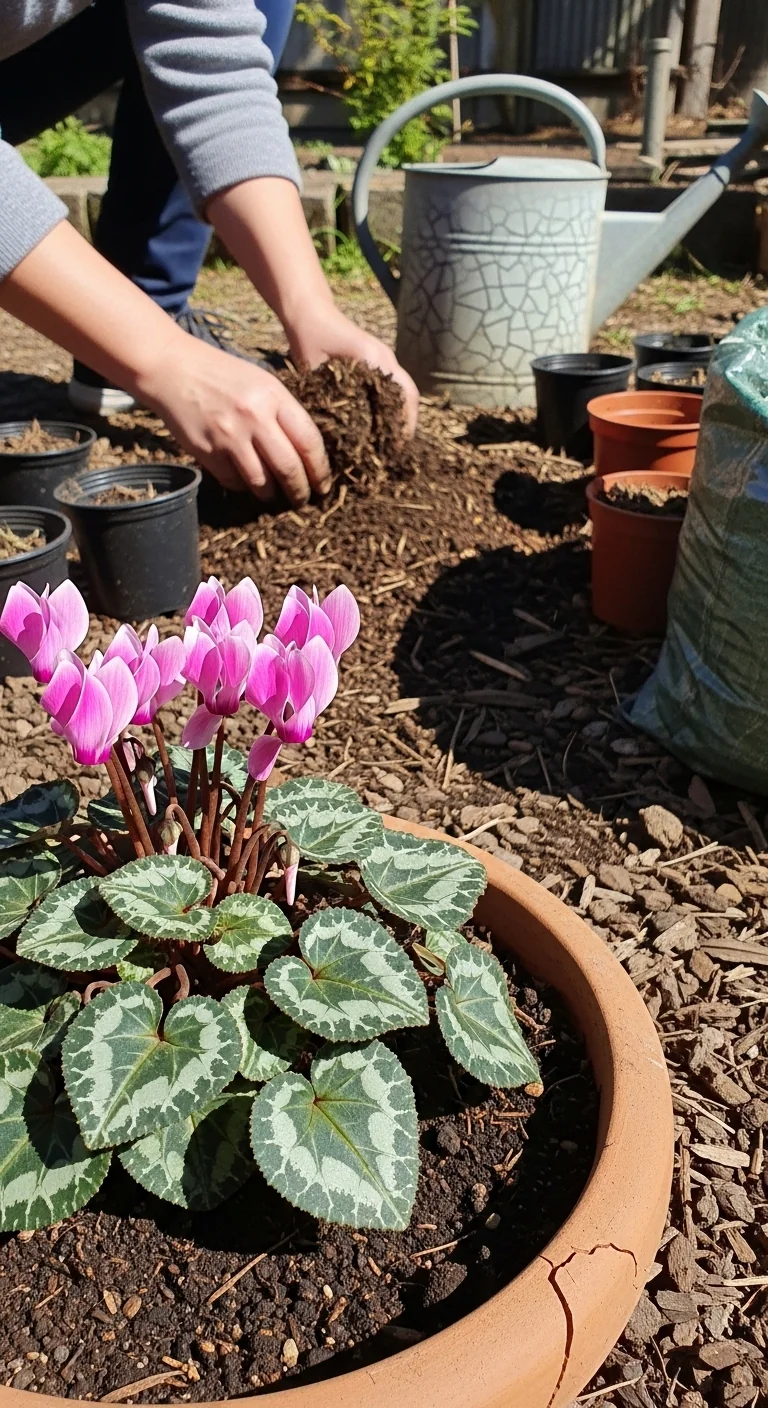
| Hardy Cyclamen | Tubers store energy for fall-to-winter blooms in shaded, well-drained spots | Groundcover under trees | 3 | 1 |
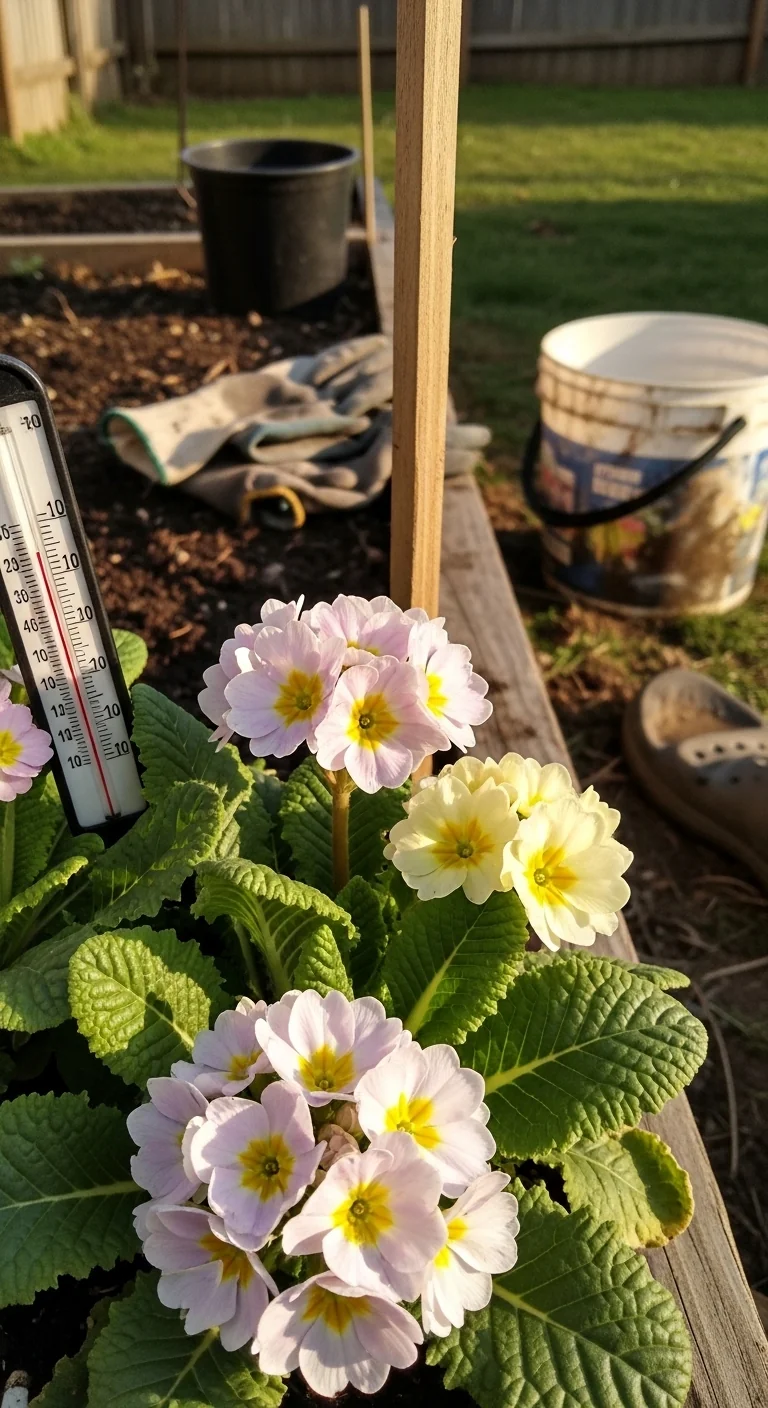
| English Primrose | Rosettes produce clusters tolerant to 25 degrees F with mulch for root protection | Container edges or rock gardens | 3 | 3 |
| Snapdragons | Cool-season spikes continue flowering as long as nights stay below 55 degrees F with deadheading | Cutting gardens in mild areas | 2 | 3 |
Hellebores
Best for: Branch 1
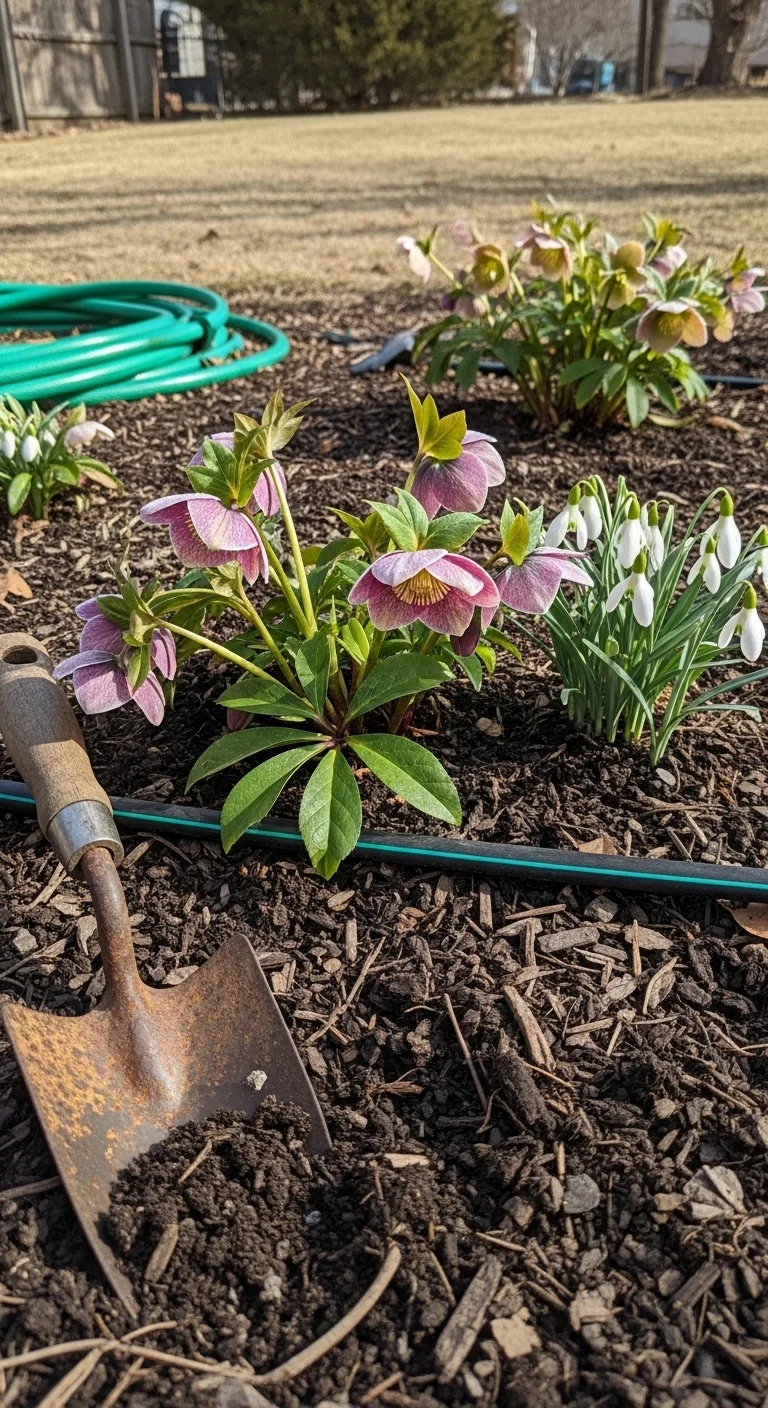
Hellebores serve as the foundation perennial for shade gardens in zones 4 to 6. Plant them in fall in soil amended with compost to reach pH 5.5 to 6.5, spacing plants 18 inches apart in groups of three or more for impact. The leathery evergreen foliage protects buds formed the previous summer so flowers open reliably from December through March even after hard freezes. One common mistake is placing them in full summer sun, which scorches leaves and reduces next-season buds. As detailed in our shade flowers overview, hellebores pair well with other low-light options to create layered winter structure without extra irrigation once established. Their unique detail is tolerance for dry shade once roots settle, making them ideal where other perennials struggle.
Pansies
Best for: Branch 2
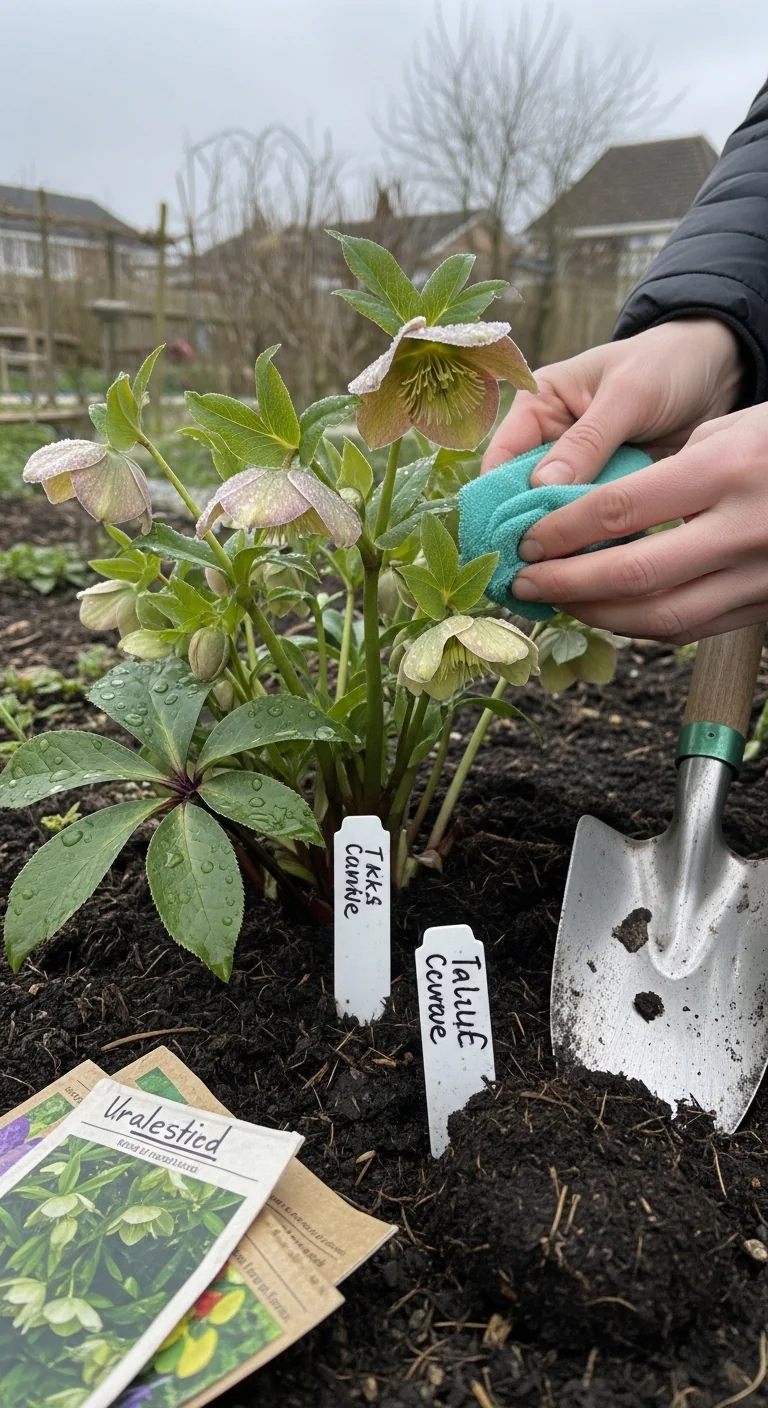
Use pansies when you need quick, cheerful color that holds through light frosts in full sun. Pros include nonstop blooms from fall into spring and edible petals for garnishes. Cons include the need for regular deadheading and replacement each season since they act as annuals in most zones. Skip them in heavy deer areas because tender foliage draws browsing. Edge case: they perform best when night temperatures stay between 40 and 55 degrees F; above that range flowering slows. For full details see pansies care guidance.
Snowdrops
Best for: Branch 1
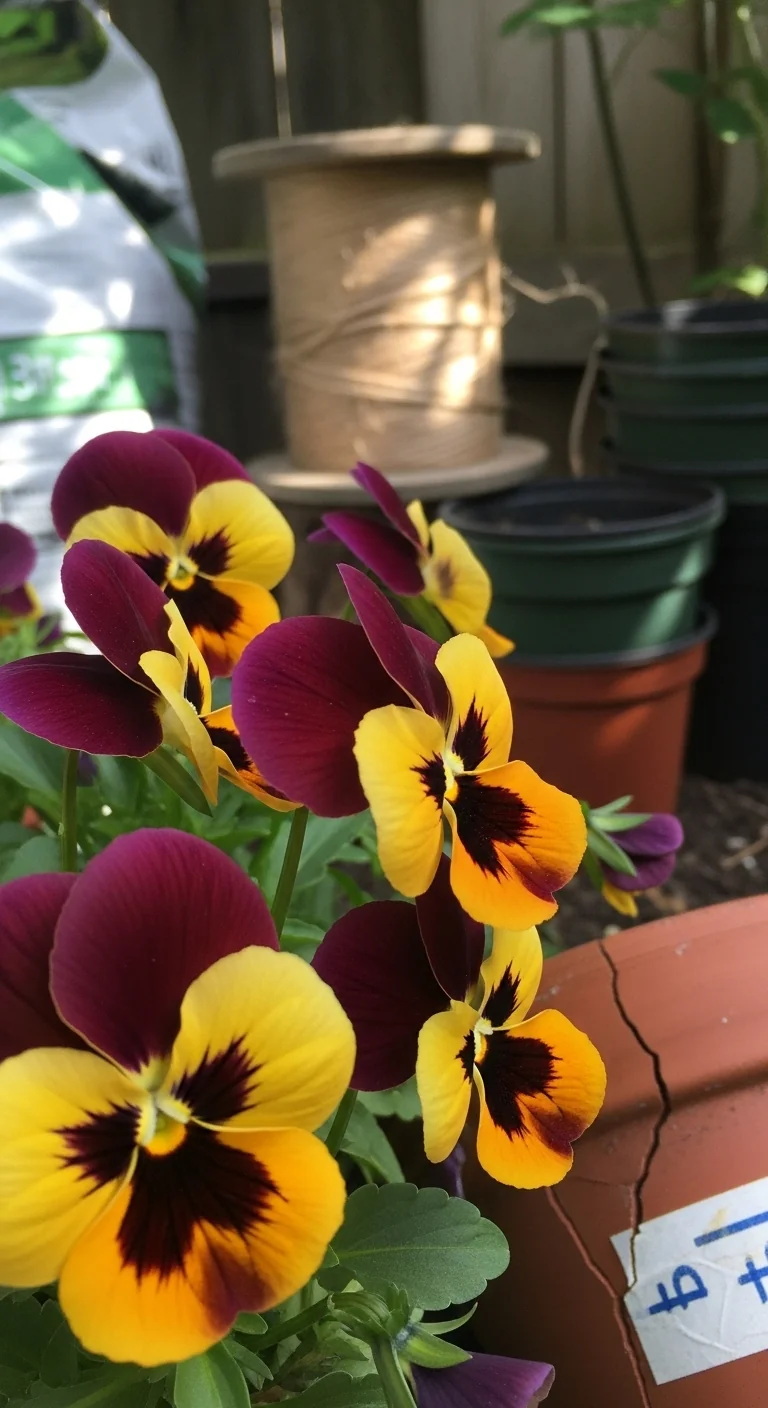
Snowdrops follow a clear threshold rule: plant bulbs in fall when soil temperature drops below 50 degrees F for best root establishment before winter. They bloom reliably once soil warms above 32 degrees F in late winter, often pushing straight through snow cover. Space bulbs 3 inches apart and 4 inches deep in drifts of at least 25 for visible impact. Adjust closer spacing to 2 inches in heavier clay to improve drainage. Their naturalizing habit means one planting returns larger displays each year with no further intervention.
Camellias
Best for: Branch 3
Camellias follow this 10-minute workflow for container success: select a dwarf variety, fill a 12-inch pot with ericaceous compost, plant at the same depth as the nursery pot, water thoroughly, and place in partial shade. Upgrade option: top-dress with pine bark mulch to maintain even soil moisture and suppress weeds. The glossy foliage stays attractive year-round while winter buds open over six to eight weeks. This fits small spaces perfectly because compact cultivars reach only 3 to 4 feet tall and require no pruning in the first two seasons.
Winter Jasmine
Best for: Branch 2
Winter jasmine works as a vertical accent when trained on walls or fences in full sun. Plant in fall in well-drained soil, tie main stems to supports, and prune lightly after flowering to keep shape. Its bare stems covered in bright yellow blooms create contrast against evergreen backdrops. For deeper fragrance pairing ideas see our fragrant flowers guide. It establishes fast but needs occasional tie-in during the first winter to prevent wind damage.
Witch Hazel
Best for: Branch 1
Use witch hazel versus skip it based on space and fragrance priority. Pros include spidery blooms that unfurl in sub-zero temperatures and a sweet scent carried on still winter air. Cons include slow initial growth and larger mature size (up to 15 feet) that needs room. Edge case: it performs in part shade but produces fewer flowers than in open sites. Plant it once and it requires no annual intervention beyond occasional shaping after bloom.
Hardy Cyclamen
Best for: Branch 3
Hardy cyclamen follows a threshold rule: tubers must sit 1 inch below soil surface in sharply drained mix to avoid rot when winter rains arrive. Soil temperature should stay above 35 degrees F at planting; mulch with 2 inches of leaf mold after setting. Flowers appear from October through March in shade, with marbled leaves adding interest even after bloom fades. Their tuber storage makes them drought tolerant once settled, suiting containers or rock gardens with minimal watering.
English Primrose
Best for: Branch 3
English primrose follows this 10-minute workflow: fill a 10-inch container with moisture-retentive compost, set plants 6 inches apart, water to settle soil, and place where they receive morning sun only. Upgrade option: apply a 1-inch gravel top-dress to prevent crown rot. Clusters of pastel blooms appear from late winter onward when nights stay above 25 degrees F. The compact habit keeps them neat in small spaces with deadheading every two weeks.
Snapdragons
Best for: Branch 2
Snapdragons serve as cool-season spikes for mild-winter cutting gardens. Sow or transplant in early fall when soil is 55 to 65 degrees F, space 8 inches apart in full sun, and pinch tips at 6 inches tall for bushier growth. They continue flowering as long as nights remain below 55 degrees F. For complete growing steps see snapdragons guidance. Their vertical form adds height to border designs without extra support in sheltered spots.
Starter Stack (What to Choose First)
Branch 1
Start with hellebores and snowdrops. Hellebores supply evergreen height and long bloom while snowdrops naturalize at ground level for early white accents. Synergy creates layered interest with no overlap in peak bloom. Initial cost range 25 to 45 dollars for six plants total. Planting time 45 to 60 minutes.
Branch 2
Start with pansies and snapdragons. Pansies form a low colorful carpet while snapdragons add vertical spikes for continuous display. Synergy extends color weeks longer than either alone. Initial cost range 20 to 40 dollars for eight plants total. Planting time 30 to 45 minutes. These pairs also appear in our low-maintenance flowers recommendations.
Branch 3
Start with camellias and English primrose. Camellias provide structure and glossy foliage while primrose adds ground-level clusters at the base. Synergy keeps the container interesting all season. Initial cost range 30 to 55 dollars for one shrub plus four primroses. Planting time 40 minutes.
When This Won’t Work
These winter flowers fail under two measurable conditions. First, if winter sun exposure drops below 2 hours daily in branch 2 options, flower production halts and plants become leggy within three weeks. Second, persistent soil saturation where water pools at the surface after rain causes root rot in cyclamen and primrose within 14 days.
In either case shift to branch 1 perennials or amend with raised beds and sharp grit. For deer-heavy sites switch to options from our deer-resistant flowers list.
Choosing the Right Option for Your Situation
Budget threshold
If your initial spend stays under 75 dollars for a six-plant starter set, select branch 1 or 3 options because bulbs and established perennials cost less per square foot than repeated annual purchases.
Time threshold
If weekly maintenance stays under 30 minutes, choose effort score 1 or 2 plants such as hellebores, snowdrops, or witch hazel that need only occasional checks rather than frequent deadheading.
Soil pH constraint
Target pH 5.5 to 7.0 for optimal performance across all listed options. Test with a simple probe kit before planting and amend with sulfur or lime as needed to stay in range.
Yes/No checklist:
Your garden receives at least 2 hours winter sun: Yes / No
Soil drains within 30 minutes after heavy rain: Yes / No
Winter lows match one branch range: Yes / No
Space allows 18-inch spacing per plant: Yes / No
Expert Q&A
Which winter flowers actually attract bees in January?
Hellebores and witch hazel provide accessible nectar when most insects remain dormant. Bees visit on days above 45 degrees F because the open cup shape of hellebore blooms allows easy landing and the spidery petals of witch hazel release scent that carries on cold air. Both supply pollen as well, supporting early hive activity without competition from summer flowers.
How early can snowdrops be expected in zone 5?
In zone 5 snowdrops typically emerge in mid-January once soil temperatures reach 35 to 40 degrees F after snow melt. Bloom lasts two to four weeks depending on subsequent freezes. Earlier emergence occurs in south-facing microclimates where soil warms faster by 5 to 7 days.
Can winter jasmine be kept compact on a balcony?
Winter jasmine stays manageable in a 12-inch pot when pruned to 3 feet after flowering each March. Train new growth along wires or a small trellis and remove any stems longer than 18 inches. This prevents it from overtaking limited space while still delivering December-to-March blooms.
What mulch depth protects camellia roots in containers?
A 1-inch layer of pine bark mulch over the soil surface maintains even moisture and buffers roots against temperature swings down to 20 degrees F. Reapply once in late fall if the layer thins below half an inch. Avoid piling against the stem to prevent rot.
Do snapdragons need protection from wet winters?
Snapdragons tolerate cool rain but fail when soil stays saturated longer than 48 hours. In areas with frequent winter storms, plant in raised beds or containers with extra perlite to improve drainage. This keeps spikes upright and flowering through February in zone 8.
Conclusion
The decision grid cuts through generic lists by focusing on condition matches that deliver measurable winter color. The number one mistake is selecting solely by bloom color without checking light hours or zone lows, which leads to sparse or absent flowers.
Your next step is to map the chosen items into a cohesive bed layout with our flower bed design guide.