
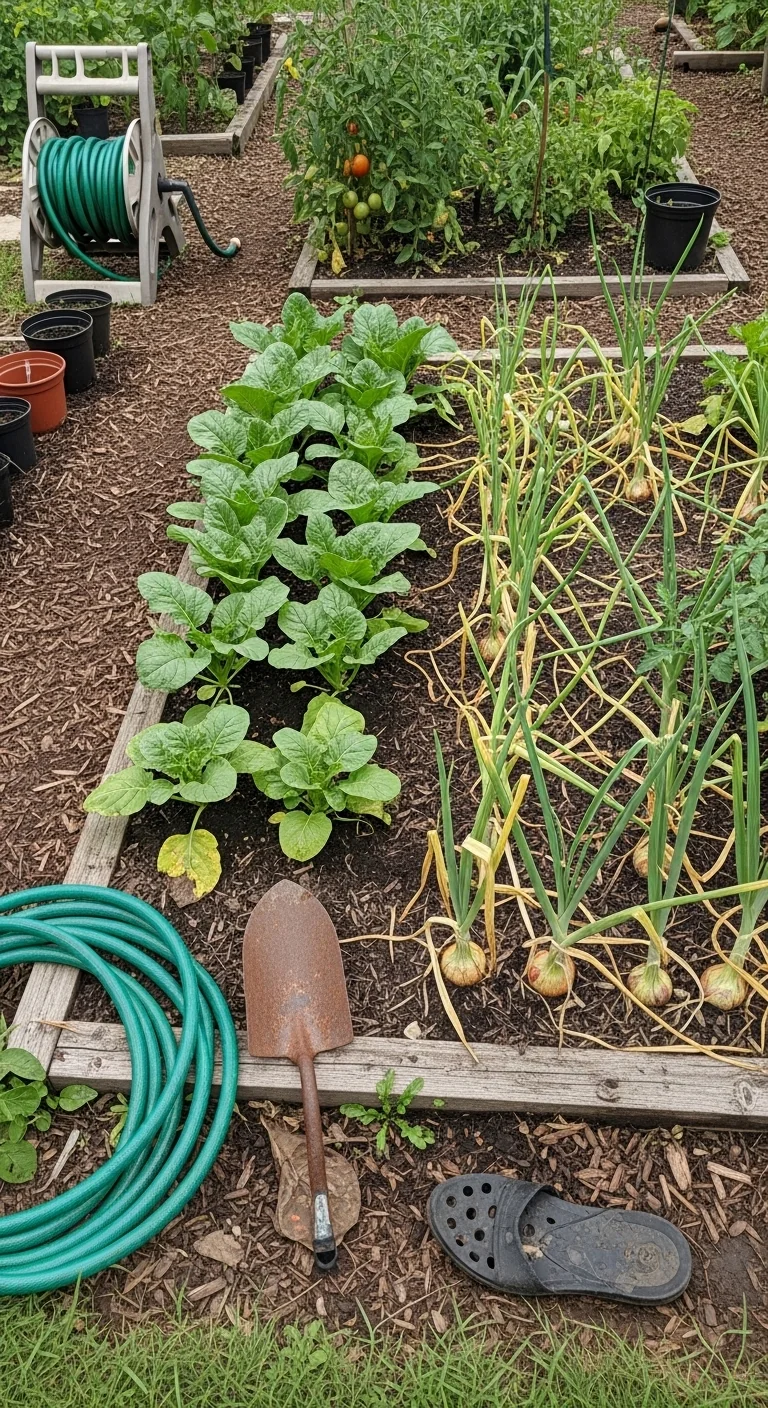
Most harvesting advice stops at ripeness charts. This guide reframes the entire process as a three-way match between observable plant signals (fruit size and color shift, leaf firmness, root shoulder exposure) and your garden’s fixed constraints. The result is a repeatable system that prevents over-maturity losses and keeps production rolling longer in real-world conditions.
The scope covers the 12 most common vegetables grown in home edible gardens across the United States, United Kingdom, Canada, Australia, India, and South Africa. It focuses exclusively on in-garden decisions for timing, tools, and technique. Storage, commercial machinery, and large-field methods fall outside this framework.
You will finish with a clear branch assignment for your plot, exact item priorities, and two starter techniques that stack without extra tools. Every recommendation rests on measurable conditions you can check in under 60 seconds.
Harvest only when plant signals align with your garden constraints.
The Yield Grid Decision Grid
Branch 1: Space-constrained gardens. Total vegetable area under 100 square feet or all plants in containers. Measurable condition: each plant occupies less than 4 square feet of ground or pot volume under 20 gallons. Recommended: Items 1, 4, 7 below. For layout tactics that free up picking access in these setups, see our raised bed vegetable garden guide.
Branch 2: Pest-pressure gardens. Visible aphids, cucumber beetles, or early fungal spots appear within the first 30 days after transplant. Measurable condition: more than three insects per plant or leaf spots covering over 10 percent of foliage. Recommended: Items 2, 5, 8 below.
Branch 3: Cool or extended-season gardens. Night temperatures average below 60 degrees Fahrenheit or row covers and greenhouses are in use after September. Measurable condition: soil temperature at 4-inch depth stays under 65 degrees Fahrenheit. Recommended: Items 3, 6, 9 below.
Quick Comparison Table
| Option | Key mechanism | Best for | Decision Grid Branch | Effort Score |
|---|---|---|---|---|
| Twice-weekly selective harvest for indeterminate tomatoes | Twist off fruit at 70-80 percent color while still firm to redirect energy to new flowers | Vertical container setups | 1 | 4 |
| Outer-leaf-first cut for leafy greens | Remove only mature outer leaves at base to keep center growing point intact | Areas with early aphid buildup | 2 | 3 |
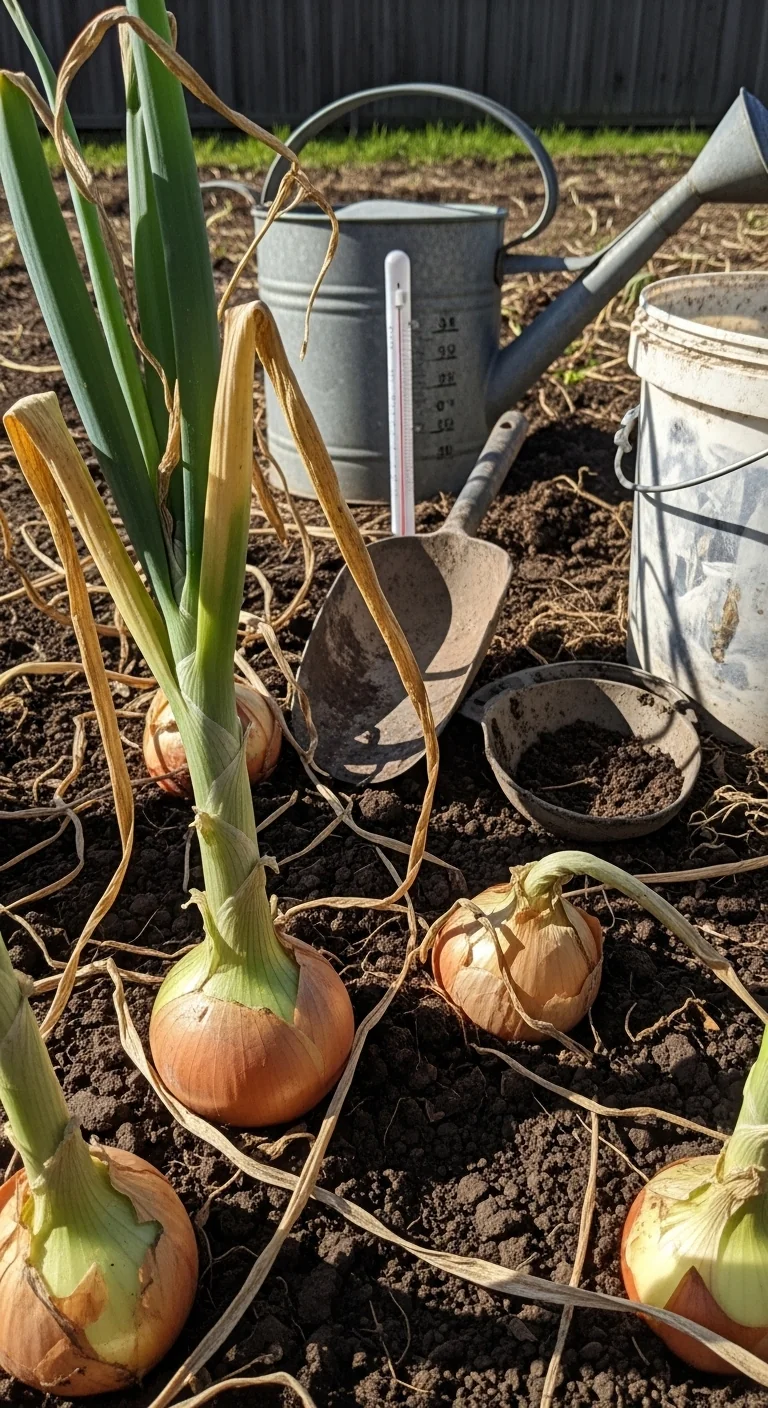
| Top-fall curing cue for onions and garlic | Wait for natural yellowing and collapse of tops before lifting bulbs | Cool-weather extension plots | 3 | 2 |
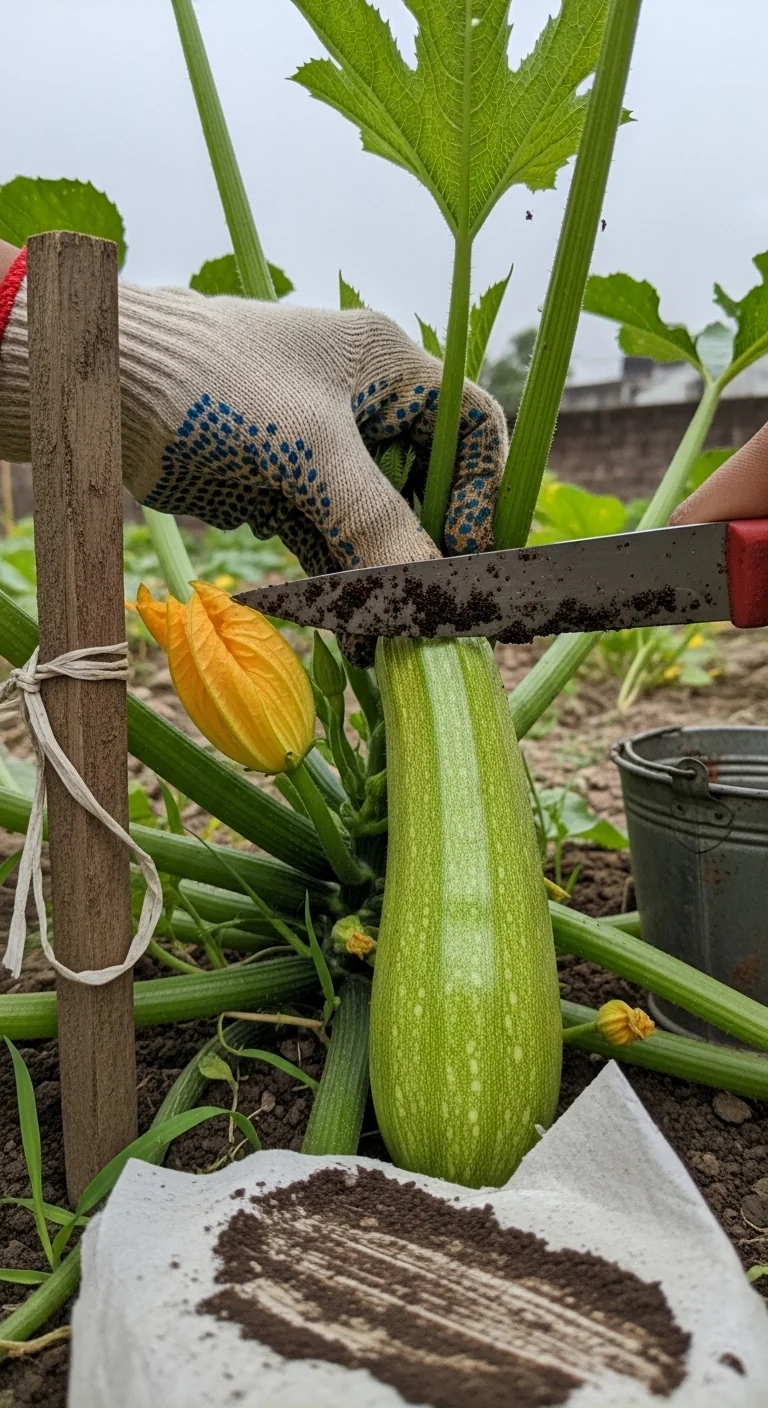
| Daily size-check harvest for zucchini and summer squash | Pick at 6 to 8 inches long using a sharp knife at the stem to avoid plant stress | Small-space raised beds | 1 | 5 |
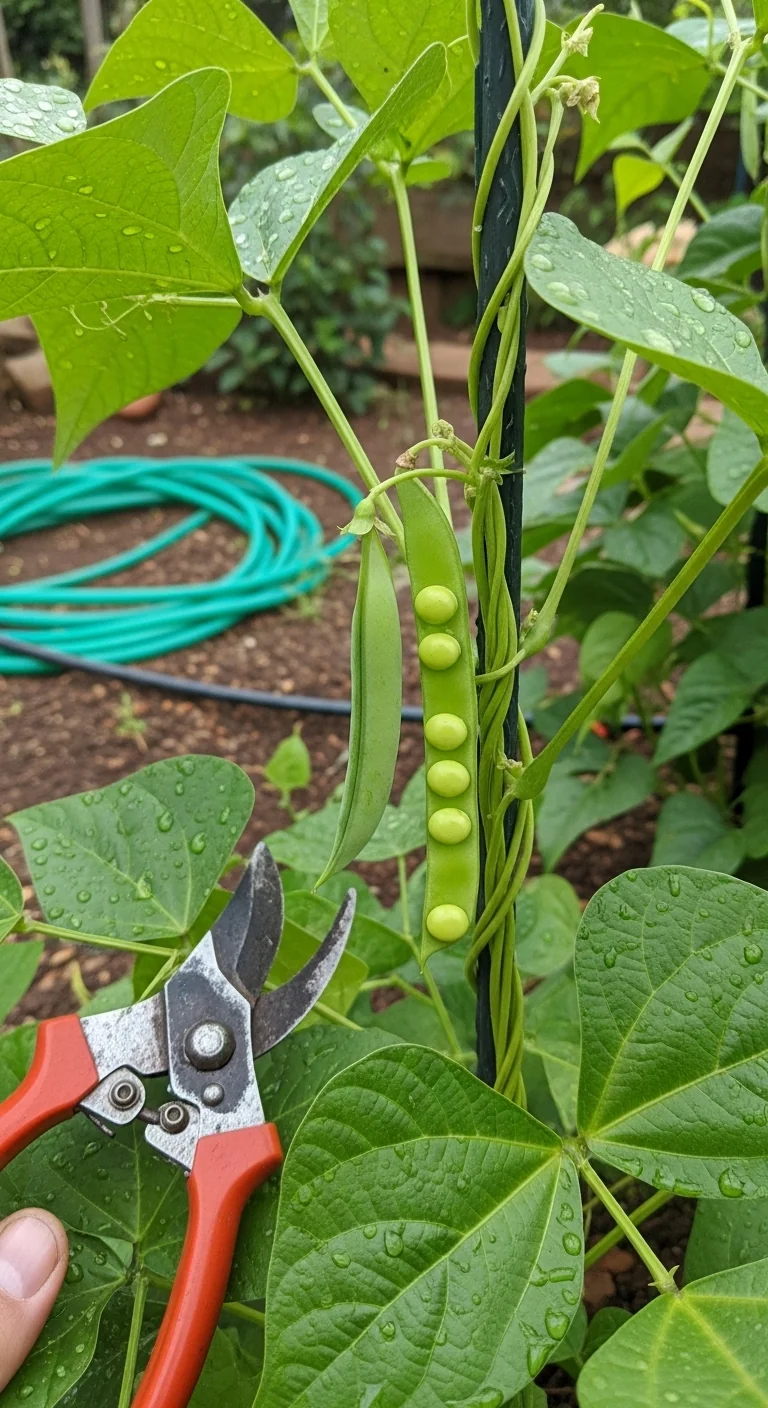
| Snap-harvest technique for beans and peas | Gently pull pods downward at the stem joint when seeds swell visibly | Pest-prone trellised rows | 2 | 4 |
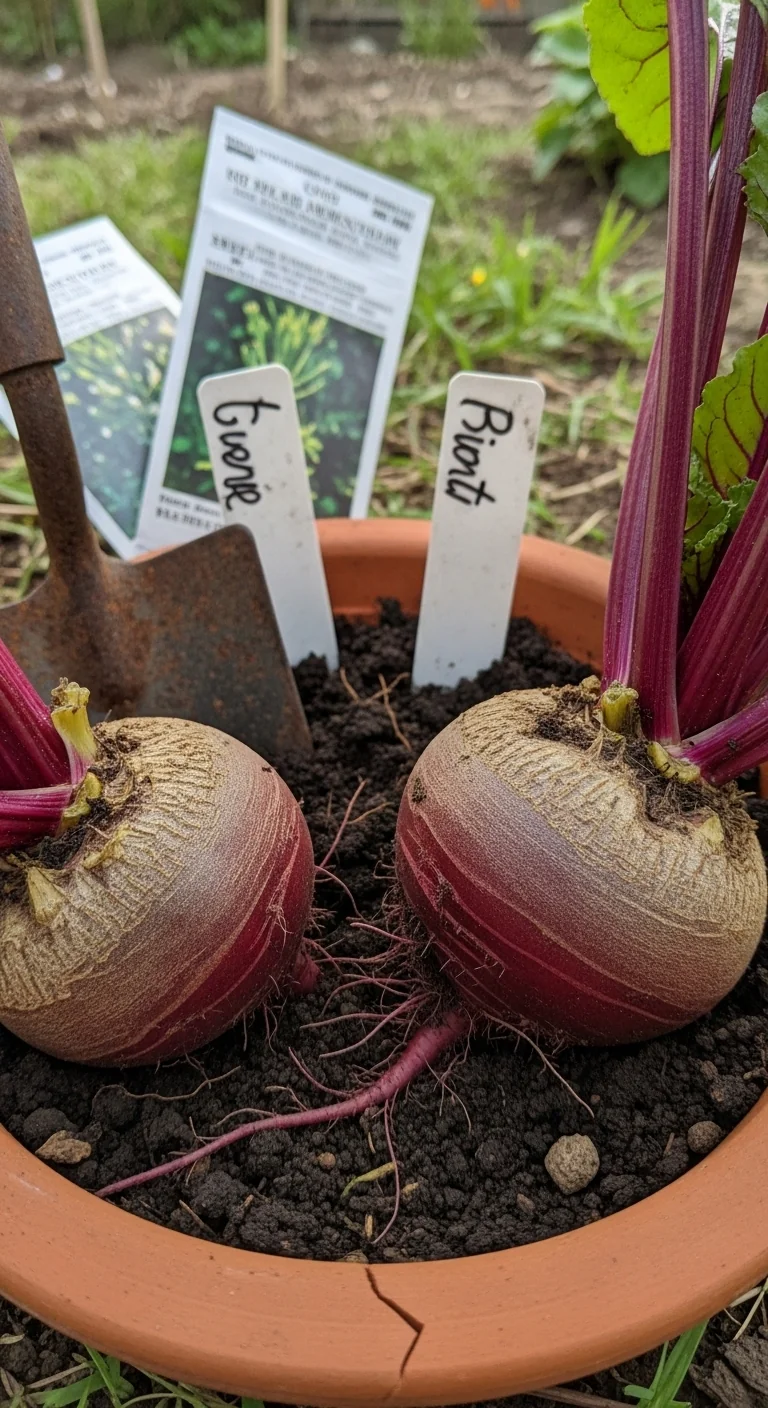
| Morning firmness test for root crops | Harvest when shoulders reach 2 to 3 inches wide and soil pulls away cleanly | Protected cool-season beds | 3 | 2 |
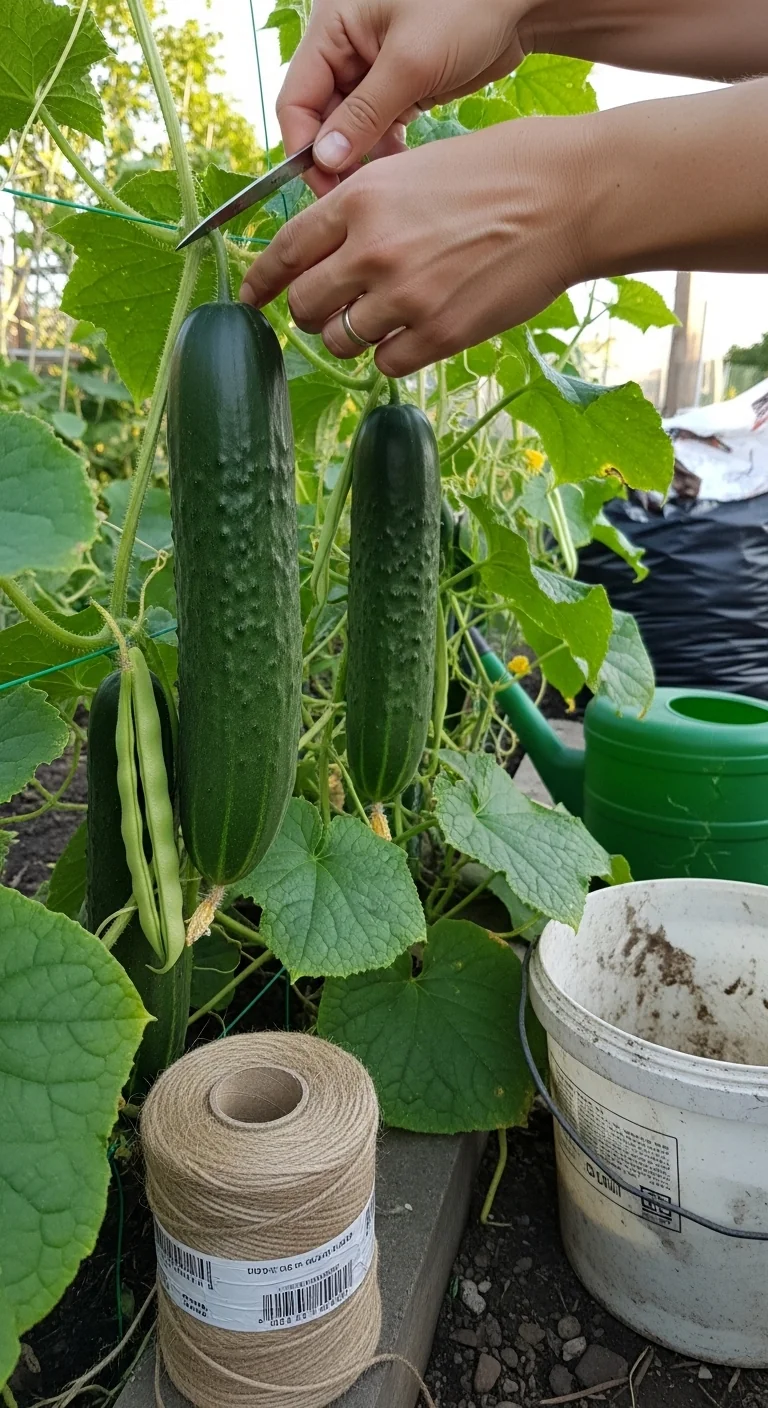
| Trellis-guided selective pick for cucumbers and pole beans | Reach upward and cut at the peduncle when fruit reaches market size to keep vines upright | Vertical container or balcony systems | 1 | 4 |
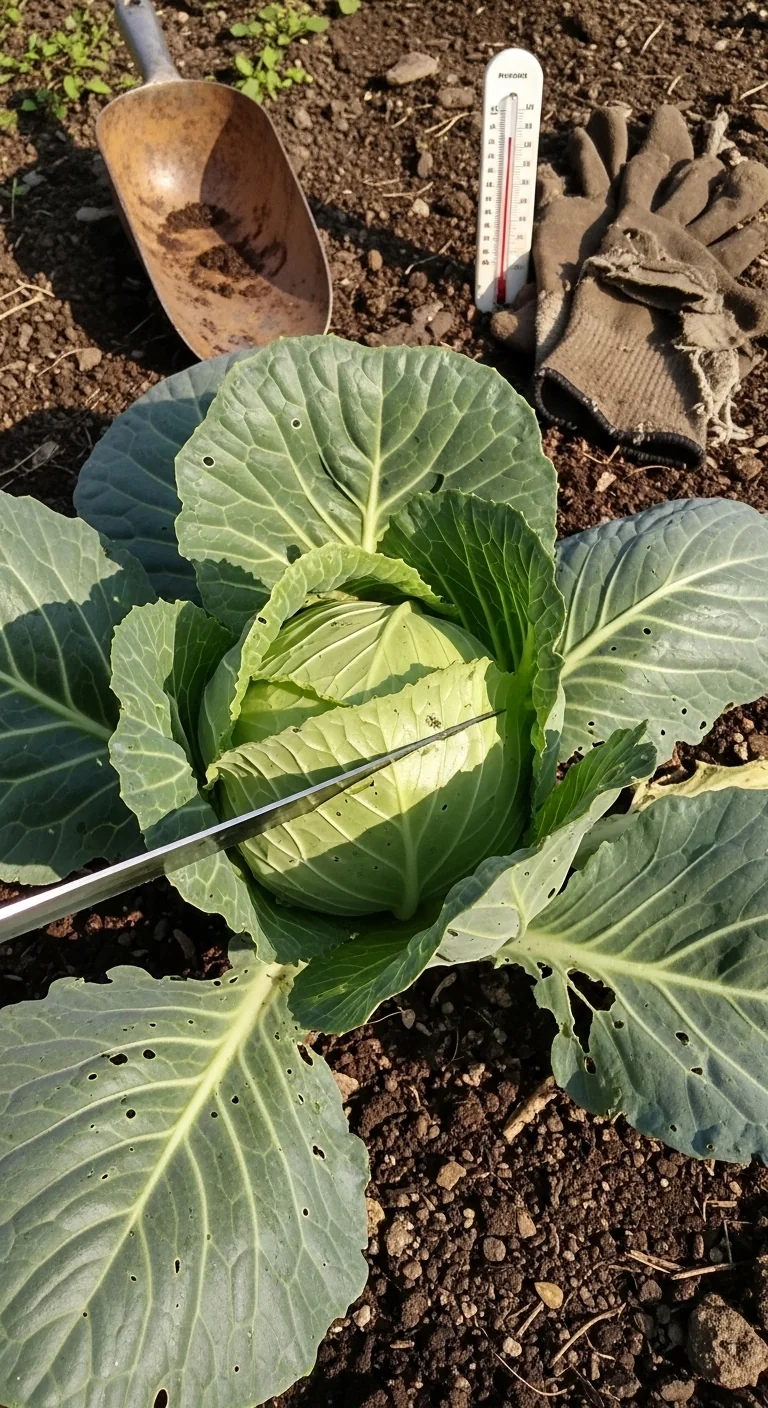
| Early-morning whole-head removal for pest-vulnerable brassicas | Cut entire head at soil line once compact and before outer leaves show insect damage | High beetle pressure zones | 2 | 3 |
| Delayed shoulder exposure for overwintered root vegetables | Allow tops to die back fully then dig when soil is moist but not frozen | Greenhouse or row-cover extensions | 3 | 1 |
Twice-weekly selective harvest for indeterminate tomatoes
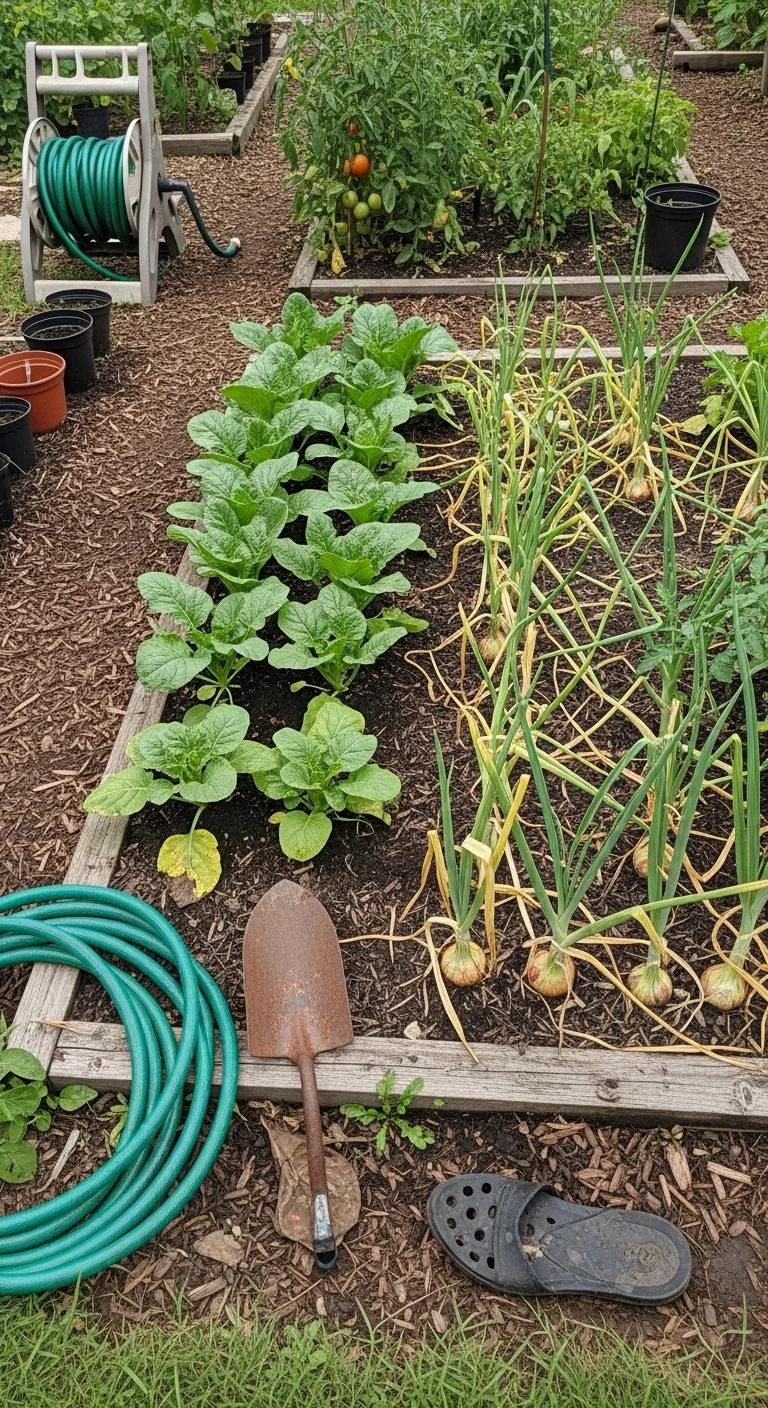
Best for: Branch 1
This blueprint applies to indeterminate varieties trained on stakes or cages in containers or small raised beds. The mechanism relies on removing fruit at the breaker stage (first color change) to keep the plant channeling energy into new clusters instead of seed maturation. Steps: (1) check every third day after first fruit sets; (2) support the vine with one hand; (3) twist the fruit gently until the stem snaps at the knuckle; (4) place in a shallow basket to avoid bruising. Common mistake: waiting for full red color on the vine, which slows new flower production and crowds limited vertical space. In heat above 85 degrees Fahrenheit, reduce to every other day and prioritize lower clusters first. This approach keeps plants compact and productive for 8 to 10 additional weeks in confined areas.
Outer-leaf-first cut for leafy greens
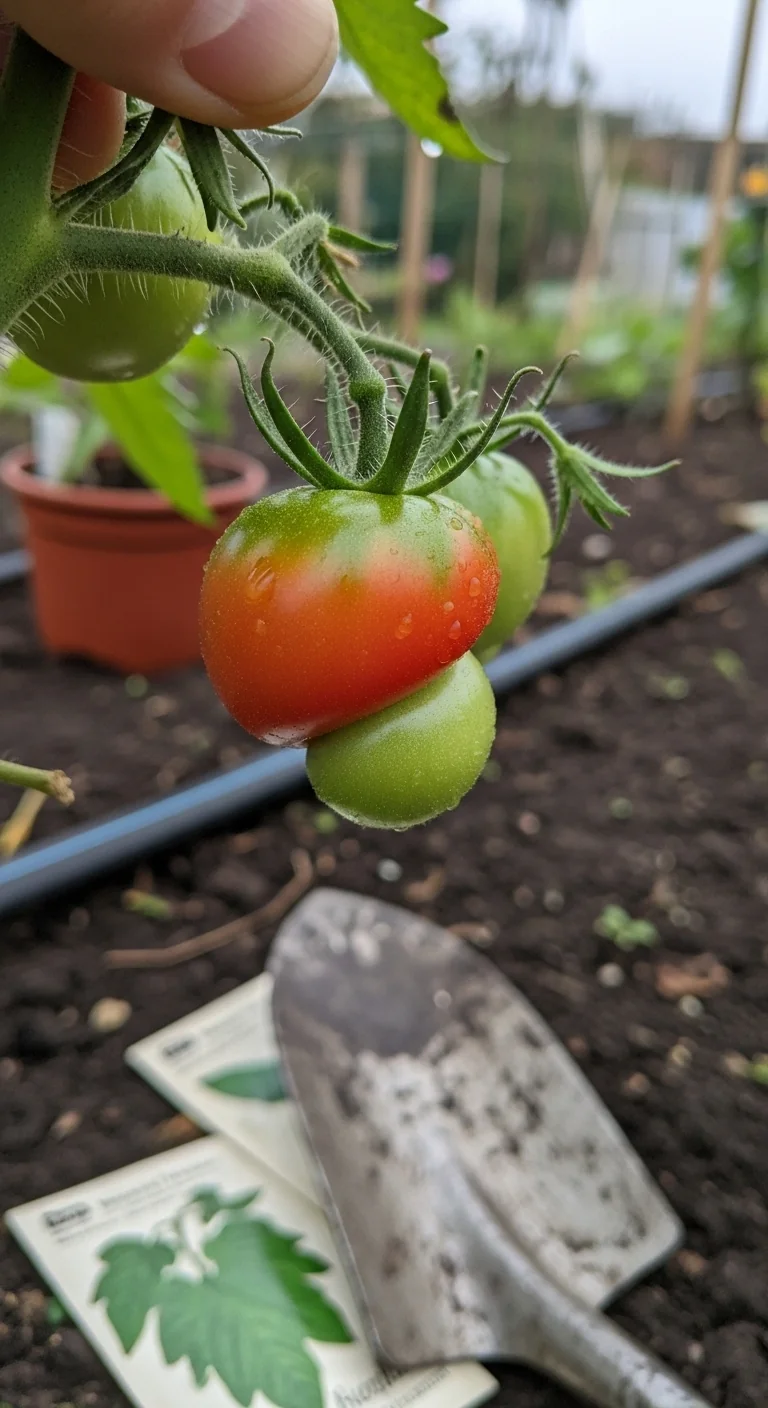
Best for: Branch 2
Use this method when aphids or flea beetles appear early. It works because the growing point stays protected at the center. Skip it only for heading varieties such as crisphead lettuce that form a single tight head. Edge case: if temperatures stay above 80 degrees Fahrenheit for more than five straight days, switch to whole-plant removal to avoid bitterness buildup.
Top-fall curing cue for onions and garlic
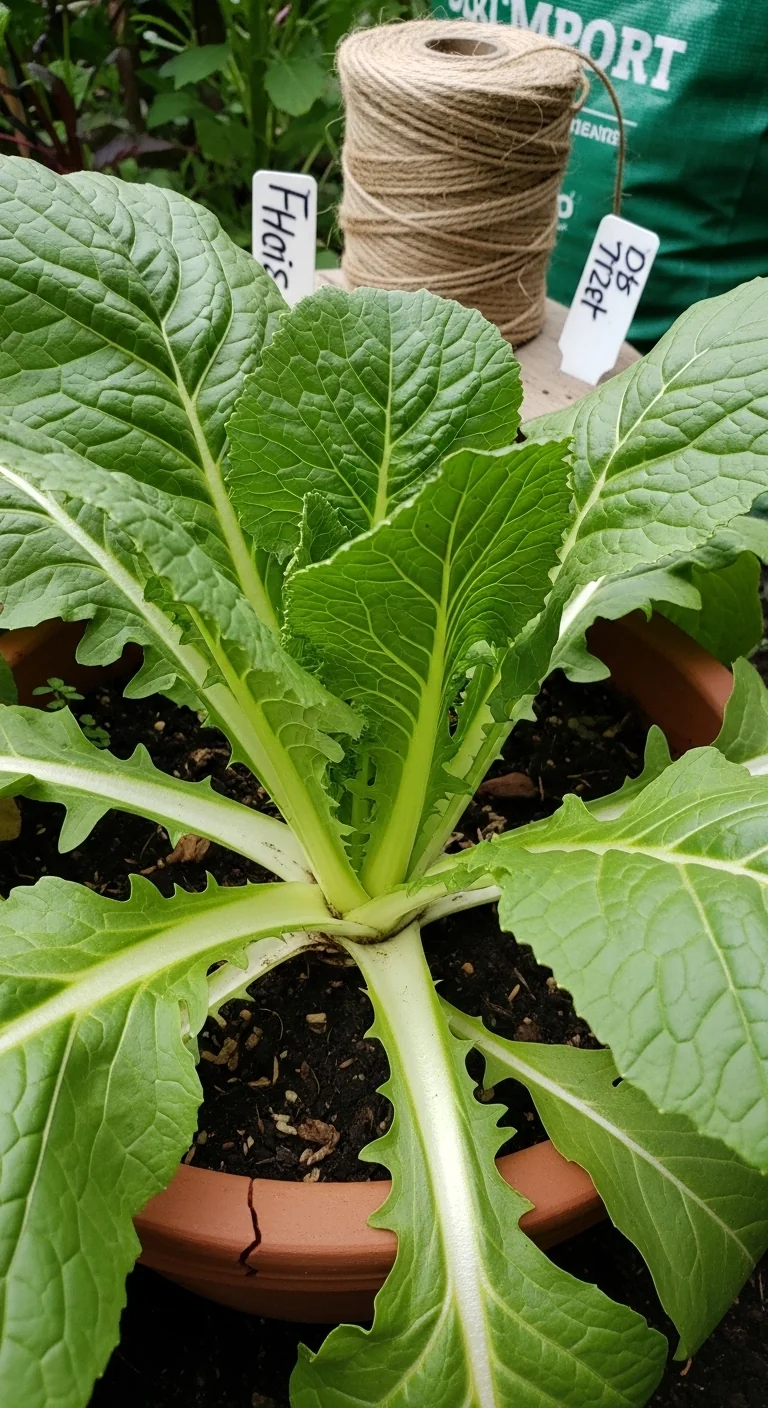
Best for: Branch 3
Wait until at least 70 percent of the tops have yellowed and fallen over naturally. Lift bulbs with a garden fork on a dry morning, shake off soil, and lay them in a single layer under cover for 7 to 14 days until necks are tight and papery. This timing window prevents rot in cool, humid extension seasons and ensures long-term storage without chemical treatments. Adjust by checking soil moisture at 4 inches: if still damp, delay lifting by 48 hours.
Daily size-check harvest for zucchini and summer squash
Best for: Branch 1
In small spaces every extra pound of fruit left on the vine reduces airflow and invites mildew. Check plants each morning after dew dries. Use a sharp knife to cut the stem 1 inch above the fruit when it reaches 6 to 8 inches long and the skin is still glossy and tender. Leaving any fruit larger than 10 inches long halts new female flower formation for up to 10 days. As detailed in our zucchini and squash guide, this daily rhythm keeps vines manageable on trellises or in 5-gallon pots and prevents the fruit from developing tough skins or large seeds that signal the plant to slow down.
Snap-harvest technique for beans and peas
Best for: Branch 2
Snap pods downward at the stem joint when seeds inside are plump but before pods yellow. This removes the crop before it attracts bean beetles or pea weevils. Pros include minimal plant disturbance; cons appear only if vines are wet. Edge case: in heavy dew, wait until mid-morning to avoid spreading fungal spores along the row.
Morning firmness test for root crops
Best for: Branch 3
Harvest beets, carrots, and radishes when shoulders reach 2 to 3 inches wide and the soil pulls away cleanly with light pressure. Perform the test in the cool morning hours to preserve crisp texture. In protected cool-season beds this window extends by 3 to 4 weeks compared with open ground. Lift with a fork inserted 6 inches from the crown to avoid slicing the taproot. Store immediately in a cool shaded spot to maintain sugars that convert rapidly once exposed to air.
Trellis-guided selective pick for cucumbers and pole beans
Best for: Branch 1
Train vines upward on vertical supports then reach from below and cut fruit at the peduncle when it hits market size. The upward angle keeps foliage open for light and air while freeing lower space for succession planting. In containers under 20 gallons this prevents top-heavy collapse and allows two additional flushes per season. Rotate harvest direction each session to balance vine weight. See our container vegetable gardening guide for trellis spacing that matches this picking rhythm.
Early-morning whole-head removal for pest-vulnerable brassicas
Best for: Branch 2
Cut the entire head at soil line with a sharp knife once it feels compact and before outer leaves show insect feeding. This technique removes the crop before cabbage loopers or harlequin bugs can multiply inside the head. It works best on broccoli, cauliflower, and cabbage in pest-prone zones because the plant invests all remaining energy into the single head rather than scattered side shoots.
Delayed shoulder exposure for overwintered root vegetables
Best for: Branch 3
Allow tops to die back completely then dig when soil is moist but not frozen. This delay in cool protected beds concentrates sugars and improves flavor without sacrificing storage life. Use a broad fork to loosen soil 8 inches out from the crown and lift gently. In greenhouse or row-cover systems the window can stretch into early winter as long as night temperatures stay above 28 degrees Fahrenheit.
Starter Stack (What to Choose First)
Branch 1: Space-constrained gardens
Start with Items 1 and 4 (tomatoes and zucchini). The twice-weekly tomato pick keeps vertical space open while the daily zucchini check prevents sprawl that would shade lower containers. Combined time estimate: 15 to 25 minutes per session, twice weekly. No added cost beyond existing shears and a harvest basket.
Branch 2: Pest-pressure gardens
Start with Items 2 and 5 (leafy greens and beans). Outer-leaf removal for greens reduces hiding spots for aphids while snap-harvest for beans removes pods before beetles arrive. Combined time estimate: 10 to 20 minutes every 4 days. Zero added cost.
Branch 3: Cool or extended-season gardens
Start with Items 3 and 6 (onions/garlic and root crops). Top-fall curing for alliums pairs with the firmness test for roots to clear beds cleanly before frost. Combined time estimate: 12 to 18 minutes once at season end. No added cost.
When This Won’t Work
Consistent night temperatures above 85 degrees Fahrenheit for more than seven days override most fruiting signals and cause blossom drop or rapid softening. Switch to early-morning whole-plant removal and immediate refrigeration to salvage quality. The second measurable failure occurs when you cannot harvest after dew dries: wet foliage spreads foliar diseases during handling. In that case shift to evening picks only on dry days or install simple overhead covers for the final two weeks of the crop cycle.
Alternative action: move susceptible crops to protected structures or choose varieties listed for heat tolerance in our watering vegetable garden guide to maintain firmness longer.
Choosing the Right Option for Your Situation
Space threshold
If your total vegetable area is under 100 square feet or you rely on containers, default to Branch 1 items that emphasize frequent selective removal to prevent overcrowding.
Time threshold
If you have fewer than 20 minutes available per session, select items with Effort Score 1 or 2 that require only one or two checks per crop cycle.
Technical constraint: pest or temperature swings
When insects appear early or nights drop below 55 degrees Fahrenheit, move to Branch 2 or 3 items that shorten field time or extend the harvest window under protection.
Yes/No checklist:
Do you garden in containers or under 100 square feet? Yes → Branch 1.
Are insects or spots visible within 30 days? Yes → Branch 2.
Do nights average below 60 degrees Fahrenheit? Yes → Branch 3.
Match your dominant condition and begin with the corresponding Starter Stack pair.
Expert Q&A
How does the time of day affect sugar levels in harvested vegetables?
Vegetables harvested after dew dries but before 10 a.m. contain peak sugars because overnight respiration converts starches without daytime heat loss. Leafy greens and fruiting crops lose crispness and sweetness within two hours of direct sun exposure.
Does frequent harvesting change companion planting dynamics?
Yes. Removing mature fruit or leaves opens airflow that reduces humidity around companion flowers or herbs, lowering fungal risk. However, it can temporarily expose neighboring plants to more sun, so adjust spacing by 4 to 6 inches in mixed beds.
Can I use the same signals for vegetables in full shade versus full sun?
Shade delays color change and firmness by 7 to 14 days compared with full sun. Rely more on size and touch than color; for example, pick cucumbers at the same length but expect a paler skin tone.
What happens if I harvest root crops too early in cool extension beds?
Early lift yields smaller bulbs or roots with lower stored sugars. Wait for full top die-back unless soil temperature drops below 40 degrees Fahrenheit, at which point frost damage risk outweighs size gain.
Does mulching alter the ideal harvest window for fruiting vegetables?
Organic mulch keeps soil moisture even and reduces cracking in tomatoes and peppers, allowing you to wait 2 to 3 extra days for deeper color without splitting. It does not change the core signals but widens the safe picking window by stabilizing root-zone temperature.
Conclusion
The single most powerful decision is to assign your garden to one of the three branches first, then stack the two recommended starter items. The number-one mistake across all setups is ignoring plant signals in favor of calendar dates, which either wastes production potential or invites quality collapse.
Next step: walk your plot today, note the dominant measurable condition, and test the Starter Stack pair for your branch. See our vegetable planting calendar to align future succession crops with the same decision grid.