
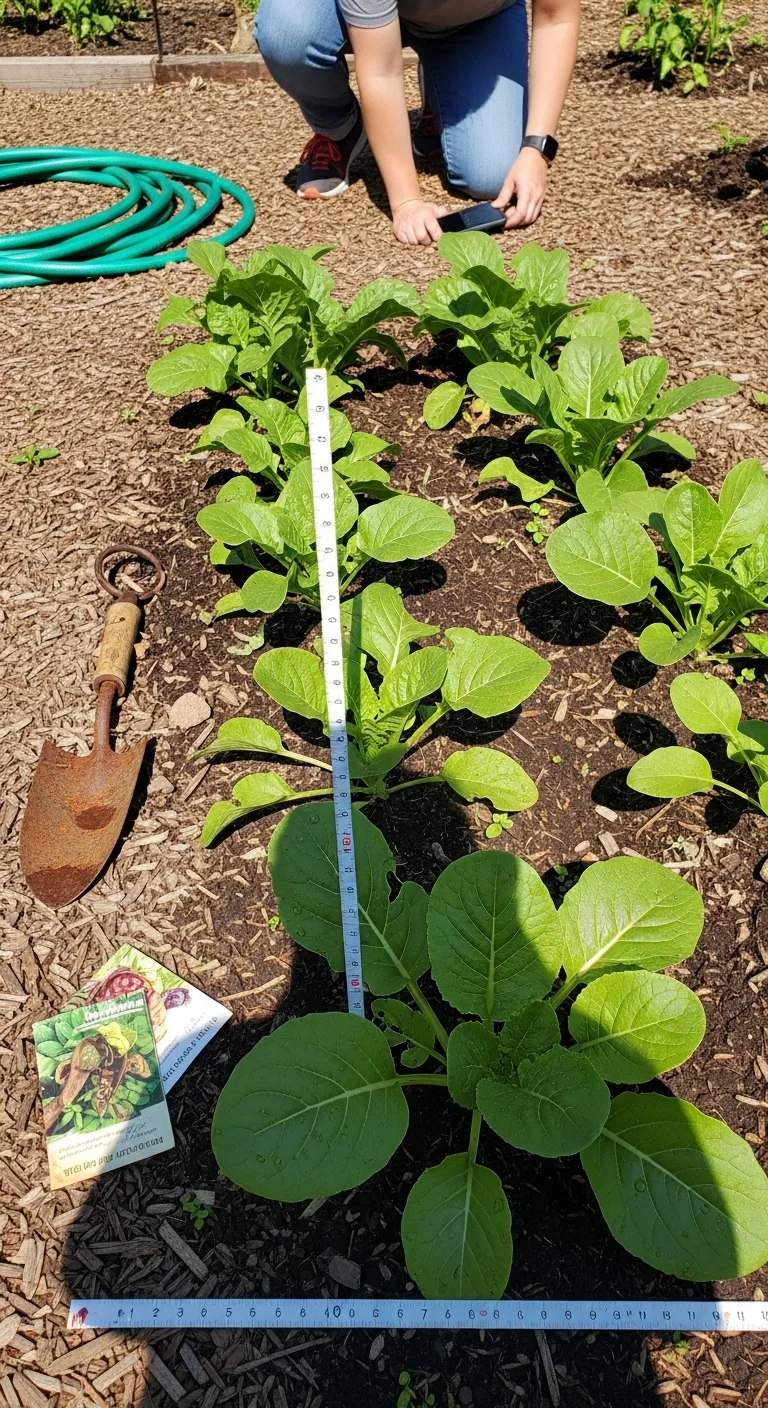
Your garden spot gets limited direct sun, yet most shade vegetable guides lump every low-light area together and leave you guessing why one crop bolts while another stays leafy. The Yield Grid reframes the choice around one measurable factor: exact daily direct sun hours, verified with a 10-minute shadow test or free phone light meter app. This approach draws from university extension trials that tie light thresholds directly to edible yields instead of vague labels like partial shade.
This guide covers 10 vegetables proven to produce in conditions from deep shade under 3 hours of direct sun to light shade up to 7 hours. It excludes fruiting crops such as tomatoes, peppers, and squash that demand 8-plus hours and rarely deliver in shade. Focus stays on leafy greens, roots, and cool-season brassicas that thrive where full-sun lists fail.
You will finish knowing which crop matches your exact light reading, the planting window that avoids heat stress, and the one adjustment that turns marginal spots productive. No more wasted seed or disappointment from mismatched recommendations.
Measure your spot once, pick the matching crop from the grid below, and harvest consistent greens or roots where others get only foliage.
The Yield Grid Decision Grid
Branch 1: Deep shade. Your spot receives fewer than 3 hours of direct sun per day, measured from 10 a.m. to 4 p.m. on a clear day. Light is mostly dappled or reflected. Recommended: Spinach, Arugula, and Lettuce below.
Branch 2: Moderate shade. Your spot receives 3 to 5 hours of direct sun per day. Morning sun followed by afternoon shade is ideal. Recommended: Kale, Swiss Chard, Beets, and Radishes below.
Branch 3: Light shade. Your spot receives 5 to 7 hours of direct sun per day, often with dappled midday light or morning-only exposure. Recommended: Broccoli, Peas, and Potatoes below. For building or siting beds in any branch, see the raised bed vegetable garden guide.
Quick Comparison Table
| Option | Key mechanism | Best for | Decision Grid Branch | Effort Score |
|---|---|---|---|---|
| Spinach | Tolerates low light via rapid leaf production | Cool-season salads | Branch 1 | 2 |
| Lettuce | Compact growth under filtered light | Succession harvests | Branch 1 | 3 |
| Arugula | Fast germination in cool soil | Peppery baby greens | Branch 1 | 1 |
| Kale | Extended harvest window in cooler microclimates | Winter greens | Branch 2 | 2 |
| Swiss Chard | Colorful stems that store well | Cut-and-come-again | Branch 2 | 2 |
| Beets | Dual harvest of roots and greens | Storage crops | Branch 2 | 3 |
| Radishes | Maturation in 3 to 4 weeks | Quick fillers | Branch 2 | 1 |
| Broccoli | Side-shoot production after main head | Multiple cuts | Branch 3 | 4 |
| Peas | Vertical growth uses vertical space efficiently | Early spring yields | Branch 3 | 3 |
| Potatoes | Tuber formation tolerates morning sun only | Container or in-ground | Branch 3 | 3 |
1. Spinach
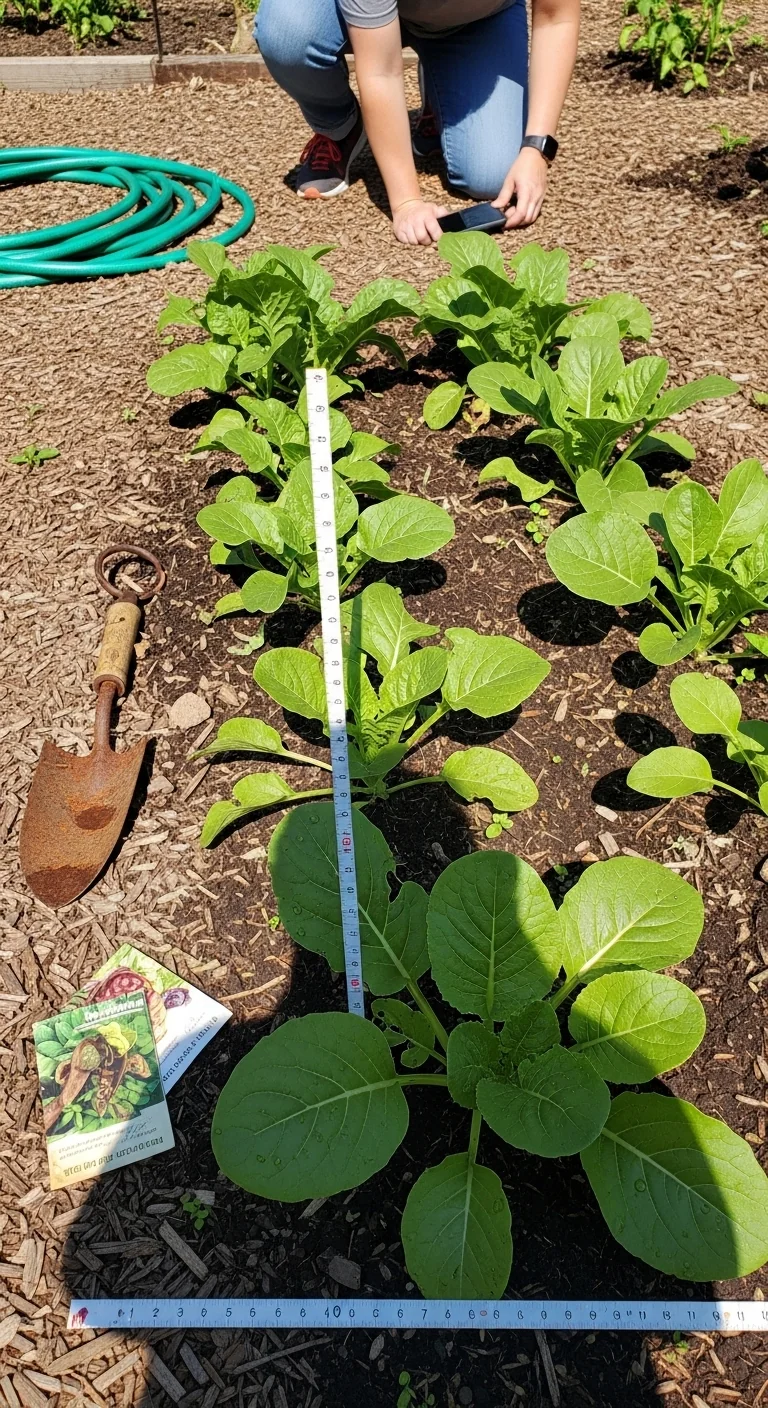
Best for: Branch 1
Spinach uses a blueprint that starts with soil temperature between 45 and 75 degrees Fahrenheit for germination. Sow seeds one-quarter inch deep in rows 12 inches apart, then thin seedlings to 4 inches. It thrives because its leaves capture diffuse light efficiently without needing full sun intensity. The edge case appears in summer: if soil temperature exceeds 80 degrees Fahrenheit even in deep shade, switch to a bolt-resistant variety or move to containers for air circulation. Harvest outer leaves when they reach 4 inches, leaving the center to continue production for up to 8 weeks in cool conditions. This approach delivers salad-ready leaves where full-sun crops would fail.
2. Lettuce
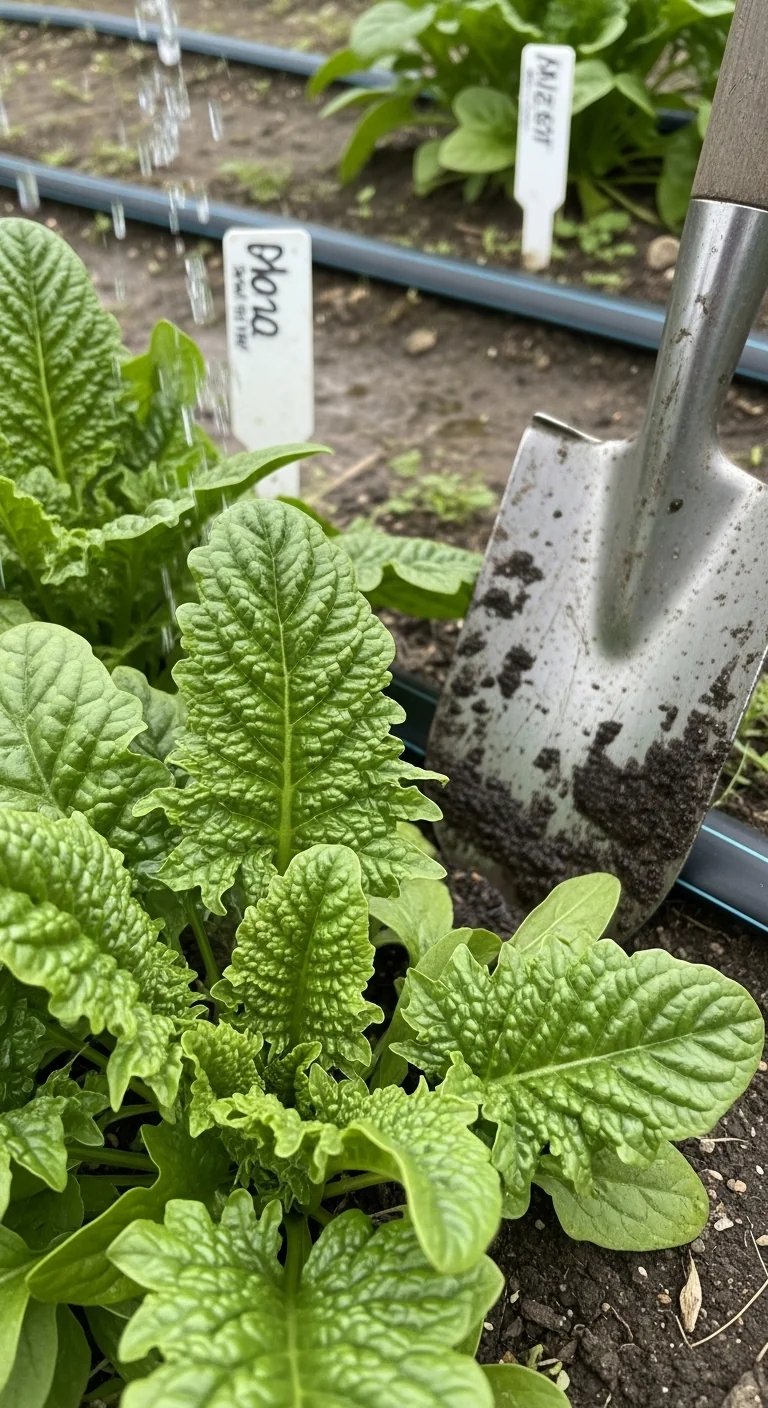
Best for: Branch 1
Lettuce works well in deep shade but skip it if your spot stays below 40 degrees Fahrenheit for more than 3 nights in a row, as germination drops sharply. Use it for succession planting every 2 weeks to maintain a steady supply. The pros include crisp texture and low pest pressure in cooler shade; the cons surface when afternoon heat builds despite limited sun, causing tip burn. Edge case: loose-leaf types handle fluctuating light better than head varieties.
3. Arugula
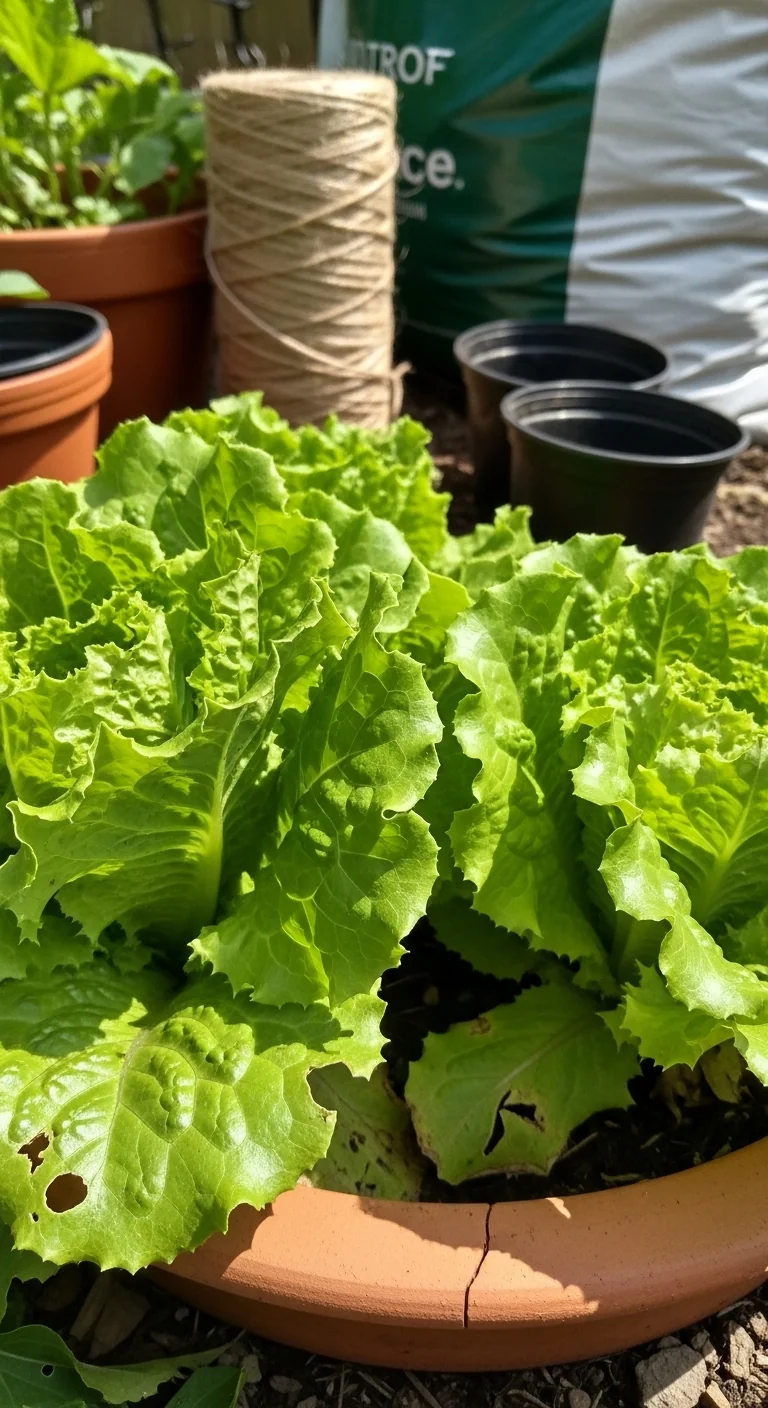
Best for: Branch 1
Arugula follows a threshold rule: plant when soil reaches 45 degrees Fahrenheit and harvest before daytime highs exceed 75 degrees Fahrenheit to prevent bitterness. It needs only 2 hours of indirect light yet matures in 30 to 40 days. Adjust spacing to 6 inches apart in deep shade to reduce mildew risk from poor airflow. This rule prevents the common mistake of late-spring sowing that turns leaves spicy to the point of inedibility.
4. Kale
Best for: Branch 2
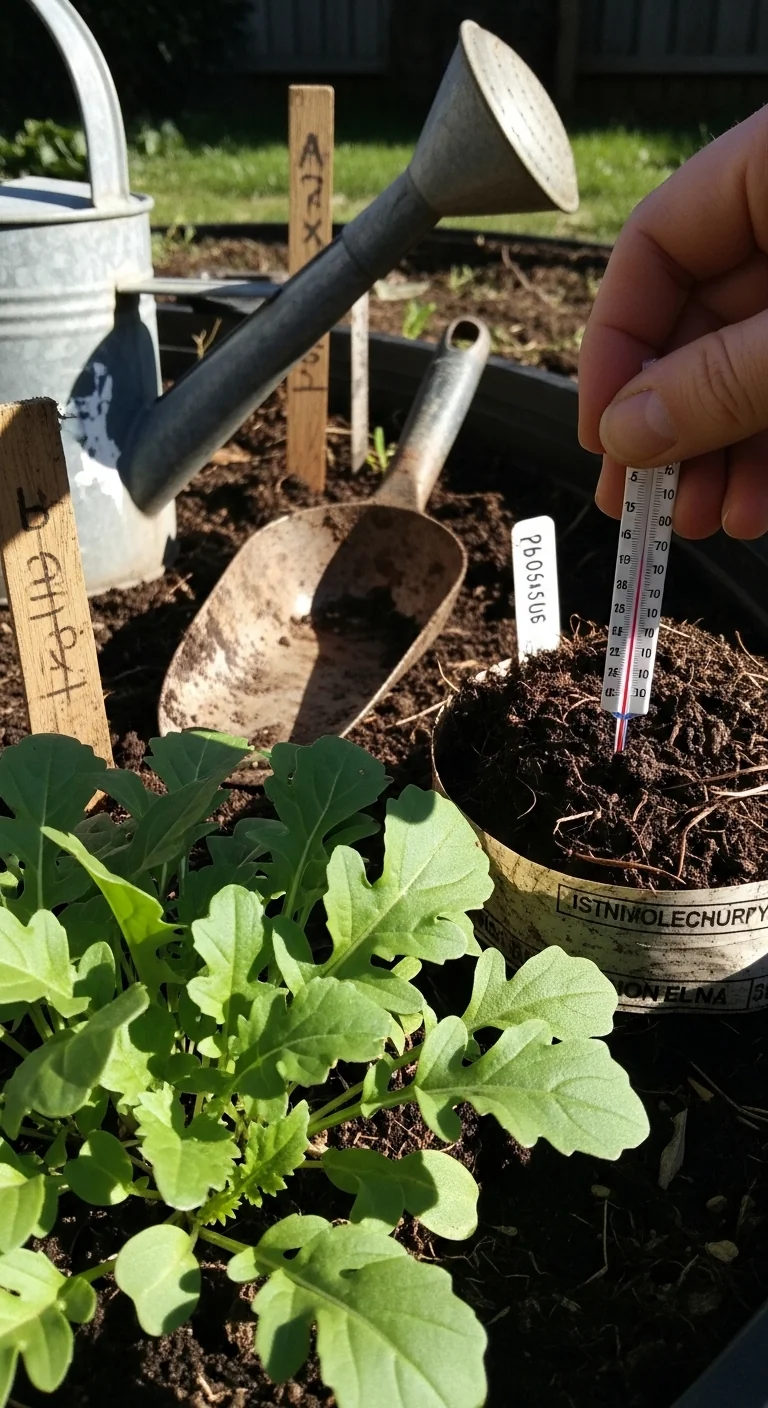
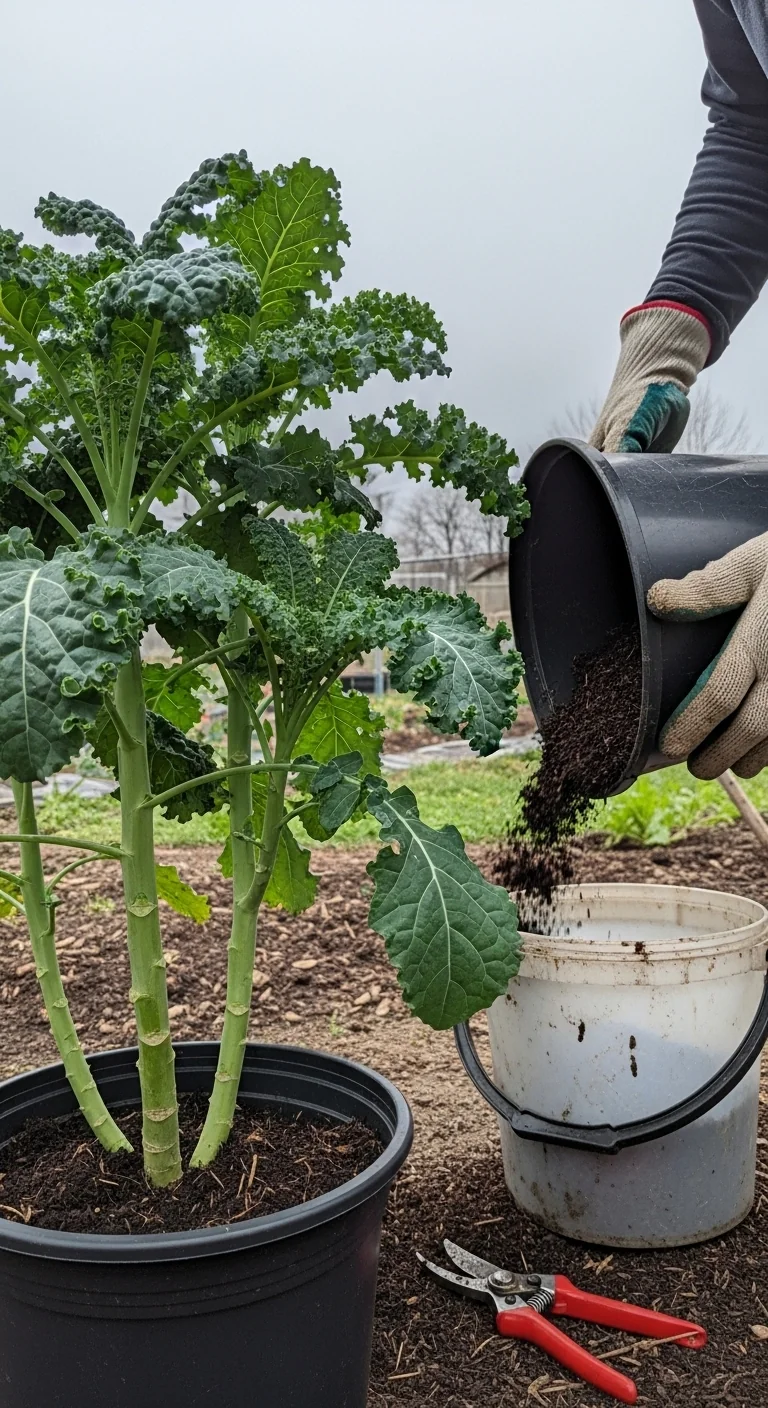
Kale uses a blueprint centered on cool nights below 65 degrees Fahrenheit. Direct-sow or transplant seedlings 18 inches apart after the last frost, then apply a 2-inch layer of organic mulch to keep roots cool. Its mechanism relies on shade extending the harvest window into early winter because lower light slows bolting. For synergy, pair with organic fertilizer for vegetables at planting to support leaf production without excess nitrogen that invites aphids. Harvest lower leaves first for continuous supply.
5. Swiss Chard
Best for: Branch 2
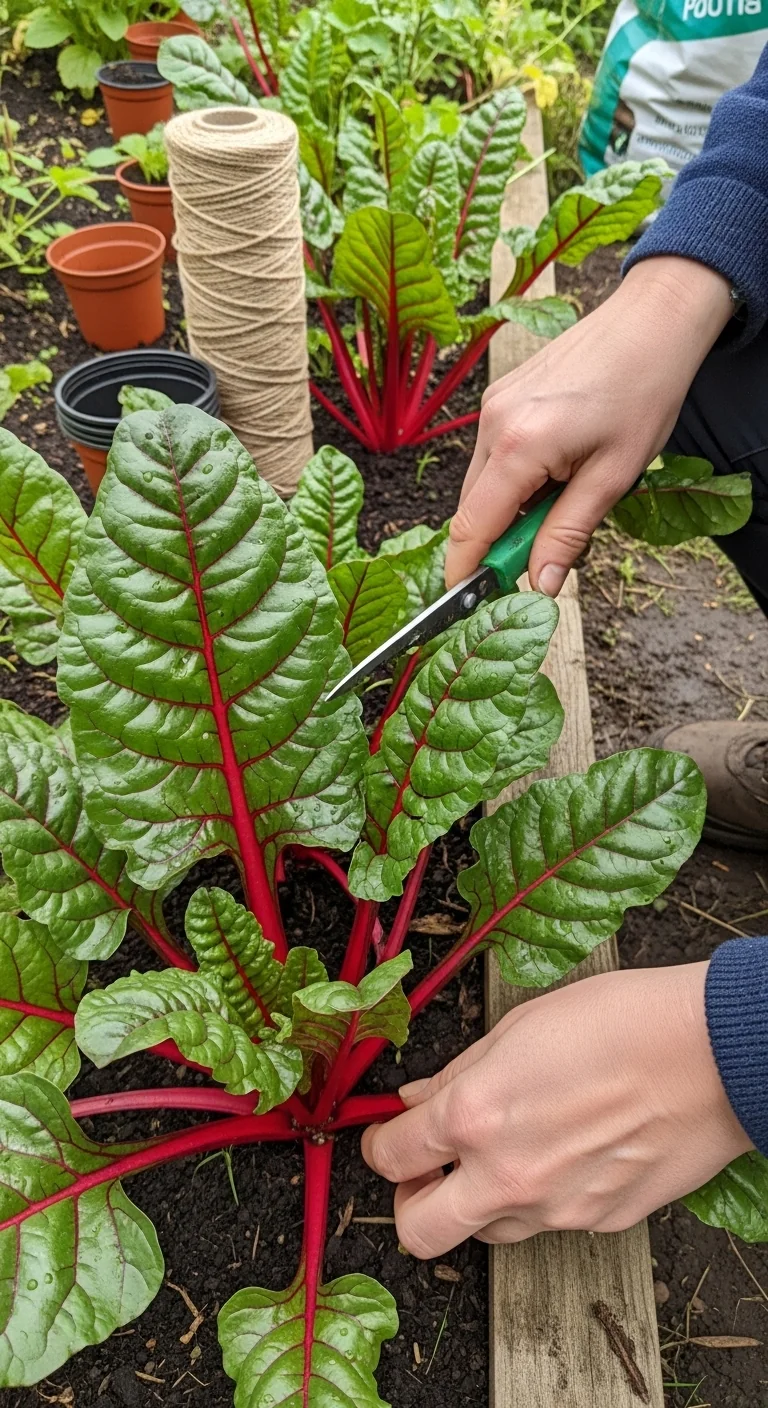
Swiss Chard delivers colorful stems and greens in moderate shade. Use it versus skip when your spot has consistent morning sun; it tolerates heat better than spinach yet still needs the 3-to-5-hour window to size up stalks. Edge case: red-stem varieties show less leaf spot in humid shade than white-stem types.
6. Beets
Best for: Branch 2
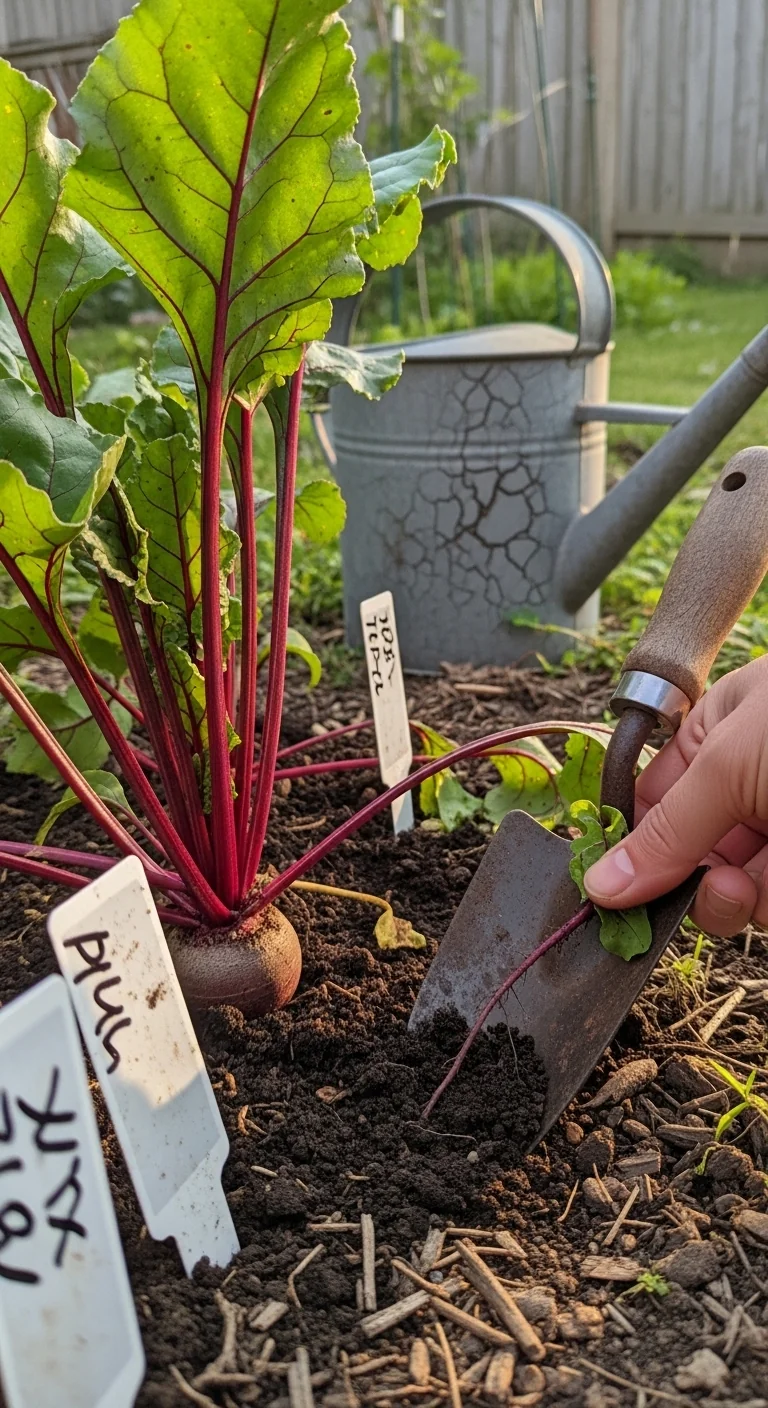
Beets follow a threshold rule of 3 to 5 hours direct sun for root swelling. Sow seeds one inch deep and 3 inches apart after soil warms to 50 degrees Fahrenheit. The dual-harvest mechanism lets you cut greens at 4 inches while roots continue below ground. In moderate shade, thin to 4 inches to avoid crowding that produces woody roots. See the dedicated growing beets guide for variety selection that performs best under reduced light.
7. Radishes
Best for: Branch 2
Radishes use a 10-minute workflow: soak seeds 2 hours before sowing, plant one-half inch deep in rows 6 inches apart, then mark the calendar for harvest in 25 to 30 days. Upgrade option: interplant with slower crops like kale for space efficiency. This fast cycle fills gaps in moderate shade where longer-season crops lag. The key constraint is soil moisture at 1 inch depth; dry conditions create pithy roots even with correct light.
8. Broccoli
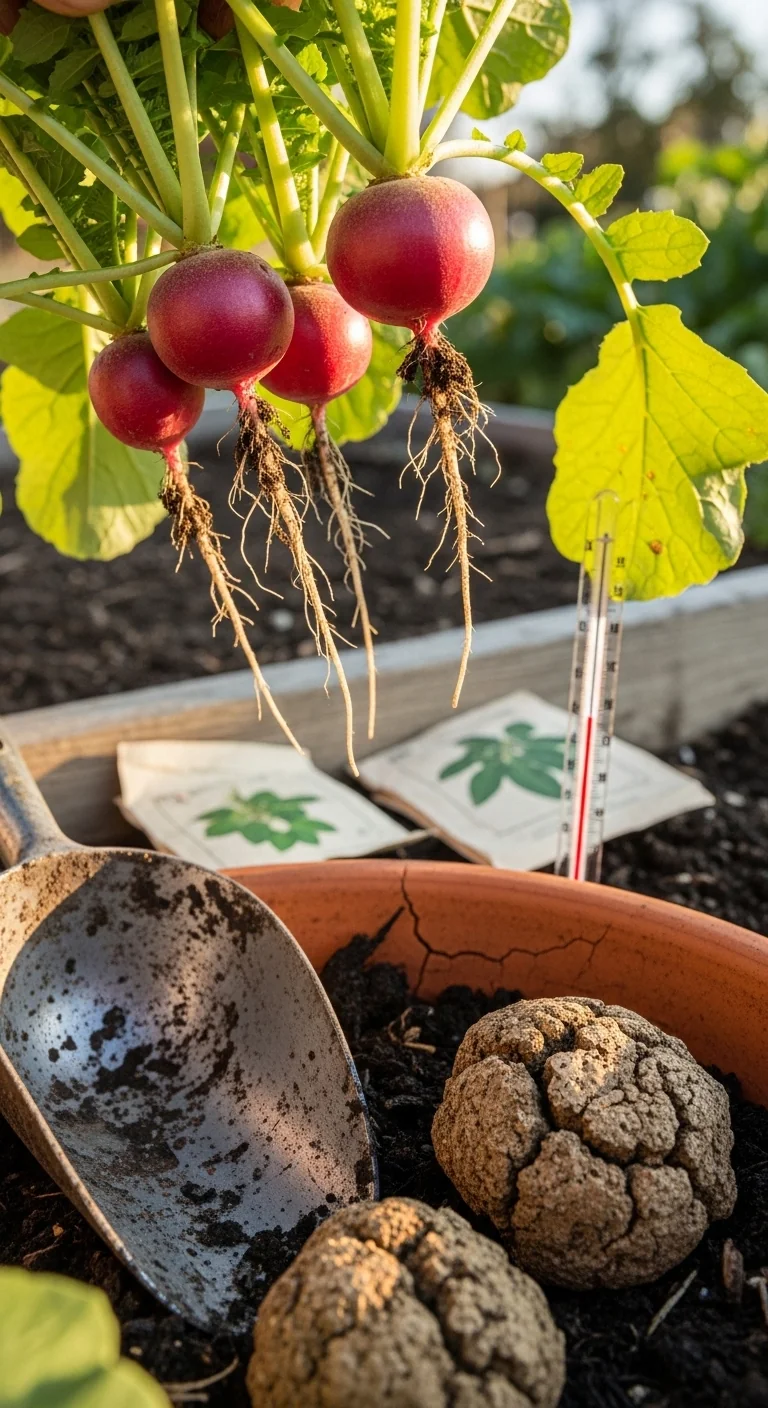
Best for: Branch 3
Broccoli tolerates light shade but requires 5-plus hours to form tight heads. Transplant seedlings 18 inches apart and side-dress with compost monthly. It produces side shoots after the main head for extended harvest. The edge case appears in deep shade: heads become loose and leafy instead of compact.
9. Peas
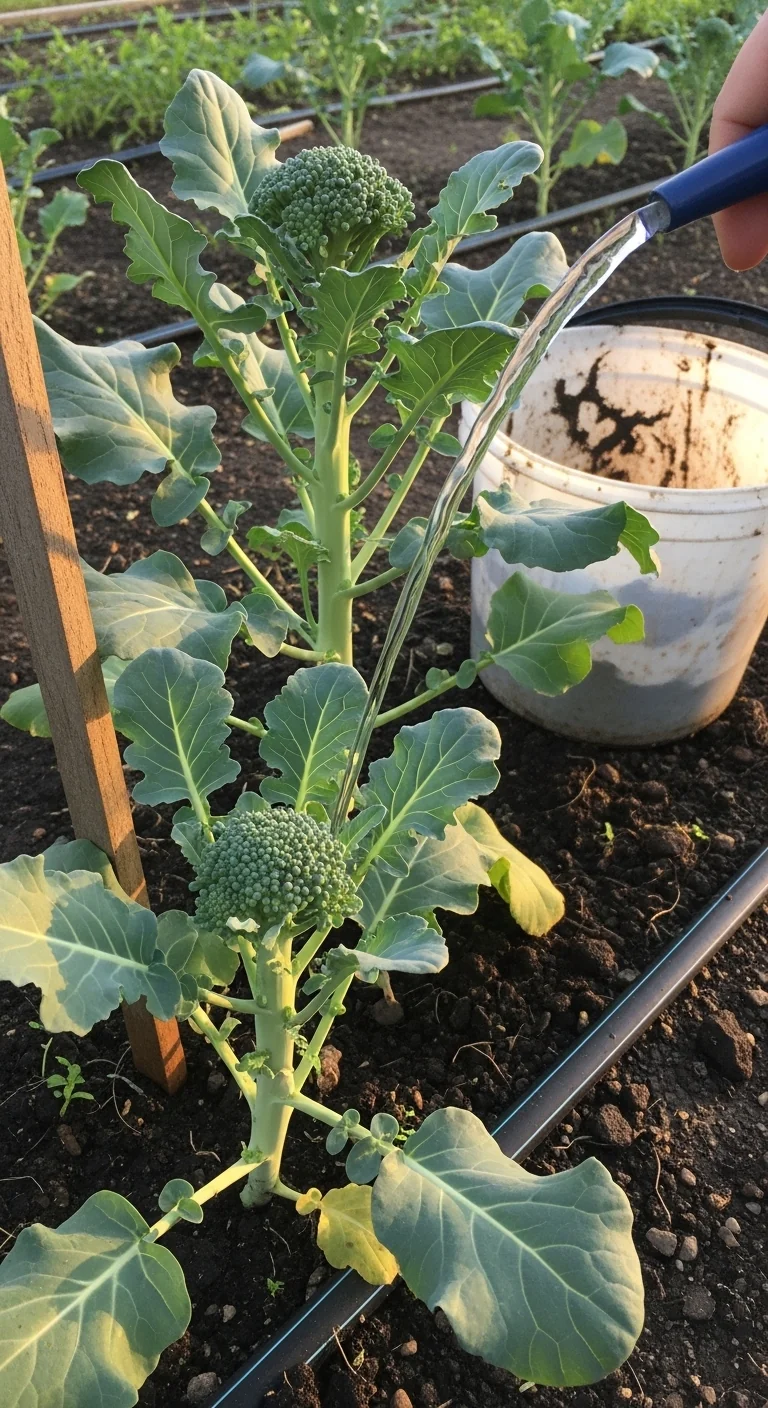
Best for: Branch 3
Peas climb efficiently in light shade using trellises 4 to 6 feet tall. Sow in early spring when soil hits 45 degrees Fahrenheit and harvest pods when they feel plump. The vertical habit makes them ideal where ground space is limited but morning sun reaches the top leaves. Companion planting with radishes at the base adds quick returns without competing for light. See the vegetable planting calendar for exact regional timing.
10. Potatoes
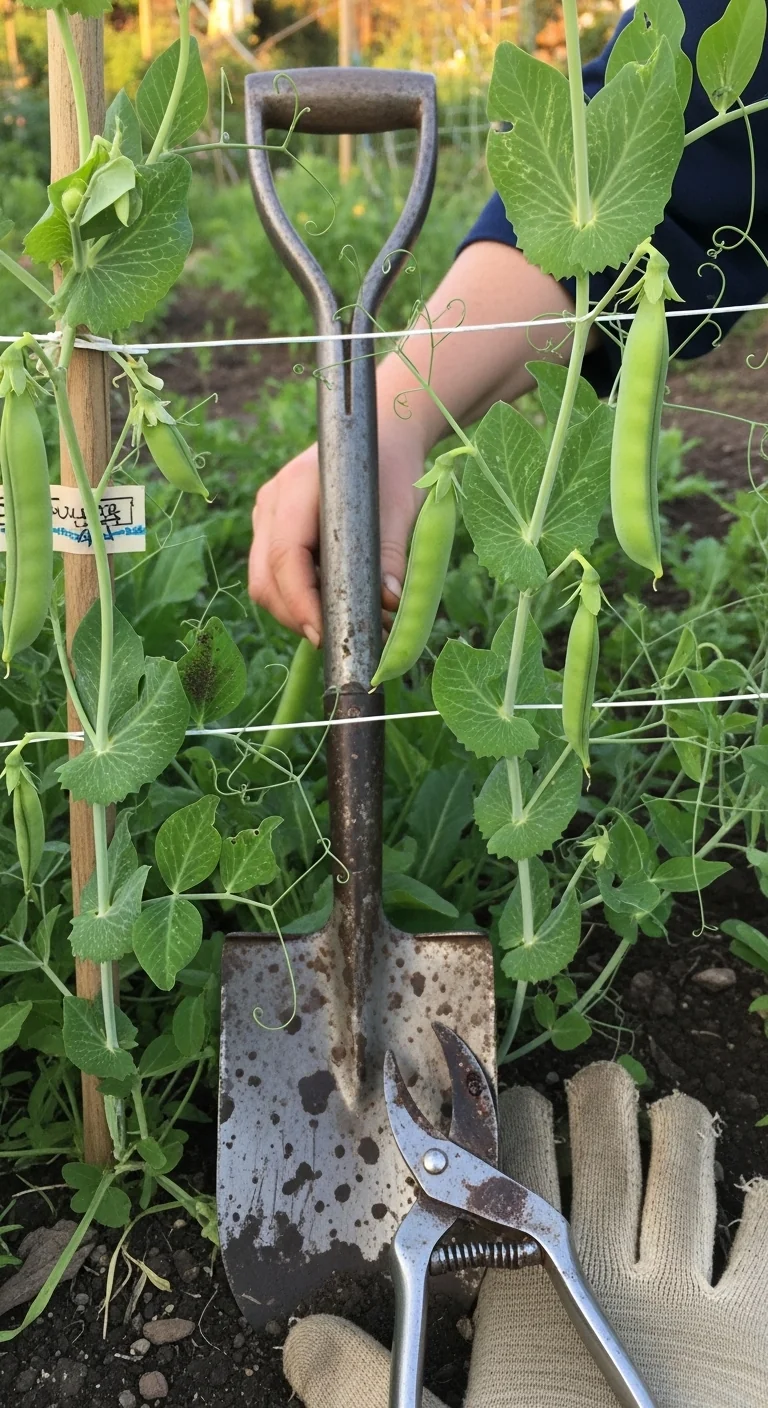
Best for: Branch 3
Potatoes form tubers with as little as 5 hours of morning sun when hilled properly. Plant seed pieces 4 inches deep and 12 inches apart in loose soil, then hill soil around stems every 2 weeks as they grow. The mechanism relies on cool soil temperatures below 70 degrees Fahrenheit, which shade naturally provides. Container methods work especially well; see potatoes in containers for step-by-step instructions that keep roots cool and harvest clean.
Starter Stack (What to Choose First)
For Branch 1 (Deep shade <3 hours)
Start with Spinach and Arugula. Spinach provides steady mild leaves while Arugula adds quick peppery contrast; together they mature in under 40 days and require only one mulch application for season-long production. Time investment: 20 minutes planting plus weekly 5-minute harvests. Cost range: under $10 for seed packets covering 20 square feet.
For Branch 2 (Moderate shade 3-5 hours)
Start with Kale and Beets. Kale supplies ongoing greens and Beets deliver dual roots-plus-greens; their root depths differ so they share space without competition. Synergy comes from shared cool-soil preference that shade enhances. Time investment: 30 minutes planting plus monthly 10-minute side-dressing. Cost range: $12 to $18 for seeds and basic compost.
For Branch 3 (Light shade 5-7 hours)
Start with Peas and Potatoes. Peas climb early and Potatoes fill the base; vertical layering maximizes limited light. Both tolerate cooler shoulder seasons common in shaded spots. Time investment: 45 minutes planting plus biweekly hilling. Cost range: $15 to $25 including trellis wire and seed potatoes.
When This Won’t Work
Two measurable conditions stop these vegetables from delivering: first, fewer than 2 hours of any light (direct or strong reflected) even on the longest summer day, measured by placing a sheet of white paper on the soil and noting if it stays uniformly gray all day. Second, soil temperature consistently above 80 degrees Fahrenheit at 2-inch depth in midsummer, which even deep-shade spots can reach under heat-trapping structures. In either case, shift to container vegetable gardening on wheels to chase brighter microclimates during the day. For lower-effort alternatives in persistently difficult spots, review the low-maintenance vegetable garden options that prioritize fewer interventions.
Choosing the Right Option for Your Situation
Budget threshold
If your seed and amendment budget stays under $15 per 10 square feet, choose Arugula, Radishes, or Spinach. These direct-seed crops need no transplants or extra structures.
Time threshold
If you can spend 10 minutes or less per week after planting, select Arugula, Radishes, or Swiss Chard. They require only harvest and occasional watering checks.
Technical constraint: soil pH
If your soil tests below 6.0, prioritize Kale, Broccoli, or Peas; they tolerate slightly acidic conditions better than beets or potatoes that prefer 6.5 to 7.0. Test once with a simple kit and adjust with lime only if needed.
Quick Yes/No checklist
Does your spot get at least 2 hours of measurable light? Yes → proceed.
Is soil temperature in the 45-to-75-degree range at planting? Yes → select matching branch.
Can you commit to one mulch layer? Yes → yields improve.
No on any? → consider containers or full-sun relocation.
Expert Q&A
Does shade affect the flavor of leafy vegetables?
Yes. Lower light slows sugar production slightly, often resulting in milder, less bitter leaves in spinach and kale compared with full-sun versions. Cool soil temperatures in shade further preserve delicate flavors that heat would degrade.
Can root crops like beets and radishes still size up properly in shade?
They can when light stays in the 3-to-5-hour range and soil stays loose and evenly moist. Reduced light slows top growth, directing more energy to roots, but crowding or dry soil will produce smaller or woody results.
How do I accurately measure my garden’s daily sun hours without expensive tools?
Use a free phone light meter app or the simple paper test: place white paper flat at soil level hourly from 10 a.m. to 4 p.m. and note when it casts a distinct shadow. Average the hours with clear shadows over three clear days.
What role does mulch play specifically in shade vegetable beds?
Mulch keeps soil cooler and retains moisture longer, both critical when limited sun already reduces evaporation. Two inches of organic material also suppresses weeds that compete for the scarce light.
Is succession planting worthwhile in shade conditions?
It is essential for continuous harvest. Stagger sowings every 2 to 3 weeks within the cool-season window extends production because shade delays maturity compared with full sun, giving you a longer overall season.
Conclusion
The single decision that matters most is matching your measured daily sun hours to the correct crop branch rather than planting whatever is trendy. The number-one mistake remains ignoring light thresholds and expecting full-sun performance from deep-shade spots. With the grid and starter stacks above, you now hold the exact criteria that turn shaded corners into productive vegetable space.
Next step: grab a notepad, measure your shadiest spot today, and plant the top two crops from its branch before the next cool-season window closes. For timing details tailored to fall planting, see the fall vegetable garden guide.