
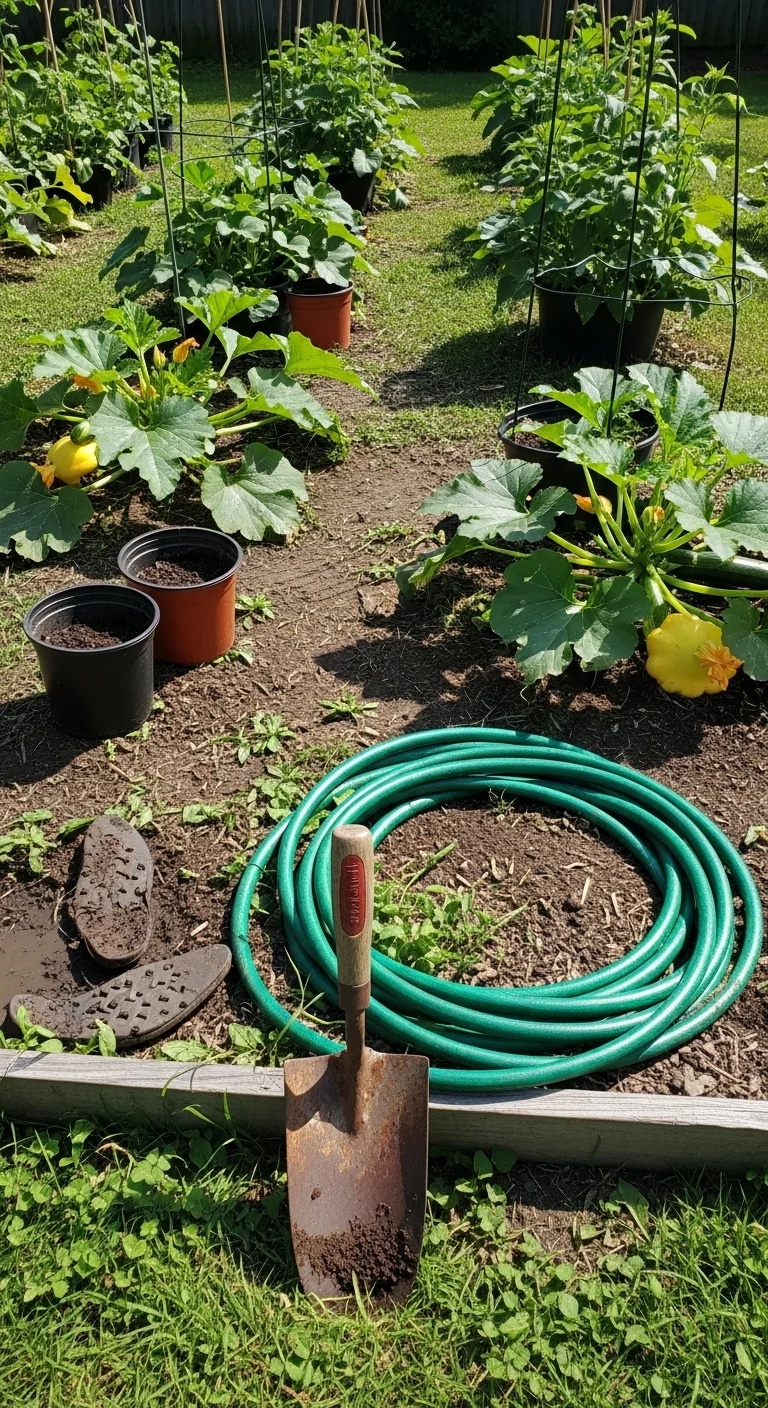
Zucchini and squash growing methods deliver reliable production only when the approach fits your plot measurements and local soil warming timeline. Most guides offer blanket instructions that ignore these details and result in vines overtaking pathways or delayed fruit set in marginal conditions.
This covers nine targeted methods for summer types of zucchini and squash. It excludes winter squash storage varieties and any large scale commercial techniques. The focus stays on home vegetable gardens with measurable conditions such as space limits or temperature thresholds.
Use the grid and table below to select the method that aligns with your garden before the first seed goes in the ground. Each profile gives exact steps and the one constraint that changes everything.
Measure your available spread and check soil temperature against the 60 F threshold then lock in the matching method for steady harvests.
The Yield Grid Decision Grid
Branch 1: Space constrained setups. Less than 4 feet of horizontal spread available per plant or container and balcony conditions. Recommended: Items 2, 3, and 8 below.
Branch 2: Large in ground gardens. Room for plants to spread 4 feet or more with good drainage and full sun. Recommended: Items 1, 4, and 7 below.
Branch 3: Short season or cooler climates. Soil warming delayed past mid spring or nights frequently drop below 55 F. Recommended: Items 5, 6, and 9 below. For layout examples across all branches consult the raised bed vegetable garden guide.
Quick Comparison Table
| Option | Key mechanism | Best for | Decision Grid Branch | Effort Score |
|---|---|---|---|---|
| Hill Planting Technique | Mounded soil for root warmth and drainage | Ample space drainage improvement | Branch 2 | 1 |
| Container Growing | Restricted root volume in pots for compact habit | Patios and balconies | Branch 1 | 3 |
| Vertical Trellis Training | Upward vine support to save horizontal space | Small footprints with vertical room | Branch 1 | 4 |
| Raised Bed Mound System | Elevated mounds inside beds for early warming | Controlled drainage in larger beds | Branch 2 | 2 |
| Companion Flower Integration | Interplanted flowers to draw pollinators | Pollinator limited areas | Branch 3 | 2 |
| Mulch and Drip Setup | Organic mulch layer with drip lines for moisture consistency | Water conservation in variable weather | Branch 3 | 3 |
| Succession Planting Schedule | Staggered seeding every 3 weeks | Extended harvest windows | Branch 2 | 3 |
| Hand Pollination Protocol | Manual pollen transfer with cotton swab | Low bee activity periods | Branch 1 | 5 |
| Airflow Pruning Method | Targeted leaf removal for better circulation | Humidity prone zones | Branch 3 | 4 |
Hill Planting Technique for Zucchini and Squash
Best for: Branch 2
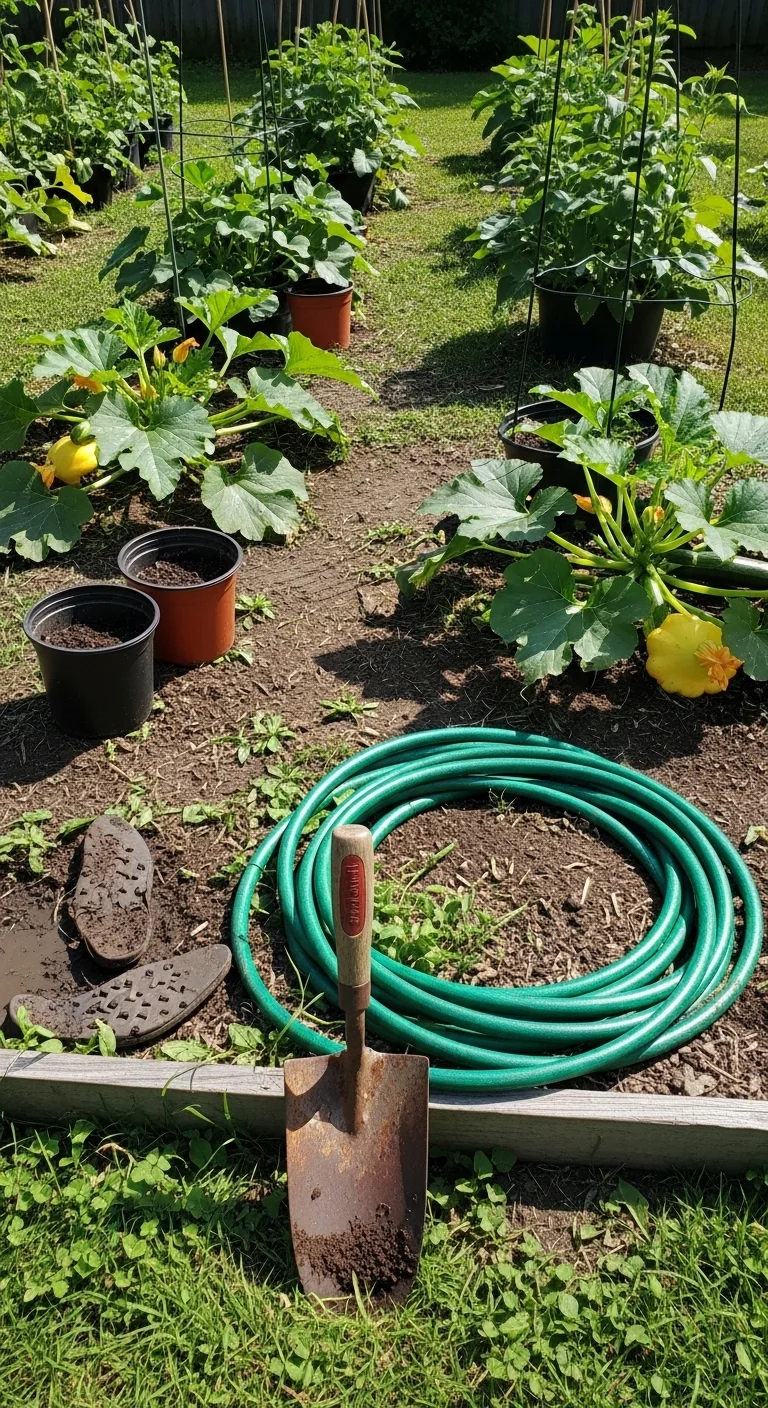
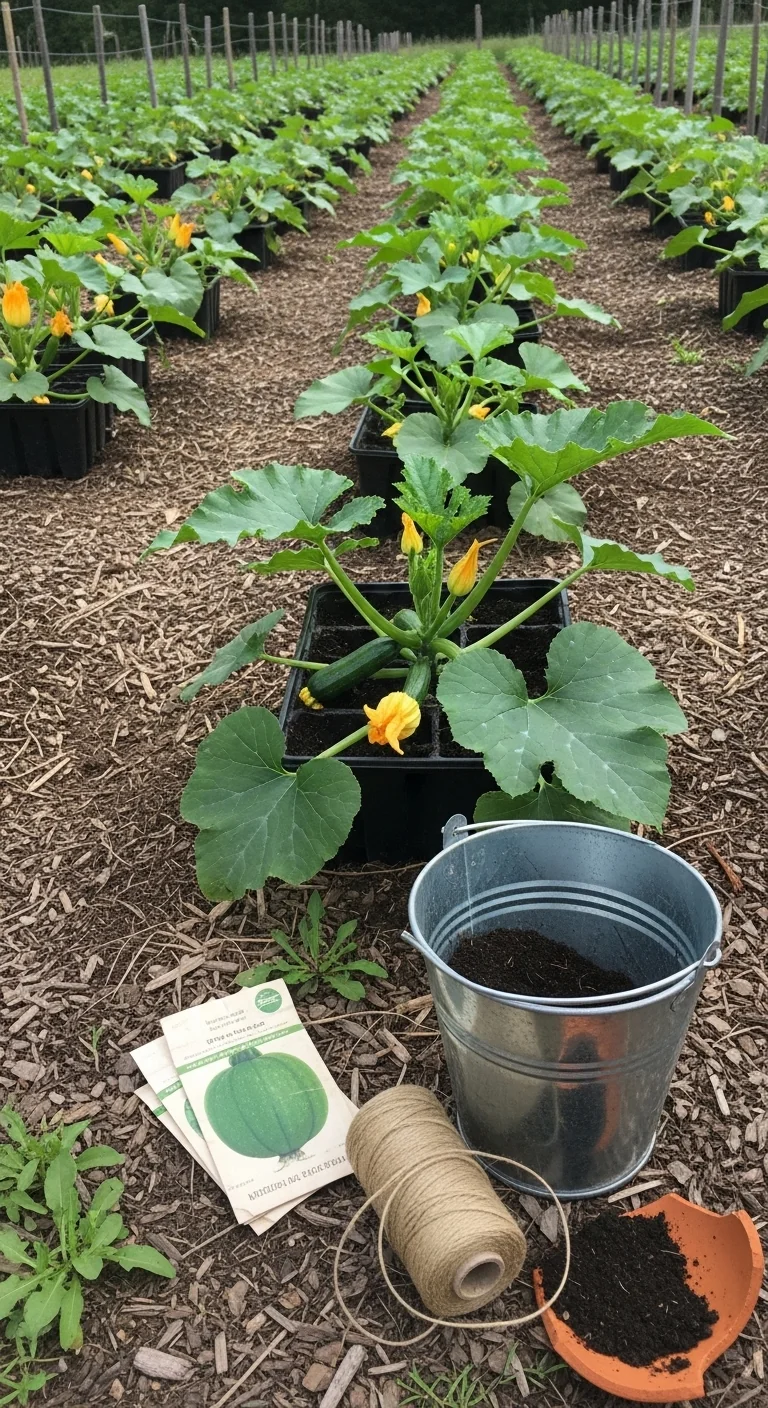
Hill planting concentrates roots in warm mounded soil and improves drainage for heavy producing zucchini and squash. Create hills 12 inches high and 24 inches wide with 3 to 4 seeds per hill. Space hills 3 to 4 feet apart in full sun after soil reaches 60 F. Thin to the strongest 2 or 3 plants per hill once true leaves appear. This method suits large gardens because the mounds prevent water logging during heavy rains and encourage deeper rooting. One common mistake is flattening the hills too early: keep the shape intact for the first 4 weeks to maintain the warmth advantage. Combine with 2 inches of compost worked into the base for steady nutrient release without extra applications later in the season.
Container Growing for Zucchini and Squash
Best for: Branch 1
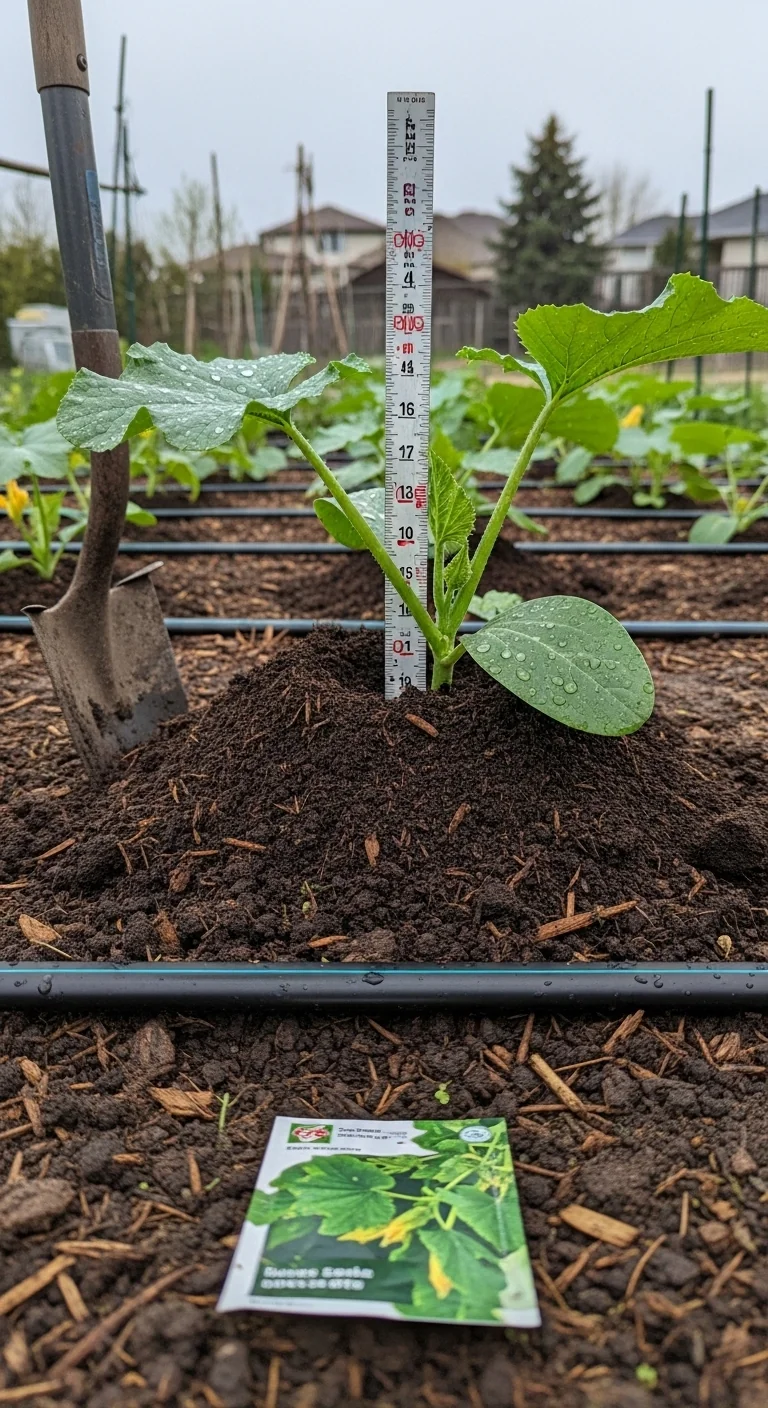
Use container growing when horizontal space stays under 4 feet. Select 5-gallon pots or larger with drainage holes and fill with a mix of potting soil and compost. Plant 2 seeds per pot and thin to one strong seedling. Bush-type zucchini and squash stay compact in this setup and produce well on patios or balconies. Skip this method if you have open ground because in-ground plants develop larger root systems and higher overall output. Edge case: In temperatures above 90 F, check soil moisture twice daily to avoid wilting since containers dry faster than beds.
Vertical Trellis Training for Zucchini and Squash
Best for: Branch 1
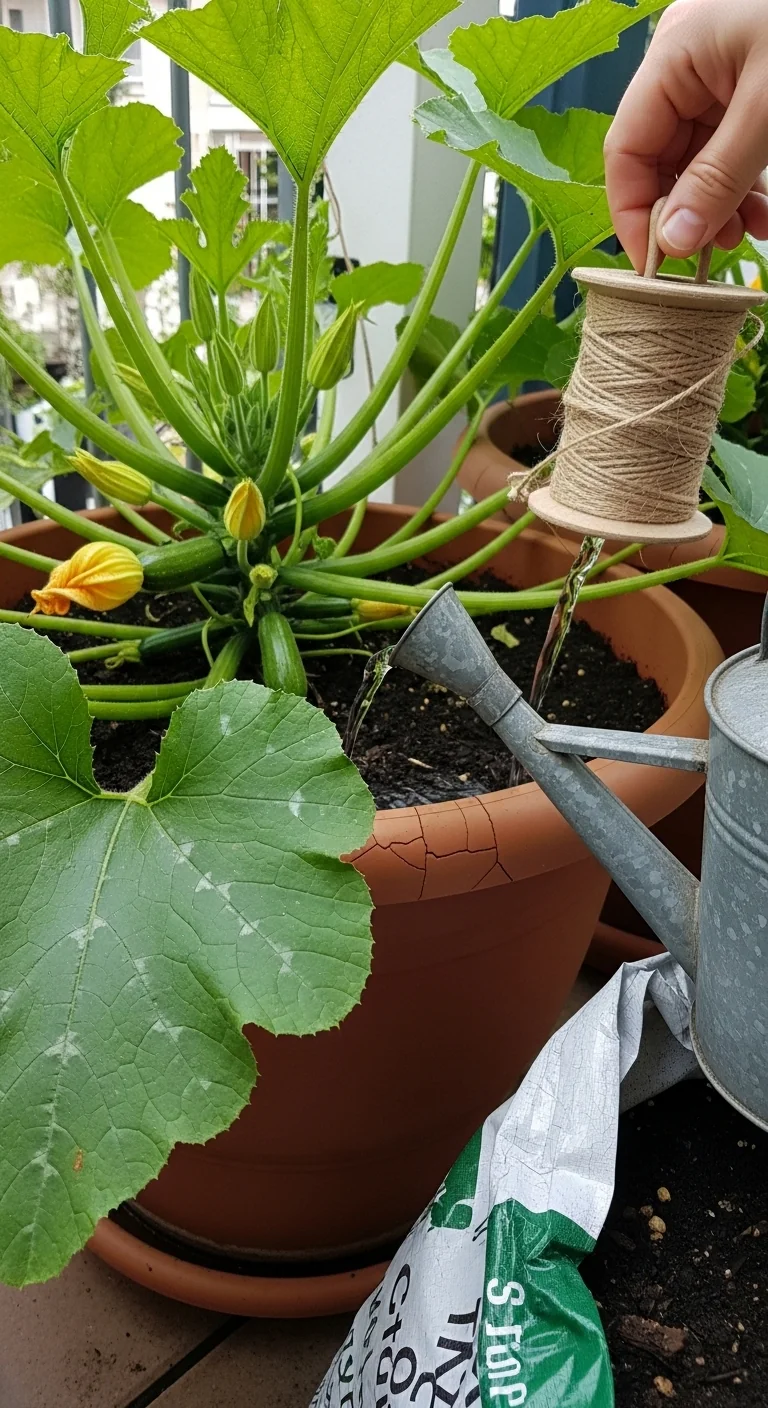
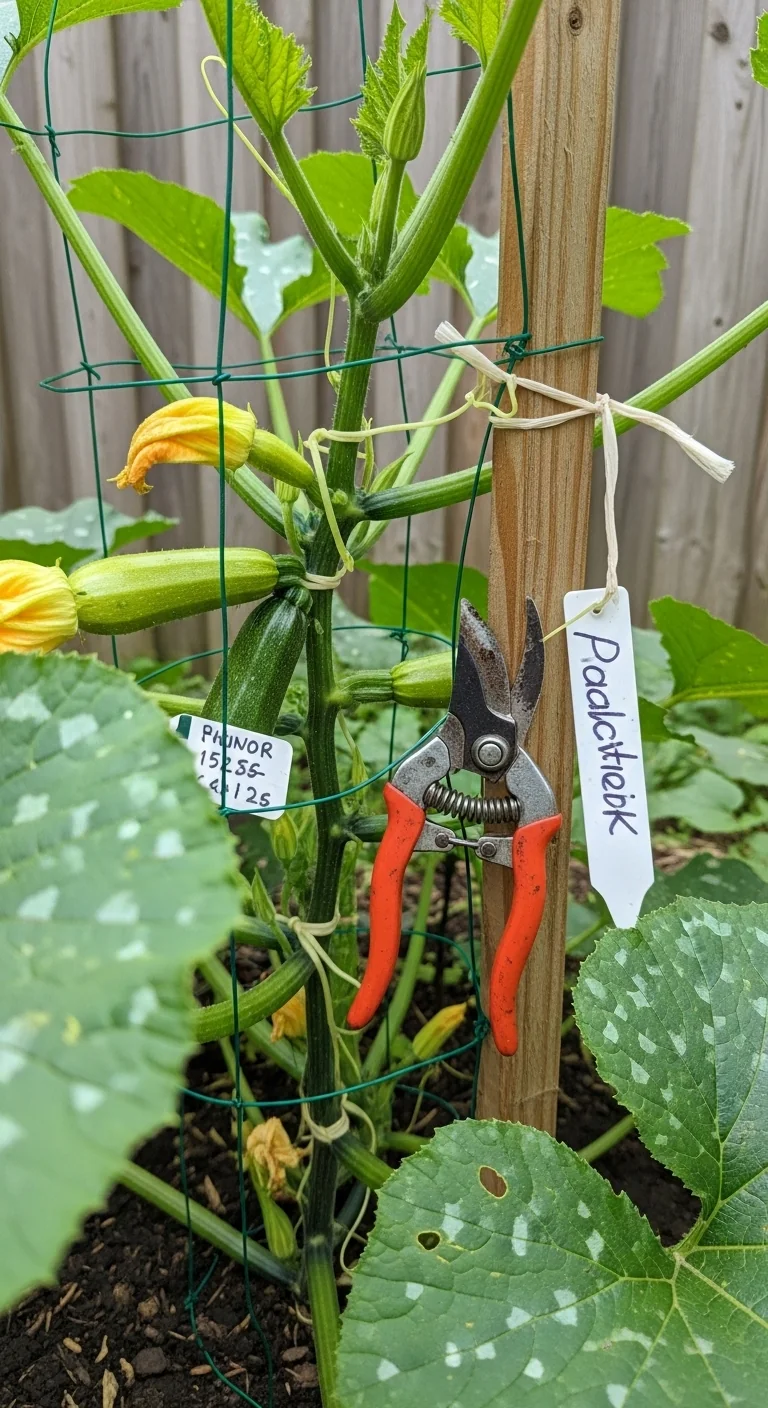
Vertical trellis training directs vines upward on sturdy supports to reclaim space in tight plots. Install a 6-foot-tall trellis or cattle panel and tie main stems loosely as they grow. This works for vining squash types and some zucchini. Space plants 2 feet apart at the base and train one main stem per support. The mechanism reduces ground contact and lowers disease risk while allowing air flow. Threshold adjustment: if your trellis sags under fruit weight, add cross braces every 2 feet. See the cucumber on trellis guide for similar support ideas adapted here.
Raised Bed Mound System for Zucchini and Squash
Best for: Branch 2
The raised bed mound system elevates planting zones inside beds for faster soil warming and better root aeration in larger gardens. Build mounds 8 to 10 inches high within 4-foot-wide beds and plant 2 to 3 seeds per mound. Space mounds 3 feet apart, center to center. This setup combines the benefits of raised beds with hill-style drainage and suits gardeners who already use beds but want extra early-season heat. Steps include amending the base soil with compost before mounding and watering deeply at planting and then reducing frequency once established. Avoid overcrowding mounds because competition for light reduces fruit quality. The method extends the productive window by 2 weeks in cooler springs compared to flat planting.
Companion Flower Integration for Zucchini and Squash
Best for: Branch 3
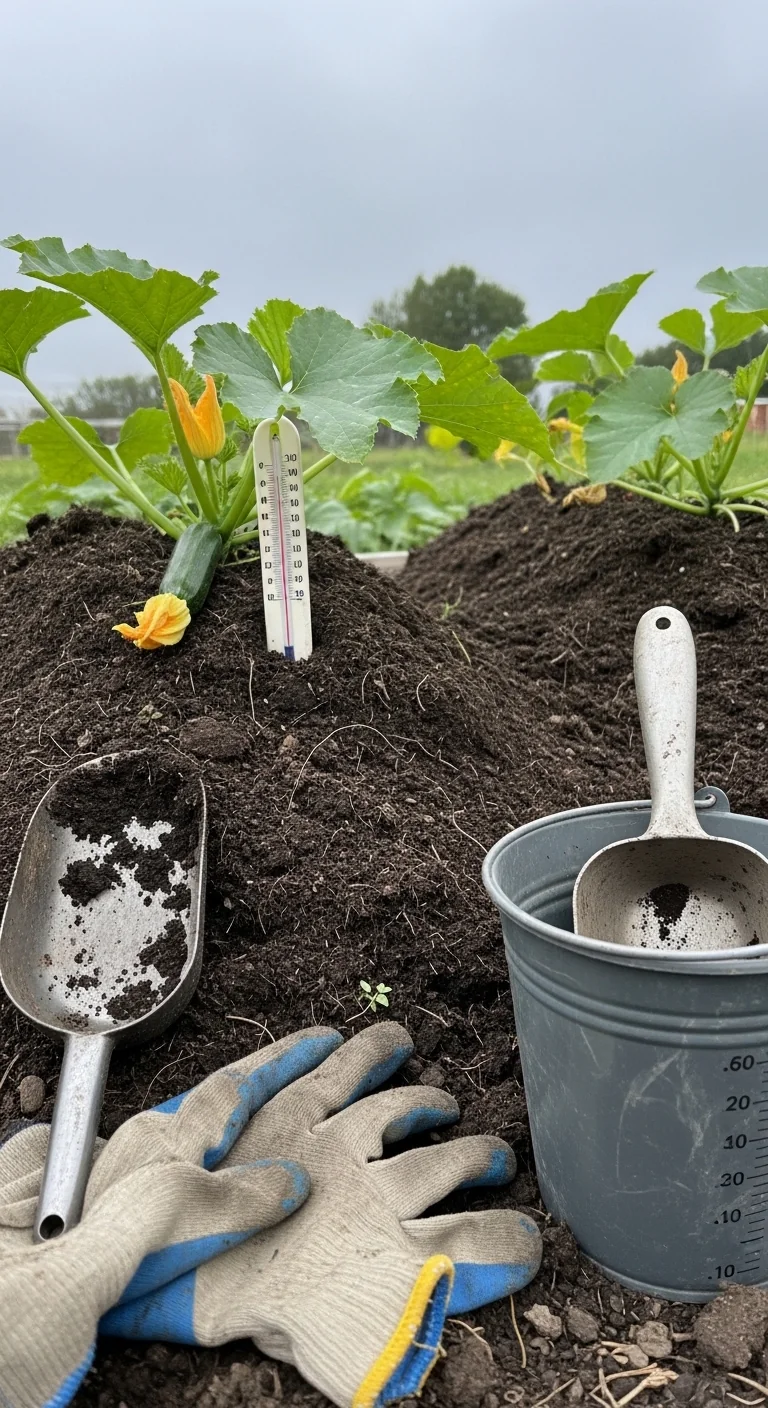
Companion flower integration plants marigolds or nasturtiums between zucchini and squash to attract bees and deter certain pests. Space flowers 12 inches from squash stems in short-season areas where pollinator numbers drop early. This boosts flower visitation without extra effort. Use vs. skip: use in cooler climates where bee activity slows; skip in hot, dry zones where flowers compete for water. Edge case: choose low-growing varieties under 18 inches tall to avoid shading the squash leaves. See the companion planting for vegetables guide for pairing charts.
Mulch and Drip Setup for Zucchini and Squash
Best for: Branch 3
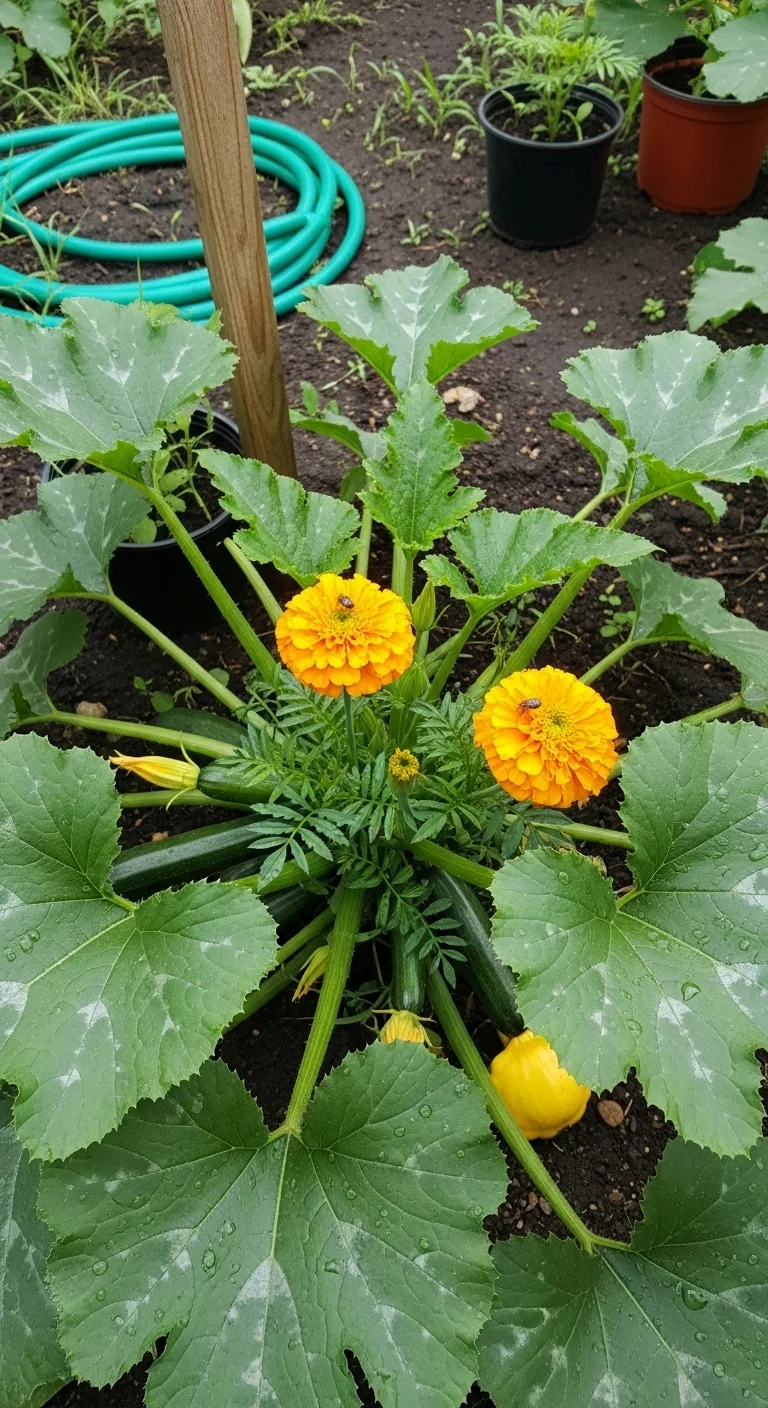
Mulch and drip setup layers 3 inches of organic mulch around established plants and run drip lines at the base to maintain even soil moisture in variable or short-season weather. Apply mulch after soil warms to 60 F and seedlings reach 6 inches tall. This conserves water and suppresses weeds while keeping leaves dry to reduce foliar issues. Threshold rule: maintain 1 inch of water per week delivered slowly through the drip; adjust emitter spacing to 12 inches for larger plants. The combination prevents the soil temperature swings common in cooler climates and supports steady fruit development through late summer.
Succession Planting Schedule for Zucchini and Squash
Best for: Branch 2
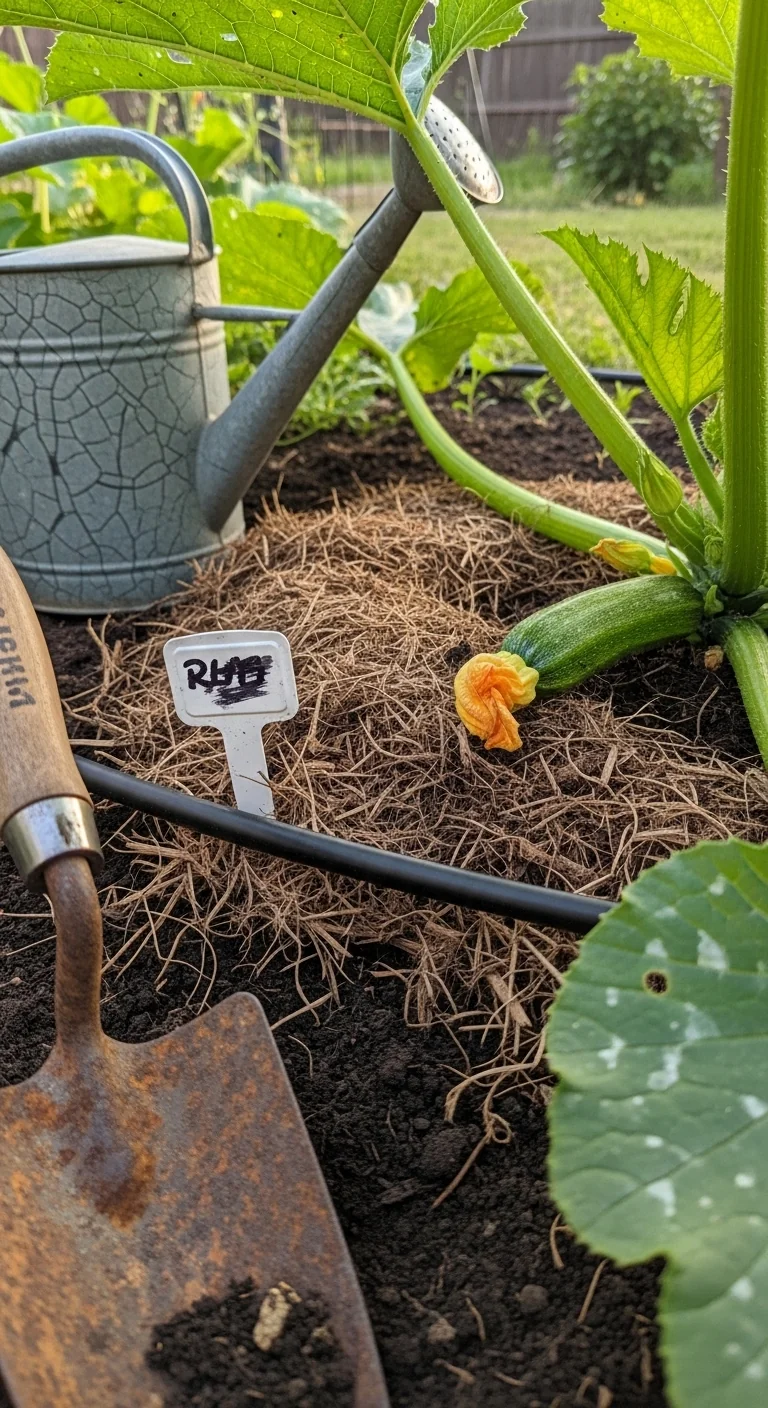
A succession planting schedule staggers zucchini and squash seeding every 3 weeks to extend the harvest window in large gardens. Start the first sowing when soil hits 60°F, then follow up with new hills or rows at the 3-week mark up to midsummer. This prevents the mid-season lull when early plants slow down. Blueprint steps: mark dates on a calendar, prepare new spots in advance, and use the same hill or mound method for consistency. One key constraint is stopping succession after early July in most zones to allow the final plants time to mature before frost. The approach keeps fresh fruit coming without storage needs and fits expansive plots where rotating spots is feasible.
Hand Pollination Protocol for Zucchini and Squash
Best for: Branch 1
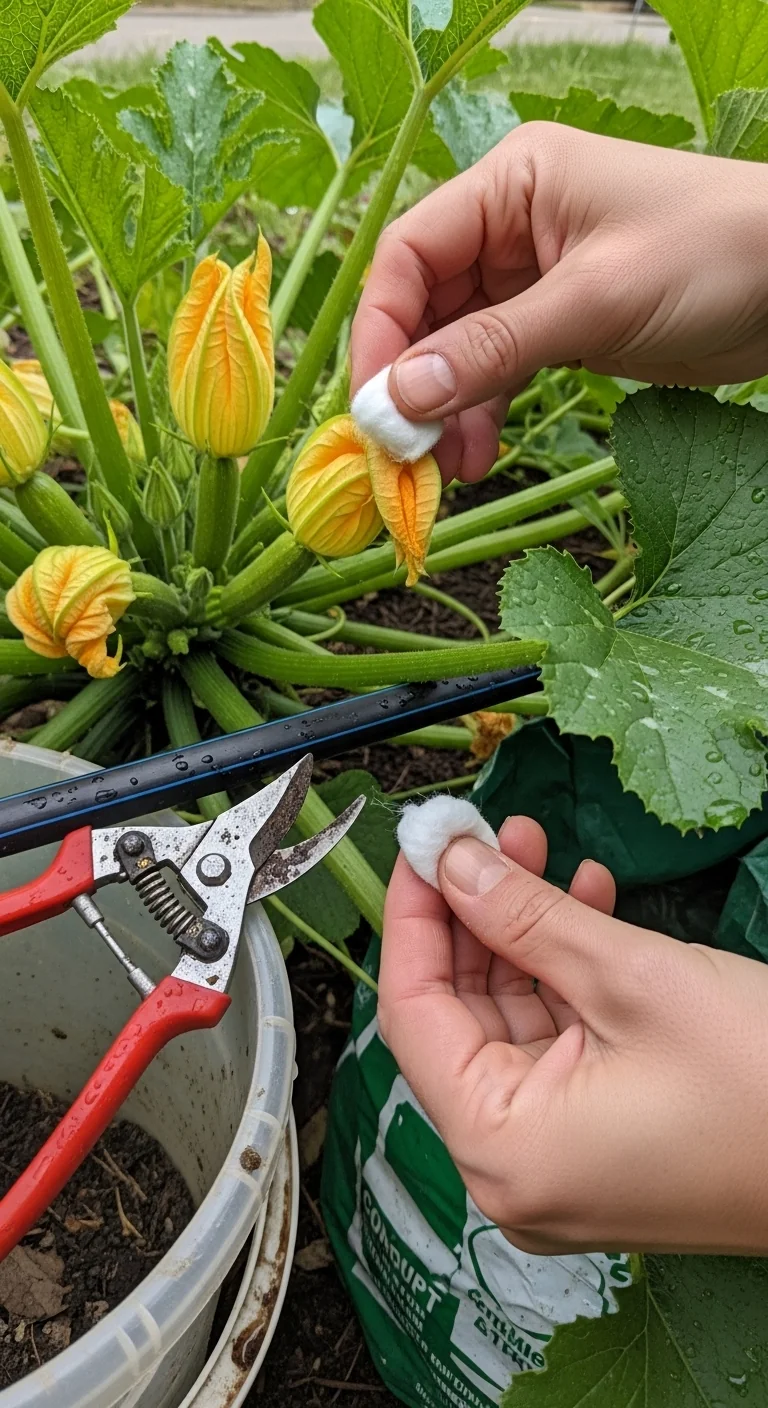
The hand pollination protocol uses a cotton swab or small brush to transfer pollen from male to female flowers when bee visits stay low in space-constrained areas. Identify male flowers by their long stems and female flowers by the tiny fruit base. Perform the task in the early morning every 2 to 3 days during bloom. This guarantees fruit set even on patios with limited insect traffic. Use vs. skip: use when fewer than 2 pollinator visits per flower occur; skip in open gardens with active bees. The protocol takes under 5 minutes per session once learned and prevents the empty flower drop common in isolated container setups.
Airflow Pruning Method for Zucchini and Squash
Best for: Branch 3
The airflow pruning method removes the oldest lower leaves on zucchini and squash once plants reach 18 inches tall to improve circulation in cooler or humid short-season spots. Cut leaves at the base with clean shears, leaving the main stem intact. Limit removal to no more than 3 leaves per plant per week. This reduces moisture trapping on foliage and lowers disease pressure without chemicals. Combine with mulch for best results. Threshold adjustment: prune only after the first female flowers appear to avoid stressing young plants. The technique extends productive life by keeping the canopy open through late summer when nights cool.
Starter Stack (What to Choose First)
For Branch 1 Gardeners
Start with container growing and vertical trellis training. These two methods work together by keeping plants upright and roots contained in limited footprints. Setup time ranges from 45 to 90 minutes, and material cost stays between 20 and 50 dollars depending on pot and trellis size.
For Branch 2 Gardeners
Begin with hill planting technique and succession planting schedule. The mound warmth pairs with staggered seeding to deliver continuous output across large areas. Setup requires 1 to 2 hours and costs 10 to 25 dollars for seeds and basic compost.
For Branch 3 Gardeners
Choose companion flower integration and mulch and drip setup first. Pollinator support plus moisture control synergize to handle cool nights and variable conditions. Preparation takes 30 to 60 minutes and runs 15 to 35 dollars for mulch and starter flowers.
When This Won’t Work
These methods fail if soil temperature stays below 60 F for more than 10 days after planting because germination slows and seedlings remain weak. The alternative is to start seeds indoors 3 weeks before the last expected frost and transplant hardened seedlings once soil warms. Another measurable failure occurs when pollinator activity drops below 1 visit per 10 flowers during peak bloom on any branch. Hand pollination then becomes essential, or fruit set remains incomplete. To time planting correctly, consult the vegetable planting calendar.
Choosing the Right Option for Your Situation
Budget Threshold
If your total seed and material budget stays under 30 dollars, select hill planting or mulch and drip setup. These require the fewest purchased inputs beyond basic seeds and mulch.
Time Threshold
If weekly maintenance time remains under 1 hour, choose the hill planting technique or companion flower integration. These need only occasional checks after initial setup.
Technical Constraint
If soil pH falls outside the 6.0 to 7.5 range, amend first with lime or sulfur, then use a raised bed mound system to buffer the adjustment.
Yes or no checklist:
Is available spread under 4 feet? Yes, it leads to Branch 1 methods.
Does your garden have room for a 4-foot spread? Yes, it leads to Branch 2 methods.
Do nights drop below 55°F often? Yes, it leads to Branch 3 methods.
Match the branch, then pick the first starter stack pair.
Expert Q&A
How do zucchini and squash differ in pollination needs?
Both belong to the same species group and require bee activity for fruit development, but squash flowers tend to open earlier in the day. Female flowers last only one day, so timing matters. Hand pollination works identically for both, using pollen from any male flower on the same or nearby plant.
What soil temperature threshold matters most for zucchini and squash germination?
Soil must reach at least 60 F before direct seeding. Below this level, seeds rot in cold, wet ground. Use a soil thermometer inserted 2 inches deep in the morning for accurate readings before planting.
Can different zucchini and squash varieties cross pollinate in the same garden?
Yes, they can cross, but the effect shows only in saved seed the next year. Fruit on the current plants remains true to type regardless of nearby varieties. Plant them together without concern for this season’s harvest.
How often must zucchini and squash be harvested to maintain production?
Check plants every 2 to 3 days and pick zucchini at 6 to 8 inches long and pattypan at 3 to 4 inches in diameter. Leaving oversized fruit signals the plant to slow new flower production.
What simple step reduces vine borer damage on squash?
Wrap the base of young stems with aluminum foil or row cover fabric for the first 4 weeks after planting. This blocks the adult moth from laying eggs at soil level without chemicals.
Conclusion
The central decision for zucchini and squash comes down to matching the method to your exact space and temperature conditions rather than defaulting to one approach. The number one mistake is planting without checking soil temperature against the 60 F mark and ending up with weak starts or overcrowded beds.
Take the next step today by measuring your plot against the grid, then set up the first method from your branch. Follow up with the watering vegetable garden guide once plants emerge.