
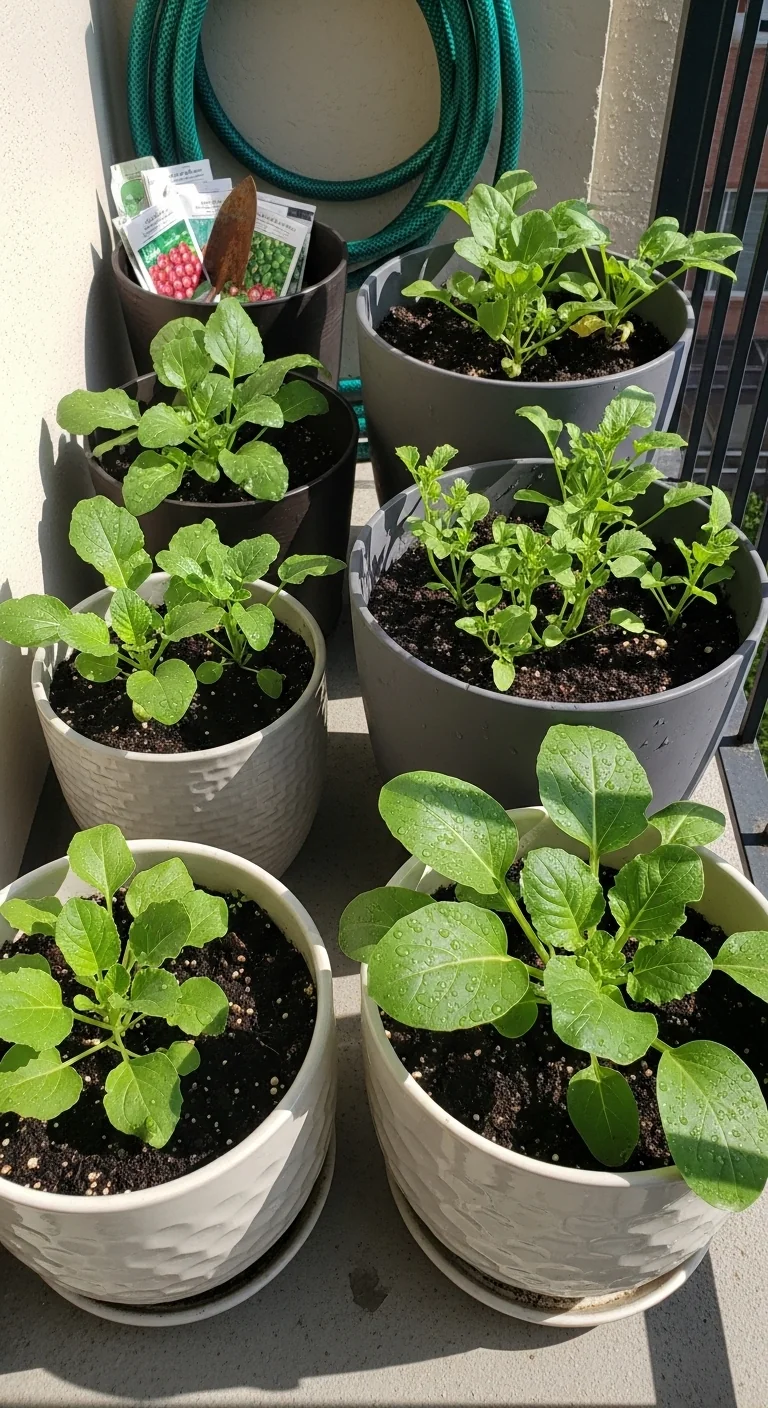
Balcony vegetable gardening succeeds when crop choices align exactly with three measurable constraints of your space: daily sunlight hours, wind exposure levels, and floor load capacity. Most guides ignore these and recommend the same popular plants, leading to leggy growth, toppling pots, or zero fruit set.
This article focuses on nine vegetable options optimized for standard apartment balconies across the US, UK, Canada, Australia, Germany, and the Netherlands. It excludes sprawling indeterminate vines, deep-root crops needing over 12 inches of soil depth, and anything requiring ground-level expansion.
You gain concrete rules to select and combine crops, starter stacks for immediate results, and thresholds that let you decide in under 10 minutes whether a plant fits your conditions. No more guessing which pots will waste space or fail by midsummer.
Align your balcony constraints with the right vegetable trio to harvest steadily from the first season onward.
The Yield Grid Decision Grid
Branch 1: Balconies with 6 or more hours of direct sunlight daily. These spaces support high-yield fruiting crops that need full light for flowering and fruit development. Recommended: Items 1, 4, and 7 below.
Branch 2: Balconies with 4 to 5 hours of direct sunlight or morning sun followed by afternoon shade. These conditions favor leafy crops that tolerate lower light without bolting quickly. Recommended: Items 2, 5, and 8 below.
Branch 3: Wind-exposed balconies or those with weight restrictions under 50 pounds per square foot of floor load. These require compact, low-profile plants that resist toppling and stay within structural limits. Recommended: Items 3, 6, and 9 below.
For full setup details on any balcony, see the container vegetable gardening guide.
Quick Comparison Table
| Option | Key mechanism | Best for | Decision Grid Branch | Effort Score |
|---|---|---|---|---|
| Determinate Tomato Varieties | Compact growth habit caps plant height at 3 to 4 feet | Full-sun fruiting with high output per pot | Branch 1 | 3 |
| Loose-Leaf Lettuce Mixes | Succession sowing every 10 days maintains steady supply | Partial-light leafy harvest in small pots | Branch 2 | 1 |
| Dwarf Bell Peppers | Bush form stays under 24 inches tall | Windy or weight-limited spots needing compact fruit | Branch 3 | 2 |
| Trellised Cucumbers | Vertical training uses railing or mesh for support | Full-sun spaces with limited floor area | Branch 1 | 4 |
| Radishes | 21-day maturity cycle fits tight timing windows | Partial-sun quick-turn crops in shallow containers | Branch 2 | 1 |
| Dwarf Eggplant | Compact varieties produce in 10-inch pots | Wind-constrained balconies seeking warm-season fruit | Branch 3 | 3 |
| Bush Beans | Self-supporting bushes need no staking | Full-sun nitrogen-fixing addition to any mix | Branch 1 | 2 |
| Swiss Chard | Cut-and-come-again stems regrow after harvest | Lower-light spots requiring continuous greens | Branch 2 | 1 |
| Compact Zucchini | Patio varieties limit spread to 24 inches wide | Weight-restricted areas with full sun tolerance | Branch 3 | 2 |
Determinate Tomato Varieties
Best for: Branch 1
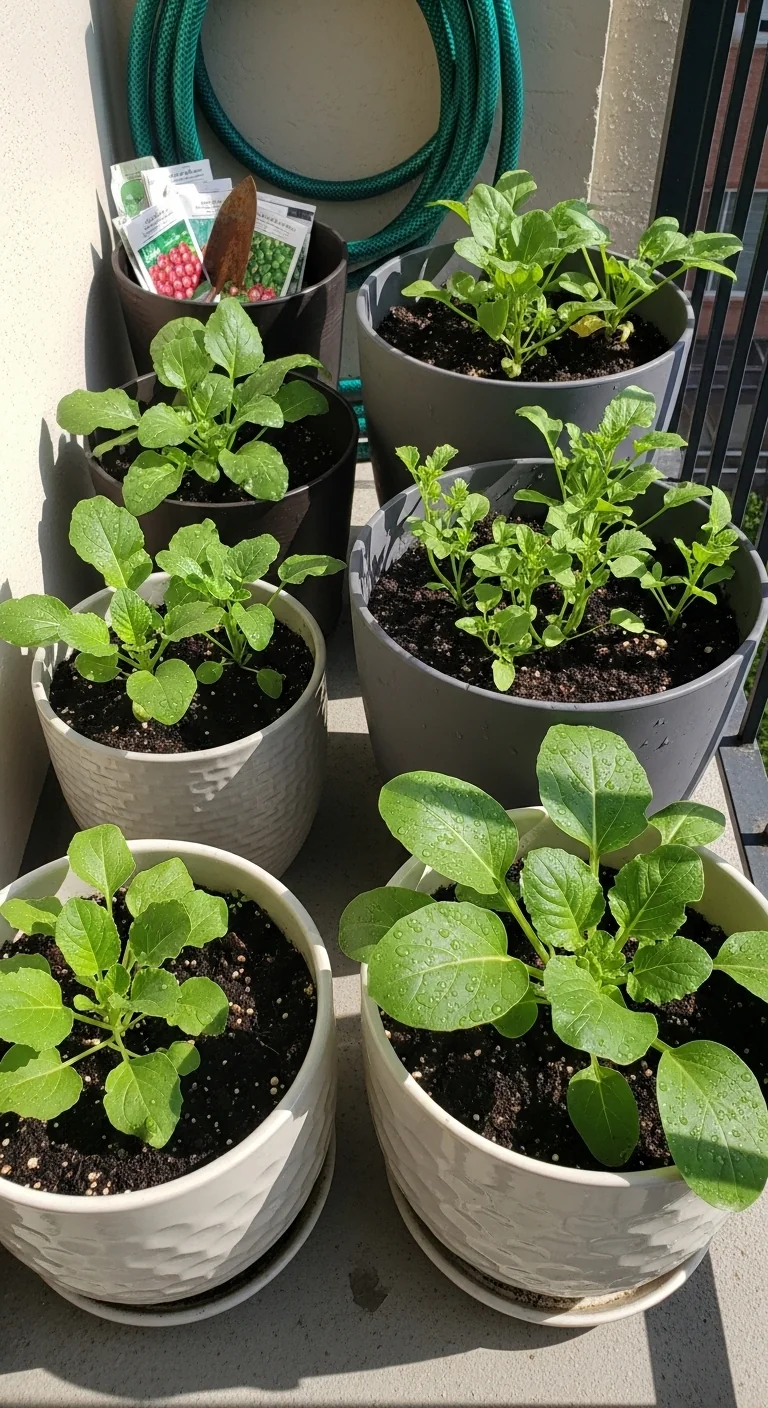
Determinate tomatoes stop growing once flower clusters form, making them ideal for balconies where height control prevents shading neighbors or tangling railings. Use 5-gallon pots with drainage holes to keep roots oxygenated and avoid blossom end rot from inconsistent moisture. Plant after the last frost when soil temperature reaches 60 degrees Fahrenheit or higher.
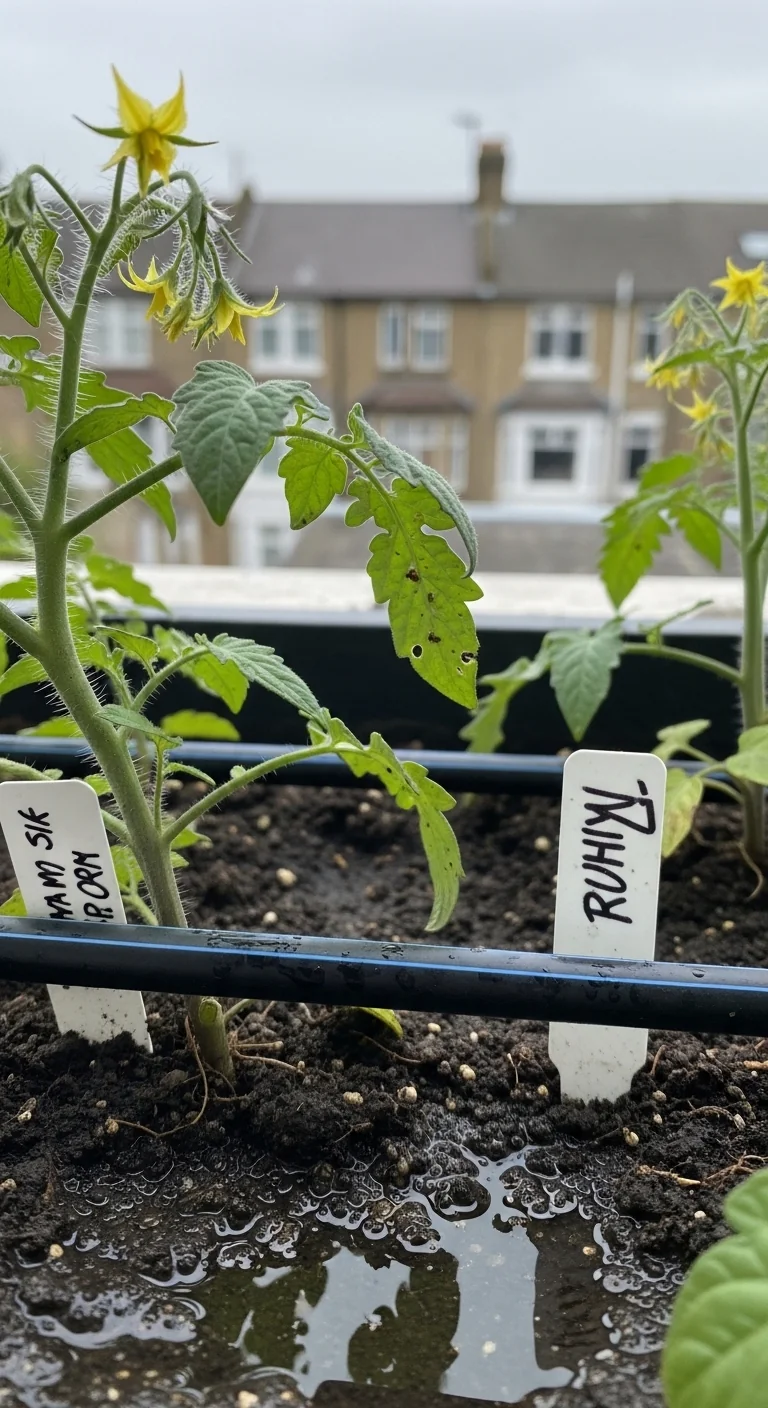
Space pots 18 inches apart to allow air circulation that reduces fungal risk in humid conditions. Apply organic fertilizer at transplant and again at first flower set using the dilution ratio on the package. Common mistake to avoid: choosing indeterminate types that keep stretching and topple in wind. This blueprint delivers ripe fruit 60 to 75 days after transplant in most temperate zones.
Loose-Leaf Lettuce Mixes
Best for: Branch 2
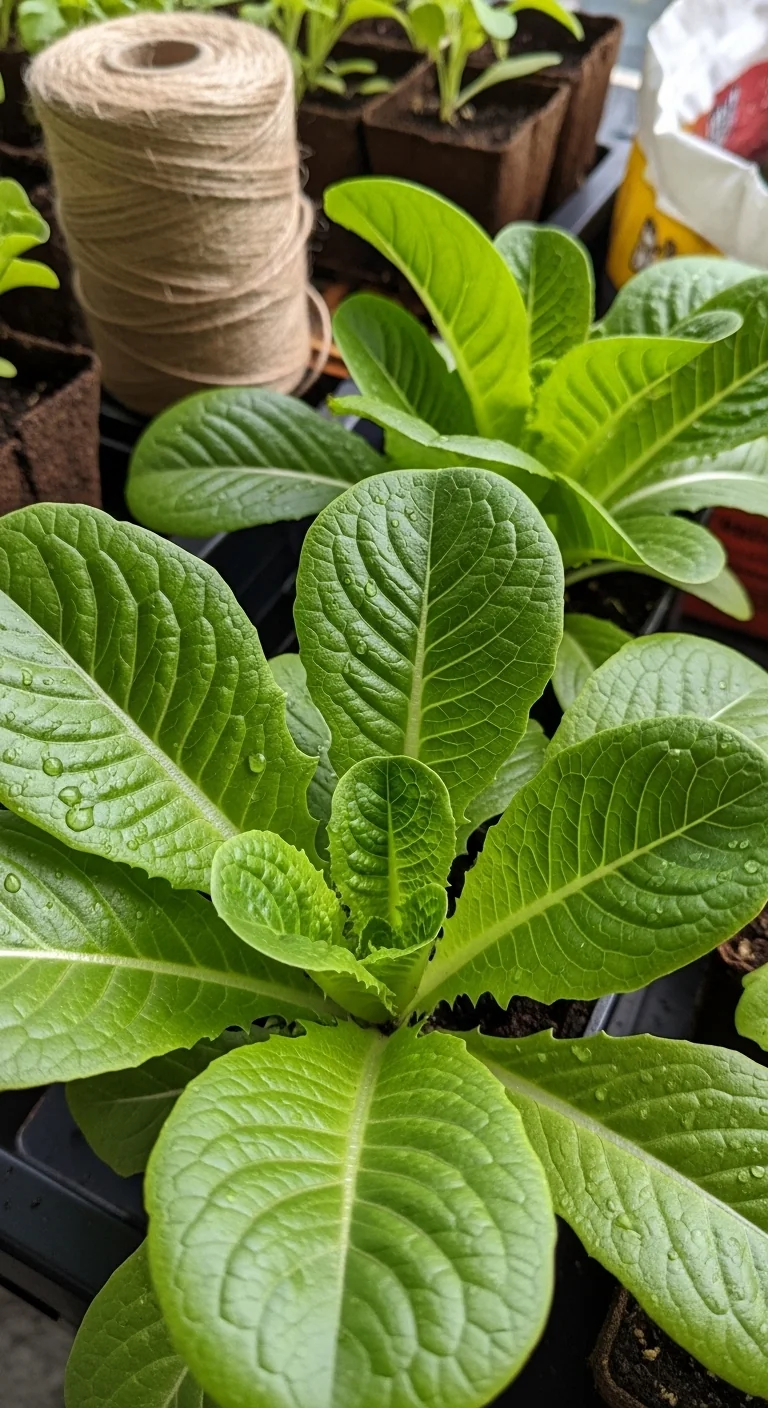
Use loose-leaf lettuce when you want fast greens without the commitment of head varieties that bolt in heat. Skip it if your balcony receives under 4 hours of light, as leaves stay small and bitter. These mixes tolerate partial shade better than fruiting crops and harvest in 30 to 45 days from seed.
Dwarf Bell Peppers
Best for: Branch 3
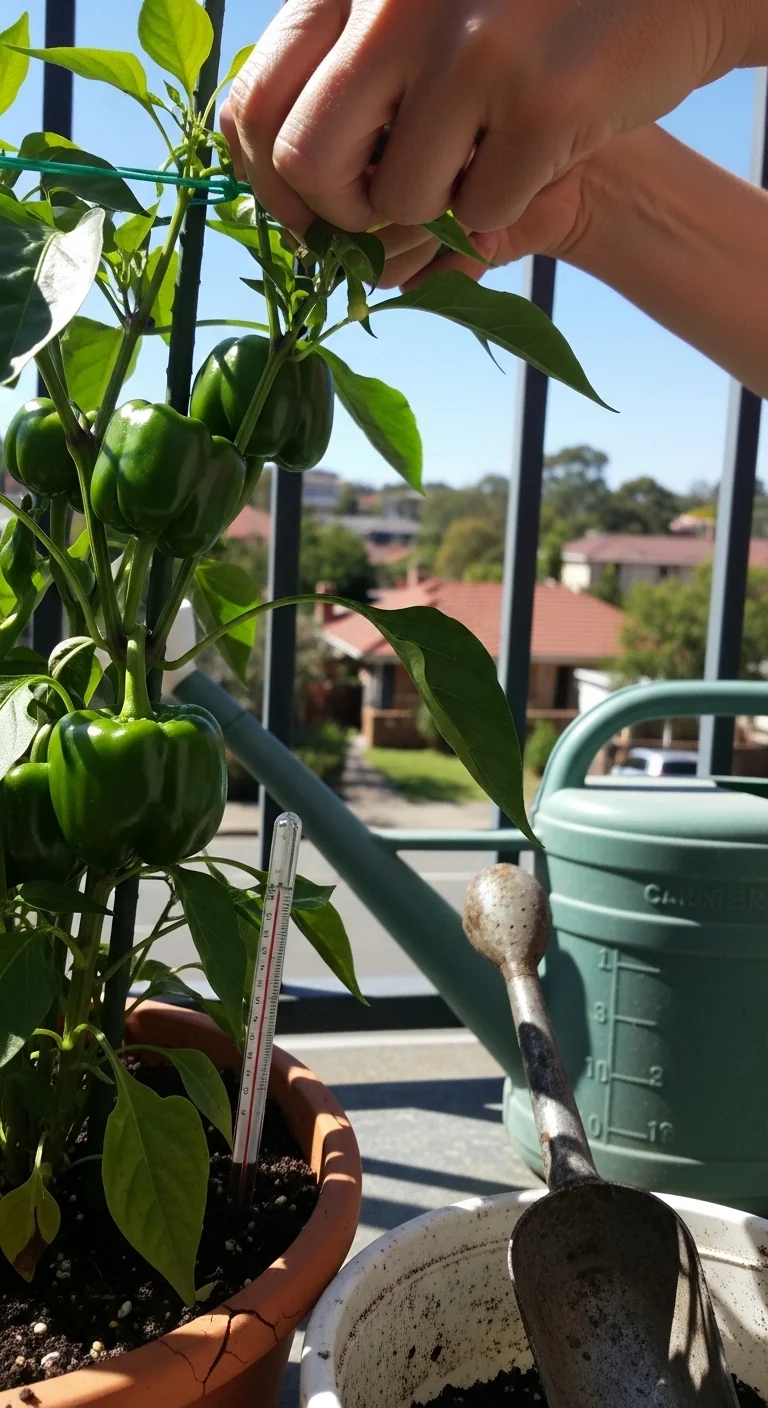
Dwarf bell peppers stay under 24 inches and produce reliably when daytime temperatures hold between 70 and 85 degrees Fahrenheit. The threshold rule is simple: if your balcony floor load rating is below 50 pounds per square foot or wind exceeds 15 miles per hour on most days, these compact bushes outperform taller peppers. Start seeds indoors 8 weeks before last frost or buy transplants. Use 10-inch pots filled with potting mix at pH 6.0 to 6.8. Water when the top inch of soil feels dry, and avoid over-fertilizing to prevent leaf drop. This keeps plants stable against gusts while still yielding 8 to 12 peppers per plant across the season.
Trellised Cucumbers
Best for: Branch 1
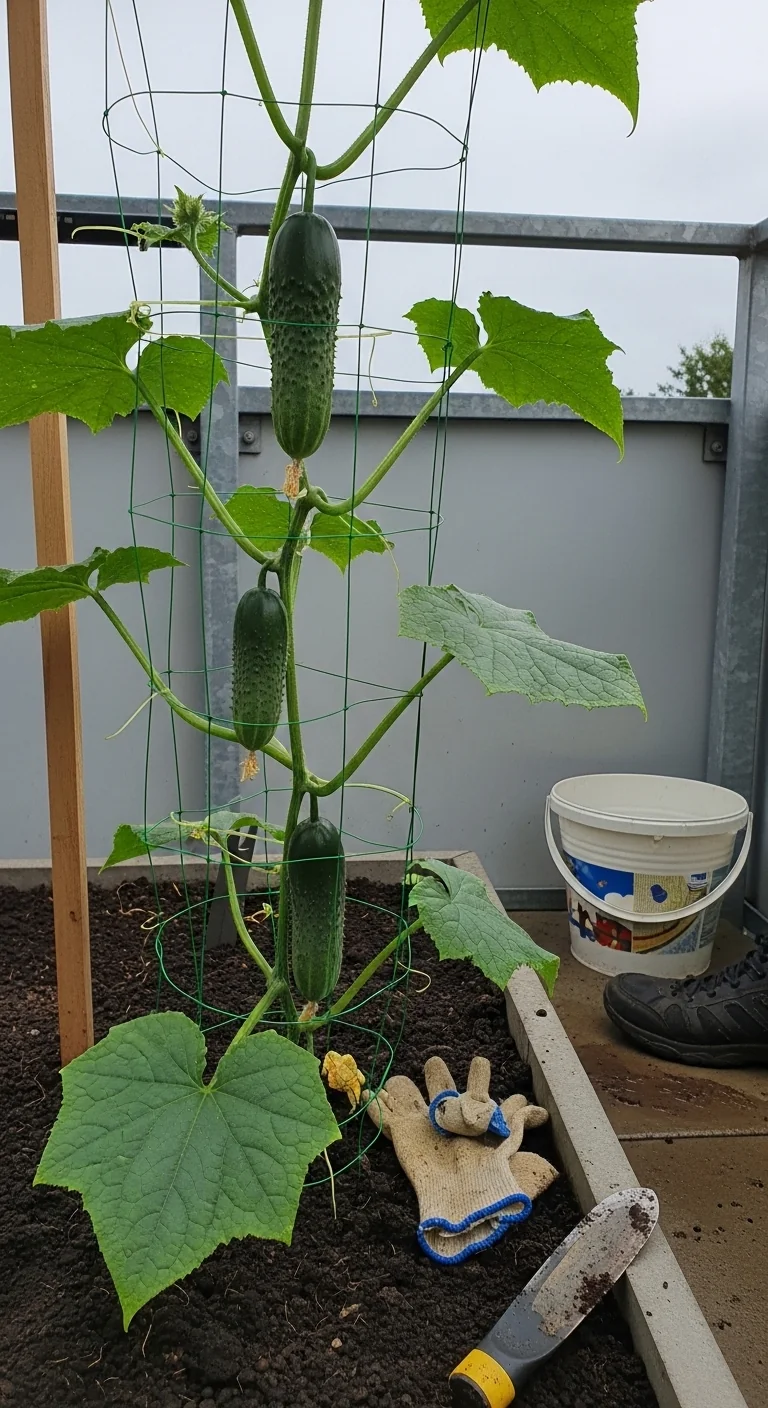
Trellised cucumbers turn limited floor space into vertical production on full-sun balconies. Follow this 10-minute workflow: secure mesh or netting to railing or wall at planting time, train vines upward every 3 days by gently tying with soft twine, and prune side shoots below the first 3 feet for better airflow. Upgrade option: add a drip irrigation line along the base to maintain even soil moisture above 60 degrees Fahrenheit soil-temperature. This prevents powdery mildew common in still balcony air and keeps fruit clean off the floor. Harvest when cucumbers reach 6 to 8 inches to encourage continuous production.
Radishes
Best for: Branch 2
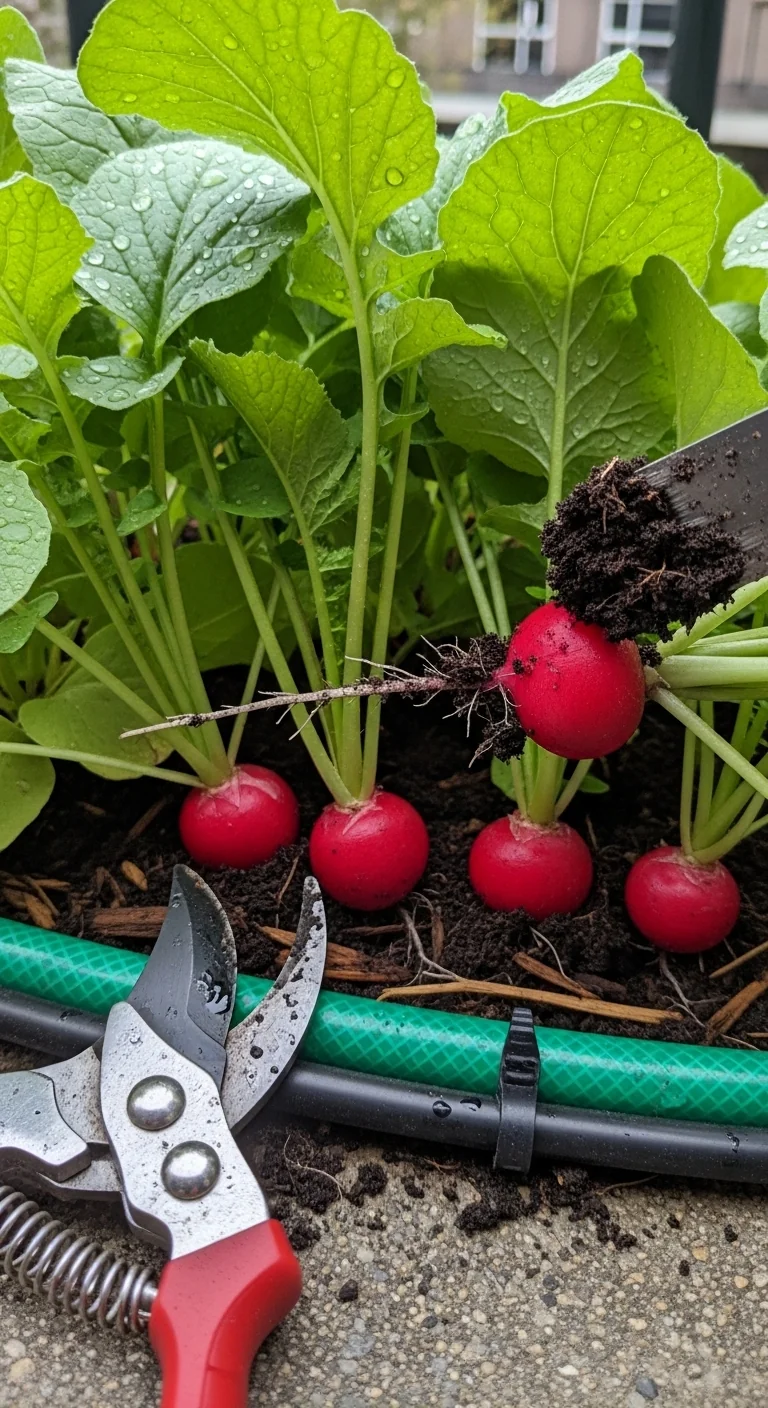
Radishes offer the fastest turnaround in partial-sun balconies. Sow directly into 6-inch deep containers every 10 days for staggered harvests. They tolerate light shade that would stall tomatoes and mature in 21 to 28 days when the soil stays above 50 degrees Fahrenheit.
Dwarf Eggplant
Best for: Branch 3
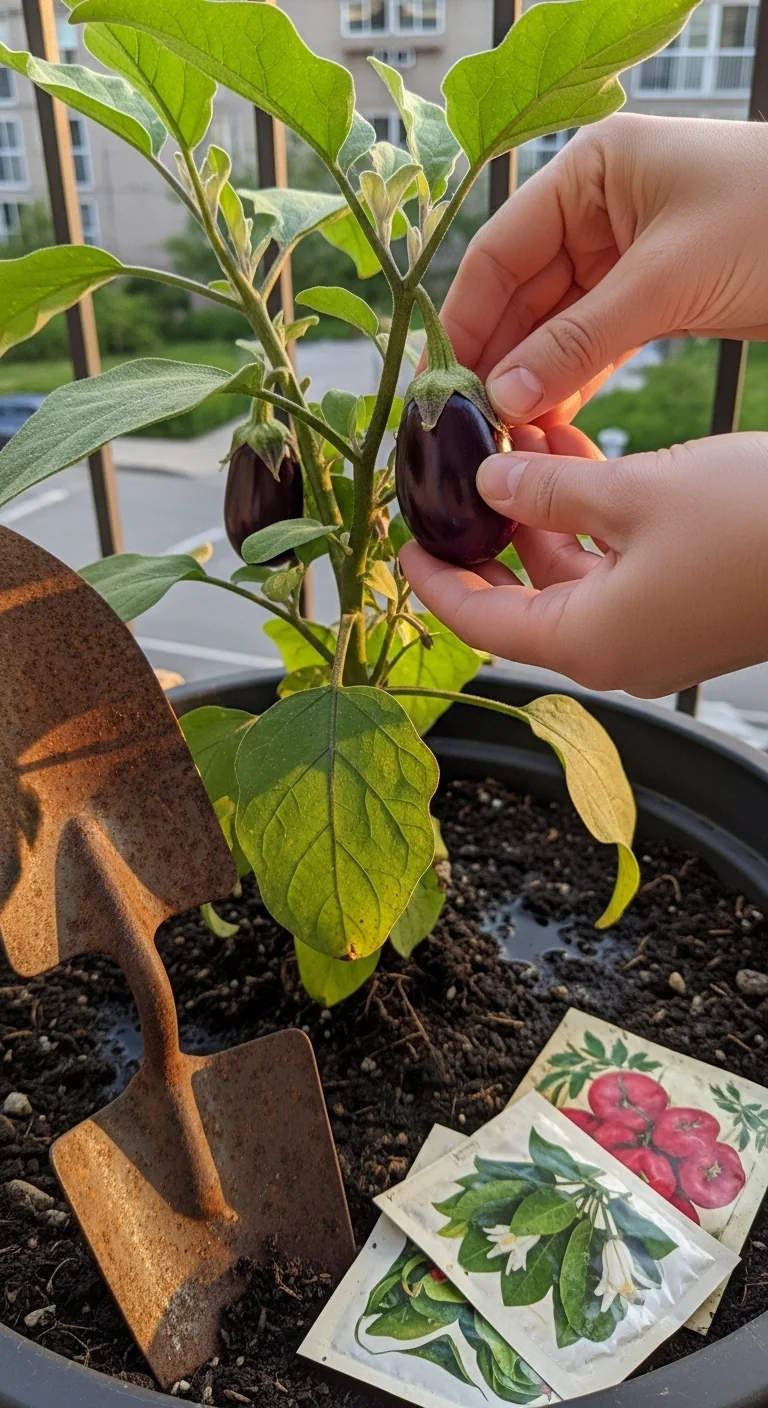
Dwarf eggplant varieties fit 10-inch pots and deliver fruit even on windy balconies when daytime highs stay between 75 and 90 degrees Fahrenheit. Use versus skip: plant them if you have at least 5 hours of sun and want warm-season color and flavor without heavy staking. Skip if nights regularly drop below 60 degrees Fahrenheit, as fruit set fails. These compact plants resist toppling better than standard types and pair well with nearby herbs for natural pest deterrence in tight quarters.
Bush Beans
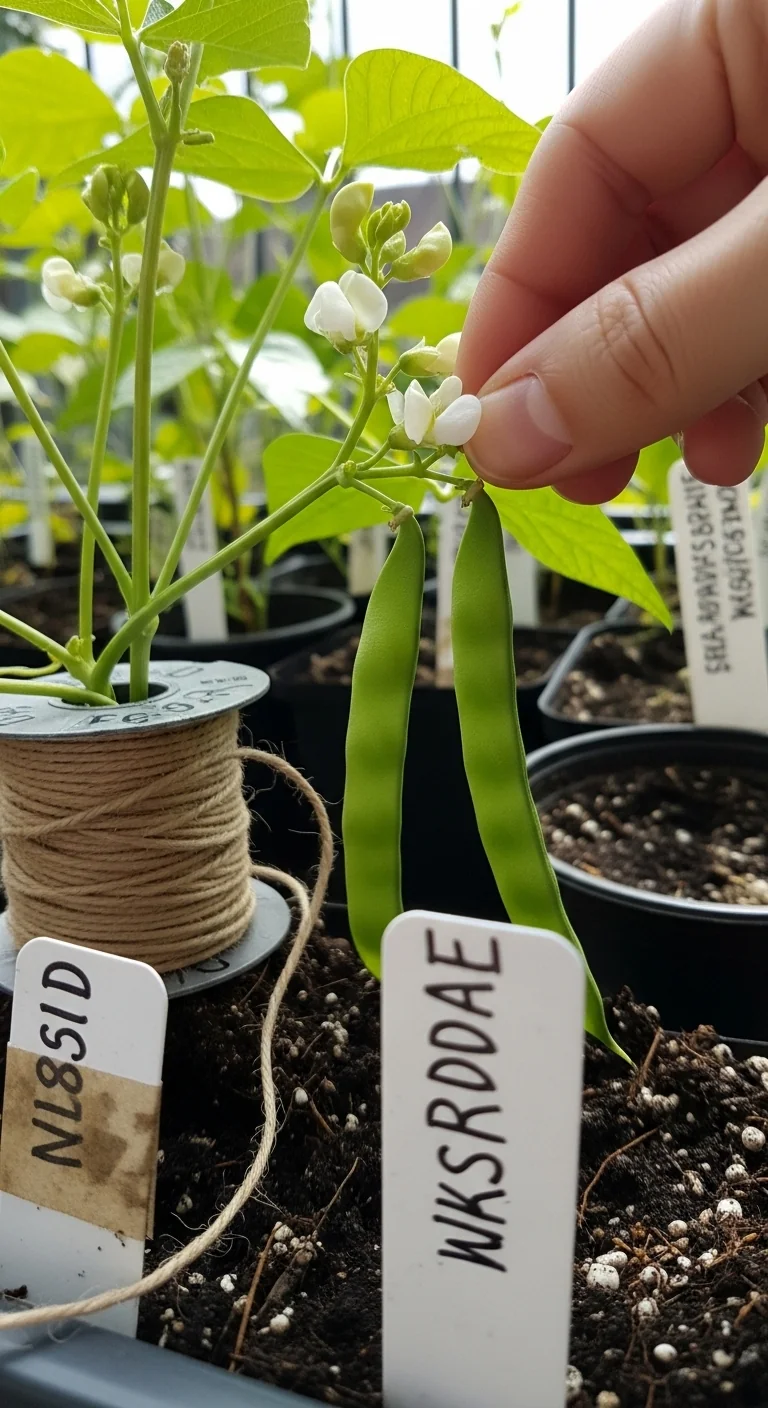
Best for: Branch 1
Bush beans fix nitrogen in the soil while producing pods in full-sun conditions, making them a low-effort addition to any balcony mix. They require no trellis and reach maturity in 50 to 60 days from seed. Direct sow after soil warms to 60 degrees Fahrenheit, spacing plants 4 inches apart in 8-inch pots. Harvest every 2 to 3 days once pods appear to keep plants productive. This option improves soil for neighboring crops without extra fertilizer steps and stays compact enough for railings under 3 feet high.
Swiss Chard
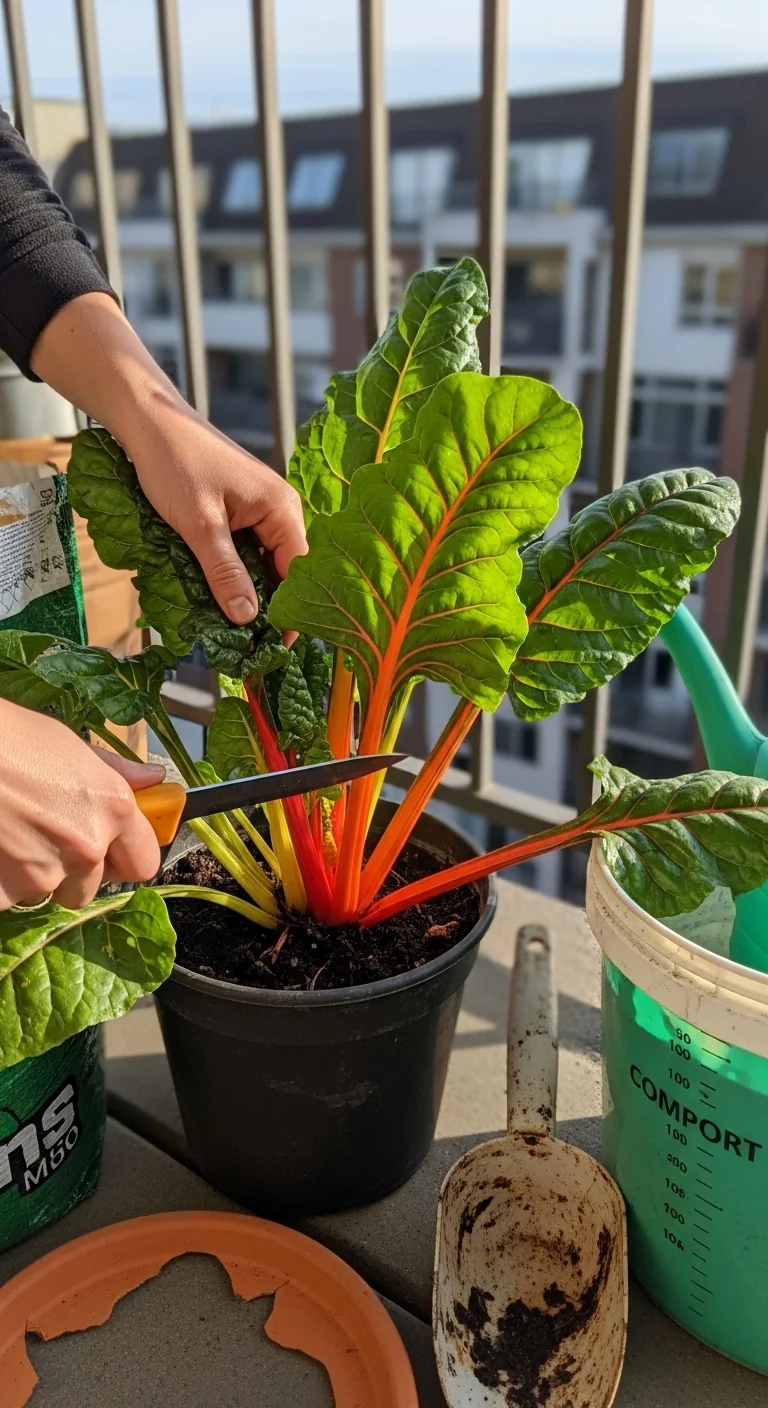
Best for: Branch 2
Swiss chard thrives in 4 to 5 hours of sun and regrows after each cut-and-come-again harvest. It handles light frost better than lettuce and provides greens for 8 to 10 weeks from one sowing when temperatures stay above 45 degrees Fahrenheit at night.
Compact Zucchini
Best for: Branch 3
Compact zucchini varieties limit spread to 24 inches wide, suiting weight-restricted balconies that still receive full sun. Use a blueprint approach: fill 12-inch pots with a well-draining mix at pH 6.0 to 7.0, plant two seeds per pot after last frost, thin to the strongest seedling, and hand-pollinate flowers with a brush if bee activity is low. Mist leaves in the morning to maintain humidity without waterlogging roots. This keeps plants stable in wind while delivering 4 to 6 fruits per plant in containers that weigh under the typical 50-pound limit.
Starter Stack (What to Choose First)
For Branch 1 balconies
Start with determinate tomatoes and trellised cucumbers. These two share full-sun needs and use vertical space together: cucumbers climb while tomatoes stay bushy, improving air flow that reduces disease pressure. Estimated startup cost: 25 to 45 dollars for two 5-gallon pots, seeds, and basic mix. Setup time: 90 to 120 minutes.
For Branch 2 balconies
Begin with loose-leaf lettuce and Swiss chard. Both tolerate partial light and allow cut-and-come-again harvesting from the same pots, extending your greens window by 6 to 8 weeks. Estimated startup cost: 15 to 30 dollars for four 6-inch pots and seed packets. Setup time: 45 to 60 minutes.
For Branch 3 balconies
Choose dwarf bell peppers and compact zucchini. Their low profiles resist wind while delivering fruit in constrained weight zones, and their flowering times overlap for easier hand-pollination if needed. Estimated startup cost: 20 to 40 dollars for three 10-inch pots and transplants. Setup time: 60 to 90 minutes.
When This Won’t Work
Your setup fails when daily direct sunlight drops below 4 hours or balcony floor load rating falls short of the manufacturer specification, typically 40 to 60 pounds per square foot for standard apartment construction. In both cases plants stay small, fruit fails to set, or pots risk structural damage. Measure your exact sunlight with a free phone app over three clear days and check building management for load limits before buying soil or pots.
The alternative action is to shift to fully shade-tolerant leafy crops only or relocate containers to a community garden plot if your space cannot meet the thresholds. For shade-specific options, see the vegetables for shade guide.
Choosing the Right Option for Your Situation
Budget threshold
Startup under 30 dollars total? Prioritize radishes, lettuce, and Swiss chard. These need only small pots and seed packets while still delivering multiple harvests from one sowing.
Time threshold
Under 20 minutes of weekly care available? Select loose-leaf lettuce, radishes, and bush beans. All require nothing beyond initial planting and occasional watering checks.
Technical constraint threshold
Soil pH below 5.8 or nighttime temperatures regularly under 50 degrees Fahrenheit? Choose Swiss chard or radishes, which tolerate wider ranges than fruiting crops and still produce edible parts.
Yes/No checklist
Does your balcony get 4+ hours sun? Yes → proceed with any branch.
Floor load confirmed safe? Yes → add pots freely.
Last frost passed and soil over 55F? Yes → direct sow quick crops.
Wind over 15 mph daily? Yes → stick to Branch 3 only.
Expert Q&A
How do I stop wind from snapping stems on a high balcony?
Secure pots to railings with heavy-duty zip ties rated for outdoor use and choose varieties under 24 inches tall. Place a temporary windbreak screen on the windward side during the first 4 weeks after transplant. This keeps plants upright without blocking light or airflow.
What is the minimum soil depth that still works for root crops like radishes on balconies?
Six inches of well-draining potting mix suffices for radishes and similar quick roots. Shallower than that causes stunted or misshapen growth because roots hit the container bottom too soon.
Can potatoes grow successfully in balcony containers without taking over the space?
Yes, using 10-gallon grow bags and early varieties planted in layers as stems emerge. Harvest small new potatoes at 10 weeks to keep plants compact and avoid exceeding weight limits.
How does companion planting actually help in a 4-by-6-foot balcony layout?
Place basil or marigolds next to tomatoes or peppers to mask scents that deter aphids. The small scale means one or two companion plants per pot improve pest resistance through proximity without crowding the main crop.
What succession sowing schedule keeps a small balcony producing greens all season?
Sow a new batch of lettuce or chard every 10 to 14 days once the first planting reaches 4 inches tall. This overlaps harvests and prevents gaps even when temperatures rise above 80 degrees Fahrenheit.
Conclusion
The decision grid turns balcony constraints from limitations into selection filters that match crops to sunlight, wind, and load for steady harvests. The number-one mistake is ignoring floor load ratings and ending up with cracked pots or safety issues by midsummer.
Your next step: measure your balcony sunlight and load limits today, then pick the starter stack that matches your branch. For ongoing feeding that supports all nine options, see the organic fertilizer for vegetables guide.