
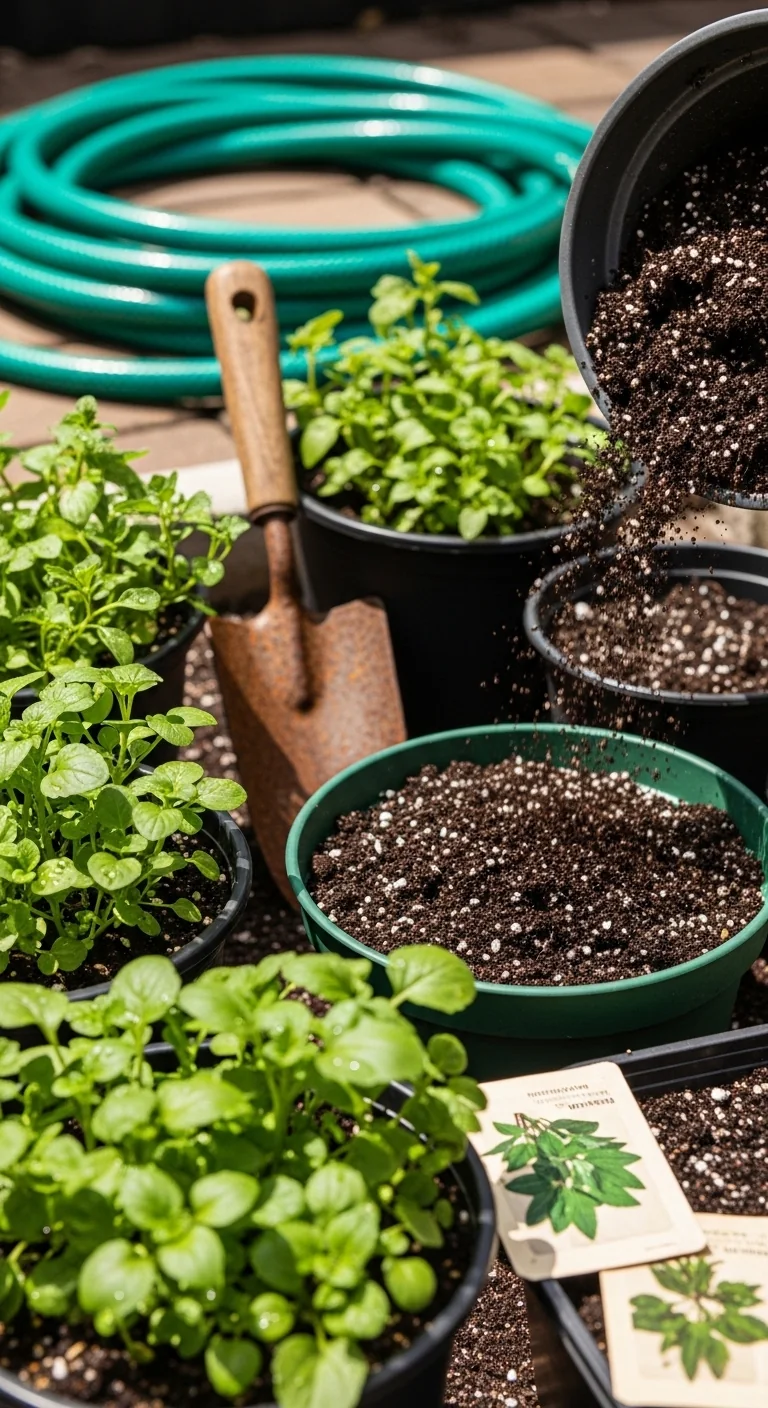
Herb gardening for beginners succeeds when you treat it as a matching exercise between your measured space, weekly minutes available, and one of three core systems. Generic lists of individual herbs ignore whether your balcony gets six hours of direct sun or your schedule limits care to one session per week.
This guide focuses on nine practical systems built around containers, raised beds, and low intervention designs. It excludes hydroponic setups, large scale commercial operations, and advanced propagation techniques.
You will pinpoint the system that fits your conditions, sidestep common failure triggers such as waterlogged roots or insufficient light, and establish a productive herb garden in your first growing season.
Align your conditions to the right system and you gain reliable fresh herbs without repeated setbacks.
The Yield Grid Decision Grid
Branch 1 applies if your total growing area measures under 10 square feet or you rely on balconies and windowsills only.
Branch 2 applies if your weekly maintenance commitment stays under 90 minutes and you prefer low intervention options.
Branch 3 applies if you have over 20 square feet of outdoor ground and can allocate at least three hours weekly.
Recommended: Items 1, 2 and 5 for Branch 1. Items 6, 7 and 8 for Branch 2. Items 3, 4 and 9 for Branch 3.
For ways to combine systems at scale see herb garden design ideas.
Quick Comparison Table
| Option | Key mechanism | Best for | Decision Grid Branch | Effort Score |
|---|---|---|---|---|
| Balcony Herb Garden | Vertical stacking in drainage optimized pots | Urban balconies with six plus hours sun | 1 | 3 |
| Window Sill Herb Garden | Natural light placement in six inch pots | Indoor kitchens with south facing windows | 1 | 2 |
| Raised Bed Herb Garden | Elevated soil beds for root depth | Backyard plots with good drainage | 3 | 4 |
| Spiral Herb Garden | Tiered stone or wood spiral for space efficiency | Sloped or small outdoor areas | 3 | 3 |
| Self-Watering Herb Planters | Reservoir based automatic watering | Time limited gardeners in any space | 1 | 2 |
| Herbs for Shade | Low light tolerant varieties in containers or beds | North facing yards or under trees | 2 | 4 |
| Perennial Herb Garden | Long lived plants that return yearly | Low maintenance outdoor gardens | 2 | 1 |
| Drought Tolerant Herb Garden | Varieties with deep roots and low water needs | Dry climates or forgetful waterers | 2 | 1 |
| Companion Planting Herb Garden | Interplanted with vegetables for pest control | Integrated edible gardens | 3 | 3 |
Balcony Herb Garden
Best for: Branch 1
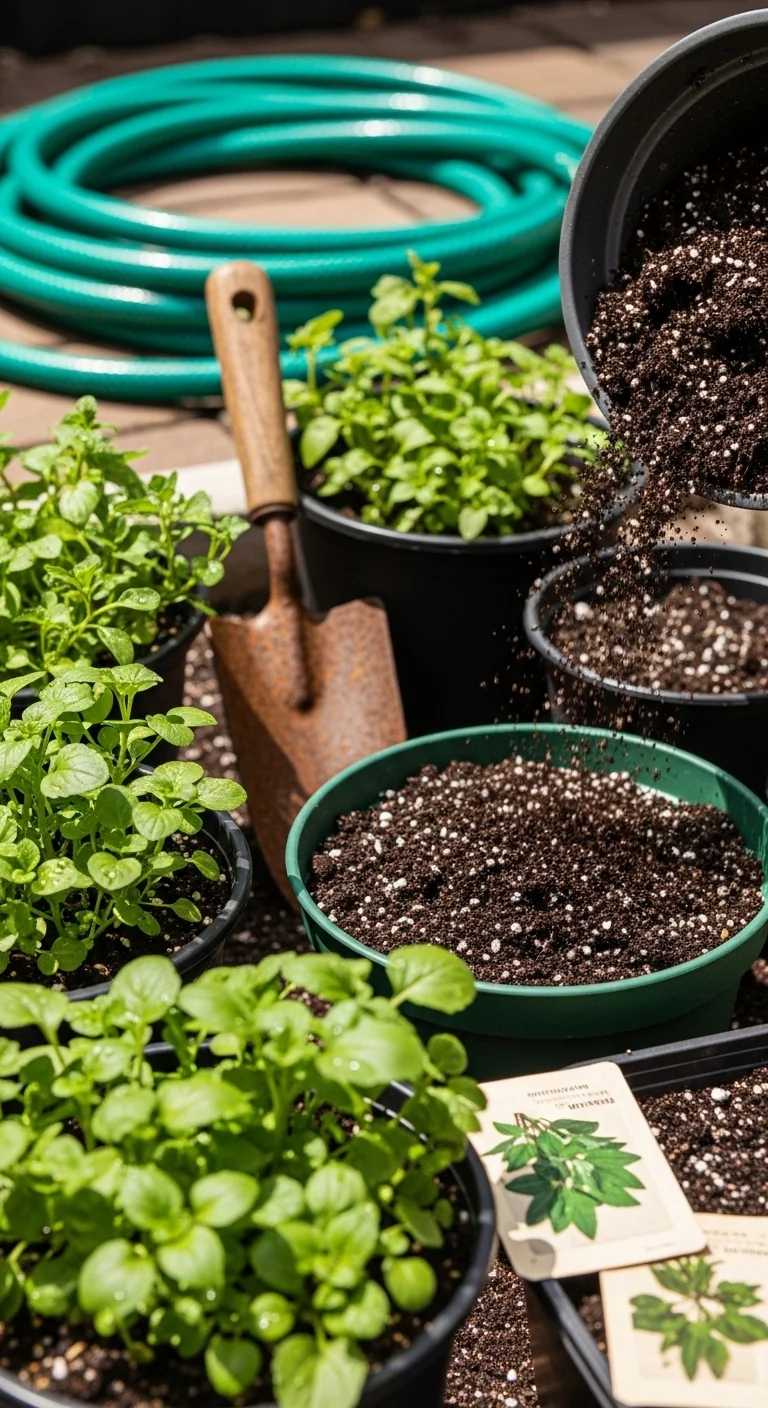
Blueprint for balcony herb gardening starts with pots at least eight inches deep and wide that include drainage holes. Fill with a mix of two parts potting soil to one part perlite for aeration. Place the setup where it receives six or more hours of direct sun daily. Plant three to four compatible herbs per large pot, spacing them four inches apart at the edges.
Steps include daily finger test of the top inch of soil: water only when it feels dry. Fertilize with a balanced liquid feed every four weeks during active growth. The edge case appears in windy high rises where pots may tip: secure them with brackets or weights.
Avoid the common mistake of using saucers that hold standing water, which leads to root rot within days in humid conditions. For herb selection suited to containers see best herbs for containers. This system delivers harvests within four weeks when conditions match.
Window Sill Herb Garden
Best for: Branch 1
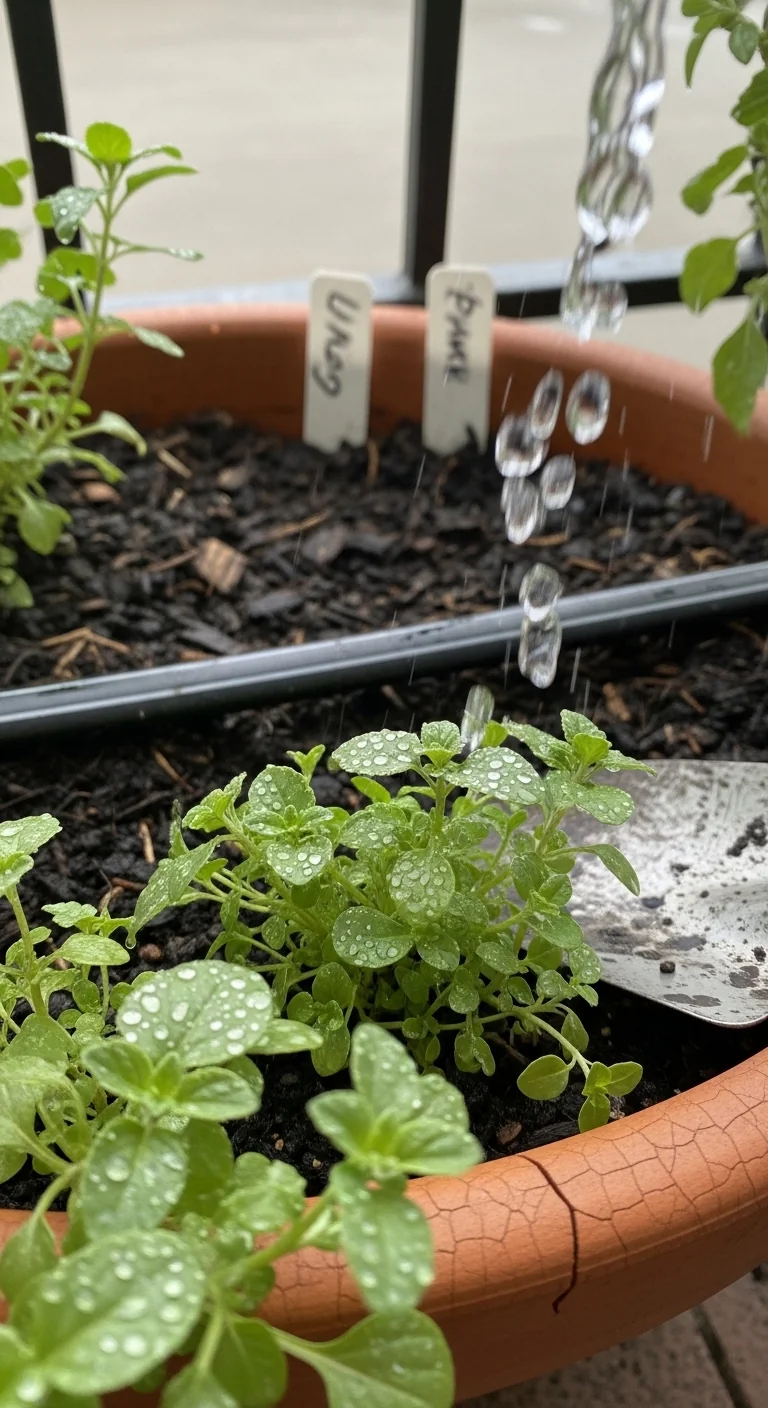
Use window sill herb gardens when you have south facing light and limited counter space. Skip this option in north facing rooms or during winter months shorter than eight hours of daylight without supplemental lights.
Pros include year round access and minimal mess. Cons appear with herbs that bolt quickly in fluctuating indoor temperatures. Edge case: herbs outgrow the sill within six weeks and require pruning or relocation.
Raised Bed Herb Garden
Best for: Branch 3
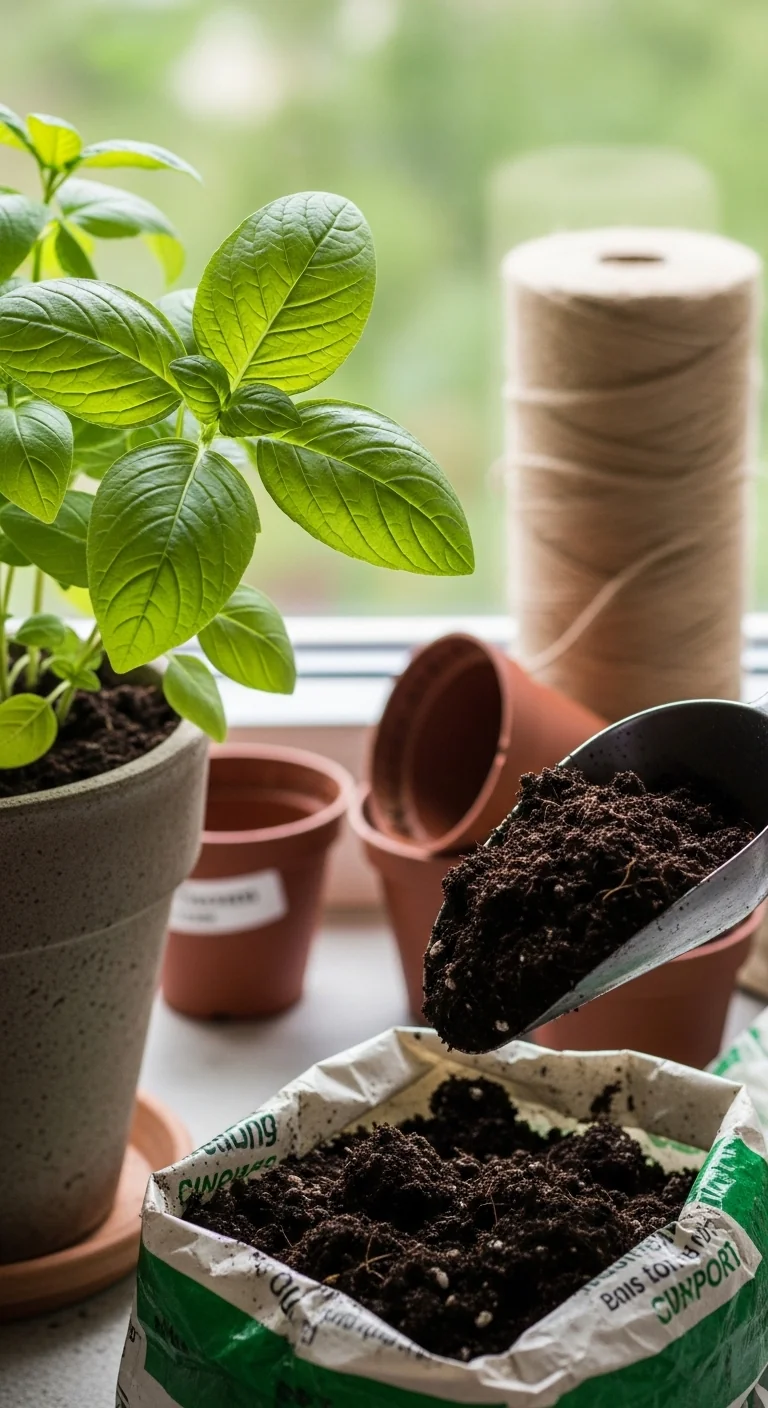
Raised bed herb gardens follow a threshold rule: build beds at least 12 inches deep with soil pH between 6.0 and 7.0. Test soil before planting and adjust with lime or sulfur if outside this range. Water to a depth of six inches every five to seven days when rainfall is under one inch per week.
Adjustment is simple: add two inches of mulch to retain moisture in hot spells above 85 degrees Fahrenheit. This mechanism supports deeper roots than containers and reduces weeding by half compared to ground level beds. For full construction details see raised bed herb garden.
Spiral Herb Garden
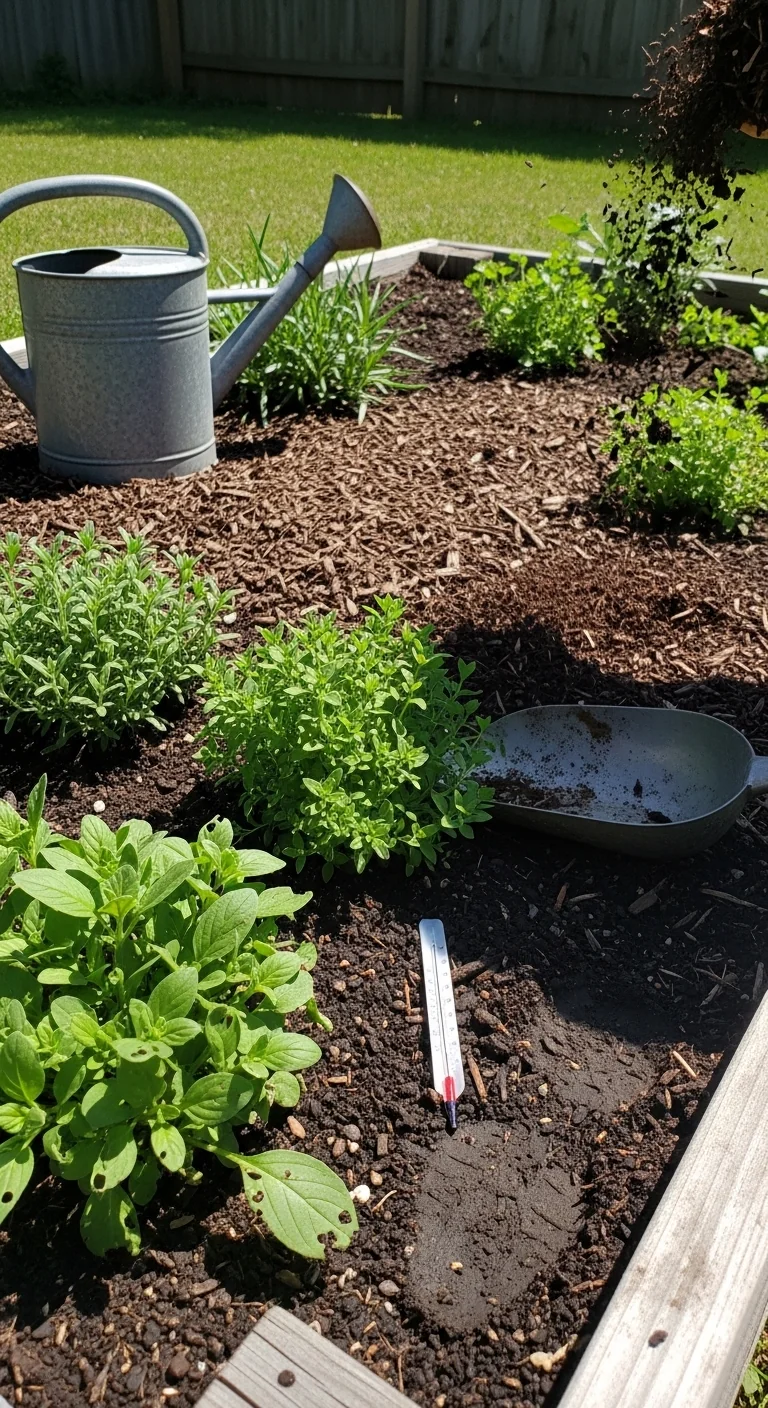
Best for: Branch 3
10 minute workflow for a spiral herb garden begins with marking a five foot diameter circle on level ground. Layer cardboard, compost, and soil in a rising spiral pattern to create tiers up to three feet high. Plant Mediterranean herbs at the sunny top and moisture lovers at the base.
Upgrade option: embed drip irrigation tubing during construction for hands off watering. The entire build takes under two hours and uses local stone or wood. This design maximizes vertical space while improving drainage at every level. For complete building instructions see spiral herb garden.
Self-Watering Herb Planters
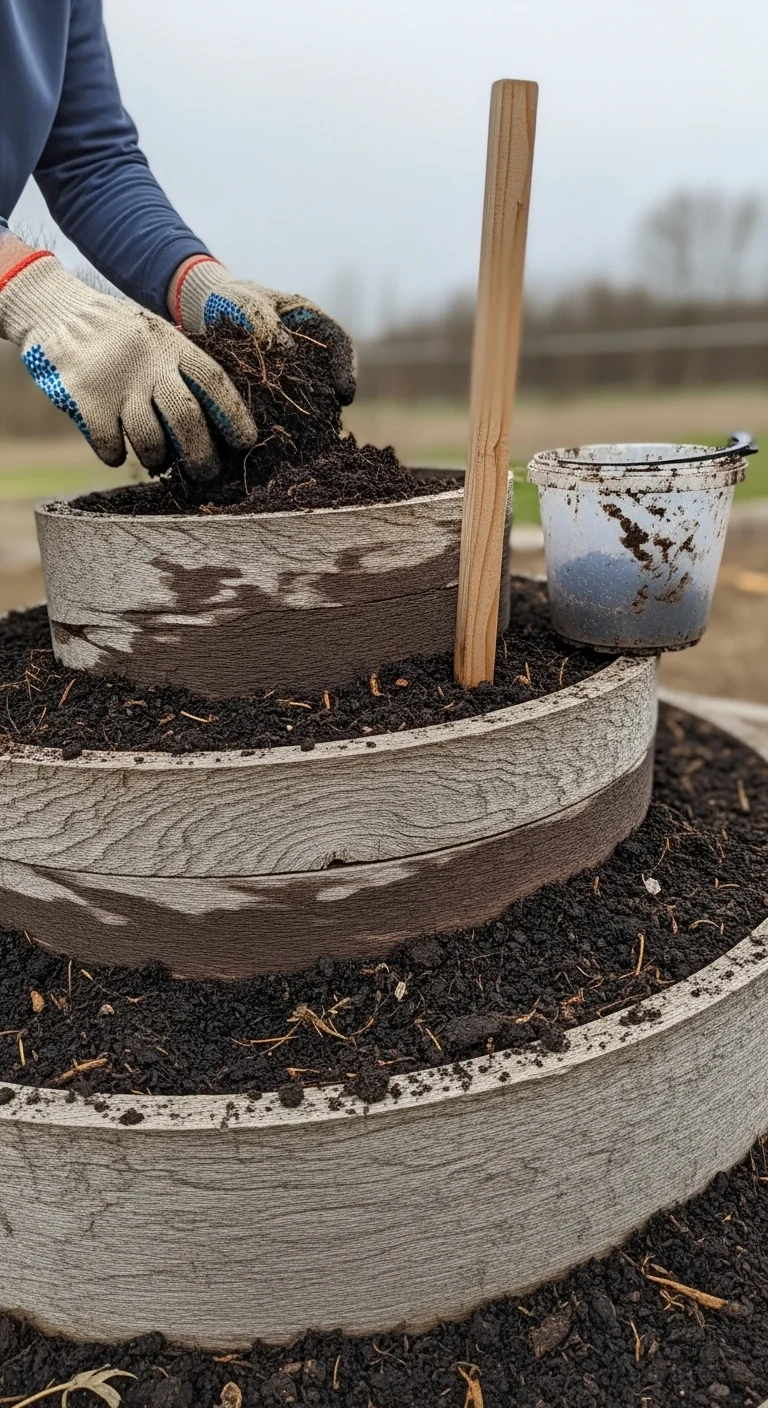
Best for: Branch 1
Use self watering herb planters when your schedule limits daily checks. Skip them in very hot dry climates where reservoirs empty faster than seven days. Pros include consistent moisture without overwatering. Cons include potential algae in clear reservoirs exposed to sun. Edge case: herbs sensitive to constant bottom moisture may develop fungal issues after eight weeks.
For reservoir based setups see self-watering herb planters.
Herbs for Shade
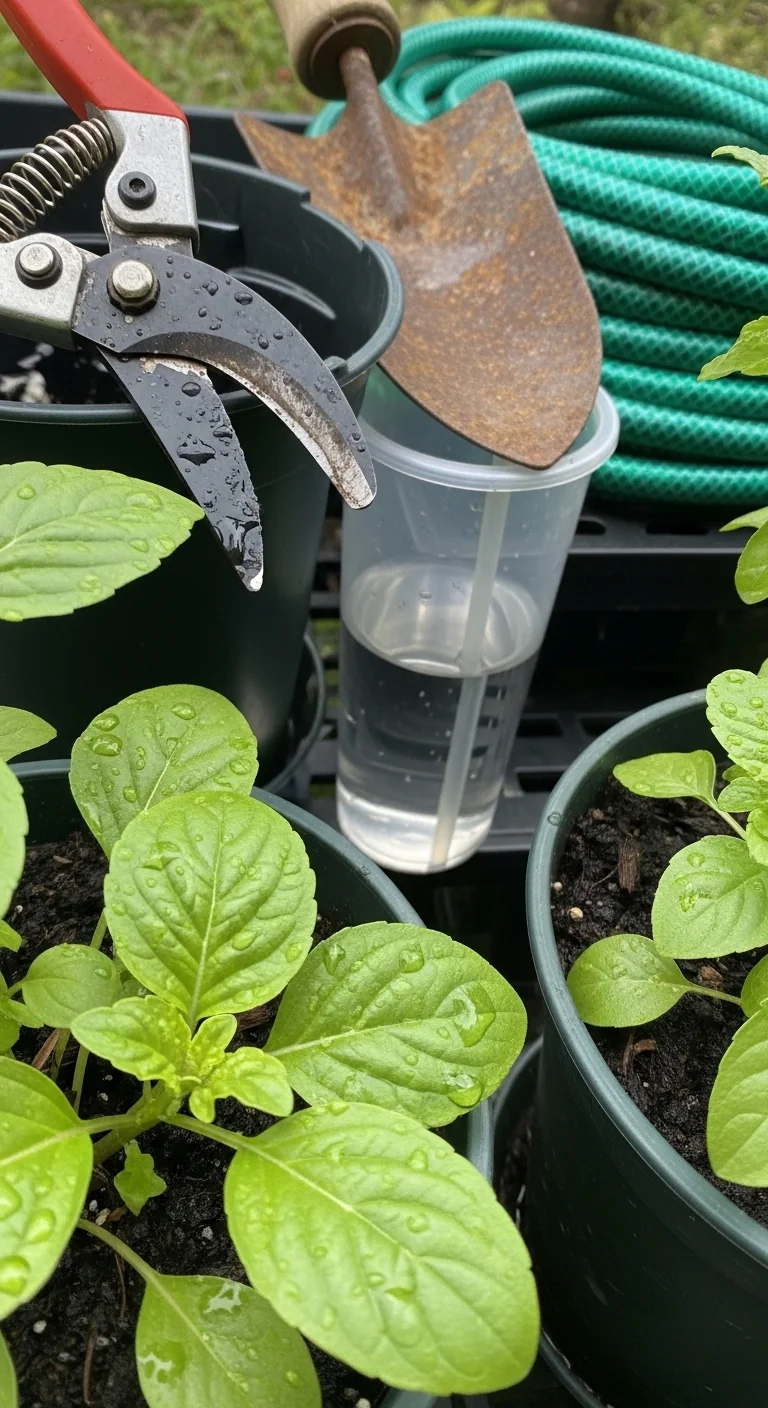
Best for: Branch 2
Herbs for shade follow a threshold rule: select varieties that tolerate four hours or fewer of direct sun when afternoon temperatures stay below 80 degrees Fahrenheit. Adjust by moving containers to brighter spots during peak summer or adding reflective mulch. This approach prevents leggy growth that occurs in deeper shade under four hours.
Key mechanism relies on choosing mint family members or parsley types that thrive with morning light only. For variety lists suited to low light see herbs for shade.
Perennial Herb Garden
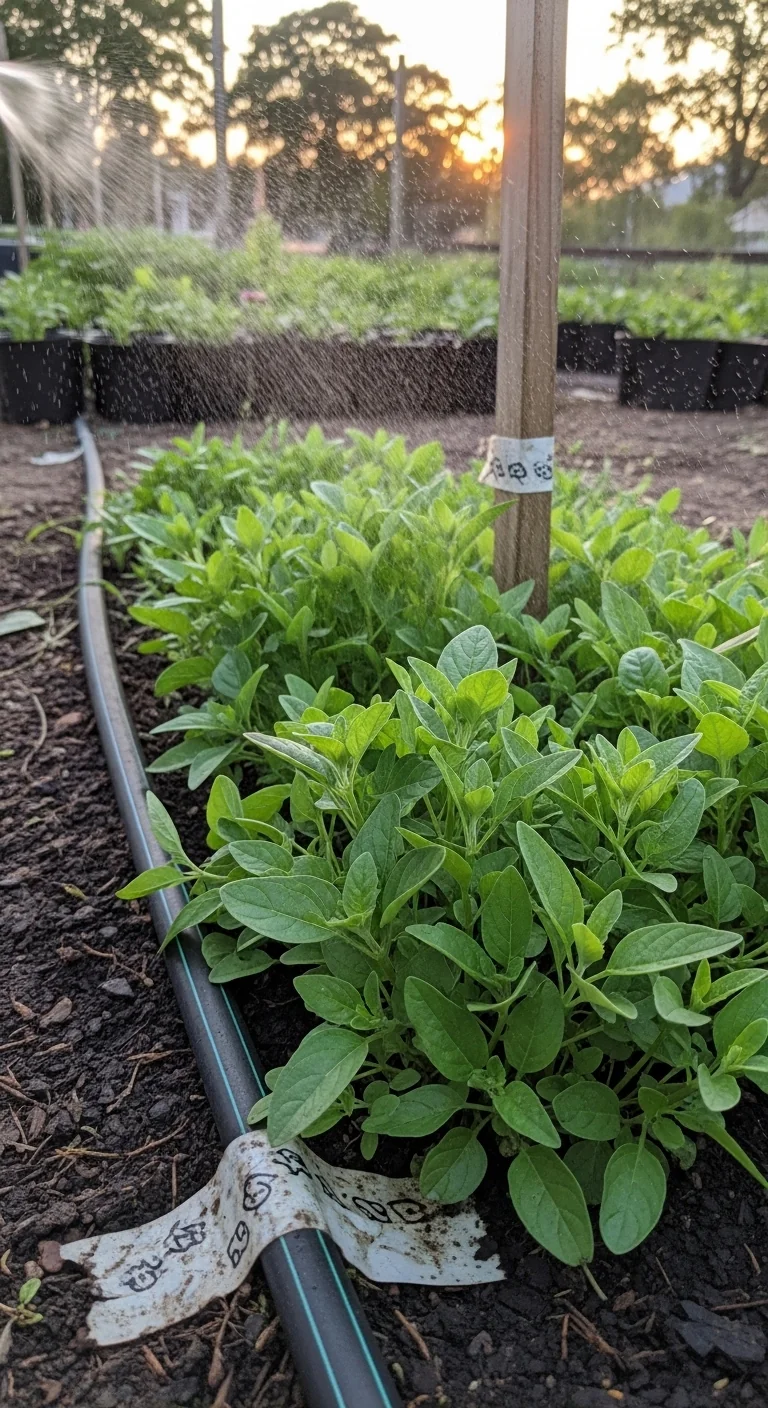
Best for: Branch 2
Perennial herb gardens rely on plants that return for three or more seasons with minimal replanting. Space them 18 inches apart in well drained soil and divide clumps every three to four years to renew vigor. Water established plants only when the top two inches of soil dry out, which may mean once every 10 days in average conditions.
This system reduces annual effort after the first season. The edge case occurs in regions with heavy clay soil: amend with grit before planting to avoid winter rot. For full variety recommendations see perennial herbs list.
Drought Tolerant Herb Garden
Best for: Branch 2
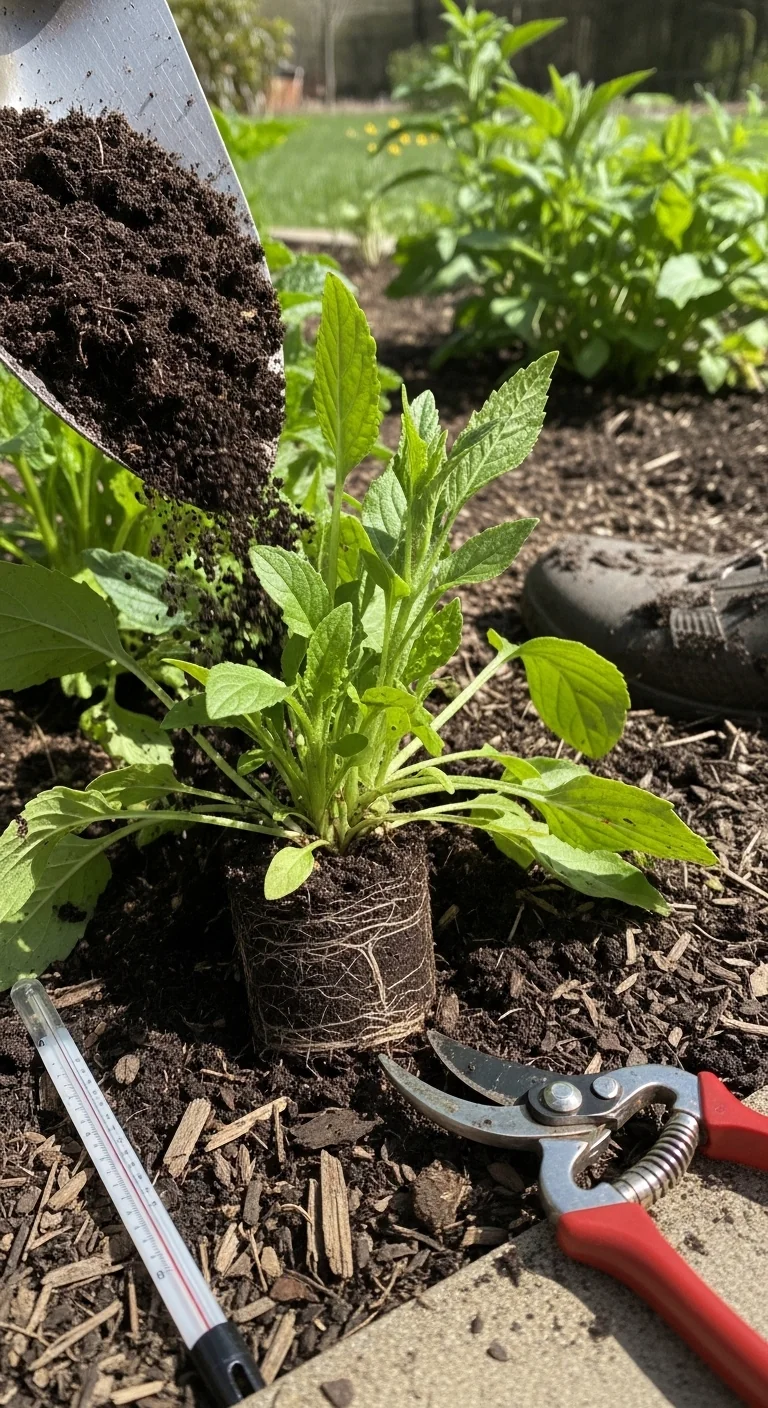
Use drought tolerant herb gardens in areas with less than one inch of weekly rainfall or when you forget watering for up to 14 days. Skip them if your soil stays constantly moist above field capacity. Pros center on deep root systems that access subsoil moisture. Cons include slower initial growth in the first four weeks. Edge case: rosemary and thyme may suffer in prolonged freezes below 20 degrees Fahrenheit without mulch cover.
For variety selection see drought tolerant herbs.
Companion Planting Herb Garden
Best for: Branch 3
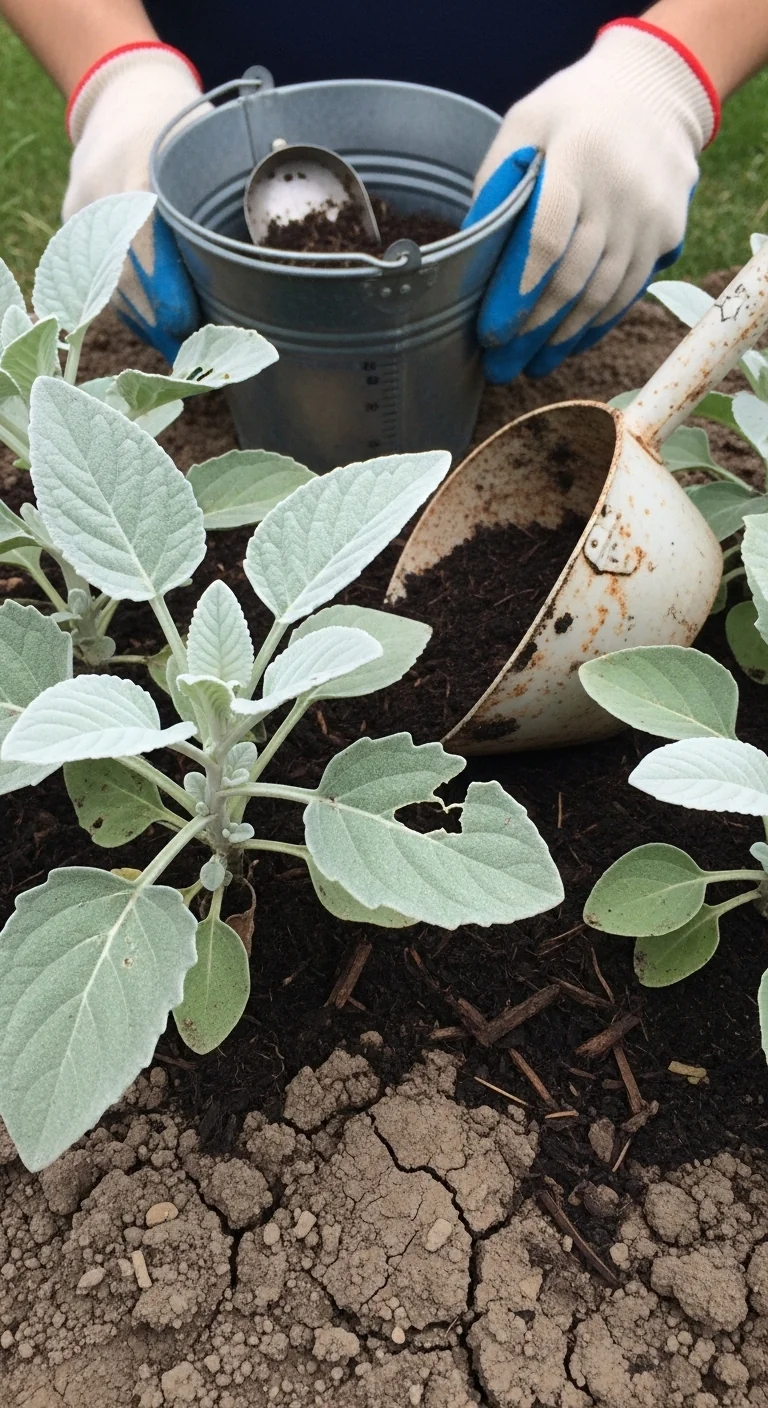
Companion planting herb gardens intersperse strong scented herbs among vegetables to deter pests through natural compounds released by roots and leaves. Plant basil near tomatoes and chives near carrots at a ratio of one herb per four vegetable plants. This mechanism improves overall garden health without chemical inputs.
Monitor spacing to avoid competition for the same six hours of sun. For integration charts see companion planting herbs.
Starter Stack (What to Choose First)
Branch 1: Space under 10 square feet
Start with the balcony herb garden and self watering herb planters. The balcony system provides vertical expansion while self watering reservoirs handle inconsistent watering schedules. Combined time to set up is under 45 minutes with cost between 35 and 75 dollars for basic pots and soil.
Branch 2: Maintenance under 90 minutes per week
Start with the perennial herb garden and drought tolerant herb garden. Perennials return yearly with one division every three years while drought tolerant types need watering checks every 10 days. Synergy keeps total weekly input under 30 minutes after establishment with initial cost between 25 and 60 dollars.
Branch 3: Outdoor space over 20 square feet
Start with the raised bed herb garden and spiral herb garden. Raised beds deliver root depth for high volume while the spiral adds vertical efficiency on slopes. Together they support companion planting in the same season with setup cost between 80 and 150 dollars and two hours of labor.
When This Won’t Work
These systems fail when soil pH falls outside 6.0 to 7.5 and remains unadjusted for more than two weeks. Roots absorb nutrients poorly in that range, leading to yellow leaves within 10 days regardless of watering.
They also fail when daily direct sun drops below four hours without moving containers or supplementing light. Growth stalls and flavor compounds weaken after three weeks. Alternative action: test soil with a simple probe kit and relocate to brighter spots or install grow lights rated for herbs.
Choosing the Right Option for Your Situation
Budget threshold
Under 50 dollars favors window sill or drought tolerant systems using recycled pots and basic soil. Over 100 dollars opens raised beds or spiral designs with quality amendments.
Time threshold
Under 60 minutes weekly points to self watering planters or perennial beds. Over two hours weekly supports companion or raised bed systems that need more initial soil work.
Technical constraint: light hours
Four hours or fewer of direct sun requires shade tolerant or indoor window setups. Six hours or more unlocks balcony, spiral, or full outdoor beds.
Yes or no checklist:
Do you have at least six hours sun and under 10 square feet? Yes leads to balcony or self watering.
Do you have limited time and outdoor access? Yes leads to perennial or drought tolerant.
Do you have ample space and companion crops? Yes leads to raised bed or spiral.
No to all above? Reassess conditions before starting.
Expert Q&A
How do annual versus perennial herbs affect long term planning?
Annual herbs complete their cycle in one season and need full replanting each spring. Perennial herbs return for three or more years but require division every three to four years to prevent crowding and maintain flavor intensity.
What soil drainage threshold prevents root rot in container systems?
Containers need holes at the base and a soil mix where water drains within 30 seconds after saturation. Add 25 percent perlite or coarse sand if your mix holds water longer than one minute.
How does companion planting change pest pressure around herbs?
Interplanting herbs such as chives or basil releases aromatic compounds that mask host plants and repel specific insects. Space companions four to six inches from main crops for measurable reduction in visible damage.
When does shade tolerance shift from benefit to limitation for herbs?
Shade tolerant herbs perform well with four hours of morning sun but produce fewer essential oils and thinner leaves when light drops below three hours daily for more than two weeks.
What minimum pot size maintains herb flavor and growth rate?
Pots smaller than six inches restrict root expansion and reduce leaf oils after six weeks. Use eight inch or larger containers for steady harvests through the season.
Conclusion
The decision grid keeps your herb gardening aligned with actual conditions and prevents the top mistake of selecting high maintenance systems when time or space is limited. Consistent application of measurable thresholds delivers steady harvests season after season.
Your next step is to test current soil conditions and prepare the matching system. Visit soil mix for herbs to select the right base before planting.