
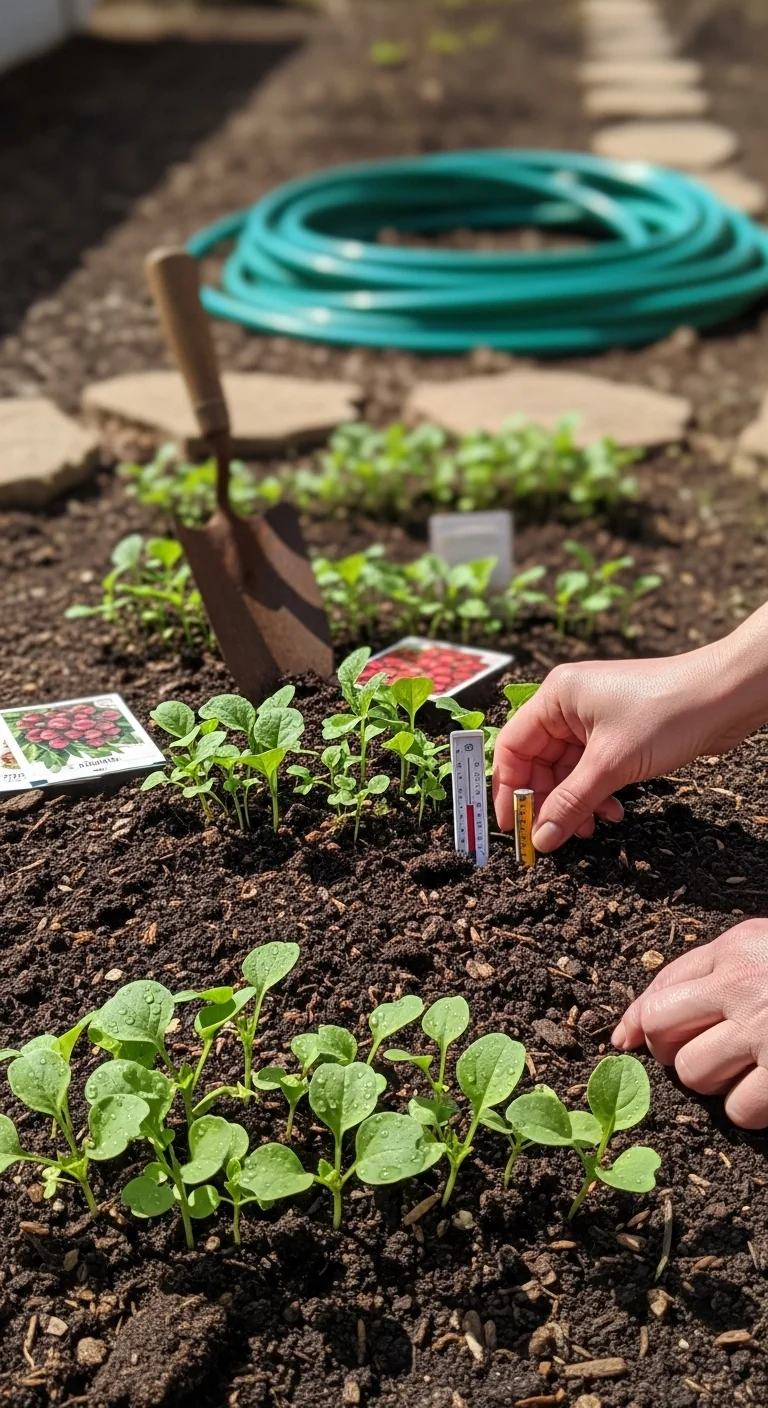
Spring vegetable garden planning fails most often when gardeners ignore measurable soil temperatures and last frost dates in favor of generic planting lists. The Yield Grid Decision Grid reframes the entire process around three precise windows defined by soil readings and frost timing so each crop matches your conditions instead of fighting them.
This guide covers nine cool-season crops suited to direct sowing or early transplanting in spring across the US, UK, Canada, Australia and other temperate zones. It excludes warm-season crops such as tomatoes or peppers that require indoor starts or post-frost soil above 65°F, and it skips advanced greenhouse or indoor seed-starting details.
You will finish with exact thresholds, a side-by-side comparison, and ready-to-use synergies that let you decide your lineup in minutes. The result is fewer failed germinations, extended harvests, and a plot that actually fits your microclimate.
Align your spring vegetable garden choices to your soil temperature readings and frost calendar for reliable germination and extended harvests.
The Yield Grid Decision Grid
Branch 1: Early Cool-Soil Window (soil temperature 40-50°F and up to 4 weeks before last frost date). These crops germinate reliably in cold ground and tolerate light frost. Recommended: Items 1, 2 and 3 below.
Branch 2: Mid-Spring Transition (soil temperature 50-60°F and within 2 weeks of last frost date). These crops establish quickly once soil warms slightly and handle variable spring weather. Recommended: Items 4, 5 and 6 below.
Branch 3: Late-Spring Establishment (soil temperature above 60°F and after final frost risk). These crops need warmer conditions for root or tuber development. Recommended: Items 7, 8 and 9 below.
To fine-tune exact dates for your location, consult the vegetable planting calendar.
Quick Comparison Table
| Option | Key mechanism | Best for | Decision Grid Branch | Effort Score |
|---|---|---|---|---|
| Peas | Nitrogen-fixing roots improve soil structure | Small spaces with trellis support | Branch 1 | 3 |
| Radishes | Fast germination in cold soil | Quick harvests in any bed | Branch 1 | 1 |
| Lettuce | Cool-temperature leaf production | Successive sowing for continuous supply | Branch 1 | 4 |
| Spinach | High tolerance to light frost | Nutrient-dense greens in partial shade | Branch 2 | 3 |
| Kale | Frost sweetening of leaves | Extended harvest through cool spells | Branch 2 | 2 |
| Broccoli | Head formation in moderate cool | Reliable central heads with side shoots | Branch 2 | 4 |
| Beets | Dual harvest of roots and greens | Storage crops for later use | Branch 3 | 2 |
| Carrots | Deep root development in loose soil | Sweet flavor from cool growth | Branch 3 | 3 |
| Potatoes | Tuber initiation below soil surface | High yield in dedicated beds | Branch 3 | 5 |
Peas
Best for: Branch 1
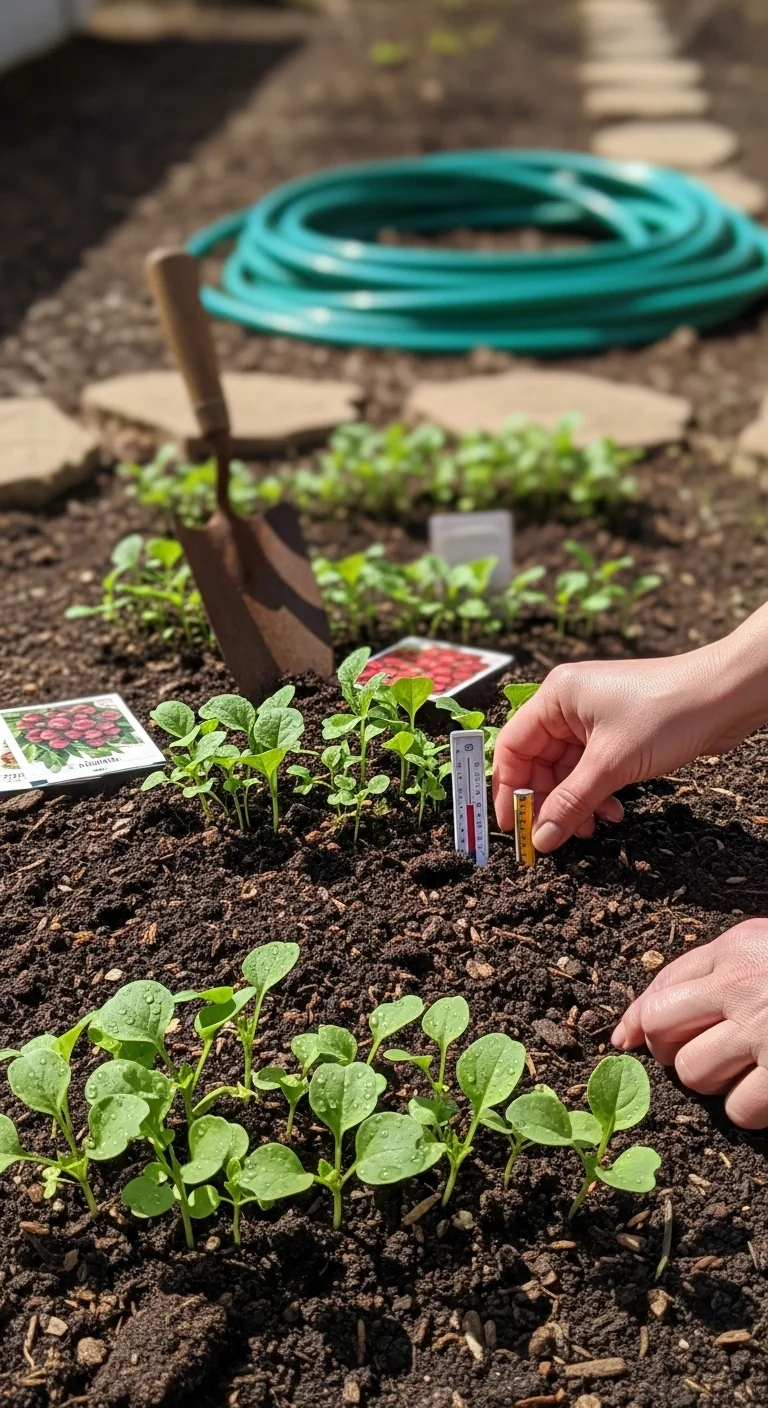
Follow the threshold rule for peas: sow when a soil thermometer reads 40°F at 2-inch depth and up to 4 weeks before last frost. Plant seeds 1 inch deep and 2 inches apart in rows spaced 18 inches apart. They fix nitrogen through root nodules, which benefits the next crop in rotation without extra fertilizer. In heavy clay soils the edge case is root rot: mix in coarse sand or compost at planting to improve drainage. Harvest pods when plump but before they harden (usually 60-70 days from sowing). Trellis varieties reach 5-6 feet and produce continuously if picked regularly. Pair with radishes in the same row for efficient space use. See companion planting strategies for proven combinations that reduce pest pressure.
Radishes
Best for: Branch 1
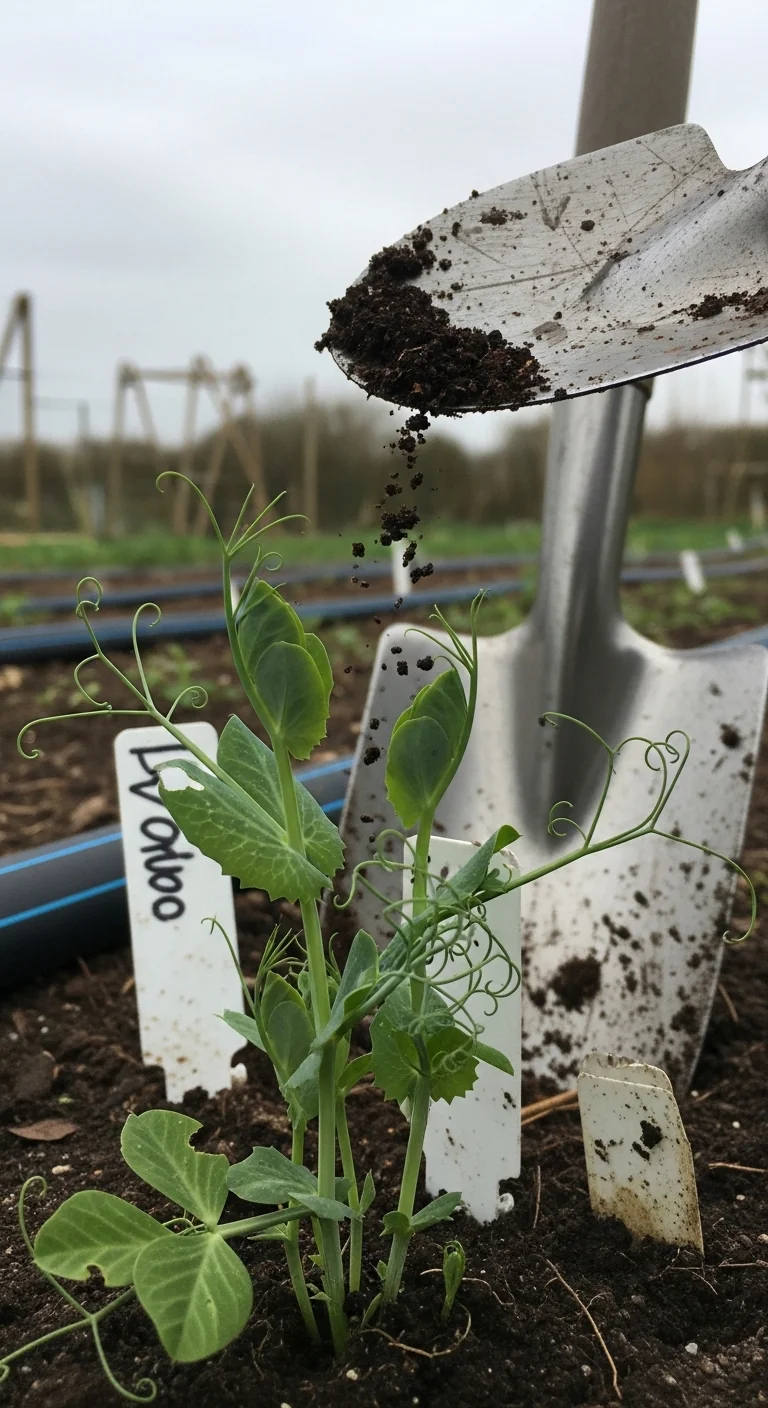
Blueprint for radishes: choose a fast-maturing variety, sow ½ inch deep in loose soil, thin seedlings to 2 inches apart once they emerge, and harvest at 3-4 weeks when roots reach 1 inch diameter. They germinate in soil as cool as 40°F and serve as a living marker for slower crops such as peas. The common mistake is overcrowding, which produces woody or undersized roots. Water consistently but avoid saturation to prevent splitting. One 10-foot row yields enough for weekly salads with almost no ongoing care.
Lettuce
Best for: Branch 1
Use lettuce in spring vegetable gardens when you want a steady supply of tender leaves; skip it during sudden heat waves above 75°F without shade cloth because it bolts quickly. Sow every 10-14 days in 40-50°F soil for succession planting that keeps harvests coming for 6-8 weeks. Loose-leaf types tolerate light frost better than head varieties. The edge case is afternoon sun in warmer zones: plant on the north side of taller crops for natural cooling. Consistent moisture at the root zone prevents bitterness. For first-time gardeners the full process is outlined in how to start a vegetable garden.
Spinach
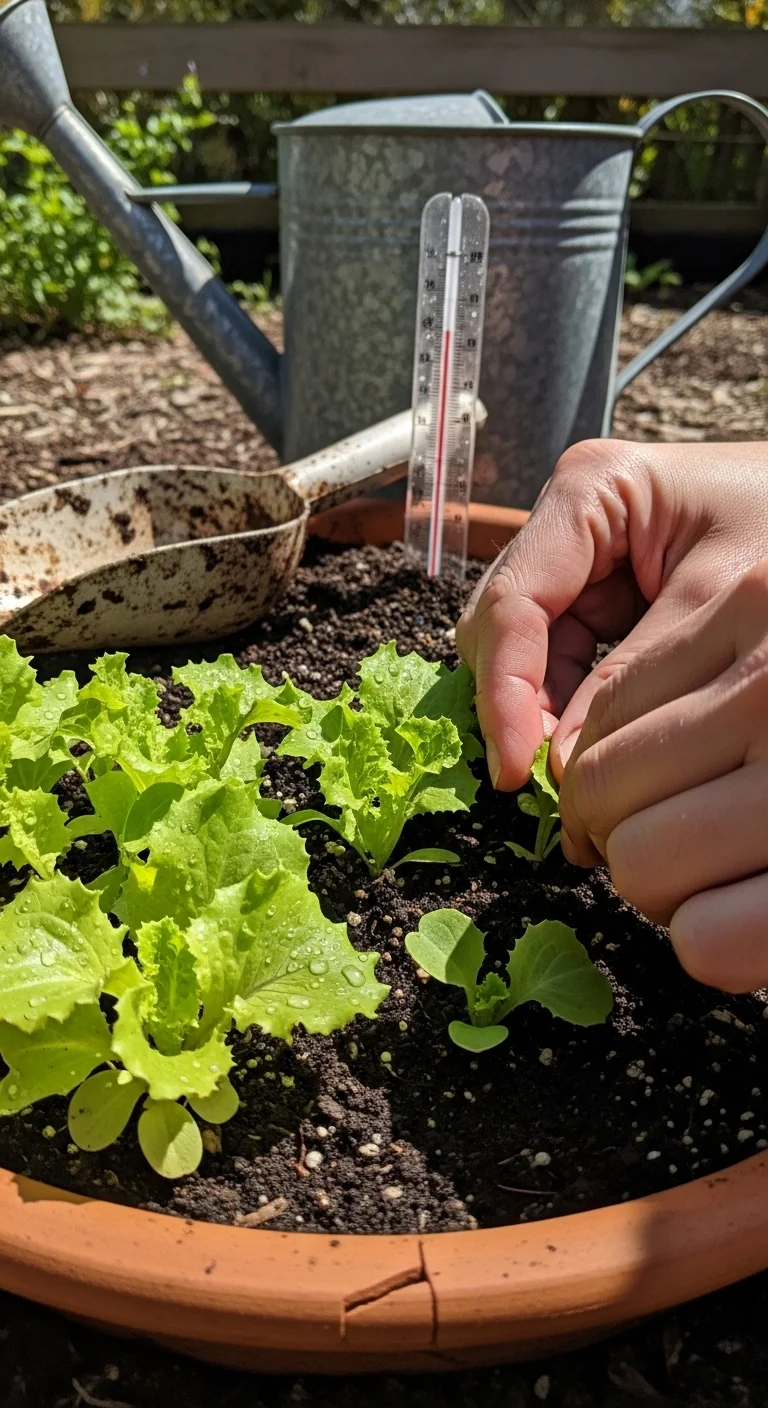
Best for: Branch 2
10-minute workflow for spinach: test soil temperature (target 50°F), broadcast seeds ½ inch deep and 3 inches apart, cover lightly, then apply 2 inches of organic mulch to retain moisture and suppress weeds. Water gently to settle soil. Upgrade option: interplant with taller kale for mutual shade as days lengthen. Spinach tolerates light frost and produces until temperatures exceed 75°F consistently. Harvest outer leaves first to extend the bed life by 3-4 weeks. In windy or dry springs the mulch layer becomes critical for steady growth. See mulching techniques for exact depth and material guidelines that apply directly to cool-season greens.
Kale
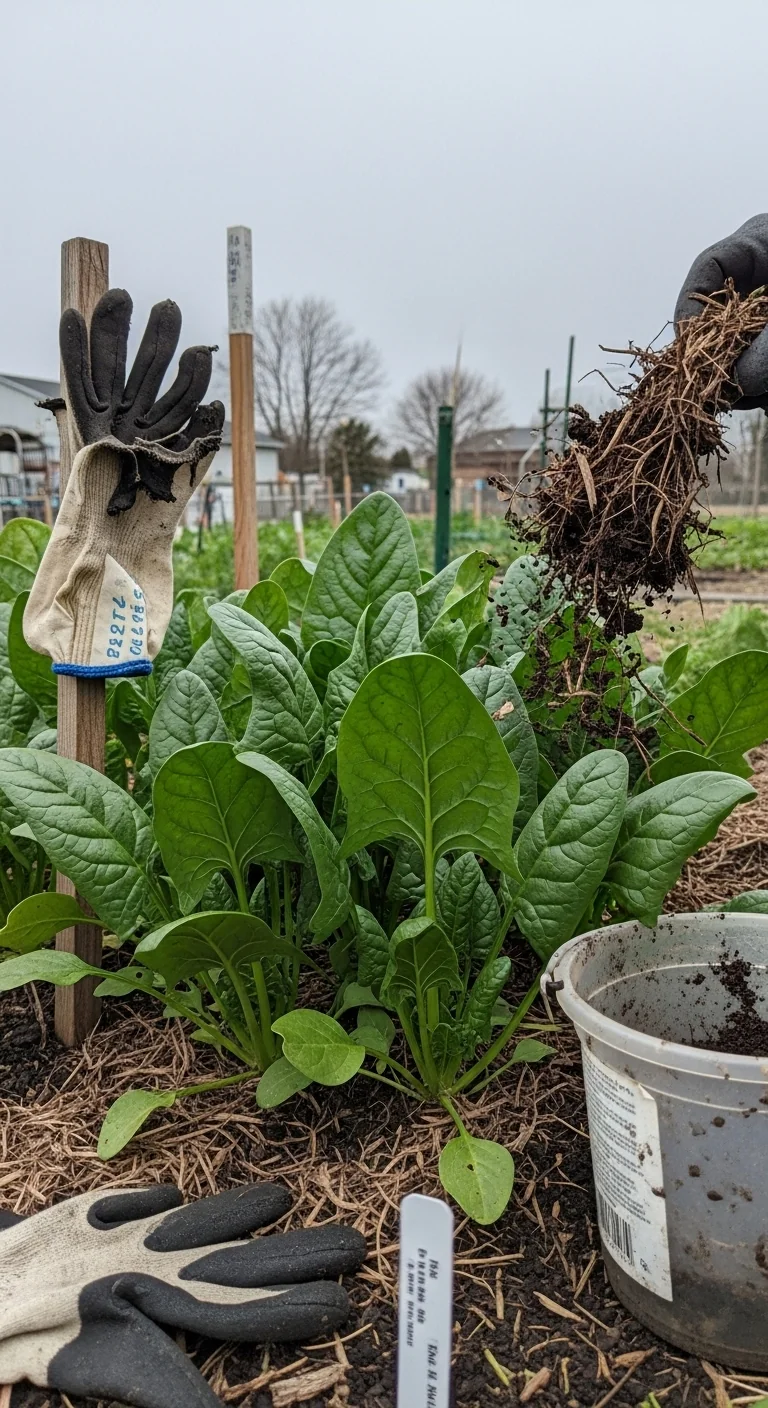
Best for: Branch 2
Threshold rule for kale: transplant or direct-sow when soil reaches 50°F and nights stay above 28°F. Space plants 12-18 inches apart for air flow that reduces fungal risk. Leaves sweeten after light frost, so delay final harvest until after a cold snap if possible. It continues producing side shoots for up to 8 weeks in mild springs. The edge case is compacted soil: loosen to 8 inches deep before planting to support strong root systems.
Broccoli
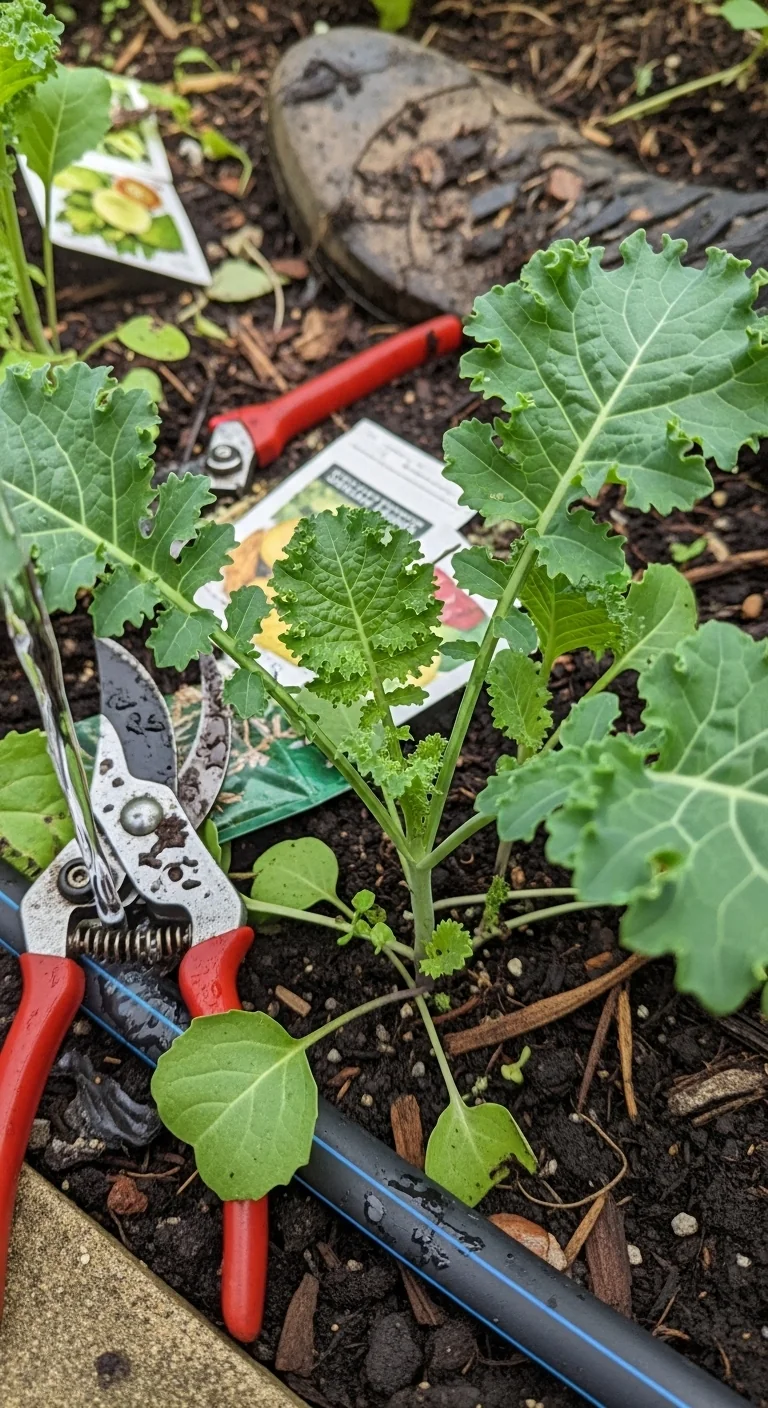
Best for: Branch 2
Blueprint for broccoli: start with hardened transplants when soil hits 50-55°F, space 18 inches apart in rows 24 inches wide, and side-dress with compost at planting. Central heads form in 50-70 days; cut them when tight and green to trigger smaller side shoots that extend harvest another 3-4 weeks. The key mechanism is steady cool temperatures that prevent premature flowering. In containers the same spacing works if the pot holds at least 5 gallons. Full container instructions appear in container vegetable gardening.
Beets
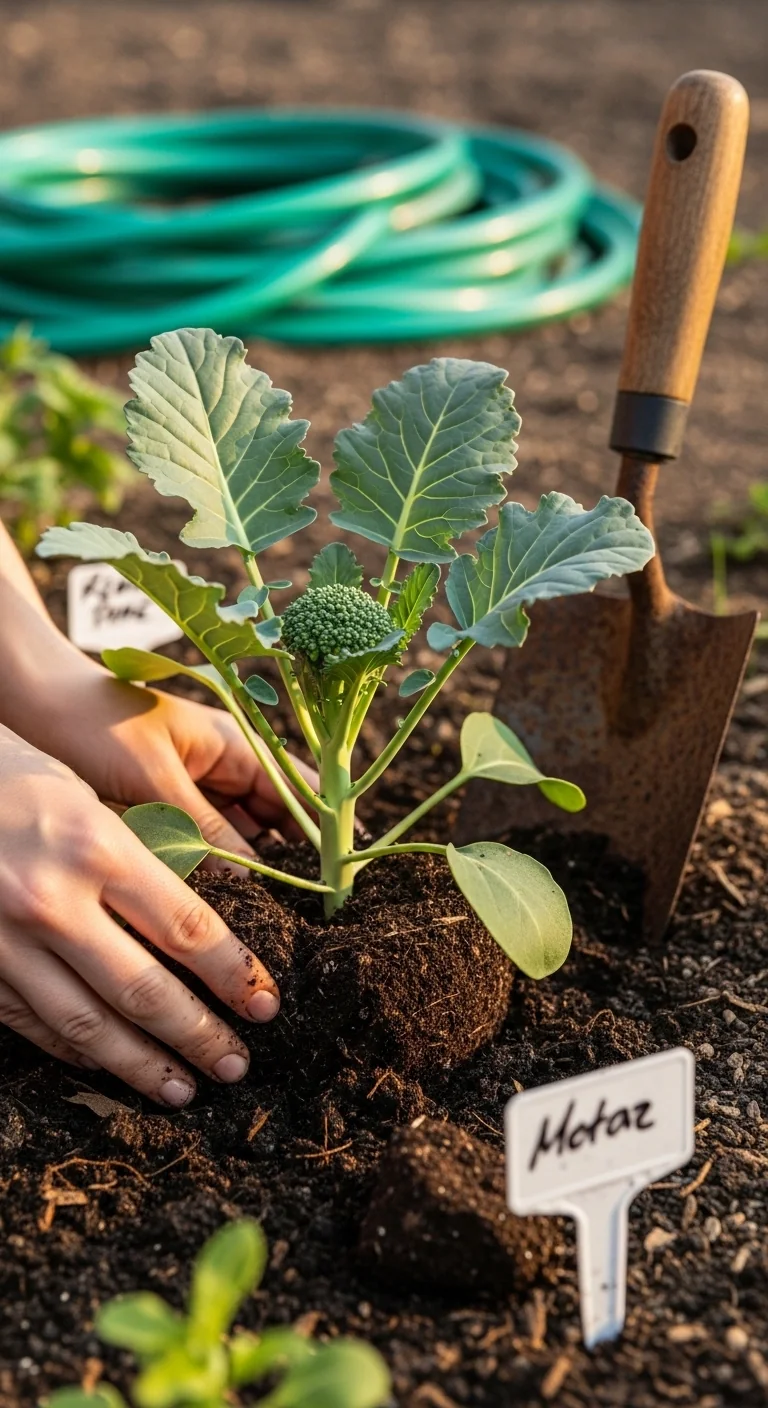
Best for: Branch 3
Use beets when you want both edible roots and greens from one planting; skip them in heavy unamended clay because roots fork and become tough. Sow when soil temperature exceeds 60°F, place seeds 1 inch deep and 3 inches apart, and thin to 4 inches once seedlings show true leaves. They mature in 50-70 days and store well in the ground until needed. The dual-harvest edge case lets you clip outer leaves for salads while roots continue sizing. For detailed variety selection and soil prep steps, see growing beets.
Carrots
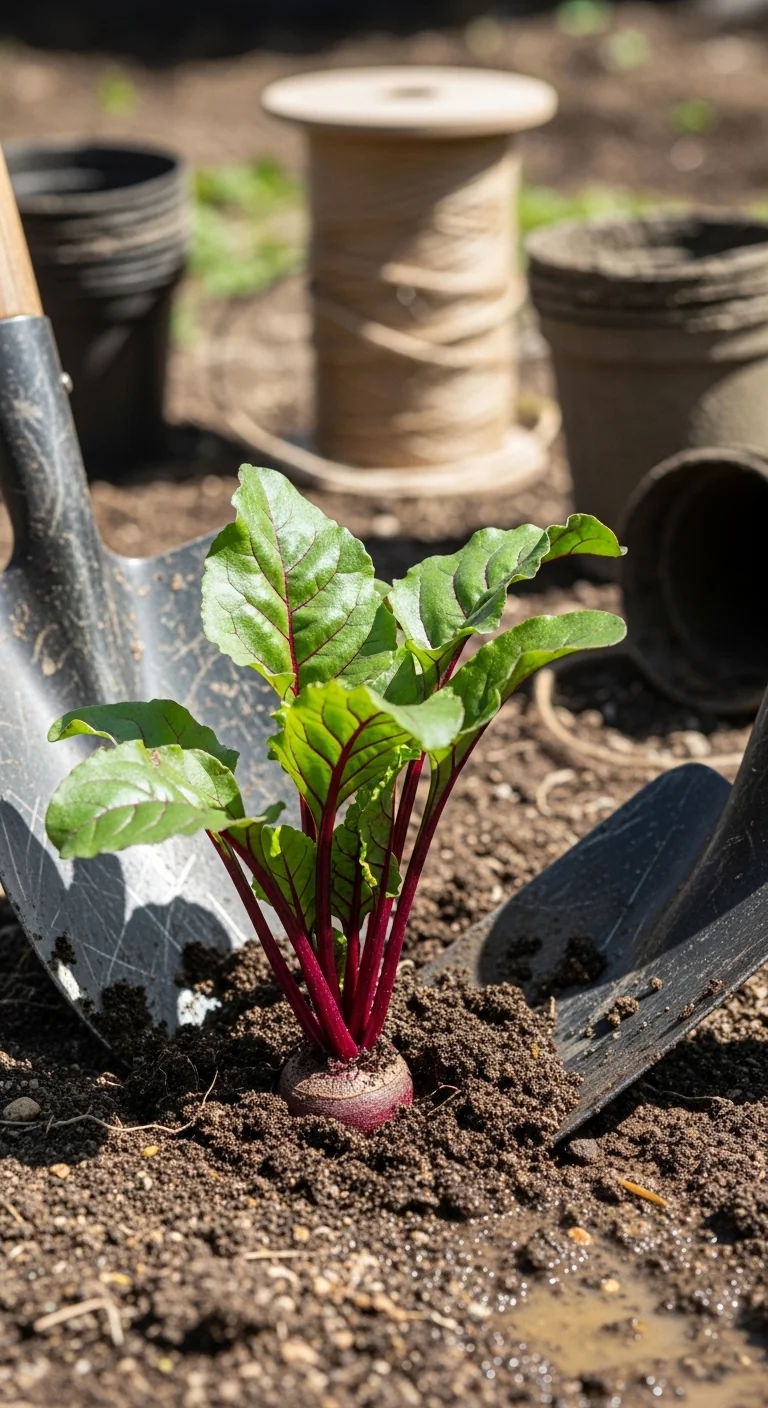
Best for: Branch 3
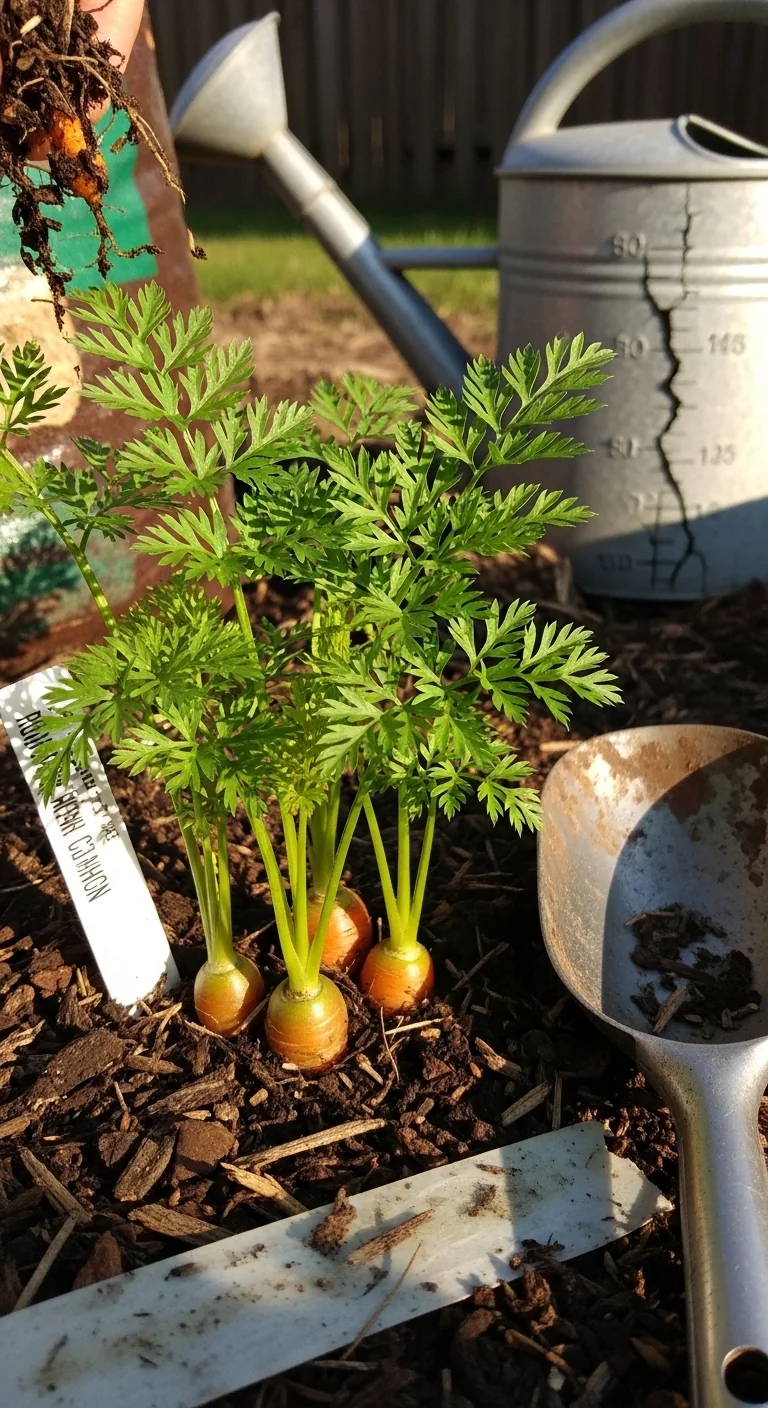
10-minute workflow for carrots: loosen soil to 10 inches, remove stones, sow seeds ¼ inch deep in rows 12 inches apart, and keep surface moist until emergence (7-14 days). Thin to 2 inches apart at the two-leaf stage. Cool soil above 60°F produces sweeter roots. Harvest when shoulders reach ¾ inch diameter; leave smaller ones for later pulls. Mulch lightly after thinning to maintain even moisture.
Potatoes
Best for: Branch 3
Threshold rule for potatoes: plant seed pieces when soil temperature reaches 60°F and all frost risk has passed. Space 12 inches apart in trenches 6 inches deep, then hill soil around stems as plants grow to 8 inches tall. This prevents greening and increases tuber numbers. They need consistent moisture but resent waterlogging. In smaller plots the raised-bed method improves drainage and yield. Full raised-bed setup details are in raised bed vegetable garden.
Starter Stack (What to Choose First)
Early Cool-Soil Window
Start with peas and radishes. They share the same 40-50°F soil window and low frost tolerance, so one sowing session covers both. Radishes mark the rows and harvest in 3-4 weeks while peas climb the trellis. Seed cost ranges $4-8 for enough to cover 20 square feet. Planting time is 15-25 minutes.
Mid-Spring Transition
Start with kale and broccoli. Both thrive once soil reaches 50-60°F and tolerate variable spring weather. Kale provides quick leafy harvests while broccoli builds central heads. Together they fill vertical space efficiently. Seed and transplant cost ranges $6-12. Planting time is 20-30 minutes.
Late-Spring Establishment
Start with beets and potatoes. Both require soil above 60°F and deliver storage crops that free up space later. Beets give quick greens while potatoes develop underground. Combined they need minimal daily attention after hilling. Seed and tuber cost ranges $8-15. Planting time is 25-40 minutes.
When This Won’t Work
If your soil thermometer still reads below 40°F past the normal planting window or if repeated light frost damages emerged seedlings, the cool-soil crops will rot or stall. Switch to row covers for short-term protection or delay sowing by 2-3 weeks while monitoring daily temperatures.
If your last frost date falls after mid-May, the entire spring window compresses and warm-soil crops never reach maturity before summer heat. In that case the reliable alternative is to shift planning to a fall vegetable garden that uses the cooler autumn conditions instead.
See fall vegetable garden guidance for crops that succeed when spring timing collapses.
Choosing the Right Option for Your Situation
When Your Budget Is Under $20 for Seeds and Supplies
Prioritize radishes, peas, and kale. A single packet of each covers 30-50 square feet and leaves room for basic compost or mulch. Focus on direct-sow crops to avoid transplant costs.
When You Have Less Than 2 Hours for Initial Setup
Choose radishes, spinach, and beets. All require one broadcast or row sowing session and minimal thinning. Skip crops that need trellising or hilling on day one.
When Soil pH Falls Outside 6.0-7.0
Select peas, kale, and potatoes. They tolerate 5.5-7.5 pH ranges better than carrots or beets, which demand closer to neutral for straight roots and sweet flavor. Test and amend only the beds you will use for sensitive crops.
Yes/No checklist:
Do you have a soil thermometer and last frost date confirmed?
Does your plot receive at least 6 hours of direct sun daily?
Can you commit to consistent watering for the first 3 weeks?
Will you check soil temperature before sowing?
Expert Q&A
How does soil temperature affect germination rates more than air
temperature in spring?
Soil temperature controls enzyme activity inside the seed that triggers germination, while air temperature only influences top growth after emergence. Cool-season crops such as peas and radishes start reliably at 40°F soil even when air dips to 35°F at night. Checking soil at 2-inch depth with a thermometer removes guesswork and prevents weeks of stalled or rotted seeds.
What companion planting combinations maximize space in a spring
vegetable garden?
Plant radishes with peas or lettuce because radishes mature and free space before the taller crops need it. Kale and spinach also pair well since both tolerate partial shade from each other as they grow. These pairings reduce bare soil, limit weed competition, and improve airflow without extra work.
Which spring crops benefit most from raised beds versus in-ground
planting?
Carrots, beets, and potatoes gain the most because raised beds provide the loose, stone-free soil they require for straight roots and easy harvesting. Drainage is faster in spring rains, and soil warms 1-2 weeks earlier than in-ground plots, extending the usable window by up to 10 days.
How can mulching extend the harvest window for cool-season greens?
A 2-inch layer of straw or shredded leaves keeps soil temperature stable, reduces evaporation, and prevents crusting after rain. For spinach and lettuce this can add 2-3 weeks of production before heat stress sets in. Apply after seedlings reach 2 inches tall to avoid smothering young plants.
What adjustments turn a standard spring vegetable garden into a low-
maintenance one?
Choose varieties labeled for bolt resistance, install drip irrigation on a timer, and apply mulch once at planting. Limit the bed to three crops maximum and space them for easy access. These steps cut weekly watering and weeding time by half while keeping yields steady through variable spring weather.
Conclusion
The decision grid turns spring vegetable garden planning from guesswork into a repeatable system based on soil temperature and frost dates. The number-one mistake remains planting without first measuring soil temperature, which leads to poor germination and wasted effort.
Review your space and map the chosen crops for optimal spacing and succession. Start with vegetable garden layout ideas to fit the starter stack into your available area and begin building your most productive spring plot yet.