
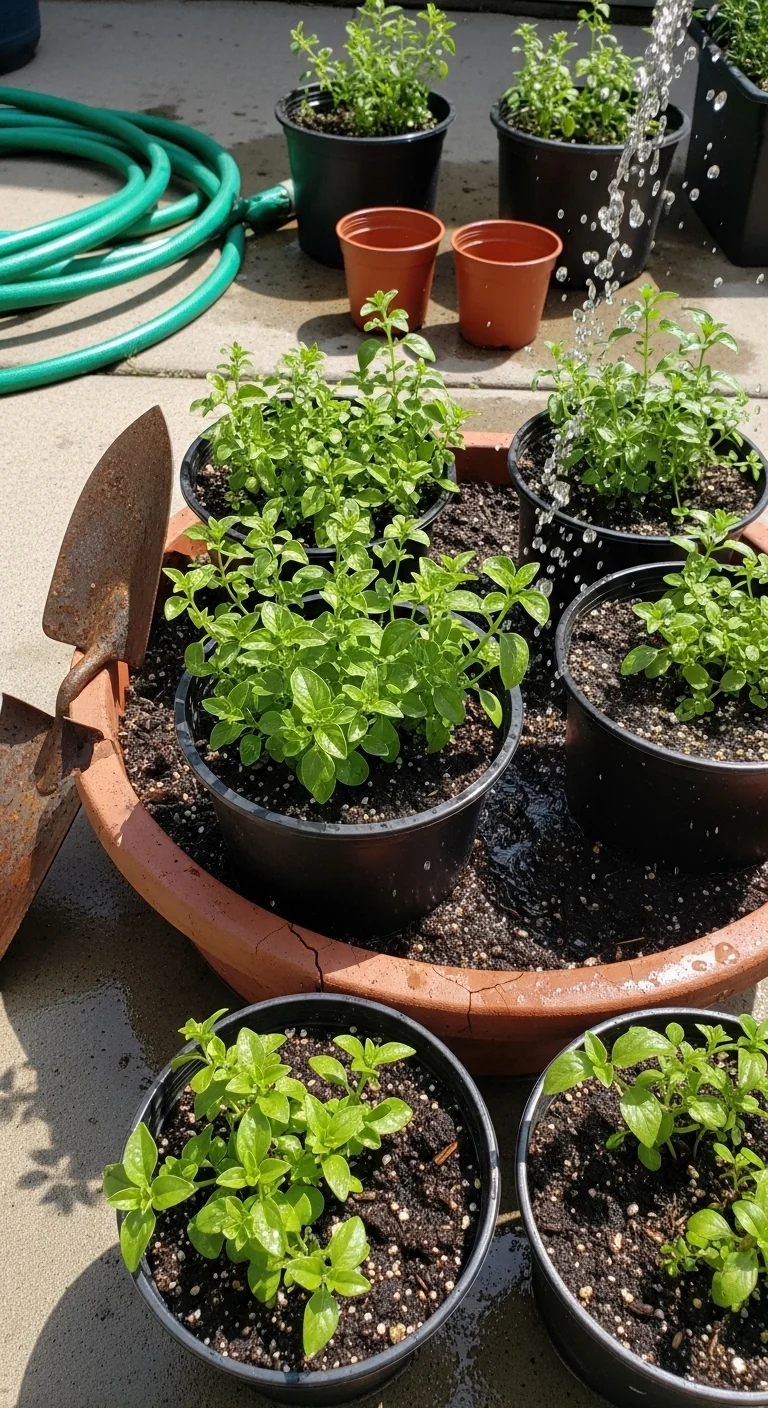
Container growing flips herb selection on its head. Instead of seeking the most vigorous spreaders suited to open soil, the top performers are those whose compact habits or controlled roots actually concentrate essential oils and simplify harvest under the limits of pot volume, drainage demands, and mobile microclimates.
This guide covers nine culinary and tea herbs optimized for pots between 6 and 18 inches in diameter. It excludes aggressive ground perennials better left for raised beds or in-ground plots and ignores purely ornamental types. Focus stays on edible output tied to measurable conditions like sunlight hours, drainage speed, and pot depth.
You gain a clear decision process to match your exact light exposure, watering rhythm, and space constraints so each plant delivers repeated harvests without root issues or bolting surprises.
Match your setup to the decision grid below to select herbs that perform better in containers than they would in open soil.
The Yield Grid Decision Grid
Branch 1: Full sun with excellent drainage. Six or more hours of direct sunlight daily paired with pots that empty excess water within 30 minutes of a thorough soak. Recommended: Items 1, 4, and 7 below.
Branch 2: Partial shade with steady moisture. Four to six hours of filtered light and soil kept evenly damp but never waterlogged. Recommended: Items 3, 6, and 9 below.
Branch 3: Limited space or spread control. Pots 10 inches or smaller or spots where roots must remain contained to protect nearby plants. Recommended: Items 2, 5, and 8 below.
For apartment balconies or small patios, our balcony herb garden guide shows exact layouts that pair perfectly with these branches.
Quick Comparison Table
| Option | Key mechanism | Best for | Decision Grid Branch | Effort Score |
|---|---|---|---|---|
| Rosemary | Woody stems and needle leaves that store internal moisture | Hot patios with infrequent watering | Branch 1 | 1 |
| Chives | Clumping roots with hollow leaves for rapid regrowth after cutting | Kitchen windowsills needing quick fresh snips | Branch 3 | 2 |
| Basil | Fast leaf production triggered by consistent warmth and moisture | Frequent harvest for pesto and fresh use | Branch 2 | 4 |
| Thyme | Low trailing habit with tiny leaves that resist drying out | Edges of sunny containers or hanging setups | Branch 1 | 2 |
| Mint | Running rhizomes that stay contained when pot-bound | Tea and garnish in small spaces | Branch 3 | 3 |
| Parsley | Biennial taproot that stores nutrients for steady leaf output | Long season flavor base in mixed pots | Branch 2 | 3 |
| Sage | Fuzzy leaves and woody base that tolerate dry intervals | Mediterranean cooking in full sun | Branch 1 | 2 |
| Oregano | Trailing stems that root lightly and fill pots evenly | Pizza and Italian dishes with minimal fuss | Branch 3 | 2 |
| Cilantro | Short cycle with bolt resistance when kept cool and moist | Salsa and Asian recipes in cooler months | Branch 2 | 4 |
Rosemary
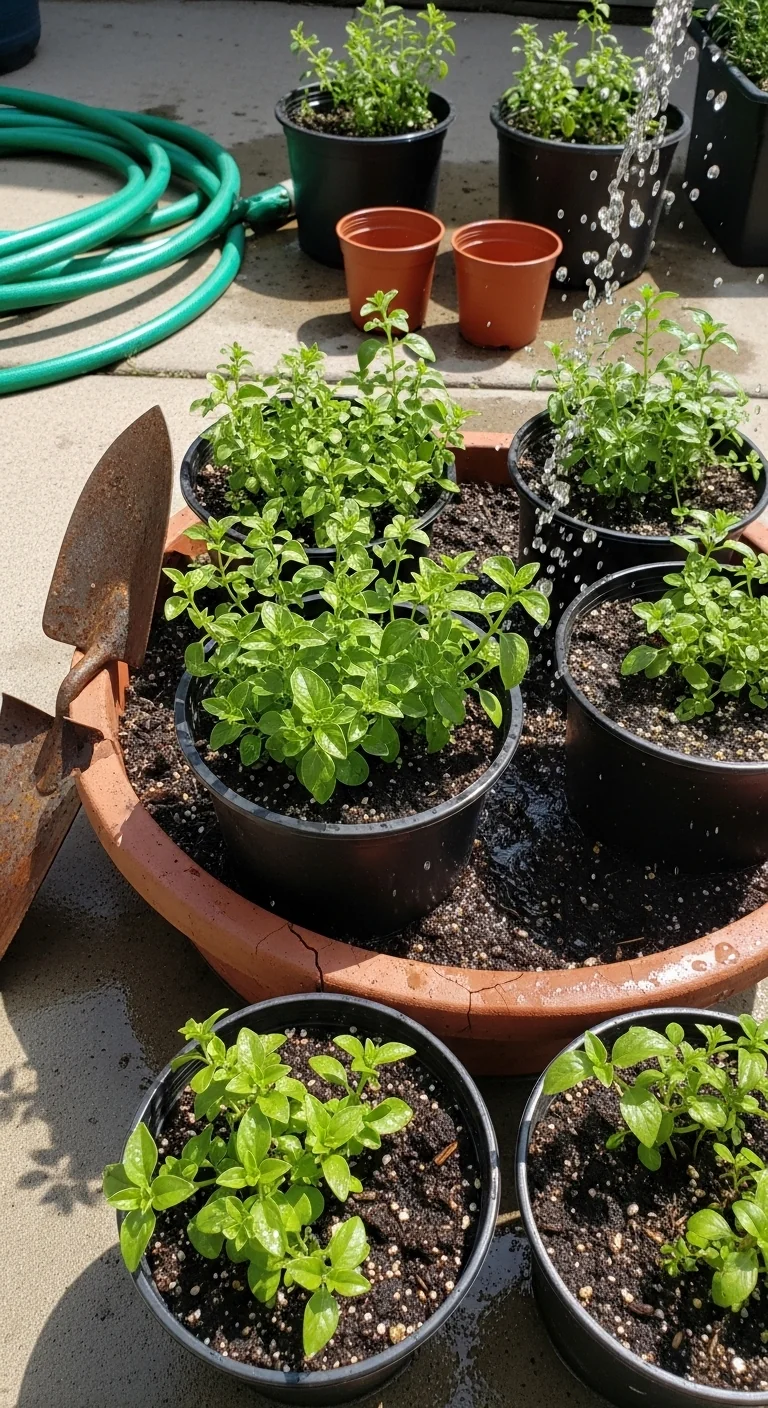
Best for: Branch 1
Blueprint for success. Choose a pot at least 10 inches deep and wide with multiple drainage holes to support the woody root system that develops over multiple seasons. Fill with a gritty, well-draining mix and position where it receives full sun. Water only after the top two inches of soil feel dry to the touch. Prune stems back by one third in early spring to maintain shape and encourage dense new growth. The container environment restricts root spread just enough to intensify the aromatic oils compared with open ground, but only if drainage stays sharp. Common mistake: letting the pot sit in a saucer of water for days, which quickly leads to root rot in this drought-adapted herb.
Our rosemary in pots guide details exact pruning timing windows for year-round productivity.
Chives
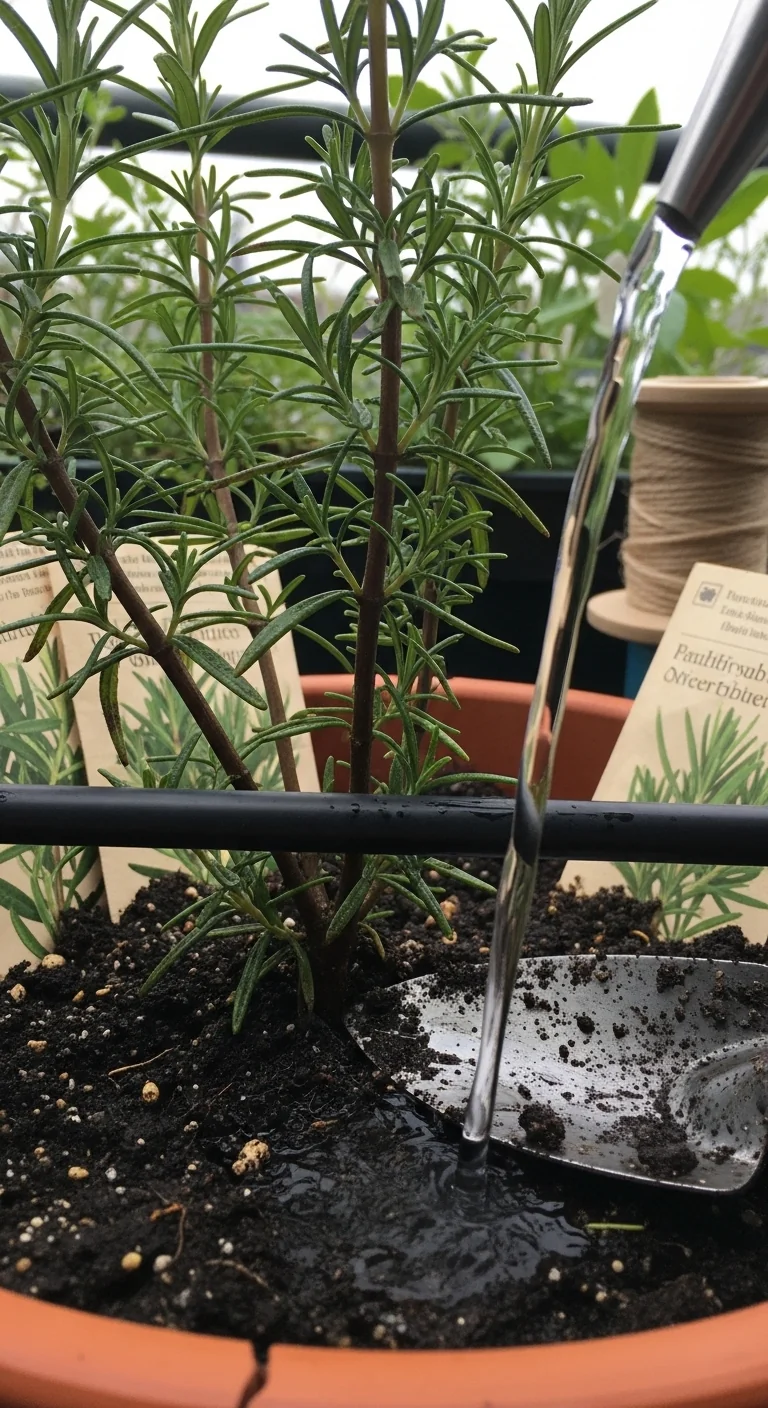
Best for: Branch 3
Use versus skip. Use chives in containers when you want a reliable, cold-hardy perennial that regrows after every harvest and fits neatly in narrow pots. Skip if your space receives less than four hours of light, as the clump weakens and leaf flavor fades. Edge case: in very small pots under eight inches, divide the clump every two years to prevent crowding and maintain tender texture.
Our chives in containers guide covers division steps for long-term clumps.
Basil
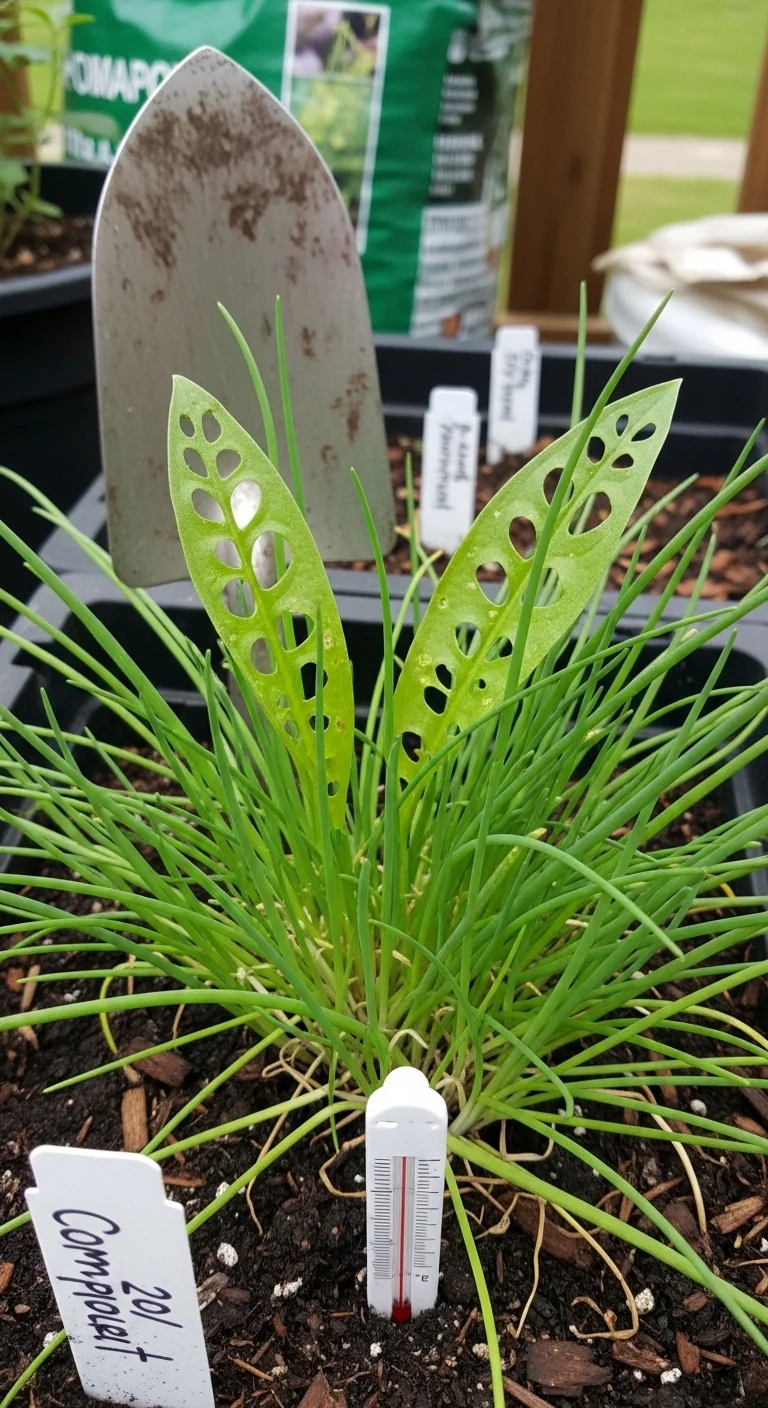
Best for: Branch 2
Threshold rule. Basil delivers peak flavor only when nighttime temperatures stay above 60 F and soil moisture remains consistent without sogginess. Keep pots in spots with four to six hours of morning sun and water when the top inch dries, usually every two to three days in warm weather. Adjust by moving containers to a slightly shadier spot once summer heat exceeds 85 F daily to delay bolting. Harvest the top sets of leaves before flowers form to keep production high through the season.
Our basil growing tips explain variety choices for extended container harvests.
Thyme
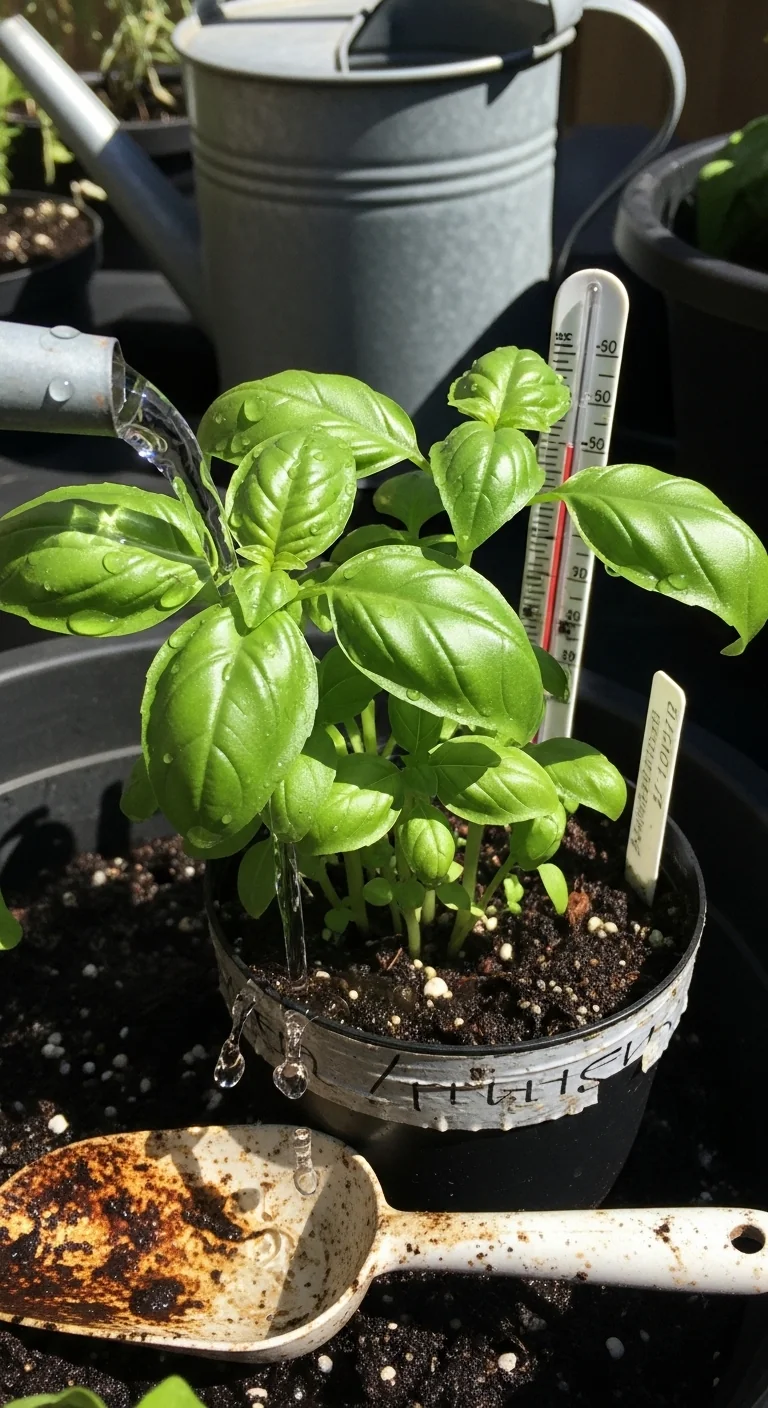
Best for: Branch 1
10-minute workflow. Once a week check soil dryness at two inches deep. If dry, water thoroughly until it drains freely, then return the pot to full sun. Every four weeks trim the trailing tips by two inches to encourage bushiness and prevent woodiness at the base. Upgrade option: combine with a matching low-water herb in the same large pot for a self-sustaining Mediterranean cluster that needs no extra fertilizer mid-season.
Our thyme plant care guide lists exact varieties best suited to container life.
Mint
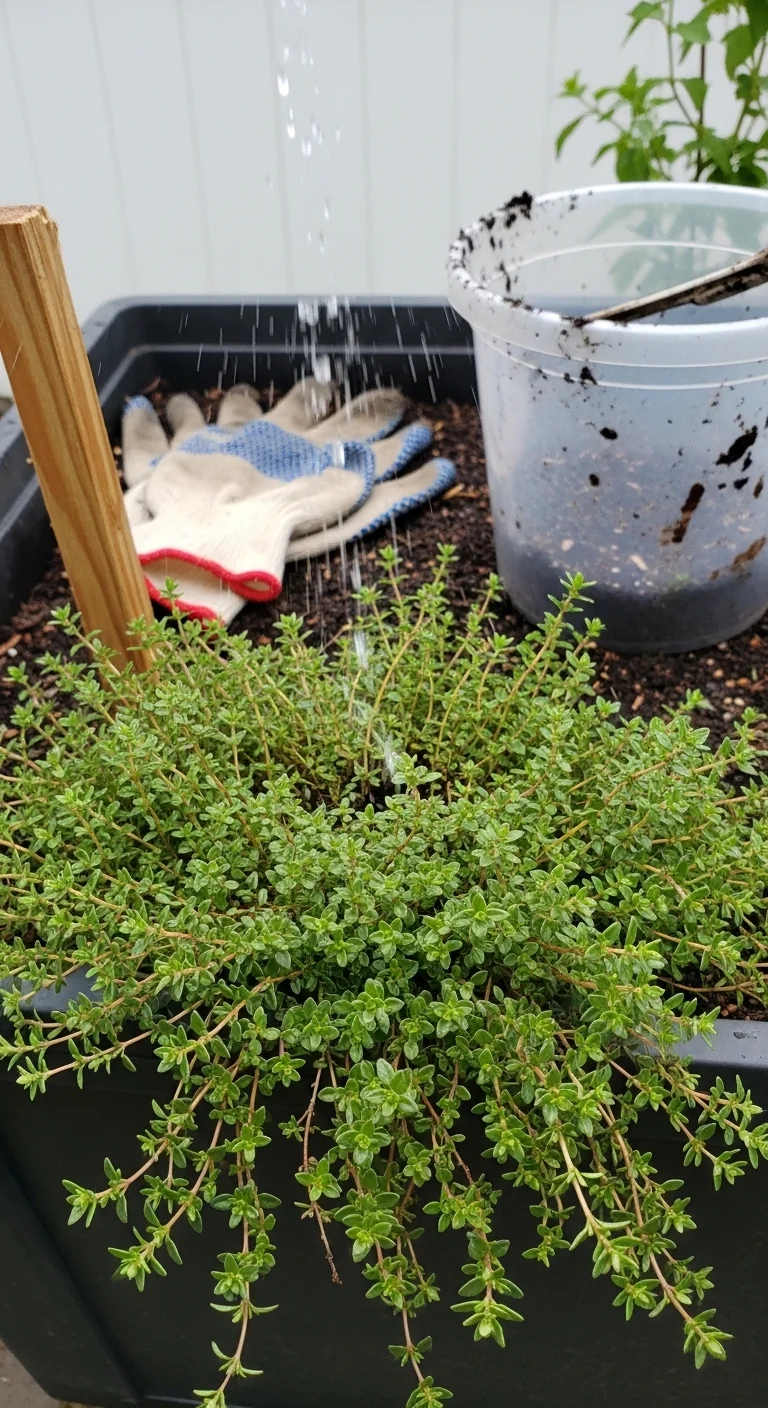
Best for: Branch 3
Blueprint for success. Select a dedicated pot at least eight inches wide to contain the running rhizomes that would otherwise overtake neighbors. Use standard potting mix and place where it gets four to six hours of light. Water when the top inch dries and harvest outer leaves freely. The pot walls stop underground spread while the foliage stays tender and flavorful. Mist leaves occasionally in dry indoor air to keep them plump.
Parsley
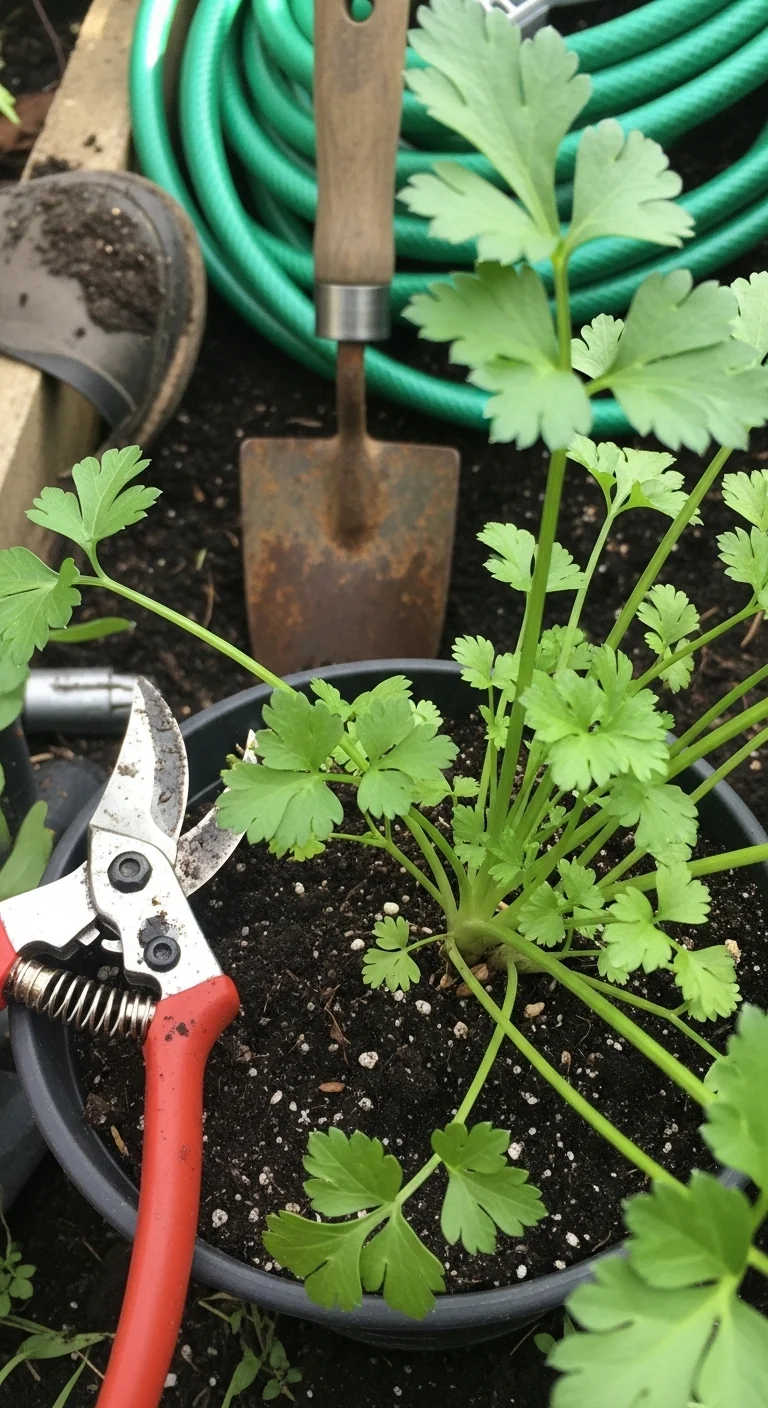
Best for: Branch 2
Use versus skip. Use parsley when you need a steady supply of flat or curly leaves for months without replanting. Skip in full blast sun that exceeds six hours daily, as the leaves yellow and flavor turns bitter. Edge case: second-year plants may bolt in early heat; treat as biennial and start fresh seed every spring for continuous tender growth in partial shade.
Sage
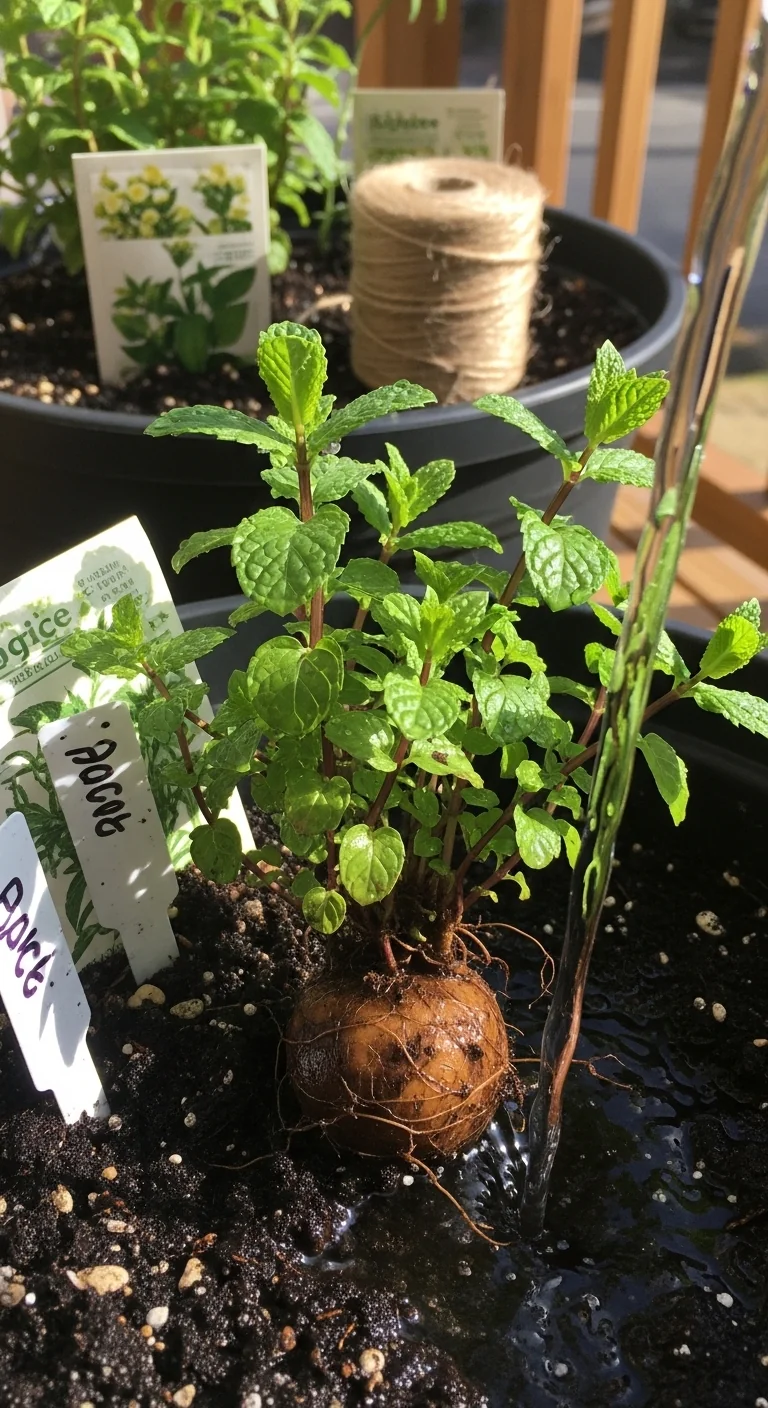
Best for: Branch 1
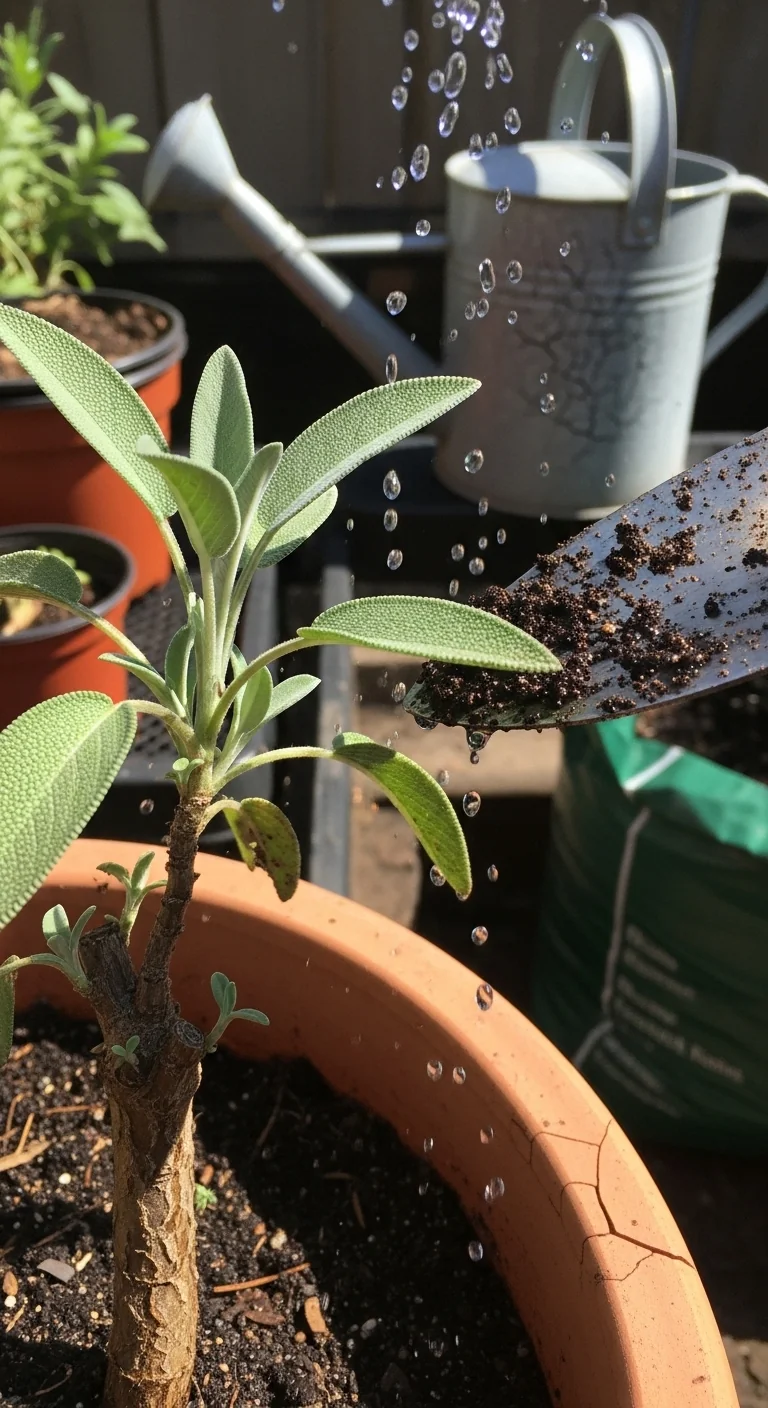
Threshold rule. Sage thrives when soil pH stays between 6.5 and 7.5 and the top two inches dry completely between waterings, typically every seven to ten days in full sun. Test drainage speed after each watering and adjust by adding more perlite if water sits longer than 20 minutes. Pinch growing tips monthly once stems reach six inches to keep the plant compact and aromatic rather than leggy.
Oregano
Best for: Branch 3
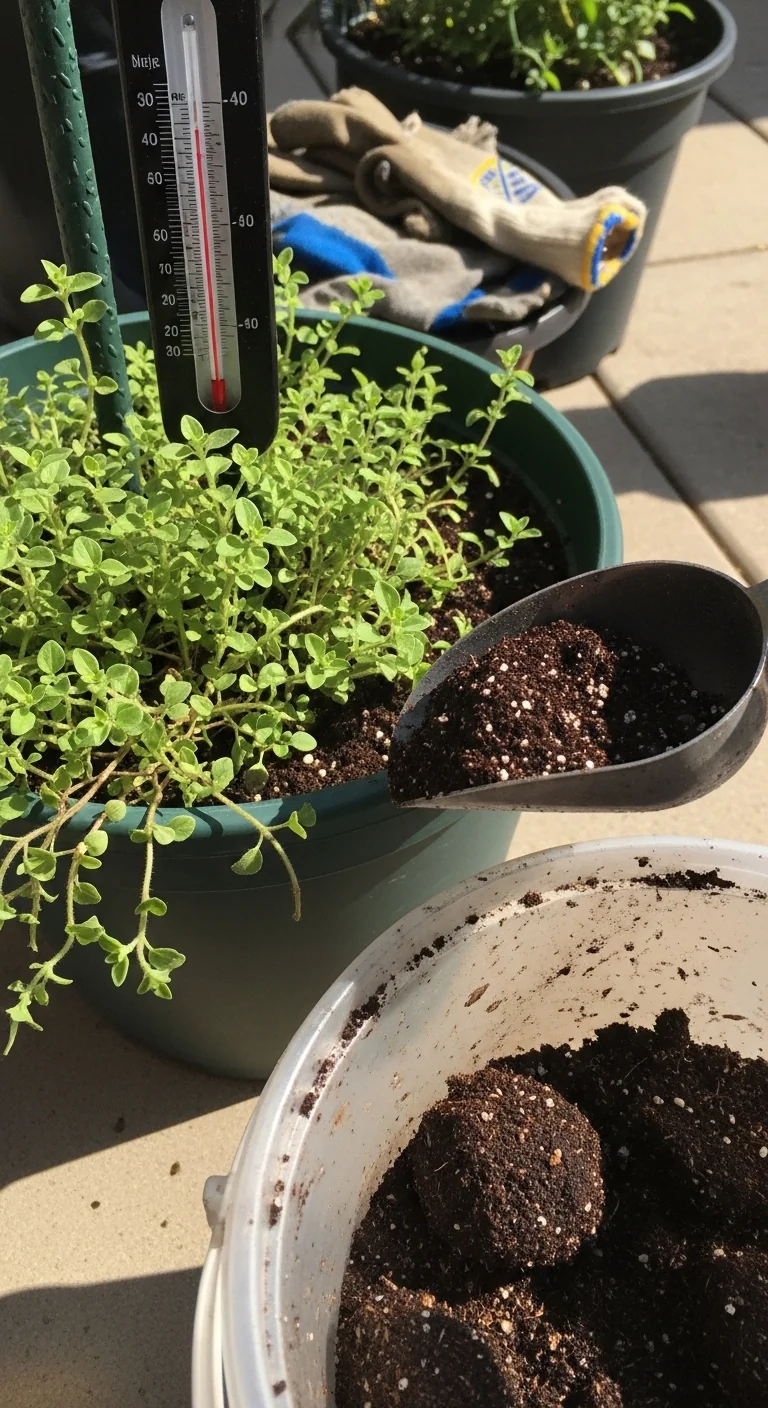
10-minute workflow. Inspect soil weekly for dryness at one inch depth. Water until it runs out the bottom, then place back in full sun or bright partial light. Every three weeks trim stems back by one third to promote dense side shoots. Upgrade option: pair with thyme in a wide shallow pot for a low-effort Italian herb duo that fills space evenly without competing for nutrients.
Cilantro
Best for: Branch 2
Blueprint for success. Sow seeds directly in a pot eight inches or deeper every three weeks for succession crops. Keep soil evenly moist and place in morning sun with afternoon shade once temperatures climb. Harvest outer leaves before the plant sends up a central stalk. The short lifecycle fits containers perfectly because you control the cool microclimate that delays bolting longer than in open garden beds.
Starter Stack (What to Choose First)
For Branch 1: Full-sun low-water setups
Start with rosemary and thyme. These two share the same gritty soil preference and drought tolerance, creating a low-maintenance Mediterranean cluster that requires only 8 to 12 minutes of weekly attention once established. Starter plants cost roughly 12 to 18 dollars total and fill a 12-inch pot comfortably within one growing season.
For Branch 2: Partial-shade steady-moisture setups
Start with basil and parsley. They match moisture needs exactly and deliver complementary flavors for everyday cooking. The pair needs 10 to 15 minutes of care per week and fits one 14-inch pot for a season-long harvest window with minimal bolting risk when placed correctly.
For Branch 3: Limited-space or spread-control setups
Start with chives and mint. Their clumping and contained habits prevent takeover while providing quick regrowth for repeated snips. Expect 6 to 10 minutes weekly and a combined starter cost of 10 to 15 dollars in separate eight-inch pots that stay productive for years with occasional division.
When This Won’t Work
Container herbs fail predictably when nighttime temperatures stay below 45 F for more than three consecutive nights without protection. Growth slows dramatically, leaves yellow, and flavor compounds drop. Move pots indoors to a bright windowsill or use a portable cloche until conditions improve. The same plants succeed again once temperatures stabilize above that threshold.
They also collapse quickly if pots lack drainage holes or the soil stays saturated longer than 48 hours after watering. Roots suffocate and rot sets in within days. Switch to containers with multiple holes at the base and a fast-draining mix to restore health immediately.
If your spot receives fewer than four hours of light daily, even the most tolerant herbs produce weak stems and pale leaves. Our herbs for shade guide outlines supplemental lighting options that restore productivity indoors.
Choosing the Right Option for Your Situation
Budget threshold
Under 20 dollars per pot setup favors starter plants of rosemary, thyme, or chives. These establish quickly without extra soil amendments and deliver the highest return on small initial investment.
Time threshold
Ten minutes or less per week points to rosemary, thyme, sage, or oregano. Their drought tolerance means fewer watering visits and simple monthly trimming instead of daily checks.
Technical constraint
Soil pH between 6.0 and 7.5 and pots with confirmed drainage suit every herb on this list. Test your mix once at planting and adjust with a small amount of lime or sulfur only if readings fall outside the range.
Yes/No checklist:
Does your spot get at least four hours of sun daily?
Can you water when the top inch dries without daily checks?
Are your pots at least eight inches deep with drainage holes?
Do you have space to separate spreading types like mint?
Expert Q&A
What pot size minimum prevents root binding in perennial herbs?
Perennial herbs such as rosemary, thyme, and sage need pots at least 10 inches deep and wide after the first season. Shallower containers force roots to circle and reduce leaf production within 18 months. Repot or divide at that point to restore vigor.
How does container growing change companion planting rules for herbs?
In pots, group only by identical water and light needs rather than traditional garden companions. Rosemary and thyme share space well because both tolerate dry intervals, while basil and parsley pair because they both require steady moisture. Avoid mixing high and low water users in one container.
Can I overwinter container herbs indoors successfully?
Yes, if you provide at least six hours of bright light daily and keep temperatures between 50 and 70 F. Cut back watering by half and avoid fertilizing until spring. Rosemary, thyme, and sage survive best; tender types like basil need full replacement each year.
What soil amendments work best for container herbs versus garden beds?
Containers benefit from added perlite or coarse sand at 20 to 30 percent by volume for drainage, plus a slow-release organic fertilizer at planting. Garden beds rarely need these because natural soil structure handles excess water better than potting mix.
Which herbs benefit most from succession planting in pots?
Cilantro and basil produce the longest harvests when sown every three to four weeks in separate small pots. This staggered approach keeps fresh leaves available even after individual plants bolt, without wasting large container space on one short cycle.
Conclusion
The decision grid combined with the starter stacks removes trial-and-error from container herb gardening. You now know exactly which three herbs align with your light, moisture, and space conditions for reliable flavor all season. The single biggest mistake is ignoring drainage speed, which causes root problems far faster in pots than in open beds.
Take the next step by preparing the right soil mix for your chosen branch. Our drought-tolerant herbs guide gives precise recipes that keep low-water picks thriving with minimal effort.