
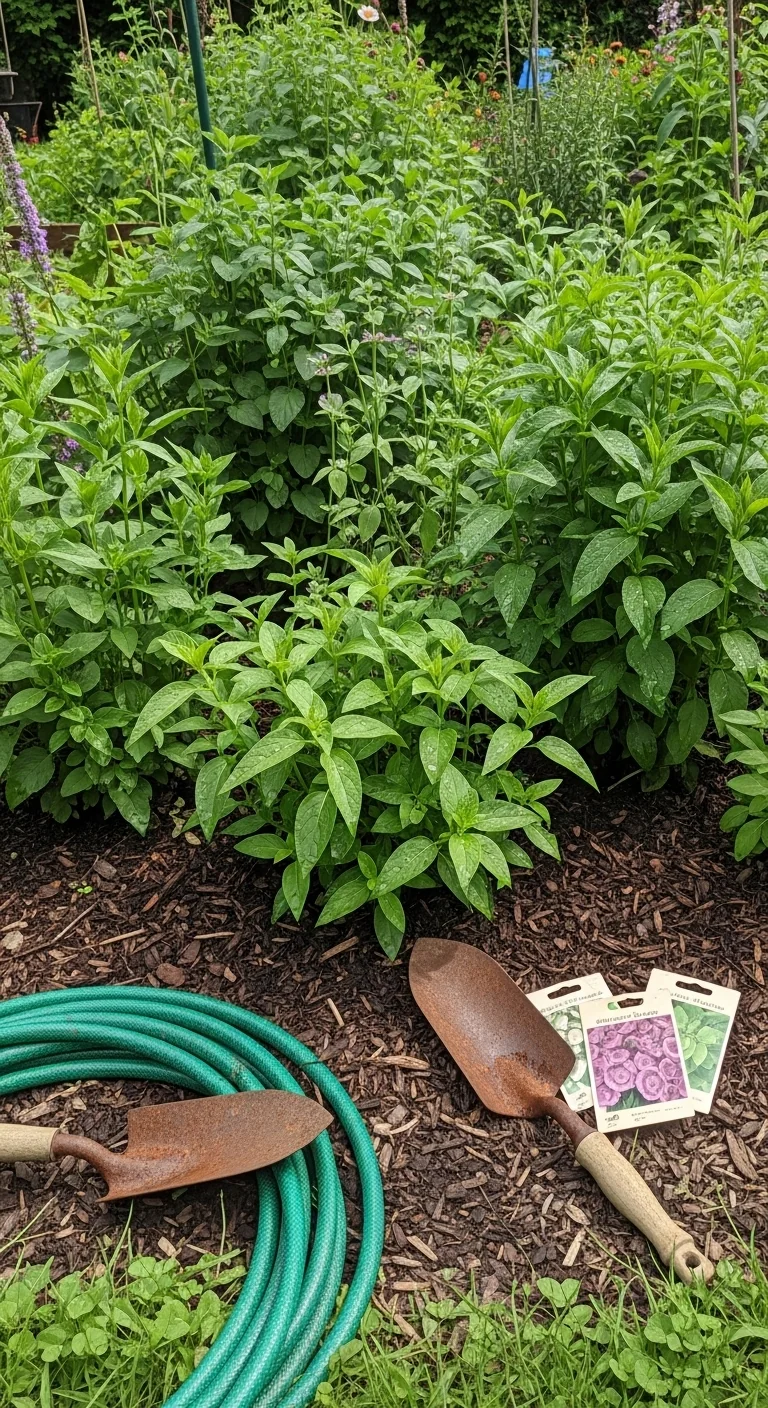
Perennial herbs succeed when their growth habit lines up with your specific site conditions instead of a generic popularity ranking. Most lists overlook spread mechanisms, drainage tolerance, and winter survival strategies that determine long-term performance in edible gardens.
This guide focuses on 10 reliable edible perennials suited to gardens in the US, UK, Canada, and Australia temperate zones. It excludes annuals such as basil and cilantro plus tender types that require indoor overwintering every season.
You gain a clear filter to select herbs that match your sun exposure, soil drainage, and available space so you avoid repeated replanting failures and wasted effort.
Apply the decision grid below to pick 3 to 5 herbs that return harvests reliably year after year in your conditions.
The Yield Grid Decision Grid
Branch 1: Cold climates (USDA zones 3-6 or equivalent in UK, Canada, northern US, and cooler Australian regions) with full sun and moderate drainage. These sites need clump-forming or woody types that survive repeated freezes without heavy protection. Recommended: Items 1, 4, 8, and 10 below.
Branch 2: Partial shade or moisture-retentive soils (any zone) where sun falls below 6 hours daily. These conditions favor spreading or self-seeding types that tolerate less light without bolting. Recommended: Items 3, 6, and 7 below.
Branch 3: Drought-prone sites or containers (zones 7+ or potted anywhere) with excellent drainage and full sun. These setups reward low-water woody herbs that handle dry spells and temperature swings in pots. Recommended: Items 2, 5, and 9 below.
See our full comparison of annual vs perennial herbs for deeper zone planning.
Quick Comparison Table
| Option | Key mechanism | Best for | Decision Grid Branch | Effort Score |
|---|---|---|---|---|
| Chives | Clump-forming bulbs that divide easily | Cold hardy full sun beds | Branch 1 | 1 |
| Thyme | Woody stems that regrow from base after trimming | Dry full sun or containers | Branch 3 | 2 |
| Oregano | Rhizomatous runners that expand quickly | Partial shade groundcover | Branch 2 | 4 |
| Sage | Woody shrub structure with deep roots | Cold hardy full sun beds | Branch 1 | 2 |
| Rosemary | Evergreen woody stems sensitive to wet roots | Dry full sun or containers | Branch 3 | 3 |
| Lemon Balm | Self-seeding with square stems | Partial shade or moist areas | Branch 2 | 4 |
| Mint | Aggressive underground rhizomes | Contained partial shade spots | Branch 2 | 5 |
| French Tarragon | Clump-forming rhizomes that need periodic division | Cold hardy full sun beds | Branch 1 | 3 |
| Lavender | Woody base with silver foliage | Dry full sun or containers | Branch 3 | 2 |
| Winter Savory | Low woody perennial with dense growth | Cold hardy full sun beds | Branch 1 | 2 |
Chives
Best for: Branch 1
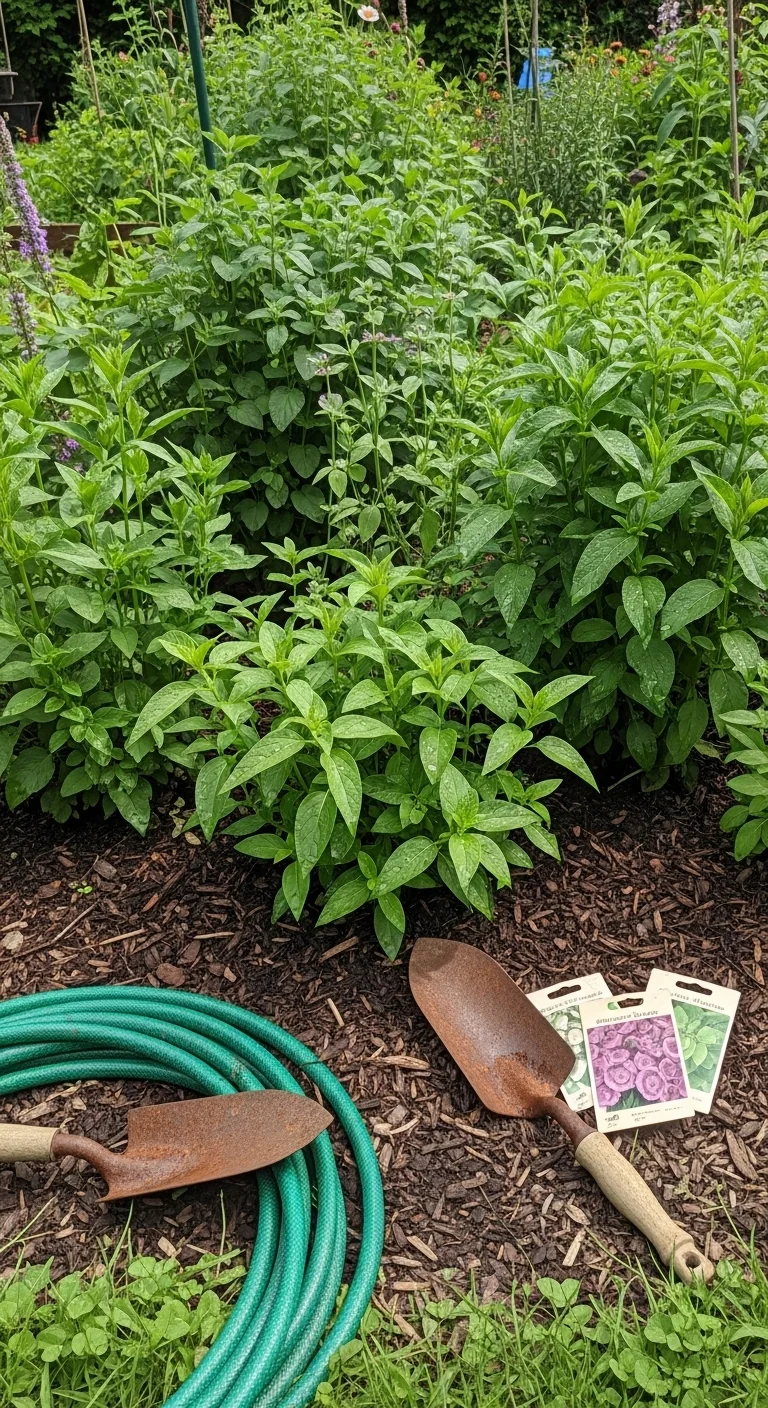
Chives form tight clumps from underground bulbs and return each spring after temperatures drop below freezing. Plant in full sun with soil that drains within 30 minutes after watering.
Blueprint steps: Space plants 12 inches apart in spring or fall. Cut flower stalks before they set seed to keep energy in leaves. Divide clumps every 3 years by lifting and separating bulbs with a sharp knife. Common mistake: leaving spent flower heads leads to unwanted seedlings that compete with the parent clump.
Harvest by snipping outer leaves at soil level any time after plants reach 6 inches tall. The mild onion flavor works fresh in salads or as a garnish. See chives in containers for balcony options.
Thyme
Best for: Branch 3
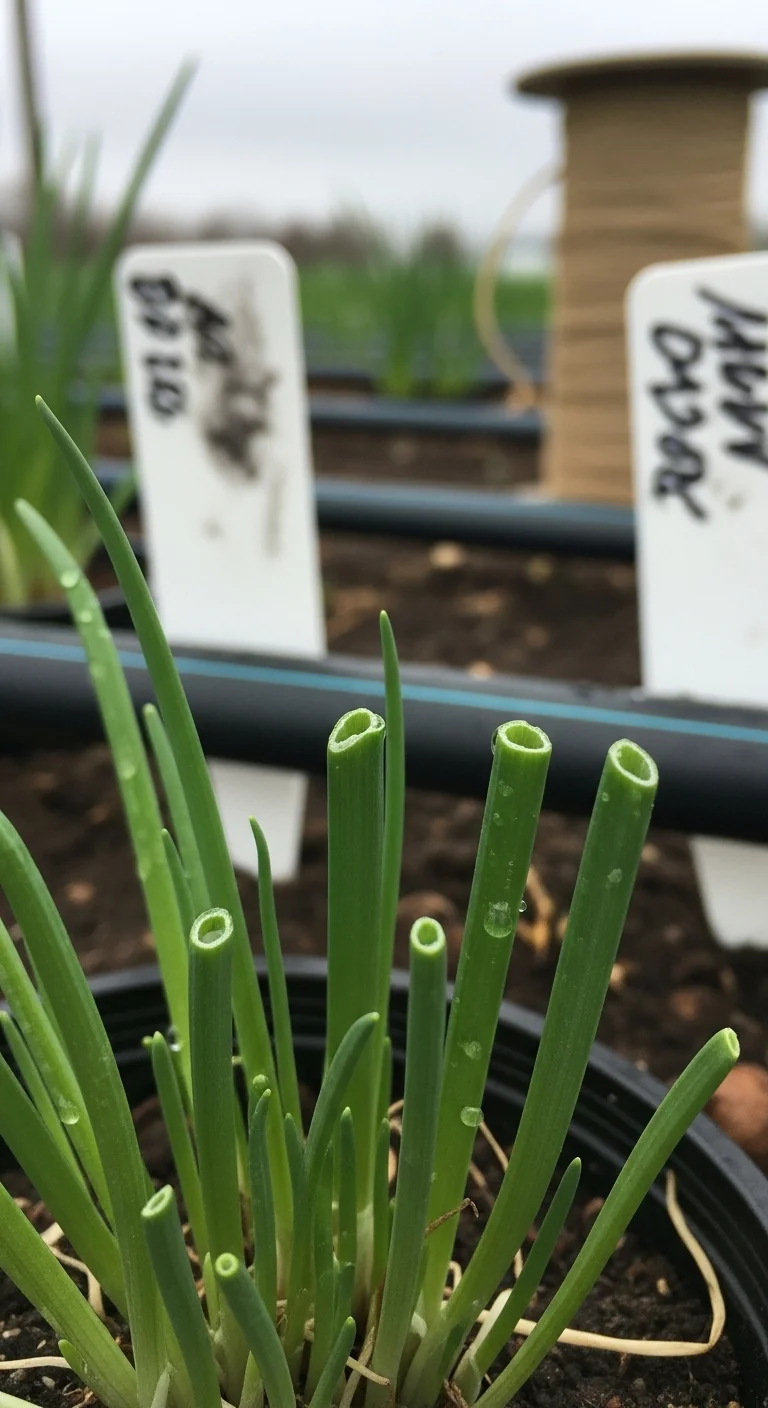
Use thyme when you need a low-water groundcover that handles dry spells and poor soil without extra feeding. Skip it in heavy clay that stays wet longer than 24 hours because roots rot quickly.
Pros include evergreen foliage for year-round structure and strong flavor that intensifies with drought stress. Edge case: in zones below 5 it benefits from a light mulch layer over winter but still performs better than most herbs in containers. See thyme plant care for detailed timing.
Oregano
Best for: Branch 2
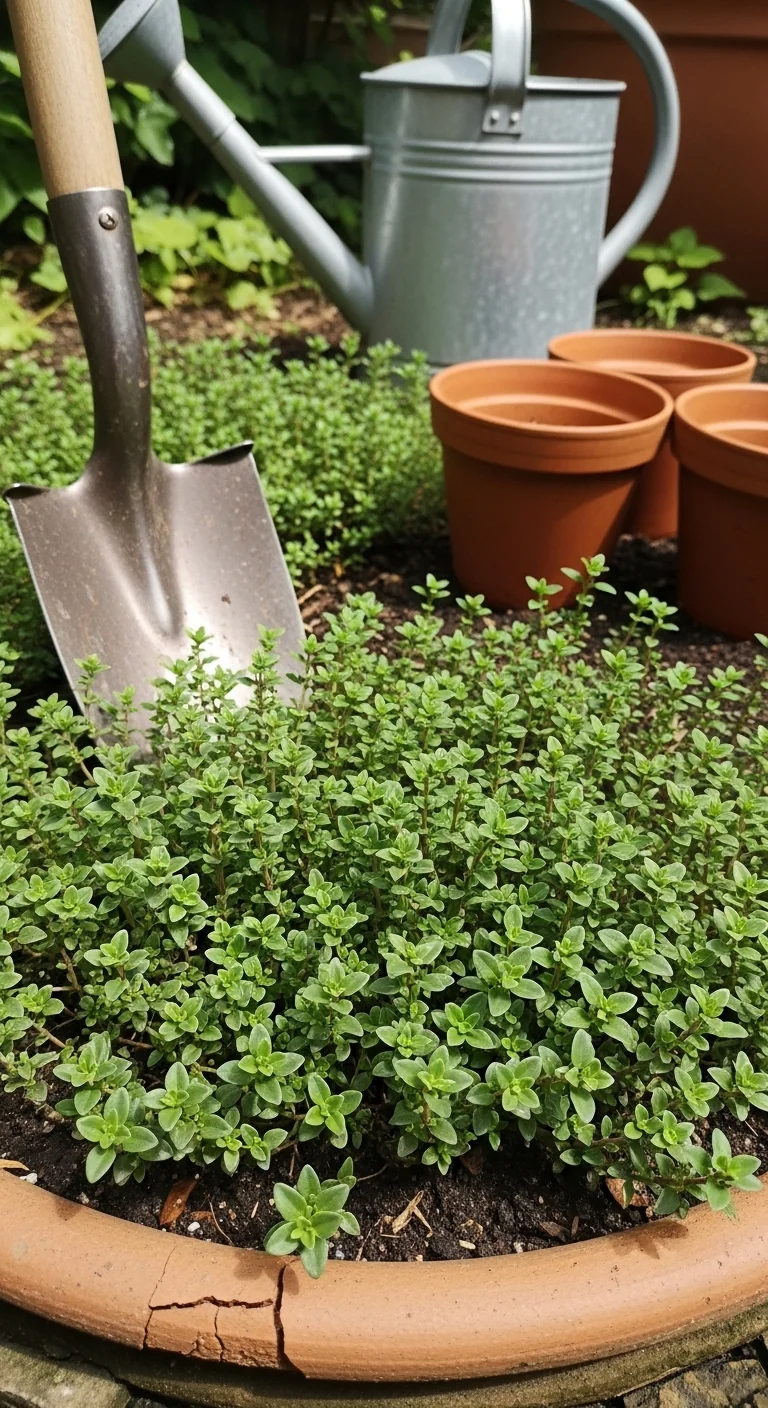
Oregano spreads via underground runners that reach 18 inches in a single season when soil stays evenly moist. Threshold rule: keep soil pH between 6.0 and 8.0 and divide every 2 years once runners exceed 12 inches from the crown to prevent crowding neighboring plants.
Adjust spacing to 18 inches in partial shade where growth slows. The pungent leaves peak in flavor just before flowering. Pair with vegetables for natural pest deterrence. Learn more in our companion planting herbs guide.
Sage
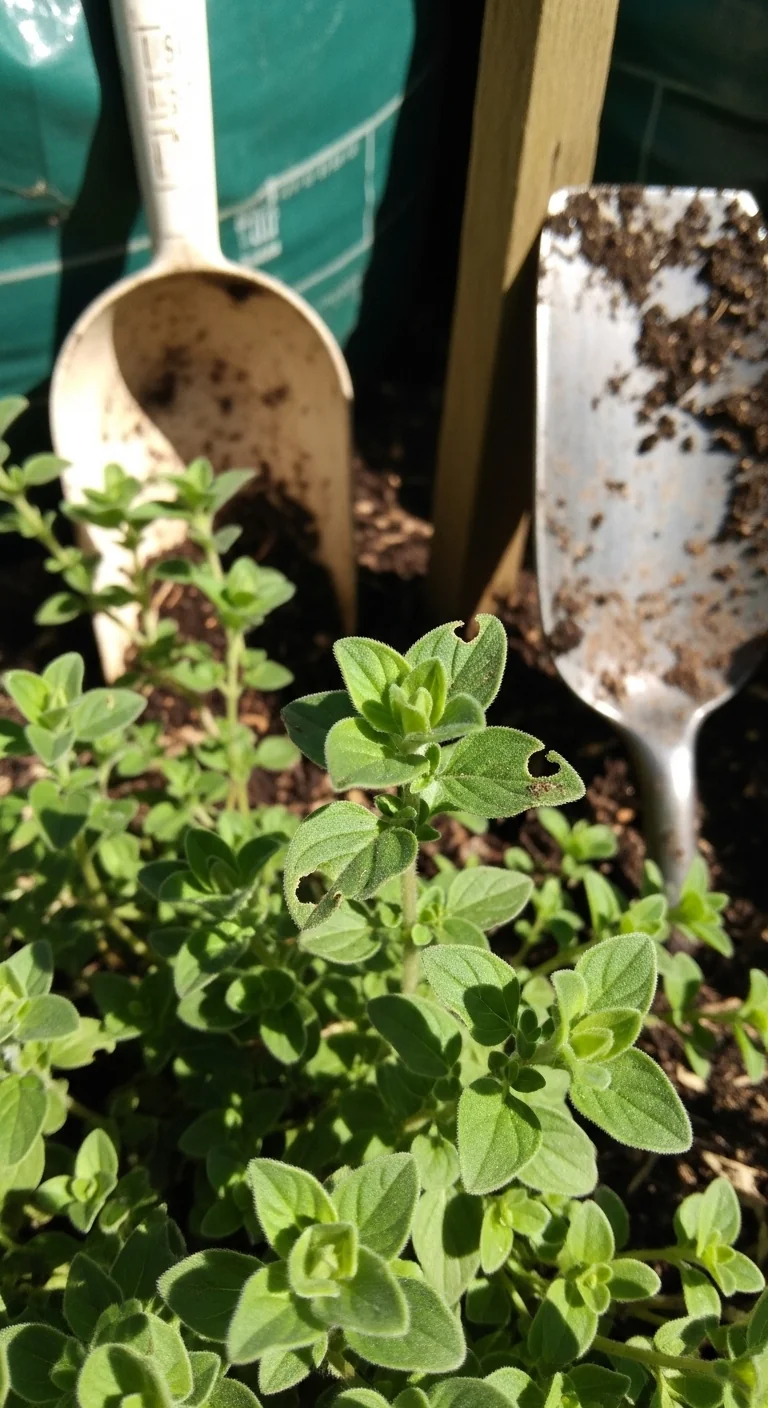
Best for: Branch 1
Sage develops a woody framework that survives zone 5 winters when planted in full sun with sharp drainage. The 10-minute workflow starts with site prep: test drainage by digging a 12-inch hole and filling it with water.
If water drains in under 30 minutes, plant at the same depth as the nursery pot and water once deeply. Prune woody stems back by one-third each spring after the last frost. Harvest young leaves throughout the growing season for best texture. Mature plants reach 24 inches wide after three years. See harvesting herbs for timing tips.
Rosemary
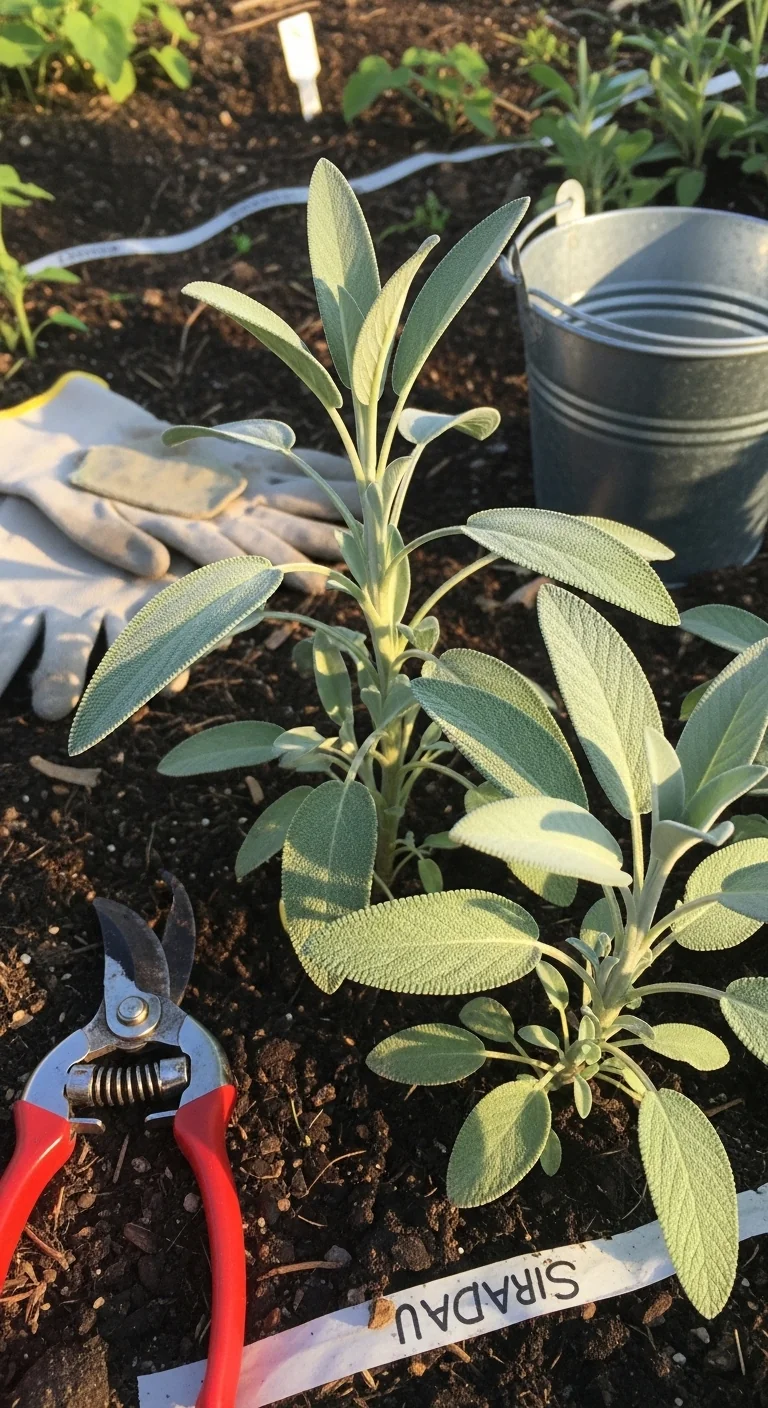
Best for: Branch 3
Rosemary thrives when planted in containers or raised beds that never stay soggy. Blueprint: choose a pot at least 12 inches wide with drainage holes and fill with a gritty mix. Water only when the top 2 inches of soil feel dry.
In colder zones protect pots by moving them against a south wall during freezes below 20 degrees F. The needle-like leaves provide strong flavor for roasting. See rosemary in pots for overwintering steps.
Lemon Balm
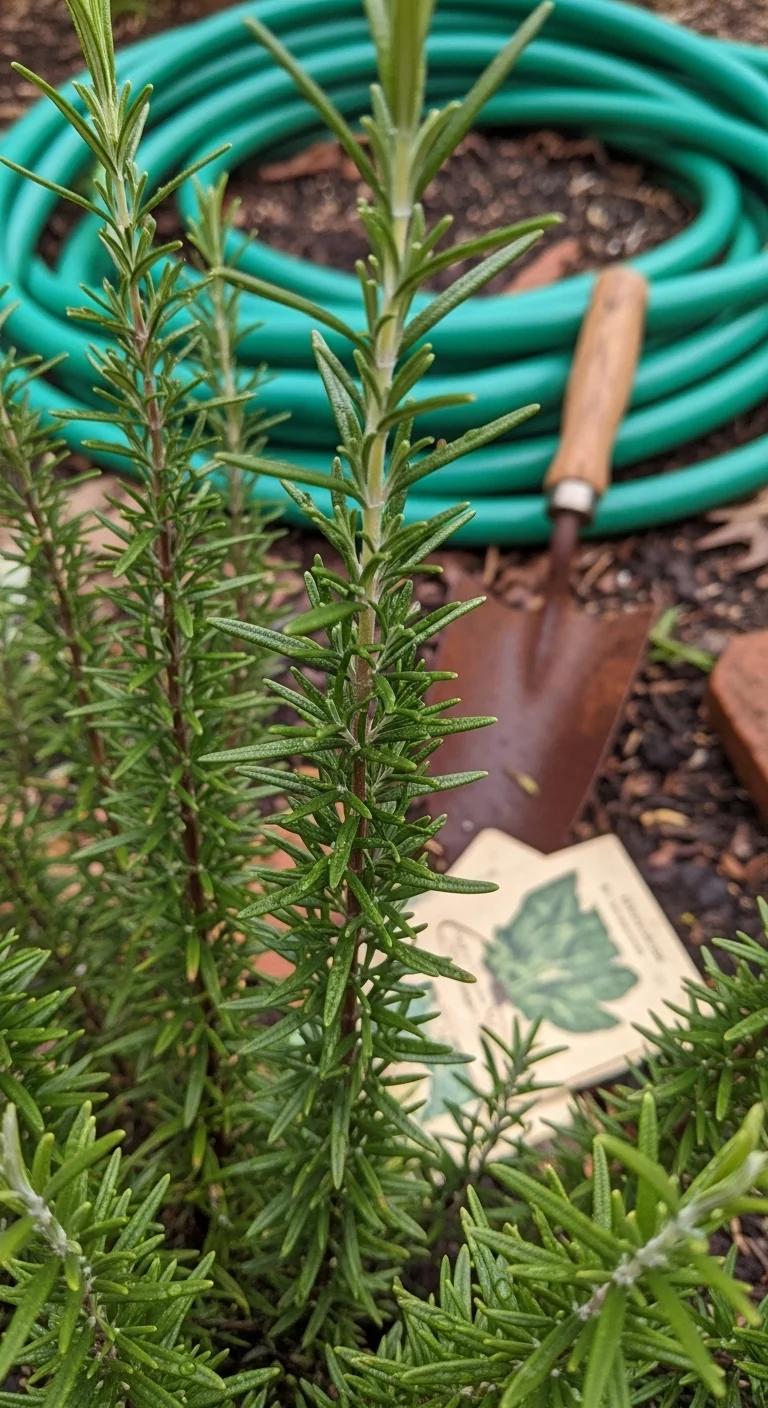
Best for: Branch 2
Use lemon balm in shaded spots where you want fast leafy growth for tea. Skip it if you cannot contain self-seeding because seedlings appear up to 3 feet away the following spring.
Pros include citrus scent that deters some insects and leaves ready for harvest within 8 weeks of planting. Edge case: cut back hard in early summer to prevent flowering and keep foliage tender. See drought tolerant herbs for related low-care options.
Mint
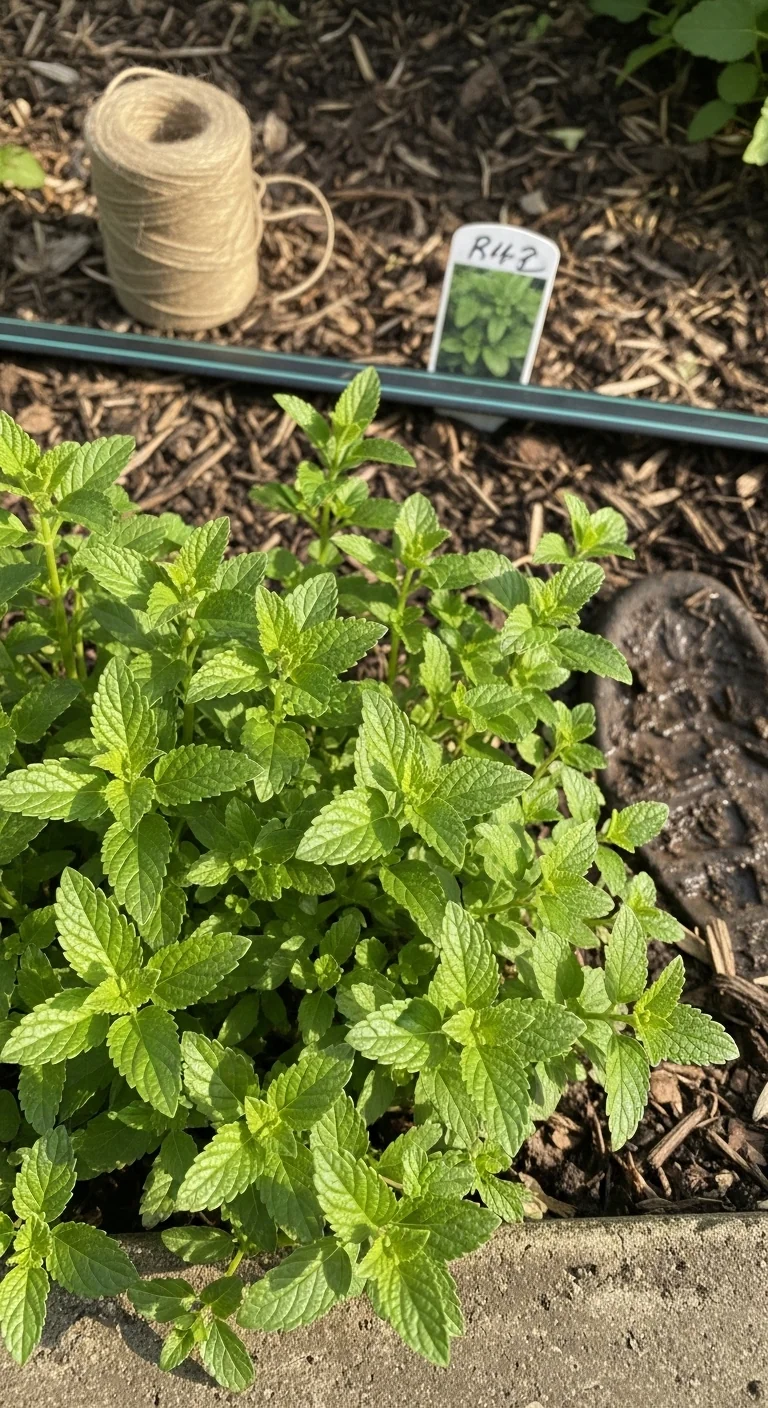
Best for: Branch 2
Mint spreads rapidly through underground rhizomes that can travel 24 inches or more in one season. Threshold rule: plant only inside a 12-inch-deep barrier or pot sunk into the ground and check every 4 weeks during active growth to trim any escaping runners.
Adjust by harvesting the top 6 inches weekly to slow expansion and maintain flavor intensity. The cool taste works well in drinks and salads. See best herbs for containers for contained growing methods.
French Tarragon
Best for: Branch 1
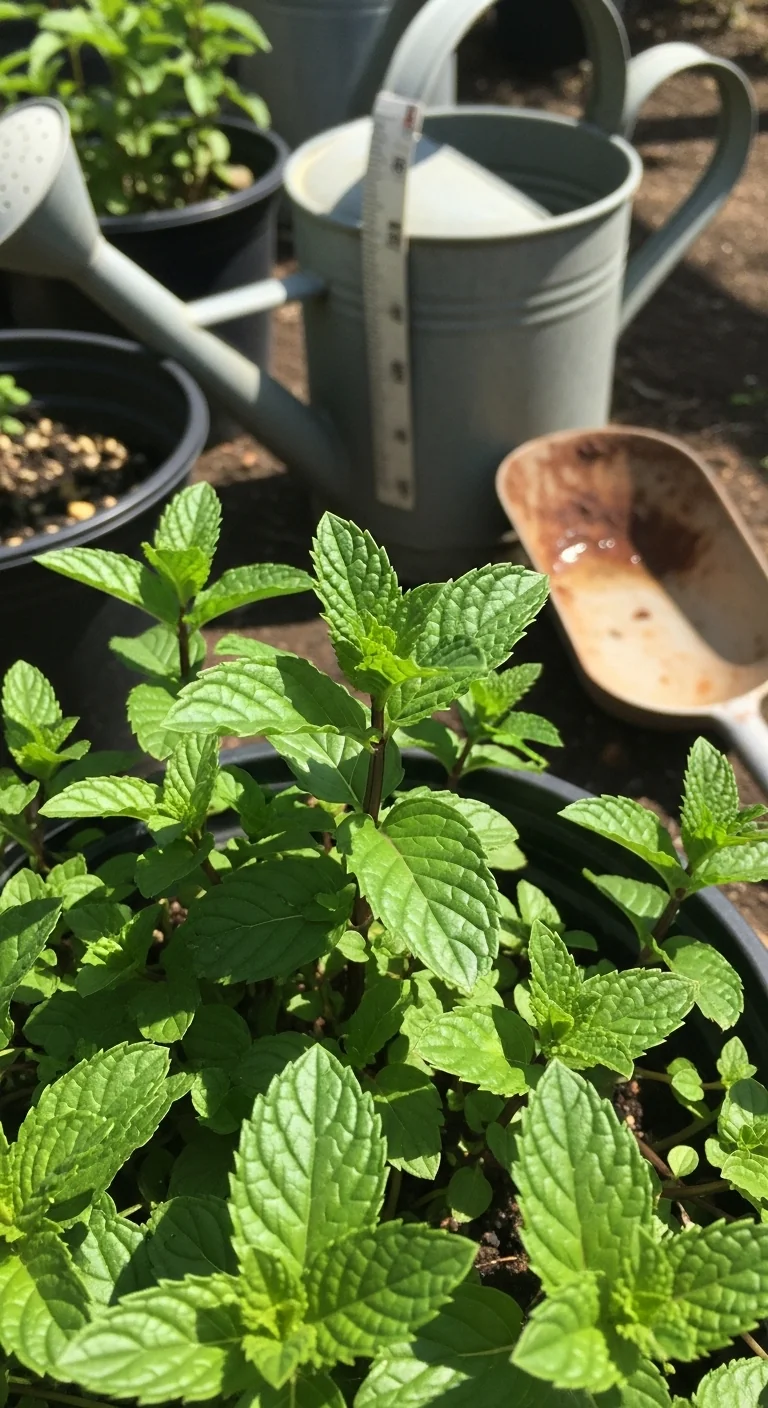
French tarragon forms compact clumps that need division every 3 years to stay productive in cold zones. The 10-minute workflow involves lifting the entire plant in early spring, discarding the woody center, and replanting healthy divisions 12 inches apart in well-drained soil.
Water sparingly once established and harvest sprigs before flowering for strongest anise flavor. Plants tolerate light frost but slow growth below 50 degrees F.
Lavender
Best for: Branch 3
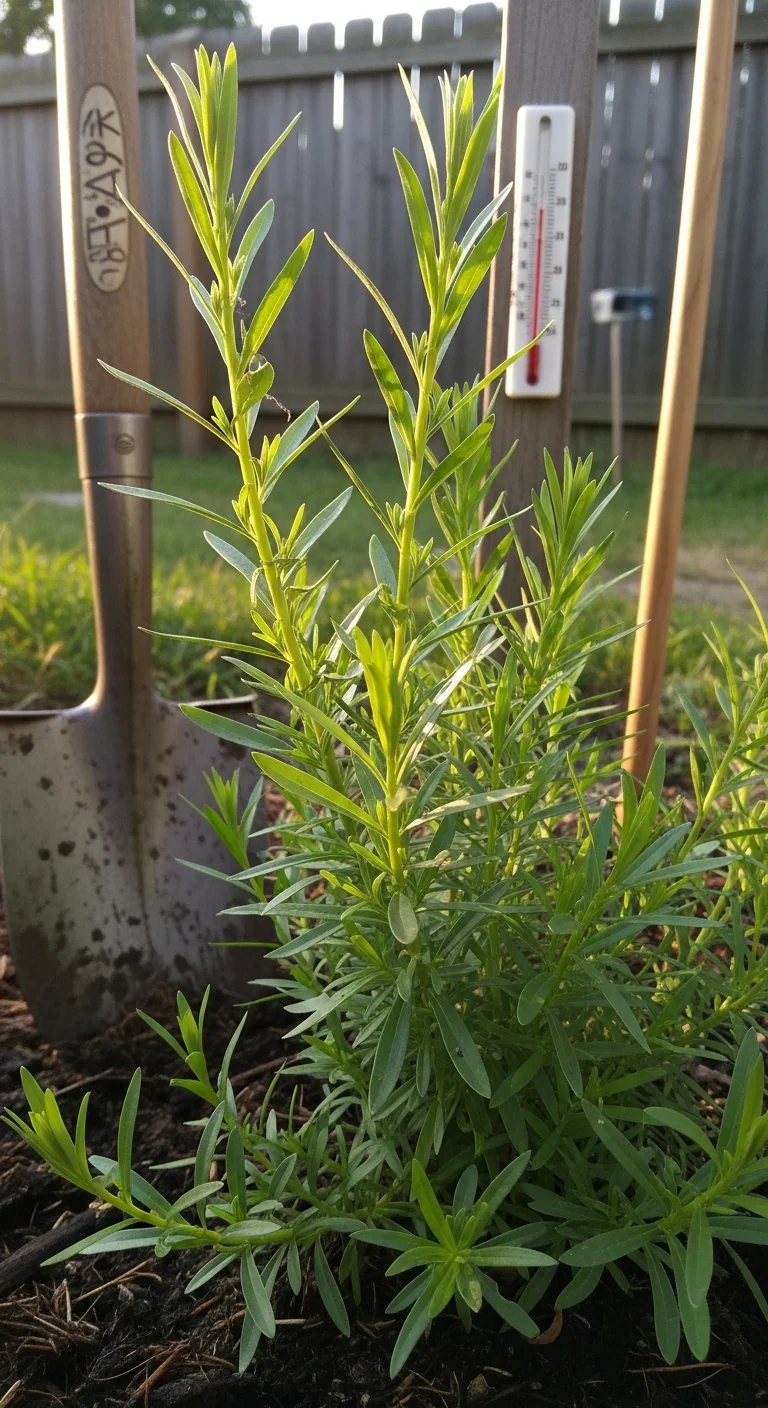
Lavender grows best in full sun with soil that drains within 20 minutes after heavy rain. Blueprint: space plants 18 inches apart in gravelly beds or pots and prune back to green wood each spring.
The edible flowers add flavor to baked goods while foliage provides year-round structure. In containers use a mix that stays dry between waterings to mimic its native Mediterranean conditions. See herb garden design ideas for layout inspiration.
Winter Savory
Best for: Branch 1
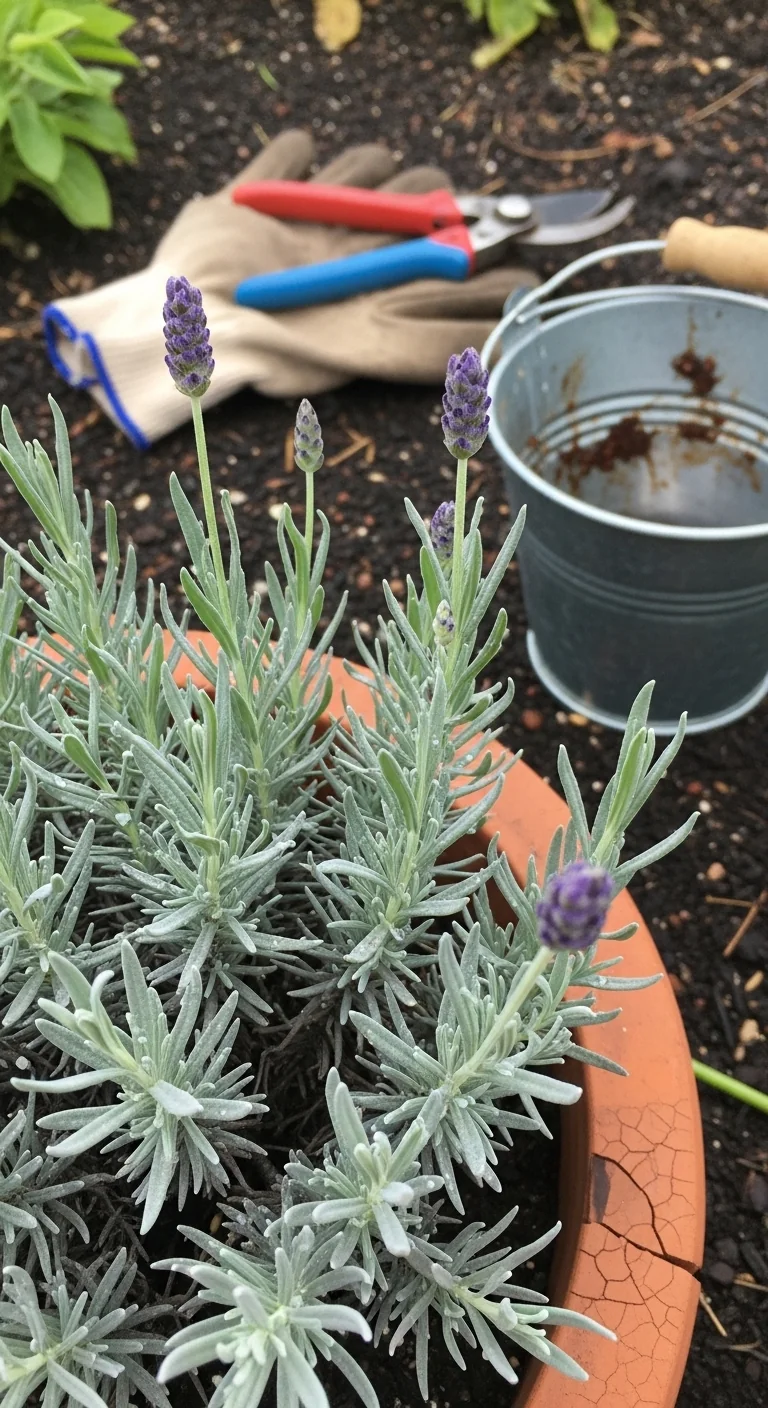
Use winter savory in cold climates where you want peppery flavor without the spread of oregano or mint. Skip it only if soil pH drops below 6.0 because growth becomes stunted and leaves turn yellow.
Pros include compact 12-inch height and evergreen foliage that stands up to zone 5 winters. Edge case: trim lightly after the first hard freeze to shape the plant without exposing roots. The leaves retain flavor better than summer savory through cold months.
Starter Stack (What to Choose First)
For Branch 1 Cold Climates
Start with chives and sage. These clump formers occupy distinct root zones and provide early spring greens plus woody structure that survives freezes down to zone 3. Synergy comes from their combined pollinator appeal without competition for space. Estimated cost: 15 to 25 dollars for two established plants. Planting time: 30 to 45 minutes.
For Branch 2 Partial Shade Sites
Start with oregano and lemon balm. Their spreading habits fill gaps quickly while delivering contrasting flavors for cooking. Synergy appears in their ability to suppress weeds in moist areas. Estimated cost: 12 to 22 dollars for two plants. Planting time: 25 to 40 minutes.
For Branch 3 Drought or Container Setups
Start with thyme and rosemary. Both tolerate dry conditions and share similar watering needs once established. Synergy results in a compact evergreen display ideal for pots or hot spots. Estimated cost: 18 to 30 dollars for two plants. Planting time: 35 to 50 minutes.
When This Won’t Work
Perennial herbs fail when soil stays waterlogged longer than 24 hours after rain because roots suffocate regardless of hardiness rating. They also struggle when soil pH falls outside the 6.0 to 7.5 range for more than one full season.
In these cases switch to raised beds filled with amended soil or use containers that allow full control over drainage and pH. Test your site by digging a 12-inch hole and timing how fast water disappears before committing plants.
See soil mix for herbs for exact amendment ratios.
Choosing the Right Option for Your Situation
Budget Threshold
If your total spend stays under 40 dollars for the first three plants choose clump formers such as chives or sage that require no immediate replacement. Above that amount select woody types like rosemary or lavender that last longer in containers.
Time Threshold
If you can spend under 1 hour per month on maintenance pick low-effort clumpers such as chives or thyme. Above that limit select contained spreaders like mint only if you install barriers first.
Technical Constraint
If your drainage test shows water remaining in the hole after 1 hour choose containers or raised beds exclusively and avoid direct ground planting of any listed herb.
Yes/No checklist:
Do you have full sun and good drainage? Yes: proceed with Branch 3 or 1.
Is space limited to under 10 square feet? Yes: use containers or Branch 2 spreaders in pots.
Are winters below 0 degrees F? Yes: stick to Branch 1 clumpers.
Ready to plant this season? Yes: follow the starter stack.
Expert Q&A
How do I stop mint from invading the rest of my garden?
Install a physical barrier at least 12 inches deep around the root zone or grow exclusively in a sunken pot. Check edges monthly during the growing season and cut any escaping runners immediately. This keeps the plant productive while preventing takeover.
Can rosemary survive outdoors in UK or Canadian winters?
In zones below 7 move pots to a sheltered south-facing wall or cover with fleece when temperatures drop below 20 degrees F. Choose upright varieties and ensure soil stays dry. Many gardeners succeed by treating it as a semi-perennial with protection.
What is the real difference between French tarragon and other types?
French tarragon offers superior anise flavor but rarely produces viable seed and must be propagated by division. Russian tarragon grows from seed yet tastes milder and becomes bitter faster. Stick with French for culinary use in cold climates.
How often should I divide chives to keep them vigorous?
Divide every 3 years in early spring once the center starts to thin. Lift the clump, separate into sections with at least 6 bulbs each, and replant immediately at the original depth. This prevents woody centers and maintains leaf tenderness.
Which perennial herbs pair best with vegetables in companion planting?
Thyme and sage deter cabbage moths when planted near brassicas while oregano repels aphids around tomatoes. Place them at bed edges to avoid shading crops. Their root systems also improve soil structure without competing heavily for nutrients.
Conclusion
The decision grid filters perennial herbs by measurable site conditions so you invest only in plants that match your climate, drainage, and space limits. The number one mistake is ignoring spread mechanisms and planting aggressive rhizomatous types without barriers or containers.
Next step: sketch your garden layout with the starter stack herbs placed according to your branch and see herb garden design ideas for visual arrangements that maximize harvests.