
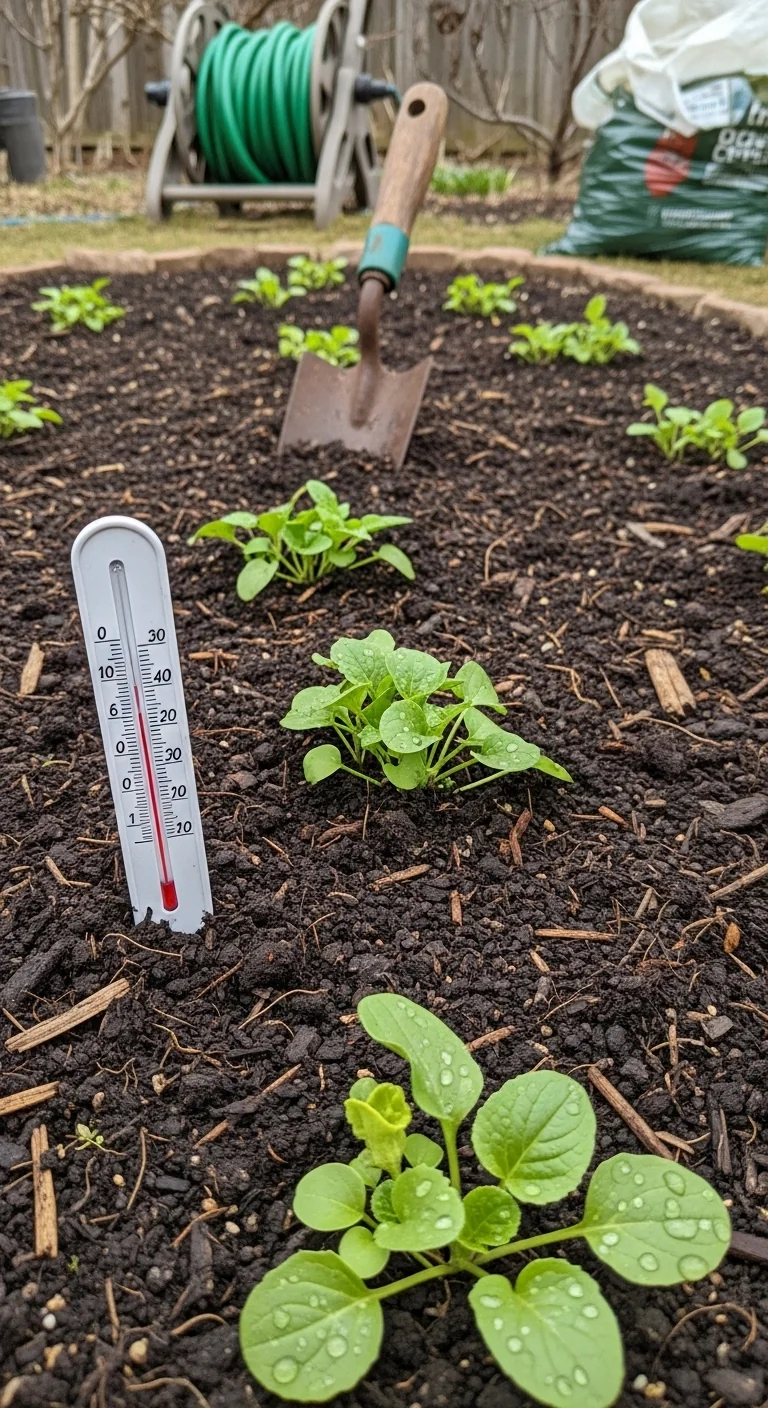
Standard vegetable planting calendars lock gardeners into fixed monthly dates that ignore backyard realities such as delayed soil warming or early fall frosts. This one reframes the entire process around three measurable conditions: soil temperature at seed depth, your exact last spring frost date, and the number of frost-free days available.
It covers 12 core vegetables suited to edible gardens in temperate zones including the US, UK, Canada, Australia, and New Zealand. It excludes purely tropical species and hydroponic-only systems.
Readers finish with a personalized schedule that tells them exactly when to sow or transplant each crop, which succession intervals to use, and which adjustments extend the harvest window by weeks.
Identify your branch, apply the exact temperature thresholds, and build a vegetable planting calendar that fits your site instead of fighting it.
The Yield Grid Decision Grid
Branch 1: Soil temperature at 4-inch depth reaches 40-55°F and your last spring frost falls after April 15 (or total frost-free days stay under 160). Recommended: Items 1, 2, 3, 10, 11, and 12 below.
Branch 2: Soil temperature hits 55-70°F within two weeks of last frost and frost-free days total 140-200. Recommended: Items 4, 5, 6, and 7 below.
Branch 3: Soil temperature exceeds 70°F early and frost-free days exceed 200 (or year-round mild conditions apply). Recommended: Items 8 and 9 below.
For a complete foundation on site assessment before you pick your branch, see the how to start a vegetable garden guide.
Quick Comparison Table
| Option | Key mechanism | Best for | Decision Grid Branch | Effort Score |
|---|---|---|---|---|
| Peas | Direct sow at 40°F soil minimum; nitrogen fixation begins at emergence | Early cool-season harvest | Branch 1 | 1 |
| Lettuce | Succession direct sow every 14 days at 40°F soil | Continuous leafy greens | Branch 1 | 3 |
| Carrots | Direct sow at 45°F soil; thin to 2-inch spacing | Root storage through summer | Branch 1 | 2 |
| Tomatoes | Indoor start then transplant after last frost at 60°F soil | High-volume summer fruit | Branch 2 | 4 |
| Peppers | Indoor start then transplant at 65°F soil | Steady fruit set in warm spells | Branch 2 | 4 |
| Eggplant | Indoor start then transplant at 65°F soil | Heat-loving fruit in long summers | Branch 2 | 4 |
| Beans | Direct sow at 60°F soil after last frost | Vertical space efficiency | Branch 2 | 2 |
| Cucumbers | Direct sow or transplant at 65°F soil | Fast vining summer production | Branch 3 | 3 |
| Zucchini | Direct sow at 65°F soil; harvest every 2-3 days | Heavy early summer yield | Branch 3 | 2 |
| Beets | Direct sow at 45°F soil; thin to 4-inch spacing | Dual greens and roots | Branch 1 | 2 |
| Potatoes | Plant seed pieces at 45°F soil; hill as stems emerge | Underground storage crop | Branch 1 | 3 |
| Onions | Direct sow sets or transplants at 40°F soil | Long-day storage bulbs | Branch 1 | 1 |
Peas
Best for: Branch 1
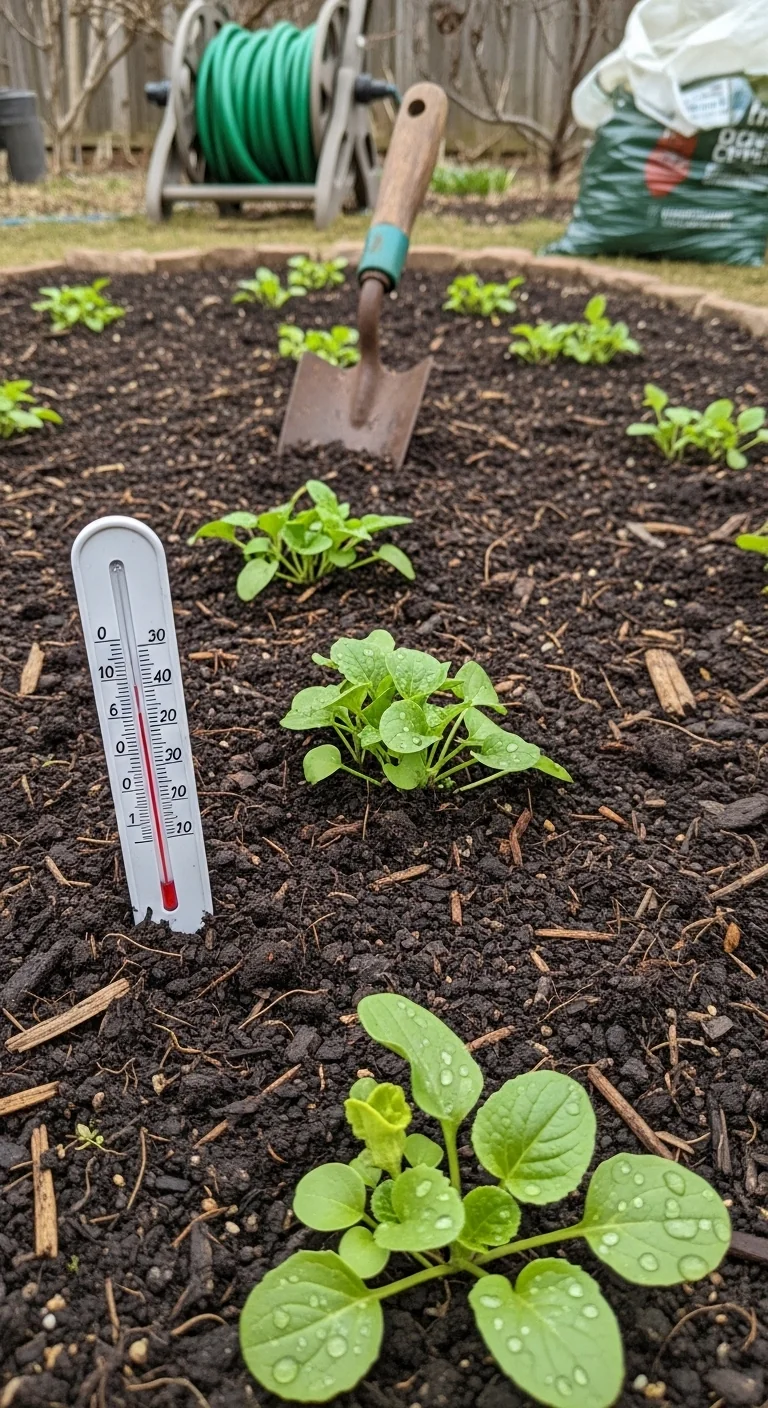
Peas follow a strict threshold rule: sow directly when soil temperature at 2-inch depth holds steady at 40°F or higher for three consecutive days. Germination drops sharply above 70°F, so in Branch 1 zones plant the full crop by mid-spring to finish before heat arrives. Adjust spacing to 2 inches apart in rows 18 inches wide for maximum pod set. The unique constraint is waterlogged soil: peas tolerate cool conditions but rot within 48 hours if drainage fails. Test by squeezing a handful of soil; it should crumble rather than form a ball. This single early planting window often delivers the first edible harvest of the season in short-season gardens.
Lettuce
Best for: Branch 1
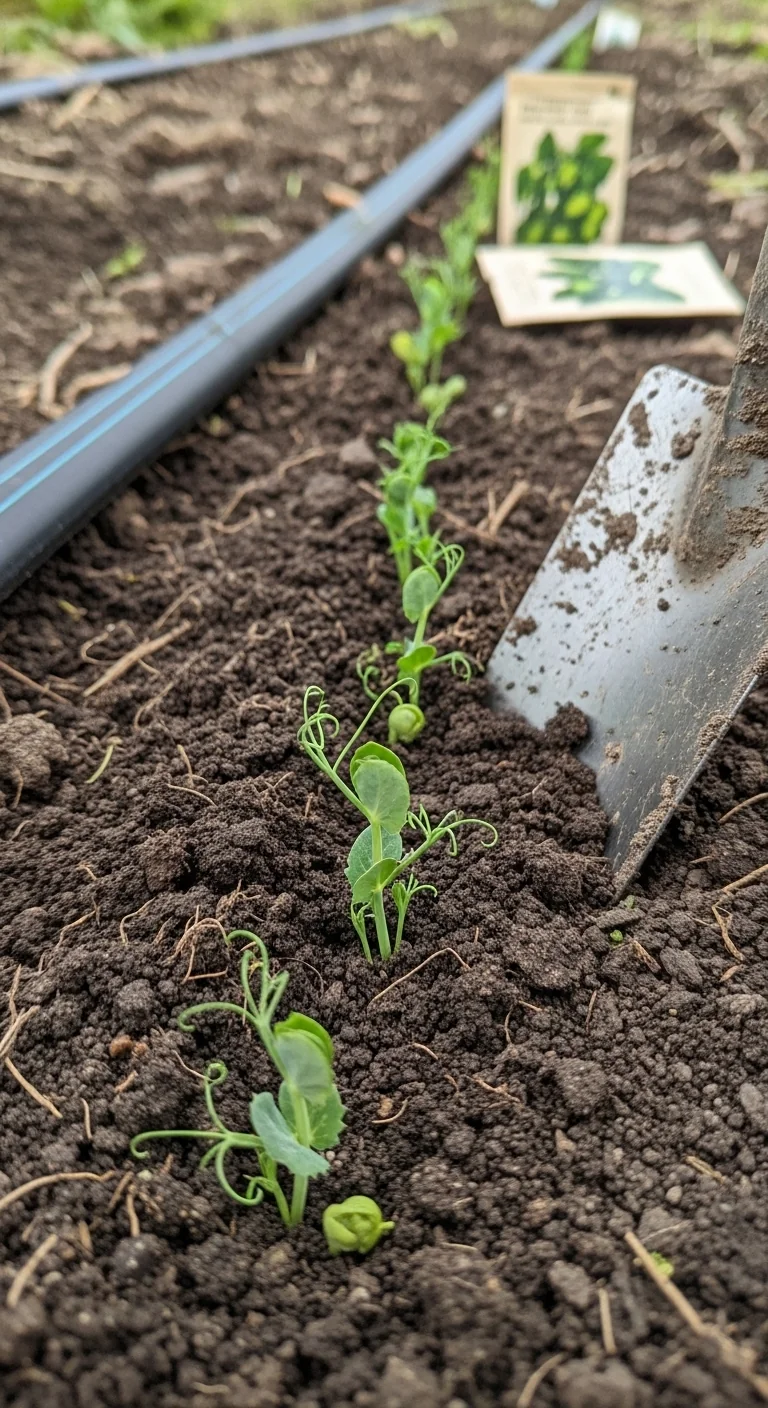
Use this blueprint for continuous supply: direct sow a short row every 14 days once soil reaches 40°F. Each sowing needs only 10 minutes and covers a 3-foot bed section. Mist lightly after sowing because seeds need light to germinate. The common mistake is one large planting that bolts all at once; staggered rows prevent this. In Branch 1 conditions the crop finishes before summer heat arrives.
Carrots
Best for: Branch 1
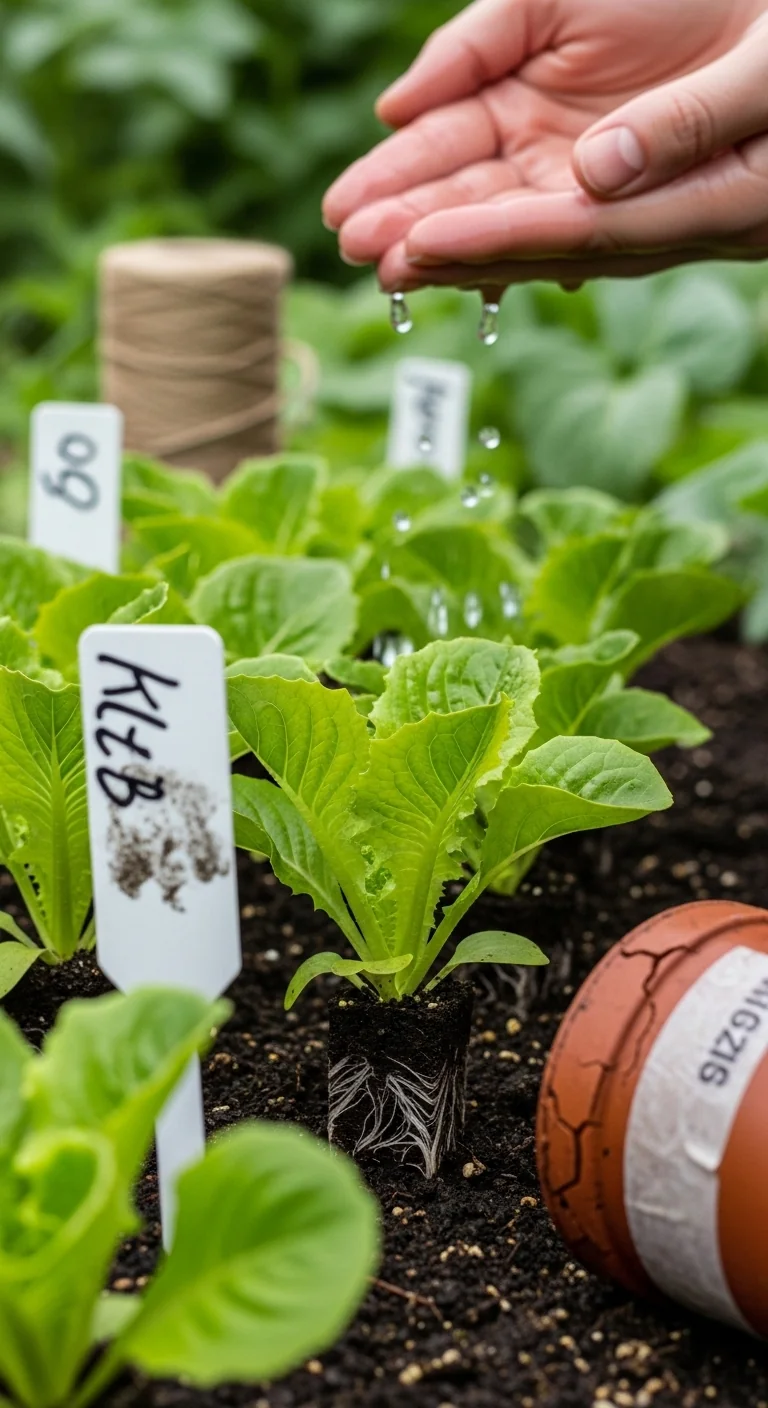
Carrots reward early direct sowing in Branch 1 but punish poor timing. Use versus skip: plant them if your soil warms to 45°F by early spring because they store well through summer; skip if heavy clay stays cold and compacted past April because germination falls below 30 percent and roots fork. Edge case: rocky soil under 1 inch deep forces stunted growth, so amend the top 8 inches or choose a shorter variety. Sow ¼ inch deep and keep soil moist until emergence in 10-14 days.
Tomatoes
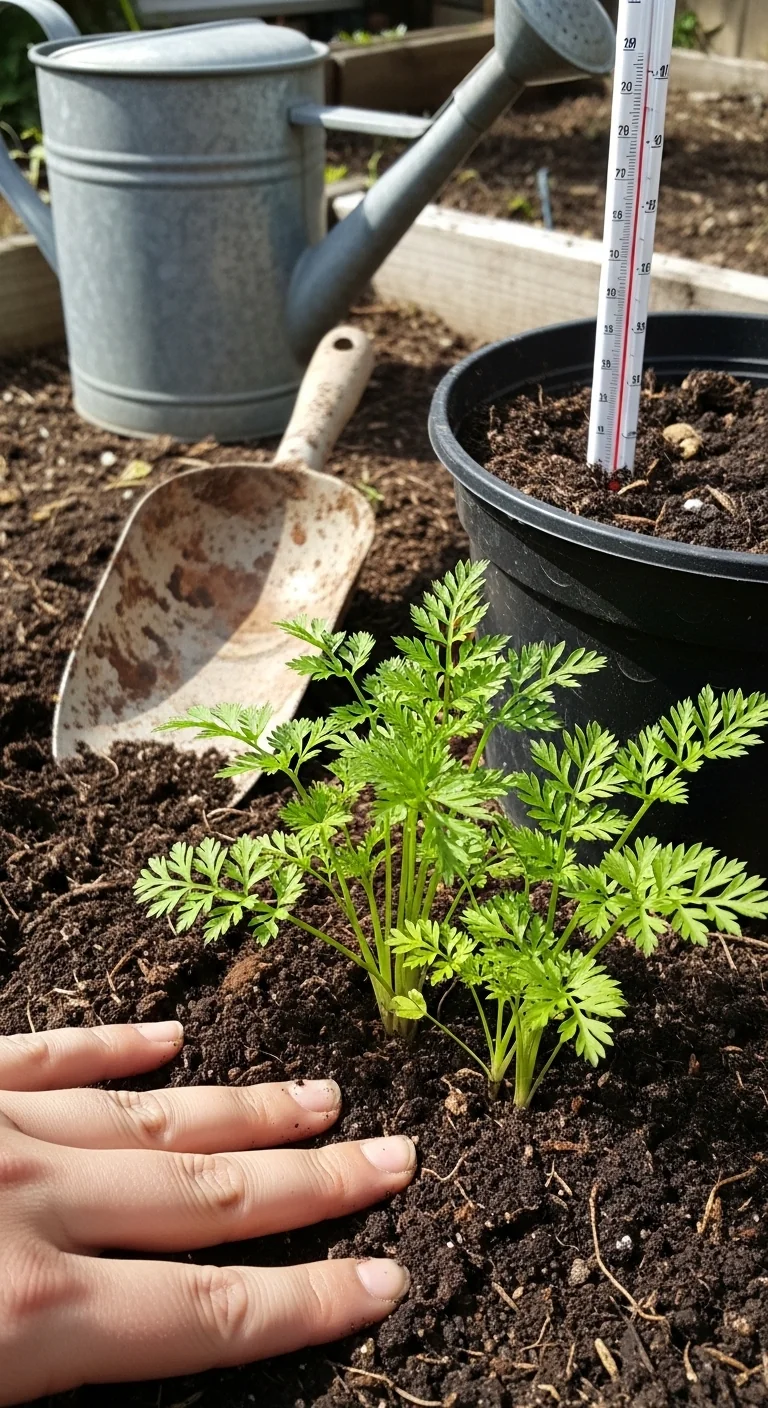
Best for: Branch 2
Follow this 10-minute workflow for Branch 2 success: start seeds indoors 6-8 weeks before last frost, harden off for 7 days, then transplant when soil hits 60°F. Dig a hole twice the pot depth, bury the stem to the first true leaves, and water with 1 quart per plant. Upgrade option: add a 2-foot stake at planting for immediate support. The mechanism is root development along the buried stem, which produces a stronger plant than surface transplanting. Check soil temperature weekly with a probe until transplant day.
Peppers
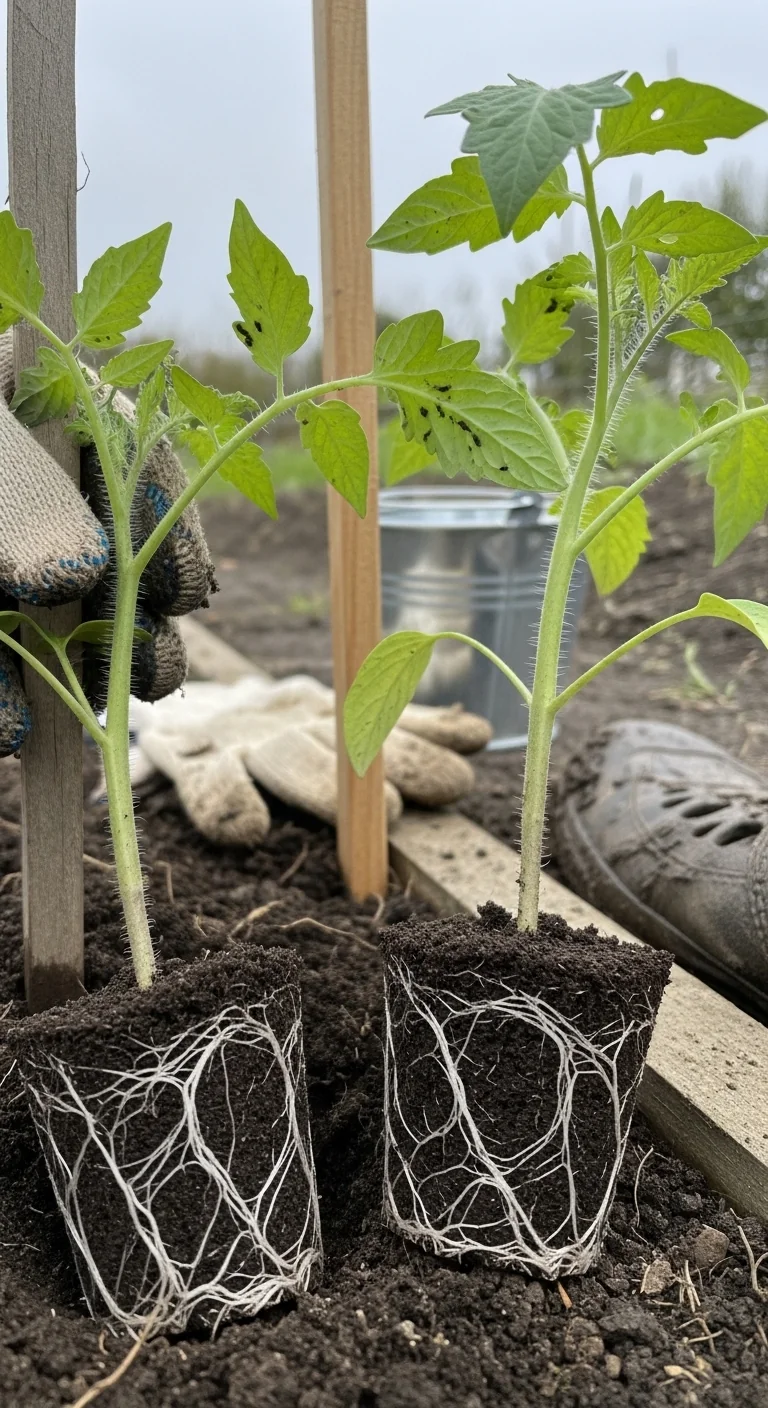
Best for: Branch 2
Peppers obey a precise threshold rule: transplant only after soil temperature stabilizes at 65°F for five days. Cooler soil stalls growth for weeks and invites root rot. In Branch 2 gardens this usually falls 10-14 days after last frost. Space plants 18 inches apart in rows 30 inches wide. Unique detail: night temperatures below 55°F cause flower drop even if daytime soil is warm, so use row cover if a late cold snap threatens.
Eggplant
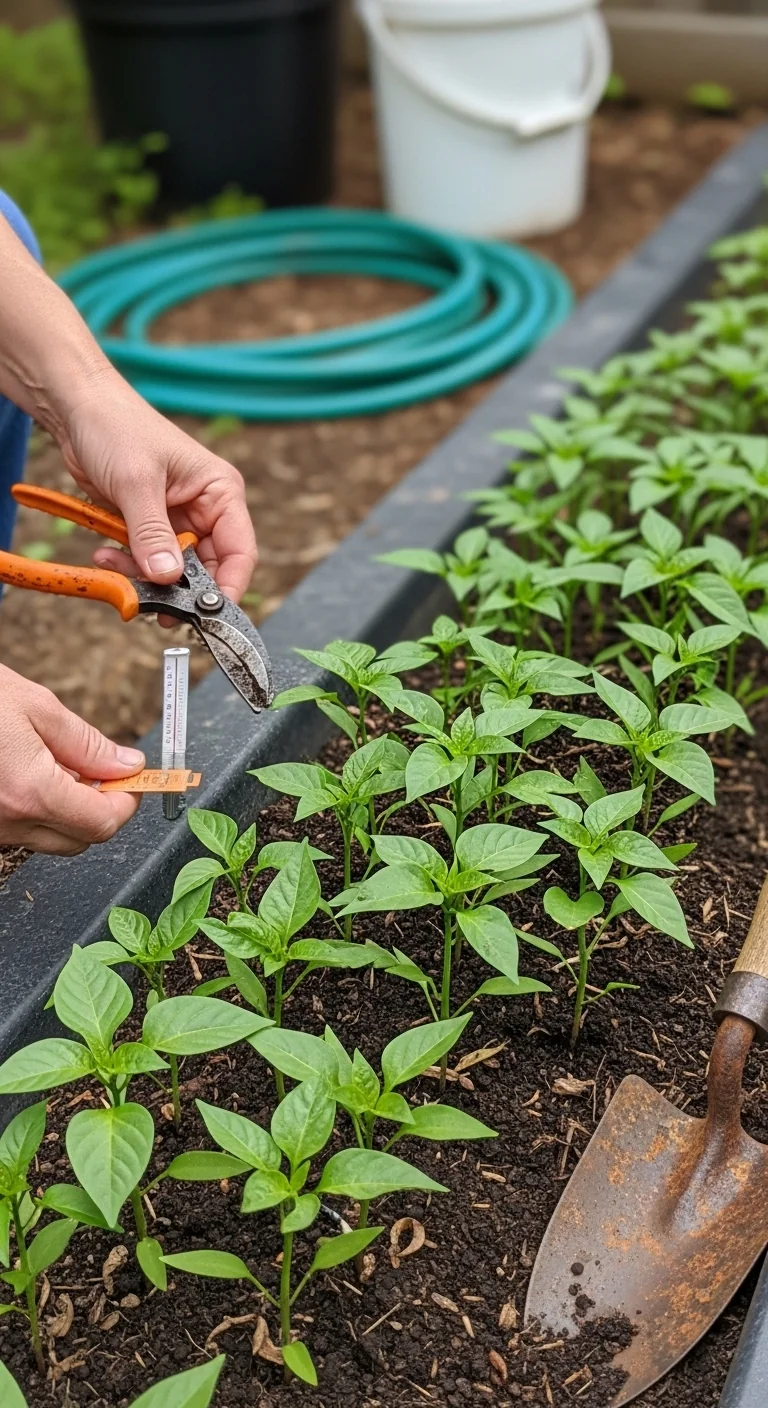
Best for: Branch 2
Use this blueprint for eggplant: start seeds indoors 8 weeks before last frost, then transplant when soil reaches 65°F. Each plant needs 24 inches of spacing because fruit set suffers in crowded conditions. Mist foliage lightly during flowering to improve pollination in still air. The mistake most gardeners make is planting too early; soil below 65°F keeps roots inactive and delays harvest by a full month.
Beans
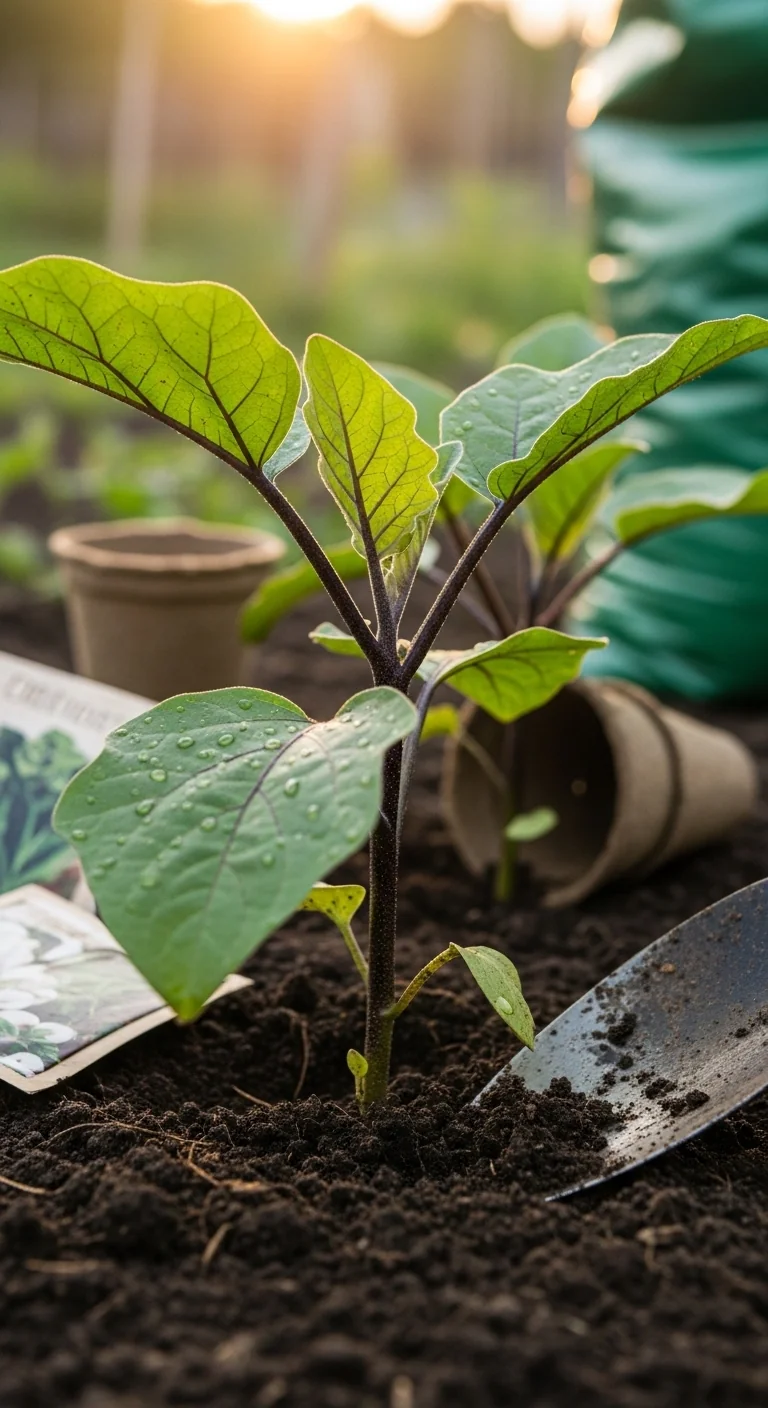
Best for: Branch 2
Beans deliver best when direct sown after soil warms to 60°F and all frost risk has passed. Use versus skip: plant pole varieties on a trellis if vertical space is available because they produce over a longer window; skip bush beans if your season is under 120 days because yields stay low. Edge case: heavy rain right after sowing causes crusting that blocks emergence, so cover rows with a thin mulch layer until sprouts appear. Space seeds 4 inches apart in rows 24 inches wide.
Cucumbers
Best for: Branch 3
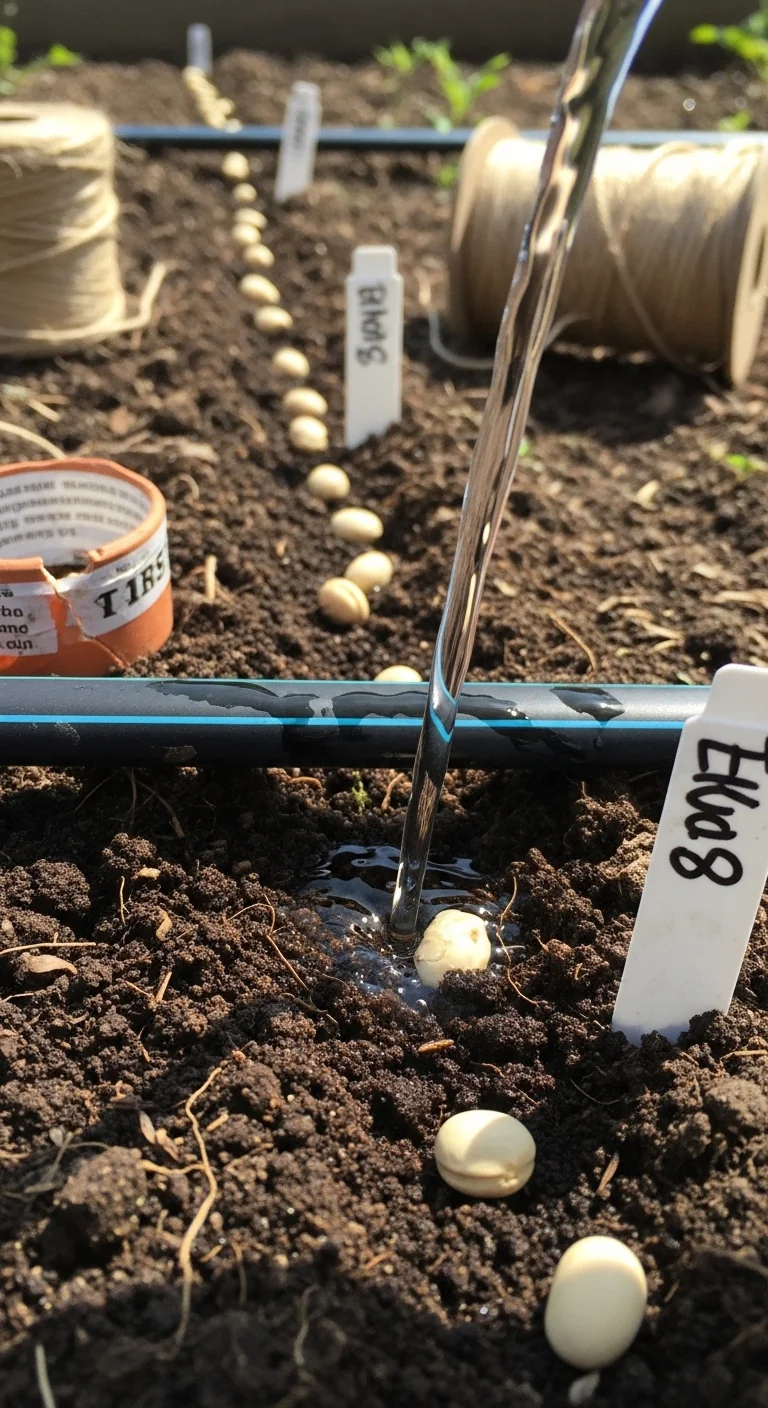
Follow this 10-minute workflow: direct sow or transplant when soil temperature exceeds 65°F. Space vines 12 inches apart at the base of a trellis or let them sprawl. Water at the base only to keep foliage dry and reduce disease pressure. Upgrade option: plant a second succession 3 weeks later for continuous fruit through late summer.
Zucchini
Best for: Branch 3
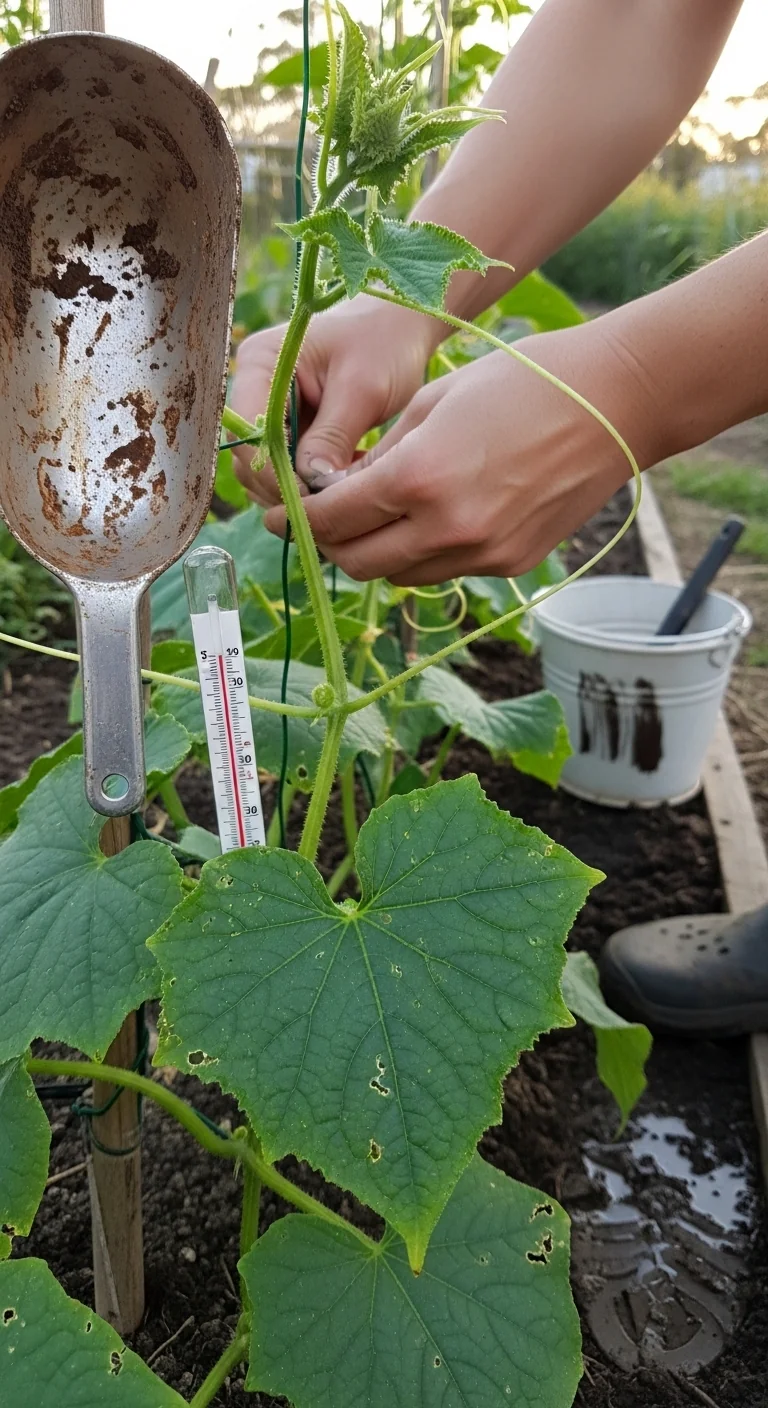
Zucchini follows a threshold rule: direct sow when soil temperature reaches 65°F and night temperatures stay above 55°F. Sow two seeds per hill and thin to the strongest after true leaves appear. Harvest every 2 days once fruit reaches 6 inches because larger fruits signal the plant to slow production. Unique constraint: one plant per 4 square feet prevents powdery mildew in humid Branch 3 conditions.
Beets
Best for: Branch 1
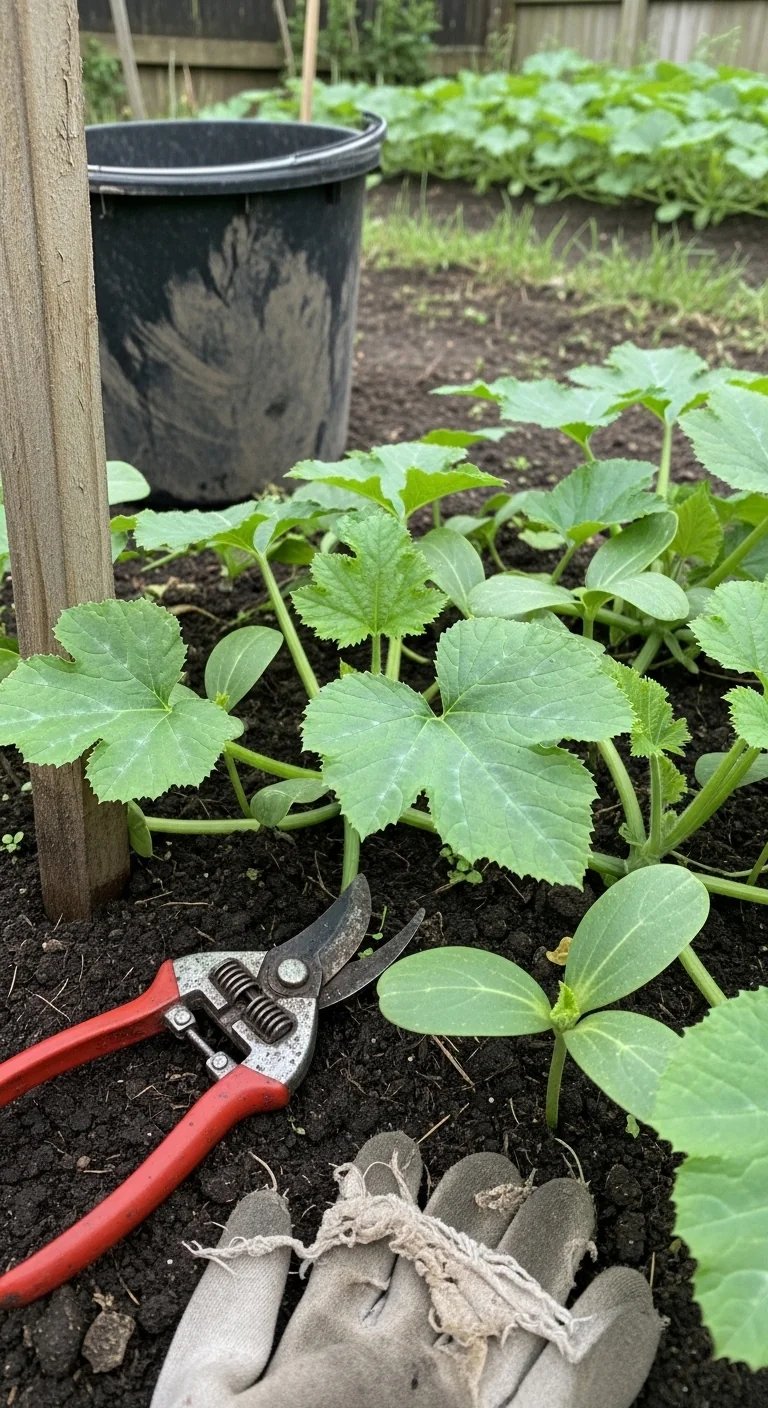
Use this blueprint for beets: direct sow when soil temperature hits 45°F, space seeds 1 inch apart, and thin seedlings to 4 inches once they reach 2 inches tall. Both greens and roots are edible, so succession sow every 3 weeks until midsummer. The mechanism is rapid germination in cool soil, which gives Branch 1 gardeners an early root crop before warm-season vegetables take over the bed.
Potatoes
Best for: Branch 1
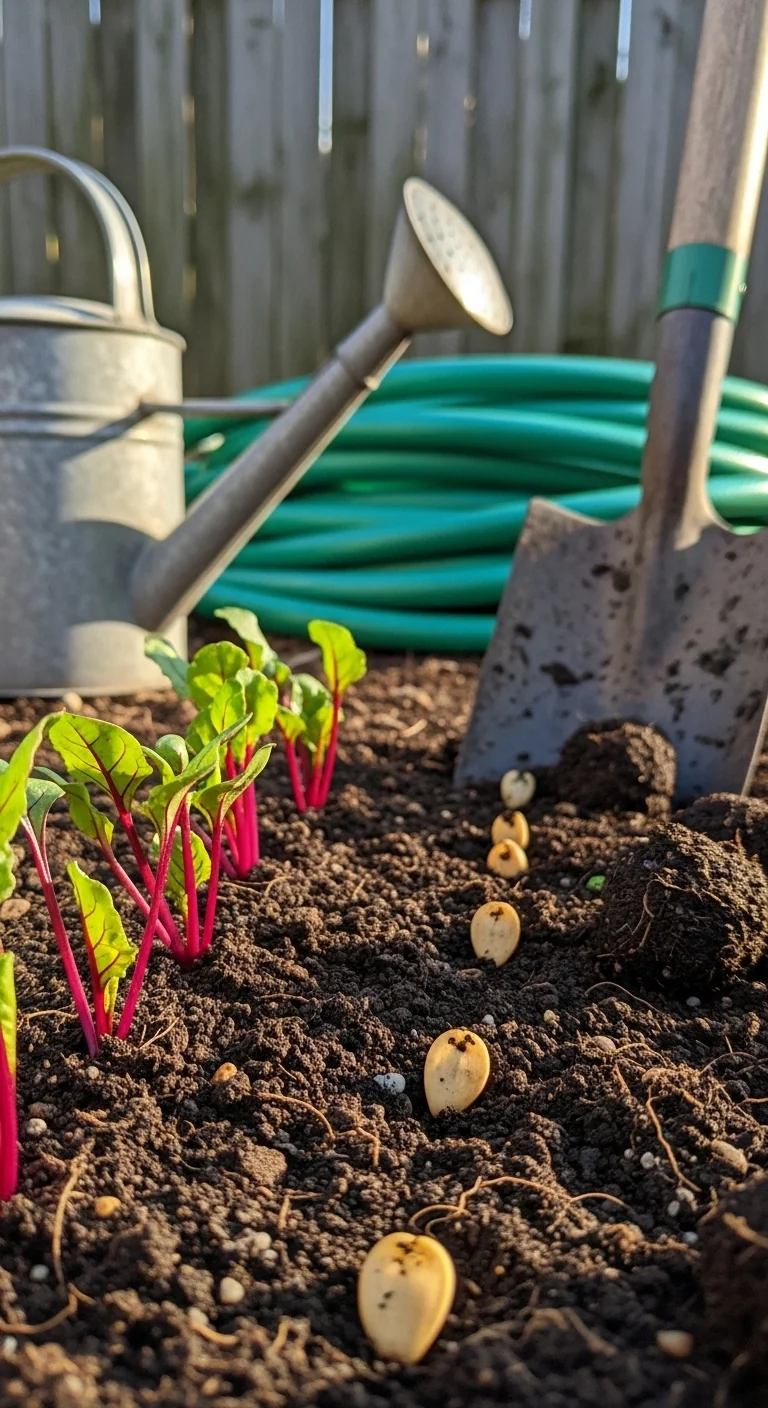
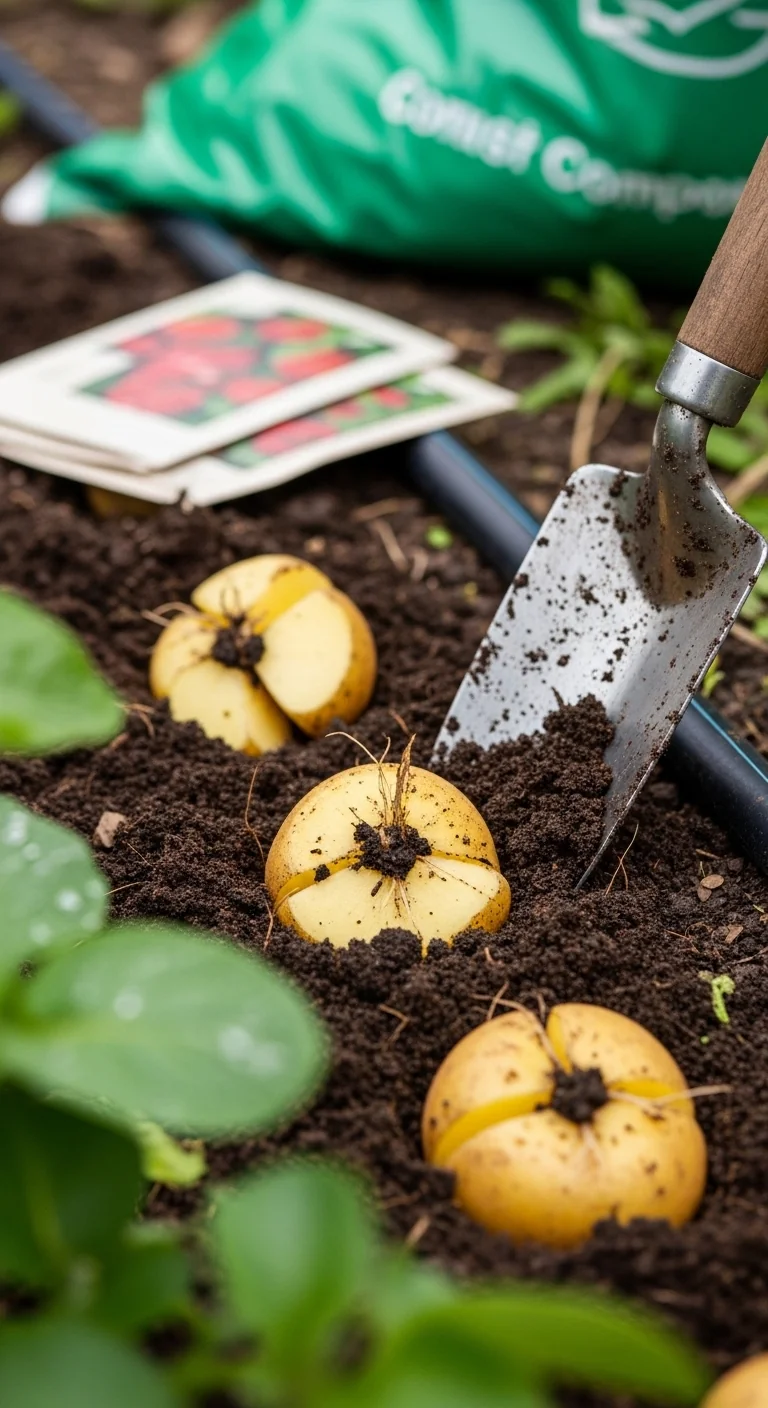
Potatoes use versus skip: plant seed pieces when soil reaches 45°F if you have space to hill because yields stay high; skip if your soil stays waterlogged because tubers rot underground. Edge case: cut seed pieces 48 hours before planting so cut surfaces callus and resist disease. Space pieces 12 inches apart in rows 30 inches wide and cover with 4 inches of soil initially.
Onions
Best for: Branch 1
Use this 10-minute workflow: plant sets or transplants when soil temperature reaches 40°F. Space 4 inches apart in rows 12 inches wide. Keep soil consistently moist but never soggy until bulbs begin to swell. Upgrade option: interplant with carrots because the two crops share space efficiently and deter each other’s pests.
Starter Stack (What to Choose First)
For Branch 1 Gardeners
Start with peas and beets. Peas fix nitrogen in the soil while beets use the same cool window and share similar spacing needs. Together they occupy one 4-by-8-foot bed for the entire early season. Seed cost under 8 dollars, total sowing time 20 minutes.
For Branch 2 Gardeners
Start with tomatoes and beans. Tomatoes provide vertical structure while beans climb the same supports later in the season. The combination fills the bed from late spring through early fall. Seed and transplant cost 12-18 dollars, total setup time 35 minutes.
For Branch 3 Gardeners
Start with cucumbers and zucchini. Both thrive in the same warm soil window and deliver fast harvests that keep the bed productive through late summer. One 4-by-8-foot bed with trellis yields continuous supply. Seed cost under 6 dollars, total sowing time 15 minutes.
When This Won’t Work
The calendar fails when soil pH stays below 5.5 for more than two weeks at planting time because nutrient uptake collapses across all listed vegetables. The alternative is to apply lime at the rate listed on your soil test and wait 21 days before sowing. It also fails when daily sunlight drops below 6 hours because even correct temperature thresholds cannot compensate for insufficient light energy.
In either case switch to container methods on a sunny patio or install raised beds filled with amended soil. For fall extension after early failure see the dedicated fall vegetable garden plan.
Choosing the Right Option for Your Situation
Budget Threshold
If your total seed and start budget stays under 20 dollars, limit to three vegetables from the same branch and buy only open-pollinated varieties sold in bulk packets.
Time Threshold
If you can spend fewer than 30 minutes per week on maintenance, choose only items with Effort Score 1 or 2 and avoid succession sowing.
Soil Drainage Constraint
If soil stays saturated longer than 24 hours after rain, select only vegetables that tolerate raised-bed conditions and skip root crops that require deep loose soil.
Yes/No checklist:
Do you know your last frost date? Yes/No
Can you measure soil temperature at 4 inches? Yes/No
Does your chosen branch match at least two listed vegetables? Yes/No
Will you record planting dates this season? Yes/No
Expert Q&A
How does companion planting timing affect the vegetable planting calendar?
Plant nitrogen fixers such as peas or beans two weeks before heavy feeders such as tomatoes or eggplant. The early root activity improves soil nitrogen availability exactly when the second crop needs it most. Space the companions at the recommended distances so neither crop competes for light during peak growth.
What soil temperature adjustments apply to container vegetable gardening?
Containers warm 5-7 days faster than in-ground beds, so check temperature daily starting one week earlier than your branch schedule. Use a probe in the center of the pot at 3-inch depth because edges heat unevenly. Add mulch once the crop is established to prevent rapid drying.
When should fall planting begin to extend the vegetable planting calendar?
Begin fall sowing 8-10 weeks before your first expected frost date. Use the same temperature thresholds but count backward from the frost date instead of forward from spring. Cool-season crops such as carrots and beets perform best because they tolerate light frost after establishment.
Do drought-tolerant vegetables require different calendar timing?
Yes. Plant drought-tolerant options such as beans or eggplant only after soil temperature reaches the upper end of their range because warmer soil encourages deeper root growth before dry spells arrive. Reduce early watering frequency once true leaves appear to force roots downward.
How do vegetable garden layout ideas influence planting windows?
Vertical layouts with trellises let you plant vining crops such as cucumbers earlier because they capture more light and air flow. Raised-bed layouts with 12-inch depth warm faster, so shift your entire schedule forward by 7-10 days compared with flat ground.
Conclusion
The single decision that matters most is matching your exact soil temperature and frost window to the correct branch before any seed touches soil. The number-one mistake is planting by the calendar date alone and watching germination stall or plants bolt. Record your measurements this season so next year’s schedule takes under 10 minutes to build.
Next step: open the vegetable garden layout ideas guide and map your chosen vegetables into beds using the spacing from each item above.