
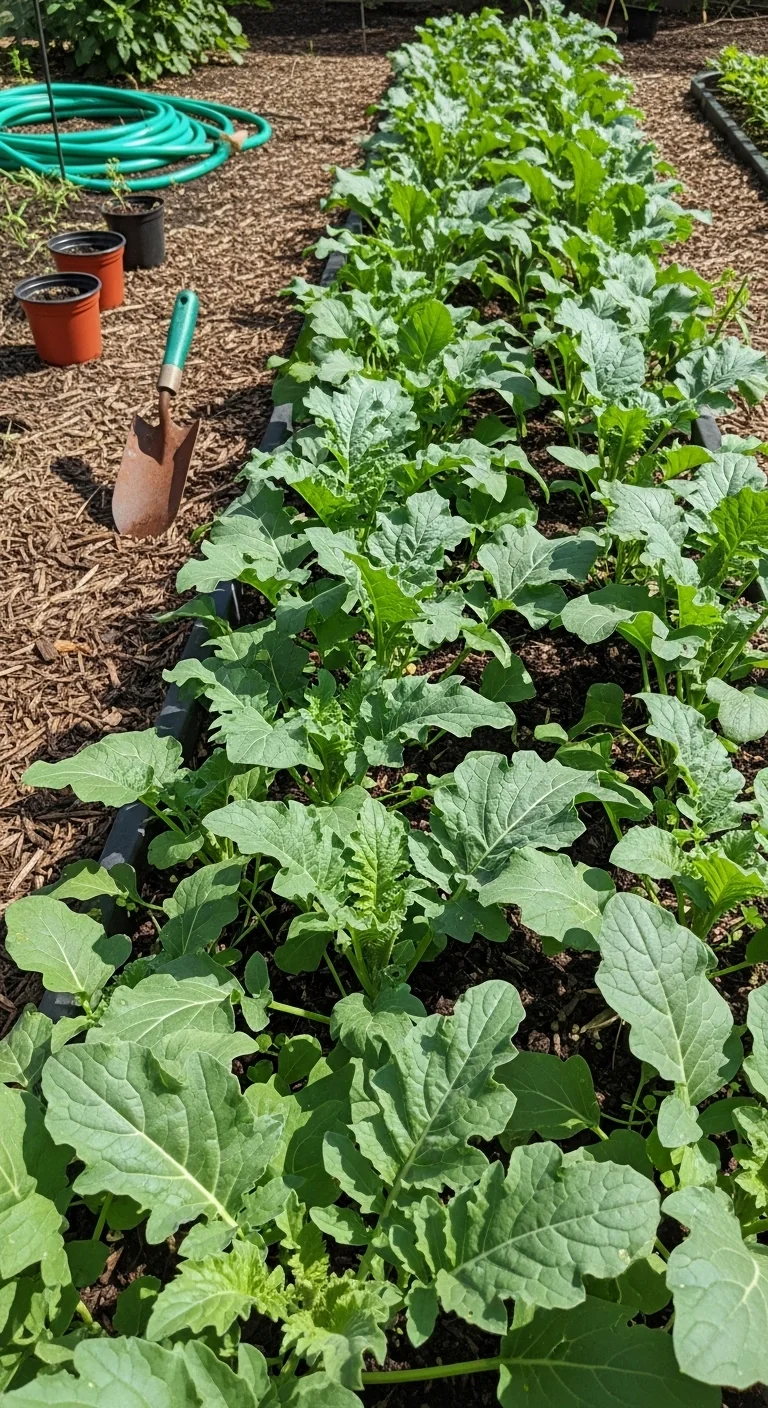
Most vegetable gardening lists hand out the same generic recommendations for deer resistant vegetables. This reframes the entire choice around three measurable conditions in your garden plus the specific biological mechanisms (strong scent compounds, fuzzy or prickly foliage, or natural toxicity) that actually deter browsing.
The scope covers nine reliably documented options drawn from university extension research on deer feeding patterns. It focuses exclusively on edible crops in the vegetable gardening category. It excludes fences, commercial repellents, motion devices, and non-edible companion flowers.
Use the decision grid and comparison table below to identify which crops align with your deer pressure level, available space, and sun exposure. You gain a clear planting plan that minimizes risk of damage while delivering harvestable yields season after season.
Align your vegetable choices to your actual conditions using the decision grid below for a protected edible garden that actually works.
The Yield Grid Decision Grid
Branch 1: High deer pressure. Defined as more than two confirmed sightings per week or repeated damage to tender leafy greens in the current season. Focus here on strong scent and toxicity mechanisms that override hunger. Recommended: Items 1, 3, and 5 below.
Branch 2: Moderate pressure with foliage texture priority. Defined as occasional nibbling in gardens where wind reduces scent effectiveness or where mixed plantings occur. Prioritize fuzzy or prickly leaves that create physical discomfort. Recommended: Items 6, 7, 8, and 9 below.
Branch 3: Low maintenance or full sun setups. Defined as gardens receiving at least six hours of direct sun daily with minimal supplemental watering needs. Emphasize set-and-forget perennials or low-care annuals. Recommended: Items 2 and 4 below.
For integration strategies that amplify these mechanisms across branches, consult our companion planting vegetables guide.
Quick Comparison Table
| Option | Key mechanism | Best for | Decision Grid Branch | Effort Score |
|---|---|---|---|---|
| Garlic | Pungent sulfur compounds in foliage and bulbs | High-pressure scent defense | Branch 1 | 2 |
| Onions | Strong odor and taste from sulfur compounds | Full-sun low-care beds | Branch 3 | 2 |
| Chives | Volatile oils and fine texture | High-pressure edging | Branch 1 | 1 |
| Asparagus | Tough perennial spears and established root system | Long-term low-effort harvest | Branch 3 | 1 |
| Rhubarb | High oxalic acid content making leaves toxic | High-pressure toxic barrier | Branch 1 | 1 |
| Peppers | Bitter taste and thick skin on fruits | Moderate-pressure texture defense | Branch 2 | 3 |
| Eggplant | Fuzzy leaves and sturdy stems | Moderate-pressure physical deterrent | Branch 2 | 3 |
| Cucumbers | Prickly hairy leaves and vines | Moderate-pressure foliage barrier | Branch 2 | 4 |
| Zucchini and Summer Squash | Hairy stems and large prickly leaves | Moderate-pressure volume defense | Branch 2 | 3 |
Garlic
Best for: Branch 1
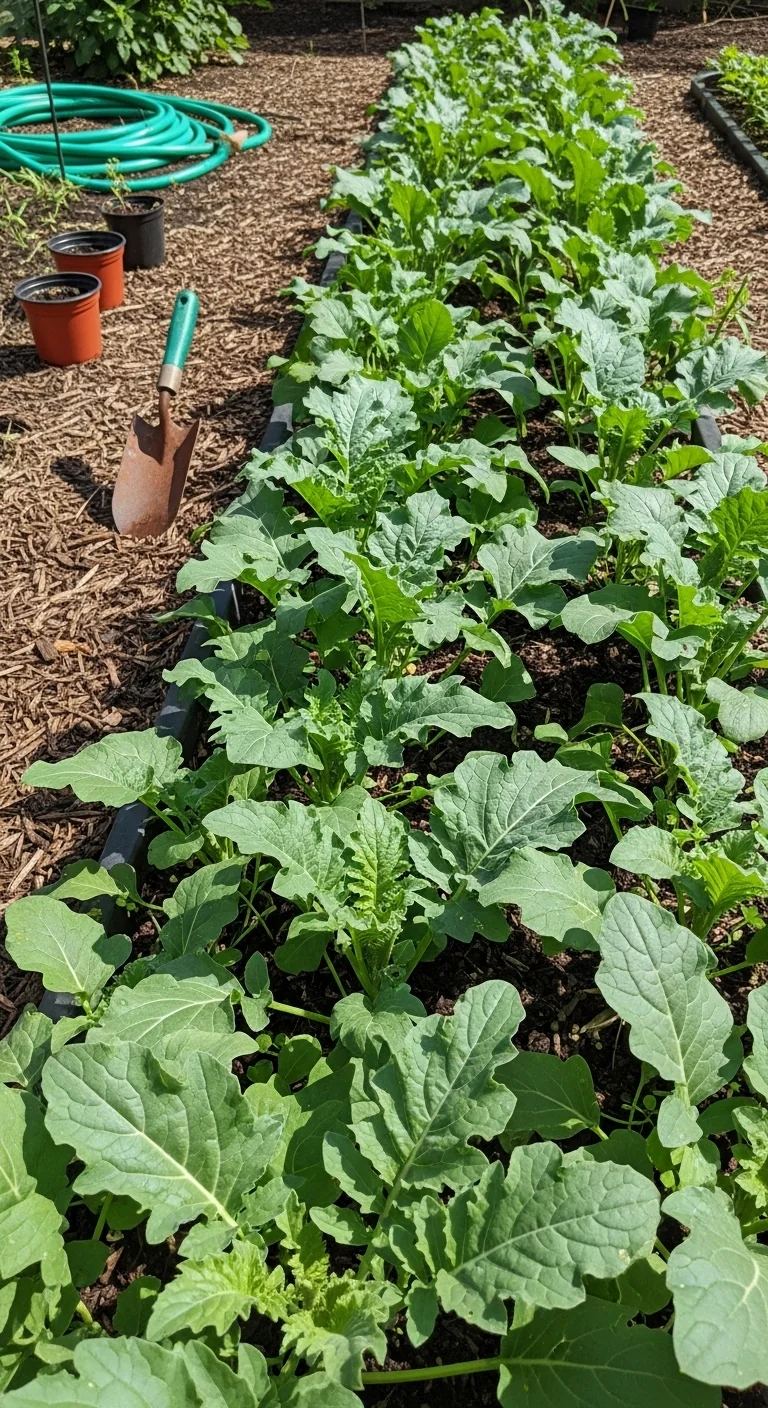
Garlic serves as a core scent-based defender in high-pressure gardens because deer strongly dislike the sulfur compounds released from crushed or growing foliage. Plant cloves in fall for overwintered bulbs that emerge early and establish a persistent odor barrier before deer browsing peaks in spring.
Follow this blueprint: select hardneck varieties suited to your climate, space cloves 4 to 6 inches apart in well-drained soil, and cover with 2 inches of mulch. Harvest when lower leaves yellow in midsummer. A common mistake occurs when gardeners plant in spring only, which shortens the protective window and reduces bulb size. Pair with other branch 1 options for layered defense. Detailed growing steps appear in our onions and garlic resource.
Edge case: in zones with heavy clay soil, raised beds improve drainage and maintain the odor mechanism through wet winters.
Onions
Best for: Branch 3
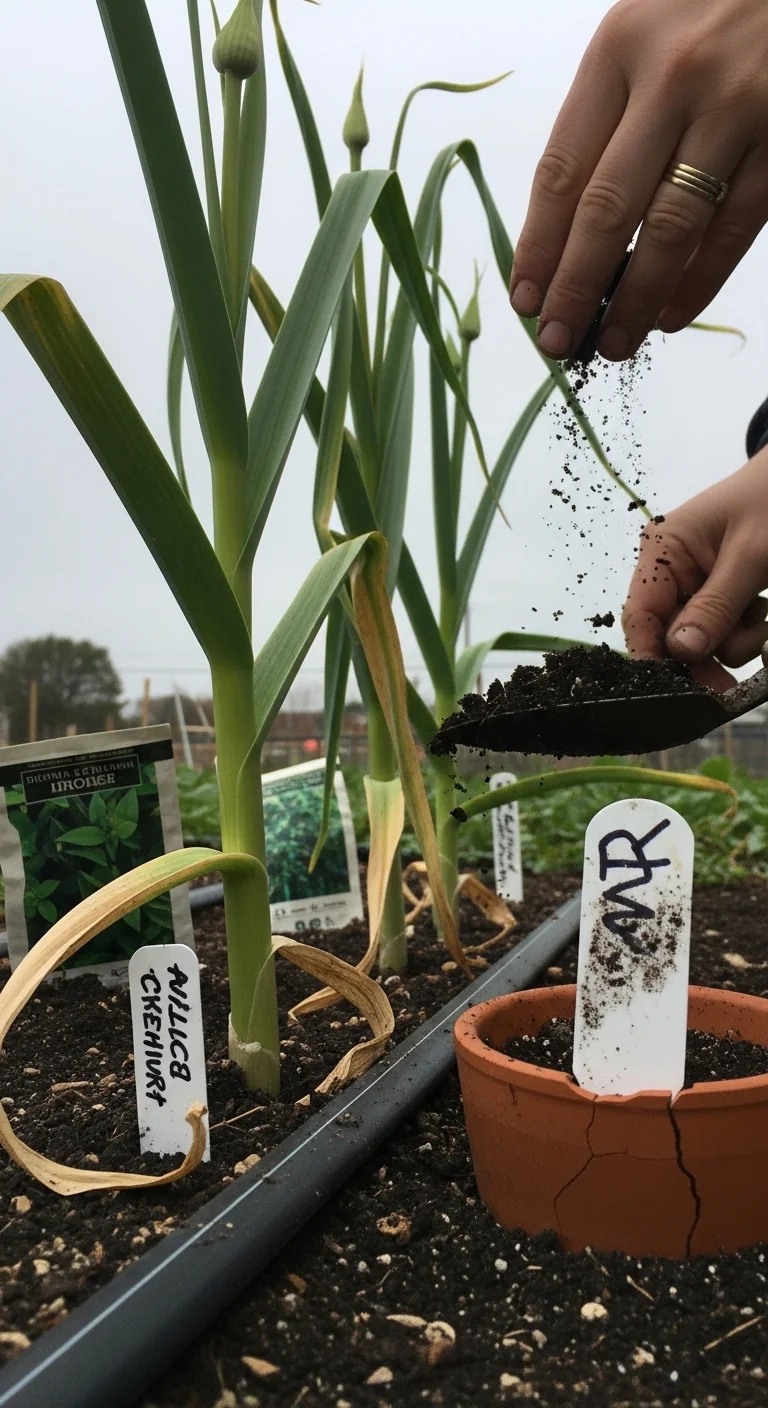
Use onions in full-sun low-maintenance beds where their sulfur-based odor provides steady protection without extra work. Skip them only in heavy-shade spots or when space limits bulb development, as cramped conditions weaken both flavor and deterrent strength. An edge case arises in very dry summers when supplemental watering keeps foliage pungent longer than drought-stressed plants.
Chives
Best for: Branch 1
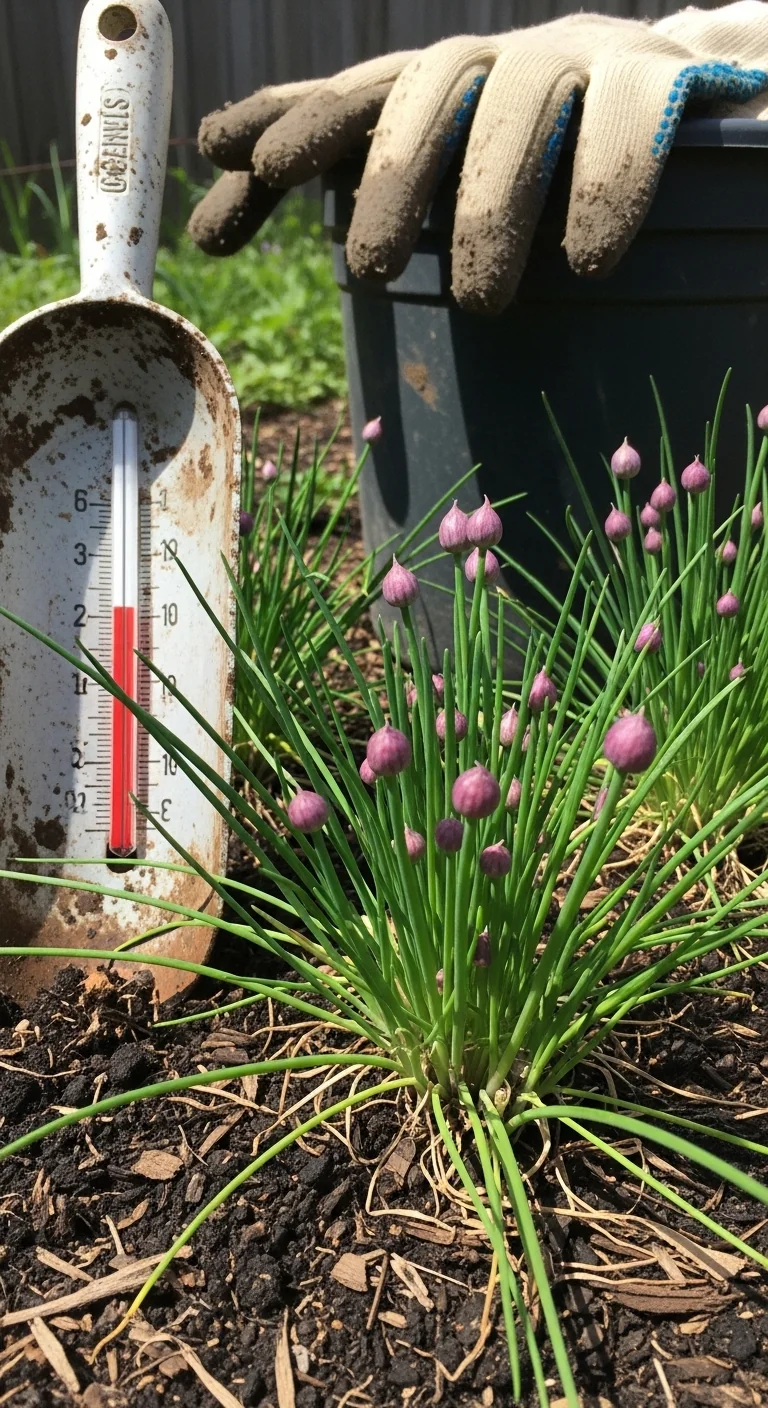
Chives function reliably in high-pressure zones once soil temperatures stay above 50 degrees Fahrenheit for consistent growth. Adjust spacing to 6 inches apart in clumps for maximum edging effect around vulnerable beds. This threshold rule ensures the volatile oils remain concentrated enough to deter browsing even during peak spring activity. In cooler climates, start indoors four weeks before last frost to hit the window precisely and avoid weak early-season plants.
Asparagus
Best for: Branch 3
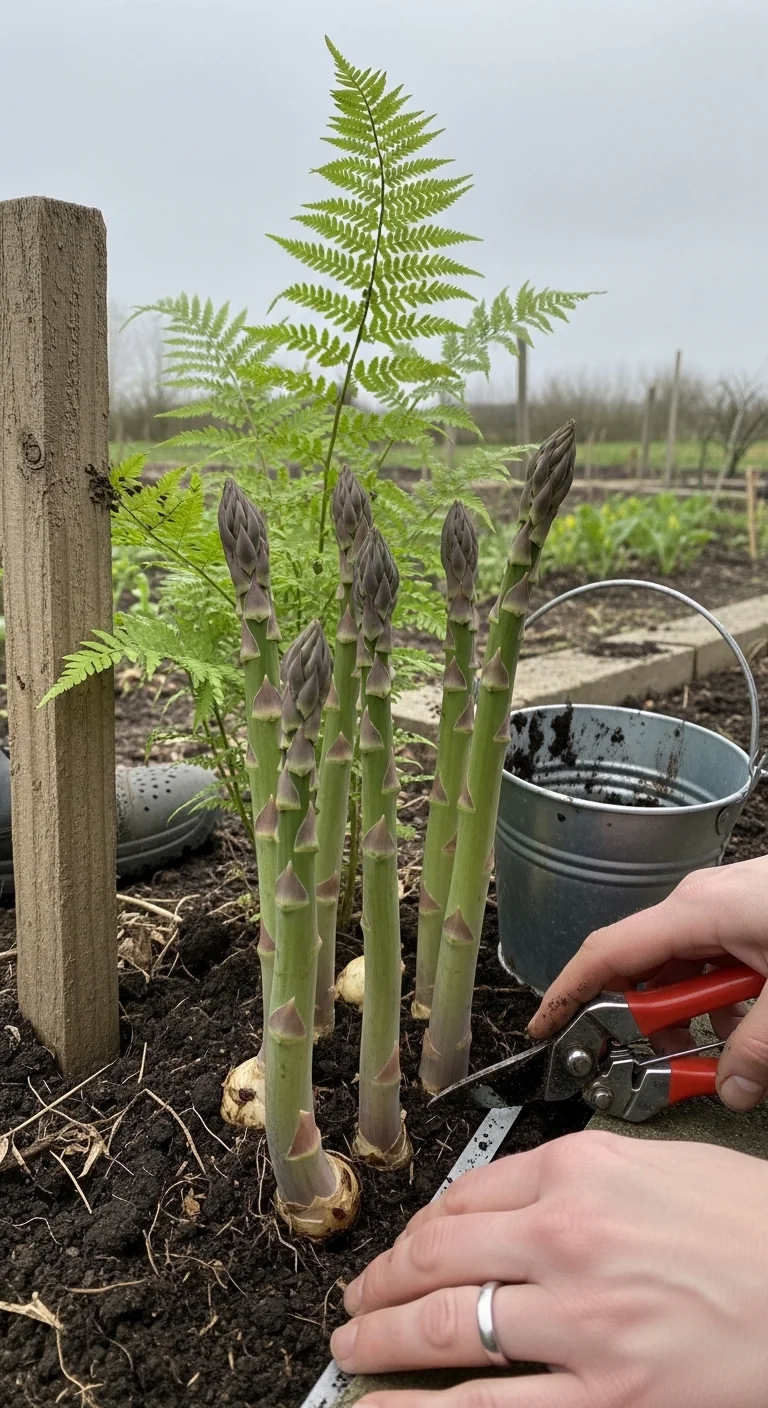
Asparagus delivers a true set-and-forget perennial solution for full-sun gardens that meet the six-hour daily requirement. Begin with this 10-minute workflow: prepare a trench 6 to 8 inches deep in early spring, space crowns 12 to 18 inches apart, backfill gradually as spears emerge, and apply 2 to 3 inches of mulch. Upgrade option includes adding a light row cover in year one to protect tender new spears during establishment. Once roots settle in year two, harvest begins and continues for 15 to 20 years with almost no annual replanting. This fits low-maintenance profiles perfectly because the established fern stage adds height and density that further discourages deer.
The perennial nature means one planting cycle covers multiple seasons, freeing time for other crops while the tough spears resist casual browsing.
Rhubarb
Best for: Branch 1
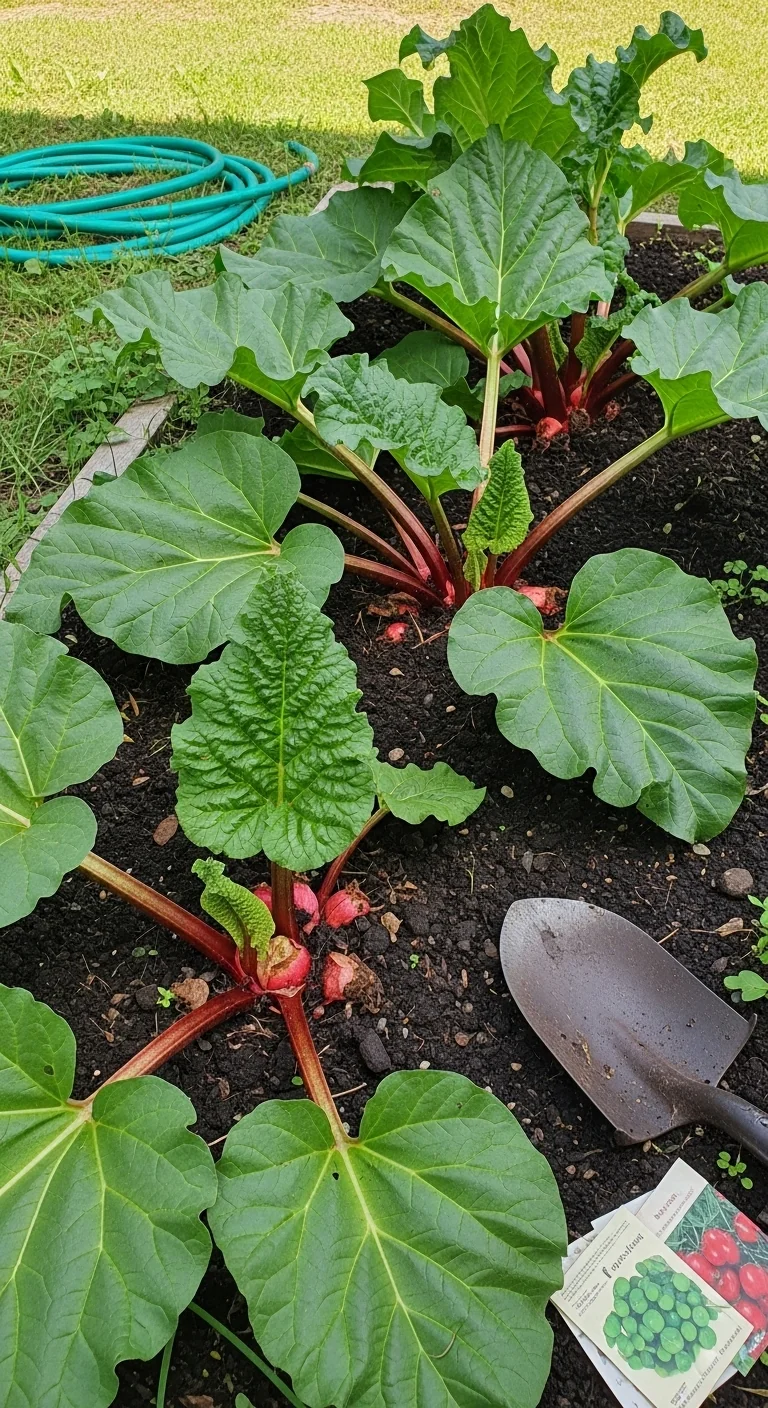
Use rhubarb in high-pressure areas where its oxalic acid makes leaves naturally toxic and unpalatable. Skip it near livestock or if children frequent the garden due to the same toxicity. An edge case appears in very wet springs when crowns rot, so ensure soil drains freely before planting crowns in early spring.
Peppers
Best for: Branch 2
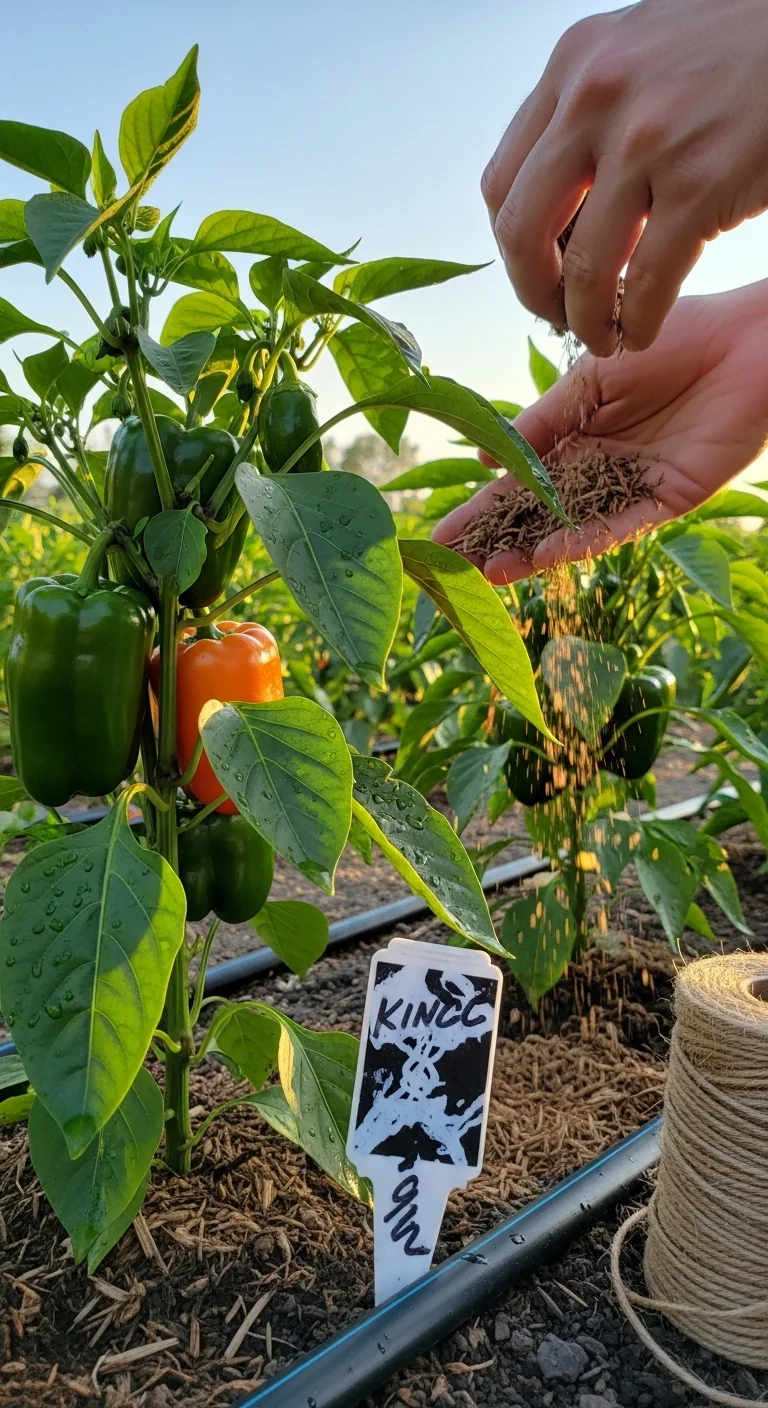
Peppers rely on bitter taste and thick-skinned fruits as a moderate-pressure defense, especially when foliage texture adds secondary deterrence. Their sturdy stems resist casual nipping better than soft-leaf crops. For detailed variety selection and transplant timing suited to your zone, see our growing peppers guide.
Eggplant
Best for: Branch 2
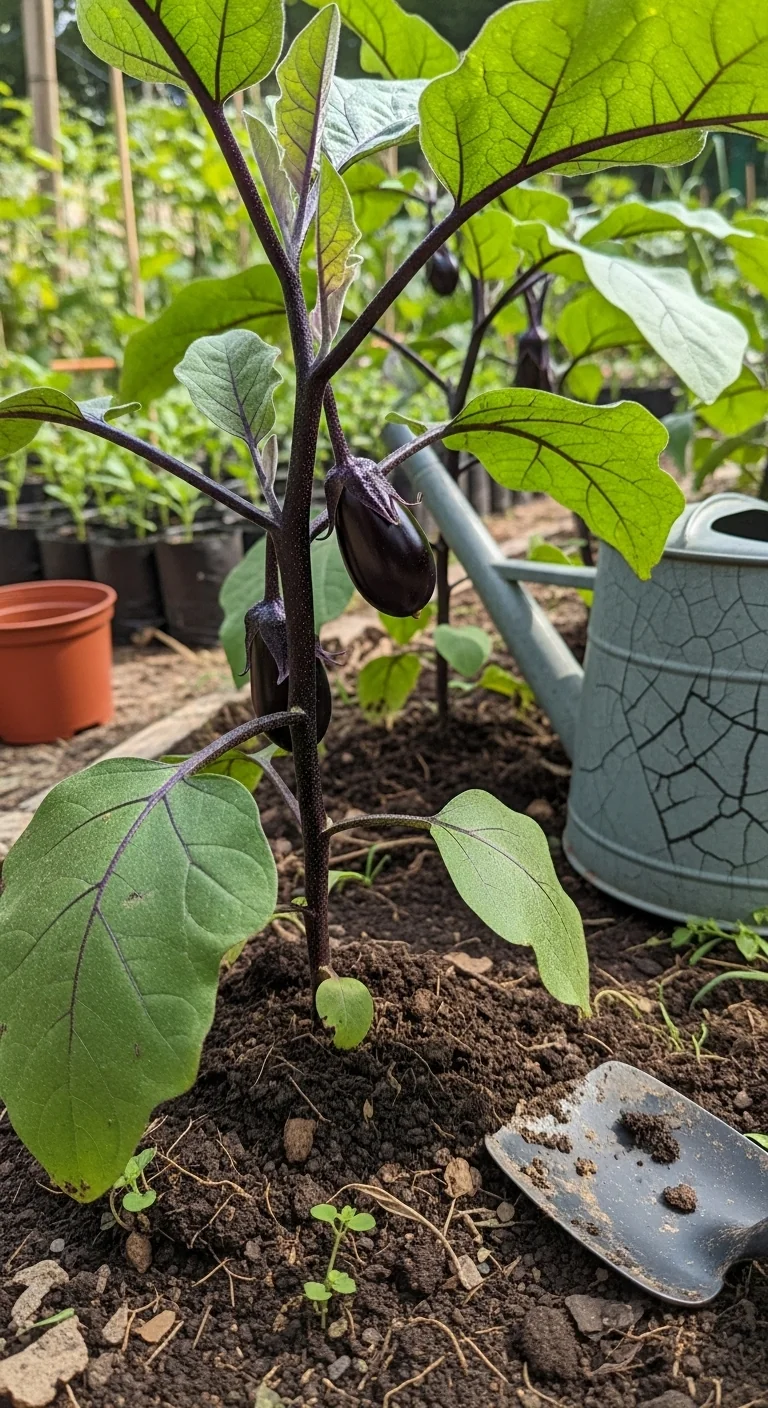
Eggplant uses fuzzy leaves and sturdy stems to create a physical barrier effective under moderate pressure. Plant when soil reaches 70 degrees Fahrenheit and nights stay above 55 degrees to avoid stunted growth that reduces leaf density. This threshold adjustment ensures the foliage texture stays robust enough to discourage browsing from transplant through fruit set. In windy sites, stake early to maintain upright structure and maximize the deterrent surface area.
Cucumbers
Best for: Branch 2
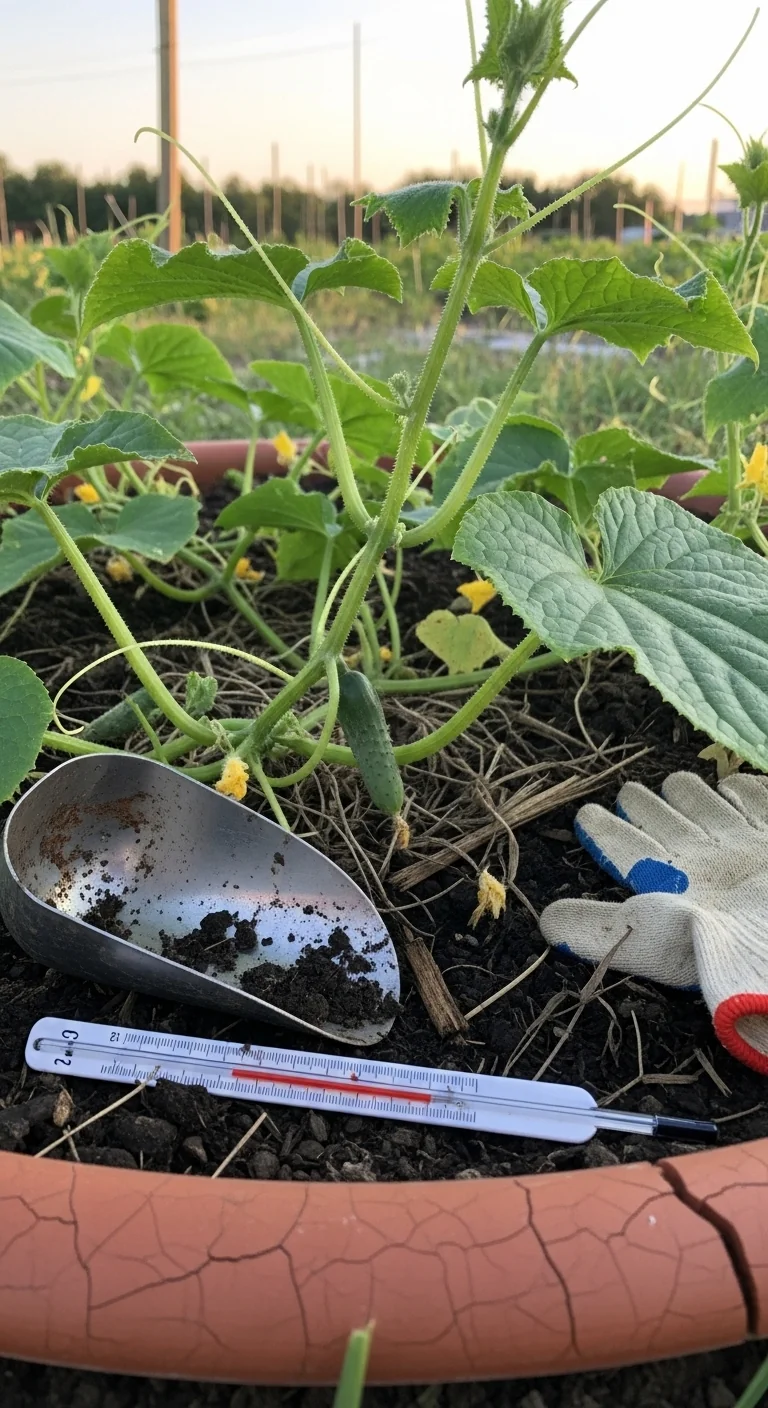
Cucumbers deter through prickly hairy leaves and sprawling vines that create an uncomfortable texture barrier in moderate-pressure settings. Follow this quick workflow: direct sow or transplant after last frost when soil hits 60 degrees Fahrenheit, provide vertical support for better air flow, and harvest every two days to keep vines productive. Upgrade by choosing burpless varieties with heavier leaf hair for enhanced resistance. This approach fits container or trellis systems where space is tight yet texture defense remains active.
Zucchini and Summer Squash
Best for: Branch 2
Zucchini and summer squash deliver volume-based protection via large hairy stems and prickly leaves that physically discourage moderate deer pressure. Their rapid growth fills gaps quickly, but they require consistent moisture to keep foliage dense. Plant in hills spaced 3 feet apart once soil warms above 65 degrees Fahrenheit. For layout ideas that maximize this texture defense across the bed, see our zucchini and squash resource. Edge case: young seedlings remain vulnerable until the first true leaves develop their full hairiness, so protect them for the initial two weeks.
Starter Stack (What to Choose First)
Branch 1: High Pressure
Start with garlic plus rhubarb. The sulfur scent from garlic combines with rhubarb toxicity to create a layered barrier that covers both early and mid-season browsing windows. Estimated setup: two seed packets or crowns under 15 dollars total, planted in one afternoon in fall or early spring.
Branch 2: Moderate Pressure with Foliage Texture
Begin with eggplant plus cucumbers. Fuzzy leaves from eggplant pair with prickly vines from cucumbers to form a continuous texture wall across open areas. Estimated setup: four transplants or seed packets under 20 dollars, planted in one morning once soil temperatures stabilize.
Branch 3: Low Maintenance or Full Sun
Choose onions plus asparagus. Both require minimal ongoing care after initial planting and thrive in full-sun conditions with little watering once established. Estimated setup: one seed packet plus crowns under 25 dollars, planted in a single session in spring or fall.
When This Won’t Work
These deer resistant vegetables fail under two measurable conditions. First, extreme starvation pressure in late winter or early spring when natural forage drops below visible levels and deer target even strong-scent crops for survival. Second, newly emerged tender shoots on any listed crop during the first four weeks after planting, when mechanisms such as leaf hair or odor concentration have not yet fully developed.
In both cases shift to physical exclusion by installing temporary netting or moving vulnerable starts into protected structures. Raised beds with 18-inch sides and removable covers provide an immediate alternative that maintains airflow while blocking access until plants toughen.
See our raised bed vegetable garden guide for dimension and material details that integrate with these crops.
Choosing the Right Option for Your Situation
Budget Threshold
Select low-cost options such as garlic, onions, and chives when seed packets or crowns stay under 10 dollars per variety. These deliver the highest return on minimal investment because one planting covers multiple harvests without repeated purchases.
Time Threshold
Choose asparagus and rhubarb when available planting time falls below two hours per season after year one. Both establish as perennials and require only annual mulch refresh and harvest, freeing time for other garden tasks.
Technical Constraint: Sun Exposure
Require at least six hours of direct sun daily for onions, peppers, eggplant, and squash to maintain dense foliage and active deterrent mechanisms. In lower-light sites default to chives or rhubarb, which tolerate partial shade while still delivering protection.
Yes/No checklist:
Does your garden record more than two deer sightings weekly? Yes leads to Branch 1.
Is space limited to containers or under 50 square feet? Yes favors Branch 2 texture crops.
Does the site receive six-plus hours of sun with low watering needs? Yes points to Branch 3.
All answers no? Reassess pressure level before planting.
Expert Q&A
How do deer resistant vegetables perform when interplanted with deer-favorite crops like lettuce or beans?
Interplanting works when the resistant crop forms a perimeter or checkerboard pattern that forces deer to encounter scent or texture first. Place alliums or prickly squash every third plant in the row. This layout dilutes overall appeal without sacrificing bed space, but monitor young favorites closely until the defenders reach full size.
Does garden elevation in raised beds improve effectiveness of these crops against deer?
Raised beds at 18 inches or taller reduce access to lower foliage on crops like peppers and eggplant. The added height makes initial browsing less convenient while the mechanisms (fuzzy leaves or bitter taste) remain active. Combine with dense planting to create a visual and physical barrier at eye level for deer.
Can these vegetables succeed in partial shade while retaining their deterrent qualities?
Chives and rhubarb retain strong mechanisms in partial shade because their core chemistry depends more on genetics than light intensity. Onions, peppers, and squash lose foliage density and odor strength below four hours of sun, weakening protection. Test site light first and default to shade-tolerant options when full sun is unavailable.
How does timing of fall planting affect alliums in deer-prone areas?
Fall planting of garlic and onions allows roots to establish before winter, producing stronger spring foliage loaded with sulfur compounds exactly when deer pressure rises. Spring-only planting delays this window by four to six weeks, leaving early tender growth exposed. Aim for soil temperatures below 60 degrees Fahrenheit at planting to trigger proper dormancy and maximize next-season defense.
What harvest practices keep deer from learning to target these supposedly resistant vegetables?
Harvest in early morning or evening and remove all debris immediately to avoid scent trails that teach deer to investigate. Never leave overripe fruits on vines, as they can override taste aversion. Rotate harvest zones weekly so no single area develops a predictable food source that overrides the plant mechanisms.
Conclusion
The decision grid eliminates guesswork by tying each deer resistant vegetable directly to your measured garden conditions and the biological reasons deer avoid them. The number-one mistake remains planting without first assessing pressure level or sun exposure, which leaves mechanisms underpowered from day one.
Take the next step by mapping your garden layout to the branch recommendations above. Start with the starter stack that matches your site for immediate protection this season. For spatial arrangements that keep these mechanisms working at peak efficiency, see our vegetable garden layout ideas.