
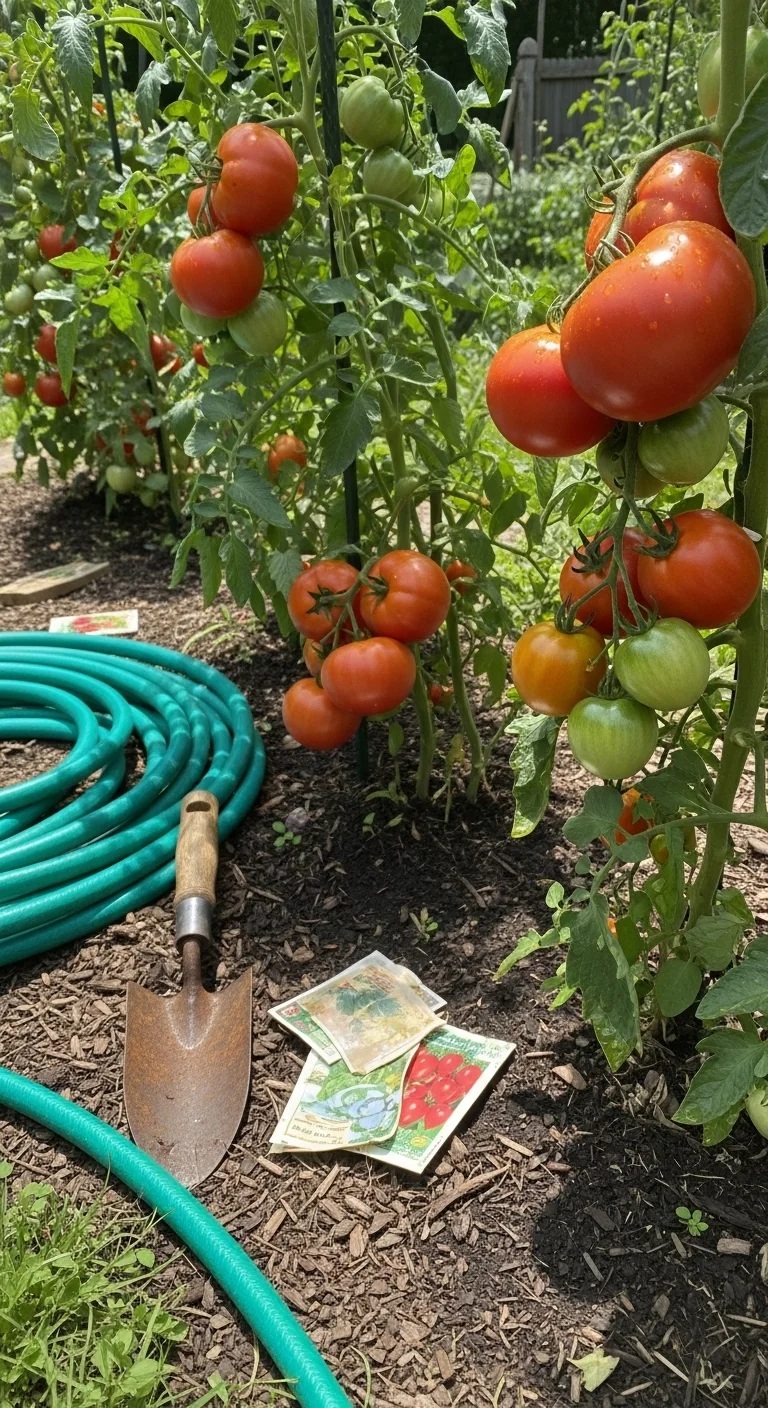
Most tomato variety lists highlight the same popular names without tying them to your garden’s actual constraints. The Yield Grid reframes the choice around three measurable limiting factors: available space, frost-free days, and disease pressure in your soil or climate.
This article evaluates nine varieties using data from university extension trials on growth habit, days to maturity from transplant, and documented resistance codes. It covers options suited to temperate conditions across the US, UK, Canada, and Australia. It excludes ultra-rare heirlooms or varieties without consistent trial data.
You will exit with a clear pick that counters your primary risk plus integration steps for your setup. No guesswork on which seed packet to buy or how to support the plant.
Select the variety whose traits directly offset your garden’s biggest measurable constraint.
The Yield Grid Decision Grid
Branch 1: Space-constrained setups. Measurable condition: growing area under 32 square feet or containers of 5 to 10 gallons. These determinate or compact plants stay manageable without extensive trellising. Recommended: Items 2, 3, and 7 below. For detailed setup instructions on container vegetable setups, see our tomatoes in containers guide.
Branch 2: Short growing seasons. Measurable condition: fewer than 120 frost-free days or last spring frost after mid-May. These early-maturing varieties deliver ripe fruit before cool weather returns. Recommended: Items 4, 5, and 8 below.
Branch 3: Disease-prone conditions. Measurable condition: history of verticillium wilt, fusarium wilt, nematodes, or early blight in humid summers. These carry V, F, N, or TMV resistance codes. Recommended: Items 1, 6, and 9 below.
Quick Comparison Table
| Option | Key mechanism | Best for | Decision Grid Branch | Effort Score |
|---|---|---|---|---|
| Better Boy | VFN resistance codes plus hybrid vigor | Reliable production under disease pressure | Branch 3 | 4 |
| Roma | Determinate bush habit | Compact paste tomatoes in small spaces | Branch 1 | 1 |
| Celebrity | Determinate habit with multiple resistance codes | Versatile slicing in limited footprints | Branch 1 | 2 |
| Early Girl | Early maturity genetics | Harvest before cool weather in short seasons | Branch 2 | 4 |
| Sungold | Early cherry type with high sugar accumulation | Sweet snacking tomatoes in short seasons | Branch 2 | 4 |
| Big Beef | VFN TMV resistance plus large-fruit genetics | Heavy slicers under disease pressure | Branch 3 | 4 |
| Better Bush | Compact determinate habit bred for containers | Container or patio production | Branch 1 | 1 |
| Legend | Early determinate habit with late blight tolerance | Cool-climate or short-season reliability | Branch 2 | 2 |
| Defiant PhR | Phytophthora resistance plus compact growth | Blights in humid conditions | Branch 3 | 3 |
Better Boy
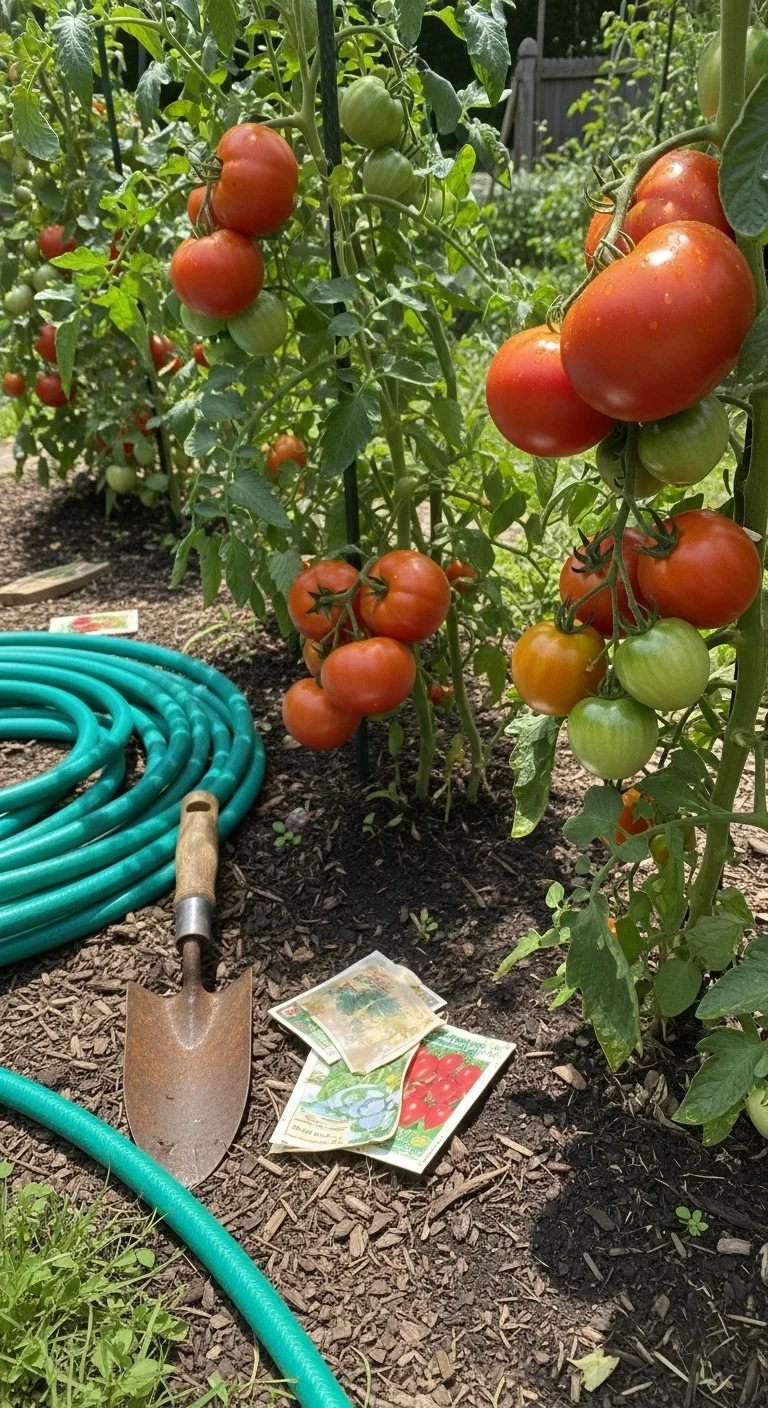
Best for: Branch 3
Better Boy is an indeterminate hybrid that reaches first ripe fruit around 72 days after transplant in extension trials. Its key mechanism is the VFN resistance package combined with vigorous vine growth that keeps producing until frost. Plant it when soil temperatures hold above 60 F at 6 inches depth. Space plants 24 to 36 inches apart in rows and provide strong cages or stakes from day one. Prune to two or three main stems once side shoots reach 4 inches. This variety delivers globe-shaped red fruit averaging 12 ounces with solid walls that slice cleanly. Common mistake: skipping early support, which leads to sprawling and reduced airflow in humid conditions. Pair it with a soil test showing pH between 6.0 and 6.8 for best nutrient uptake. In disease-prone sites this hybrid maintains foliage longer than non-resistant types. (178 words)
Roma
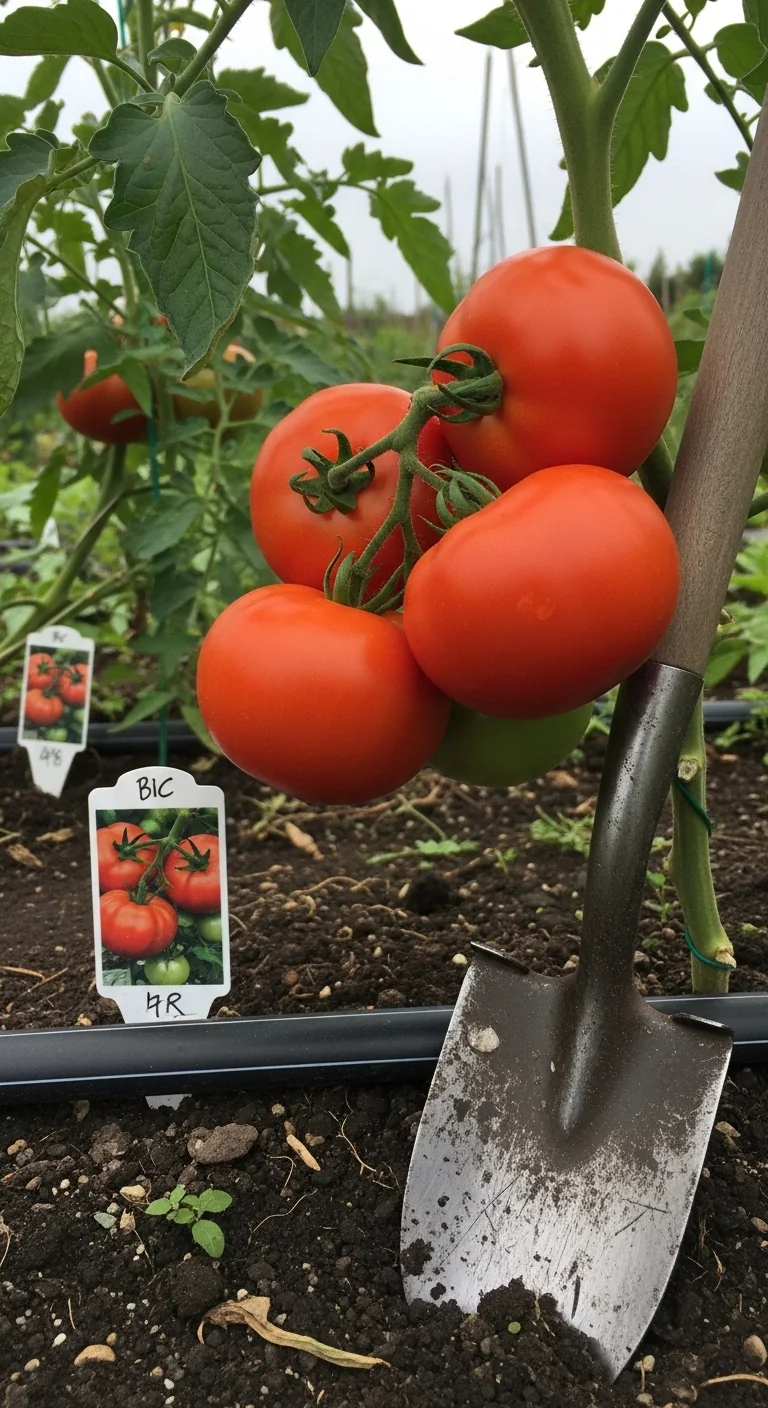
Best for: Branch 1
Use Roma when your space is limited to pots or small raised beds. Skip it if you need slicing tomatoes for sandwiches. This determinate paste variety sets fruit in a concentrated 4- to 6-week window around 75 days after transplant. Plants stay compact at 3 to 4 feet and require only basic cages. (62 words)
Celebrity
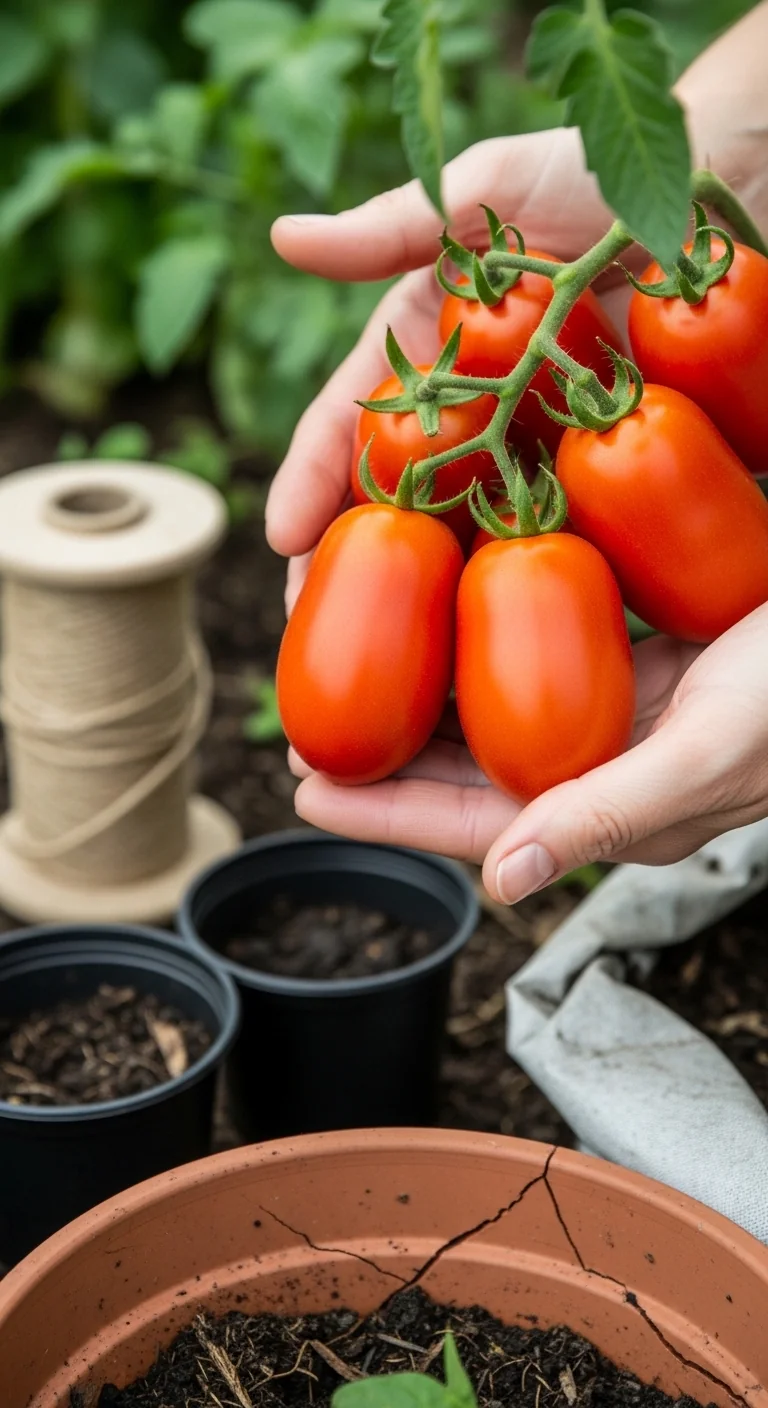
Best for: Branch 1
Celebrity crosses the threshold of 70 days to maturity while carrying V, F, TMV, and N resistance codes. Plant when night temperatures stay above 55 F. If your available footprint is under 32 square feet, this determinate variety fits without aggressive pruning. It produces firm red fruit in the 8- to 10-ounce range that resists cracking even during irregular watering. Threshold rule: if your soil test shows verticillium history, choose this over non-resistant slicers. Otherwise, opt for a cherry type if flavor intensity matters more than volume. (112 words)
Early Girl
Best for: Branch 2
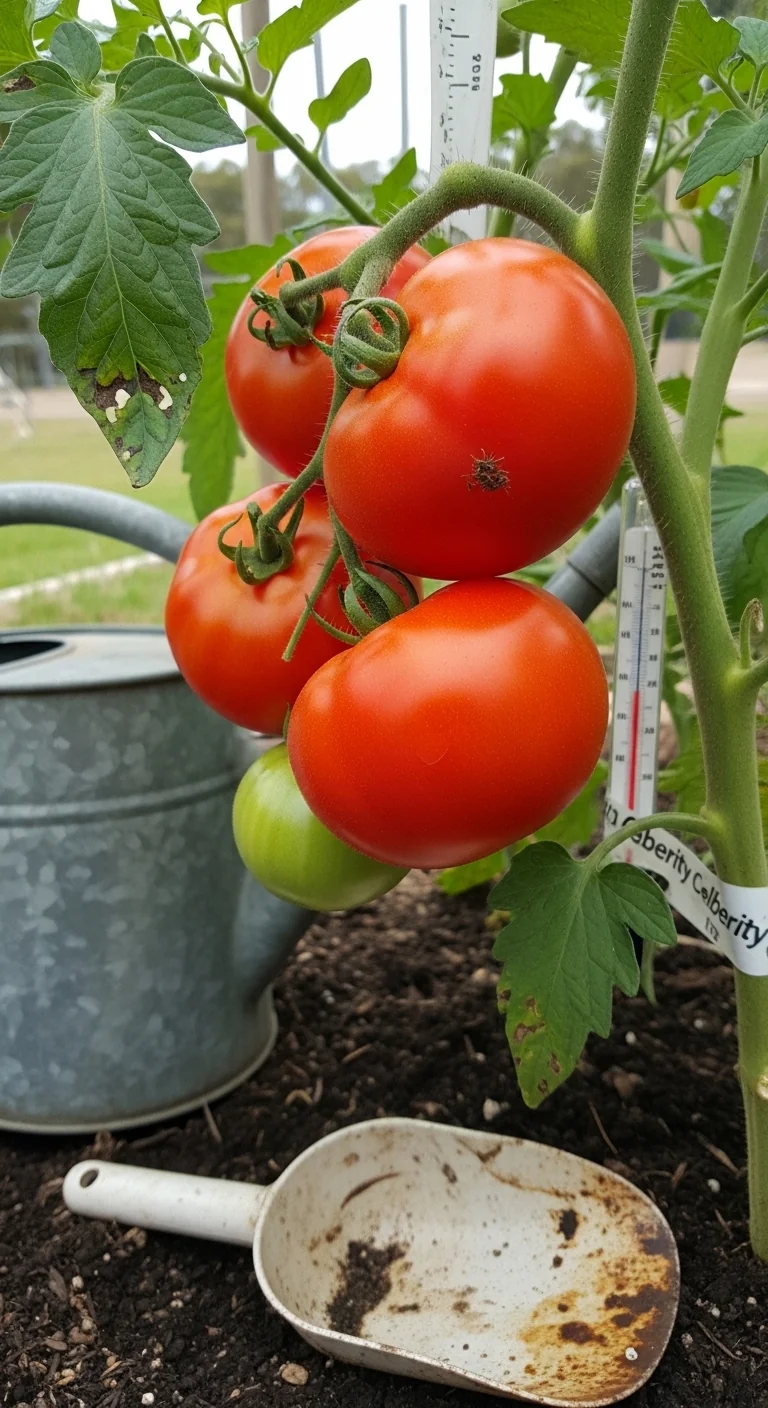
Early Girl is an indeterminate variety that reaches harvest in 54 to 60 days from transplant according to multiple extension trials. Its mechanism is fast fruit set triggered by cooler temperatures that slow other types. Start seeds indoors 6 to 8 weeks before last frost or buy hardened transplants. Follow this 10-minute workflow: (1) dig hole twice the pot width and add compost to bottom, (2) bury stem up to first true leaves, (3) install cage immediately, (4) water with 1 inch equivalent at soil level, (5) note date on calendar for 55-day check. Upgrade option: add a layer of organic mulch 2 inches deep after planting to stabilize soil temperature. Space plants 18 inches apart in short-season zones. (162 words)
Sungold
Best for: Branch 2
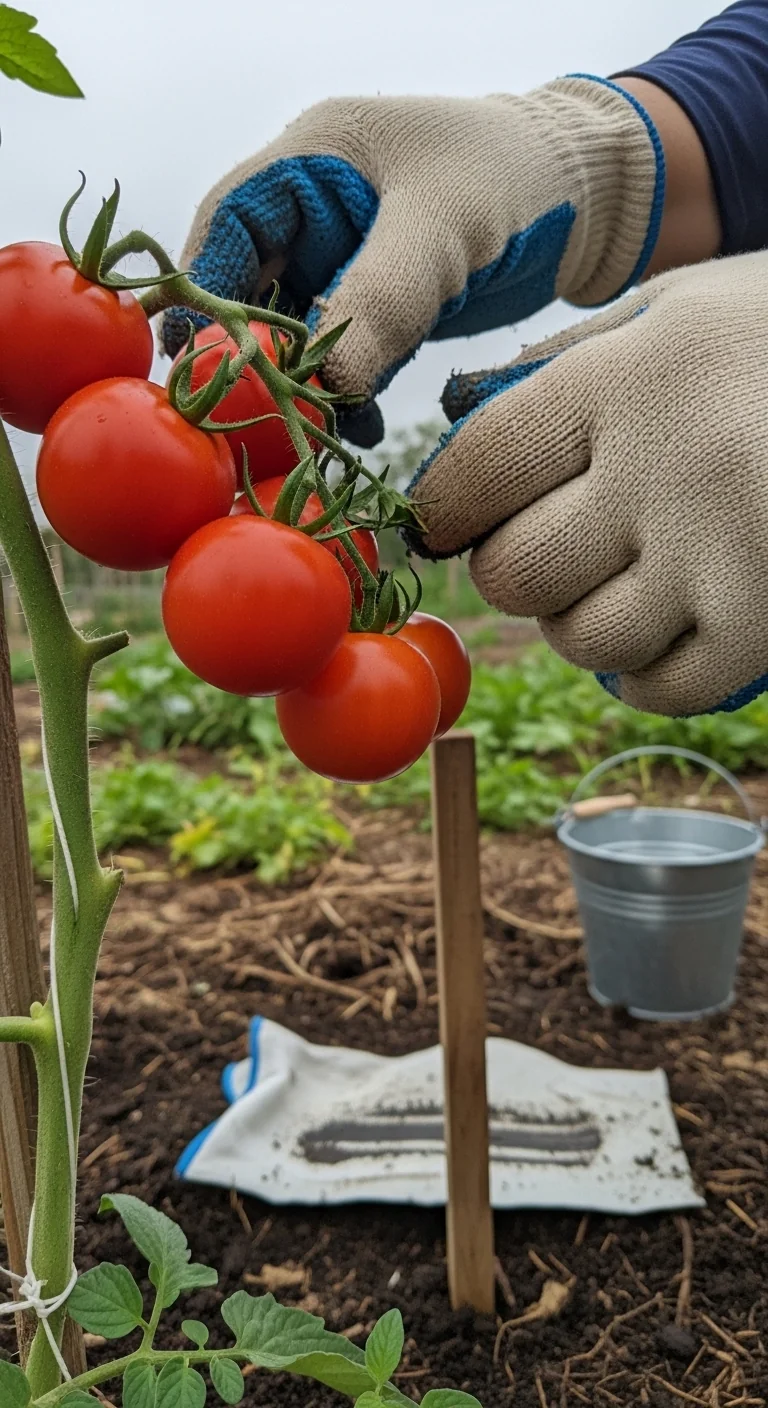
Use Sungold for sweet snacking when your season is short. Skip it if you prefer large slicing tomatoes or have limited vertical support. This indeterminate cherry reaches ripe fruit in 57 days and produces orange clusters with high sugar levels. It needs trellising but delivers continuous harvest until frost. (68 words)
Big Beef
Best for: Branch 3
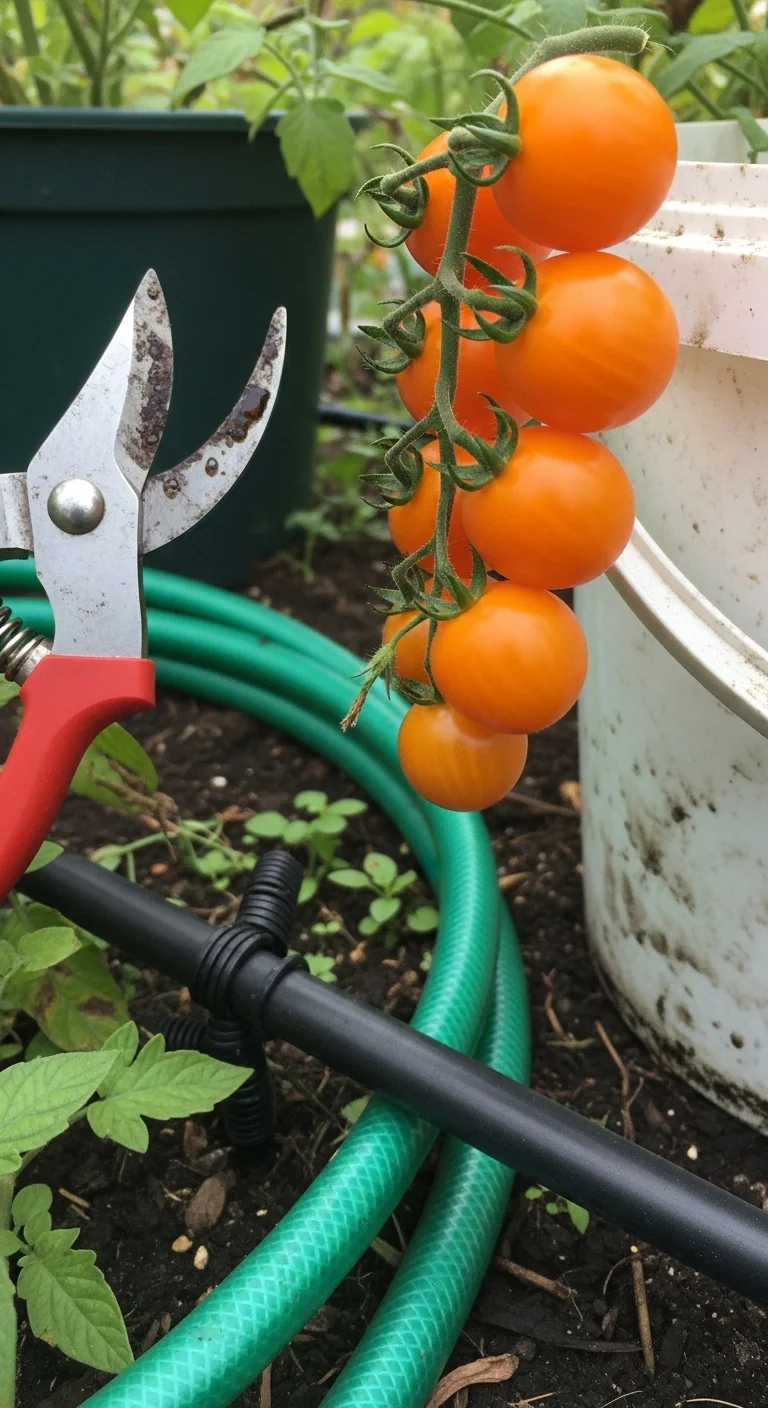
Big Beef carries VFN and TMV resistance and produces 10- to 16-ounce red slicers in trials. Use it where disease pressure is confirmed. Skip it in tiny containers because the indeterminate vines reach 6 feet or more and demand weekly pruning. It sets fruit reliably even under moderate stress once established. (98 words)
Better Bush
Best for: Branch 1
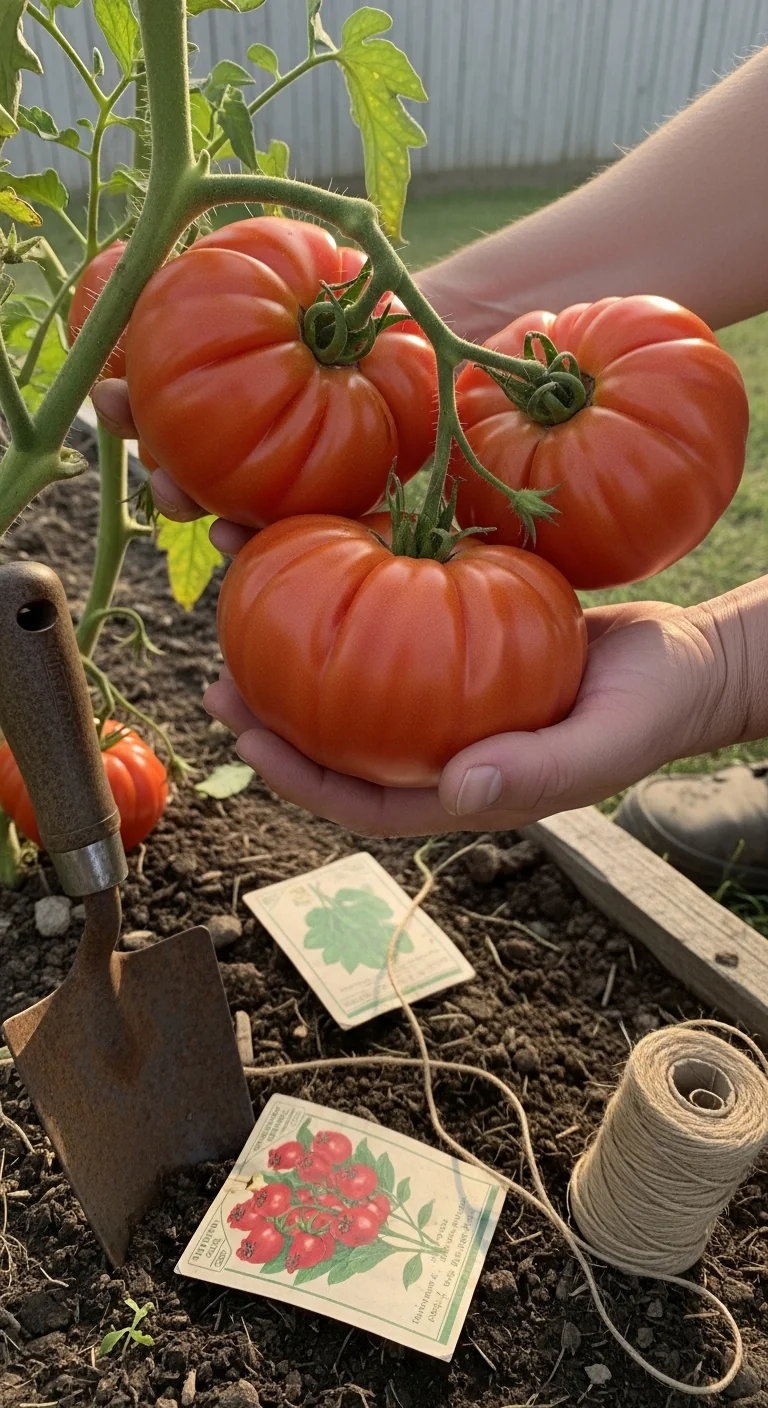
Better Bush hits the threshold for container success when pots hold 5 gallons or more. This compact determinate hybrid stays under 4 feet and requires no heavy staking. If your space is under 20 square feet or you garden on a patio, select it over taller indeterminate types. Threshold rule: confirm soil temperature at 60 F before transplant and provide 6 hours of direct sun daily. Anything less and fruit set drops. It yields medium red fruit suited for slicing or salads with minimal ongoing care. (128 words)
Legend
Best for: Branch 2
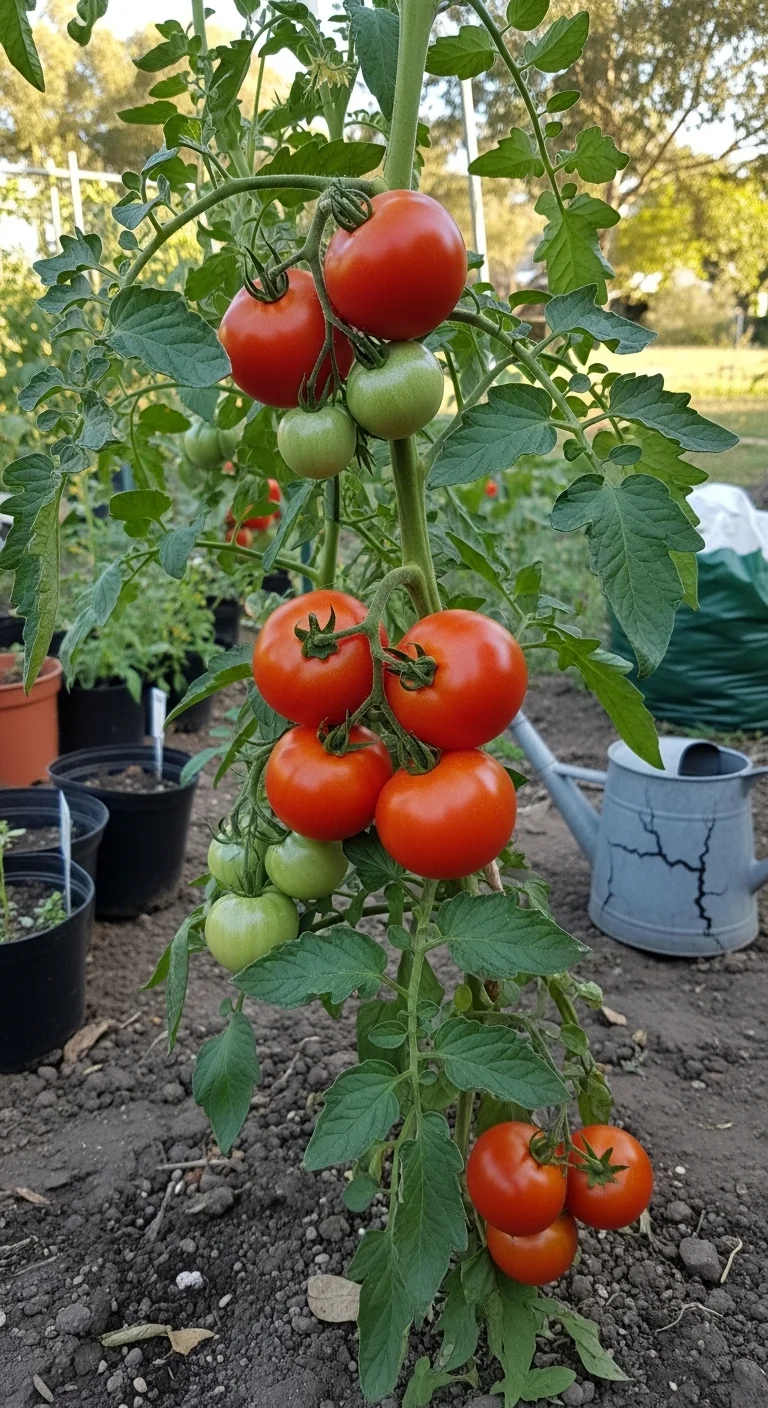
Legend is a determinate variety that matures in 68 days and carries late blight tolerance suited to cool or short seasons. Follow this 10-minute workflow at transplant: set plants 24 inches apart, install short cages, water deeply once, and mark 65 days on your calendar. Upgrade by adding a simple row cover on nights below 50 F. (71 words)
Defiant PhR
Best for: Branch 3
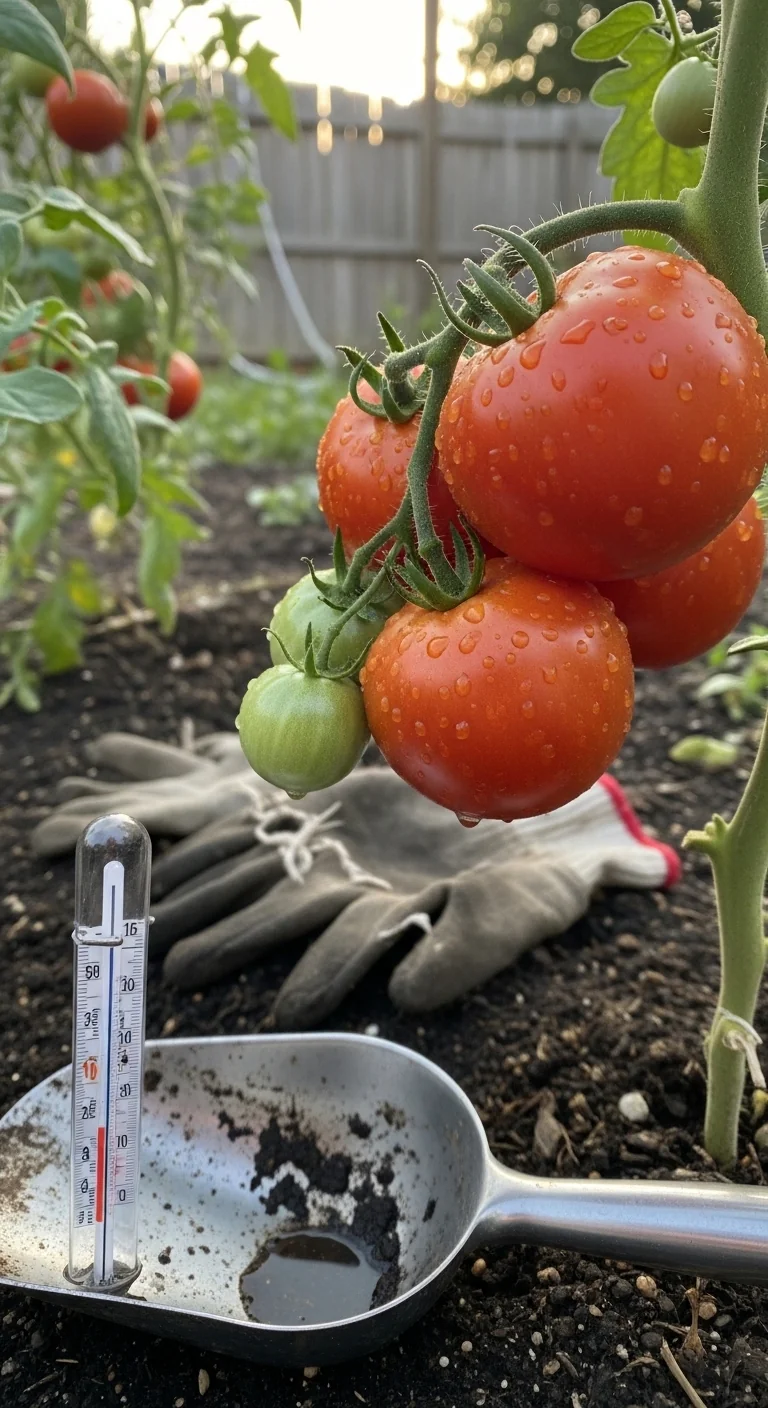
Defiant PhR uses Phytophthora resistance to hold up in humid or blight-prone sites. Its compact growth works in beds or large pots. It produces medium red fruit with good flavor under disease pressure. In extension notes it maintains foliage longer than susceptible varieties when conditions favor early blight. (59 words)
Starter Stack (What to Choose First)
If You Fall Into Branch 1 (Space-Constrained)
Start with Roma and Celebrity. Roma handles paste and sauce needs while Celebrity supplies slicing fruit. Both stay compact and share the same determinate habit so they fit the same cage size and watering schedule. Seed packets cost 3 to 6 dollars each. Plan 6 to 8 weeks indoors before last frost or buy transplants ready in 4 weeks. (68 words)
If You Fall Into Branch 2 (Short Growing Season)
Start with Early Girl and Sungold. Early Girl gives early slicers and Sungold supplies continuous sweet cherries. Their early maturity genetics overlap so you harvest both within the same narrow window. Expect 4 to 6 dollars per seed packet and 6 to 8 weeks from seed to transplant. (62 words)
If You Fall Into Branch 3 (Disease-Prone Conditions)
Start with Better Boy and Defiant PhR. Better Boy delivers volume with VFN codes while Defiant PhR adds Phytophthora protection. They require similar support structures and spacing so one trellis system serves both. Budget 4 to 7 dollars per packet and allow 6 to 8 weeks from seed. (64 words)
When This Won’t Work
These varieties fail when soil pH falls below 5.5 or rises above 7.0 because nutrient lockout reduces fruit set regardless of resistance codes. Test soil before planting and amend with lime or sulfur to reach the 6.0 to 6.8 range. The second failure condition appears when night temperatures stay below 50 F for more than 10 consecutive days after transplant. Blossom drop follows and no amount of resistance compensates. In either case switch to a greenhouse or high tunnel setup with bottom heat. (94 words)
For soil preparation steps that avoid these conditions see our how to start a vegetable garden guide.
Choosing the Right Option for Your Situation
Budget Threshold
If your total seed and support budget stays under 15 dollars per variety, any of the nine works. All use standard cages or stakes available at garden centers for 5 to 10 dollars each.
Time Threshold
If your frost-free window is under 100 days, limit choices to varieties maturing in 70 days or fewer from transplant. Early Girl, Sungold, and Legend meet this cutoff reliably.
Technical Constraint: Support Structures
If you have no trellis or tall cages available, restrict selection to determinate types only. Roma, Celebrity, Better Bush, and Legend require only short support.
Yes/No Checklist:
Do you have confirmed disease history in soil? Yes, choose Branch 3.
Is your space under 32 square feet? Yes, choose Branch 1.
Do you have fewer than 120 frost-free days? Yes, choose Branch 2.
All answers no? Any variety works but start with Celebrity for versatility.
Expert Q&A
How do resistance codes like VFN actually change harvest outcomes in humid climates?
VFN codes indicate the plant carries genetic factors that limit infection by verticillium, fusarium, and nematodes. In humid extension trials these varieties keep foliage green 2 to 4 weeks longer than susceptible types, extending the harvest window before plants collapse. (48 words)
What role does determinate versus indeterminate habit play in short-season planning?
Determinate plants set one large flush of fruit and stop, making them predictable for calendars with 90 to 110 frost-free days. Indeterminate types keep flowering but risk incomplete ripening if cool weather arrives early. Match habit to your exact frost dates. (52 words)
Which varieties hold flavor when grown in containers with limited root volume?
Compact determinate types such as Celebrity and Better Bush maintain sugar levels in 5- to 10-gallon pots because their smaller frame demands less water and nutrients per fruit. Larger indeterminate cherries can still perform if watered consistently. (47 words)
How does fruit size affect cracking risk during irregular summer rains?
Larger beefsteak types crack more easily when moisture spikes after dry spells because skin stretches faster than flesh. Smaller cherry and plum types like Sungold and Roma resist cracking due to thicker skin relative to size. (44 words)
Can paste varieties replace slicers for both fresh eating and processing in one garden?
Roma and similar plum types work for both because their meaty walls slice cleanly when ripe and cook down without excess water. One planting covers salads early and sauces later in the concentrated harvest window. (43 words)
Conclusion
The decision comes down to aligning one variety’s documented traits with your single biggest garden constraint. The number-one mistake is planting by popularity instead of checking days to maturity and resistance codes against your site conditions.
Next step: run your soil test and frost dates then order the two varieties that match your branch from the Starter Stack. For drought management tactics that pair with these choices see our drought-tolerant vegetables guide.