
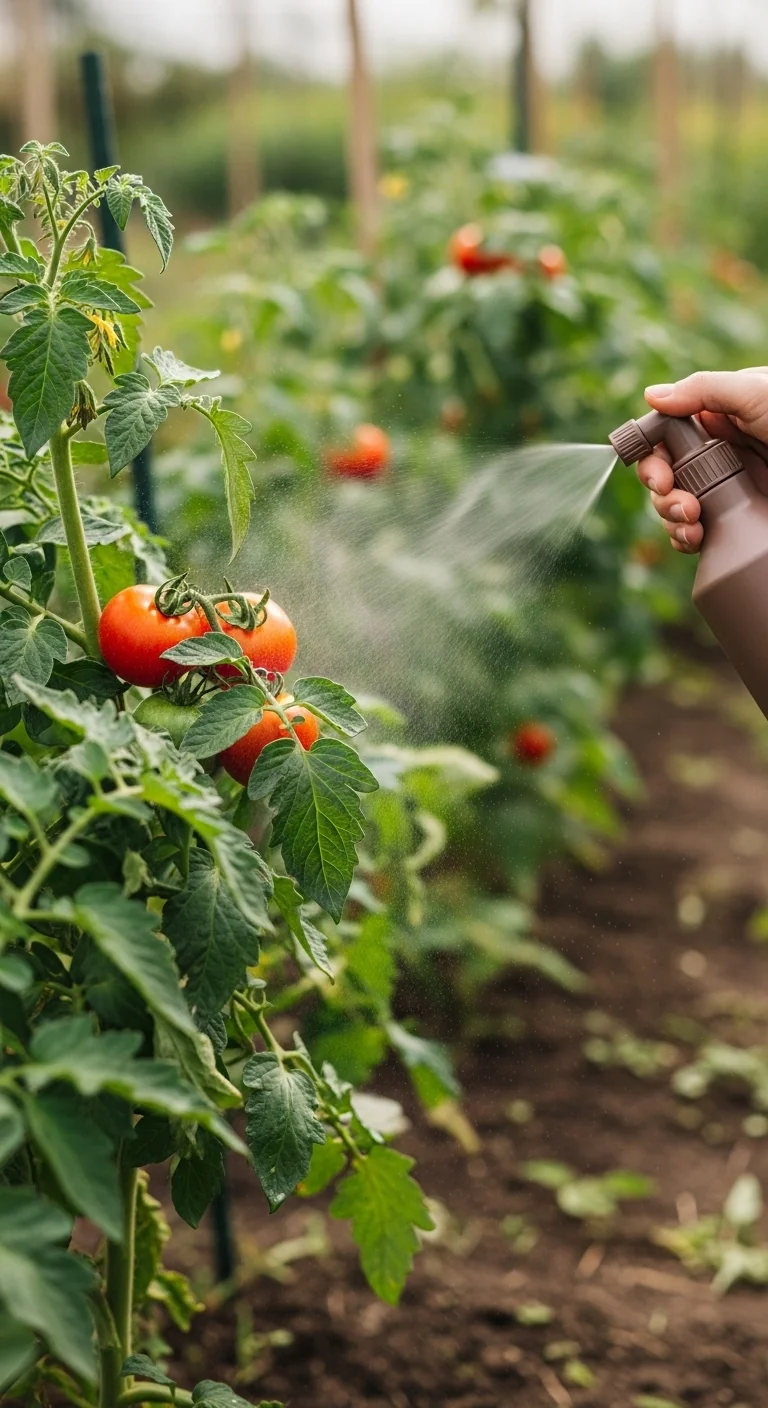
Growing eggplant requires more than placing transplants in full sun and hoping for the best. The key reframing is to treat it as a decision process where you first classify your garden into one of three measurable branches and then select only the techniques that address those exact conditions.
This guide covers variety selection, propagation methods, soil temperature management, support systems, and maintenance tailored for home vegetable gardens in the US, UK, Canada, Australia and similar temperate zones. It excludes commercial pest eradication protocols or greenhouse automation setups.
You will walk away able to identify your branch in under five minutes, pick the two techniques that deliver the highest return for your setup, and apply precise thresholds like soil temperature at transplant or minimum pot volume. These decisions eliminate wasted effort on mismatched approaches.
Bottom line: Classify your conditions first, then apply the matching techniques to avoid common failures in temperature or space management.
The Yield Grid Decision Grid
Branch 1 (cool or short-season gardens): Soil temperature at 6-inch depth stays below 65°F until after May 15 or total frost-free days number under 150. Recommended: Items 1, 2, and 3 below.
Branch 2 (space-constrained gardens): Planting footprint under 4 square feet per plant or only containers and raised beds available. Recommended: Items 4, 5, and 6 below.
Branch 3 (warm expansive in-ground gardens): Soil temperature exceeds 70°F by early May with at least 8 hours full sun daily and pH between 5.5 and 7.0. Recommended: Items 7, 8, and 9 below.
For full starting steps see how to start a vegetable garden.
Quick Comparison Table
| Option | Key mechanism | Best for | Decision Grid Branch | Effort Score |
|---|---|---|---|---|
| Early-Maturing Eggplant Varieties for Short Seasons | Shortens time from transplant to first fruit to fit tight windows | Cool climates needing quick turnaround | Branch 1 | 1 |
| Indoor Seed Starting with Bottom Heat Mats | Maintains 70-85°F root zone for reliable germination | Short seasons where outdoor starts fail | Branch 1 | 4 |
| Black Plastic Mulch for Soil Warming | Traps daytime heat to raise soil temperature early | Marginal climates with slow spring warmup | Branch 1 | 2 |
| Container Growing for Small Spaces | Allows precise soil mix and mobility to chase sun | Balconies or patios with limited footprint | Branch 2 | 3 |
| Dwarf and Patio Eggplant Varieties | Compact growth habit fits tight spacing without sprawl | Containers or raised beds under 10 square feet total | Branch 2 | 1 |
| Staking and Support in Limited Areas | Keeps heavy fruit upright in restricted root zones | Small spaces where wind or weight causes collapse | Branch 2 | 2 |
| Companion Planting Strategies for Eggplant | Repels specific pests through root and leaf interactions | Warm gardens with room for interplanting | Branch 3 | 2 |
| Consistent Deep Watering at the Base | Delivers steady moisture to roots while keeping foliage dry | Full-sun plots prone to uneven drying | Branch 3 | 5 |
| Targeted Organic Fertilizer Applications | Shifts nutrient balance toward fruit set after flowering | Established in-ground plants in nutrient-rich soil | Branch 3 | 3 |
Early-Maturing Eggplant Varieties for Short Seasons
Best for: Branch 1
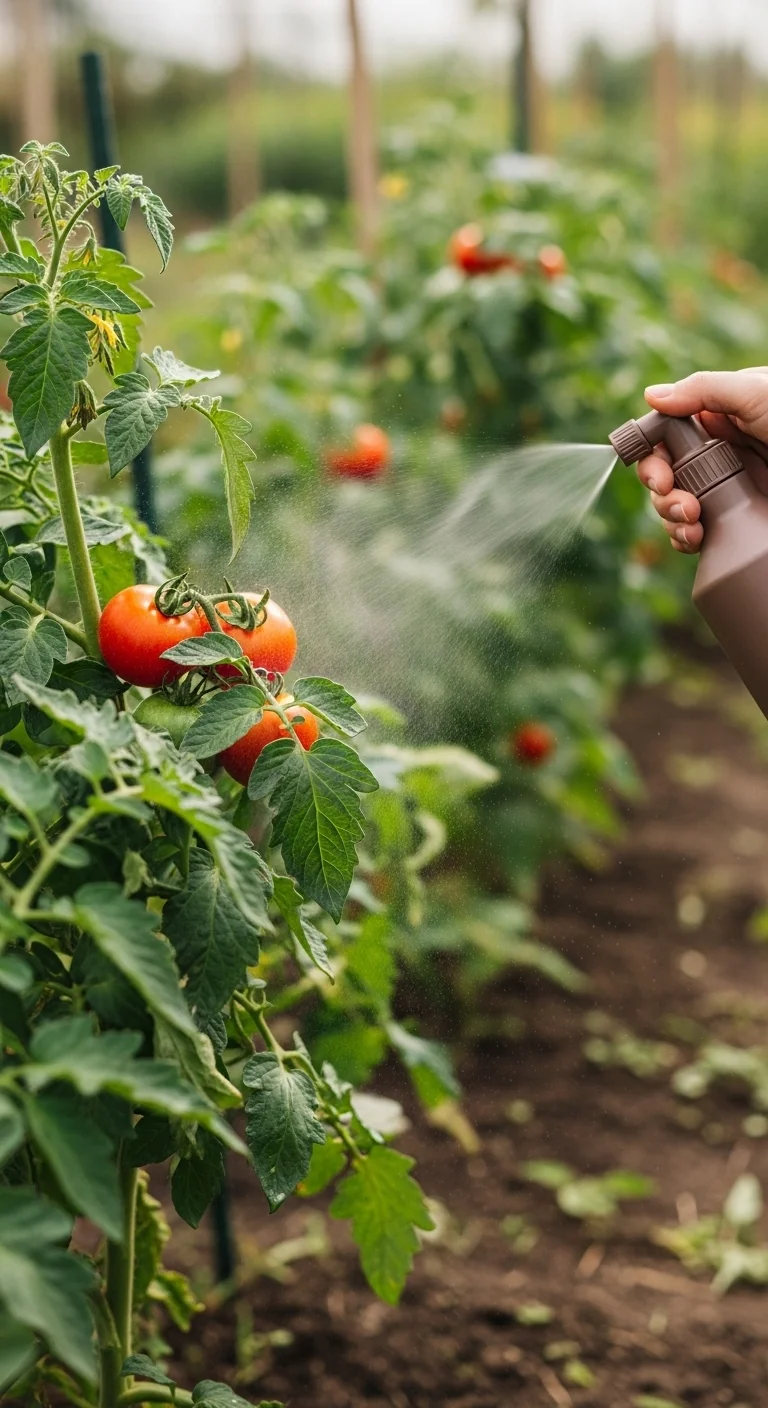
This option selects varieties that reach edible fruit in 55 to 70 days from transplant instead of the standard 80-plus days. It fits cool or short-season gardens where the window between last frost and first fall chill is narrow. Follow these steps: review seed catalog days-to-maturity listings and choose only those marked 55-70 days, start indoors per your local last frost date, and harden off seedlings before moving outside. The mechanism relies on genetic traits that speed flower formation under lower accumulated heat units. One common mistake is pairing these with heavy feeding schedules meant for longer-season types, which can delay fruit set further. Edge case: in zones with sudden late-spring cold snaps, combine with row covers until soil stabilizes above 65°F.
Indoor Seed Starting with Bottom Heat Mats
Best for: Branch 1
Use this when outdoor soil stays too cold for direct sowing. The threshold rule is simple: maintain root-zone temperature at 70-85°F until seedlings show two true leaves, then drop to 65°F for hardening. Adjust by placing a soil thermometer probe in the seed tray and turning the mat on only when readings fall below 70°F. Germination typically occurs in 7-14 days under these conditions. Skip if your indoor space stays naturally above 75°F day and night.
Black Plastic Mulch for Soil Warming
Best for: Branch 1
Use black plastic mulch when spring soil warms too slowly for eggplant roots to establish before flowering begins. It raises soil temperature by trapping solar heat and cuts evaporation at the surface. Skip it in gardens that already hit 70°F soil by early May or where heavy clay causes water pooling under the sheet. Edge case: in windy sites, anchor edges with soil or rocks every 12 inches to prevent lifting. Apply two weeks before transplant by laying 4-6 mil plastic over prepared beds and cutting 6-inch slits for planting holes. Remove or slit further after fruit set to avoid overheating in mid-summer.
Container Growing for Small Spaces
Best for: Branch 2
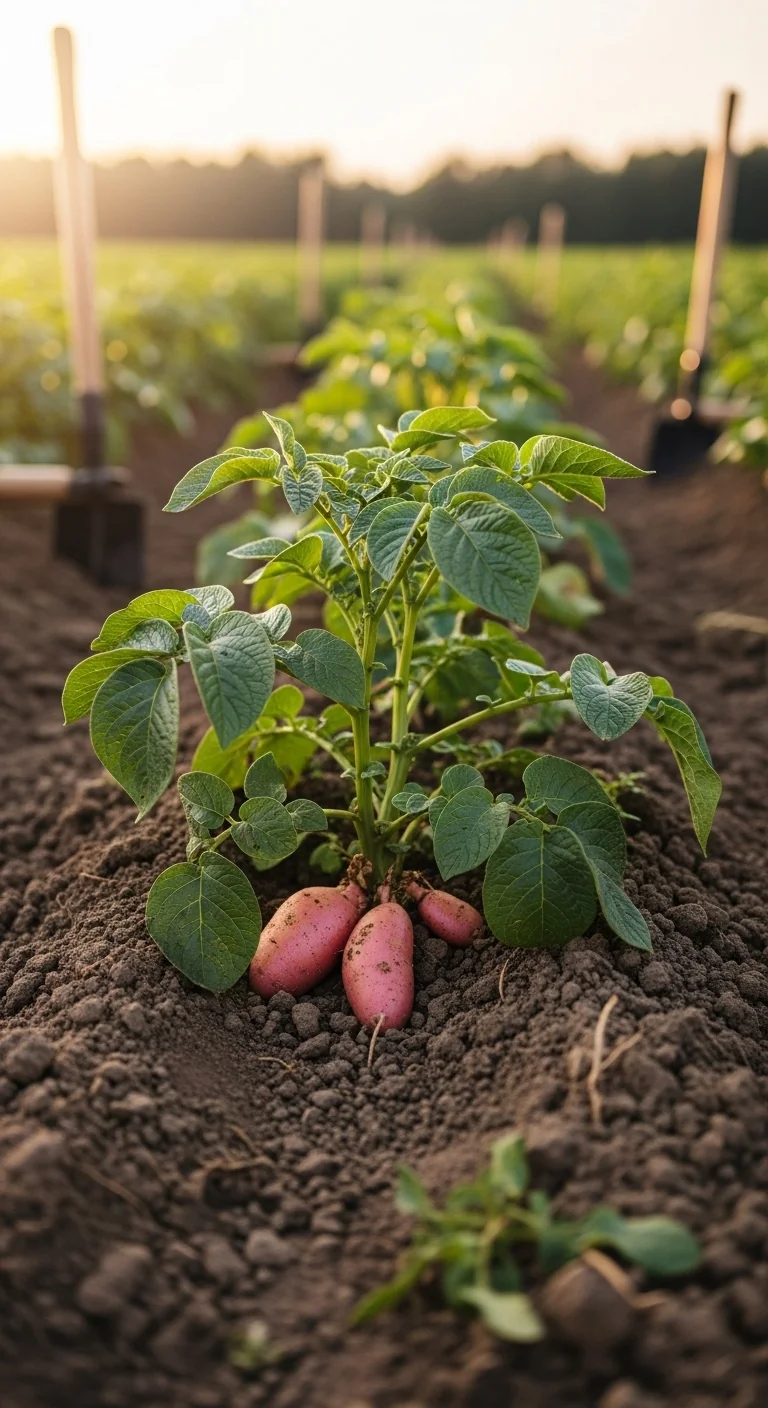
This workflow takes under 10 minutes once pots and soil are ready. Step 1: select 5-gallon minimum containers with drainage holes. Step 2: fill with a 50-50 mix of potting soil and compost. Step 3: transplant hardened seedlings at the same depth as the nursery pot and water until it drains freely. Upgrade option: add a saucer with pebbles to maintain humidity around the base without waterlogging roots. The mechanism works because containers allow you to move plants to the warmest micro-spot on your patio or balcony during cool spells and to use a custom soil blend that drains faster than garden clay. Unique constraint: containers dry out three times faster than in-ground beds, so check soil moisture daily by inserting a finger 2 inches down.
Dwarf and Patio Eggplant Varieties
Best for: Branch 2
Choose these compact types when space limits you to containers or narrow raised beds. They grow 18-24 inches tall and wide instead of the standard 3-foot sprawl, so they fit 2-foot centers without crowding. Use versus skip: deploy them on balconies or patios where wind exposure is high; skip in open in-ground plots where larger varieties produce more fruit per plant. Edge case: pair with 12-inch deep pots to support the heavier fruit load without tipping.
Staking and Support in Limited Areas
Best for: Branch 2
Install stakes or cages when fruit weight risks stem breakage in confined root zones. Threshold rule: drive 4-foot stakes 12 inches into the soil at planting and tie stems loosely every 8 inches as the plant reaches 18 inches tall. Adjust ties weekly during rapid growth to avoid girdling. In containers under 7 gallons this prevents toppling when fruit reaches 6 ounces each. Measure support height against expected mature height listed on the variety tag.
Companion Planting Strategies for Eggplant
Best for: Branch 3
This blueprint pairs eggplant with specific neighbors to manage pests through chemical and physical interactions. It works for warm expansive gardens with room for interplanting at 24-inch centers. Plant marigolds or nasturtiums 12 inches away to repel flea beetles via root exudates, and add bush beans nearby for nitrogen contribution without shading. Steps: map the bed on paper first with eggplant at 24-inch spacing, position companions in a 1:3 ratio, and avoid nightshade family overlaps that share disease hosts. Common mistake: crowding companions too close, which reduces airflow and raises fungal risk. See companion planting for vegetables for layout diagrams.
Consistent Deep Watering at the Base
Best for: Branch 3
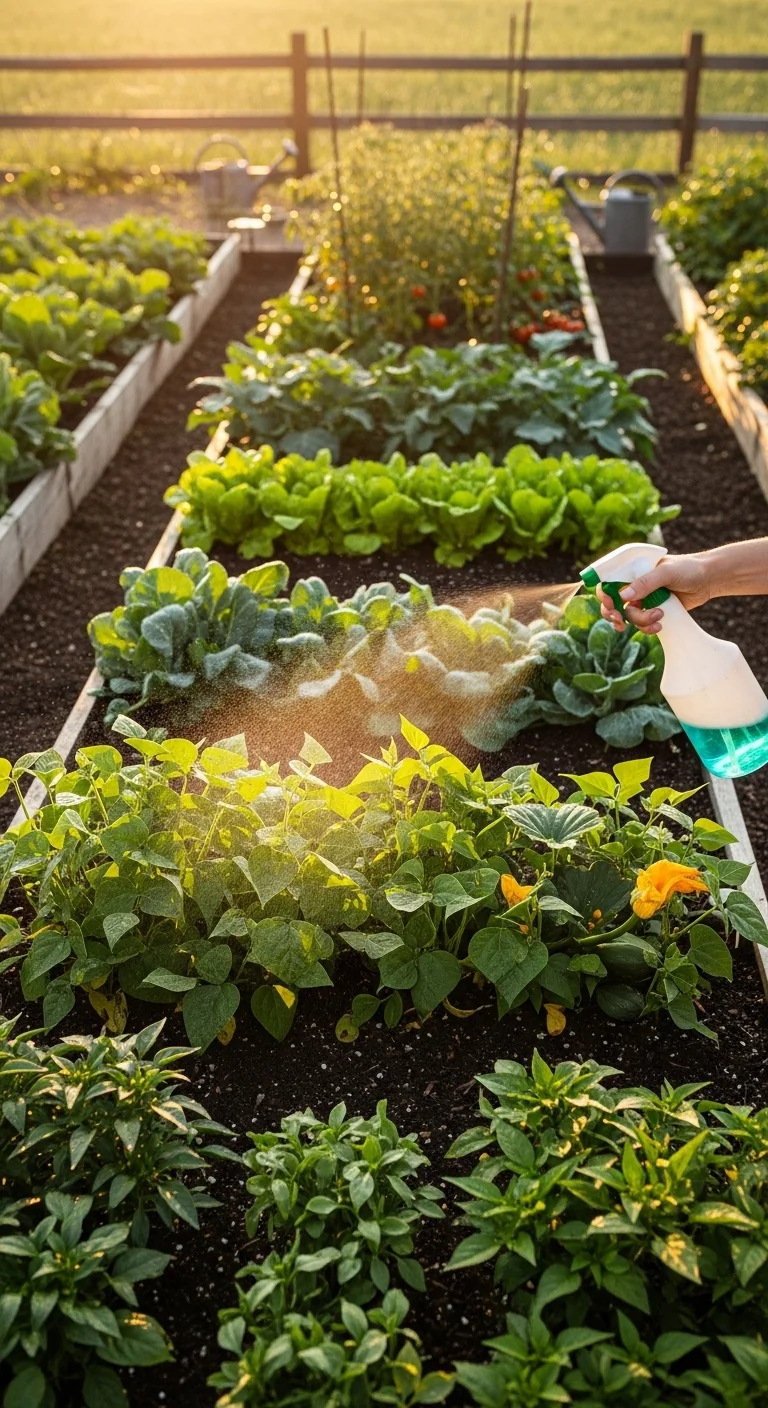
Deliver 1 inch of water per week directly at the soil line to keep roots moist while foliage stays dry. The 10-minute workflow: check soil 4 inches down with a finger or probe; if dry, run drip or soaker hose for 20-30 minutes until water pools slightly at the surface. Upgrade by adding a 2-inch organic mulch layer after watering to extend intervals to every 5 days. This prevents calcium transport issues that appear as dark sunken spots on fruit ends.
Targeted Organic Fertilizer Applications
Best for: Branch 3
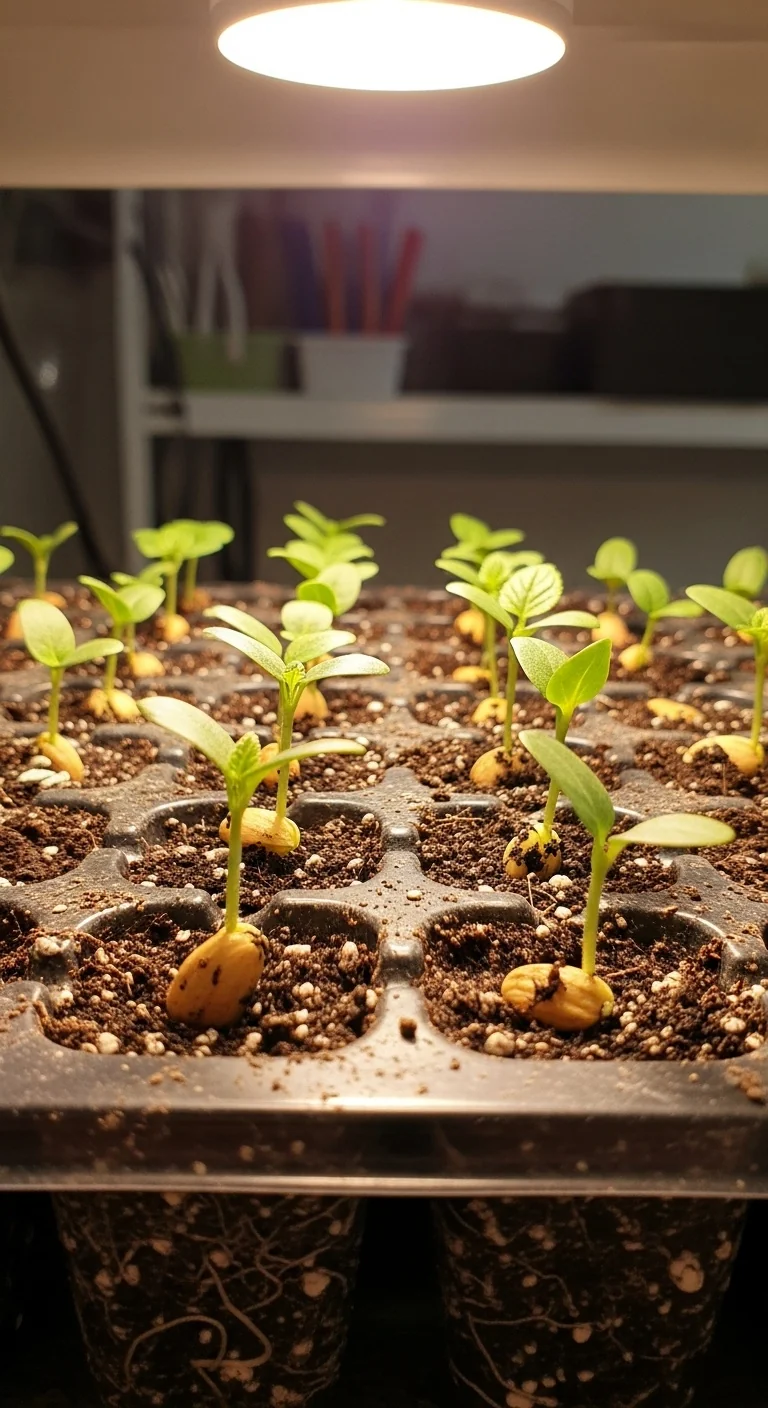
Use this schedule when plants are established and flowering. Apply a balanced 5-10-10 organic fertilizer at transplant, then switch to a 0-10-10 or similar bloom formula every 4 weeks through fruiting. Dilution follows package rates for liquid types or 2 pounds per 100 square feet for granular. Use versus skip: apply in warm gardens with good drainage; skip in cool soils where nitrogen lingers and delays fruit set. Edge case: test soil pH first, because values outside 5.5-7.0 lock out key nutrients regardless of fertilizer amount. See organic fertilizer for vegetables for exact product comparisons.
Starter Stack (What to Choose First)
Branch 1 (cool or short-season)
Start with Items 1 and 2. Early-maturing varieties paired with indoor heat-mat starting give you transplants ready exactly when soil hits 65°F. Combined cost under $25 and setup time under 45 minutes total. Synergy: the short-cycle genetics make the extra indoor effort pay off before frost returns.
Branch 2 (space-constrained)
Start with Items 4 and 5. Container setup plus dwarf varieties keep plants productive without sprawl. Combined cost under $40 and setup time under 30 minutes. Synergy: compact genetics reduce watering frequency in pots while the container system lets you optimize sun exposure daily.
Branch 3 (warm expansive in-ground)
Start with Items 7 and 9. Companion planting plus targeted fertilizer feeds the heavy fruit load without excess foliage. Combined cost under $30 and setup time under 60 minutes. Synergy: companions reduce pest pressure so fertilizer goes straight to fruit instead of recovery growth.
When This Won’t Work
If night temperatures drop below 55°F for more than three consecutive nights after transplant, flowers abort without setting fruit even if daytime highs reach 80°F. The alternative is to delay planting until the 7-day forecast shows nights consistently above 60°F or install floating row covers rated to protect down to 4°F above freezing.
If watering intervals exceed 5 days between deep soaks in full sun, calcium uptake fails and fruit develops blossom end rot. The alternative is to install drip irrigation on a timer delivering the weekly 1-inch equivalent and check soil moisture every third day. For precise schedules see watering vegetable garden.
Choosing the Right Option for Your Situation
If Your Budget Is Under $50 for the Season
Prioritize Items 1, 3, and 5. Seed packets, black plastic, and dwarf varieties cost little yet address the core temperature or space limits in your branch.
If You Have Less Than 2 Hours per Week
Choose Items 1, 4, and 7. One-time variety and companion decisions plus container mobility require almost no ongoing labor after planting.
If Your Soil Test Shows pH Outside 5.5-7.0
Select Items 4 and 5. Containers let you use a custom potting mix adjusted to the ideal range without amending the entire garden bed.
Yes/No checklist:
Is soil temperature above 65°F at planting depth?
Do you have at least 4 square feet per plant?
Are nights forecast above 60°F for the next 10 days?
Is pH between 5.5 and 7.0?
Expert Q&A
What soil temperature threshold prevents eggplant transplant shock?
Soil must reach at least 65°F at 6-inch depth before transplanting. Below this level roots grow slowly and plants stay stunted for weeks. Insert a soil thermometer 5 minutes in the morning at several spots in the bed. Wait until all readings stay consistently at or above the mark even on cloudy days.
How do you hand-pollinate eggplant flowers in low-bee areas?
Tap or shake each open flower gently every 2-3 days between 10 a.m. and 2 p.m. when pollen is most viable. Eggplant is self-fertile but benefits from vibration to move pollen from anthers to stigma. Use a soft brush or electric toothbrush on low for 3 seconds per flower if bee activity is absent.
Why do eggplants develop blossom end rot and how to correct the calcium balance?
Blossom end rot appears as dark sunken spots on fruit tips when calcium transport fails due to uneven watering. Keep soil moisture consistent at 1 inch per week delivered at the base. Mulch after watering to stabilize levels. Avoid high-nitrogen feeds that push leafy growth over root uptake.
Can you grow eggplant from seeds saved from store-bought fruit?
Yes, but only from open-pollinated heirloom types labeled as such. Hybrid supermarket fruit often produces offspring that revert to smaller, less productive plants. Scoop seeds from ripe fruit, ferment in water for 3 days to remove pulp, rinse, and dry on paper towels before storing.
What spacing adjustment works best for eggplant in raised beds versus rows?
Use 18-inch centers in raised beds to maximize airflow and reduce disease. In traditional rows space plants 24 inches apart with 36 inches between rows. The tighter bed spacing works because raised beds drain faster and warm quicker, supporting denser planting without root competition.
Conclusion
The single most important decision is classifying your garden into the correct branch before buying a single seed or pot. The number-one mistake is applying every technique listed instead of the two that match your measurable conditions, which wastes time and resources. Focus on temperature thresholds and space limits first and the rest falls into place.
Next step: adapt one recommended pair to your exact setup by reviewing raised bed vegetable garden layouts that align with your branch.