
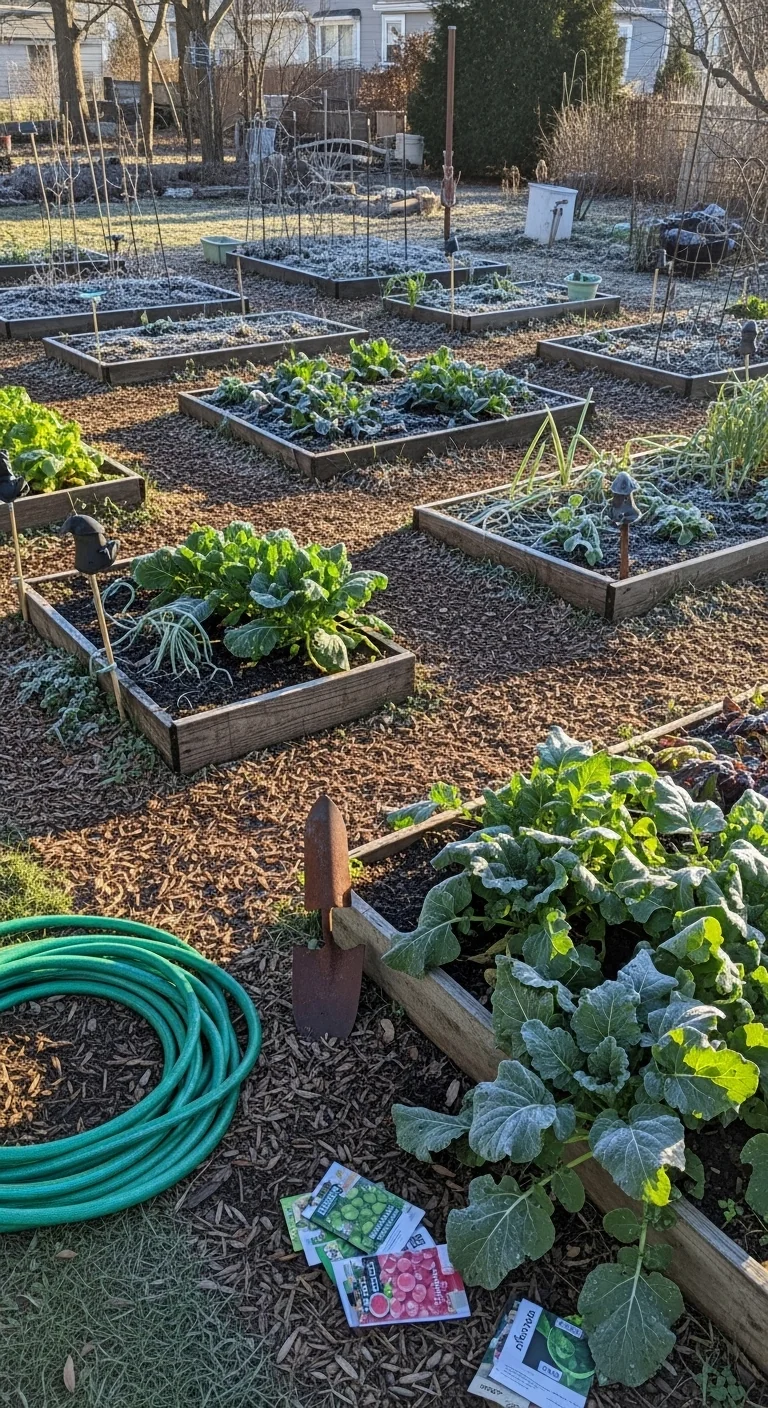
Winter vegetable gardening succeeds when you stop following generic crop lists and instead match each vegetable’s temperature tolerance window and space needs to your exact site conditions. This reframing eliminates failed plantings by focusing on measurable lows and protection options available to you.
The scope includes eight cold-season options for edible gardening in temperate regions such as the US, UK, Canada, Australia, New Zealand, and Germany. It excludes heat-loving summer crops and assumes basic soil preparation.
You will finish with clear decisions on which two or three crops to prioritize based on your winter lows and setup type, plus exact steps to implement them without trial and error.
Align your local freeze dates and protection level to the right crop tolerances, and you gain consistent winter harvests from your vegetable garden.
The Yield Grid Decision Grid
Branch 1: Winters with lowest expected temperatures above 20 F (typical in southern US, southern UK, coastal Australia). Use open beds or light mulch only. Recommended: Items 1, 3, 5 below.
Branch 2: Winters with lows between 10 F and 20 F (common in northern US, Canada, inland UK, New Zealand). Add row covers plus mulch. Recommended: Items 2, 4, 6 below.
Branch 3: Winters with lows below 10 F or any container setups (seen in parts of Germany, northern Canada). Require heavy frames or greenhouse structures. Recommended: Items 7, 8 below. For precise regional sowing windows consult the vegetable planting calendar.
Quick Comparison Table
| Option | Key mechanism | Best for | Decision Grid Branch | Effort Score |
|---|---|---|---|---|
| Kale | Sugar accumulation in leaves for frost resistance | Repeated leaf harvests in mild open beds | Branch 1 | 2 |
| Spinach | Rosette growth that stays low to ground | Quick leafy greens with row cover support | Branch 2 | 3 |
| Carrots | Root insulation through soil and mulch | Storage roots in open or raised beds | Branch 1 | 2 |
| Beets | Beetroot storage under moderate cold | Dual greens and roots with mulch | Branch 2 | 3 |
| Swiss Chard | Sturdy stems that resist light freezes | Long-season greens in mild open beds | Branch 1 | 2 |
| Garlic | Fall planting for spring bulb sizing | Low-care alliums with mulch layer | Branch 2 | 1 |
| Leeks | Soil hilling for blanching and protection | Extended stem harvest in frames | Branch 3 | 4 |
| Mache | Compact rosette that tolerates deep cold | Small-space greens in protected containers | Branch 3 | 2 |
Kale
Best for: Branch 1
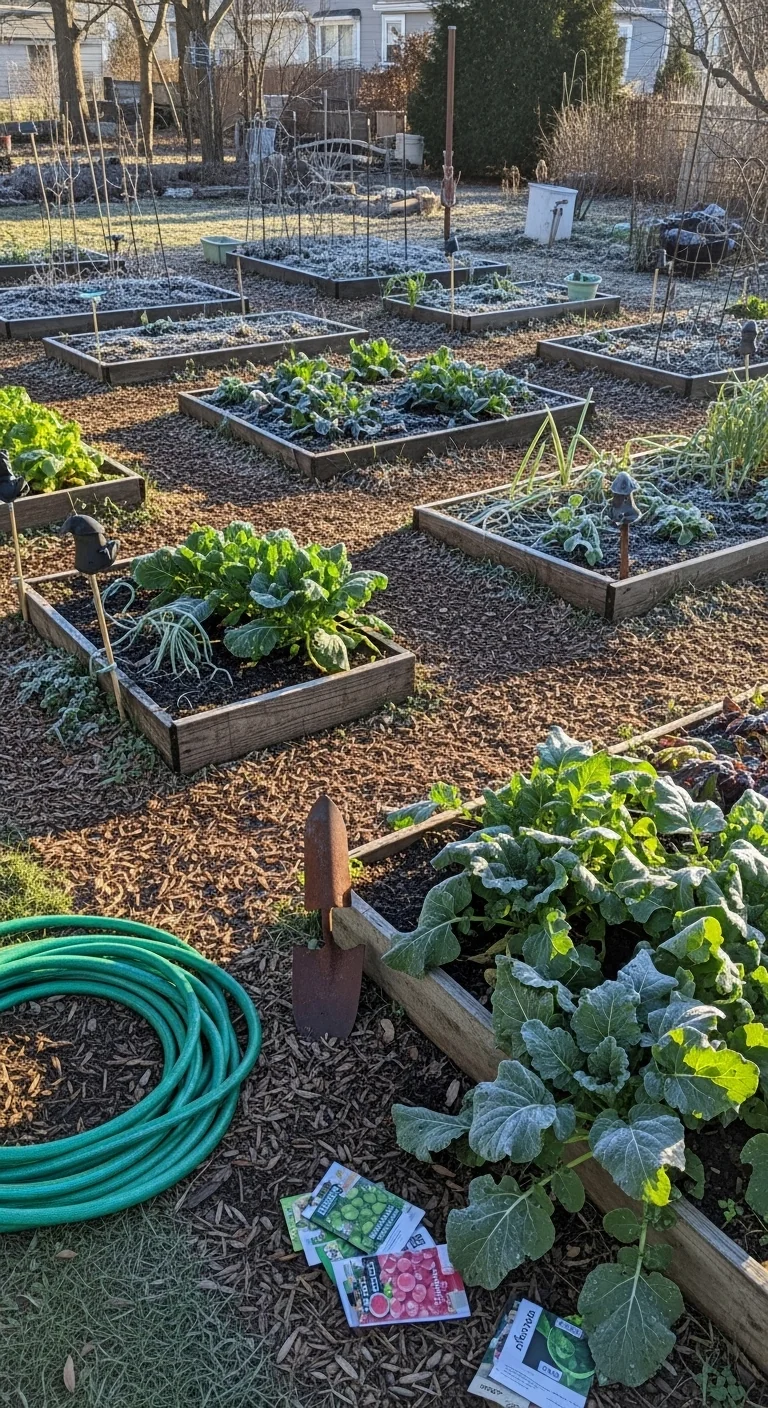
Plant kale six to eight weeks before your first fall frost date in well-drained soil with pH 6.0 to 7.0. Space plants 12 to 18 inches apart in rows. Water consistently until established, then reduce to deep weekly soakings during dry spells. Harvest outer leaves when they reach six inches long, leaving the center to continue growing. Common mistake: planting too late in the season so plants lack size before cold arrives. Transition timing matters. See details in the fall vegetable garden guide for exact overlap steps with summer crops.
Kale flavor improves after several frosts because cold triggers sugar production in the leaves. In mild conditions it continues producing until temperatures drop below 5 F for extended periods. Combine with light straw mulch to maintain even soil moisture without smothering crowns. This setup supports repeated cuttings through the entire winter window in Branch 1 regions.
Spinach
Best for: Branch 2
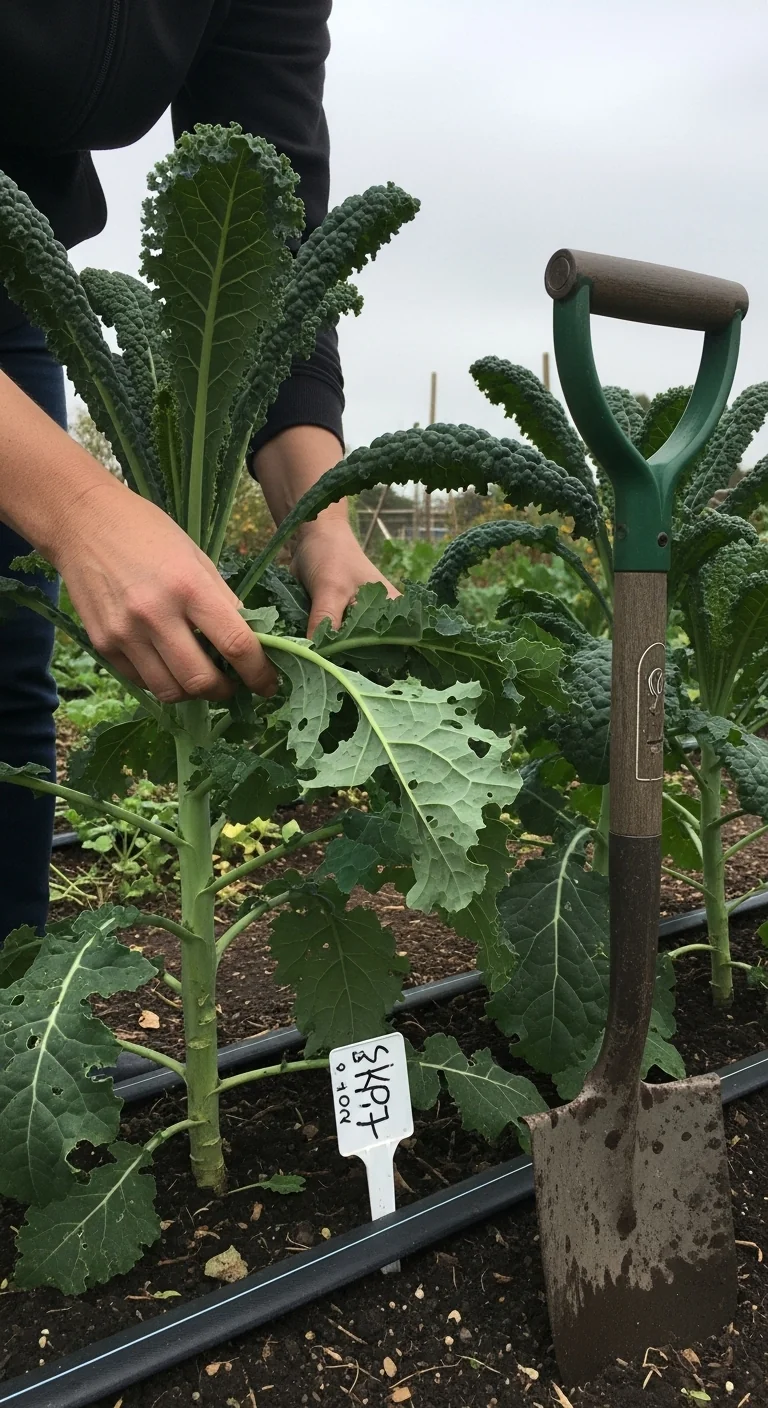
Use spinach when you need fast leafy greens and can provide row covers during moderate cold snaps. Skip it if your soil stays saturated below 40 F for more than three days because roots rot quickly. Edge case: savoy-leaf varieties hold better structure under light snow load than smooth-leaf types.
Carrots
Best for: Branch 1
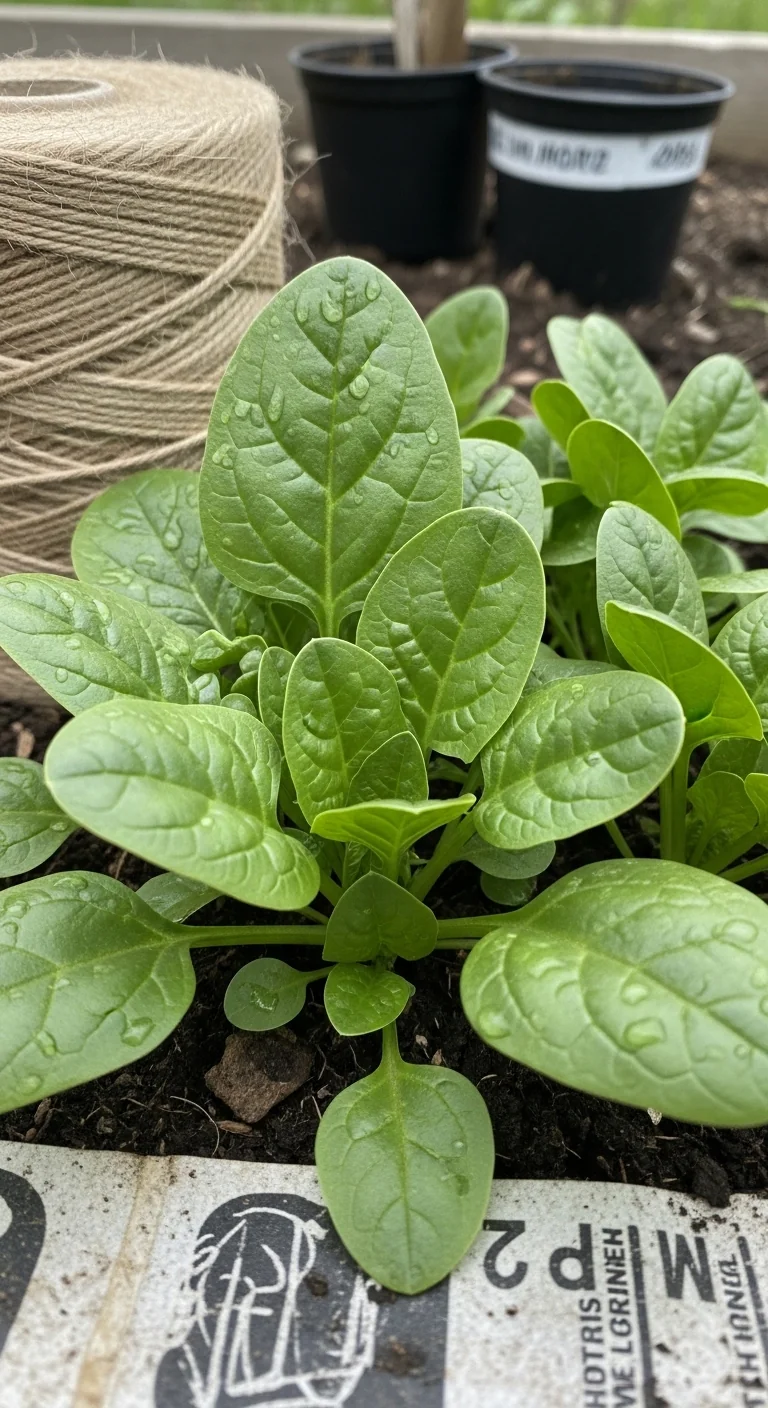
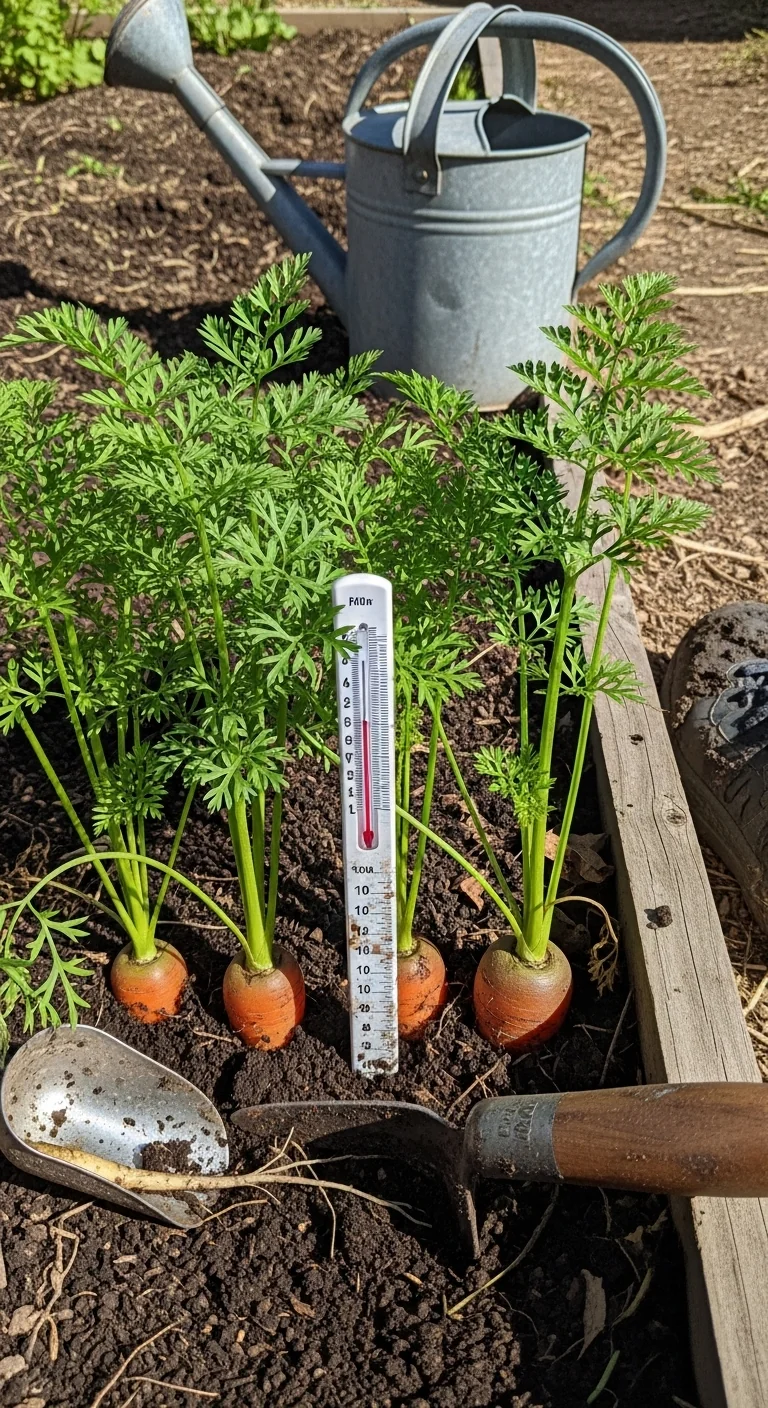
Carrots require soil temperature above 45 F at planting for germination within 14 days. Apply two inches of mulch once seedlings reach two inches tall to insulate roots against temperature swings. Harvest when roots reach one inch diameter at soil line. In open beds this timing window extends storage quality through winter without cracking.
Beets
Best for: Branch 2
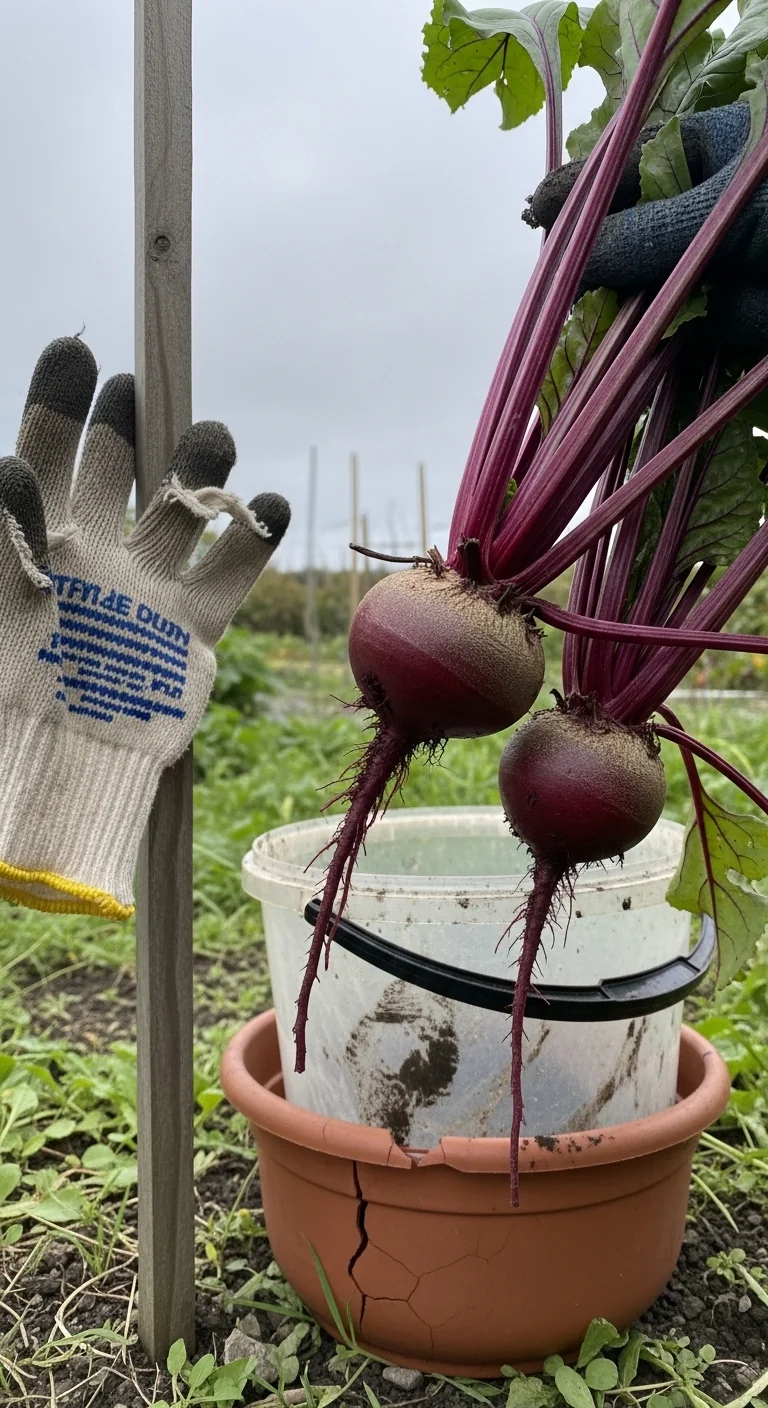
Start beets in raised beds eight weeks before first frost. Sow seeds one inch deep and thin to three inches apart once true leaves appear. Apply mulch two inches thick after thinning to buffer soil temperature between 10 F and 20 F. Dual harvest greens first at four inches tall, then roots at two inches diameter. This method works because beets store sugars in both foliage and roots. In moderate winters the combination yields steady supply without extra inputs. For best drainage and warmth see the raised bed vegetable garden setup.
Beet greens tolerate light frost down to 10 F when mulched. Roots remain harvestable even after tops die back if soil stays unfrozen. Rotate planting dates by two weeks to stagger maturity across the cold season.
Swiss Chard
Best for: Branch 1
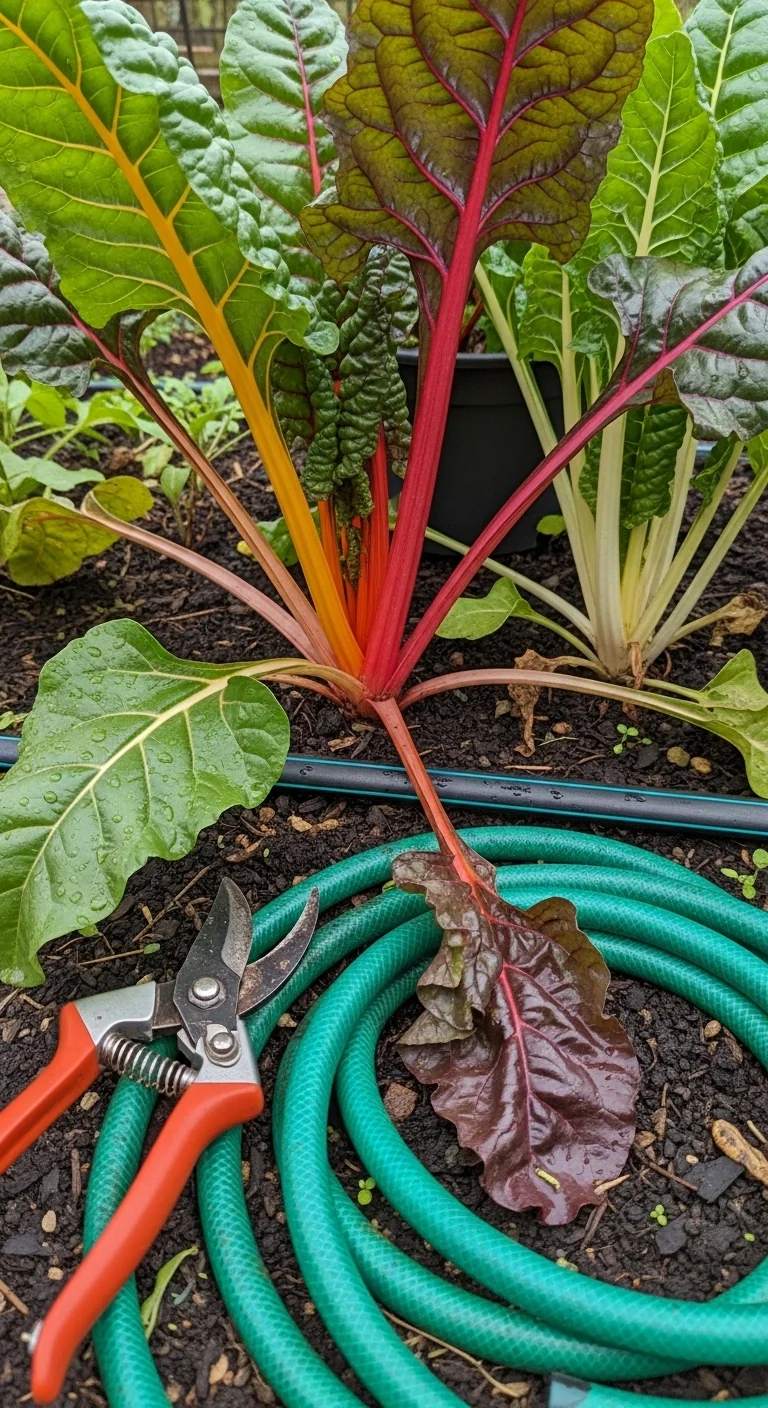
Use Swiss chard in mild open beds where repeated stem harvests fit your space. Skip it if nights regularly fall below 15 F without any cover because stems split. Edge case: rainbow varieties maintain color and flavor longer than plain green types when temperatures hover near 20 F.
Garlic
Best for: Branch 2
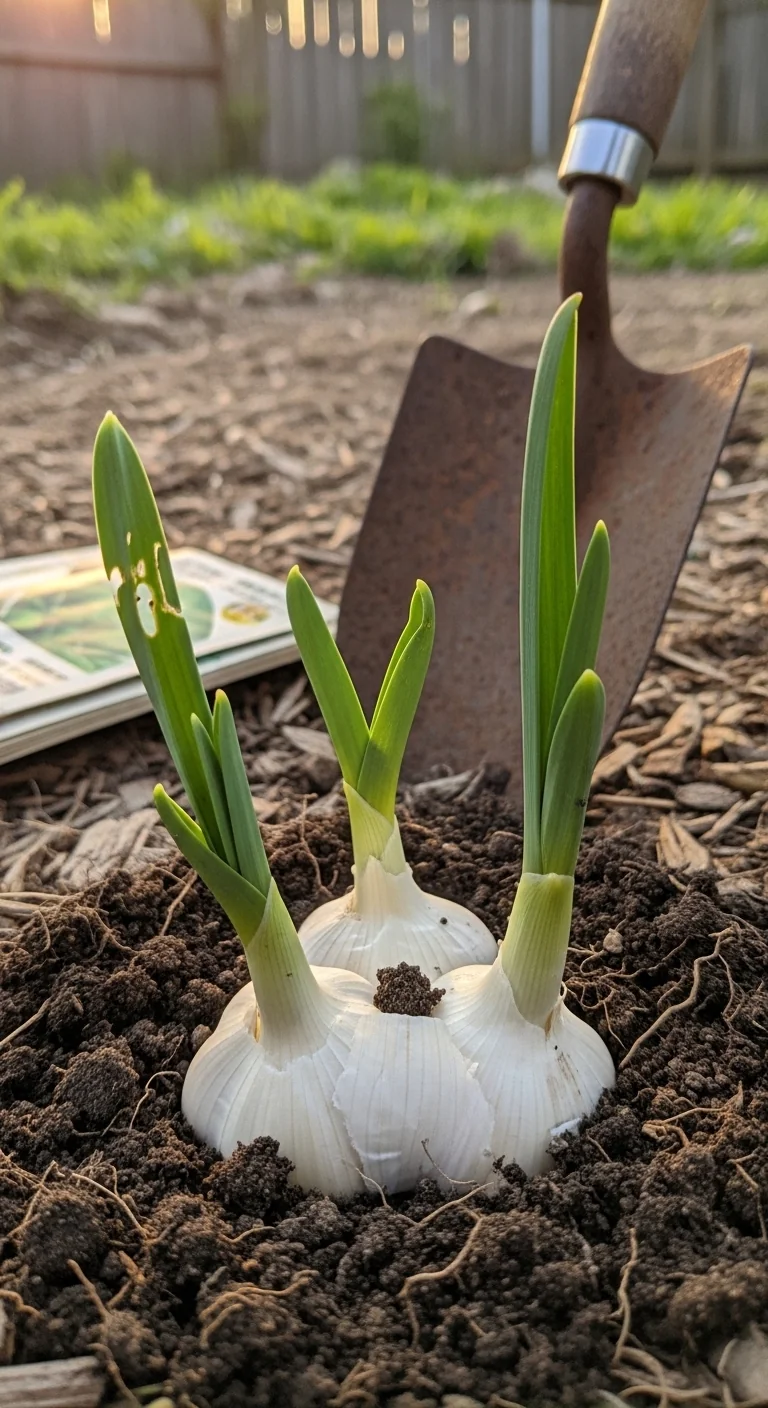
Garlic needs six weeks of soil temperatures between 35 F and 45 F after fall planting to form proper bulbs. Plant cloves two inches deep with pointed end up. Top with three inches of mulch immediately. No further action required until spring green shoots emerge. This single fall step delivers summer harvest with almost zero winter maintenance.
Leeks
Best for: Branch 3
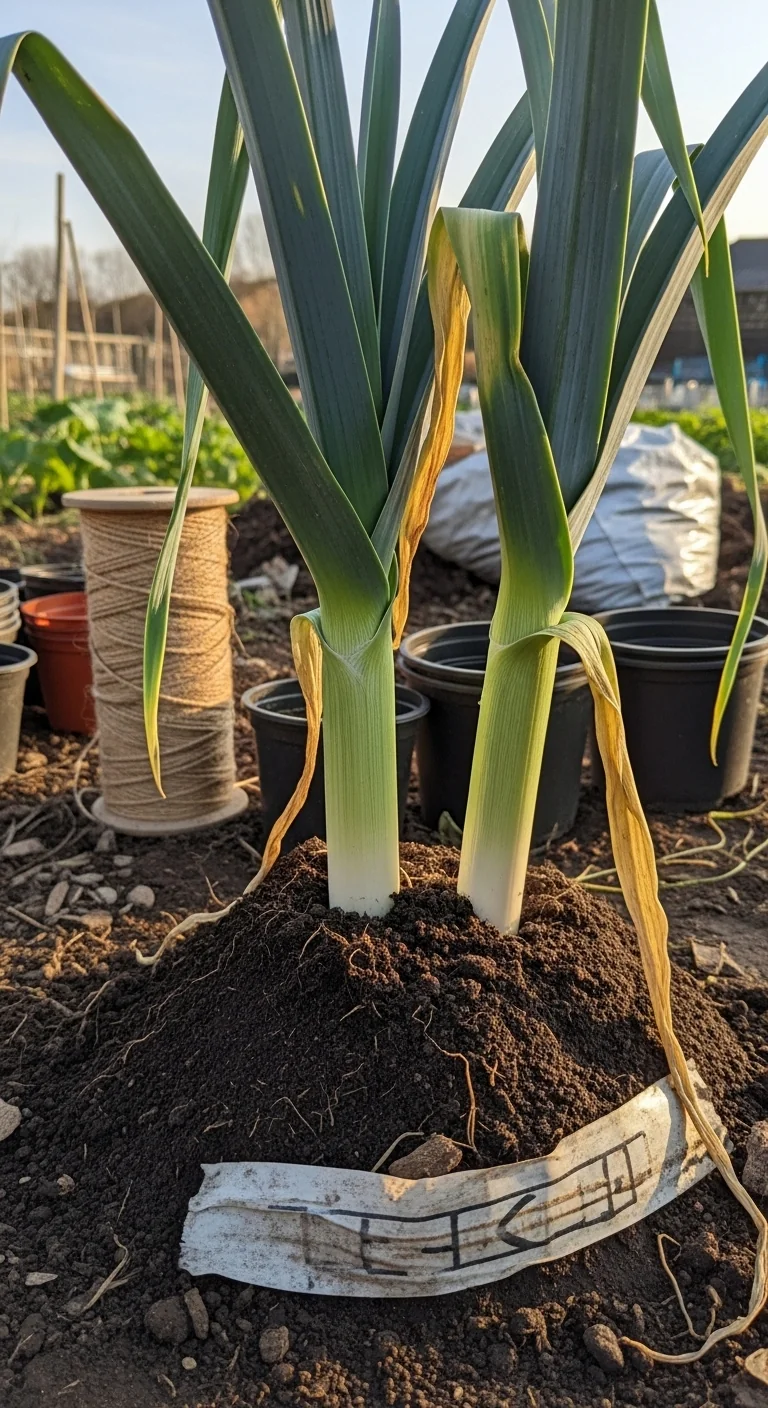
Leeks need soil temperatures above 50 F at transplant for root establishment within 21 days. Hill soil around stems every three weeks to blanch and protect against deeper cold. Use frames when lows drop below 10 F to prevent crown damage. Harvest when stems reach one inch diameter. This hilling process extends usability through the harshest part of winter.
Mache
Best for: Branch 3
Scatter mache seed directly in protected containers in late fall. Thin seedlings to two inches apart once they reach one inch tall. Harvest whole rosettes at three inches across. In heavy protection it grows through temperatures below 0 F without bolting. Upgrade option: add a simple cold frame lid for two extra weeks of production in early spring.
Starter Stack (What to Choose First)
Branch 1: Mild winters above 20 F
Start with Kale and Swiss Chard. Their leaf production overlaps for continuous greens while requiring only light mulch. Synergy comes from shared pH preference and minimal spacing needs. Estimated seed cost: 8 to 12 dollars. Planting time: 15 to 25 minutes per 10 square feet.
Branch 2: Moderate winters 10 to 20 F
Start with Spinach and Beets. Spinach provides quick leafy cuts while beets deliver dual greens and roots under the same row cover and mulch layer. Synergy reduces overall monitoring time. Estimated seed cost: 10 to 15 dollars. Planting time: 20 to 30 minutes per 10 square feet.
Branch 3: Harsh winters below 10 F or containers
Start with Leeks and Mache. Leeks offer long-term stem harvest while mache fills small gaps with fast rosettes inside frames. Synergy maximizes protected space efficiency. Estimated seed cost: 9 to 14 dollars. Planting time: 25 to 35 minutes per 10 square feet.
When This Won’t Work
Winter vegetable gardening fails when soil remains waterlogged below 40 F for longer than five consecutive days because roots suffocate regardless of crop choice. The alternative is to switch to container setups with excellent drainage and move them under cover during prolonged wet spells.
It also fails when planting occurs less than six weeks before the first hard freeze because plants lack size to withstand cold. The alternative is to use the mulching vegetable garden techniques only after confirming adequate establishment time.
Choosing the Right Option for Your Situation
Budget threshold
If your total seed and basic cover budget stays under 20 dollars, limit to two items from the Starter Stack that match your branch and skip frames.
Time threshold
If you can spend less than 30 minutes per week on maintenance, select options with Effort Score 1 or 2 and avoid any that require hilling or frequent thinning.
Technical constraint
If soil pH falls outside 6.0 to 7.0, amend with lime or sulfur four weeks before planting and retest before sowing.
Yes/No checklist:
Does your lowest expected temperature match the assigned branch?
Is your space type (bed or container) covered in the recommendations?
Do you have time for the listed planting window?
Will soil drainage support the chosen crop through wet cold periods?
Expert Q&A
How does soil drainage change winter survival rates for root crops?
Poor drainage causes roots to rot when soil temperatures stay below 40 F because oxygen levels drop. Raised or mounded beds improve air flow around roots and reduce ice formation in the root zone. Test by digging a six-inch hole and filling it with water. If it drains in under four hours your site meets the threshold for beets and carrots.
What pH range supports the longest leaf production in leafy greens during cold months?
A pH range of 6.0 to 7.0 keeps nutrients available even when soil microbes slow in cold conditions. Below 5.8 iron deficiency appears as yellowing between veins. Above 7.2 manganese uptake drops and leaves pale. Adjust with soil test results applied four weeks before planting.
Can you extend the harvest window for alliums by adjusting planting depth?
Planting garlic cloves two inches deeper than normal in moderate winters buffers against temperature swings and encourages larger bulbs. Shallower planting in protected setups risks heaving during freeze-thaw cycles. Depth adjustment works only when combined with three inches of surface mulch.
What spacing adjustment helps prevent bolting in winter greens under row covers?
Double normal spacing to 12 inches for spinach and kale under covers reduces humidity buildup and air circulation problems that trigger early bolting when days lengthen in late winter. Closer spacing works in open air but crowds protected environments.
How do fall planting dates shift between in-ground beds and containers?
Containers cool faster than in-ground soil so sow or transplant two weeks earlier than bed schedules. This compensates for quicker temperature drops at night. Use the same mulch depth but monitor soil moisture daily because containers dry out more rapidly even in cold weather.
Conclusion
The core decision in winter vegetable gardening is matching your measured winter lows and space type to the correct crop tolerances listed in the grid. The number-one mistake is ignoring the six-to-eight-week establishment window before hard freezes arrive.
Take the next step by reviewing companion strategies that boost overall garden health. See the companion planting vegetables guide for pairings that work across seasons.