
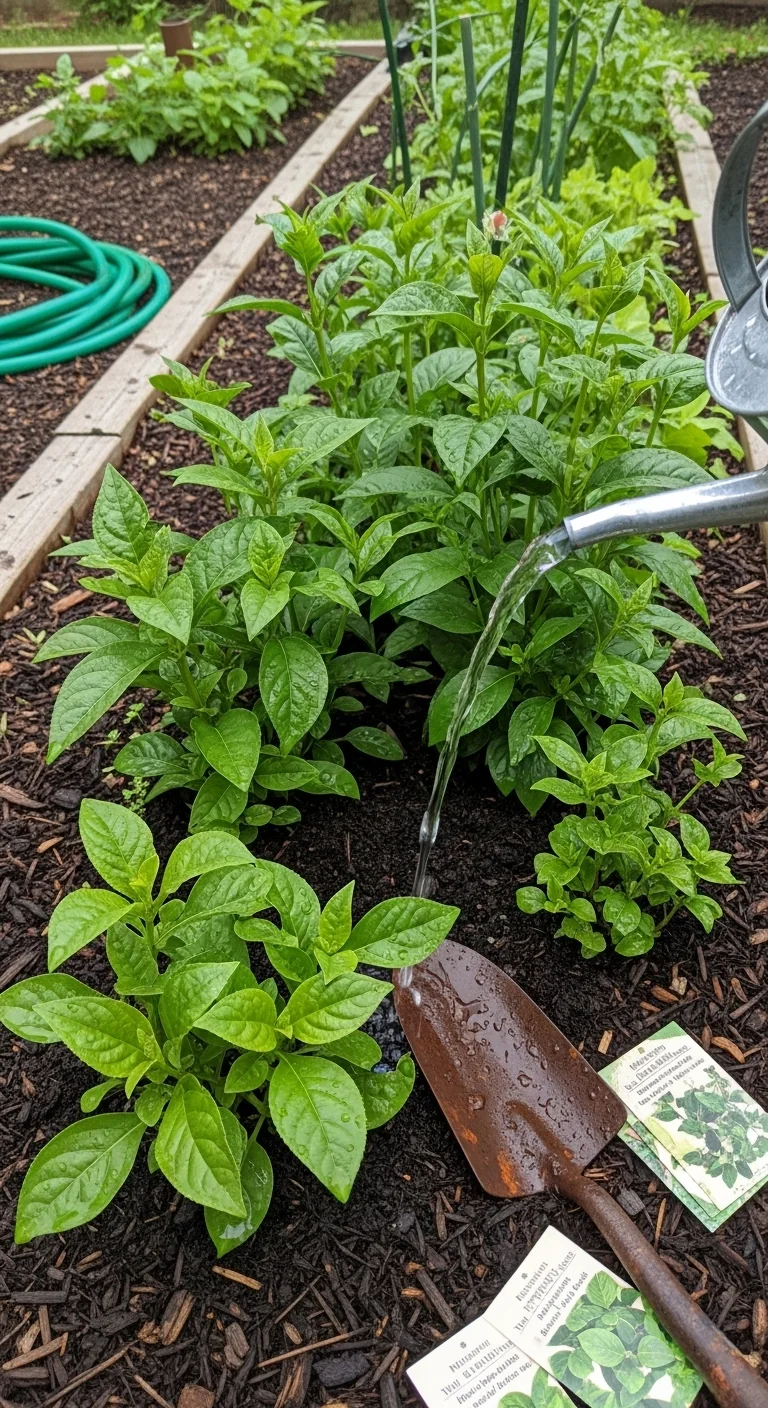
Most guides repeat the same short list of tea herbs without tying them to real garden conditions. The key difference is a decision grid based on measurable factors like daily sun hours, available square footage, and local rainfall patterns. This approach eliminates guesswork so you select only the herbs that thrive where you actually garden and deliver consistent leaf or flower quality for brewing.
This article covers exactly 10 practical options drawn from common edible herb gardening. It focuses on plants suited to home-scale production in the US, UK, Canada, Australia, Germany, and India. It excludes root-based tisanes like ginger or large woody shrubs that demand more infrastructure than a typical backyard or balcony setup.
You gain clear next steps: which herbs to buy as starters, how to site them, and which adjustments keep flavor compounds intact through harvest and drying. The result is a shortlist tailored to your setup instead of a generic collection that underperforms.
Match your conditions to one of the three branches below and you will have harvest-ready tea herbs in 8 to 12 weeks.
The Yield Grid Decision Grid
Branch 1: Limited space (pots or balcony footprint under 10 square feet). Prioritize compact or contained growers that fit small areas without overcrowding. Recommended: Items 2, 5, and 8 below.
Branch 2: Low light (4 hours or fewer of direct sun daily). Focus on shade-tolerant species that maintain aroma and leaf density even in partial conditions. Recommended: Items 1 and 2 below.
Branch 3: Full sun and lower water availability (6-plus hours of direct sun and under 1 inch average weekly rainfall). Choose drought-adapted options that concentrate essential oils under brighter, drier regimes. Recommended: Items 3, 4, 6, 7, 9, and 10 below.
Whether you garden in raised beds or containers, see our best herbs for containers for setup tips that pair perfectly here.
Quick Comparison Table
| Option | Key mechanism | Best for | Decision Grid Branch | Effort Score |
|---|---|---|---|---|
| Lemon Balm | Leaves release citral oils when bruised or steeped | Citrus-mint tea base | Branch 2 | 2 |
| Peppermint | Menthol-rich foliage for cooling infusion | Digestive blends in contained spots | Branch 1 | 4 |
| Chamomile | Daisy-like flower heads for mild floral notes | Calming evening tea | Branch 3 | 3 |
| Lavender | Flower buds concentrate floral volatiles in dry heat | Relaxing floral accents | Branch 3 | 1 |
| Thyme | Thymol in tiny leaves for savory depth | Immunity-support blends in pots | Branch 1 | 2 |
| Rosemary | Needles hold camphor and pine notes | Robust morning tea | Branch 3 | 2 |
| Lemongrass | Stalks yield lemongrass oil when crushed | Bright citrus tea in warm zones | Branch 3 | 3 |
| Stevia | Leaves provide natural sweetness without calories | Sugar-free tea blends in containers | Branch 1 | 3 |
| Calendula | Petals add mild color and subtle tang | Colorful mild tea | Branch 3 | 3 |
| Sage | Leaves deliver earthy, camphorous aroma | Throat-soothing tea | Branch 3 | 2 |
Lemon Balm
Best for: Branch 2
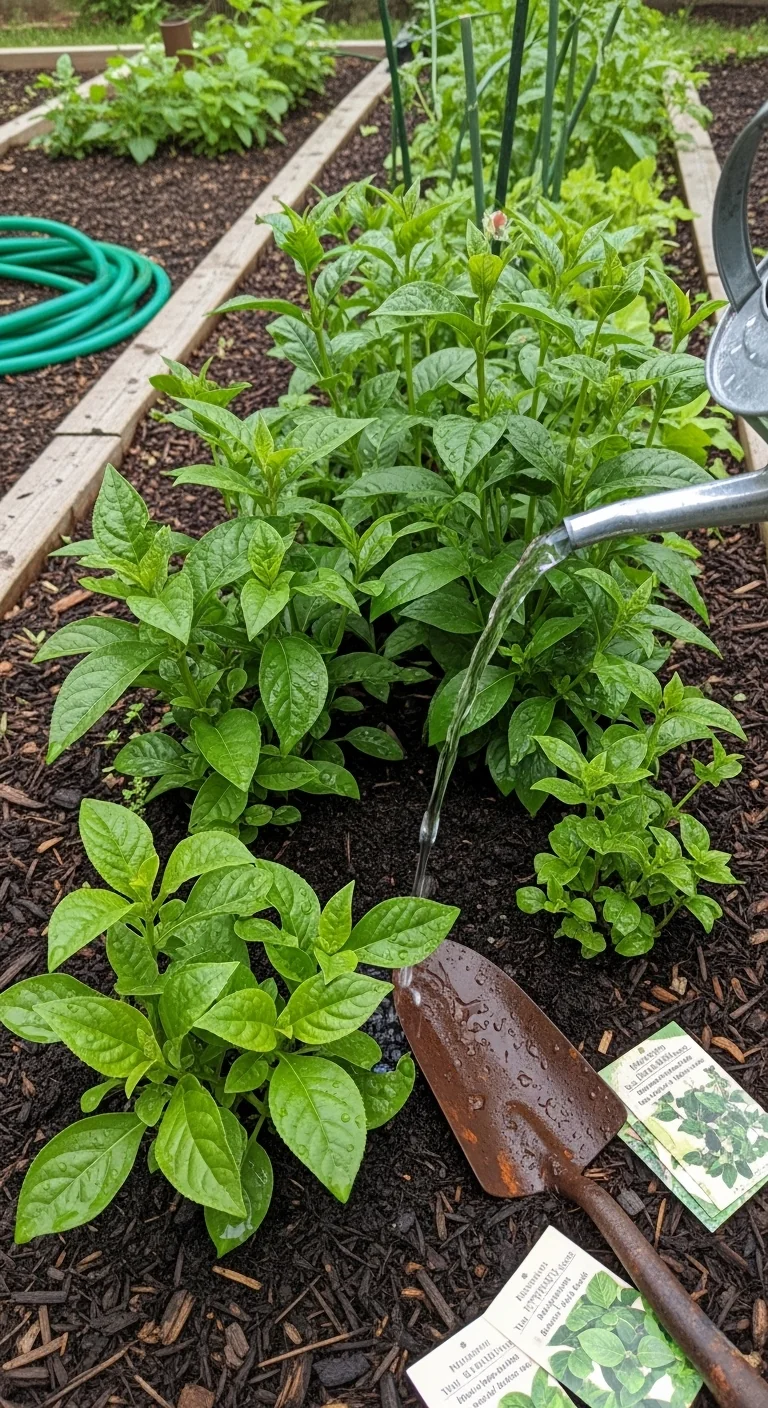
Blueprint: what, for, steps, common mistake. Lemon balm (Melissa officinalis) is a perennial in the mint family valued for its bright citrus scent in tea. Grow it for steady leaf production from spring through fall in low-light spots where other herbs stretch and lose aroma. Start with a nursery plant or seeds sown indoors at 65 to 70 degrees F then transplanted after last frost. Space plants 12 to 18 inches apart in soil-mix amended to pH 6.0 to 7.0. Water to keep soil evenly moist but never soggy. Harvest by cutting stems back by one-third every four to six weeks once plants reach 8 inches tall. Dry leaves in a single layer at room temperature away from direct sun. The most common mistake is letting it flower unchecked: pinch buds to redirect energy into foliage instead of seed production. Pair with the shade guide at herbs for shade for companion placement that maximizes leaf density.
Peppermint
Best for: Branch 1
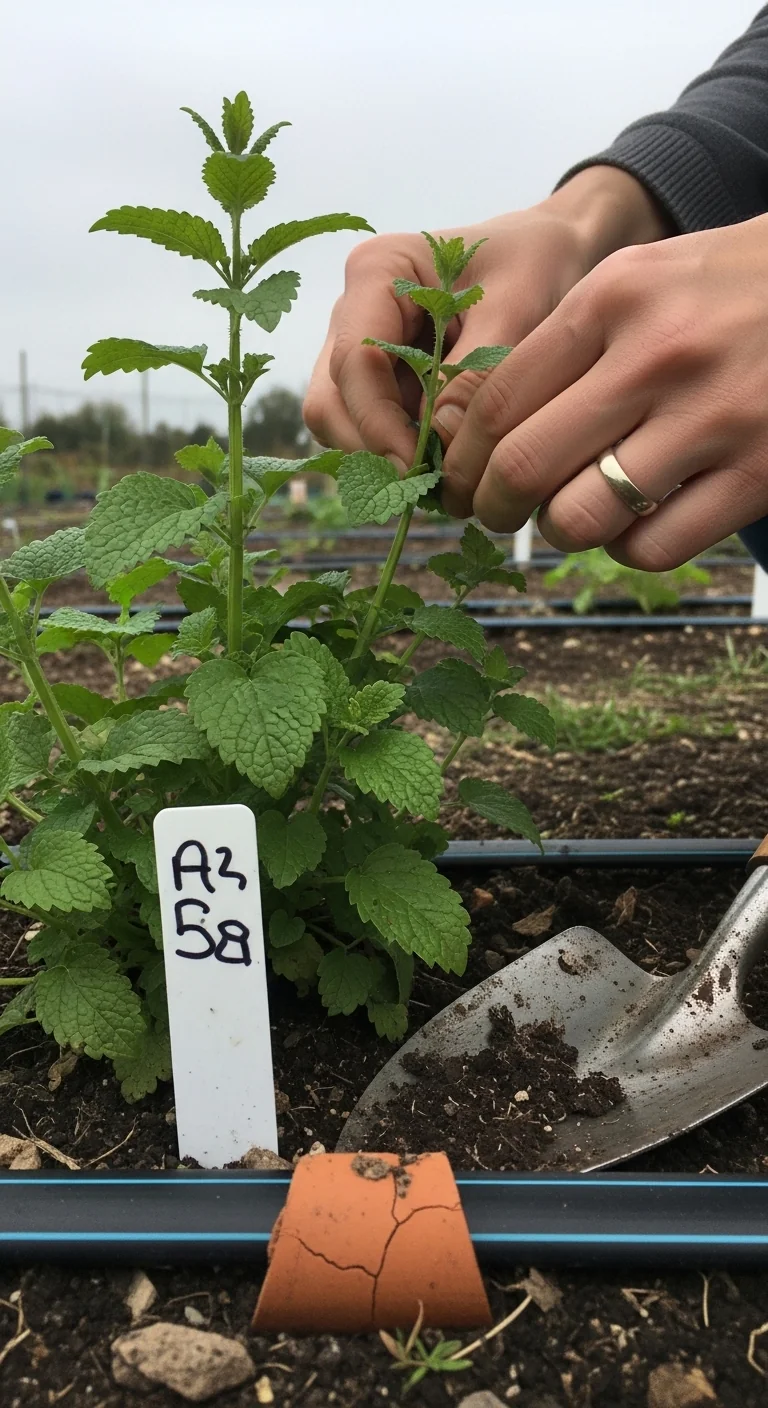
Use versus skip. Use peppermint when you need a vigorous, menthol-forward herb that fills small containers quickly and tolerates light shade. Skip it in open ground where its aggressive runners can overtake neighboring plants within one season. Edge case: in zones 3 to 7 it survives winter but still requires a physical barrier such as a pot sunk into soil to stay contained. Harvest sprigs before flowering for strongest flavor.
Chamomile
Best for: Branch 3
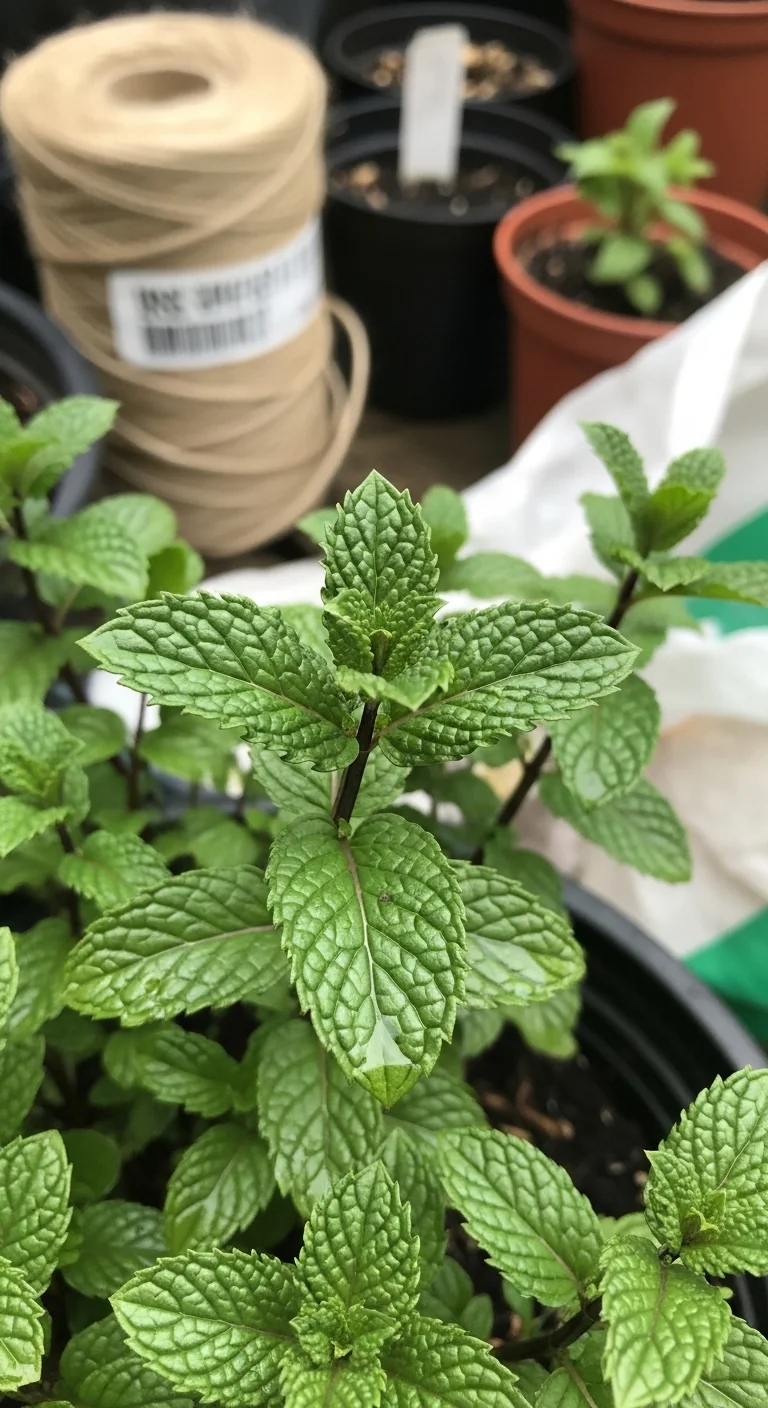
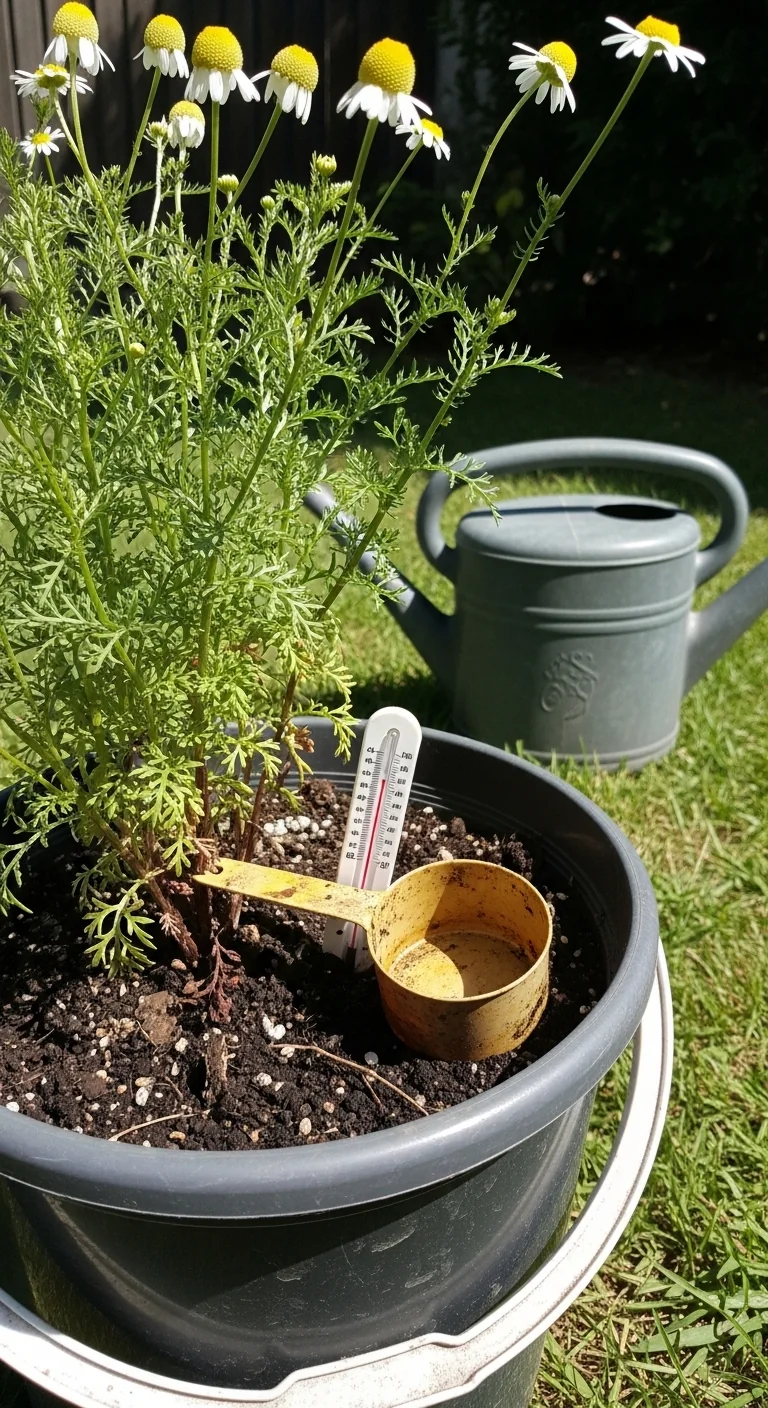
Threshold rule: numbers that matter plus adjustment. German chamomile succeeds when soil temperature at planting reaches 55 degrees F and daily sun exceeds 6 hours. Below that threshold, seedlings bolt early and produce fewer flower heads. Adjust by starting indoors four weeks before last frost or by adding a 2-inch organic mulch layer once established to stabilize soil temperature. Flowers are ready when petals turn downward: pick daily in the morning for peak aroma. In hot climates above 85 degrees F daytime, provide afternoon shade cloth to extend bloom period by two weeks.
Lavender
Best for: Branch 3
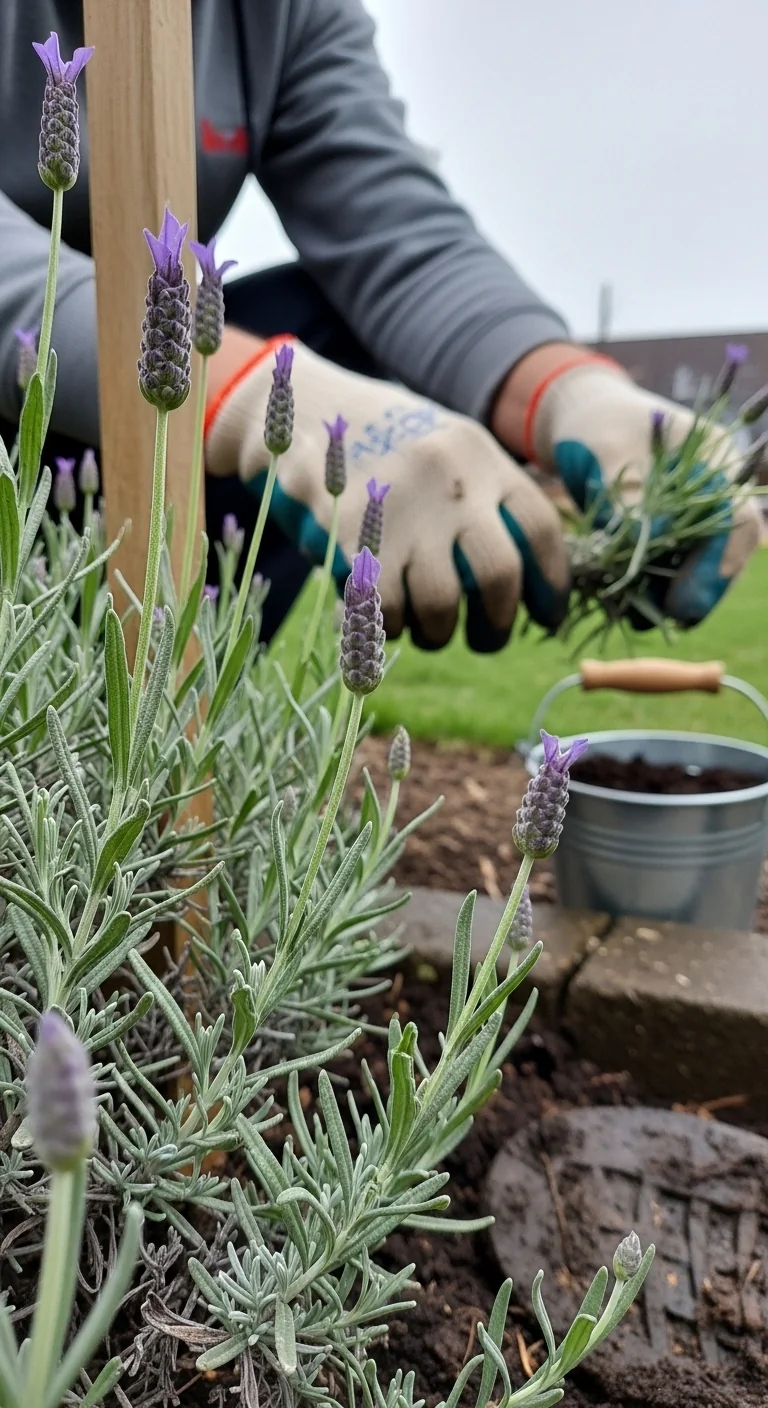
10-minute workflow plus upgrade option. Step 1: choose English lavender variety for cold hardiness down to zone 5. Step 2: plant in well-drained soil at pH 6.5 to 7.5 with 12-inch spacing. Step 3: water only when top 2 inches of soil are dry (typically every 10 to 14 days once established). Step 4: harvest flower spikes just as color shows but before full open. Total time per plant: under 10 minutes at planting and harvest. Upgrade: add a gravel mulch ring to further reduce soil moisture and intensify oil concentration.
Thyme
Best for: Branch 1
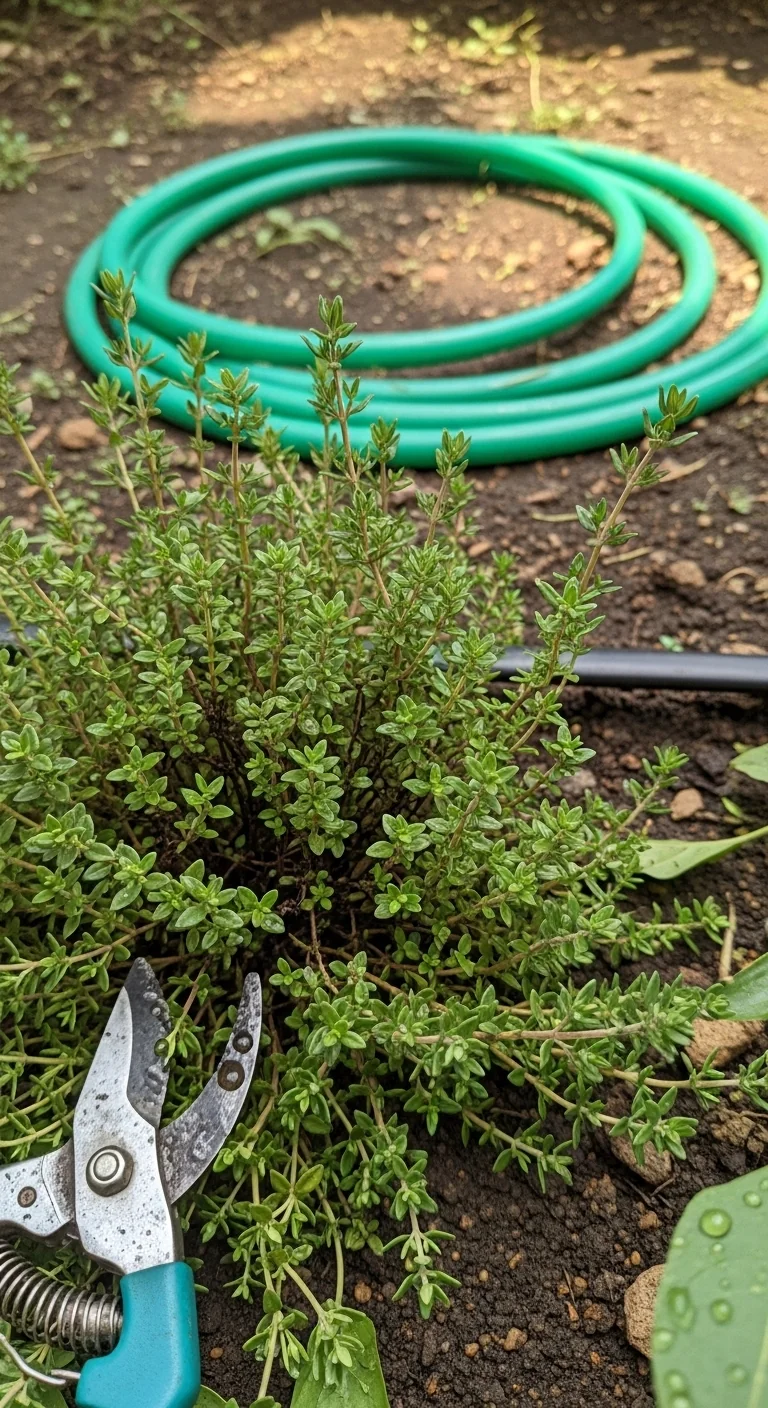
Blueprint: what, for, steps, common mistake. Thyme (Thymus vulgaris) delivers savory depth in tea and stays compact in pots. Use it for low-water container gardens. Sow seeds or set transplants 6 to 8 inches apart in soil-mix with excellent drainage. Trim stems back by one-third after flowering to encourage bushy regrowth. Avoid overwatering: allow soil surface to dry completely between sessions. Common mistake: planting in heavy clay that stays wet, which causes root rot within weeks.
Rosemary
Best for: Branch 3
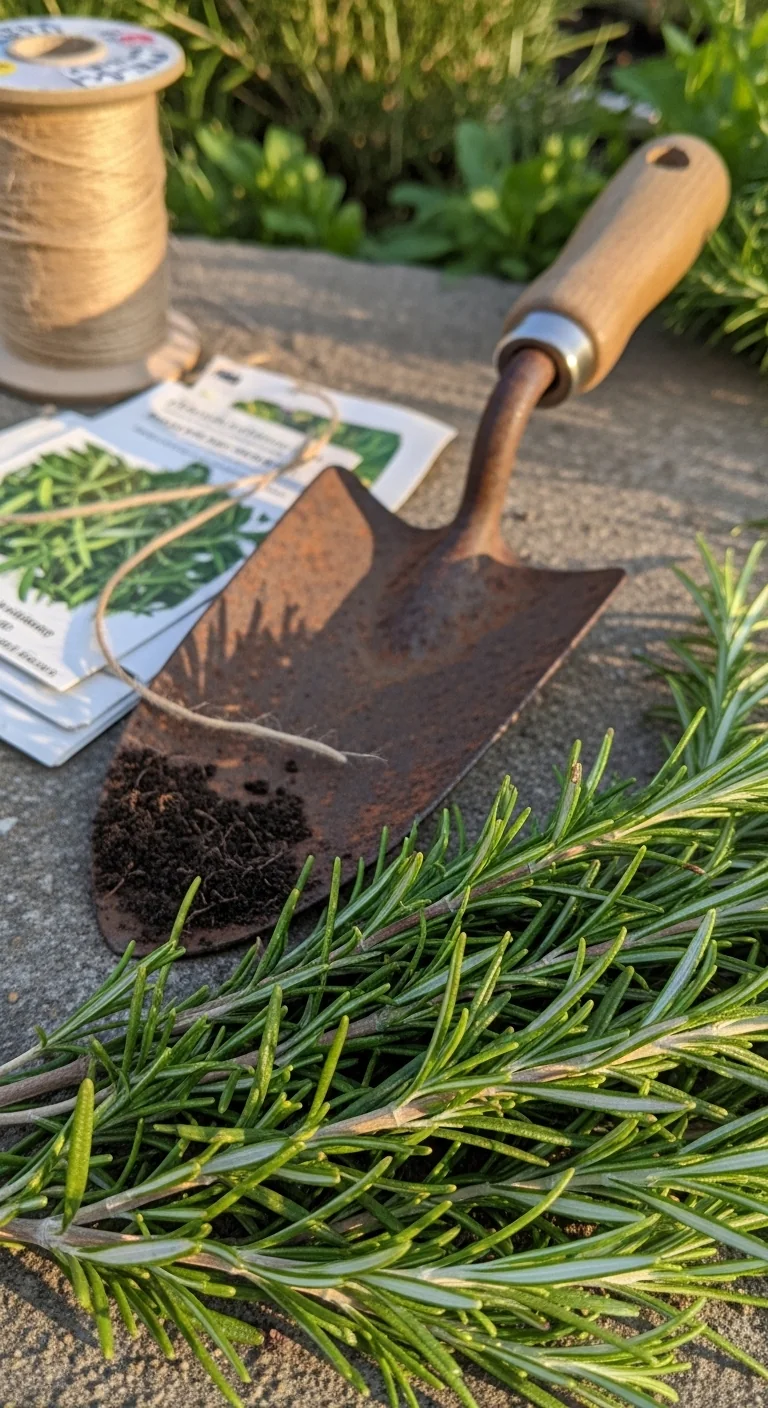
Use versus skip. Use rosemary for upright evergreen structure and pine-camphor notes that stand up to strong boiling water. Skip it in consistently wet or poorly drained spots where foliage yellows within weeks. Edge case: in zones 7 and warmer it survives outdoors year-round; below that, move potted plants indoors before first hard freeze. Harvest sprigs any time after plants reach 6 inches tall.
Lemongrass
Best for: Branch 3
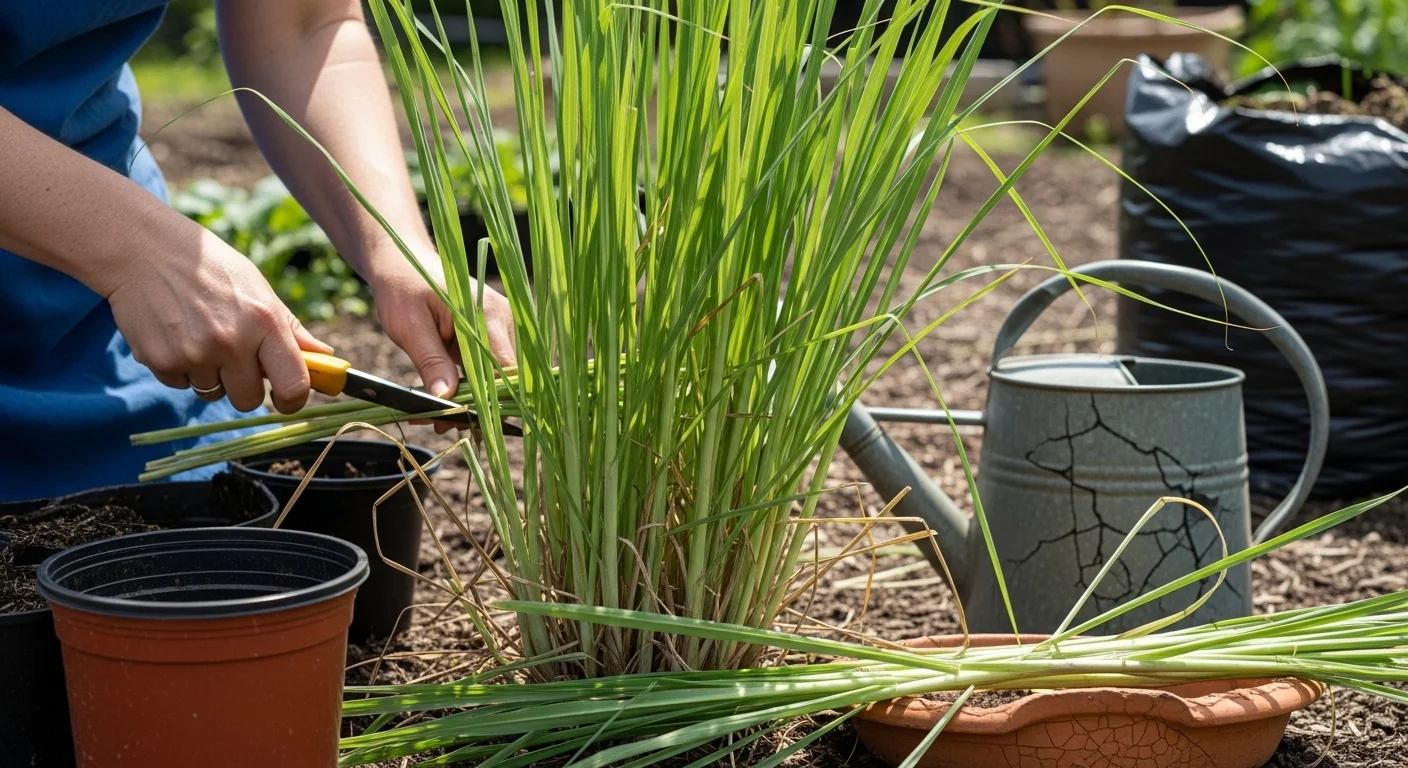
Threshold rule: numbers that matter plus adjustment. Lemongrass needs night temperatures above 55 degrees F and full sun to produce thick stalks suitable for tea. Below that threshold stalks remain thin and flavor weak. Adjust by starting in pots indoors and moving outside only after soil warms or by using a cold frame in marginal zones. Cut outer stalks at soil level when they reach 12 inches; the plant regrows from the center clump. In areas with frost, dig and pot the entire clump before temperatures drop.
Stevia
Best for: Branch 1
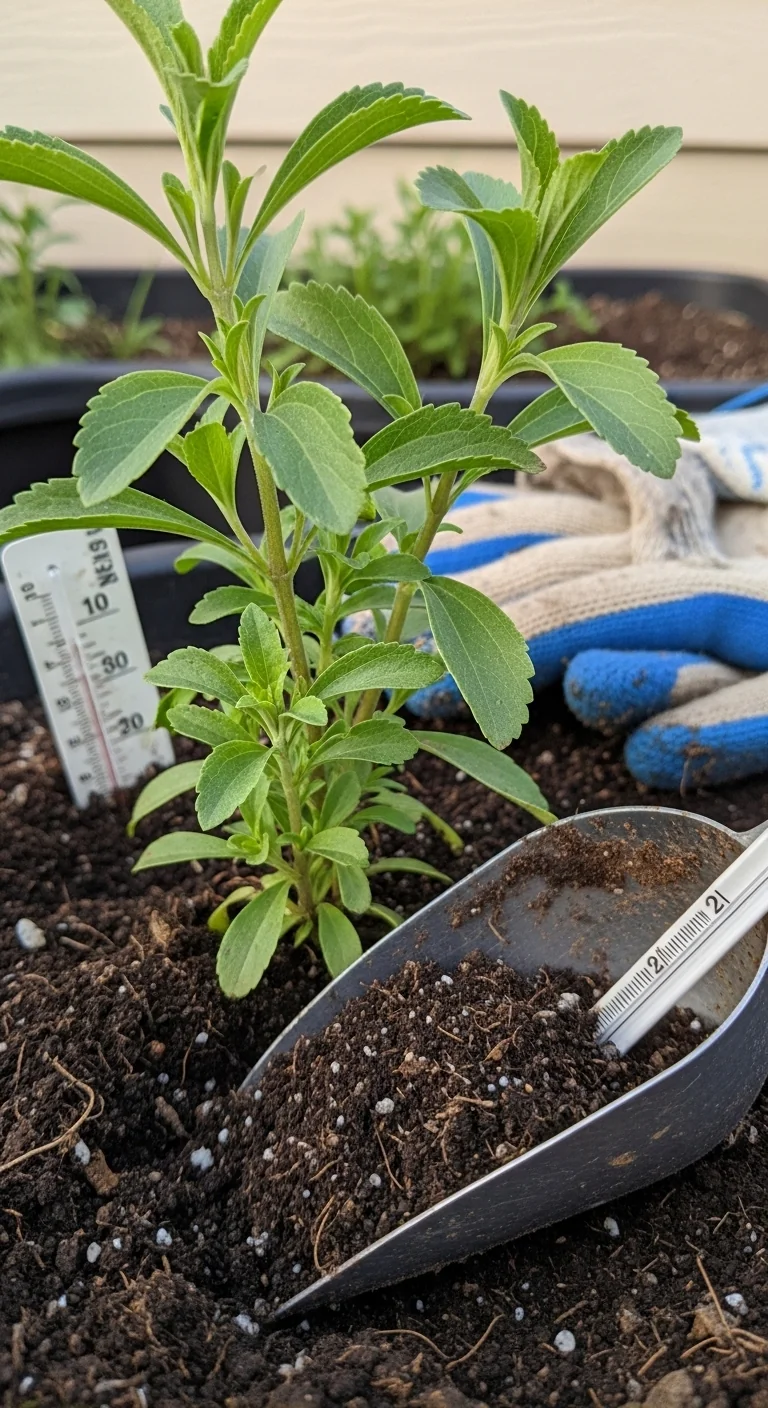
10-minute workflow plus upgrade option. Step 1: start with cuttings or small plants in 8-inch pots. Step 2: site in morning sun with afternoon shade in hot climates. Step 3: pinch growing tips every three weeks to keep plants bushy and under 18 inches. Step 4: harvest leaves before flowering for sweetest taste. Total time per session: under 10 minutes. Upgrade: use self-watering planters to maintain even moisture without daily checks.
Calendula
Best for: Branch 3
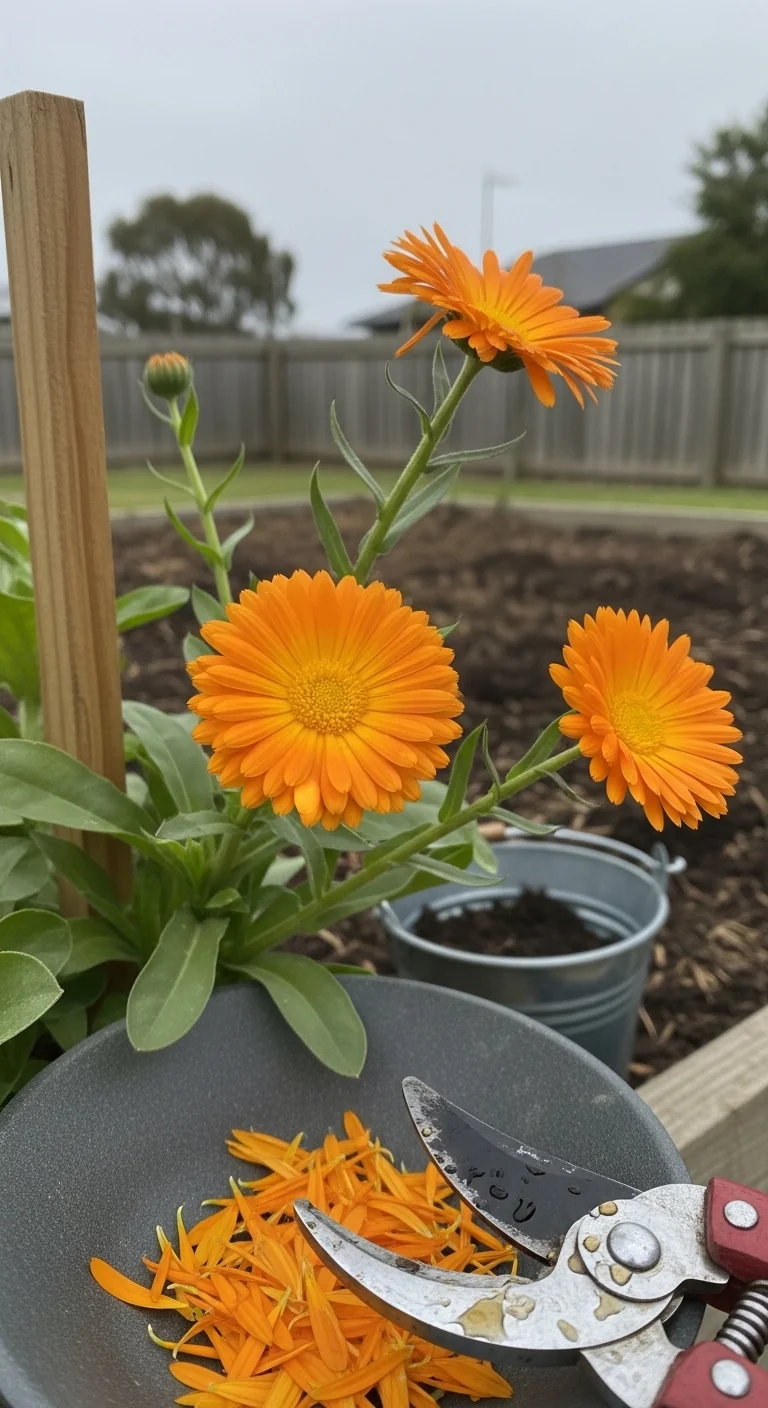
Blueprint: what, for, steps, common mistake. Calendula (pot marigold) is an annual that adds subtle color and mild tang to tea blends. Direct-sow seeds after last frost in full sun at 1/4-inch depth. Thin seedlings to 8 inches apart. Deadhead spent flowers weekly to prolong bloom through summer. Harvest petals when fully open and dry immediately. Common mistake: allowing plants to go to seed unchecked, which reduces flower production in subsequent weeks.
Sage
Best for: Branch 3
Use versus skip. Use sage for earthy, warming tea that stores well dried. Skip it in high-humidity areas without good air circulation where leaves develop powdery mildew. Edge case: in zones 5 to 8 it remains evergreen; cut back woody stems in early spring to encourage fresh tender growth preferred for tea.
Starter Stack (What to Choose First)
For Branch 1 (Limited space)
Start with peppermint and thyme. They occupy the same container footprint yet provide contrasting cooling and savory notes for balanced blends. Buy two small nursery plants for a combined startup cost of 8 to 15 dollars and 20 minutes of potting time.
For Branch 2 (Low light)
Start with lemon balm and peppermint. Their vigorous growth compensates for reduced sun while mint stays contained and lemon balm fills vertical space. Expect 10 to 12 dollars for starters and under 30 minutes total setup time.
For Branch 3 (Full sun and lower water)
Start with lavender and rosemary. Both tolerate drought once established and their woody structure anchors the bed while flower and needle harvests complement each other. Combined startup cost ranges 12 to 18 dollars with 25 minutes of planting time.
When This Won’t Work
Two measurable conditions cause failure even with matched plants. First, soil that drains slower than 2 inches per hour (test by digging a 6-inch hole and timing water disappearance) leads to root rot in rosemary, lavender, and thyme within four weeks. Second, night temperatures that stay below 50 degrees F for more than 10 consecutive days halt stalk thickening in lemongrass and reduce essential-oil concentration across all species. In either case shift to container culture with commercial potting mix that drains freely and move pots indoors or under protection during cold snaps.
Choosing the Right Option for Your Situation
Budget threshold under 25 dollars for starters
Select any two from the starter stack recommendations. All listed nursery plants fall within that range at major garden centers or online seed suppliers.
Time threshold under 1 hour per week maintenance
Choose lavender, rosemary, or thyme. Once established they require only occasional trimming and watering checks rather than weekly harvesting or containment efforts.
Technical constraint: soil pH below 5.5
Add garden lime at 1 cup per 10 square feet and retest after two weeks before planting any listed herb; most prefer 6.0 to 7.5 for optimal oil production.
Yes/No checklist
Do you match at least one decision-grid branch? Yes: proceed to starter stack.
Is your drainage test above 2 inches per hour? Yes: plant directly.
Are starters within your budget and time limits? Yes: buy today.
No to any: adjust site or switch to containers first.
Expert Q&A
How do I harvest tea herbs to keep flavor peak without weakening the plant?
Take no more than one-third of the foliage or flowers at any single cutting. Do this in the morning after dew dries but before midday heat. For perennials like lemon balm, cut above a leaf node to encourage branching. Repeat every four weeks during active growth. This timing preserves volatile oils while allowing regrowth before the next cycle.
Can I grow these tea herbs indoors year-round in cooler zones?
Yes, with 12 to 14 hours of grow-light exposure daily at 65 to 75 degrees F. Place pots on a south-facing windowsill or under full-spectrum lights. Water when top inch dries and use a small fan for air movement. Expect slightly lower essential-oil levels than outdoor plants but steady leaf supply through winter.
Which companion plants improve tea-herb flavor or growth?
Plant chives near thyme or rosemary to deter aphids naturally. Avoid mint family members together in open ground to prevent cross-root competition. Calendula pairs well with chamomile because both attract pollinators that increase flower production without competing for space.
How should I dry harvested leaves and flowers for longest shelf life?
Spread material in a single layer on screens or trays in a dark, well-ventilated room at 70 to 80 degrees F. Turn daily until crisp (usually 5 to 7 days). Store in airtight glass jars away from light. Check monthly for moisture; re-dry if needed to prevent mold.
What is the difference between annual and perennial tea herbs for long-term planning?
Perennials like lemon balm, lavender, and sage return each year after the first planting and require only spring cleanup. Annuals like chamomile and calendula must be reseeded or transplanted every spring but often self-sow in mild climates, reducing future effort.
Conclusion
The decision grid removes the biggest variable in home tea gardening: mismatched conditions that produce weak flavor or plant failure. The single most common mistake is planting mint-family herbs without containment, which turns a small harvest into an invasive patch within months. Match your space and light first, then plant the two recommended starters for your branch.
Next step: sketch a simple layout that integrates your chosen herbs with existing beds or containers using our herb garden design ideas.