
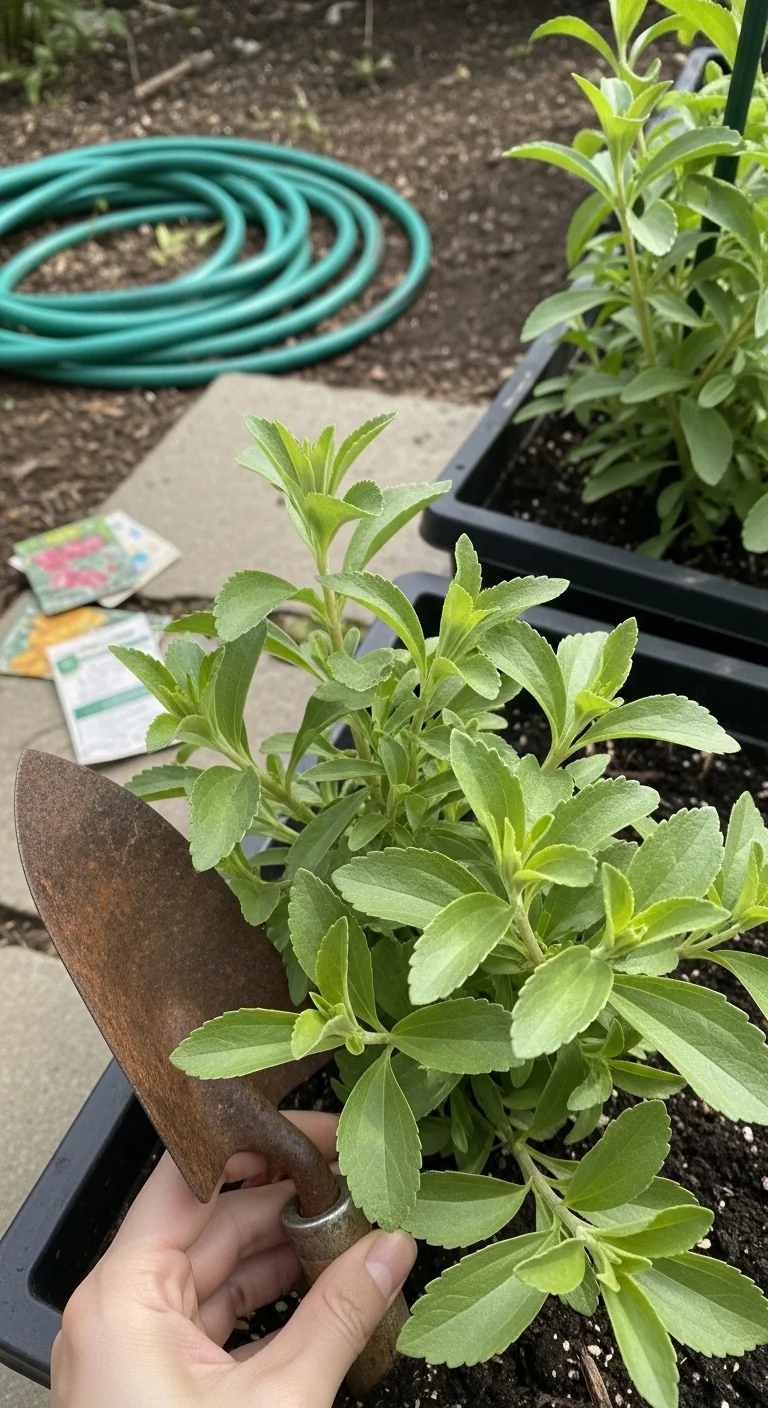
Stevia plant care succeeds when you treat the plant as a tender subtropical crop that rewards precise decisions on drainage, light duration, and seasonal mobility rather than generic herb routines. This approach keeps leaves sweet by minimizing stress that reduces steviol glycoside concentration.
This guide covers propagation, soil selection, watering, light, temperature control, pruning, fertilizing, harvesting, and overwintering for home gardeners in the US, UK, Canada, Australia, and similar regions. It excludes large-scale commercial farming, chemical pesticides, and post-harvest processing into extracts.
You gain clear rules to select tactics that match your exact zone and space so you avoid common failures like leggy growth or bland leaves. Each section supplies measurable conditions, thresholds, and step sequences that let you decide immediately what to implement next.
Identify your decision grid branch below and apply the recommended items to grow stevia with reliably sweet leaves season after season.
The Yield Grid Decision Grid
Branch 1: Frost-prone or short-season outdoor areas (USDA zones 3-8, typical in much of the UK, Canada, and northern US). Conditions: First frost before October or average summer highs below 75 degrees Fahrenheit. Focus on containers for easy relocation before cold snaps. Recommended: Items 4, 7, and 8 below. For zone-specific timing, see our herb gardening for beginners.
Branch 2: Warm, frost-free long-season areas (USDA zones 9-11 or equivalent in southern US and parts of Australia). Conditions: Last frost after March and minimum 180 frost-free days with well-drained soil. Focus on in-ground or raised beds. Recommended: Items 1, 6, and 9 below.
Branch 3: Limited-space or low-natural-light setups (balconies, patios, or indoor anywhere). Conditions: Less than 6 hours direct sun daily or restricted outdoor access. Focus on pots and supplemental lighting. Recommended: Items 3, 5, and 7 below.
Quick Comparison Table
| Option | Key mechanism | Best for | Decision Grid Branch | Effort Score |
|---|---|---|---|---|
| Soil Mix Optimization | Balanced drainage and pH lock | Warm in-ground sites | Branch 2 | 2 |
| Watering Threshold Rules | Top-inch dryness check | All setups | Branch 1 | 3 |
| Light Requirements and Grow Lights | Daily hour minimum enforcement | Low-sun spaces | Branch 3 | 4 |
| Overwintering Indoors | Controlled indoor relocation | Frost-prone zones | Branch 1 | 2 |
| Propagation from Cuttings | Stem rooting in sterile medium | Rapid starts | Branch 3 | 1 |
| Balanced Fertilizing | Low-nitrogen timed feeds | Long-season growth | Branch 2 | 3 |
| Container Growing Setup | Mobile pot with drainage | Flexible mobility | Branch 3 | 2 |
| Pruning and Pinching Schedule | Tip removal every 3 weeks | Bushier plants | Branch 1 | 4 |
| Harvesting at Peak Sweetness | Pre-bloom leaf collection | Flavor optimization | Branch 2 | 1 |
| Pest Prevention Basics | Airflow and monitoring | Home environments | Branch 1 | 3 |
Soil Mix Optimization
Best for: Branch 2
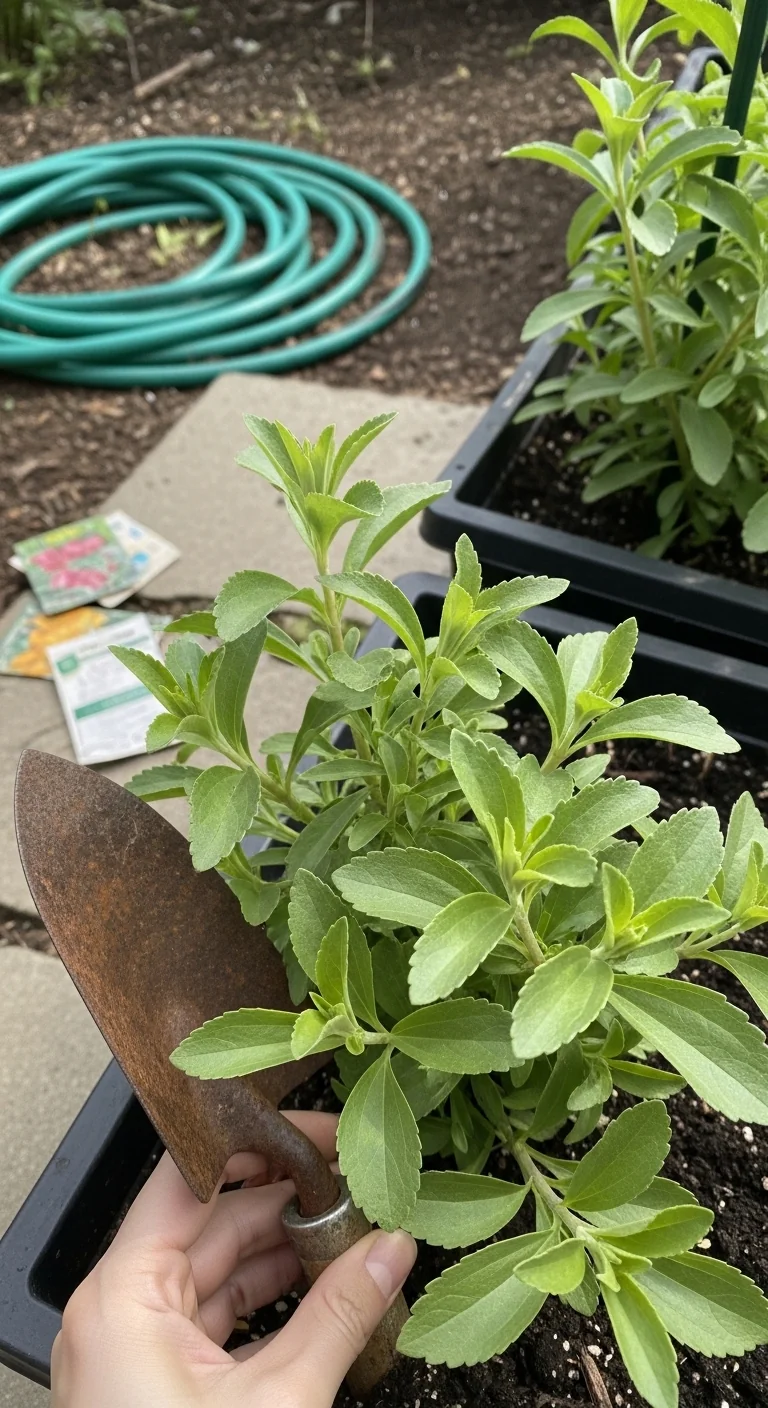
Use a 50 percent garden soil, 30 percent compost, and 20 percent perlite or coarse sand blend. Target soil pH between 6.7 and 7.2. Test with a simple probe kit before planting and amend with lime if below 6.5 or sulfur if above 7.5. This mix ensures drainage while retaining enough moisture for shallow feeder roots.
Prepare beds or raised sections by loosening soil to 12 inches deep and incorporating the blend. In warm long-season areas this single preparation supports steady vegetative growth without waterlogging. Avoid heavy clay or compacted native soil because roots sit near the surface and rot quickly in saturated conditions.
Link to proven recipes in the herb soil mix guide if scaling up multiple plants. Refresh the top 2 inches with compost at the start of each new season for continued performance.
Watering Threshold Rules
Best for: Branch 1
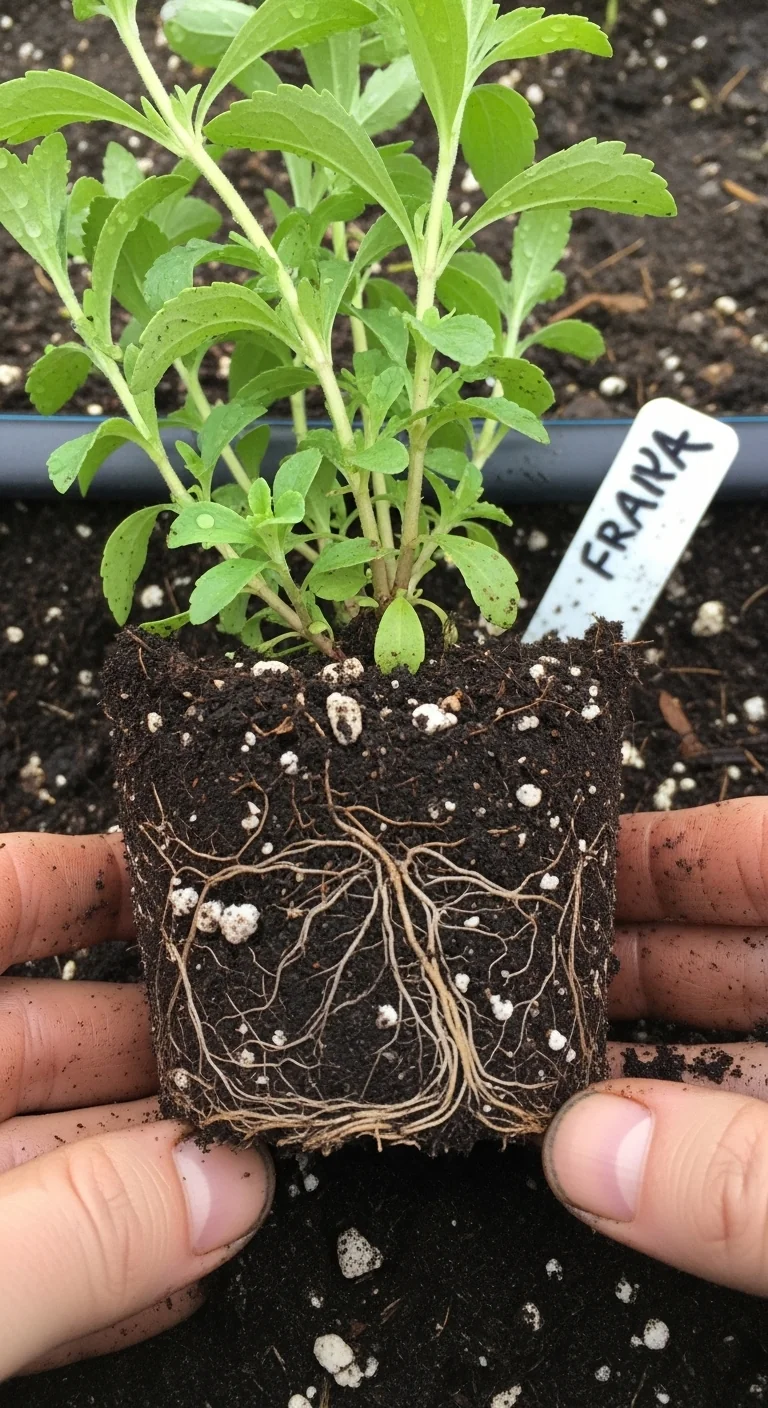
Water only when the top inch of soil feels dry to the touch. Apply enough to moisten the root zone without runoff. This prevents both drought stress and root rot in container or raised setups typical of cooler regions.
Light Requirements and Grow Lights
Best for: Branch 3
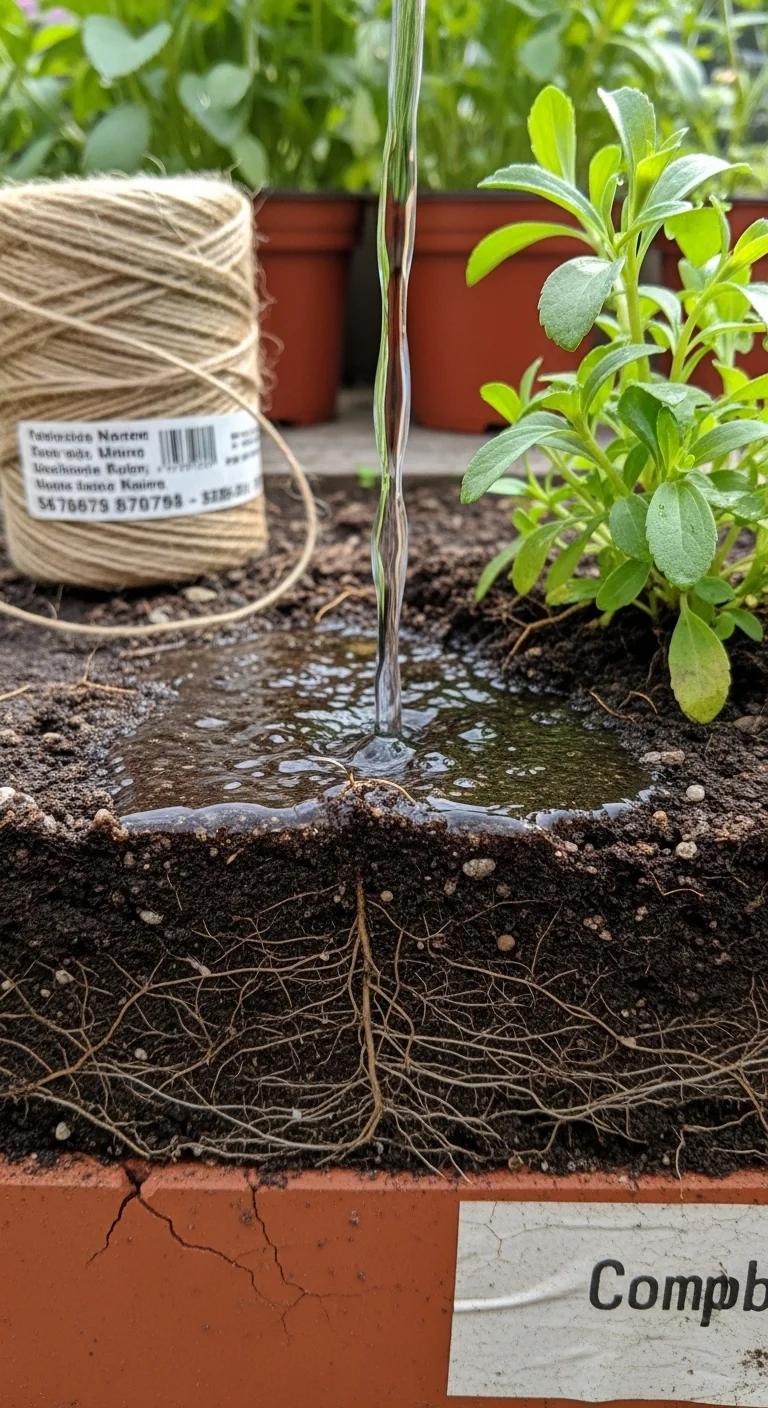
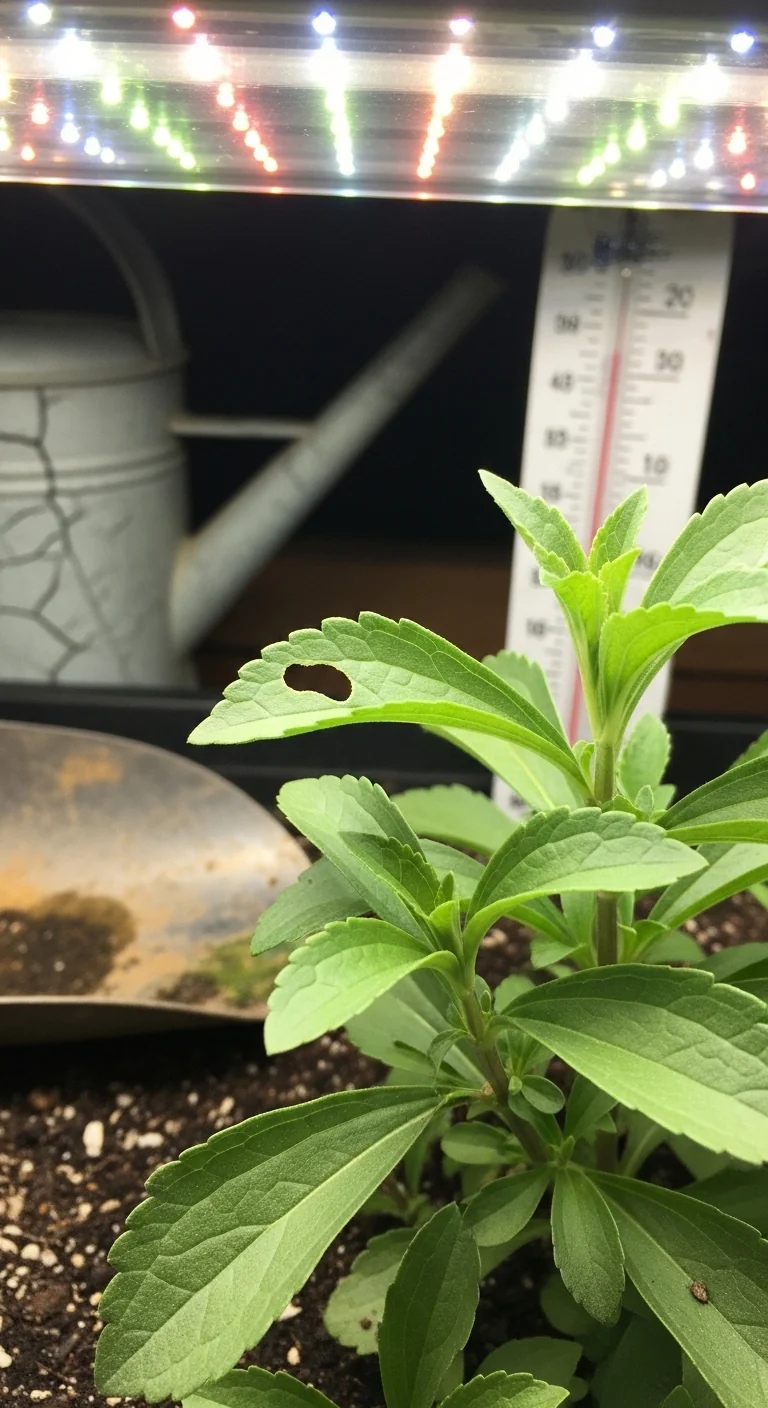
Provide 6 to 8 hours of direct sun or equivalent artificial light daily. In low-sun indoor or balcony spots position full-spectrum LED grow lights 12 to 18 inches above foliage and run them 14 to 16 hours per day. Adjust height weekly as plants grow to maintain intensity without leaf scorch.
This duration maintains compact growth and supports sweetness compounds. Monitor with a cheap light meter if natural sun is inconsistent. See the grow lights for herbs selection criteria for wattage and spectrum details that match stevia needs.
Overwintering Indoors
Best for: Branch 1
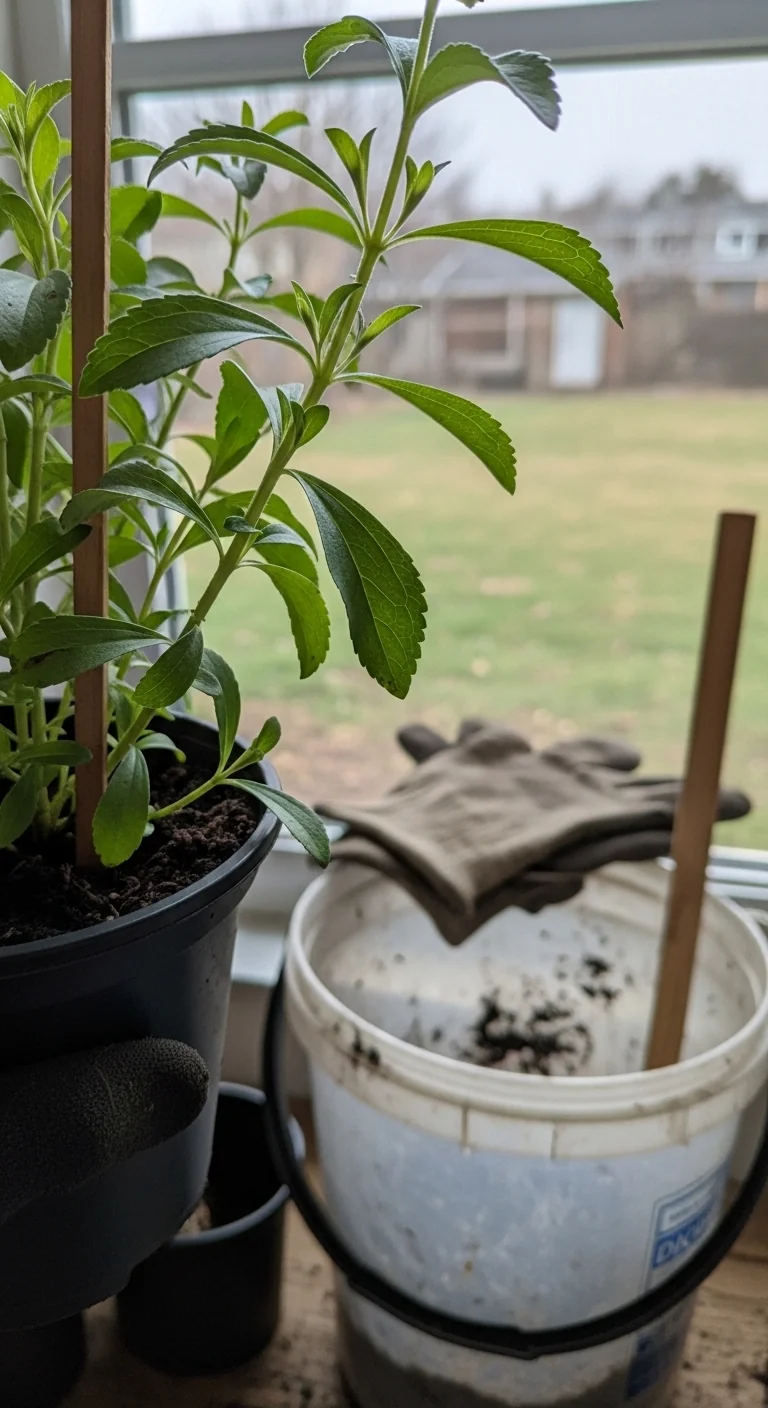
Move containers indoors before night temperatures drop below 50 degrees Fahrenheit. Place in a bright south-facing window or under grow lights at 65 to 75 degrees Fahrenheit daytime. Reduce watering to keep soil barely moist and stop fertilizing entirely during the short-day winter period.
Cut back stems by one-third before bringing inside to reduce transpiration stress. Check weekly for spider mites on undersides of leaves. Plants listed among tender perennials in the perennial herbs list follow identical relocation timing. Resume normal care once outdoor nights stay above 55 degrees Fahrenheit in spring.
Propagation from Cuttings
Best for: Branch 3
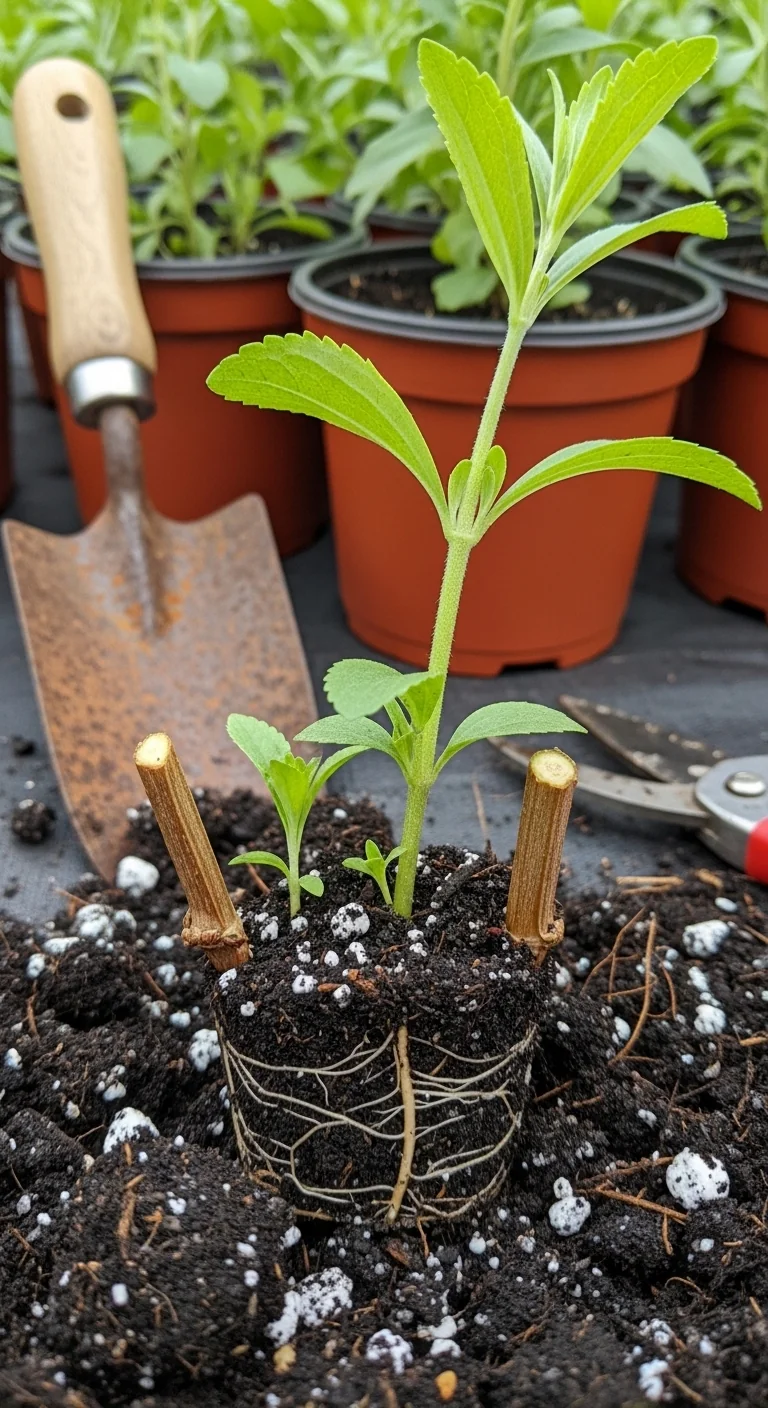
Take 4-inch stem cuttings from healthy non-flowering shoots in spring. Dip the cut end in rooting hormone and insert into moist sterile seed-starting mix. Keep under a humidity dome at 70 degrees Fahrenheit until roots form in 10 to 14 days.
Balanced Fertilizing
Best for: Branch 2
Apply a balanced water-soluble fertilizer at half strength every 4 weeks from transplant until midsummer. Choose formulas with equal nitrogen-phosphorus-potassium numbers and avoid high-nitrogen products that promote leafy growth at the expense of sweetness. Stop feeding after midsummer so plants concentrate energy in leaves rather than stems.
In long frost-free seasons this schedule sustains steady production without excess vegetative flush. Flush pots with plain water once per season to clear any salt buildup from repeated feeds.
Container Growing Setup
Best for: Branch 3
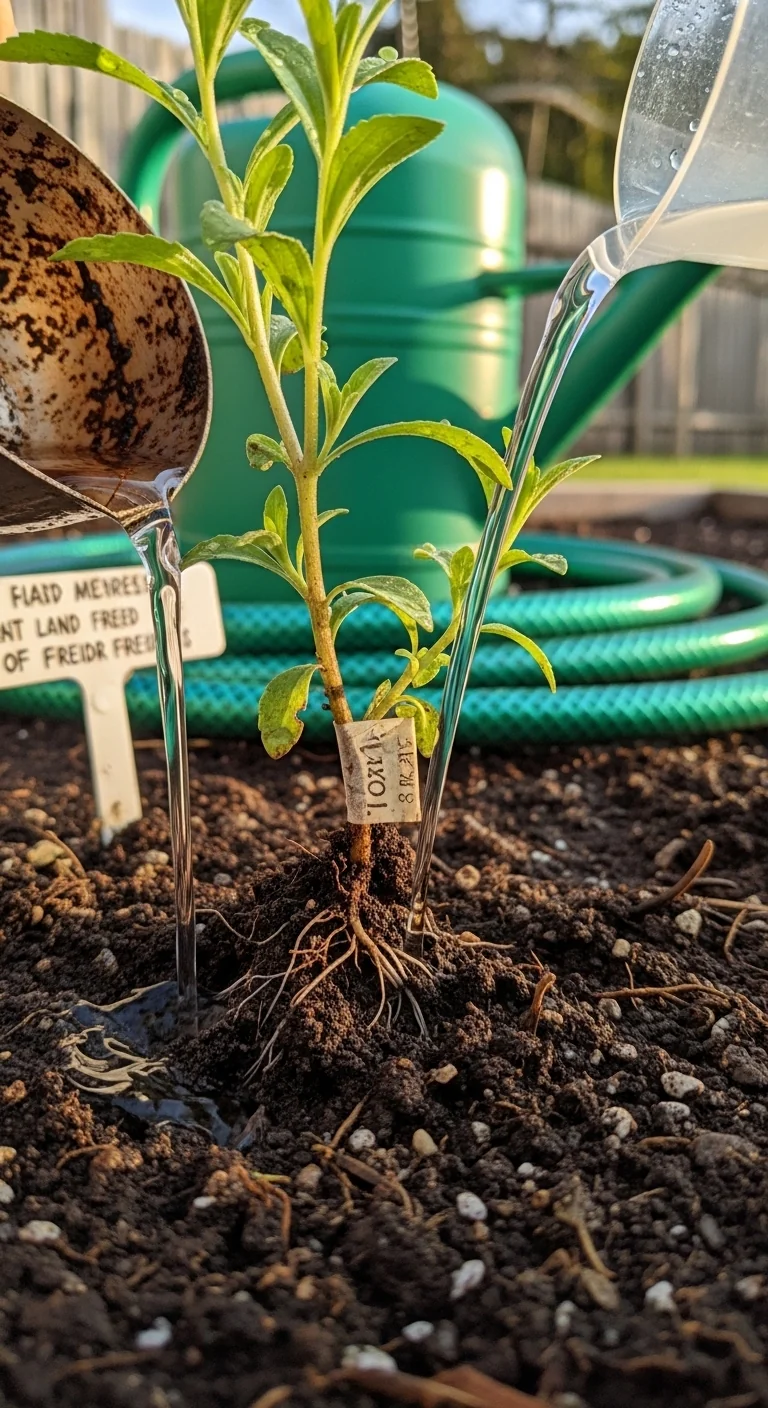
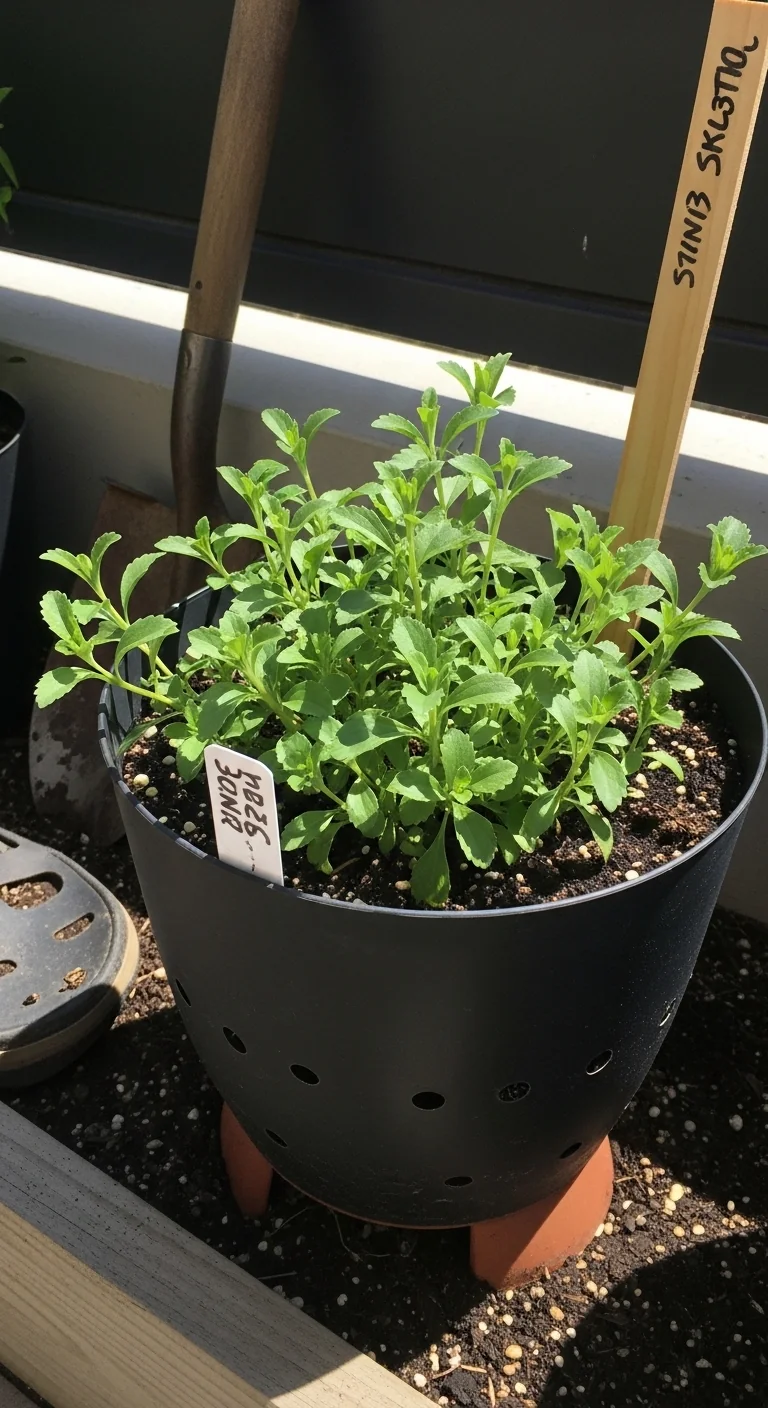
Select 12-inch or larger pots with multiple drainage holes. Fill with the optimized soil mix from item 1 and plant one stevia per container. Elevate pots on feet or saucers with drainage channels to prevent standing water. This setup allows easy movement between sun and protection in space-limited or variable-climate gardens.
Reference the best herbs for containers for pot material comparisons that affect root temperature. Group containers together for humidity buffering during hot spells.
Pruning and Pinching Schedule
Best for: Branch 1
Pinch growing tips every 3 weeks from transplant until early summer. Remove the top 1 inch of each stem just above a leaf node. This forces side branching and creates a bushier plant with more harvestable leaves.
Harvesting at Peak Sweetness
Best for: Branch 2
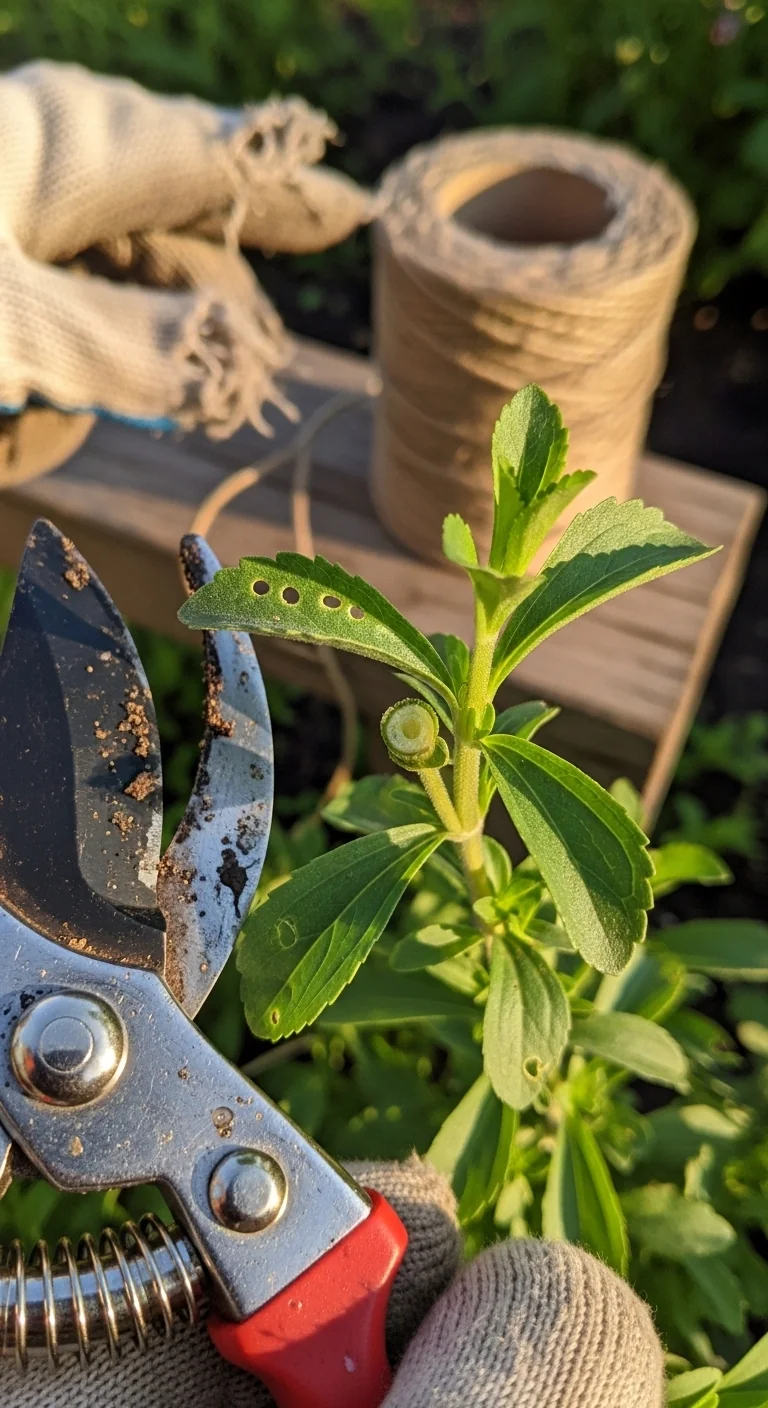
Cut individual leaves or entire stems in the morning before flowers open. Sweetness peaks just prior to bloom and again in early autumn when nights cool. Use clean shears and harvest no more than one-third of the foliage at once to keep the plant productive.
Follow guidelines in the harvesting herbs resource for drying methods that preserve leaf quality after collection. Repeat harvests every 4 to 6 weeks during active growth.
Pest Prevention Basics
Best for: Branch 1
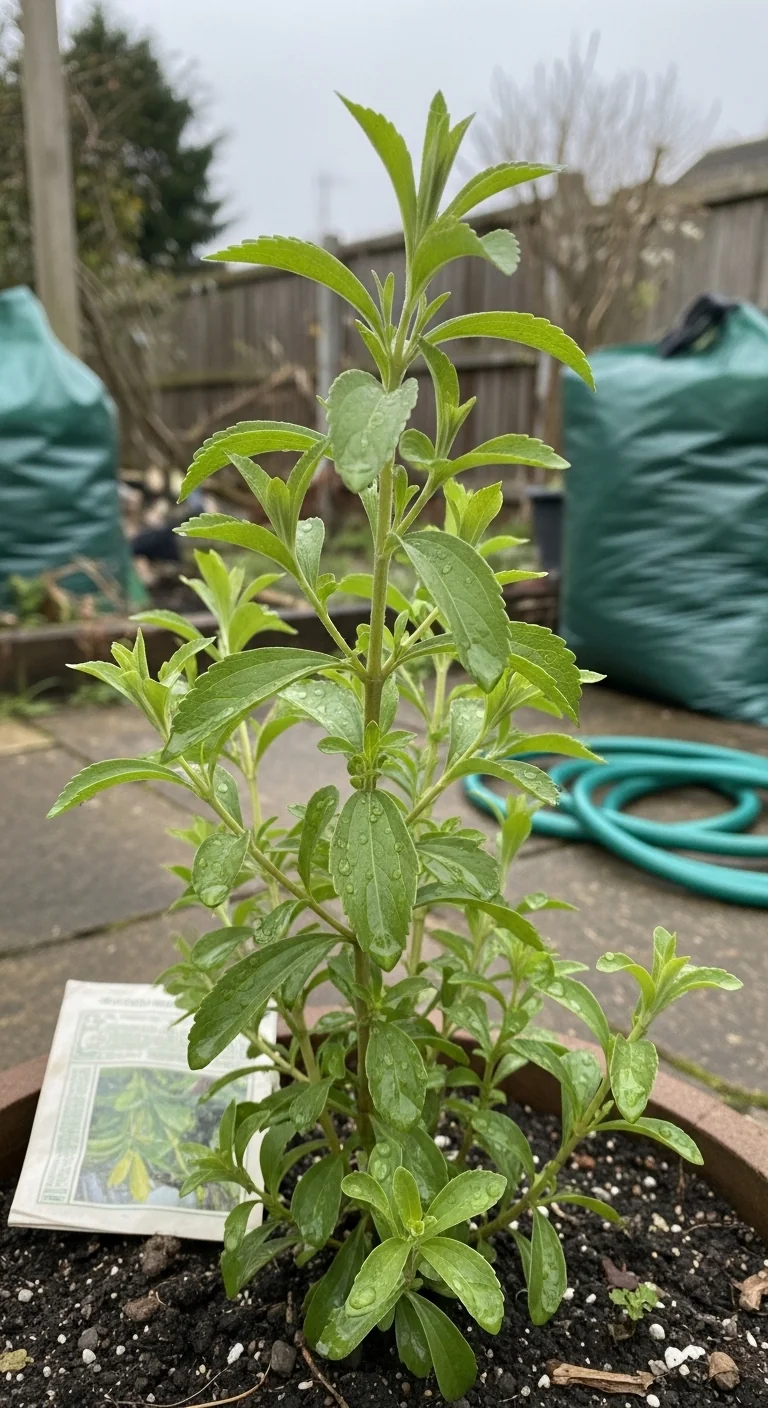
Maintain good airflow around plants and inspect undersides of leaves weekly for aphids or whiteflies. Rinse foliage with a strong water spray at the first sign of insects. In cooler climates where plants spend time indoors this simple monitoring prevents outbreaks without sprays.
Starter Stack (What to Choose First)
For Branch 1 (frost-prone or short-season outdoor areas)
Start with item 4 (overwintering indoors) and item 7 (container growing setup). Together they give you mobility to protect roots through winter and quick spring recovery. Expect 30 to 60 minutes setup time and container costs under 20 dollars per plant.
For Branch 2 (warm, frost-free long-season areas)
Begin with item 1 (soil mix optimization) and item 6 (balanced fertilizing). These establish drainage and steady nutrition for maximum leaf production across the long season. Total prep time stays under 2 hours per 10 square feet with material costs around 10 to 15 dollars.
For Branch 3 (limited-space or low-natural-light setups)
Choose item 3 (light requirements and grow lights) and item 5 (propagation from cuttings). The combination delivers consistent light hours and rapid plant numbers for small areas. Setup takes 45 minutes plus light purchase and yields multiple plants from one mother plant within weeks.
When This Won’t Work
Stevia fails when soil stays soggy for more than 48 hours after watering because roots rot quickly in anaerobic conditions. Switch immediately to raised beds or containers with extra perlite if your test hole holds water longer than 2 hours.
It also struggles when daily light drops below 6 hours without supplementation. Plants become leggy and leaves lose sweetness. Relocate to brighter spots or add grow lights rather than accepting poor performance.
In either case the alternative action is to shift to containers for full environmental control.
Choosing the Right Option for Your Situation
Budget threshold
Under 50 dollars total startup: prioritize soil mix, cuttings, and basic pots. Over 100 dollars available: add quality grow lights and multiple large containers.
Time threshold
Less than 10 minutes per week: select low-effort items such as soil prep and harvest timing. More than 30 minutes weekly available: include weekly pinching and light adjustments.
Technical constraint: drainage or light
Heavy clay soil or poor drainage: default to containers. Indoor only or shaded balcony: default to grow lights and cuttings.
Yes or no checklist: (1) Can you test soil pH? (2) Do you have space for 12-inch pots? (3) Can you provide 6-plus hours light equivalent? (4) Will you move plants indoors before frost? Answer yes to at least three and proceed with your branch recommendations.
Expert Q&A
How does day length affect stevia leaf sweetness?
Shorter autumn days combined with cooler nights naturally concentrate sweetness compounds in leaves. Harvest during this transition window rather than peak summer heat for the best flavor profile without any extra inputs.
Can stevia be grown successfully from seed?
Seeds germinate slowly and unevenly with many non-viable. Cuttings from a known sweet mother plant deliver faster, more uniform results and preserve desirable traits across generations.
What companion plants improve stevia performance?
Low-growing herbs such as thyme or oregano create ground-level airflow that reduces humidity around stevia stems. Avoid tall companions that shade the plant or compete for surface moisture.
How do you recognize early signs of root rot?
Lower leaves yellow and wilt even when soil feels moist. Gently tug the stem base; soft or mushy roots confirm the issue. Repot immediately into fresh well-drained mix and reduce watering frequency.
Is stevia suitable for beginners who travel frequently?
Yes when grown in self-watering containers on a sunny windowsill. The built-in reservoir buffers 5 to 7 days of absence while the plant’s shallow roots still receive consistent moisture.
Conclusion
Stevia plant care boils down to matching your climate and space to the right mobility, drainage, and light decisions. The most common mistake is treating it like a hardy perennial and leaving it exposed to frost or soggy soil.
Take the next step by reviewing your conditions against the decision grid and starting with the matching starter stack items. Dry your first harvest batch using the methods in our drying herbs at home guide to enjoy homegrown sweetness all year.