
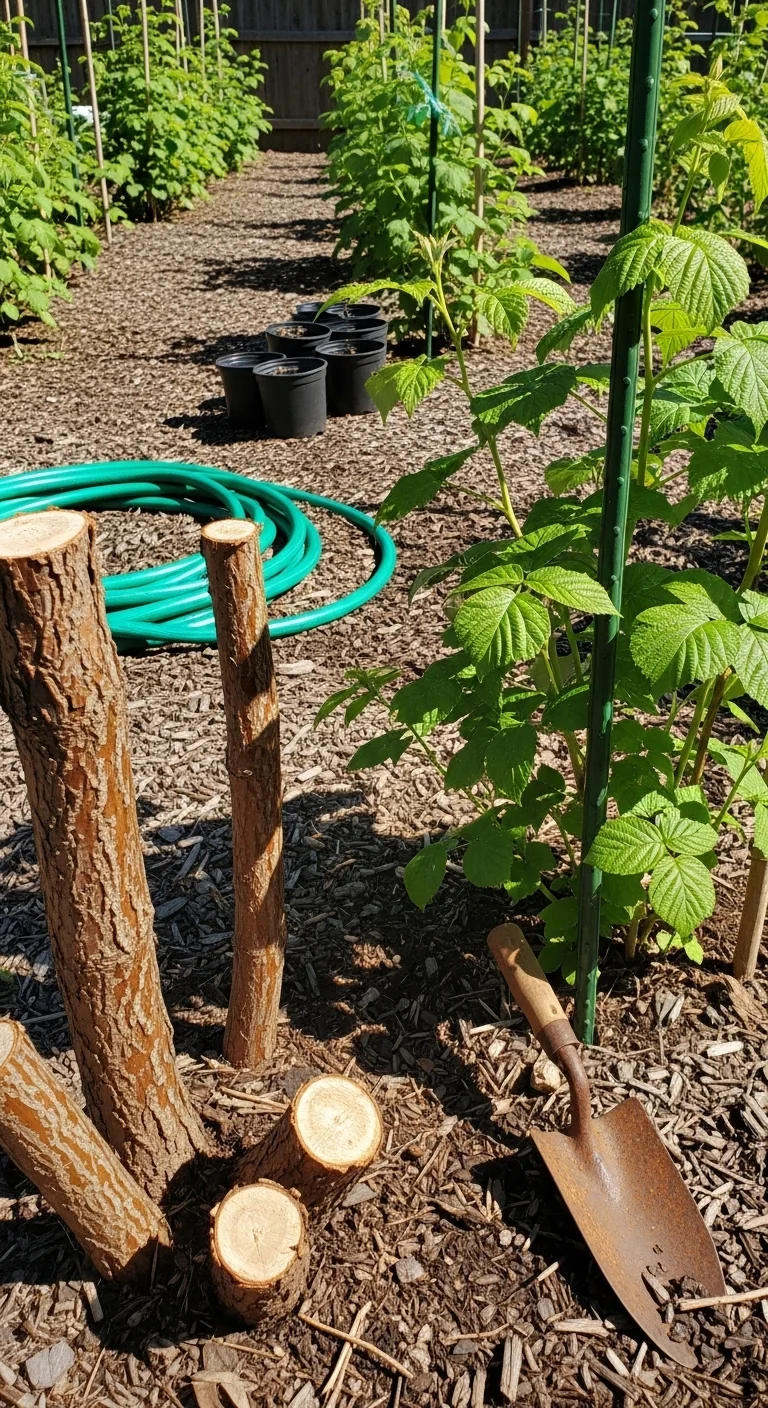
Raspberry pruning works best when you first identify whether your plants fruit on second-year canes or first-year canes. Floricane varieties rely on overwintered wood for midsummer berries while primocane types set fruit on new growth the same season. Most guides overlook this biology and offer one schedule that fails for half the common varieties.
This listicle details pruning for both summer-bearing floricane raspberries and everbearing primocane raspberries. It covers cane selection, timing windows, thinning, sanitation, and support integration in home gardens across temperate zones. It excludes soil amendments, full pest management, and commercial-scale machinery.
After reading you can select the exact sequence that fits your patch, execute it with measurable steps, and avoid removing next season’s fruiting wood. The techniques here draw from university extension protocols for reliable cane renewal and airflow.
Classify your raspberries by fruiting type first, then follow the matching branch in the decision grid below.
The Yield Grid Decision Grid
Branch 1: Your raspberries fruit once in midsummer on second-year wood (floricane or summer-bearing types). New canes stay vegetative their first full season and appear green and supple. Recommended: Items 1, 2, 5, 6 below. For training options after pruning, see our raspberry supports guide.
Branch 2: Your raspberries fruit in late summer or fall on first-year wood (primocane or everbearing types) and you prefer one heavy crop with minimal sessions. New canes produce berries the same year they emerge. Recommended: Items 3, 8 below.
Branch 3: Your everbearing raspberries are managed for two separate harvests or your plants grow in containers or tight spaces where scale matters. Recommended: Items 4, 7 below.
Quick Comparison Table
| Option | Key mechanism | Best for | Decision Grid Branch | Effort Score |
|---|---|---|---|---|
| Dormant Season Thinning for Summer-Bearing Raspberries | Select and cut weak or damaged new canes in late winter | Floricane varieties needing airflow | Branch 1 | 3 |
| Post-Harvest Spent Cane Removal | Cut brown fruited canes to ground level immediately after picking | Any patch with spent floricanes | Branch 1 | 1 |
| Full Cane Mowing for Single-Crop Everbearing Raspberries | Remove every cane at soil level in late fall or early spring | Primocane types for one fall crop | Branch 2 | 1 |
| Double-Crop Pruning Schedule for Everbearing Raspberries | Cut only fruited tips after fall harvest then remove entire cane after next summer | Extended harvest from same plants | Branch 3 | 4 |
| Cane Thinning and Spacing Rules | Space remaining strong canes about six inches apart at base | Dense floricane patches | Branch 1 | 2 |
| Pruning Integrated with Support Systems | Prune while tying canes to wires or posts in dormant season | Patches already using trellises | Branch 1 | 3 |
| Container Raspberry Pruning Adjustments | Scale down thinning and height cuts for limited root volume | Small-space or potted plants | Branch 3 | 2 |
| Sanitation Pruning for Disease Prevention | Remove and destroy any discolored or broken canes at any time | Patches with past fungal issues | Branch 2 | 2 |
Dormant Season Thinning for Summer-Bearing Raspberries
Best for: Branch 1
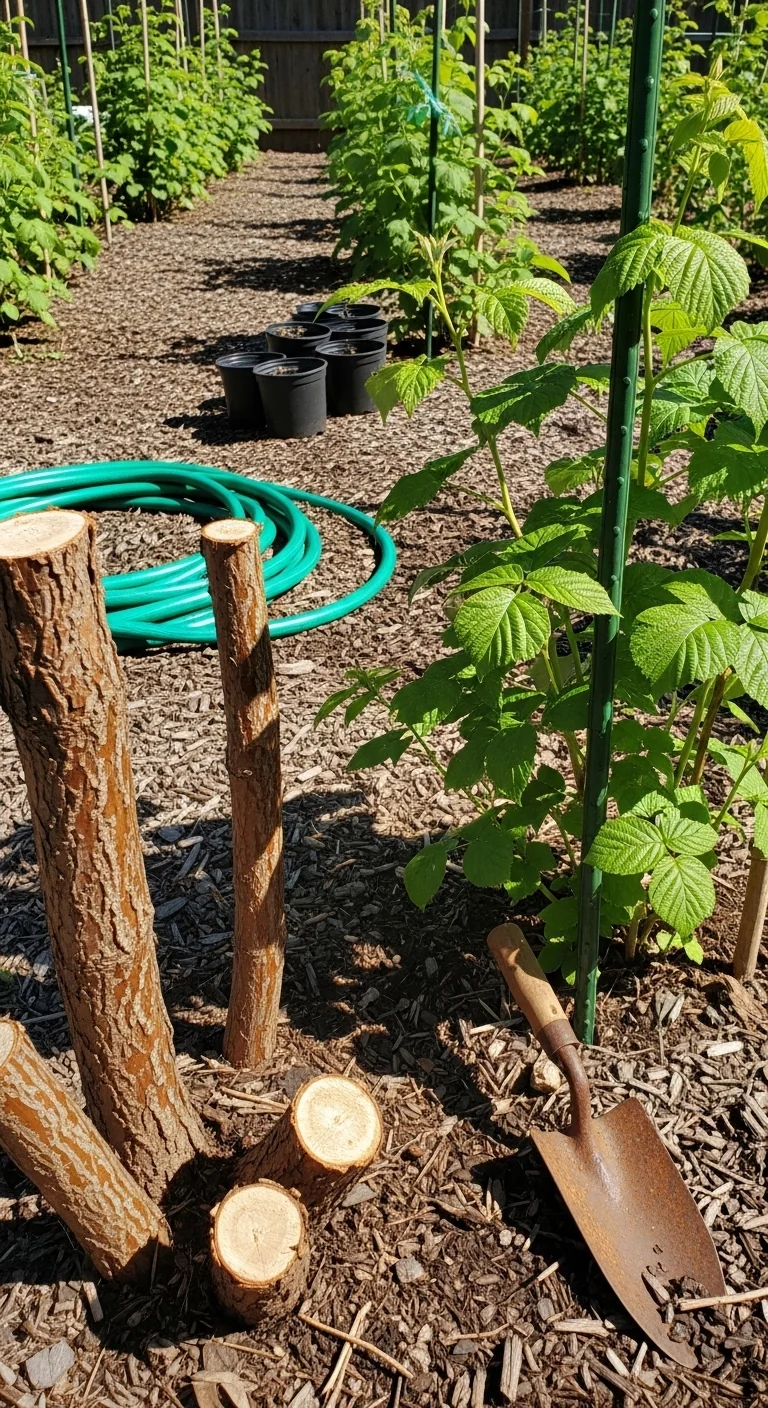
Perform this task in late fall after dormancy or early spring before bud swell when you can clearly see cane structure and winter damage. First identify and cut all spent floricanes (brown, dry, often with lateral stubs from last year) to ground level. Then examine the new primocanes: keep only the strongest ones that are pencil-thick or better at thirty inches from the ground and cut the rest to soil level. Space the keepers about six inches apart at the base. Finally, remove any cane tips that died back over winter by cutting back to live tissue. This blueprint keeps the patch open for light and reduces disease pressure while directing energy into fewer vigorous fruiting canes next season. Edge case: in regions with heavy snow load, complete the task before the ground freezes solid to avoid breakage. (178 words)
Post-Harvest Spent Cane Removal
Best for: Branch 1
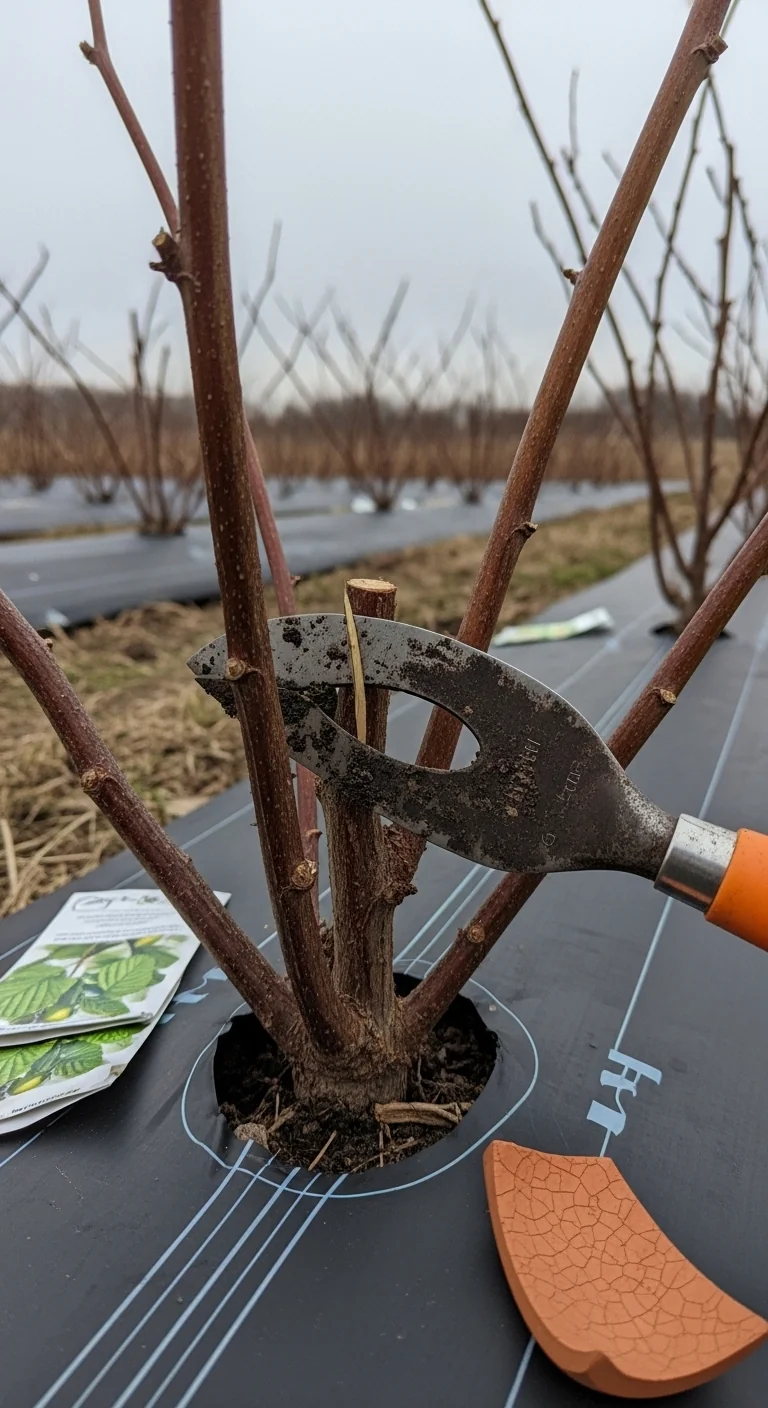
Wait until you finish picking the last midsummer berries then immediately cut every brown fruited floricane to ground level. Do not leave stubs because they harbor overwintering pests and fungi. Dispose of the material away from the patch. Skip this step only if the canes are still green and healthy, which is rare. The main advantage is instant renewal of space for next year’s primocanes; the downside in thorny varieties is the need for heavy gloves and long sleeves. In small urban gardens this single thirty-minute task prevents tangled overgrowth by late summer. (72 words)
Full Cane Mowing for Single-Crop Everbearing Raspberries
Best for: Branch 2
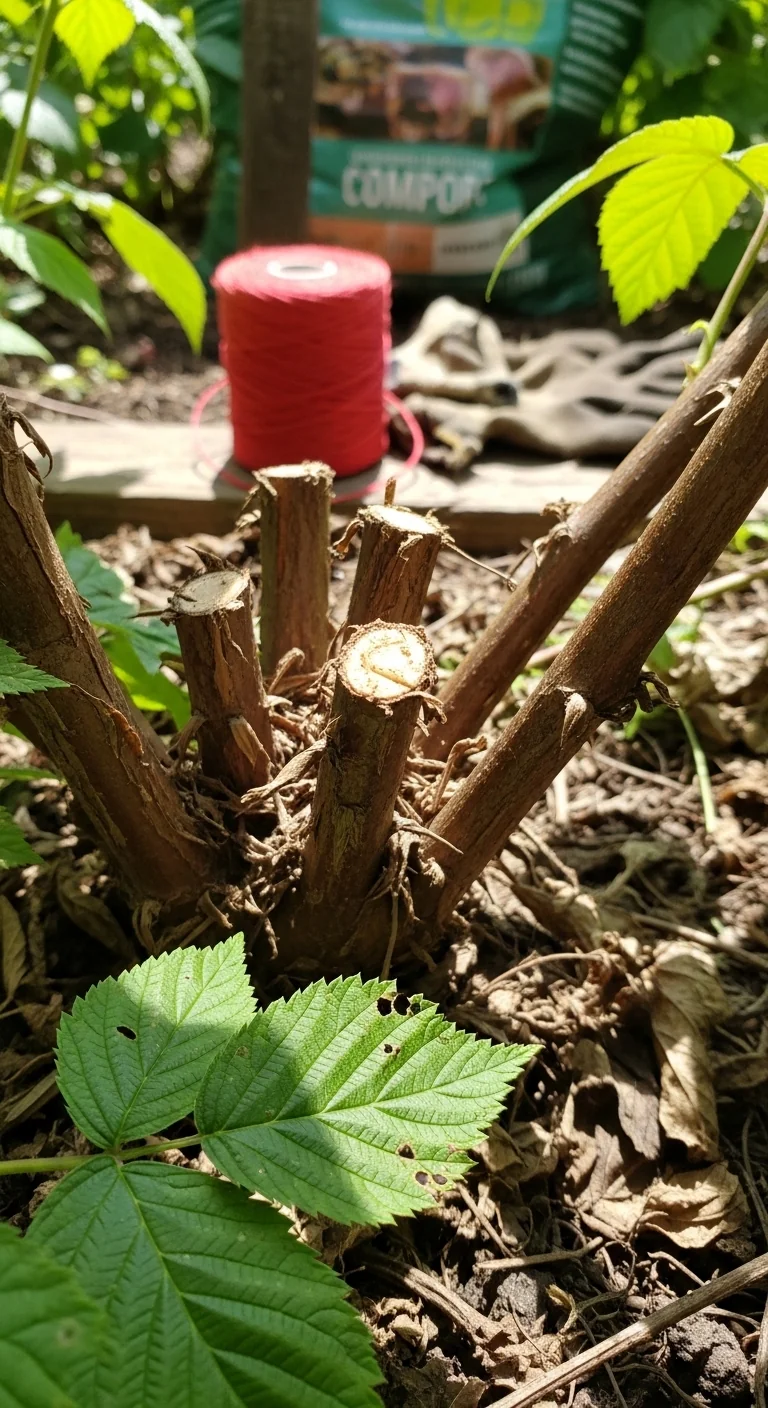
For primocane varieties managed for one fall crop, cut every cane to ground level in late fall after the first hard frost or in early spring while the plants remain fully dormant. Use loppers or a mower set high enough to avoid crown damage. New primocanes will emerge in spring and fruit in late summer without any further intervention until the next dormant season. This threshold rule works because the entire fruiting cycle happens on first-year wood. The only adjustment needed is to confirm your variety fruits on new growth; summer-bearing types will produce nothing if you apply this method. (112 words)
Double-Crop Pruning Schedule for Everbearing Raspberries
Best for: Branch 3
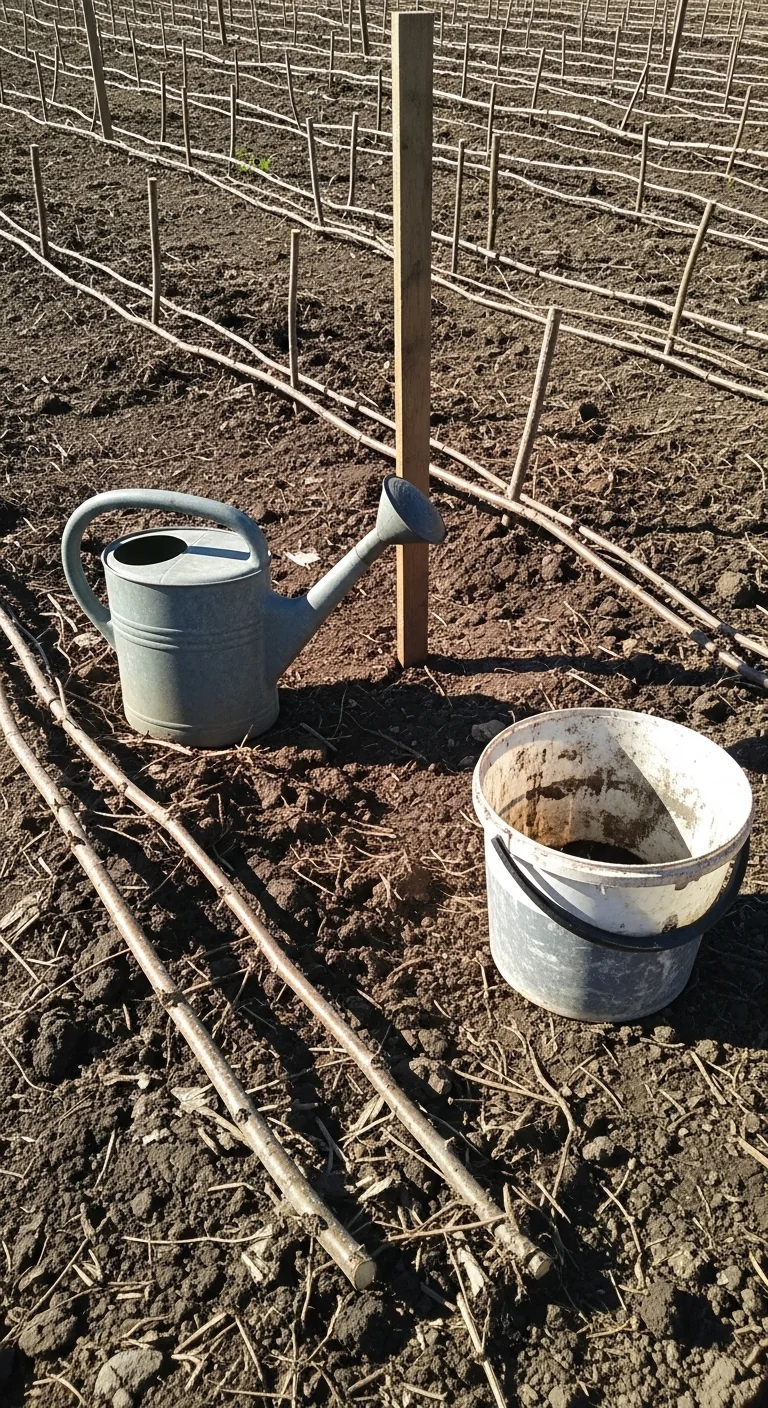
Leave all primocanes intact through their first fall fruiting. After the fall harvest ends, cut only the upper portion of each cane that produced berries back to the lowest lateral branch that still has green tissue. The lower section overwinters and becomes a floricane that fruits again the following early summer. After that second harvest remove the entire cane to ground level. This schedule requires two distinct sessions per year but delivers berries over a longer window. Compare the approach to standard tree pruning in our apple pruning guide for similar lateral management logic. In zones with short growing seasons the second crop may be smaller, so test on a few canes first. (168 words)
Cane Thinning and Spacing Rules
Best for: Branch 1
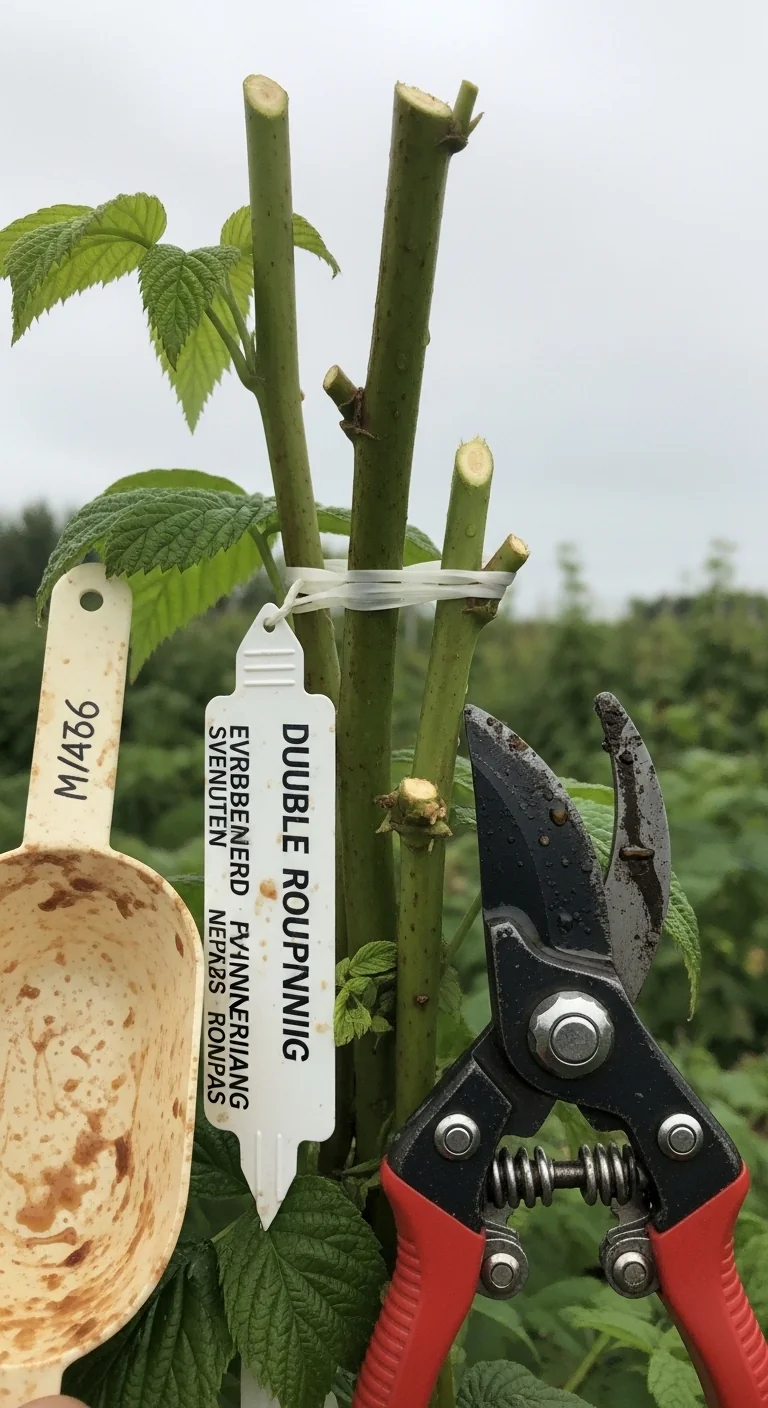
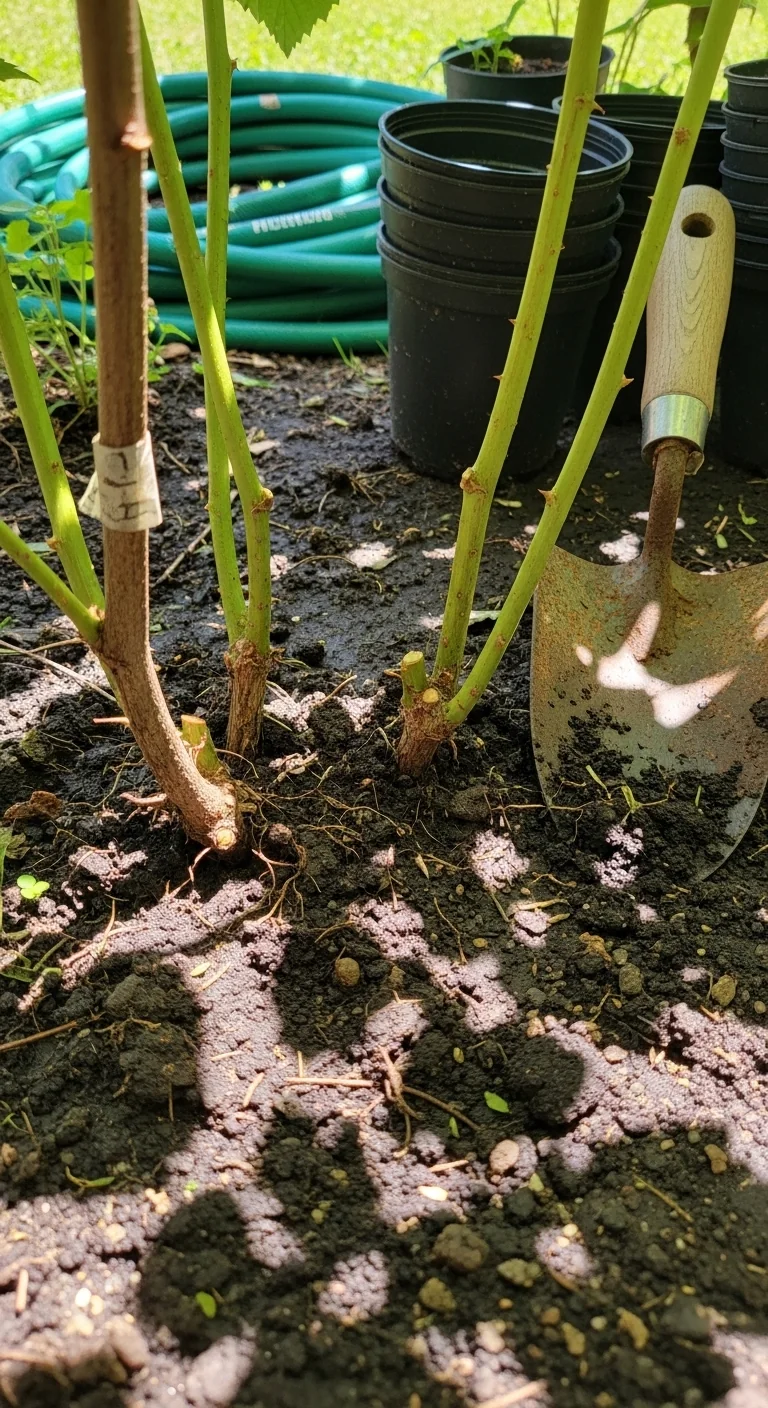
In late winter measure and retain only the strongest primocanes spaced roughly six inches apart at soil level. Remove any that are thinner than pencil diameter at thirty inches height or show signs of weakness. This threshold keeps competition low and improves spray coverage if needed. The rule applies equally to red and yellow raspberries but skip it entirely on first-year plants that have not yet established a full root system. (68 words)
Pruning Integrated with Support Systems
Best for: Branch 1
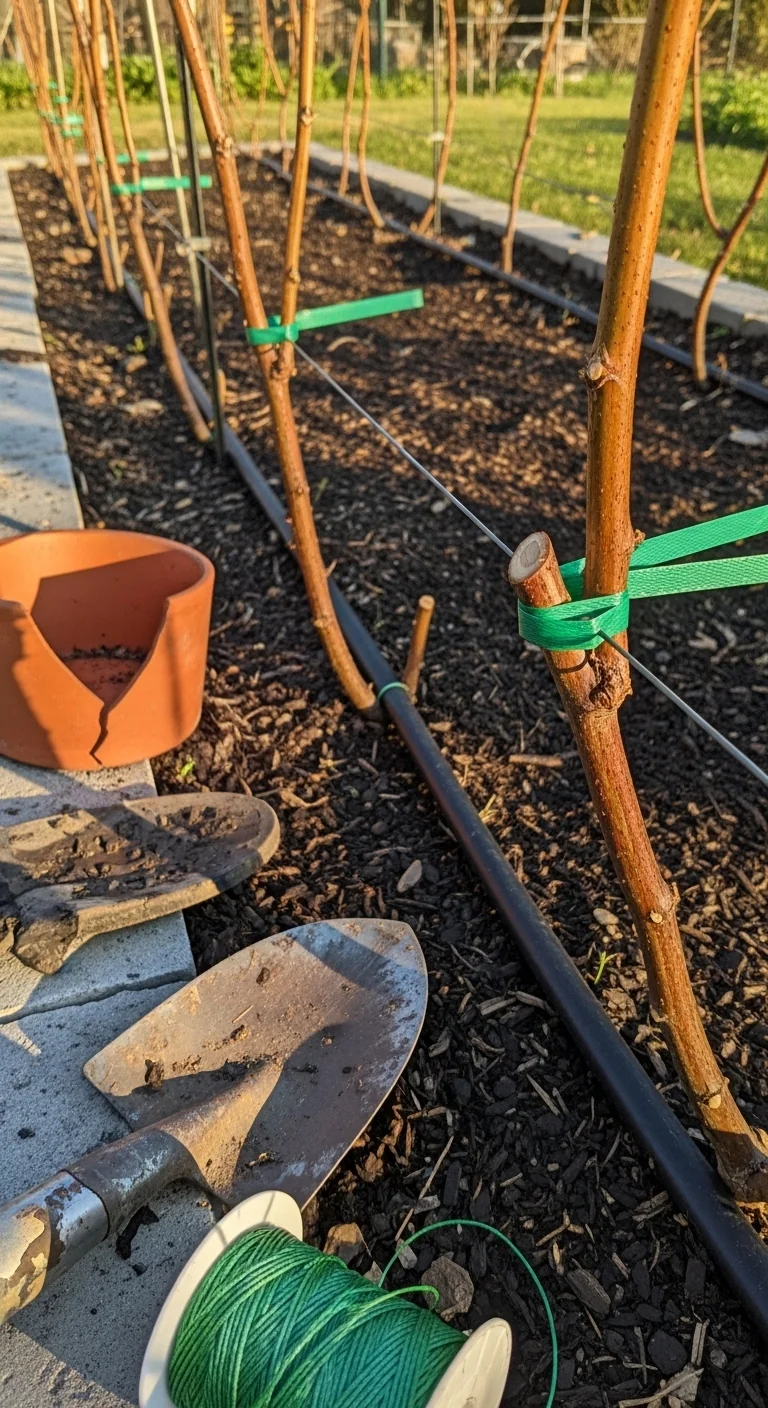
Combine dormant thinning with tying new canes to wires or posts. First complete all cuts then secure the keepers in a fan or V shape for even light exposure. This ten-minute workflow per ten-foot row prevents canes from flopping and makes future harvests easier. Upgrade option: install permanent posts before spring growth begins. For similar cane training on related brambles see blackberry trellis ideas. (98 words)
Container Raspberry Pruning Adjustments
Best for: Branch 3
Scale every step down by half because container volume limits root and cane vigor. Thin to three or four strong canes maximum per pot instead of six inches spacing across rows. Use the same dormant timing but cut more aggressively to keep height under four feet for stability. In double-crop mode shorten the retained lower section by an extra six inches to match the smaller root system. Monitor soil moisture closely after cuts because containers dry faster. This keeps the plant productive without outgrowing its space. (124 words)
Sanitation Pruning for Disease Prevention
Best for: Branch 2
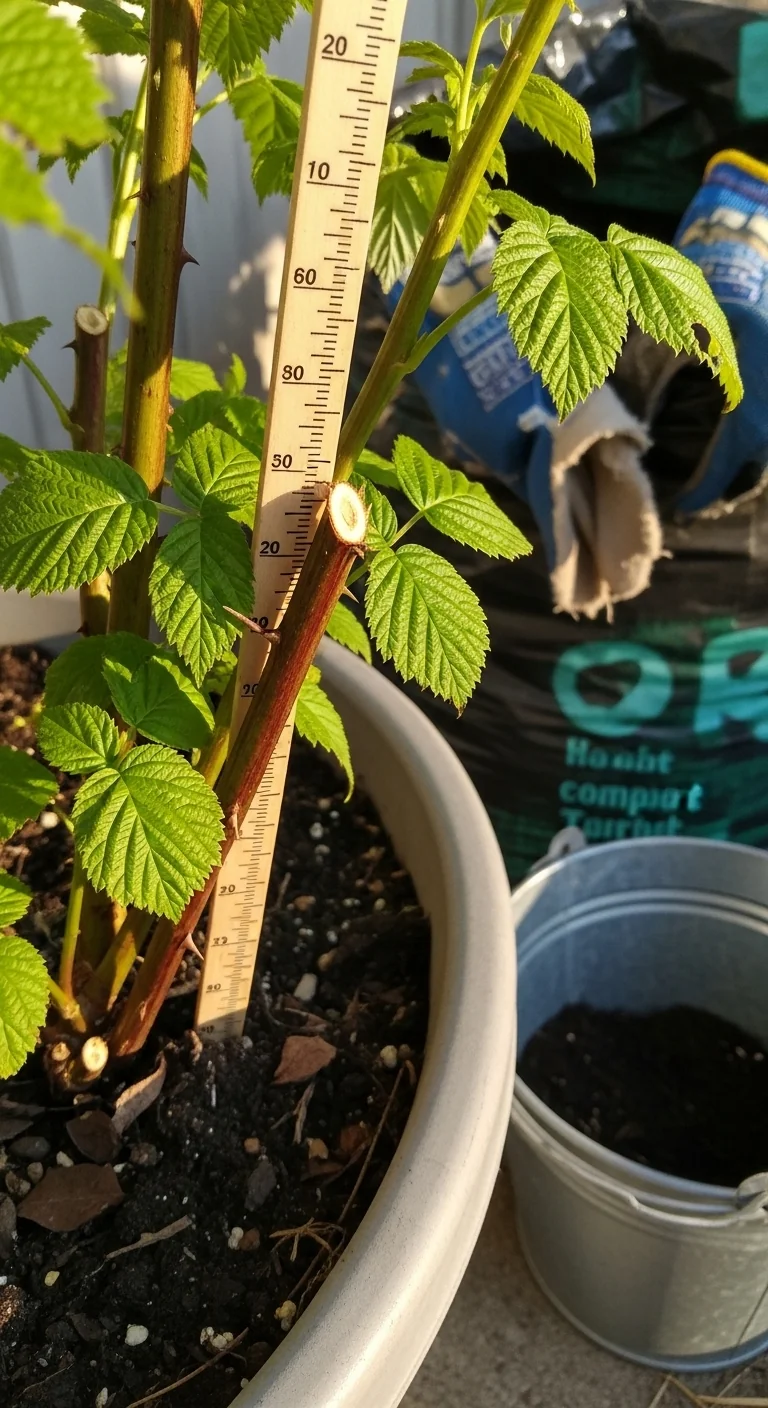
At any time during the growing season remove and destroy any cane that shows discoloration, wilting, or insect tunnels. Cut at soil level and never compost the material. This step pairs well with full cane mowing on primocane types because the entire patch resets annually. In floricane patches add sanitation immediately after harvest to break disease cycles. Sterilize pruners with alcohol between plants. (64 words)
Starter Stack (What to Choose First)
For Branch 1 (summer-bearing floricane patches)
Start with Item 1 (dormant thinning) plus Item 2 (post-harvest removal). These two actions together clear old wood and open the patch for strong new growth. Total time estimate: thirty to sixty minutes per ten-foot row once per year.
For Branch 2 (primocane single fall crop)
Start with Item 3 (full cane mowing) plus Item 8 (sanitation pruning). The reset plus spot removal keeps the patch clean with almost no ongoing work. Total time estimate: fifteen to thirty minutes once per dormant season.
For Branch 3 (double crop or containers)
Start with Item 4 (double-crop schedule) plus Item 7 (container adjustments). The timed tip cuts plus scaled thinning deliver extended harvest in limited space. Total time estimate: forty-five to ninety minutes spread across two sessions per year.
When This Won’t Work
These methods fail on severely overgrown patches neglected for more than two full seasons where canes have formed an impenetrable tangle and crown health is unknown. In that case the alternative action is to cut everything to ground level in late winter and restart the patch from new suckers the following season. Pruning also fails if performed during active growth in very cold climates before the last hard freeze because cuts invite winter injury. The alternative is to wait until full dormancy and assess damage the next spring.
One internal link here: see our thinning fruit trees resource for similar renewal strategies on woody plants.
Choosing the Right Option for Your Situation
Budget threshold
If your total tool and support budget stays under fifty dollars choose Items 2 and 3 because they require only basic pruners and gloves. Higher budgets allow permanent trellis hardware paired with Item 6.
Time threshold
If you have fewer than thirty minutes per session per ten-foot row select Items 3 or 8 for single annual resets. Longer windows open the door to Items 1 and 4.
Technical constraint
If you cannot reliably identify cane age or fruiting type choose Item 3 for everbearing varieties because it forgives errors by resetting the entire patch each year.
Yes/No checklist:
Do you know your exact variety type? Yes: proceed with matching branch.
Is your patch less than two years old? Yes: limit to light sanitation only.
Do you want two harvests? Yes: commit to double-crop schedule.
Are canes already spaced six inches apart? No: add thinning step.
Expert Q&A
What should first-year raspberry plants receive in terms of pruning?
Leave new primocanes untouched their first season except for removing any broken or diseased sections. The plants focus on root establishment rather than fruit production. Light sanitation keeps them healthy without reducing vigor. (48 words)
How does pruning differ for black or purple raspberries compared with red types?
Black and purple types need summer tipping of primocanes at thirty to thirty-six inches to force branching. Red types skip this step entirely. Dormant thinning and spent cane removal remain the same across all colors. (51 words)
Is it safe to prune raspberries in midsummer outside of post-harvest cleanup?
Limit midsummer cuts to sanitation removal of damaged canes only. Major structural pruning in active growth stresses the plants and reduces next season’s buds. Reserve heavy work for dormant season. (47 words)
Does pruning help control raspberry spread in a garden border?
Yes. Remove any primocanes that emerge outside your designated row or bed at soil level during the growing season. This keeps the patch contained while still allowing healthy renewal inside the boundary. (52 words)
Should you coordinate pruning with bird netting installation?
Install netting after dormant pruning and before bud break so supports and canes are tidy. Netting over tangled unpruned canes creates gaps and makes removal harder at harvest time. (49 words)
Conclusion
The core decision is always variety type first followed by the matching pruning sequence from the grid. The number-one mistake is indiscriminate cutting that removes next year’s fruiting wood on floricane types. Follow the steps in order and your patch will stay productive with minimal guesswork.
Next step: after pruning apply balanced nutrition timed to cane growth. See our fruit tree fertilizing guide for compatible schedules that support strong raspberry regrowth. (82 words)