
“`html
Drought tolerant herbs deliver reliable flavor and aroma when you pair their root depth and leaf adaptations with your exact site conditions instead of defaulting to the same Mediterranean mix every garden uses. Soil percolation rate and minimum winter temperature determine survival far more than general drought labels.
This article covers eight culinary and aromatic perennials suited to edible herb gardening in low water settings. It excludes high moisture annuals such as basil or cilantro that demand consistent irrigation throughout the season.
You will walk away with a decision grid that classifies each herb, a side by side comparison of maintenance effort, and exact placement guidance so you plant once and harvest for years with deep but infrequent watering after the first season.
Align the herb to your drainage test result and USDA zone rating and it maintains peak essential oils with no supplemental irrigation beyond establishment.
The Yield Grid Decision Grid
Branch 1 applies when your soil drains in under four hours after saturation (sandy or gravel amended) and you garden in USDA hardiness zones 7 and above with full sun exposure of eight hours or more daily. Recommended: Rosemary, Sage, Oregano below.
Branch 2 applies when your soil drains in four to eight hours (loam texture) and you garden in zones 5 to 6 with a two inch mulch layer renewed each spring. Recommended: Thyme, Marjoram, Winter Savory below.
Branch 3 applies when you use containers or balcony setups with pots at least 12 inches deep and you provide frost protection below 20 degrees F regardless of zone. Recommended: Lavender, Bay Laurel below.
For full details on perennial performance across zones consult our perennial herbs list.
Quick Comparison Table
| Option | Key mechanism | Best for | Decision Grid Branch | Effort Score |
|---|---|---|---|---|
| Rosemary | Deep taproot reaches subsoil moisture; needle leaves limit transpiration | Culinary roasts and marinades | Branch 1 | 2 |
| Thyme | Dense creeping mat functions as living mulch; small leaves reduce surface evaporation | Groundcover seasoning and edging | Branch 2 | 1 |
| Sage | Woolly leaves reflect heat; woody base stores reserves for dry spells | Savory stuffing and teas | Branch 1 | 3 |
| Oregano | Spreading rhizomes access shallow moisture pockets; aromatic oils concentrate under stress | Pizza and Italian dishes | Branch 1 | 2 |
| Marjoram | Fine textured foliage conserves water; compact form tolerates moderate dry periods | Mild herb blends and soups | Branch 2 | 2 |
| Lavender | Silvery foliage reflects sunlight; deep but narrow root system handles container cycles | Teas and pollinator borders | Branch 3 | 3 |
| Winter Savory | Low evergreen structure retains soil moisture at base; strong flavor holds through dry cycles | Bean dishes and winter flavor | Branch 2 | 1 |
| Bay Laurel | Thick leathery leaves slow water loss; slow growth suits long term pot culture | Stews and slow cooking | Branch 3 | 4 |
Rosemary
Best for: Branch 1
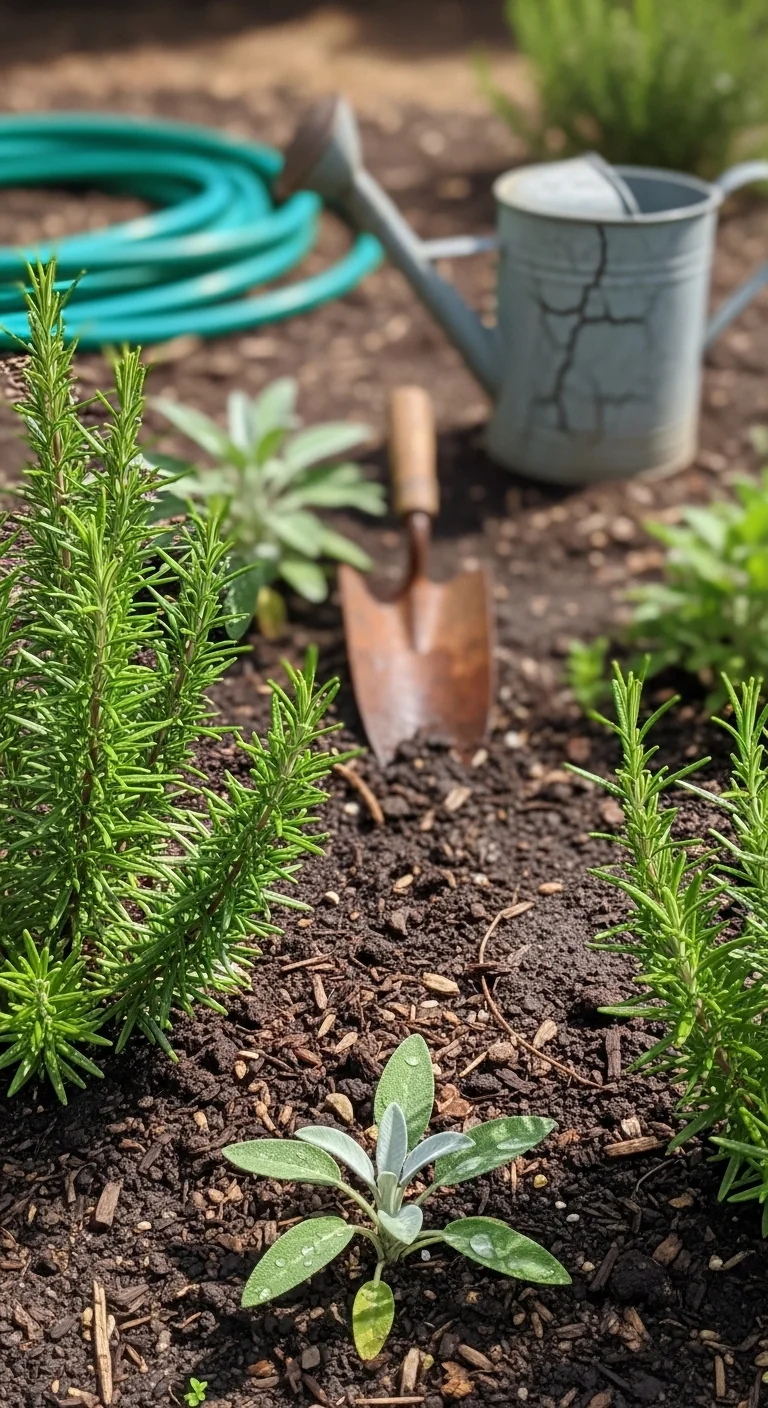
Rosemary functions as a structural backbone in dry edible gardens because its taproot extends beyond 18 inches once established and its needle shaped leaves cut transpiration in half compared with broadleaf herbs. Plant in full sun after the last frost when soil temperature reaches 60 degrees F. Dig a hole twice the root ball width, backfill with native soil only (no compost), and water deeply once per week for the first 12 months. After year one switch to deep watering every three weeks during peak summer heat above 90 degrees F. Common mistake is adding organic mulch that traps moisture at the crown and invites rot. For container alternatives in marginal zones see rosemary in pots.
Thyme
Best for: Branch 2
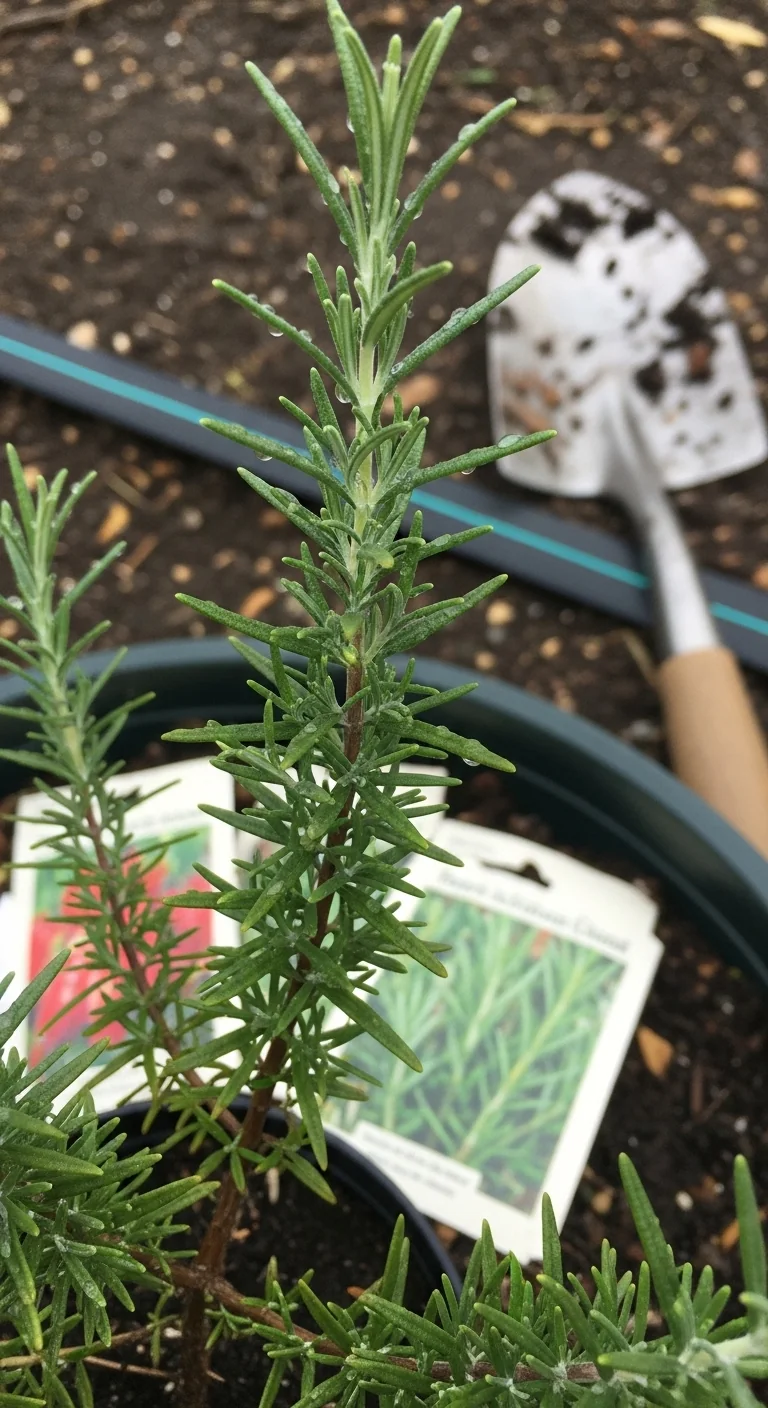
Use thyme as a living mulch groundcover along paths or between taller perennials where it spreads to 12 inches wide within two seasons. Skip it if you need vertical height for visual balance in small beds. Edge case: in heavy clay it survives only when raised two inches above grade to prevent winter wet feet.
Sage
Best for: Branch 1
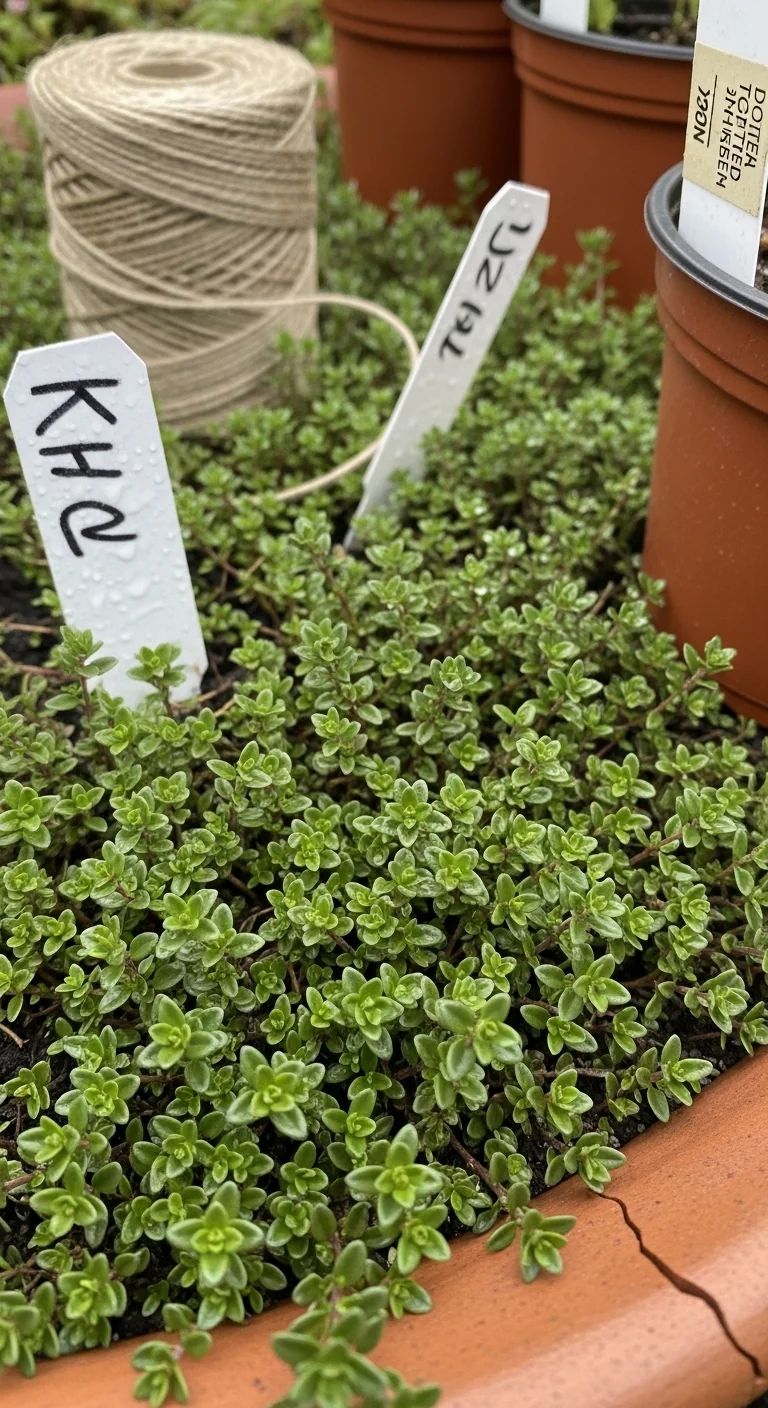
Sage stores carbohydrates in its woody base and deploys woolly leaves that reflect intense sun so it maintains leaf turgor during extended dry spells. Threshold rule: test soil drainage by digging a 12 inch hole and filling with water; if it empties in under four hours the site suits sage. Adjust by adding 20 percent horticultural grit if drainage exceeds eight hours. Harvest leaves year round but limit removal to one third of the plant at any cutting to keep reserves intact for drought recovery. Amend with the correct soil mix for consistent performance in hot dry summers.
Oregano

Best for: Branch 1
Oregano spreads via rhizomes that explore moisture pockets two to four inches below surface level and concentrates its pungent oils precisely when water is limited. Ten minute workflow: clear a two foot circle of weeds, loosen soil to eight inches deep, set the plant so the crown sits level with soil surface, water until runoff appears, then apply two inch gravel mulch ring. Upgrade option: interplant with low water companions to create a self sustaining culinary patch. See companion planting herbs for proven pairings that extend harvest windows.
Marjoram
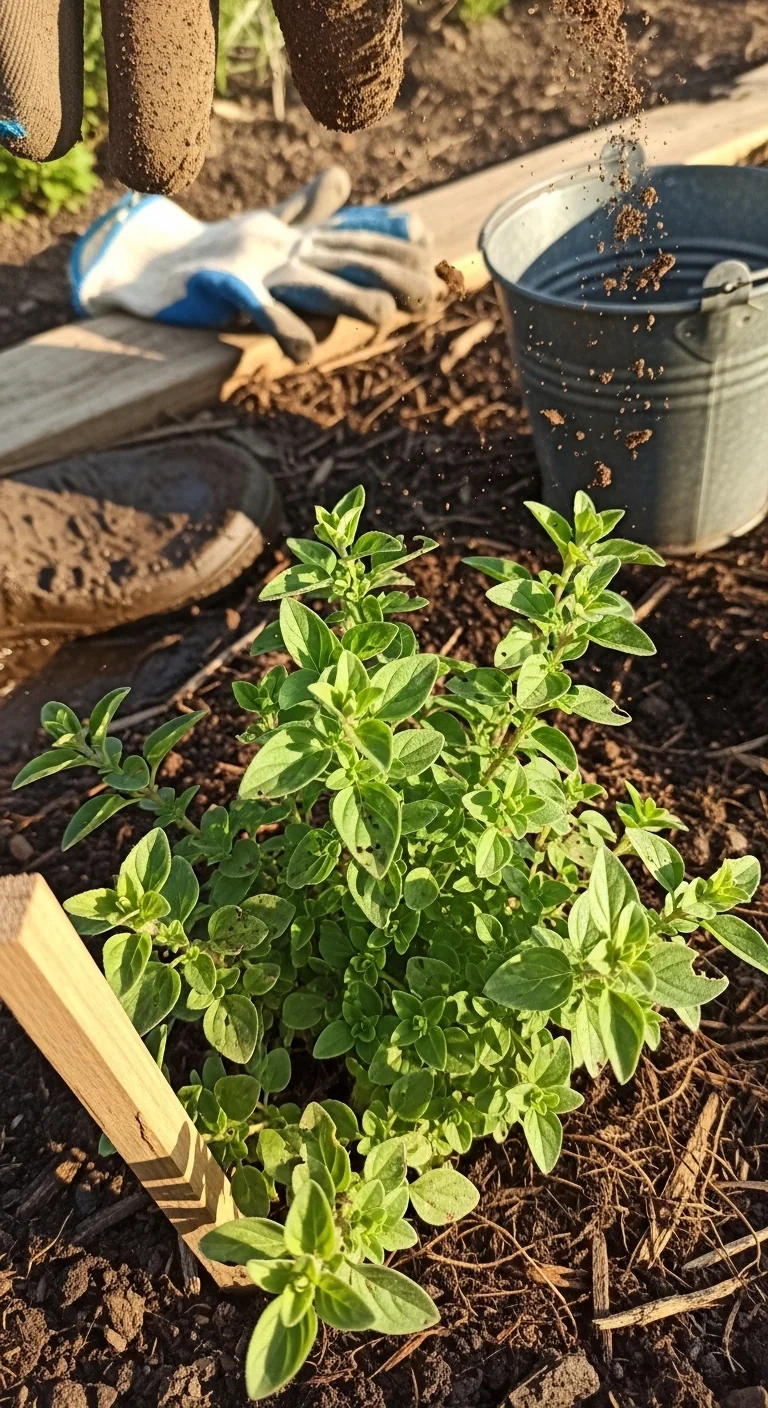
Best for: Branch 2
Use marjoram for mild flavor blends where its compact mound stays under 12 inches tall. Skip it if your garden experiences repeated freeze thaw cycles without mulch cover. Edge case: it tolerates loam better than pure sand yet still needs the two inch mulch layer to buffer temperature swings in zone 5.
Lavender
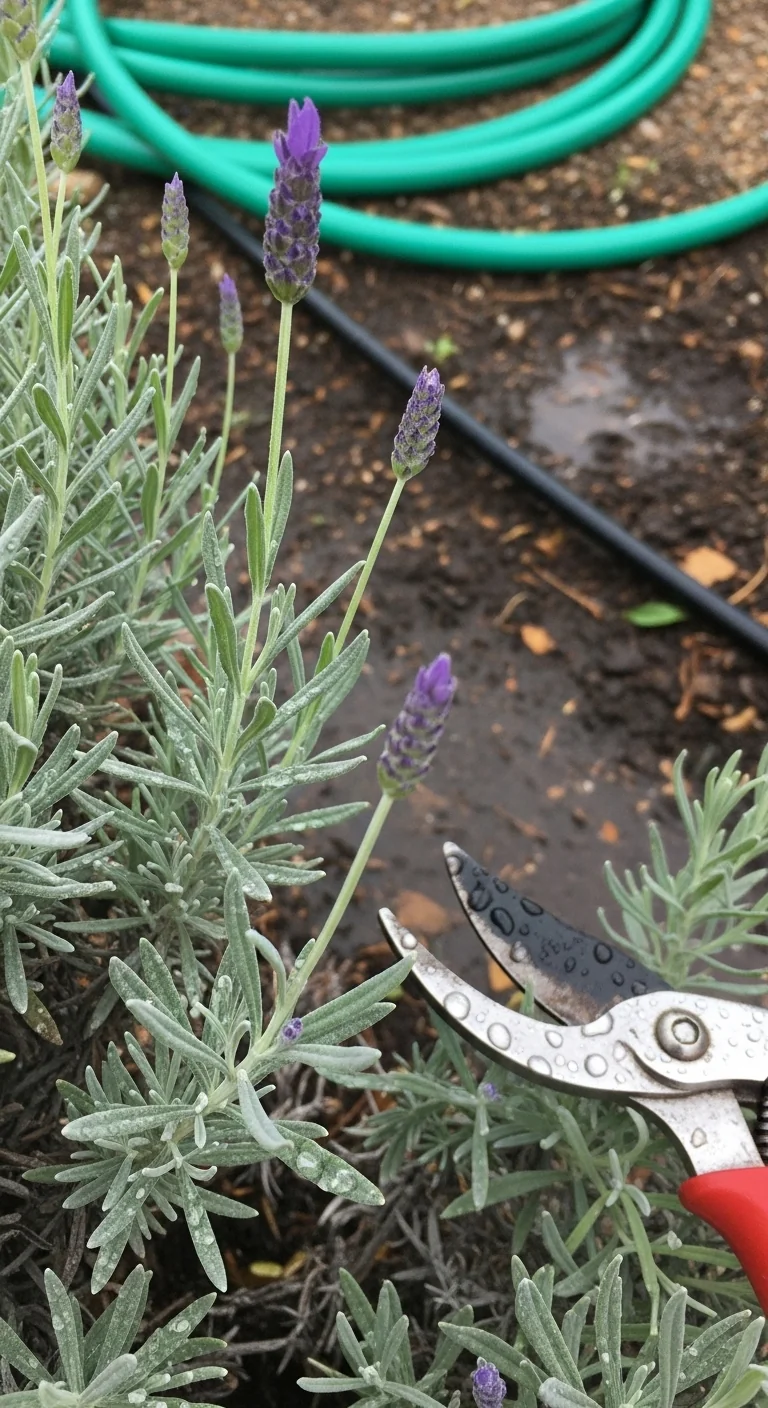
Best for: Branch 3
Lavender handles container life because its narrow root system fits 12 inch pots and its silvery foliage reflects heat so foliage stays viable between deep waterings every 14 days after establishment. Threshold rule: maintain soil pH 6.5 to 7.5 by testing annually and adding lime only if readings fall below 6.0. In branch 3 setups avoid organic mulch entirely and use pea gravel top dressing instead to keep the crown dry. Harvest flower spikes when half the buds open for maximum aroma retention.
Winter Savory
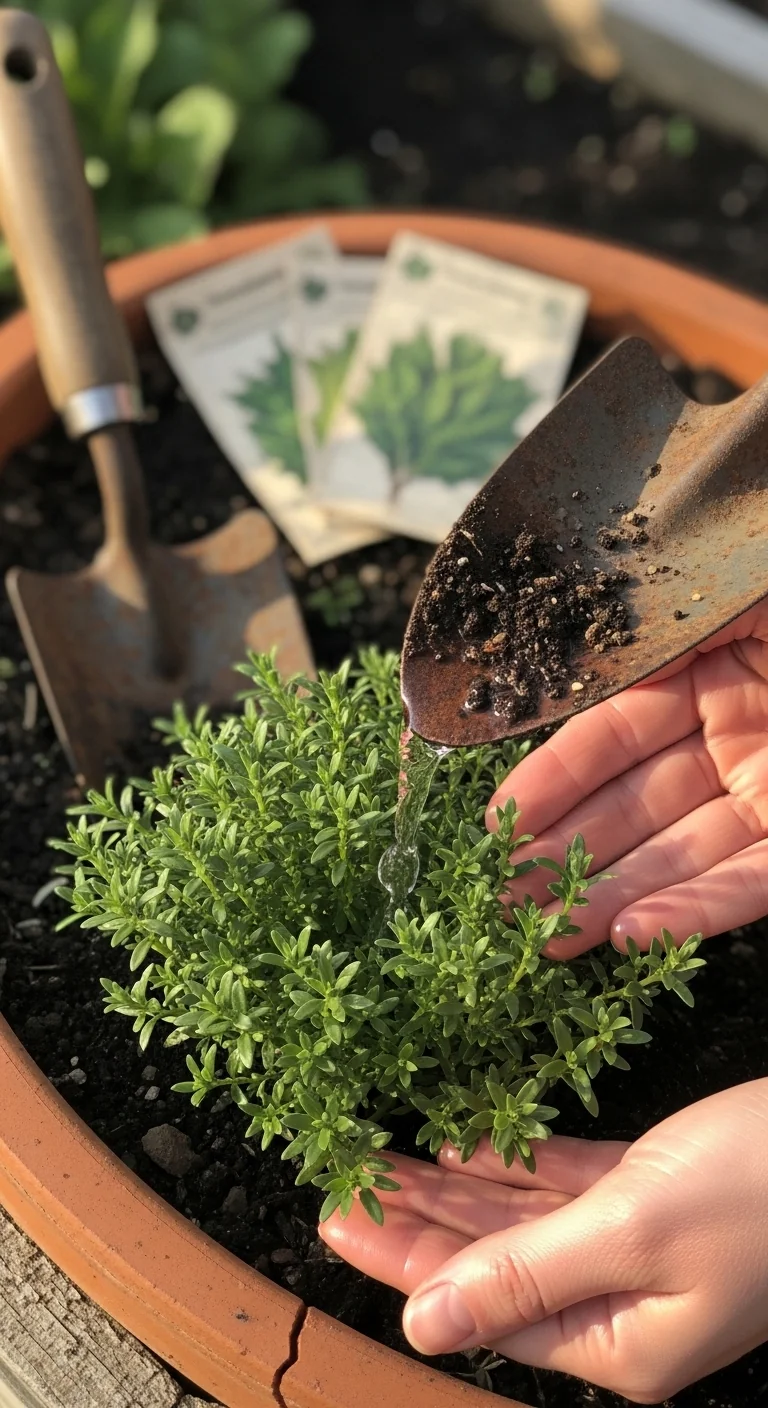
Best for: Branch 2
Winter savory forms a low evergreen cushion that retains soil moisture at the base while delivering strong peppery notes even after months of limited rain. Ten minute workflow: plant in early spring when soil reaches 55 degrees F, space 10 inches apart for coverage, water to settle roots, then apply two inch mulch layer. Upgrade option: shear lightly in late winter to stimulate fresh growth before the next dry cycle. Its compact form pairs perfectly with creeping thyme in mixed groundcover beds.
Bay Laurel
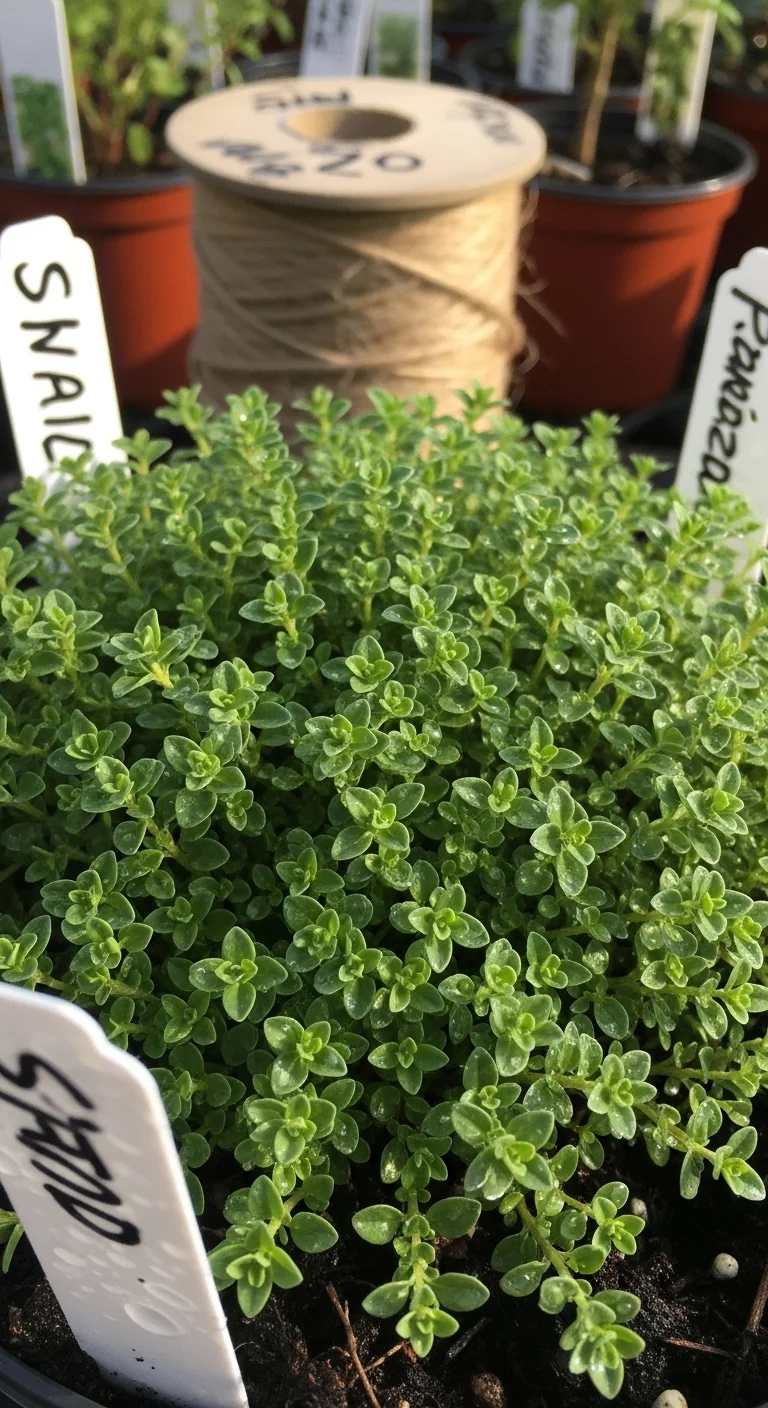
Best for: Branch 3
Bay laurel grows slowly in pots so it stays manageable for years while its thick leathery leaves resist water loss during container dry down periods. Use it when you need a structural accent that supplies whole leaves for long simmering dishes. Prune only in late spring after new growth hardens to avoid tip dieback in dry air.
Starter Stack (What to Choose First)
Branch 1 Starter: Rosemary and Sage
These two woody perennials share deep root systems that avoid competition while their upright habits create a low maintenance border. Plant both in the same bed for combined savory harvest. Cost range: 10 to 25 dollars for two established starters. Time estimate: 30 to 45 minutes total planting.
Branch 2 Starter: Thyme and Winter Savory
Thyme spreads as living mulch while winter savory adds vertical interest and strong flavor contrast. Together they cover ground quickly and stabilize soil in loamy sites. Cost range: 8 to 20 dollars for two starters. Time estimate: 20 to 35 minutes total planting.
Branch 3 Starter: Lavender and Bay Laurel
Lavender provides scent and pollinators while bay laurel supplies structure and culinary leaves. Both tolerate pot cycles and fit balcony constraints. Cost range: 12 to 28 dollars for two starters. Time estimate: 25 to 40 minutes total planting.
When This Won’t Work
These herbs fail when soil holds water longer than eight hours after rain because even tolerant roots rot under prolonged saturation. They also fail when winter lows drop below the rated hardiness threshold for more than two weeks without mulch or protection because crown damage prevents spring regrowth.
Measure your site first with a simple percolation test and zone lookup. If conditions fall outside the grid ranges shift to raised bed construction with controlled drainage layers.
See raised bed herb garden for step by step drainage solutions that extend the usable season.
Choosing the Right Option for Your Situation
Budget threshold
Keep total starter cost under 30 dollars by buying two small plants from a local nursery rather than mail order. This covers one pair from any branch starter stack.
Time threshold
Limit initial setup to under one hour by preparing the bed or pots the day before planting. All options require only loosening soil, setting crowns level, and initial deep watering.
Technical constraint
Confirm soil pH sits between 6.0 and 7.5 before planting because values outside this range lock up nutrients and weaken drought response even in tolerant species.
Yes if drainage test clears in under eight hours and zone matches.
No if soil stays soggy past eight hours.
Yes if you can apply two inch mulch or gravel.
No if winter protection is impossible below 20 degrees F.
Expert Q&A
How do you take cuttings from drought tolerant herbs to expand your collection without buying new plants?
Take four inch stem cuttings in early summer after new growth hardens. Remove lower leaves, dip in plain water or rooting hormone if available, and place in moist sand or perlite under indirect light. Roots form in three to four weeks. Transplant once roots reach one inch long.
What mulch type and depth actually extends dry spell tolerance without causing crown rot?
Use two inches of pea gravel or coarse sand around the base. This reflects heat, allows air flow, and prevents soil splash while still permitting deep water to reach roots. Avoid wood chips or compost that hold excess moisture near the stem.
When does pruning timing affect essential oil concentration in drought tolerant herbs?
Prune immediately after flowering ends but before summer heat peaks. This removes spent growth and redirects energy to new leaves that develop higher oil content under subsequent dry conditions. Never prune more than one third of the plant in one session.
How do you overwinter container grown drought tolerant herbs when temperatures drop below zone ratings?
Move pots against a south facing wall and wrap with bubble wrap or horticultural fleece once lows reach 20 degrees F. Water only when the top two inches of soil feel dry. Resume normal care once spring soil warms above 55 degrees F.
Which drought tolerant herbs maintain flavor intensity longest when dried at home?
Rosemary, sage, oregano and thyme hold aroma best when harvested just before flowering and dried in a single layer on screens at room temperature with good air flow. Store in airtight jars away from direct light once crisp.
Conclusion
The decision grid removes guesswork by linking each herb directly to measurable site factors so you plant once and maintain flavor through dry cycles. The single biggest mistake is continuing weekly watering after the first season which invites root rot and dilutes essential oils.
Take the next step by running your drainage test today and selecting the starter pair that matches your branch. Integrate them using herb garden design ideas for maximum harvest efficiency and visual appeal.
“`