
Chill Hours Calculator
Determine if your climate provides enough winter chill hours for your fruit tree variety to bloom and fruit successfully.
How This Calculator Works
- Step 1 — Zone to Chill Estimate: Your ZIP/Zone is mapped to a USDA Hardiness Zone (1–13), then to an estimated average annual chill hour accumulation based on published NRCS and UC Davis climate data.
- Step 2 — Observed Low Override: If you enter your coldest winter low, the calculator adjusts the estimate: temperatures well below 32°F or above 45°F reduce effective chill hours (per Utah Model weighting).
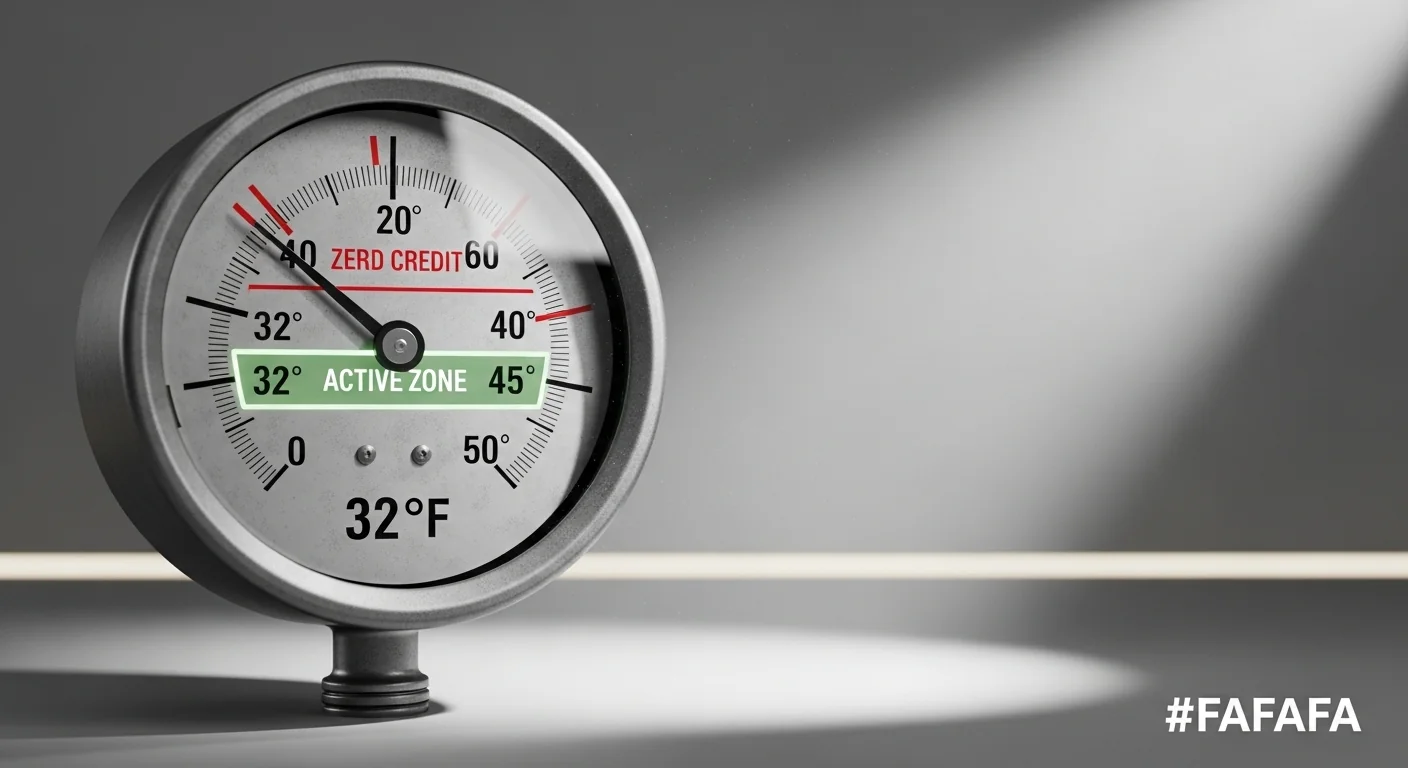
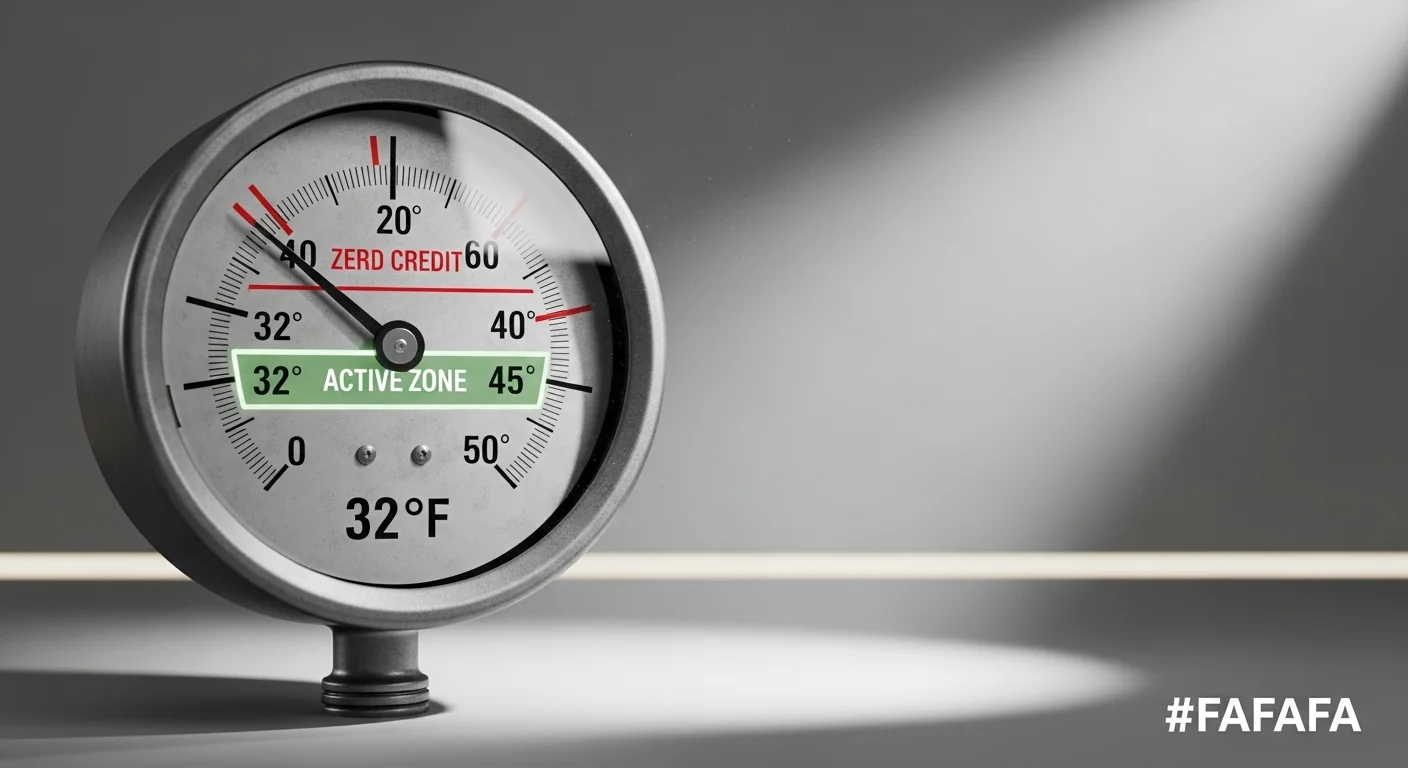
- Step 3 — Utah Model (32–45°F): Only hours where the temperature is between 32°F and 45°F count as full chill hours. Below 32°F = 0 credit (too cold). Above 45°F = 0 credit (too warm). This is the most widely validated model for temperate deciduous fruit trees.
- Step 4 — CA Modified Model: Hours between 45–54°F receive 0.5 partial credit. Hours 32–45°F = 1.0 credit. Used in mild-winter coastal climates.
- Step 5 — Requirement Check: Your estimated chill hours are compared against the selected variety’s published minimum chill requirement. The result is expressed as a percentage of requirement met.
Units: Chill hours are measured in hours (h). Variety requirements are published ranges from USDA, UC Davis, and WSU Extension.
Assumption: Zone-to-chill estimates are averages; actual accumulation varies ±15–20% year to year with weather patterns.
Assumptions & Limits
- Chill hour estimates are based on USDA zone averages and historical NOAA/NRCS data, not real-time weather feeds.
- The Utah Model applies equal weight to all hours in the 32–45°F band. Actual orchard conditions differ by microclimate, elevation, and urban heat islands.
- Variety requirements are published mid-range figures; individual cultivar requirements within a variety class may differ by ±50–100 hours.
- Sub-zero events (<10°F) may damage flower buds even when chill requirements are met — this calculator does not model freeze damage probability.
- Results are estimates for educational planning purposes only. Consult your local Cooperative Extension office for site-specific recommendations.
- ZIP-to-zone mapping covers US ZIP codes only. Non-US users should enter zone directly (e.g., 7a, 8b).
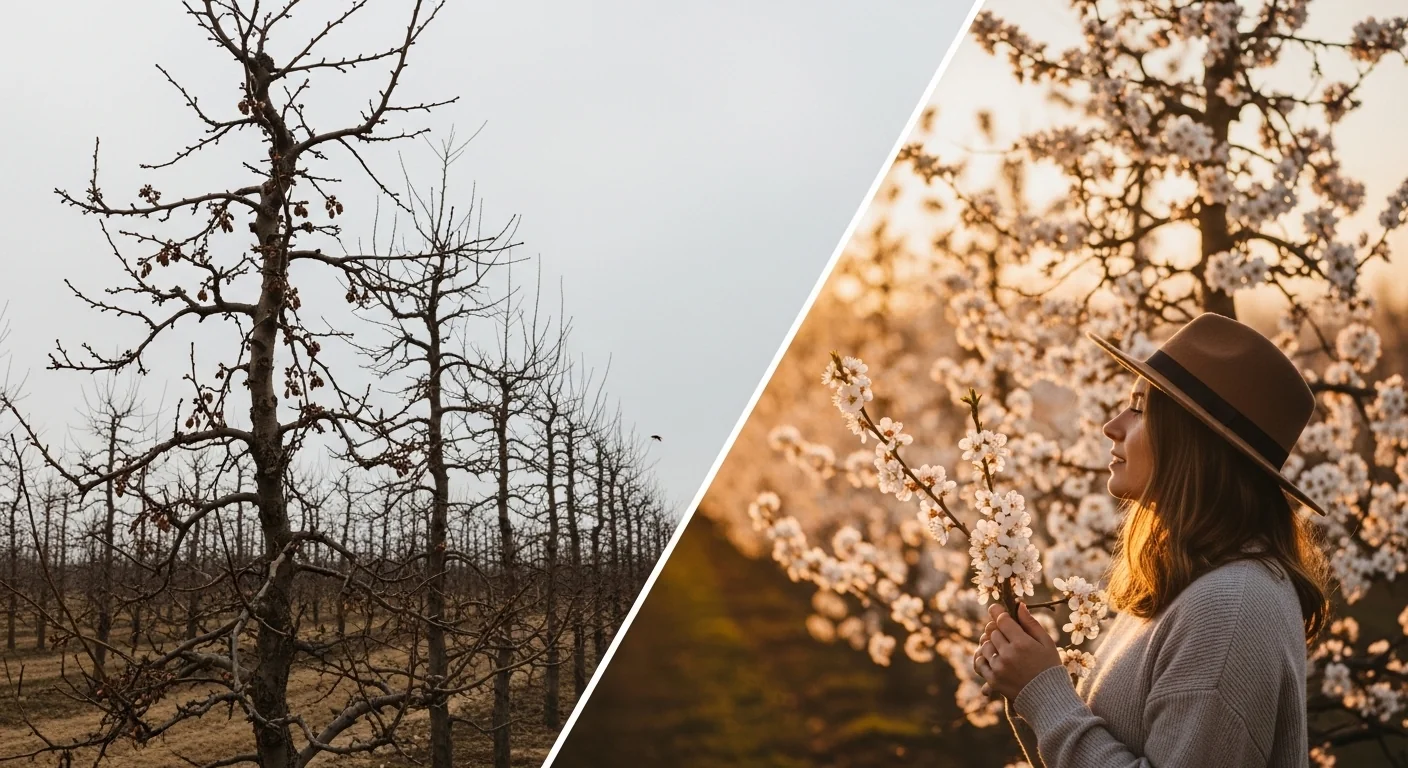
Planting a fruit tree in the wrong climate zone does not produce poor yields. It produces zero fruit, repeatedly, year after year, until the tree is removed. The mechanism behind this is chill hour accumulation: the total number of hours per winter that air temperatures stay within the 32°F to 45°F band where dormancy processes in deciduous fruit trees actually advance. Too few of those hours, and flower buds fail to develop correctly. The tree may leaf out, it may even bloom sporadically, but fruit set collapses.
This calculator estimates annual chill hour accumulation for a given US ZIP code or USDA Hardiness Zone, compares that estimate to the published chill requirement of your selected fruit tree variety, and flags whether your climate is sufficient, marginal, or mismatched. It uses the Utah Model as its primary calculation method, with an optional California Modified Model for mild coastal climates. What it does not do is pull real-time weather data or model individual years. The output is a zone average, which means actual accumulation will vary season to season. If you track heat-unit accumulation for other crops, the concept is similar to what the growing degree days calculator handles on the warm side of the temperature spectrum.
After running the calculator, you will know whether your climate can realistically support your chosen variety or whether you need to select a lower-chill cultivar that matches what your winters actually deliver.
Use the Tool
Before you start, have your ZIP code or USDA Hardiness Zone on hand. If you already know your average coldest winter night temperature, entering it in the “Observed Winter Low” field will produce a more refined estimate than the zone average alone. Select the tree variety group that best matches your planting plan, and pick the chill model used in your region (Utah Model is standard for most of the US; the California Modified Model is common in mild-winter coastal areas).
Quick Start (60 Seconds)
- ZIP Code or USDA Zone: Enter a 5-digit US ZIP code (e.g., 97201) or type your zone directly (e.g., 7a, 8b). Non-US growers should enter the zone manually. The calculator maps ZIP prefixes to zone estimates, so entering just a zone number is equally valid.
- Tree Variety: Select the variety group closest to your tree. Each group shows a chill requirement range. If your specific cultivar has a published requirement that differs, note that the table in the results will still show relative fit across the whole category.
- Chill Model: Leave this on Utah Model unless you garden in a mild coastal climate where the California Modified Model is locally standard. Do not switch models just to get a higher number.
- Observed Winter Low (optional): Enter the average coldest night in Fahrenheit for your site. This is not the all-time record low; it is the typical lowest temperature of a normal winter. If you do not know it, leave the field blank and the zone average will apply.
- Unit reminder: Temperature must be in Fahrenheit. The valid range is -30°F to 65°F. Entering Celsius values will produce incorrect adjustments without triggering an error.
- Common input mistake: Do not confuse cold-hardiness zone with chill hour accumulation. Zone 5 is cold enough to kill many plants but does not accumulate unlimited chill hours: below 32°F, the Utah Model assigns zero credit.
- Calculate: Press Calculate Chill Hours or hit Enter from any field. The gauge bar, traffic light, and reference table all update together.
Inputs and Outputs (What Each Field Means)
| Field | Unit | What It Means | Common Mistake | Safe Entry Guidance |
|---|---|---|---|---|
| ZIP Code / USDA Zone | Text (ZIP or zone) | Maps your location to an estimated annual chill hour accumulation based on USDA zone averages from NRCS and UC Davis Pomology data. | Entering a partial ZIP or a zone outside 1-13 produces no match. | 5-digit US ZIP or zone with letter suffix (e.g., 8b). If ZIP is not recognized, fall back to zone entry. |
| Tree Variety | Category selection | Selects the chill requirement class for your fruit tree. Each group corresponds to a published mid-range requirement in hours. | Selecting “Mid Chill” when the specific cultivar is “High Chill” understates the deficit. | When uncertain, select the higher-chill option for the species. Underestimating the requirement is riskier than overestimating it. |
| Chill Model | Selection | Utah Model counts hours 32-45°F as full chill. CA Modified adds 0.5 credit for 45-54°F hours, producing higher estimates in mild-winter zones. | Using CA Modified in a continental climate inflates the estimate artificially. | Match the model used by your local Cooperative Extension office. Utah is the default for most US regions. |
| Observed Winter Low (°F) | °F (optional) | Average lowest temperature on the coldest nights of winter. Used to adjust the zone estimate up or down based on actual site conditions. | Entering the record all-time low instead of the average low overstates the adjustment and underestimates chill hours. | Use the 10-year average of your lowest winter readings, not a single extreme year. Range accepted: -30°F to 65°F. |
| Estimated Chill Hours / Year (output) | Hours (h) | The primary calculated result: estimated annual accumulation of chill hours for your zone under the selected model. | Treating this as an exact value rather than a zone-average estimate. | Expect real-season variation of plus or minus 15-20% from this figure in any given year. |
| % of Requirement Met (output) | Percent | Estimated hours divided by the variety’s published requirement, shown as a gauge bar and numeric output. | Assuming 90% coverage is “close enough.” At 90%, marginal years frequently drop below threshold. | Target 100% or above for reliable fruiting. The gauge bar turns red below 70%. |
| Traffic Light Status (output) | Green / Yellow / Red | Green = requirement met. Yellow = 70-99% coverage, marginal. Red = below 70%, fruit failure risk. | Ignoring yellow status, assuming it means “probably fine.” | Yellow zones should select a low-chill alternative or plan for inconsistent yields in warm winters. |
| Variety Suggestions (output) | Text list | Lists variety classes whose requirements fall within your estimated zone chill hours, shown only when status is not already green. | Not using the suggestions and proceeding with the original mismatched variety. | Cross-reference suggested variety classes with your preferred fruit type and local nursery availability. |
Worked Examples (Real Numbers)
Example 1: Pacific Northwest Gardener, Zone 8a, Apple (High Chill)
- ZIP entered: 97201 (Portland, OR)
- Zone resolved: 8a
- Estimated chill hours (Utah Model, zone average): 550 hours
- Variety selected: Apple, High Chill (requirement: 900 hours)
- Observed Winter Low: not entered
Result: 550 hours estimated vs. 900 hours required = 61% of requirement met (Red / Fruit Failure Risk). The widget displays: “If you plant this 900-hour Apple in Zone 8a (~550 hours), it will likely never fruit.”
Portland’s mild, wet winters do not produce enough sustained cold for high-chill apple varieties. Cultivars in the Low Chill or Mid Chill Apple category, with requirements in the 300-650 hour range, are the appropriate selection for this zone.
Example 2: Tennessee Orchard Planner, Zone 7a, Peach (Mid Chill)
- Zone entered: 7a
- Estimated chill hours (Utah Model, zone average): 750 hours
- Variety selected: Peach, Mid Chill (requirement: 525 hours)
- Observed Winter Low: 22°F entered
- Adjusted estimate after low override: approximately 682 hours
Result: 682 hours estimated vs. 525 hours required = 130% of requirement met (Green / Requirement Met). The variety is well-matched to the zone.
Mid-chill peach varieties such as Contender and Redhaven are standard recommendations for Zone 7 climates. The observed low of 22°F triggers a modest downward adjustment, but the zone still exceeds the requirement by a comfortable margin.
Example 3: Central Florida Grower, Zone 9b, Fig vs. Cherry (High Chill)
- ZIP entered: 32801 (Orlando, FL)
- Zone resolved: 9b
- Estimated chill hours (Utah Model, zone average): 250 hours
- Scenario A: Fig (requirement: 75 hours) = 333% of requirement met (Green)
- Scenario B: Cherry, High Chill (requirement: 850 hours) = 29% of requirement met (Red)
Result A: Fig is an ideal fit for Zone 9b. Brown Turkey, Celeste, and Black Mission are reliable producers in this zone.
Result B: High-chill cherries require approximately 600 more chill hours than Zone 9b provides. No management practice compensates for this gap. If cherries are the goal, low-chill varieties such as Minnie Royal or Royal Lee, bred for Southern climates, are the only viable path.
Reference Table (Fast Lookup)
| Variety Class | Req. (hrs) | Zone 6 (~850 hrs) | Zone 7 (~700 hrs) | Zone 8 (~500 hrs) | Zone 9 (~300 hrs) | Zone 10 (~150 hrs) |
|---|---|---|---|---|---|---|
| Fig | 75 | 1133% (Green) | 933% (Green) | 667% (Green) | 400% (Green) | 200% (Green) |
| Peach, Low Chill | 150 | 567% (Green) | 467% (Green) | 333% (Green) | 200% (Green) | 100% (Green) |
| Blueberry, Southern Highbush | 175 | 486% (Green) | 400% (Green) | 286% (Green) | 171% (Green) | 86% (Yellow) |
| Cherry, Low Chill | 250 | 340% (Green) | 280% (Green) | 200% (Green) | 120% (Green) | 60% (Red) |
| Apple, Low Chill | 300 | 283% (Green) | 233% (Green) | 167% (Green) | 100% (Green) | 50% (Red) |
| Plum, Mid Chill | 450 | 189% (Green) | 156% (Green) | 111% (Green) | 67% (Red) | 33% (Red) |
| Peach, Mid Chill | 525 | 162% (Green) | 133% (Green) | 95% (Yellow) | 57% (Red) | 29% (Red) |
| Apple, Mid Chill | 650 | 131% (Green) | 108% (Green) | 77% (Yellow) | 46% (Red) | 23% (Red) |
| Cherry, High Chill | 850 | 100% (Green) | 82% (Yellow) | 59% (Red) | 35% (Red) | 18% (Red) |
| Apple, High Chill | 900 | 94% (Yellow) | 78% (Yellow) | 56% (Red) | 33% (Red) | 17% (Red) |
| Blueberry, Northern Highbush | 900 | 94% (Yellow) | 78% (Yellow) | 56% (Red) | 33% (Red) | 17% (Red) |
| Pear, High Chill | 750 | 113% (Green) | 93% (Yellow) | 67% (Red) | 40% (Red) | 20% (Red) |
Zone chill hour estimates are Utah Model averages. Derived columns show calculated coverage percentage and the corresponding traffic light status used by the calculator. Individual cultivar requirements within each variety class may vary by plus or minus 50-100 hours.
How the Calculation Works (Formula + Assumptions)
Show the calculation steps
Step 1 — ZIP/Zone Resolution: A 5-digit US ZIP code is mapped using its first three digits to a USDA Hardiness Zone number. That zone number is then matched to a published average annual chill hour accumulation value from NRCS and UC Davis Pomology climate references. If a zone is entered directly (e.g., 8b), the zone-specific sub-band value is used. Zone 8 averages approximately 500 chill hours; Zone 8a skews higher (~550 hours) and Zone 8b lower (~450 hours) due to temperature sub-band differences.
Step 2 — Observed Low Adjustment: If an observed winter low is entered, a multiplier is applied to the base zone estimate. The multiplier reflects that nights well below 32°F accumulate zero Utah Model credit (too cold), while average lows above 40°F indicate winters where sustained chill-range temperatures are rare. The adjustment scale runs from 0.72 (extreme cold, below 10°F average low) to 0.50 (warm winters, 46-54°F average low). No adjustment is made for lows between 32°F and 36°F, which is the ideal chill accumulation band.
Step 3 — Chill Hour Counting (Utah Model): Only hours where temperature falls between 32°F and 45°F receive full credit (1 hour of chill per hour in range). Hours below 32°F receive zero credit. Hours above 45°F receive zero credit. This binary accumulation is the defining feature of the Utah Model, developed by Richardson et al. (1974) at Utah State University.
Step 4 — California Modified Model: When selected, hours in the 45-54°F band receive 0.5 partial credit per hour, and the overall estimate is scaled upward by a factor of 1.18 relative to the Utah Model base. This model is appropriate for mild-winter coastal climates where a meaningful portion of chill accumulation occurs in the 45-54°F range.
Step 5 — Requirement Comparison: Estimated chill hours are divided by the variety’s published mid-range requirement. The result is expressed as a percentage of requirement met and mapped to a traffic light status: green at 100% and above, yellow from 70-99%, red below 70%.
Rounding: All intermediate values are rounded to whole numbers. The percentage is rounded to the nearest whole number before display.
Assumptions and Limits
- Zone-to-chill-hour mapping represents long-term climate averages, not any individual season. Actual accumulation can vary by 15-20% in either direction from year to year.
- ZIP-to-zone mapping uses the first three digits of the ZIP code and covers the continental US only. Hawaii, Alaska, and Puerto Rico zones should be entered manually as a zone number.
- Variety requirement values are published mid-range figures from USDA, UC Davis, and WSU Extension sources. Individual cultivar requirements within a category can differ by 50-100 hours from the class mid-range used here.
- The observed low adjustment uses a simplified multiplier model, not a full probability distribution of nightly temperatures across a season. High-elevation sites, cold-air drainage basins, and urban heat islands can produce local microclimates that deviate substantially from zone averages.
- Sub-zero events (below 10°F) can damage or kill flower buds even when total chill hour requirements are met. This calculator does not model freeze damage probability, late-spring frost risk, or bud-kill thresholds.
- The California Modified Model multiplier (1.18) is a simplified approximation. Actual CA Modified accumulation varies by site elevation and proximity to marine influence.
Standards, Safety Checks, and Secret Sauce Warnings
Critical Warnings
- The fruit failure threshold is categorical, not gradual. A tree that receives 60% of its chill requirement does not produce 60% of a normal crop. It typically produces close to nothing. Flower bud differentiation is a binary biological process: it either completes or it does not. The gauge bar going red is not a caution. It is a stop sign.
- Marginal zones produce erratic orchards, not average ones. A zone delivering 80-90% of a variety’s requirement will meet the threshold in cold winters and fail in warm ones. This means productive years are followed by near-zero-fruit years, with no reliable pattern. If the goal is consistent harvest, a yellow result warrants selecting a lower-chill variety, not accepting the risk.
- Zone hardiness does not equal chill hour abundance. Zone 4 and Zone 5 climates are cold enough to damage many plants, but their chill hour totals drop when temperatures fall below 32°F frequently, because those hours accumulate zero Utah Model credit. A Zone 5 garden can have fewer effective chill hours than a Zone 6 site with a milder but steadier winter.
- Bloom timing after chill requirement is met is a separate risk factor. Once chill hours are satisfied, the tree exits dormancy and responds to warmth. A late frost after bud break can destroy the flower crop even when chill accumulation was perfect. After confirming chill match, check your average last frost date using the harvest date calculator to understand the full bloom-to-fruit window for your site.
Minimum Standards
- The Utah Model is the peer-reviewed standard for temperate deciduous fruit tree chill accumulation. Use it as the default unless your local Cooperative Extension office specifies a different model for your region.
- A chill hour estimate at or above 100% of requirement is the minimum target for reliable, year-to-year fruit production. Planning to “just make it” in a marginal zone does not account for year-to-year climate variability.
- For orchard disease and pest management after variety selection and chill verification, fungicide timing protocols should follow FRAC code rotation standards. The fungicide FRAC code calculator covers resistance management for common orchard fungal pathogens.
Competitor Trap: Many chill hours guides present a simple table of zone-to-hours estimates without separating what happens below 32°F from what happens between 32°F and 45°F. This causes growers in very cold climates to overestimate their chill accumulation and plant high-requirement varieties that fail. The Utah Model assigns zero credit to sub-freezing hours, which is the critical distinction. If the resource you are reading does not address the lower temperature boundary of the chill window, it is incomplete for planning purposes.
Common Mistakes and Fixes
Mistake: Using Cold-Hardiness Zone as a Proxy for Chill Hours
USDA Hardiness Zones measure the average annual minimum temperature. They tell you whether a plant survives winter, not whether it receives the right type of cold. A Zone 5 winter that spends many nights well below 32°F accumulates very few Utah Model chill hours, because sub-freezing temperatures fall outside the 32-45°F accumulation window. Two gardens in the same zone can have chill hour totals that differ by hundreds of hours depending on how many nights fall in that specific range.
Fix: Enter an observed winter low into the calculator to refine the zone average for your actual site conditions.
Mistake: Selecting the Wrong Variety Chill Class
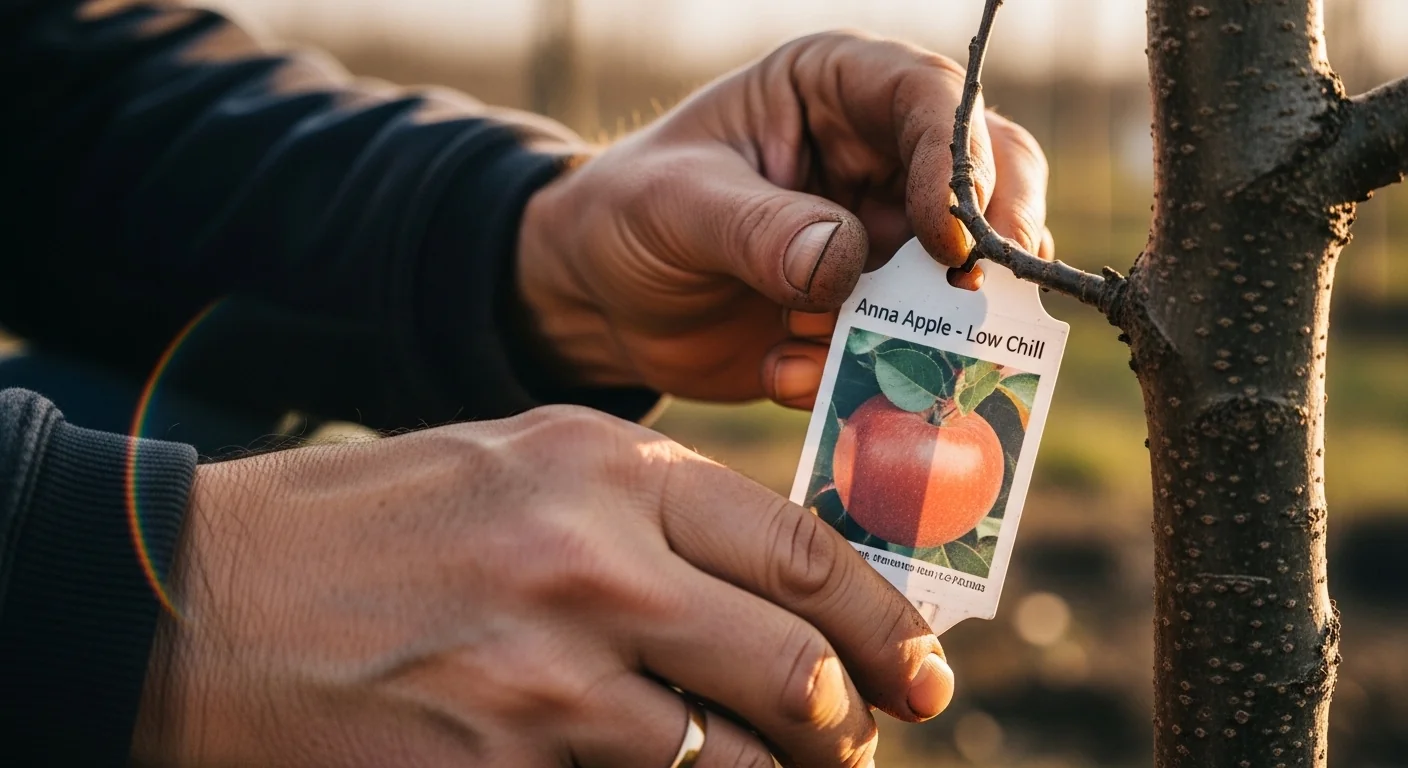
Fruit tree labeling at nurseries frequently omits chill hour requirements entirely, or describes them vaguely as “cold-hardy.” A “cold-hardy” apple and a “low-chill” apple are not the same plant. High-chill varieties bred for Northern states are regularly sold in warm-climate nurseries because they are available in the supply chain, not because they are appropriate for those zones. The result is consistent purchase of trees that will not fruit in that location.
Fix: Look up the specific cultivar name and confirm its published chill requirement in hours before purchasing. Match that number to your zone’s estimate, not the nursery’s zone rating on the tag.
Mistake: Ignoring Microclimate Variation Within a Zone
A zone average is a regional mean. Elevation, cold-air drainage, urban heat islands, and proximity to large water bodies all create microclimates that deviate from the zone center. A hillside in Zone 7b can accumulate significantly more chill hours than the valley below it if cold air pools in lower terrain. A garden near a city center in Zone 7a may behave more like Zone 8 in practice. Using a site-specific observed winter low in the optional field accounts for some of this variation. For full site assessment, the sun path calculator complements chill hour planning by characterizing your site’s solar exposure across seasons.
Fix: Track your own minimum temperature data over at least two winters and use the observed low field rather than relying solely on zone averages.
Mistake: Assuming the California Modified Model Applies to All Mild
Climates
The CA Modified Model assigns partial credit to hours in the 45-54°F range and was developed specifically for inland California valleys where a significant share of winter nights fall in that band. Applying it to, say, a southeastern US climate with a similar zone number inflates the chill estimate without biological justification, because the temperature distribution of those regions is not equivalent. Inflated estimates lead growers to believe a variety is matched when it is not.
Fix: Use the Utah Model unless your local Cooperative Extension office or a regional pomology resource explicitly recommends the CA Modified Model for your area.
Mistake: Treating Marginal Status as Acceptable Risk
The yellow zone on the gauge bar represents 70-99% of requirement met, which sounds close. In practice, a zone sitting at 80% of a variety’s chill requirement will fail to satisfy that requirement entirely in approximately any winter that runs warmer than average. In regions experiencing long-term warming trends, zones that historically just met a threshold are increasingly falling short. Marginal is not acceptable for a tree investment with a 15-20 year productive lifespan.
Fix: In marginal zones, move down one chill class rather than attempting to plant the borderline variety. For example, if Mid Chill Apple is marginal for your zone, plant Low Chill Apple and select cultivars from that category with the highest flavor ratings available.
Next Steps in Your Workflow
Once you have confirmed that your zone and variety are matched, the next planning step is site layout. Fruit trees require specific spacing to avoid competition for light and nutrients, and most varieties need at least one compatible pollinator nearby. For apple, pear, cherry, and plum, planting a single tree rarely produces optimal yields regardless of chill hour match. The plant spacing calculator handles row spacing and per-tree allotment for orchard configurations ranging from backyard plantings to larger-scale layouts.
Chill hours determine whether the tree blooms reliably. What happens after bloom is a function of pollination timing, frost exposure, and season length. If you are planning multiple species or sequential harvests across a season, mapping that out in advance prevents gaps and gluts. The succession planting chart is designed for exactly this kind of multi-crop coordination and applies equally well to an orchard timeline as it does to a vegetable garden season.
FAQ
What is the Utah Model for chill hours?
The Utah Model, developed by Richardson et al. in 1974, counts winter hours where air temperature falls between 32°F and 45°F as effective chill hours. Hours outside that range, both colder and warmer, receive zero credit. It remains the most widely validated model for temperate deciduous fruit tree dormancy in continental climates and is the default method used by most US Cooperative Extension pomology programs.
How many chill hours does my zone typically accumulate?
Zone 5 typically accumulates 900-1100 hours under Utah Model averages. Zone 6 runs 800-900 hours. Zone 7 produces roughly 650-750 hours. Zone 8 drops to 450-550 hours. Zone 9 delivers approximately 250-350 hours. Zone 10 falls below 200 hours in most years. These are averages; actual accumulation varies by local microclimate and annual weather patterns.
Can I grow high-chill apple varieties in Zone 8 or 9?
High-chill apple varieties requiring 800-1000 hours cannot fruit reliably in Zone 8 or 9. Zone 8 averages roughly 500 chill hours, which falls well short of an 800-900 hour requirement. Some growers attempt supplemental chilling with evaporative cooling, but this is resource-intensive and unreliable at scale. The practical answer for Zone 8 and 9 is to select cultivars from the Low or Mid Chill Apple category.
What happens if a fruit tree does not get enough chill hours?
Without sufficient chill hour accumulation, flower buds do not differentiate fully during dormancy. The tree may produce scattered vegetative growth or fail to break dormancy uniformly. In moderate deficits, irregular bloom leads to poor fruit set. In large deficits, the tree does not bloom at all or blooms so sporadically that no harvestable fruit is produced. This pattern repeats annually as long as the tree is planted in a climatically mismatched zone.
Is the observed winter low field the same as the record low for my area?
No. The field asks for the typical average low on your coldest nights, not the historical record extreme. A location that once recorded a single reading of 0°F during an anomalous freeze event, but normally sees winter lows around 25-28°F, should have 25-28°F entered. Using the record low overstates the cold adjustment and produces an underestimate of chill hours.
Do container-grown fruit trees need the same chill hours as in-ground
trees?
The biological chill requirement is the same regardless of growing method. However, container-grown trees experience root zone temperatures that track air temperature more closely than in-ground trees, which can mean the root system is exposed to greater cold stress during extreme events. Some growers in marginal zones use container growing to move trees into cold storage for more controlled chilling, but the variety’s dormancy requirement in hours does not change.
Conclusion
The most consequential mistake is treating a marginal result as an acceptable gamble. A zone that delivers 85% of a variety’s chill requirement will fail entirely in warm winters, which are becoming more frequent in many US regions. The fix is always to select a cultivar whose requirement your zone reliably exceeds, not to hope for a cold year. For growers exploring intensive planting configurations after confirming chill compatibility, the pot size calculator covers container volume requirements for productive fruit tree growing in smaller spaces.