
“`html
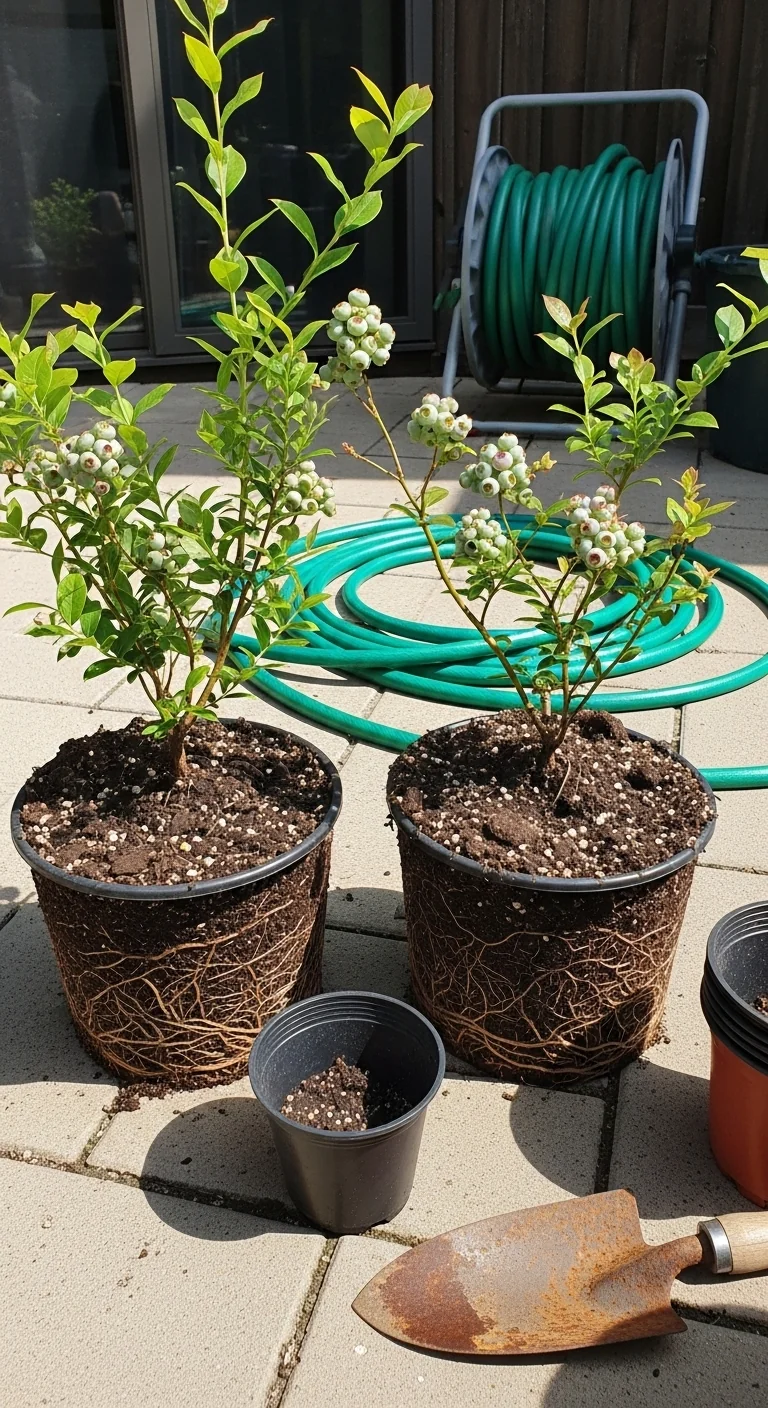
Growing blueberries in containers lets you create a custom acidic root zone that most garden soils cannot provide. The decisive factor separating steady production from weak growth is pairing exact pot surface area and volume to the variety’s mature root spread and your local chill hours, rather than defaulting to any compact plant in a generic pot.
This guide covers container-specific choices for varieties, pot dimensions, soil mixes, watering, fertilizing, pruning, overwintering, and pollination. It excludes in-ground planting methods and large-scale commercial production.
You will finish with a clear branch assignment for your setup and the exact sequence of actions that fit your space and climate.
Align pot volume to variety root habit and chill requirement first, then follow the matching care steps to harvest blueberries even where ground soil pH is unsuitable.
The Yield Grid Decision Grid
Branch 1: Limited footprint. Your available pot width is 18 inches or narrower and total space per plant is under 3 square feet (typical balcony or small patio). Recommended: Items 1, 2, and 5 below.
Branch 2: Mobile patio setup. You can shift 18- to 24-inch-wide pots seasonally for frost protection and have moderate room to maneuver. Recommended: Items 3, 6, and 8 below.
Branch 3: Large permanent containers. You have fixed space for 24-inch-wide or wider pots or half-barrels in a sunny location that remains in place year-round. Recommended: Items 4, 7, and 9 below.
For exact soil pH confirmation before filling any pot, see the blueberry soil pH guide.
Quick Comparison Table
| Option | Key mechanism | Best for | Decision Grid Branch | Effort Score |
|---|---|---|---|---|
| Dwarf variety selection | Chill-hour matching to root spread | Space-constrained sites | Branch 1 | 1 |
| Wide shallow pot choice | Surface area priority over depth for shallow roots | Early root establishment | Branch 1 | 1 |
| Acidic soil mix preparation | 50:50 peat moss and pine bark blend | pH control in any container | Branch 2 | 2 |
| Repotting schedule | Late-summer root inspection and upsizing | Long-term container health | Branch 3 | 3 |
| Consistent watering routine | Moist but never soggy medium with pine bark mulch | Daily moisture balance | Branch 1 | 5 |
| Acidic fertilizer timing | Spring and early-summer applications only | Nutrient delivery without burn | Branch 2 | 3 |
| Container pruning method | Annual removal of oldest canes at base | Airflow and renewal growth | Branch 3 | 2 |
| Overwintering protection | Insulation or relocation when temperatures drop below 20°F | Root survival in cold zones | Branch 2 | 4 |
| Pollination and netting plan | Paired varieties plus bird exclusion netting | Fruit set and protection | Branch 3 | 2 |
Dwarf Variety Selection Matched to Chill Hours
Best for: Branch 1
Blueprint
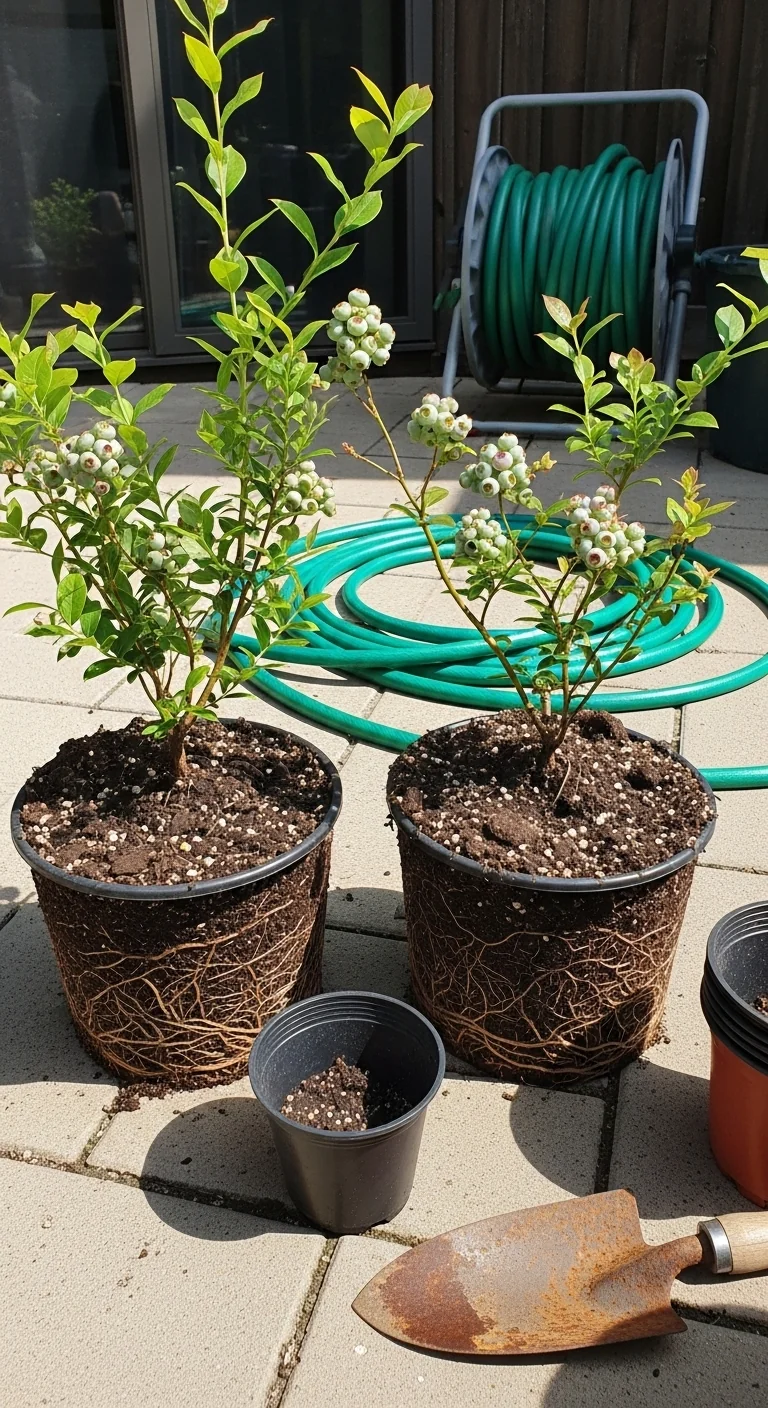
What: Select compact highbush or southern highbush types whose chill requirement aligns with your local winter hours (temperatures between 32°F and 45°F). For: Balconies or patios where mature height must stay under 3 feet. Steps: 1. Determine your approximate annual chill hours from local climate data. 2. Choose Top Hat or Jelly Bean for 800-plus chill areas, Peach Sorbet for 300-500 chill zones, or Sunshine Blue for under 300 chill zones. 3. Confirm the plant tag lists container suitability. Mistake to avoid: Picking a northern highbush type in a low-chill region, which delays or prevents fruiting regardless of pot conditions.
Container blueberries succeed here because the limited root volume of dwarf types matches the restricted pot footprint exactly.
Wide Shallow Pots Over Deep Narrow Ones
Best for: Branch 1
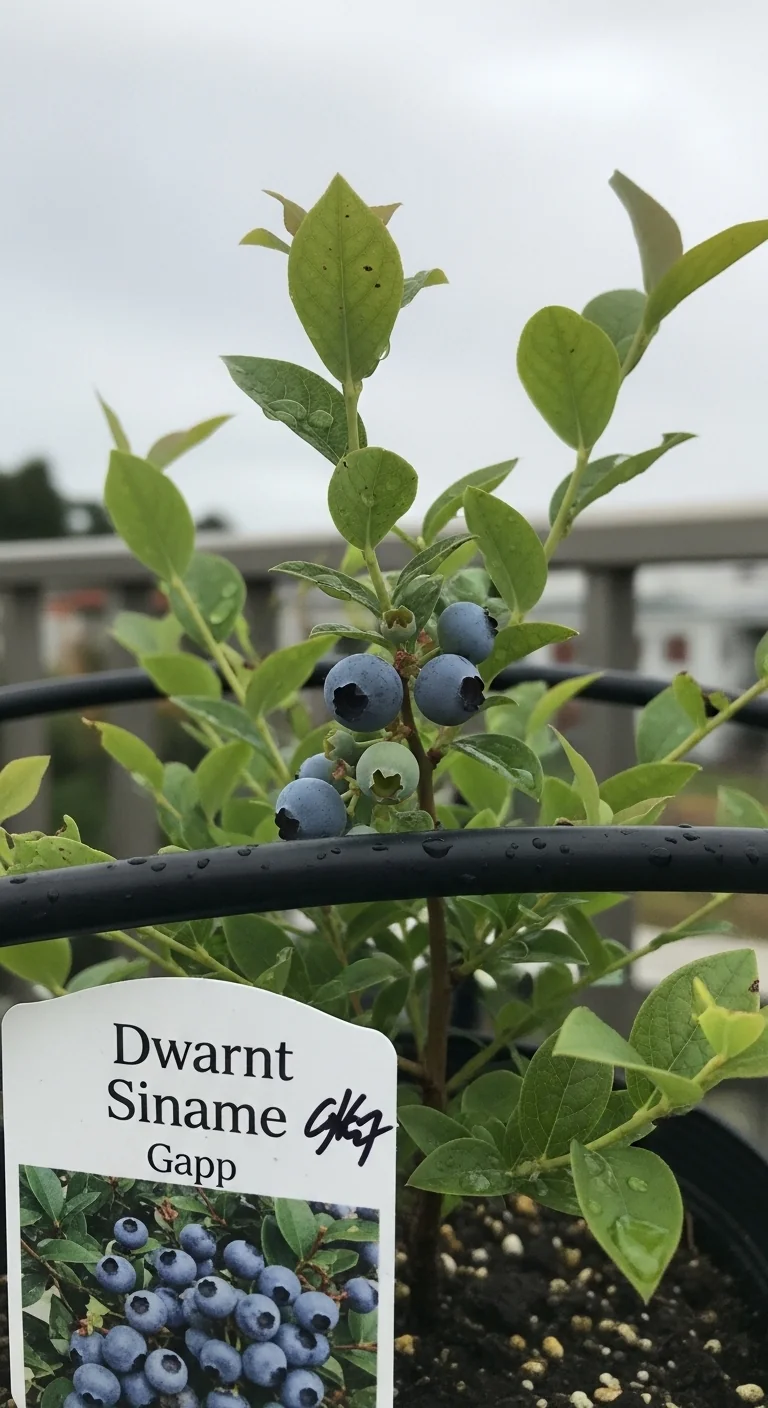
Use versus skip. Use wide, shallow containers (18 inches wide by 12-16 inches deep minimum) when your space limits vertical stacking. They support the shallow, fibrous blueberry root system that spreads horizontally rather than downward. Skip deep, narrow pots (over 20 inches tall but under 15 inches wide) because they concentrate roots vertically, increase compaction risk, and dry unevenly at the surface where feeder roots concentrate. Edge case: In windy balconies, add a wide saucer base for stability without sacrificing drainage.
Acidic Soil Mix Preparation
Best for: Branch 2
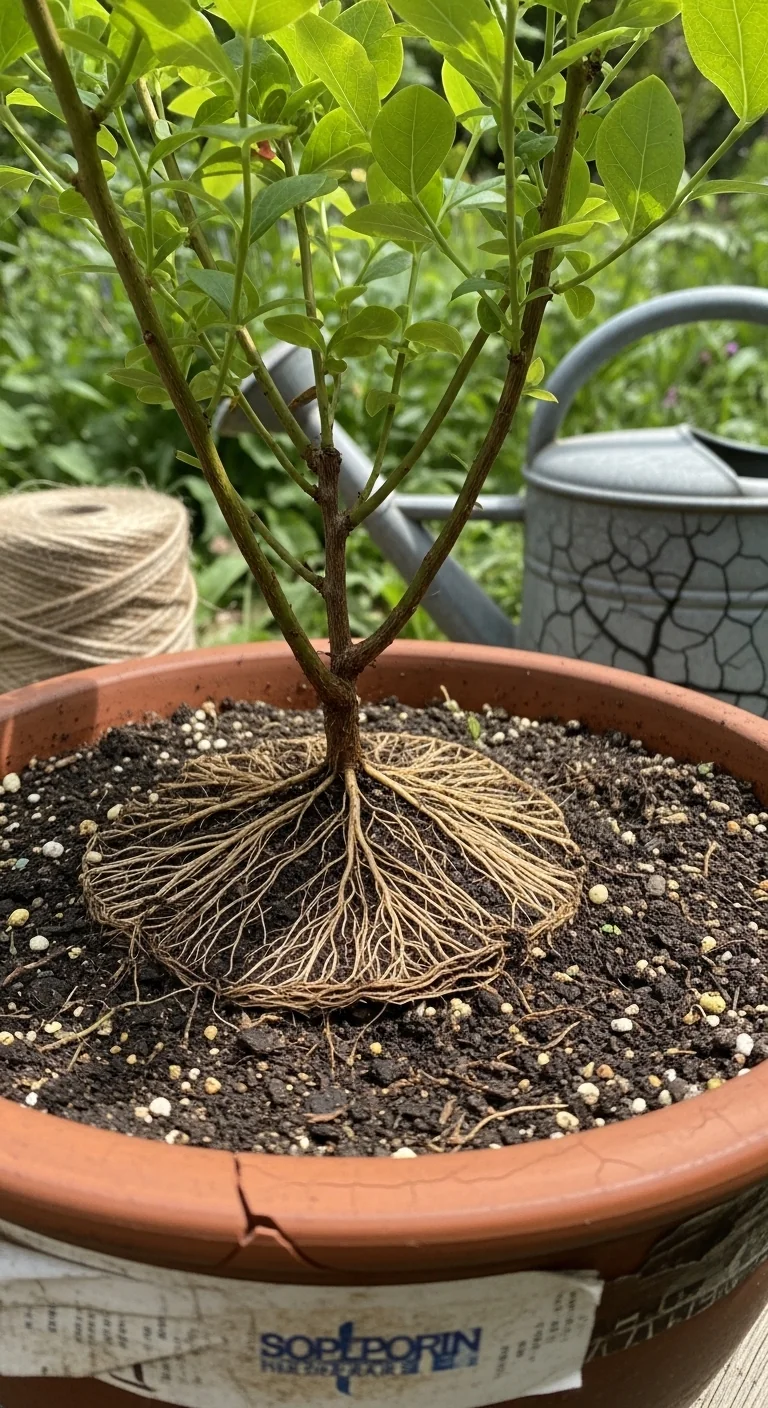
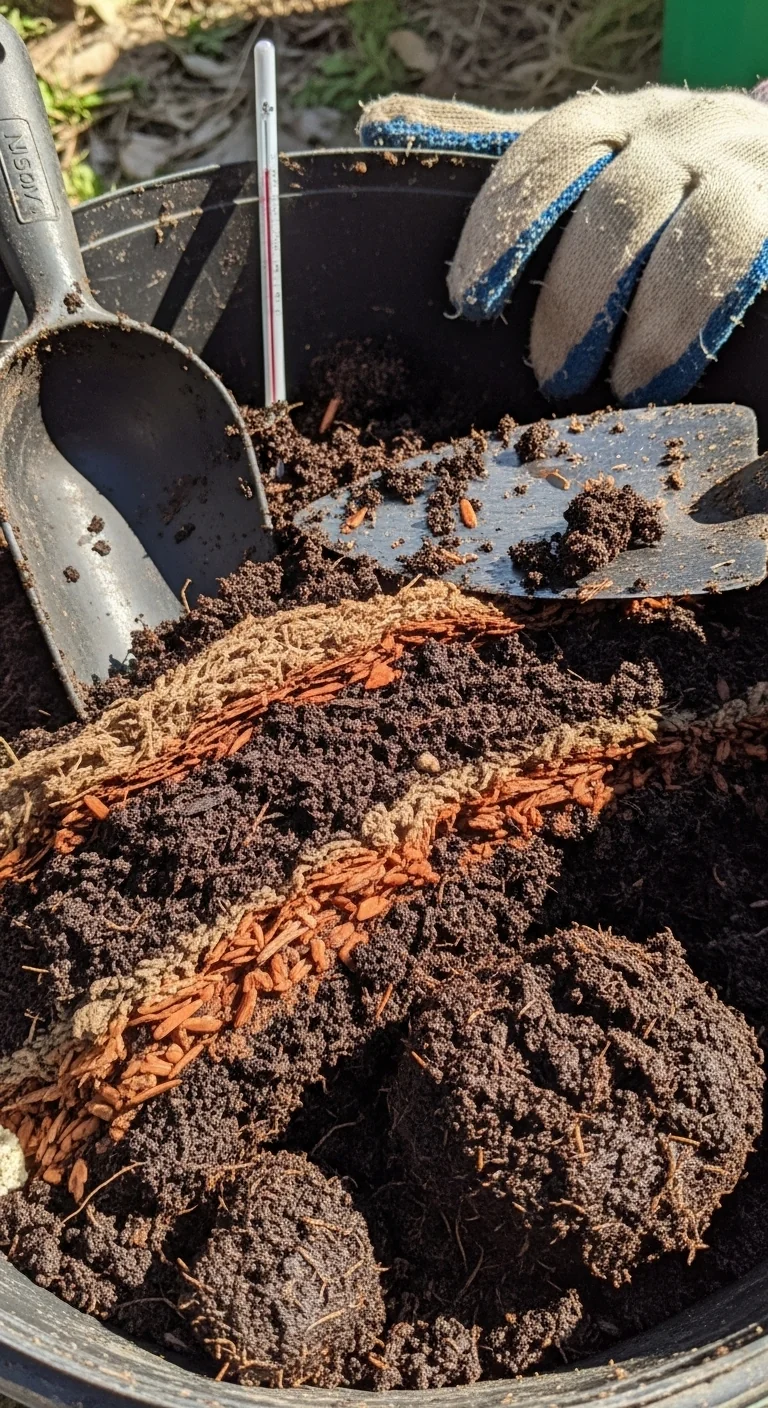
Threshold rule. Maintain soil pH between 4.5 and 5.5 by mixing one part sphagnum peat moss with one part shredded pine bark or a 50:50 blend of standard potting soil and peat moss. Test the finished mix with a simple probe before filling. Adjust downward only with elemental sulfur if above 5.5; never add lime. Re-test every spring because irrigation water can gradually raise pH over time. This rule prevents nutrient lockout that occurs above pH 6.0.
Link the prepared mix to the strawberries in containers approach for shared acid-loving berry techniques.
Repotting Schedule for Long-Term Container Success
Best for: Branch 3
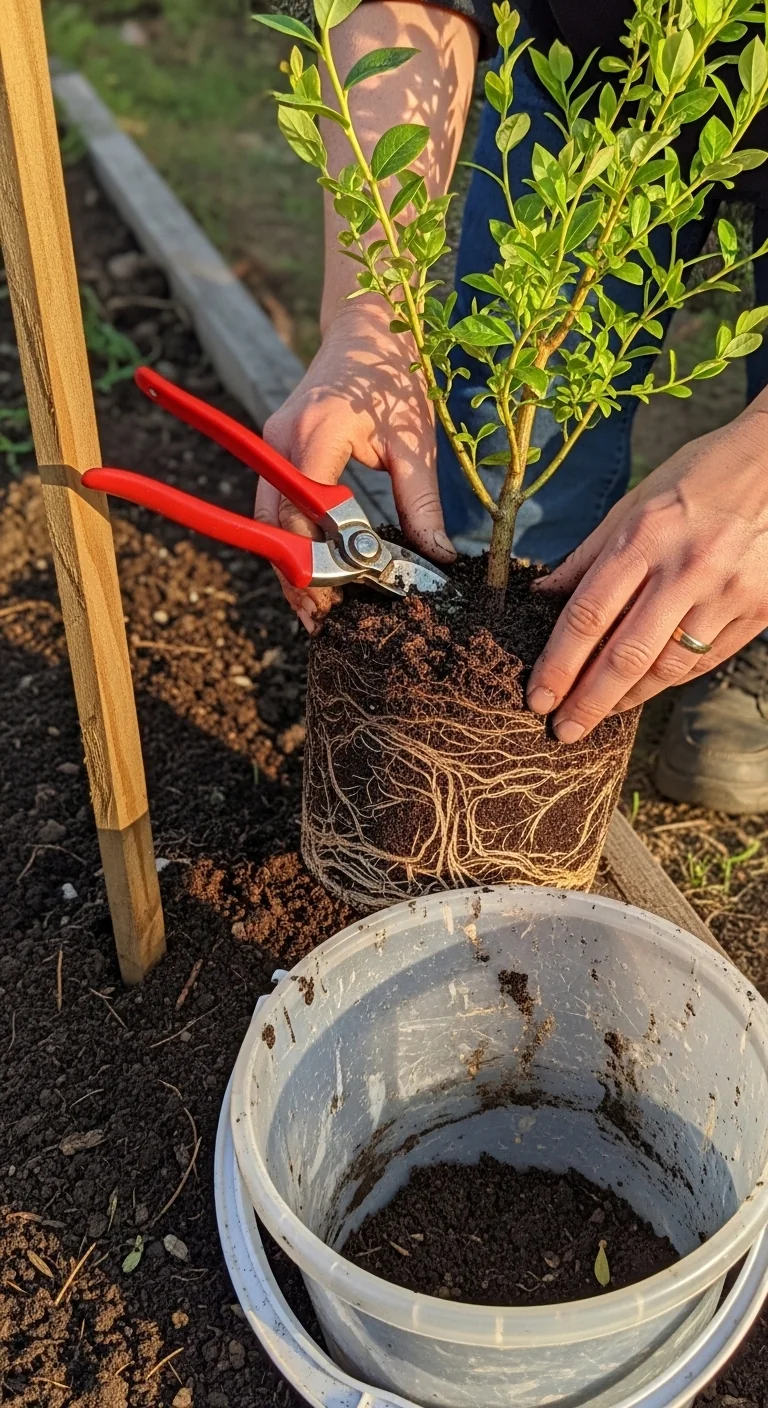
10-minute workflow. Inspect roots in late summer or early fall when growth slows. Steps: 1. Gently slide plant from current pot. 2. Check for circling roots at the edge. 3. Move to a pot 4-6 inches wider if roots fill more than 70 percent of the volume. 4. Refill with fresh acidic mix and water thoroughly. Upgrade option: Add a 2-inch layer of pine bark mulch after repotting to conserve moisture. Perform this once every 2-3 years for plants older than three seasons.
Reference the when to plant fruit trees timing window to align repotting with dormancy entry.
Consistent Watering Routine
Best for: Branch 1
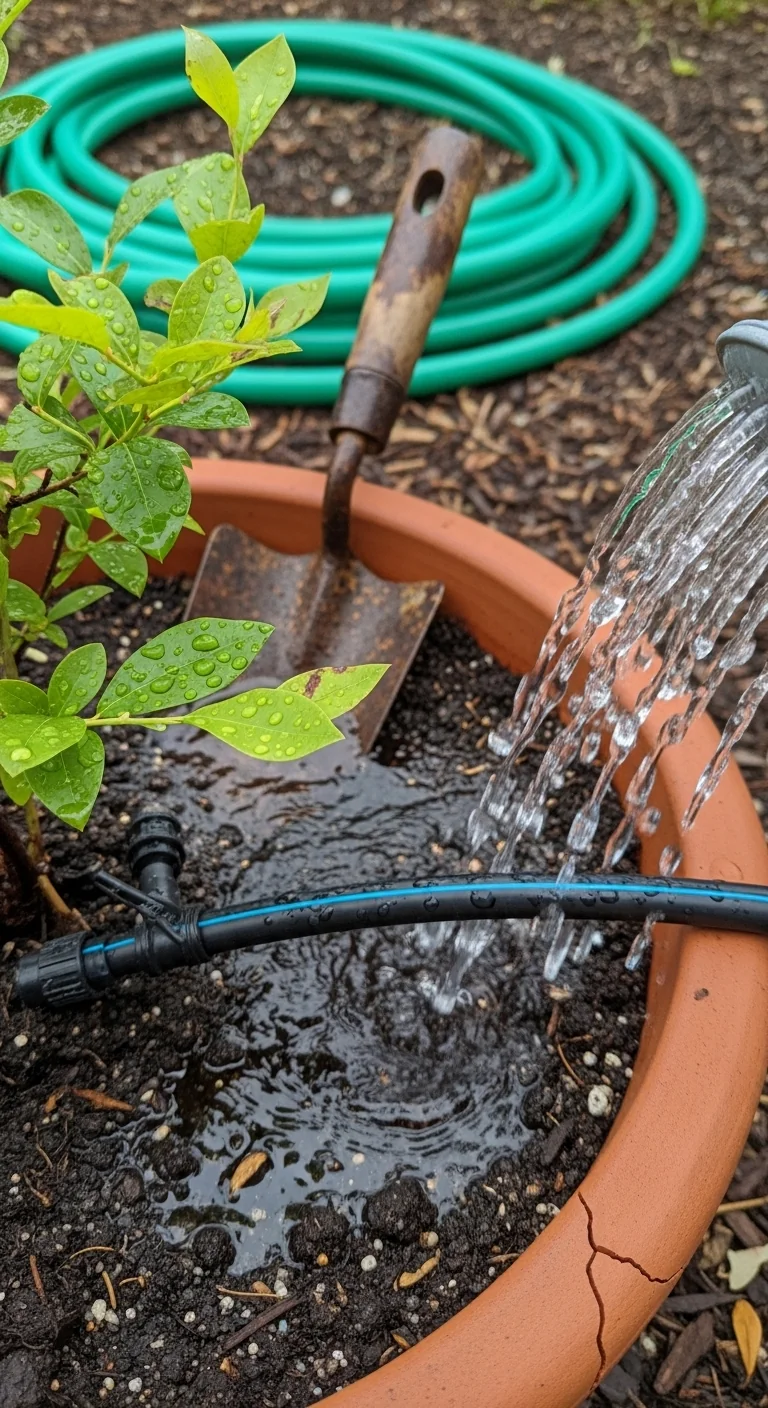
Blueprint. What: Keep the medium evenly moist but never waterlogged. For: Shallow-rooted plants that dry out faster in small volumes. Steps: Check top inch of mix daily in summer; water until it runs from drainage holes. Use collected rainwater when possible to avoid pH rise from tap water. Mistake to avoid: Allowing the surface to crust over, which blocks oxygen to feeder roots.
Acidic Fertilizer Timing
Best for: Branch 2
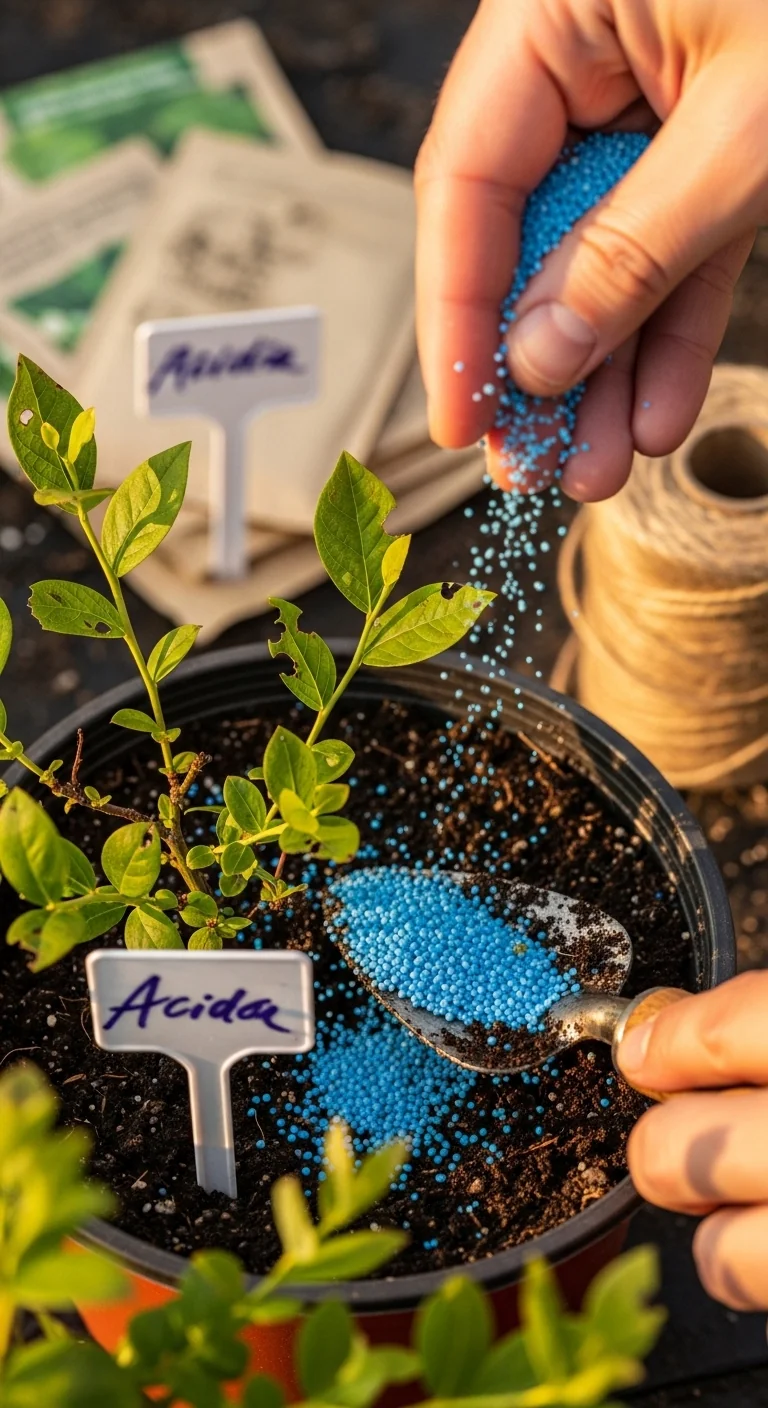
Use versus skip. Use an acid-forming fertilizer labeled for azaleas or rhododendrons applied in early spring as buds swell and again lightly in early summer after fruit set. Skip summer applications after July and all winter feeding because excess nitrogen pushes soft growth vulnerable to frost. Edge case: In mobile setups, fertilize only after pots are returned to full sun to ensure even uptake.
Align applications with the fruit tree fertilizing schedule for shared timing cues.
Container Pruning Method
Best for: Branch 3
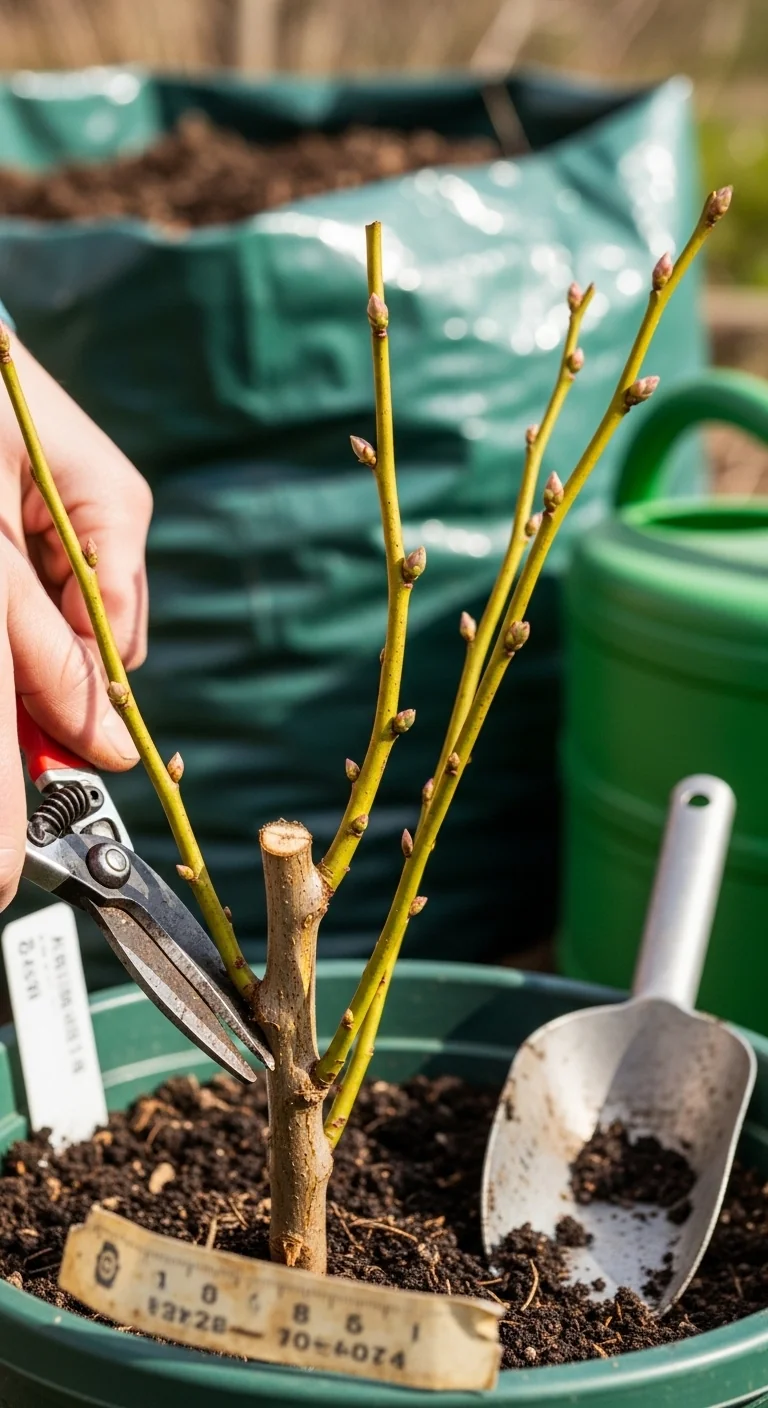
Threshold rule. Remove the oldest canes (those over three years) at the base each late winter when the plant is dormant and temperatures stay above 20°F. Keep no more than 6-8 strong upright canes on a mature plant. Thin crossing branches to maintain open airflow. This rule keeps fruiting wood young and prevents overcrowding that reduces light penetration in larger permanent pots.
Overwintering Protection
Best for: Branch 2
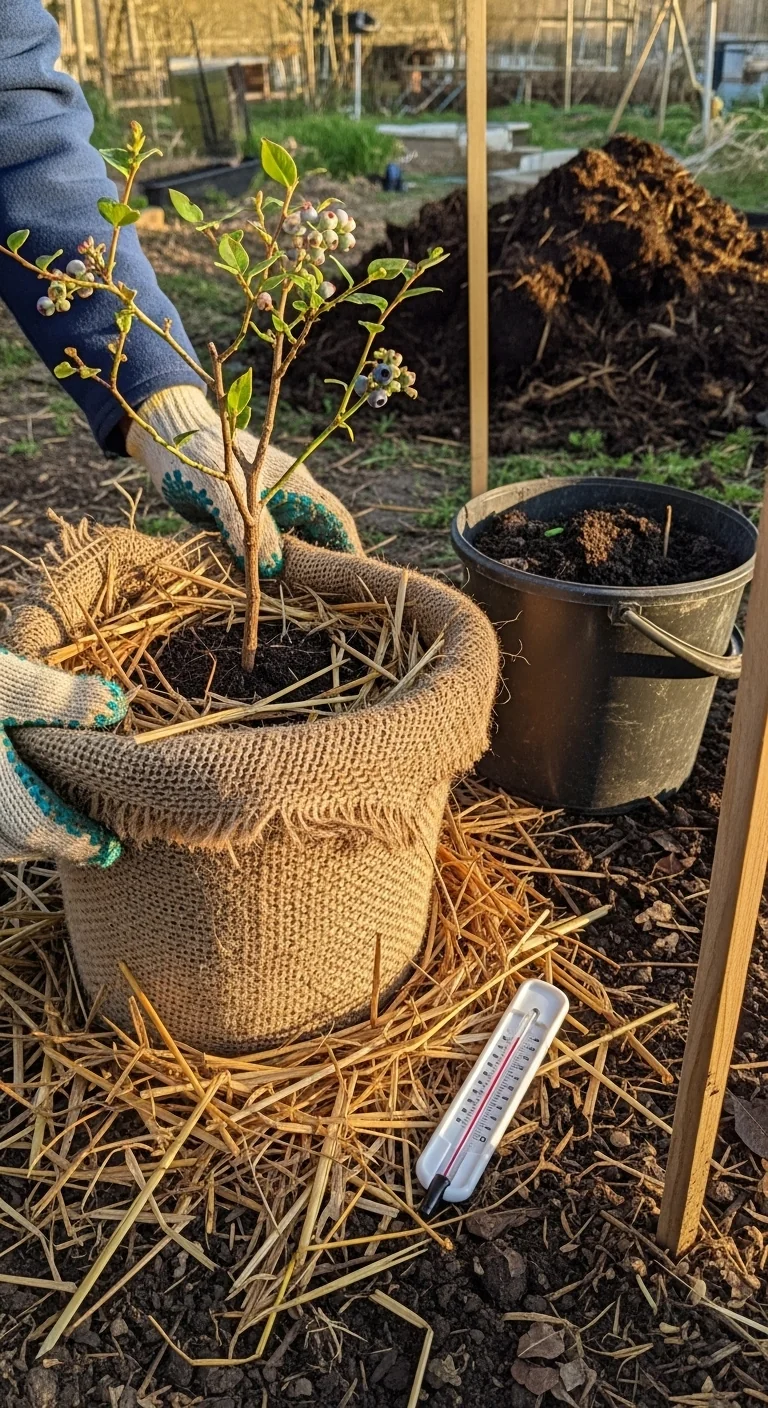
10-minute workflow. Steps: 1. In mid-fall, move pots against a south-facing wall or into an unheated garage if temperatures will drop below 20°F for extended periods. 2. Wrap the container sides with burlap or bubble wrap. 3. Add 4 inches of straw or pine bark over the soil surface. 4. Check moisture once per month. Upgrade option: For fixed large setups, mound soil or leaves around the base instead of full relocation.
Pollination and Netting Plan
Best for: Branch 3
Blueprint. What: Plant at least two different varieties that bloom at the same time to ensure cross-pollination. For: Larger permanent containers where space allows multiple pots. Steps: 1. Choose compatible bloom windows. 2. Position pots within 10 feet. 3. Apply bird netting once berries begin to color. Mistake to avoid: Relying on a single self-fertile variety alone, which still sets lighter crops without a partner.
Combine with the blueberries companion plants list for underplanting ideas that do not compete for root space.
Starter Stack (What to Choose First)
For Branch 1 Gardeners (Limited Footprint)
Start with dwarf variety selection (Item 1) plus wide shallow pot choice (Item 2). These two create the compact root zone that fits tight spaces without stunting growth. Initial cost range: 35-55 dollars per plant-pot combo. Time estimate: 20-30 minutes per setup.
For Branch 2 Gardeners (Mobile Patio Setup)
Start with acidic soil mix preparation (Item 3) plus overwintering protection (Item 8). Together they lock in pH control and root survival through seasonal moves. Initial cost range: 25-45 dollars per pot. Time estimate: 25-40 minutes per container.
For Branch 3 Gardeners (Large Permanent Containers)
Start with repotting schedule (Item 4) plus container pruning method (Item 7). These maintain long-term vigor and airflow in bigger fixed volumes. Initial cost range: 45-70 dollars per mature setup. Time estimate: 30-50 minutes per plant.
When This Won’t Work
Container blueberries fail when the pot volume stays below the variety’s minimum root requirement for two full seasons, causing stunted canes and no fruit. They also fail when daily moisture checks become impossible and the medium dries completely more than twice per week during peak summer heat.
In both cases the measurable conditions are clear: root ball filling over 80 percent of pot volume or soil moisture probe reading below 20 percent consistently. Switch to a different acid-loving berry such as the pomegranate container method, which tolerates slightly larger pH swings and lower watering frequency.
Choosing the Right Option for Your Situation
Budget Threshold
Under 40 dollars per plant-pot start: stay within Branch 1 and use Items 1 and 2 only. Over 60 dollars: move to Branch 3 for larger volumes and Items 4 and 7.
Time Threshold
Under 15 minutes per week available: choose Branch 1 and limit to Items 1, 2, and 5. Over 30 minutes per week: Branch 2 or 3 becomes viable with full routine coverage.
Technical Constraint
If you cannot test or adjust pH: remain in Branch 1 and purchase pre-mixed acidic blueberry soil rather than blending your own.
Yes/No Checklist
Do you have at least 18-inch-wide pots ready?
Can you source rainwater or acidifier for watering?
Will two compatible varieties fit your space?
Is winter relocation or insulation possible?
Expert Q&A
How many chill hours do container blueberries still require even when pots are moved indoors?
Container plants need the same chill hours as ground-grown ones. Most northern highbush types require 700 to 1,000 hours between 32°F and 45°F. Southern highbush types need 150 to 400 hours. Moving pots does not reduce this requirement; it only protects roots from extreme cold.
Can you combine blueberries with other container fruits in the same growing area?
Yes, as long as sunlight and watering needs align. Place blueberries near plants that also prefer acidic conditions and full sun. Keep each in its own pot to avoid root competition and allow separate pH management.
What happens if tap water raises pH over time in containers?
Gradual pH rise above 5.5 locks up iron and causes yellowing leaves. Counter it by using rainwater, adding sulfur pellets once per year, or applying liquid acidifier every four to six weeks during the growing season.
Do container blueberries need different pruning than in-ground bushes?
The technique is identical, but containers make annual cane removal easier because the plant stays at eye level. Focus on removing the thickest, oldest canes at soil level each dormant season to renew fruiting wood.
How do you prevent salt buildup in pots from repeated fertilizing?
Flush the container thoroughly with plain water every fourth watering. This leaches accumulated salts from fertilizer while keeping the acidic balance intact.
Conclusion
The single most effective decision is matching pot volume to the chosen variety’s root habit and your chill hours before any soil or fertilizer touches the container. The number-one mistake is filling pots with standard garden mix without verifying the 4.5 to 5.5 pH range.
Next step: review the currants and gooseberries guide to expand your acid-soil berry collection using the same container principles.
“`