
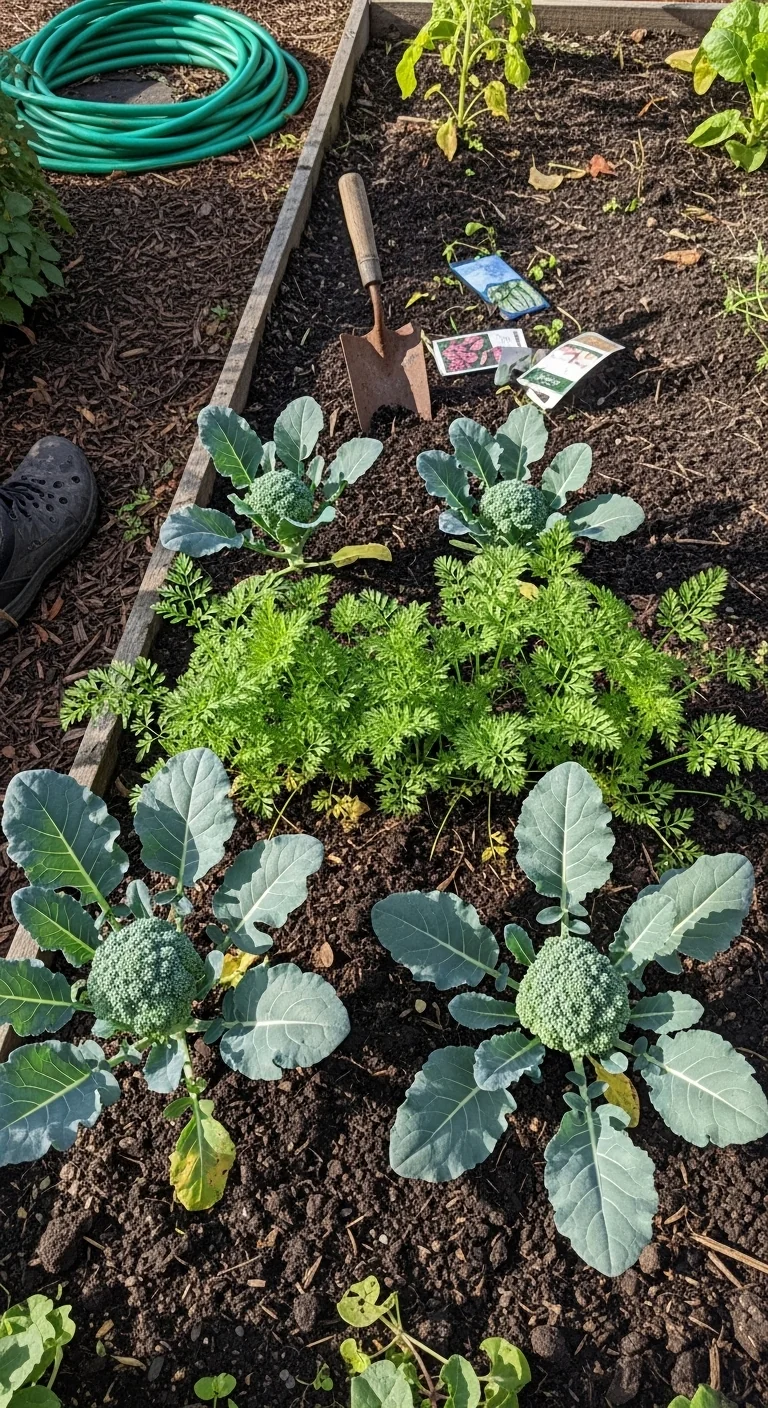
Most fall vegetable garden guides list the same cool-season crops without tying them to your exact first frost date or current soil temperature. This reframes the entire process around measurable conditions so you select only crops guaranteed to mature in your window.
The scope covers nine core options suited to northern hemisphere fall planting from late summer into early autumn. It excludes warm-season holdovers such as tomatoes or peppers and any tropical crops. Focus stays on direct-sow seeds, transplants, and basic protection techniques that align with USDA zones common in the US, UK, Canada, Australia, New Zealand, and Ireland.
By the end you will know which three crops fit your space and timeline, the precise planting window, and the minimal protection needed. You can decide between quick greens for immediate harvests or slower roots for storage crops.
Match your local frost-free days and soil temperature at planting depth to the right crop from the grid below and skip the generic lists.
The Yield Grid Decision Grid
Branch 1: You have 10 or more weeks until your first expected hard frost and soil temperature at 4-inch depth is 50 degrees F or higher. This supports slower-maturing brassicas and root crops that need longer development. Recommended: Broccoli, Carrots, Beets below.
Branch 2: You have 6 to 9 weeks until first frost or soil temperature sits between 40 and 50 degrees F. This range favors quick-maturing leafy greens and hardy foliage. Recommended: Kale, Lettuce, Swiss Chard below.
Branch 3: You have fewer than 6 weeks until first frost or you plan to extend the season with protection into winter. This favors fast-maturing or very cold-tolerant options that can handle short windows or overwintering. Recommended: Spinach, Radishes, Garlic below.
Use our vegetable planting calendar to confirm your local frost dates and current soil temperature before choosing.
Quick Comparison Table
| Option | Key mechanism | Best for | Decision Grid Branch | Effort Score |
|---|---|---|---|---|
| Broccoli | Cool temperatures sweeten flavor and side shoots continue production after main head removal | Long season areas needing extended harvests | Branch 1 | 3 |
| Kale | Frost improves leaf sweetness through sugar concentration | Medium windows with repeated cutting | Branch 2 | 2 |
| Spinach | Germinates in cool soil and tolerates light freezes for overwinter potential | Short windows or protected extension | Branch 3 | 2 |
| Carrots | Root development accelerates once soil cools below 70 degrees F | Long season storage crops | Branch 1 | 2 |
| Radishes | Fast germination and maturation even in cooling soil | Very short windows needing quick results | Branch 3 | 1 |
| Lettuce | Succession sowing every 10 days maintains steady supply | Medium windows focused on continuous leaf harvest | Branch 2 | 3 |
| Beets | Dual harvest of roots and greens from same planting | Long season areas wanting both edible parts | Branch 1 | 2 |
| Garlic | Planted in fall for spring harvest after natural vernalization | Overwintering with minimal summer care | Branch 3 | 1 |
| Swiss Chard | Regrows from cut stems through multiple light frosts | Medium windows with repeated harvests | Branch 2 | 2 |
Broccoli
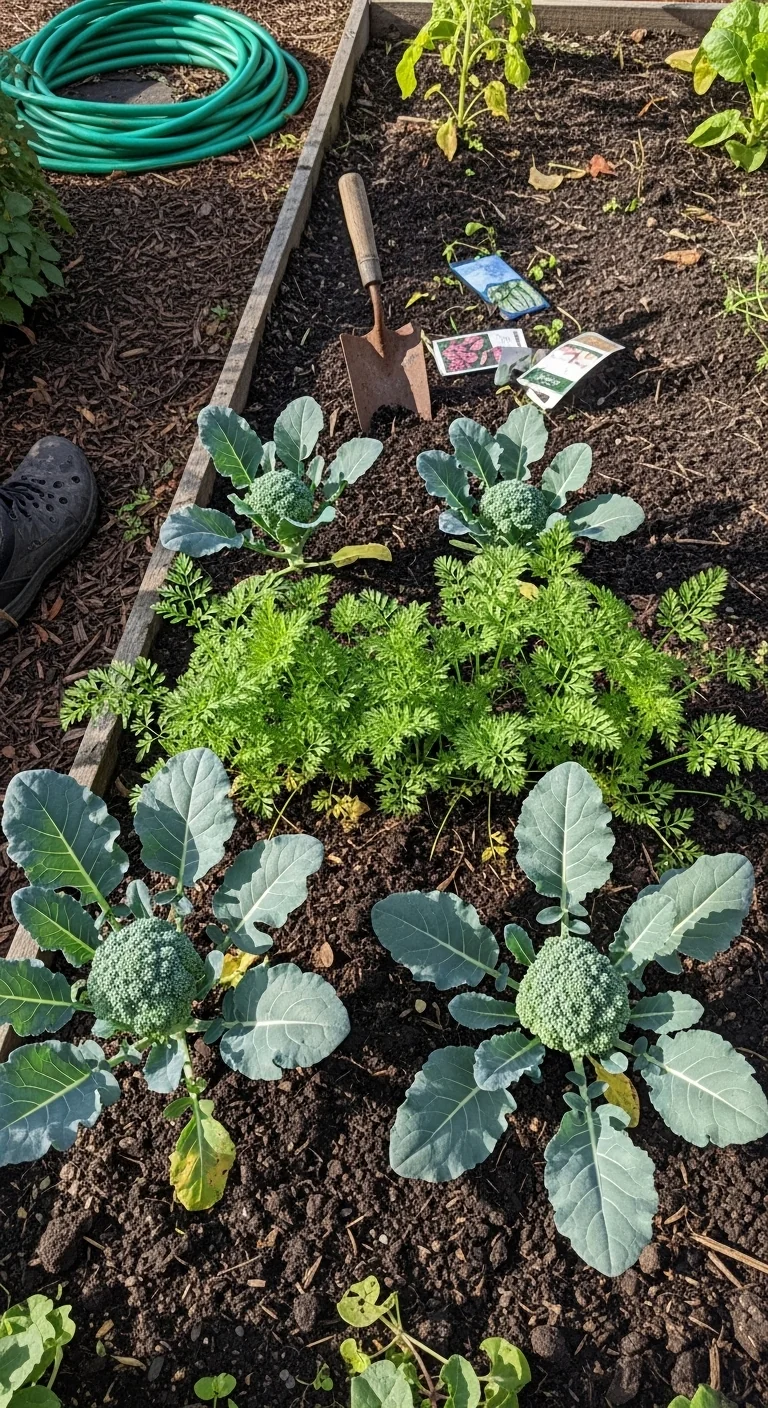
Best for: Branch 1
Broccoli fits fall vegetable gardens when you have at least 10 weeks until first hard frost. Start with transplants set out 10 to 12 weeks before frost at soil temperatures of 50 degrees F or higher. Space plants 18 inches apart in rows 36 inches wide. The key mechanism is that cool nights below 70 degrees F trigger sweeter flavor and encourage side-shoot production once the central head is cut at 6 to 8 inches diameter. Common mistake is setting out too late so heads form after frost arrives. Apply a balanced organic fertilizer at planting and again at 4 weeks. Mulch lightly to hold soil moisture without covering crowns. Harvest main heads before flowers open and continue cutting side shoots every 7 to 10 days until hard freeze. This approach turns one planting into multiple meals across 4 to 6 weeks. (172 words)
Kale
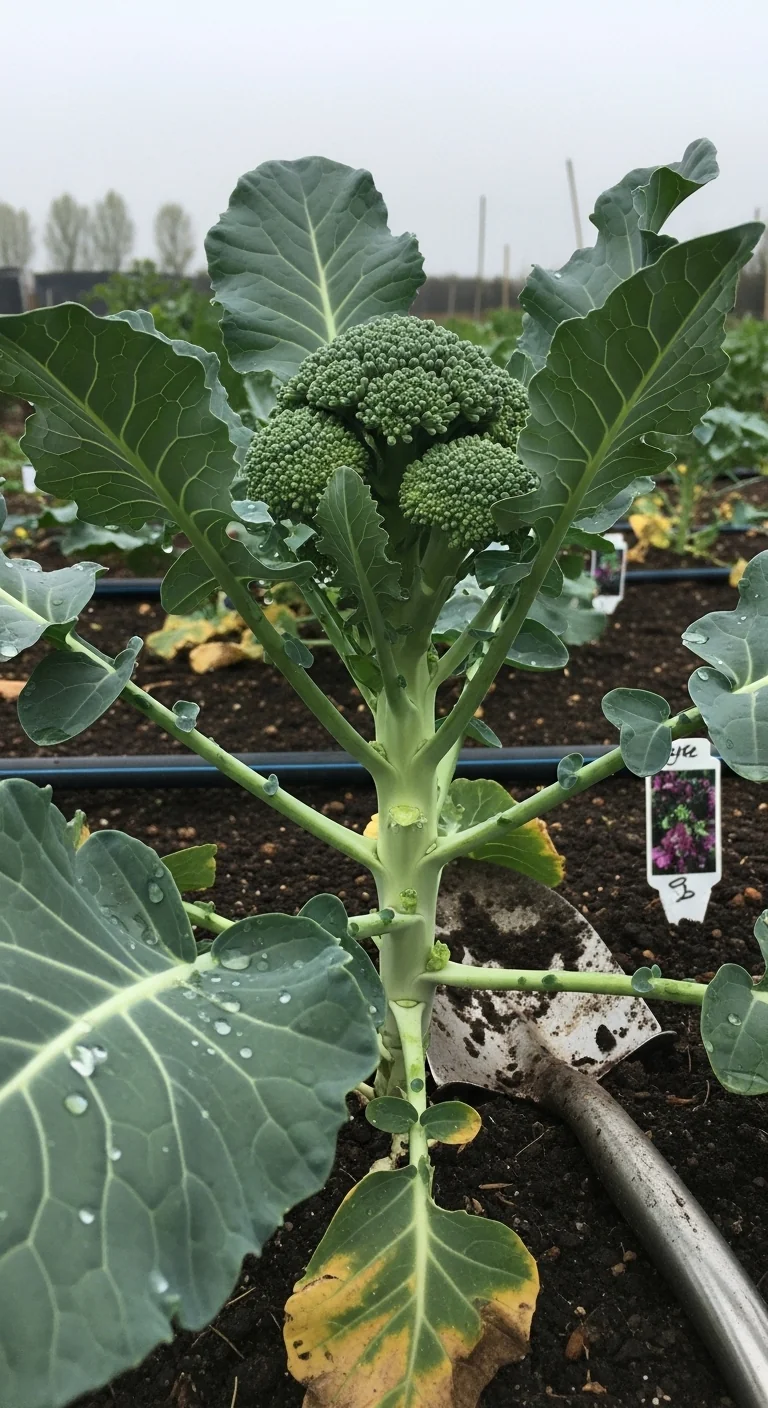
Best for: Branch 2
Use kale when your fall vegetable garden has a medium frost window and you want repeated harvests without transplants. Direct sow seeds one-half inch deep every 2 weeks starting 6 to 9 weeks before frost. Skip it only if soil temperature stays above 75 degrees F for the first 3 weeks after sowing because germination drops sharply and bolting risk rises. Edge case: in zones with frequent light frosts below 28 degrees F, leaves sweeten dramatically yet remain harvestable until temperatures hit 20 degrees F. (68 words)
Spinach
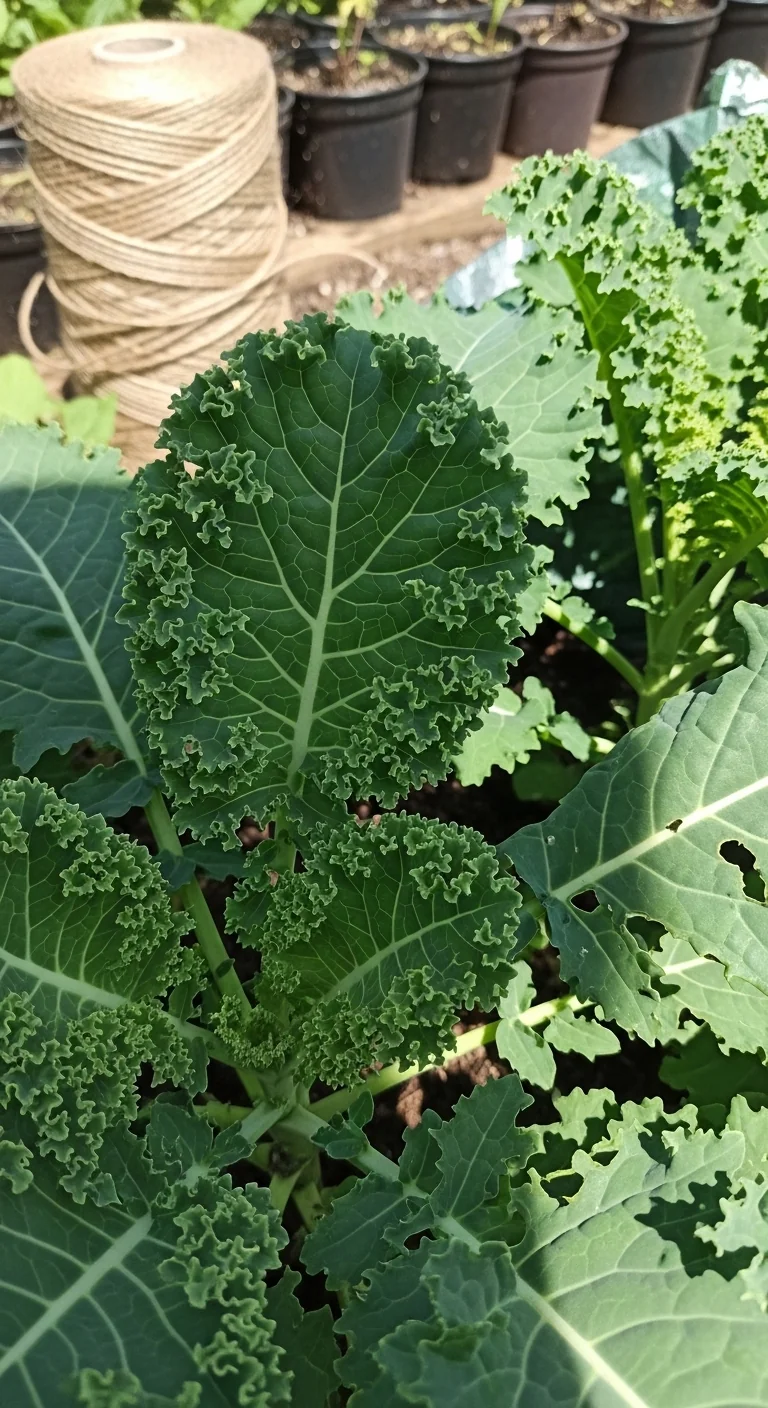
Best for: Branch 3
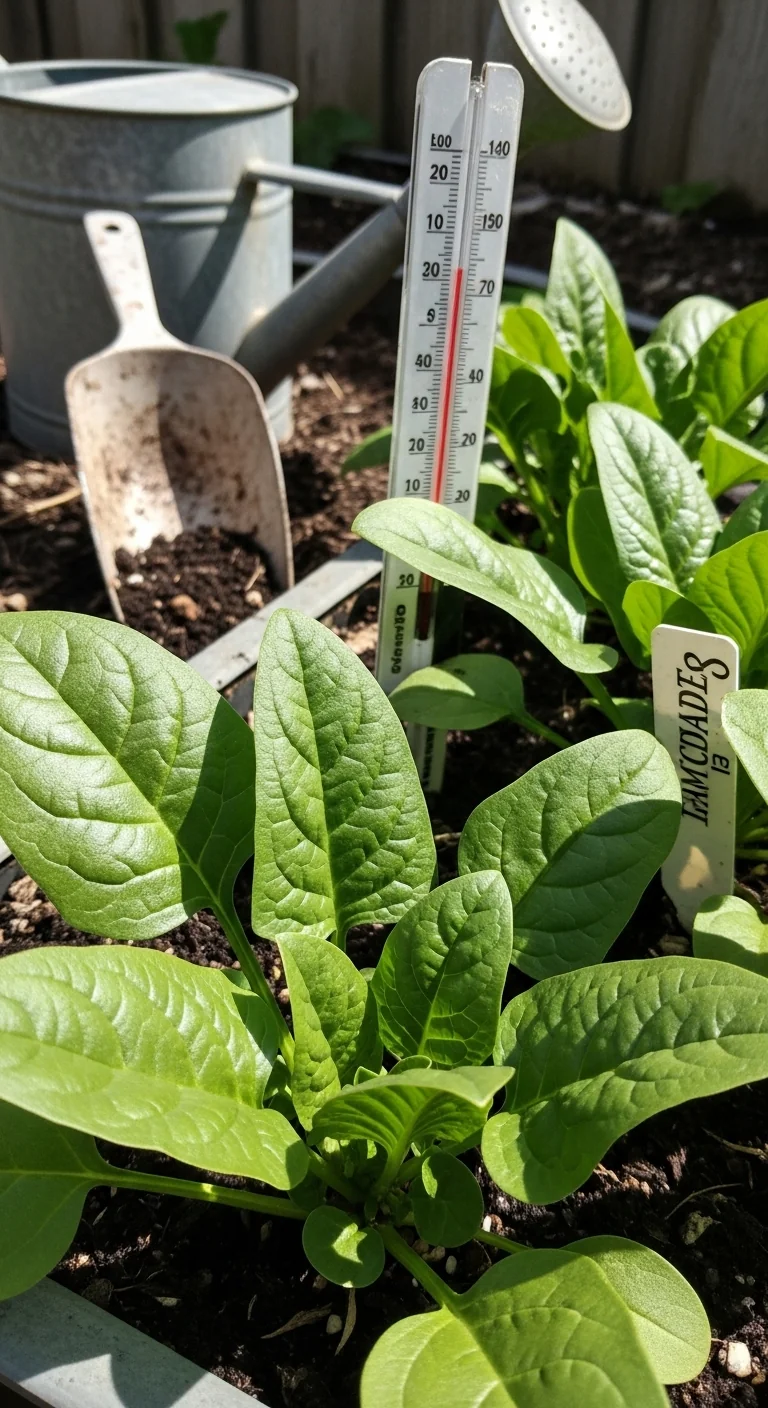
Spinach succeeds in fall vegetable gardens under short frost windows or with simple protection. Direct sow seeds one-quarter inch deep in soil at 40 degrees F or higher. The threshold rule is that germination occurs reliably between 35 and 75 degrees F but slows below 40 degrees F. Adjust spacing to 3 inches apart for baby leaves or 6 inches for mature plants. Succession sow every 10 days until 4 weeks before frost. In areas with winter lows above 20 degrees F, a single layer of row cover extends harvests into December. This crop tolerates light freezes better than most greens and provides vitamin-rich leaves when other options slow down. (118 words)
Carrots
Best for: Branch 1
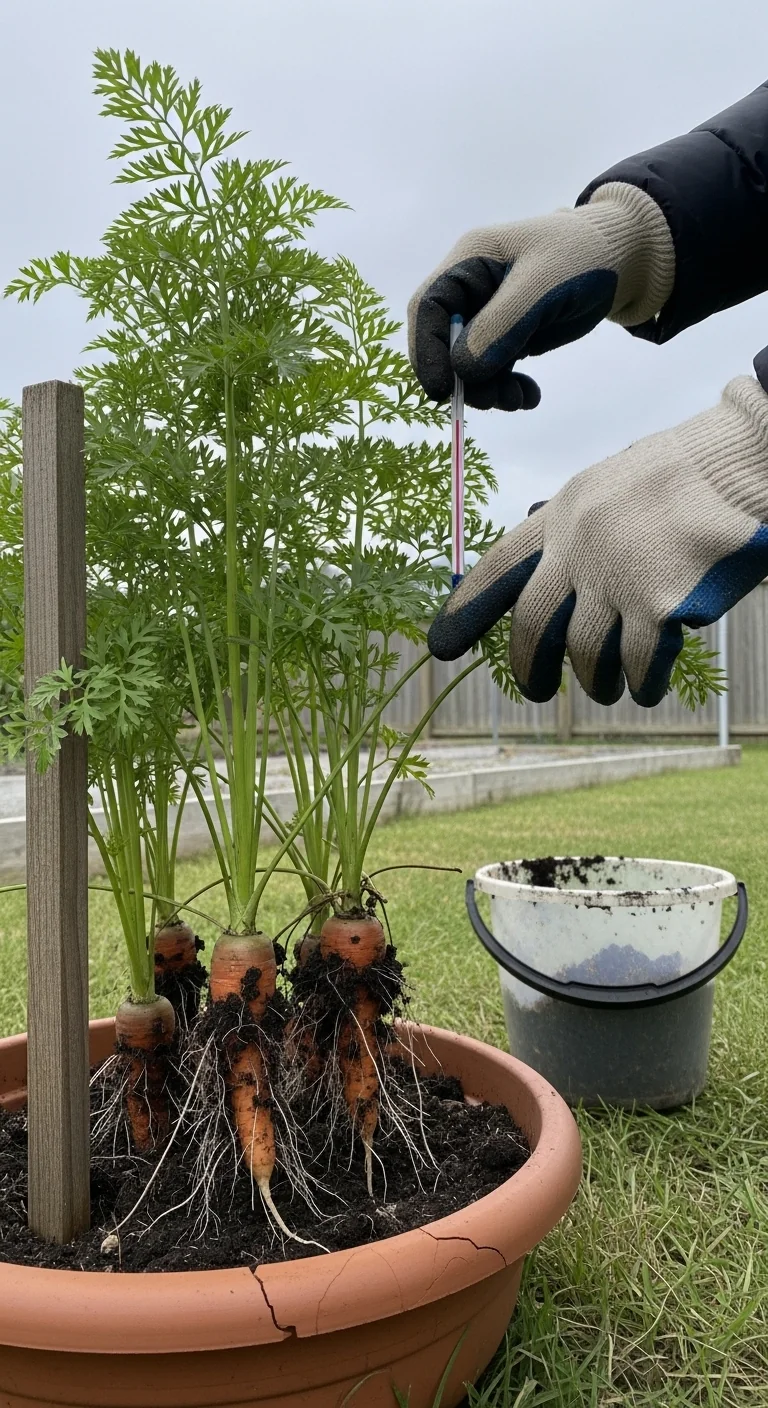
Carrots deliver in fall vegetable gardens with a long frost window because root bulking accelerates once soil cools. Follow this 10-minute workflow: loosen soil to 10 inches deep, remove rocks, and create rows 12 inches apart. Sow seeds one-quarter inch deep and cover lightly. Thin to 2 inches apart at 3 weeks. Upgrade option is to use pelleted seeds for even spacing and reduced thinning time. Water consistently to keep soil moist but not waterlogged. Harvest when roots reach 1 inch diameter or leave in ground under mulch until needed. The cool-soil mechanism prevents woody cores that develop in summer heat. (162 words)
Radishes
Best for: Branch 3
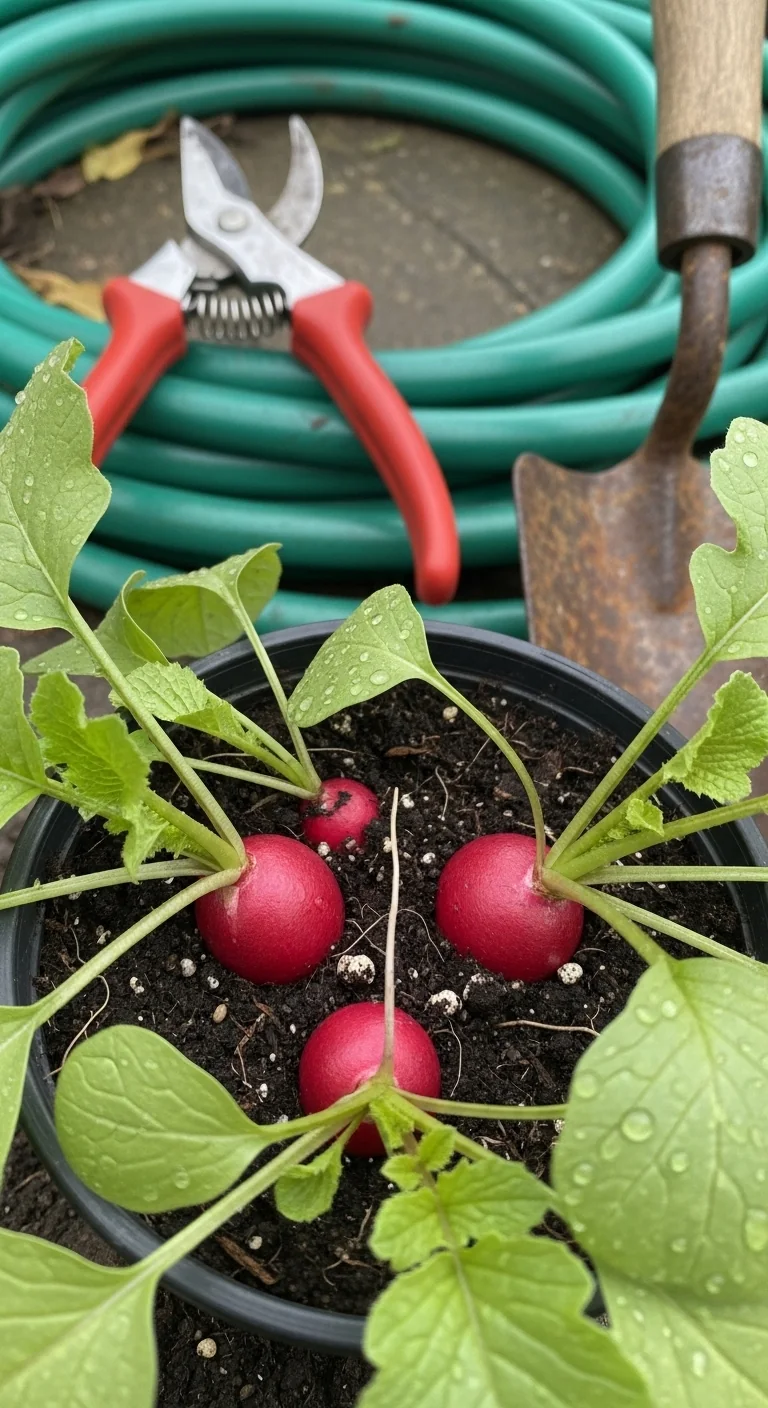
Radishes suit short fall vegetable garden windows because they mature in 25 to 30 days from sowing. Direct sow in soil 40 degrees F or higher and skip only if you need storage crops instead of quick crunch. Pros include fast turnaround and pest resistance in cool weather. Cons appear if days exceed 70 degrees F consistently, causing pithy texture. Edge case: in mild winter areas, plant a second round under row cover for harvests into early winter. (62 words)
Lettuce
Best for: Branch 2
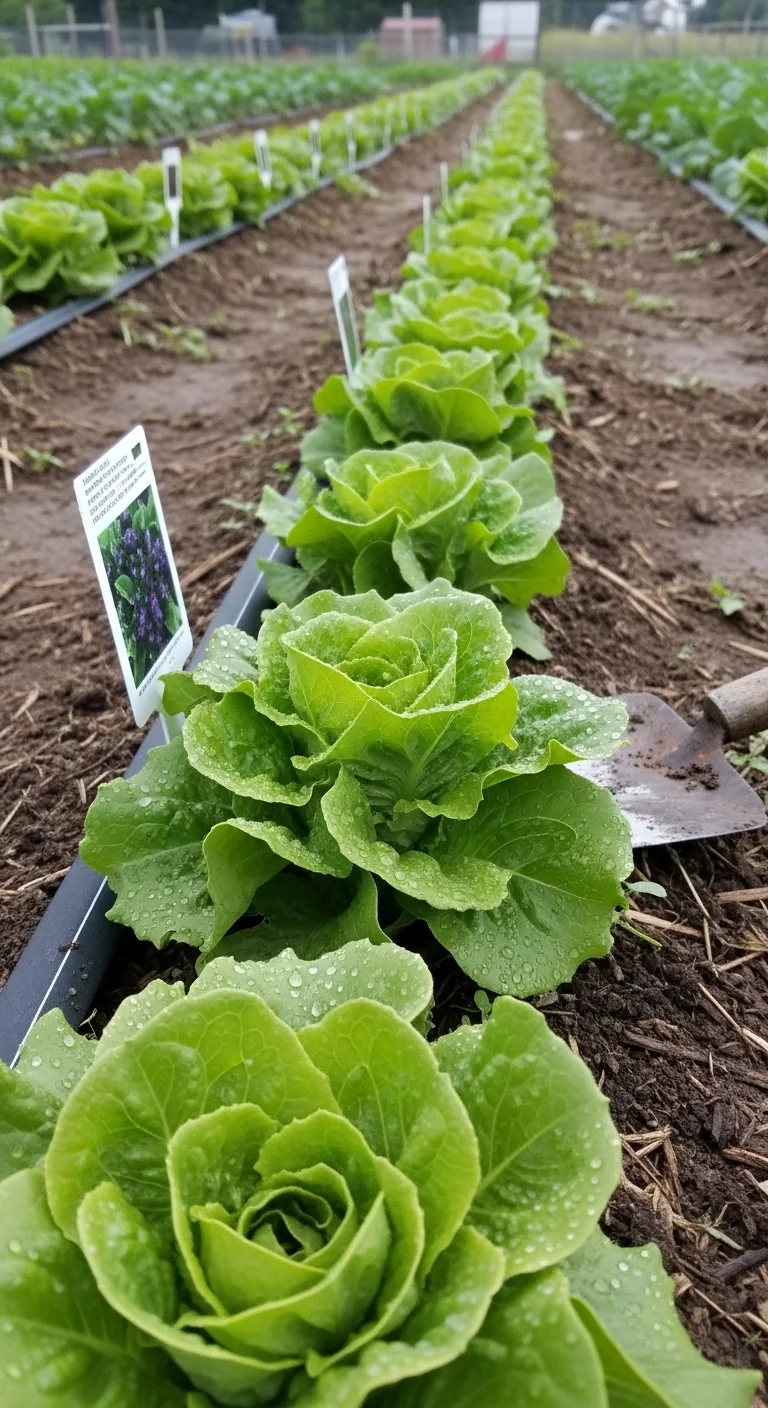
Lettuce works for medium frost windows when you succession sow every 10 days. Use vs skip decision: plant it when you want continuous salad greens but skip if space is under 4 square feet because each sowing needs its own row. Pros are bolt resistance in cool weather and multiple cut-and-come-again harvests. Cons include potential slug pressure in wet falls. Edge case: loose-leaf types tolerate light frost down to 28 degrees F while crisphead types stop at 32 degrees F. (97 words)
Beets
Best for: Branch 1
Beets provide dual harvest value in fall vegetable gardens with long frost windows. Direct sow seeds one inch deep and 3 inches apart in rows 12 inches wide once soil reaches 50 degrees F. Thin to 4 inches at the two-leaf stage. The threshold rule is that roots develop best between 50 and 85 degrees F soil temperature. Adjust by adding a light mulch layer if daytime highs exceed 80 degrees F for more than 5 days. Harvest greens at 4 inches tall for salads and roots at 2 to 3 inches diameter for storage. Companion planting with onions improves flavor and deters pests. See our full growing beets guide for variety selection. (148 words)
Garlic
Best for: Branch 3
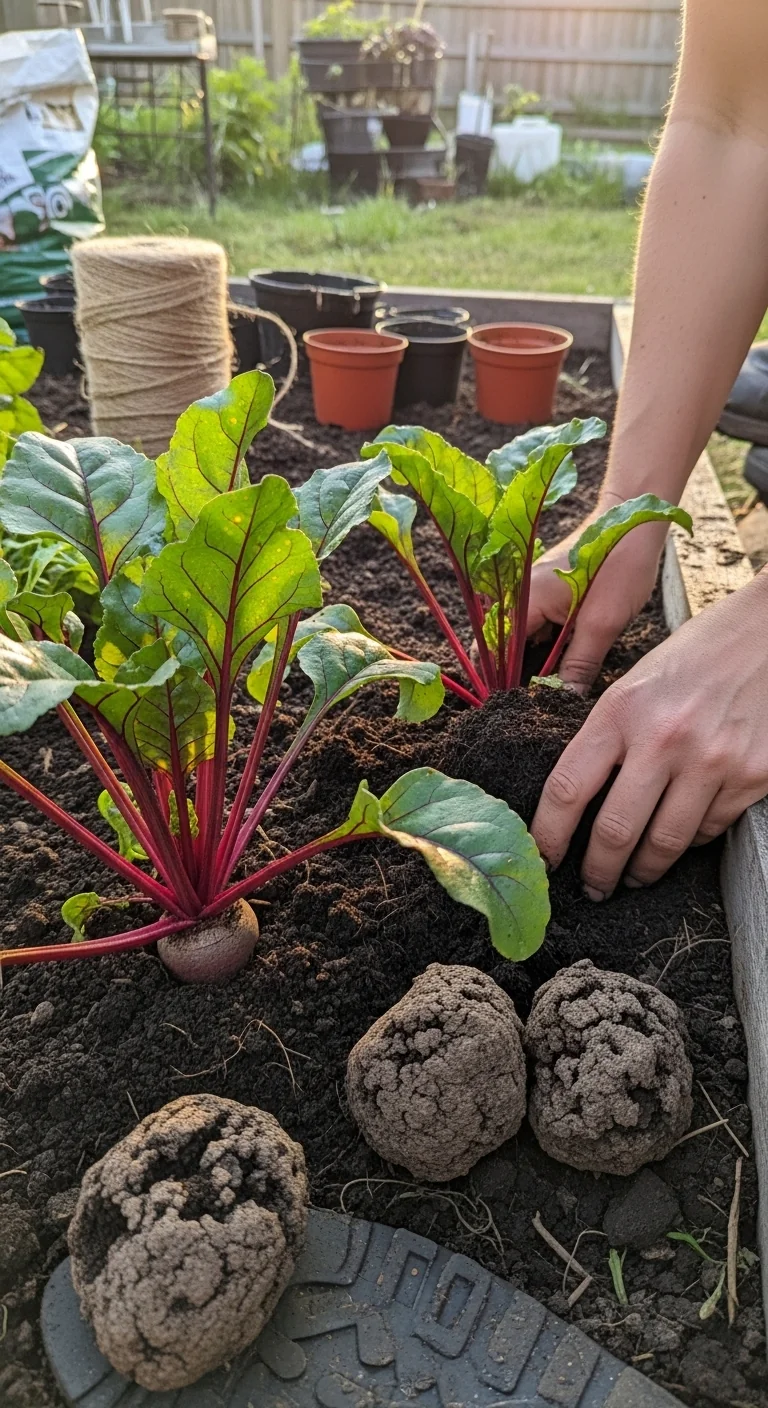
Garlic fits fall vegetable gardens planned for overwintering with almost no summer effort. Plant individual cloves pointy end up 2 to 4 inches deep and 6 inches apart once soil temperature drops to 50 to 60 degrees F in autumn. Use vs skip: plant it when you want low-maintenance storage bulbs but skip if your area experiences repeated freeze-thaw cycles without mulch because cloves can heave out of soil. Edge case: in zones 8 and warmer, choose hardneck varieties and apply 4 inches of mulch to simulate colder vernalization. (71 words)
Swiss Chard
Best for: Branch 2
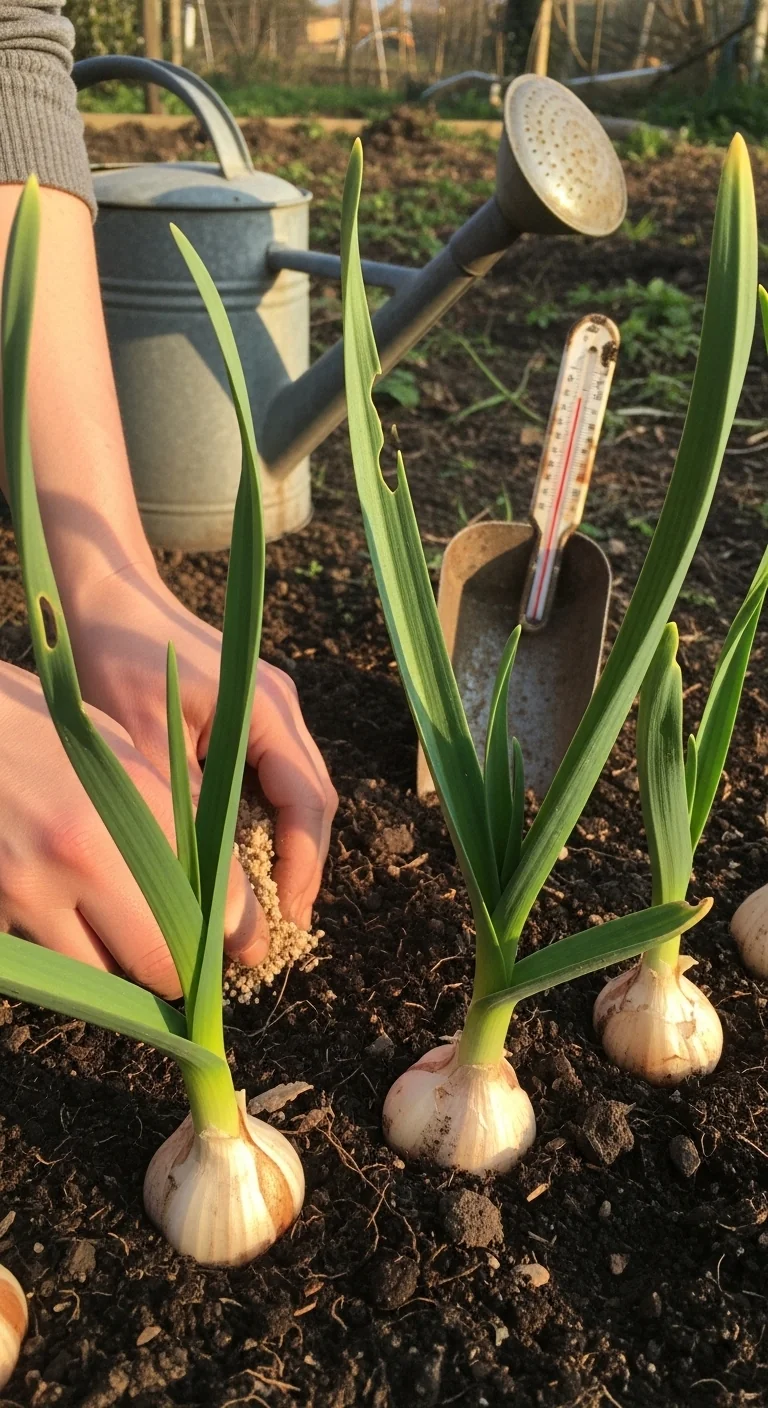
Swiss chard thrives in medium frost windows because stems regrow after cutting. Direct sow seeds one-half inch deep or set transplants 6 weeks before frost. The key mechanism is continuous leaf production from the crown even after multiple light frosts down to 25 degrees F. Succession sow every 3 weeks for steady supply. Harvest outer leaves at 8 inches tall leaving the center intact. This crop tolerates partial shade better than most fall options and provides both colorful stems and greens for months. (102 words)
Starter Stack (What to Choose First)
For Branch 1 (10+ weeks and soil 50 degrees F or higher)
Start with broccoli and carrots. The synergy comes from broccoli occupying vertical space while carrots fill lower levels without competing for light. Estimated cost for seeds or transplants ranges from 8 to 20 dollars. Planting time runs 45 to 90 minutes for a 4 by 8 foot bed.
For Branch 2 (6 to 9 weeks or soil 40 to 50 degrees F)
Start with kale and Swiss chard. The synergy comes from both offering repeated leaf harvests from the same plants with minimal replanting. Estimated cost for seeds ranges from 6 to 15 dollars. Planting time runs 30 to 60 minutes for a 4 by 8 foot bed.
For Branch 3 (under 6 weeks or winter extension)
Start with spinach and garlic. The synergy comes from spinach delivering quick greens while garlic overwinters for next-season bulbs with zero overlap in harvest timing. Estimated cost for seeds and cloves ranges from 7 to 18 dollars. Planting time runs 35 to 70 minutes for a 4 by 8 foot bed.
When This Won’t Work
Fall vegetable gardens fail when soil temperature at planting depth stays below 40 degrees F for more than 7 consecutive days after sowing. Most cool-season seeds either fail to germinate or emerge so slowly that weeds overtake them. Switch to transplants started indoors or purchase hardened seedlings from a local nursery and plant immediately after soil warms.
They also fail when the first hard frost arrives more than 2 weeks earlier than your calculated window without any frost protection. Tender leafy crops suffer cell damage and stop producing. Switch to hardier options from Branch 3 or install simple row covers at the first forecast of 28 degrees F or lower. For season extension techniques see our winter vegetable gardening guide.
Choosing the Right Option for Your Situation
Budget threshold
If your total seed and supply budget stays under 15 dollars, prioritize direct-sow options such as radishes, kale, or spinach. These require no transplants and use basic row covers only when frost threatens.
Time threshold
If you have under 1 hour total for planting and initial setup, choose radishes or garlic because they need only one sowing session and almost no follow-up until harvest.
Technical constraint
If soil pH measures outside the 6.0 to 7.0 range, adjust with lime for brassicas or sulfur for roots before planting. Test at least 4 weeks ahead to allow amendments to stabilize.
Yes/No checklist:
– Does your frost-free window match at least one decision grid branch?
– Is soil temperature at planting depth 40 degrees F or higher?
– Do you have space for the recommended spacing of your top two crops?
– Can you apply light mulch within 48 hours of planting?
Expert Q&A
How does fall planting timing change common pest pressure versus spring?
Fall planting lowers pressure from many insects because cooler temperatures slow aphid and cabbage worm reproduction. Flea beetles stay active only until soil cools below 50 degrees F. Scout brassicas closely in the first 3 weeks after planting and use floating row covers from day one to block egg laying. (52 words)
Can succession sowing still work in a fall vegetable garden?
Succession sowing works when you stagger plantings every 10 to 14 days until 4 weeks before first frost. Limit each sowing to one-third of your space so later rounds fit before cold halts growth. This keeps harvests rolling even as days shorten. (48 words)
What role does mulching play differently in fall versus summer gardens?
Mulching in fall prevents soil temperature swings that cause heaving in root crops. Apply 2 to 3 inches of straw or shredded leaves after seedlings reach 4 inches tall. It also suppresses winter annual weeds that germinate when air cools. (51 words)
Do container fall vegetable gardens need different soil mixes than in-ground beds?
Containers need a 50-50 blend of compost and potting mix with added perlite for drainage. This prevents compaction during repeated watering in cooler weather. Elevate pots on bricks to avoid freezing from ground contact in zones below 7. (49 words)
How do companion plants improve fall vegetable garden success?
Plant onions or garlic near beets and carrots to deter carrot rust fly through scent masking. Pair kale with Swiss chard because their differing heights allow better airflow and reduce fungal risk in damp autumn air. (47 words)
Conclusion
The core decision in any fall vegetable garden comes down to aligning your measured frost-free days and soil temperature with the right maturity window from the grid. The number one mistake is planting without first checking your local first frost date and current soil temperature at depth.
Take the next step and review our low maintenance vegetable garden guide to expand your fall setup with minimal extra work.